








How to Choose Smart Glasses for Different Face Shapes
Choosing smart glasses used to mean comparing camera specs and speaker volume. Those things still matter — but they are not what makes a pair of smart glasses worth wearing every day.
Fit is. A frame that pinches behind the ears, slides down your nose, or throws off the camera angle ends up in a drawer, no matter how good its features are.
Face shape is the single biggest factor in getting that fit right, and it matters more for smart eyewear than for ordinary glasses. Smart glasses hide a camera, speakers, a battery and touch controls inside the frame, so the frame is doing two jobs at once: holding the hardware and sitting properly on your face.
This smart eyewear guide covers everything you need to make the right call: how to identify your face shape (with both a 30-second method and precise measurements), which frame styles balance each of the six main face shapes, how to read frame size numbers, how to test glasses fitting before you commit, how to choose lenses, and which Osawalla model suits each type of wearer.
If you are still at the stage of wondering what smart glasses actually do, start there first and come back — this guide assumes you are ready to choose.
 1. Why Face Shape Matters More With Smart Glasses
Traditional glasses are mostly lenses and a frame. Smart glasses add a second layer of engineering: a camera module, two speakers, a microphone array, a battery and touch sensors all have to fit inside the temples and the front frame.
That hardware has three practical consequences for fit.
Weight distribution changes. Ordinary acetate frames weigh roughly the same front to back. Smart glasses do not — the battery and electronics sit in the temples. A frame that is too narrow or too short for your face cannot spread that weight properly, and the pressure lands on the nose pads or behind the ears.
Camera alignment depends on fit. The camera is fixed to the frame, not to your eye. If the frame slips down your nose or sits crooked, every photo and video inherits that tilt. A frame matched to your face width and bridge stays level.
Small frames get crowded. A narrow front leaves less structural room for the electronics, which is why some smart glasses look noticeably chunkier on smaller faces than on larger ones.
A properly fitted smart glasses frame does all of the following:
· Distributes weight evenly between the nose bridge and the temples
· Keeps the camera level with your eyeline
· Avoids pressure behind the ears during long wear
· Keeps the lenses centred over your pupils
· Looks natural rather than oversized or undersized
Matching a frame to your face is not about measurements alone — it is about choosing a shape that works with your natural features. If you want to understand what the hardware is doing inside the frame first, read our breakdown of how smart glasses work inside the frame.
2. How to Identify Your Face Shape (Two Methods)
Method A: The 30-second mirror check
You do not need a mirror and a bar of soap, though that classic method works. Use this three-step approach instead.
Step 1 — Clear your face. Tie your hair back and take off your current glasses. Stand about 60 cm (2 feet) from a mirror in even, front-facing light, or take a selfie at arm's length with a neutral expression and no smile.
Step 2 — Compare four widths. Looking straight ahead, compare:
· Forehead width at the temples
· Cheekbone width at the widest point
· Jaw width at the corners
· Overall face length from hairline to chin
Step 3 — Read the pattern.
· Cheekbones widest, length and width similar, soft jawline → round
· Cheekbones widest, face noticeably longer than wide → oval
· Forehead, cheekbones and jaw all roughly equal width, strong jaw → square
· Forehead widest, tapering to a narrow chin → heart
· Length clearly greater than width, straighter cheek lines → long
· Cheekbones clearly widest, narrow forehead and narrow, pointed chin → diamond
 Method B: The measurement check (more precise)
If the mirror check leaves you between two shapes, measure. Use a soft tape measure and write down four numbers:
1. Forehead width — temple to temple, at the widest point
2. Cheekbone width — across the highest point of both cheekbones
3. Jaw width — from the corner of the jaw below one ear to the other (double the jaw-to-chin-centre distance if easier)
4. Face length — hairline centre to chin tip
Then compare ratios:
· Length ÷ cheekbone width ≈ 1.0 → round (or square, if the jaw is angular)
· Length ÷ cheekbone width ≈ 1.3-1.5 → oval
· All three widths within ~2 cm of each other + sharp jaw → square
· Forehead is the largest number by a clear margin → heart
· Length ÷ cheekbone width > 1.5 → long
· Cheekbone width clearly the largest, forehead and jaw both narrow → diamond
Most people sit between two categories. If that is you, follow the guidance for the dominant shape and treat the second one as a modifier — it usually affects how wide you should go, not which shape you should choose. For a broader buying framework, see our guide on how to choose the right smart glasses.
3. Face Shape and Frame Style: Quick Reference
|
Face shape |
Key trait |
Frame styles that work |
Frame styles to avoid |
Osawalla pick |
|
Round |
Soft curves; width and length similar |
Rectangular, square, slightly angular, wider fronts |
Small round frames, heavy curves |
|
|
Oval |
Balanced; slightly longer than wide |
Rectangle, classic square, sport-inspired |
Very wide fronts |
|
|
Square |
Strong jaw; forehead and jaw equal width |
Rounded rectangle, softly curved, medium width |
Sharp geometric, oversized square |
|
|
Heart |
Wide forehead; narrow chin |
Medium width, thin rims, low-profile, slightly rounded |
Top-heavy, very wide tops |
|
|
Long |
Length clearly greater than width |
Larger lenses, deeper lens area, wider fronts, bolder rims |
Very narrow or shallow frames |
|
|
Diamond |
Wide cheekbones; narrow forehead and chin |
Rounded rectangle, oval, light or half-rim builds |
Narrow frames, very heavy angular tops |
 4. The Six Face Shapes in Detail
4.1 Round Face Shape
How to tell: Forehead, cheekbones and jaw are close in width, the face is roughly as long as it is wide, and the jawline curves without sharp angles.
The goal: Add definition. Angular lines create contrast against soft curves and make the face read as slightly longer.
Frame styles that work
· Rectangular frames
· Square frames with defined corners
· Slightly angular or browline designs
· Frames whose front is a little wider than the cheekbones
Frame styles to avoid
· Small, perfectly round frames — they echo the roundness of the face
· Very curved or oval shapes
· Frames narrower than your cheekbones
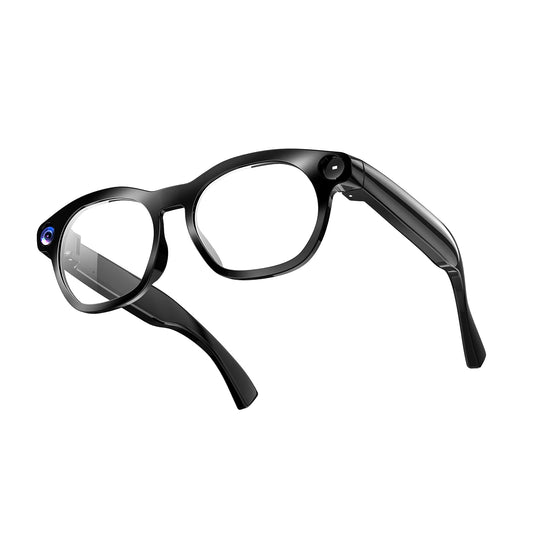
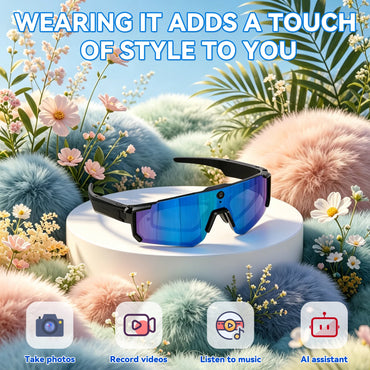
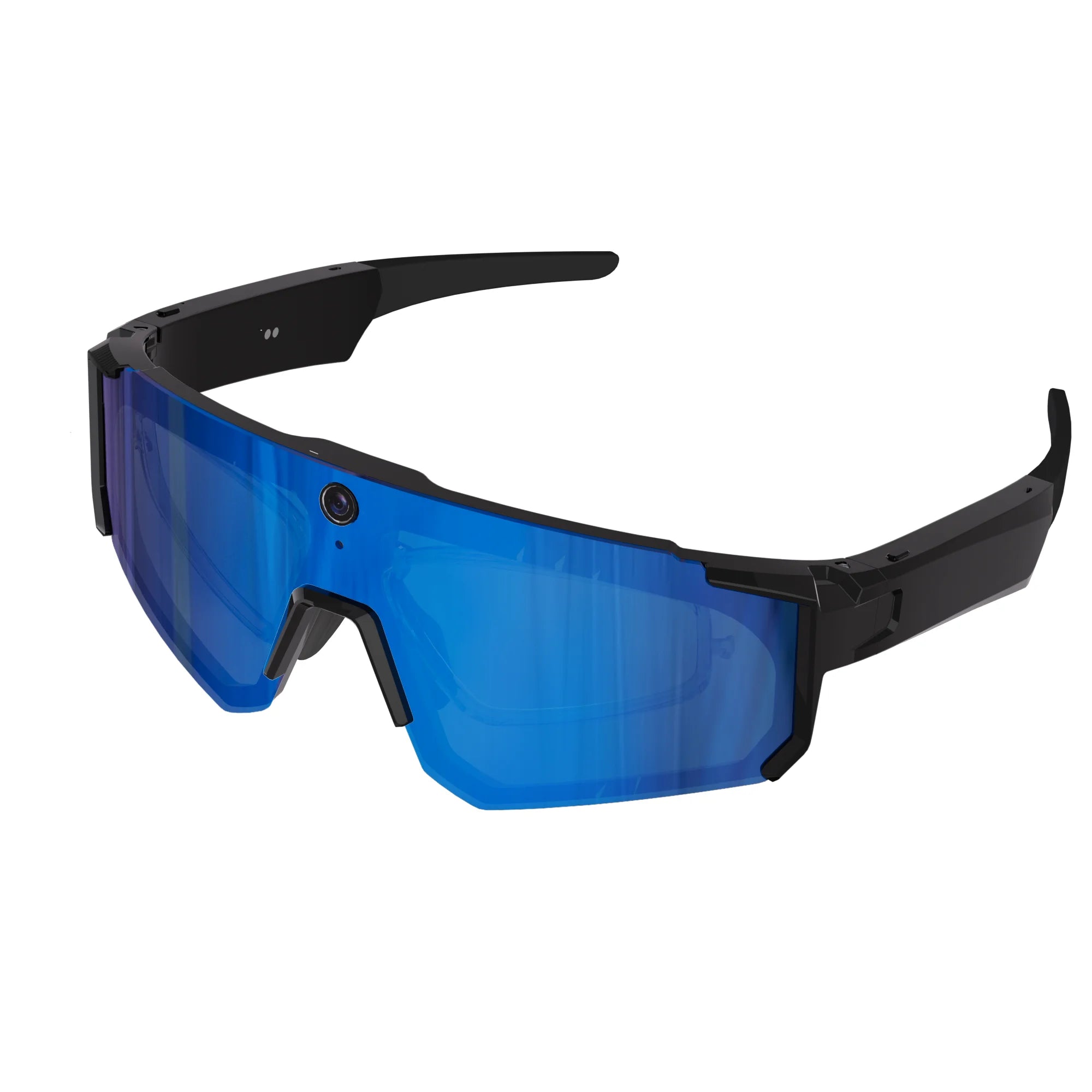
Smart glasses to consider: Osawalla Daily Core Camera Glasses use a modern, quietly angular everyday frame that works with casual and smart-casual outfits. Inside, an 8MP camera records 1080p video with up to 90 minutes of continuous capture, so the technology stays useful without making the glasses look like a prototype. They are available with polarized or blue-light lens options. For a deeper look at how they perform day to day, read our Osawalla Daily Core review.
4.2 Oval Face Shape
How to tell: Cheekbones are the widest point, the face is noticeably longer than it is wide, and there are few hard angles.
The goal: Maintain balance. Oval faces are the most flexible shape — which is also the risk, because it is easy to pick a frame that is too large and overwhelms the proportions.
Frame styles that work
· Rectangular frames
· Classic square frames
· Sport-inspired shapes that stay short of a full wrap
· Contemporary designs with a moderate front width
Frame styles to avoid
· Frames significantly wider than the widest part of your face
· Very deep, oversized lenses that cover the eyebrows
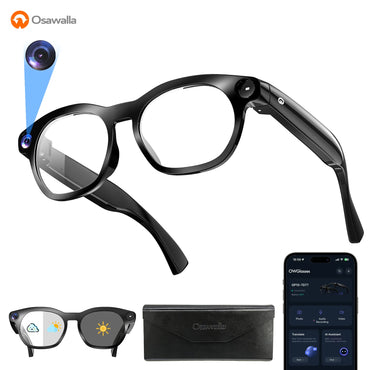
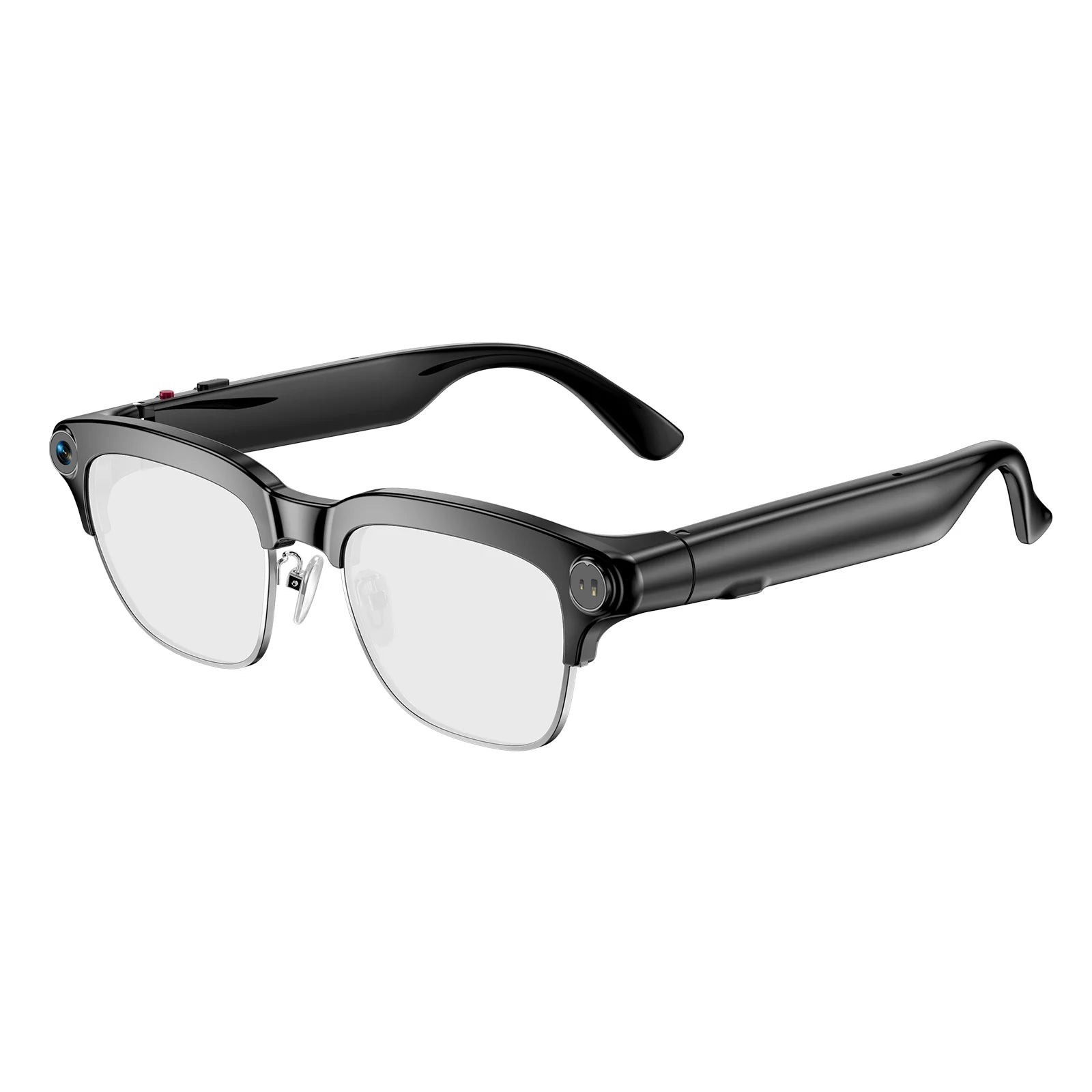
Smart glasses to consider: Osawalla Daily Pro Camera Glasses balance technology with a traditional eyewear silhouette, and they come in both full-rim and half-rim builds so you can match the look to your face. The 8MP camera records 1080p video, and the built-in AI handles object recognition and voice-style assistance. They suit daily commuting, travel, content creation and casual professional environments. See the complete feature guide for the details.
4.3 Square Face Shape
How to tell: Forehead and jaw are about the same width, the jawline is strong and defined, and the face has clear angles.
The goal: Soften. Square faces already have structure, so rounded frames balance the face rather than compete with it.
Frame styles that work
· Rounded rectangular frames
· Slightly curved designs
· Medium-width frames that follow the cheekbone line
· Thin-to-medium rims
Frame styles to avoid
· Extremely sharp geometric frames
· Oversized square frames
· Heavy, boxy rims
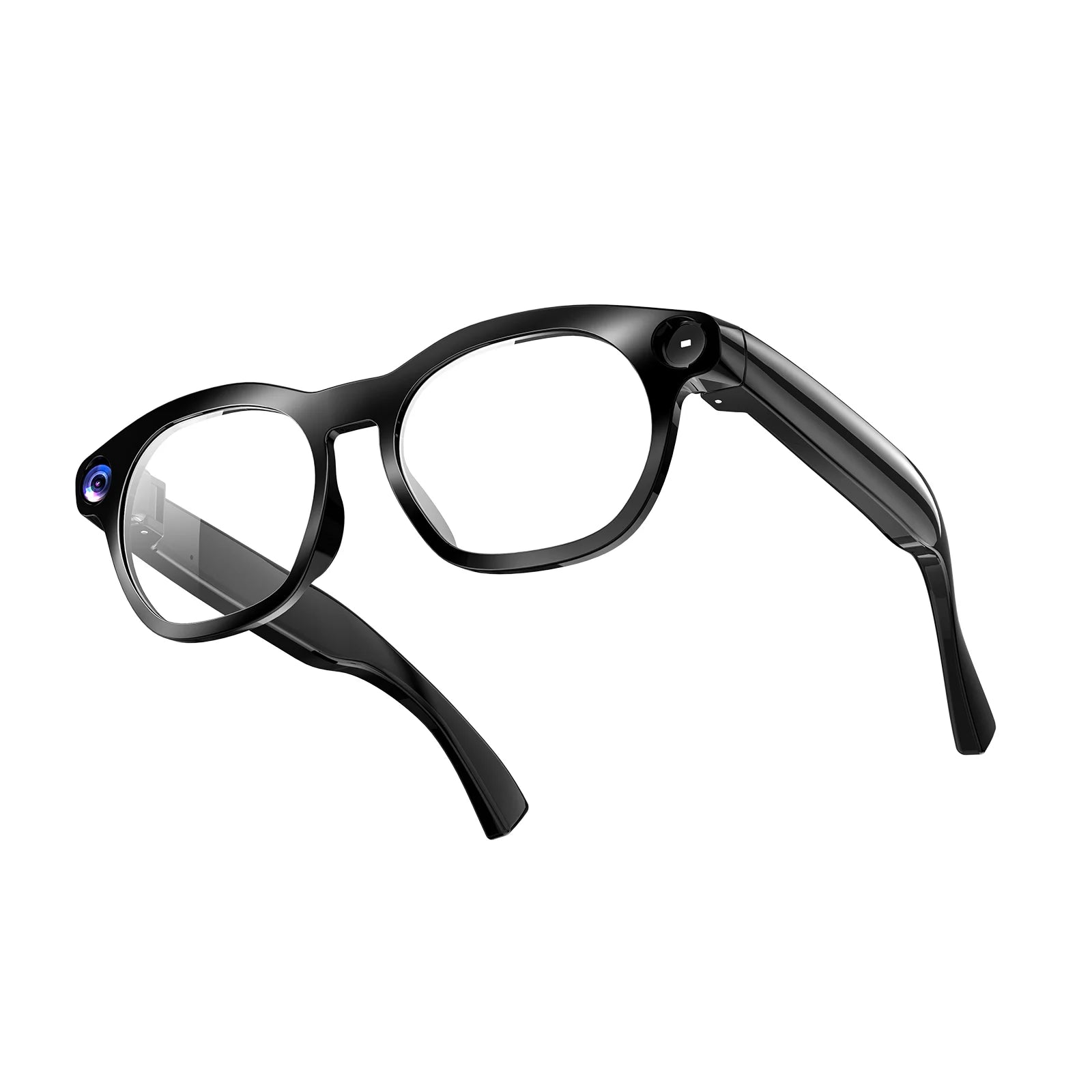
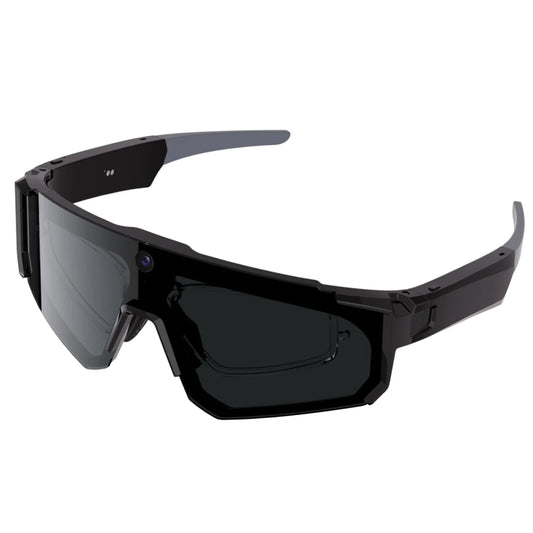
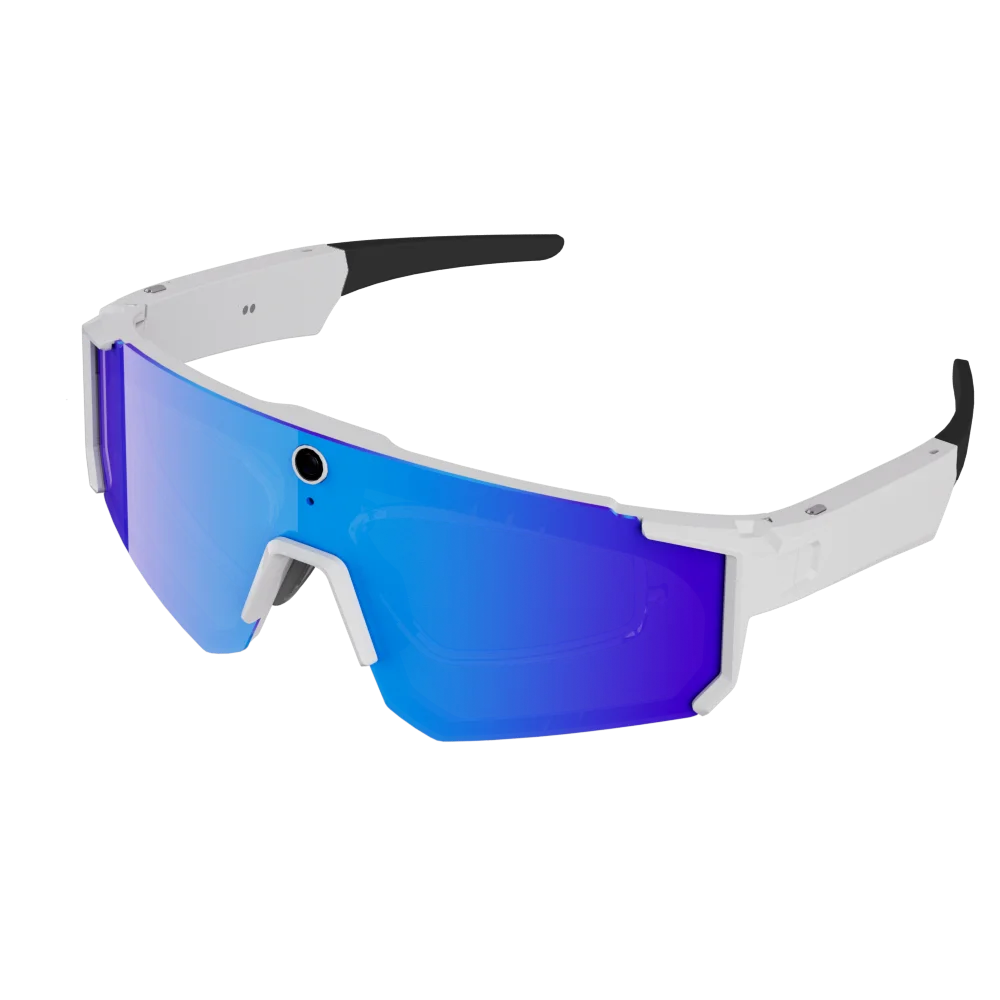
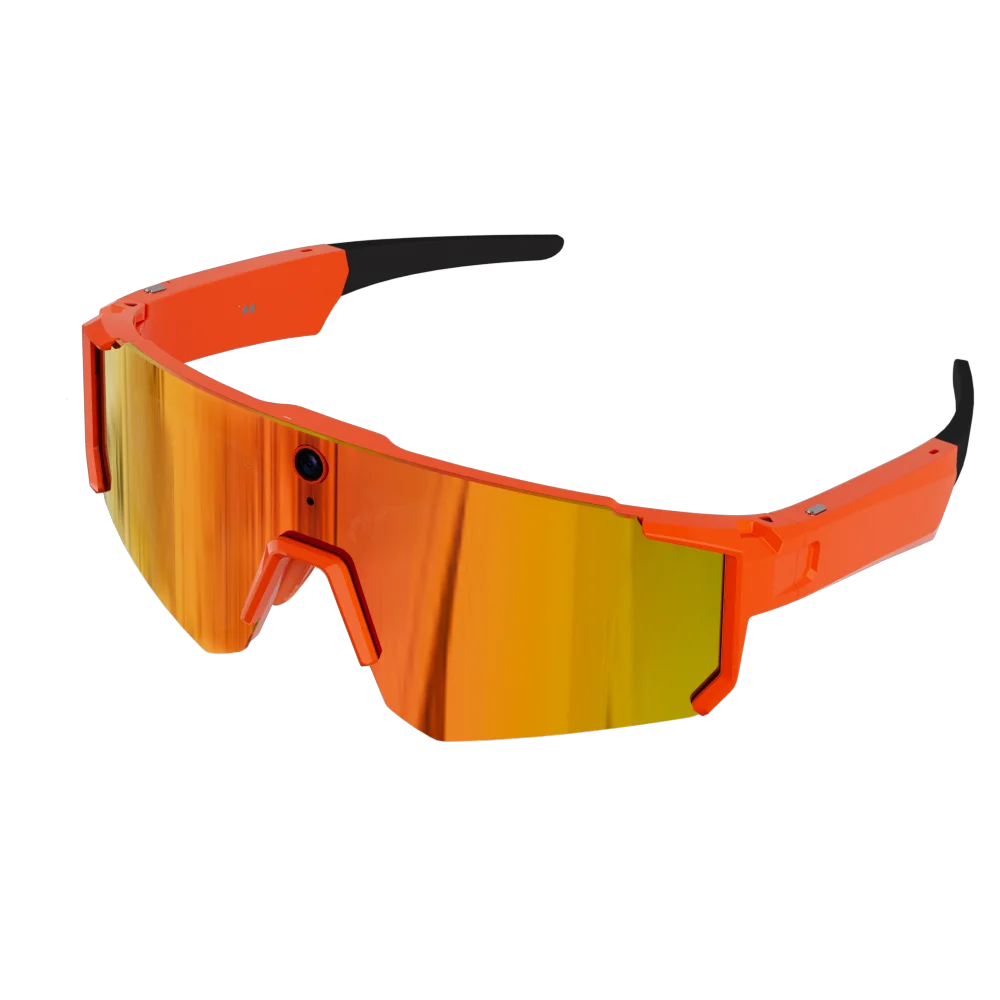
Smart glasses to consider: Osawalla Sport Pro Camera Glasses use a sport-inspired silhouette that stays rounded enough to soften a strong jaw, while keeping a secure fit for movement. The hardware suits active wearers: an 8MP camera, electronic image stabilisation for fast motion, and AI control. They are built for running, cycling, travel and outdoor use. Our full Osawalla Sport Pro review covers stabilisation and battery behaviour in real conditions.
4.4 Heart-Shaped Face
How to tell: Forehead and cheekbones are the widest part, the jaw narrows toward a smaller chin, and the cheekbones sit high.
The goal: Balance the upper and lower halves of the face by drawing visual weight downward.
Frame styles that work
· Medium-width frames
· Thin, lightweight rims
· Low-profile or bottom-heavy shapes
· Slightly rounded designs
· Light-coloured or rimless-style fronts
Frame styles to avoid
· Very wide, top-heavy frames
· Strong browline or very thick top rims
· Frames that sit high across the cheekbones
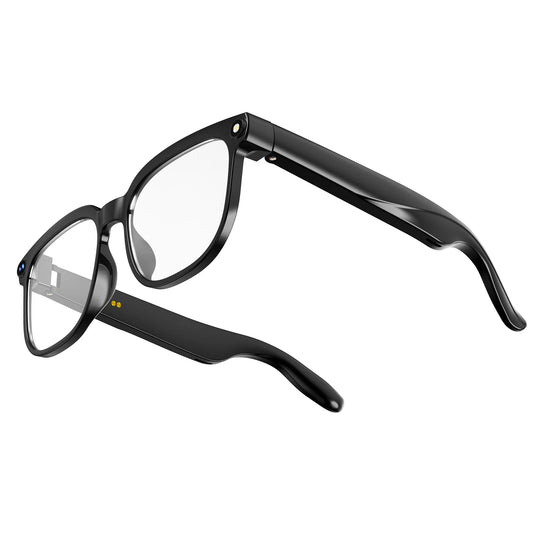
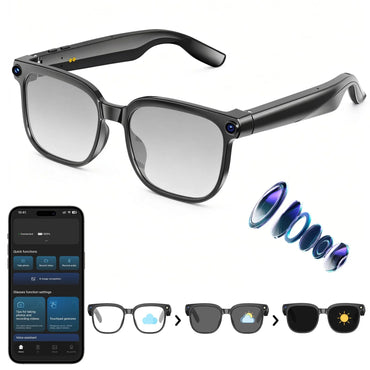
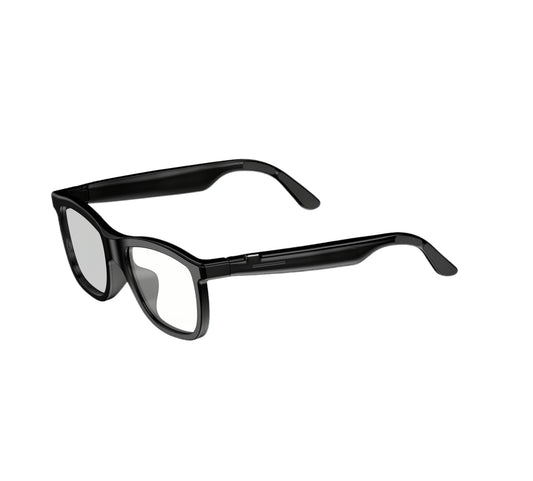
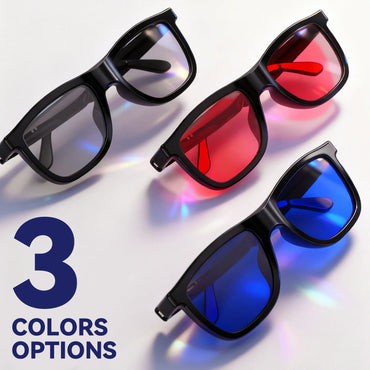
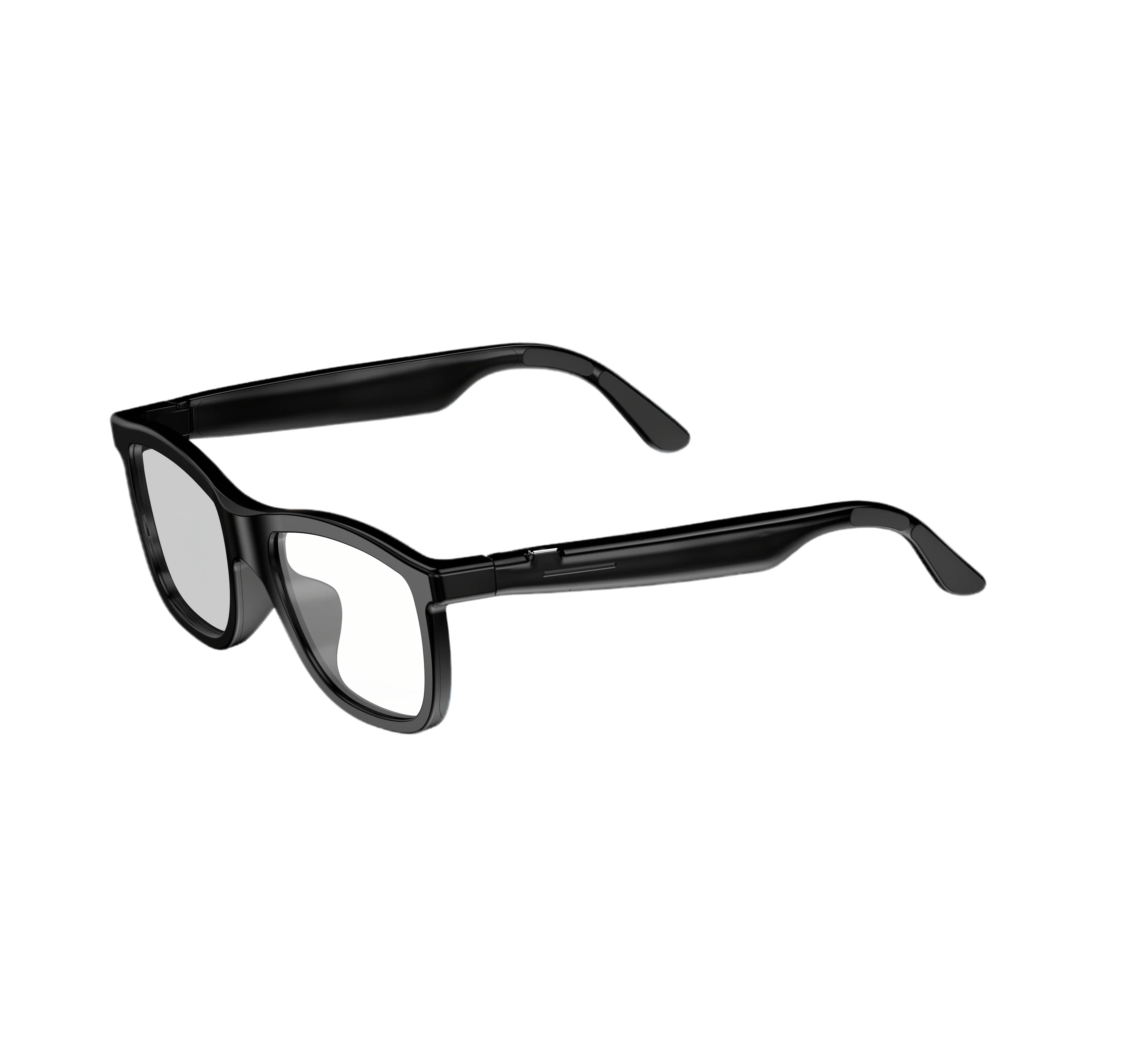
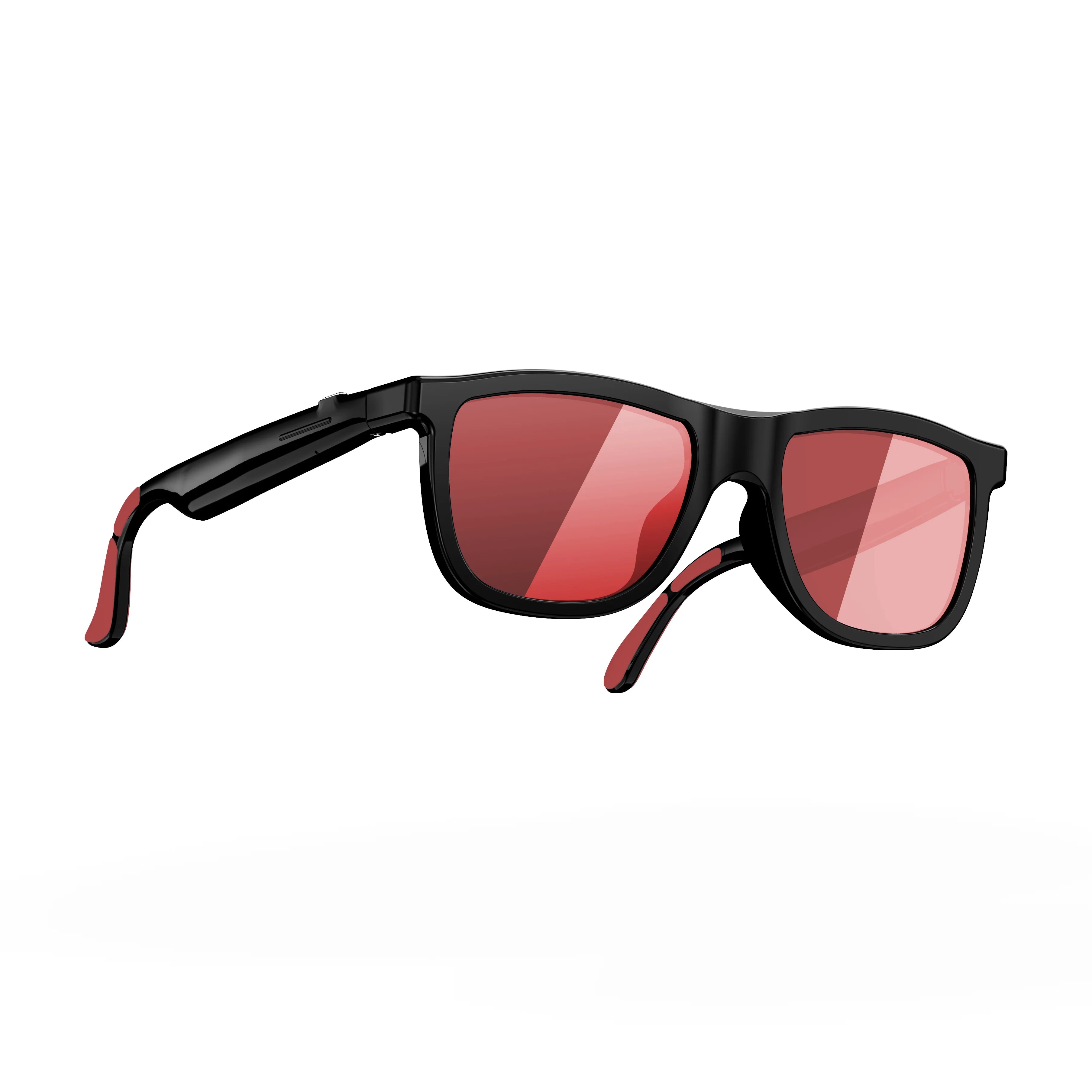
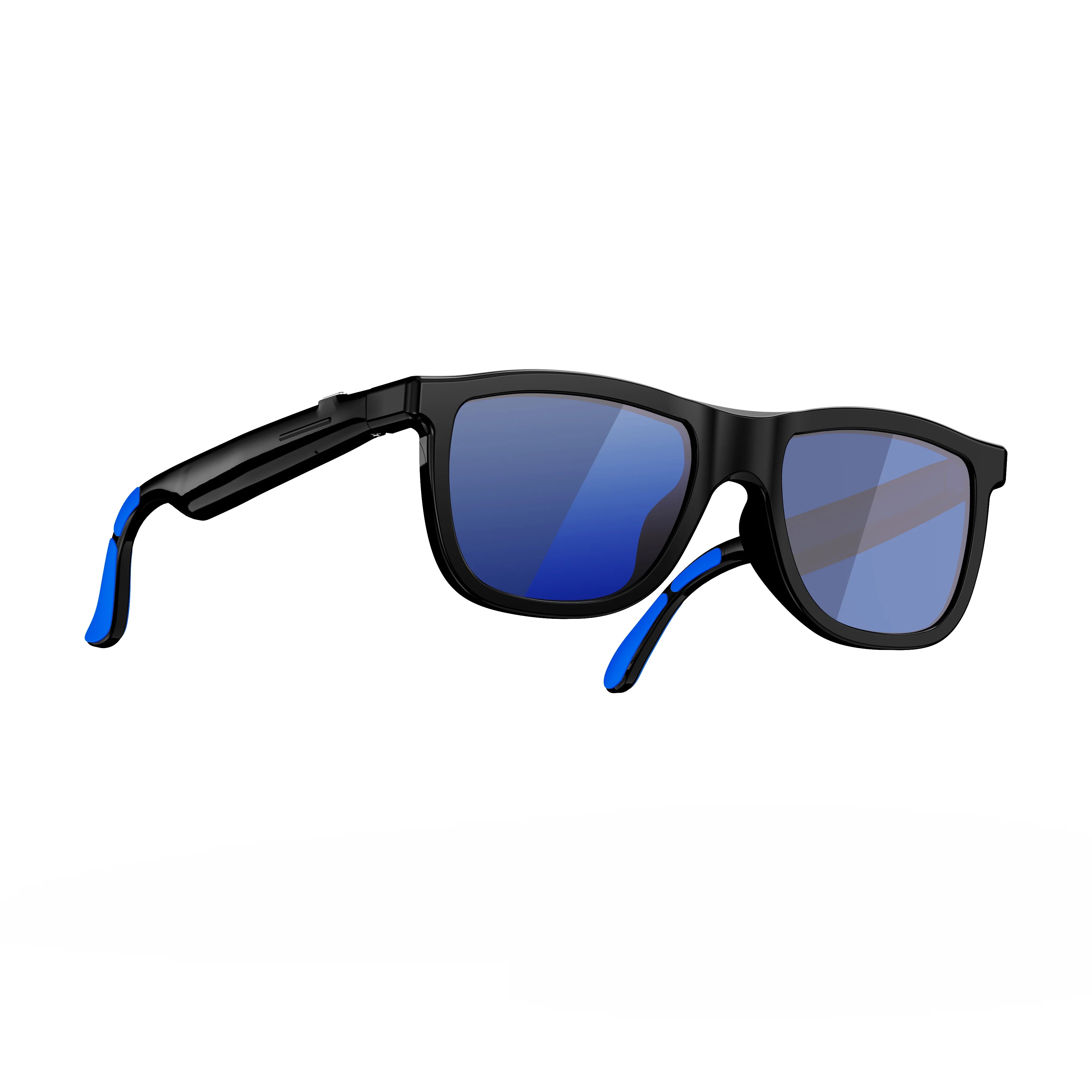
Smart glasses to consider: Osawalla Chic Core Smart Audio Glasses keep the front slim and elegant, which suits a tapering jawline. They pair open-ear smart audio with one-touch electrochromic lenses that switch from clear to tinted in about half a second, so you can change the look without changing frames. Available in Black, Blue and Pink. If you are weighing them against a wrist-based device, our smart glasses vs smartwatch comparison breaks down which one earns its place in daily wear.
4.5 Long Face Shape
How to tell: Face length is clearly greater than width, the cheek lines are relatively straight, and the chin area is longer.
The goal: Reduce the visual length by adding horizontal width and depth.
Frame styles that work
· Larger, deeper lenses
· Frames wider than the cheekbones
· Bold or thicker rims
· Frames with a lower-set or decorative temple detail
Frame styles to avoid
· Very narrow or shallow frames
· Small lenses that leave a lot of face visible above and below the frame
Smart glasses to consider: Because smart glasses carry hardware in the temples, frame proportion matters more here than on ordinary glasses — a larger front balances the extra depth of the arms. The full-rim build of Osawalla Daily Pro Camera Glasses adds lens depth, while Osawalla Sport Pro Camera Glasses add width for active use.
4.6 Diamond Face Shape
How to tell: The cheekbones are dramatically the widest point, while both the forehead and the jaw are narrow, and the chin comes to a soft point. This is the rarest of the six shapes.
The goal: Soften the cheekbones and add a sense of width to the forehead and jaw, so the face reads as more oval.
Frame styles that work
· Rounded rectangular or oval shapes
· Light, thin or half-rim builds that do not add bulk at the cheekbones
· Medium-width fronts that match — not exceed — the cheekbones
· Subtle top detailing that draws the eye upward
Frame styles to avoid
· Narrow frames that make the cheekbones look even wider
· Very heavy, sharply angular tops
· Frames much wider than the cheekbones
Smart glasses to consider: The half-rim build of Osawalla Daily Pro Camera Glasses keeps the lower half of the frame light, which flatters a narrow chin, while the slim front of Osawalla Chic Core Smart Audio Glasses avoids adding any extra width at the cheekbones.
5. How to Read Smart Glasses Frame Measurements
Every well-made frame carries three numbers stamped on the inside of the temple arm, written like this: 52□18-140. Knowing what they mean turns face-shape advice into an actual size decision.
|
Number |
Name |
What it measures |
Why it matters |
|
First (52) |
Lens width |
The horizontal width of one lens, in mm |
The biggest driver of how wide the whole frame looks |
|
Second (18) |
Bridge width |
The gap between the lenses, in mm |
Controls where the frame sits on your nose |
|
Third (140) |
Temple length |
The length of the arm, in mm |
Controls ear fit — critical on smart glasses, where the arms hold the battery |
Two derived numbers are worth calculating:
· Total frame width ≈ (2 × lens width) + bridge width + rim thickness. Compare it to your face width (temple to temple). The frame should be within roughly ±5 mm of your face width.
· Lens height is rarely printed, but it matters most for long faces — a deeper lens shortens the visual length of the face.
As a rough size guide based on face width:
|
Your face width (temple to temple) |
Frame size to look for |
Typical lens width |
|
Under 130 mm |
Small |
50 mm or less |
|
130-140 mm |
Medium |
51-53 mm |
|
Over 140 mm |
Large |
54 mm and up |
For general eyeglass frame terminology and fitting fundamentals, the eyeglasses guide from All About Vision is a solid neutral reference.
6. Frame Size, Weight and Fit: What Matters Beyond Face Shape
Face shape narrows your shortlist. Fit decides whether you actually wear them.
Frame width. The front should roughly match the widest part of your face and extend only slightly past the cheekbones. If the frame reaches noticeably beyond your temples, it will slip forward every time you look down.
Eye position in the lens. With the frame on, your pupils should sit close to the horizontal centre of each lens. Near the inner edge means the frame is too wide; near the outer edge means it is too narrow. This matters more with smart glasses because the camera position is fixed relative to the frame, not to your eye.
Bridge and nose pads. The frame should rest on the bridge without sliding, without leaving red marks, and without the lenses touching your eyelashes. A bridge that is too wide pushes the frame down; too narrow and it pinches.
Temple length and ear pressure. The arms should reach the top of your ear, bend gently, and apply no pressure behind it. On smart glasses this section holds the battery and electronics and is usually thicker than on ordinary eyewear, so it is worth judging over a long wear test rather than thirty seconds in a shop.
Weight and balance. Smart glasses are heavier than standard eyewear because of the electronics. Balance matters more than total weight:
· Where the battery sits — front-heavy frames tilt down, rear-heavy frames lift
· Whether the frame stays level after five minutes of talking and walking
· Whether the nose pads carry the load or the ears do
A five-minute fit test
1. Put the frame on and look straight ahead for 30 seconds. It should not slide.
2. Look down at your phone. The frame should not swing forward.
3. Smile, talk and turn your head. No pinching behind the ears.
4. Check the camera preview. Is the horizon level?
5. Wear them for an hour before deciding — discomfort shows up late, not immediately.
If any of these fail, a different frame size usually fixes it faster than adjusting the same pair. Our breakdown of why smart glasses feel uncomfortable covers the seven design details behind most fit complaints.
7. Choosing the Right Lenses for Your Smart Glasses
Frame style decides how smart glasses look; lens choice decides how useful they are hour to hour. Most smart eyewear falls into four lens categories.
Polarized lenses cut reflected glare from roads, water and glass. They are the right default if most of your wearing time is outdoors, driving or travelling. The trade-off: polarization can make some phone and car displays harder to read at certain angles.
Blue-light filtering lenses are designed for long screen sessions. The honest summary of the research is that they change how light reaches your eyes, but the evidence for reducing eye strain is mixed — our evidence review on whether blue light glasses are worth it walks through the studies. What consistently does help with screen fatigue is the 20-20-20 rule described by the American Optometric Association in its guide to computer vision syndrome: every 20 minutes, look at something 20 feet away for 20 seconds.
Electrochromic (switchable) lenses change from clear to tinted electronically. On Osawalla Chic Core Smart Audio Glasses the switch takes about half a second and is triggered by a touch control on the frame — one pair covers indoor and outdoor use.
Prescription lenses. If you wear prescription glasses daily, look for smart frames that accept prescription lens inserts or custom glazing — and confirm this before buying, because not every smart frame supports it. Our expert review of prescription smart glasses in 2026 compares the models that do.
The practical rule: match the lens to your longest daily use case, not your most exciting one.
8. Smart Features That Should Influence Your Choice
Once face shape, size and lenses are settled, compare the technology itself. Four feature groups matter.
Camera. Resolution is only part of the story. Field of view, stabilisation and how the camera sits on the frame all change the footage. An 8MP sensor recording 1080p video — as on the Osawalla Daily and Sport ranges — is the current sweet spot for wearable POV capture. For a buyer's checklist, see smart glasses with camera: what to look for.
Audio. Open-ear speakers sit in the temples and leave your ear canal free, so you can hear traffic and conversations. Chic Core is built around this experience; camera models include it for playback and calls.
AI features. Current AI glasses handle object recognition, voice-style assistance and, on some models, translation. These features depend on the companion app and firmware updates, so check what the brand actually ships today rather than what the roadmap promises.
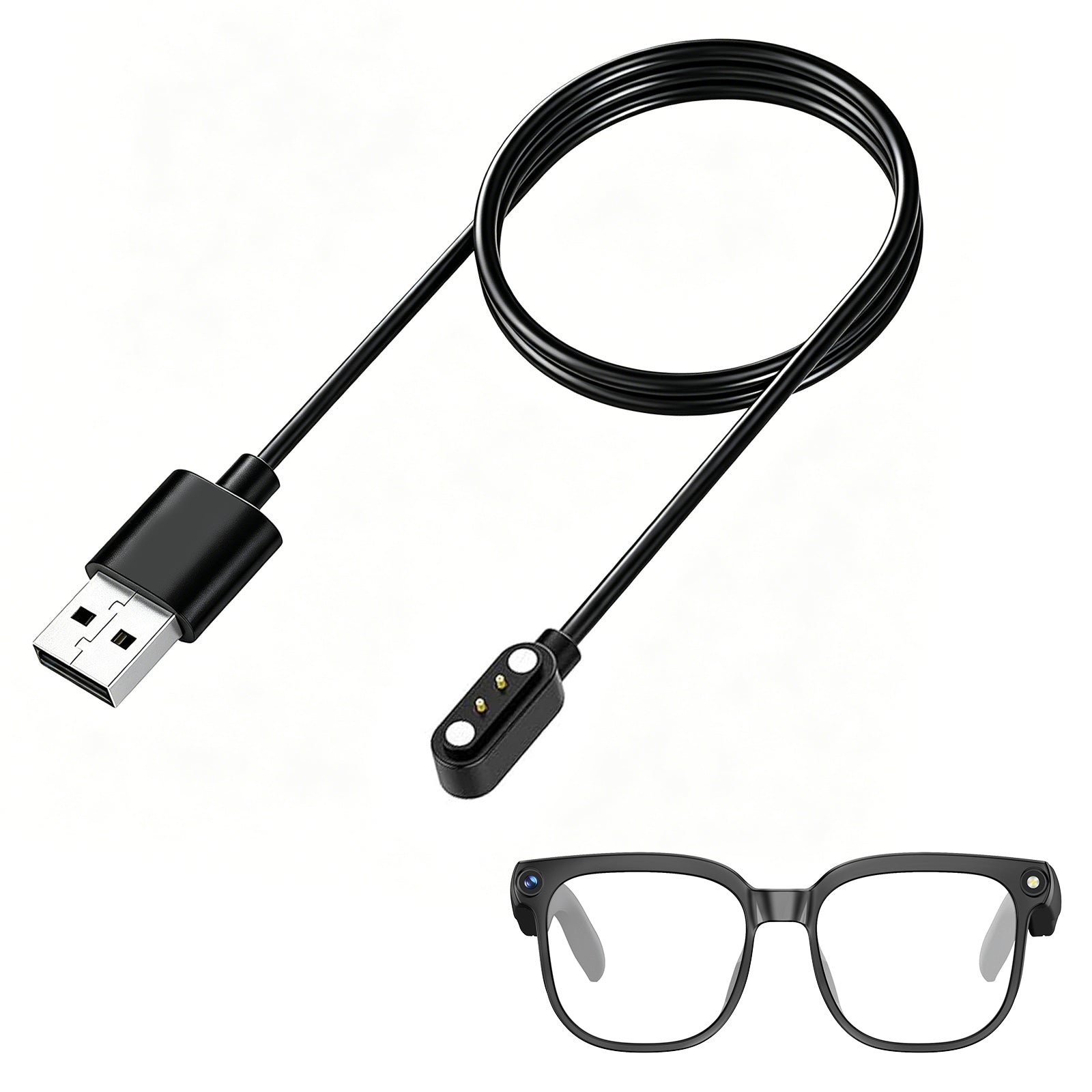
Battery and charging. Continuous video recording is the heaviest drain — Daily Core manages up to 90 minutes of continuous capture. Lighter use (audio, calls, occasional photos) stretches much further. If all-day recording is your plan, carry the charging cable or case.
Compatibility. Most smart glasses work with both iPhone and Android over Bluetooth, but app features can differ by platform. iPhone users should read our iOS compatibility guide for smart glasses before choosing.
9. Matching Smart Glasses to Your Lifestyle
Face shape is only half the decision. The other half is what you actually do with them.
|
Wearer type |
What to prioritise |
Recommended model |
|
Everyday wearers |
Light weight, simple silhouette, all-day comfort |
|
|
Content creators and travellers |
Camera quality, long wear, reliable daily performance |
|
|
Runners, cyclists and outdoor users |
Secure fit, stabilisation, durable build |
|
|
Style- and audio-first users |
Elegant silhouette, open-ear audio, minimal tech look |
|
|
Prescription wearers |
Prescription-compatible frame, balanced weight |
Check prescription support first (see lens section) |
For a deeper dive into specific use cases, see our guides on smart glasses for travel, video recording glasses for running and cycling and the top smart glasses for running.
10. Osawalla Smart Glasses Compared
All four models share the same design philosophy — technology that looks like ordinary eyewear — but they are built for different wearers.
|
Model |
Camera |
Audio |
Lens options |
Standout feature |
Best for |
|
8MP, 1080p video |
Open-ear |
Polarized or blue-light |
Up to 90 min continuous recording |
Everyday wear, round faces, first-time buyers |
|
|
8MP, 1080p video |
Open-ear |
Clear, full-rim or half-rim build |
AI object recognition and assistance |
Creators, travellers, oval and long faces |
|
|
8MP, 1080p video |
Open-ear |
Sport tint |
6-axis electronic stabilisation, secure sport fit |
Running, cycling, outdoor use, square faces |
|
|
— (audio-first) |
Open-ear |
Electrochromic: clear ↔ tinted in ~0.5 s |
One-touch lens switching, fashion styling |
Style-first wearers, heart and diamond faces |
Current prices and colour availability are on each product page; both change with promotions, so check there rather than trusting any fixed number.
11. Six Common Mistakes When Choosing Smart Glasses
1. Choosing technology over fit. A frame can have an excellent camera and clear audio, but if it does not fit your face you will not enjoy wearing it. Comfort drives long-term use — and long-term use is the only way smart glasses pay off.
2. Ignoring frame proportions. A frame should match your face width, nose bridge, temple length and personal style. A frame that looks good on someone else may sit completely differently on you because their bridge height and face width are different.
3. Buying oversized frames regardless of face shape. Oversized frames are popular, and they work well on long and oval faces. On a round or heart-shaped face they often do the opposite of what you want. The right size creates confidence; the wrong size makes smart glasses look like a costume.
4. Forgetting the lens options. The same frame with polarized, blue-light or electrochromic lenses behaves like three different products. Choose the lens for your longest daily use case, not the one that sounds most advanced.
5. Underestimating temple bulk. All smart glasses carry electronics in the arms, so the temples are thicker than ordinary eyewear. If you have a narrow head or sensitive ears, prioritise balance and ear fit over a slimmer front — and judge over an hour, not a minute.
6. Skipping the compatibility and return-policy check. Confirm the glasses work fully with your phone, and buy from a store with a real return window. Fit is personal; even a perfect on-paper choice sometimes fails the five-minute test, and you want the option to exchange.
12. Frequently Asked Questions
How do I know what face shape I have?
Pull your hair back and look straight into a mirror in even light. Compare four measurements: forehead width, cheekbone width, jaw width and face length. If your cheekbones are widest and your face is about as long as it is wide, you have a round face. If the face is clearly longer than it is wide, it is oval or long. The measurement method in section 2 gives exact ratios.
What face shape suits rectangular smart glasses?
Round and long faces usually benefit most. On a round face, the angles add definition and make the face read slightly longer. On a long face, the horizontal width of a rectangle balances vertical length.
What is the rarest face shape, and which frames suit it?
Diamond is the rarest shape — wide cheekbones with a narrow forehead and chin. Rounded rectangular, oval and half-rim frames work best because they soften the cheekbones without adding width there.
Do smart glasses come in different frame sizes?
The models in this guide come in specific frame shapes rather than a wide range of widths, so matching the shape to your face matters more than choosing a size number. If you sit between two categories, pick the shape recommended for your dominant face shape.
What do the numbers on glasses frames mean (like 52□18-140)?
They are the lens width, bridge width and temple length in millimetres. Lens width drives how large the frame looks, bridge width controls where it sits on your nose, and temple length controls ear fit — which matters extra on smart glasses because the arms hold the battery.
Are smart glasses comfortable enough to wear all day?
Yes, provided the frame is balanced. The features that matter most are even weight distribution between the nose and ears, temple arms that stop at the top of your ear without pressing, and a bridge that does not slide.
Which Osawalla smart glasses are best for a round face?
Osawalla Daily Core Camera Glasses have the more angular everyday front, which suits a round face best. If you prefer the premium feature set, Daily Pro also works, especially in the half-rim build.
What lens options are available on Osawalla smart glasses?
Daily Core is offered with polarized lenses or blue-light lenses, so you can choose between outdoor glare reduction and screen-time comfort. Chic Core uses electrochromic lenses that switch between clear and tinted at the touch of a button.
Can I get prescription lenses in smart glasses?
Some smart frames accept prescription inserts or custom glazing, but not all — confirm prescription support on the product page before buying. Our prescription smart glasses review covers the current options.
Do smart glasses work with iPhone and Android?
Generally yes, over Bluetooth, but companion-app features can differ by platform. iPhone users should check our smart glasses iOS compatibility guide for the details.
 13. The Future of Smart Eyewear: Technology Meets Personal Style
Smart glasses are moving from a niche gadget category into everyday eyewear. Grand View Research values the global smart glasses market at USD 2.5 billion in 2025 and projects USD 14.4 billion by 2033, a compound annual growth rate of roughly 24% (Grand View Research, Smart Glasses Market Report).
Audio-first smart glasses already hold the largest share of that market — which says something about how people actually use them. They are worn as eyewear first and technology second.
That is changing frame design. Early smart glasses looked like prototypes and were judged as gadgets. The next generation is judged by the same standards as ordinary glasses: balance, weight, materials and how well the frame suits the face wearing it. You can trace that shift in the history of smart glasses and see where it is heading in our roundup of AI smart glasses trends in 2026.
The direction is clear: the winning smart glasses of the next few years will not be the ones with the most features. They will be the ones that disappear into your face and your day.
 14. Final Thoughts: Choosing Smart Glasses That Feel Made for You
The best smart glasses are not the ones with the longest feature list. They are the ones you forget you are wearing.
Start with your face shape to narrow the frame style. Check the frame measurements against your face width. Run the five-minute fit test to confirm balance, bridge and temples. Choose lenses for your longest daily use case. Then, and only then, compare camera, audio and AI features.
A good pair should not read as technology first. It should read as your glasses — with the technology built in.
 Explore the full Osawalla range → Shop all smart glasses and smart rings — including the Osawalla Ceramic Pro Smart Ring if you want health tracking that pairs with your eyewear without adding anything to you


