







Are Blue Light Glasses Worth It? What the Evidence Says
By the Osawalla Product Team · Reviewed by Clark Huang · Published: Sep 28, 2026 · Last updated: Sep 28, 2026
Health notice: This article is general information about eye comfort and eyewear. It is not medical advice, and it is not a substitute for an eye examination. Screen-related symptoms are usually temporary, but persistent or worsening vision problems should be assessed by an optometrist or ophthalmologist.
Screens now fill most of the working day. Laptops, phones, tablets and monitors — many people spend seven or more hours in front of one.[^4] Somewhere in that time, the question almost always comes up: are blue light glasses worth it?
People ask because they want one of three things: less tired eyes at the end of a shift, better sleep after late-night scrolling, or protection from damage. Those are three different claims, and only one of them has any support.
The honest answer is less tidy than the marketing. Blue-light filtering on its own does very little. Lens coatings and screen habits do far more. The blue light glasses benefits that actually hold up are mostly the ones that have nothing to do with blue light — less glare, less squinting, a lens that stays clean.
This guide walks through what the research says, where the money actually goes when you buy a pair, and the cheaper fixes most people never try first.
The short answer
· Eye strain: blue-light filtering alone probably does not help. A 2023 Cochrane review found no meaningful short-term improvement over plain lenses.[^3]
· Eye damage: no. There is no evidence that screen light damages the eye.[^1]
· Sleep: the evidence is unclear. Trials report mixed results.[^3]
· Glare and comfort: this is where lenses genuinely help — and it comes from anti-reflective coating and frame fit, not from blocking blue light.
· Buy them if you want less glare on long screen days. Skip them if you are buying them to protect your eyes from damage.
What is blue light, really?
Blue light sits at the short-wavelength end of the visible spectrum, roughly 400–500 nanometres. It carries more energy per photon than the warmer colours at the other end.
The biggest source is not your monitor. It is the sun. Fluorescent tubes and LED bulbs come next. Screens sit far down that list, and the dose you get from a laptop is small next to an hour outdoors.[^1]
Blue light is also not a toxin. Daytime exposure helps regulate alertness and the body clock. The open question has always been whether the smaller doses from screens do anything measurable — and that is where the research has landed, repeatedly, on "not much".
One detail matters for the rest of this article: the thing screens actually blast you with is brightness, not just blue wavelength. A bright white screen at night is a bigger signal to your brain than the same screen with a warm tint. Keep that in mind when we get to the free fixes.
What Should You Look for in Blue Light Glasses?
If you're considering blue-light glasses for long screen days, focus on the overall eyewear experience rather than the filter alone. Lens type, comfort, glare control and fit matter more than a headline filter percentage.
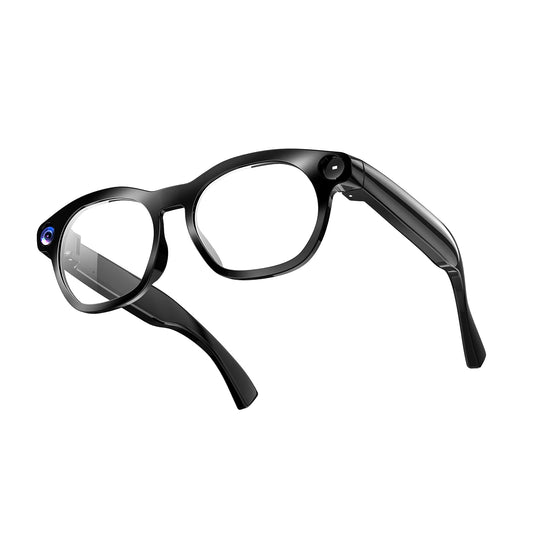
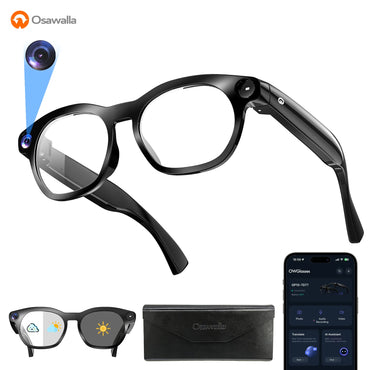
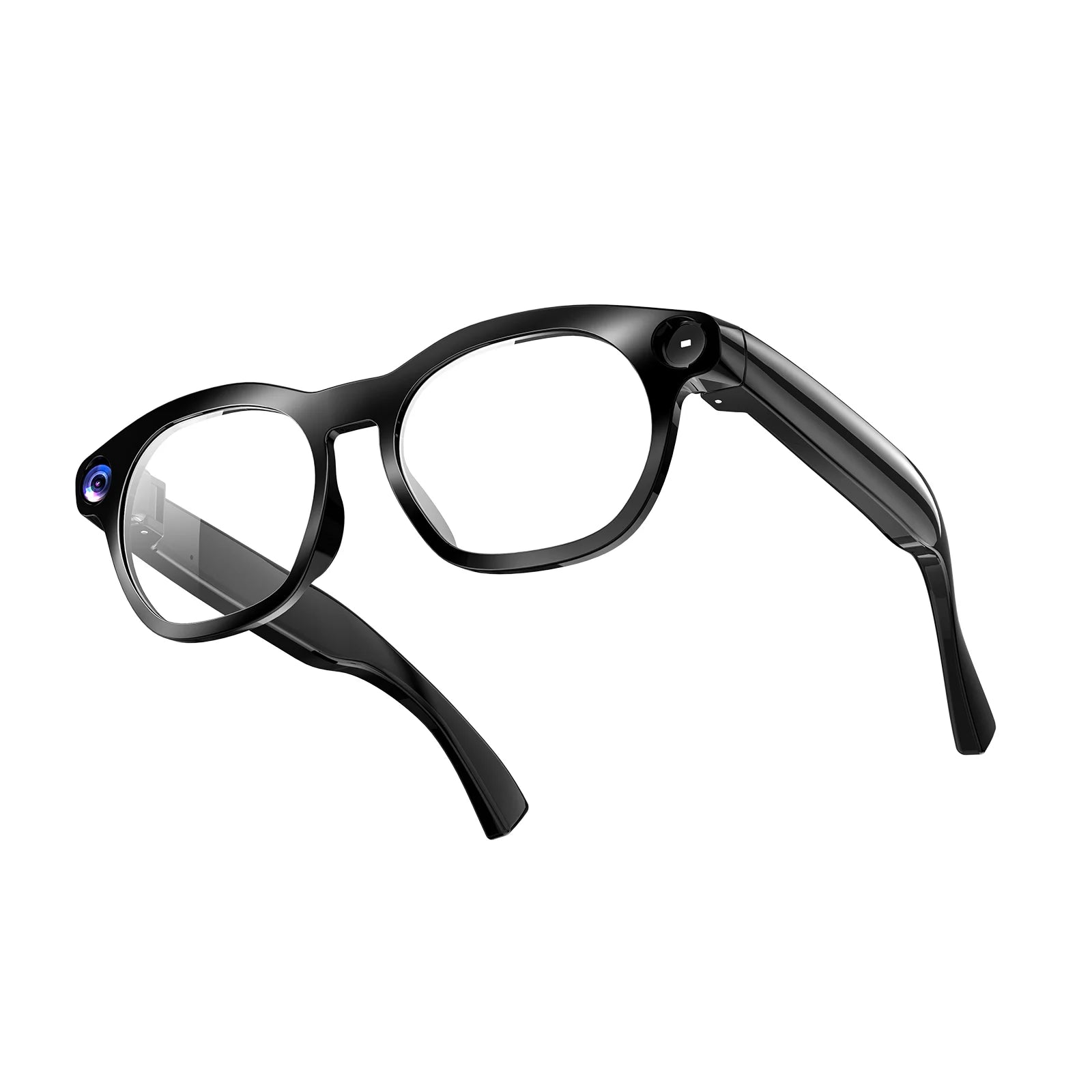
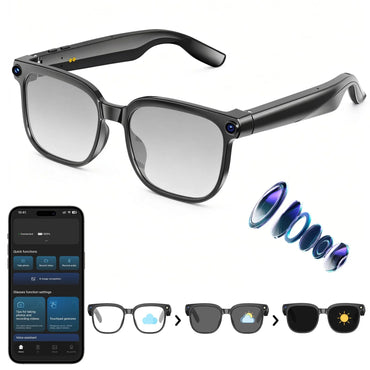
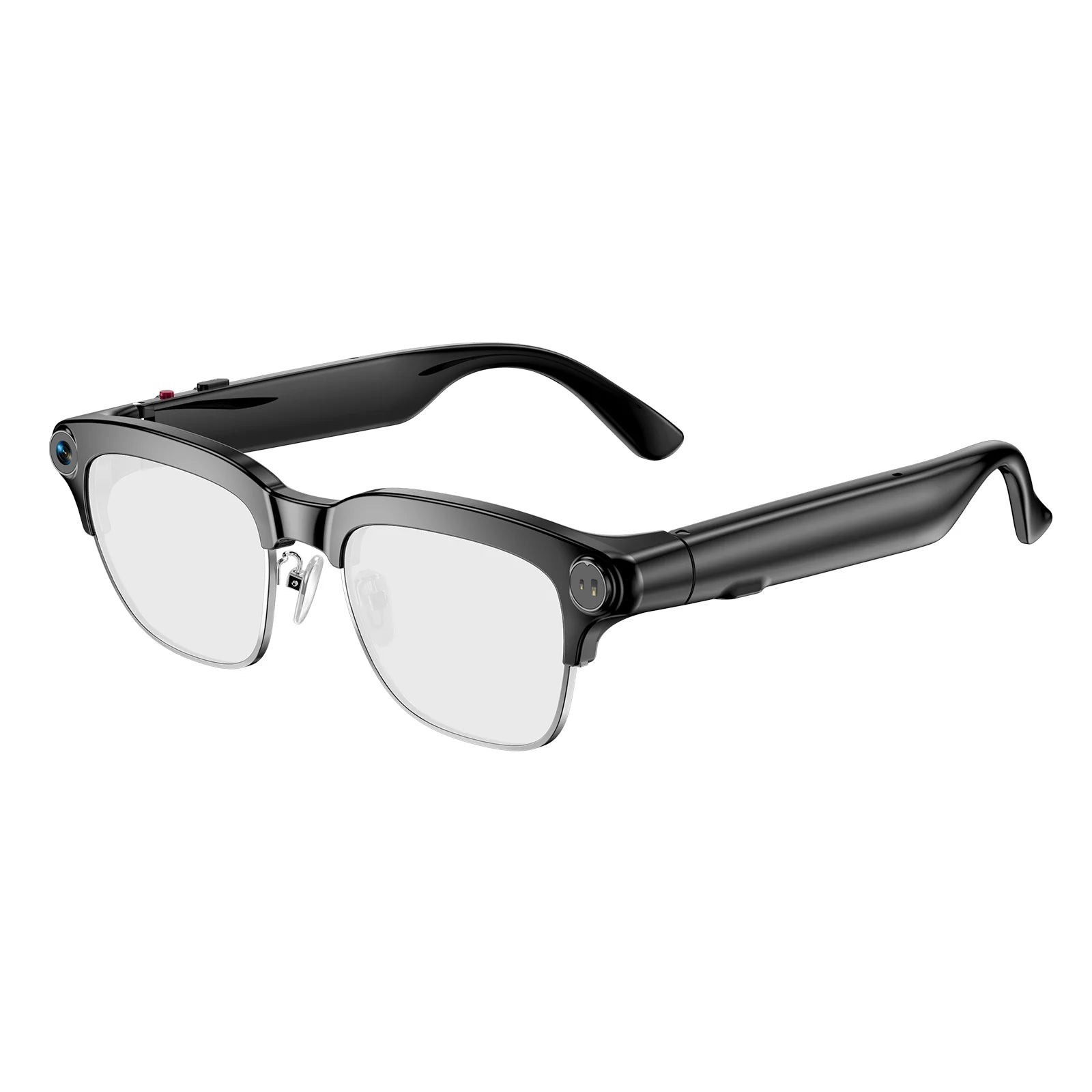
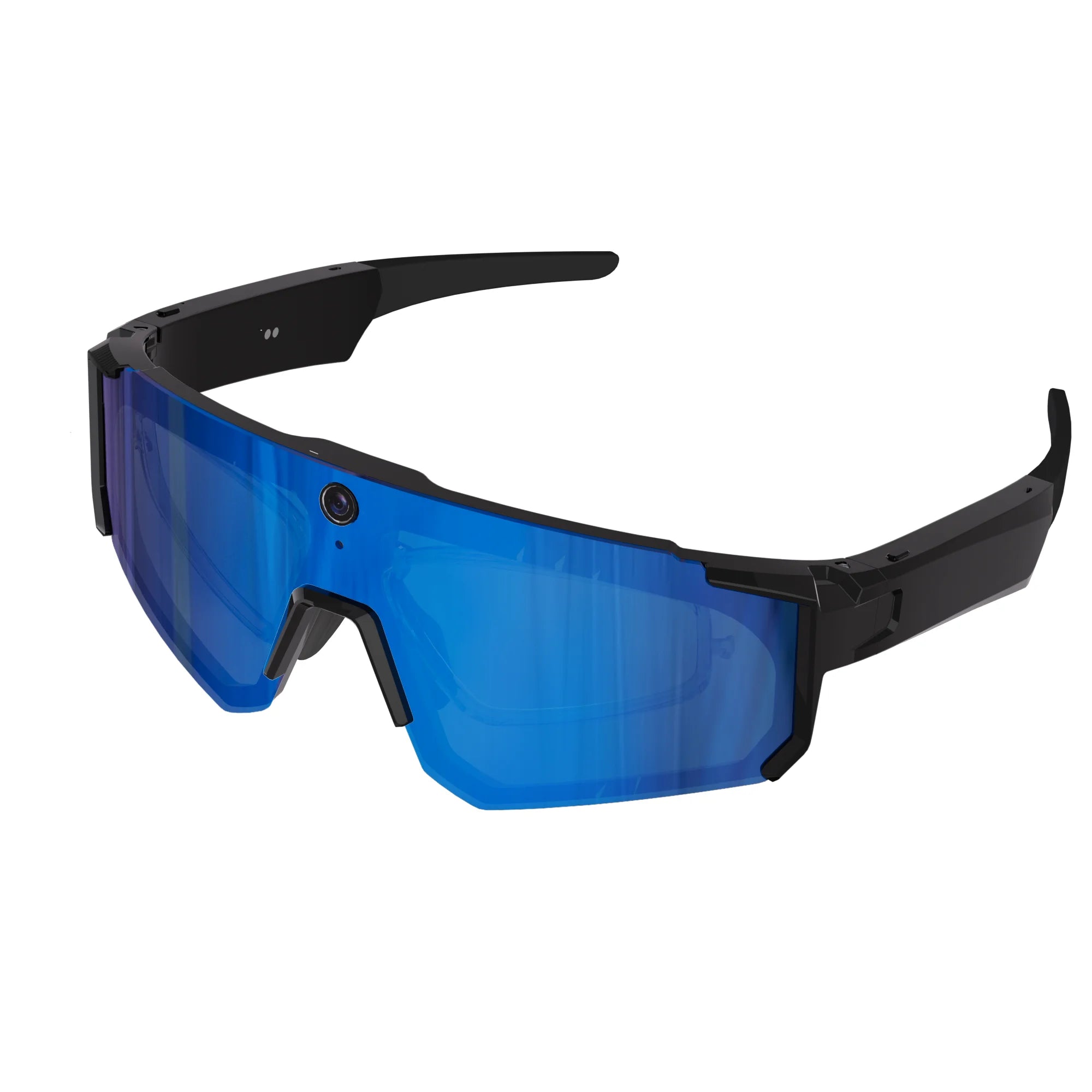
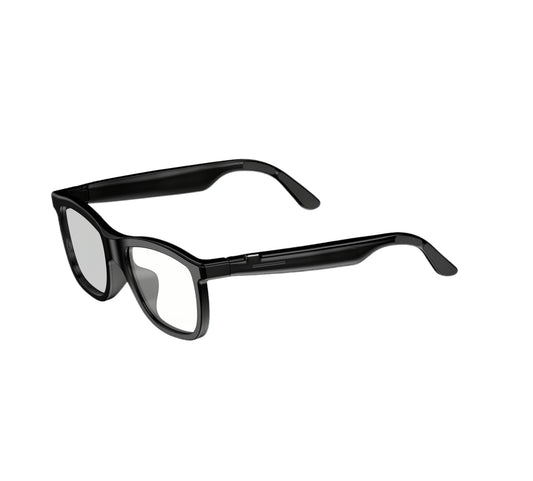
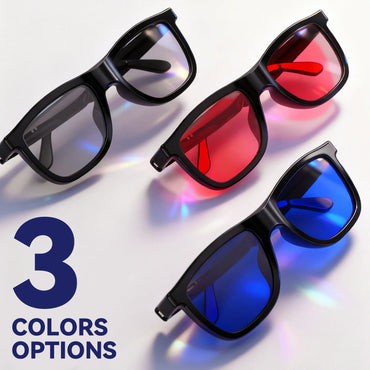
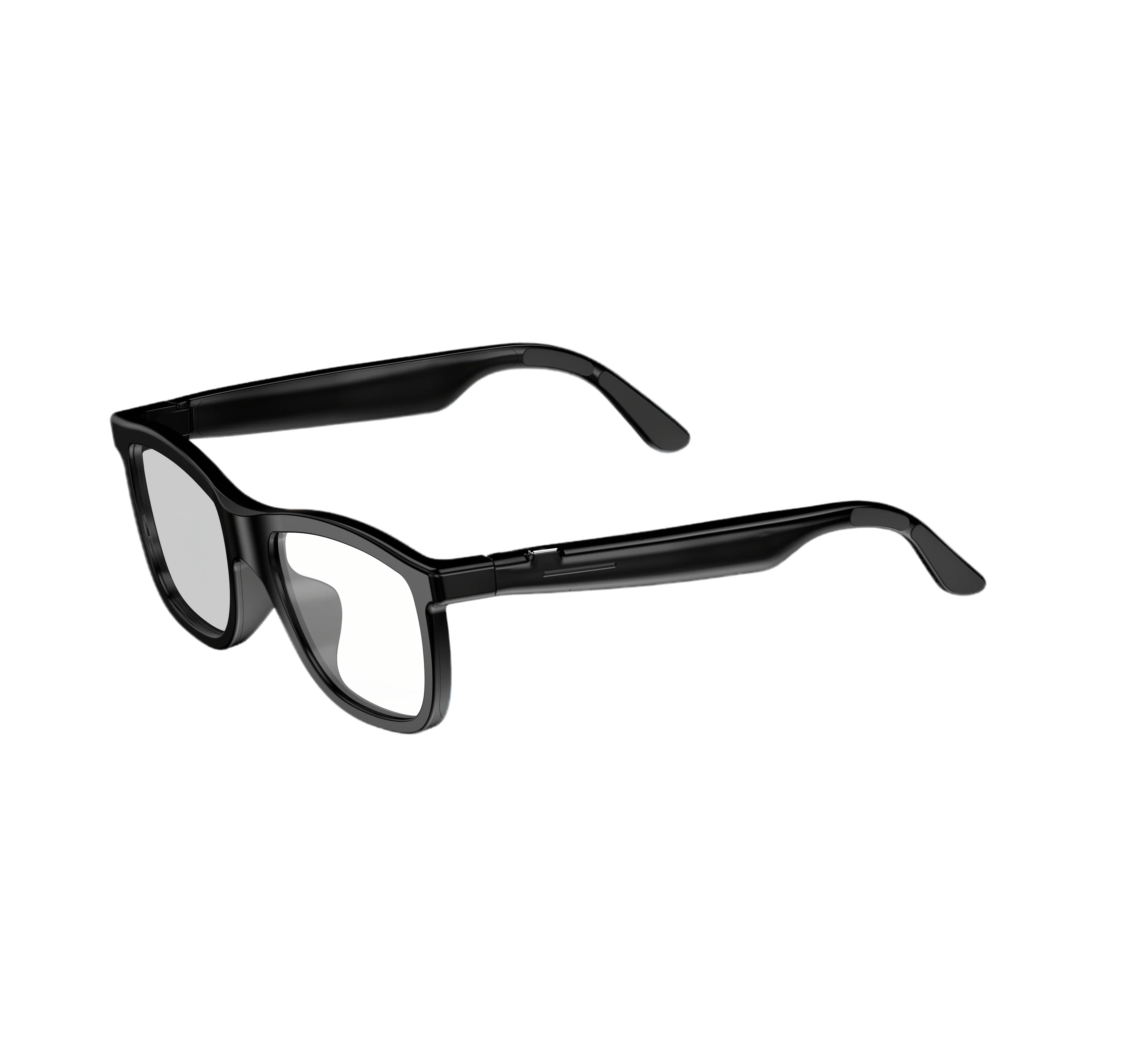
For shoppers who prefer a blue-light lens option, Osawalla Daily Core Camera Glasses are available with Blue Light Lenses for $69.99.
What the evidence actually says
The American Academy of Ophthalmology does not recommend them
The AAO states there is no scientific evidence that light from computer screens damages the eyes. On that basis, the Academy does not recommend any special eyewear for computer use, and advises skipping glasses marketed on blue-light protection.[^1][^2]
That is the starting point most articles on this topic leave out. If you are reading a page on a glasses brand's blog, you should know that the largest ophthalmology body in the US recommends against the product category being discussed.
What does cause screen discomfort, in the AAO's account, is how we use screens. We blink far less when staring at a display. Sustained near-focus work tires the focusing system. The result is digital eye strain: a cluster of temporary symptoms — dryness, soreness, blurred vision, headache — that settle once you stop.[^2]
That distinction explains most of the confusion. Digital eye strain is real. It is also a behaviour problem, which is why a filter does not fix it.
The Cochrane review: 17 trials, no clear benefit
In 2023, Cochrane reviewed 17 randomised controlled trials involving 619 adults, comparing blue-light filtering lenses with plain lenses.[^3] The findings:
· Visual fatigue: probably little or no difference in the short term.
· Critical flicker fusion (a measure of visual performance): probably little or no difference.
· Sleep quality: indeterminate. Trials reported mixed results across very different groups.
· Eye damage: no trials addressed it at all.
Four details matter as much as the headline, and they are the reason this review gets quoted loosely:
1. 65% of trials followed participants for less than two weeks. Anything longer-term is unknown.
2. 88% of studies recruited people with mania, depression or insomnia — not healthy everyday screen users.
3. Evidence certainty was low to very low by GRADE standards.
4. A few trials reported mild adverse events: headache, discomfort wearing the glasses, and lower mood.
So the fair reading is not "blue light glasses are proven useless". It is "no one has shown they do anything meaningful, in studies short enough and narrow enough that we would probably have missed a real effect".
Where lenses genuinely help: the coating, not the filter
Here is the part that gets lost when people argue about blue light. A lens is not just a filter. It is a piece of coated optics, and the lens coating does measurable work. Three coatings matter in everyday computer glasses.
Anti-reflective (AR) coating. Screens and ceiling lights throw reflections that force your eyes to work harder. AR coating cuts those reflections and lifts contrast. For video calls it also stops your own screen from ghosting across your lenses.
Scratch-resistant coating. Glasses live in pockets, bags and desk drawers. A hardened surface keeps them usable for longer.
Hydrophobic, easy-clean coating. Reduces fingerprints, repels moisture and dust, and makes cleaning quicker.
None of these need blue-light filtering to work. That is why opticians tend to recommend lens coating and breaks, and why the AAO's advice stops at behaviour change. When you compare computer glasses, compare the coating stack, not the filter percentage.
Blue-light lenses vs computer glasses
|
|
Blue-light filtering lenses |
Computer / office glasses |
What actually helps |
|
Main job |
Filter part of the short-wavelength band |
Cut glare, suit screen distance |
Glare reduction |
|
Eye strain relief |
Probably little or none[^3] |
Indirect, via glare and fit |
AR coating + breaks |
|
Sleep |
Evidence unclear[^3] |
Not designed for it |
Less screen before bed |
|
Eye protection |
No evidence of damage to prevent[^1] |
Not protective either |
Not a protection product |
|
Worth buying for |
Filter alone: no |
Glare, comfort, fit: yes |
Coatings and habits |
The two terms get used interchangeably. They are not the same purchase. A pair of blue light glasses bought for the filter is buying the least-supported feature. A pair of computer glasses bought for coating quality and fit is buying the part that changes how a long screen day feels.
If you only remember one line from this article: judge the lens by its coating, not by how much blue light it claims to block.
What actually reduces eye strain
Four things beat any lens.
1. The 20-20-20 rule. Every 20 minutes, look at something about 20 feet away for at least 20 seconds. This is the AAO's own first-line advice for digital eye strain.[^2]
2. Fix the workspace. Sit roughly 25 inches — about arm's length — from the screen. Position it so your gaze falls slightly downward. That posture helps you blink more.
3. Blink, and use tears. Dryness drives most of the discomfort. Artificial tears help when eyes feel gritty.
4. Cut glare at the source. Balance room lighting, raise screen contrast, and consider a matte filter. Reducing reflections removes the work your eyes were doing to see past them.
Eyewear is item five on that list, not item one.
Blue light and sleep: the part people ask about most
Sleep is why most people buy these glasses. Here is the honest version.
Blue light in the evening does suppress melatonin, the hormone that helps you wind down, and it can shift the body clock later.[^1] But two things get oversimplified in the marketing.
First, it is not the blue light specifically — it is the light. Any bright light at night has the same effect. A dim, warm screen is a smaller signal than a bright, cool one. So the lever is brightness and timing, not a tint over the lens.
Second, the lens trials are inconclusive. Cochrane rated the sleep outcomes as indeterminate, with mixed results across very different groups.[^3] Nobody has shown that slipping on blue-light glasses two hours before bed reliably improves sleep.
What has more support is simply using less screen, and dimmer screen, in the last two to three hours before bed. Night mode, warmer colour temperatures, and lower brightness do the work that the glasses claim to do — and they cost nothing.
Free fixes first: software and settings that do the work
Before spending on lenses, try the settings you already own. They cut short-wavelength output at the operating-system level, which means you are not paying for a physical filter you may not need.
· Night Shift (iPhone/Mac), Night Light (Windows), and Android Eye Comfort shift the display toward warmer tones on a schedule. Set them to turn on at sunset or an hour before bed.
· f.lux does the same on desktop and has finer scheduling.
· Auto-brightness and manual dimming matter more than tint. A bright screen at midnight is a bigger circadian signal than its colour temperature.
· Dark mode helps in low-light rooms by reducing overall luminance, though it is not a blue-light cure and can hurt readability for some people.
None of these is a substitute for breaks, and none of them fixes an uncomfortable chair or a glare-prone window. But they are the cheapest thing to try, and most people skip them and go straight to a $70 pair.
Who still benefits from blue-light lenses
Be honest about who these are for:
· People who want less glare on long screen days — the coating and the tint both contribute to a calmer image, even if the filtering itself is not doing the heavy lifting. Good computer glasses earn their price here.
· People who prefer a warm-tinted lens — some users simply find it more comfortable, and comfort is a legitimate reason to buy.
· Anyone replacing an uncoated pair — moving from bare plastic to a coated lens is a real upgrade, whatever the filter does.
They are not for preventing eye disease, and they are not a substitute for breaks.
What to look for when buying computer glasses
5. A proper anti-reflective coating. The single most useful feature on this list.
6. Scratch resistance and an easy-clean surface. These decide whether the glasses still look good in six months.
7. Fit and weight. Comfort determines whether you actually wear them for eight hours.
8. Honest product claims. If a page promises protection from eye damage or a cure for digital eye strain, the claim is ahead of the evidence.
9. A return window. Comfort is personal, and you cannot judge it from photos.
How to tell whether a lens is actually coated
You can check this in about ten seconds, and most people never do.
Hold the glasses under a ceiling light and tilt them. An uncoated lens throws a bright, hard reflection — usually a white or green patch that moves as you move. A lens with anti-reflective coating throws a faint, soft-tinted reflection instead, and you can see straight through it.
Then breathe on the lens. If the fog clears almost immediately and evenly, there is a hydrophobic top layer. If it lingers in patches, there is not.
Neither test tells you how much blue light the lens blocks. Both tell you something you can actually feel across a working day.
What the tint does — and does not — tell you
A blue-light lens has a faint yellow or amber cast. Hold it over white paper and you will see it. That cast is the filter working — it is also why some people find these lenses warmer and calmer to look through.
What the cast does not tell you is whether your eyes will feel better at 6pm. The trials say they probably will not.[^3]
A two-week test you can run yourself
If you are on the fence, you do not have to trust any brand's claim — including ours. Run a small experiment.
Week 1 (baseline): wear no special glasses. At the end of each screen day, note your eye comfort from 1–10, any headache, and how long it takes you to fall asleep.
Week 2 (trial): wear the blue-light lenses for the same kind of days. Score the same three things.
If your scores move and the difference is real to you, the lenses are worth it — regardless of what the averages say. If nothing changes, you have your answer without guessing. This is the one test no review can run for you, because comfort is personal.
Blue-light lenses and children
Parents ask about this constantly, so it is worth a direct line.
The evidence base for children is even thinner than for adults — there are essentially no trials showing blue-light glasses help kids' eyes or sleep. The AAO's position extends to children: there is no evidence that screen light damages young eyes, and no recommendation for special eyewear.[^1]
What does have support for kids is the boring stuff: outdoor time during the day (which protects against myopia progression), sensible screen limits, and the 20-20-20 habit. A tinted lens is the last thing to reach for, not the first.
Blue-light lenses at Osawalla
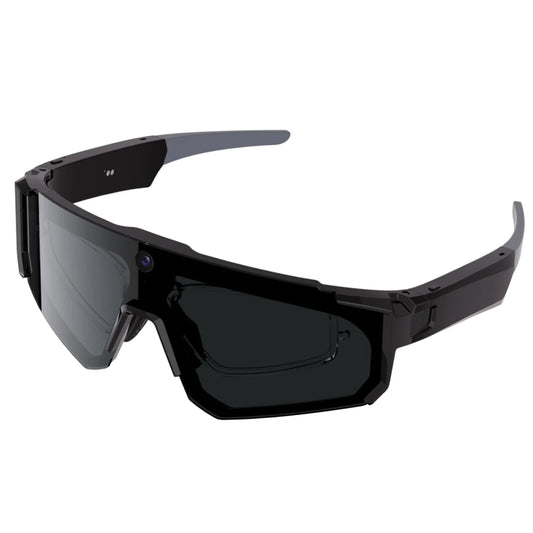
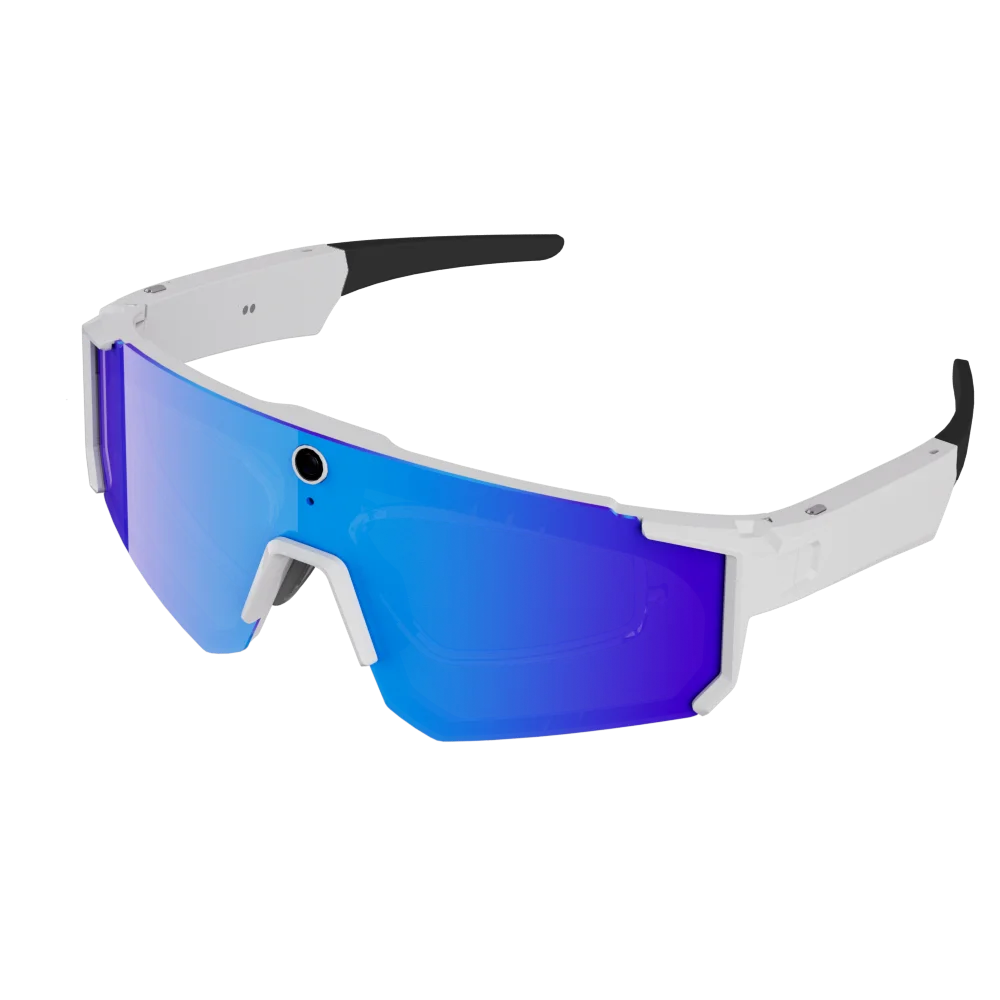
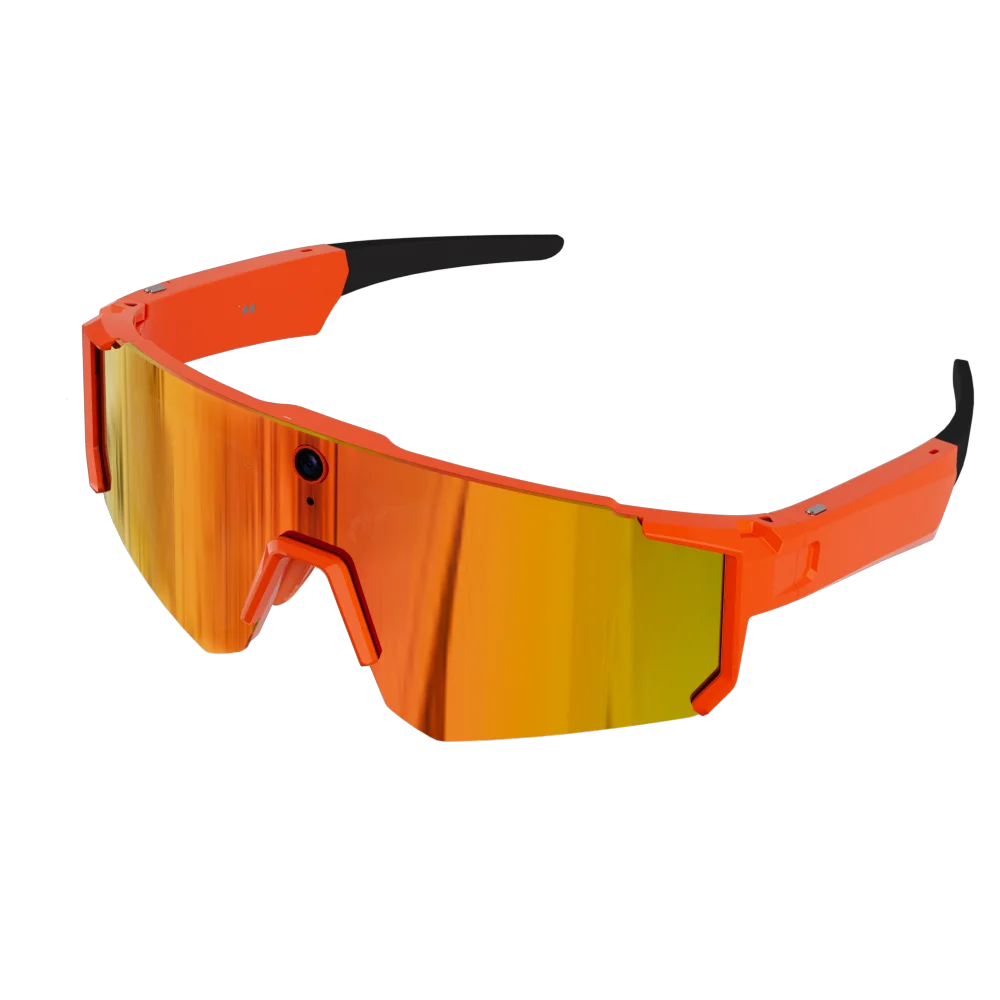
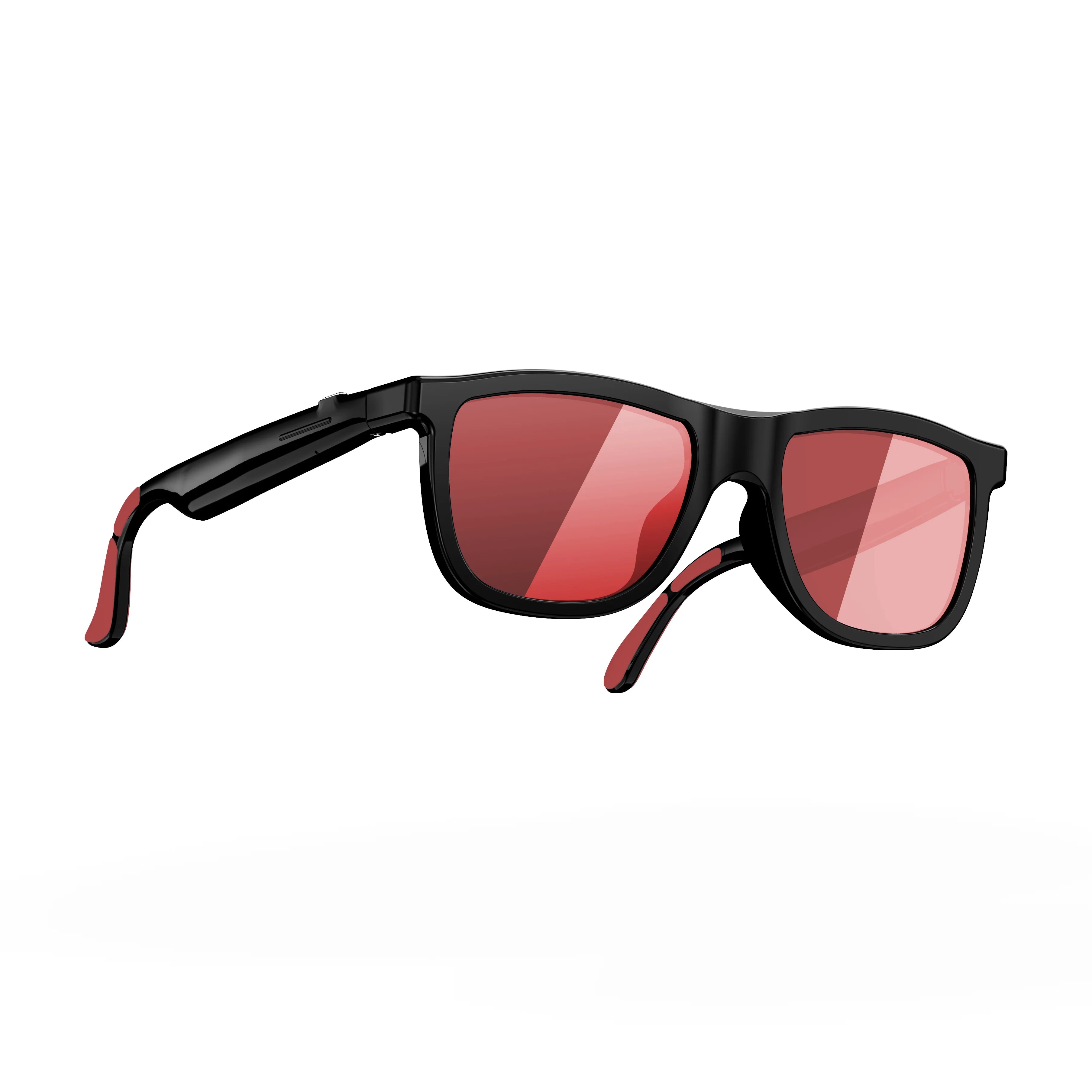
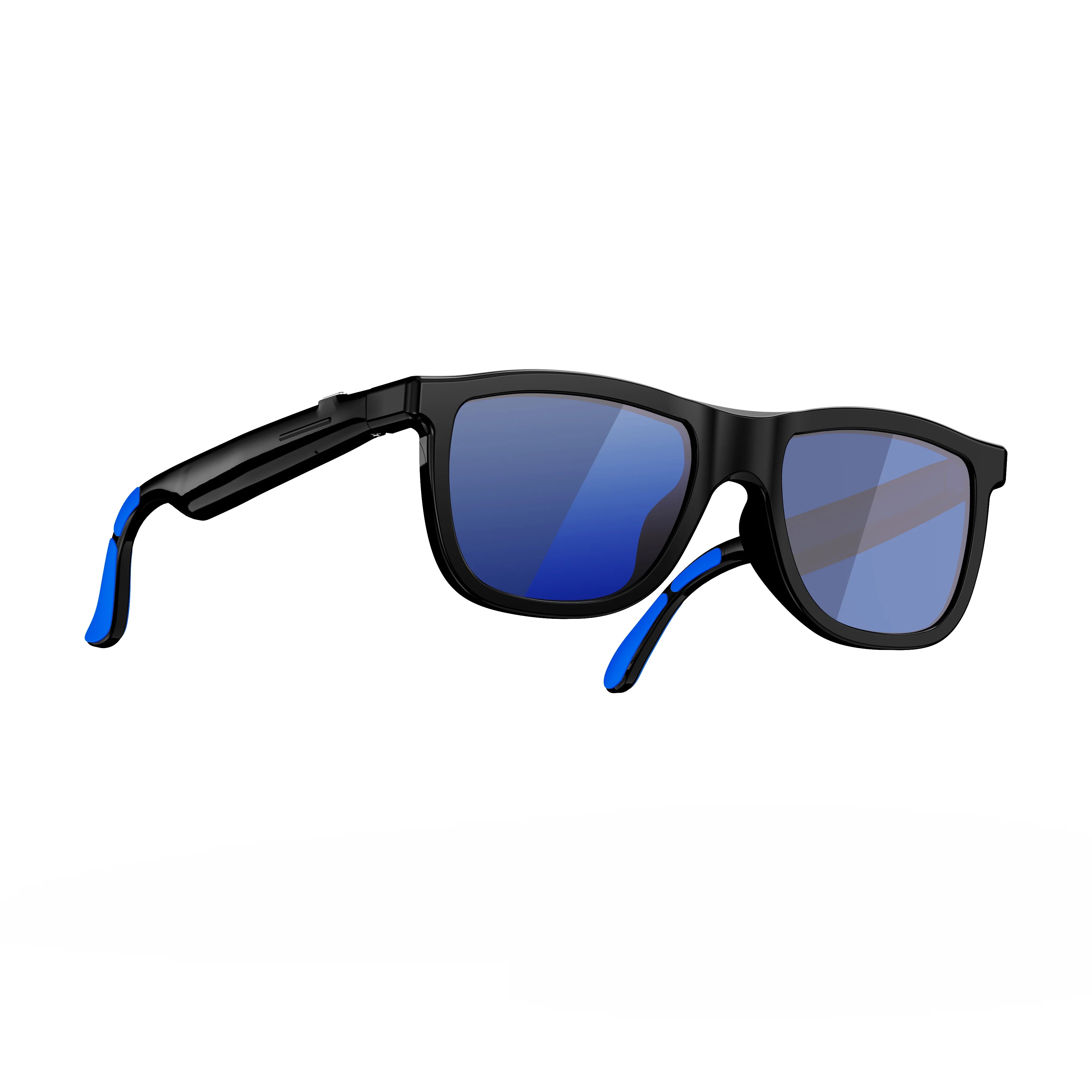
The Osawalla Daily Core Camera Glasses come in two lens options: Polarized Lenses for outdoor and driving, and Blue Light Lenses for screen-heavy days. Both are $69.99, with no app subscription.
We sell a blue-light lens option. We are not going to tell you it protects your eyes from damage, because the evidence does not support that and the AAO says so directly.[^1] Buy it if you want a comfortable pair for long days at a screen. Take breaks either way.
Osawalla Daily Core — Blue Light Lenses, $69.99 →

Related reading: how to choose the right smart glasses, why smart glasses feel uncomfortable, what to look for in camera glasses, and what smart glasses actually do.

FAQ
Are blue light glasses worth it?
For eye strain or eye protection, the evidence says no — a 2023 Cochrane review found no meaningful short-term benefit over plain lenses, and the AAO does not recommend blue-light-blocking eyewear.[^1][^3] They can still be worth buying for glare reduction and comfort.
Does blue light from screens damage your eyes?
No evidence supports this. The AAO states there is no scientific evidence that light from computer screens damages the eyes, and notes that screen exposure is far lower than sunlight exposure.[^1]
Do blue light glasses help eye strain?
Probably not on their own. Screen discomfort tracks with reduced blinking and sustained near-focus work. Breaks, screen position and glare reduction have more support than filtering.[^2]
Do blue light glasses help you sleep?
Unclear. Blue light does affect circadian rhythm, but trial results for filtering lenses on sleep quality are mixed. Limiting screens two to three hours before bed has more support than any lens.[^3]
What does lens coating actually do?
Anti-reflective coating reduces reflections and raises contrast. Scratch-resistant coatings extend lens life. Hydrophobic coatings repel fingerprints and moisture, making lenses easier to clean.
Should I wear blue light glasses all day?
You can. There is no evidence of harm from wearing them. Just do not expect them to replace breaks — the 20-20-20 rule still does more for comfort than any lens.
Are blue light lenses worth it for gaming or night use?
For gaming, glare reduction and fit matter more than filtering. For night use, lowering brightness and enabling night mode will do more than a lens. Both settings are free.
Do blue light glasses help with headaches?
Not directly. Most screen-related headaches come from glare, sustained focus, and poor posture — the 20-20-20 rule and a better workstation setup address those. If a lens helps, it is usually the anti-reflective coating cutting glare, not the blue-light filter.
Can I get blue light filtering with prescription lenses?
Yes. Anti-reflective and blue-light treatments are applied to prescription lenses by most opticians. If you already wear corrective glasses, ask for the coating on your next pair rather than buying a separate non-prescription pair.
Are blue light glasses worth it for kids?
The evidence for children is even thinner than for adults, and the AAO recommends no special eyewear for kids either.[^1] Outdoor time, screen limits, and breaks do more. A tinted lens should be the last thing you try.
Sources
[^1]: Should You Be Worried About Blue Light? — American Academy of Ophthalmology. States no evidence of screen light damage, that the Academy does not recommend special eyewear for computer use, and that sunlight is the largest blue light source. https://www.aao.org/eye-health/tips-prevention/should-you-be-worried-about-blue-light
[^2]: Are Blue Light-Blocking Glasses Worth It? — American Academy of Ophthalmology. Covers reduced blinking, the 20-20-20 rule, screen distance and workspace setup. https://www.aao.org/eye-health/tips-prevention/are-computer-glasses-worth-it
[^3]: Singh S, Keller PR, Busija L, McMillan P, Makrai E, Lawrenson JG, Hull CC, Downie LE. Blue-light filtering spectacle lenses for visual performance, sleep, and macular health in adults. Cochrane Database of Systematic Reviews 2023;(8):CD013244. 17 RCTs, 619 participants; low to very low certainty evidence. https://www.cochranelibrary.com/cdsr/doi/10.1002/14651858.CD013244.pub2/full
[^4]: Computer Vision Syndrome (Digital Eye Strain) — AAO EyeWiki. Average American worker spends about seven hours a day on a computer. https://eyewiki.aao.org/Computer_Vision_Syndrome_(Digital_Eye_Strain)
The bottom line: blue-light filtering is the least-supported reason to buy a pair of glasses. Anti-reflective coating, a comfortable fit, and regular breaks are the reasons that hold up. Try the free software fixes first, run your own two-week test, and only then spend on optics. Buy computer glasses for the coating quality, not for the filter. Take the breaks anyway.
If you want one pair for screen-heavy days, start here: Osawalla Daily Core — Blue Light Lenses, $69.99. No subscription, 1-year warranty, 30-day returns.
More on eyewear comfort and fit: why smart glasses feel uncomfortable, and how a smart ring tracks the same signals overnight.
Health and wellness information in this article is for general informational purposes only and is not intended to diagnose, treat, cure, or prevent any disease or medical condition. Screen-related eye symptoms are usually temporary. Persistent or worsening vision problems should be assessed by an optometrist or ophthalmologist.
Written by the Osawalla Product Team
Fact-checked against sources from the American Academy of Ophthalmology and Cochrane Library.


