







AI Smart Glasses in 2026: The Smart Eyewear Industry Is Entering a New Era
Last updated: September 11, 2026
Smart glasses are no longer a futuristic concept reserved for technology enthusiasts. In 2026, AI smart glasses are becoming one of the fastest-moving categories in consumer wearable technology.
The industry is changing quickly. Smart glasses are becoming lighter, more fashionable, more capable, and increasingly connected to artificial intelligence. Instead of simply adding electronics to a pair of glasses, manufacturers are beginning to rethink what eyewear can do in everyday life.
From hands-free AI assistants and real-time translation to photography, navigation, open-ear audio, and visual recognition, the latest generation of AI glasses is moving toward a new type of wearable computer—one that sits naturally in front of the user's eyes without requiring a screen.
For consumers, this raises an important question:
What are smart glasses actually becoming in 2026, and what should buyers look for when choosing a pair?
The Smart Glasses Market Is Growing Rapidly
The latest industry data shows that smart glasses are moving beyond the early-adopter stage.
According to Counterpoint Research, the global smart glasses market grew 212% year over year in the first half of 2026, with Meta accounting for approximately 84% of global shipments. The company also reported strong sequential growth during the same period.
IDC has similarly reported strong momentum in the category. Its 2026 market data indicates that display-free smart glasses are becoming a major driver of growth, with consumers showing increasing interest in lightweight eyewear that combines AI, audio, cameras, and hands-free assistance.
This is an important change in the wearable technology market.
The previous generation of smart glasses often tried to answer the question:
"How can we put a computer display on your face?"
The new generation is asking something different:
"How can technology help you without interrupting what you are already doing?"
That distinction may define the next stage of the smart glasses industry.
AI Is Becoming the Core of Smart Glasses
One of the biggest changes in smart glasses 2026 is the growing role of artificial intelligence.
Traditional wearable devices usually depend on screens. Users look at a smartwatch or smartphone to access information.
AI smart glasses take a different approach.
Instead of constantly looking down at a screen, users can interact with technology through voice, audio, cameras, and contextual information.
For example, a user may be able to:
- Ask an AI assistant a question
- Translate a conversation
- Identify an object
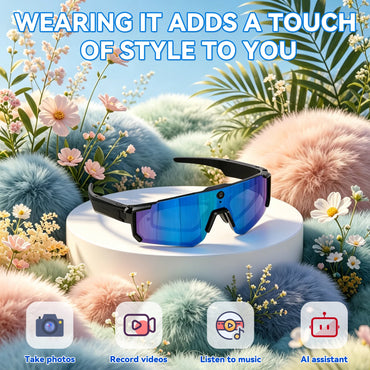
- Capture a photo or video
- Make or answer a phone call
- Listen to music or podcasts
- Receive navigation guidance
- Ask questions about something they are looking at
This creates a much more natural interaction model.
The glasses do not necessarily need to replace the smartphone. Instead, they can become a hands-free interface between the user and the digital world.
This is why the combination of AI + camera + audio has become such an important direction for the smart eyewear industry.
From Camera Glasses to AI Glasses
Camera technology has also become an important part of modern smart glasses.
Earlier camera glasses were primarily designed for recording. The value proposition was relatively simple: put a camera on your face and capture what you see.
Today, the camera can become much more than a recording device.
With AI and computer vision, a camera can provide information about the user's surroundings. This opens the door to features such as visual recognition, translation, contextual assistance, and AI-powered questions about objects or environments.
This transition can be described as:
Camera → Vision → AI Understanding → Assistance
That is a significant evolution.
A pair of smart glasses with a camera can capture a moment. A pair of AI smart glasses can potentially understand that moment and help the wearer respond to it.
The difference is not simply better hardware. It is the software layer connecting the camera, microphone, AI model, and mobile application.
Display-Free Smart Glasses Are Becoming More Important
One of the most interesting developments in the industry is that smart glasses do not necessarily need a built-in display to be useful.
In fact, many of the most commercially successful AI glasses focus on a display-free experience.
This approach has several advantages.
Without a display, smart glasses can remain relatively lightweight and visually similar to conventional eyewear. Users can interact with the device through voice commands, audio feedback, smartphone connectivity, and camera functions.
This makes the product easier to integrate into everyday situations.
You can wear smart glasses while:
- Walking
- Traveling
- Commuting
- Working
- Drinking coffee
- Shopping
- Exploring a new city
- Recording a memorable moment
The technology becomes part of the accessory rather than something that constantly demands attention.
This is one reason why the current generation of AI glasses is increasingly focused on natural interaction rather than adding as many visible technological components as possible.
Meta Is Pushing the Category Forward
Meta has played a major role in bringing AI glasses into the mainstream.
Its partnership with EssilorLuxottica has helped combine consumer electronics with established eyewear design and retail distribution. In June 2026, Meta and EssilorLuxottica introduced a new Meta Glasses collection starting at $299, designed to make AI-powered eyewear accessible to a broader audience.
The company has also continued expanding AI capabilities, including visual understanding, live translation, navigation, and other hands-free functions.
More recently, updates to Ray-Ban Meta have added practical features such as pedestrian navigation and expanded language support.
The larger lesson is important for the entire industry:
Consumers are increasingly buying smart glasses for what they can do in real life—not simply because they contain advanced technology.
Design, comfort, battery life, audio quality, camera performance, AI usefulness, and everyday practicality are becoming equally important.
The Industry Is Also Facing a New Challenge: Privacy
The rapid growth of camera-equipped AI glasses comes with an important concern: privacy.
Recent reports have highlighted growing concerns about people using smart glasses to record others without clear consent. Law enforcement organizations and privacy advocates have also raised questions about the use of camera-equipped glasses in sensitive environments.
This issue is becoming one of the defining challenges for the smart glasses industry.
Smart glasses are unusual because they can look almost identical to normal eyewear while containing cameras and microphones.
That creates a responsibility for manufacturers.
A successful smart glasses product cannot focus only on AI performance. It must also consider:
- Visible recording indicators
- User controls
- Data handling
- Privacy notifications
- Responsible recording behavior
- Clear product communication
The future of smart glasses will depend not only on what these devices can see and hear, but also on whether people around the wearer feel comfortable with them.
Trust will become part of the product experience.
What This Means for Consumers
With so many new smart glasses entering the market, choosing the right product can become confusing.
Not every user needs the same type of smart eyewear.
For example, someone who mainly wants hands-free music and calls may prioritize open-ear audio and battery life.
A traveler may care more about translation and AI assistance.
A content creator may prioritize camera resolution, video quality, stabilization, and storage.
A professional may want voice assistance, recording, navigation, or visual recognition.
This means the best smart glasses are not necessarily the ones with the longest list of specifications.
They are the ones that solve the user's actual daily problems.
Where Osawalla Fits Into the Smart Glasses Market
This is also the direction Osawalla is exploring.
Rather than treating smart glasses as a futuristic gadget, Osawalla focuses on making AI-powered eyewear practical for everyday use.
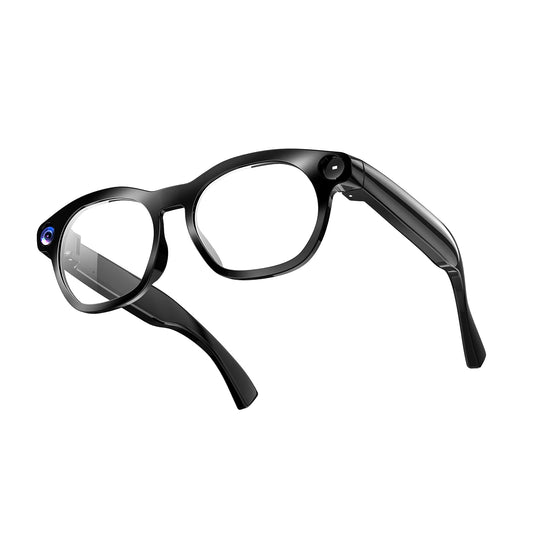
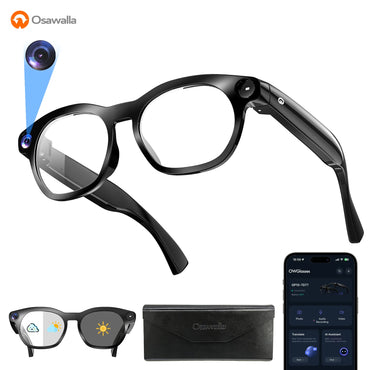
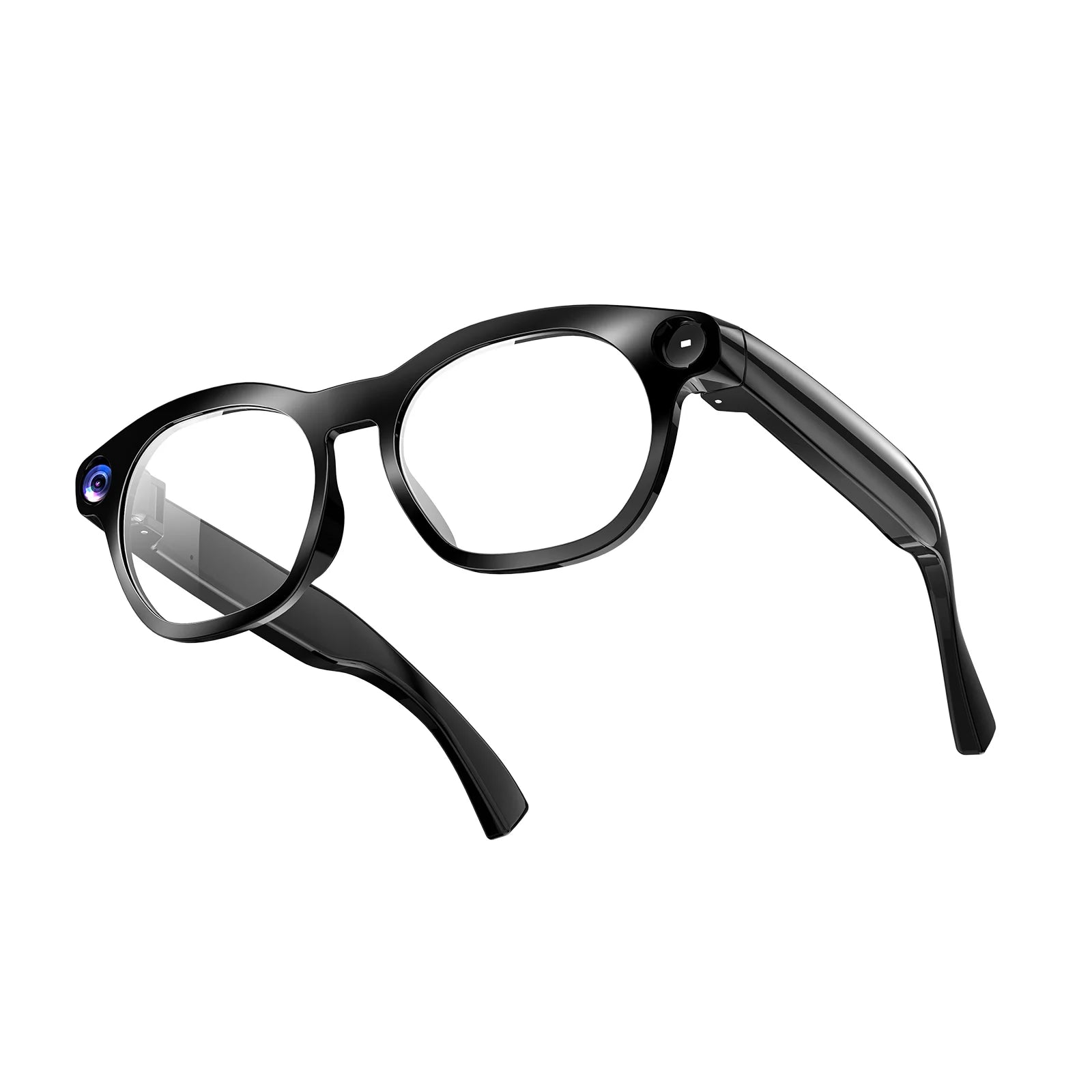
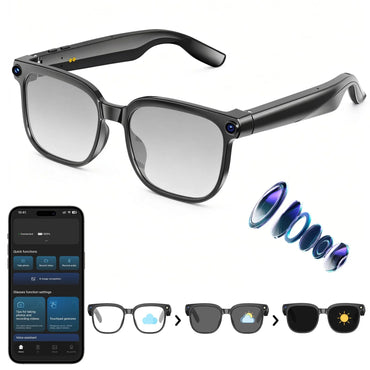
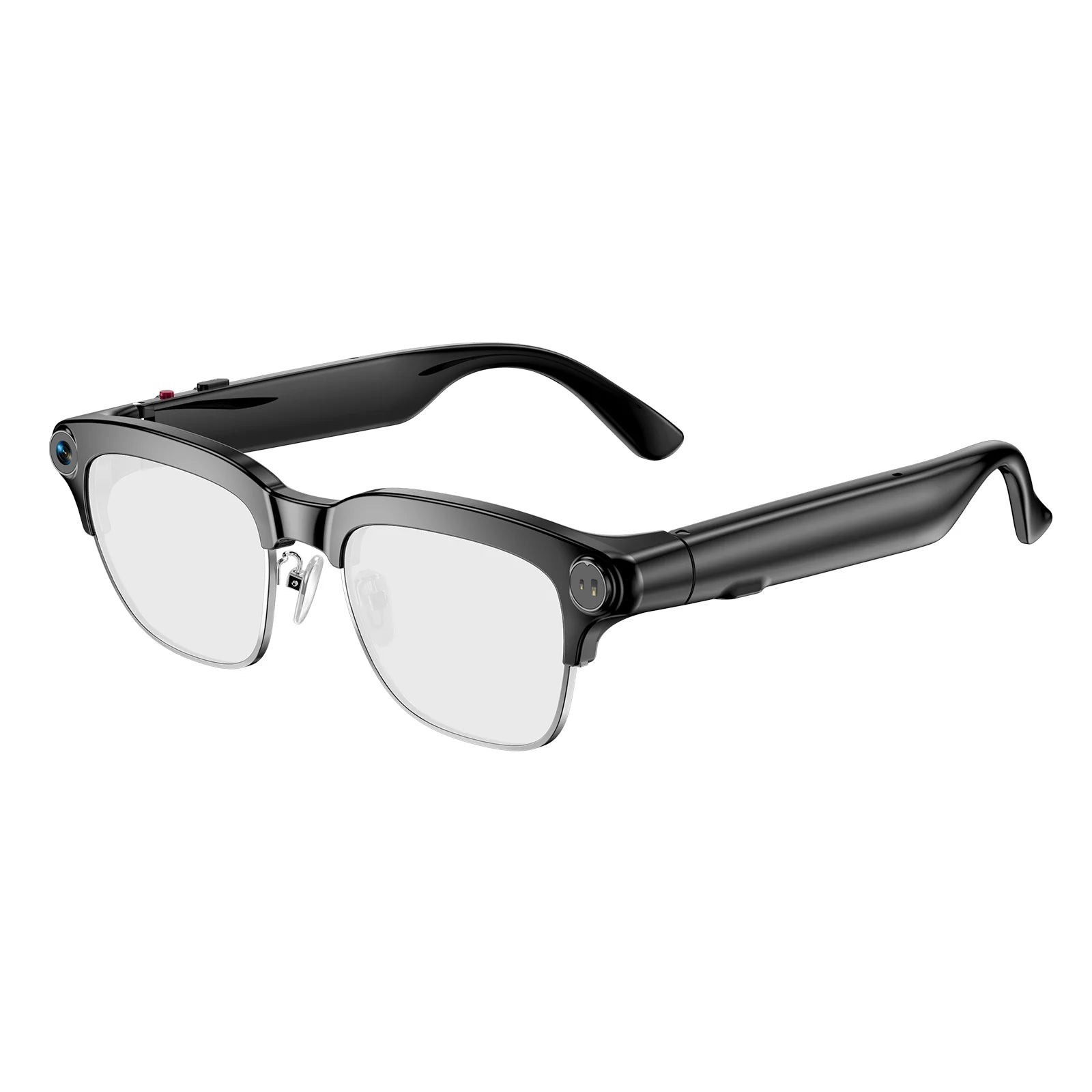
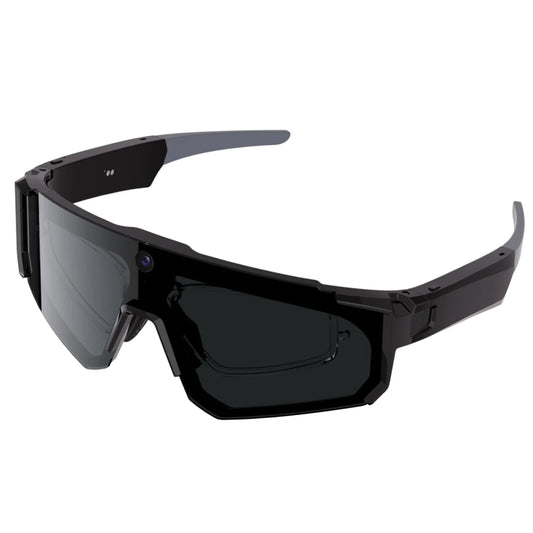
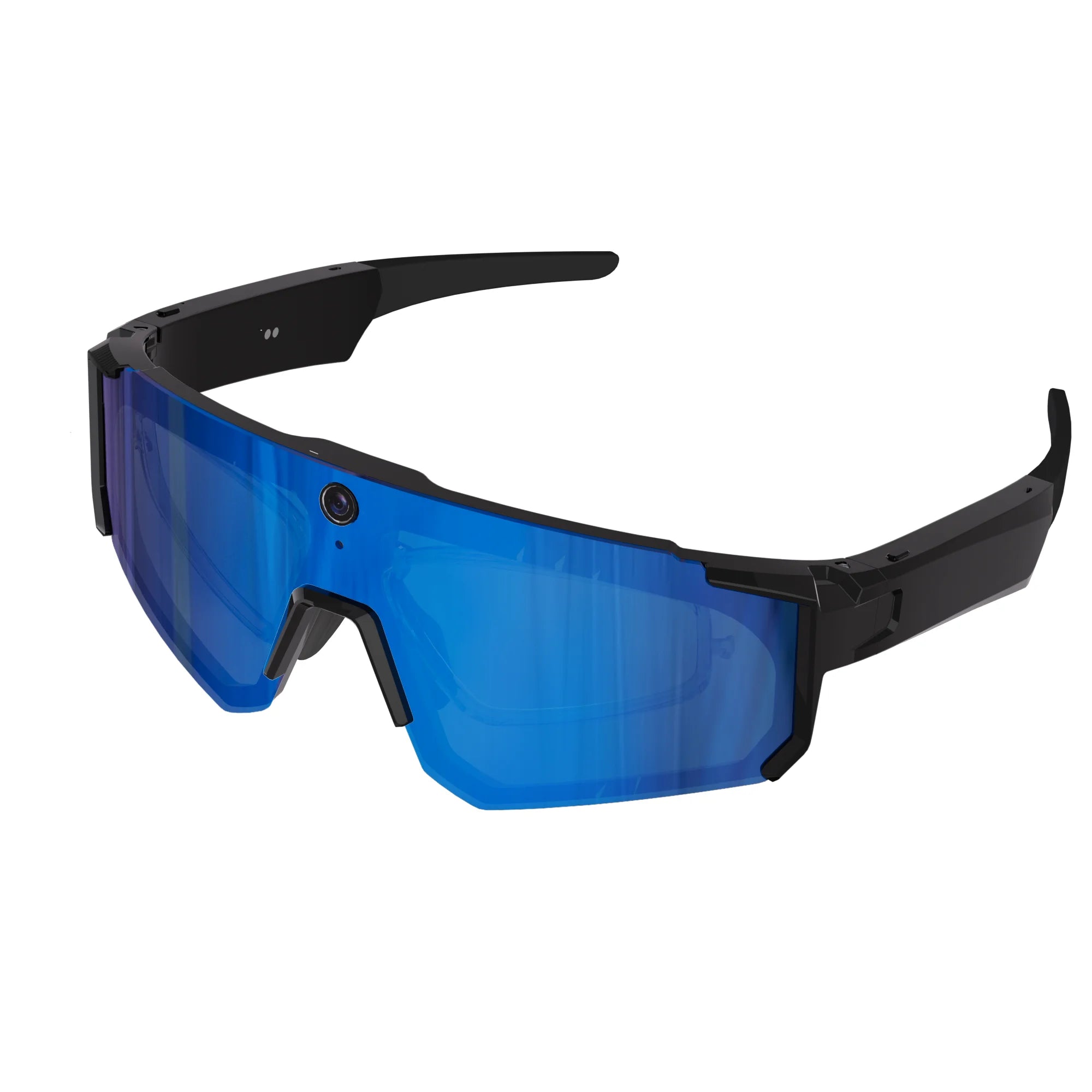
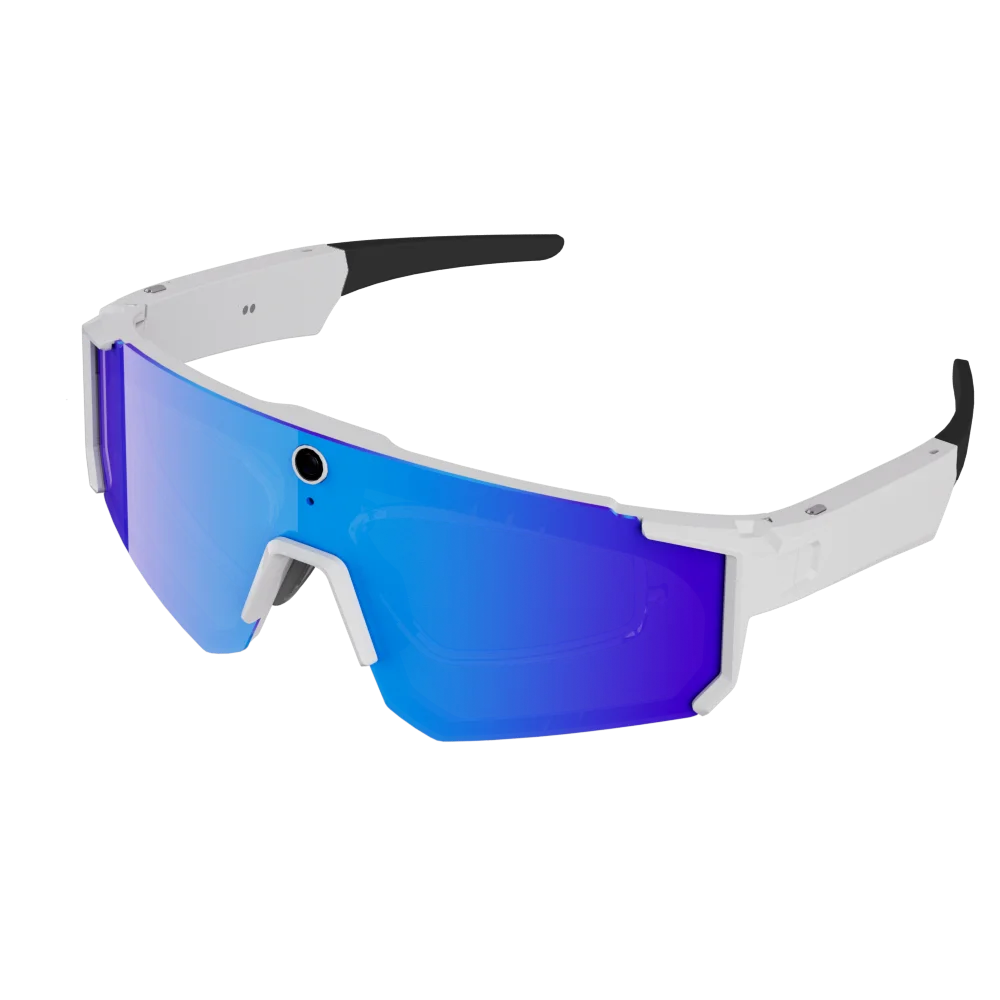
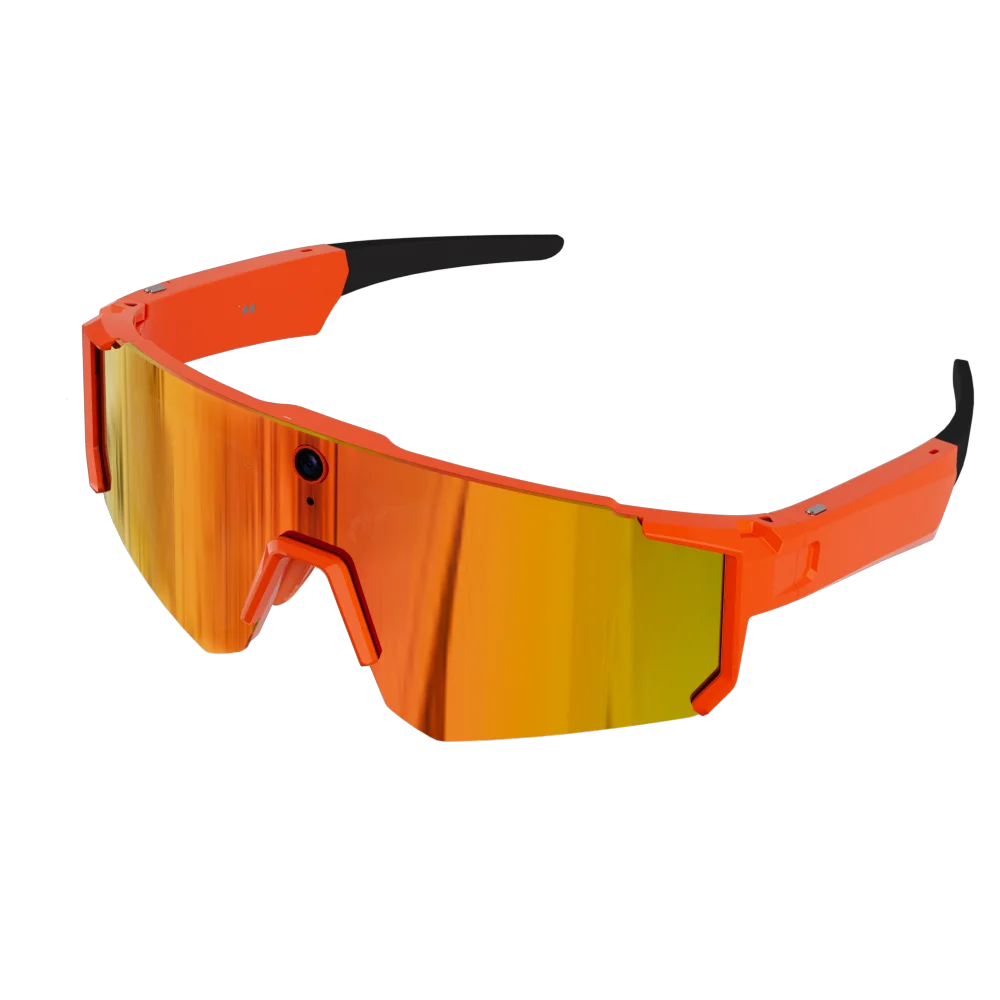
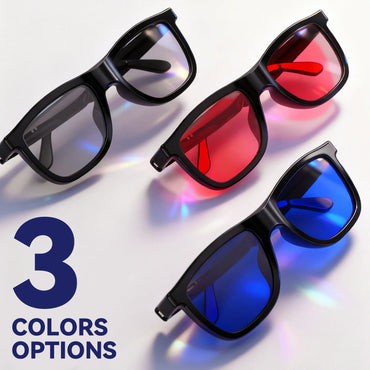
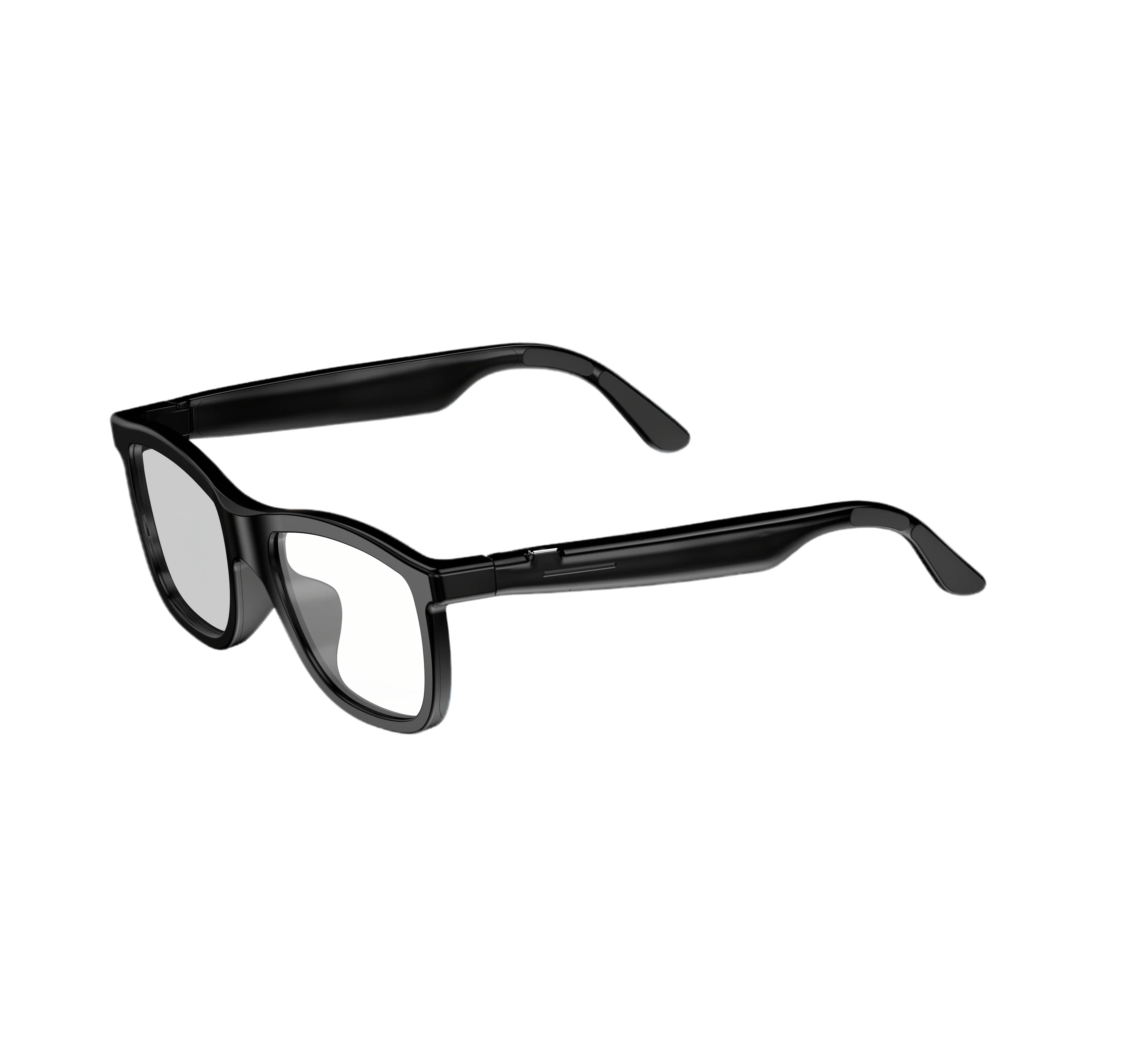
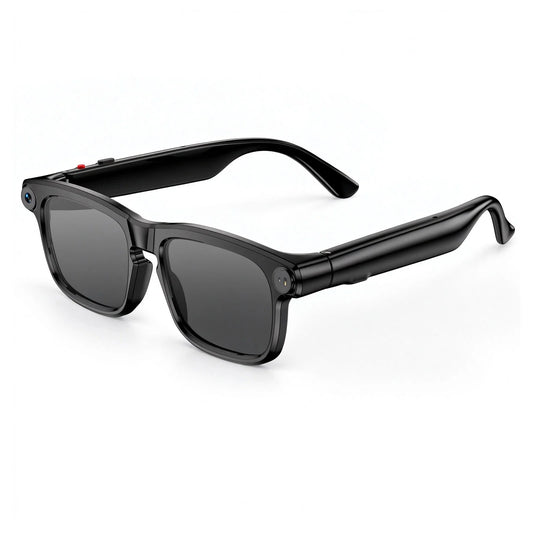
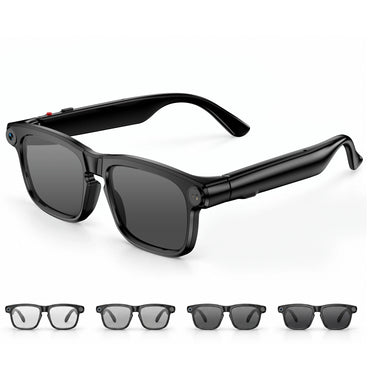
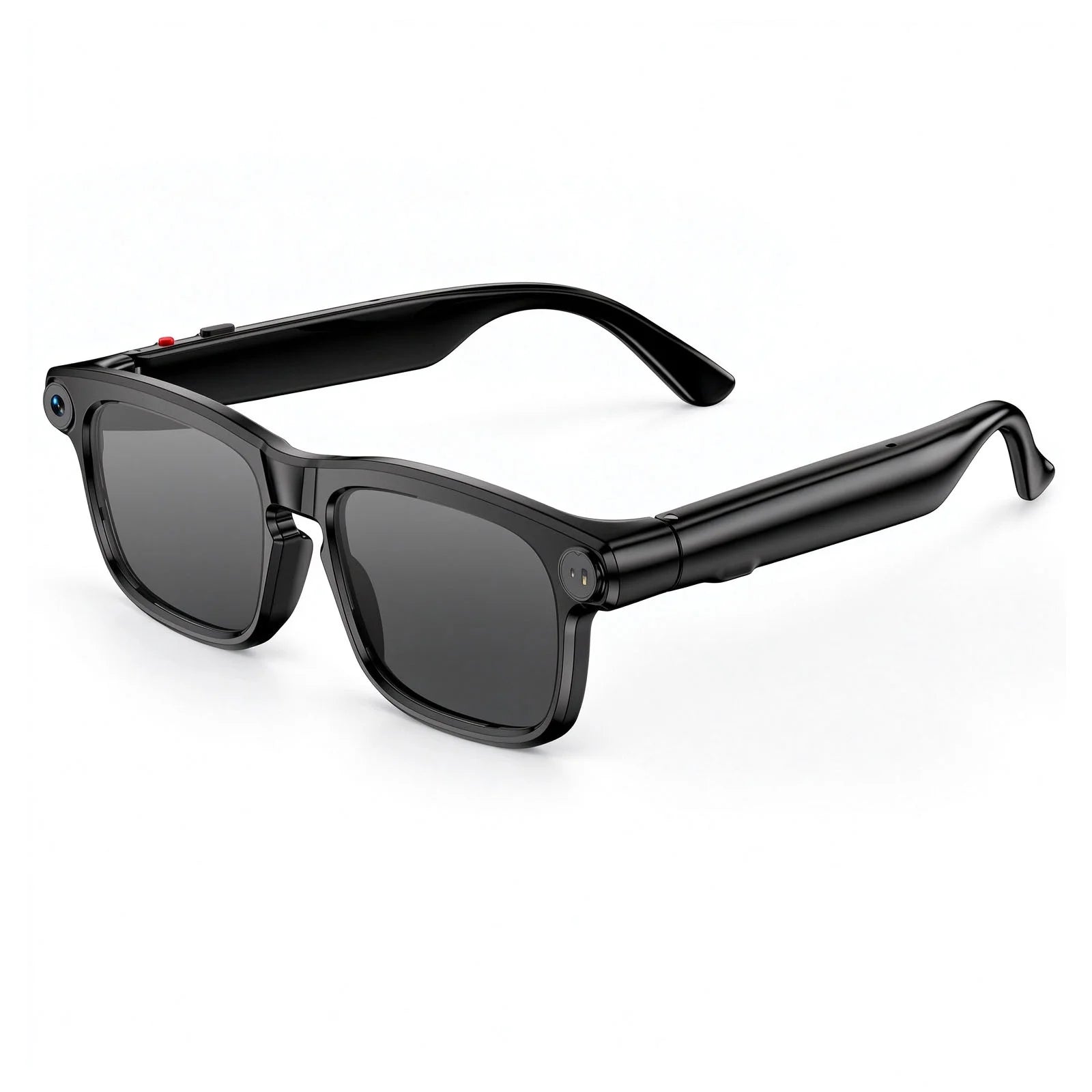
The Osawalla Daily Pro Camera Glasses are designed around several of the trends currently shaping the industry: camera-based capture, AI assistance, open-ear audio, hands-free interaction, and real-world portability.
The glasses combine an 8MP camera with 1080P video recording, allowing users to capture moments from a first-person perspective. AI capabilities can also support functions such as visual recognition, translation, and voice-based assistance.
For users who want smart glasses primarily for everyday life, this approach is important.
The goal is not to make the glasses feel like a complicated piece of electronics.
The goal is to make the technology feel natural.
That means the glasses should still look like something you would actually wear when going to work, meeting friends, traveling, or walking around a city.
Why Lightweight Design Matters
One of the most overlooked factors in smart glasses is comfort.
A product may have an impressive processor, camera, or AI system, but if it feels uncomfortable after 30 minutes, consumers are unlikely to wear it throughout the day.
This is particularly important because the long-term opportunity for smart glasses depends on wear time.
The more naturally a person wears the glasses, the more opportunities there are for AI assistance, audio interaction, photography, navigation, and other functions to become part of everyday behavior.
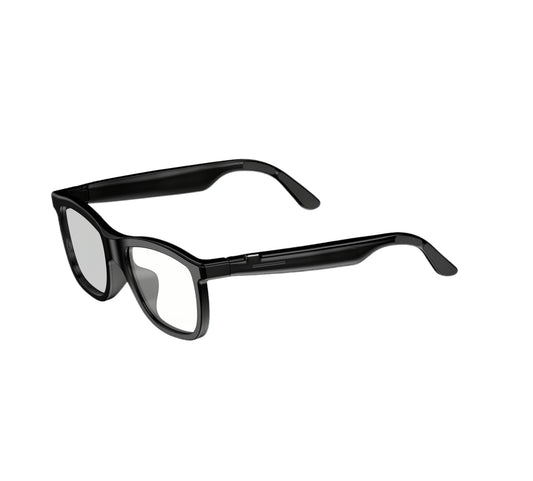
This is why modern smart glasses increasingly focus on lightweight frames, balanced weight distribution, open-ear audio, and familiar eyewear designs.
For Osawalla, this is an important product principle as well: smart technology should fit into the user's lifestyle rather than forcing the user to change their lifestyle around the technology.
The Next Competition Will Be About Use Cases
The smart glasses market is becoming increasingly competitive.
Hardware specifications will continue to improve, but specifications alone may not determine which brands succeed.
The next stage of competition is likely to focus on use cases.
Instead of simply saying:
"These glasses have an 8MP camera."
Brands will need to explain:
What can you actually do with that camera?
Instead of:
"These glasses support AI."
The better question is:
How does AI make your day easier?
Instead of:
"These glasses have open-ear speakers."
The consumer wants to know:
Can I listen to music and still hear what is happening around me?
This shift from specifications to outcomes will become increasingly important as more smart glasses enter the market.
What Will Smart Glasses Look Like Next?
The next generation of smart glasses will likely become more intelligent without becoming more visually complicated.
We can expect continued development in several areas:
1. More Context-Aware AI
AI assistants will become better at understanding what users are seeing, hearing, and doing.
2. Better Translation
Real-time translation could become one of the most practical applications for travelers and international users.
3. Smarter Navigation
Voice-based and visual navigation can make walking through unfamiliar environments easier without requiring users to constantly check their phones.
4. Better Cameras
Camera quality, stabilization, HDR, and computational photography will continue improving.
5. Longer Battery Life
Battery efficiency will remain one of the most important engineering challenges for all-day wearable AI.
6. More Natural Designs
The best smart glasses may eventually become difficult to distinguish from premium conventional eyewear.
7. Stronger Privacy Controls
As camera-equipped eyewear becomes more common, privacy indicators, controls, and responsible AI practices will become increasingly important.
The Bigger Picture: Smart Glasses Are Becoming Personal AI Interfaces
The most important development in the smart glasses industry may not be a particular camera, processor, or AI model.
It is the shift in how we interact with technology.
For decades, digital interaction has primarily happened through screens.
Smartphones gave us mobile computing.
Smartwatches moved computing onto our wrists.
Smart glasses are now bringing computing closer to our natural field of view, voice, and hearing.
The result could be a more ambient form of technology—one that is available when needed but stays out of the way when it is not.
That is the real promise of wearable AI.
And it explains why the smart glasses market is attracting so much attention in 2026.
Final Thoughts
The smart glasses industry has entered a new phase.
The technology is moving beyond novelty. Market growth, stronger AI capabilities, better cameras, improved audio, and more familiar designs are creating a product category that could become an important part of everyday wearable technology.
At the same time, the industry must address privacy, battery life, comfort, reliability, and consumer trust.
For buyers, the most important question is no longer simply:
"Are smart glasses the future?"
The more useful question is:
"Which smart glasses can actually make my everyday life easier?"
That is the direction the industry is moving toward—and it is also where Osawalla sees an opportunity.
The future of smart eyewear will not be defined by technology alone.
It will be defined by how naturally that technology fits into everyday life.


