







The wearable technology landscape has matured significantly by 2026, transitioning from bulky, obtrusive headsets to sleek, everyday eyewear. For millions of users who require vision correction, the most critical evolution has been the seamless integration of RX lenses into intelligent frames. Finding the ideal prescription smart glasses with display capabilities—or advanced sensory feedback—requires balancing visual acuity, battery efficiency, and ergonomic comfort. Whether you are navigating urban environments, tracking athletic performance, or seeking hands-free digital connectivity, compromising on your prescription is no longer necessary.

From our experience engineering advanced optic wearables, the primary challenge for consumers is navigating a highly fragmented market. Many devices offer augmented reality (AR) visual outputs but fail miserably at providing comfortable, accurate vision correction. Conversely, some frames offer excellent RX support but lack meaningful technological innovation. We recommend evaluating these devices based on their lens integration methodology—whether they utilize RX inner frames, direct surfaced prescription smart lenses, or adjustable tint technologies that complement standard optical glass.
In this authoritative guide, we will analyze the industry landscape and review the 7 best prescription smart glasses with display and advanced technological integrations available in 2026. We will explore how these devices manage focal lengths, weight distribution, and daily usability for the vision-corrected user.
- Summary Table: Top 7 Smart Glasses for Prescription Users
- 1. Osawalla GP04 Running & Cycling Video Glasses
- 2. Osawalla GG06 Smart Audio Glasses with Electrochromic Lenses
- 3. RayNeo X2 Full-Color AR Glasses
- 4. XREAL Air 2 Ultra
- 5. Brilliant Labs Frame
- 6. Vuzix Z100
- 7. Engo 2 Sports AR Glasses
- Expert Buying Guide: Choosing Prescription Wearables
- Frequently Asked Questions (FAQs)
- Industry References
Summary Table: Top 7 Smart Glasses for Prescription Users
To assist in your procurement process, we have compiled a structural overview of the leading eyewear platforms. This table highlights their primary technological focus, their prescription integration method, and their ideal use case.
| Rank | Model | Primary Technology | Prescription (RX) Integration | Ideal Use Case |
|---|---|---|---|---|
| 1 | Osawalla GP04 | 8MP Camera & Open-Ear Audio | Included RX Inner Frame | Running, cycling, POV content creation |
| 2 | Osawalla GG06 | 0.5s Electrochromic Tint & BT 5.4 | Direct RX Lens Capability | Driving, daily wear, variable light environments |
| 3 | RayNeo X2 | Binocular MicroLED AR Display | Magnetic RX Inserts | Live translation, AR navigation |
| 4 | XREAL Air 2 Ultra | Spatial Computing Display (6DoF) | Custom RX Inserts | Immersive media, virtual desktop workspaces |
| 5 | Brilliant Labs Frame | Open-Source AI MicroOLED | Bonded Prescription Lenses | AI visual assistance, lightweight daily coding |
| 6 | Vuzix Z100 | Monocular Waveguide Display | Direct Surfaced Lenses | Enterprise workflow, discrete notifications |
| 7 | Engo 2 | Sports HUD Display | RX Inner Frame | Endurance athletes, real-time biometric data |
1. Osawalla GP04 Running & Cycling Video Glasses
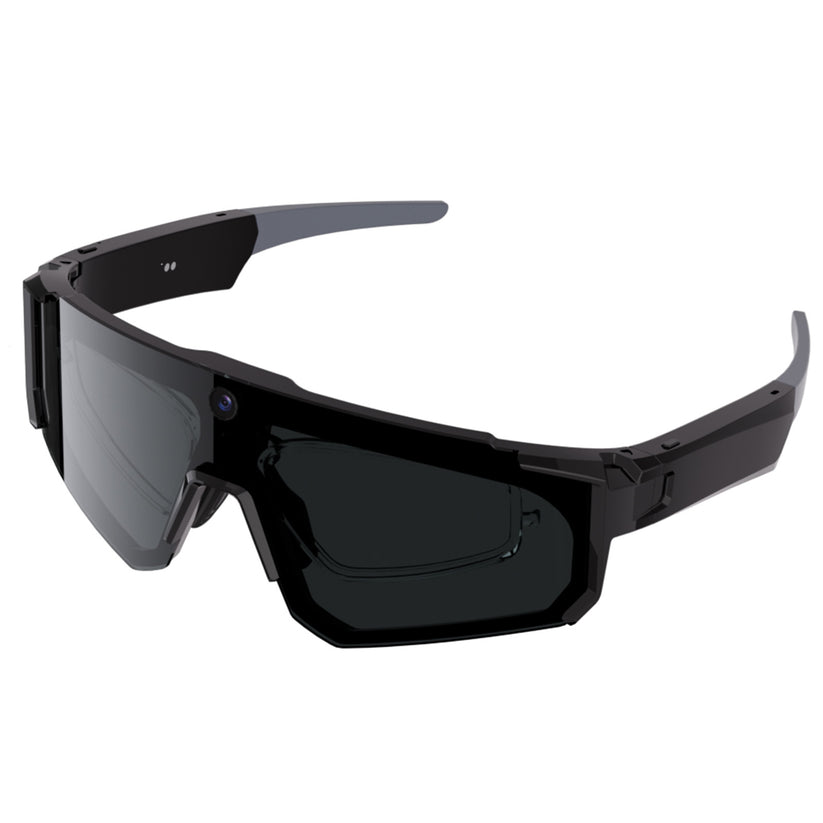
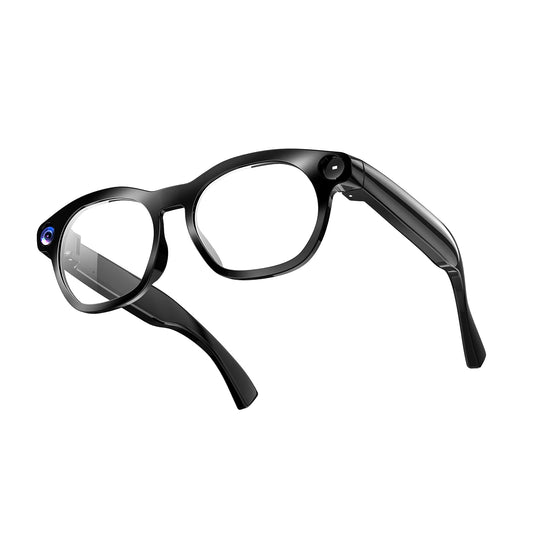
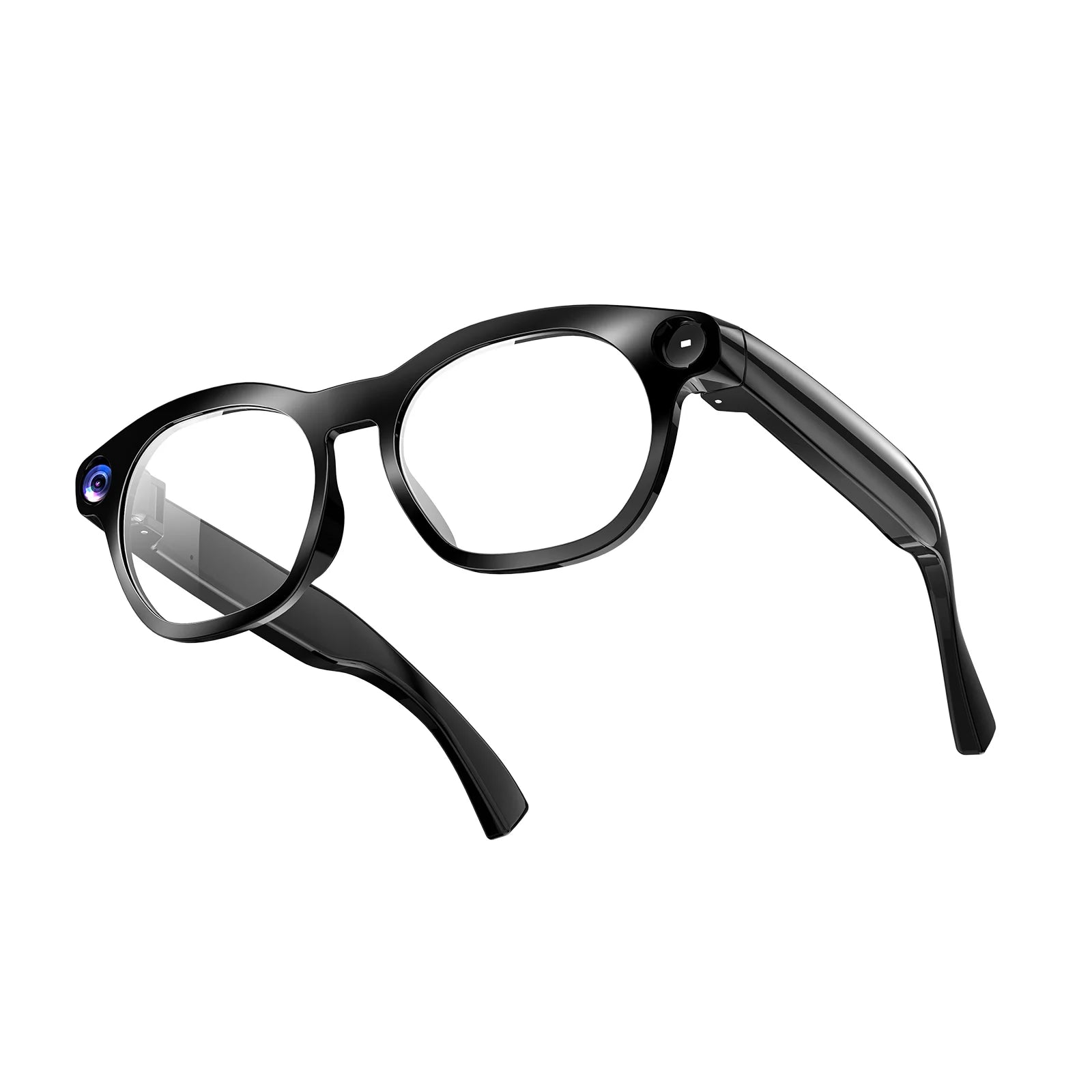
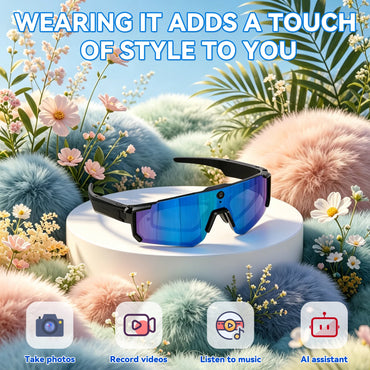
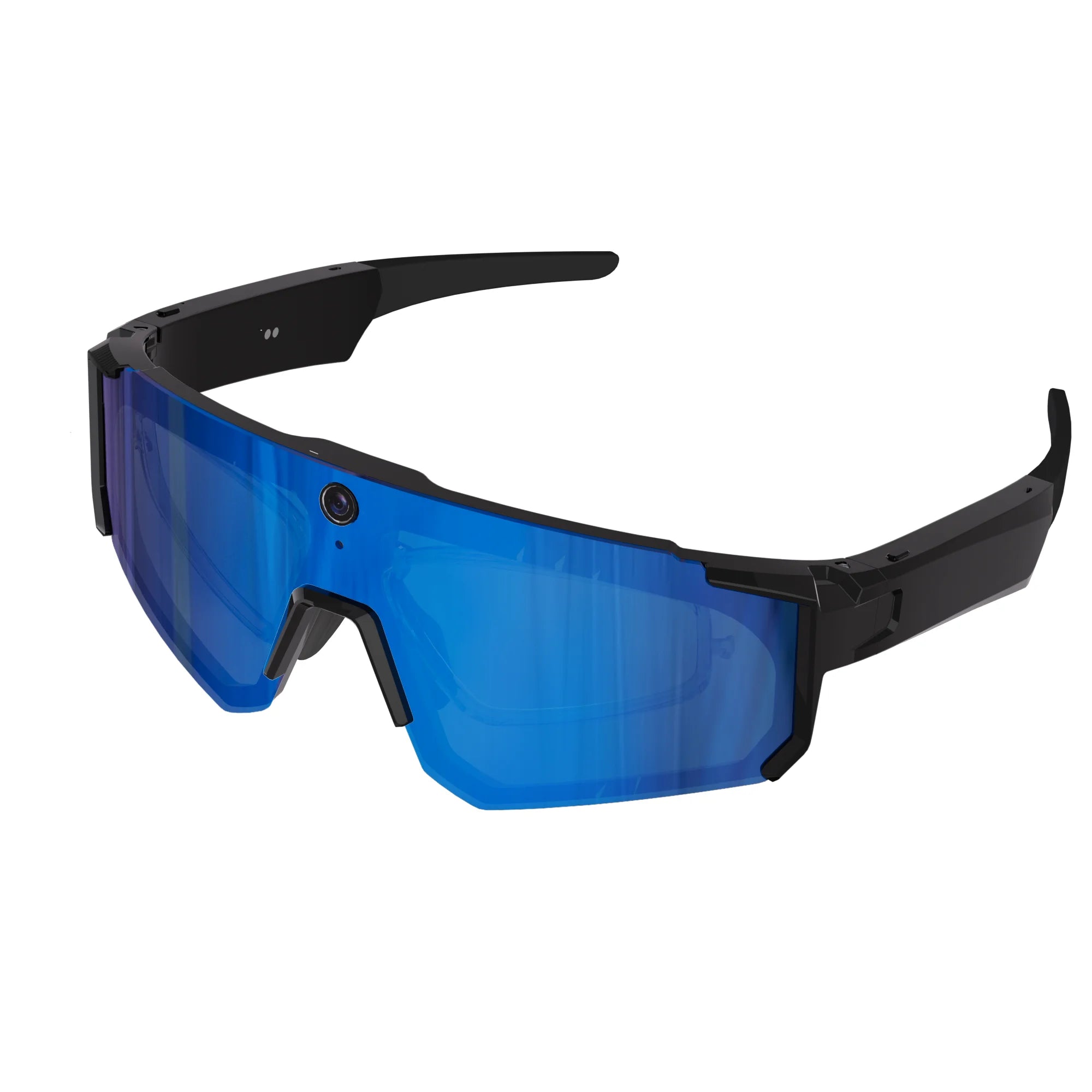
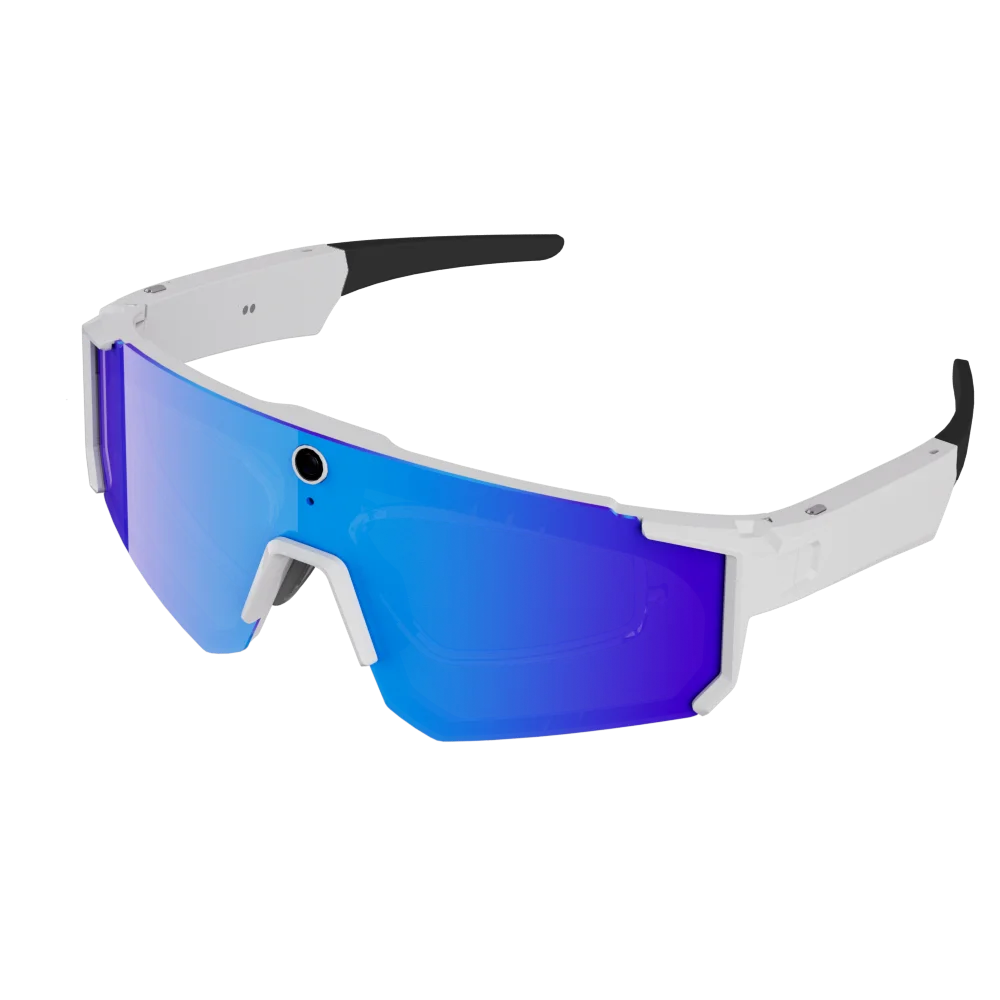
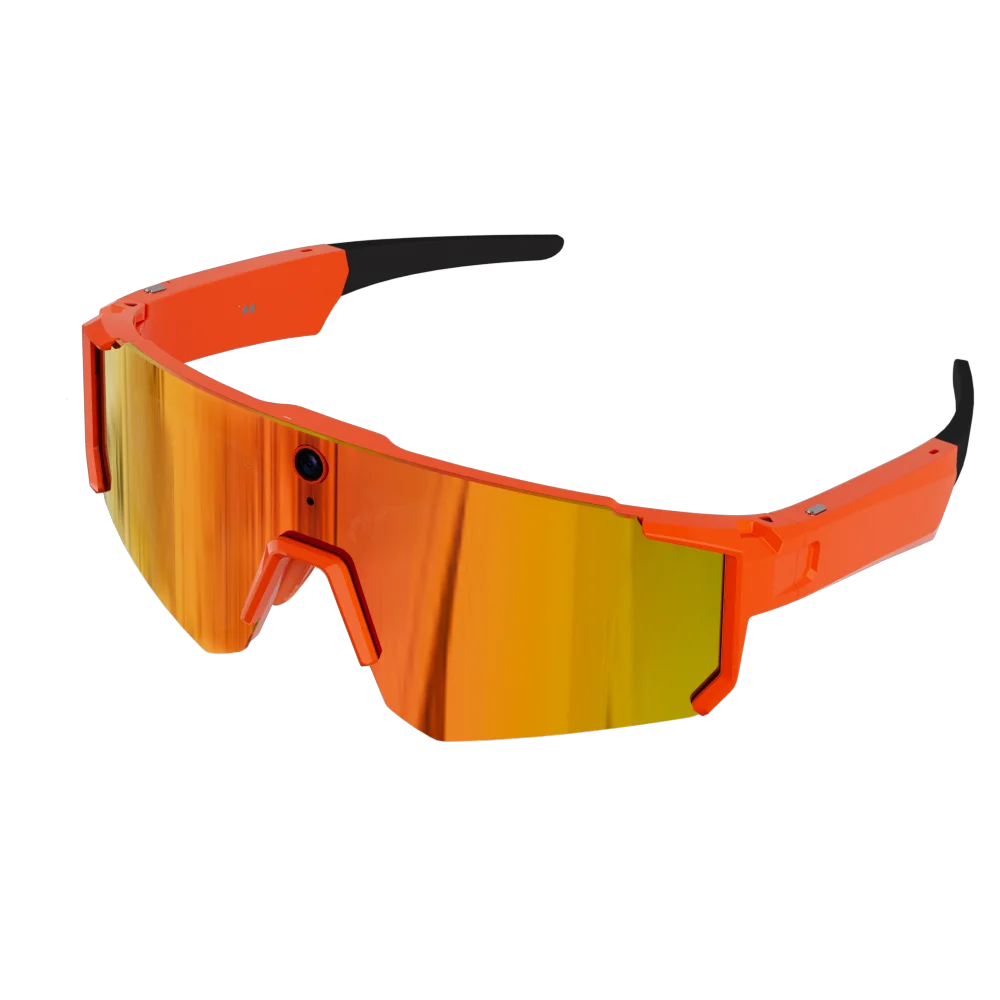
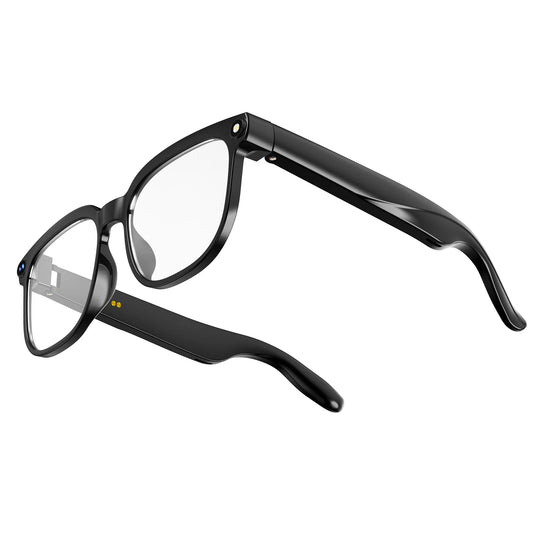
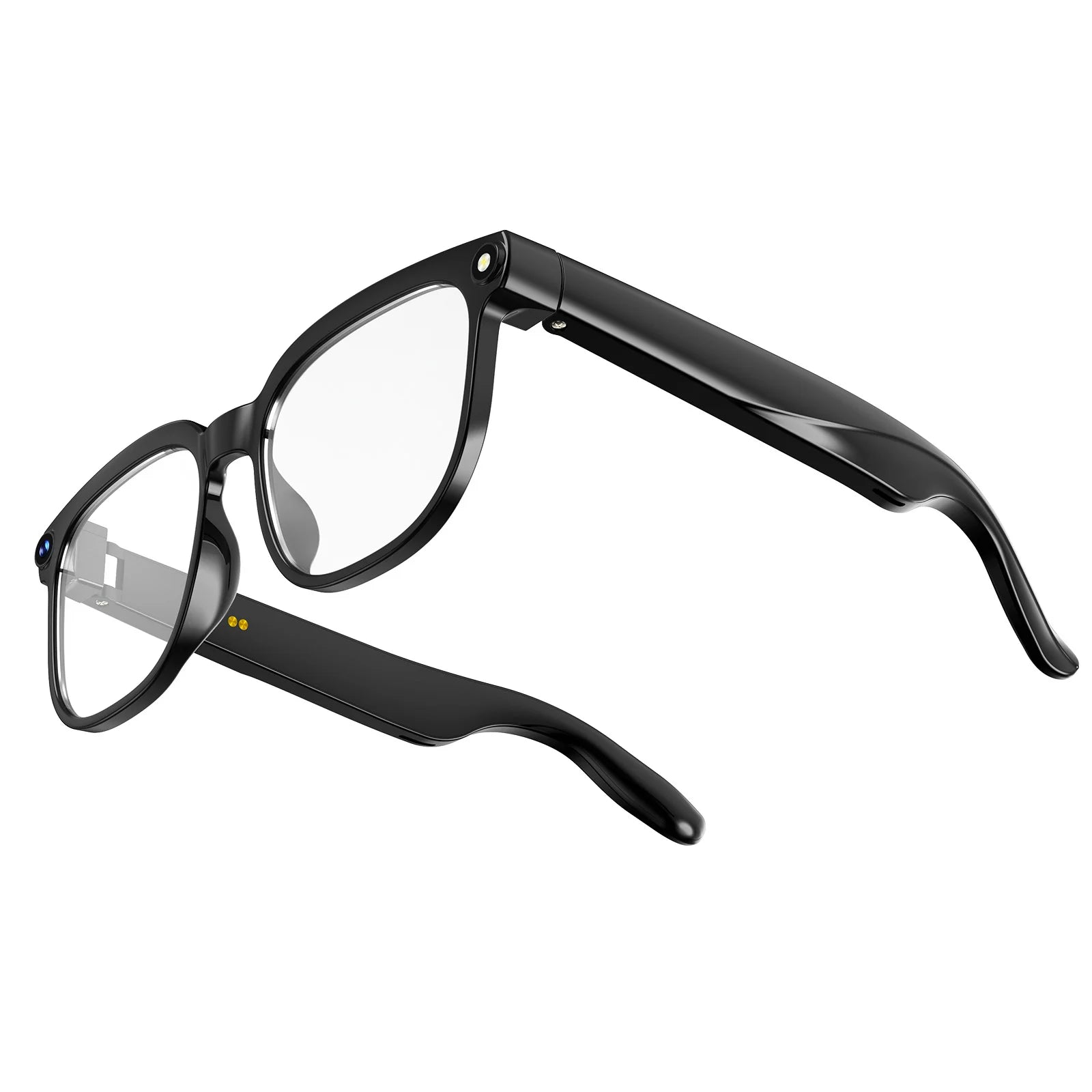
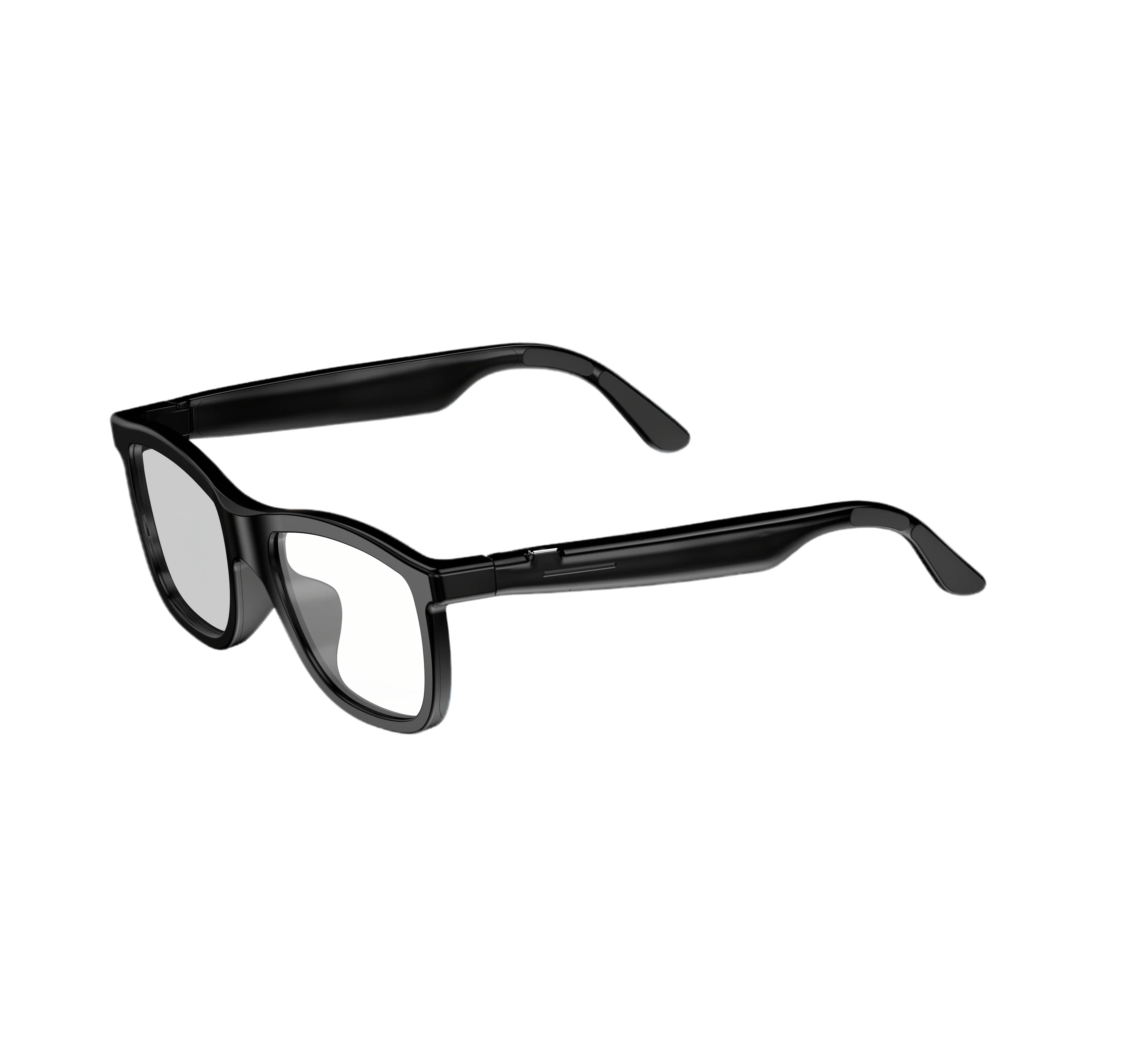
Securing the top position on our list, the Osawalla GP04 represents the pinnacle of active-lifestyle wearables. While evaluating prescription smart glasses with display technologies, it is crucial to recognize that for athletes, situational awareness and recording capabilities often supersede visual overlays that can obstruct the field of view. These AI Smart Glasses with Camera are engineered specifically for running, outdoor sports, and everyday wear, combining hands-free technology with a secure, aerodynamic fit.
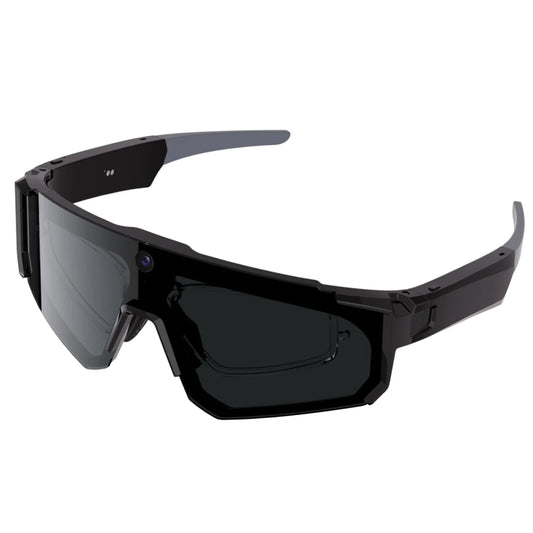
Featuring an 8MP HD camera, the GP04 captures high-fidelity photos and videos from your natural point of view. A built-in 6-axis stabilization sensor is critical here, reducing motion shake to deliver smooth footage while sprinting or cycling over rough terrain. For vision-corrected users, the GP04 is unparalleled. It includes an integrated RX inner frame, allowing prescription lens users to enjoy smart glasses comfortably without stacking eyewear or relying on contact lenses.
Furthermore, the open-ear audio design allows you to listen to music, take calls, and use voice commands while remaining hyper-aware of ambient traffic sounds. With flexible, bendable temple arms and adjustable silicone nose pads, the GP04 ensures all-day comfort, making it the definitive choice for active individuals seeking smart connectivity and prescription support.
2. Osawalla GG06 Smart Audio Glasses with Electrochromic Lenses
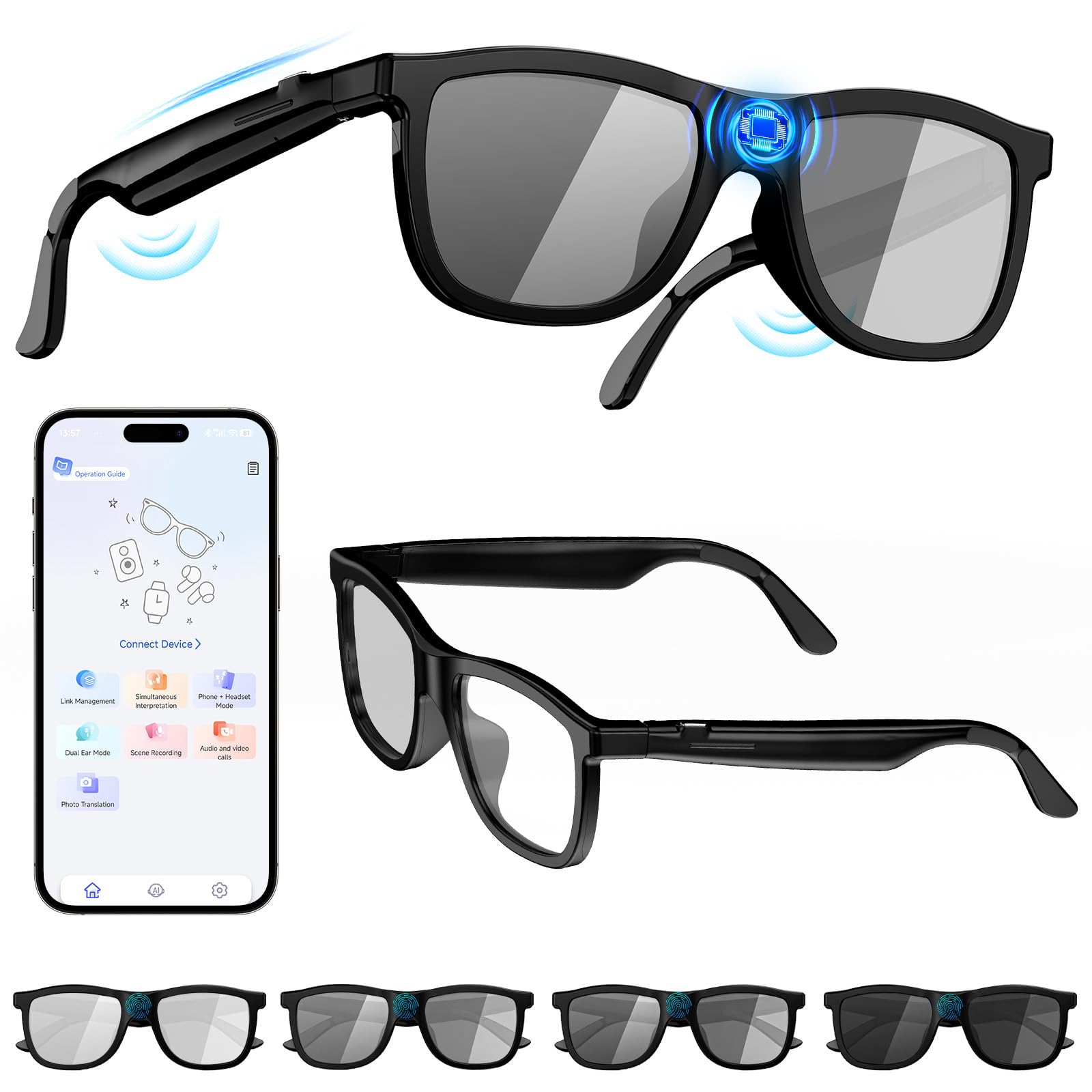
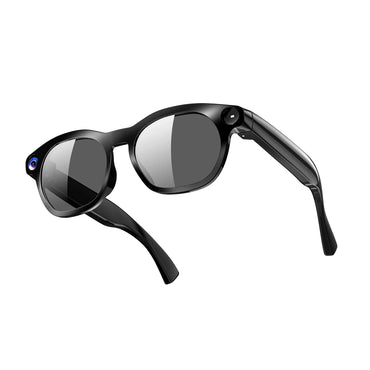
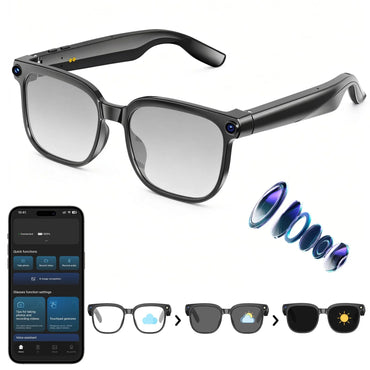
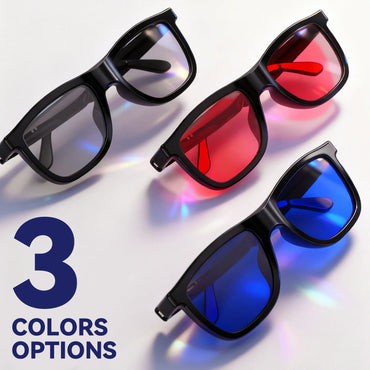
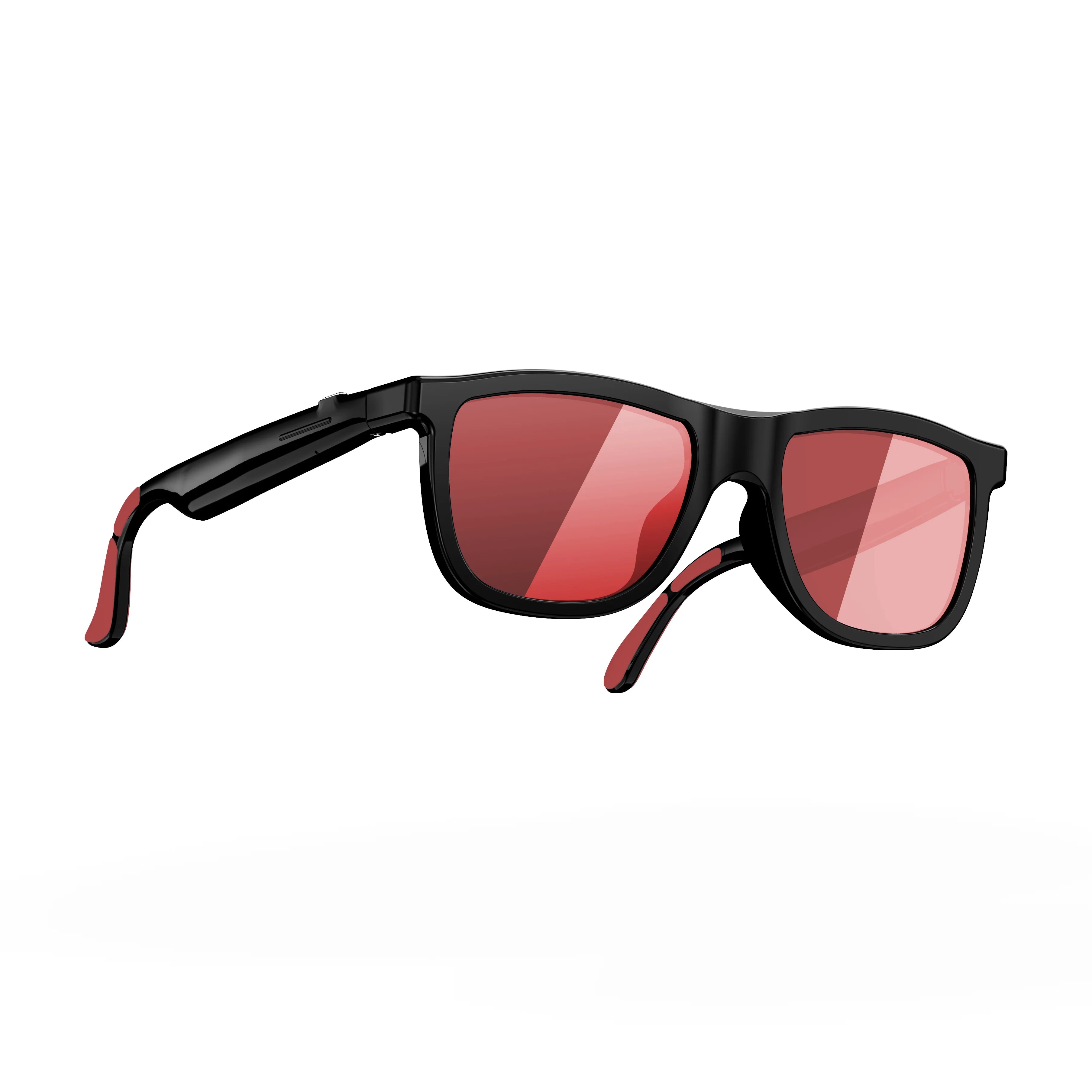
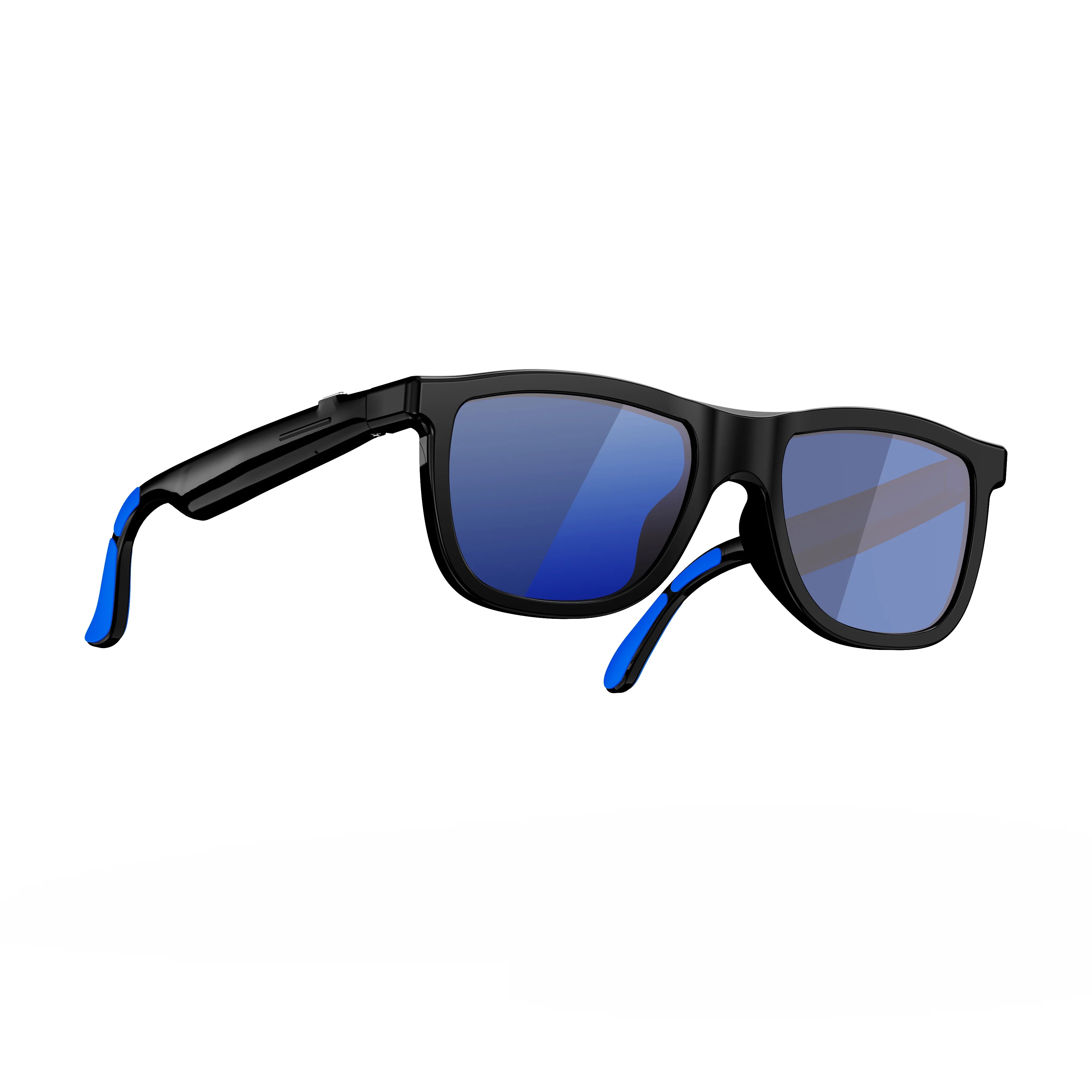
The Osawalla GG06 revolutionizes how we interact with changing light environments. Standard transition lenses fail inside vehicles because windshields block the UV rays required to trigger the chemical reaction. The GG06 solves this frustration definitively. Featuring a revolutionary adjustable tint control powered by advanced electrochromic technology, these glasses allow you to decide the darkness level instantly.
By simply sliding or touching the frame, users can cycle through 4 brightness levels. The electronic instant dimming shifts from clear to dark in an astonishing 0.5 seconds. When evaluating prescription smart glasses with display modules, glare reduction is a frequent pain point; the GG06 eliminates this by offering immediate visual comfort and glare protection exactly when needed. They work perfectly inside cars, tunnels, and offices.
Beyond the optical innovation, the GG06 features Bluetooth 5.4 audio for seamless hands-free calls and music playback. Weighing a mere 39g, the ultra-light TR90 frame features silicone anti-slip temples. With a 1.5-hour fast charge yielding 40 hours of standby and 4 hours of continuous music playback, the GG06 is the ultimate upgrade for tech enthusiasts and an ideal premium tech gift.
3. RayNeo X2 Full-Color AR Glasses
When searching for true prescription smart glasses with display capabilities, the RayNeo X2 stands out as a formidable piece of hardware. Utilizing binocular full-color MicroLED optical waveguide technology, these glasses project a vibrant digital interface directly into the user's field of view. The display boasts an impressive contrast ratio and brightness capacity, making it visible even in bright outdoor settings.
For prescription wearers, the RayNeo X2 utilizes a magnetic RX insert system. While magnetic inserts add a slight layer of weight, they are highly effective for accommodating complex astigmatisms and high-index prescriptions. We recommend this model for professionals who rely on real-time AI translation, heads-up navigation, and visual smart assistant integrations during their daily commute.
4. XREAL Air 2 Ultra

The XREAL Air 2 Ultra bridges the gap between spatial computing and everyday eyewear. As a leading option for prescription smart glasses with display functions, the Air 2 Ultra provides dual Micro-OLED panels that simulate a massive, high-definition screen hovering in front of the user. Featuring 6 Degrees of Freedom (6DoF) tracking, it allows users to pin digital screens in physical space.
To support prescription users, XREAL partners with specialized optical labs to provide custom-milled RX inserts that snap securely behind the waveguide displays. From our experience, ensuring a precise pupillary distance (PD) measurement is critical when ordering these inserts, as even a minor misalignment can disrupt the clarity of the augmented reality projection. The Air 2 Ultra is exceptional for frequent flyers and remote workers needing a portable, multi-monitor digital workspace.
5. Brilliant Labs Frame
The Brilliant Labs Frame takes a radically minimalist approach to the prescription smart glasses with display category. Weighing less than 40 grams, the Frame features a single, microOLED geometric prism display bonded directly to the right lens. This open-source device is designed primarily as an interface for generative AI, allowing users to ask visual questions and receive text-based answers directly in their eye line.
What sets the Frame apart for vision-corrected users is its direct bonding process. Rather than using clunky inserts, Brilliant Labs offers the device with prescription lenses surfaced directly into the frame. We recommend the Frame for developers, early tech adopters, and minimalists who desire a subtle heads-up display without the bulk traditionally associated with AR headsets.
6. Vuzix Z100
Vuzix has long dominated the enterprise AR sector, but the Z100 represents their most refined consumer-crossover device to date. As a top-tier option for prescription smart glasses with display features, the Z100 utilizes a highly efficient monocular waveguide to provide discrete notifications, step-by-step navigation, and health metrics directly from your smartphone.
The Z100 is engineered to look indistinguishable from standard fashion eyewear. Vuzix supports direct surfaced prescription lenses, ensuring that users do not have to compromise on peripheral vision or deal with eyelash collision against secondary inserts. It is a highly pragmatic device for medical professionals, warehouse logistics managers, and daily commuters who need heads-up data without visual obstruction.
7. Engo 2 Sports AR Glasses
Rounding out our list is the Engo 2, a device tailor-made for endurance athletes. When pushing physical limits, looking down at a smartwatch or bike computer disrupts form and compromises safety. The Engo 2 solves this by projecting real-time biometric data—such as heart rate, pace, power output, and distance—directly onto the lens. It is one of the lightest prescription smart glasses with display modules available on the market.
The Engo 2 accommodates prescriptions via an inner RX clip. While similar in concept to the Osawalla GP04's inner frame, the Engo 2 focuses exclusively on data projection rather than video capture. We recommend the Engo 2 for triathletes and marathon runners who require persistent, glanceable performance metrics during high-intensity training sessions.
Expert Buying Guide: Choosing Prescription Wearables
Investing in prescription smart glasses with display or advanced electrochromic technology is a significant decision. The convergence of optometry and consumer electronics requires buyers to carefully evaluate several critical specifications. From our experience at Osawalla, we recommend adhering to the following guidelines before making a purchase:
- Analyze the RX Integration Method: Devices offer either direct surfaced lenses or RX inserts. Direct surfaced lenses (like those supported by the Osawalla GG06 and Brilliant Labs Frame) offer superior peripheral vision and aesthetics. RX inserts (like the Osawalla GP04 and XREAL) are highly modular, allowing you to update your prescription cheaply without replacing the expensive tech hardware.
- Evaluate Weight and Ergonomics: A standard pair of eyeglasses weighs between 15g and 25g. Smart glasses that exceed 50g will cause significant fatigue on the bridge of your nose and behind the ears during prolonged use. Look for frames utilizing lightweight materials like TR90 memory polymer and adjustable silicone nose pads to distribute the weight evenly.
- Understand Display vs. Utility: Determine if you truly need a heads-up display. AR displays draw heavy battery power and can cause eye strain. If your primary goal is capturing POV moments, hands-free calling, and managing sun glare, non-display smart glasses like the Osawalla GP04 and GG06 provide vastly superior battery life and daily comfort.
- Pupillary Distance (PD) Accuracy: When ordering any prescription smart glasses with display, your PD measurement must be exact. In AR glasses, the digital projection has a narrow "eye box" (the area where the image is visible and sharp). If your prescription inserts are misaligned with your PD, the digital display will appear blurry, regardless of the device's resolution.
Frequently Asked Questions (FAQs)
Can I use high-index lenses in prescription smart glasses with display?
Yes. For users with strong prescriptions (typically +/- 4.00 or higher), standard polycarbonate lenses can be too thick, causing them to rub against the AR optical engine or your eyelashes. We strongly recommend upgrading to high-index lenses (1.67 or 1.74) when ordering RX inserts to keep the profile as thin and light as possible.
How does electrochromic technology differ from standard transition lenses?
Standard photochromic (transition) lenses rely on a passive chemical reaction to UV light. They take several minutes to darken and even longer to clear, and they do not work behind UV-blocking car windshields. The electrochromic technology found in the Osawalla GG06 uses a small electrical current to alter the tint of the lens actively. This allows for instantaneous dimming (0.5 seconds) at the push of a button, giving the user total, immediate control regardless of ambient UV levels.
Do prescription smart glasses with display cause eye strain?
Eye strain can occur if the focal distance of the virtual display does not align comfortably with your natural vision, or if your prescription inserts are incorrect. Most modern AR displays project the virtual image at a focal distance of roughly 2 to 4 meters. If your prescription is accurately calibrated for distance vision, eye strain is typically minimal during standard usage periods.


