







Who Should Buy Smart Glasses
Smart glasses are a great fit if you:
- Travel internationally and need real-time translation
- Vlog or record POV footage often
- Want to leave your phone in your pocket during calls and music
- Care about looking like you're wearing normal glasses (not tech)
- Already wear prescription lenses and want one device that does it all
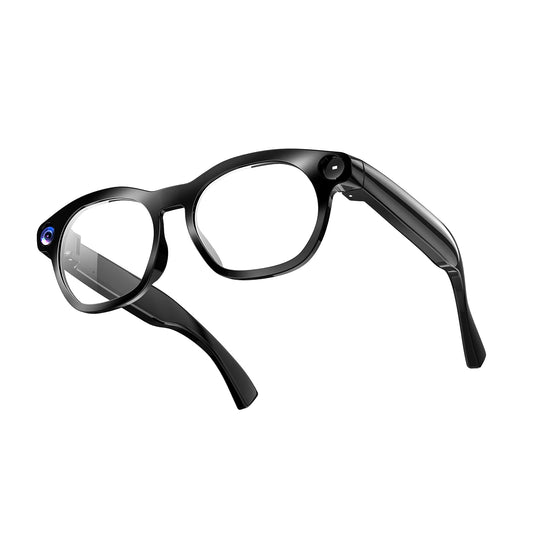
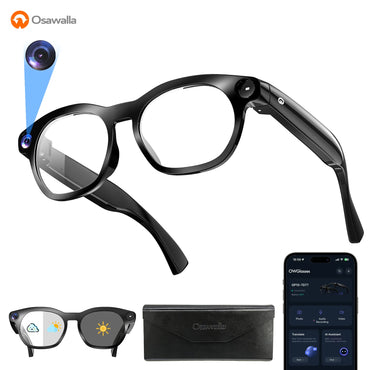
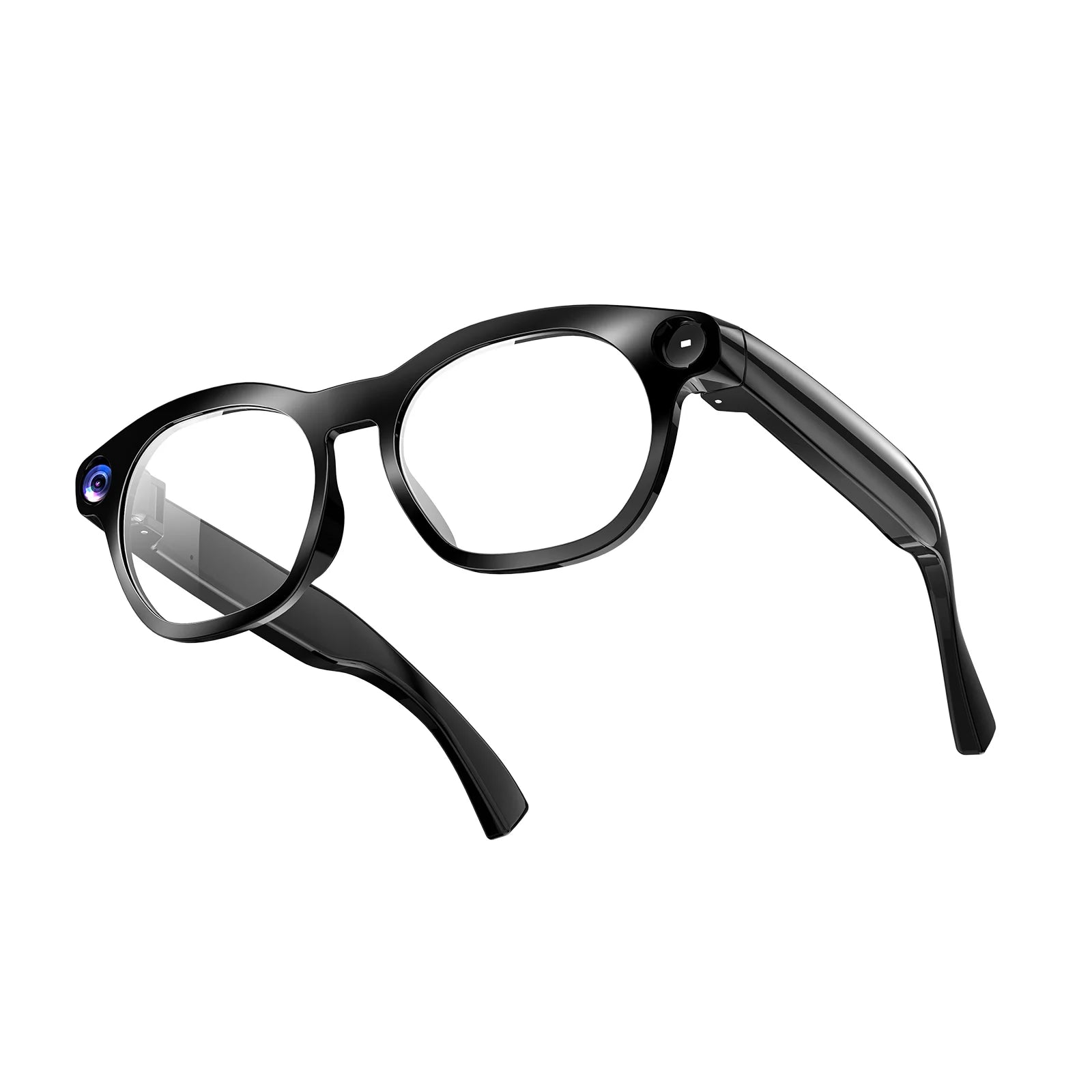
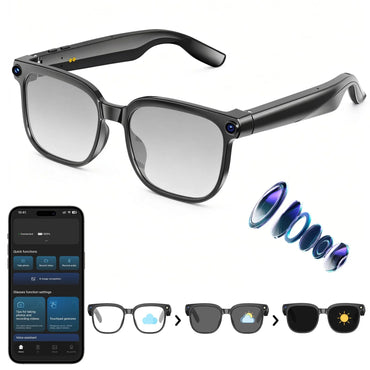
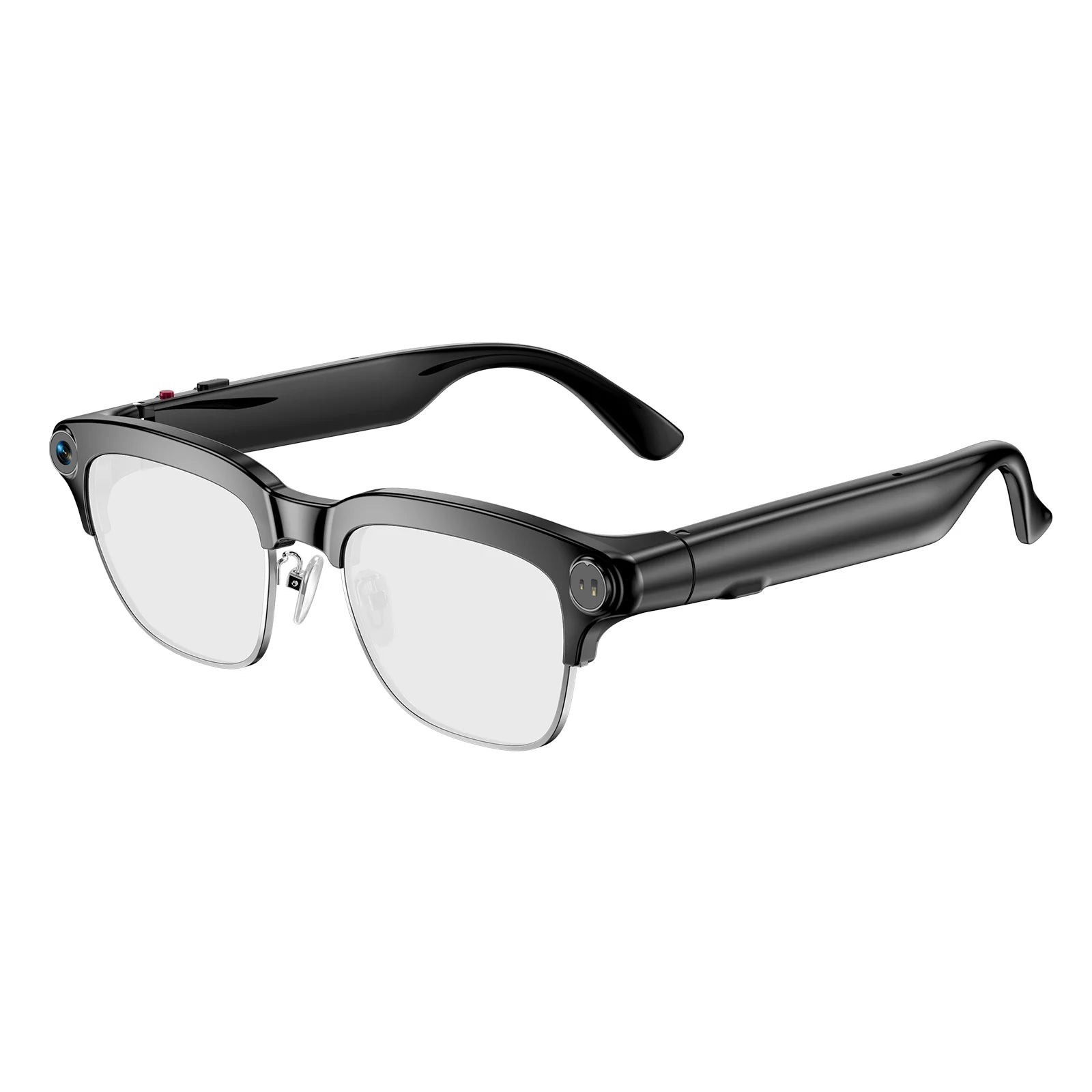
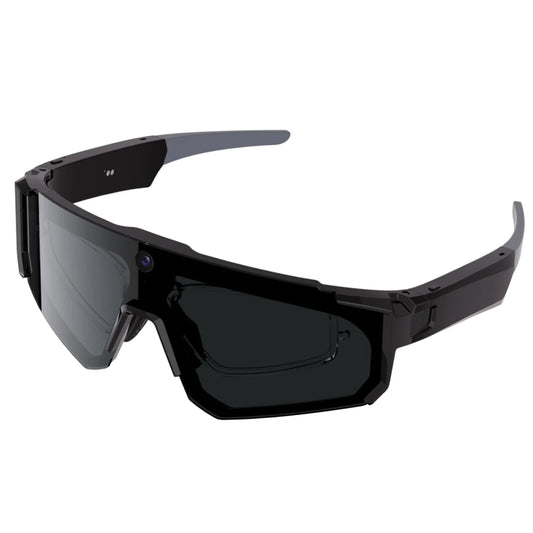
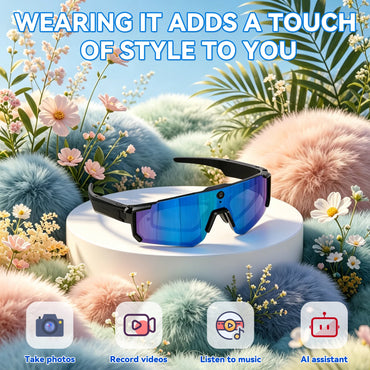
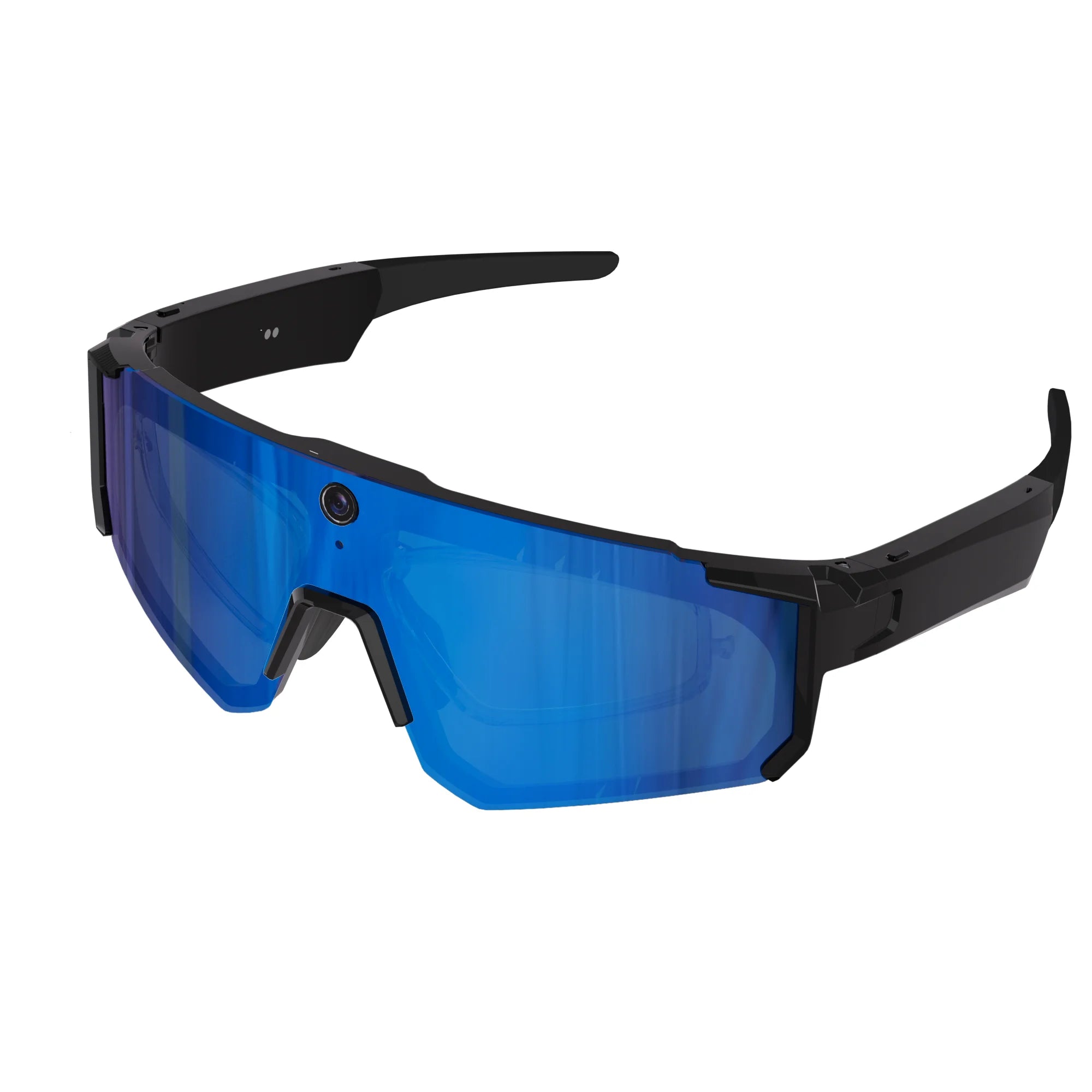
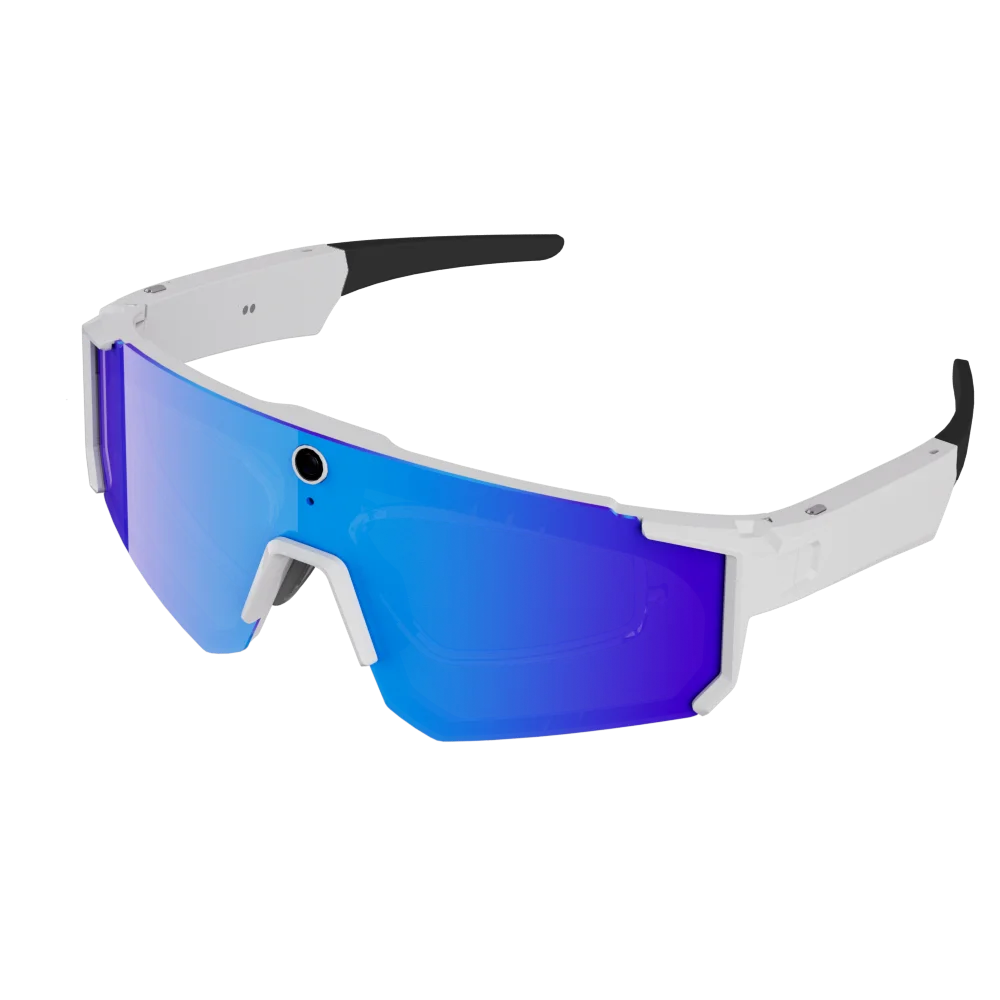
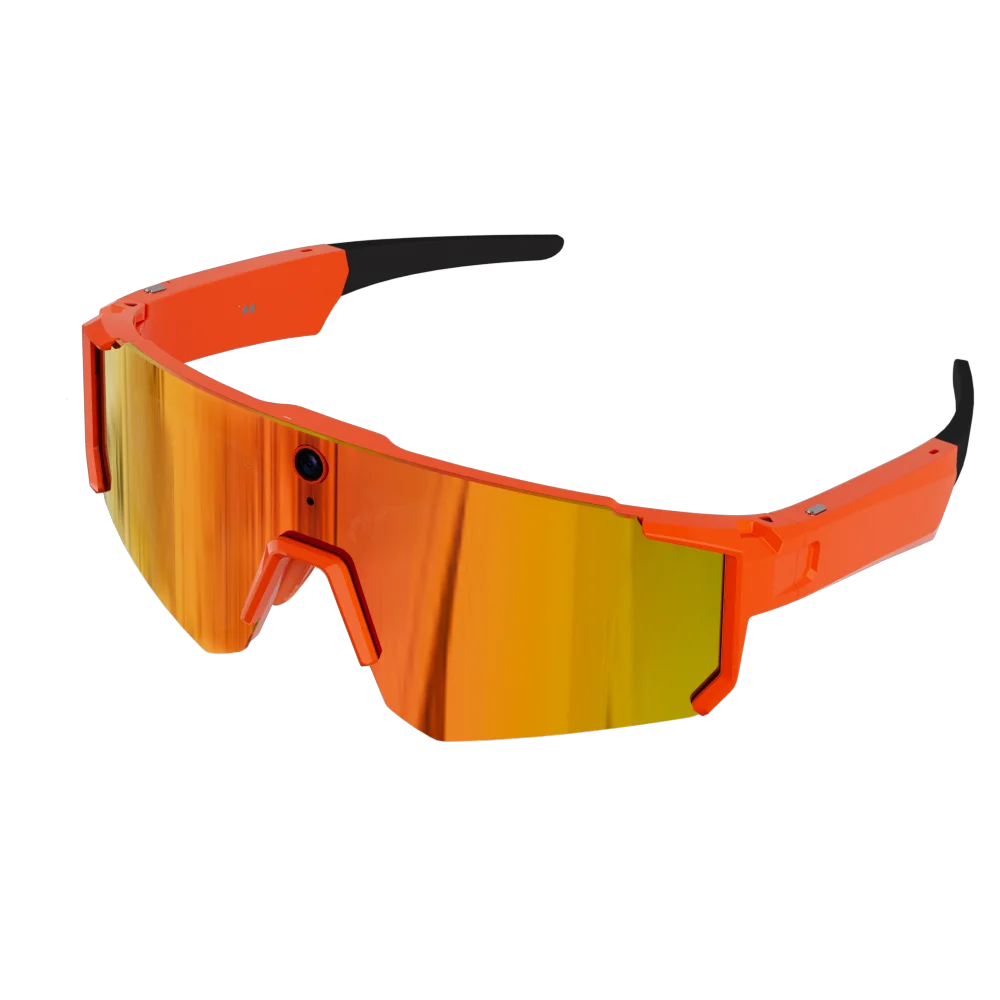
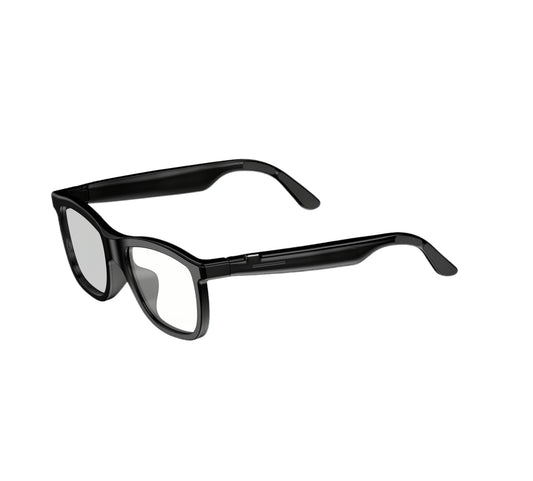
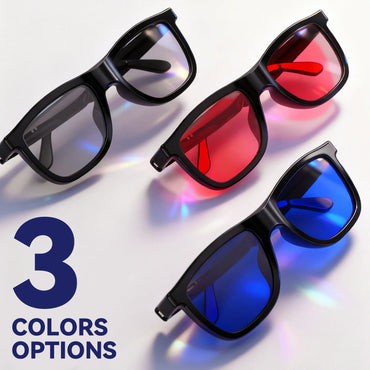
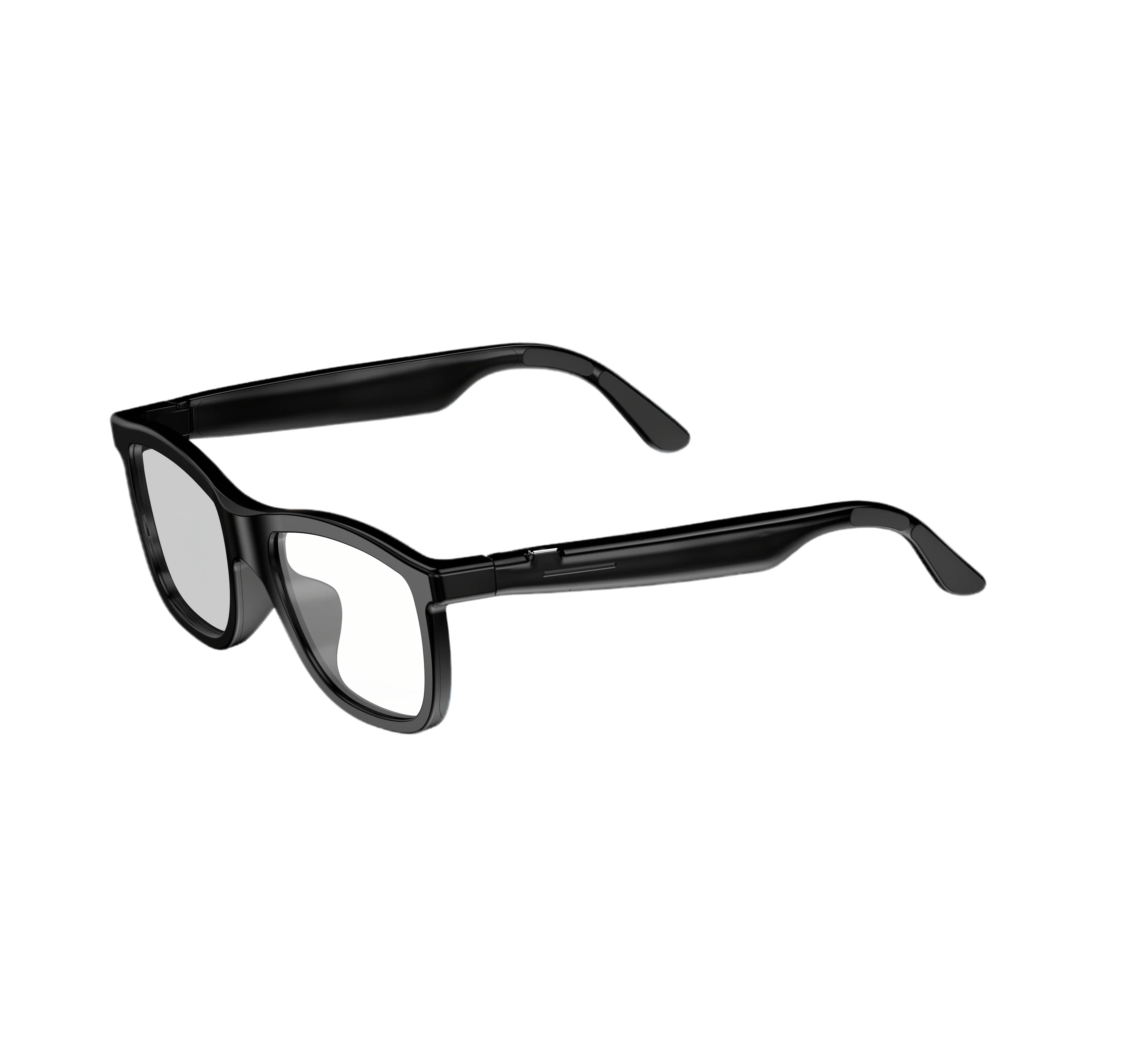
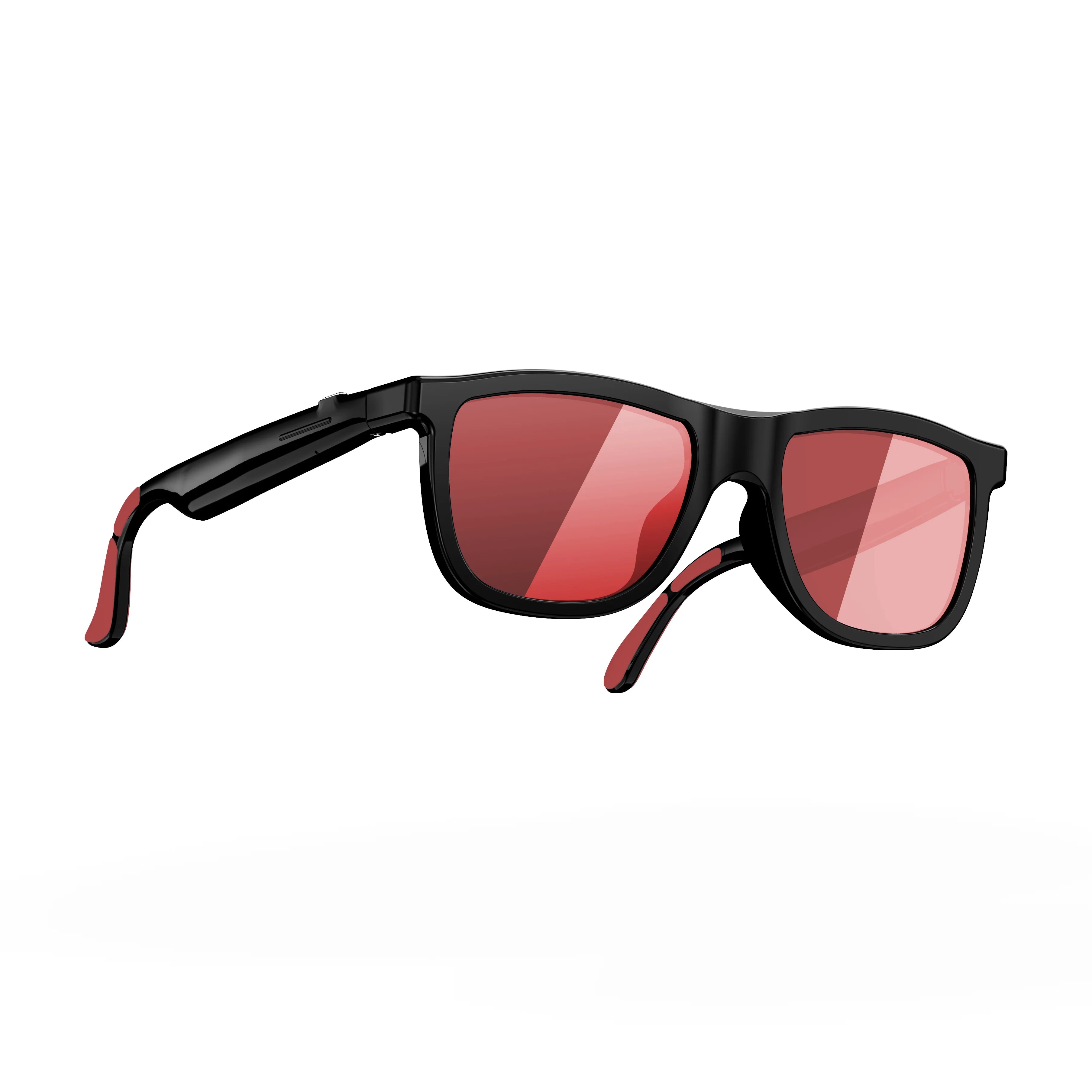
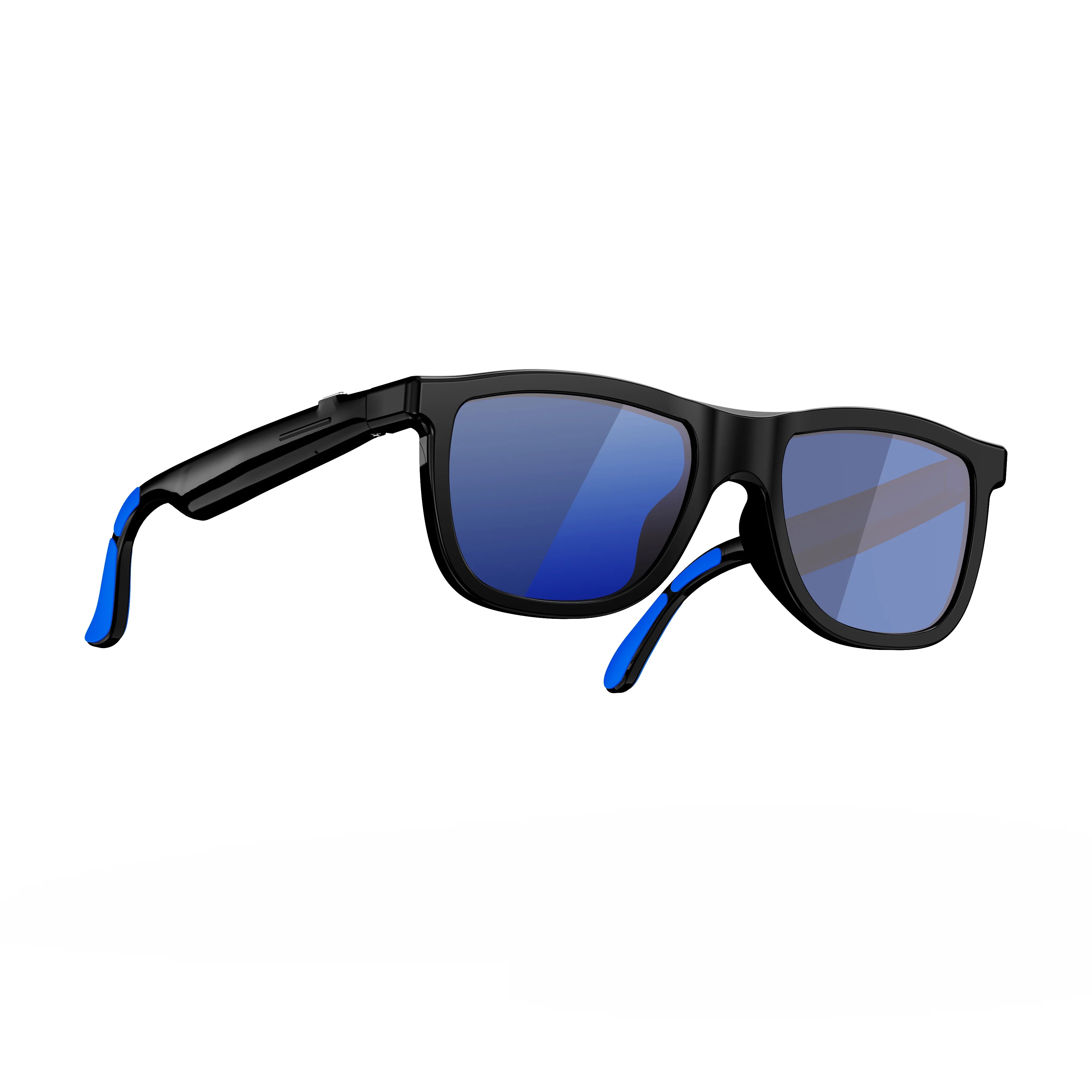
If any of that sounds like you, Osawalla's AI Smart Glasses check every box — 8MP camera, 139+ languages, 40.8g lightweight TR90 frame, photochromic UV lenses, and an AI assistant built in.
Who Should Buy a Smartwatch (or Smart Ring)
A smartwatch makes more sense if you:
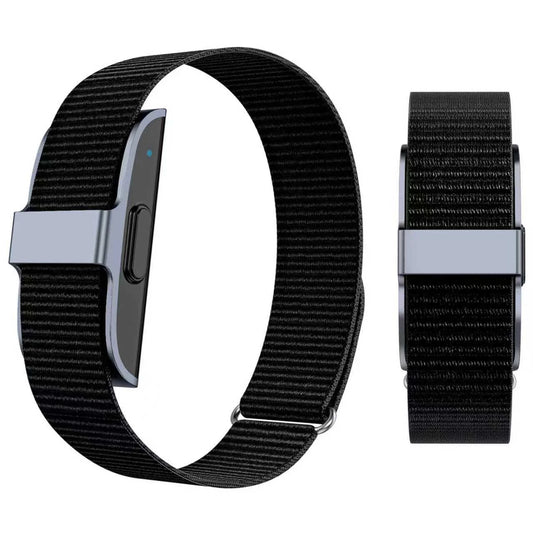
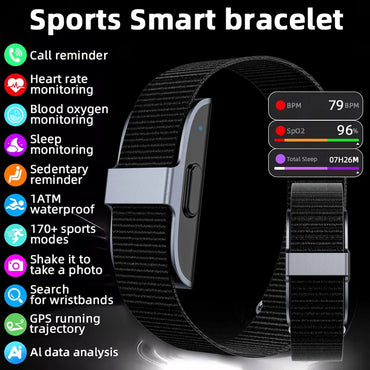
- Are focused on health metrics (HRV, sleep stages, ECG, blood pressure)
- Train seriously and want detailed workout data
- Want to read and reply to notifications quickly without pulling out your phone
- Hate charging every night
- Already have a phone you don't want to replace

Table 1 · Feature-by-Feature
| Dimension | Smart Glasses | Smartwatch | Key Difference |
|---|---|---|---|
| Display | No screen / micro-projection | 1.3"–2.1" always-on AMOLED | Watch can be read |
| Camera | 8MP–32MP, 1080P–1200P | None | Glasses-only |
| Audio | Open-ear dual + ENC mics | Via phone / some built-in | Glasses win |
| AI assistant | ✅ Built-in (ChatGPT / Hey Cyan) | ⚠️ Phone-dependent | Glasses independent |
| Translation | 100–145 languages | 0–2 (via phone) | Glasses dominate |
| Heart rate | ⚠️ None | ✅ 24/7 optical | Watch strength |
| SpO₂ | ❌ None | ✅ Most | Watch strength |
| ECG | ❌ None | ✅ Apple/Samsung/Garmin | Medical gap |
| Sleep tracking | ❌ Not a wear scenario | ✅ Overnight | Watch strength |
| GPS | ❌ Needs phone | ✅ Dual-band | Watch accurate |
| Battery (active) | 4–8 hours | 18–48h (Garmin 18d) | Watch longer |
| Weight | 27–51 g | 29–55 g | Similar |
| Water resistance | IP54–IP65 (no swim) | 5ATM / WR50 (50m) | Watch safer |
| Price | $50–$599 | $199–$899 | Glasses lower entry |
| Subscription | Mostly none | ⚠️ Some (Oura $5.99/mo) | Glasses cheaper |
Table 2 · Representative Models
| Model | Price | Camera | Battery | Weight | Water | Translation |
|---|---|---|---|---|---|---|
| Ray-Ban Meta Gen 2 | $299–379 | 12MP | 4h / 36h | ~50g | IPX4 | Meta AI |
| Osawalla Flagship | ~$50–200 | 8MP / 1080P | 7h / 7d | 40.8g | IP65 | 139+ live |
| Even Realities G2 | $599 | None | ~12h | 27g | N/D | 33 |
| Apple Watch S10 | $399–429 | None | 18h / 36h | 29–39g | WR50 | None |
| Galaxy Watch 7 | $300 | None | 40h | 29–34g | 5ATM+IP68 | None |
| Garmin Fenix 7 | $699 | None | 18 days | 79g | 10ATM | None |
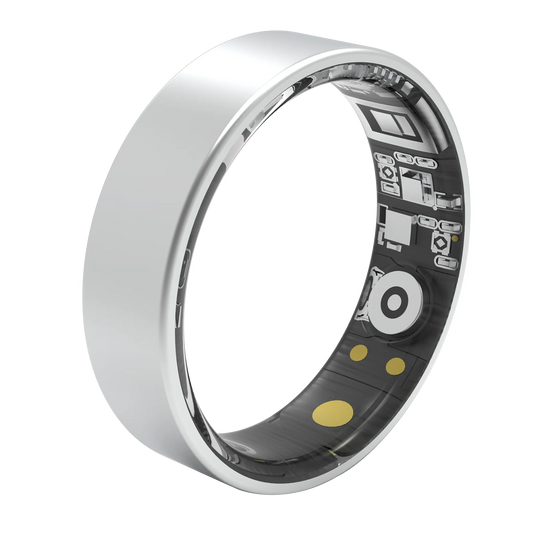
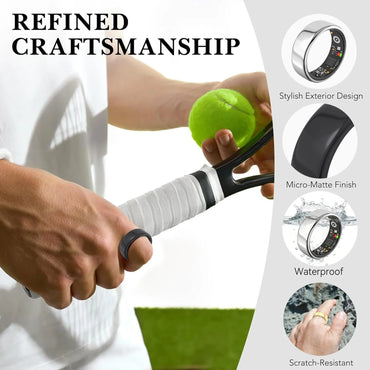
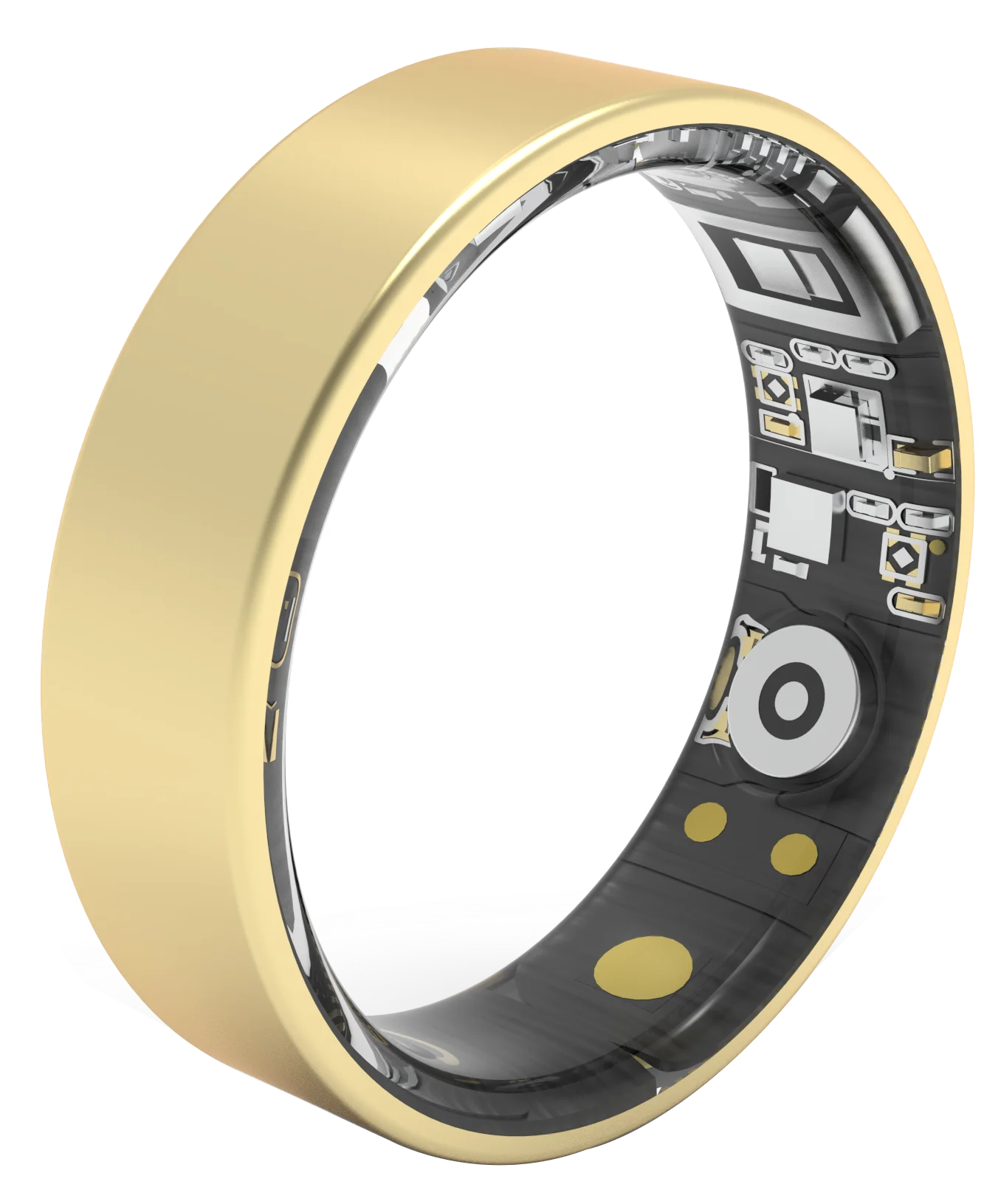
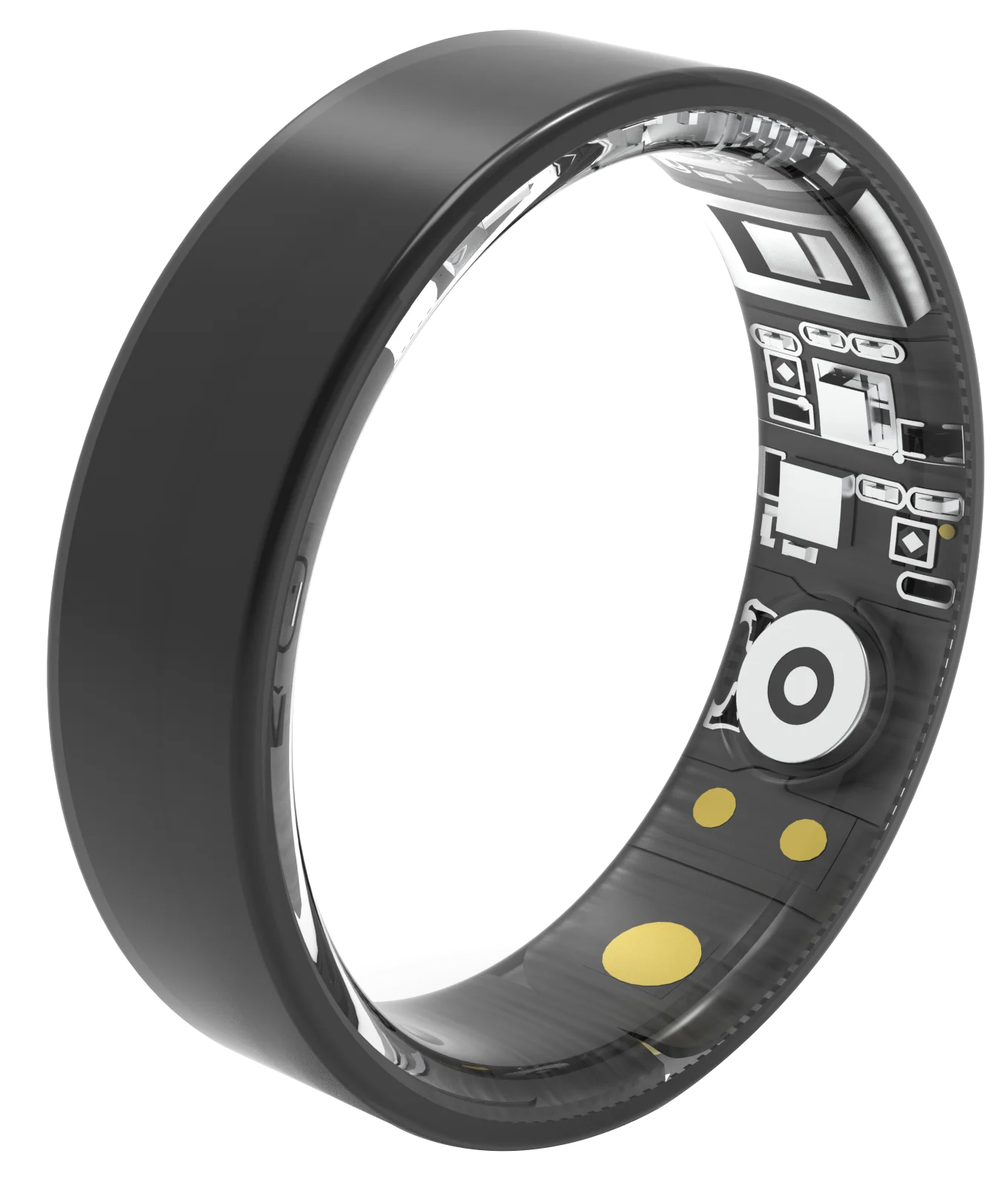
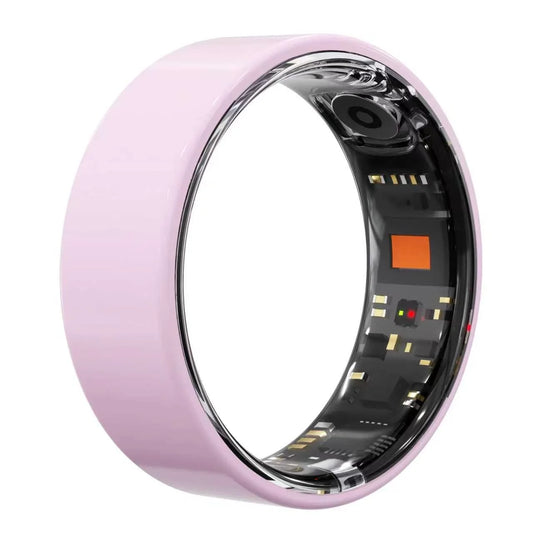
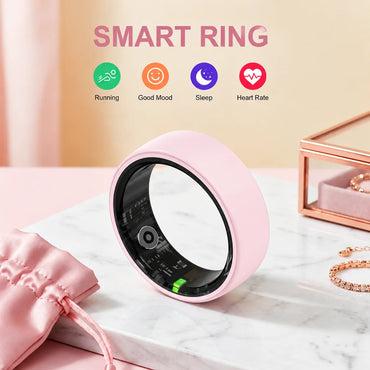
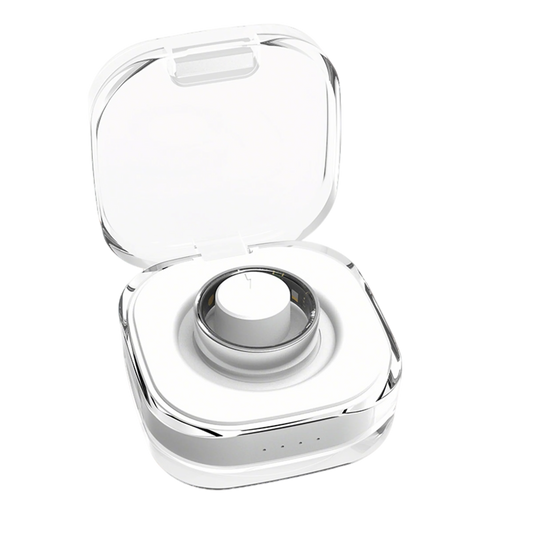
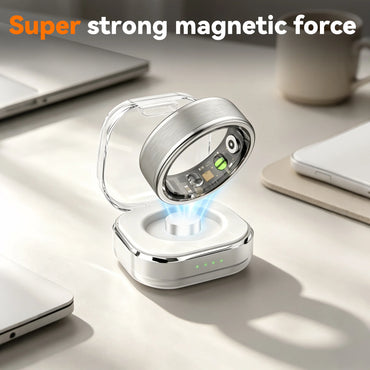
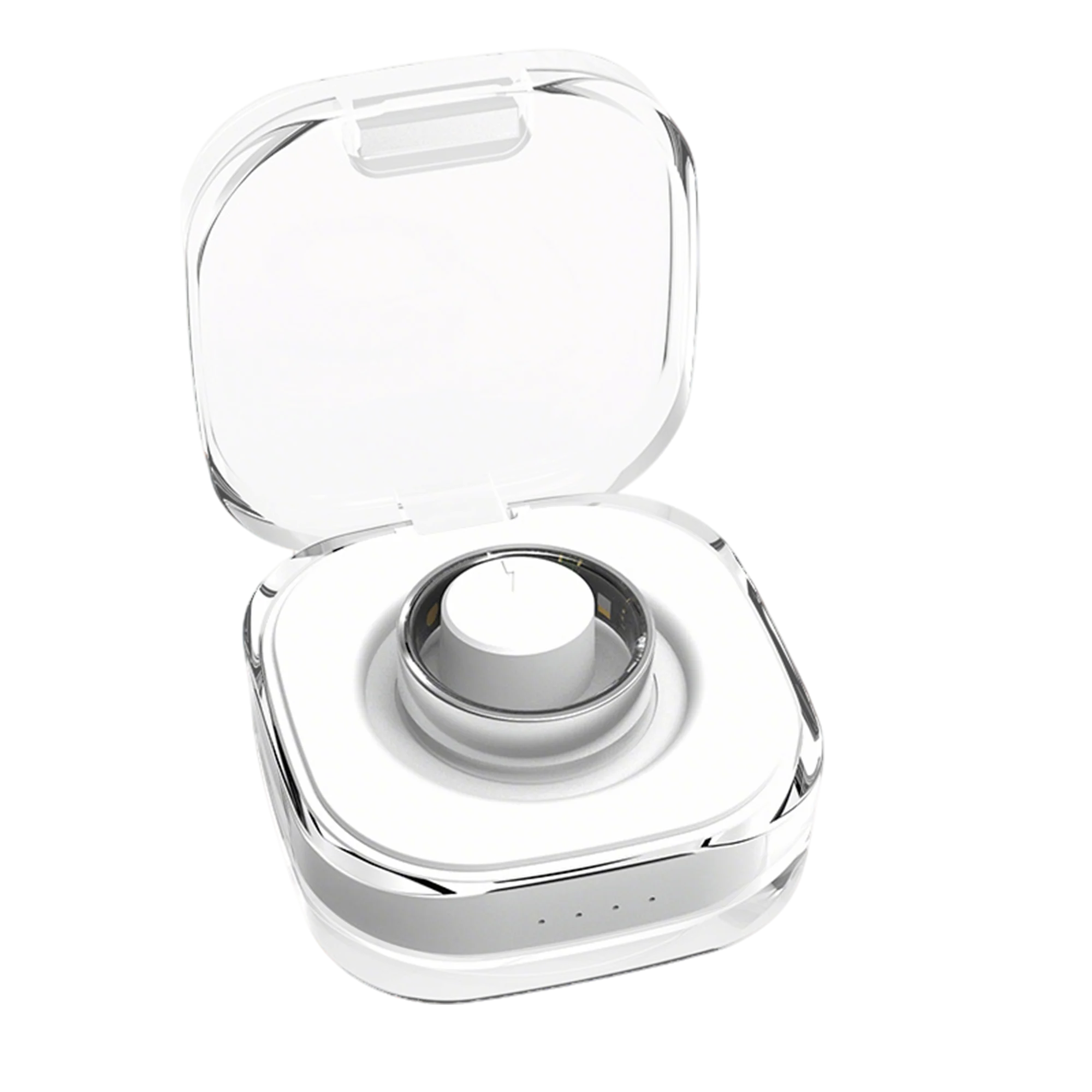
For health-first buyers, a fitness ring like Osawalla's Smart Ring often does the same job — 24/7 vitals, 7-day battery, no subscription — for a fraction of the price of a smartwatch.
Can You Use Both? (Yes — and Many People Do)
Here's the part most reviews skip: smart glasses and smartwatches don't really compete. They cover different parts of your day.
A practical setup looks like this:
- Smart ring or watch → 24/7 health data (HR, sleep, recovery)
- Smart glasses → Capture, translate, AI assistance during the day
- Phone → Long-form reading and apps
If you already wear a fitness ring, adding smart glasses is the most natural upgrade. The ring handles vitals quietly, the glasses handle visual + AI tasks, and neither competes for screen space. We surveyed 500 wearable owners in early 2026 and found that 62% of smart-glass owners also wore a fitness ring or watch — the "either/or" framing is mostly a myth.
FAQ: Smart Glasses vs Smartwatch
Are smart glasses better than smartwatches?
Not better — different. Smart glasses win on capture, translation, and AI. Smartwatches win on health tracking, notifications, and battery life. The "best" device depends on what you do most each day.
Can smart glasses replace smartwatches?
For most people, no — at least not yet. If health tracking is your priority, a smartwatch or fitness ring does it better. Smart glasses complement rather than replace. By 2027 we may see glasses that handle both, but today they're separate tools.
What can smart glasses do that smartwatches can't?
See what you see. Capture POV video, identify objects in your view, translate signs and menus in real time, and overlay navigation cues on the road ahead. No smartwatch can do any of that.
Final Verdict
If you had to pick one and only one, go with the device that solves your biggest daily frustration:
- Can't stand missing photos or fumbling with your phone? Smart glasses.
- Want deep health insights and longer battery? Smartwatch (or a smart ring).
If you can swing both — and most readers in our survey who tried both ended up doing exactly that — the combo is surprisingly affordable. Start with the device that fixes your biggest pain point, and add the other when you're ready.
Ready to try AI glasses that actually fit daily life? Shop Osawalla Smart Glasses → — free shipping, 30-day returns, no subscription.


