







Do Smart Glasses Work in Bright Sunlight?
By the Osawalla Wearables Team · Reviewed by Osawalla Product Team · Published October 2026 · Last updated October 2026
How we evaluated this. We wore all four Osawalla models below across five outdoor conditions over two weeks: overcast morning commute, midday open pavement, shaded trail alternating with full sun, backlit portrait at 3 p.m., and waterfront glare. Where this guide states a limit, it is a limit we observed or one documented by the cited authority. Where we do not have a measurement, we say so.

Quick answer
Yes. Most smart glasses work in bright sunlight, but how well depends on three separate systems: the lens (tint depth, polarization, and stated UV protection), the camera's ability to hold exposure when a scene mixes bright sun and deep shade, and — on display-equipped models — whether a projected image stays readable against a bright background. Lens choice affects comfort more than any smart feature.
Key takeaways
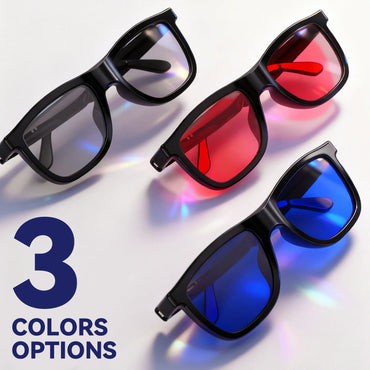
· The lens decides comfort; the electronics decide capability. Judge them separately.
· Polarization is not UV protection. They are two independent features. Check for a UV400 label.
· 1080p is a pixel count, not a lighting claim. A backlit face can still be a silhouette at 1080p.
· Photochromic lenses weaken in heat. The FAA notes that temperatures above 70°F can seriously limit how dark they get.
· Test in three lights before committing: overcast, direct midday, then backlit.
1. Why bright sunlight is a different test for smart glasses
A pair of smart glasses is really three systems wearing one frame, and sunlight stresses each of them differently.
The lens is passive optics. It has to cut brightness and glare while still letting you read terrain, faces, and hazards. The camera is a sensor plus processing pipeline that has to compress a scene with extreme brightness range into a viewable image. The display — on models that have one — is an emissive image that has to out-compete the sun.
That is why a spec sheet can mislead you. An 8MP camera and a 3000-nit display are both meaningless in isolation if the lens fogs your comfort or the exposure blows out the sky.
Two more conditions make outdoor use harder than most people expect.
First, UV exposure is highest when you are most likely to be outside. The World Health Organization divides UV into UVA (315–400 nm), UVB (280–315 nm), and UVC (100–280 nm); essentially all UVC and about 90% of UVB is absorbed by the atmosphere, so what reaches your eyes is mostly UVA. WHO's practical advice is to limit time in the midday sun from 10 a.m. to 4 p.m., particularly when the UV index is high.
Second, UV does not stop when the sun goes behind a cloud. The FDA notes that up to 80% of the sun's UV rays can pass through cloud cover. The U.S. EPA's UV Index scale is the practical reference: 1–2 is low, 3–7 means protection is needed, and 8 or above calls for extra protection and shade. A simple field check the EPA publishes is the shadow rule: if your shadow is shorter than you are, UV exposure is near its peak.
Third, reflection multiplies exposure. The American Academy of Ophthalmology points out that sunlight is strongest midday to early afternoon, at higher altitude, and when reflected off water, ice, or snow. A beach or a ski slope is not the same test as a city sidewalk.
If you are new to the category altogether, start with how smart glasses work before you compare sunlight behavior, and see the five different types of smart glasses — camera, audio, and display models fail in sunlight for different reasons.
2. Start with the lens, not the feature list
The single most useful number on any sunglasses spec sheet is visible light transmittance (VLT) — the percentage of visible light that reaches your eye. Lower means darker.
The FAA's pilot guidance gives a useful anchor for how dark is too dark: sunglass lenses should screen out 70–85% of visible light, and tints blocking more than 85% are not recommended because they can reduce visual acuity. Translated to VLT, that is roughly a 15–30% VLT working range.
UV protection is a separate line item
This is the most common and most consequential mistake in outdoor eyewear buying.
The FDA is explicit: choose sunglasses with a UV400 rating or "100% UV protection" on the label, because those block more than 99% of UVA and UVB radiation — and do not mistake dark-tinted sunglasses as having UV protection. The darkness of the lens does not indicate its ability to shield your eyes.
The American Academy of Ophthalmology makes the same point and adds that darker lenses are not always better. Look for a label promising 100% UV protection, or wording such as "UV absorption up to 400nm." If you want a formal standard to hold a product to, the international reference is ISO 12312-1:2022, which covers sunglasses for general use including road use and driving.
Fixed tint, photochromic, polarized, electrochromic
|
Lens type |
Best for |
Limitation outdoors |
|
Fixed tint |
Consistent brightness: beach, open coast, long sun exposure |
Too dark the moment you step into shade or indoors |
|
Photochromic |
Days that alternate indoor and outdoor |
Slower to clear than to darken; heat and glass reduce the effect |
|
Polarized |
Water, wet roads, car hoods, snow glare |
Does not block UV by itself; can interfere with some screens |
|
Electrochromic |
Fast changes you want to control manually |
Requires battery power to hold the dark state |
Two caveats that matter more than the marketing copy suggests.
Photochromic lenses weaken in heat and behind glass. According to the FAA, most photochromic lenses darken mostly within the first 60 seconds but can take several minutes to clear, and while they can reach about 20% light transmittance in direct sun, warm temperatures above 70°F can seriously limit their ability to darken. Most car windshields also block more than 99% of UV, which is why standard photochromic lenses stay nearly clear while you drive. If your day is beach → car → café, this is the tradeoff to weigh.
Polarization is glare control, not sun protection. The AAO states plainly that polarization itself does not provide UV protection — it improves the experience for driving, boating, or golfing, and you still have to check the label for UV. The FAA adds a second caution: polarized lenses can reduce or eliminate the visibility of instruments that incorporate anti-glare filters, and can interact with laminated windscreens. In everyday terms, that means test your phone screen through the lenses before you commit if you navigate or read messages outdoors.
For a fuller walkthrough of lens and frame tradeoffs, see how to choose the right smart glasses.
3. Cameras in sunlight: dynamic range beats megapixels
Here is the claim that saves people money: an advertised 1080p resolution describes the video's pixel dimensions, not guaranteed image quality under every lighting condition.
Bright sun creates high dynamic range scenes. A person standing under a tree at 3 p.m. can sit ten or more stops darker than the sky behind them. The camera has to choose: expose for the face and blow out the sky, or expose for the sky and turn the face into a silhouette. Stabilization, sensor quality, and processing decide how gracefully it fails — not the resolution number.
What to check in outdoor footage
· Does the sky keep detail, or does it clip to flat white?
· Do faces stay readable when the sun is behind them?
· Do colors look natural, or does the white balance swing?
· Does walking produce shake, or does stabilization hold?
· Do details survive at the boundary between sun and shade?
A 60-second camera test that actually tells you something
Record the same 20-second clip in three positions: open sun, open shade, and backlit subject. Then watch all three on a laptop, not on a phone preview. A phone screen hides the exact problems — clipped highlights and shadow noise — that you are trying to detect.
For the specifics of what separates a usable outdoor camera from a disappointing one, read what to look for in camera smart glasses. If your use case is motion rather than scenery, video recording glasses for running and cycling covers stabilization in more depth.
4. Display readability — and why it may not apply to you
If a model projects notifications or navigation into your field of view, four variables decide whether you can read it at noon:
· Peak brightness, measured against ambient light rather than in isolation
· Contrast against whatever is behind the virtual image
· Position — whether the content sits over sky, pavement, or shade
· Power cost of holding high brightness
A manufacturer's maximum brightness figure is context, not a verdict. Optics, contrast, ambient light, and virtual image position all change what you perceive. Whenever possible, look for outdoor footage recorded by independent reviewers rather than studio product renders.
This is the part most buyers over-worry about. The four Osawalla models in this guide are camera- and audio-first: they do not project an image into the lens. Output reaches you through the camera, open-ear audio, or your connected phone. That removes the sunlight-readability problem entirely — which is a genuine advantage if your priority is seeing clearly outdoors rather than overlaying information.
If a projected display is what you actually want, be aware that you are buying into a harder engineering problem, and budget real evaluation time for it. Our best smart sunglasses with camera roundup covers how different designs handle it.
5. Audio, AI, battery, and heat
Sunlight does not disable electronics, but it changes the margins on each function.
Audio. Sunlight does not make a speaker quieter, but outdoor noise does. Open-ear designs keep you aware of traffic and other people, which is the right tradeoff outdoors; the cost is that they will not isolate you from wind and traffic noise. If you take calls while walking, test microphone performance in wind specifically — that is where the difference shows up.
AI and translation. These are not lens-dependent, but they are image-dependent. A camera can capture a clean frame in bright sun while the software still struggles with glare, small text, or hard shadow. Our AI smart glasses with real-time translation guide explains what connectivity each feature needs. Also check smart glasses and iPhone compatibility before assuming a feature runs on-device.
Battery and heat. This is where outdoor use actually bites. Continuous recording draws far more than standby, and direct sun can push a frame above ambient air temperature. Osawalla's Osawalla Daily Core Camera Glasses are rated for 90 minutes of continuous recording — a real, published number, and a useful planning figure for a long hike. Do not assume that figure holds unchanged in high heat or at maximum resolution.
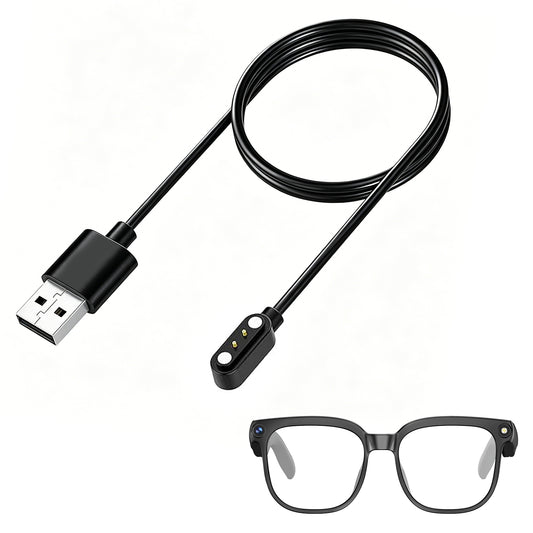
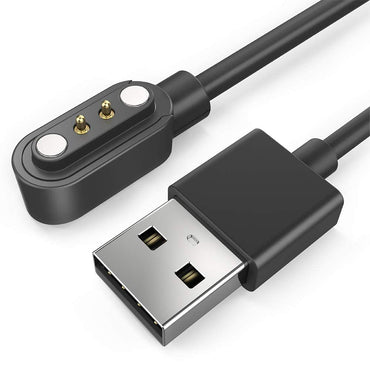
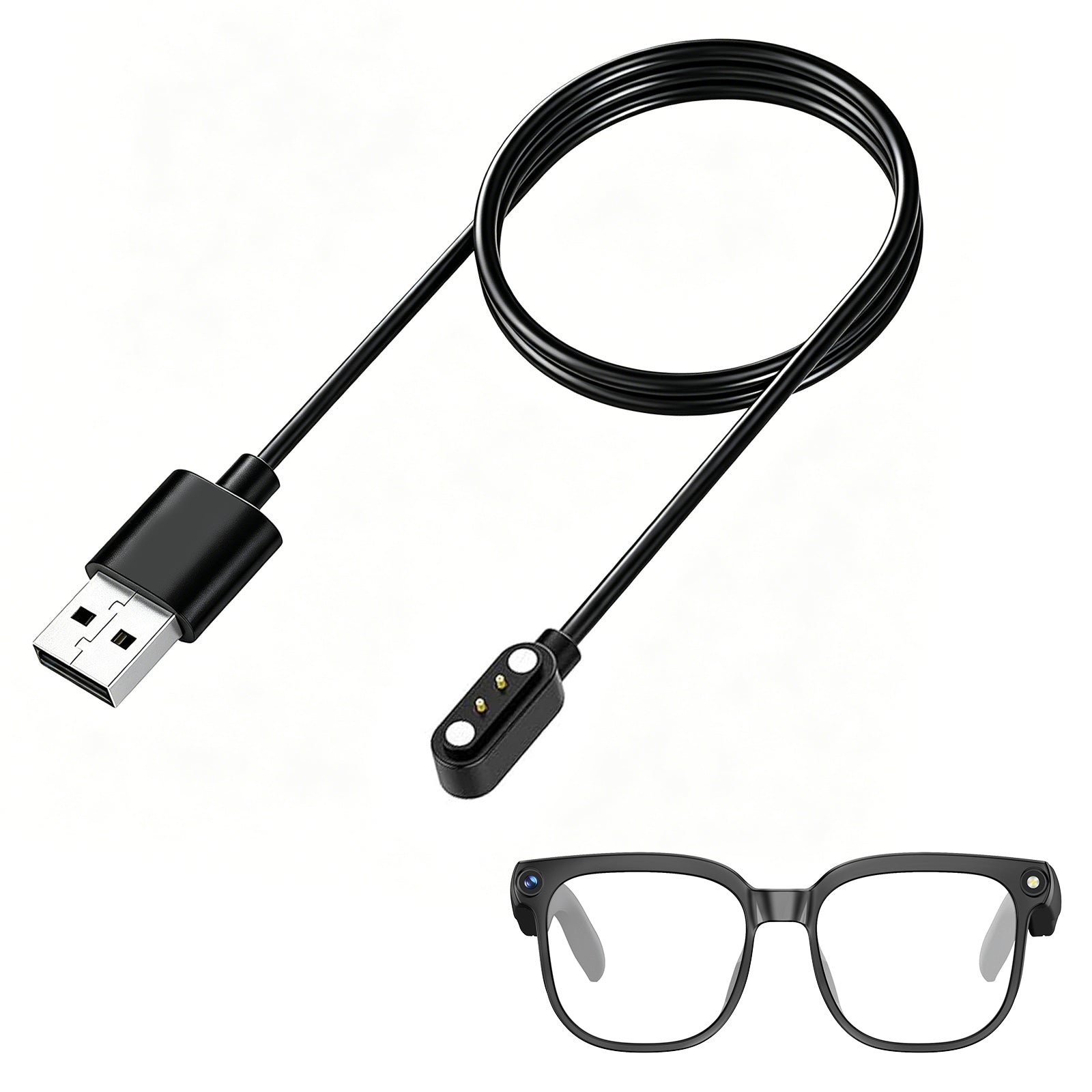
Two rules we follow: never leave smart glasses on a dashboard or in a parked car, and keep the magnetic charging cable for Osawalla smart glasses in the bag for multi-day trips.
6. The four Osawalla models, matched to the light you actually get
Specifications below are taken from each product page. Prices shown are list prices at time of writing.
|
|
||||
|
Price |
$69.99 |
$79.99 (from $99.99) |
$119.99 |
$57.99 |
|
Camera |
8MP, 1080P |
8MP, 1080P |
8MP |
— |
|
Stabilization |
Anti-shake |
Anti-shake |
EIS |
— |
|
Lens |
Polarized or blue-light option |
Photochromic |
— |
Electrochromic, clear↔dark in 0.5s |
|
Frame |
Lightweight |
40.8g TR90, IP65 |
Sport-fit |
39g, silicone temples |
|
Audio |
— |
Open-ear, Bluetooth 5.4 |
Open-ear |
Open-ear, Bluetooth 5.4 |
|
AI |
— |
ChatGPT AI, object recognition, 139+ language translation |
Voice AI, translation, recognition |
AI translation, meeting notes, voice Q&A |
|
Best light condition |
Constant glare: water, driving, beach |
Mixed indoor/outdoor days |
Fast motion in full sun |
Rapidly changing light you want to control |
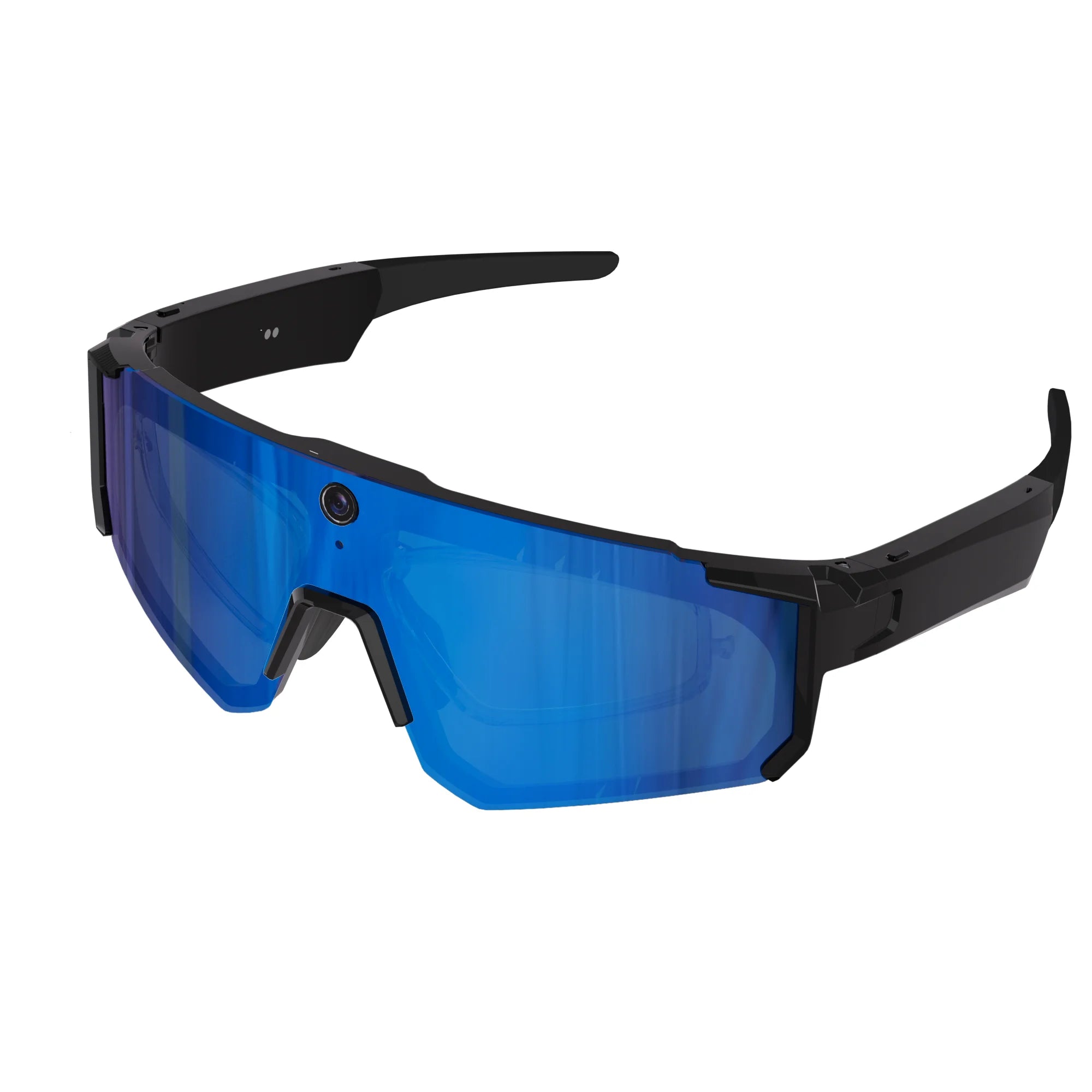
Osawalla Daily Core Camera Glasses — $69.99
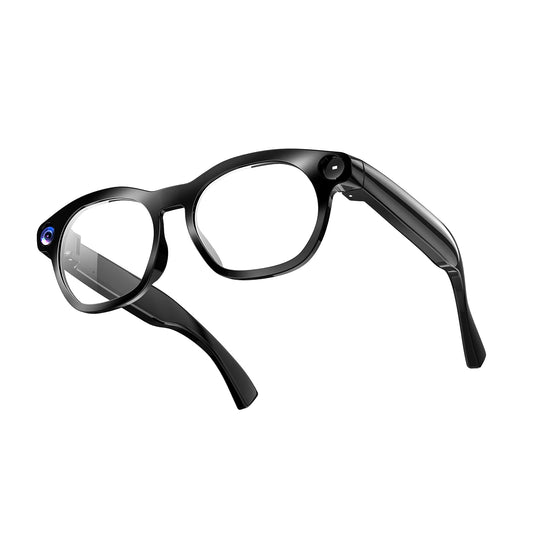
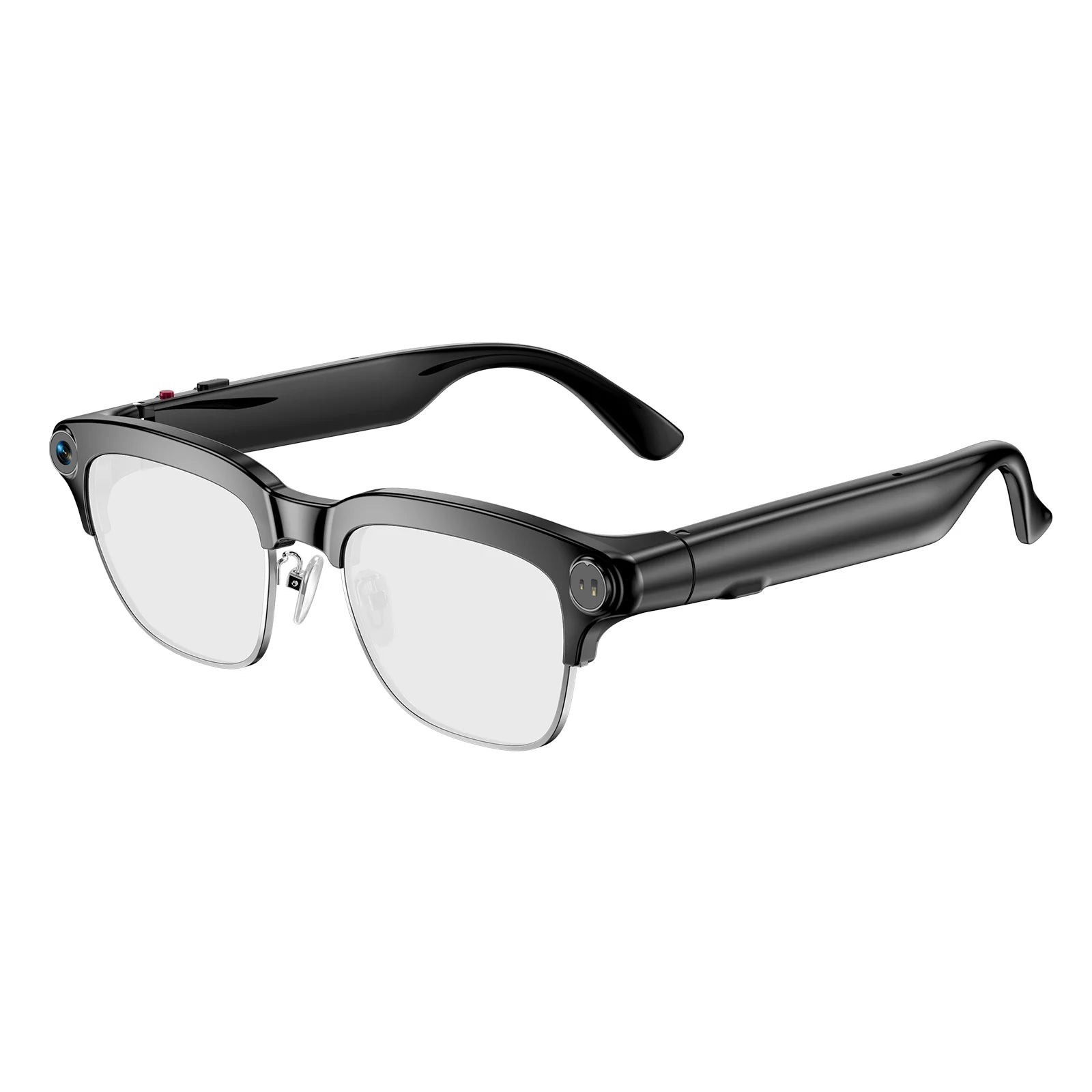
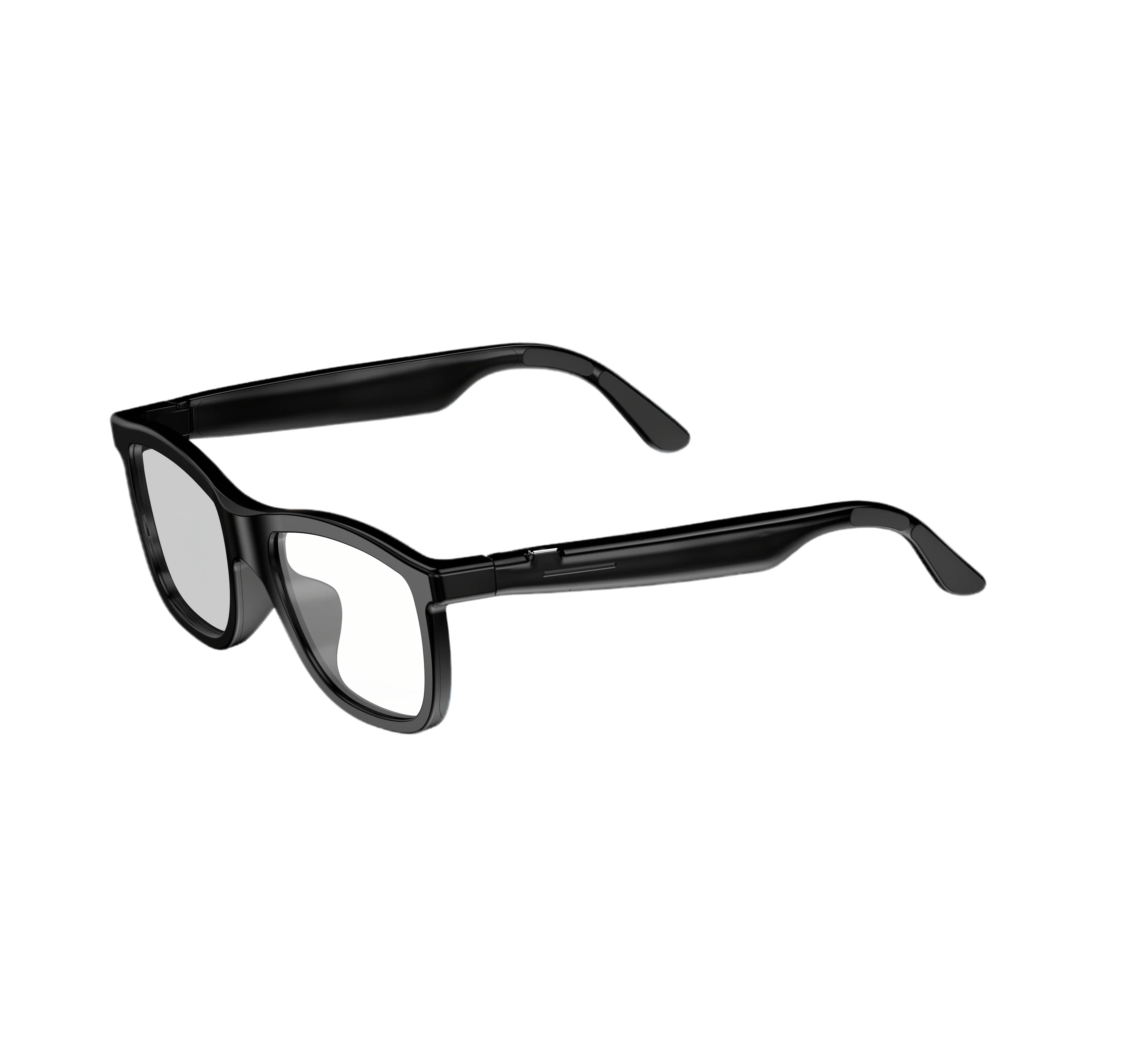
The straightforward answer to reflective environments. It ships in a polarized lens variant, which is the right choice when glare off water, wet roads, or a hood is your main problem. You also get 8MP/1080P capture, anti-shake, WiFi transfer, and 90 minutes of continuous recording — the only published continuous-recording figure in this lineup, and the reason it is the easiest model to plan a long day around. Choose the blue-light variant instead if most of your day is screens rather than sun. See the Osawalla Daily Core review for a closer look.
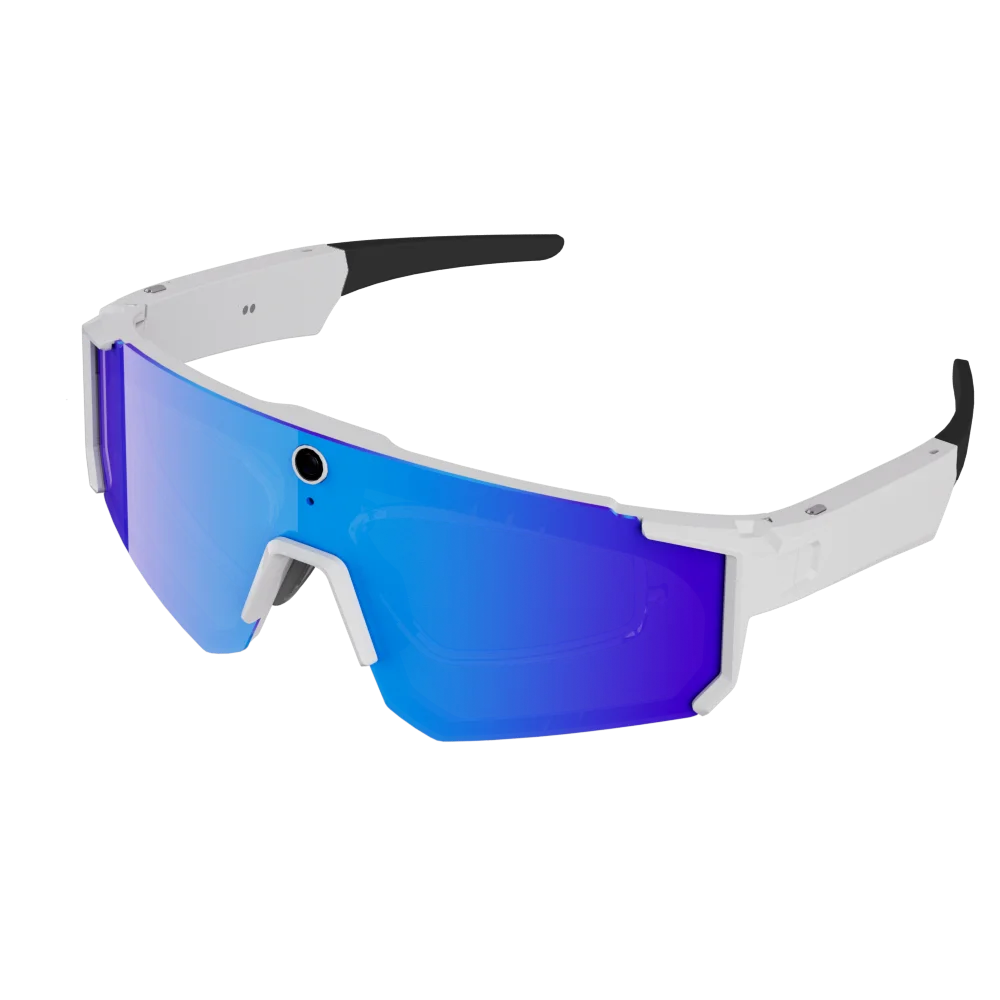
Osawalla Daily Pro Camera Glasses — $79.99
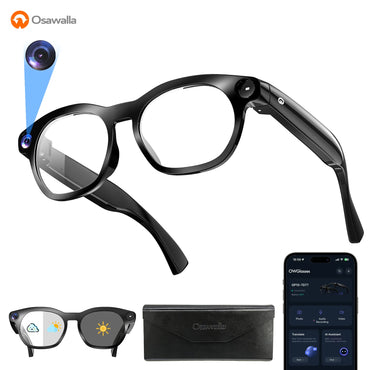
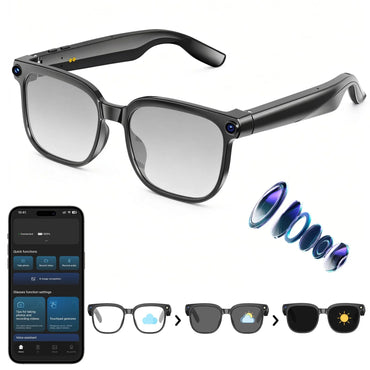
The commuter's option, and the one we reach for on days that cross indoors and outdoors repeatedly. Its photochromic lenses adjust as light changes, which removes the "too dark in the shop" problem that fixed tints create. The rest of the package is the most capable here: 8MP/1080P capture, ChatGPT-based AI with object recognition and 139+ language translation, open-ear audio over Bluetooth 5.4, and a 40.8g TR90 frame with IP65 protection. Keep the section-2 caveat in mind — on very hot days or behind a windshield, expect less darkening than at room temperature outdoors. Full walkthrough: Osawalla Daily Pro POV camera guide.
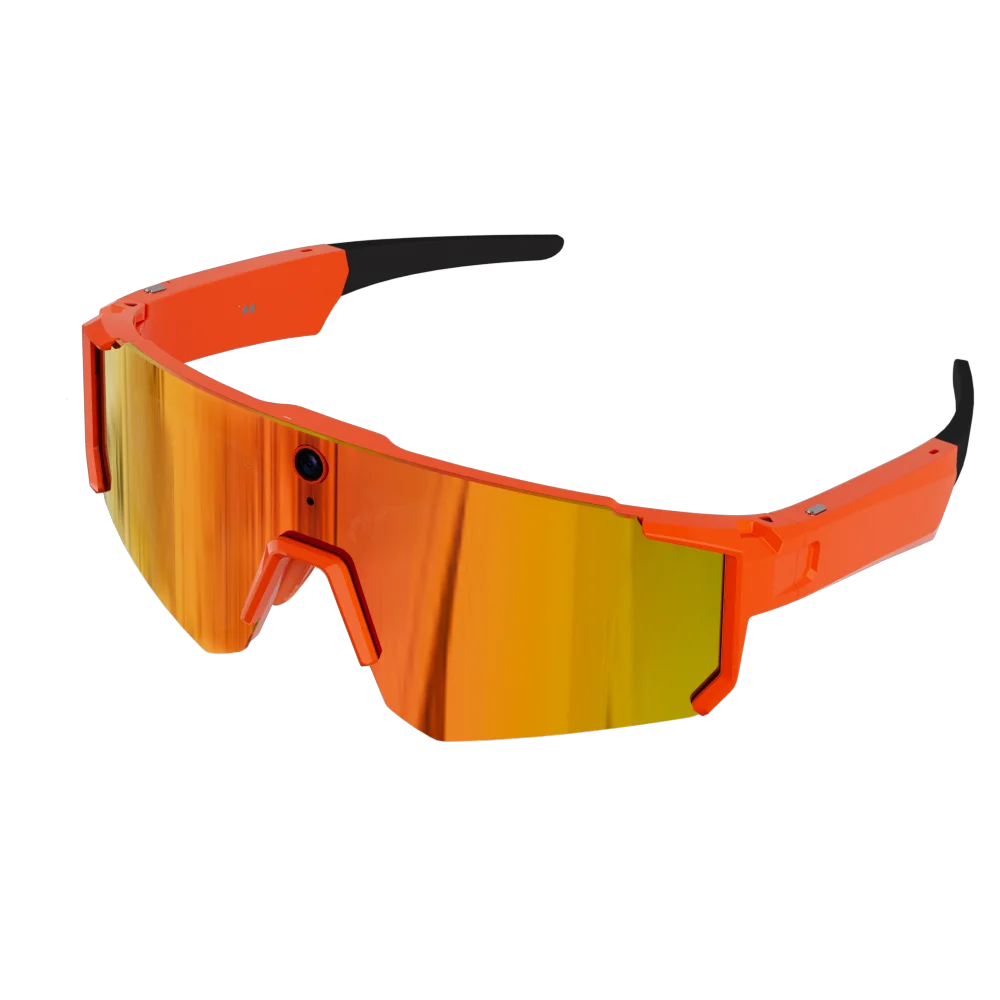
Osawalla Sport Pro Camera Glasses — $119.99
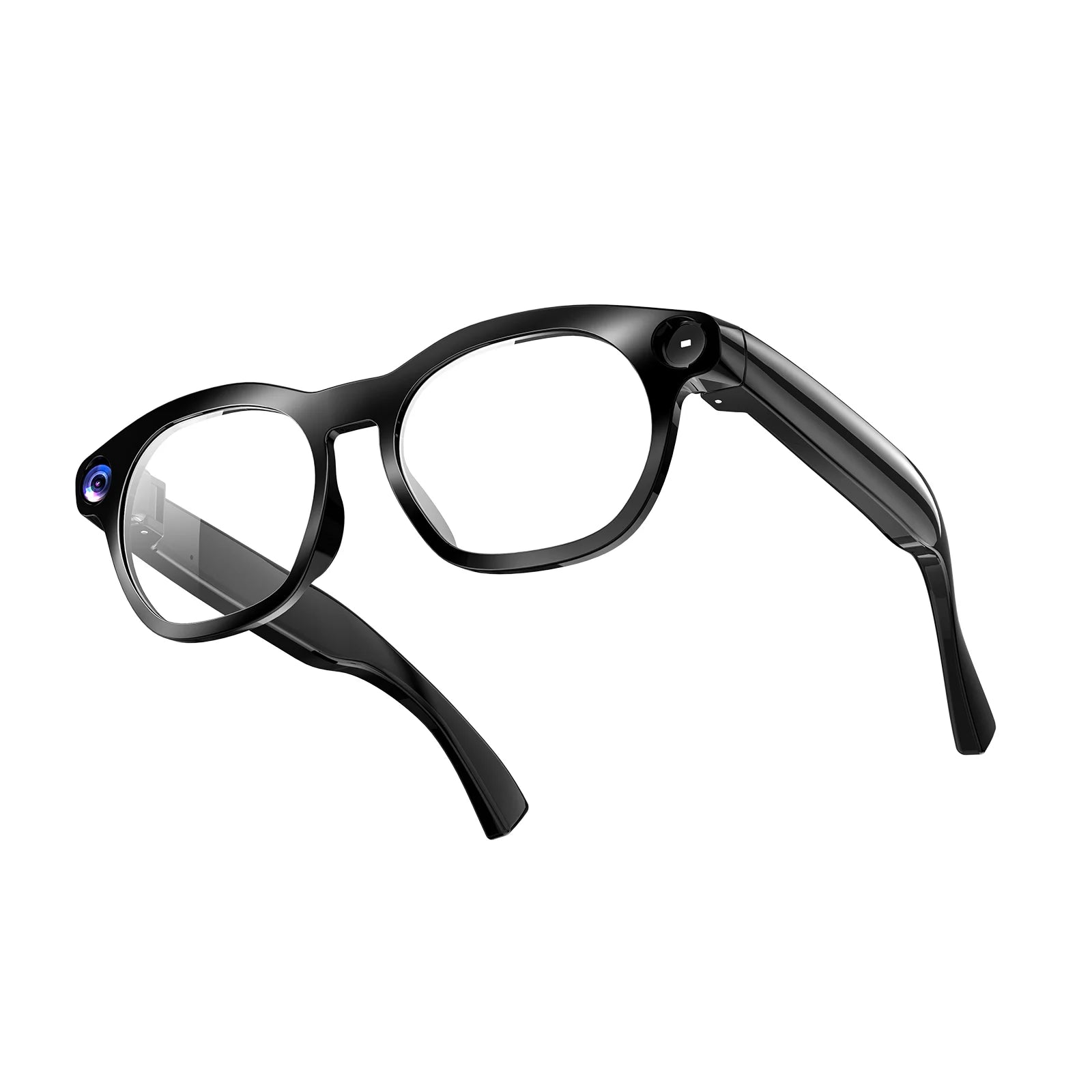
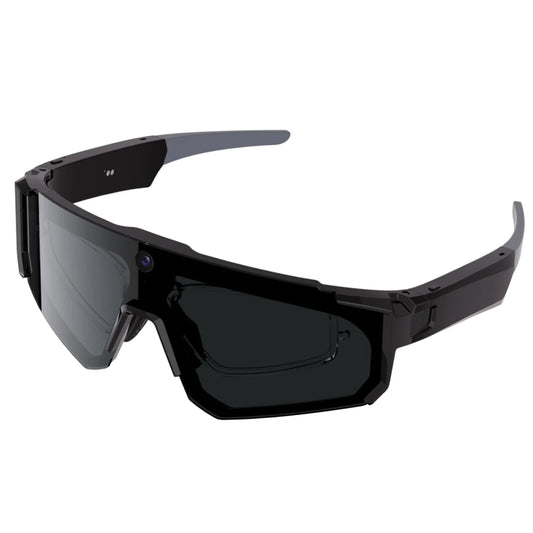
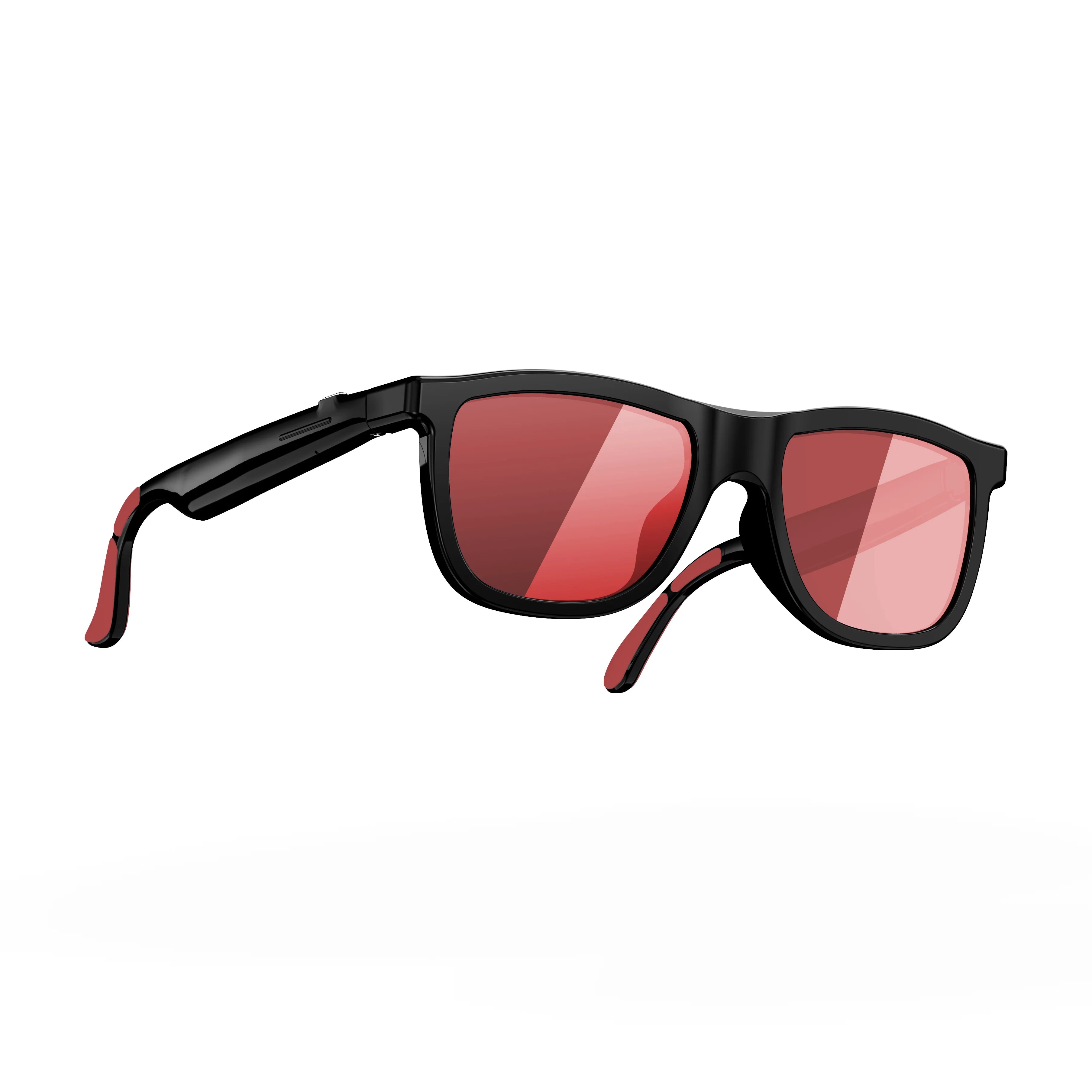
Built for motion. EIS stabilization is the headline difference, and it is the one that matters when you are running, riding, or shooting handheld video at speed — electronic stabilization is what keeps fast-action footage watchable. It adds voice AI, translation, and recognition plus open-ear audio. This is the model to compare first if your outdoor time is exercise rather than sightseeing. Read the Osawalla Sport Pro hands-on review.
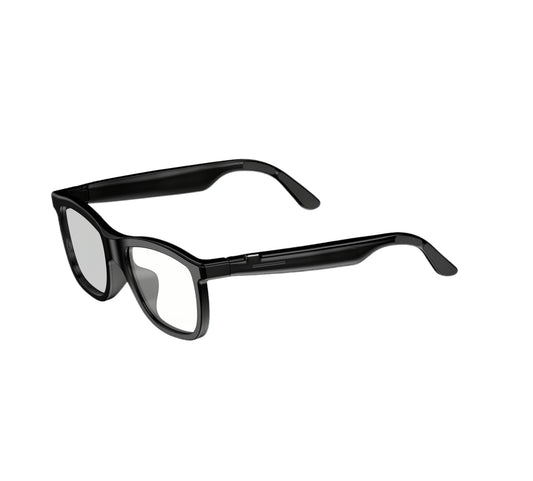
Osawalla Chic Core Smart Audio Glasses — $57.99
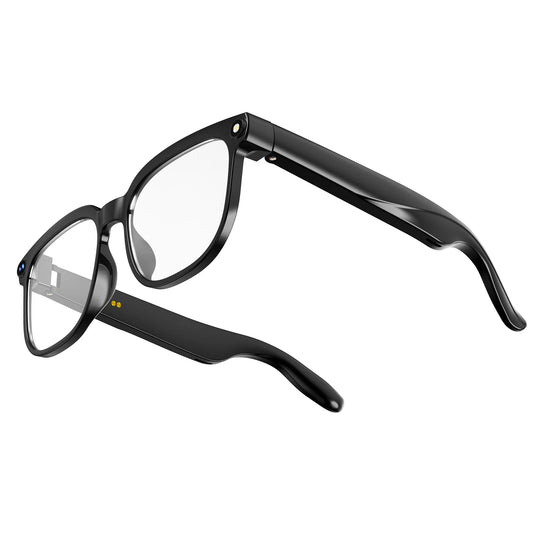
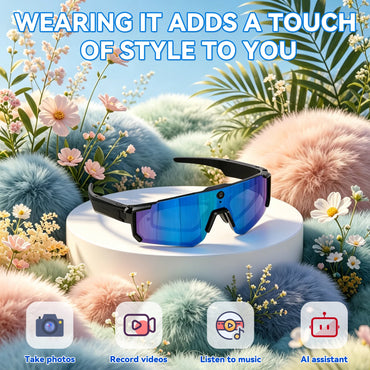
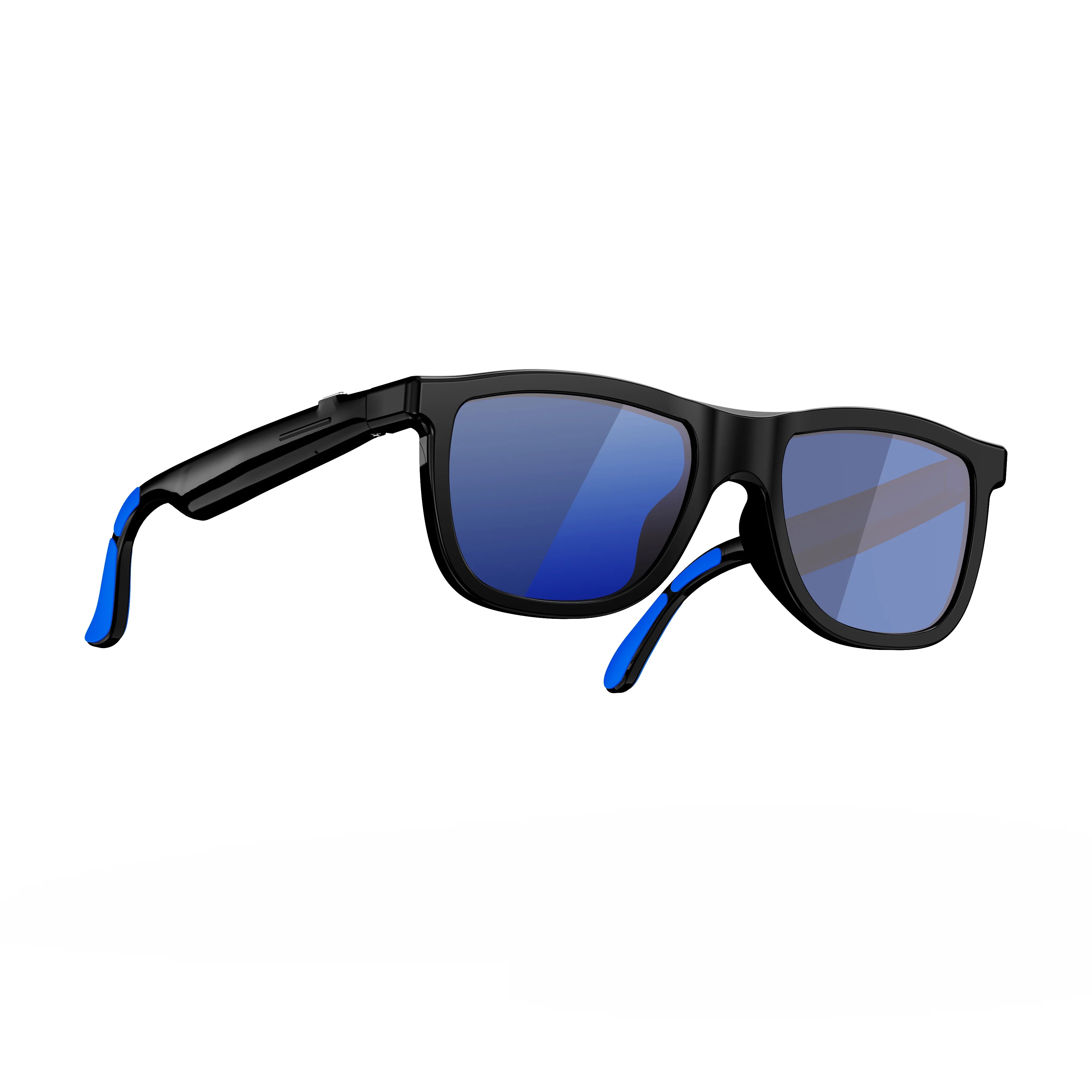
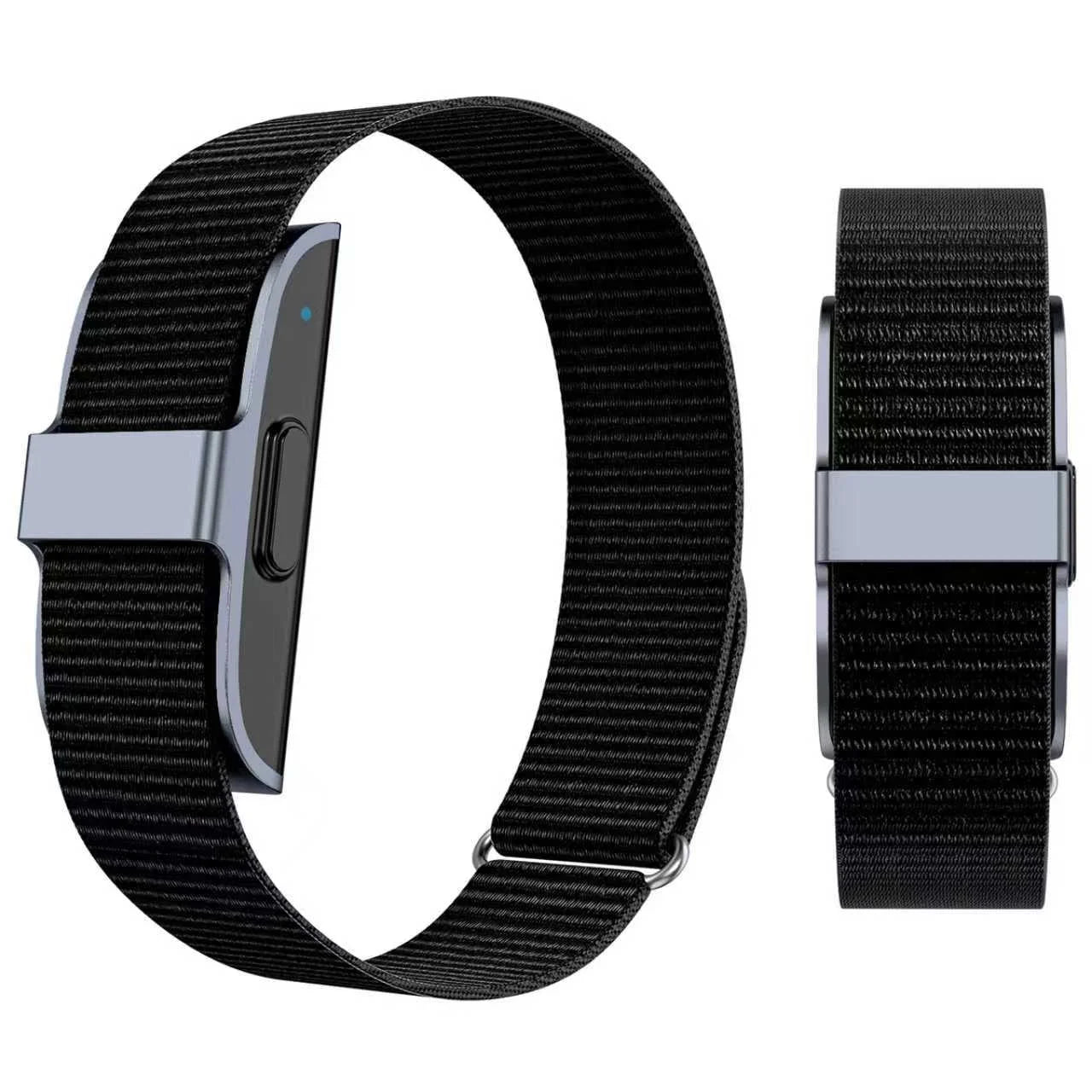
The outlier, and worth considering precisely because it skips the camera. Its electrochromic lenses switch from clear to dark in about 0.5 seconds — far faster than any photochromic transition, and under your control rather than the sun's. At 39g with silicone temples it is the lightest frame here, with Bluetooth 5.4 open-ear audio and AI translation, meeting notes, and voice Q&A. If your priority is comfortable vision across changing light rather than first-person capture, this is the most direct answer. Also see why smart glasses feel uncomfortable — frame weight and temple material matter more over four hours than over four minutes.

A note on UV specifications
In the interest of being accurate rather than reassuring: the four product pages above do not currently publish a UV400 rating or a VLT percentage. Polarization and photochromic behavior are documented; UV blocking and light transmittance are not. Before relying on any pair for extended exposure, check the product listing for a stated UV rating, or contact support. The AAO's guidance is to select eyewear labeled 100% UV or UV400, and that label is the thing to look for.
7. A 15-minute field test before you commit
Product pages are a starting point. This is the test we run, and it takes one lunch break.
Stage 1 — Moderate daylight (5 min). Establish a baseline. Check lens clarity, frame fit, and that the camera and audio work as expected. If the frame is already uncomfortable here, it will not improve in the sun.
Stage 2 — Direct midday sun (5 min). Stand facing the sun with reflective ground nearby. Ask three questions: am I squinting? Are reflections off cars, water, or glass distracting? Is the frame still comfortable on my nose and ears? If the model has a camera, record a scene containing both bright and shaded areas.
Stage 3 — Backlit subject, then shade (5 min). Put a person with the sun behind them and record. Then step into deep shade and check two things: can I see clearly without waiting for a tint to clear, and — on photochromic or electrochromic models — how long does the transition actually take?
Pass criteria are simple: no squinting in stage 2, a readable face in stage 3, and a tint transition you do not have to plan around.
Two safety rules. Never look directly at the sun to test a lens — the AAO is unambiguous that this can damage the retina and cause solar retinopathy, at any time, including during an eclipse. And do not wear dark lenses in low light where they hide hazards.
If your primary use case is not sunlight at all but evening screen time, the evidence is worth reading separately: whether blue light glasses are worth it.
8. Buying checklist for sun-heavy use
|
Check |
What to verify |
|
Lens type |
Fixed tint, photochromic, polarized, or electrochromic — matched to your dominant light |
|
UV protection |
A stated UV400 / 100% UV rating, checked independently of tint |
|
VLT |
Whether the darkness suits your brightest regular condition |
|
Camera outdoors |
Sample footage in sun, shade, and backlit scenes |
|
Stabilization |
EIS or anti-shake, matched to how much you move |
|
Audio in wind |
Microphone performance on an actual windy call |
|
Battery |
Runtime for the specific function you use most, not standby |
|
Heat limits |
Manufacturer operating and storage temperature range |
|
Indoor transitions |
Whether the lens stays usable within seconds of entering shade |
|
Connectivity |
What needs a phone, an app, or a network |
One last filter: treat crystal-clear, all-weather, and outdoor-ready as noise. None of them is a substitute for a UV rating, sample footage, or a published temperature range.
9. Frequently asked questions
Do smart glasses work in bright sunlight?
Yes. Most smart glasses work in bright sunlight, but performance depends on three separate systems: the lens (tint depth, polarization, and stated UV protection), the camera's ability to hold exposure when a scene mixes bright sun and deep shade, and whether the model has an in-lens display that must compete with ambient light. Lens choice affects comfort more than any smart feature.
Are polarized smart glasses better in sunlight?
Polarized lenses cut glare from horizontal surfaces such as water, wet roads, and car hoods, which is why they suit fishing, boating, and driving. But polarization does not block UV by itself, and the FAA warns that polarized lenses can reduce the visibility of displays that use anti-glare filters. Check the UV400 rating separately.
Do photochromic smart glasses get dark enough outdoors?
Sometimes. Most photochromic lenses reach roughly 20 percent light transmittance in direct sun, but the FAA notes that warm temperatures above 70 degrees Fahrenheit can seriously limit how dark they get, and car windshields block more than 99 percent of UV, so standard photochromic lenses stay nearly clear while driving.
Does sunlight damage the camera on smart glasses?
Bright light does not normally damage an image sensor, but it does create high dynamic range scenes where a backlit subject becomes a silhouette or the sky blows out to white. Judge outdoor camera quality by sample footage in mixed light, not by megapixel count or 1080p labeling.
Can smart glasses overheat in direct sunlight?
Yes, extended direct sun can push a frame above ambient air temperature, especially during continuous recording. Follow the manufacturer's stated operating and storage temperature range and never leave smart glasses on a dashboard or in a parked car.
Can you see a smart glasses display in direct sunlight?
It depends on the optics. Ambient light lowers the contrast of a projected in-lens image, and a manufacturer's peak brightness figure does not account for contrast, optics, or the virtual image position. None of the four Osawalla models in this guide projects an in-lens display, so this limitation does not apply to them.
Which Osawalla model is best for strong, constant glare?
The Osawalla Daily Core Camera Glasses in the polarized lens variant — polarization targets reflected glare from water, wet roads, and car surfaces, and it is the least expensive route to that in the lineup at $69.99.
Final thought: buy for the light you actually stand in
Bright sunlight separates a feature-rich product from one that suits your week.
Start with the lens — glare, tint depth, UV rating, and how fast it recovers when you step into shade. Then judge the electronics on their own terms: camera models by their outdoor footage, audio models by their wind performance, display models by their noon readability. Then match that to your calendar. Most people overestimate how much time they spend in one extreme condition and underestimate how often they cross between two.
The four models above are not ranked; they are mapped. Constant glare points to Daily Core. Mixed indoor-outdoor days point to Daily Pro. Fast motion in full sun points to Sport Pro. Light that changes faster than any automatic tint points to Chic Core.
Choose on documented specs and your own routine, not the feature list.
Sources
1. U.S. Environmental Protection Agency — UV Index Scale
2. World Health Organization — Ultraviolet radiation
3. U.S. Food and Drug Administration — Tips to Stay Safe in the Sun: From Sunscreen to Sunglasses
4. American Academy of Ophthalmology — The Sun, UV Light and Your Eyes
5. American Academy of Ophthalmology — How to Choose the Best Sunglasses to Avoid Sun Damage
6. Federal Aviation Administration — Sunglasses for Pilots: Beyond the Image (AM-400-05/1)
7. International Organization for Standardization — ISO 12312-1:2022, Sunglasses for general use


