







What Are Smart Glasses?
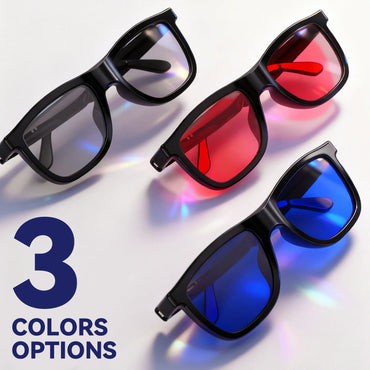
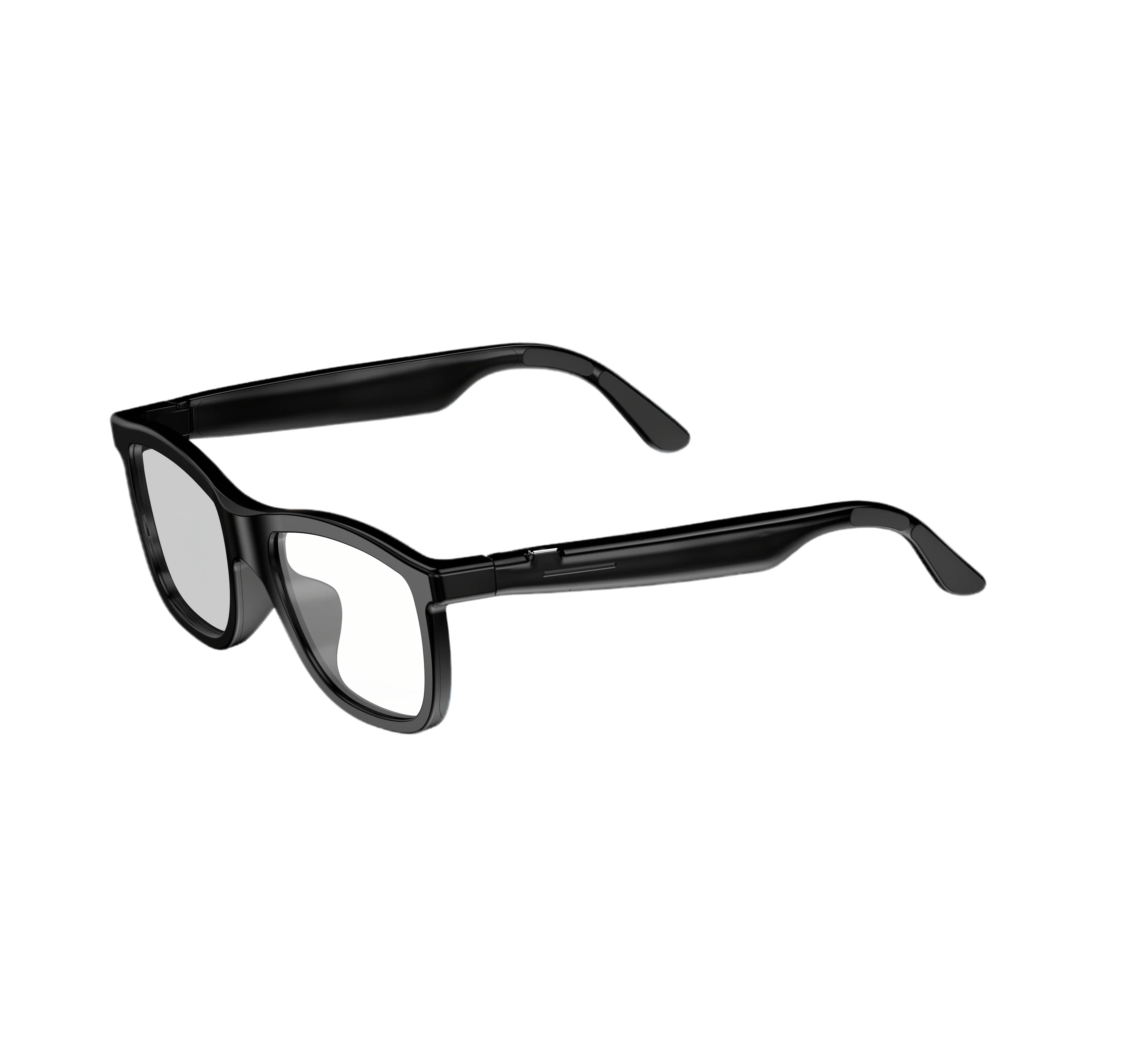
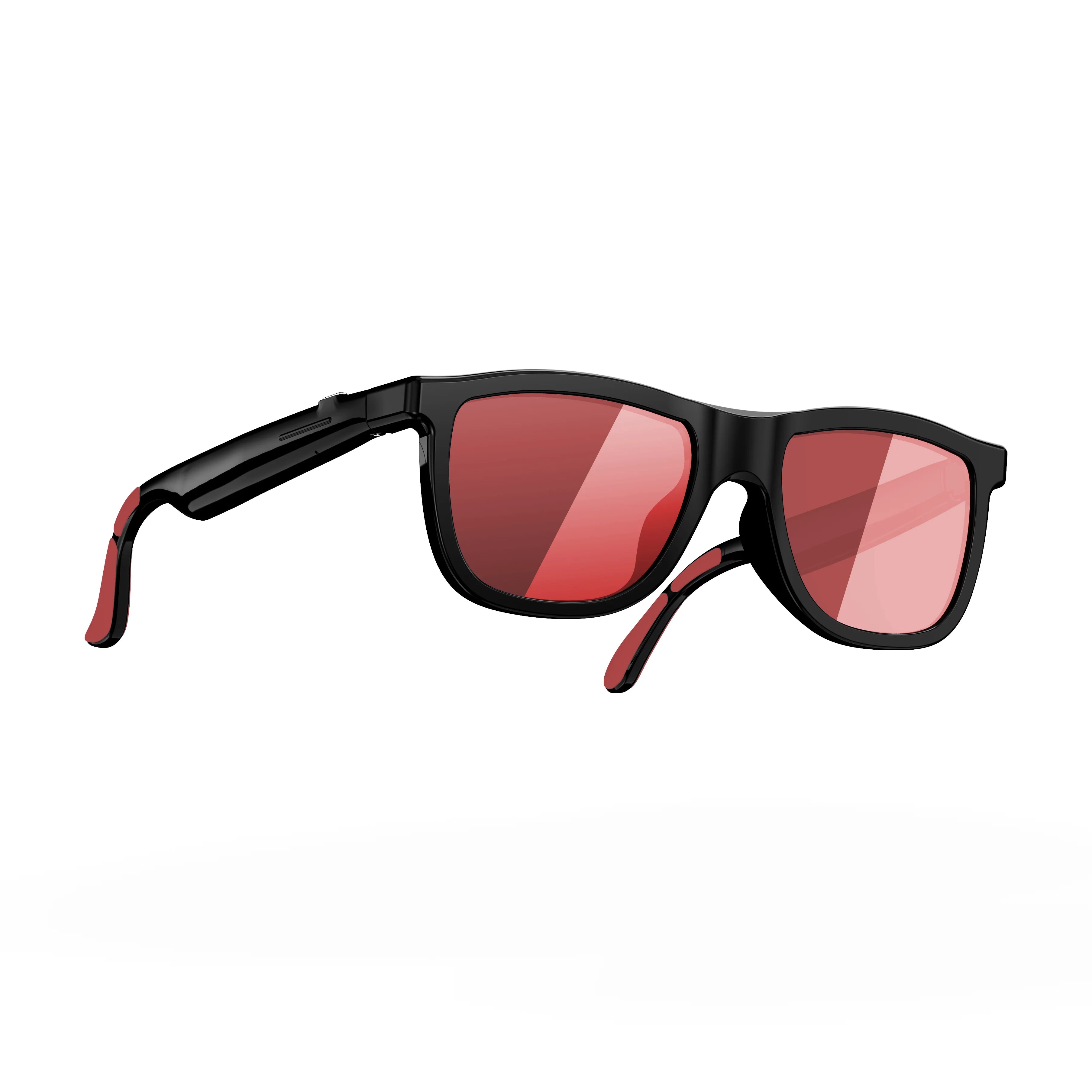
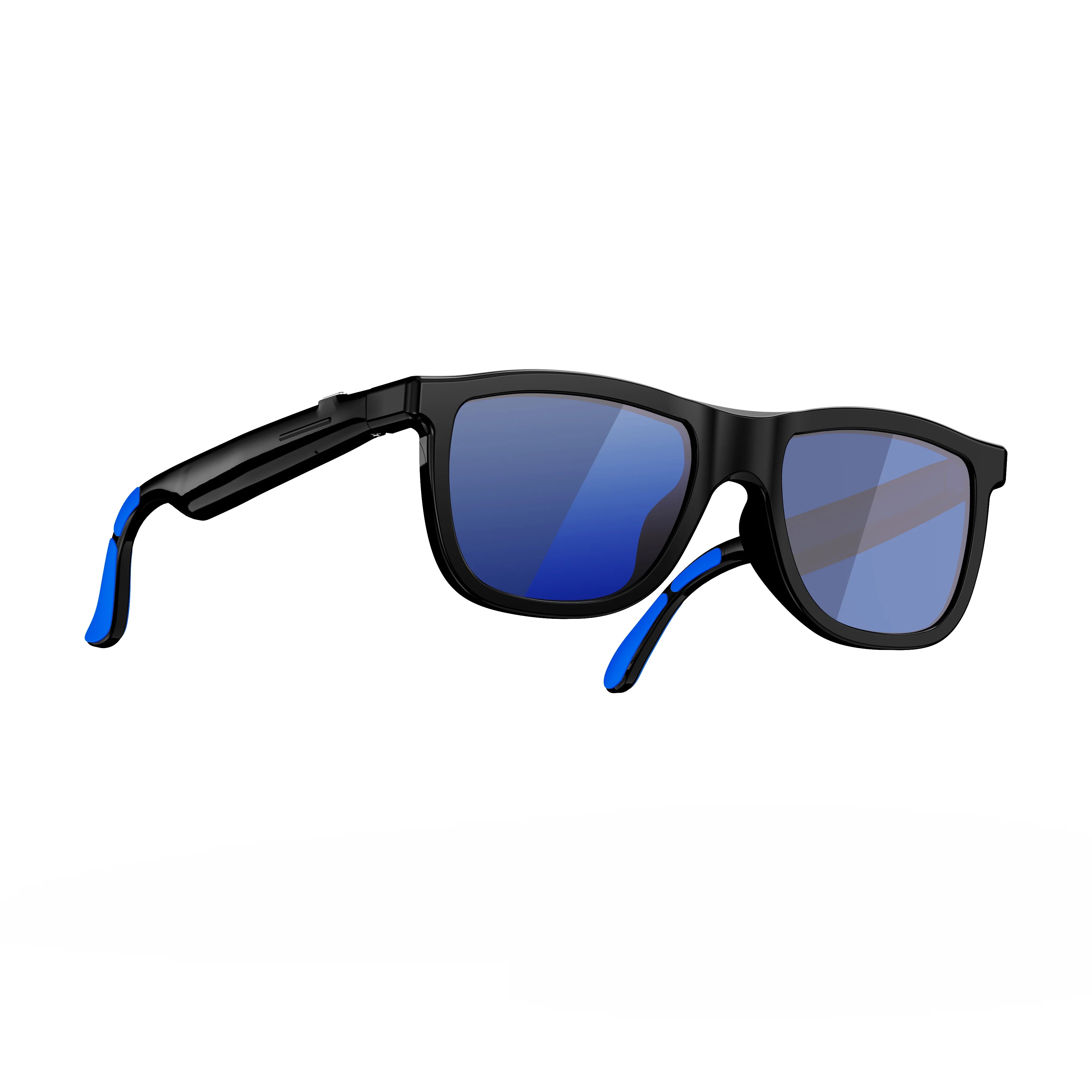
Smart glasses are wearable computer-eyeglass hybrids that put connectivity, audio, and imaging technology into a frame you wear like ordinary spectacles. Unlike bulky VR headsets that seal off your vision, smart glasses keep your field of view open — they look like regular glasses while quietly adding features such as open-ear sound, voice assistance, hands-free calling, and built-in cameras.
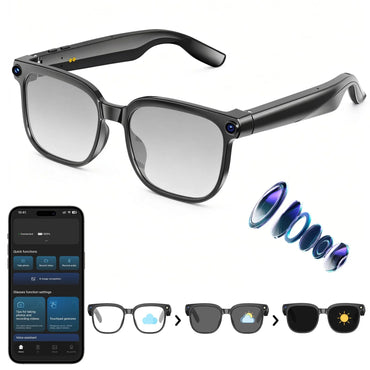
The short answer to "how do smart glasses work" is this: they pair with your phone over Bluetooth, run lightweight electronics embedded in the temples, and deliver sound or capture video without anything blocking your eyes. Osawalla builds two families of smart glasses to match different needs — the GG audio series (GG04, GG05, GG06) and the GP camera series (GP02, GP04, GP08). Whether you want to listen without earbuds or record life hands-free, the core idea is the same: technology that disappears into something you already wear.
How Do Smart Glasses Work?
-
Connectivity — the link to your phone
Smart glasses don't usually have their own SIM card or full operating system. Instead, they connect to your smartphone via Bluetooth (typically Bluetooth 5.x). Your phone handles the heavy lifting — streaming music, placing calls, running the assistant — while the glasses act as a wireless wearable accessory. This is why setup is as simple as opening the case, enabling pairing mode, and selecting the glasses in your Bluetooth menu. The glasses stay thin because the real compute happens in your pocket. -
Audio smart glasses — how the sound reaches your ears
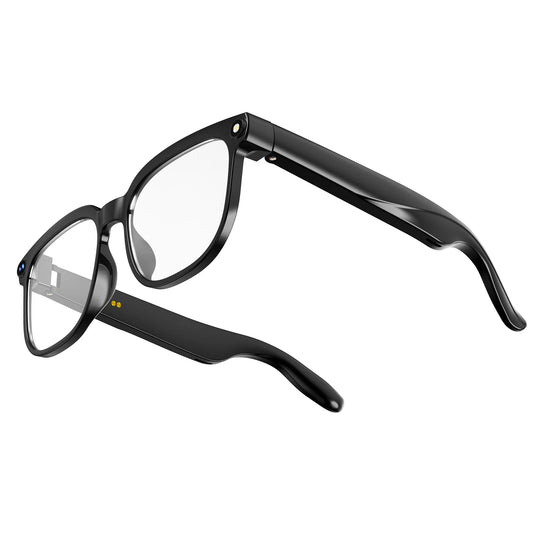
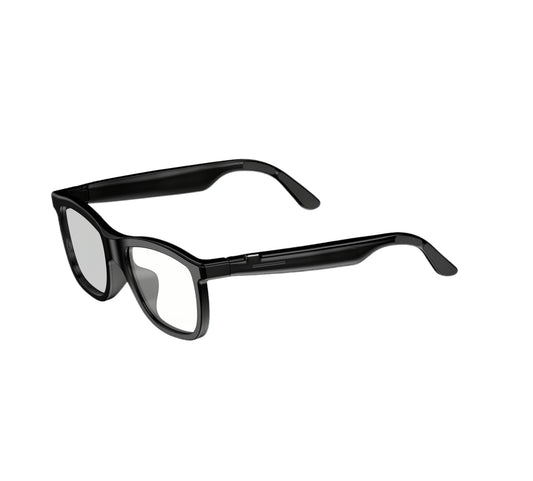
This is where the GG series shines. Audio smart glasses use open-ear, directional speakers built into the temples. Tiny acoustic drivers fire sound toward your ear canal without covering it, so you hear music and calls clearly while still hearing the world around you — safer for walking or cycling than in-ear earbuds. The physics is closer to a personal speaker aimed at your ear than to headphones sealing the canal.
A beamforming microphone array in the frame picks up your voice for calls and voice commands, using noise suppression to cut wind and background hum. Because nothing enters your ear, there's no ear fatigue, and you stay aware of your surroundings. Models in this family include the Osawalla GG04, GG05, and GG06 audio glasses — see the Osawalla GG audio glasses collection for the full lineup.
- Camera smart glasses — capturing from your point of view
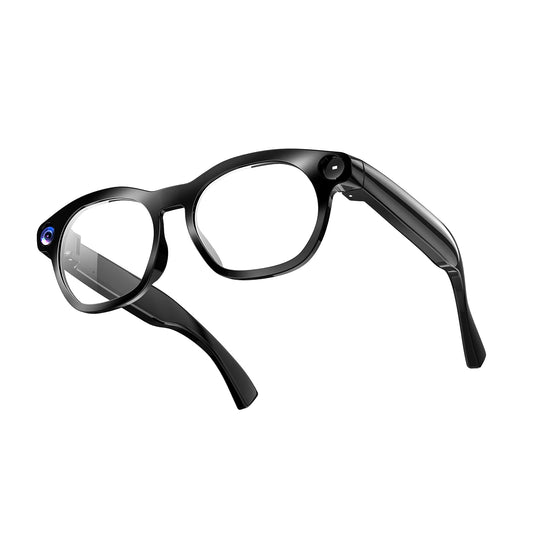
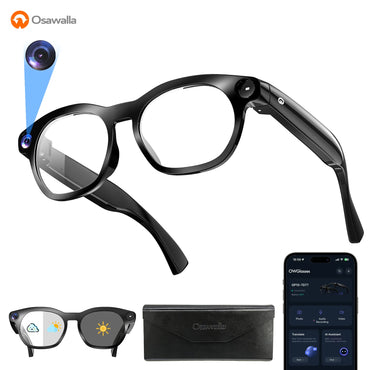
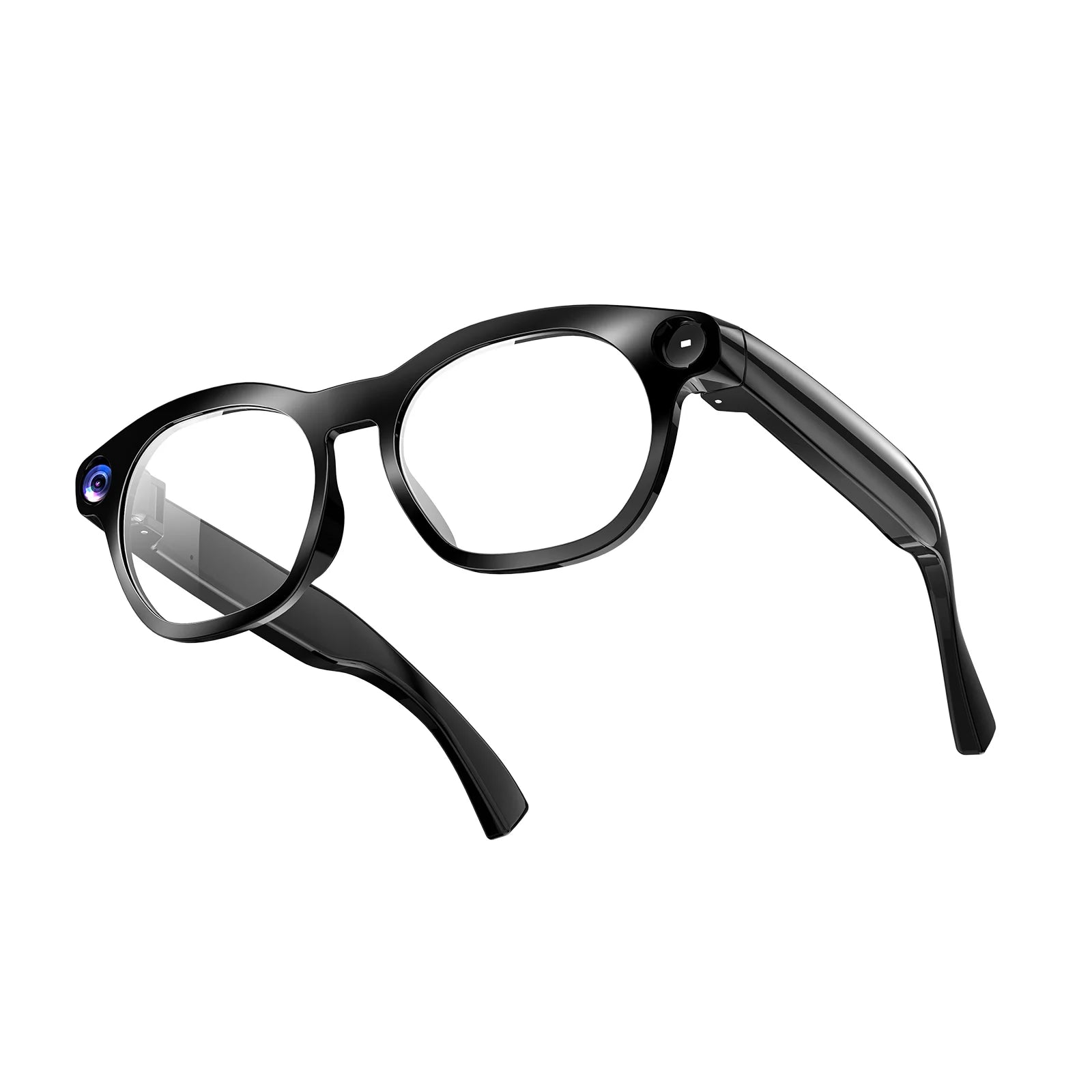
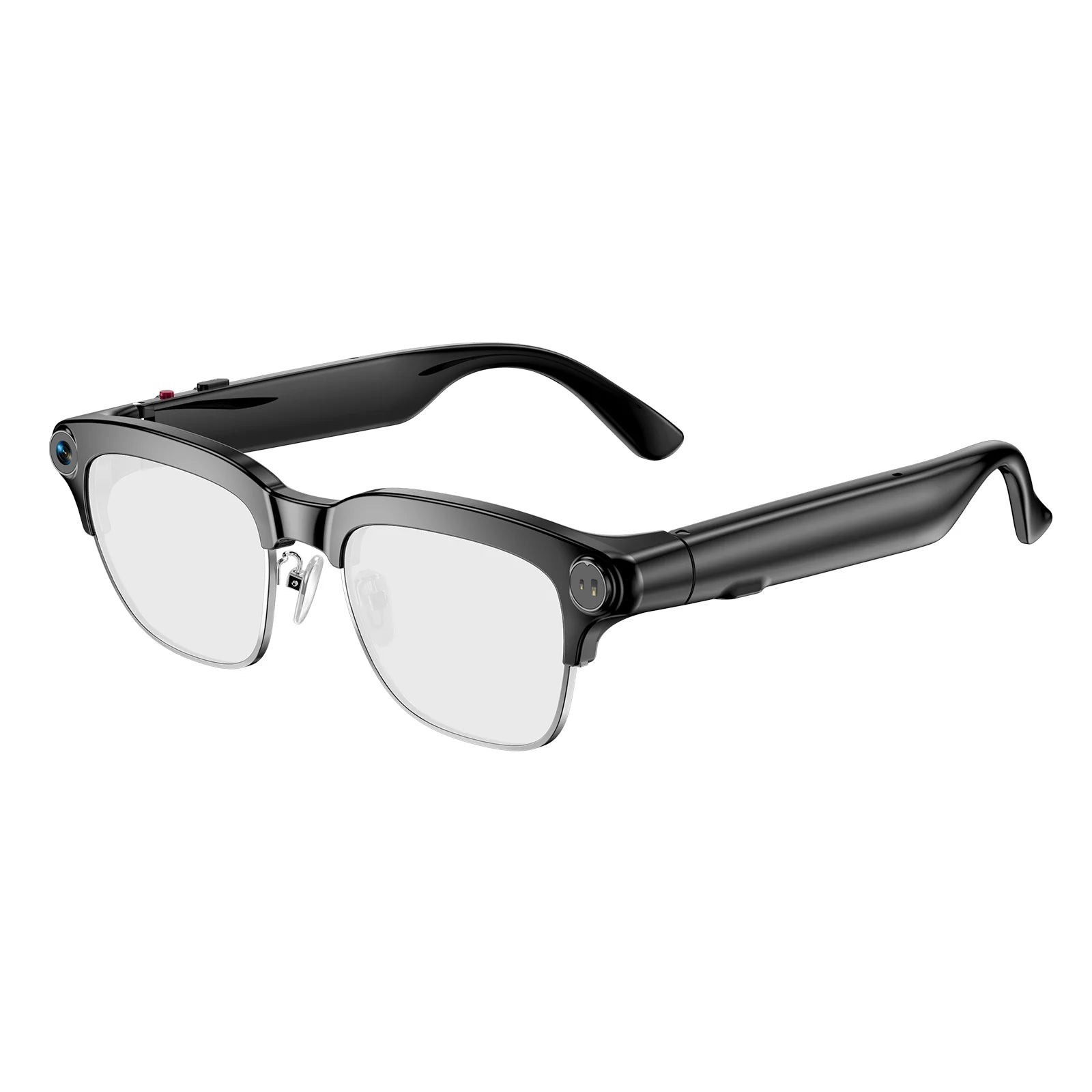
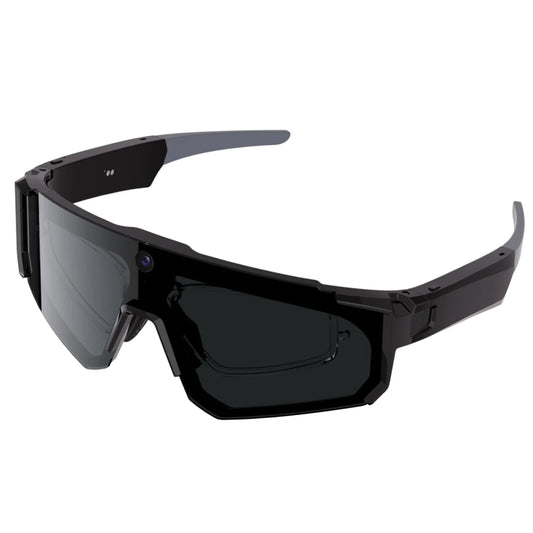
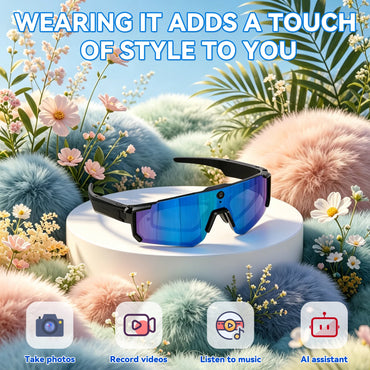
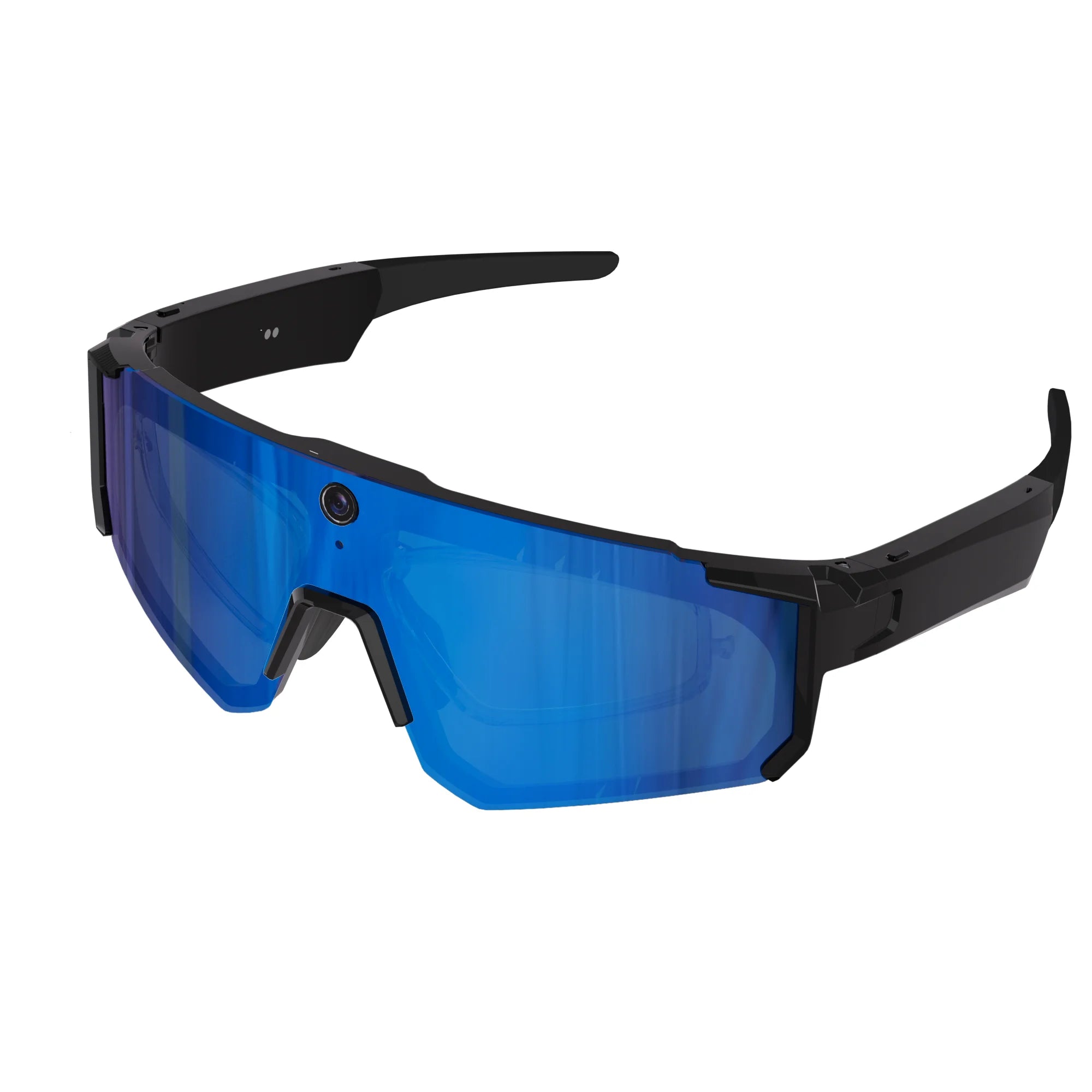
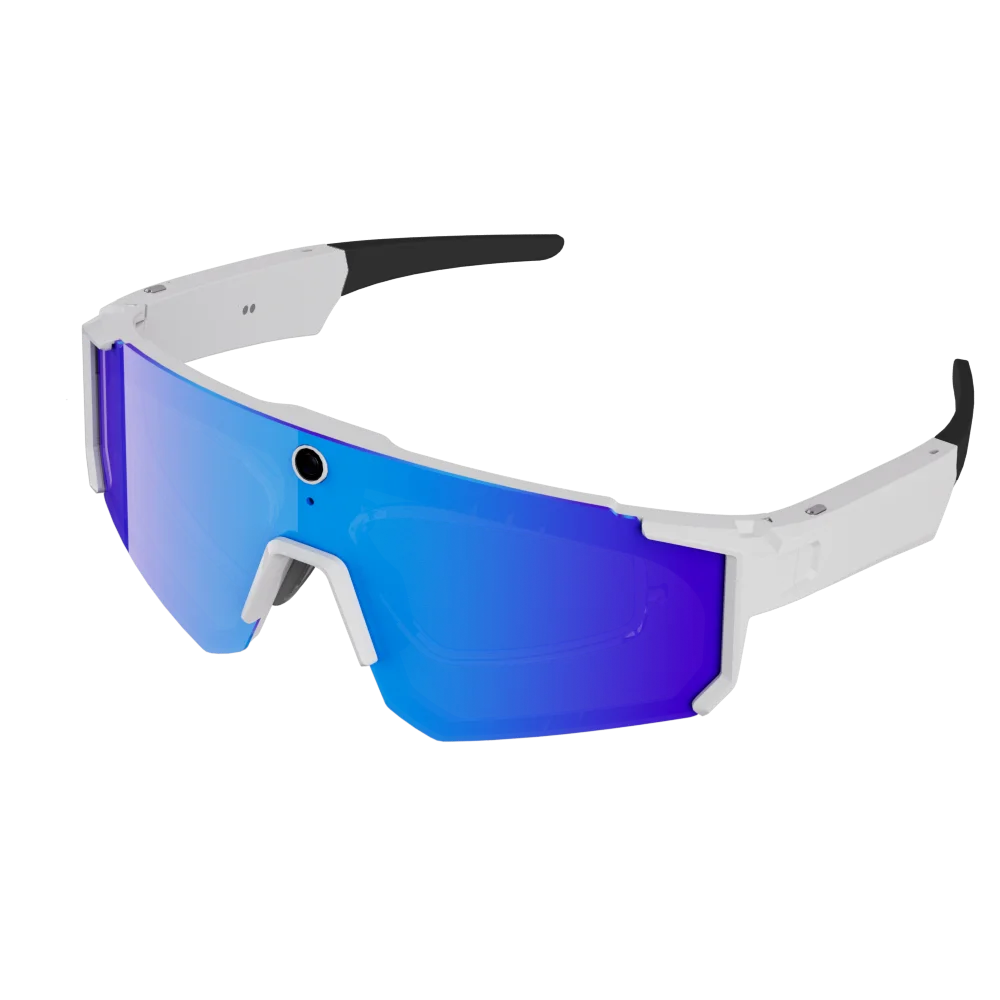
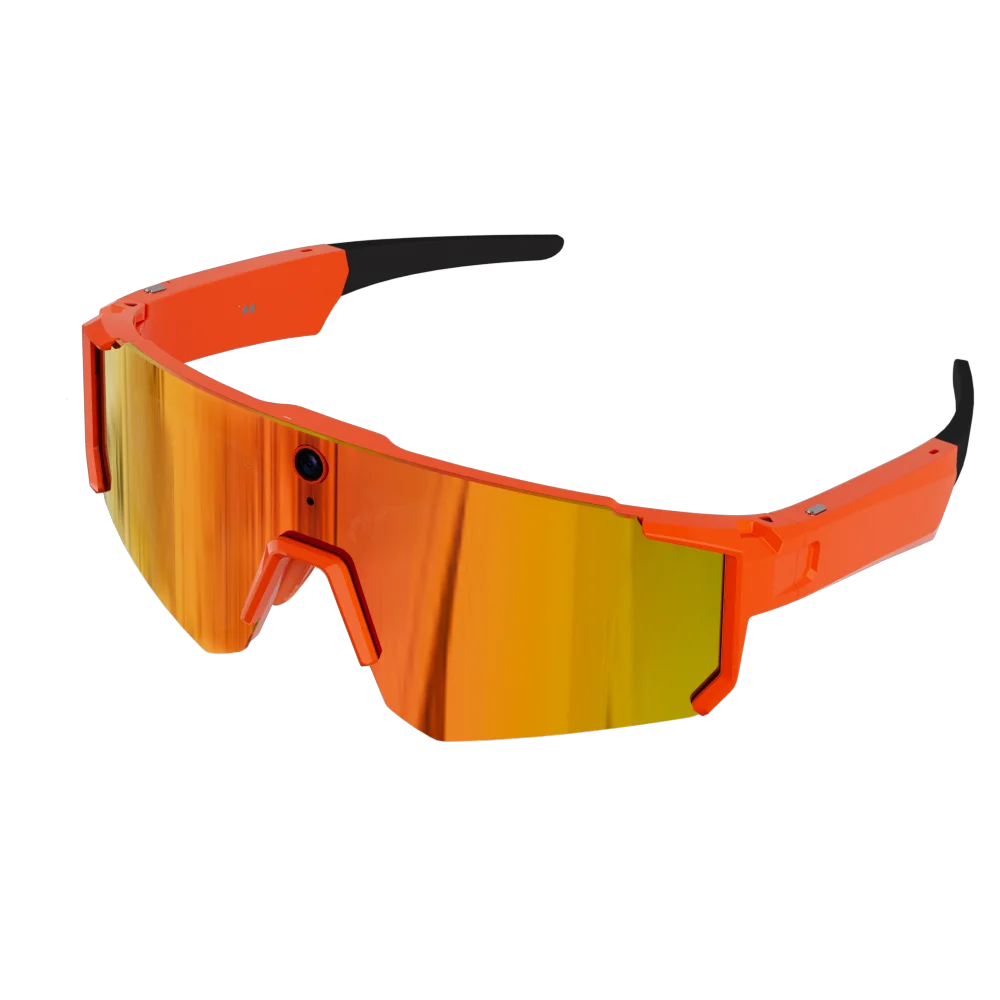
The GP series adds a front-facing camera module into the bridge or corner of the frame. When you ask "how do smart glasses work for recording," the answer is: a wide-angle lens captures POV video, the glasses encode it on a small onboard chip, and the file streams to your phone or saves to local storage. You trigger recording with a tap, a button, or a voice command — perfect for travel vlogs, hands-free tutorials, or remembering a moment without pulling out your phone.
Osawalla camera glasses in this line are the GP02, GP04, and GP08, each balancing camera resolution, battery life, and frame weight. If point-of-view capture is your priority, the Osawalla GP camera glasses collection breaks down the differences between models.
-
Battery and charging
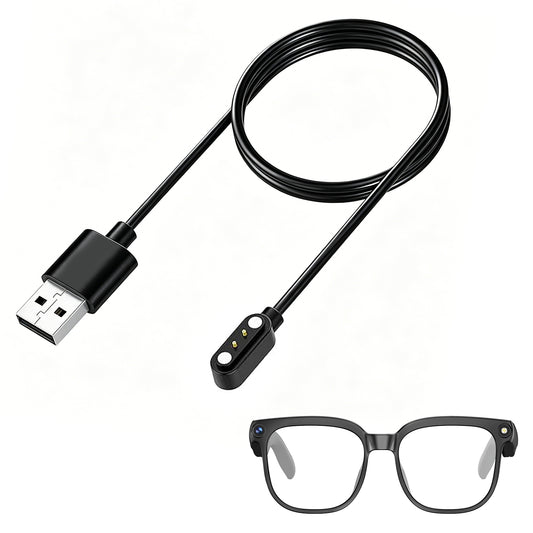
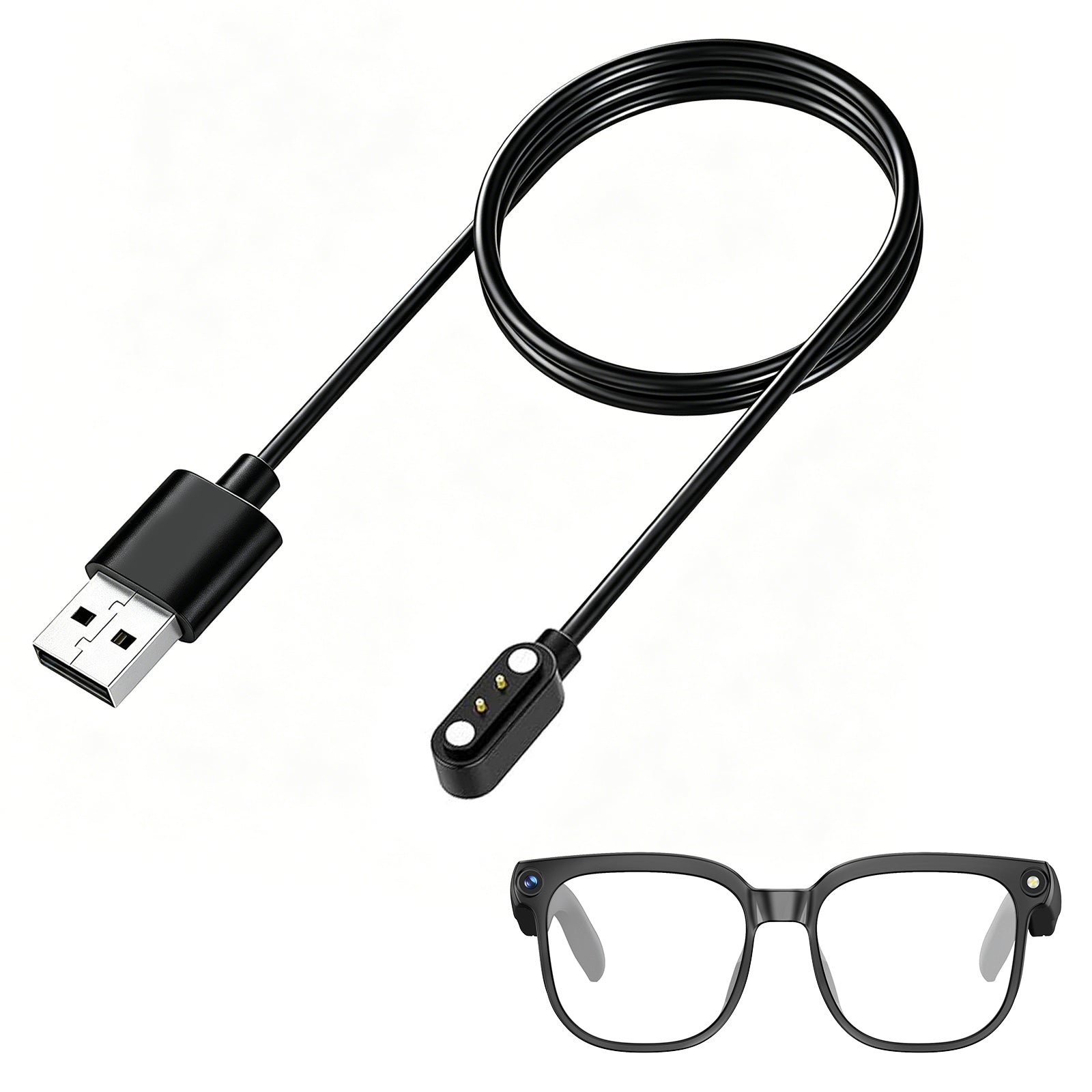
Both series run on slim rechargeable cells housed in the temples. A compact charging case (like the one that ships with the Osawalla glasses) tops them up on the go. Typical real-world use is several hours of continuous audio or shorter bursts of recording per charge, with the case extending total daily runtime. Because the electronics are distributed along the arms, the weight stays balanced and the frames don't feel front-heavy. -
Controls you actually use
Smart glasses keep interaction minimal: tap the temple to play or pause, swipe to adjust volume, hold to trigger your voice assistant, and use a dedicated button for the camera on GP models. Some pairs also support app-based settings for EQ, gesture sensitivity, and camera resolution. The goal is glance-free control, so you're not fumbling with a screen while moving.
Osawalla Smart Glasses: Audio vs Camera
Choosing between the two families comes down to what you want the glasses to do. Both share the same comfortable frame philosophy; they simply emphasize different features.
| Series | Models | Best for |
|---|---|---|
| GG (Audio) | GG04, GG05, GG06 | Music, calls, open-ear listening, all-day wear |
| GP (Camera) | GP02, GP04, GP08 | POV video, vlogging, hands-free capture |
- GG04, GG05, GG06 — the audio glasses. Lightweight frames with directional open-ear sound. Ideal if you want notifications, music, and calls without earbuds.
- GP02, GP04, GP08 — the camera glasses. Add a point-of-view camera to the same comfortable form factor. Ideal if you create content or want to record life hands-free.
All models share Osawalla's flexible, adjustable temples and lightweight build, so wearing them all day puts no pressure on your nose or ears. If you're deciding between the two, our guide on choosing your first pair of smart glasses walks through real-use scenarios.
 zhaobraveOsawalla Team The Technology Behind Open-Ear Audio
Open-ear audio is the reason many people switch from earbuds to audio glasses. Instead of inserting a driver into the ear, the glasses direct sound waves along the side of your head toward the ear canal. This keeps the canal open, which means you stay alert to traffic, announcements, and conversations. For runners, cyclists, and commuters, that situational awareness is a genuine safety benefit, not just a convenience.
The trade-off is privacy in very quiet rooms — someone sitting right next to you may hear a faint trace of your audio at high volume. At normal listening levels, directional tuning keeps the sound focused enough for personal use. Osawalla tunes the GG-series EQ to keep vocals clear and bass present without pushing volume to unsafe levels.
Why Camera Glasses Matter for Creators
Point-of-view capture is the fastest-growing reason people buy smart glasses. A camera mounted at eye level records exactly what you see, with stable, natural framing and both hands free. That's why GP models appeal to travel creators, cooks filming recipes, mechanics making tutorials, and parents who want memories without holding a phone.
The key spec differences across GP02, GP04, and GP08 are resolution, stabilization, and storage. Higher-tier models add smoother electronic stabilization and larger onboard buffers, which matters most if you record while walking. Battery life scales with recording time, so treat the case as part of your kit on long shooting days.
Why Choose Osawalla Smart Glasses?
- Open-ear comfort. Hear your world and your audio at once — no in-ear fatigue.
- Lightweight frames. Flexible temples and balanced weight for all-day wear.
- Two clear lineups. Pick pure audio (GG) or add a camera (GP) — no confusing middle ground.
- Simple pairing. Bluetooth connect in seconds; no app lock-in required.
Independent outlets have noted the broader shift toward wearables that keep your eyes on the world. For background on how wearable displays and sensors are evolving, see this overview of smart glasses from Wikipedia, and for a market perspective, Forbes' coverage of the smart glasses trend is a useful external reference.
Frequently Asked Questions
-
How do smart glasses work with my phone?
They connect over Bluetooth and use your phone's connection for calls, music, and assistant features. The glasses handle audio output, mic input, and (on GP models) video capture. -
Do smart glasses need a SIM card?
No. Osawalla smart glasses pair with your smartphone and use its data connection, so there's no separate plan to manage. -
What is the difference between GG and GP Osawalla glasses?
GG models (GG04, GG05, GG06) are audio glasses with open-ear speakers. GP models (GP02, GP04, GP08) add a built-in camera for point-of-view recording. -
Are smart glasses safe to wear while walking?
Yes. Because audio models use open-ear sound, you remain aware of traffic and surroundings. Always follow local laws regarding camera recording in public.

Final Thoughts
So, how do smart glasses work? They're Bluetooth wearables that bring open-ear audio and point-of-view cameras into ordinary-looking frames. Whether you want the all-day listening of the Osawalla GG series (GG04, GG05, GG06) or the hands-free capture of the GP series (GP02, GP04, GP08), there's a pair built for the way you move through your day.
Ready to try them? Explore the full Osawalla smart glasses lineup and find your fit.


