







The landscape of wearable technology has undergone a seismic shift as we move deeper into 2026. While the previous decade focused on wrist-worn sensors, the current era belongs to the eyes. Smart glasses are no longer just science-fiction prototypes; they have evolved into specialized tools catering to fitness, professional productivity, and personal wellness. However, for the average consumer, the market can be confusing due to the sheer variety of technologies available. Understanding the different types of smart glasses is essential to choosing a device that truly empowers your lifestyle rather than cluttering it.

From our experience at Osawalla, the most successful wearables are those that blend seamlessly into the user’s refined design aesthetic while providing actionable insights. Conventional tools often fall short because they prioritize raw data over the human experience. In this comprehensive review, we categorize the primary types of eyewear technology, analyzing their utility and why certain designs have become essential in 2026.
Table of Contents
- 1. Audio-Centric Smart Glasses
- 2. Video and Image Capture Glasses
- 3. AI-Integrated and Sports Smart Eyewear
- 4. Augmented Reality (AR) and HUD Glasses
- 5. Adaptive and Electrochromic Smart Glasses
- 6. Technical Comparison of Smart Eyewear Types
- 7. Summary Table: Features and Best Uses
- 8. Frequently Asked Questions (FAQs)
- 9. Authoritative References
1. Audio-Centric Smart Glasses
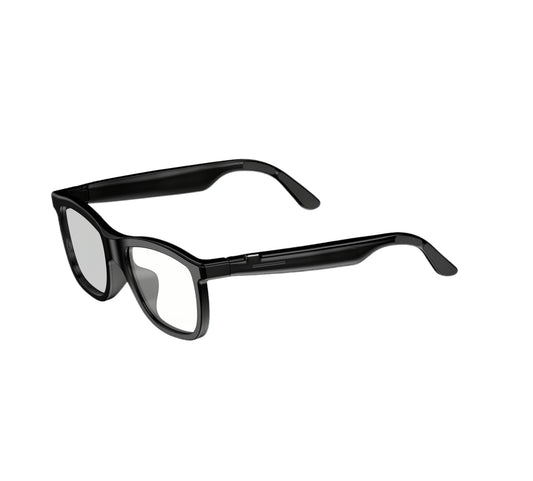
Audio-centric smart glasses represent the most accessible entry point into the world of smart eyewear. These devices prioritize open-ear audio technology, allowing users to listen to music, take calls, and interact with voice assistants without blocking their environmental hearing. From our experience, this is the preferred choice for professionals who need to stay connected while remaining present in meetings or outdoor environments.
The engineering focus here is on directionality. High-quality audio glasses use micro-speakers that beam sound directly into the ear canal, minimizing sound leakage. We recommend these for users who value balance and clarity in their daily routines, as they eliminate the "isolation" effect often caused by traditional earbuds. They are a refined choice for those who view technology as a subtle companion rather than an intrusive interface.
2. Video and Image Capture Glasses
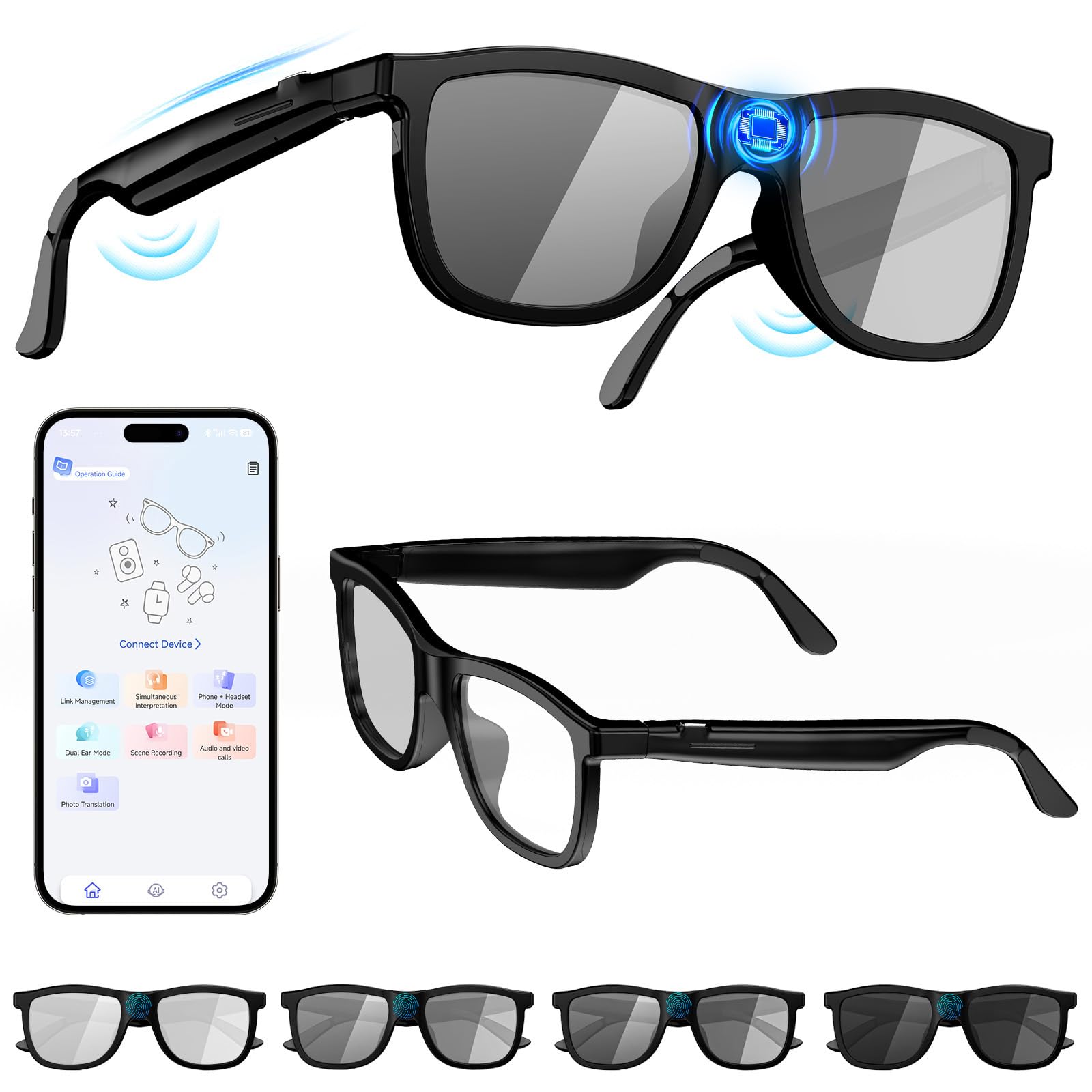
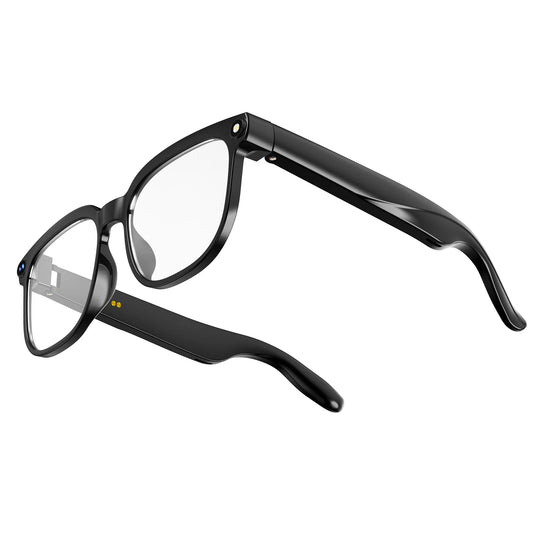
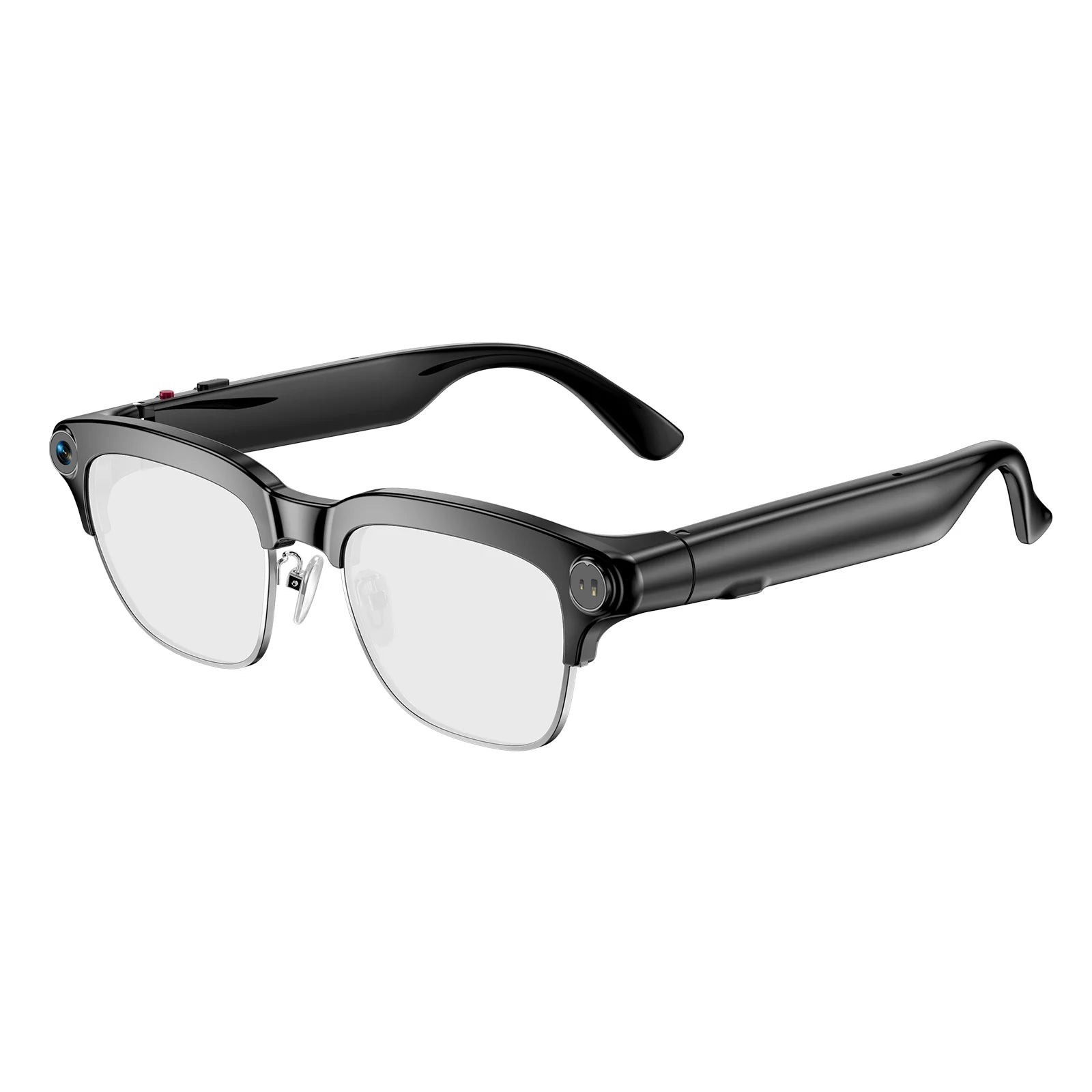
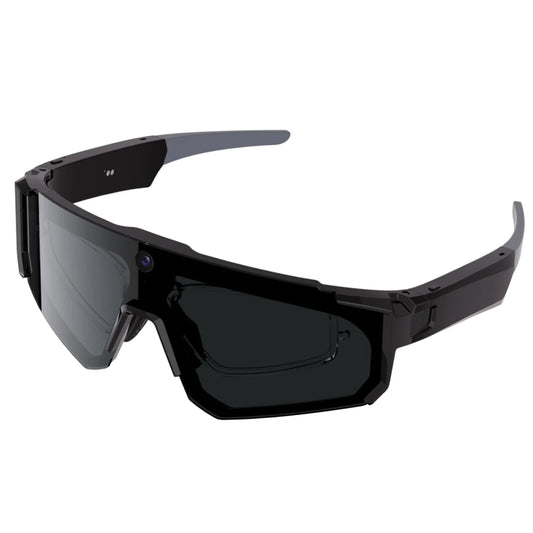
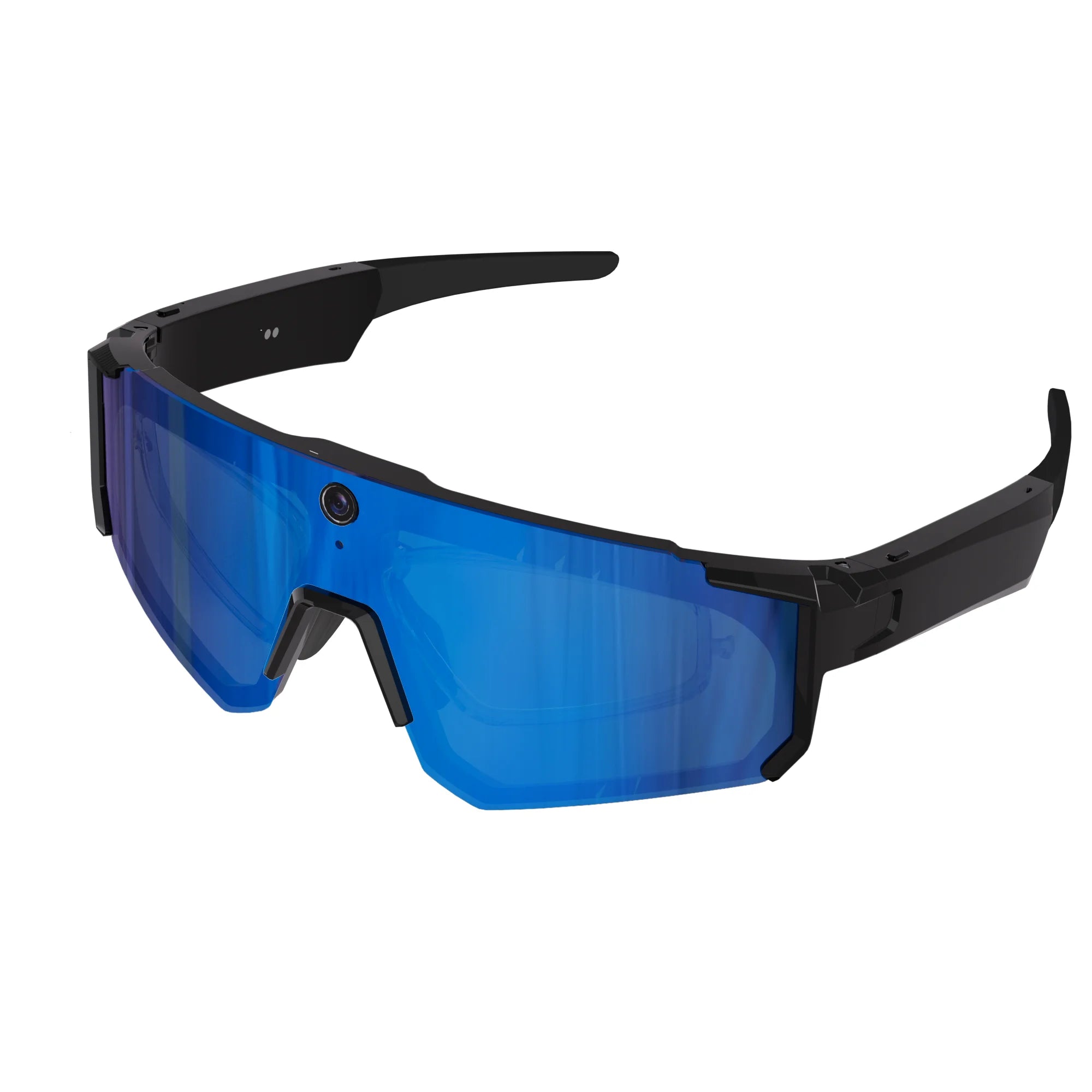
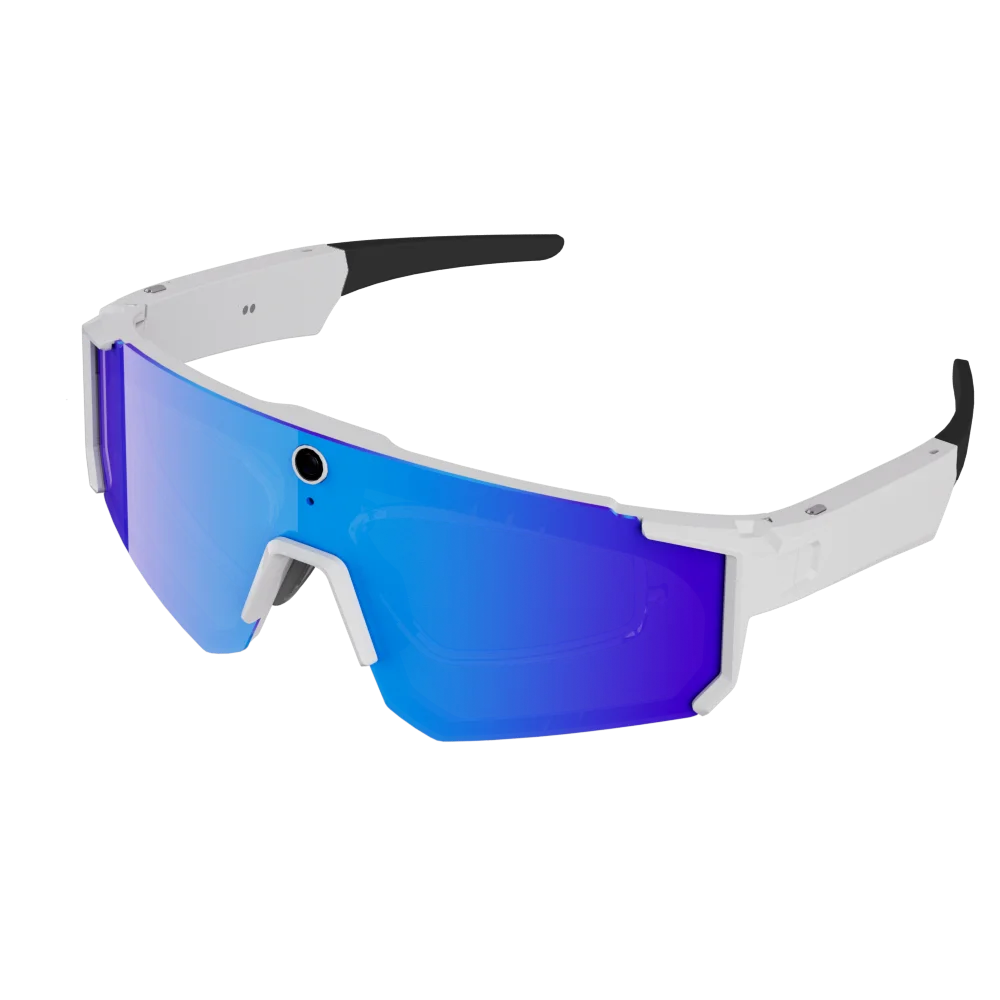
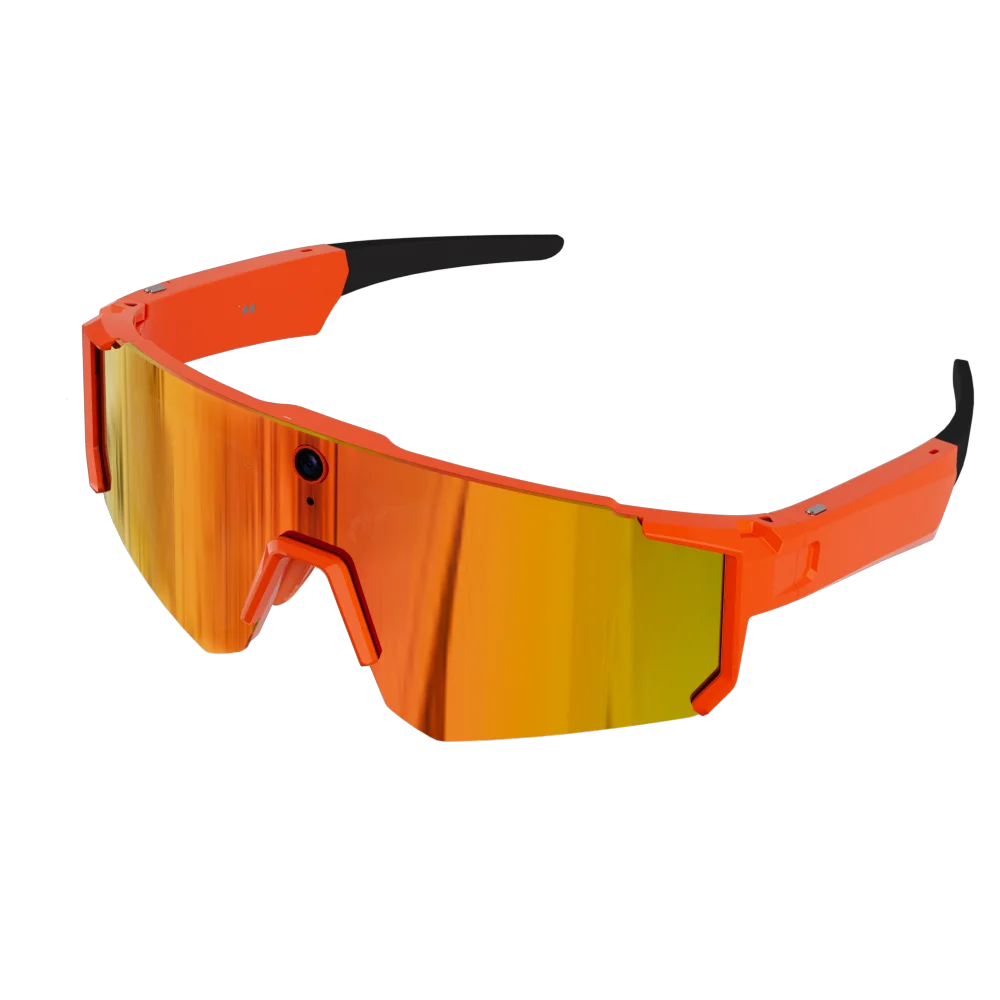
The second category focuses on documentation and content creation. These glasses are equipped with front-facing cameras designed to capture life from a first-person perspective. In 2026, the demand for "hands-free" memory capture has skyrocketed among athletes and travelers. Many people seek clearer insights into their daily patterns, and being able to record a cycling route or a family moment without reaching for a smartphone is a significant step forward in accessibility.
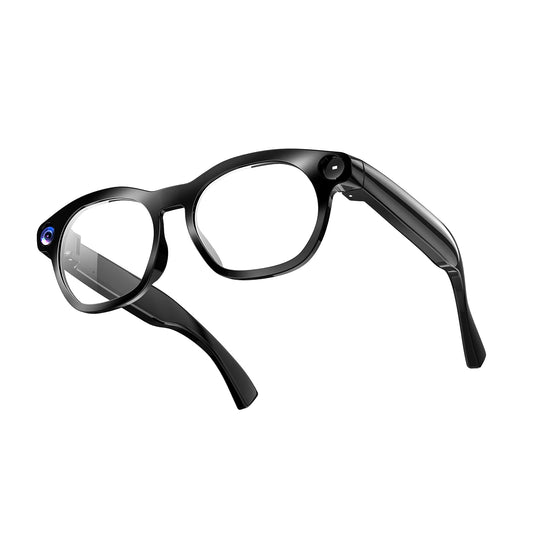
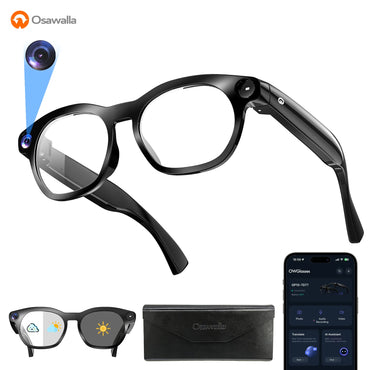
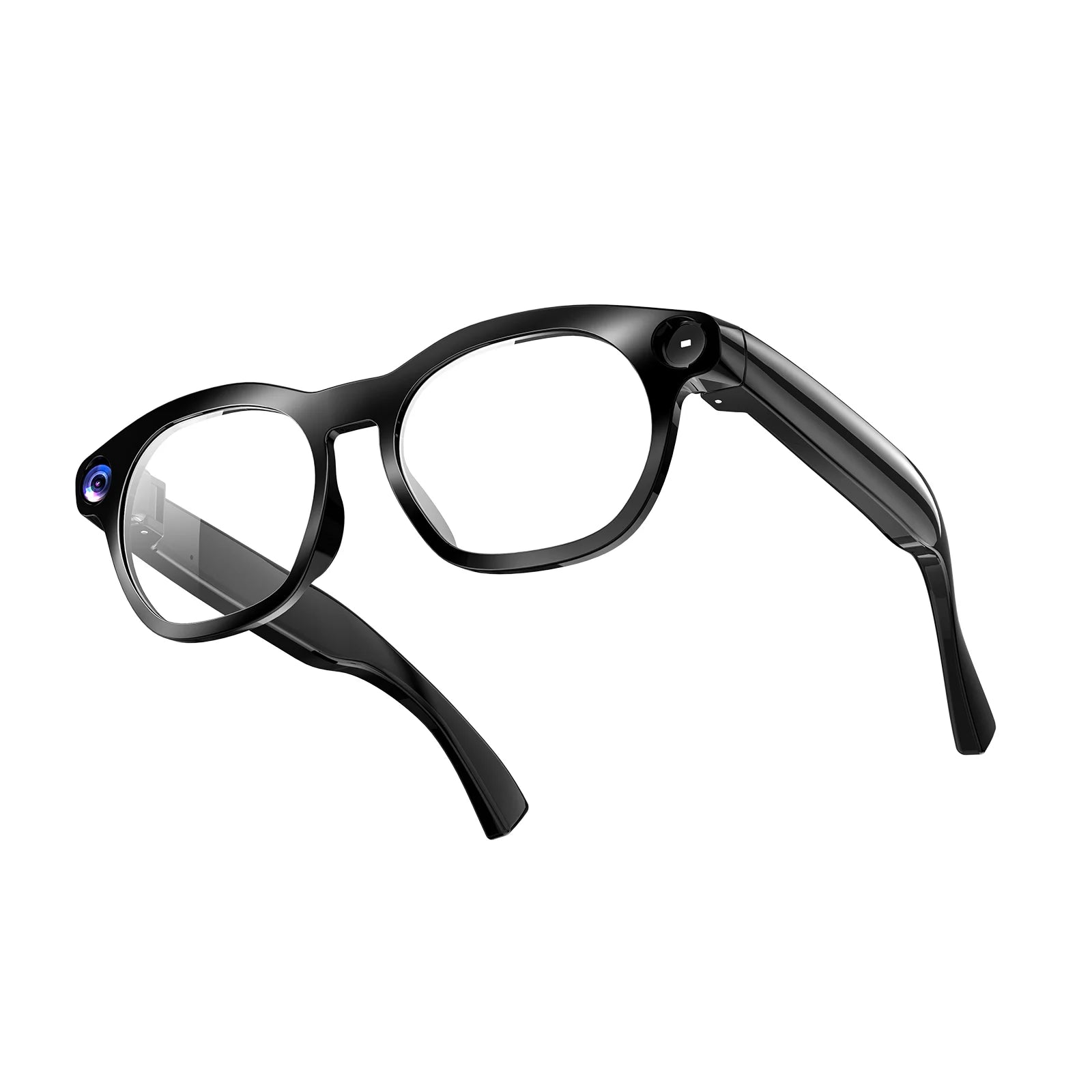
A prime example of this technology is the GP04 video recording glasses. These are specifically crafted for high-motion activities like running and cycling. From our experience, the stabilization software in these devices is what separates professional gear from toys. For a deeper dive into this category, you may find our review of the 15 best smart glasses with camera in 2026 useful for comparing field-of-view and resolution metrics.
3. AI-Integrated and Sports Smart Eyewear
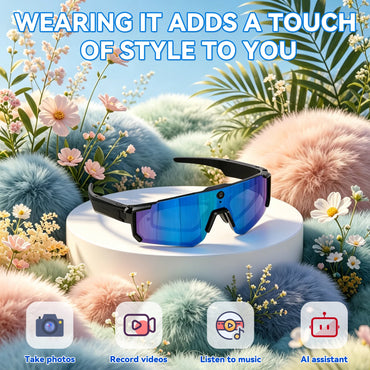
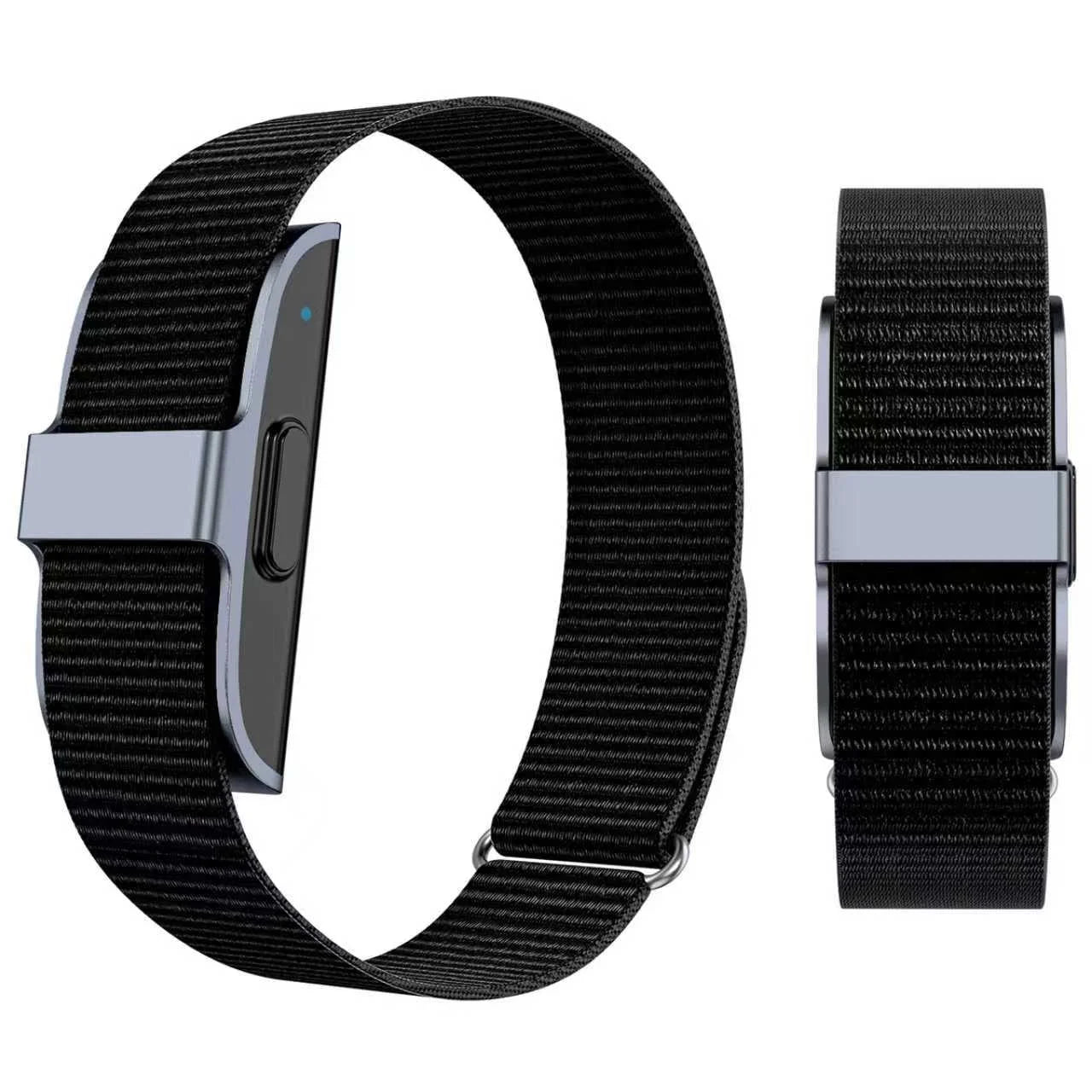
The most significant breakthrough in 2026 has been the marriage of artificial intelligence with sports-focused eyewear. These different types of smart glasses function as "eyes-on" fitness coaches. By integrating AI assistants, these glasses can provide real-time feedback on pace, heart rate (when synced with a fitness tracker bracelet), and navigation prompts via voice.
We recommend the GG05 AI smart sports glasses for those who take their physiological patterns seriously. These glasses allow you to stay connected to your well-being with confidence, providing data-driven insights while you focus on the road ahead. AI integration helps bridge the gap between simple data collection and refined coaching, making it one of the top new smart glasses 2026 trends to watch.
4. Augmented Reality (AR) and HUD Glasses
Augmented Reality (AR) and Heads-Up Display (HUD) glasses are the most complex different types of smart glasses. These devices use transparent displays to overlay digital information onto the real world. In 2026, AR has moved beyond gaming and into essential professional applications. Engineers use them for schematics, while surgeons use them for real-time vitals during procedures.
From our experience, the challenge with AR glasses has always been weight and battery life. However, current designs have achieved a balance that allows for several hours of continuous overlay. While they offer the most "insight," they are often the least "discreet." For those interested in how these devices are changing the workforce, we have detailed the 4 emerging and essential applications of smart glasses in 2026.
5. Adaptive and Electrochromic Smart Glasses
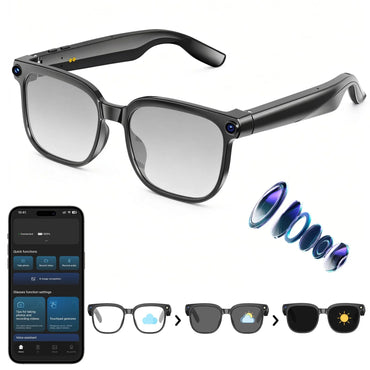
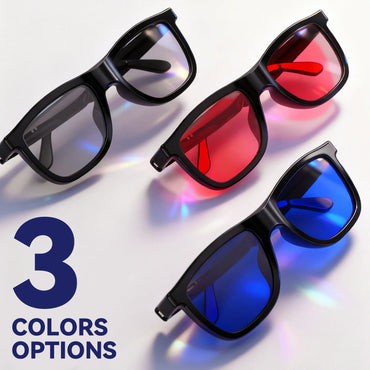
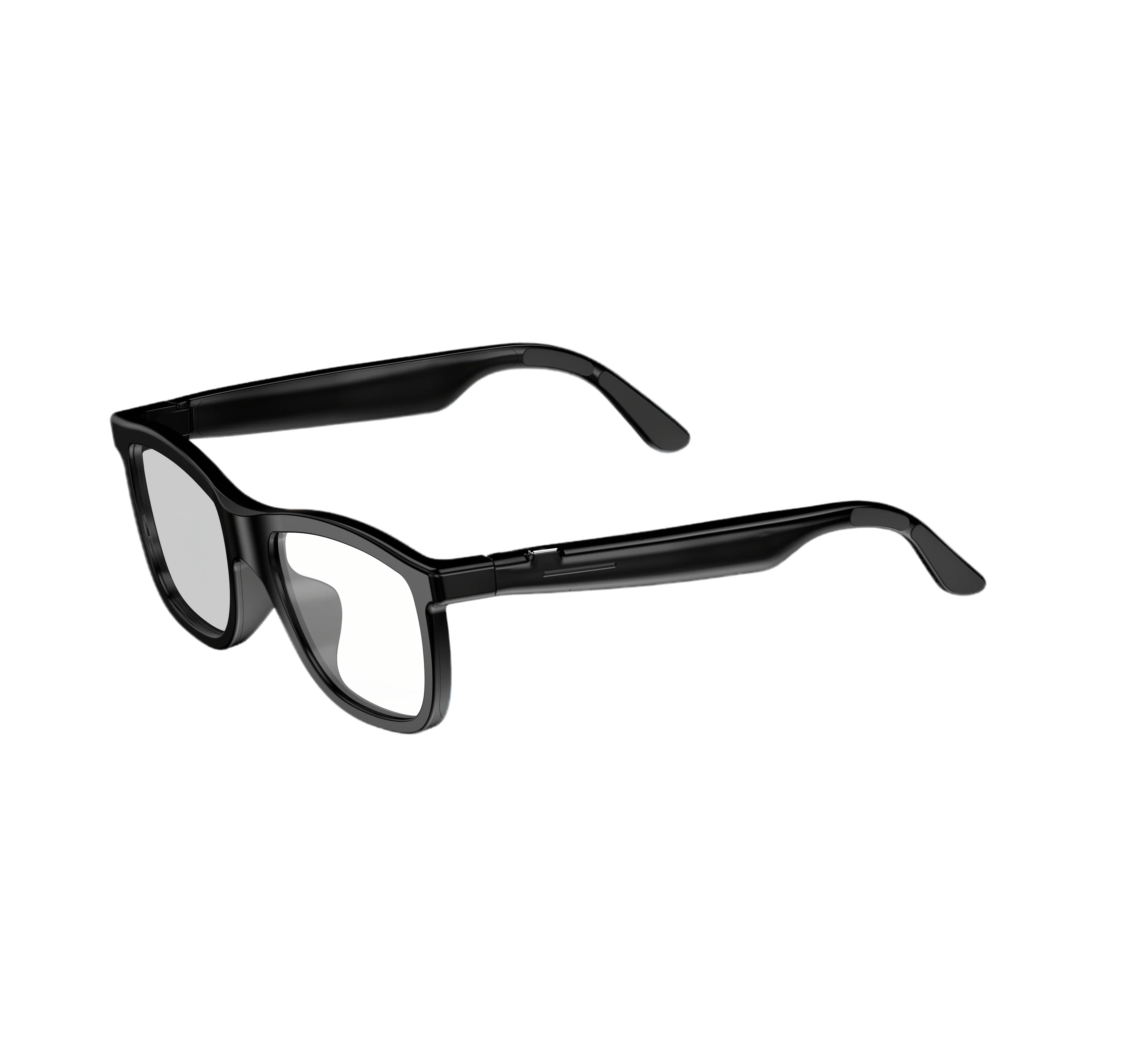
The final category is perhaps the most impressive in terms of pure lens technology. Electrochromic smart glasses allow the user to change the tint of their lenses electronically, often with a simple touch or via an automated light sensor. This eliminates the need for "transition" lenses that rely on UV exposure, which can be slow and unpredictable.
A leading example is the GG06 electrochromic smart glasses. These represent a refined design that transitions from clear to dark in less than a second. We recommend these for individuals who frequently move between indoor and outdoor environments and value visual clarity. They exemplify the Osawalla belief that technology should simplify life, not add another layer of complication. These are often categorized among the 9 best smart sunglasses with camera or audio features for 2026.
6. Technical Comparison of Smart Eyewear Types
| Feature | Audio Glasses | Capture Glasses | AI Sports Glasses | AR / HUD Glasses |
|---|---|---|---|---|
| Primary Use | Calls / Music | Vlogging / Safety | Training / Coaching | Data Overlay |
| Battery Life | 8-12 Hours | 2-4 Hours (Video) | 6-10 Hours | 1-3 Hours |
| Visual Privacy | High | Low (Camera) | Medium | Medium |
| Weight | 30g - 45g | 40g - 60g | 35g - 50g | 70g - 150g |
7. Summary Table: Features and Best Uses
| Type of Smart Glasses | Key Technology | Who It Is For |
|---|---|---|
| Audio-Centric | Bone conduction / Micro-speakers | Office workers, commuters, hikers |
| Video/Camera | HD/4K CMOS Sensors | Content creators, cyclists, tourists |
| AI/Fitness | Voice-AI / Sensor fusion | Marathoners, athletes, health-conscious users |
| AR/HUD | Waveguide / Micro-LED | Technicians, gamers, remote workers |
| Electrochromic | Liquid Crystal / Electronic Tint | Outdoor enthusiasts, light-sensitive users |
8. Frequently Asked Questions (FAQs)
Are these different types of smart glasses safe for long-term use?
From our experience, high-quality smart glasses are perfectly safe. Most use Bluetooth Low Energy (BLE) and focus on open-ear audio to prevent hearing damage. However, we recommend choosing frames with refined design and ergonomic weight distribution to avoid facial fatigue.
Can smart glasses replace my fitness tracker?
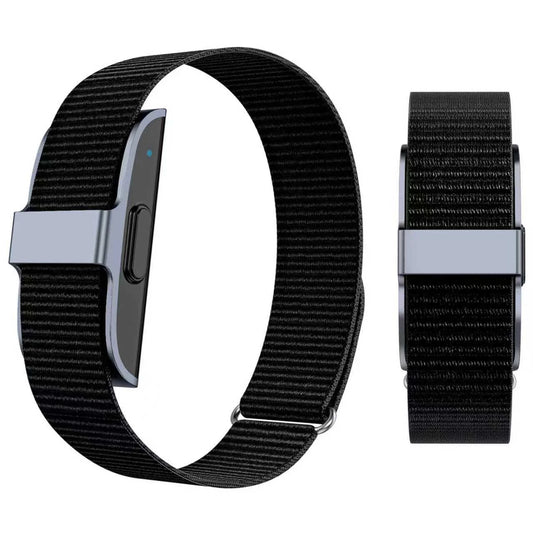
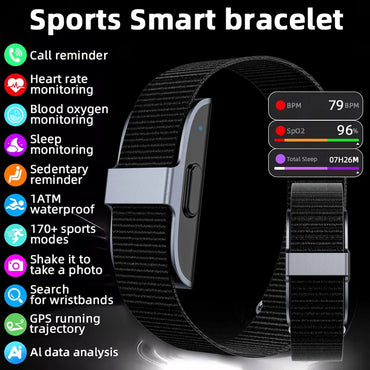
While AI glasses like the GG05 provide excellent sports data, they often work best when synced with a dedicated fitness tracker bracelet for 24/7 heart rate and sleep monitoring. The glasses focus on the active performance window, while the bracelet captures the recovery and physiological patterns.
What about prescription lenses for smart glasses?
In 2026, most different types of smart glasses support prescription lens inserts. We recommend checking with the specific manufacturer, as a "refined design" usually accounts for the need for optical correction without compromising the electronic components.
Are there privacy concerns with camera glasses?
This is a valid concern. Most capture glasses now include a visual indicator (like a bright LED) when recording. We recommend using these responsibly and staying connected to the ethical guidelines of your local community.
9. Authoritative References
To ensure the highest level of accuracy and E-E-A-T (Experience, Expertise, Authoritativeness, and Trustworthiness), we rely on the following industry and scientific bodies:
- IEEE (Institute of Electrical and Electronics Engineers) - For standards on wearable data transmission and micro-display technology.
- ANSI (American National Standards Institute) - Regarding impact resistance and safety for protective smart eyewear.
- U.S. Food and Drug Administration (FDA) - For regulations concerning health-monitoring wearables and bio-sensors.
- GSMA - For global mobile connectivity standards and the integration of AI in wearable hardware.
In conclusion, the different types of smart glasses available in 2026 offer something for everyone. Whether you are looking for the immersive data of AR, the capture capabilities of the GP04, or the AI-driven performance of the GG05, the key is to choose technology that empowers you. At Osawalla, we remain dedicated to refining these tools, ensuring they remain accessible, stylish, and truly meaningful to your everyday life.


