


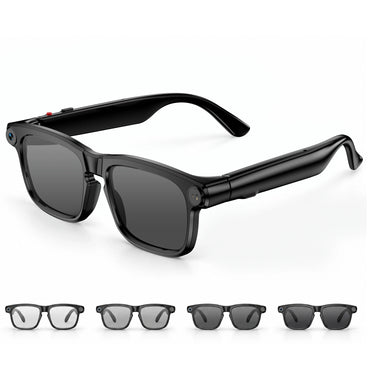
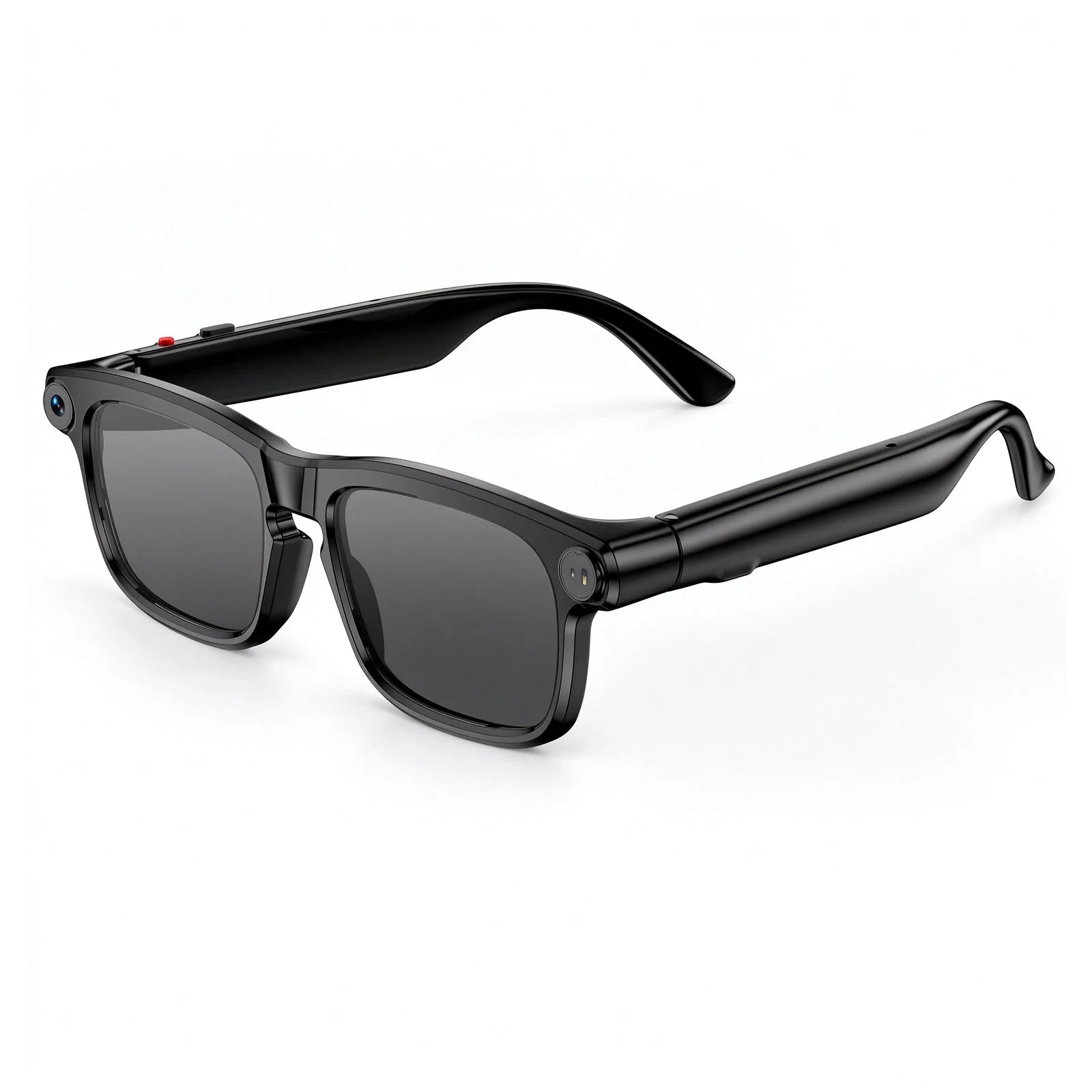




Can Smart Glasses Record Clear Audio in Noisy Places? What Buyers Should Know
Quick answer: Yes, but with limits. Smart glasses can produce intelligible speech on a call in a café or on a city street, and environmental noise cancellation (ENC) genuinely helps. What ENC does not do is make a noisy street sound like a quiet office. Wind, sudden horns, and overlapping voices near the microphone remain the hardest cases for every brand, including Meta. The practical difference between a $70 pair and a $449 pair is smaller than the price gap suggests, because microphone count, placement, and processing quality matter more than the sticker price. This guide explains what actually changes the result, and where the extra money does and does not buy you anything.
Last verified: 20 October 2026. Prices and specifications checked against manufacturer pages on that date.
Why Smart Glasses Sound Different in a Quiet Room and on a Busy Street
Smart glasses face a harder engineering brief than earbuds. Speakers, microphones, batteries, and wireless hardware all have to fit inside relatively slim temples, and unlike headphones, the system has to work without sealing off your ears. That constraint produces three problems that no software update fully removes.
Background noise competes directly with your voice. In a quiet office, speech is easy for a microphone to isolate. On a crowded street, traffic, wind, and nearby conversations enter the recording at the same time and at similar frequencies.
Open-ear speakers behave differently from headphones. Because the speakers sit near rather than inside your ears, some sound escapes into the environment, and strong ambient noise competes with the incoming voice. Volume helps only up to a point: beyond roughly a comfortable listening level, you trade clarity for leakage and listening fatigue.
Microphone placement matters more than microphone count. The microphones must capture your voice while avoiding wind and nearby sound sources. Their position, sensitivity, and the processing behind them determine the result. This is why a specification such as Bluetooth 5.4 does not automatically guarantee better call quality than Bluetooth 5.3. The Bluetooth version moves audio between devices; it does not decide what the microphone hears. The official Bluetooth specifications define the transport and profiles, not the acoustic outcome.
For buyers, the useful question is not which glasses have the newest connectivity standard. It is how well the complete audio system handles the specific places you plan to use it.
If you are still working out what the hardware inside the frame actually does, start with our explainer on how smart glasses work.
What Are ENC Microphones, and How Do They Reduce Background Noise?
ENC stands for environmental noise cancellation. In smart glasses, the term refers to processing designed to reduce unwanted environmental sound picked up during voice communication. The goal is narrow and specific: make your speech easier for the person on the other end of the call to understand.
How the process works
A smart-glasses microphone captures a mixture of your voice and the surrounding sound. If the hardware includes more than one microphone, each captures a slightly different version of that mixture, and the difference between them is what lets the system estimate which sounds are unwanted.
1. Capture. Microphones pick up speech, traffic, wind, and room noise together.
2. Analyse. The audio system compares the incoming signals and estimates which components are noise.
3. Suppress. Algorithms attenuate the estimated noise components.
4. Transmit. The processed voice is sent to the phone or the calling app.
The implementation varies by product. A dual-microphone system from one brand does not necessarily work the same way as a dual-microphone system from another, and microphone count alone establishes nothing about performance.
What ENC can and cannot do
|
Environment |
What noise processing may help with |
What stays difficult |
|
Quiet office |
Keeping speech natural and intelligible on ordinary calls |
Poor microphone placement or incorrect app settings |
|
Busy café |
Reducing steady background chatter and room noise |
Nearby conversations and overlapping voices |
|
City street |
Suppressing some traffic and environmental noise |
Sudden horns, strong wind, and rapidly changing sources |
|
Public transport |
Reducing some continuous mechanical noise |
Loud announcements, engine noise, crowded surroundings |
|
Outdoor walk |
Improving speech capture in suitable conditions |
Wind striking the microphone directly |
ENC should not be confused with active noise cancellation (ANC). ANC reduces the sound reaching the listener, usually through sealed headphones or earbuds. ENC in smart glasses improves the outgoing voice signal. Neither makes a noisy environment silent.
There is a formal way to evaluate this, and it is worth knowing that it depends on human listeners. The ITU-T maintains Recommendation P.835, a subjective method for evaluating speech quality specifically in the presence of background noise, and the related Recommendation P.800 for telephony speech quality. Both rely on listening panels. That is a useful reminder that "noise reduction" is not a single measurable number you can read off a spec sheet.
 Open-Ear Audio: Convenient, but Not Designed to Block Everything
With open-ear audio, small speakers built into the frame direct sound toward your ears while leaving the ear canals uncovered. You can take a call while still hearing announcements, approaching traffic, and the people around you. The trade-offs are real and worth understanding before you buy.
Hearing the caller in noise. In a quiet room, open-ear speakers make calls easy to follow. On a busy street, ambient noise competes with the incoming voice. If you regularly take calls in noisy places, judge a product by speech clarity at a moderate volume rather than by its maximum output.
Privacy. Because open-ear speakers do not seal the ears, some sound is audible to nearby people, particularly at higher volumes or in quiet surroundings. Directional designs reduce this but cannot eliminate it. For confidential conversations, use a private room or conventional headphones.
Awareness, and its limits. Open-ear audio can be useful when walking because it leaves your ears uncovered. That is not the same as being safe. Loud playback and voice interactions still divide your attention. Do not operate smart-glasses controls while driving, and follow local rules for cycling.
One genuine advantage of open-ear designs is exposure. Because you are not sealing a speaker against your ear canal for hours at a time, you avoid the pattern of prolonged high-volume listening that the World Health Organization and the National Institute on Deafness and Other Communication Disorders both identify as a risk factor for hearing damage. Keeping the volume moderate still matters; open-ear is a reduction in risk, not an exemption.
Smart Glasses Audio Quality Compared: Osawalla vs Ray-Ban Meta vs Display Glasses
Prices and specifications below were checked against manufacturer pages on 20 October 2026. This is a comparison of publicly documented specifications, not a laboratory measurement. We have not run controlled A/B audio tests against competitor hardware, and no result here should be read as one.
|
Model |
Price (USD) |
Published microphone / noise-reduction spec |
Open-ear audio |
Camera |
Documented battery |
|
Osawalla Chic Core |
$57.99 |
Bluetooth 5.4 audio; microphone configuration not published |
Yes |
No |
Not published |
|
Osawalla Daily Core |
$69.99 |
Not published |
Yes |
8 MP, 1080p |
90 min continuous recording |
|
Osawalla Daily Pro |
$79.99 |
Bluetooth 5.4 open-ear audio |
Yes |
8 MP, 1080p |
Not published |
|
Osawalla Sport Pro |
$109.99 |
Not published |
Yes |
8 MP with EIS |
Not published |
|
Osawalla Chic Pro |
$129.99 |
Dual-microphone ENC, Bluetooth 5.4 |
Yes |
12 MP |
Up to 7 h music / 4 h calls |
|
Meta Adventurer |
$249 |
Not published |
Yes |
Yes |
Not published |
|
Ray-Ban Meta Audio |
$349 |
Open-ear speakers; microphone count not published |
Yes |
No |
12 h + 48 h case |
|
Ray-Ban Meta (Gen 3) |
$449 |
6-mic array; Meta claims >90% background noise reduction |
Yes |
12 MP, 3K video |
Up to 9 h |
|
VITURE Luma Pro |
$499 |
HARMAN-tuned speakers (display glasses) |
Yes |
No |
Tethered |
|
XREAL One Pro |
$599 |
Bose-tuned speakers (display glasses) |
Yes |
Optional add-on |
Tethered |
Reading the table honestly
Two things stand out, and neither is flattering to the expensive end of the list.
The flagship claim is a manufacturer claim, not a measured result. Meta's Ray-Ban Meta (Gen 3) is the only model here with a quantified noise-reduction figure. Per Meta's own announcement, published 23 September 2026, "a new 6-mic array cuts more than 90% of background noise." That is Meta's figure for its own product, produced under conditions Meta chose. It is not an independently verified result, and it is certainly not a verified head-to-head result against any other brand. Treat it as a directional claim about one generation of one product.
Most of the price difference is not audio. The Osawalla Chic Pro at $129.99 publishes dual-microphone ENC, which is the same class of noise-reduction approach the category uses, for $319 less than the Ray-Ban Meta Gen 3 at $449. You are not paying $319 for a microphone system that is several times better. You are paying for the Ray-Ban frame, the 12 MP 3K camera, the Meta AI ecosystem, longer-rated battery life, and brand positioning. All of those are legitimate reasons to spend more. None of them is a reason to expect four times the call clarity.
If you want the full picture of what the affordable end of the category actually delivers, our Osawalla Daily Core review covers the $69.99 camera model in detail, and our hands-on AI smart glasses review covers capture, translation, and connected features.
Where Osawalla fits
The honest framing is that Osawalla competes on price-to-capability, not on flagship specifications.
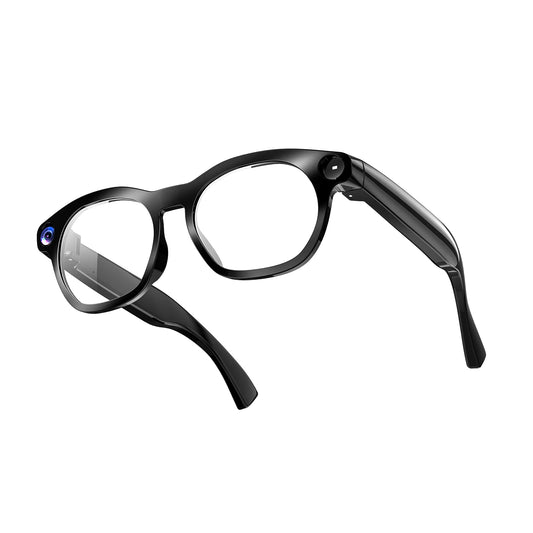
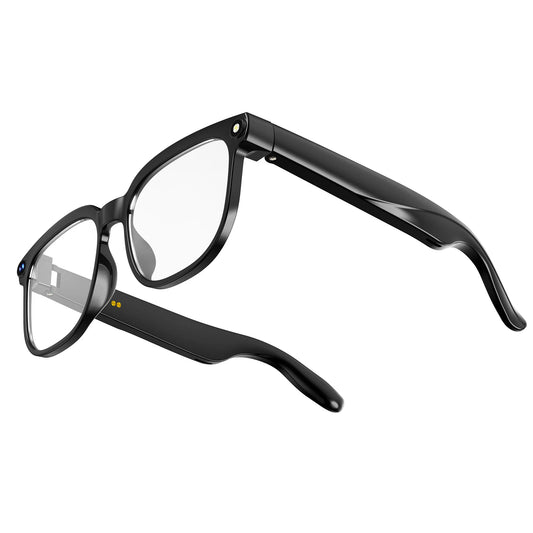
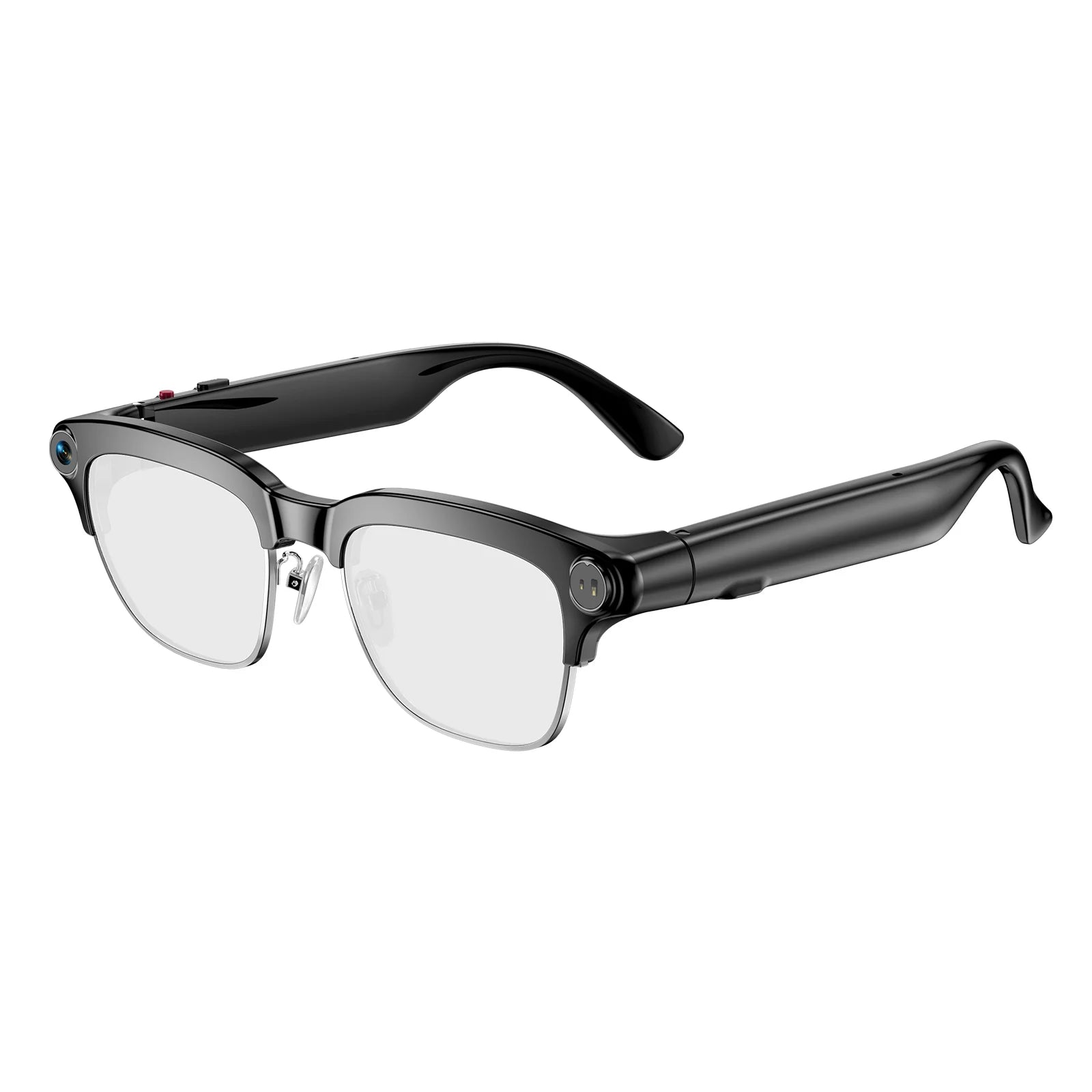
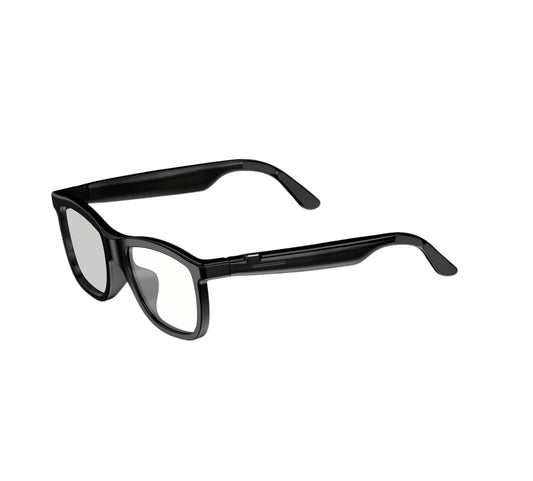
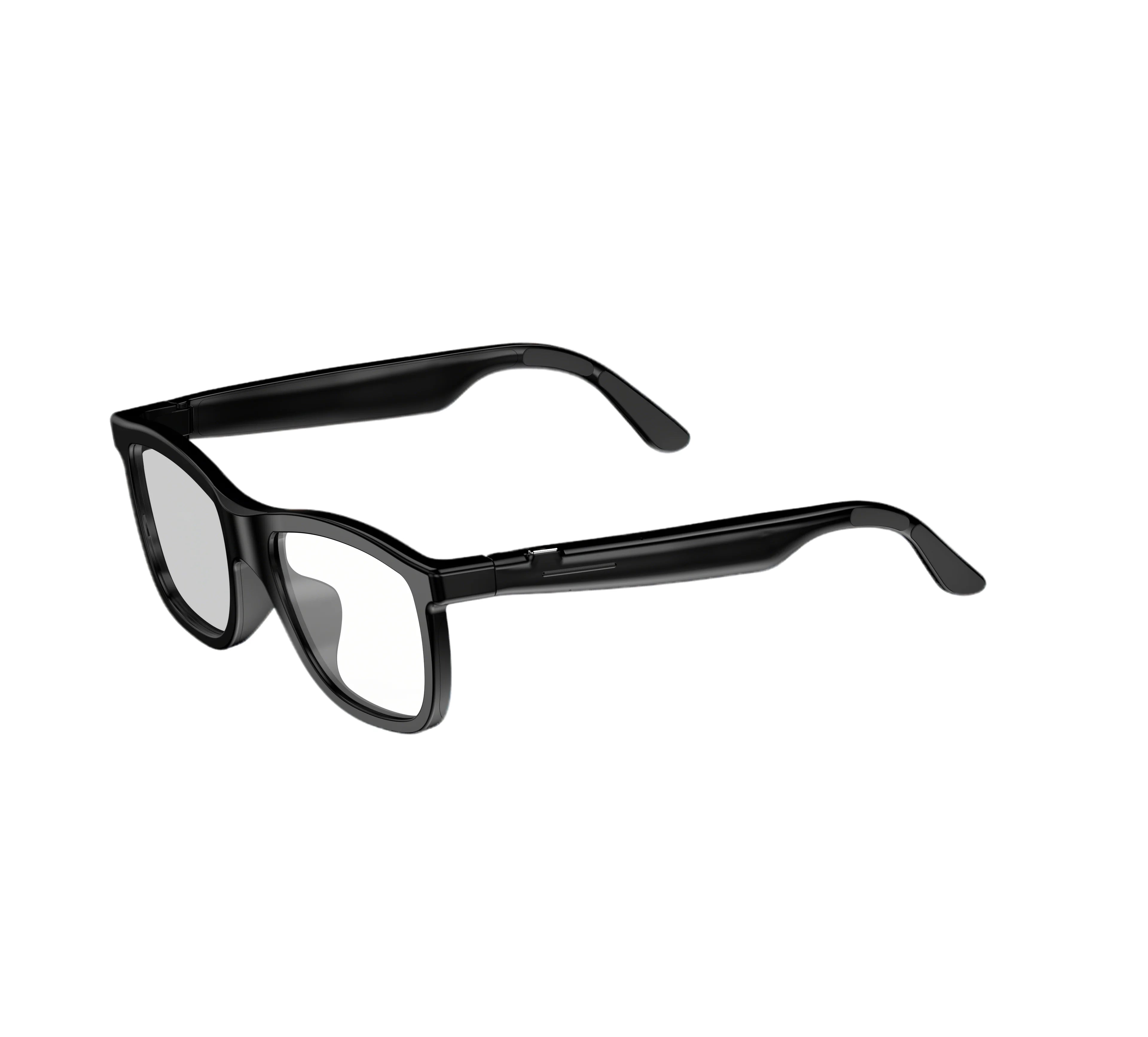
· Chic Pro Smart Audio Glasses ($129.99) is the strongest choice for call quality in the lineup, because it is the model where the audio system is actually documented: dual-microphone ENC, Bluetooth 5.4 open-ear audio, up to 7 hours of music or 4 hours of calls, plus a 12 MP camera and touch-controlled electrochromic lenses.
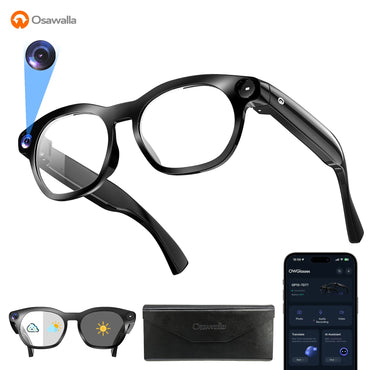
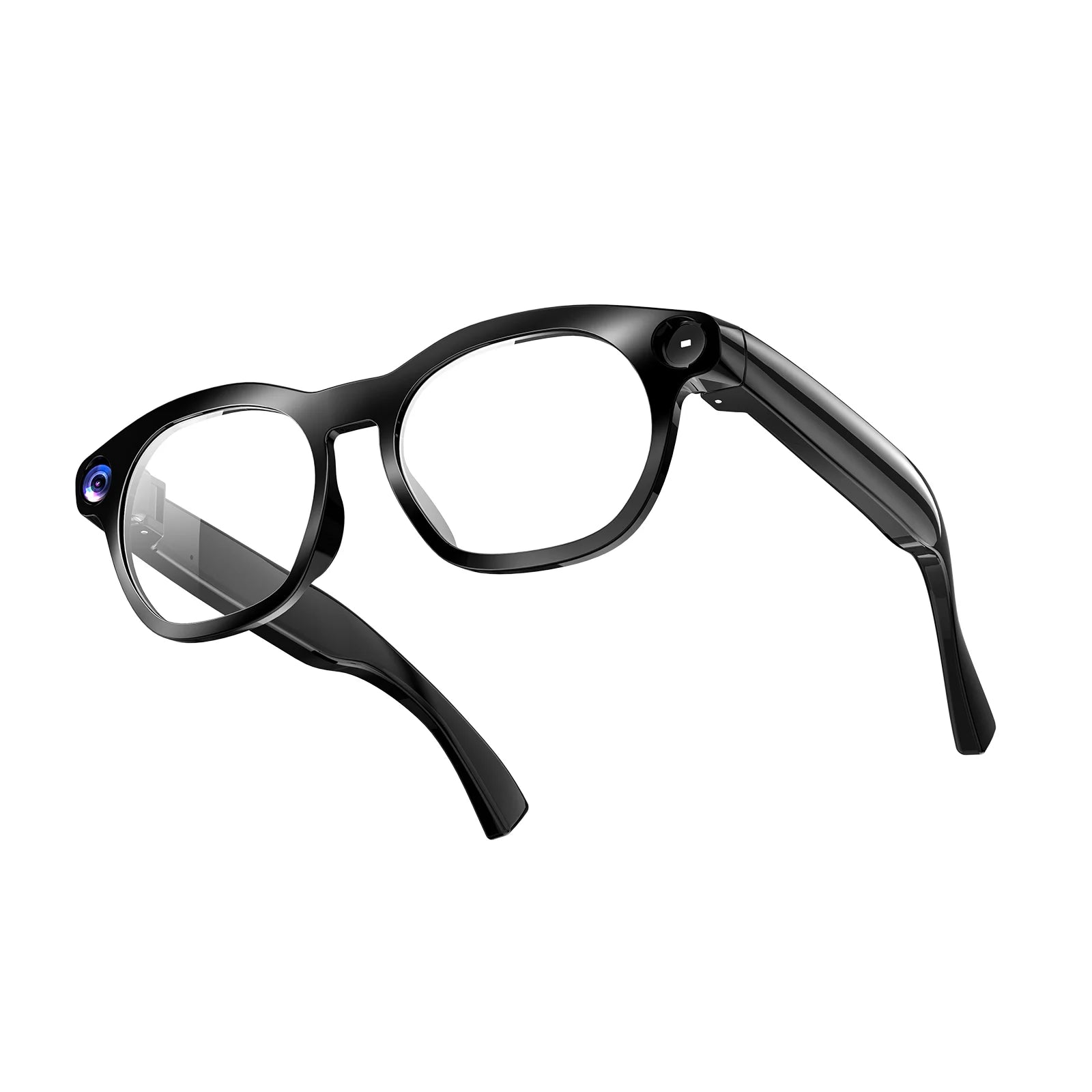
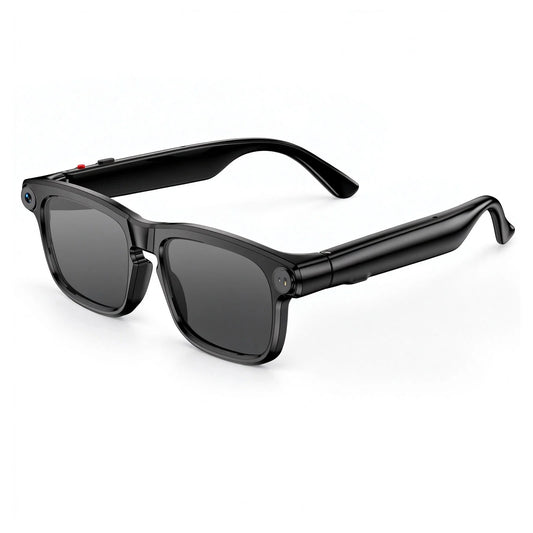
· Daily Core Camera Glasses ($69.99) is the entry point for hands-free capture: 8 MP with 1080p video, 90 minutes of continuous recording, anti-shake stabilisation, and WiFi transfer. Note that Osawalla does not currently publish a microphone count or noise-reduction specification for this model, so if call clarity is your priority, buy the Chic Pro instead.
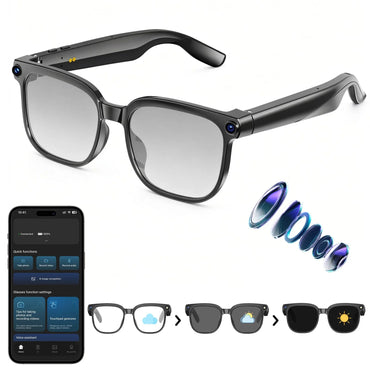
· Daily Pro Camera Glasses ($79.99) adds ChatGPT-based AI, object recognition, and translation in 139+ languages to a 40.8 g TR90 frame with IP65 protection, photochromic lenses, and Bluetooth 5.4 open-ear audio. See our complete guide to its smart features.
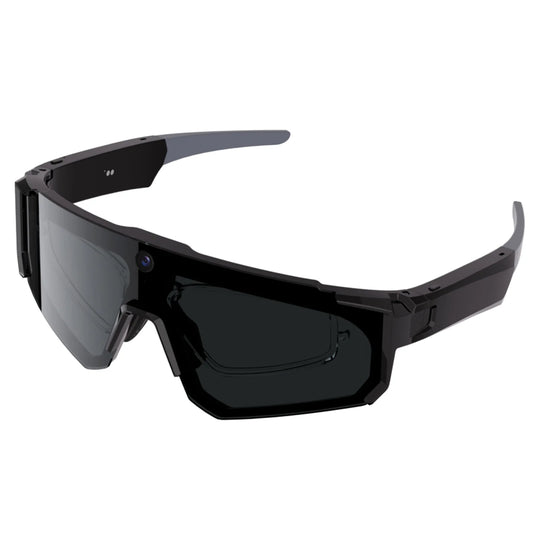
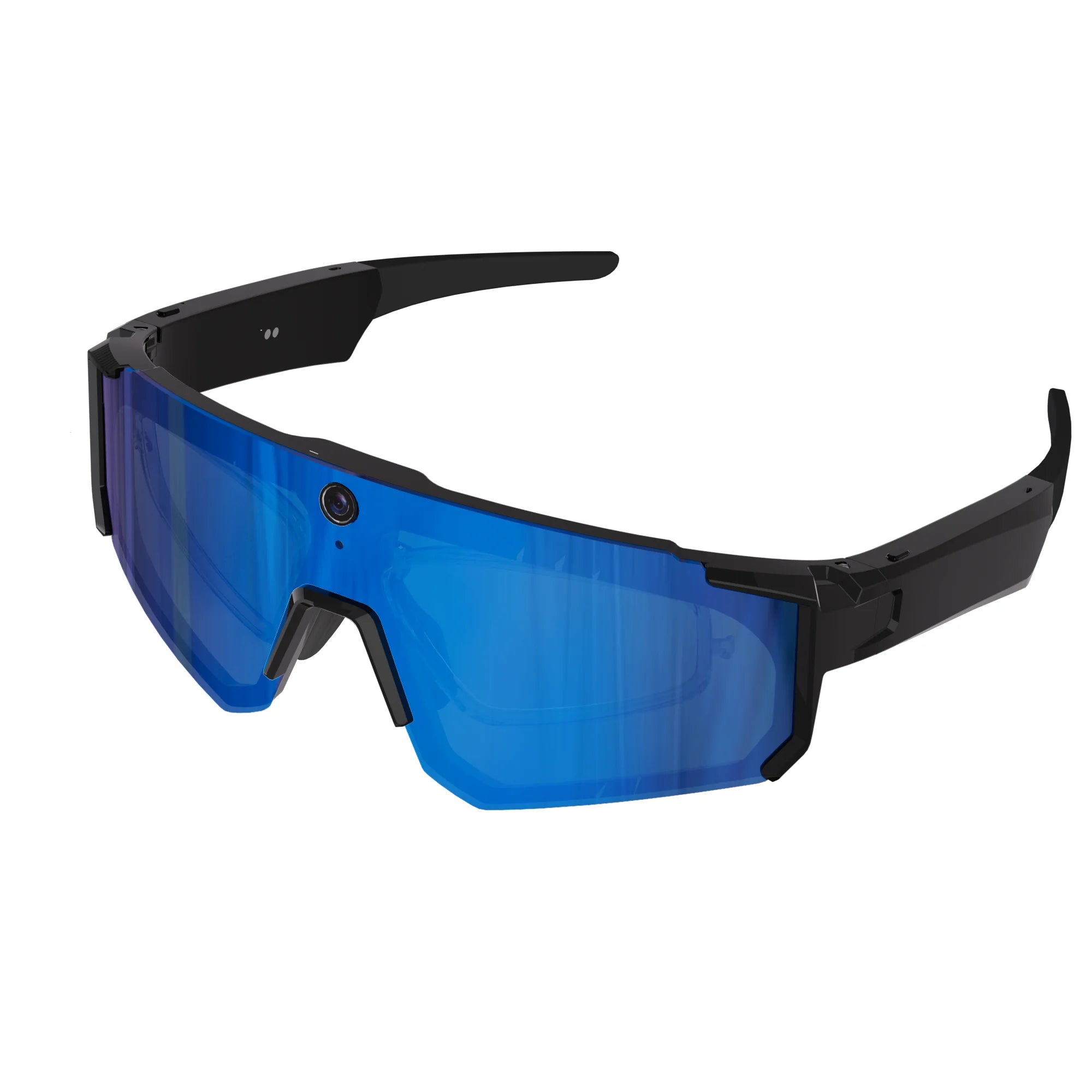
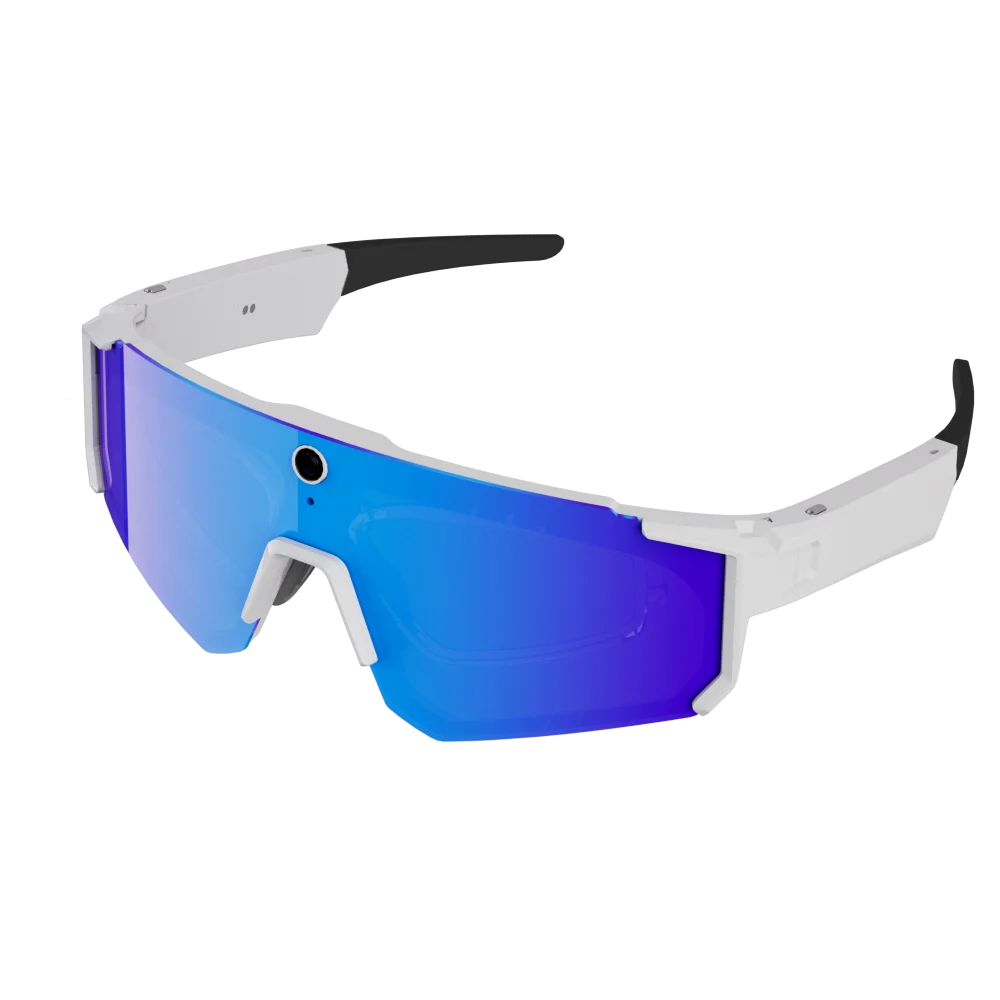
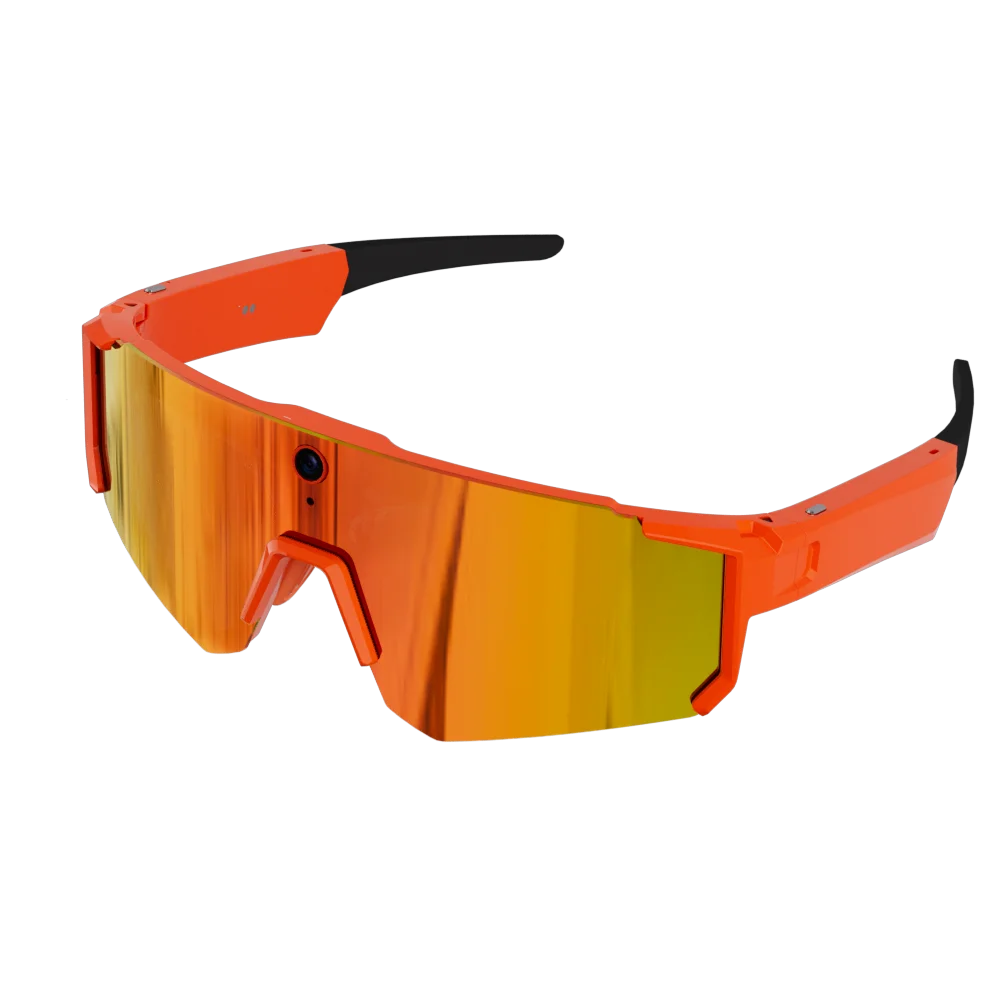
· Sport Pro Camera Glasses ($109.99) targets outdoor use with an 8 MP camera, EIS stabilisation, and polarized lenses. Wind handling on calls is the main thing to test here; our Sport Pro review covers the hardware.
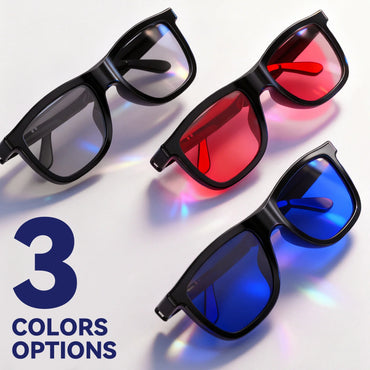
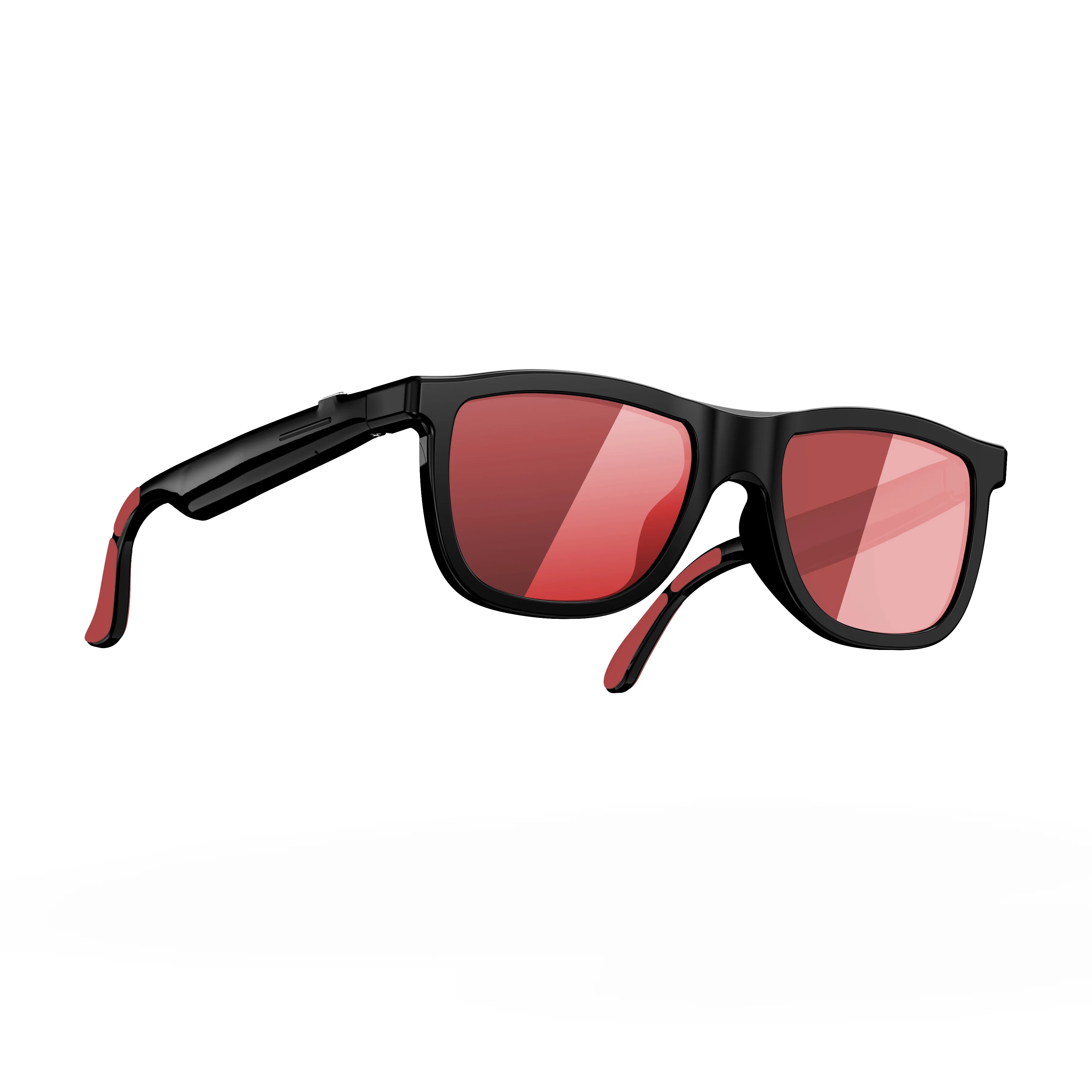
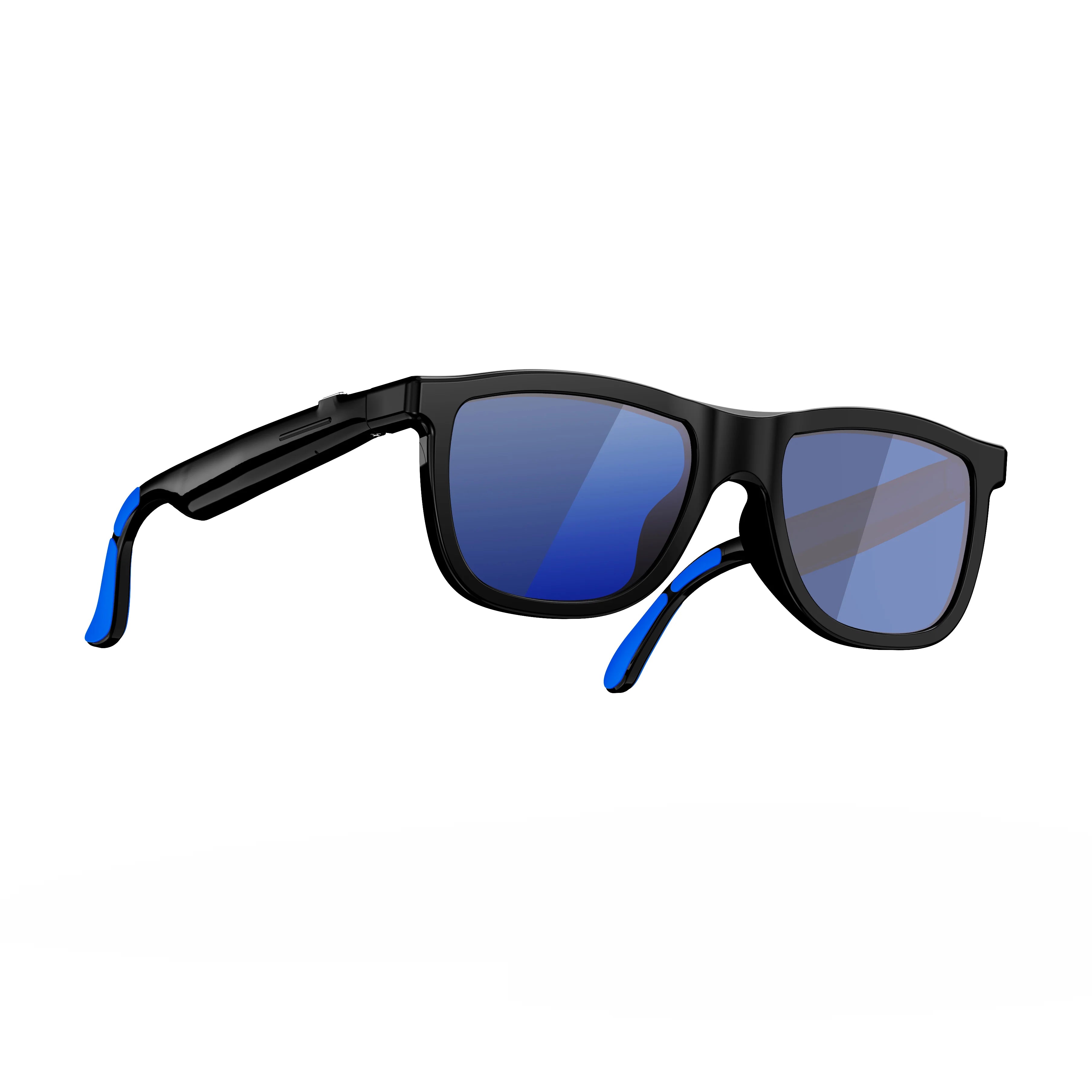
· Chic Core Smart Audio Glasses ($57.99) is the cheapest way into the category: a 39 g frame, one-touch electrochromic tint that changes in 0.5 s, and Bluetooth 5.4 audio. Its microphone configuration is not published, so it suits music, notifications, and occasional calls rather than daily conference calls.
That last point deserves emphasis, because it is where most comparison articles fail. We would rather say "not published" than invent a specification. A microphone count we cannot verify is worse than no microphone count, and buyers are better served by knowing exactly what a manufacturer has and has not documented.
Why a Bigger Budget Does Not Buy Proportionally Better Calls
Audio quality in smart glasses follows a curve with sharply diminishing returns. Moving from roughly $60 to roughly $130 buys you a documented microphone system and a newer Bluetooth implementation. Moving from $130 to $449 buys you a better camera, a better frame, a longer-rated battery, a richer AI ecosystem, and a brand name.
Concretely, at 20 October 2026 prices:
· The Osawalla Chic Pro is 71% less than the Ray-Ban Meta Gen 3 ($319 less).
· It is 63% less than the Ray-Ban Meta Audio ($219 less), while adding a 12 MP camera that model does not have.
· It is 48% less than the Meta Adventurer ($119 less).
The display-glasses category is a different comparison entirely. VITURE Luma Pro at $499 and XREAL One Pro at $599 are tethered screens for media and productivity; their audio exists to serve a virtual display. Comparing their call quality to a $130 pair of everyday glasses tells you nothing useful. Choose by primary purpose: hands-free communication, first-person capture, AI assistance, or a portable screen.
For a broader view of what else sits at the affordable end, see the top cheap smart glasses of 2026.
A Practical Way to Evaluate Smart Glasses Audio Quality
Specifications cannot answer every question about real-world performance. If you can try a pair before buying, use a repeatable process and keep conditions consistent.
Test 1: A quiet indoor call. Make a short call in a quiet room. Ask whether your voice sounds natural. Listen for distortion, dropouts, and abrupt volume changes.
Test 2: A café or shared workspace. Repeat the call in moderate noise. Ask the other person to judge speech clarity, not merely whether the background sounds quieter. A recording can be quieter and less intelligible at the same time if processing is too aggressive.
Test 3: An outdoor walk. Test in a safe pedestrian area. Pay attention to wind interference specifically. Steady indoor noise and outdoor gusts are different problems, and a product that handles one may not handle the other.
Test 4: Incoming speech. Listen at a comfortable volume. Can you understand the caller without turning the speakers up to the point where people nearby can hear them?
Test 5: Your actual apps. Compare performance across the calling apps you really use. Connection quality, phone settings, and each app's own processing all change the result.
Do not compare a quiet-room recording from one pair with a windy outdoor recording from another and treat the difference as proof of hardware superiority. For a more objective comparison, record short samples where legally permitted and with the necessary consent. Do not record private conversations without permission.
Two more checks are worth doing before you commit. Confirm compatibility with your phone, since iOS and Android handle Bluetooth audio profiles differently. And check how battery life is measured, because a "9 hours" rating rarely means 9 hours of calls.
Who Should Prioritise Smart Glasses Call Quality?
Remote workers and professionals benefit most from microphone clarity for quick calls and voice messages between meetings. If long confidential meetings are routine, conventional headphones remain the better tool.
Commuters gain from open-ear audio for calls and notifications, and should prioritise environmental awareness over isolation in traffic.
Travellers benefit from hands-free communication and voice assistance, but crowded terminals and noisy streets push any noise-processing system to its limits.
Content creators should separate call quality from recording quality. A system tuned to make speech intelligible on a phone call may process recorded ambient audio differently. If you plan to record, check how audio is captured during video recording, and read our guide to camera glasses and privacy.
Everyday users usually find that comfortable open-ear audio and a reliable connection matter more than the most impressive microphone specification. Fit matters too; if the frame is uncomfortable, you will not wear it, and seven design details drive that.
Identify your most common noisy environment before buying. A product that works well for indoor calls is not automatically the right one for windy outdoor conversations. If you are still deciding between categories, smart glasses vs smartwatch may help.
Frequently Asked Questions
Do ENC microphones completely remove background noise?
No. ENC reduces selected environmental sounds, and performance depends on microphone configuration, processing, and the noise itself. Loud, sudden, overlapping, or wind-generated sounds can remain clearly audible.
Are smart glasses good for phone calls in noisy places?
They can be convenient for hands-free calls, but results vary by model and environment. Look for a published microphone and noise-reduction specification, and prioritise real-world speech intelligibility over feature counts.
Is open-ear audio better than earbuds?
Neither is universally better. Open-ear audio leaves the ear canals uncovered and makes it easier to hear your surroundings. Earbuds offer better isolation and, in many models, active noise cancellation. The right choice depends on comfort, privacy, sound quality, and where you use it.
Does Bluetooth 5.4 improve smart glasses call quality?
Not automatically. Bluetooth version is one part of the wireless system. Microphone design, noise processing, speaker quality, connection stability, and device compatibility all matter, and a newer version does not fix a weak acoustic design.
Do more microphones always mean clearer calls?
No. Multiple microphones give the system more information, but their arrangement, the processing behind them, and the overall acoustic design determine the outcome.
Are ENC and ANC the same thing?
No. ENC reduces unwanted noise in the outgoing microphone signal. ANC reduces the sound heard by the wearer. Some products use both, but one does not imply the other.
Why are Ray-Ban Meta glasses so much more expensive than Osawalla?
Ray-Ban Meta Gen 3 adds a 12 MP camera with 3K video, nine-hour battery life with a charging case, a Ray-Ban frame, and the Meta AI ecosystem, and it carries a manufacturer claim of more than 90% background noise reduction from a six-microphone array. Osawalla competes on price-to-capability: the Chic Pro at $129.99 publishes dual-microphone ENC and open-ear audio for roughly a quarter of the price. You are buying camera, ecosystem, and brand as much as audio.
Final Thoughts: Listen Beyond the Specification Sheet
The promise of smart glasses is simple: make everyday technology accessible without constantly reaching for a phone or putting on headphones.
But with smart glasses audio quality, the difference between a convenient feature and a genuinely useful experience shows up in the noisiest moments of the day. Open-ear speakers let you listen while staying aware. ENC microphones can reduce background noise on calls. Neither guarantees perfect audio, and neither a larger microphone count nor a newer Bluetooth version automatically means better results.
When you compare Osawalla, Ray-Ban Meta, and the rest of the category, look at the complete audio system, be honest about your normal environment, and test call clarity wherever you can. If most of your calls happen indoors or in moderately noisy places, the $449 flagship is unlikely to be four times better than a $130 pair with a documented dual-microphone ENC system. If you want maximum camera quality, the deepest AI integration, and the strongest published noise-reduction claim, the flagship earns its price for reasons that have little to do with the microphone.
If you want open-ear audio, hands-free capture, and connected features in one everyday frame, start with the Osawalla Chic Pro or browse the current hot-sale collection. Check the specifications of your chosen model, especially its microphone configuration, supported app features, and battery performance.
The best smart glasses are not the ones with the most impressive technical claims. They are the ones that let you communicate comfortably and reliably when you need them most.
About the author
Written by the Osawalla Product Team. We publish specifications we can verify and say "not published" when a manufacturer has not documented a figure. Prices and specifications in this article were checked against manufacturer pages on 20 October 2026 and may change.
References
5. Meta — Introducing Ray-Ban Meta Audio and More AI Glasses Styles (23 September 2026)
7. ITU-T — Recommendation P.800: Methods for subjective determination of transmitted speech quality
8. World Health Organization — Deafness and hearing loss
9. NIDCD — Noise-Induced Hearing Loss
10. Bluetooth SIG — Specifications
11. Osawalla — How Do Smart Glasses Work?
12. Osawalla — Osawalla Daily Core AI Smart Glasses Review
Product specifications, software features, and prices may change. Verify details against the current model page before purchasing. Noise-reduction descriptions, including manufacturer claims, are not a guarantee of performance in every environment.


