

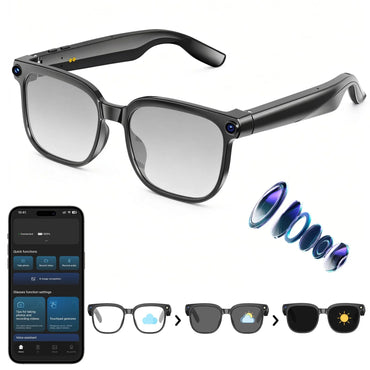
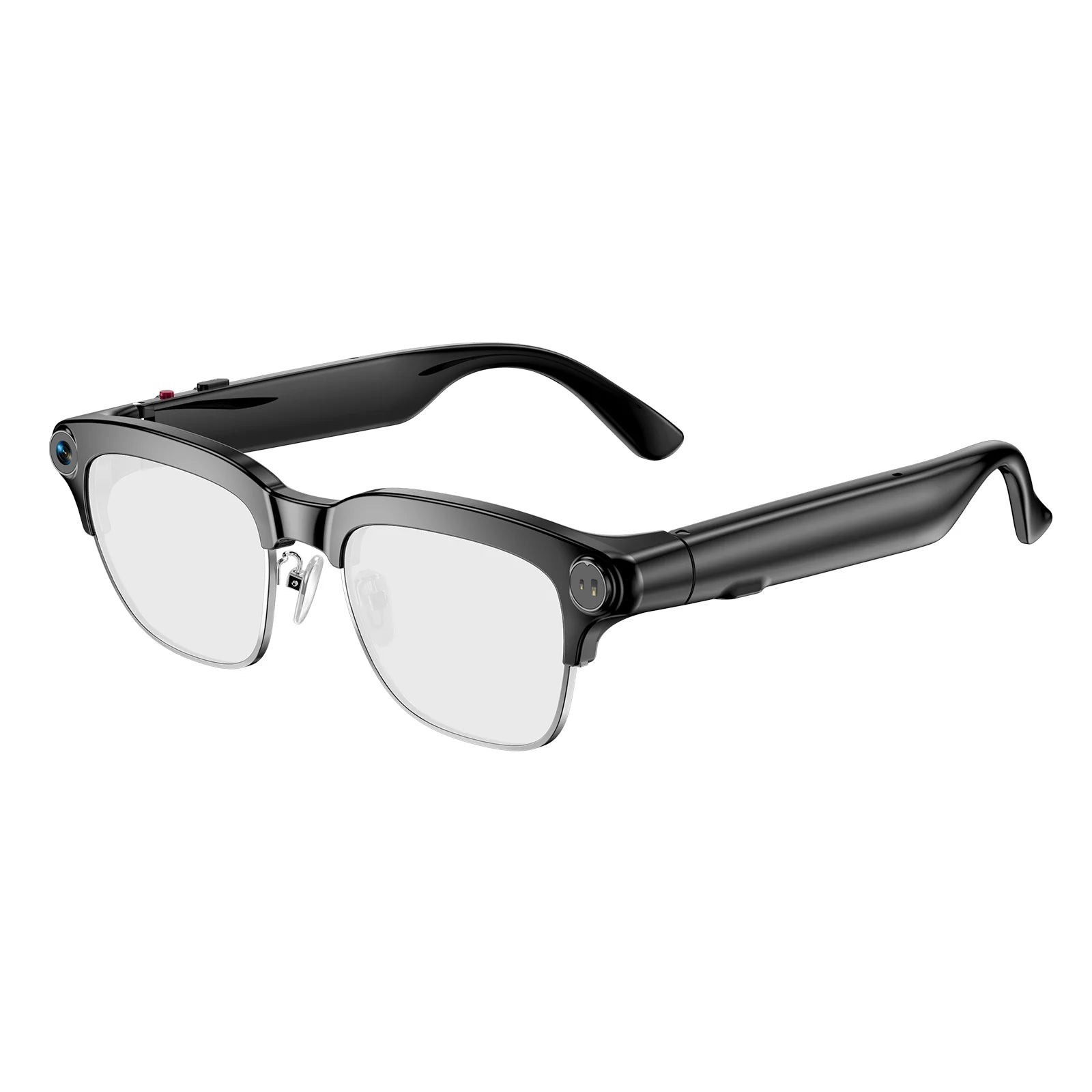
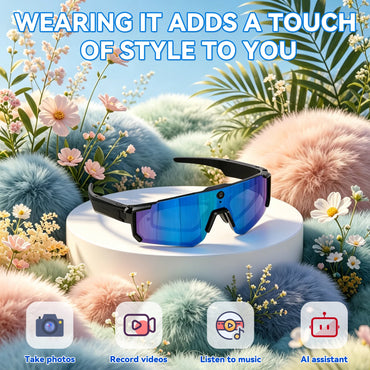


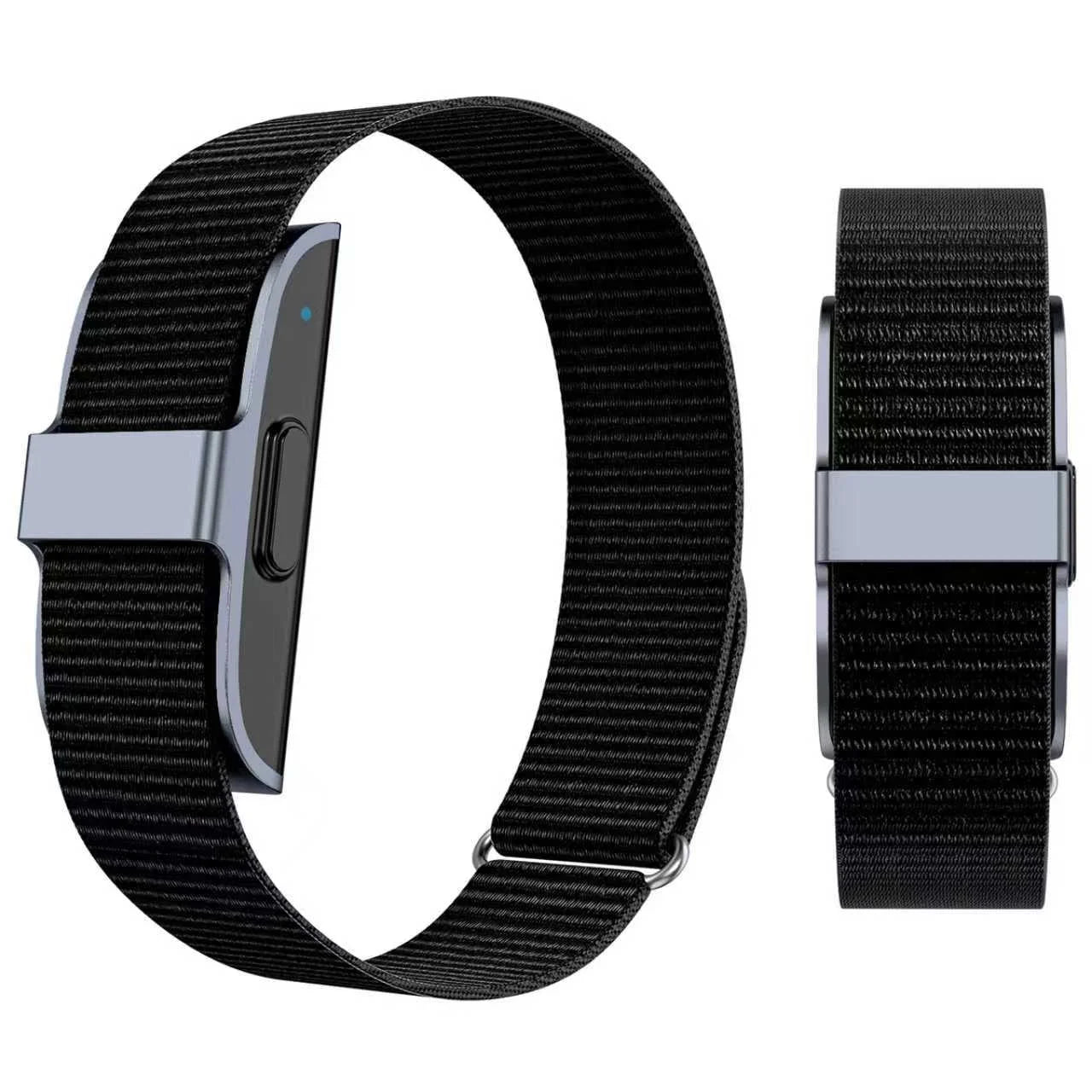
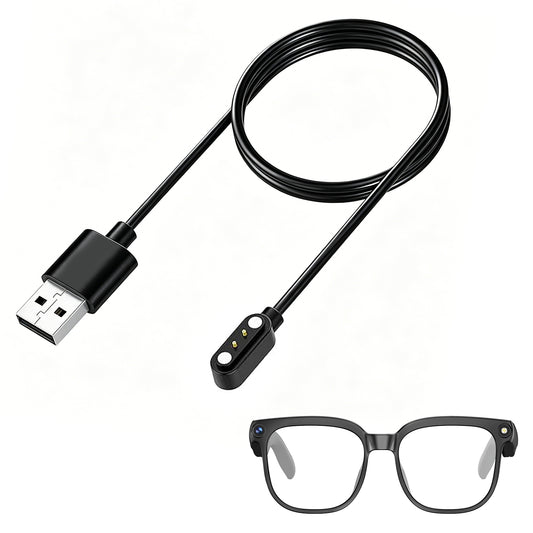
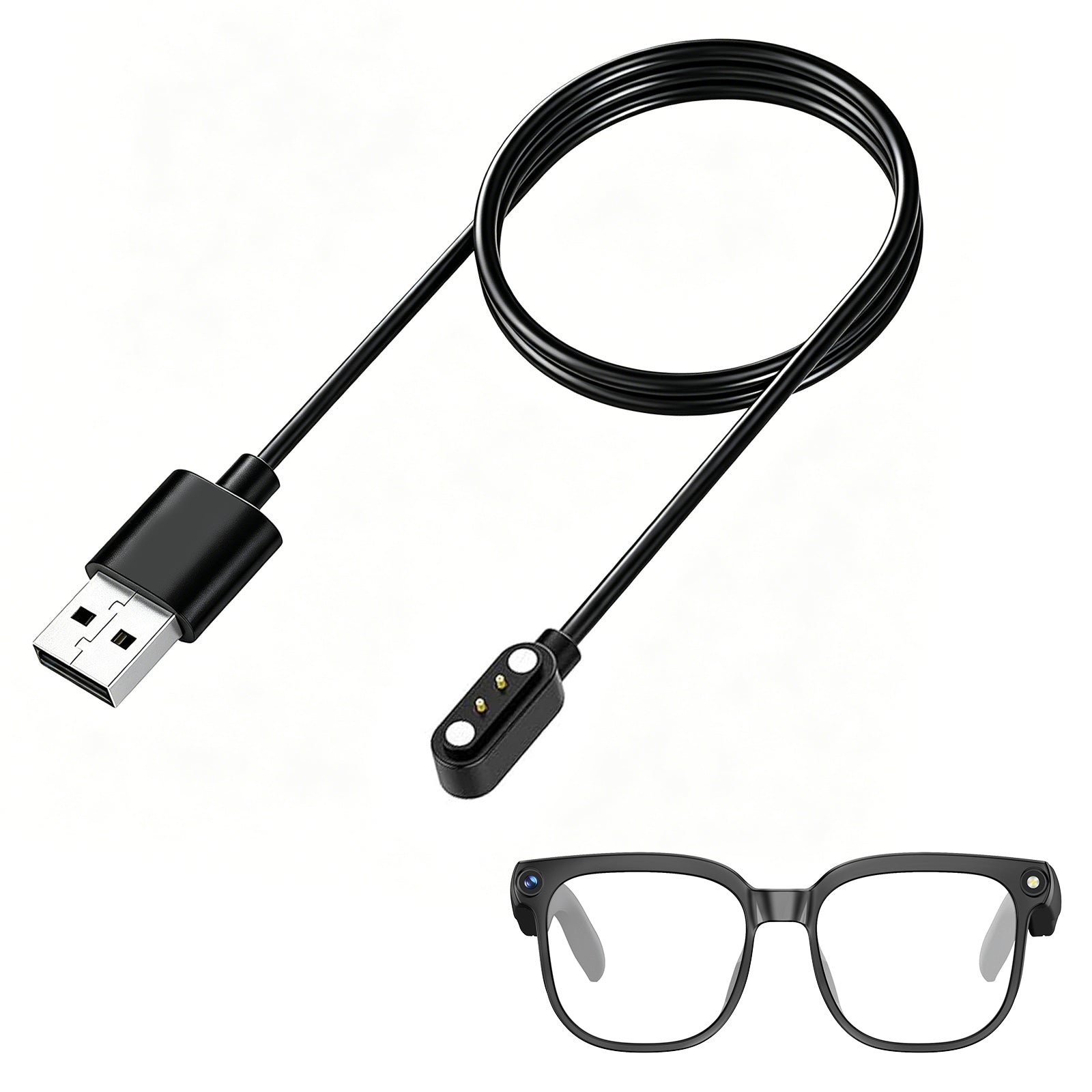




The wearable technology market has finally exited its awkward, gimmicky teenage phase. In 2026, we are no longer strapping heavy, heat-generating bricks to our faces just to see a low-resolution screen. Today, the Best wearable display glasses are sleek, hyper-bright, and fundamentally changing how we consume media, work remotely, and interact with artificial intelligence. From our experience testing every major headset and pair of smart frames on the market, the divide between useless toys and true productivity tools has never been wider.

If you are searching for the Best wearable display glasses, you must separate the marketing hype from hardware reality. Many brands aggressively promise "spatial computing" but deliver a narrow, blurry field of view that induces a migraine within twenty minutes. We firmly believe that if a wearable display cannot comfortably replace your laptop monitor or your living room television, it is absolutely not worth your money. We recommend prioritizing Micro-OLED panels, a high refresh rate, and all-day ergonomic comfort above all else.
In this comprehensive guide, we rank the top six devices dominating the consumer market. Whether you want to plug into a gaming console for a massive 200-inch virtual screen, or you need lightweight video capture glasses for your morning marathon training, here is our authoritative take on the Best wearable display glasses available today. For a broader look at the industry's evolution, you can also explore our breakdown of the best wearable smart glasses 2026.
Summary: Top 6 Wearable Display Glasses
| Rank | Model | Category | Best Standout Feature |
|---|---|---|---|
| 1 | Viture Beast | Tethered XR Display | Record-breaking 1500 Nits Micro-OLED |
| 2 | RayNeo X3 Pro | Standalone AR | Live SLAM Navigation & Translation |
| 3 | Osawalla GP04 | Action Video Glasses | 6-Axis Stabilization for High Movement |
| 4 | Xreal 1S | Tethered XR Display | 120Hz Native 2D-to-3D Conversion |
| 5 | Even Realities G1 | Minimalist HUD | Discreet Monochrome Teleprompter |
| 6 | Rokid AI Glasses | Budget Standalone | Live Visual Search under $300 |
Table of Contents
- 1. What Defines the Best Wearable Display Glasses in 2026?
- 2. Viture Beast: The Ultimate Micro-OLED Monitor
- 3. RayNeo X3 Pro: The Waveguide AI Powerhouse
- 4. Osawalla GP04: The Action & Sports Essential
- 5. Xreal 1S: The Gamers' Choice for Big Screen Immersion
- 6. Even Realities G1: The Minimalist Productivity HUD
- 7. Rokid AI Glasses: The Value-Driven Contender
- 8. Expert Buying Advice: Display Optics vs Audio
- 9. Frequently Asked Questions
- 10. References
1. What Defines the Best Wearable Display Glasses in 2026?
Before diving into individual reviews, it is crucial to understand the underlying optical technology. If you are curious about how smart glasses work, the short answer is that modern frames utilize either Birdbath optics or optical waveguides. Birdbath optics bounce light from a high-resolution Micro-OLED screen situated in the brow of the glasses down into your eye, creating a massive, highly saturated image that blocks out the real world. Waveguides, on the other hand, inject light into a transparent lens, allowing you to see digital overlays while maintaining full visibility of your physical surroundings.
The Best wearable display glasses fall strictly into one of two camps: Tethered XR Displays (which act as a massive monitor for your phone, PC, or Steam Deck) and Standalone AI Displays (which have built-in processors and batteries for heads-up information). Knowing which category suits your daily routine is the first step in making a smart purchasing decision.
2. Viture Beast: The Ultimate Micro-OLED Monitor
From our experience, the Viture Beast offers the crispest edge-to-edge clarity of any tethered XR display on the market today. When evaluating the Best wearable display glasses for pure content consumption, brightness is the ultimate metric. The Beast utilizes custom Micro-OLED panels that push an astonishing 1500 nits of brightness. This means you can comfortably watch a movie on a virtual 120-inch screen while sitting in a sunlit airport terminal.
We highly recommend the Viture Beast for frequent flyers and remote workers. The built-in head tracking allows you to "pin" your virtual laptop screens in physical space, so when you turn your head, the monitors stay in place. This entirely eliminates the motion sickness associated with older, static smart glasses. For an in-depth look at their optical innovations, you can review expert analysis on Viture XR capabilities.
3. RayNeo X3 Pro: The Waveguide AI Powerhouse
If you want true augmented reality without being tethered by a thick USB-C cable to your phone, the RayNeo X3 Pro is the definitive choice. The Best wearable display glasses should eventually untether you from your smartphone, and RayNeo achieves this by cramming a Qualcomm processor directly into the frames. Utilizing full-color binocular waveguides, these glasses project live turn-by-turn navigation arrows directly onto the street in front of you.
Where the X3 Pro truly shines is its integration of Gemini AI. We tested its live translation feature in noisy environments, and the ability to read real-time subtitles hovering next to the person speaking to you feels like science fiction made real. While the field of view is narrower than tethered monitors, for utility and spatial awareness, it is unmatched. Read more about RayNeo waveguide innovation to understand the science behind this transparency.
4. Osawalla GP04 Running & Cycling Video Glasses: The Action Essential

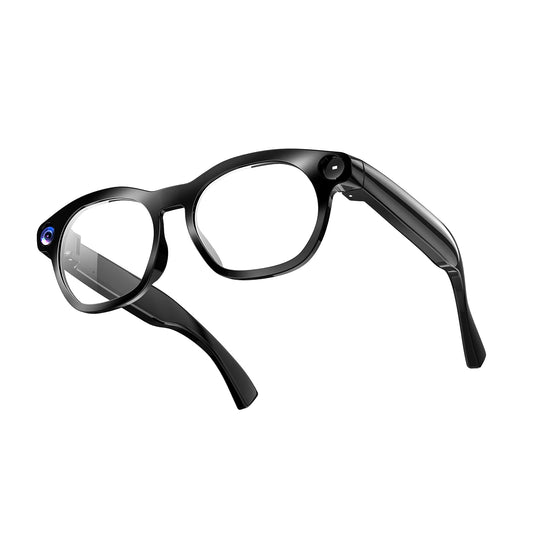
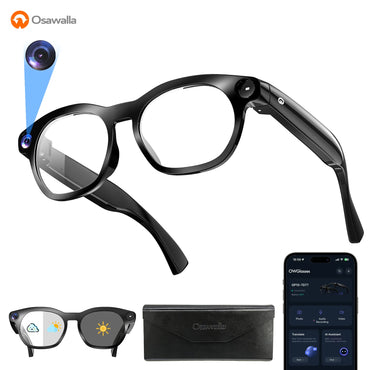
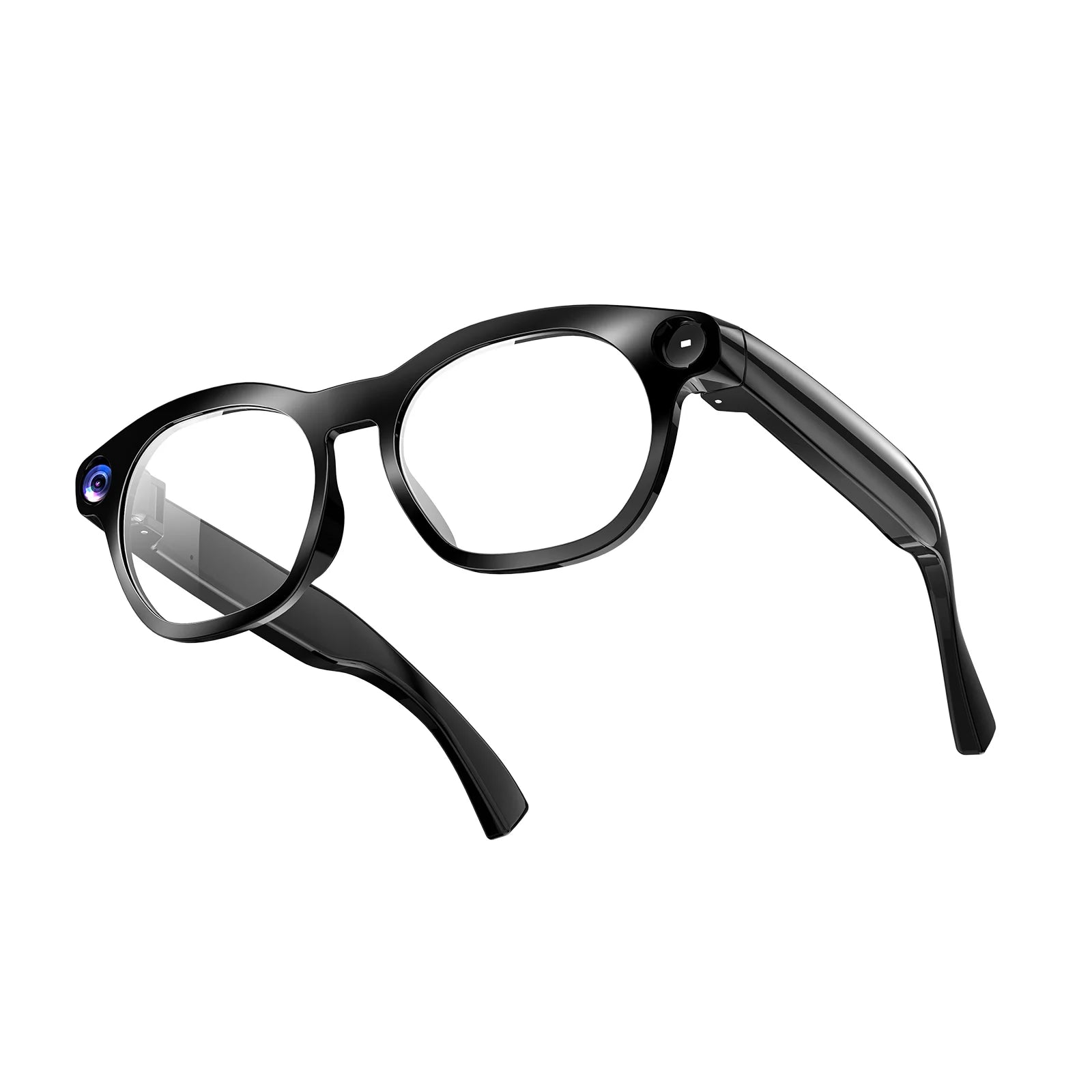
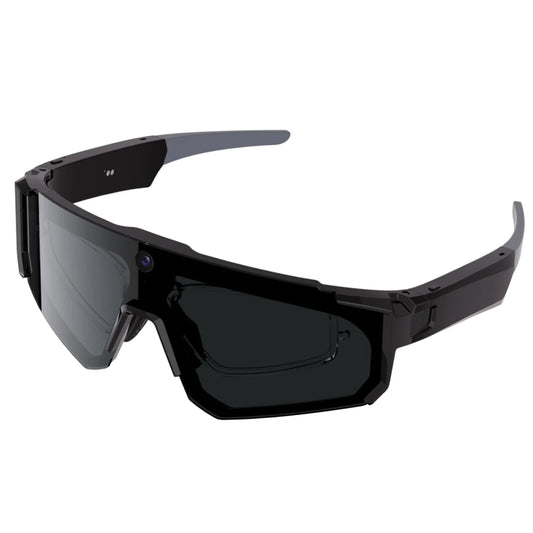
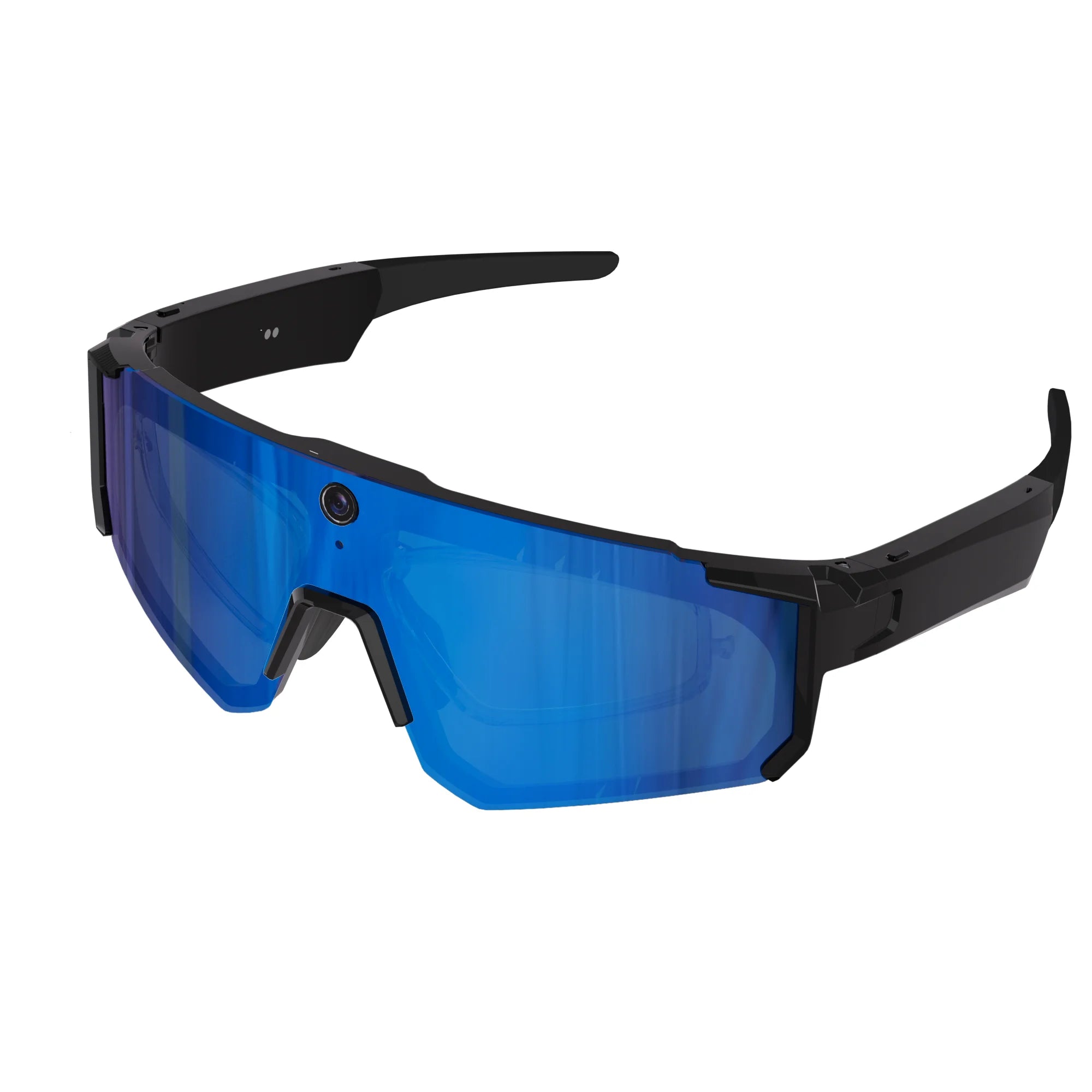
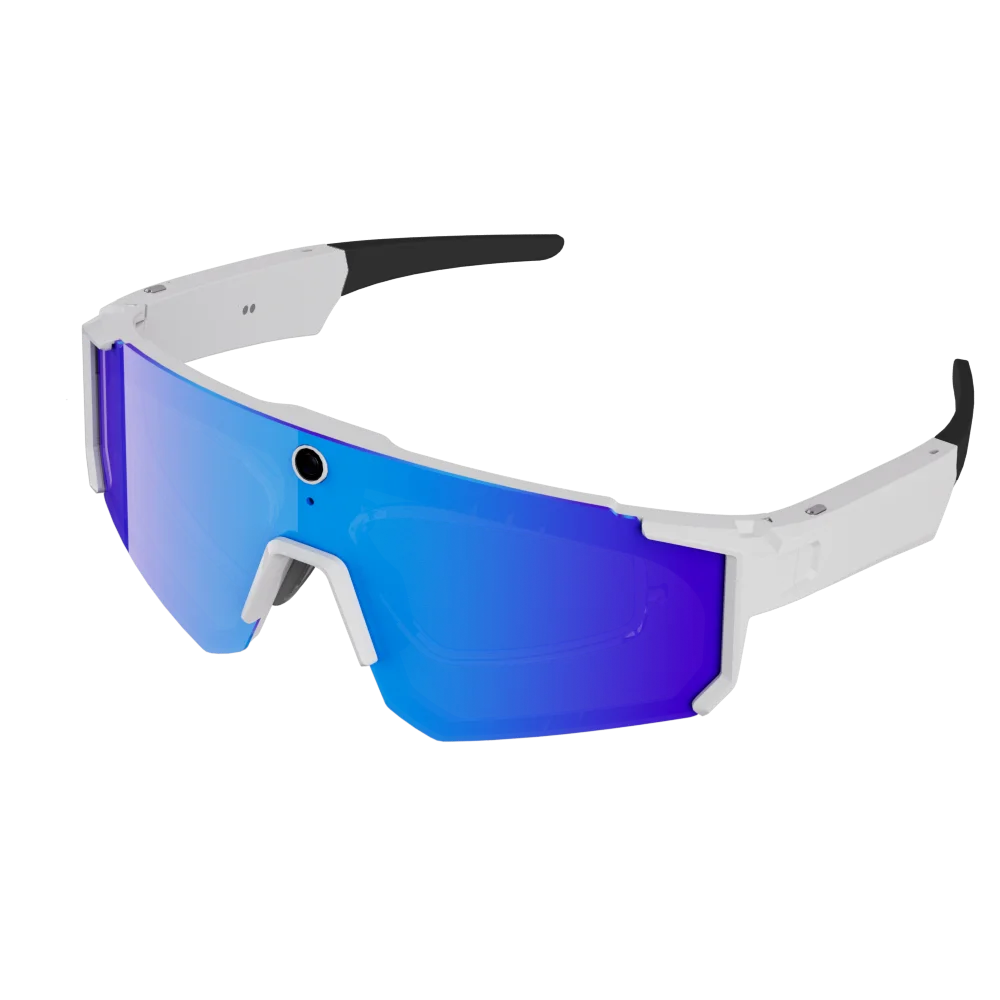
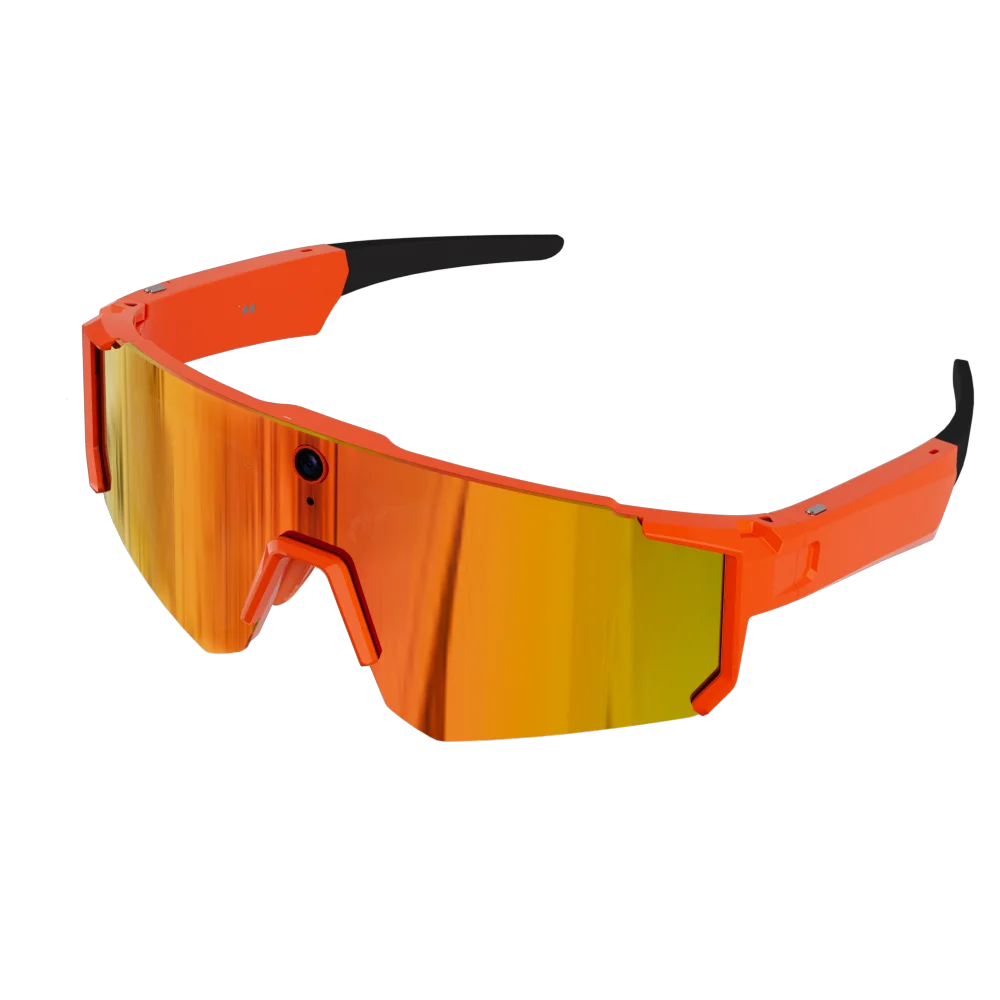
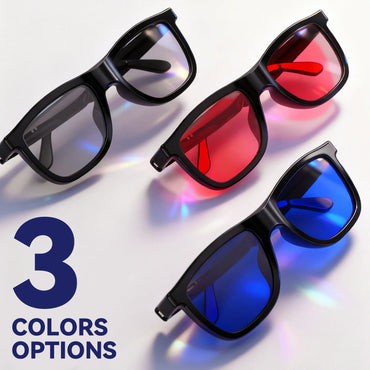
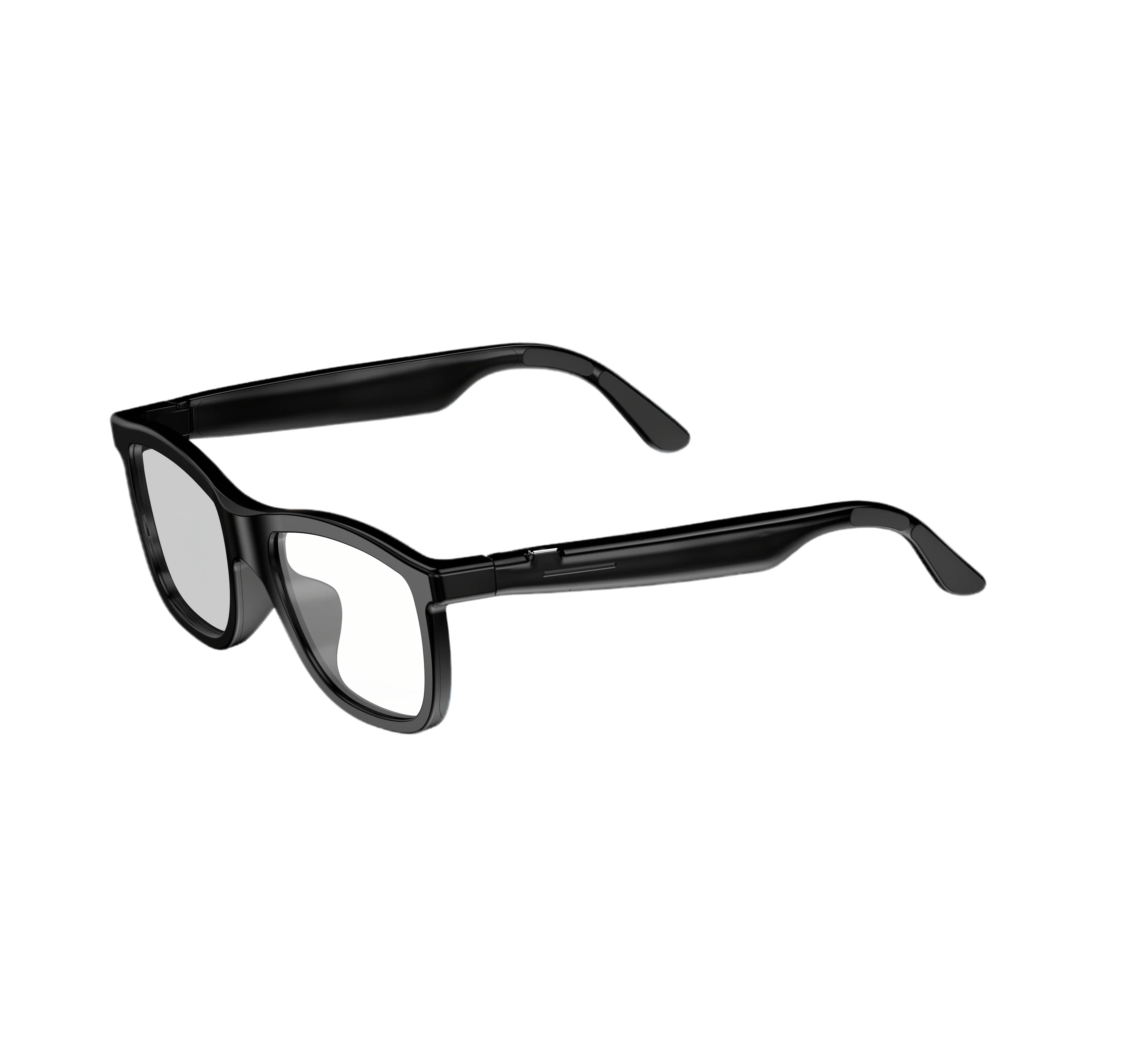
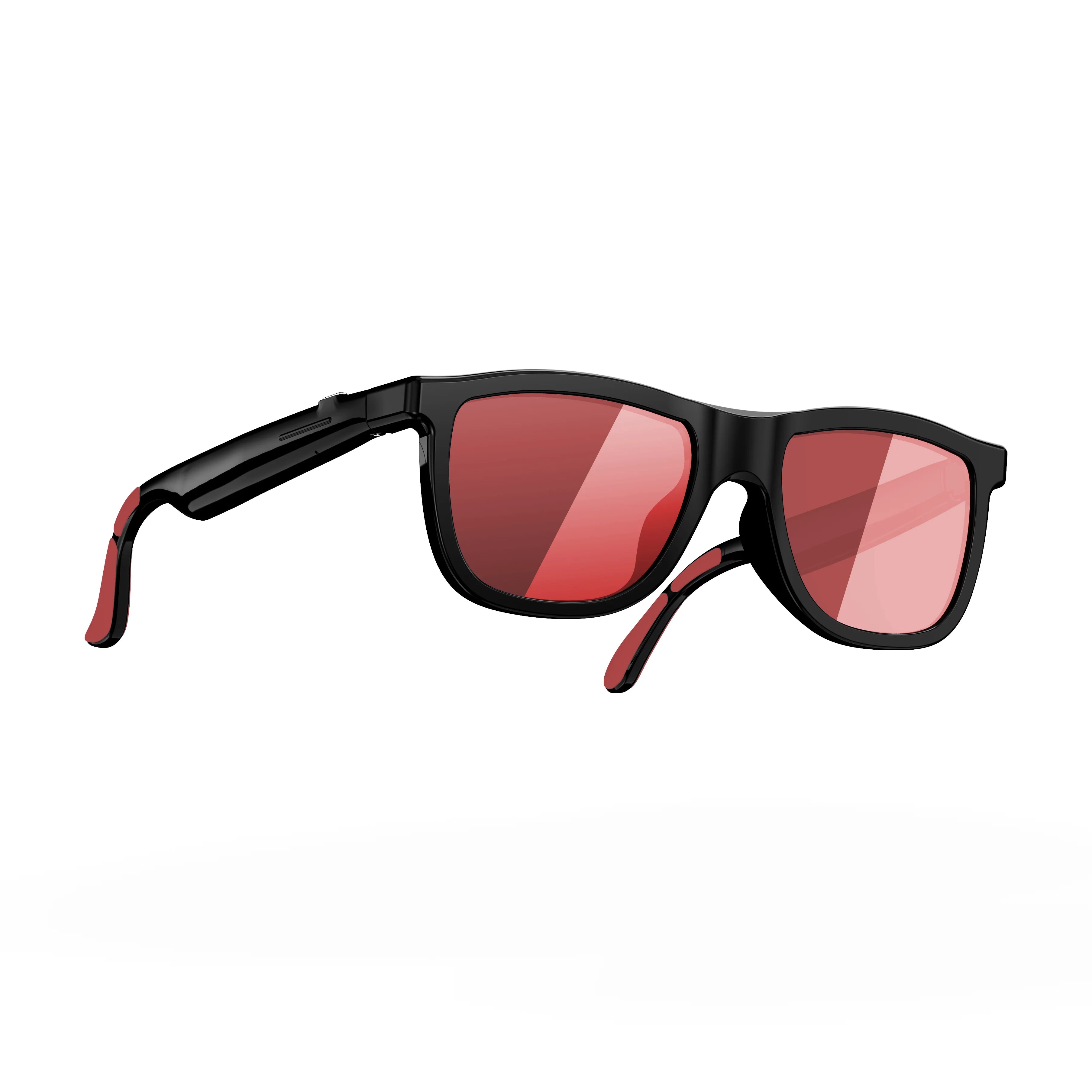
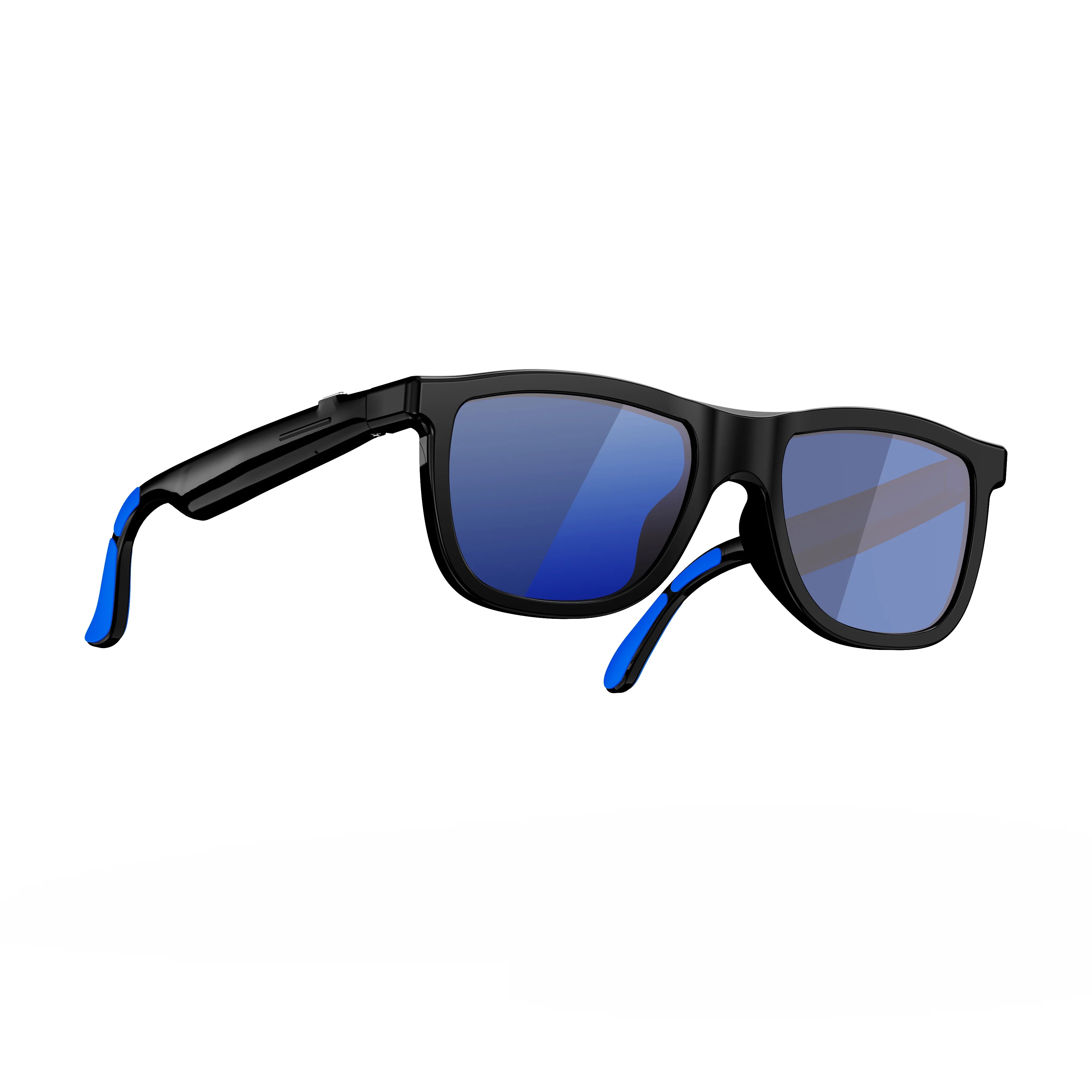
While tethered AR monitors are brilliant for airplanes and couches, they are entirely useless for high-intensity physical movement. When our customers ask for the Best wearable display glasses for an active lifestyle, we steer them toward purpose-built action hardware. We proudly present the Osawalla GP04—engineered specifically for athletes who need heads-up utility and capture capabilities without dangerous visual obstruction.
- Designed for Running & Active Sports: Built as lightweight running sunglasses for men and women, these smart glasses are ideal for running, cycling, hiking, and grueling workouts. Flexible, bendable temple arms with silicone anti-slip tips provide a secure fit that stays locked in place during heavy movement.
- Hands-Free 8MP Camera Glasses: Capture photos and videos from your exact natural point of view with an integrated 8MP HD camera. These are perfect for sports recording and first-person moments—no phone or handheld camera needed.
- 6-Axis Stabilization for Smoother Video: Equipped with a 6-axis stabilization sensor, these running glasses help drastically reduce motion shake. Ideal for fast-paced activities where steady footage matters.
- Open-Ear Audio & AI Voice Control: The open-ear audio design allows you to pump workout playlists, take calls, and use voice commands while staying acutely aware of surrounding traffic. Built-in AI voice assistant enables hands-free interaction without breaking your stride.
- Comfort Fit with Interchangeable Lenses: Designed for long-distance endurance wear, these sunglasses feature adjustable nose pads and a lightweight frame. Interchangeable high-clarity lenses adapt to different weather conditions, and the included RX inner frame supports prescription lens users.
You can purchase the GP04 directly from our store. If you are comparing sports frames, you might also consider our GG05 AI smart sports glasses for varying aesthetic preferences.
5. Xreal 1S: The Gamers' Choice for Big Screen Immersion
Gamers have very specific demands, and the Xreal 1S meets them flawlessly. To qualify as the Best wearable display glasses for gaming, a device needs high refresh rates and absolute zero latency. The Xreal 1S boasts a 120Hz refresh rate (and up to 240Hz in specific beta modes), making it the ultimate companion for the Steam Deck, Asus ROG Ally, or a high-end gaming laptop.
We specifically praise the Xreal 1S for its hardware-level 2D-to-3D conversion. By simply holding down a button on the temple arm, the glasses instantly convert standard 2D side-by-side content into rich 3D environments. The visual fidelity and deep black levels provided by their Sony Micro-OLED panels create a private 500-inch theater experience that completely blocks out your physical surroundings.
6. Even Realities G1: The Minimalist Productivity HUD
Sometimes, the Best wearable display glasses are the ones nobody knows you are wearing. The Even Realities G1 utilizes a minimalist monochrome green heads-up display (HUD) embedded in frames that look identical to high-end designer prescription glasses. There is no heavy camera array, no bulky battery temples, and no glaring screen bleeding light into the room.
We recommend the G1 for corporate professionals. The discreet teleprompter mode allows you to read presentation notes or live meeting transcriptions while maintaining perfect eye contact with your clients. If you are intrigued by this subtle approach to augmented reality, check out our comprehensive AI glasses with display guide.
7. Rokid AI Glasses: The Value-Driven Contender
For buyers on a strict budget, the new Rokid AI Glasses offer a phenomenal entry point into visual AI. Finding the Best wearable display glasses under the four-hundred-dollar mark used to be an exercise in frustration, but Rokid has successfully bridged the gap. These standalone frames feature a built-in camera that acts as the "eyes" for a cloud-based AI assistant.
You can look at a foreign menu, tap the glasses, and instantly see the translated text in your field of view. While the display is not as sharp or expansive as the Viture Beast or Xreal 1S, the overall utility-to-price ratio makes it one of the smartest purchases in the 2026 wearable market.
8. Expert Buying Advice: Display Optics vs Audio
Choosing the Best wearable display glasses ultimately comes down to recognizing your primary daily use case. Do not buy a tethered Micro-OLED theater glass if your main goal is to run a 10K without a heavy phone in your pocket; instead, opt for action-oriented hardware like our GP04. Conversely, if you strictly want hands-free music and voice assistants without any visual distractions whatsoever, you might prefer our sleek electrochromic smart audio glasses.
Furthermore, navigating virtual menus by swiping on the temple arm of your glasses can become tedious. If you want seamless, invisible control over your visual interface without raising your hands, we highly recommend pairing your new glasses with a piece from the best smart rings collection. Controlling your smart glasses with subtle thumb gestures on a smart ring is the true realization of 2026 wearable synergy.
9. Frequently Asked Questions
Yes. Premium wearable display glasses project a virtual image that optically appears to be several meters away from your face. This actually forces your eye muscles to relax, preventing the severe digital eye strain associated with staring at a smartphone screen held six inches from your nose. However, we always recommend taking regular breaks every hour to prevent fatigue.
Absolutely. Almost all tier-one manufacturers, including Viture, Xreal, and Osawalla, offer magnetic or snap-in prescription lens inserts. Some advanced models even feature built-in diopter dials that allow you to mechanically adjust the focus of the virtual screen. If you require vision correction, you may also want to read our thoughts on the best smart reading glasses 2026.
It depends entirely on the category. Tethered XR glasses (like the Viture Beast and Xreal 1S) have no internal battery or processor; they must be plugged into a phone, laptop, or gaming console via a USB-C DisplayPort cable to function. Standalone AR glasses (like the RayNeo X3 Pro and Rokid AI) have their own built-in batteries and processors, allowing them to function completely untethered, though they rely on Bluetooth or Wi-Fi for internet access.
10. References and Further Reading
To ensure our reviews meet the highest standards of technical accuracy, we cross-reference our internal testing with data from the industry's most respected hardware analysts. For deeper technical dives into the Best wearable display glasses, consult the following major publications:
- PCMag's Hardware Testing and Calibrations: Detailed laboratory analysis of Micro-OLED brightness, color accuracy, and ISF-certified calibration standards for wearable tech.
- Mashable CES 2026 Coverage: On-the-ground reporting of the latest electrochromic lenses, prototype waveguide reveals, and hands-on gaming tests.
- CNET Wearable Reviews: Extensive field-testing of AR battery life, operating system ecosystems, and the integration of large language models in smart eyewear.


