






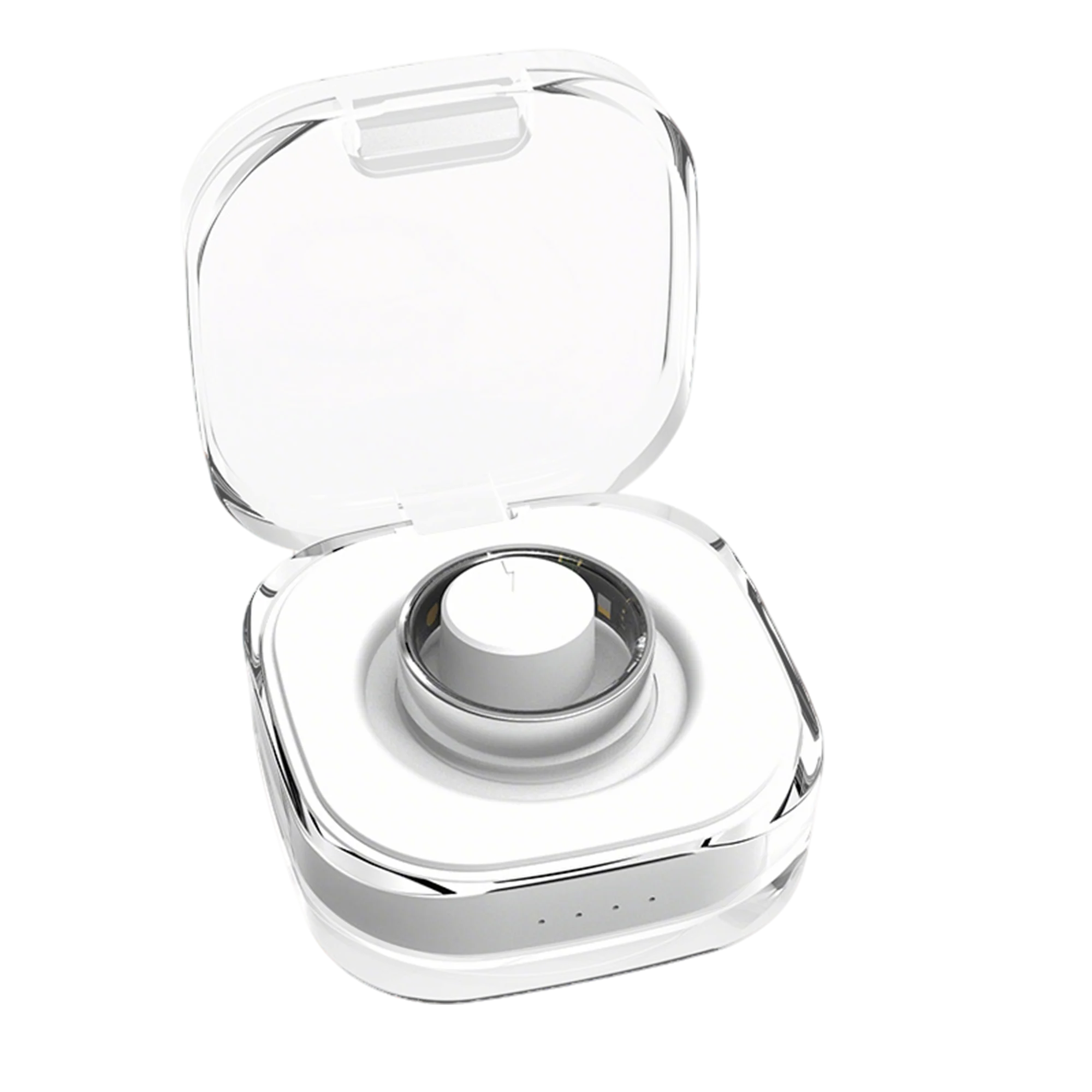


Smart Ring Heart Rate Monitoring: How Accurate?
Smart ring heart rate monitoring has become one of the most popular features of wearable health technology. But how accurate is smart ring heart rate monitoring compared with traditional heart rate devices? The answer depends on the sensor technology, finger placement, movement, signal quality, and the algorithms used to process the data. Modern smart rings use optical PPG sensors to continuously collect pulse-related signals and transform them into useful heart rate trends. For users who want convenient everyday health tracking, a smart ring can provide valuable information without the need to wear a smartwatch all day.
What Is Smart Ring Heart Rate Monitoring?
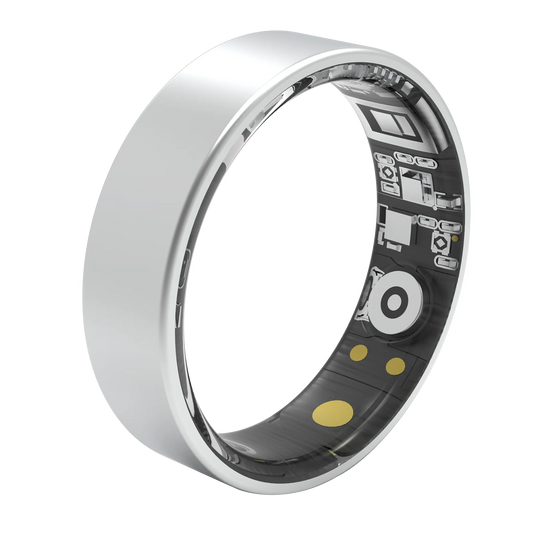
Smart ring heart rate monitoring uses sensors positioned inside the ring to detect changes in blood volume as blood flows through the finger. This technology is generally known as photoplethysmography, or PPG.
When the heart beats, blood volume in the small blood vessels changes. PPG sensors detect these changes using light and convert the optical signal into heart rate information. Because the ring sits directly around the finger, it can maintain close contact with the skin during normal daily activities.
Research on PPG-based wearable devices has shown that heart rate measurements can have strong agreement with ECG measurements under appropriate conditions. However, accuracy varies between devices and activities, so wearable heart rate data should be understood as health and wellness information rather than a replacement for clinical ECG testing.
Why Does Finger Placement Matter?
Correct fit is one of the most important factors affecting smart ring heart rate monitoring.
A smart ring needs stable contact with the skin so that its optical sensors can receive a consistent signal. If the ring is too loose, the sensor may move relative to the skin. If it is too tight, wearing comfort can be affected.
For this reason, choosing the correct ring size is important. A properly fitted ring should stay securely on the finger while remaining comfortable during everyday activities.
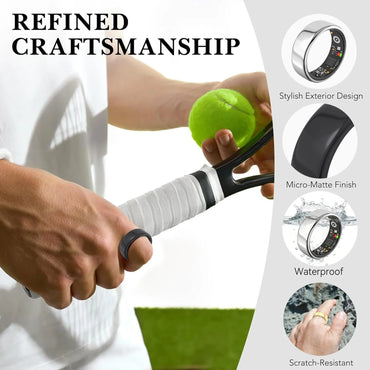
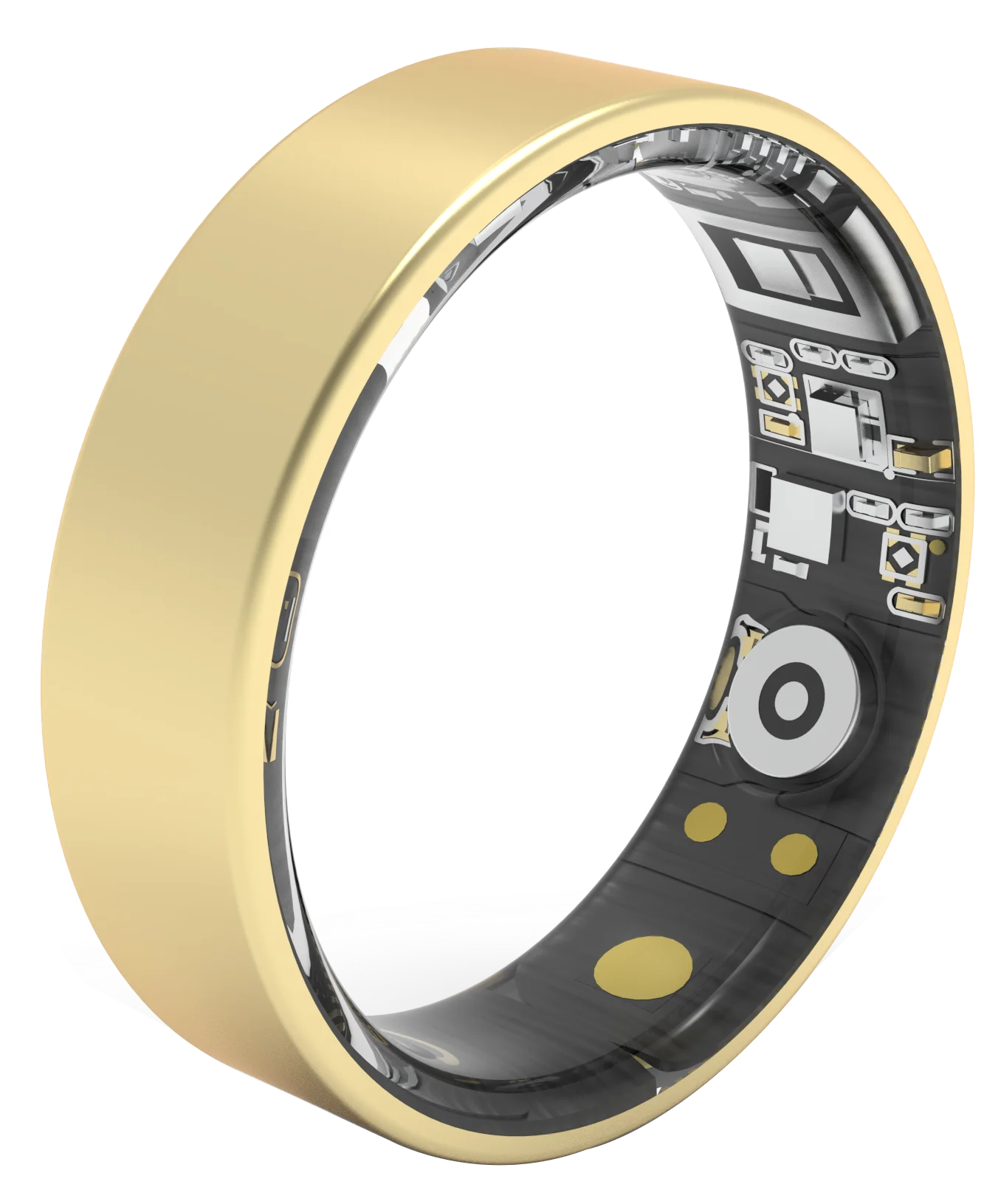
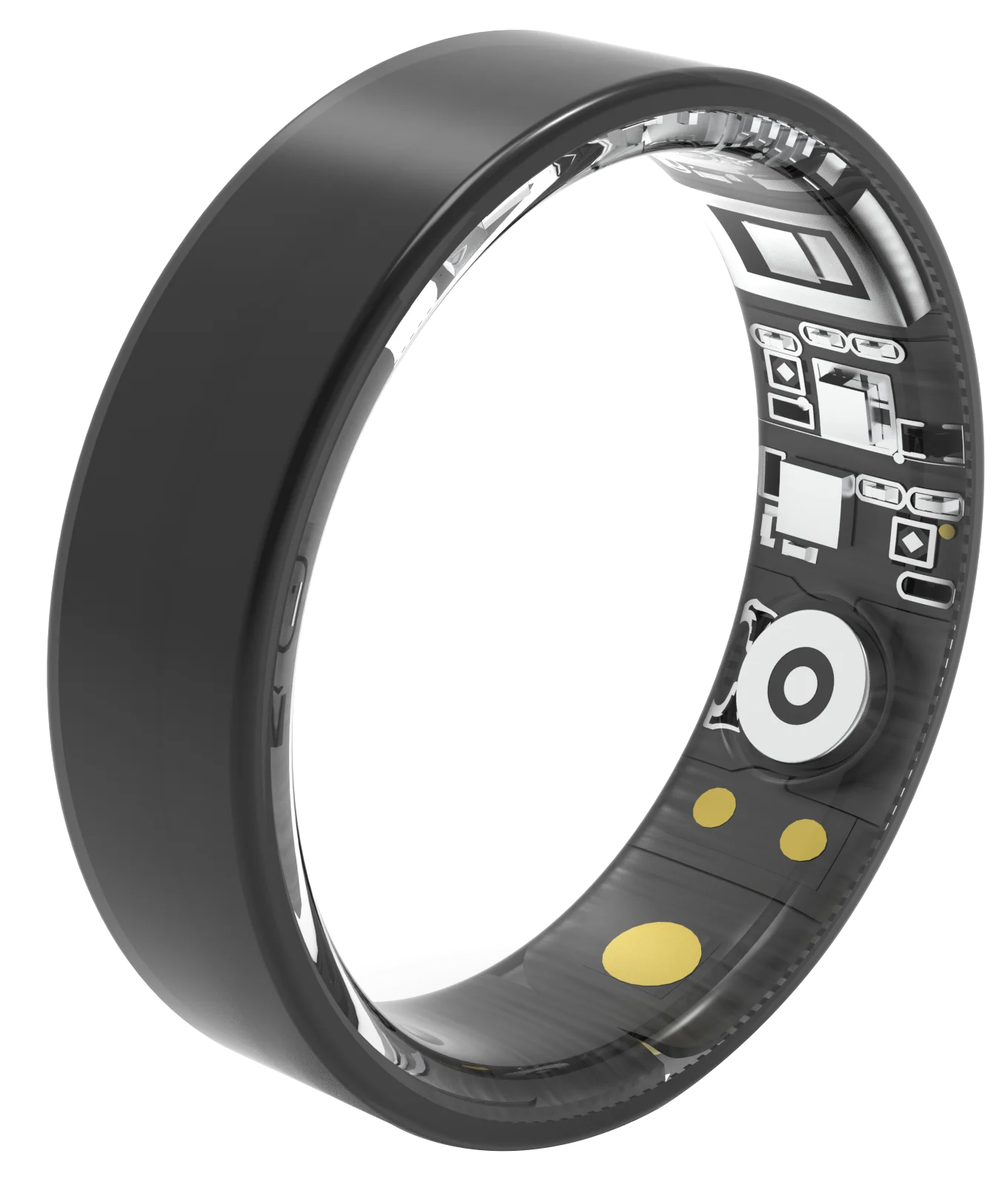
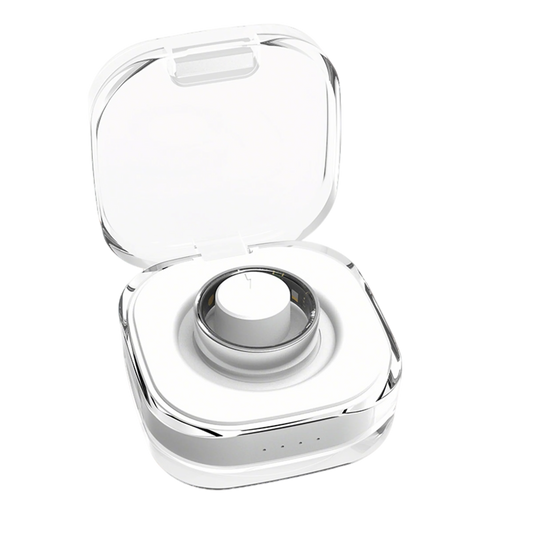
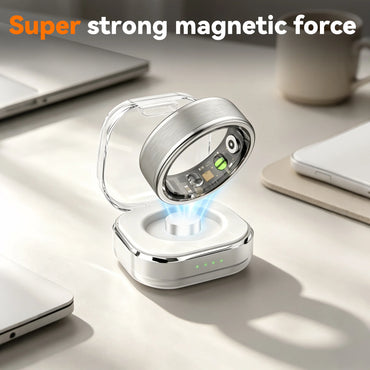
Osawalla Signature Pro Smart Ring is available in multiple sizes, from US size 6 to size 13, allowing users to select a closer fit. The ring uses a stainless-steel body and has a compact 2.7 mm thickness and approximately 5 g weight, making it suitable for continuous everyday wear.
How Accurate Is a Smart Ring Heart Rate Monitor?
There is no single accuracy percentage that applies to every smart ring.
The performance of a smart ring heart rate monitor can change depending on whether the user is resting, walking, exercising, sleeping, or moving their hands frequently.
Studies evaluating wearable PPG devices have found that heart rate measurements can show good agreement with ECG, particularly during resting or lower-intensity conditions. At higher exercise intensities, however, motion artifacts and changes in sensor contact can affect readings.
This is an important point when evaluating any wearable device. A smart ring should not be judged only by a single heart rate reading. Long-term trends, resting heart rate, changes during activity, and historical data can provide a more useful picture of everyday wellness.
PPG Sensors and Signal Processing
The sensor hardware is only one part of smart ring heart rate monitoring.
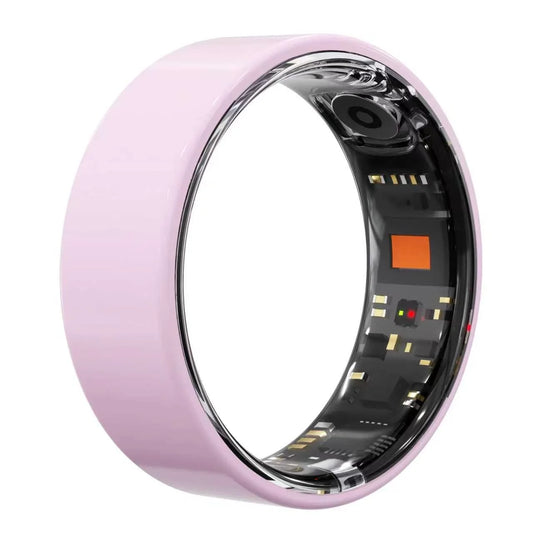
Osawalla Signature Pro Smart Ring combines a Tianyi Hexin 3918 PPG chip with a Goodix 5331 main control chip and an ST LIS2DOCTR accelerometer. The PPG sensor collects optical signals while the accelerometer provides motion information.
This combination is important because movement can introduce noise into optical heart rate measurements. Research has shown that motion artifacts remain an important challenge for PPG-based wearable heart rate monitoring, particularly during exercise and other movement-intensive activities.
By combining heart rate sensing with motion information and software-based data processing, wearable devices can distinguish useful physiological signals from some types of movement-related interference.
Smart Ring Heart Rate Monitoring During Daily Life
One of the biggest advantages of a smart ring is that heart rate monitoring can become part of everyday life without requiring users to constantly check a screen.
Osawalla Signature Pro Smart Ring supports configurable heart rate monitoring intervals of 5, 10, 30, or 60 minutes, depending on the user's preferred monitoring frequency.
The Da Rings app can organize collected information into heart rate trends and historical data, allowing users to review changes over time instead of focusing only on individual readings.
This makes a smart ring useful for several everyday situations:
· Monitoring resting heart rate trends
· Reviewing heart rate changes during daily activities
· Understanding exercise intensity
· Comparing heart rate patterns across different days
· Reviewing historical heart rate data
· Combining heart rate information with sleep and activity data
For users interested in broader wellness tracking, you can also learn more about [smart ring health tracking] and [Osawalla Signature Pro Smart Ring smart ring features] through your site's related product and educational pages.
Heart Rate Monitoring During Exercise
Exercise is one of the more challenging situations for optical sensors.
Running, cycling, strength training, and other activities can cause rapid movement of the hands and fingers. Sweat, changing skin contact, and repeated motion can also influence the optical signal.
Research comparing consumer wearable devices has found that accuracy can vary between devices and exercise intensities. This is why consumers should look for devices that combine appropriate sensor placement, motion sensing, and signal-processing algorithms rather than relying on a single specification.
Osawalla Signature Pro Smart Ring supports 128 regular exercise modes plus 5 GPS-based exercise modes, including walking, running, outdoor cycling, hiking, yoga, basketball, football, tennis, golf, strength training, rowing, and more.
The ring can also automatically recognize walking and running, helping users collect activity information with less manual interaction.
Heart Rate Is Only One Part of Your Health Data
A major advantage of modern smart rings is that heart rate can be viewed together with other wellness metrics.
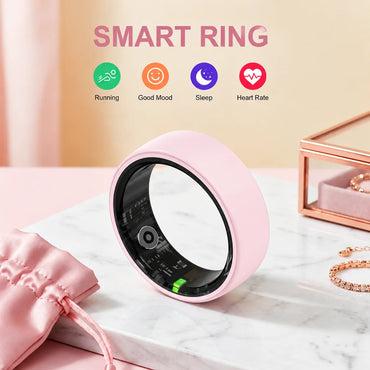
Osawalla Signature Pro Smart Ring supports several related measurements, including heart rate variability (HRV), blood oxygen saturation (SpO₂), stress, sleep, activity, and physiological-cycle tracking.
HRV and Heart Rate Trends
Heart rate tells you how fast your heart is beating, while heart rate variability (HRV) looks at variation between successive heartbeats.
Osawalla Signature Pro Smart Ring provides all-day HRV monitoring, historical HRV information, HRV trend analysis, and average HRV calculations.
Research suggests that wearable PPG can be useful for measuring heart rate and some HRV-related metrics, but results can vary depending on the measurement conditions and technology used.
For that reason, HRV is generally more useful when viewed as a personal trend over time rather than as a single number that should be interpreted in isolation.
Sleep and Overnight Heart Rate
Another benefit of smart ring heart rate monitoring is the ability to collect information during sleep.
Because a ring is small and screen-free, it can be less intrusive than a smartwatch for some users. Osawalla Signature Pro Smart Ring provides 24-hour sleep data, automatic nap detection, sleep-stage analysis, sleep quality scoring, average sleep heart rate, average HRV, nighttime blood oxygen monitoring, circadian rhythm information, and other sleep-related metrics.
This allows users to compare sleep patterns with other daily wellness information in the Da Rings app.
What Can Affect Smart Ring Heart Rate Accuracy?
Even a well-designed wearable can produce readings that differ from an ECG or clinical device. Several factors can influence smart ring heart rate monitoring:
1. Ring fit
A loose ring can move around the finger and reduce sensor stability.
2. Movement
Rapid hand movements can create motion artifacts in PPG signals.
3. Exercise intensity
Higher-intensity exercise can make optical heart rate measurement more challenging.
4. Skin contact
Consistent contact between the sensor and skin helps maintain a stable optical signal.
5. Sensor technology
Different PPG sensors, sampling systems, algorithms, and device designs can produce different results.
6. Individual differences
Skin characteristics, finger size, temperature, and other individual factors may affect optical sensing.
Therefore, when comparing smart rings, it is better to consider the complete sensing system rather than focusing on one advertised accuracy number.
How to Get Better Smart Ring Heart Rate Readings
If you want more consistent smart ring heart rate monitoring, follow these simple practices:
Wear the Ring Correctly
Choose a size that fits securely without being uncomfortable. The ring should remain stable during normal movement.
Keep the Sensor Area Clean
Regularly clean the inner surface of the ring. Sweat, lotion, dirt, or other substances can affect contact between the sensors and your skin.
Use Trends Instead of Single Readings
A single heart rate reading may change naturally throughout the day. Looking at historical trends can provide more useful information about your normal patterns.
Compare Similar Conditions
For example, compare your resting heart rate in the morning with other morning measurements rather than comparing a resting measurement with a reading immediately after exercise.
Allow the Device to Collect Enough Data
Continuous and repeated measurements can provide a more useful picture than occasional manual measurements.

Smart Ring vs. Smartwatch for Heart Rate Monitoring
Both smart rings and smartwatches can provide heart rate tracking, but they are designed around different user experiences.
A smartwatch provides a display, notifications, apps, and workout controls directly on the wrist. A smart ring focuses more on discreet, lightweight, continuous wellness tracking.
Osawalla Signature Pro Smart Ring weighs approximately 5 g, supports 5–7 days of battery life, and uses Bluetooth 5.3 for communication with compatible smartphones.
For users who already own a smartwatch but want additional passive health tracking, a smart ring can also complement an existing wearable ecosystem.
Osawalla Signature Pro Smart Ring supports data integration with Apple Health and Strava, making it easier to incorporate selected wellness and activity information into a broader digital health routine.
Is Smart Ring Heart Rate Monitoring Accurate Enough?
So, how accurate is smart ring heart rate monitoring?
For everyday wellness tracking, a smart ring can provide useful heart rate trends, especially when the ring fits correctly and the user is relatively still. Modern PPG technology has demonstrated strong potential for continuous wearable heart rate monitoring, but accuracy can vary depending on the device, activity, sensor placement, and measurement conditions.
The most important question is therefore not simply whether a smart ring is “100% accurate.” Instead, consumers should consider whether the device provides consistent, useful, and understandable data across everyday situations.
Osawalla Signature Pro Smart Ring combines PPG sensing, motion sensing, configurable monitoring intervals, historical trends, HRV, sleep, SpO₂, stress, activity tracking, and multiple exercise modes to create a broader wellness-monitoring experience.
For medical diagnosis or decisions about a medical condition, users should always consult an appropriate healthcare professional and use clinically validated equipment when required.

FAQ
How to check device battery level?
When the device is successfully connected to the app, you can check the device battery level in your profile.
How to connect the device?
1. Turn on your phone's Bluetooth, go to the app's homepage or your profile, tap "Add Device," then tap "Scanned Devices." After successful connection, data will sync to the app.
2. Devices charging will be displayed first. If you have multiple devices, this makes it easier to find them while they are charging.
How to sync device data?
1. Ensure the device and phone are connected. Data will sync periodically.
2. You can also manually pull down the screen on the app's homepage to actively sync device data to the app.
3. If the above steps do not resolve the issue, we recommend restarting Bluetooth and reopening the app to reconnect.
How to unpair the device?
When the device is successfully connected to the app, tap "Remove Device" in your profile to unpair it.
Device pairing failed/Device not found?
1. Check if the device has power. Plug the device into a charger or a computer's USB port to ensure it has power.
2. Check if other phones nearby have connected to the device. Unpair the device on another phone and then pair it with your current phone.
3. Try restarting Bluetooth. If the device has power and the phone still cannot find it, try restarting your phone's Bluetooth.
4. Ensure Bluetooth and location services are enabled and keep the device close to your phone.
Conclusion
Smart ring heart rate monitoring offers a convenient way to understand everyday heart rate patterns without constantly wearing a larger device. While no consumer wearable should be expected to deliver identical results to clinical ECG equipment in every situation, PPG-based smart rings can provide valuable long-term trends when used correctly.
With its PPG sensor, motion sensor, configurable heart rate monitoring, HRV tracking, sleep analysis, SpO₂ monitoring, exercise tracking, and lightweight stainless-steel design, Osawalla Signature Pro Smart Ring is designed to make everyday health and activity tracking more convenient.


