







How Osawalla Measures Your Sleep Quality
A good night's sleep is more than the number of hours you spend in bed. Your sleep changes throughout the night, from falling asleep and staying asleep to moving through different sleep stages.
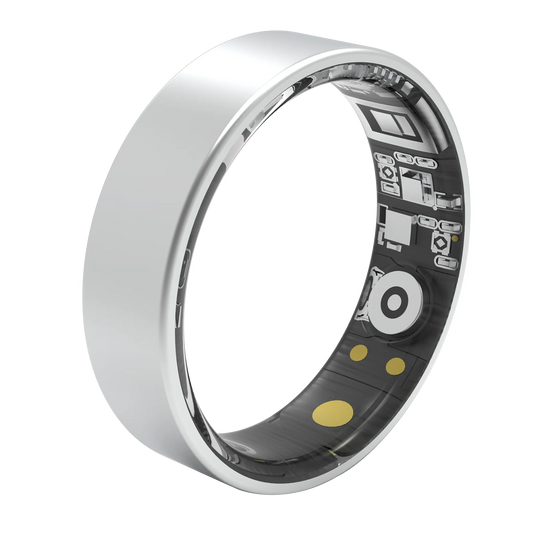
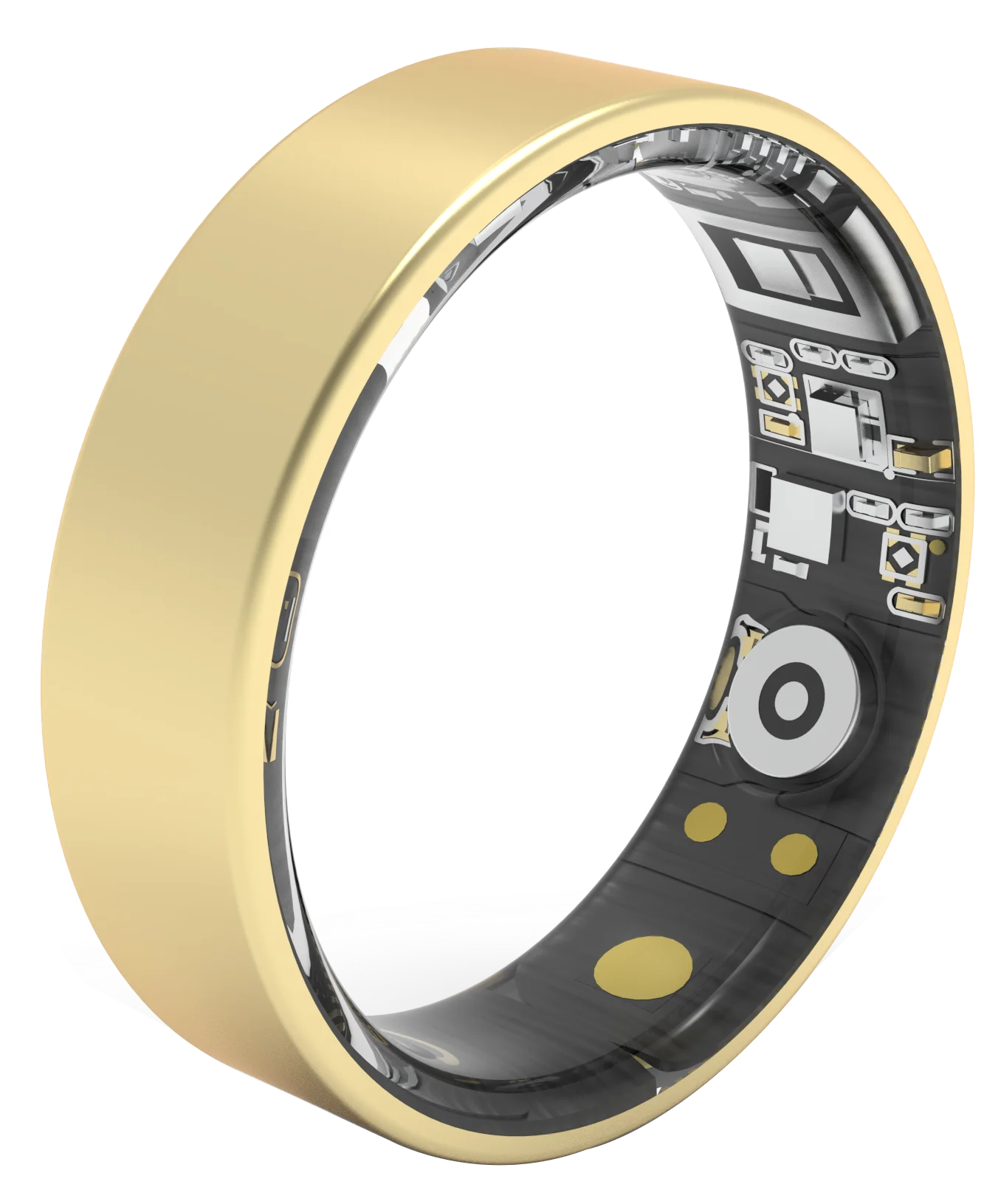
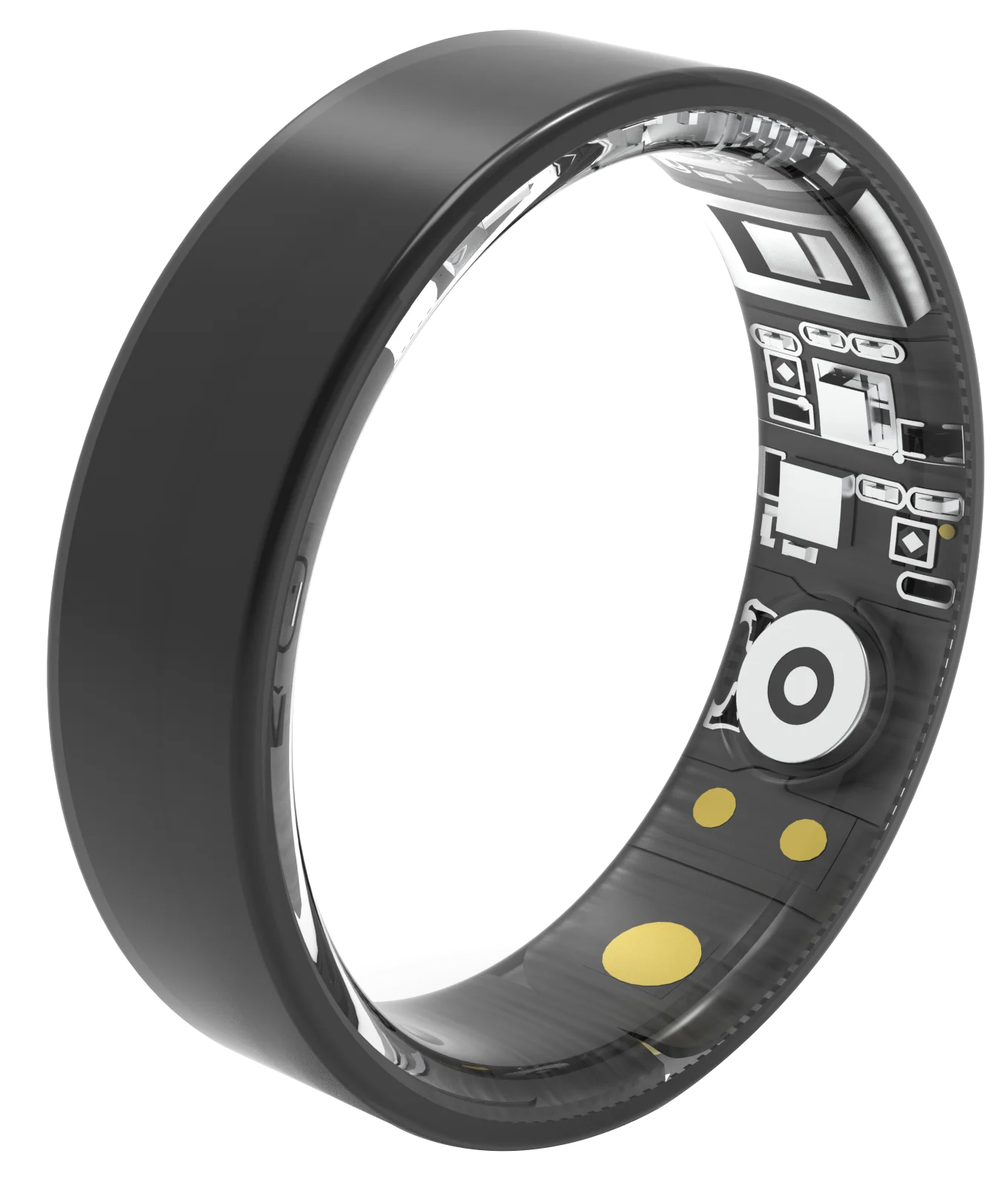
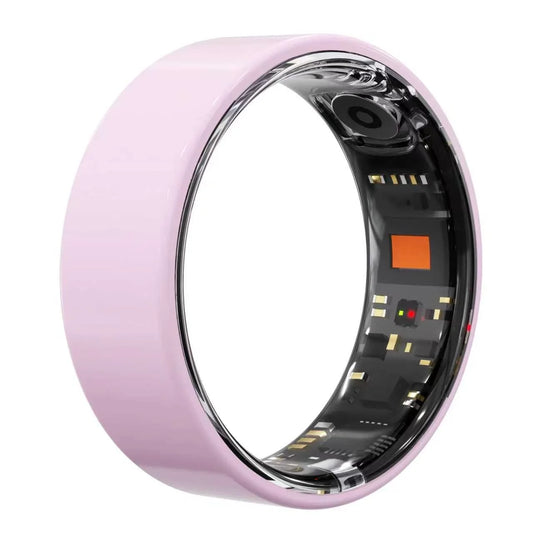
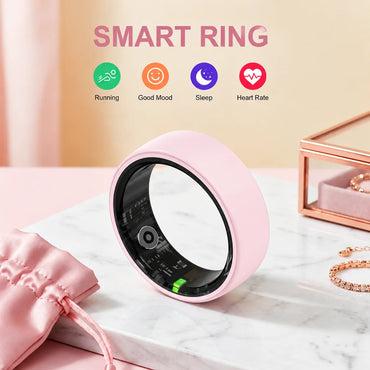
Osawalla Smart Ring continuously tracks key sleep signals throughout the night and turns them into easy-to-understand insights, helping you better understand your sleep patterns and daily recovery.
Your Sleep Quality Score brings multiple sleep factors together into one simple score, so you can quickly see how well you slept and identify areas that may need attention.
What Is the Osawalla Sleep Quality Score?
The Osawalla Sleep Quality Score is designed to give you a simple overview of your night's sleep.
Instead of looking at a single number, the score considers multiple aspects of your sleep, including:
· Total sleep and sleep duration
· Sleep efficiency
· Sleep latency
· Time spent awake
· Sleep timing
· Deep sleep
· Light sleep
· REM sleep
· Average sleep heart rate
· HRV
· Nighttime blood oxygen
· Body temperature changes
· Circadian rhythm
These measurements work together to provide a more complete picture of your sleep quality.

Understanding Your Sleep Score
Osawalla presents your sleep quality as an easy-to-read score, allowing you to quickly understand your overall sleep performance.
A higher score generally indicates that your sleep patterns are more consistent and that you are meeting more of the factors associated with quality sleep.
Rather than focusing on one night's result, we recommend looking at your sleep trends over time.
A single night can be affected by travel, exercise, stress, a late meal, an unusual schedule, or other factors. Looking at your sleep across days and weeks can help you identify meaningful patterns.
Sleep Score Guide
|
Score |
Sleep Quality |
|
85–100 |
Excellent |
|
75–84 |
Good |
|
60–74 |
Fair |
|
Below 60 |
Needs Attention |
Your score is designed for wellness tracking and is not intended to diagnose or treat any medical condition.

How to Improve Your Sleep Quality
Your sleep data is most useful when you turn it into action.
1. Keep a Consistent Sleep Schedule
Try to go to bed and wake up around the same time each day.
Consistency can make it easier to establish a stable sleep routine.
2. Give Yourself Enough Time to Sleep
Most adults generally need around 7–9 hours of sleep per night, although individual needs vary.
Instead of only tracking when you fall asleep, make sure you allow enough time for sleep in your schedule.
3. Create a Relaxing Bedtime Routine
Give yourself time to slow down before bed.
Reading, stretching, meditation, or other relaxing activities may help create a smoother transition into sleep.
4. Limit Late-Night Stimulation
Bright screens, intense activity, heavy meals, and other stimulating activities close to bedtime may make it harder to settle down.
Try creating a calmer environment during the hour before bed.
5. Watch Your Long-Term Trends
Don't worry about every single night's score.
Instead, compare your weekly and monthly patterns to understand what habits appear to support better sleep for you.
Sleep Smarter With Osawalla
Sleep tracking isn't about chasing a perfect score every night.
It's about understanding your own patterns.
With Sleep Quality Score, Sleep Stages, Sleep Efficiency, Sleep Latency, Sleep Heart Rate, HRV, Blood Oxygen, Body Temperature, and Sleep Timing, Osawalla Smart Ring gives you a broader view of your overnight recovery.
Track your sleep. Understand your patterns. Build better habits.
Osawalla Smart Ring
Sleep Better. Recover Smarter. Live Healthier.


