





Smart Ring vs Smartwatch: Which Is Better for Health & Sleep Tracking?
Smart rings and smartwatches both track your health, activity, and sleep—but they are designed for very different everyday experiences.
A smartwatch gives you a screen, notifications, apps, GPS, and workout controls right on your wrist. A smart ring takes a different approach: it stays small, lightweight, and screen-free while quietly collecting health data throughout the day and night.
So, smart ring vs smartwatch—which one is better?
The answer depends on what you want from a wearable.
If you mainly want sleep tracking, heart health insights, recovery data, activity tracking, and comfortable 24/7 wear, a smart ring can be a better fit. Many people switch over from smartwatches precisely because watches feel uncomfortable to sleep in.
If you want notifications, a large display, standalone GPS, and interactive workout controls, a smartwatch may be the better choice.
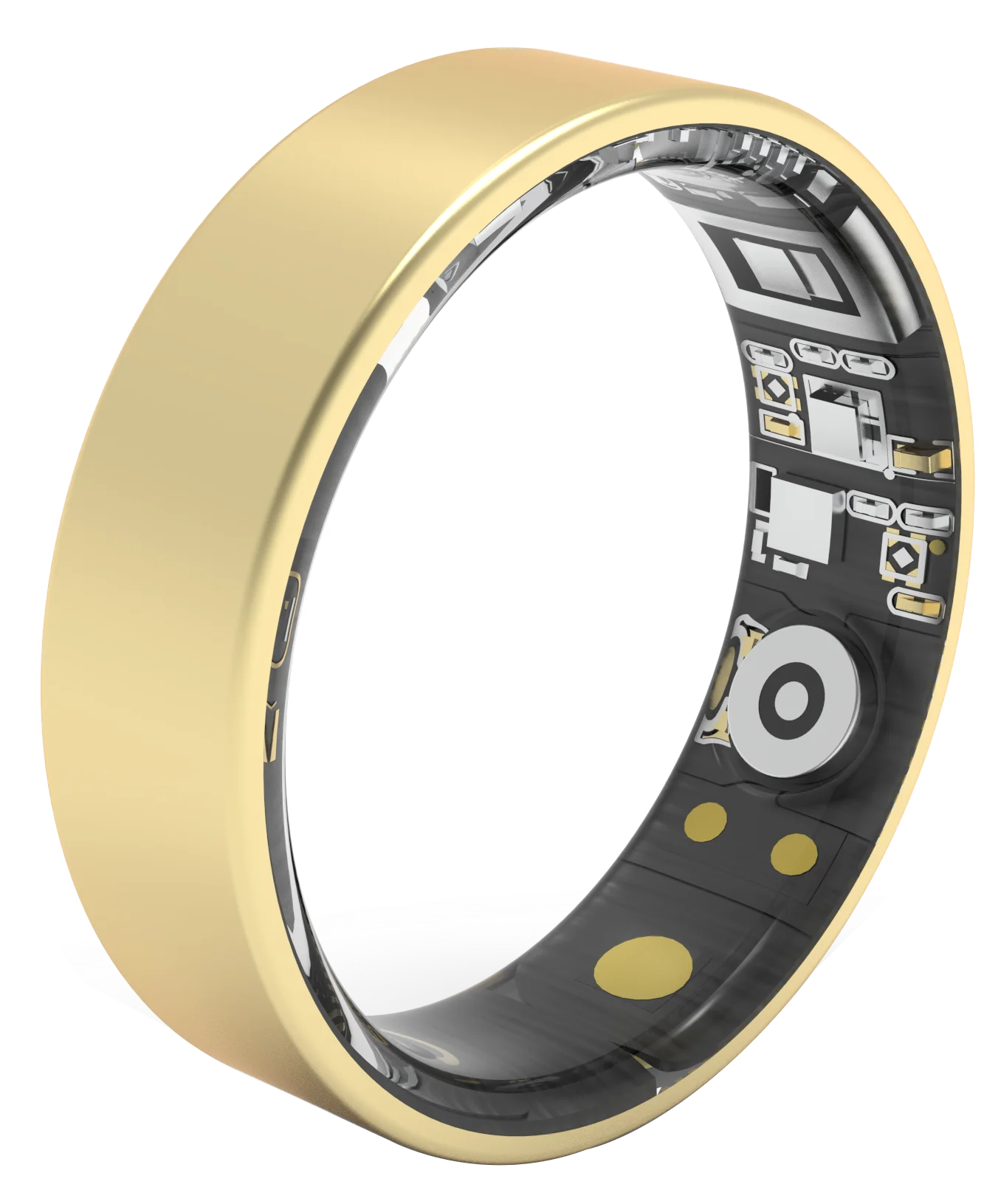
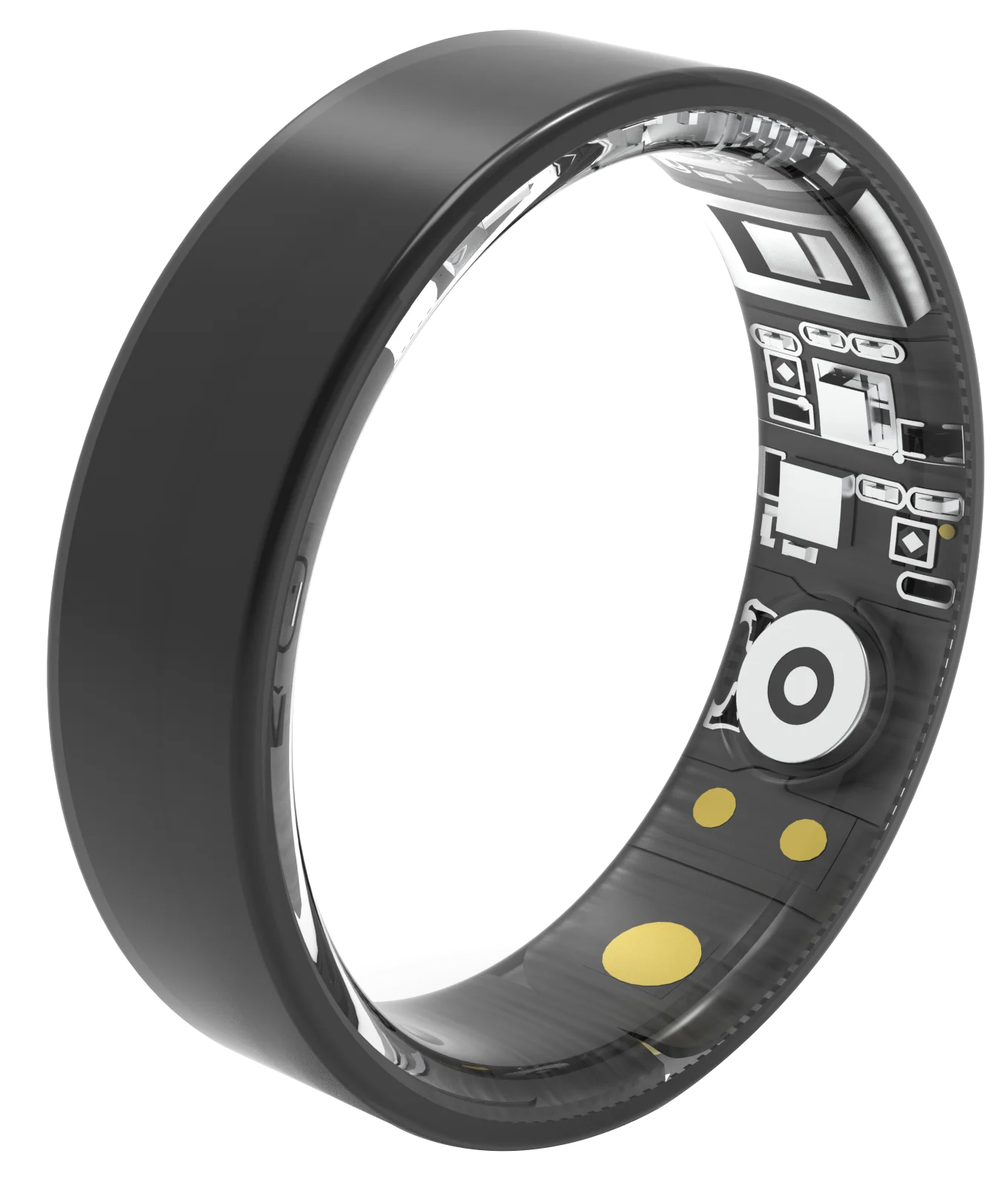
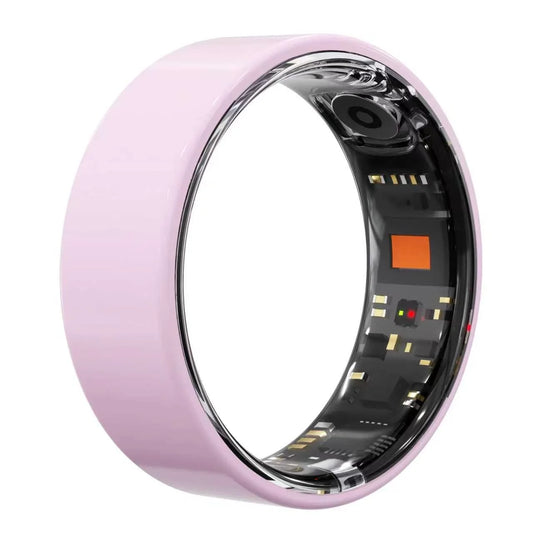
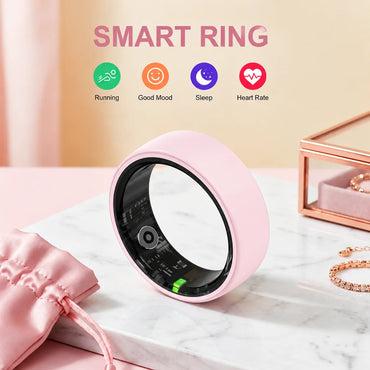
In this guide, we'll compare the two and show where the Osawalla Osawalla Signature Pro Smart Ring and Osawalla Ceramic Pro Smart Ring fit in.

Smart Ring vs Smartwatch: What's the Difference?
The biggest difference is simple:
A smartwatch is designed to be a small computer on your wrist. A smart ring is designed to be a discreet health tracker on your finger.
Smartwatches usually have a display, buttons or touch controls, notifications, apps, and a larger battery. This makes them useful for communication, workouts, navigation, and everyday productivity.
Smart rings remove the screen and focus more heavily on continuous health and wellness tracking.
Because there is no display, you don't need to constantly check your wrist. You simply wear the ring and review your health trends later through the app.
For people who don't want another screen in their daily life, this can make a smart ring much easier to wear—especially during sleep.
Smart Ring vs Smartwatch Comparison
|
Feature |
Osawalla Smart Ring |
Smartwatch |
|
Sleep tracking |
✅ Yes |
✅ Yes |
|
Heart rate tracking |
✅ Yes |
✅ Yes |
|
HRV tracking |
✅ |
✅ Most models |
|
Blood oxygen tracking |
✅ |
✅ Many models |
|
Stress tracking |
✅ |
✅ Most models |
|
Activity tracking |
✅ Yes |
✅ Yes |
|
Workout modes |
✅ 128+ modes on RP03 |
✅ Yes |
|
Screen |
❌ Screen-free |
✅ Display |
|
Notifications |
❌ |
✅ |
|
Phone calls |
❌ |
✅ Many models |
|
GPS |
Osawalla Ceramic Pro Smart Ring supports 5 GPS sports modes |
✅ Usually available |
|
Sleep comfort |
⭐ Very lightweight |
Moderate |
|
Weight |
approx. 4g |
Usually much heavier |
|
Battery |
4–6 days |
Usually 1–7+ days |
|
Water resistance |
5ATM / IP68 |
Depends on model |
|
Monthly subscription |
✅ No recurring subscription |
Usually no device subscription |
|
Main purpose |
Health, sleep & wellness tracking |
Smart features + fitness |
The biggest advantage of a smart ring isn't necessarily having more features.
It's how easily you can wear it all day and night.
Why Choose a Smart Ring Instead of a Smartwatch?
1. More Comfortable for 24/7 Wear
A smartwatch sits on your wrist and can feel noticeable, especially when sleeping.
A smart ring is much smaller and lighter.
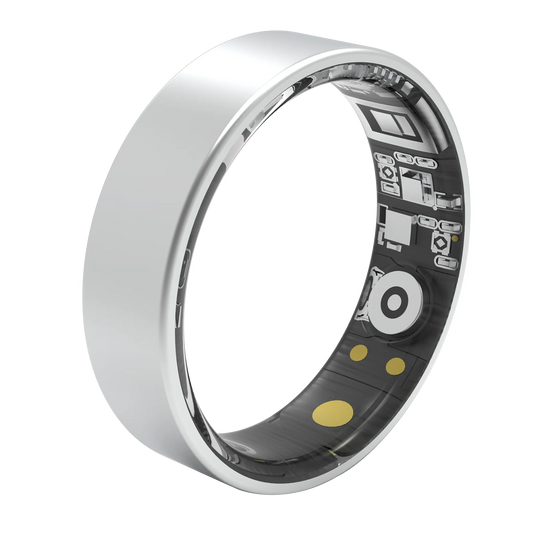
The Osawalla Ceramic Pro Smart Ring weighs approximately 4g and is only 2.6mm thick, making it designed for continuous everyday wear.
You can wear it while working, exercising, traveling, relaxing, and sleeping without the feeling of wearing a large electronic device.
2. Better Suited for Sleep Tracking
Sleep is one of the biggest reasons people choose smart rings.
You don't need to look at a screen during the night. The ring simply stays on your finger while collecting sleep-related data.
The Osawalla Ceramic Pro Smart Ring can track:
· Sleep stages
· Sleep quality
· Sleep heart rate
· HRV
· Blood oxygen during sleep
· Body temperature variation
· Circadian rhythm
· Sleep timing
· Nighttime activity
Instead of checking your watch during the night, you can review your sleep data when you wake up.
3. Health Tracking Without Another Screen
A smartwatch constantly gives you information through its display.
That can be useful—but it can also mean more notifications, more distractions, and another screen competing for your attention.
A smart ring takes a quieter approach.
Wear it throughout the day, then check your health trends through the app when you actually want to.
For users who want screen-free health tracking, this is one of the biggest advantages of a smart ring.
4. No Monthly Subscription
This is an important difference when considering the long-term cost of a smart ring.
Some smart-ring brands use a subscription model to provide access to advanced health insights. For example, Oura currently offers its membership at $5.99/month or $69.99/year in the U.S. and says membership provides access to its full feature and data experience.
Other brands, such as RingConn, currently promote their rings as having no subscription fee for core features.
Osawalla takes the no-recurring-fee approach.
With Osawalla Signature Pro Smart Ring and Osawalla Ceramic Pro Smart Ring, you pay for the ring without adding a required monthly subscription to access the core health-tracking experience.
That means:
Pay once. Wear it every day. Keep tracking your health without another monthly bill.
For anyone comparing the real long-term cost of wearable devices, this can make a significant difference.
Osawalla Signature Pro Smart Ring vs Osawalla Ceramic Pro Smart Ring: Which Smart Ring Should You Choose?
If you're considering an Osawalla smart ring, the choice between Osawalla Signature Pro Smart Ring and Osawalla Ceramic Pro Smart Ring depends on how much health data you want.
Osawalla Signature Pro Smart Ring
The Osawalla Signature Pro Smart Ring is a simpler option for users who want essential health and sleep tracking without paying for unnecessary extras.
It's a good choice if you mainly want:
· Everyday health tracking
· Heart rate monitoring
· Sleep tracking
· Activity tracking
· A lightweight smart ring
· A more affordable entry point
Best for: beginners and users who want essential health and sleep tracking.
Osawalla Ceramic Pro Smart Ring
The Osawalla Ceramic Pro Smart Ring is designed for users who want a more complete health and fitness tracking experience.
It adds more advanced health metrics and activity features, including:
· Dynamic heart rate tracking
· HRV monitoring
· Blood oxygen monitoring
· Stress tracking
· Sleep analysis
· Body temperature variation
· Menstrual cycle tracking
· 128+ sports modes
· 5 GPS sports modes
· Automatic walking and running recognition
· Step and calorie tracking
· Sedentary reminders
· Heart-rate alerts
· Apple Health integration
· Gesture-controlled photography
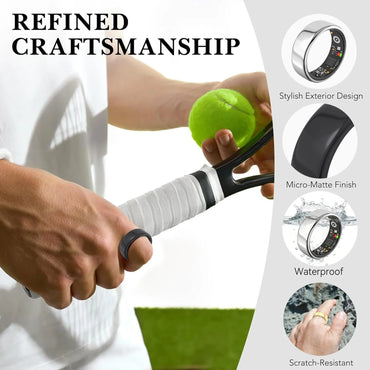
The RP03 also offers 4–6 days of battery life, 5ATM/IP68 water resistance, and a lightweight 4g stainless-steel design.
Best for: users who want deeper health insights, sleep tracking, fitness tracking, and more detailed daily data.
Smart Ring vs Smartwatch for Fitness
Smartwatches still have an advantage when you need a screen during exercise.
You can check your pace, heart rate, workout time, notifications, and other information directly from your wrist.
But smart rings have another advantage: they are easier to wear all day.
The Osawalla Ceramic Pro Smart Ring supports 128+ sports modes, including walking, running, cycling, basketball, football, hiking, tennis, golf, yoga, dancing, rowing, and more.
It also supports five GPS-based activities:
· GPS Walking
· GPS Running
· GPS Outdoor Cycling
· GPS Trail Running
· GPS Hiking
This makes the Osawalla Ceramic Pro Smart Ring suitable for people who want to track a wide range of activities without wearing a large smartwatch throughout the day.
Smart Ring vs Smartwatch for Sleep
If sleep is your main priority, a smart ring is worth considering.
A ring doesn't have a bright display, doesn't need to be interacted with during the night, and takes up very little space on your body.
The Osawalla Ceramic Pro Smart Ring monitors multiple aspects of sleep, including sleep stages, sleep quality, nighttime heart rate, HRV, blood oxygen, activity during sleep, and circadian rhythm.
It can also provide insights into your best sleep time and sleep patterns.
This makes a smart ring especially useful for people who want to understand not just how long they slept, but how their sleep patterns change over time.
When Is a Smartwatch Better?
A smart ring isn't automatically better than a smartwatch.
A smartwatch may be the better option if you need:
· A large display
· Phone notifications
· Calls
· Music controls
· On-screen navigation
· Standalone GPS
· Interactive workout controls
· Apps directly on your wrist
In other words:
Choose a smartwatch if you want a wearable computer.
Choose a smart ring if you want a discreet health tracker.
And if you already own a smartwatch, a smart ring can also complement it rather than replace it.
 What Should You Look for When Buying a Smart Ring?
Before buying a smart ring, consider these five things.
1. Health Tracking
Look beyond basic step counting.
If health tracking is your main reason for buying, look for features such as heart rate, HRV, blood oxygen, sleep tracking, stress, activity, and temperature variation.
2. Comfort
A smart ring needs to be comfortable enough to wear while sleeping.
Look at weight, thickness, material, and available sizes.
The Osawalla RP03 is 4g and 2.6mm thick, with sizes from #6 to #13.
3. Battery Life
A wearable is only useful when you actually wear it.
RP03 provides approximately 4–6 days of battery life and uses magnetic charging.
4. Water Resistance
If you plan to wear your ring while washing your hands, exercising, or swimming, water resistance matters.
RP03 is rated 5ATM/IP68.
5. Subscription Cost
Don't only look at the purchase price.
Consider the total cost of ownership.
A cheaper device that requires a monthly subscription may cost more over several years.
Osawalla Signature Pro Smart Ring and Osawalla Ceramic Pro Smart Ring do not require a monthly subscription for their core health-tracking features.
Smart Ring or Smartwatch: Which One Is Right for You?
Here's a simple way to decide:
Choose a smart ring if you want:
· Comfortable 24/7 wear
· Sleep tracking
· Health monitoring
· HRV and recovery insights
· Screen-free tracking
· Lightweight design
· Long-term health trends
· No required monthly subscription
Choose a smartwatch if you want:
· A display
· Notifications
· Calls
· Apps
· GPS navigation
· Music controls
· On-screen workout information
For many people, the decision isn't about choosing one technology over the other.
It's about choosing the wearable that fits their lifestyle.
FAQ
Is a smart ring better than a smartwatch?
It depends on your priorities. A smart ring is generally better suited to discreet, continuous health and sleep tracking, while a smartwatch offers more interactive features such as notifications, apps, GPS, and an on-screen experience.
Is a smart ring good for sleep tracking?
Yes. Smart rings are particularly suitable for sleep tracking because they are lightweight, screen-free, and designed for continuous wear. Osawalla Ceramic Pro Smart Ring tracks sleep stages, sleep quality, nighttime heart rate, HRV, blood oxygen, and other sleep-related metrics.
Do I need a subscription for Osawalla smart ring?
No. Osawalla Signature Pro Smart Ring and Osawalla Ceramic Pro Smart Ring do not require a monthly subscription for their core health-tracking features. You can purchase the ring once and use its supported health and activity tracking features without a recurring monthly membership fee.
Does Osawalla Ceramic Pro Smart Ring track HRV?
Yes. Osawalla Ceramic Pro Smart Ring supports continuous HRV monitoring, historical HRV data, HRV trend analysis, and average HRV calculations.
Can Osawalla Ceramic Pro Smart Ring track workouts?
Yes. RP03 supports more than 128 sports modes, along with five GPS-based activities including running, walking, cycling, trail running, and hiking.
How long does Osawalla Ceramic Pro Smart Ring battery last?
Osawalla Ceramic Pro Smart Ring provides approximately 4–6 days of battery life, depending on usage and monitoring settings.
Is Osawalla Ceramic Pro Smart Ring waterproof?
Osawalla Ceramic Pro Smart Ring has a 5ATM/IP68 water-resistance rating, making it suitable for everyday exposure to water and active lifestyles.
Final Thoughts: Smart Ring vs Smartwatch
The best wearable isn't necessarily the one with the most features.
It's the one you will actually wear.
A smartwatch is ideal if you want notifications, apps, GPS, calls, and a display on your wrist.
A smart ring is a better fit if your priority is comfortable 24/7 health and sleep tracking without another screen or required monthly subscription.
For essential health tracking, the Osawalla Signature Pro Smart Ring provides a simpler entry point.
For users who want more advanced health, sleep, fitness, HRV, blood oxygen, stress, temperature variation, and activity tracking, the Osawalla Ceramic Pro Smart Ring offers a more complete experience.
And unlike subscription-based models, Osawalla gives you a simpler ownership model: buy the ring once and keep tracking without a required monthly fee.
Ready to try screen-free health tracking?
Explore Osawalla Ceramic Pro Smart Ring and Osawalla Signature Pro Smart Ring to find the smart ring that fits your lifestyle.
Track more. Wear less. Pay once.


