

























Sleep Contributors: What Affects Your Sleep Quality?
A good night's sleep is about more than how many hours you spend in bed.
Your sleep quality can be influenced by how long you sleep, how your sleep is distributed across different stages, how restful your night is, and when you go to bed and wake up.
These factors are known as sleep contributors.
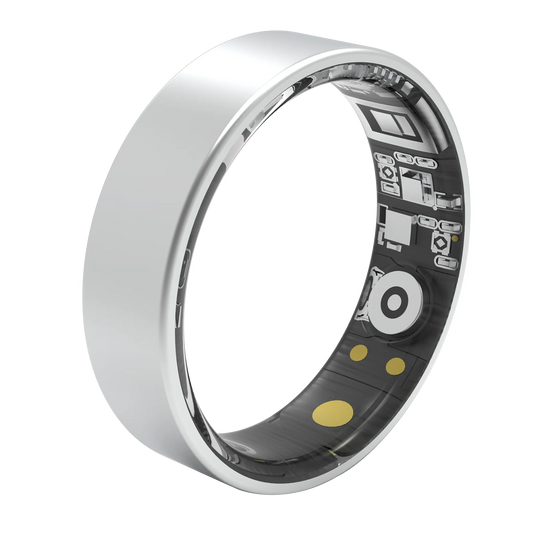
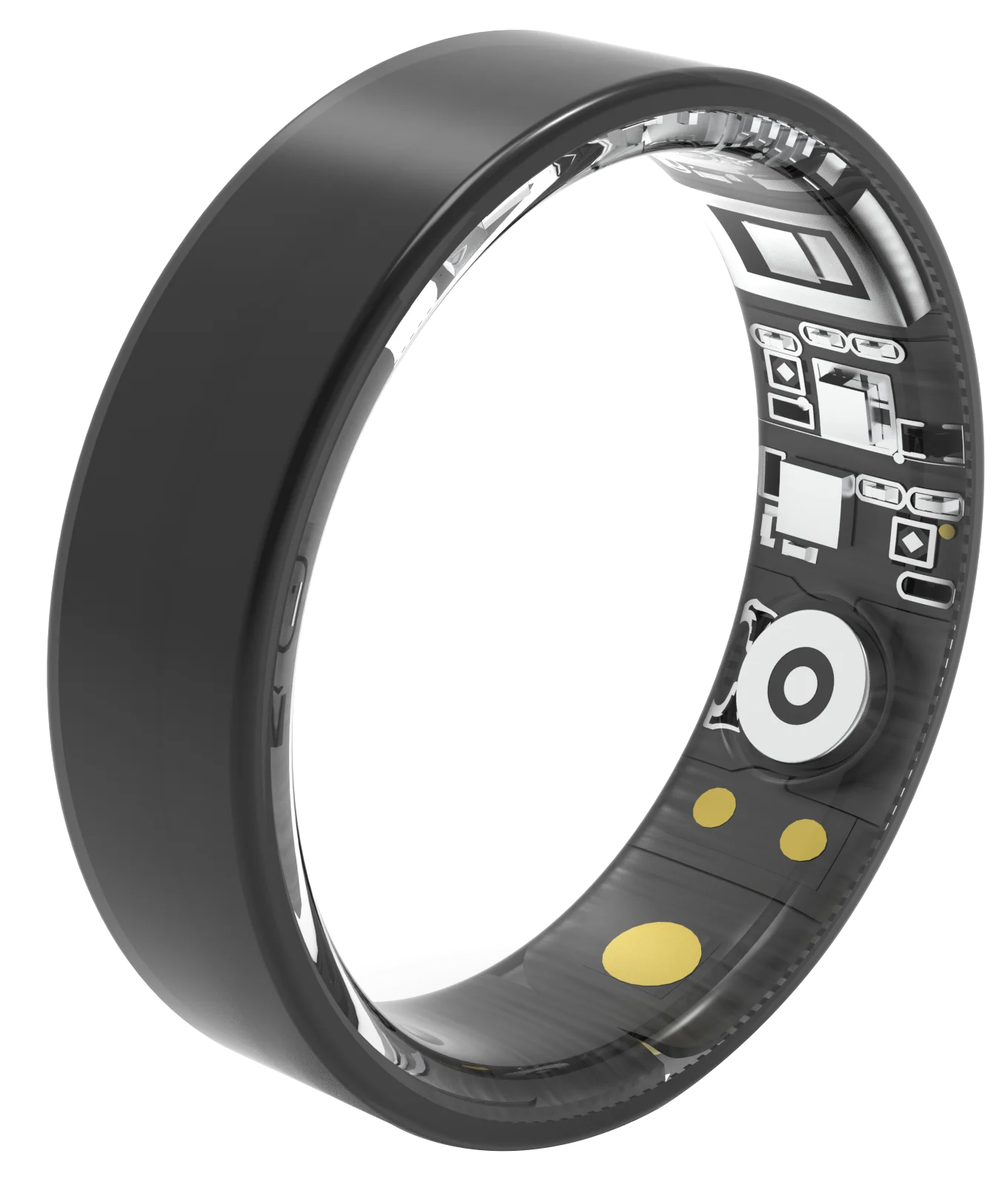
Osawalla Smart Ring brings your sleep data together to help you understand these different aspects of your sleep. By looking at your personal patterns over time, you can better understand your sleep and build healthier sleep habits.
What Are Sleep Contributors?
Sleep contributors are the different measurements and patterns that provide insight into your overall sleep.
Instead of looking at sleep as a single number, looking at different contributors can give you a more complete picture of your night.
Key sleep contributors include:
- Total Sleep
- Sleep Quality
- Sleep Stages
- Sleep Timing
Each contributor tells you something different.
For example, Total Sleep shows how long you slept, while Sleep Stages show how your sleep was distributed throughout the night. Sleep Timing helps you understand your sleeping schedule, while Sleep Quality provides a broader view of how restful your night was.
Looking at these factors together can help you recognize patterns in your sleep over time.
Total Sleep
Total Sleep is the amount of time you spend asleep during the night.
For most adults, around 7–9 hours of sleep per night is generally recommended, although individual sleep needs can vary.
Getting enough sleep is an important part of everyday energy, focus, and well-being. However, spending more time in bed does not necessarily mean you had better sleep.
For example, you may spend eight hours in bed but wake up frequently throughout the night. Looking at your other sleep contributors can provide more context about your overall sleep.
With Osawalla Smart Ring, you can review your sleep duration and observe your sleep patterns over time.
Sleep Quality
Sleep Quality looks beyond how long you slept to provide a broader view of how restful your sleep was.
Your sleep quality can be influenced by factors such as:
- Frequent wake-ups
- Nighttime movement
- An inconsistent sleep schedule
- Difficulty falling asleep
- Changes in your usual routine
Two nights with the same amount of sleep can feel very different. One night may be relatively uninterrupted, while another may include frequent periods of wakefulness or restlessness.
Looking at your sleep quality over time can help you identify patterns and understand how your daily routine may relate to your sleep.
Osawalla Smart Ring helps you review your sleep data so you can follow changes in your personal sleep patterns over time.
Sleep Stages
Sleep is not one continuous state. During a typical night, your body moves through different stages of sleep.
The main stages include:
Light Sleep → Deep Sleep → REM Sleep
Each stage plays a different role in your sleep cycle.
Light Sleep
Light Sleep is a natural and common part of your sleep cycle. It serves as a transition between wakefulness and deeper stages of sleep.
You may spend a significant portion of the night in light sleep, and the amount can naturally vary from night to night.
Deep Sleep
Deep Sleep is the deepest stage of non-REM sleep and is associated with physical restoration and recovery.
Deep sleep often occurs more during the earlier part of the night, although your sleep pattern can vary from night to night.
REM Sleep
REM Sleep, or rapid eye movement sleep, is commonly associated with dreaming, memory, learning, and other cognitive processes.
REM sleep tends to occur more frequently during the later part of the night.
The amount of time you spend in each sleep stage can naturally change depending on factors such as your sleep schedule and daily routine.
Osawalla Smart Ring tracks your sleep stages and presents your sleep data in the app, helping you see how your sleep is distributed throughout the night.
Sleep Timing
Sleep Timing refers to when you go to sleep and when you wake up.
Getting enough sleep is important, but maintaining a relatively consistent sleep schedule can also be an important part of healthy sleep habits.
Your sleep timing may change because of:
- Work or school
- Travel
- Social activities
- Late-night screen time
- Weekend routines
- Changes in your daily schedule
A consistent sleep schedule can help support healthy sleep habits. The American Academy of Sleep Medicine also recommends maintaining a consistent bedtime routine as part of good sleep practices
By tracking when you fall asleep and wake up, you can see how your sleep schedule changes over time.
Osawalla Smart Ring helps you monitor your sleep timing and recognize patterns in your personal sleep routine.
Understanding Your Sleep Over Time
A single night's sleep does not always tell the whole story.
Your sleep naturally changes from night to night, so it can be more useful to look at your patterns over time rather than focusing on one measurement.
By looking at Total Sleep, Sleep Quality, Sleep Stages, and Sleep Timing together, you can gain a clearer picture of your personal sleep habits.
Osawalla Smart Ring makes it easier to review your sleep data and follow these patterns over time.
Important Note
Osawalla sleep measurements are intended for general wellness and informational purposes only. They are not intended to diagnose, treat, cure, or prevent any medical conditio


