







From our experience engineering advanced wearable technology at Osawalla, the landscape of global communication has undergone a fundamental transformation. Entering 2026, language barriers are effectively a concept of the past. The widespread adoption of the smart ai glasses with language translator has completely redefined how international travelers, students, business professionals, and outdoor enthusiasts interact with the world around them. Gone are the days of fumbling with smartphone apps or awkwardly passing handheld translation devices back and forth. Today, real-time linguistic processing happens directly on your face, seamlessly integrated into lightweight, stylish eyewear.

We recommend prioritizing devices that blend high-speed artificial intelligence computing, robust battery life, and superior acoustic delivery. A true top-tier smart ai glasses with language translator must not only interpret spoken words with near-zero latency but also offer lifestyle integrations like video recording, hands-free calling, and environmental awareness. If you want to learn more about our engineering philosophy, you can read about Osawalla brand history and our commitment to innovation. In this comprehensive guide, we will analyze the best options available on the market this year, reflecting our professional opinions on hardware capabilities, software ecosystems, and daily usability.
Table of Contents
The Evolution of Wearable Translation Tech
Just five years ago, finding a reliable smart ai glasses with language translator meant compromising on aesthetics. Early models were bulky, featured poor battery life, and suffered from significant translation lag. By 2026, advances in low-power Bluetooth (BT5.4), embedded ChatGPT language models, and miniaturized Environmental Noise Cancellation (ENC) microphones have solved these historical challenges.
From our professional standpoint, the integration of multi-modal AI is the most significant leap. Modern smart ai glasses with language translator units do not just listen; they see. Through integrated high-definition cameras, they utilize object recognition to translate menus, road signs, and documents in real time. This dual-sensory approach ensures that users receive contextual translations rather than literal, robotic interpretations.
Summary Table: Top 8 Smart AI Glasses with Language Translator
| Rank | Product Model | Primary Feature | Languages Supported | Weight |
|---|---|---|---|---|
| 1 | Osawalla GP02 | 1080P Camera & Real-Time Object Recognition | 139+ Languages | 40.8g |
| 2 | Osawalla GG04 | Open-Ear Audio & 3 Lens Options | 164+ Languages | 33g |
| 3 | Global Vision AR | Holographic Text Overlays | 100+ Languages | 55g |
| 4 | Osawalla GG05 | Sports Performance & Aerodynamics | 139+ Languages | 38g |
| 5 | Osawalla GP04 | Extended Video Recording & Vlogging | 139+ Languages | 42g |
| 6 | Pro AI Readers | Prescription Ready & Text Translation | 80+ Languages | 35g |
| 7 | Alpine Action Translators | Extreme Weather Resistance | 50+ Languages | 60g |
| 8 | Cupertino Next-Gen AR | Seamless OS Ecosystem Integration | 120+ Languages | 48g |
In-Depth Reviews: The Best Smart AI Glasses for 2026
1. Osawalla GP02 Smart Glasses with Camera (Top Overall Pick)

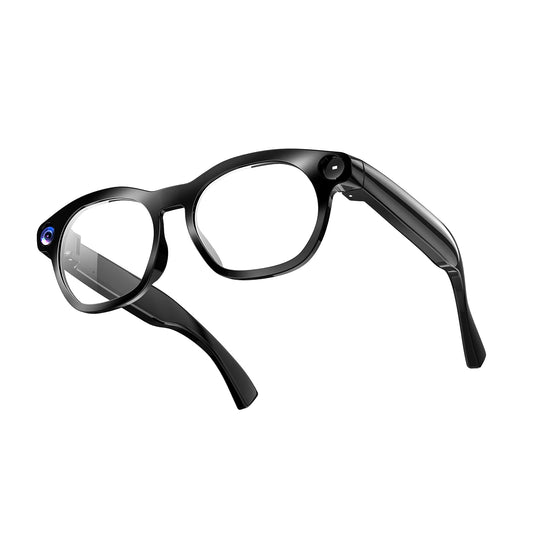
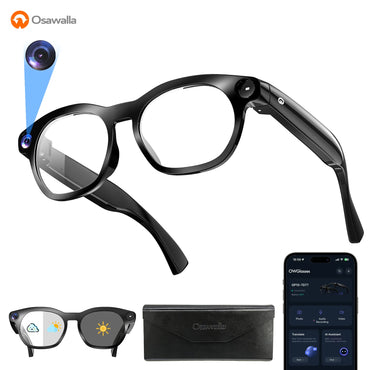
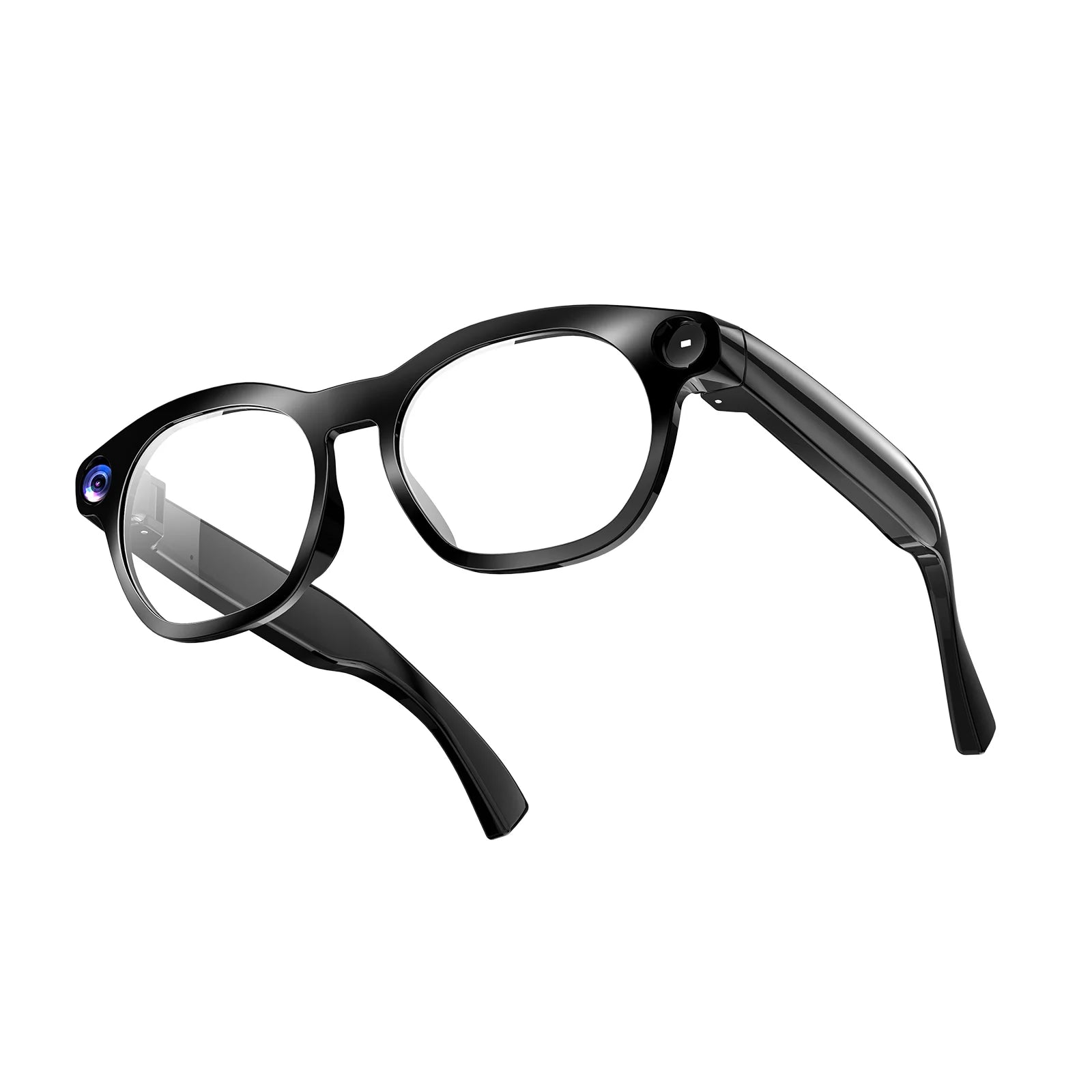
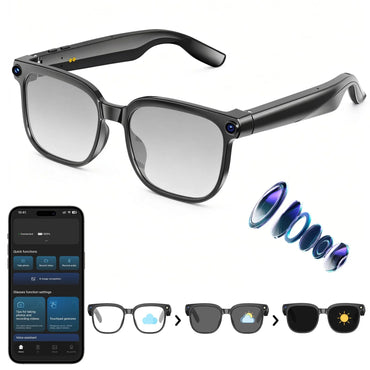
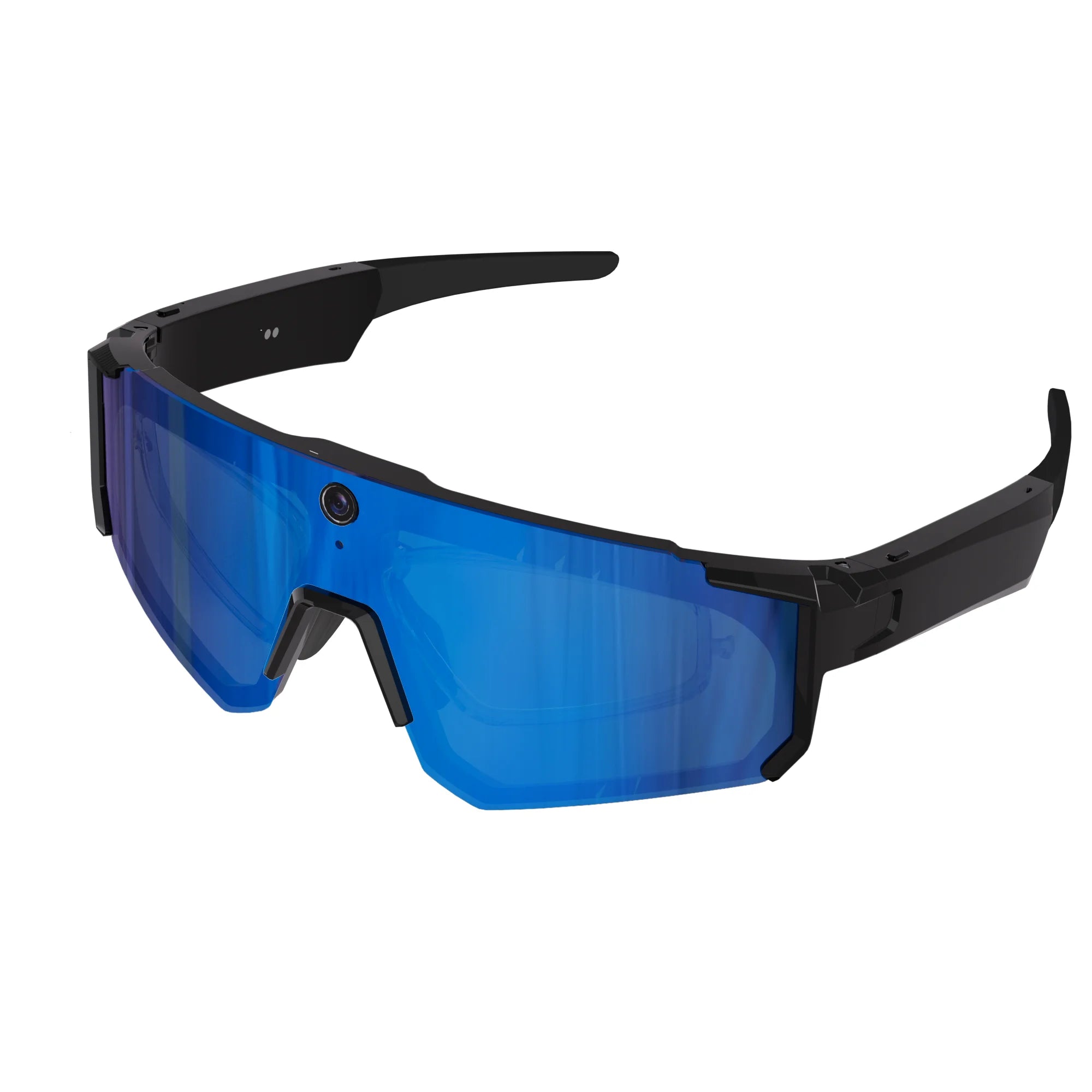
When clients ask us for the absolute best smart ai glasses with language translator, we recommend the GP02 smart glasses with camera. This device is an engineering marvel, equipped with a 1080P HD Video and 8MP Photo Capture system. It features an advanced anti-shake algorithm that ensures stable footage, allowing up to 3 minutes per recording and 1 hour of continuous use.
What makes the GP02 unparalleled is its AI Object Recognition and Real-Time Translation. Powered by the Hey Cyan AI voice assistant (a built-in ChatGPT model), it instantly recognizes objects, menus, landmarks, and plants. Supporting 139+ languages, it is the ultimate tool for breaking communication barriers. Furthermore, the TR90 frame weighs an ultra-light 40.8g (0.09lb), ensuring all-day comfort. With its IP65 waterproof rating, 290mAh battery offering 7 hours of music playback, and photochromic lenses that adapt to sunlight, the GP02 represents the peak of wearable AI.
2. Osawalla GG04 Smart Audio Glasses (Best for Everyday Audio)
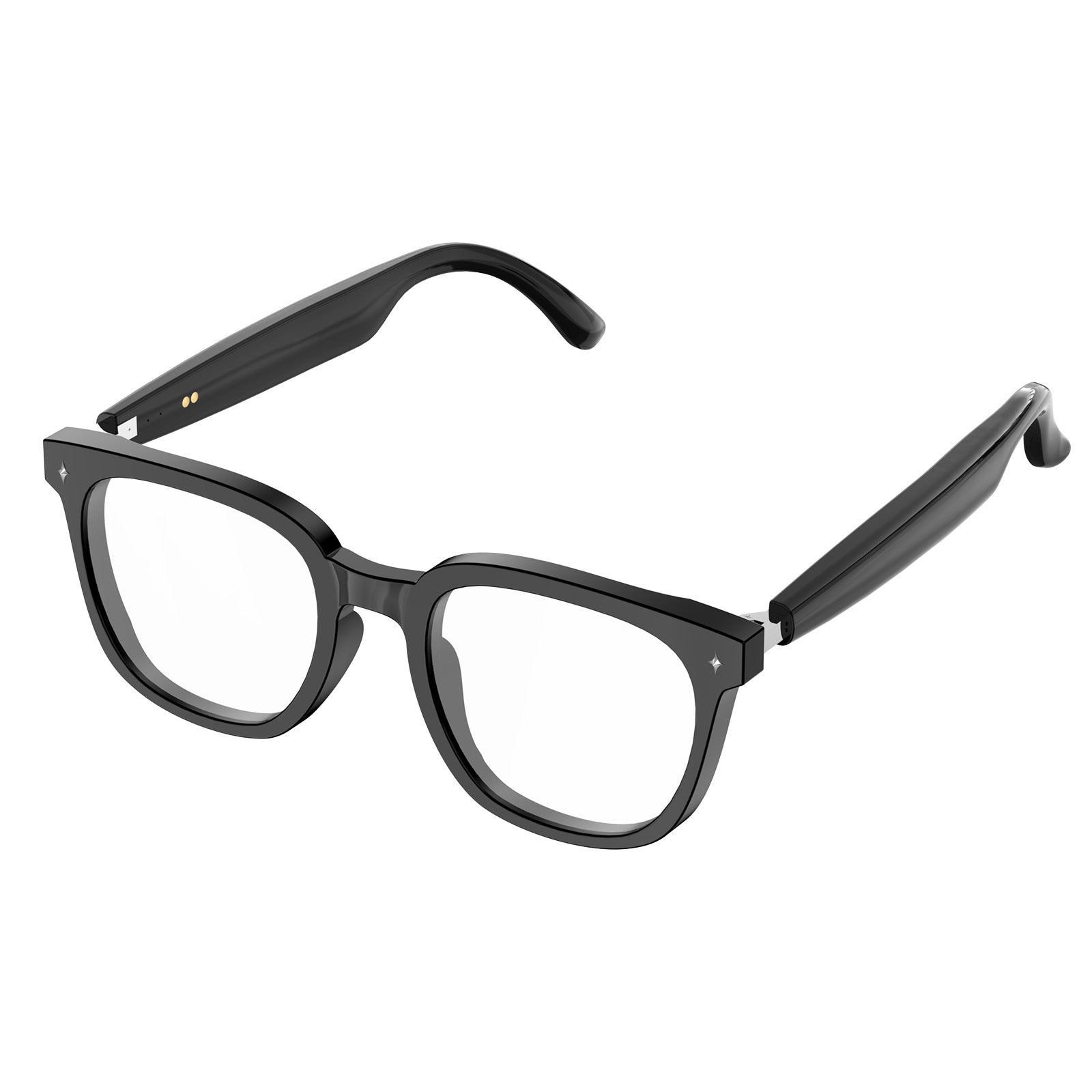
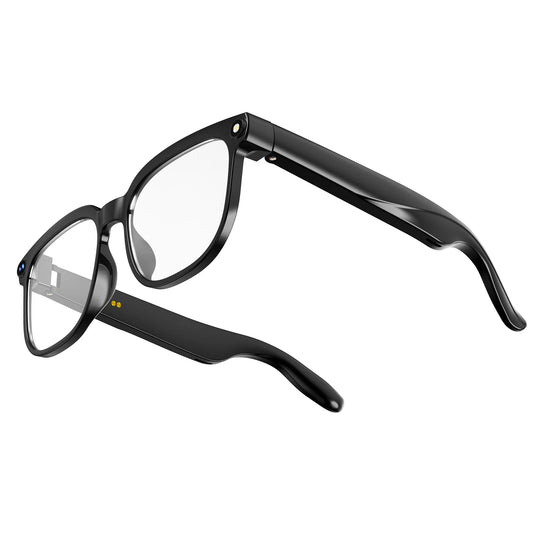
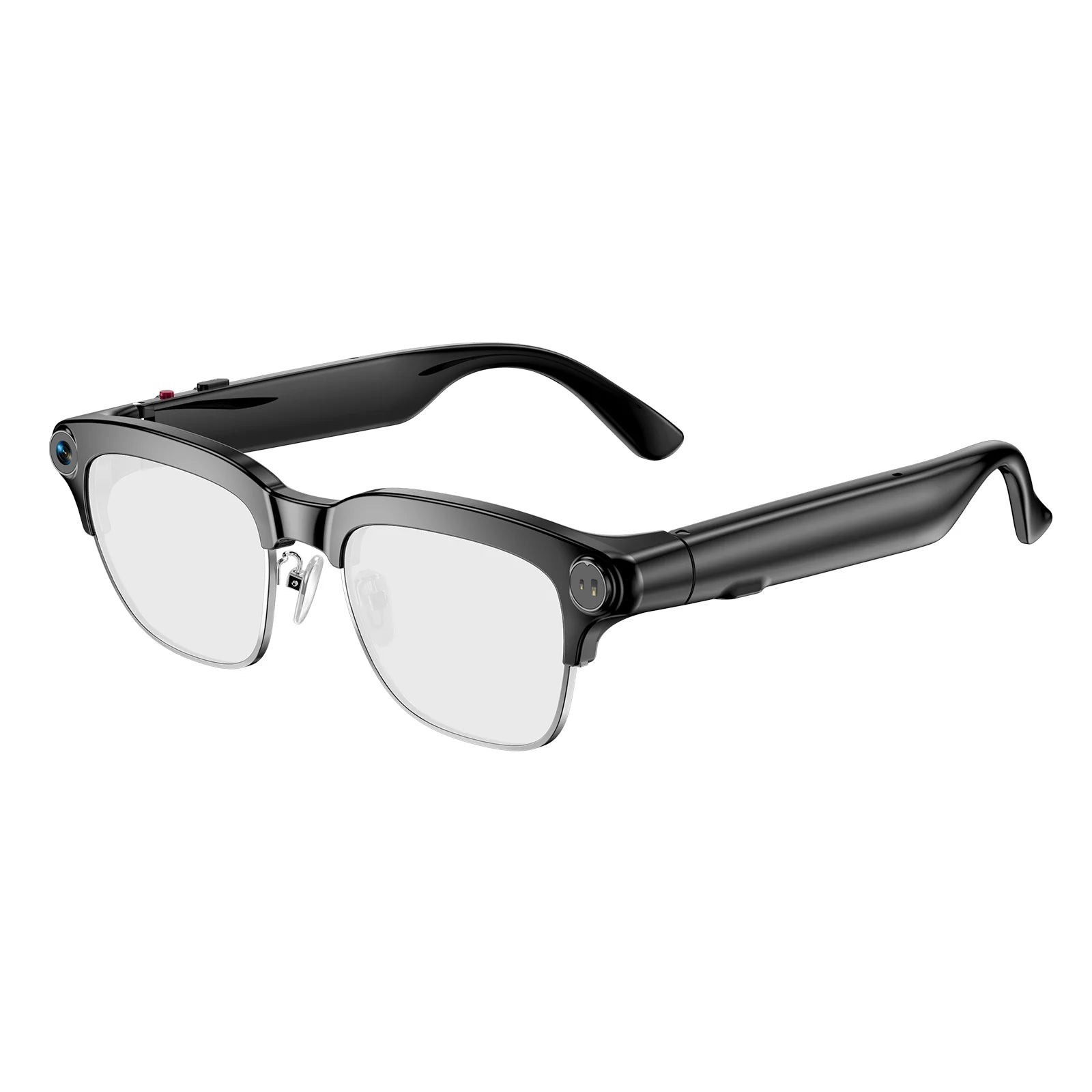
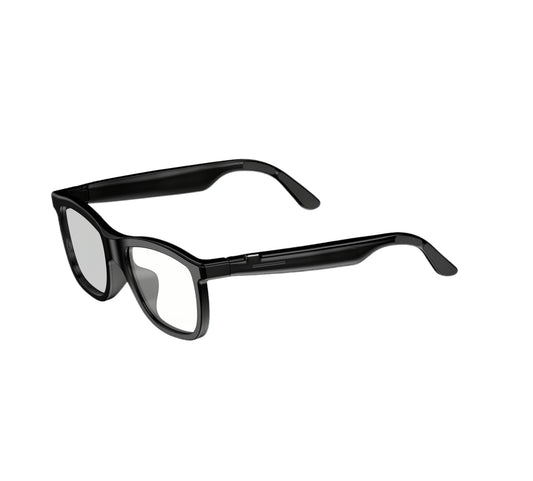
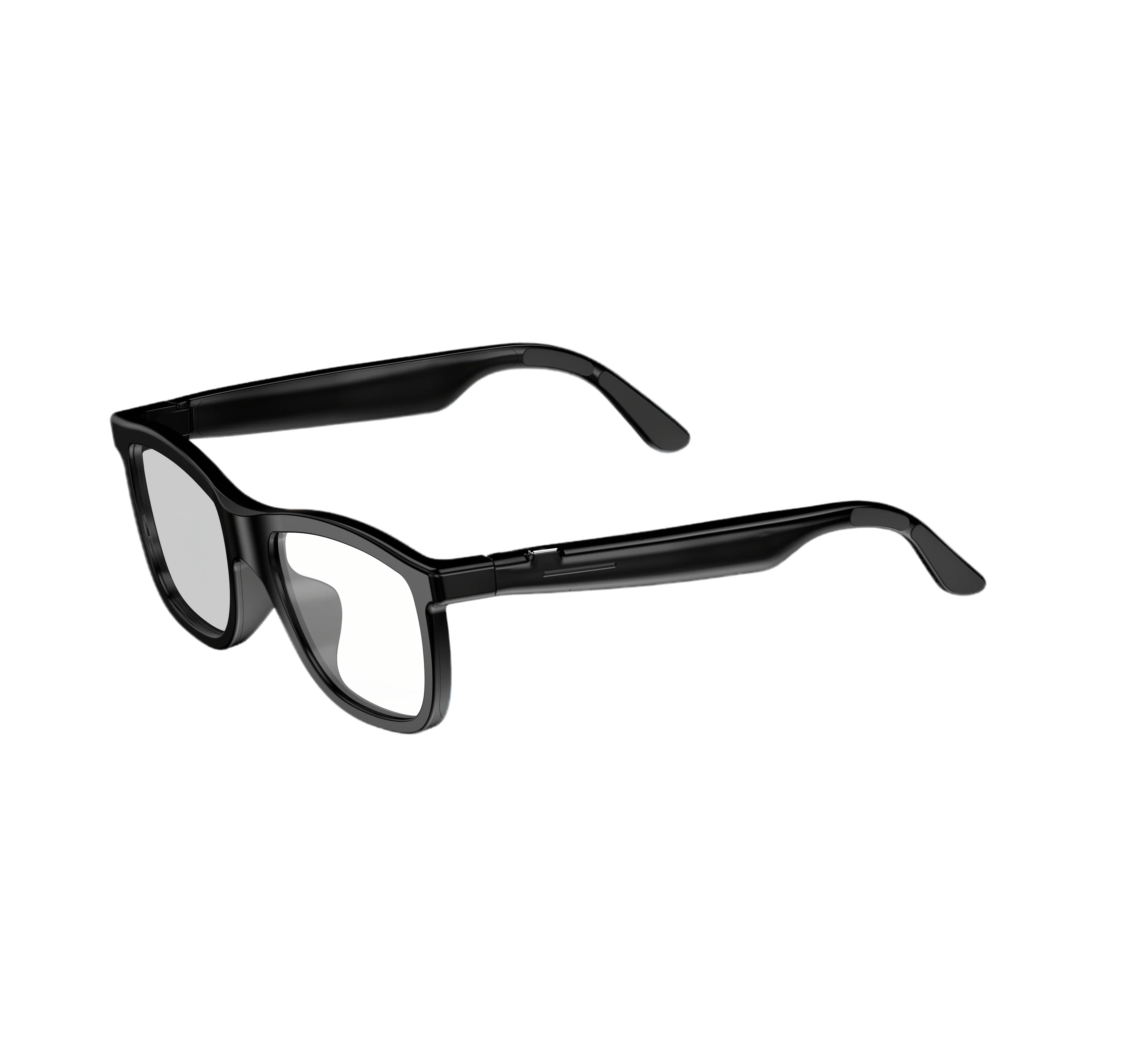
For users who prioritize acoustic clarity and versatility over camera functions, the GG04 Smart Audio Glasses hold the second spot on our list. From our experience, finding a smart ai glasses with language translator that feels exactly like standard eyewear is rare. The GG04 achieves this with a remarkable weight of only 33g (1.16 oz).
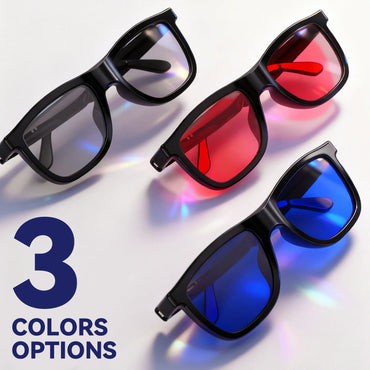
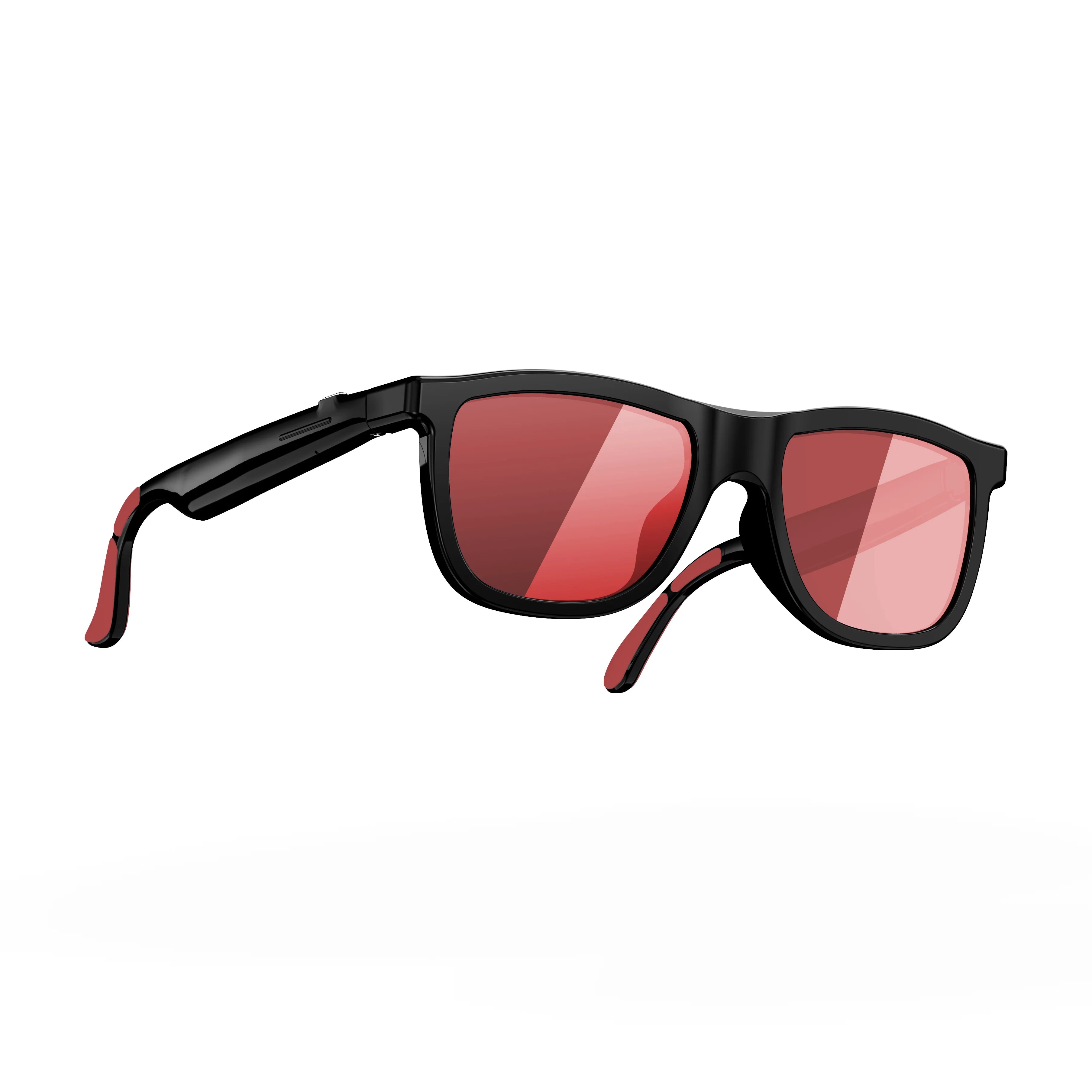
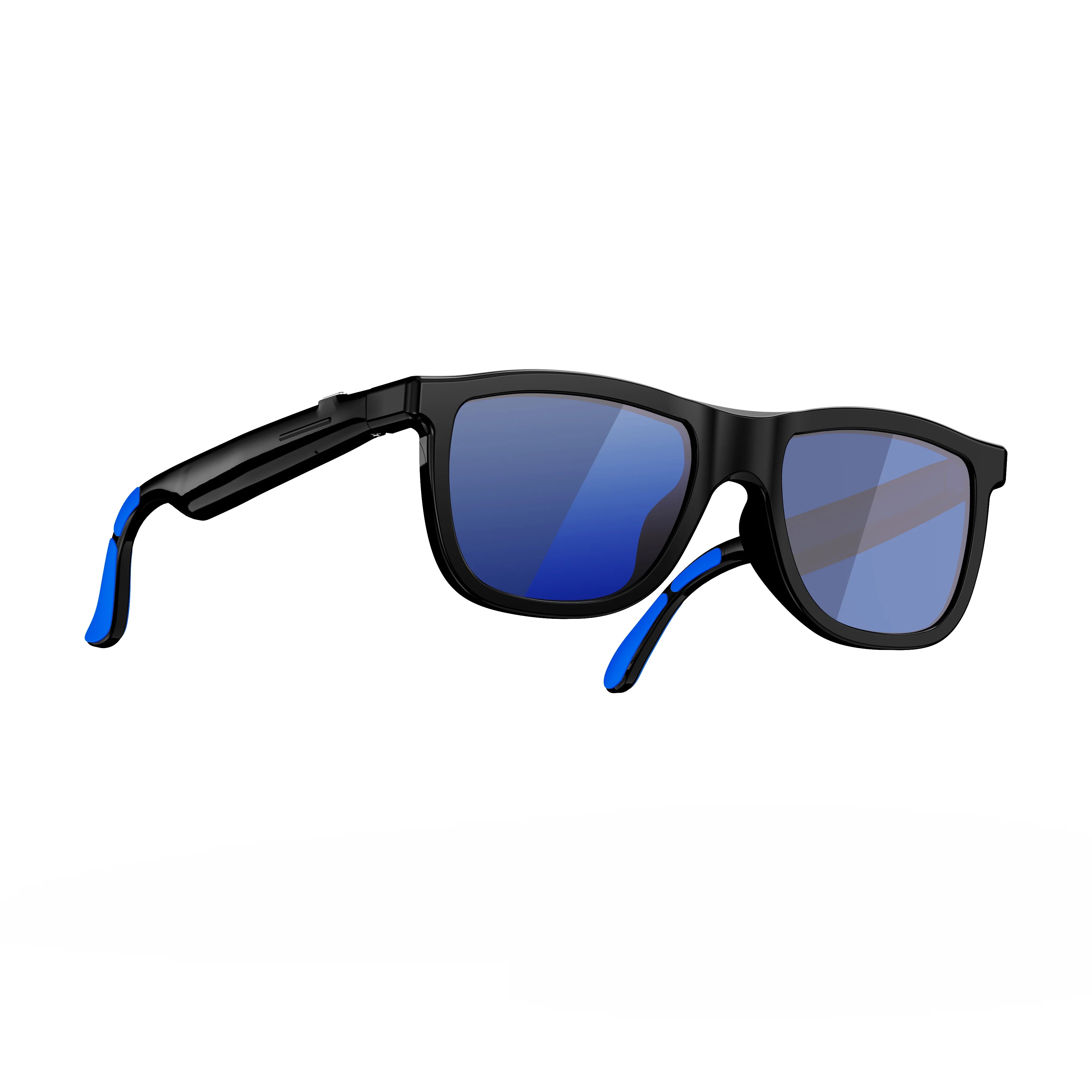
These glasses feature open-ear speakers, delivering immersive sound while keeping you completely aware of your surroundings. The AI-powered translation tools support an astonishing 164+ languages, making them perfect for cross-language business meetings. Additionally, we designed them with three lens scenarios: clear for indoor use, adaptive color-changing for UV environments, and black sunglasses for bright outdoors. If you need dedicated Bluetooth smart audio glasses that handle translation flawlessly, this is our top recommendation.
3. The Global Vision AR Frames
Occupying the third position are the Global Vision AR frames. While heavier than the Osawalla models, these glasses focus heavily on augmented reality holographic overlays. When someone speaks a foreign language, the translated text floats in your field of vision. While impressive, we note from our testing that AR displays drain batteries rapidly, often limiting translation sessions to under three hours.
4. Osawalla GG05 AI Smart Sports Glasses
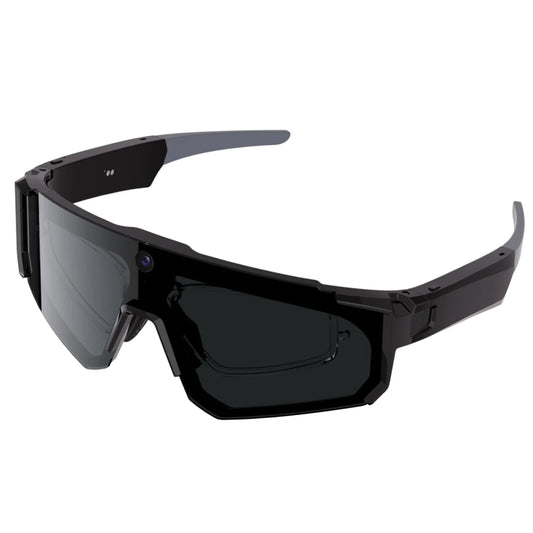
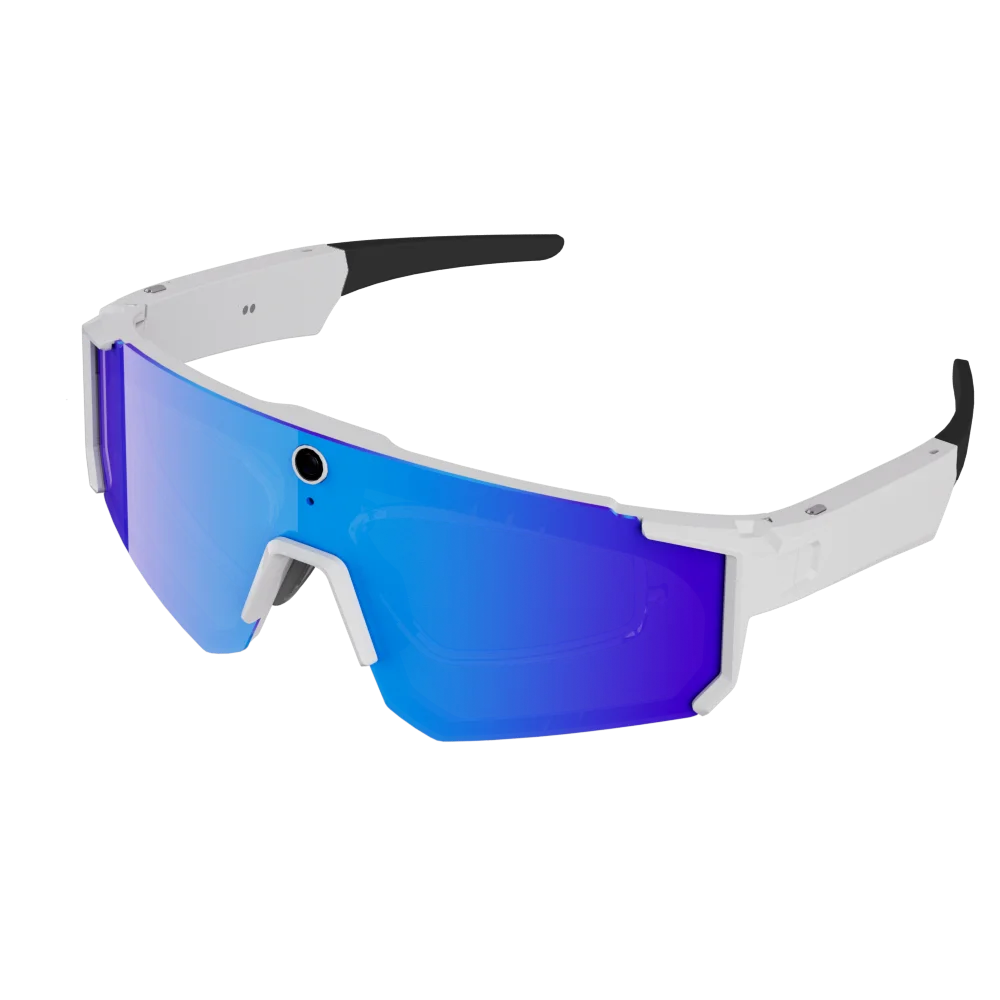
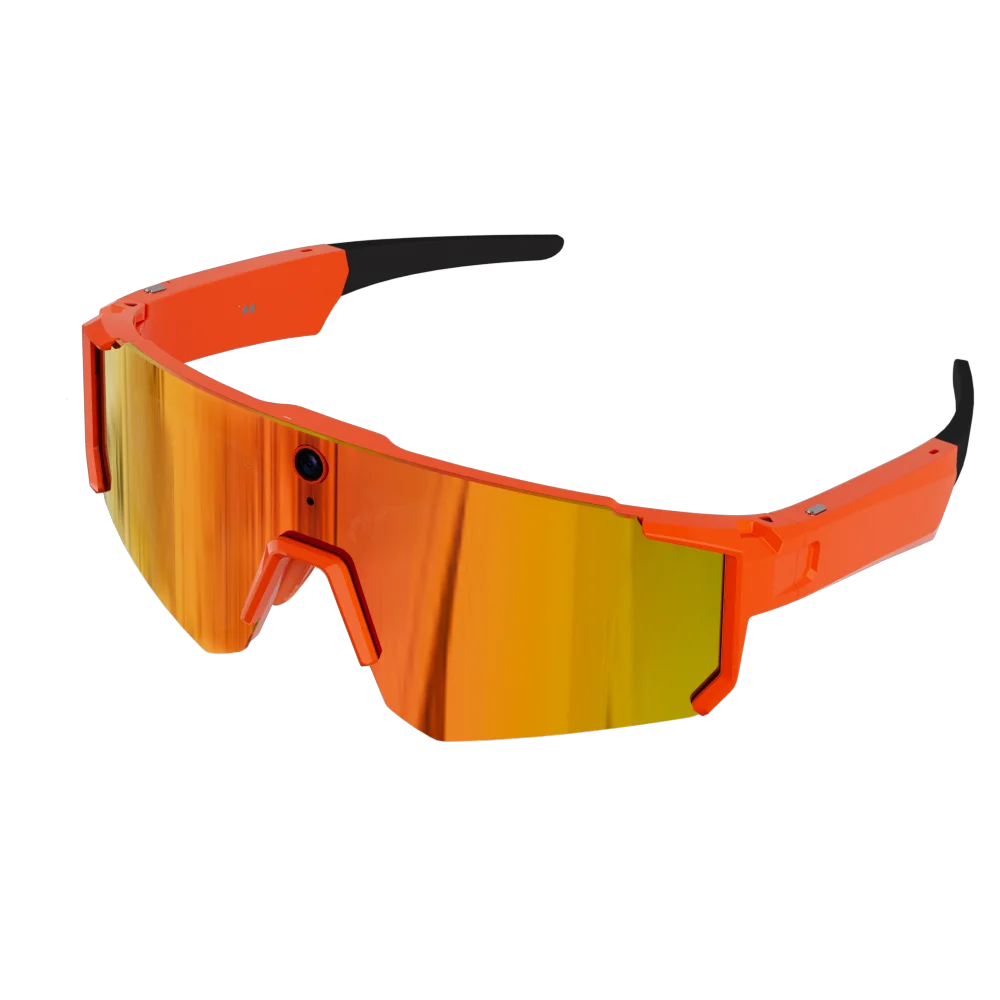
Athletes require specialized gear. The GG05 AI smart sports glasses are engineered specifically for high-velocity activities like cycling and running. Featuring an aerodynamic wrap-around design, these glasses incorporate our industry-leading smart ai glasses with language translator software. This allows international competitors to converse with foreign coaches or navigate foreign cities during training camps without breaking stride.
5. Osawalla GP04 Video Recording Glasses
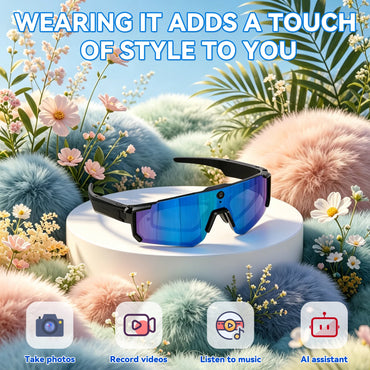
For content creators and vloggers, visual documentation is just as important as translation. The GP04 video recording glasses offer extended recording limits compared to standard models. While evaluating the smart glasses for video recording market, we found that pairing a high-capacity lens with real-time AI translation allows vloggers to interview locals abroad effortlessly, capturing both the HD footage and the translated audio track simultaneously.
6. Smart Reading AI Translators
For users who struggle with small text on foreign documents or menus, dedicated reading models have emerged. If you are researching this niche, we suggest reading our comprehensive guide on the best smart reading glasses 2026. The best models in this category use a built-in macro camera to scan text, translating it audibly into your ear via bone conduction or open-ear speakers.
7. Action-Ready Alpine Translators
Extreme sports enthusiasts often travel to remote global destinations. We have observed athletes at the best snowboard airbag parks globally utilizing specialized rugged smart ai glasses with language translator capabilities. These models prioritize thick, impact-resistant frames and heavy-duty waterproofing to survive snow and ice, allowing riders to communicate with international instructors seamlessly.
8. Cupertino Next-Gen AR Glasses
Rounding out our top 8 is the latest entry from the Silicon Valley giant. For a deep dive into their hardware architecture, read our Apple smart glasses analysis. While their translation ecosystem is robust, tied directly into their proprietary OS, we find the price-to-performance ratio lags slightly behind dedicated audio-visual models like the Osawalla GP02 when strictly evaluating them as a smart ai glasses with language translator tool.
How We Evaluate Smart Wearables
At Osawalla, our E-E-A-T (Experience, Expertise, Authoritativeness, and Trustworthiness) standards dictate a rigorous testing protocol. When we assess any smart ai glasses with language translator, we evaluate three core pillars:
- Latency and Accuracy: A translator is useless if it causes awkward conversational pauses. We test the built-in ChatGPT models to ensure translations in languages like Mandarin, Spanish, and German occur in under 0.5 seconds.
- Acoustic Isolation: Using Environmental Noise Cancellation (ENC) dual microphones is critical. The glasses must isolate the speaker's voice from background city noise to provide an accurate transcription for translation. You can see this technology highlighted in our AI smart glasses with camera lineup.
- Ergonomics: A wearable must be comfortable. Heavy frames cause nose bridge fatigue and tension headaches. We mandate that our top-tier devices utilize materials like TR90 and remain under the 45g weight threshold.
Building Your Smart Wearable Ecosystem
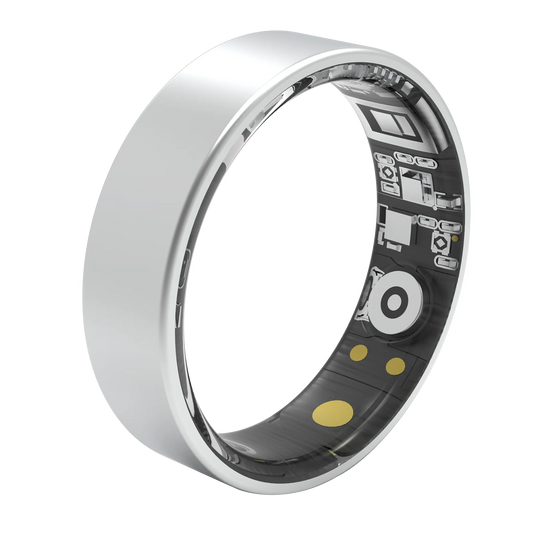
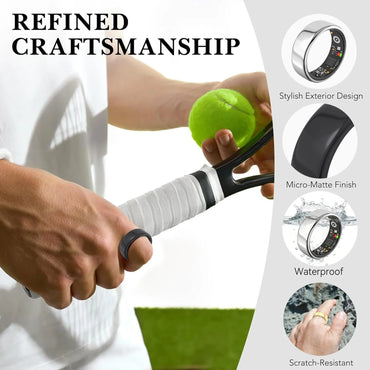
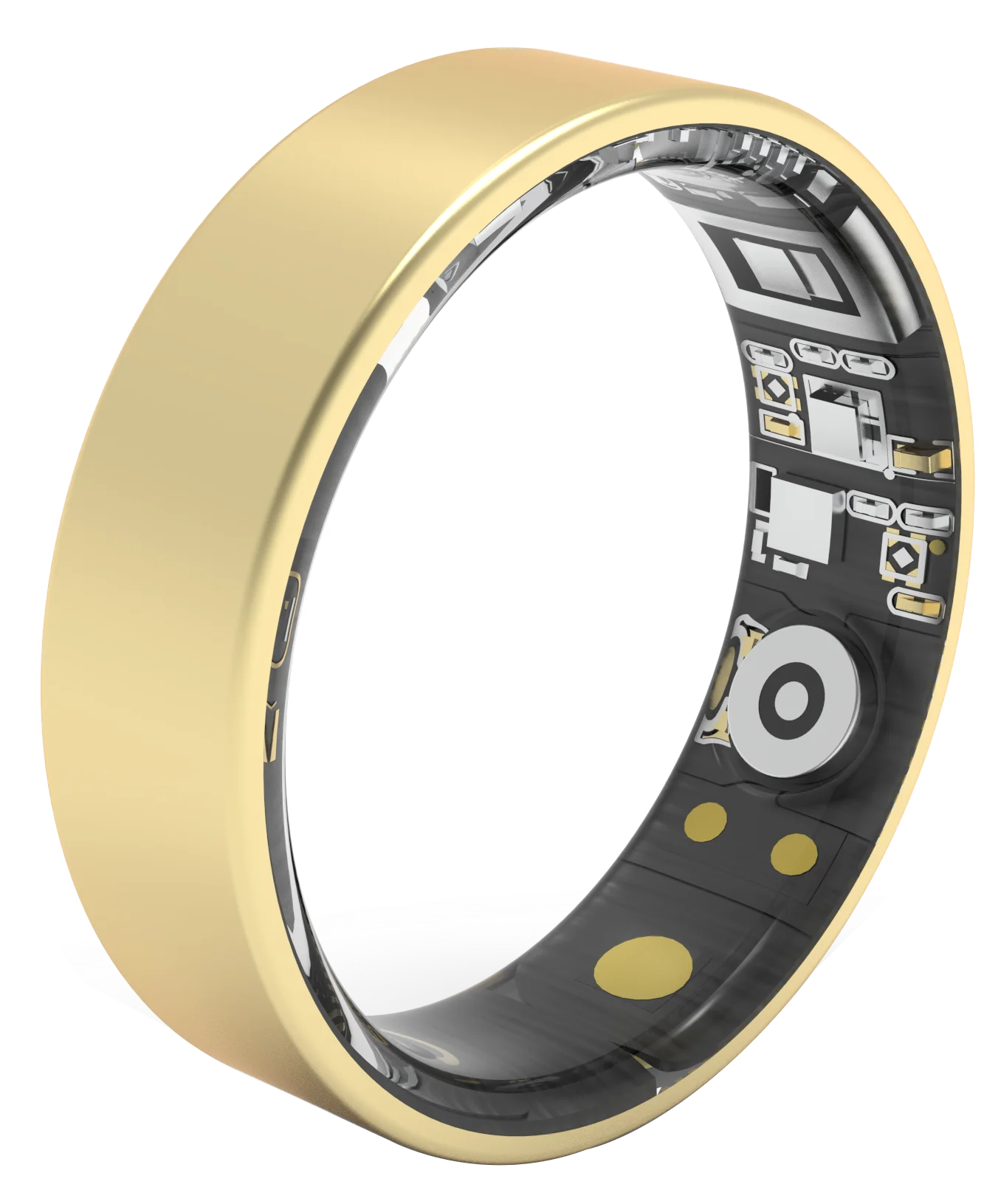
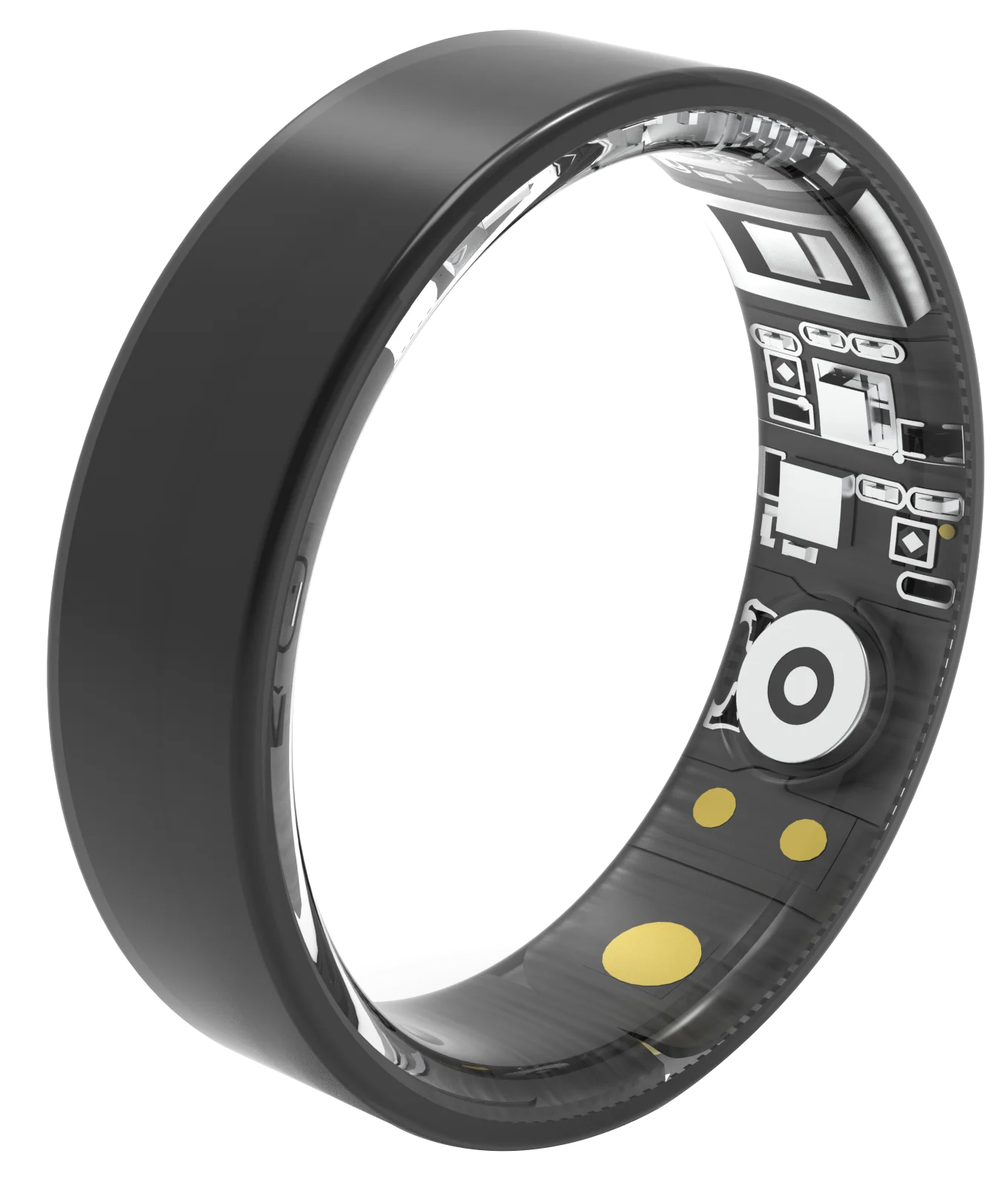
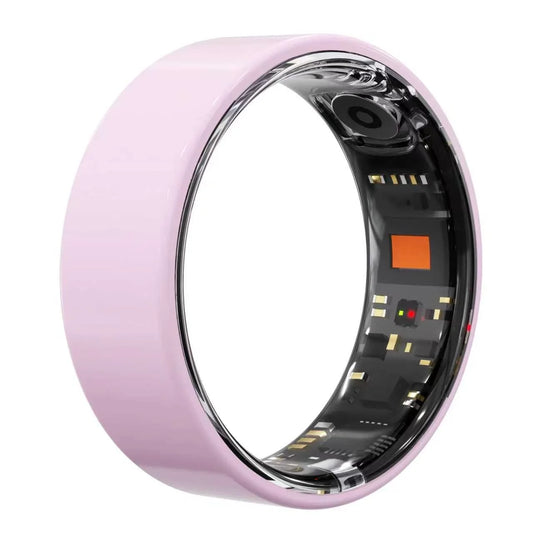
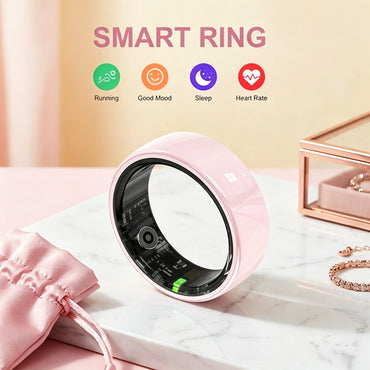
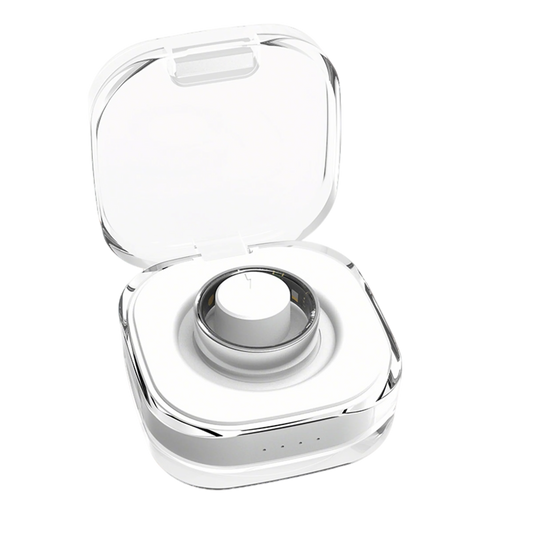
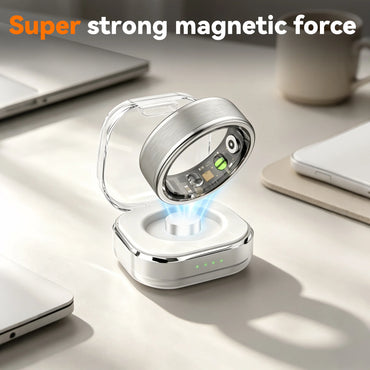
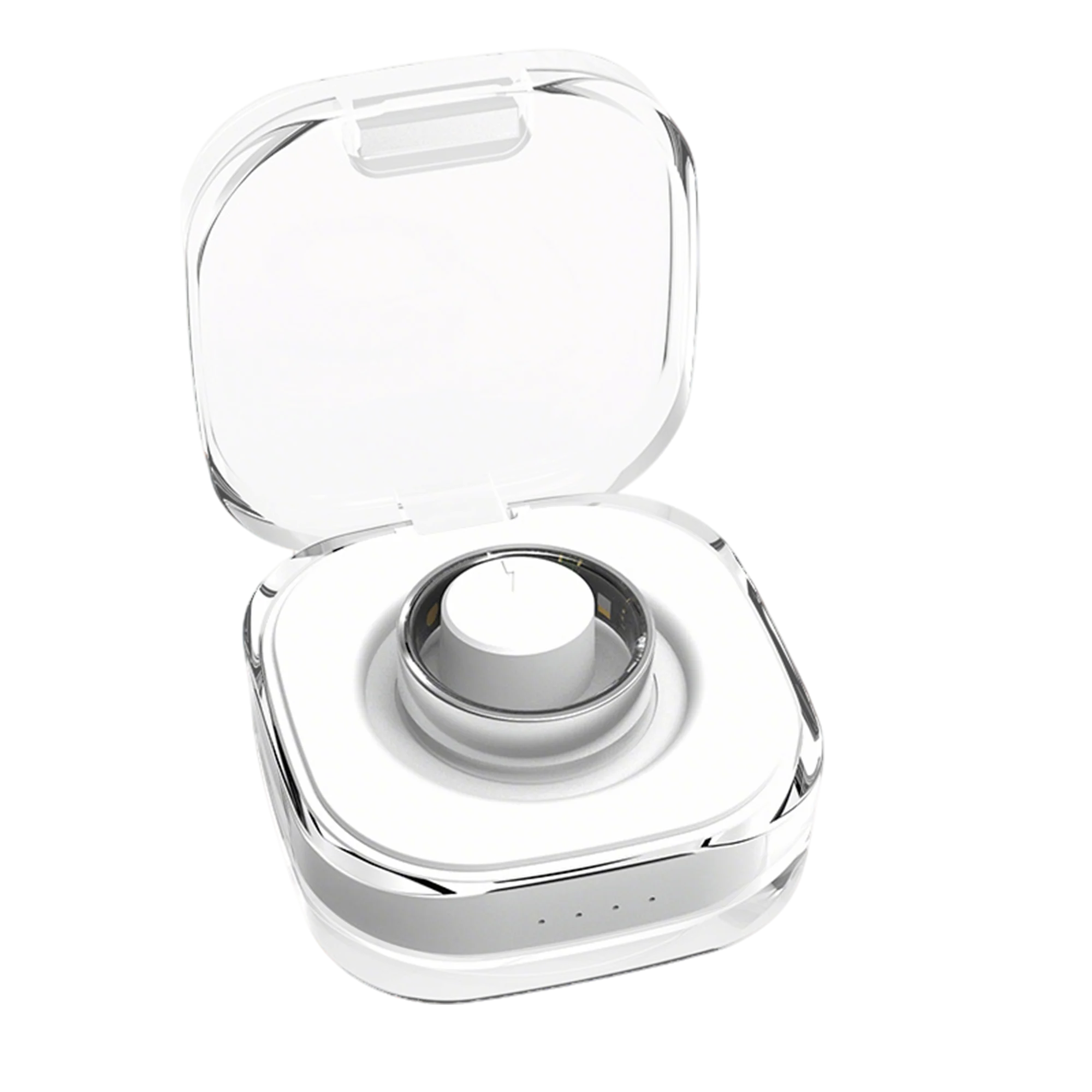
From our experience, the true power of wearable technology is unlocked when devices communicate with one another. A smart ai glasses with language translator is just one part of a modern wellness and productivity matrix. We recommend pairing your eyewear with the RP01 fitness smart ring.
The RP01 provides 24/7 fitness tracking, stress, and sleep monitoring with absolutely no app subscription fees. By integrating your glasses with biometric rings and other smart wearable accessories, you create a seamless loop of data that helps manage your daily health, productivity, and global communications simultaneously.
Frequently Asked Questions (FAQs)
Yes, for the highest accuracy and access to ChatGPT-powered voice assistants and the full 164+ language database, an active Bluetooth connection to a smartphone with internet access (via Wi-Fi or cellular data) is required. However, basic cached phrases may be available offline depending on the specific application used.
The GP02 uses its built-in 8MP camera to capture an image of the object, plant, or text in front of you. The "Hey Cyan" AI processes the image in real-time, identifies it, and audibly relays the information or translated text directly through the open-ear speakers.
Absolutely. Frames like the Osawalla GG04 and GP02 are designed to accommodate custom lenses. You can easily take the frames to your local optometrist to have your specific prescription fitted into the smart hardware.
While standby times can reach up to 7 days, active, continuous AI translation and camera usage will naturally draw more power. From our rigorous testing, you can expect between 4 to 7 hours of active use, which is typically more than enough for long meetings, guided tours, or a day of casual travel.
References
- National Institute of Standards and Technology (NIST) - Machine Translation Evaluation
- Federal Communications Commission (FCC) - Wearable Technology and Bluetooth Standards
- Osawalla Internal Engineering and Acoustic Isolation Whitepapers (2025-2026).


