




Polarized vs Photochromic Lenses: Which Glasses Fit Your Lifestyle?
By Osawalla Editorial Team · Last updated: October 9, 2026
Choosing the right glasses is not just about how dark the lenses look. The way your lenses respond to sunlight, reduce glare, and perform in changing environments can make a real difference to your everyday experience.
Two popular options are polarized and photochromic lenses. Although they are often discussed together, they solve different problems. Polarized lenses are designed to reduce reflected glare. Photochromic lenses automatically adjust their tint in response to light, primarily ultraviolet (UV) radiation.
So, when comparing photochromic vs polarized lenses, which option makes more sense for driving, traveling, commuting, or spending time outdoors? The answer depends on where you wear your glasses, the type of light you encounter, and whether you prefer specialized glare reduction or adaptable tinting.
 Key Takeaways
· Polarized lenses cut reflected glare from flat surfaces such as roads, water, and snow. Their tint is fixed and does not adapt.
· Photochromic lenses darken with UV exposure and become clearer indoors. They do not specifically filter reflected glare.
· Neither technology guarantees UV protection. Check for stated UVA/UVB or UV400 protection on the actual lens.
· Choose polarized for daytime driving glare, beaches, and lakes. Choose photochromic for frequent indoor-to-outdoor transitions.
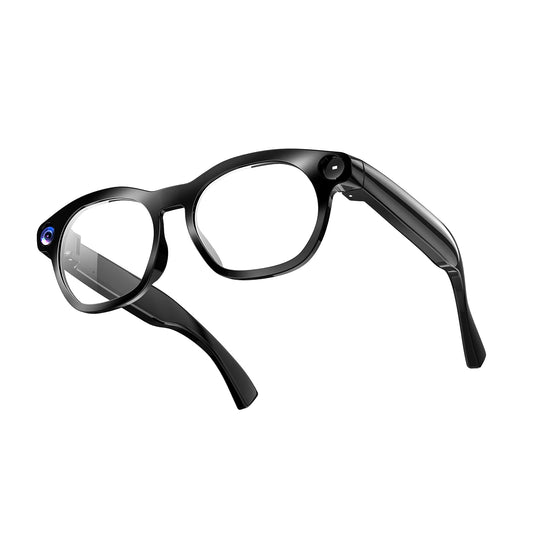
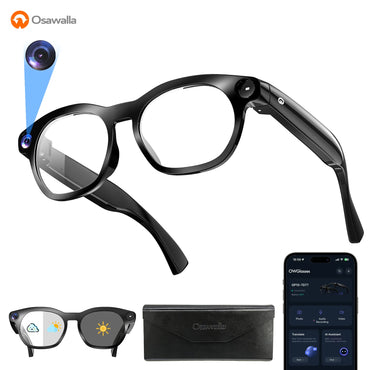
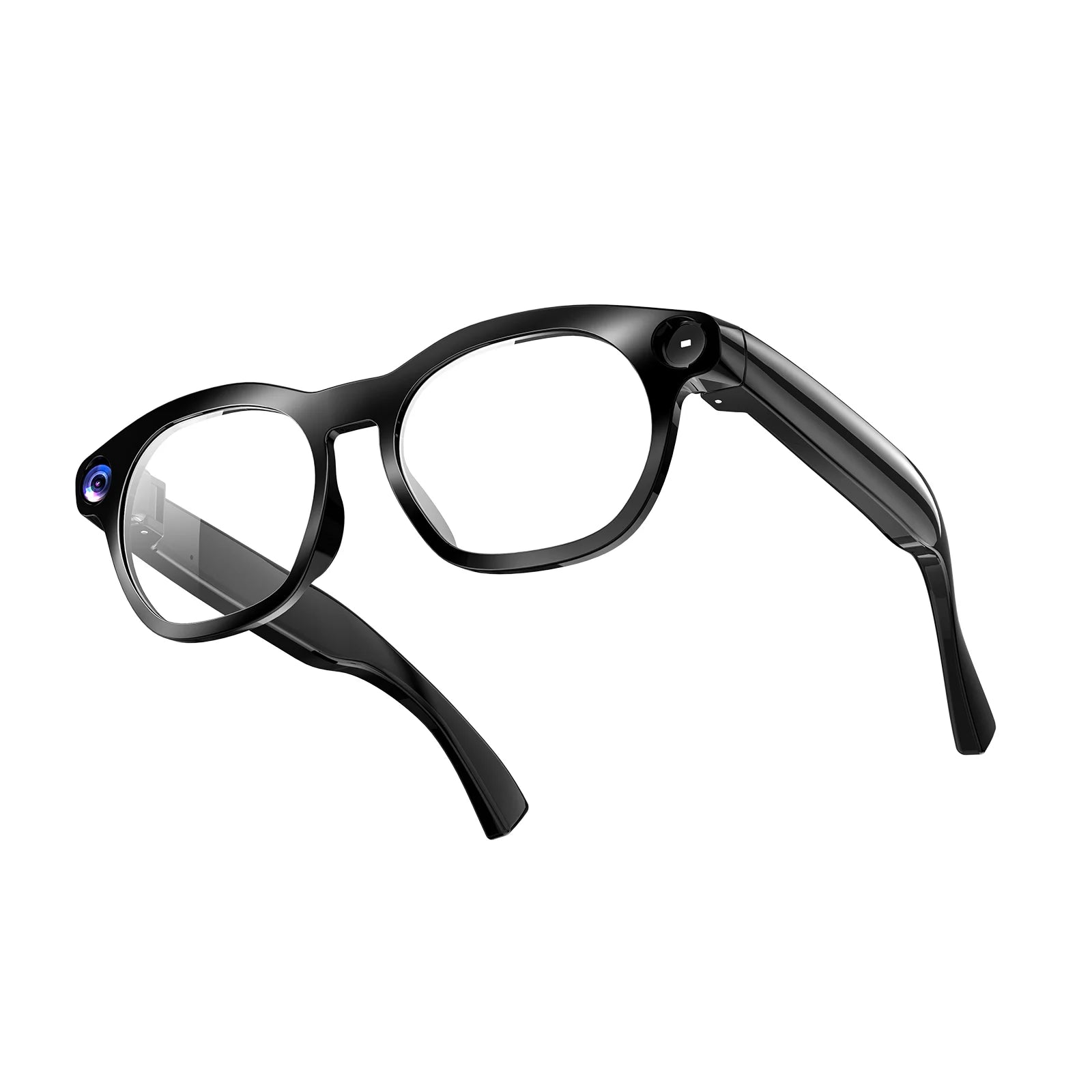
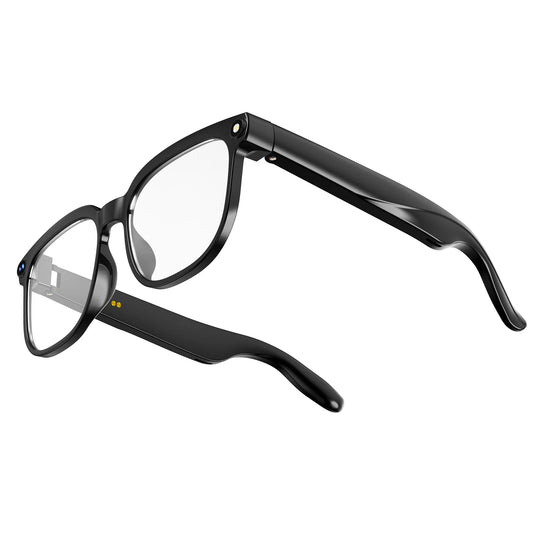
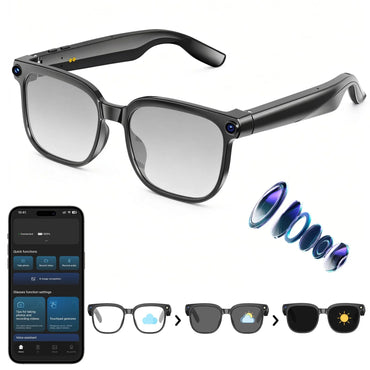
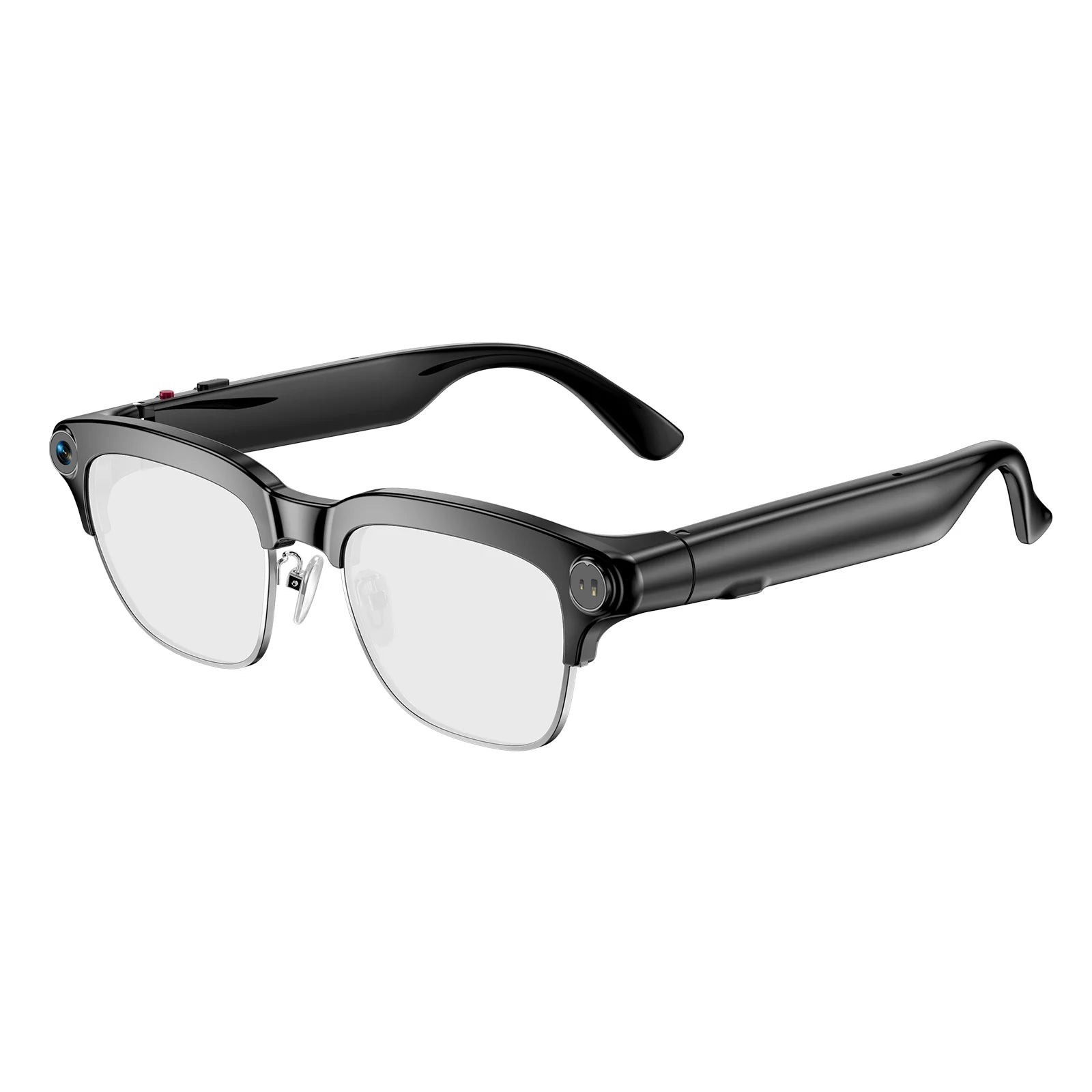
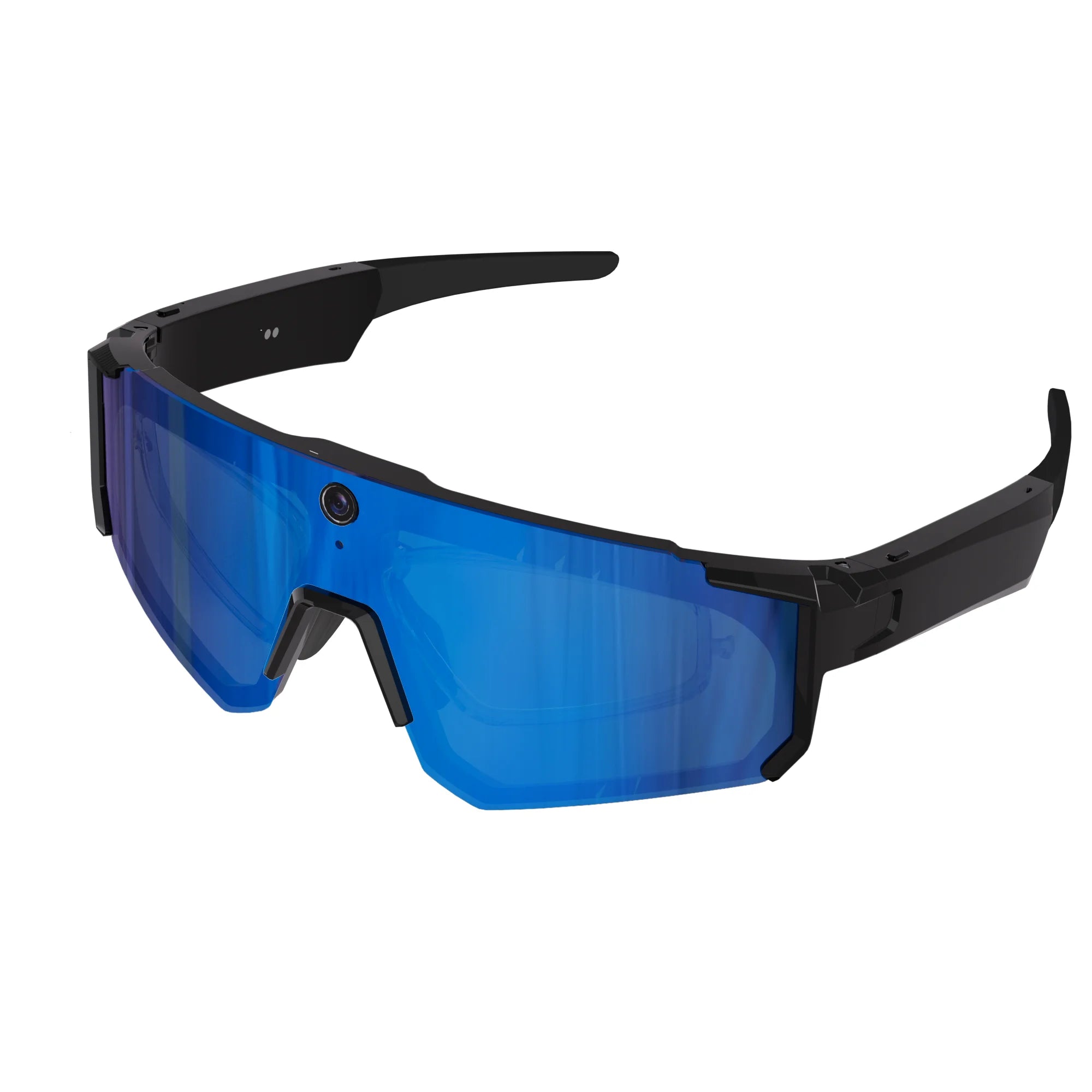
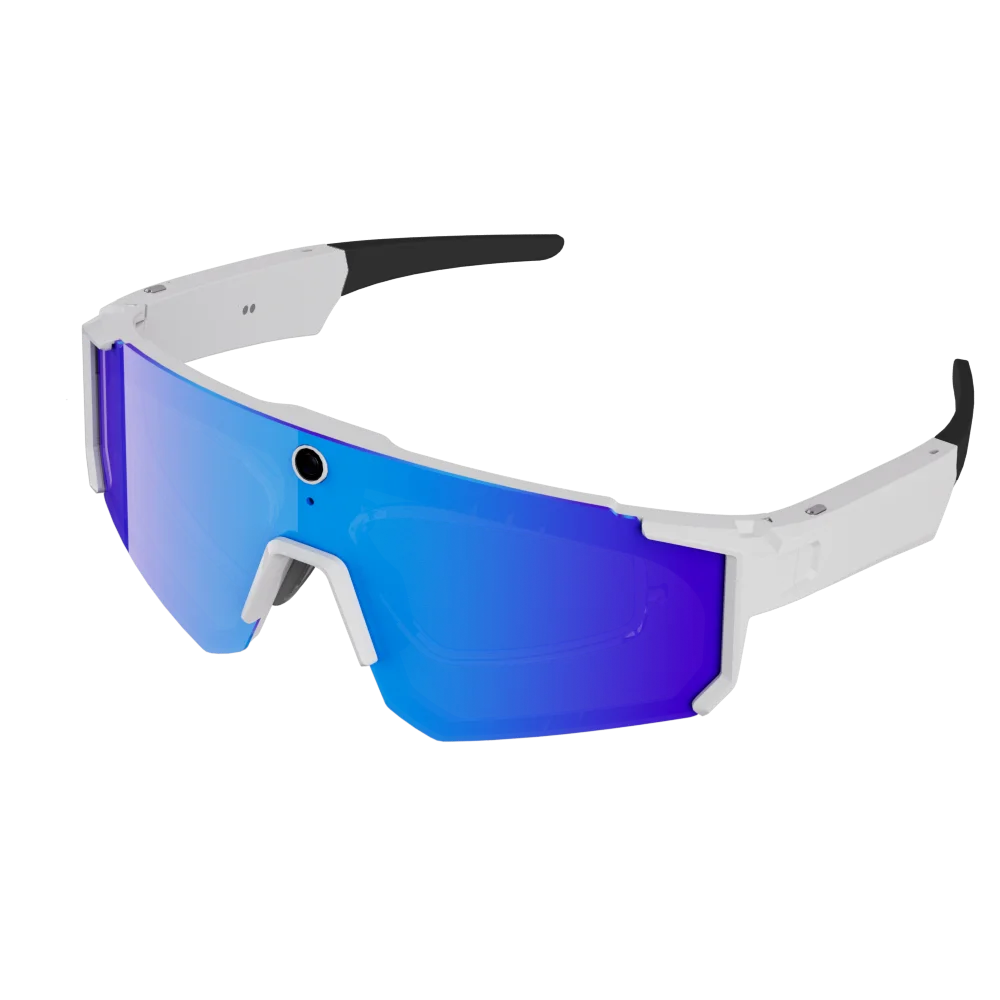
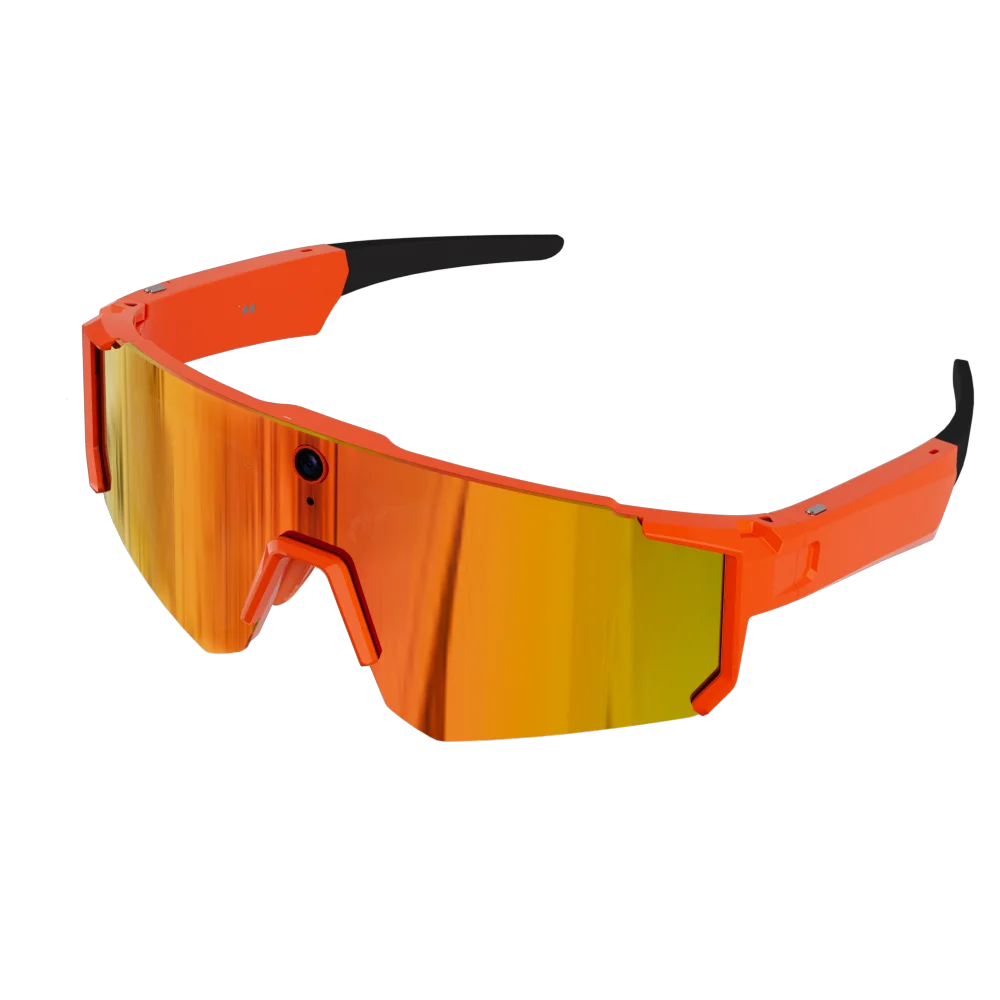
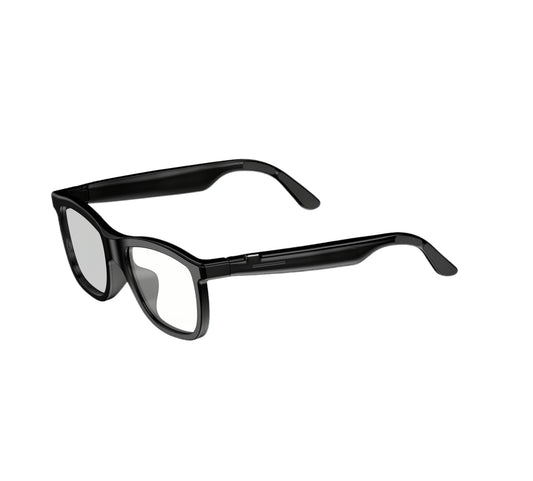
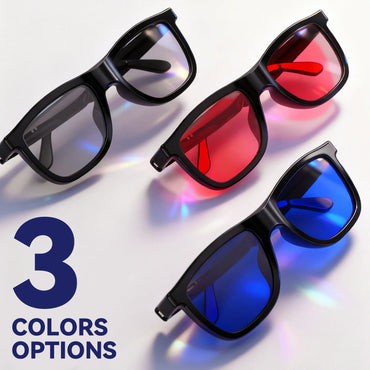
· For Osawalla camera glasses, the polarized lens option is on the Osawalla Daily Core Camera Glasses; photochromic lenses are on the Osawalla Daily Pro Camera Glasses.
Table of Contents
1. What Is the Difference Between Polarized and Photochromic Lenses?
2. Polarized vs Photochromic Lenses at a Glance
3. How Polarized Lenses Work in Real Life
4. How Photochromic Lenses Adapt to Changing Light
5. Which Lenses Are Better for Your Lifestyle?
6. Polarized vs Photochromic Lenses: Which Should You Choose?
7. How to Choose the Right Osawalla Camera Glasses
8. Does Lens Technology Affect UV Protection?
9. Frequently Asked Questions
10. References
What Is the Difference Between Polarized and Photochromic Lenses?
The biggest difference is what each lens technology is designed to do.
Polarized lenses contain a special filter that reduces certain types of reflected light. This is particularly useful when sunlight reflects off flat surfaces such as roads, water, and snow. By reducing this distracting glare, polarized lenses can make outdoor environments more comfortable to view.
Photochromic lenses work differently. Their tint changes in response to UV exposure and, depending on the lens material, other environmental factors. They typically darken outdoors and become clearer when UV exposure decreases indoors.
In other words, polarization focuses on controlling glare, while photochromic technology focuses on adapting lens tint to changing light conditions. Industry guidance describes photochromic lenses as automatically darkening and lightening to suit varied lighting, while polarized lenses filter reflected glare from shiny surfaces and improve contrast (The Vision Council Foundation).
Neither technology automatically guarantees better UV protection than the other. UV protection depends on the lens's actual specifications, so look for clearly stated UVA and UVB protection rather than judging a lens by its appearance.
Polarized vs Photochromic Lenses at a Glance
|
Feature |
Polarized lenses |
Photochromic lenses |
|
Primary purpose |
Reduce reflected glare |
Adjust tint as light conditions change |
|
Best-known benefit |
More comfortable vision around reflective surfaces |
Less need to switch between clear and tinted eyewear |
|
Driving |
Useful for reducing road glare in daylight |
Performance varies behind UV-blocking windshields |
|
Behind a car windshield |
Unaffected; glare reduction still works |
May stay clearer because windshields block activating UV |
|
Digital screens |
May darken or distort LCD displays at certain angles |
No screen interaction |
|
Outdoor activities |
Particularly useful near water, roads, and snow |
Useful when moving between different lighting environments |
|
Indoor use |
Usually remain tinted |
Generally become clearer as UV exposure decreases |
|
UV protection |
Depends on the lens's UV specifications |
Depends on the lens's UV specifications |
|
Main limitation |
Does not automatically adapt to changing brightness |
May not darken sufficiently in every environment |
One important distinction: polarized and photochromic are not necessarily mutually exclusive. Some lenses combine both technologies. However, you should confirm that a specific product offers both rather than assuming every photochromic lens is polarized.
How Polarized Lenses Work in Real Life
Imagine walking along a sunny street after a rain shower. Sunlight reflects off wet pavement, car windows, and other surfaces, creating bright patches that compete for your attention. Polarized lenses help manage this reflected glare.
A polarizing filter selectively blocks light waves associated with certain reflection patterns. Optics manufacturer ZEISS explains that the molecular structure of a polarising filter is horizontally aligned to absorb horizontal light waves, practically eliminating distracting reflections, and notes that LCD displays can be harder to see through polarized lenses (ZEISS).
1. Driving on Bright Days
For many drivers, polarized sunglasses are useful when sunlight reflects off the road, a vehicle's bodywork, or other nearby surfaces. They can reduce distracting glare during daytime journeys, especially when the sun is low or the road is wet.
However, polarized lenses do not eliminate every source of glare, and they should never replace safe driving practices. There is one consideration worth remembering: polarization can make some LCD displays, dashboard screens, and phone screens harder to see at particular angles. Check how the lenses interact with your vehicle's displays before relying on them for daily driving.
2. Walking, Hiking, and Exploring Outdoors
Polarized lenses are particularly useful around reflective environments. If your weekend involves walking beside a lake, visiting the coast, or exploring a sunny city, reducing reflected glare can make the experience more comfortable. The benefit is not limited to athletes or outdoor enthusiasts; it can also matter during ordinary errands and daily commutes.
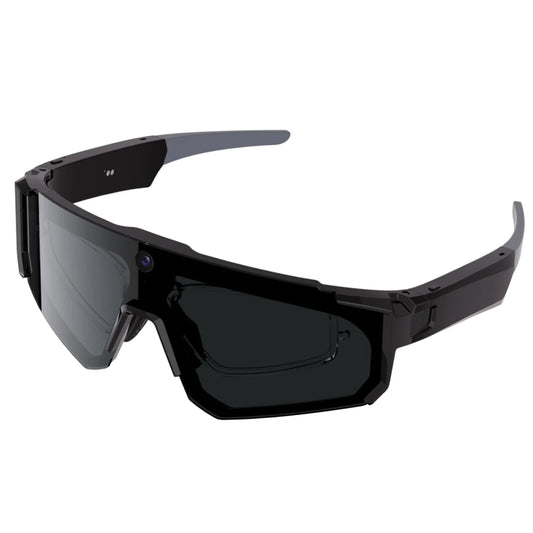
For activities involving fast movement, lens choice is only one consideration. A secure fit, suitable lens tint, appropriate impact protection, and adequate visibility in changing conditions also matter. If your routine includes rides or runs, the Osawalla Sport Pro Camera Glasses are built with stabilization for high-movement use.
3. Photography and Visual Detail
Bright reflections can distract from the details you want to observe. Polarized lenses may help reduce certain reflections from non-metallic surfaces, including water and glass. The effect varies with the angle between the light source, reflective surface, and your viewing position. Polarization also does not guarantee more accurate color perception or eliminate all reflections.
Best fit: Consider polarized lenses if reflected glare is one of your biggest everyday frustrations, particularly during daytime driving and outdoor activities.
How Photochromic Lenses Adapt to Changing Light
Photochromic lenses are designed around a different everyday challenge: lighting conditions do not remain constant throughout the day. You might leave home in bright sunshine, enter a building, walk through a shaded street, and head back outdoors an hour later. Carrying separate clear glasses and sunglasses can become inconvenient.
Photochromic lenses respond to changing UV exposure by adjusting their tint. In suitable conditions, they darken outdoors and gradually become clearer when UV exposure decreases. The exact speed and darkness depend on the lens technology, temperature, UV exposure, and product design.
1. Moving Between Indoors and Outdoors
Photochromic lenses can be convenient for people whose schedules involve frequent transitions. Think about a typical day: walking to a cafe, working indoors, heading outside for lunch, and commuting home. Instead of constantly switching eyewear, you can keep the same pair on throughout many of these transitions.
This is particularly appealing for people who want smart glasses to feel like everyday eyewear rather than another accessory they need to manage. However, photochromic lenses do not necessarily become completely clear indoors. Residual tint varies by product, and the transition back to a lighter state may take time.
2. Travel and Changing Environments
Travel often involves unpredictable lighting. You may move from a shaded airport terminal into bright sunlight, walk through narrow streets, and spend the afternoon exploring an open waterfront. Photochromic lenses can simplify these changes by adjusting their tint as conditions change.
For travelers wearing camera glasses, this convenience has another practical benefit: you can keep your eyewear on while capturing everyday moments, rather than repeatedly switching between different pairs. For more on travel-friendly smart eyewear, see Smart Glasses for Travel: Features That Make Every Trip Easier.
That said, photochromic lenses should not be treated as a universal substitute for dedicated sunglasses. If you expect prolonged exposure to intense sunlight, check the product's maximum tint, UV protection, and suitability for the conditions you expect to encounter.
3. The Windshield Factor
One frequently overlooked issue is driving with photochromic lenses. Many conventional photochromic lenses rely heavily on UV exposure to darken. Modern vehicle windshields block much of the UV radiation that activates this response, so these lenses may not become as dark inside a car as they do outdoors.
A review of ophthalmic lens materials notes that photochromic lenses show limited darkening in vehicles precisely because UV-blocking windshields prevent full activation (Material Matters: A Comprehensive Review of Ophthalmic Lens Materials). Some specialized photochromic lenses also respond to visible light, but performance varies by product.
If driving is your main use case, do not assume that photochromic lenses will automatically provide the same glare reduction as polarized sunglasses. Check the manufacturer's driving recommendations and the actual lens specifications.
Best fit: Consider photochromic lenses if you frequently move between different lighting environments and prefer the convenience of one adaptable pair of glasses.
Which Lenses Are Better for Your Lifestyle?
The most useful way to compare these technologies is to start with your daily routine.
For Daily Commuting
Your ideal lens depends on how you travel. If you spend much of your commute outdoors or encounter strong reflected glare, polarized lenses may be the more practical option. If your day involves walking between buildings, public transportation, shaded streets, and outdoor spaces, photochromic lenses may offer greater convenience.
For drivers, consider the interaction between your lenses and dashboard displays, along with the lens's performance behind a windshield.
For Travel and City Exploration
Travelers often benefit from flexibility. You may need to see comfortably in bright streets, shaded walkways, and indoor attractions throughout the same day. Photochromic lenses can reduce the need to carry a separate pair of tinted glasses. Polarized lenses, meanwhile, may be more useful for itineraries involving beaches, lakes, or other glare-heavy environments. Your destination matters more than the label on the lens.
For Beach Trips and Water Activities
Sunlight reflecting from water can create intense glare, making polarized lenses a strong option for many beachgoers, anglers, and people spending time near lakes. Photochromic lenses may still be useful, but tint adjustment alone does not address reflected glare in the same way.
For water sports, also consider whether your eyewear is suitable for the activity, fits securely, and provides the necessary protection. Neither lens type should be assumed to replace specialized protective eyewear.
For Everyday Smart Glasses
When choosing camera glasses, lens performance should complement the features you will actually use. If you want to capture everyday moments while walking outdoors, polarized lenses may suit environments with strong reflected glare. If your day includes frequent indoor-to-outdoor transitions, photochromic lenses may be more convenient.
The key is to decide what matters most: reducing reflections in bright environments or adapting your tint as lighting changes. To understand what sits inside an AI camera glasses frame alongside the lenses, read How Smart Glasses Work: Inside an AI Camera Glasses Frame.
Polarized vs Photochromic Lenses: Which Should You Choose?
Use the following guide to narrow down your options.
|
Your main priority |
Lens technology to consider |
Why |
|
Reducing glare from roads and water |
Polarized |
Filters certain reflected light |
|
Moving between indoors and outdoors |
Photochromic |
Adjusts tint as UV exposure changes |
|
Spending time near beaches and lakes |
Polarized |
Helps reduce water-related glare |
|
Walking around a city throughout the day |
Photochromic |
Reduces the need to switch glasses |
|
Driving with digital dashboard displays |
Compare carefully |
Polarization may affect screen visibility |
|
One pair for varied outdoor environments |
Depends on the lens specifications |
Consider tint, glare reduction, and UV protection together |
There is no universal winner. A lens that works well for a sunny coastal road trip may be less convenient for someone who spends most of the day moving between indoor spaces.
Before buying, check four things:
· UV protection: Confirm the stated UVA and UVB protection level.
· Visible light transmission (VLT): Understand how much visible light passes through the lens, particularly if you will use it in changing or low-light conditions.
· Glare control: Look for polarization if reflected glare is a major concern.
· Tint adaptation: Look for photochromic technology if you want the lens to respond to changing UV exposure.
These details offer a more reliable basis for comparison than simply choosing the darkest-looking lens.
 How to Choose the Right Osawalla Camera Glasses
At Osawalla, the right choice starts with how you plan to use your glasses, not just which features appear on a specification sheet. You can browse the full range in the Smart Glasses collection.
Osawalla Daily Core Camera Glasses: For Everyday Outdoor Use
The Osawalla Daily Core Camera Glasses are worth considering if you want camera glasses for daily moments, casual outings, and hands-free capture.
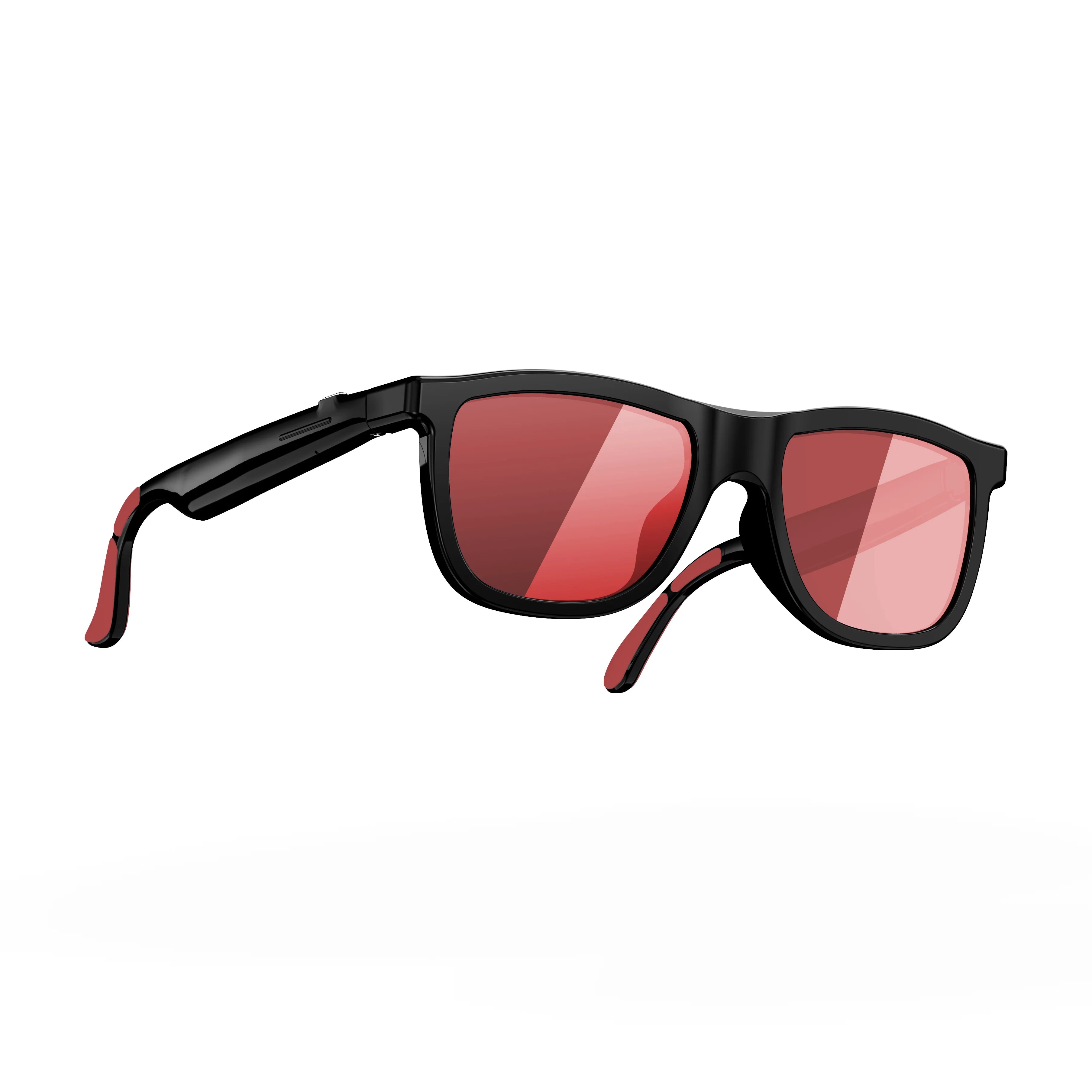
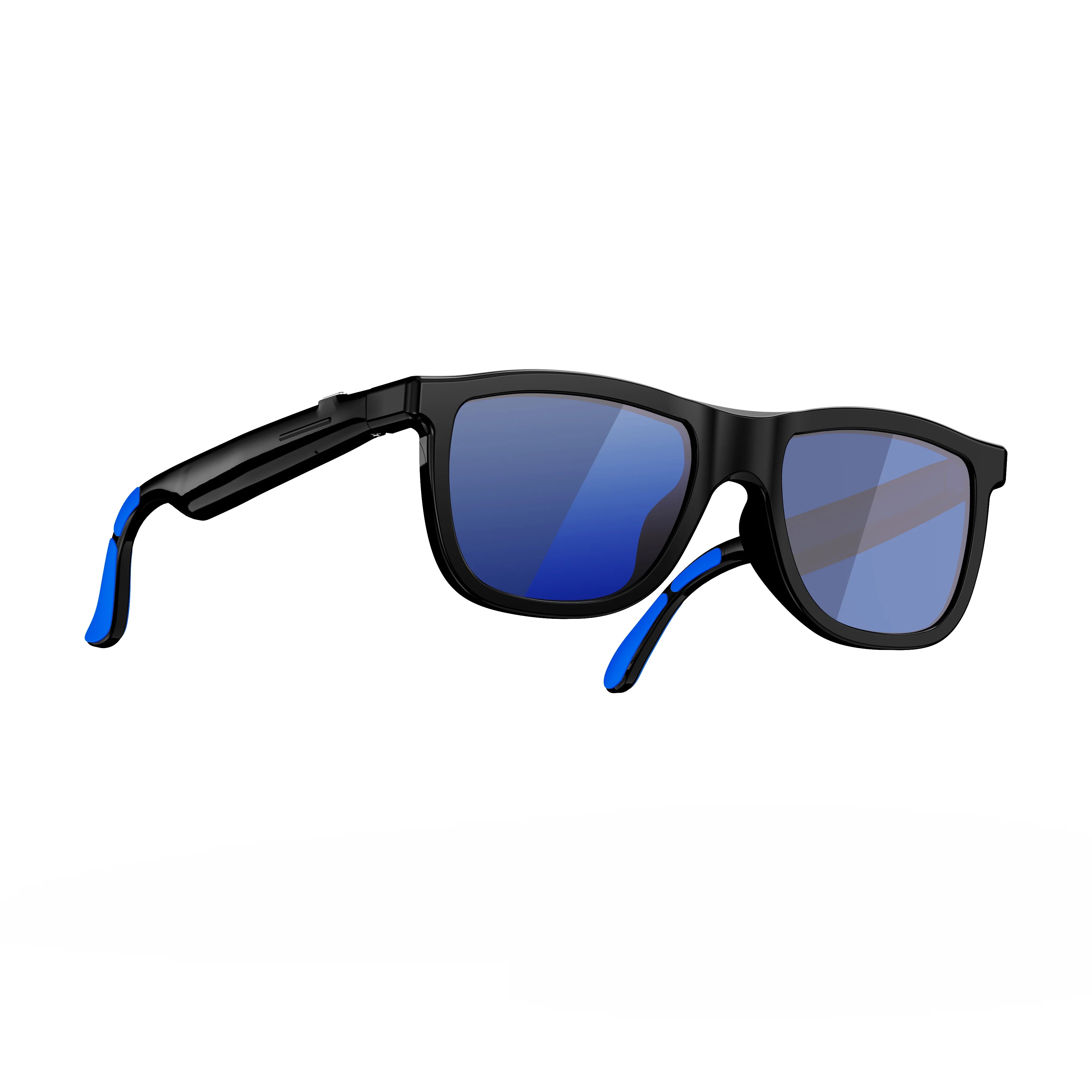
The polarized lens option is particularly relevant if your routine involves sunny walks, outdoor exploration, or environments where reflected glare is distracting. Daily Core also offers a blue-light lens option, so be sure to select the correct configuration when shopping. Blue-light filtering is a separate feature and should not be confused with polarization or photochromic tint adjustment.
For a deeper look at this model, read Osawalla Daily Core Camera Glasses: The Complete Guide.
Osawalla Daily Pro Camera Glasses: For Changing Light Conditions
The Osawalla Daily Pro Camera Glasses are a relevant option if you frequently move between indoor and outdoor environments.
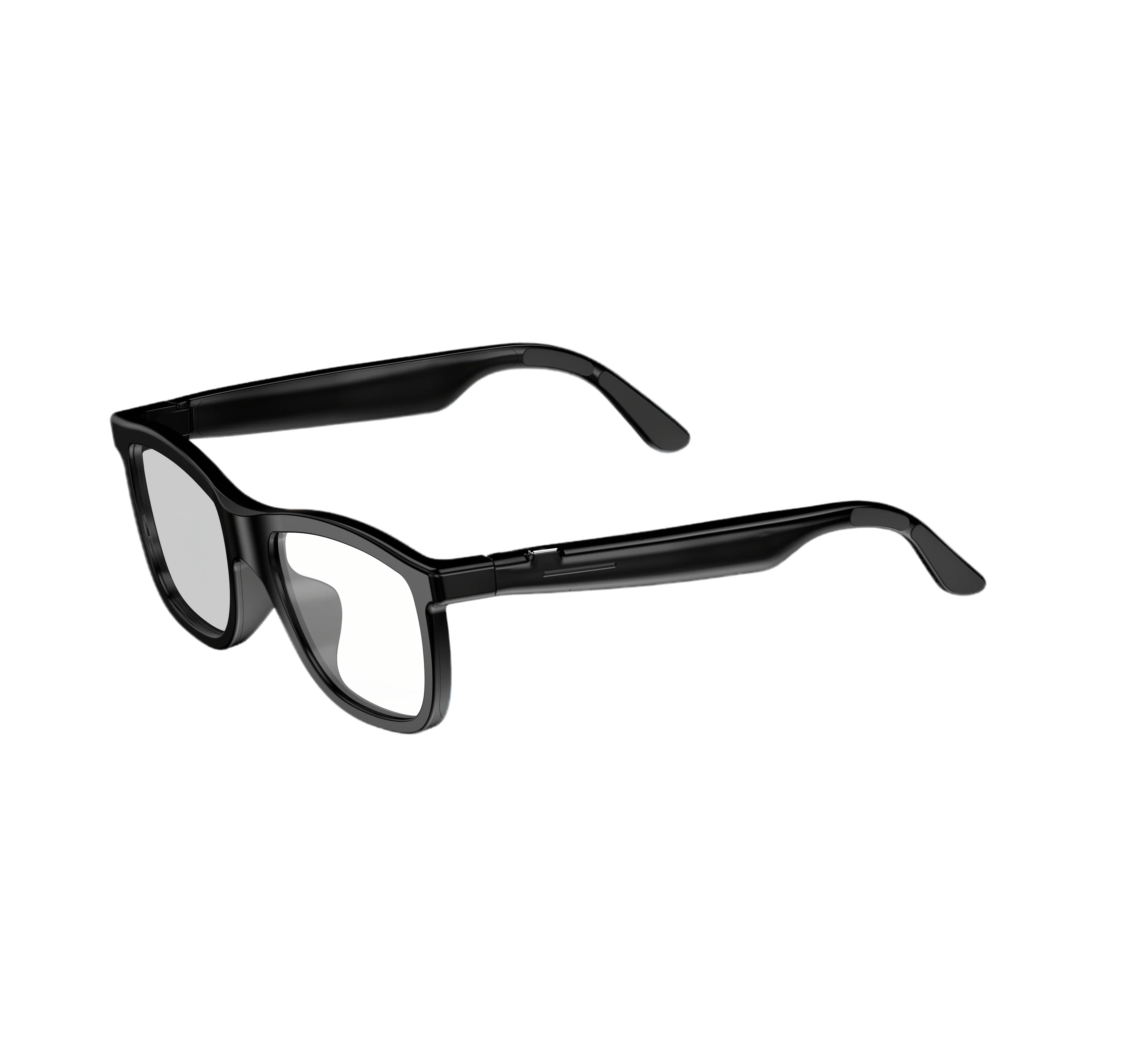
Their photochromic lenses are designed to adapt their tint as UV exposure changes, making them suitable for routines involving travel, city walks, and everyday activities across different lighting conditions. Rather than carrying separate eyewear for every transition, you can enjoy the convenience of one pair for many situations.
If your priority is adaptable tint rather than glare reduction alone, Daily Pro is worth considering. To compare frame styles before ordering, see How to Choose Smart Glasses for Your Face Shape (2026).
The practical difference: Daily Core with polarized lenses is the option to investigate when glare reduction is a priority. Daily Pro with photochromic lenses is the option to investigate when changing light conditions are your main concern. Neither technology automatically replaces the other, and the right choice depends on your environment.
Does Lens Technology Affect UV Protection?
Yes, this is an important distinction to understand before making a purchase.
Polarization and photochromic tinting describe how a lens manages light; they do not, by themselves, tell you how much ultraviolet radiation it blocks. A dark lens without adequate UV protection is not a safe substitute for properly specified sunglasses. The darkness of a lens is not a reliable indicator of its ability to block UVA and UVB radiation.
The American Academy of Ophthalmology advises choosing sunglasses that block 99 percent to 100 percent of UV light. The Vision Council adds that dark lenses alone do not guarantee adequate UV protection, and that shoppers should look for labels indicating UVA and UVB protection (Sunglasses Guide).
When comparing outdoor glasses, look for clear manufacturer specifications stating the level of UV protection. If you need prescription eyewear, sports eyewear, or protection for a particular activity, confirm that the product meets the relevant requirements for that use.
Remember that neither polarization nor photochromic tinting guarantees complete protection from every environmental hazard. The right choice combines suitable UV protection with the appropriate lens characteristics for your activities.
Frequently Asked Questions
Are photochromic lenses better than polarized lenses?
Neither is universally better. Photochromic lenses adjust their tint as UV exposure changes, while polarized lenses reduce certain types of reflected glare. Choose based on your environment and everyday needs.
Can photochromic lenses also be polarized?
Yes. Some lenses combine photochromic and polarized technologies. However, not all photochromic lenses are polarized, so check the specifications of the exact product before purchasing.
Are polarized lenses good for driving?
Polarized lenses can reduce reflected glare from roads and other surfaces during daylight driving. However, they may make certain LCD dashboard displays harder to see at specific angles. Always check visibility and follow safe-driving practices.
Do photochromic lenses work inside a car?
Some conventional photochromic lenses darken less behind a windshield because much of the activating UV radiation is blocked. Certain lenses respond to visible light as well, so the result depends on the specific product.
Which lenses are better for outdoor glasses?
Polarized lenses are often useful around reflective surfaces such as water and roads. Photochromic lenses are often convenient for changing light conditions. For either option, confirm UV protection and suitability for your intended activity.
Do darker lenses provide better UV protection?
Not necessarily. Lens darkness and UV protection are different characteristics. Look for verified UVA and UVB protection specifications rather than relying on appearance alone.
Which Osawalla camera glasses should I choose?
Consider the Osawalla Daily Core Camera Glasses if you prefer the glare-reducing benefits of the polarized lens option. Consider the Osawalla Daily Pro Camera Glasses if you prefer photochromic lenses that adjust their tint as lighting conditions change. Confirm the exact lens configuration and product specifications before ordering.
 Final Thoughts: Choose Lenses for the Way You Live
The choice between polarized and photochromic lenses becomes easier when you stop asking which technology is best overall and start asking which problem you want to solve. If reflected glare is your biggest concern, polarized lenses may be the better fit. If your day takes you through changing light conditions, photochromic lenses can offer greater convenience.
For Osawalla shoppers, that means matching the lens to your lifestyle: consider the polarized option on Daily Core for glare-conscious outdoor use, or Daily Pro for the convenience of adaptable tint.
The best eyewear is not necessarily the one with the most features. It is the one that fits naturally into your day, supports the activities you enjoy, and provides the lens performance you actually need.


