

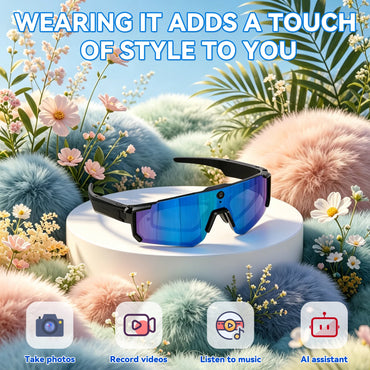





Wearable technology has transitioned from basic step counting to immersive, multi-sensory experiences that redefine how we engage with our fitness routines. For serious athletes and casual joggers alike, smart glasses for running have emerged as a critical tool for safety, performance tracking, and content creation. From our experience at Osawalla, the integration of high-fidelity audio and stabilized video into lightweight frames has solved many of the traditional friction points runners face, such as fumbling with smartphones or dealing with restrictive earbuds.

Choosing the right pair requires a balance of weight, battery life, and specialized features like open-ear audio or 6-axis stabilization. As we move further into 2026, the market has matured to offer distinct variants that cater to different environmental conditions and recording needs. This guide provides an authoritative look at the best options available, ensuring your next run is safer, more productive, and thoroughly documented.
Table of Contents
- The Core Benefits of Smart Glasses for Running
- 1. Osawalla GG05 Audio Glasses: The Safety Specialist
- 2. Osawalla GP04 Video Glasses: The POV Content Creator
- 3. Osawalla GG06: Adaptive Light Management
- 4. Hands-Free AI Voice Assistant Integration
- 5. Heads-Up Display (HUD) Performance Glasses
- 6. Prescription-Ready Smart Eyewear
- 7. The Ultra-Lightweight Minimalist Runners
- 8. Long-Distance Performance Audio Frames
- 9. Smart Ring and Glasses Ecosystems
- Summary Comparison Table
- Frequently Asked Questions
- References
The Core Benefits of Smart Glasses for Running
The primary advantage of smart glasses for running is the preservation of situational awareness. Traditional headphones block ambient noise, which can be dangerous in urban environments where traffic sounds are vital for safety. Open-ear audio designs allow runners to enjoy music or take calls while remaining fully aware of their surroundings. From our experience, this open-ear architecture is the single most important safety feature for outdoor enthusiasts.
Furthermore, ergonomics play a massive role in performance. Running involves repetitive high-impact movements, which can cause standard glasses to slip or bounce. High-tier smart glasses for running incorporate flexible temple arms and anti-slip tips to ensure a stable fit during intense movement. Additionally, adjustable nose pads help reduce pressure during long-duration runs, accommodating various face shapes comfortably.
1. Osawalla GG05 Audio Glasses: The Safety Specialist
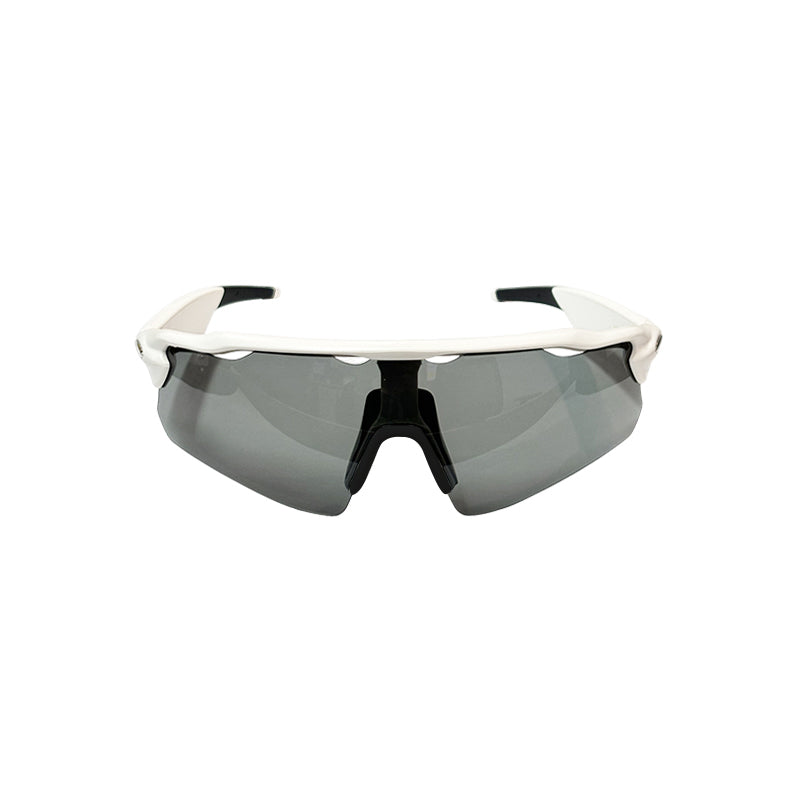
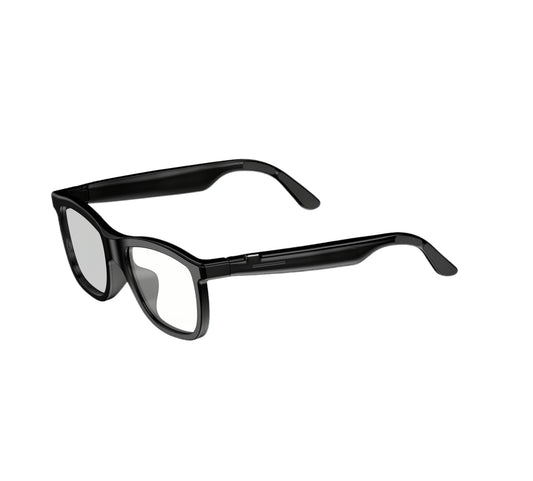
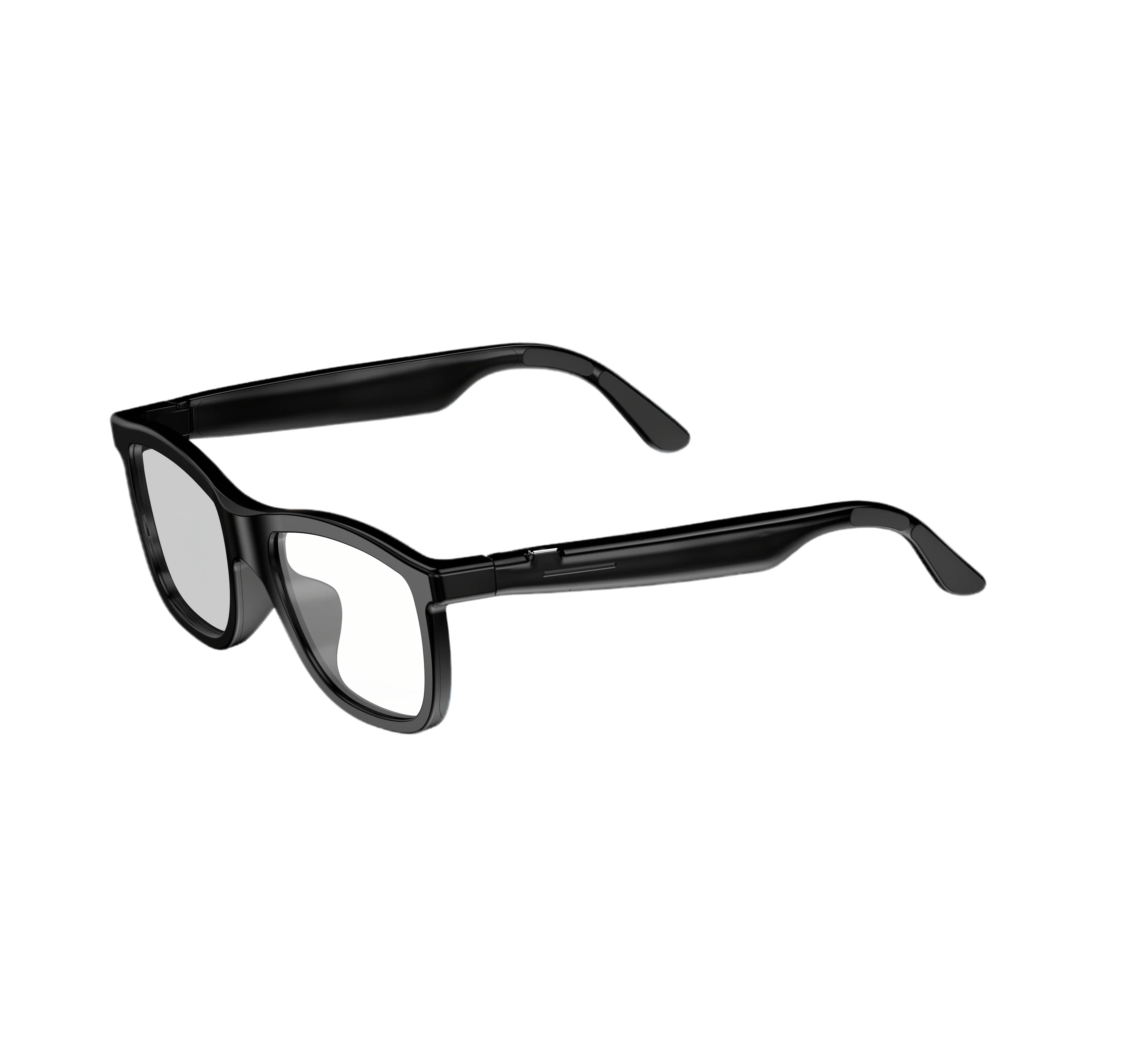
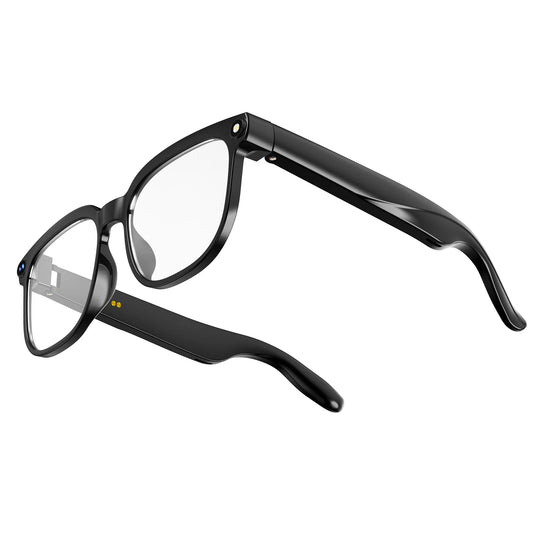
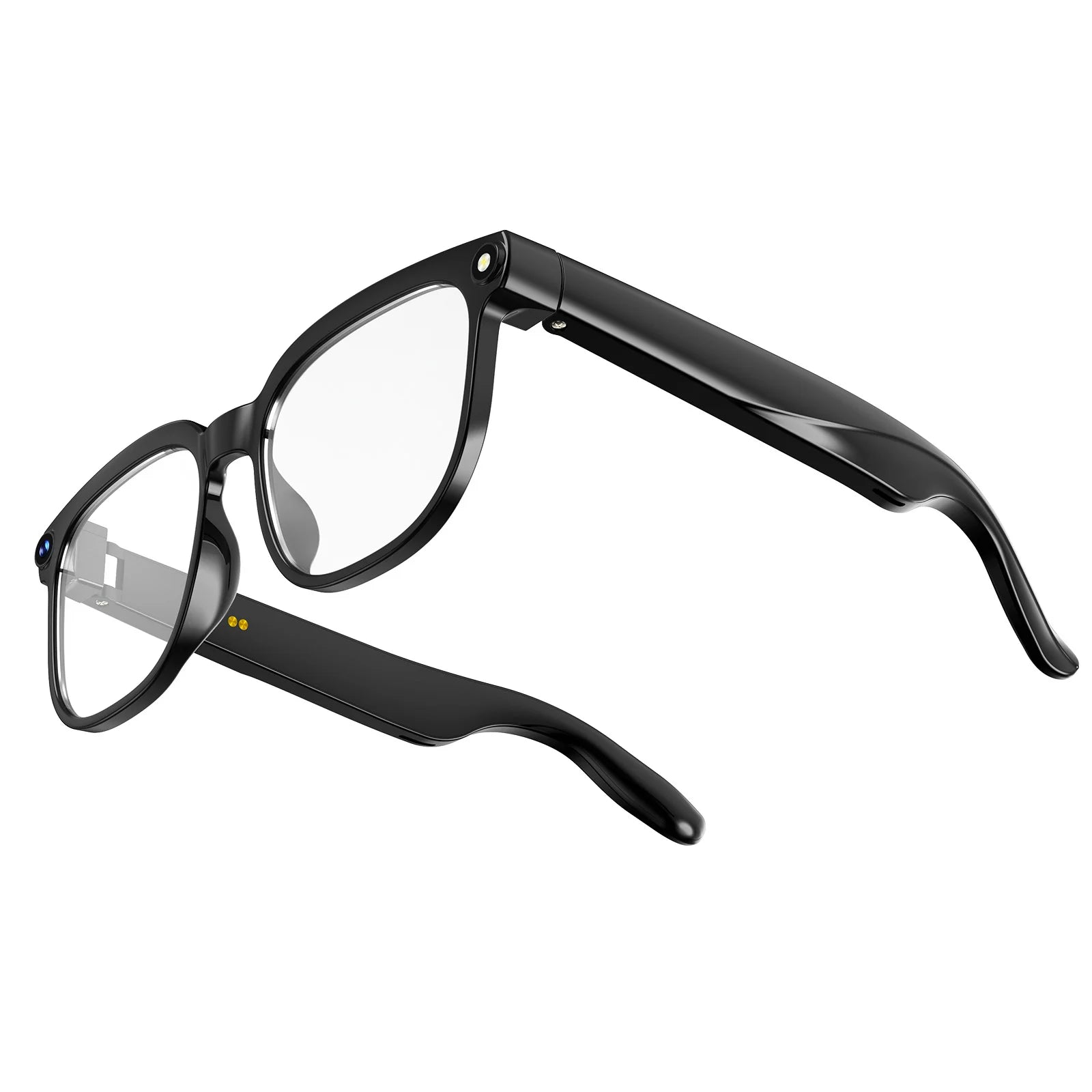
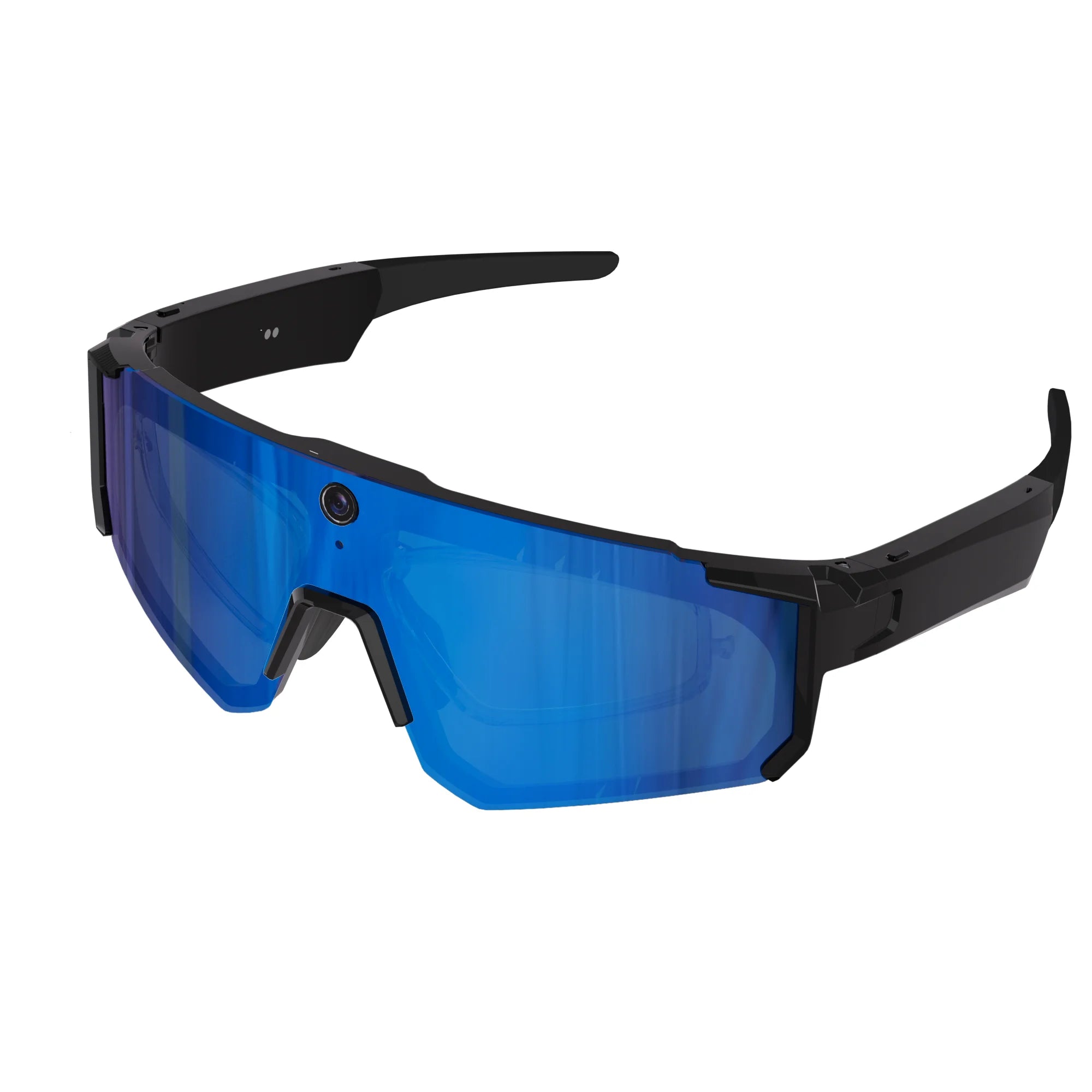
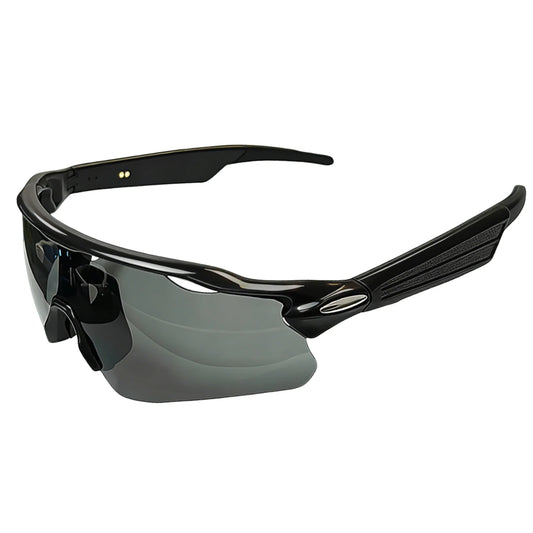
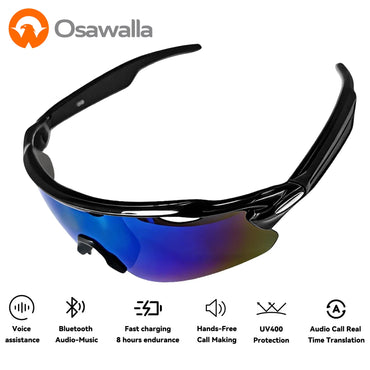
The Osawalla GG05 stands out as a premier choice for those who prioritize audio and environmental awareness. These glasses are specifically designed for high-movement activities like running and cycling. They feature flexible temple arms with anti-slip tips that keep the device stable regardless of the pace.
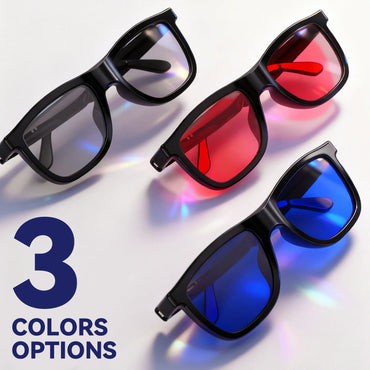
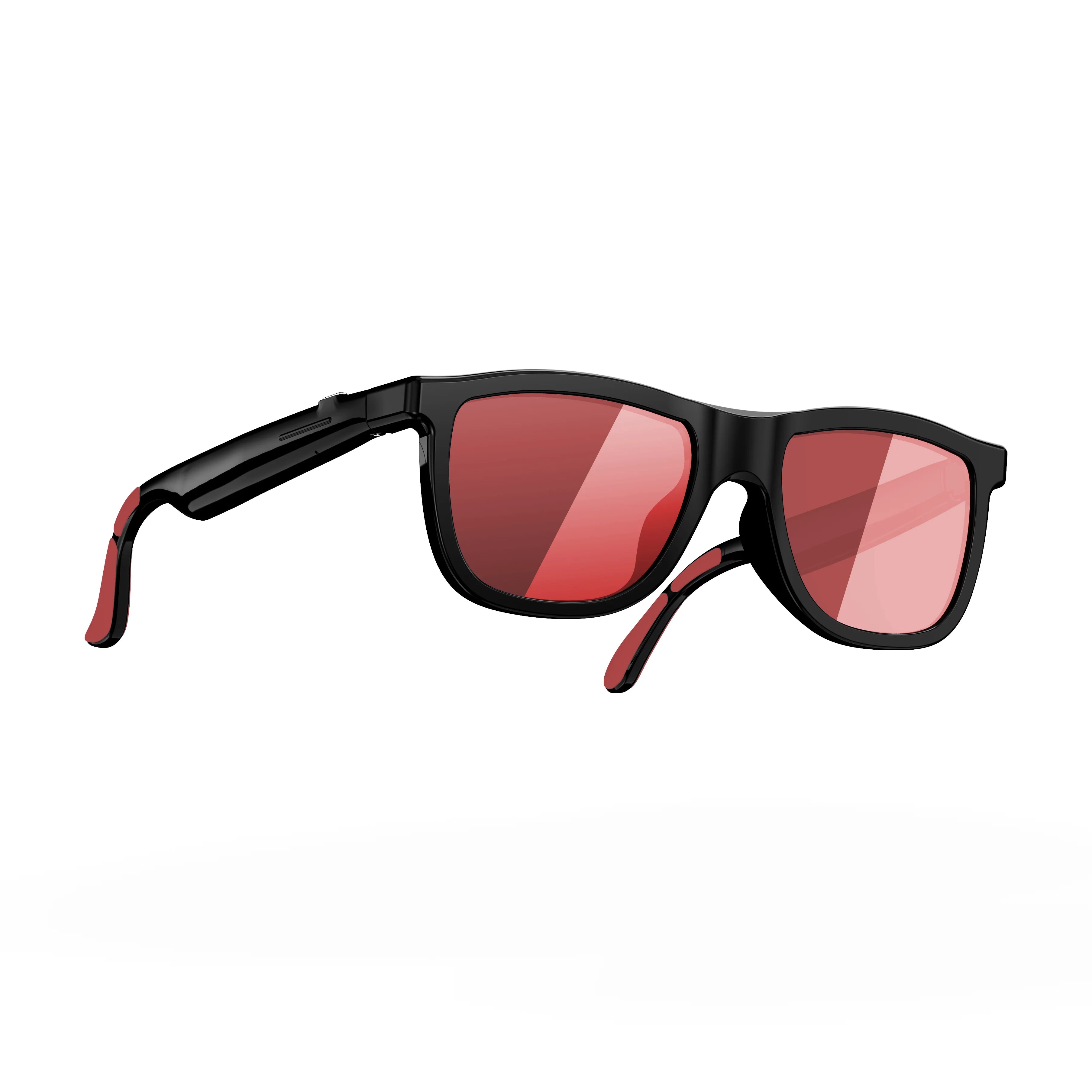
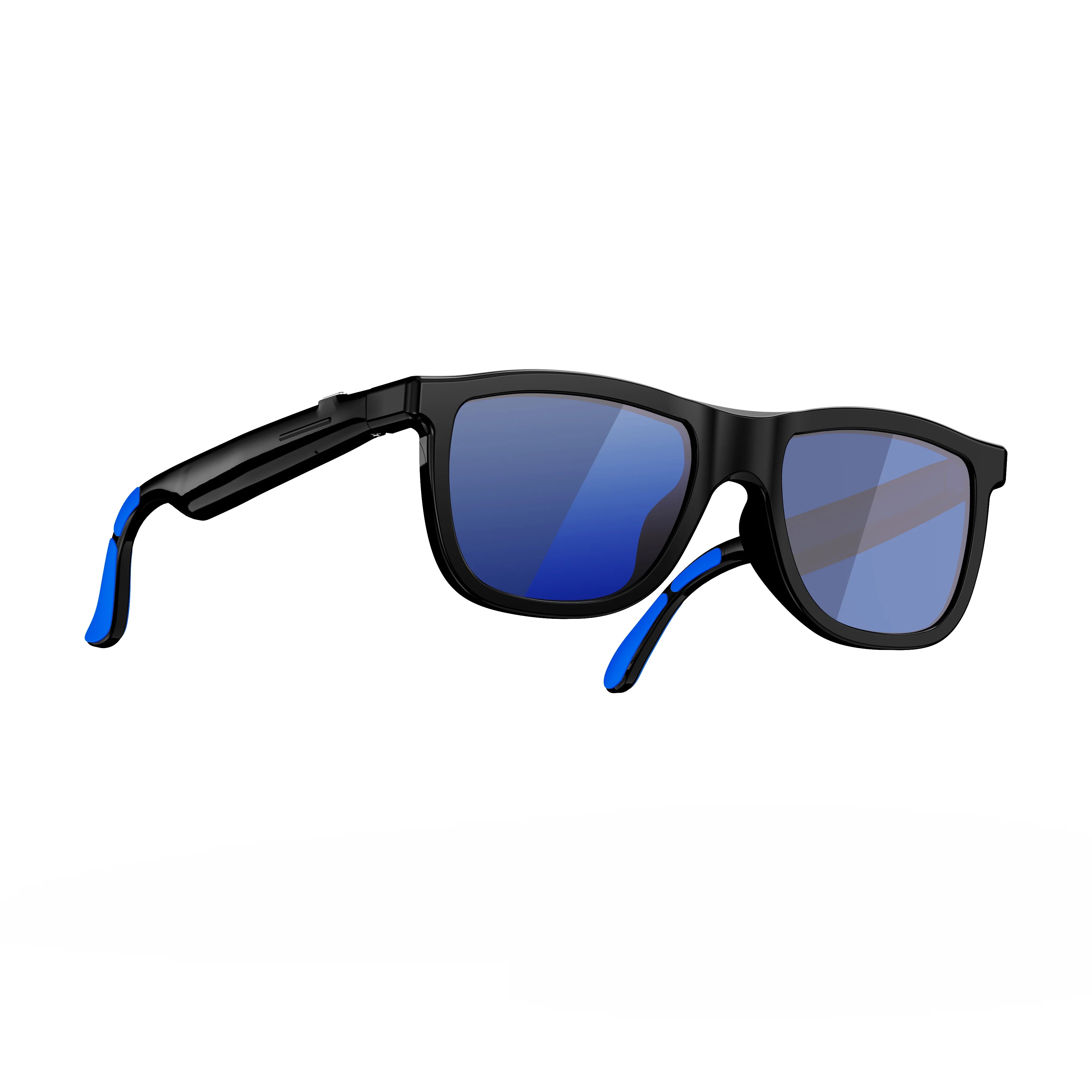
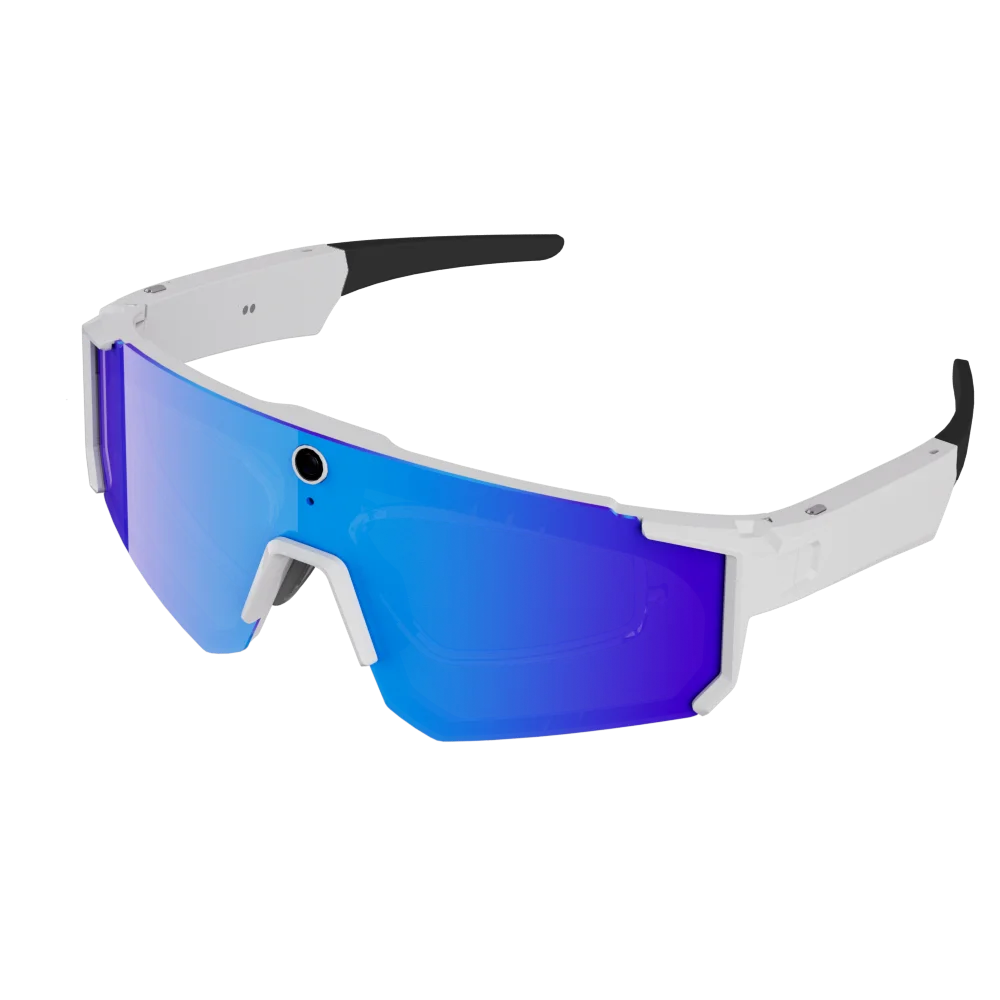
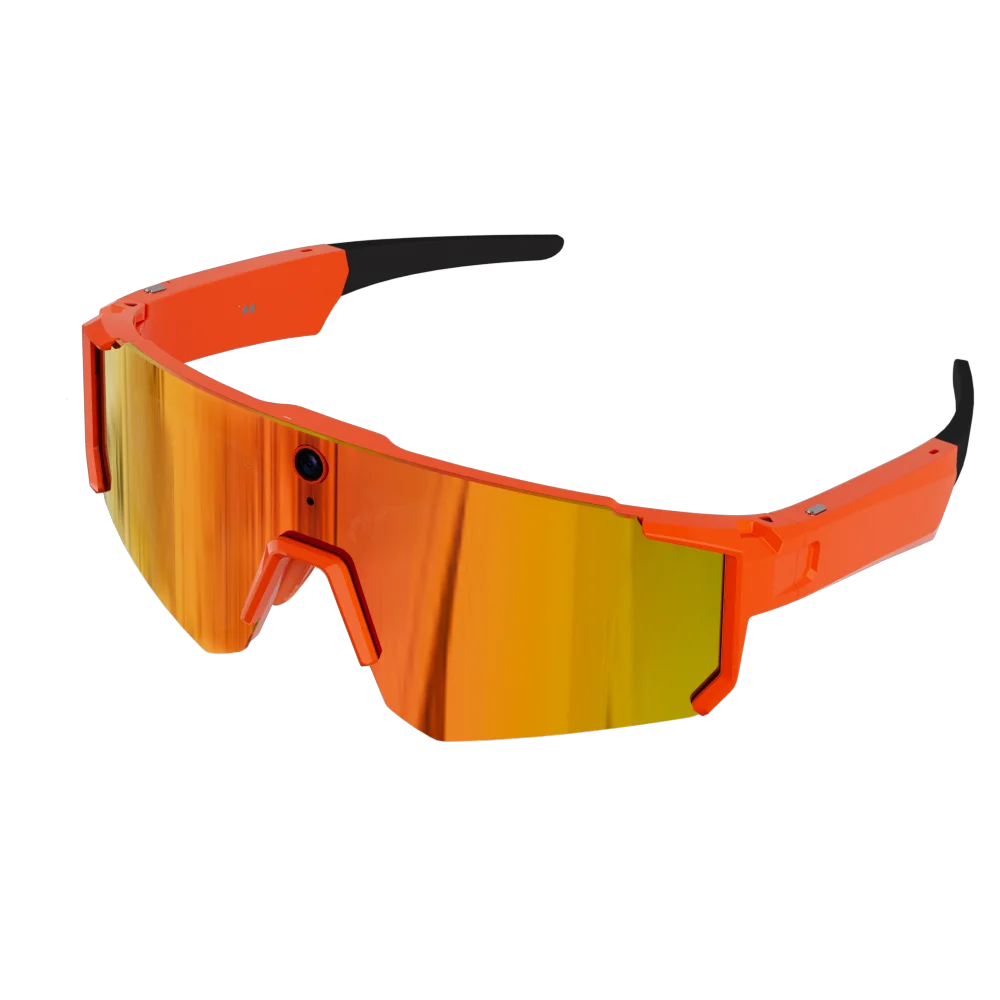
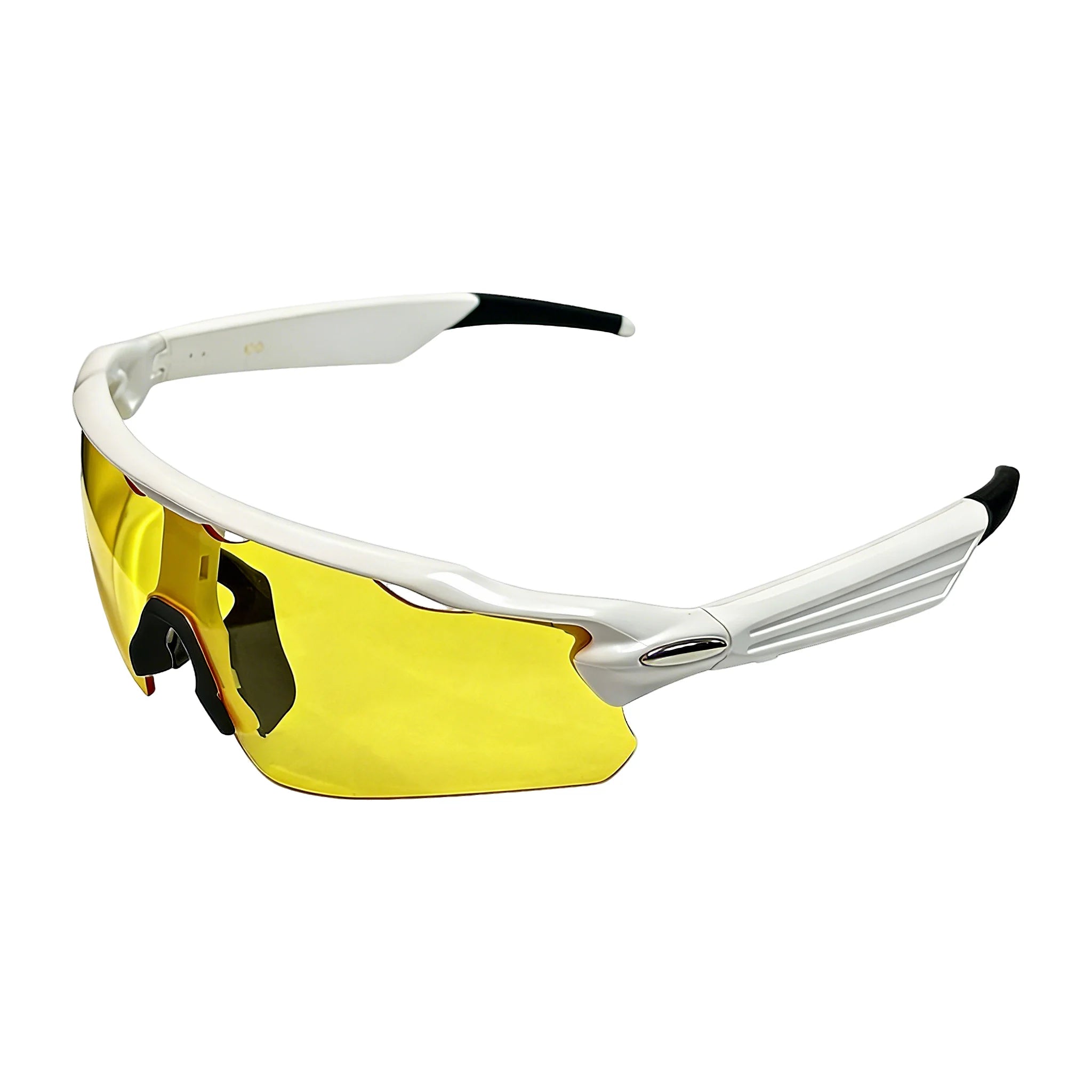
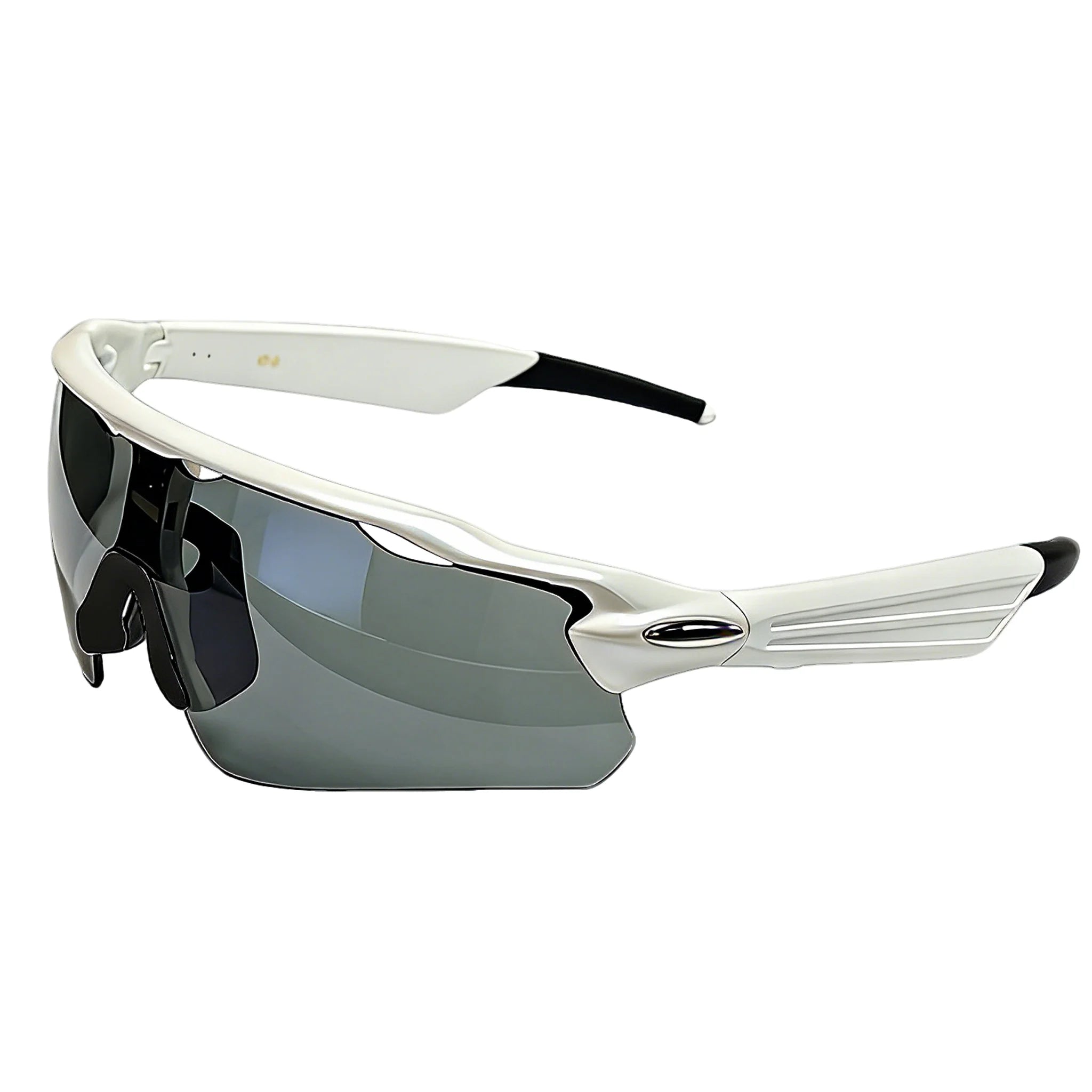
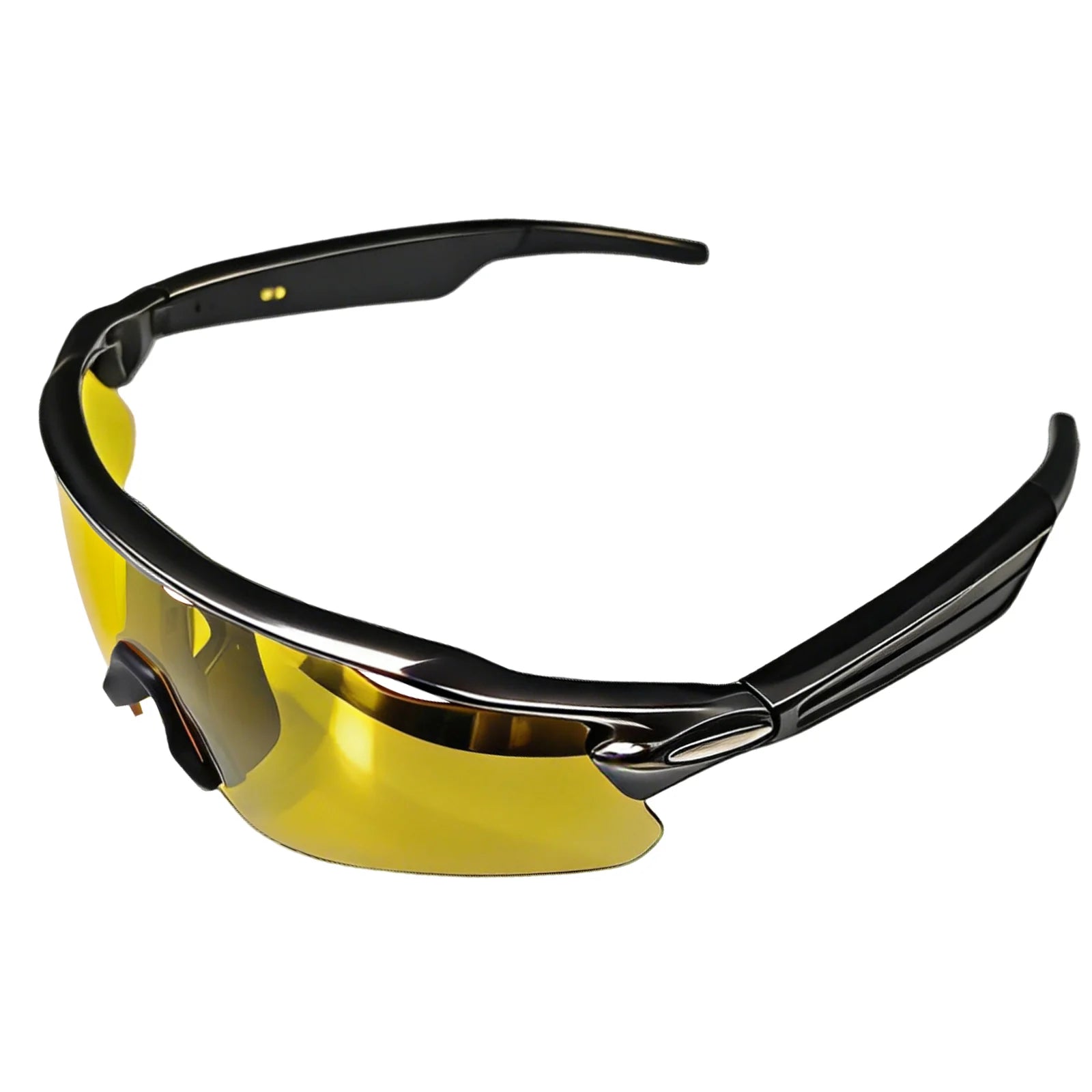
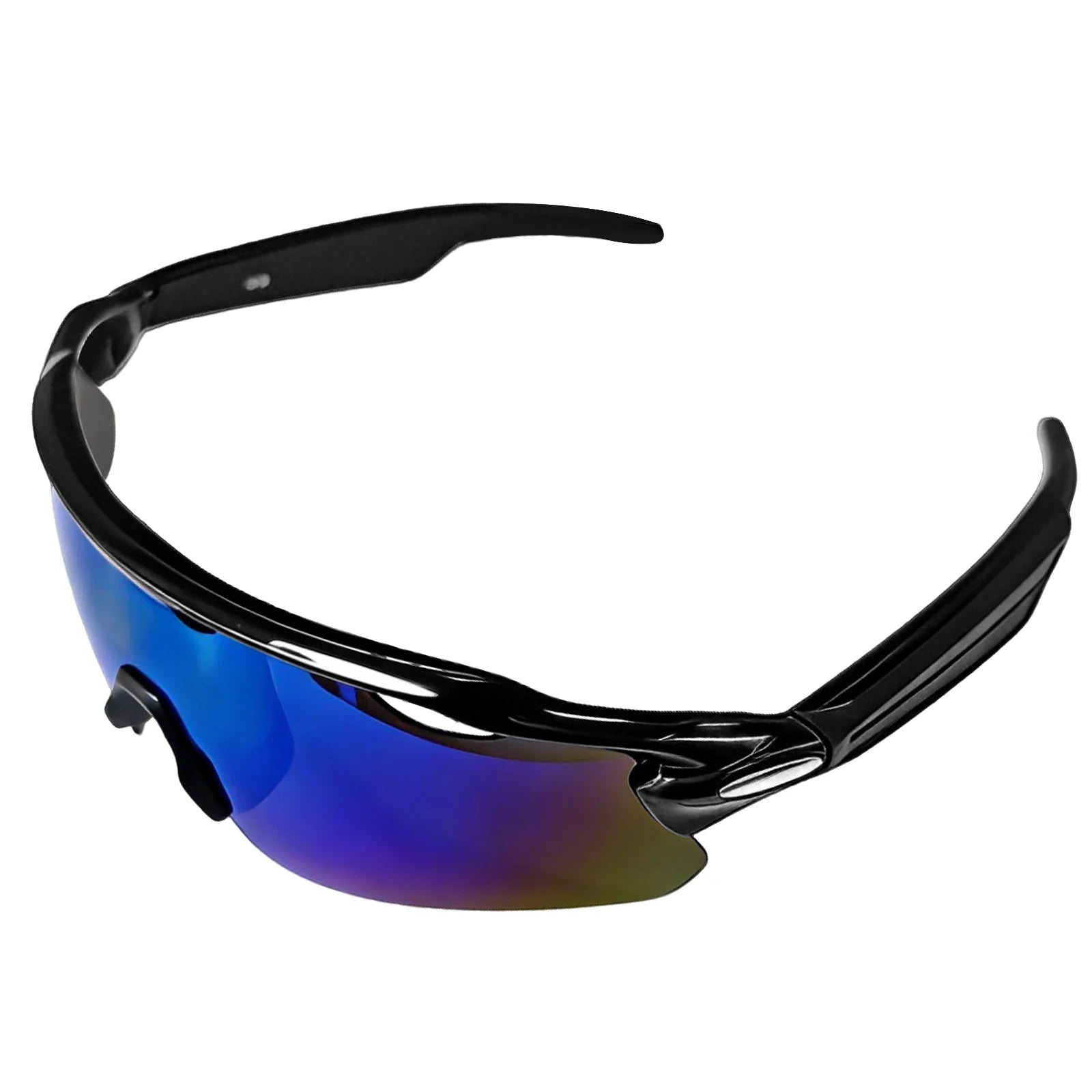
A key technical feature of the GG05 is the versatility of its lens options. We recommend the yellow lenses for evening runs or low-light conditions to enhance contrast. For bright midday sun, the mirrored color lenses provide excellent protection, while the gray lenses offer a balanced experience for all-day use. The built-in AI voice assistant allows for hands-free control, which we recommend for runners who need to navigate or manage tasks without stopping to reach for their phones.
2. Osawalla GP04 Video Glasses: The POV Content Creator
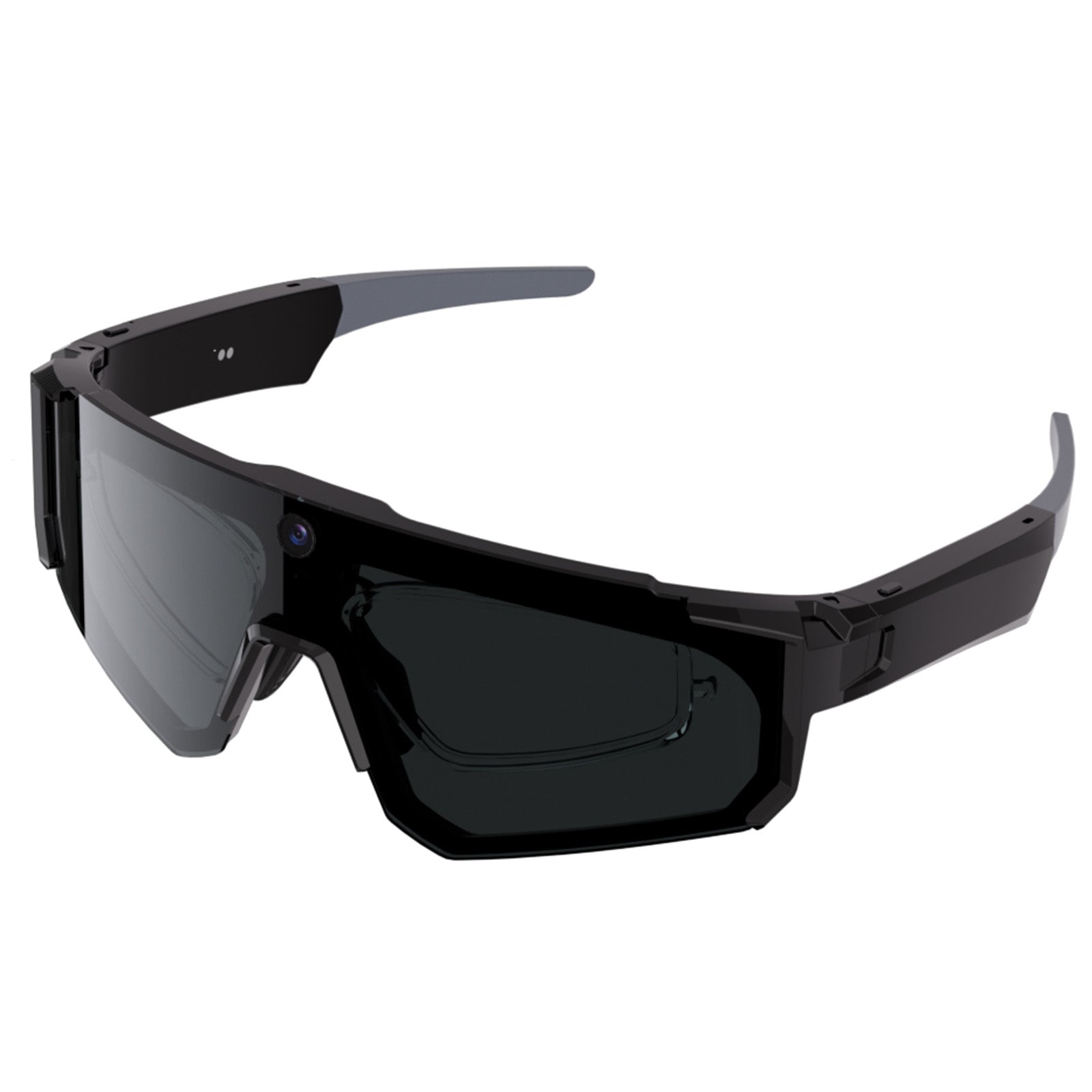
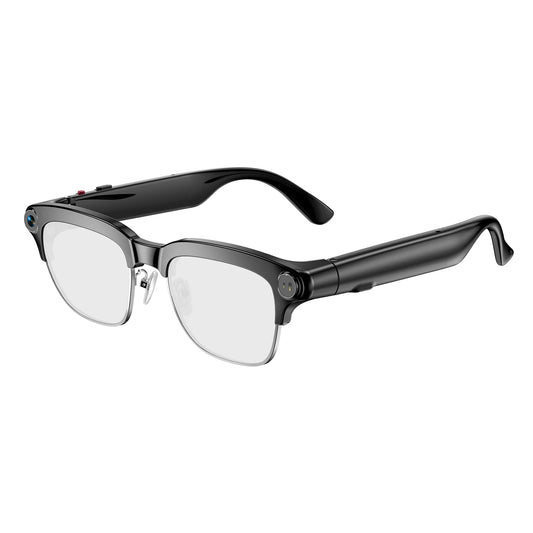
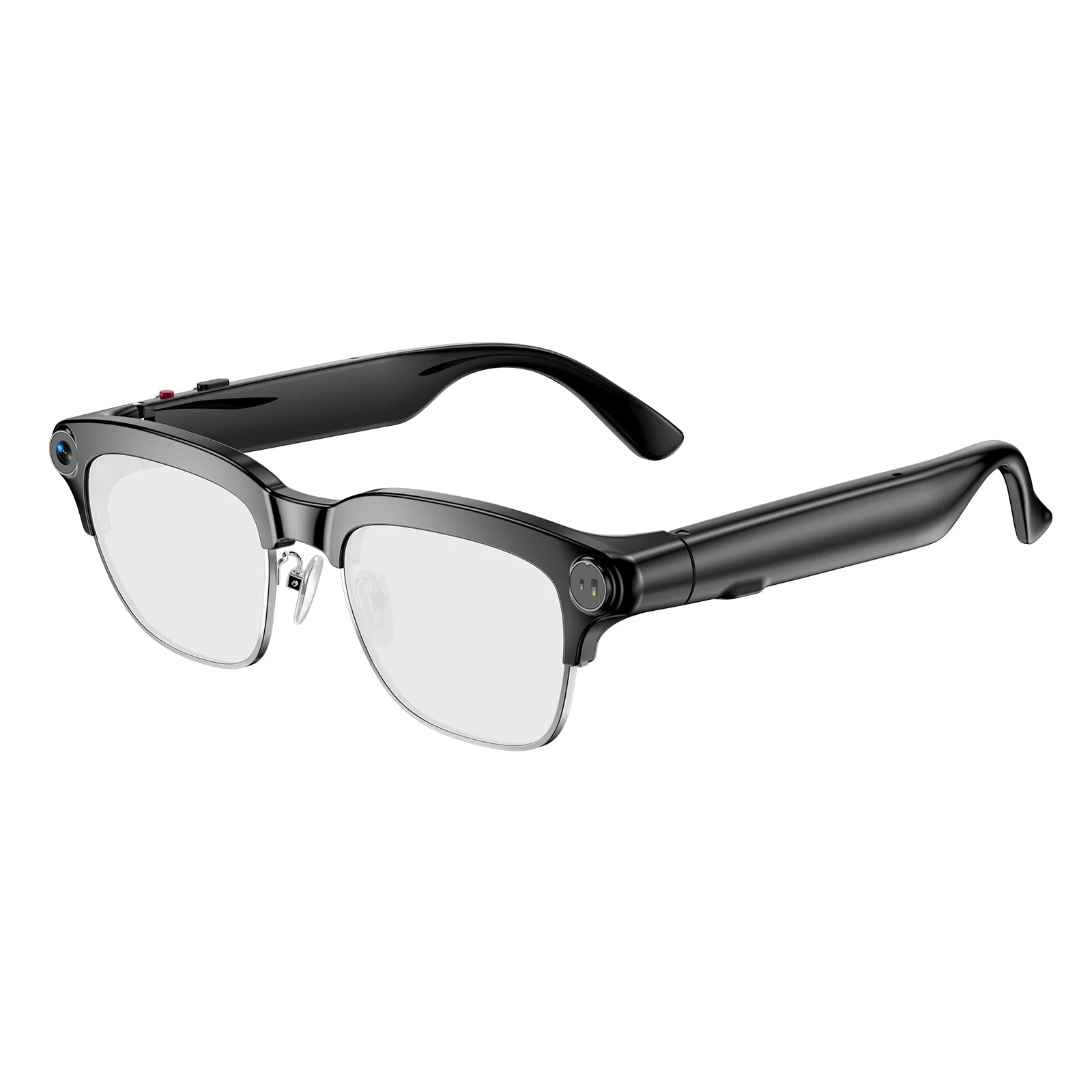
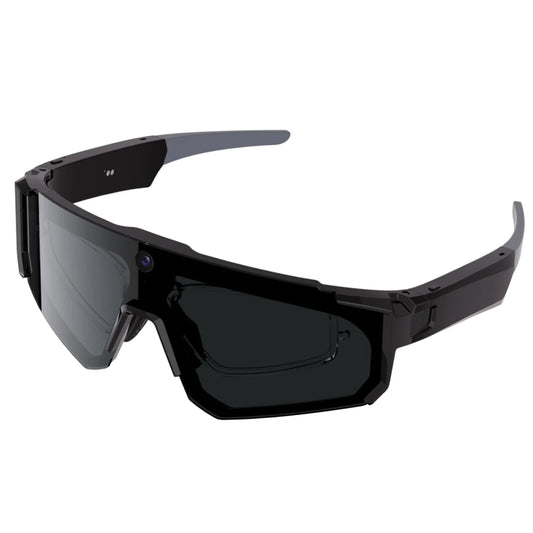
For runners who wish to capture their journey from a natural point of view, the Osawalla GP04 is the definitive solution. These lightweight sunglasses integrate an 8MP HD camera that allows for hands-free photo and video recording. From our experience, the most impressive feature for runners is the 6-axis stabilization sensor. This technology significantly reduces motion shake, which is critical for maintaining smooth footage during the high-impact stride of a run.
The GP04 also maintains the core safety features expected in smart glasses for running, such as open-ear audio and AI voice control. This ensures that while you are recording your path, you remain connected and aware of your environment. Additionally, the GP04 includes an RX inner frame, which we recommend for prescription lens users who require vision correction during their workouts.
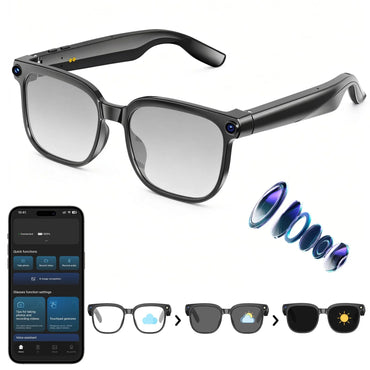
3. Osawalla GG06: Adaptive Light Management
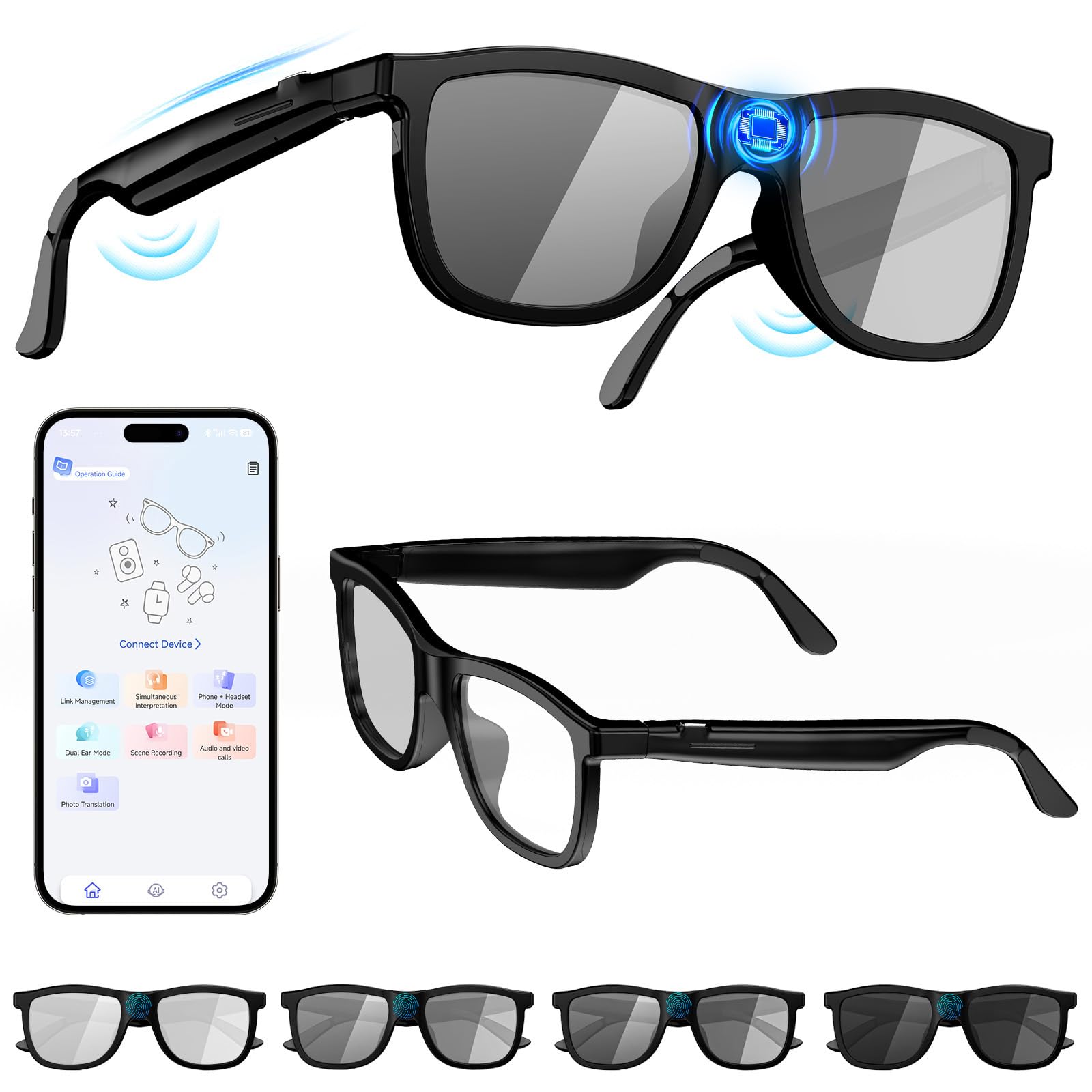
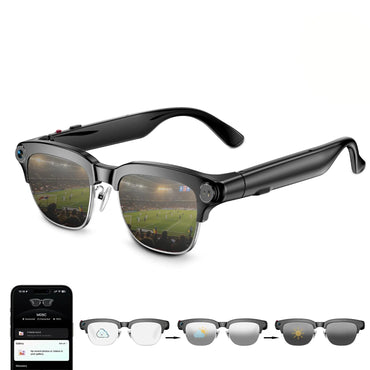
The Osawalla GG06 variant introduces electrochromic technology to the audio glasses category. This allows the lenses to adapt to changing light conditions electronically. For runners who move through varying environments—such as shifting from shaded trails to open roads—this feature provides seamless visual clarity without the need to swap lenses mid-run. This model also maintains the signature open-ear audio and AI assistant integration found across the Osawalla lineup.
4. Hands-Free AI Voice Assistant Integration
One of the more practical smart glasses for running features is the AI voice assistant. This allows for hands-free interaction for navigation, information access, and daily task management. From our experience, this is invaluable for marathon runners or long-distance hikers who need to check their progress or change their music without breaking their stride. By using simple voice commands, the runner can stay focused on the path ahead.
5. Heads-Up Display (HUD) Performance Glasses
Beyond audio and video, some advanced variants offer heads-up displays. These glasses can project real-time data such as pace, heart rate, and distance directly into the runner's field of vision. This technology helps athletes maintain their target metrics without looking down at a watch. While more complex, these are becoming a staple for competitive runners who require precise data monitoring.
6. Prescription-Ready Smart Eyewear
In the past, many smart glasses for running were inaccessible to those with vision impairment. In 2026, the best models, like the Osawalla GP04, include RX inner frames. This allows a professional optician to fit custom lenses into the device, ensuring that the user can benefit from smart features while maintaining perfect vision. This integration is essential for safety and comfort in long-distance outdoor sports.
7. The Ultra-Lightweight Minimalist Runners
Weight is a critical factor for any running accessory. Excessive weight on the bridge of the nose can lead to fatigue or headaches during extended workouts. The latest generation of smart glasses for running focuses on lightweight frames that mimic the feel of standard high-performance athletic sunglasses. These minimalist designs prioritize ergonomics, utilizing materials that reduce overall pressure while maintaining durability.
8. Long-Distance Performance Audio Frames
For endurance athletes, battery longevity and stable connectivity are paramount. Long-distance audio frames often feature larger batteries housed within the temple arms. These devices provide 6 to 10 hours of continuous audio playback, covering the duration of most long-form athletic events. We recommend these for ultramarathoners or long-distance cyclists who require reliable companionship throughout their journey.
9. Smart Ring and Glasses Ecosystems
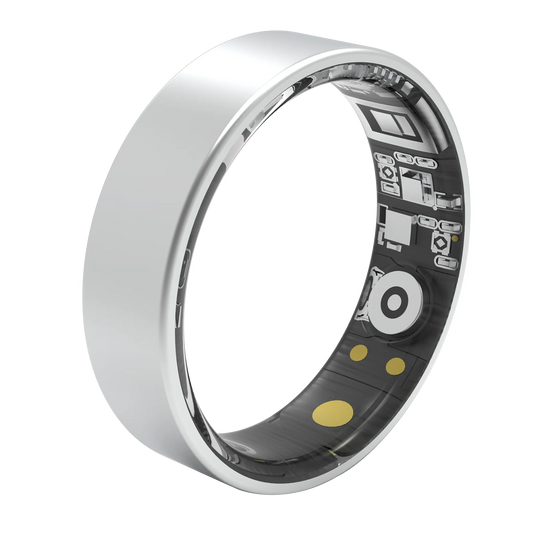
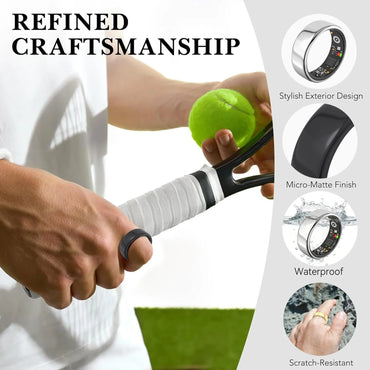
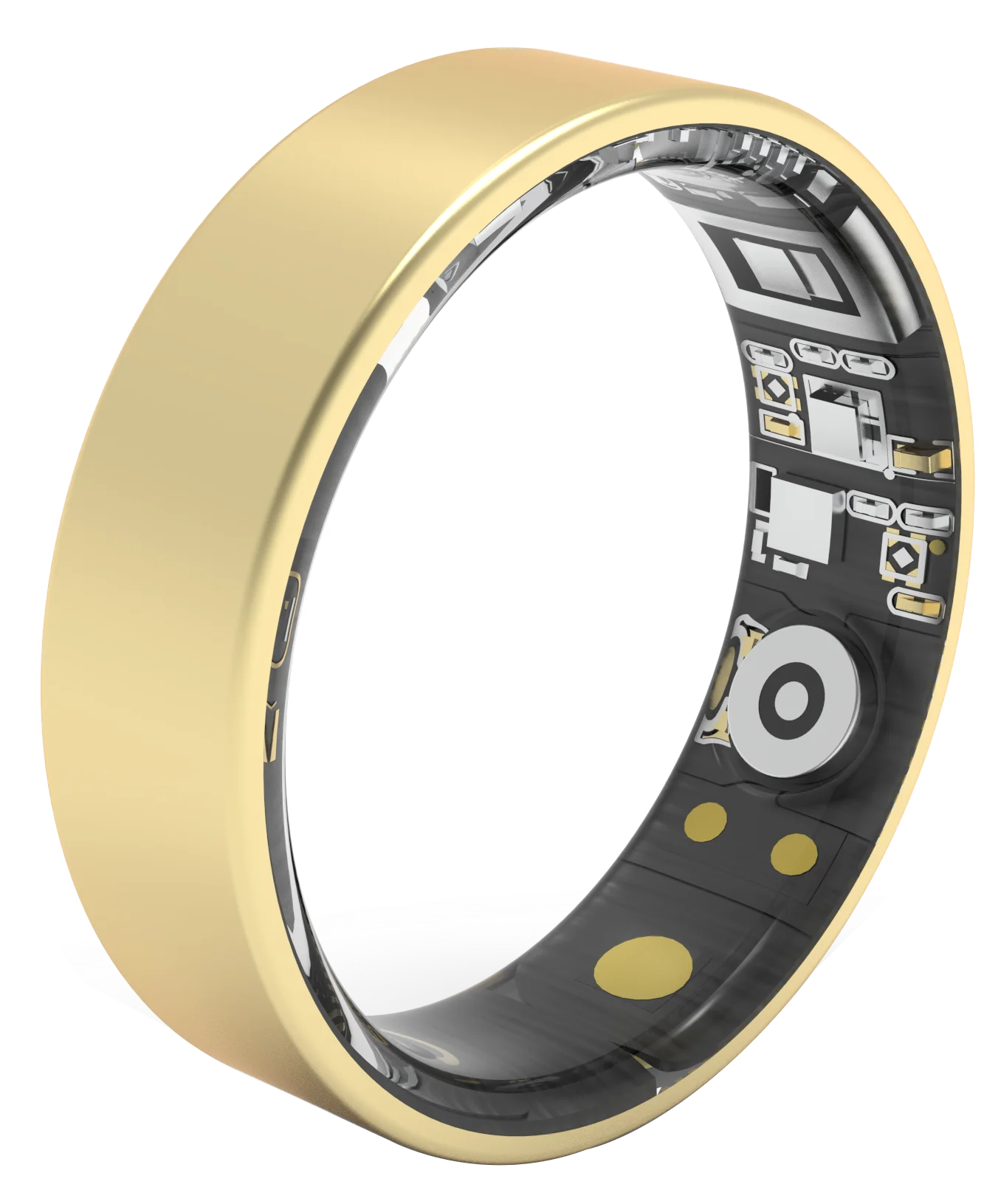
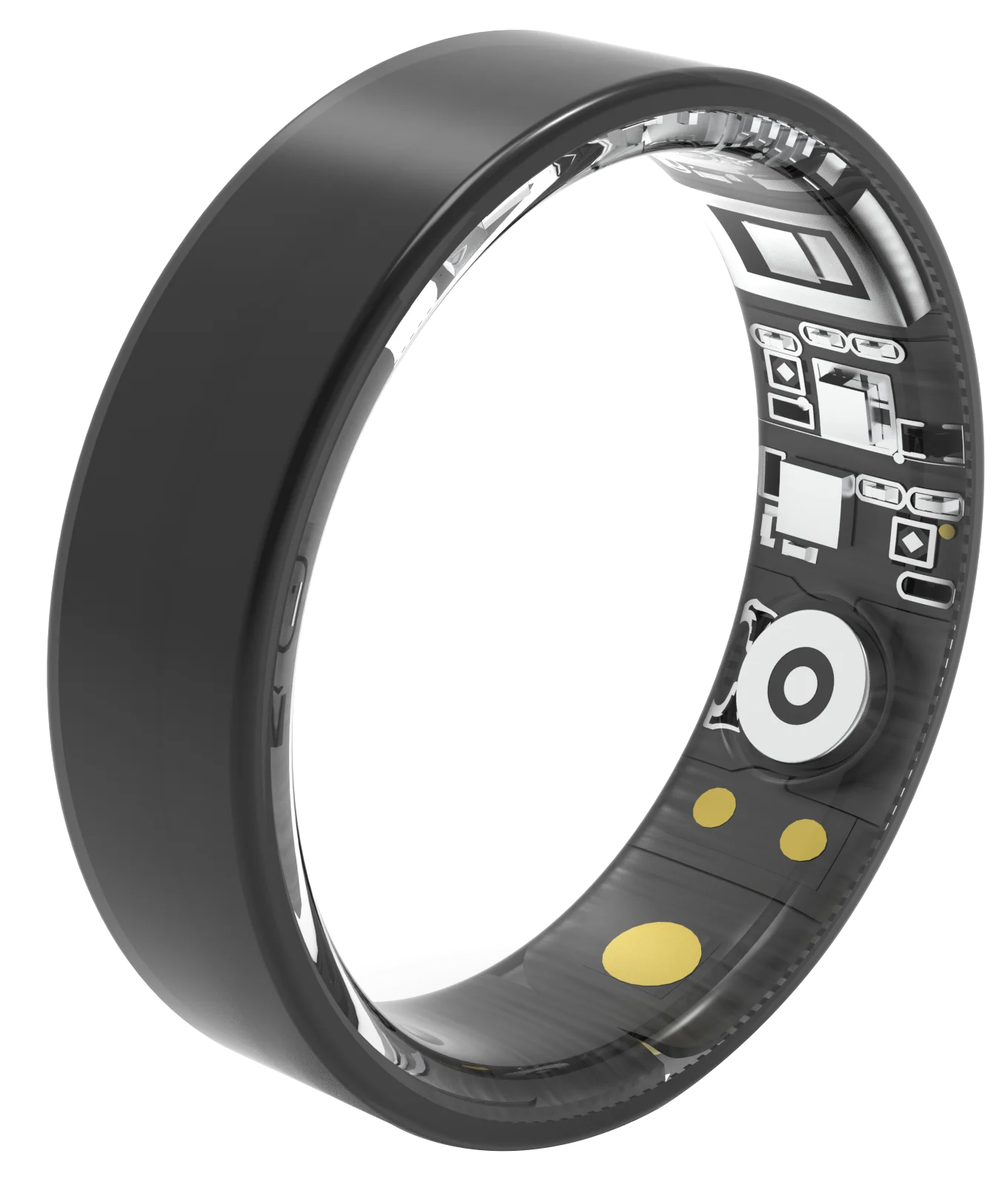
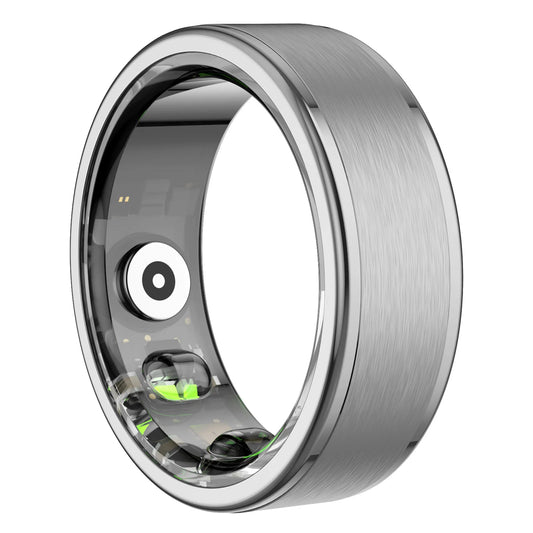
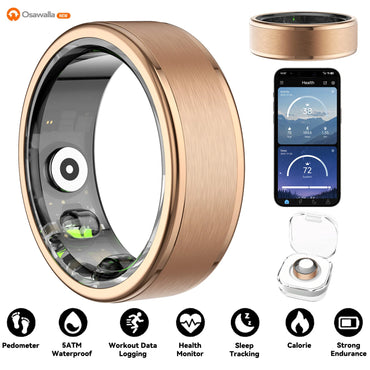
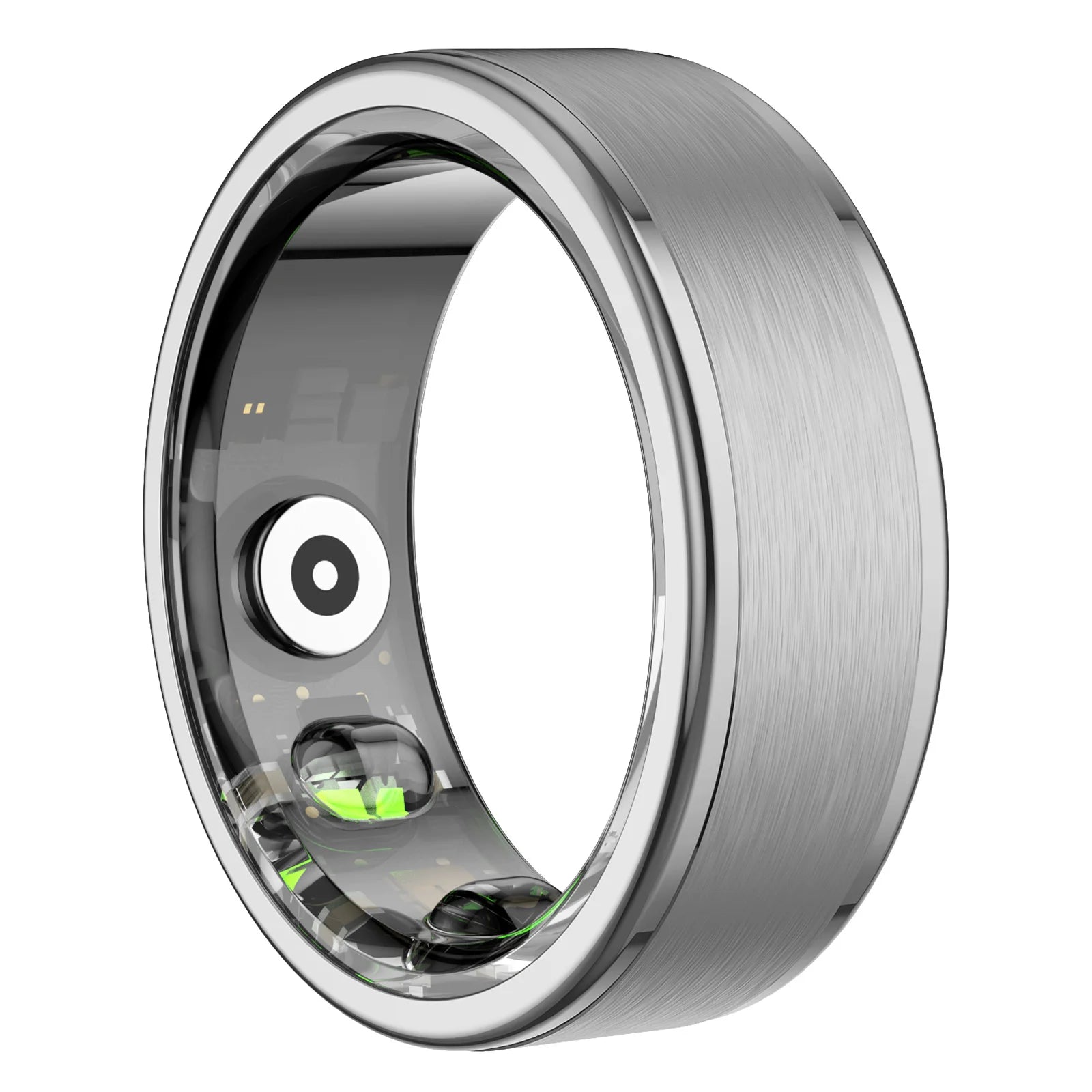
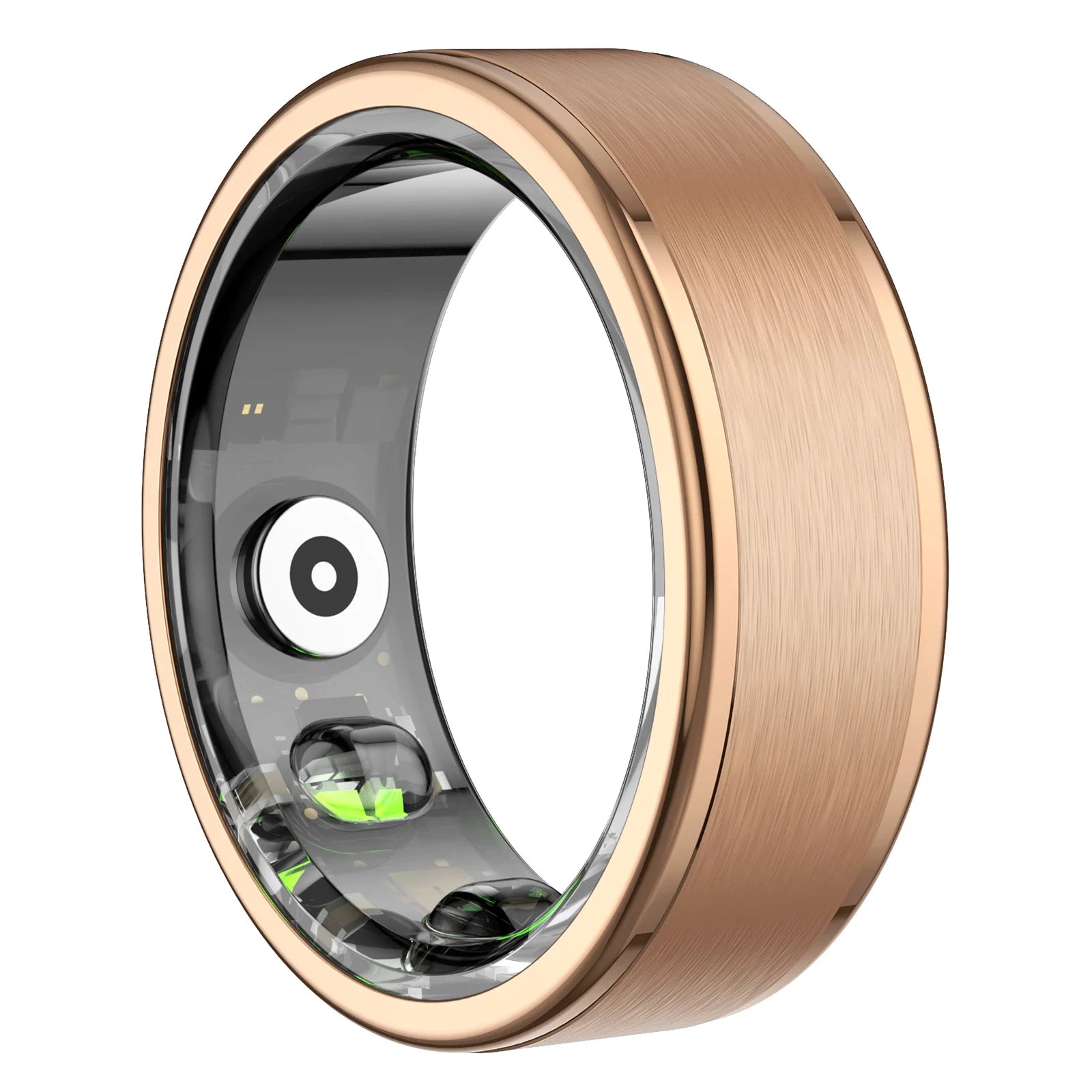
From our experience, the most comprehensive health tracking comes from combining smart glasses for running with other wearables like the Osawalla Smart Ring. While glasses provide audio and visual interaction, a smart health ring can track heart rate, SpO2, and recovery metrics with high precision. Using these devices in tandem allows for a complete overview of both activity and recovery, helping runners optimize their training schedules without subscription fees.
Summary Comparison Table
| Model | Primary Feature | Audio Style | Safety Features | Best For |
|---|---|---|---|---|
| Osawalla GG05 | Multi-Lens Options | Open-Ear | AI Assistant / awareness | Evening and bright sun runs |
| Osawalla GP04 | 8MP 6-Axis Cam | Open-Ear | Stabilization / AI Assistant | POV video for active sports |
| Osawalla GG06 | Electrochromic | Open-Ear | Auto-tinting lenses | Variable light conditions |
| HUD Variant | Visual Display | Integrated | Real-time data monitoring | Competitive performance |
| RX Specialists | Prescription Support | Open-Ear | Vision Correction | Prescription lens users |
Frequently Asked Questions
How do smart glasses for running stay secure during movement?
Advanced models utilize flexible temple arms and silicone anti-slip tips that grip the head securely without being restrictive. Adjustable nose pads further help in distributing weight and preventing the frames from bouncing.
Is open-ear audio better than bone conduction for running?
From our experience, both technologies aim to keep the ear canal open for safety. Open-ear audio typically offers better sound quality for music, while both allow you to hear ambient traffic sounds.
Can I use these glasses for night running?
Yes, provided you choose the correct lens. We recommend yellow lenses for night riding and low-light conditions to improve clarity and contrast.
How does video stabilization work in running glasses?
Devices like the Osawalla GP04 use a 6-axis stabilization sensor that electronically compensates for the vertical and horizontal vibrations caused by your stride, resulting in much smoother footage.
References
- Osawalla GG05 Running & Cycling Audio Glasses Product Specifications
- Osawalla GP04 Running & Cycling Video Glasses Product Specifications
- Osawalla Smart Wearable User Manual Guide
- 10 Best Wearable Smart Glasses in 2026: An Industry Analysis
- Technical Deep Dive: How Do Smart Glasses Work?
- Osawalla GG06 Electrochromic Audio Glasses Technical Data
- Osawalla Silver Rainbow Smart Health Ring Features
- 8 Best AI Glasses with Display in 2026: Consumer Guide
- National Institutes of Health (NIH) - Physical Activity Guidelines
- U.S. Department of Transportation - Pedestrian and Cyclist Safety


