

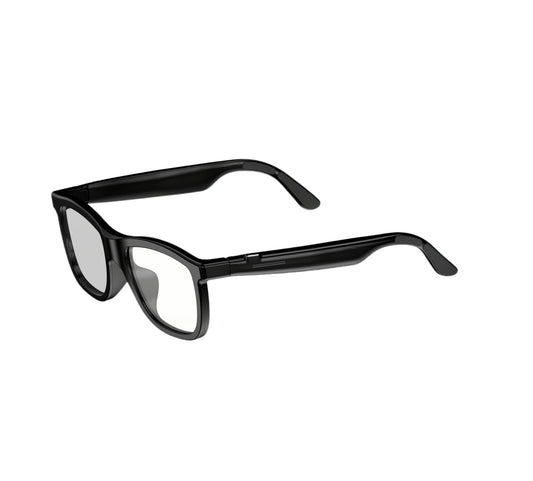
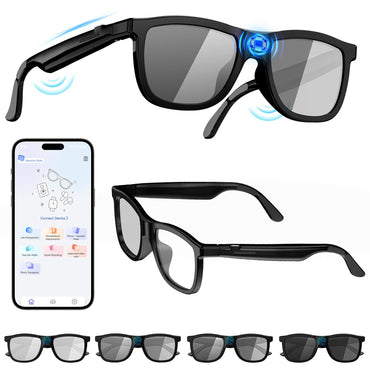
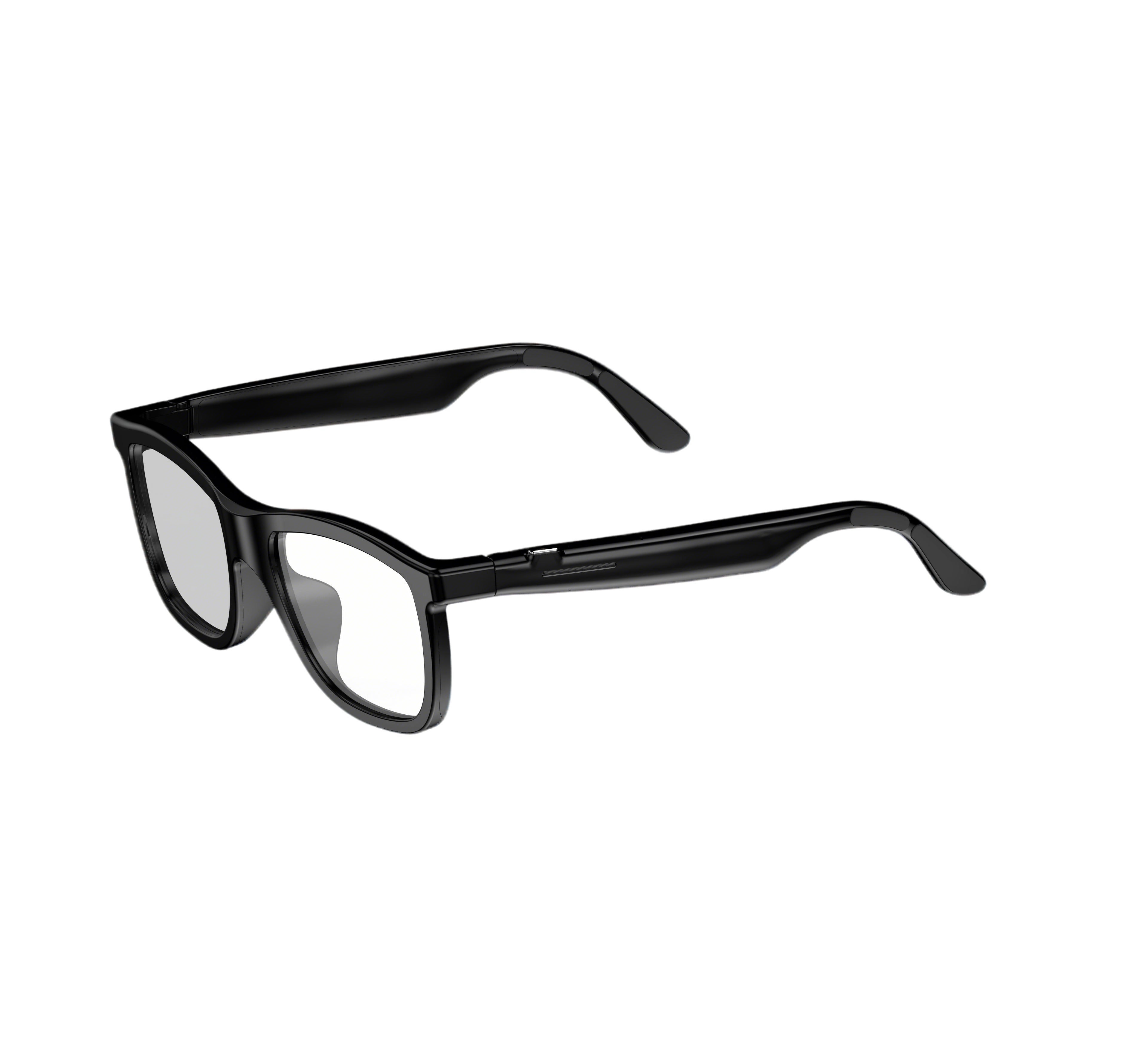
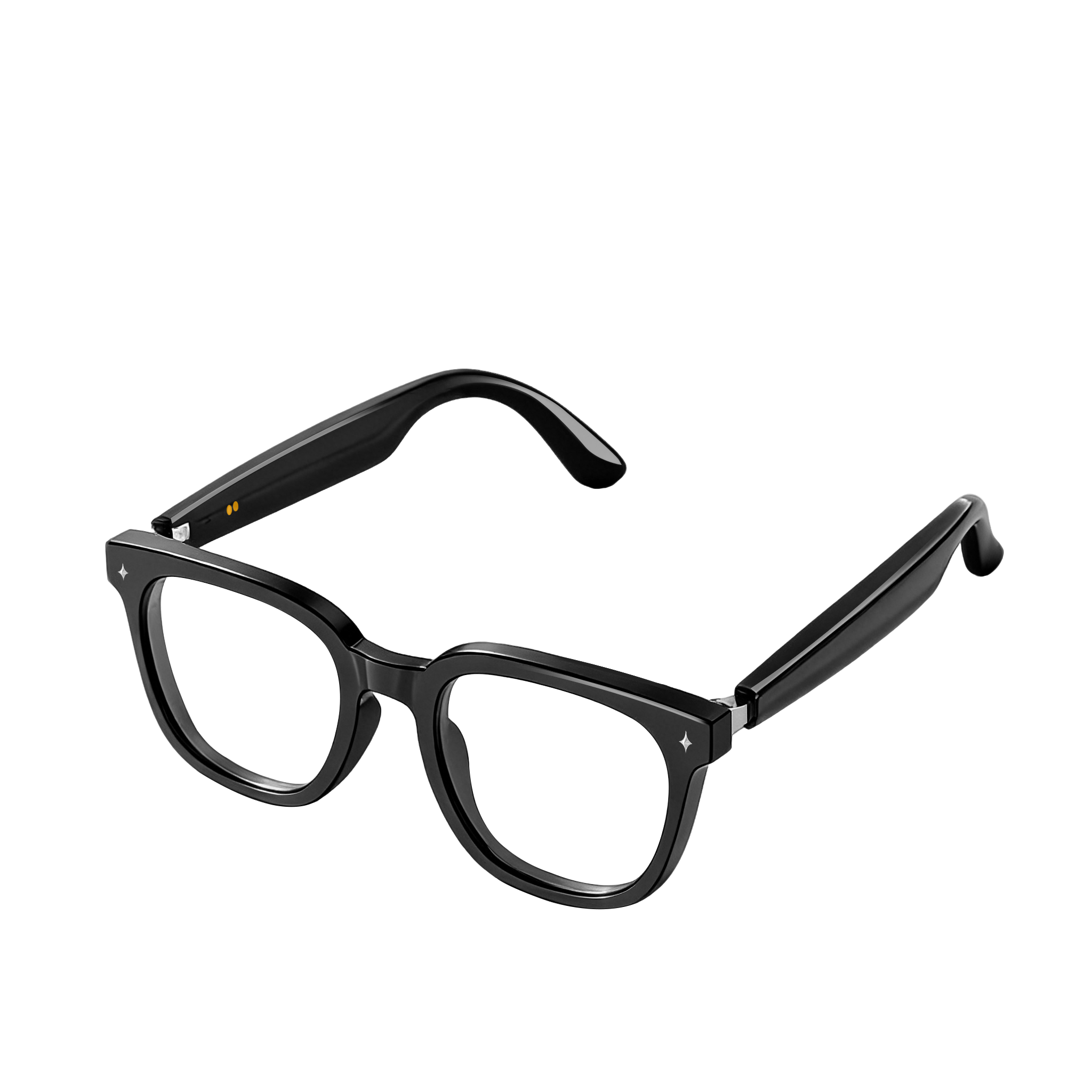
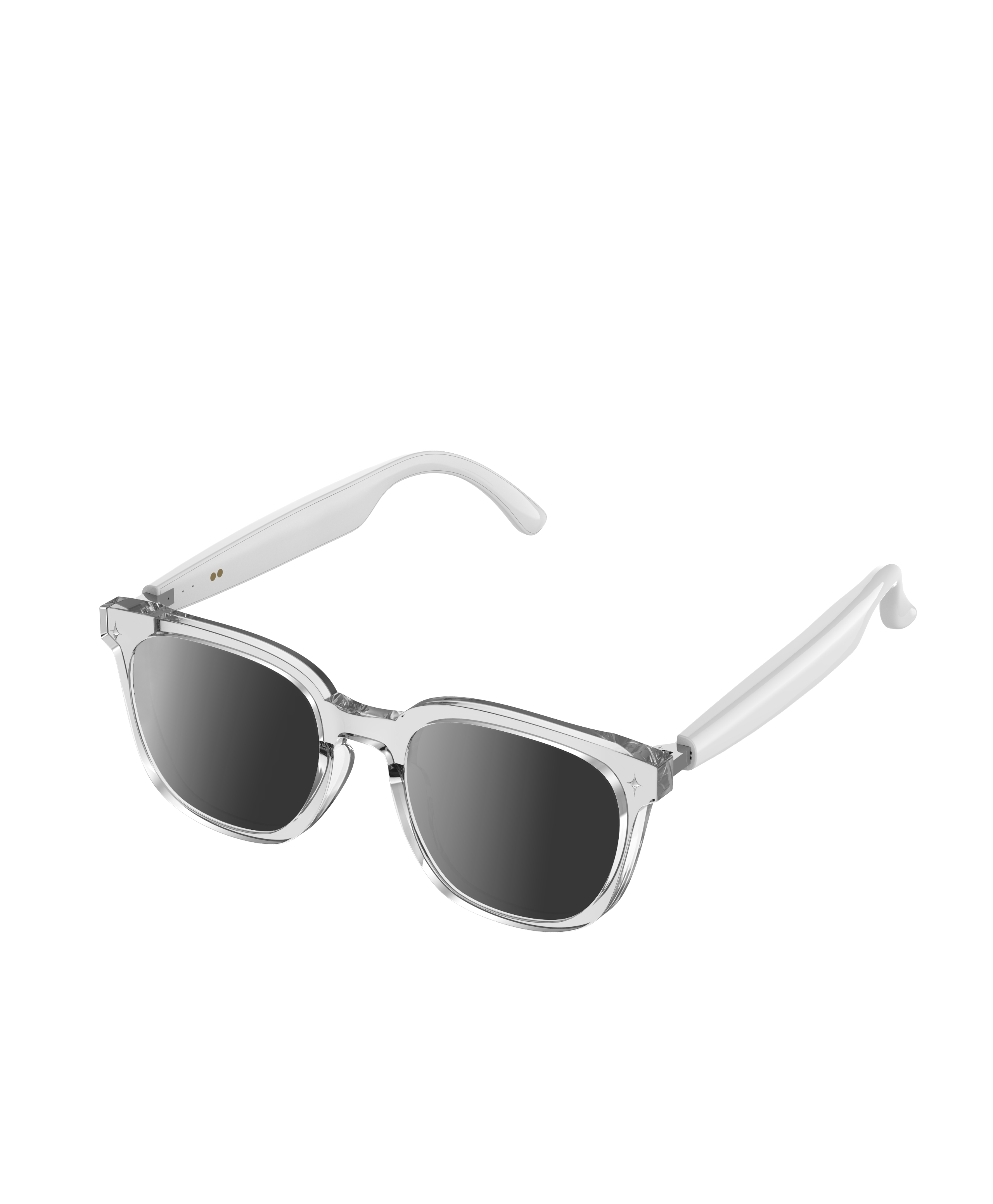
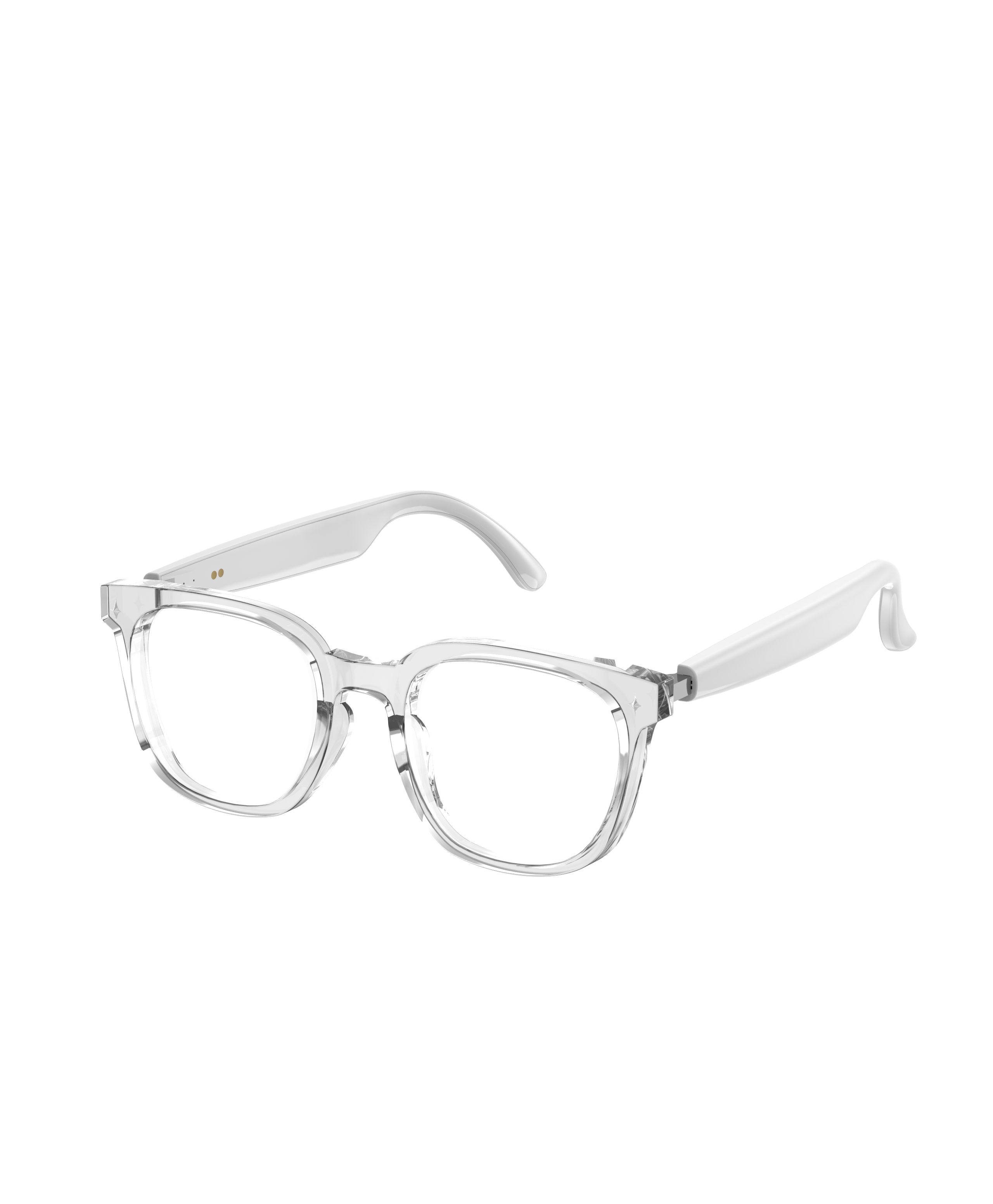






The market for smart wearable glasses for enhanced vision has evolved dramatically in recent years. What started as experimental wearable technology has now become a practical everyday tool for commuters, travelers, professionals, students, and active users. From our experience at Osawalla, buyers are no longer looking only for futuristic designs. They want real-world functionality including AI assistance, visual enhancement, hands-free communication, translation tools, and lightweight comfort.

The best smart wearable glasses for enhanced vision should improve convenience without feeling bulky or distracting. We recommend focusing on usability, battery performance, voice integration, lens adaptability, and wearable comfort rather than chasing gimmicky features.
At Osawalla, we closely follow the evolution of smart eyewear technology and wearable AI systems. Based on product testing, customer feedback, and industry development trends, this guide highlights the six best smart wearable glasses for enhanced vision in 2026.
Table of Contents
Why Smart Wearable Glasses Are Growing Fast
The rapid growth of smart wearable glasses for enhanced vision is driven by improvements in AI processing, lightweight materials, Bluetooth technology, and miniaturized camera systems. Unlike earlier generations of smart glasses, modern models are now practical enough for everyday use.
From our experience, users increasingly prefer wearable technology that integrates naturally into their daily routine instead of forcing them to carry multiple devices. Smart glasses now combine:
- Hands-free communication
- AI voice assistance
- Real-time translation
- Open-ear audio
- Photo and video capture
- Navigation support
- Vision enhancement through adaptive lenses
This shift explains why smart wearable glasses for enhanced vision are becoming one of the fastest-growing wearable technology categories globally.
Key Features to Look For
Lightweight Design
Heavy smart glasses quickly become uncomfortable during extended wear. We recommend choosing models under 45 grams whenever possible. Lightweight frames reduce nose pressure and improve long-term usability.
AI Integration
Modern AI systems dramatically improve the practicality of smart wearable glasses for enhanced vision. Features such as object recognition, voice interaction, and live translation are now essential rather than optional.
Audio Quality
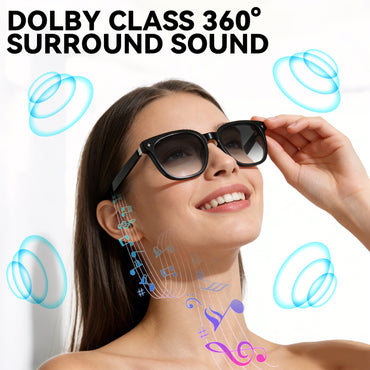
Open-ear speaker systems allow users to remain aware of their surroundings while listening to audio or taking calls. From our experience, this feature is especially important for commuting, cycling, and travel.
Adaptive Lenses
Photochromic or adaptive lenses improve eye comfort in changing lighting conditions. They are particularly useful for users who frequently transition between indoor and outdoor environments.
Battery Performance
Battery life remains one of the most important purchasing factors. We recommend smart glasses capable of lasting at least an entire workday under moderate usage conditions.
6 Best Smart Wearable Glasses for Enhanced Vision
1. Osawalla GP02 Smart Glasses with Camera
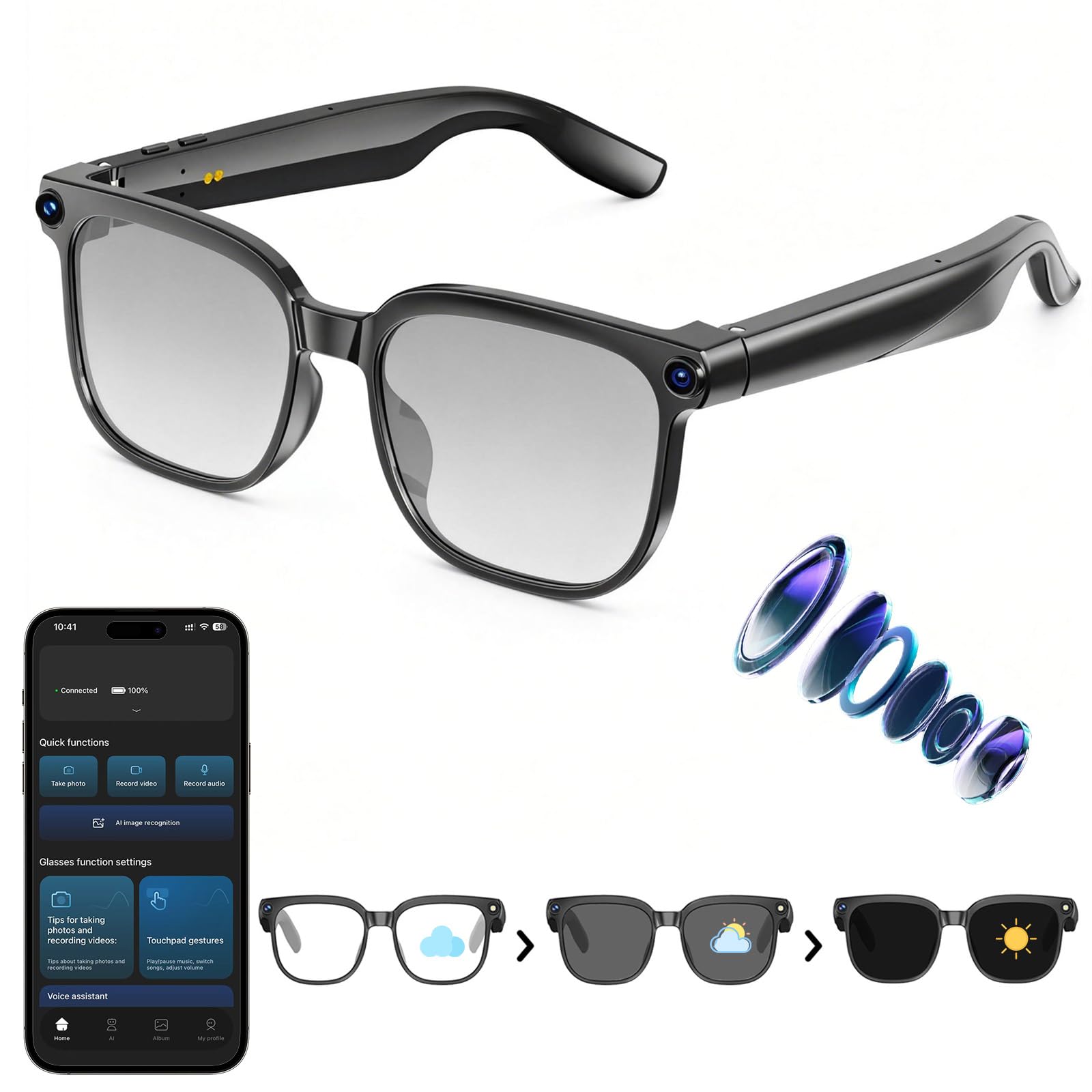
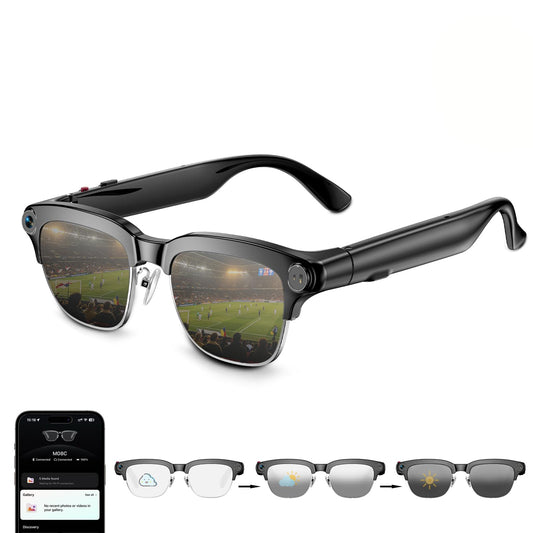
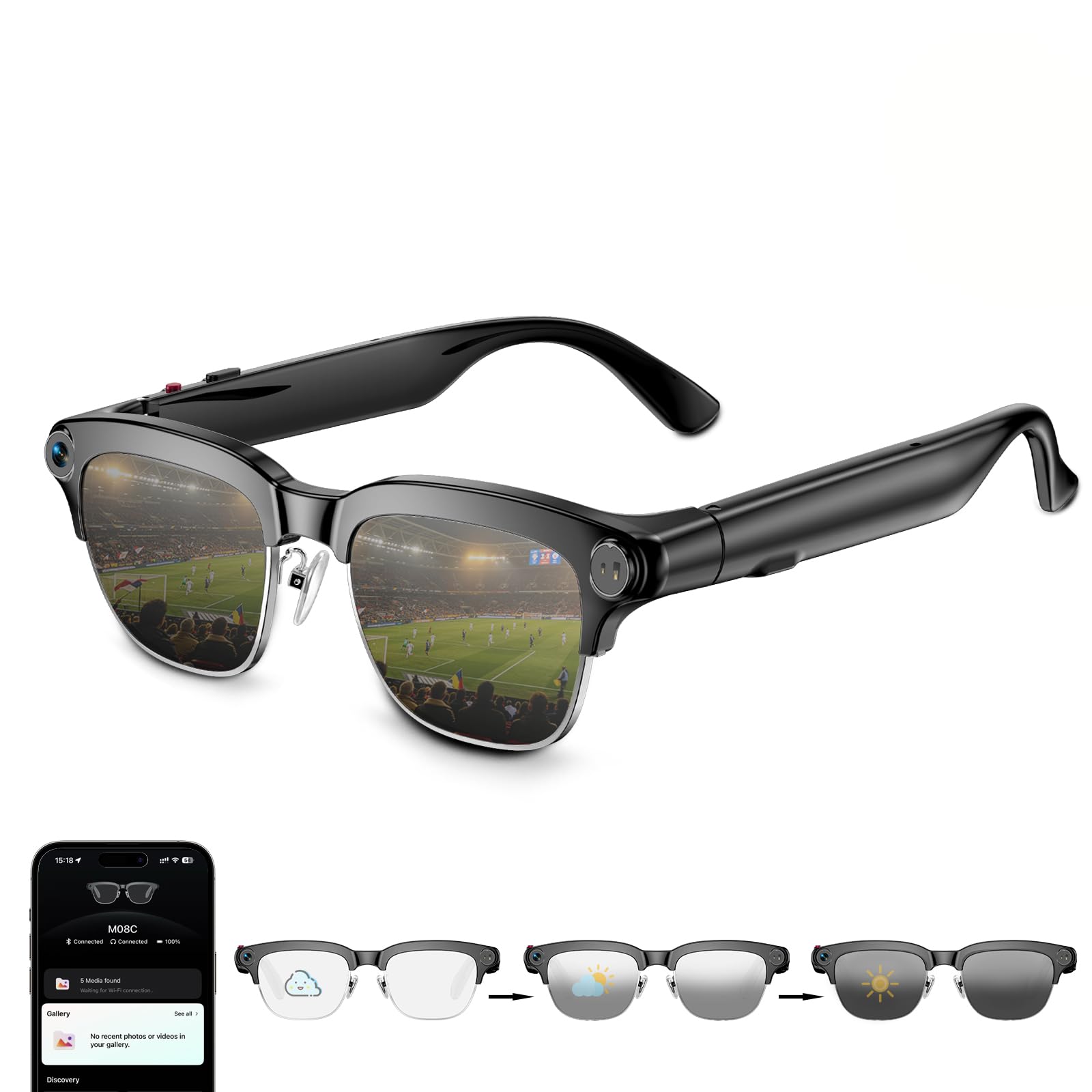
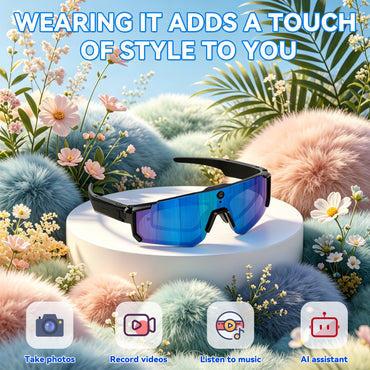
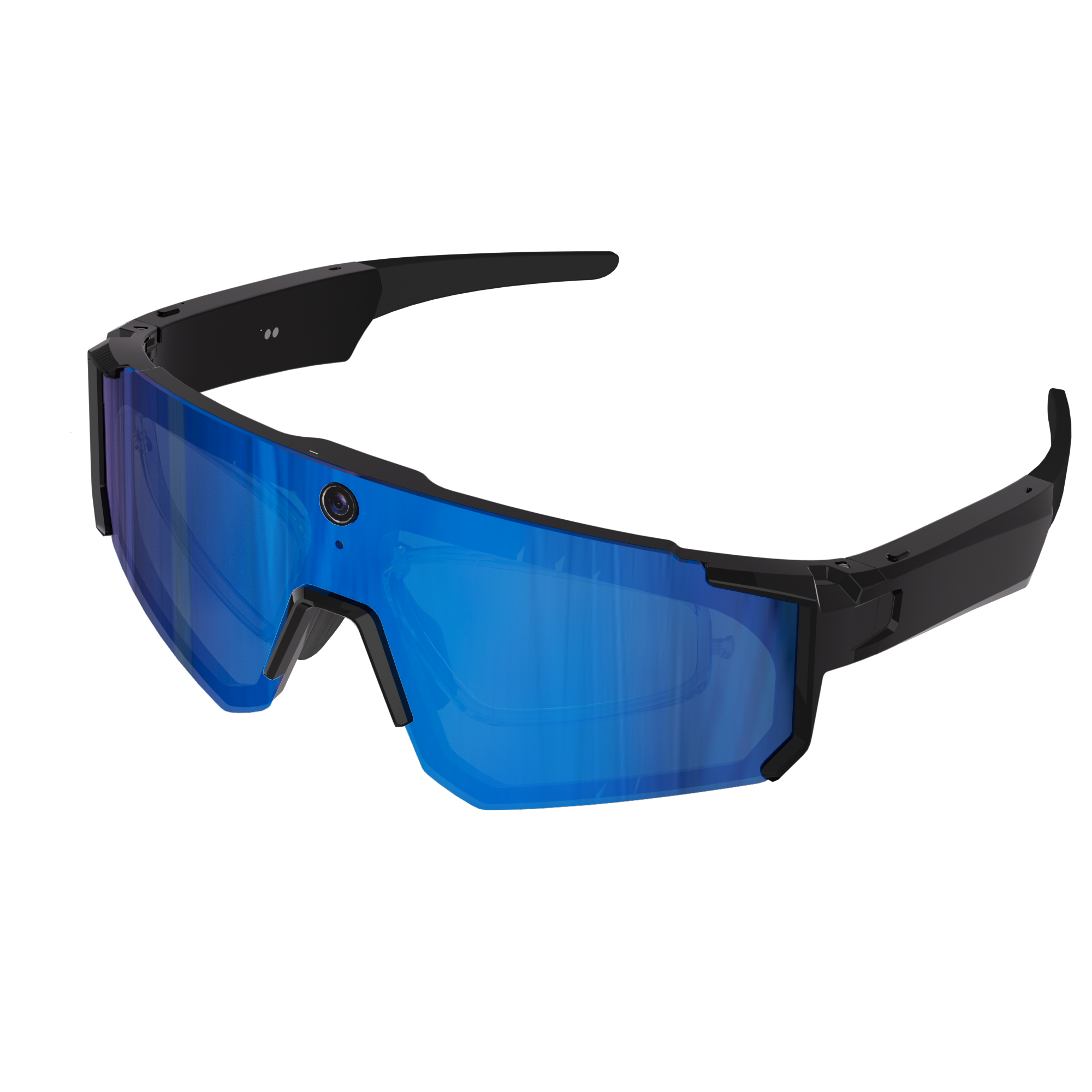
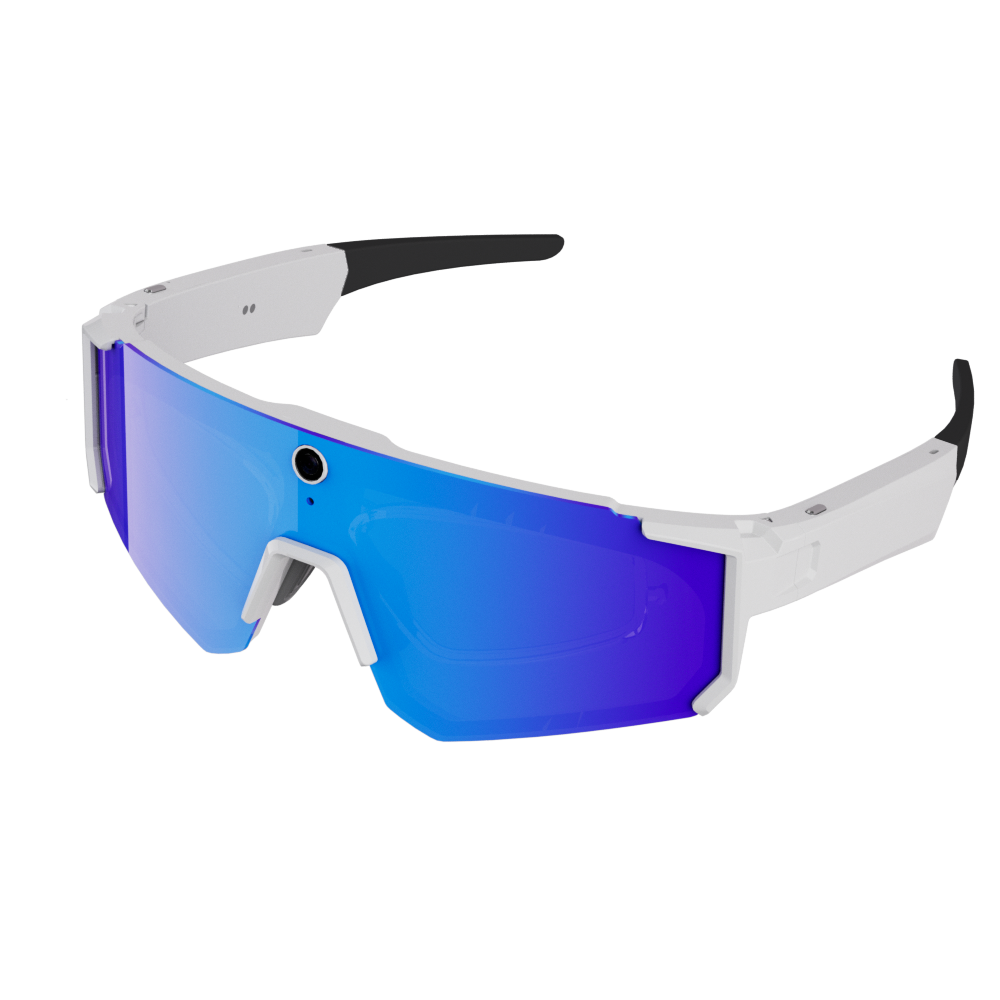
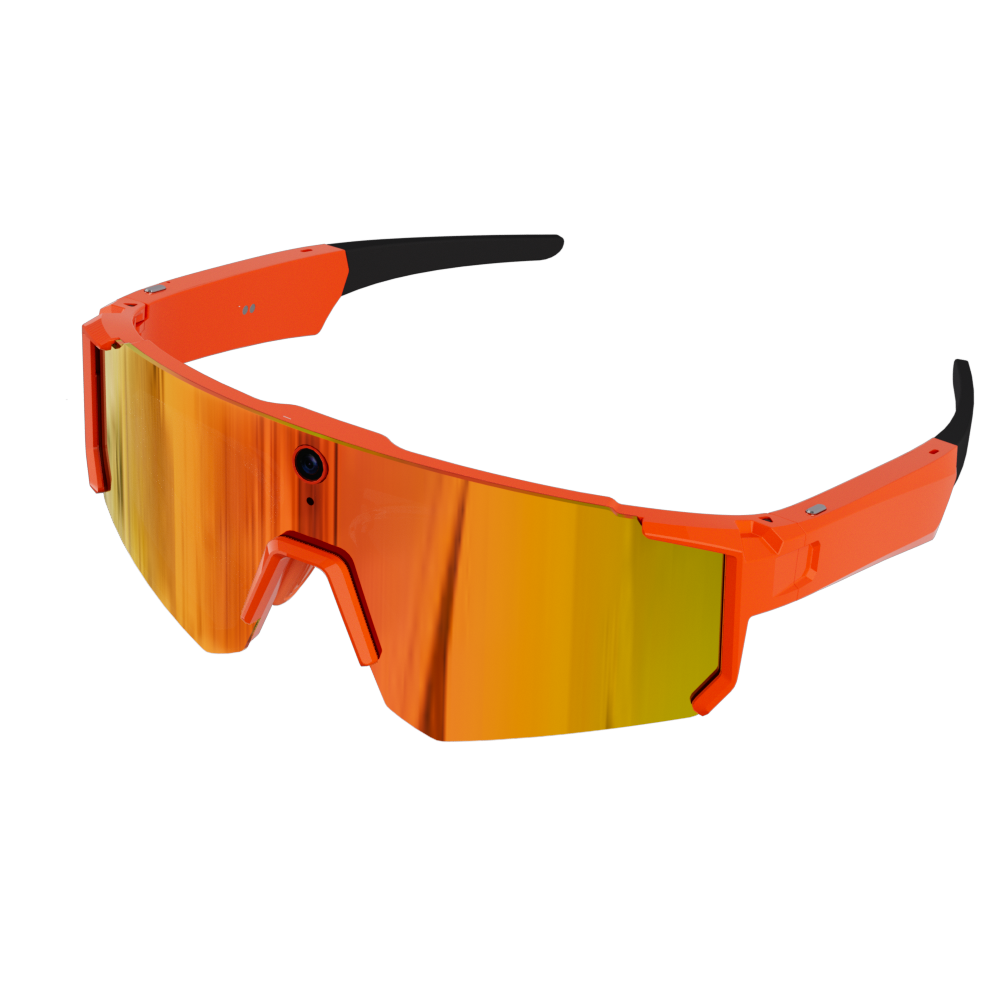
The GP02 smart glasses with camera are among the most advanced smart wearable glasses for enhanced vision currently available for mainstream users.
From our experience, the GP02 model stands out because it combines AI functionality, camera technology, voice interaction, and wearable comfort into one lightweight device.
Key features include:
- 1080P HD video recording
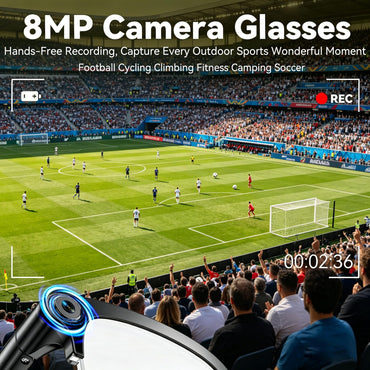
- 8MP camera system
- Real-time object recognition
- 139+ language translation
- Built-in AI assistant with ChatGPT integration
- Bluetooth 5.4 and Wi-Fi syncing
- Photochromic UV-protection lenses
- 40.8g lightweight frame
We recommend these smart wearable glasses for enhanced vision for travelers, business professionals, students, and content creators who want hands-free recording and intelligent voice support.
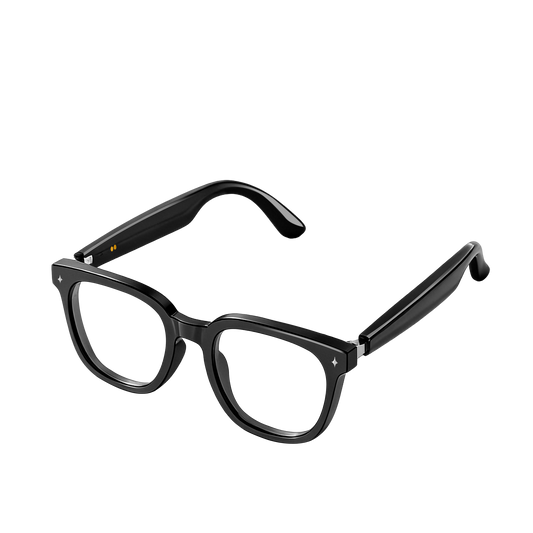
2. Osawalla GG04 Smart Audio Glasses
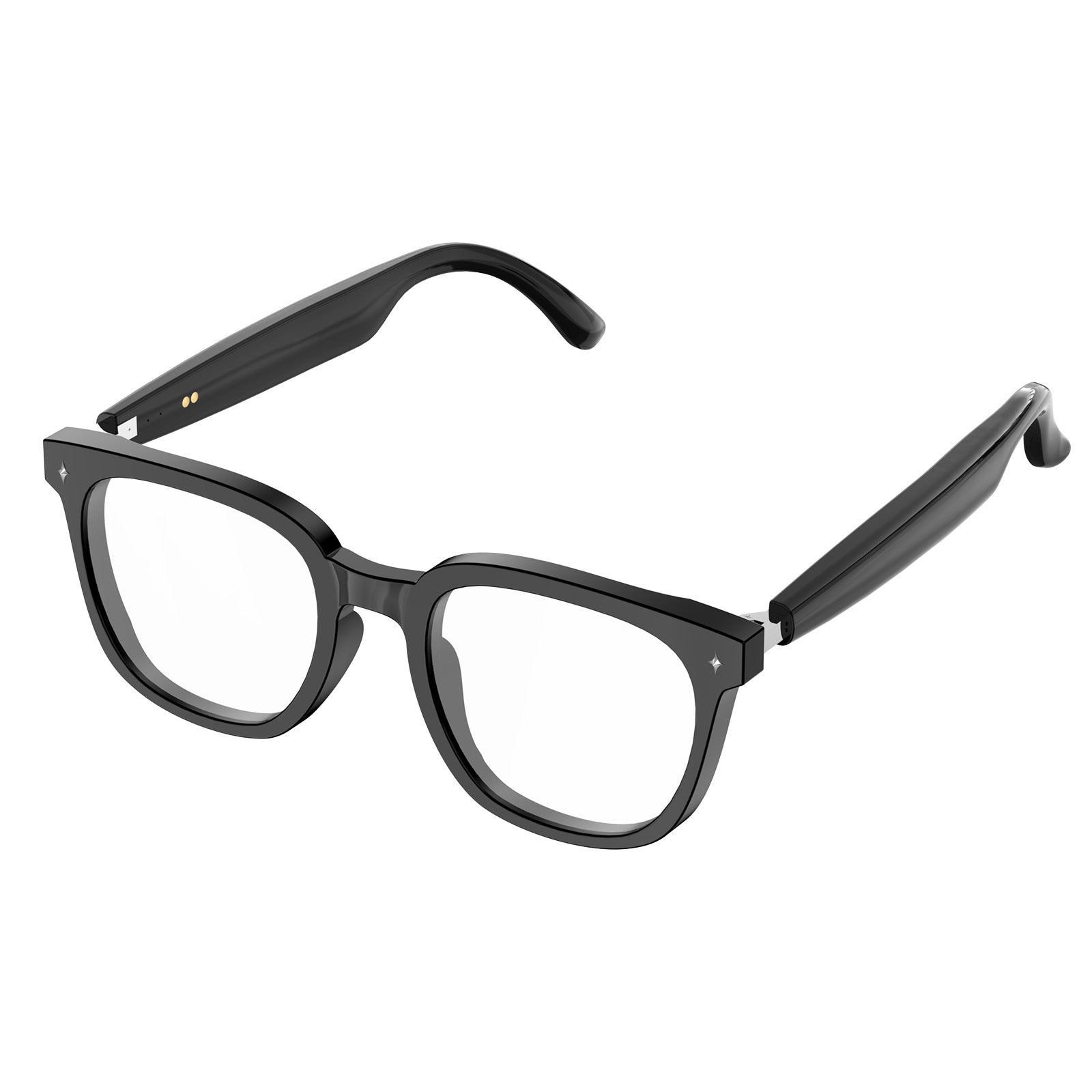
The GG04 Smart Audio Glasses focus heavily on wearable comfort and audio functionality.
At only 33 grams, these smart wearable glasses for enhanced vision are ideal for users who prioritize all-day comfort. The open-ear speaker system allows users to stay aware of traffic and surroundings while listening to music or taking calls.
Major advantages include:
- Bluetooth audio connectivity
- Open-ear speakers
- 164+ language translation support
- Touch controls
- Multiple lens options
- Magnetic charging system
- Ultra-lightweight design
From our experience, the GG04 model performs exceptionally well for commuters and active users who dislike wearing traditional earbuds.
3. AI Translation Smart Glasses
Translation-focused smart glasses are becoming increasingly popular among travelers and international professionals. Real-time multilingual translation can significantly improve communication efficiency during meetings, conferences, and travel situations.
We recommend prioritizing translation speed and voice recognition accuracy over marketing claims about language quantity alone.
4. Smart Glasses with Camera and Live Streaming
Camera-enabled smart glasses continue to gain popularity among vloggers, cyclists, travelers, and outdoor enthusiasts. Hands-free recording creates a more immersive experience compared to handheld smartphones.
From our experience, stabilization technology matters far more than raw camera resolution when evaluating wearable recording devices.
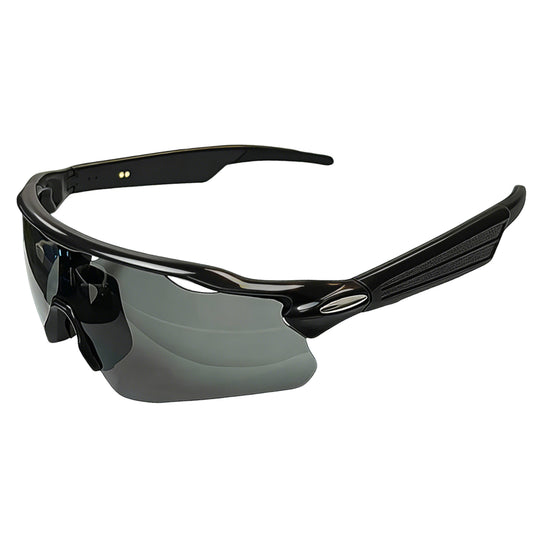
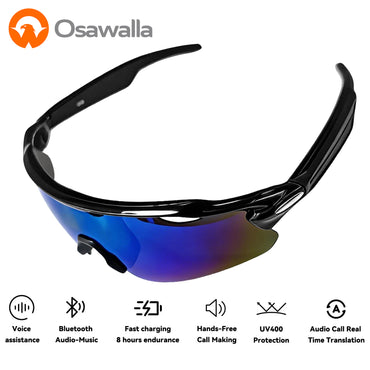
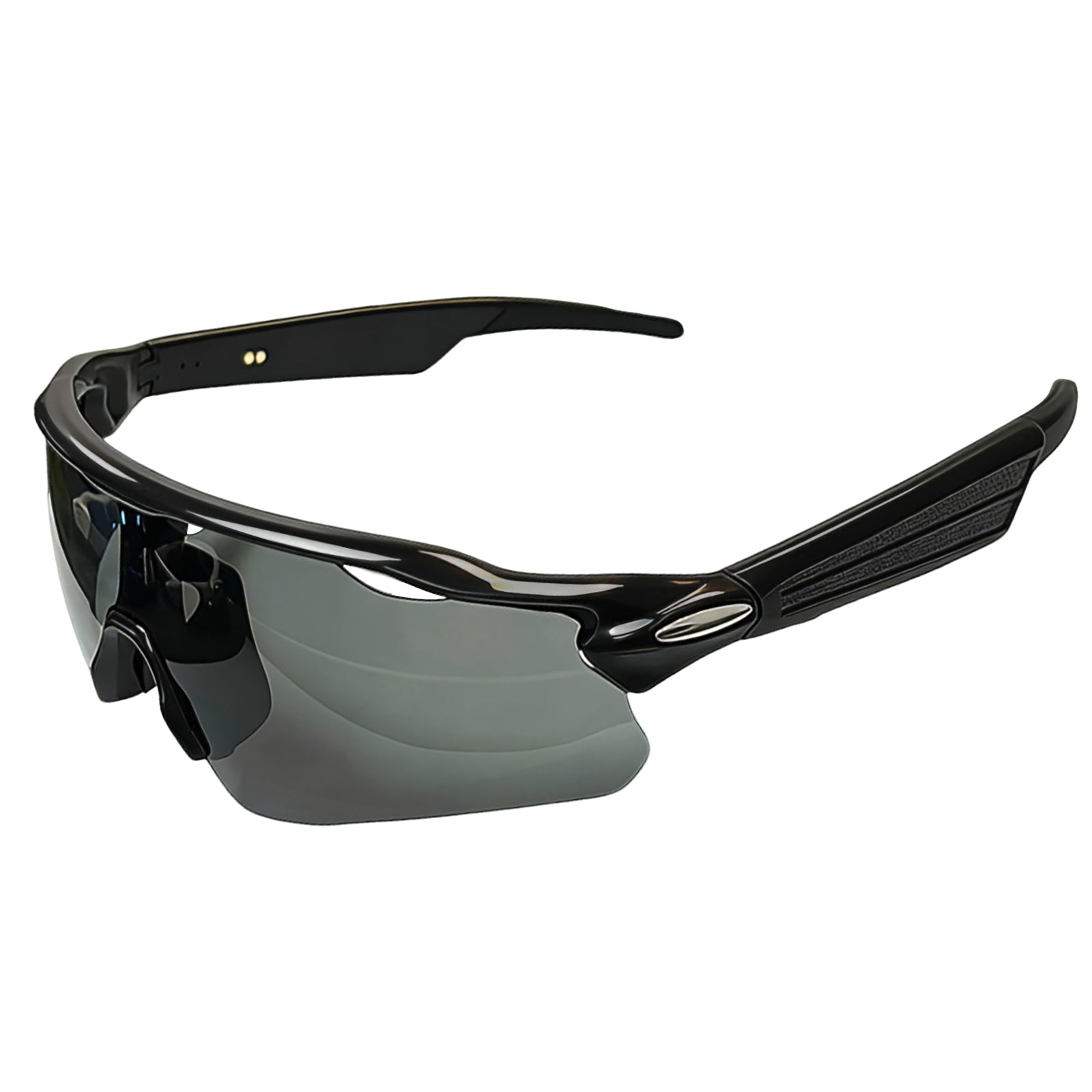
5. Smart Audio Sunglasses
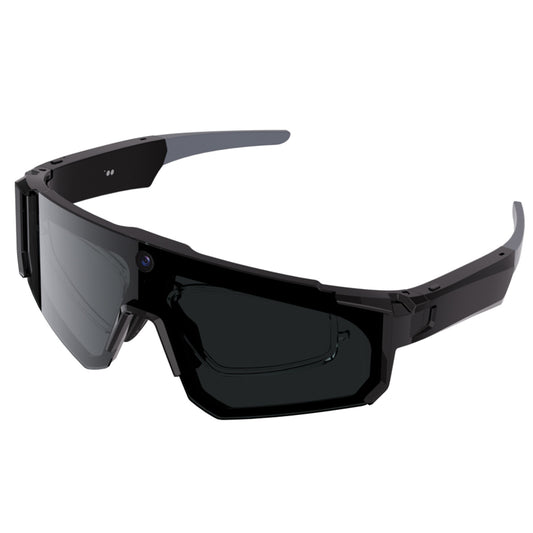
Smart audio sunglasses combine UV protection with wearable audio systems. These smart wearable glasses for enhanced vision are especially practical for outdoor sports, beach use, and driving.
Users looking for outdoor-focused products should also explore our guide to best smart sunglasses with camera.
6. Adaptive Lens Smart Glasses
Adaptive lens smart glasses automatically adjust tint levels depending on surrounding light conditions. We strongly recommend adaptive lenses for users who frequently move between indoor and outdoor environments because they reduce eye strain significantly.
Comparison Table
| Model | Best For | Main Strength | Weight |
|---|---|---|---|
| GP02 Smart Glasses | AI functionality | Camera + AI assistant | 40.8g |
| GG04 Smart Audio Glasses | Daily commuting | Open-ear audio | 33g |
| AI Translation Glasses | Travel | Language translation | Varies |
| Camera Smart Glasses | Content creators | Hands-free recording | Varies |
| Smart Audio Sunglasses | Outdoor activities | UV protection + audio | Varies |
| Adaptive Lens Glasses | All-day wear | Automatic tint adjustment | Varies |
Best Use Cases for Smart Wearable Glasses
Travel and Tourism
Real-time translation and object recognition make smart wearable glasses for enhanced vision extremely valuable for travelers navigating unfamiliar countries.
Business and Productivity
Voice assistants, call management, and hands-free communication improve productivity during meetings, commuting, and remote work.
Fitness and Outdoor Activities
Open-ear audio systems provide a safer alternative to traditional headphones during cycling, running, and walking.
Content Creation
Creators increasingly use smart glasses for POV recording and immersive video capture. Lightweight wearable cameras provide more natural footage than handheld devices.
For additional industry insights, we recommend reading:
- smart glasses with camera review
- smart glasses applications 2026
- future of smart glasses technology
- smart wearable glasses for active lifestyle
Future of Smart Wearable Glasses
The future of smart wearable glasses for enhanced vision will revolve around AI integration, lightweight engineering, and contextual computing.
From our experience, future wearable glasses will likely include:
- More advanced AR overlays
- Improved AI assistants
- Enhanced battery efficiency
- Real-time health monitoring
- Expanded environmental recognition
- Better low-light camera systems
As wearable AI becomes more practical, smart glasses will increasingly replace some smartphone functions during daily activities.
FAQs
What are smart wearable glasses for enhanced vision?
They are wearable smart devices that combine eyewear with features such as AI assistance, cameras, audio systems, translation tools, and adaptive lenses.
Are smart glasses practical for daily use?
Yes. Modern smart glasses are significantly lighter and more comfortable than earlier generations, making them practical for commuting, travel, and work.
Can smart glasses translate languages in real time?
Many advanced models now support live translation across dozens or even hundreds of languages using AI-powered voice processing.
Do smart glasses work without smartphones?
Some functions may work independently, but most smart wearable glasses for enhanced vision still rely on smartphone connectivity for full functionality.
Are smart glasses safe for outdoor use?
Yes. Many models include UV-protection lenses, open-ear audio systems, and waterproof designs suitable for outdoor environments.
Which smart glasses are best for travel?
From our experience, AI translation glasses with adaptive lenses and lightweight frames are the best choice for frequent travelers.
References
Summary
| Category | Top Recommendation |
|---|---|
| Best Overall | GP02 Smart Glasses with Camera |
| Best Lightweight Model | GG04 Smart Audio Glasses |
| Best for Travelers | AI Translation Smart Glasses |
| Best for Outdoor Activities | Smart Audio Sunglasses |
| Best for Content Creation | Camera Smart Glasses |
| Most Important Feature | Comfort + AI usability |
The best smart wearable glasses for enhanced vision in 2026 are no longer niche gadgets. They are becoming practical wearable tools for communication, travel, productivity, and entertainment. From our experience at Osawalla, the most successful smart glasses combine lightweight comfort, intelligent AI functionality, and real-world usability rather than relying on flashy marketing features alone. Buyers should prioritize wearable comfort, battery life, adaptive lenses, and reliable AI integration when selecting their next pair of smart glasses.


