










Author: Osawalla
The wearable technology market is evolving rapidly, and one category is transforming global communication faster than expected: smart glasses offer real-time translation features that allow users to communicate naturally across language barriers. In 2026, AI-powered eyewear is no longer a futuristic experiment. It has become a practical productivity tool for travelers, business professionals, content creators, and international teams.

From our experience in wearable technology development, consumers no longer want bulky translator devices or awkward phone apps interrupting conversations. They want lightweight smart glasses that provide instant language assistance while remaining comfortable enough for everyday use.
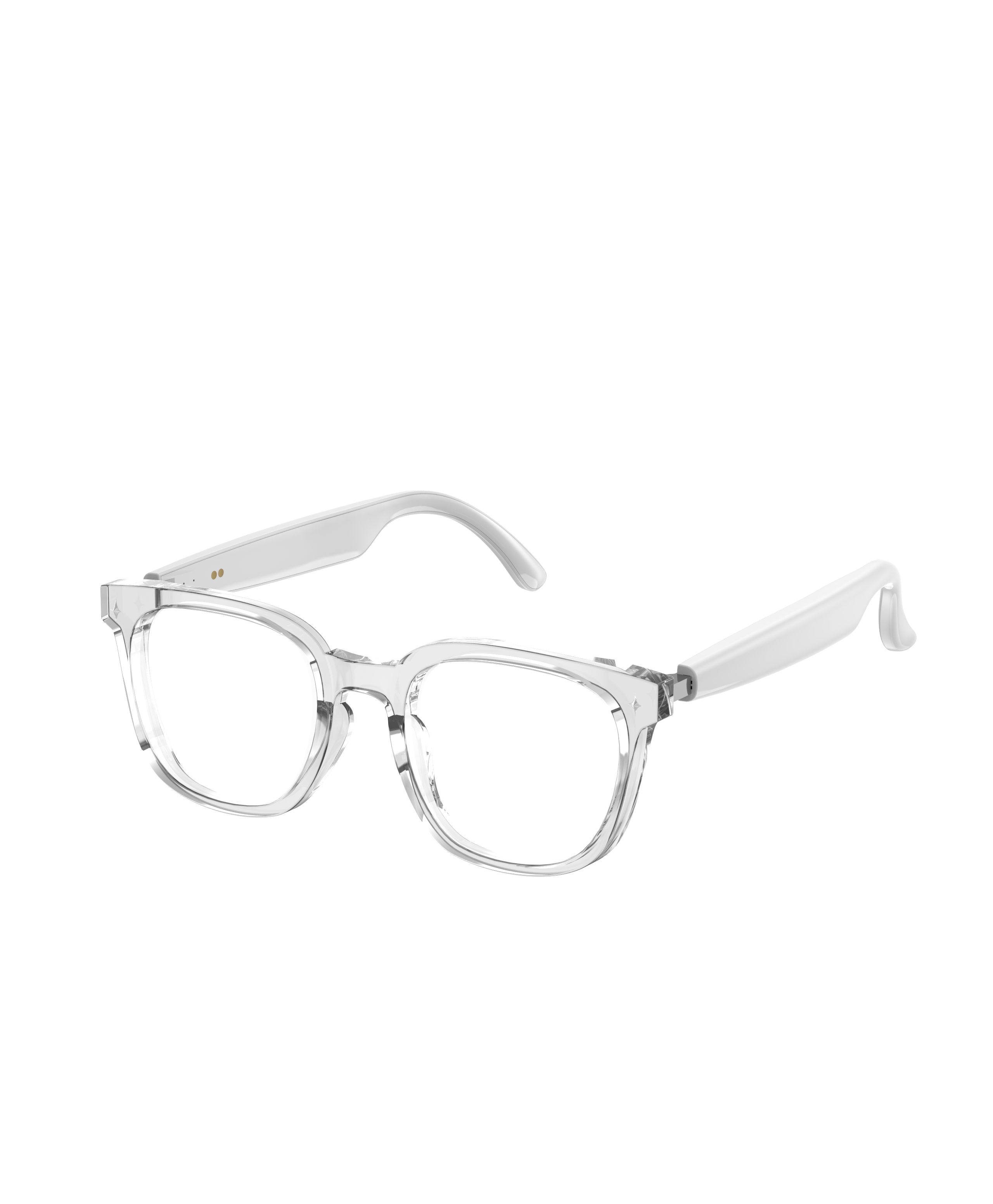
The latest generation of AI glasses combines translation, voice assistants, open-ear audio, cameras, and adaptive lenses into one compact wearable device. The result is a far more seamless communication experience compared to traditional translation gadgets.
In this guide, we will explore how smart glasses offer real-time translation, what features actually matter in 2026, and which products deliver the best balance of performance, comfort, and AI functionality.
Table of Contents
- Why Real-Time Translation Smart Glasses Matter in 2026
- How Smart Glasses Offer Real-Time Translation
- Key Features to Look for in Translation Smart Glasses
- 5+ Best Smart Glasses Offer Real-Time Translation in 2026
- Why Osawalla Focuses on AI Translation Wearables
- Smart Translation Glasses Comparison Table
- Future of AI Translation Glasses
- FAQs
- References
Why Real-Time Translation Smart Glasses Matter in 2026
Global communication has become more demanding than ever. International remote work, overseas travel, multilingual livestreaming, and global e-commerce all require faster communication tools.
Traditional translation apps still force users to look down at screens repeatedly. In contrast, smart glasses offer real-time translation while keeping conversations natural and hands-free.
From our experience, users prioritize convenience above all else. They want:
- Instant voice translation without delays
- Comfortable all-day wear
- Natural face-to-face interaction
- Integrated AI voice assistants
- Reliable battery life
- Open-ear audio for environmental awareness
Modern AI glasses are no longer just audio accessories. They now function as portable AI communication hubs.
We recommend reading our detailed guide about how smart glasses work to better understand the hardware and AI systems powering modern wearable translation technology.
How Smart Glasses Offer Real-Time Translation
AI translation glasses rely on multiple technologies working simultaneously. Advanced microphones capture speech, AI cloud systems process language instantly, and audio speakers relay translated responses directly to the user.
Most premium models in 2026 now support over 100 languages with continuous conversation capability.
The process usually follows these steps:
| Technology Stage | Function |
|---|---|
| Voice Capture | Microphones detect spoken language in real time |
| AI Language Processing | Cloud AI identifies and translates speech instantly |
| Audio Playback | Translated audio is delivered through open-ear speakers |
| Context Recognition | AI improves translation accuracy through conversation context |
| Continuous Dialogue | Users maintain fluid communication without manual commands |
From our experience testing multiple wearable devices, translation speed matters more than flashy marketing features. Delayed translations create awkward pauses and reduce practical usability.
We recommend choosing AI glasses with dedicated voice assistant systems capable of handling follow-up questions naturally instead of restarting each interaction manually.
Key Features to Look for in Translation Smart Glasses
1. Real-Time Two-Way Translation
The most important capability is natural two-way communication. The best smart glasses offer real-time translation for both speakers instead of one-sided audio output.
Premium AI glasses now support over 100 languages and regional accents with significantly improved contextual understanding.
2. Lightweight Comfort
Wearable devices fail quickly if they become uncomfortable after one hour. Lightweight frames, flexible temples, and adjustable nose pads are critical for daily use.
From our experience, lightweight smart glasses consistently outperform heavier AR headsets in real-world adoption because users can wear them naturally throughout the day.
3. Open-Ear Audio Technology
Open-ear audio allows users to hear translations while remaining aware of their surroundings. This is especially important for travelers, cyclists, and commuters.
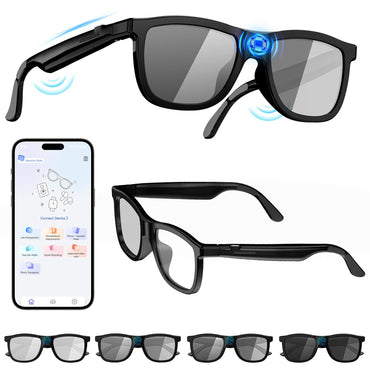
For users interested in advanced audio-focused wearables, our electrochromic smart audio glasses showcase how audio and adaptive lens technology continue to evolve together.
4. AI Voice Assistant Integration
AI glasses in 2026 increasingly function as portable AI assistants. Users can ask follow-up questions, navigate directions, identify objects, or retrieve information through natural voice interaction.
5. Battery Performance
Translation processing consumes significant power. We recommend choosing devices offering at least 4 hours of active AI usage and fast Type-C charging support.
5+ Best Smart Glasses Offer Real-Time Translation in 2026
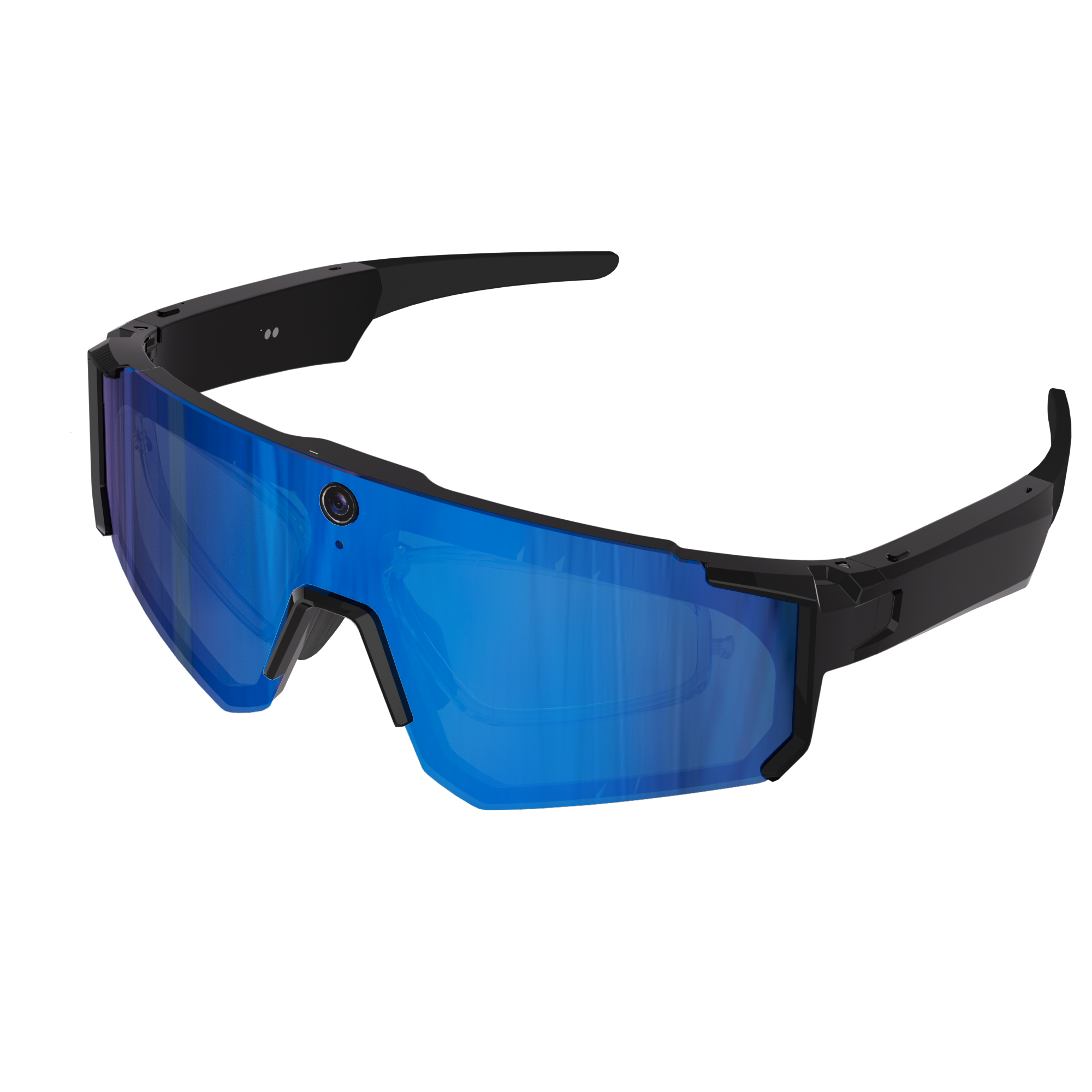
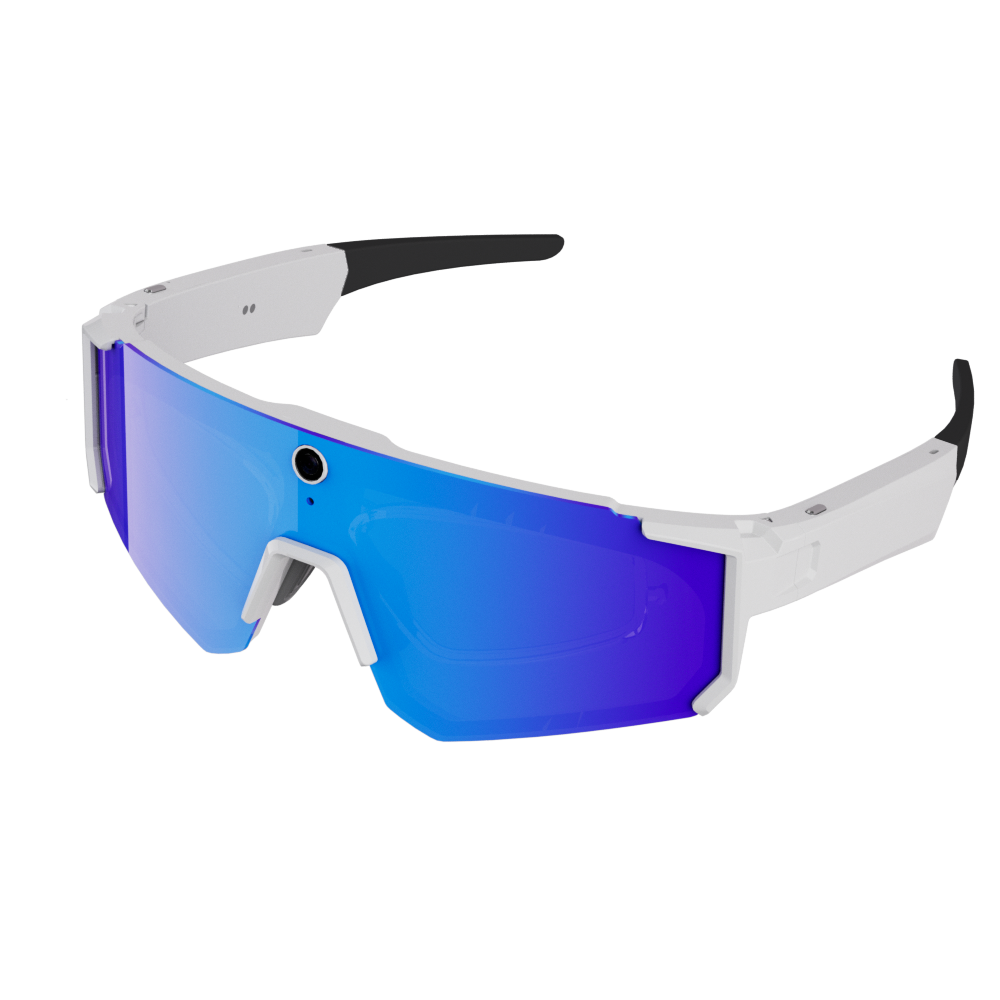
1. GP08 AI Smart Glasses with Camera
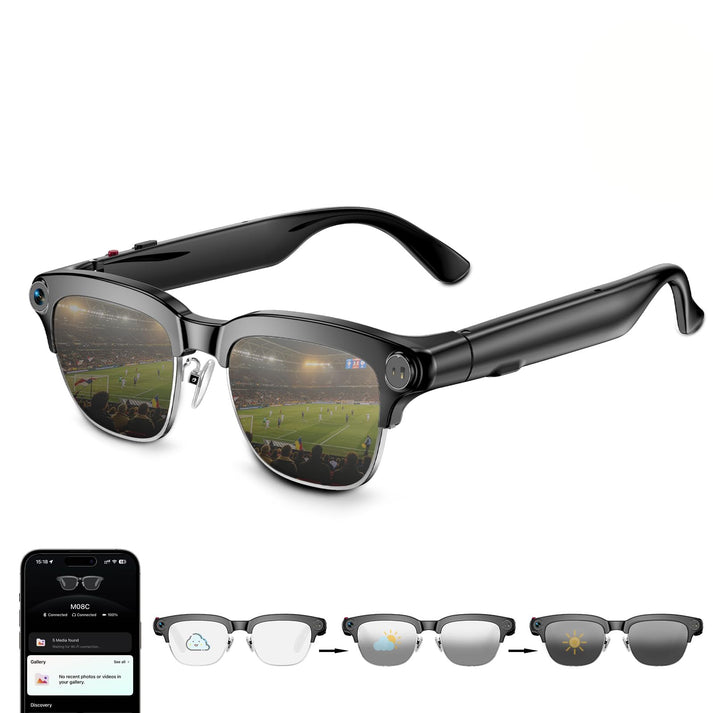
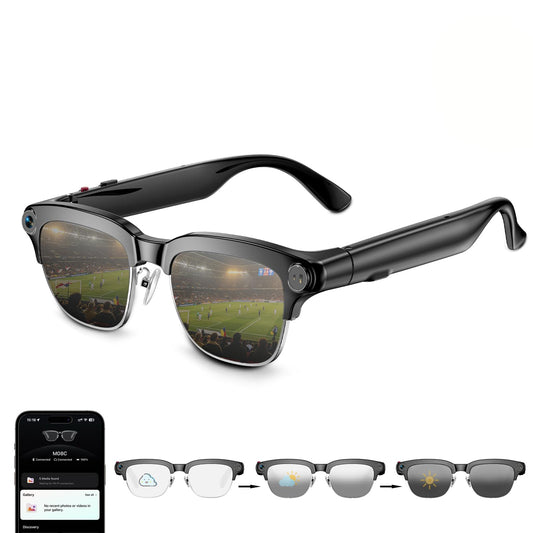
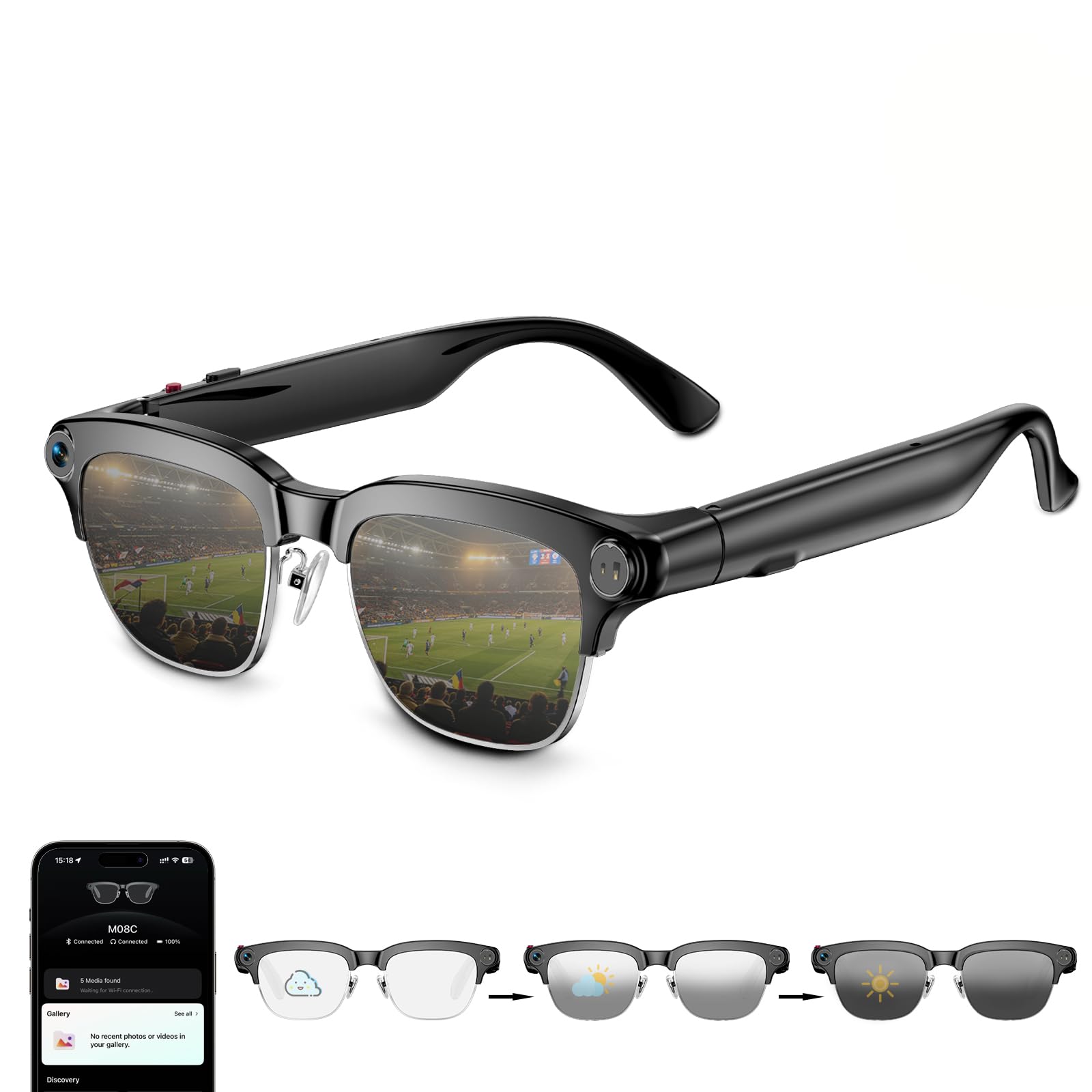
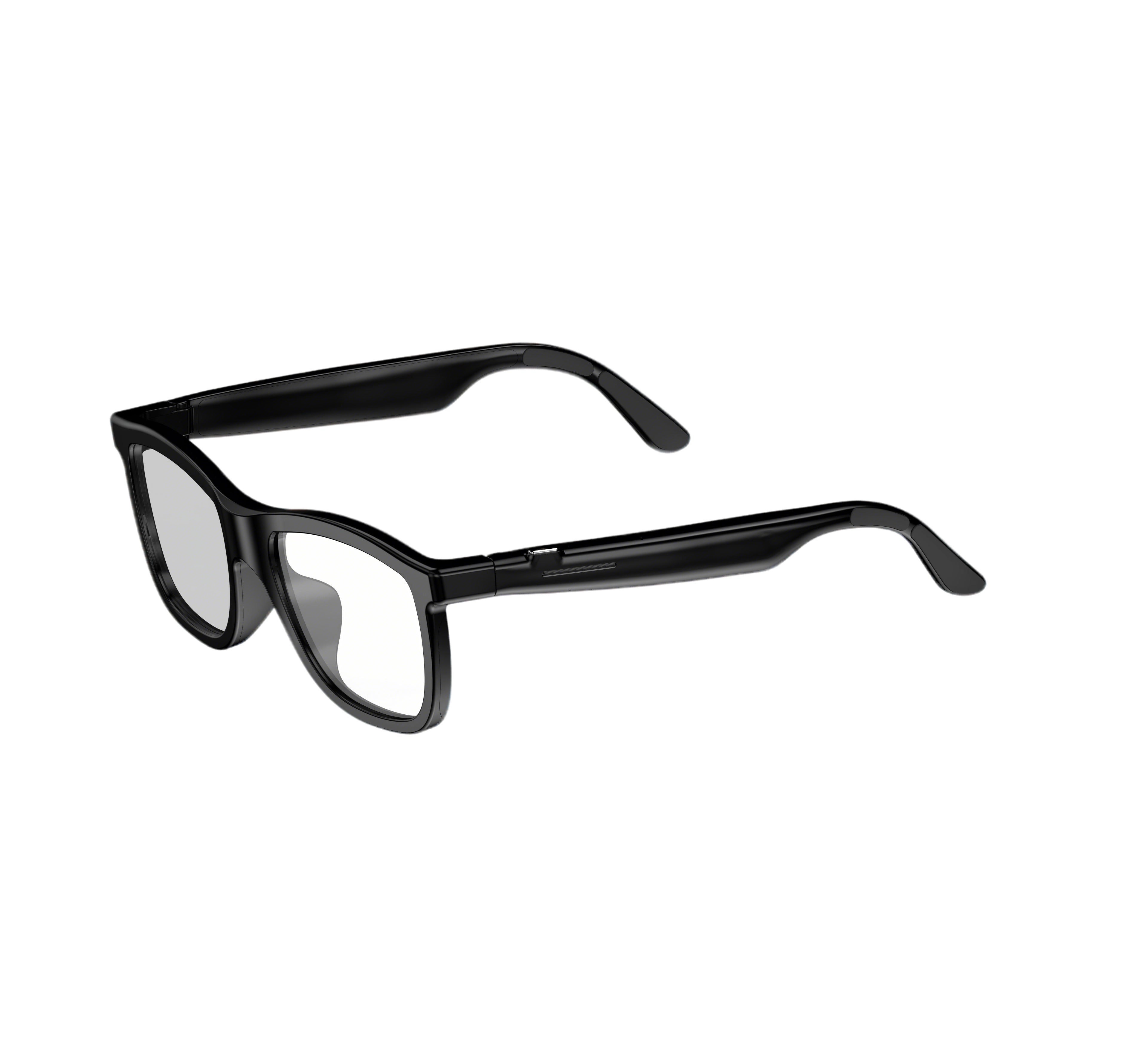
The GP08 AI Smart Glasses with Camera represent one of the strongest all-around wearable AI solutions in 2026.
These smart glasses offer real-time translation across more than 100 languages while integrating AI voice assistant capabilities, open-ear audio, and hands-free photography.
What stands out most from our experience is the balance between practical usability and AI functionality. Many smart glasses prioritize one feature while sacrificing comfort or battery life. The GP08 achieves a more balanced everyday experience.
| Feature | GP08 Performance |
|---|---|
| Translation Support | 100+ languages |
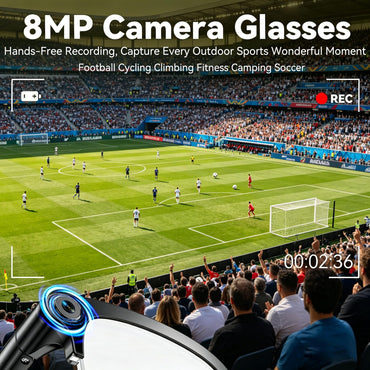
| Camera | 8MP CMOS with anti-shake 1080P recording |
| Battery | 7 hours music / 4 hours calls |
| Charging | USB Type-C fast charging |
| Audio | Bluetooth 5.4 open-ear audio |
| Lenses | Adaptive photochromic lenses |
The integrated AI object recognition system is another practical advantage. Travelers can identify landmarks and environments in real time while maintaining hands-free operation.
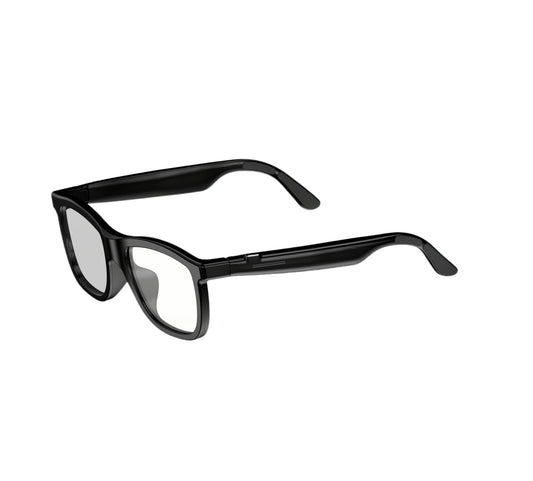
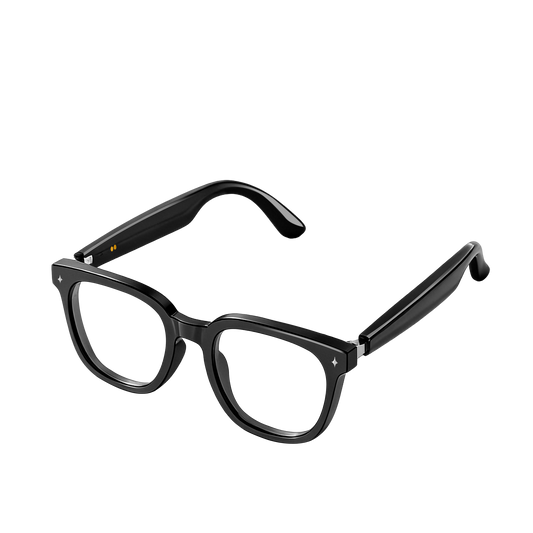
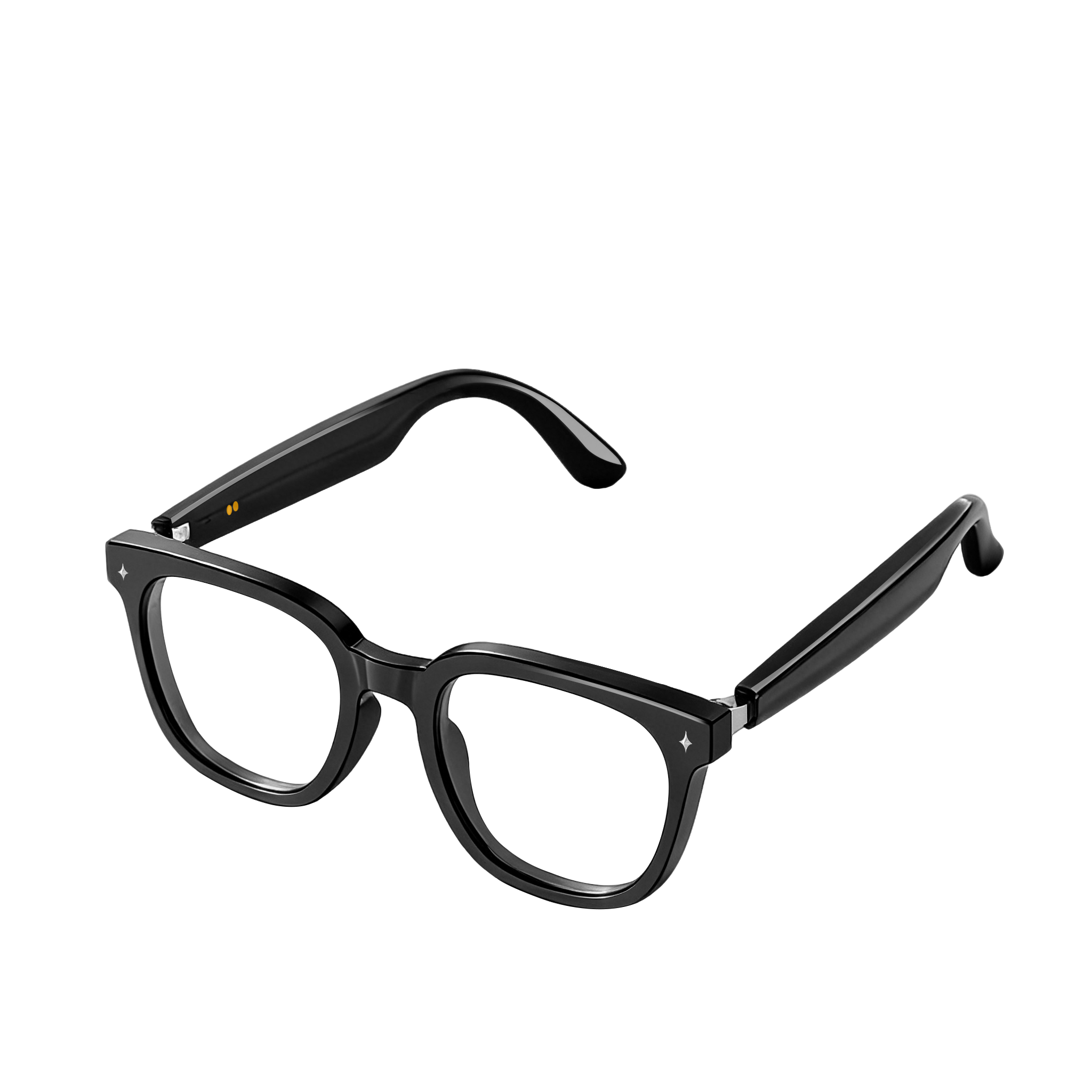
2. Smart Audio Translation Glasses
Audio-focused translation glasses continue gaining popularity among professionals who prioritize discreet communication. These devices emphasize comfort, low-profile design, and continuous voice interaction.
From our experience, audio-first smart glasses appeal strongly to international business users because they look closer to conventional eyewear.
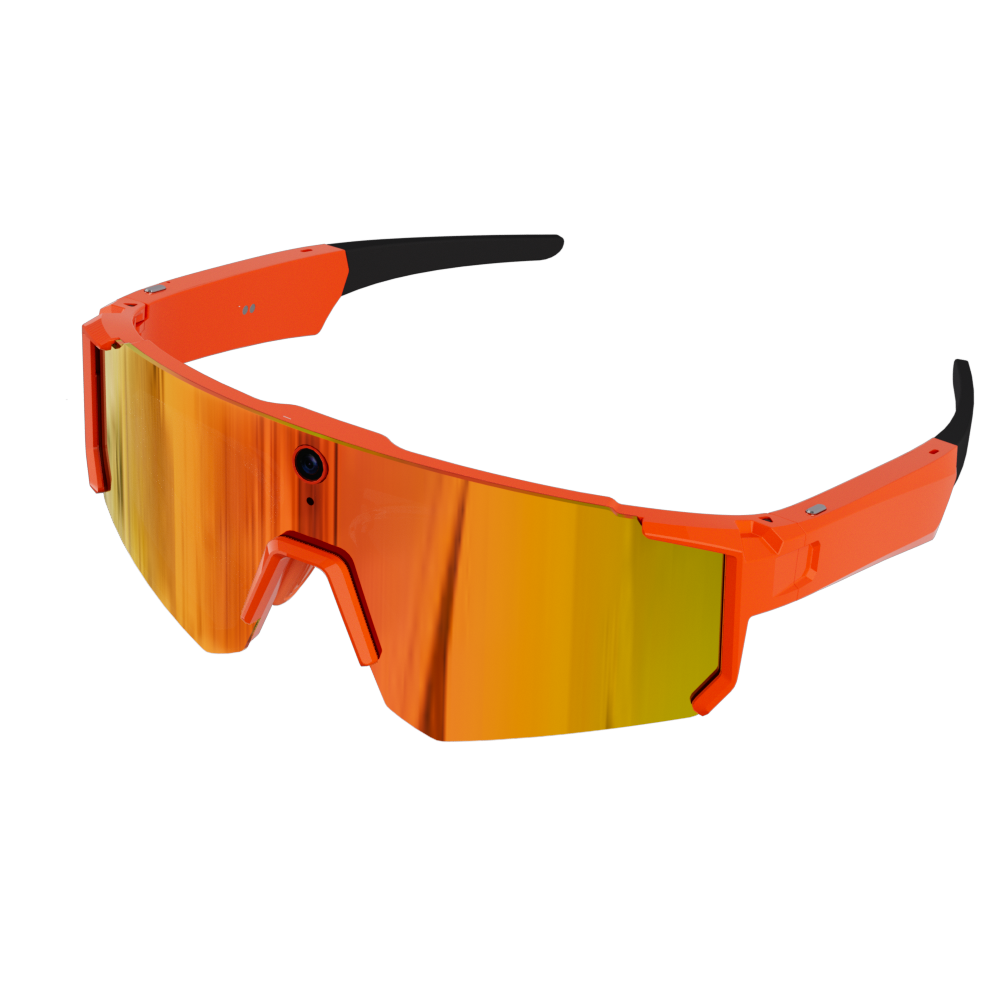
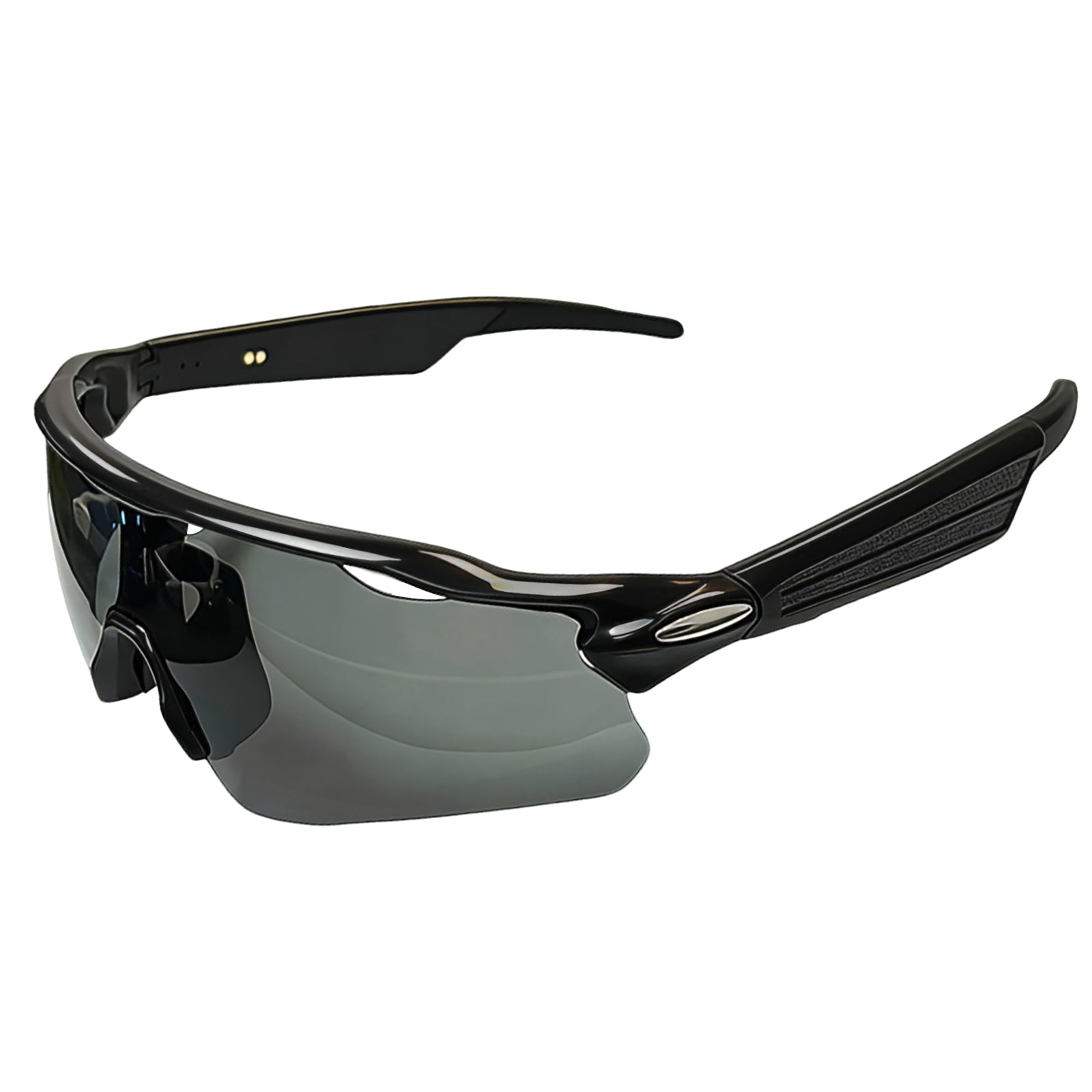
3. AI Sports Translation Glasses
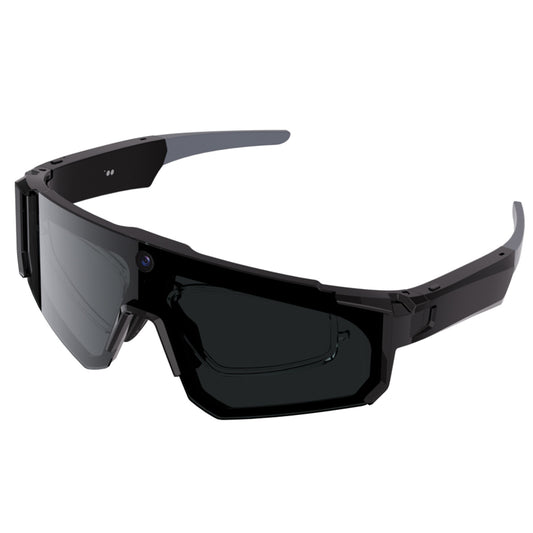
Sports-oriented wearable glasses combine translation functionality with outdoor durability. Cyclists, runners, and travelers increasingly use AI glasses during navigation and communication abroad.
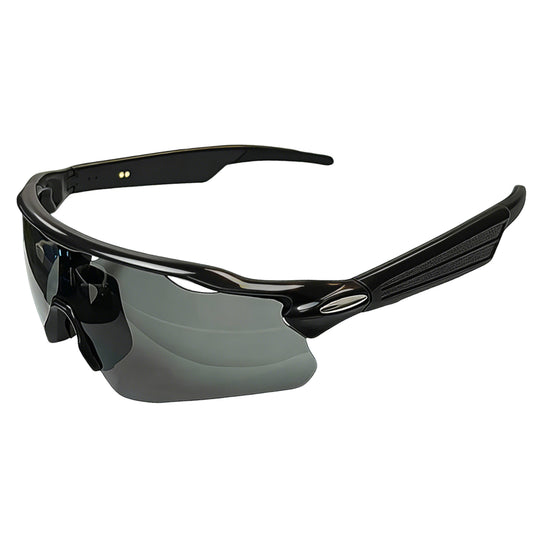
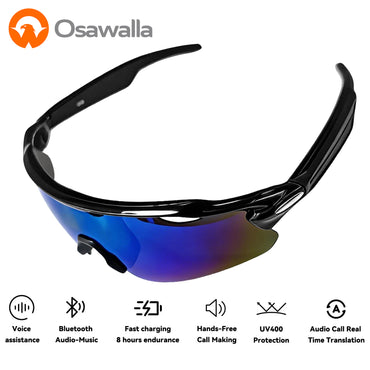
Our GG05 AI smart sports glasses highlight how sports wearables now integrate communication features alongside audio and mobility performance.
4. AI Display Smart Glasses
Display-equipped AI glasses are evolving rapidly in 2026. These models overlay translated captions directly into the user’s field of view.
While display technology remains more expensive, we believe it will become one of the biggest wearable technology trends over the next several years.
Our article on AI glasses with display explores the latest developments in immersive wearable translation systems.
5. Hybrid Camera Translation Glasses
Hybrid AI glasses combine translation with photography, content creation, and scene recognition. These models are particularly popular among vloggers and travel creators.
From our experience, hybrid functionality is becoming essential because consumers increasingly expect one wearable device to perform multiple roles efficiently.
Why Osawalla Focuses on AI Translation Wearables
At Osawalla, we believe the future of wearable technology is practical AI integration rather than experimental gimmicks.
Smart glasses offer real-time translation because users need communication tools that blend naturally into daily life. Heavy headsets and complex AR systems still face adoption challenges due to weight, battery demands, and visual fatigue.
Our development approach prioritizes:
- Comfortable long-term wearability
- Reliable AI communication performance
- Fast-response voice processing
- Battery efficiency
- Natural open-ear audio
- Multi-function wearable practicality
We also recommend exploring our analysis of the best wearable smart glasses 2026 to compare broader trends shaping the wearable AI industry.
Smart Translation Glasses Comparison Table
| Smart Glasses Type | Main Strength | Best User Type | Translation Support |
|---|---|---|---|
| GP08 AI Smart Glasses | Balanced AI features and camera integration | Travelers and creators | 100+ languages |
| Audio Translation Glasses | Comfort and discreet communication | Business professionals | 90+ languages |
| Sports AI Glasses | Mobility and outdoor use | Cyclists and runners | 80+ languages |
| Display AI Glasses | Visual translation overlays | Tech enthusiasts | 100+ languages |
| Hybrid Camera Glasses | Content creation and AI assistance | Vloggers and travelers | 100+ languages |
Future of AI Translation Glasses
The next generation of wearable AI will likely focus on reducing latency, improving contextual translation accuracy, and integrating visual AI overlays.
From our experience observing industry development, smart glasses offer real-time translation capabilities that are moving rapidly from niche gadgets into mainstream consumer electronics.
Future improvements will likely include:
- Offline AI translation processing
- Better regional dialect recognition
- Real-time subtitle overlays
- Longer battery life
- Smaller and lighter frame designs
- Integrated AI productivity assistants
As AI computing becomes more efficient, translation glasses will become even more natural and invisible within everyday communication.
FAQs
Do smart glasses really offer real-time translation?
Yes. Modern AI glasses can translate conversations almost instantly using cloud-based language processing and advanced voice recognition systems.
How many languages do AI smart glasses support in 2026?
Most advanced models support between 80 and 100+ languages, depending on software capabilities and regional updates.
Can translation smart glasses work offline?
Some newer models offer limited offline functionality, but most high-accuracy real-time translation systems still rely on cloud AI processing.
Are AI translation glasses comfortable for all-day use?
Lightweight smart glasses with flexible frames and open-ear audio designs are significantly more comfortable than earlier AR headsets.
Which smart glasses are best for travel?
From our experience, hybrid AI glasses with translation, camera recording, open-ear audio, and long battery life provide the best overall travel experience.


