



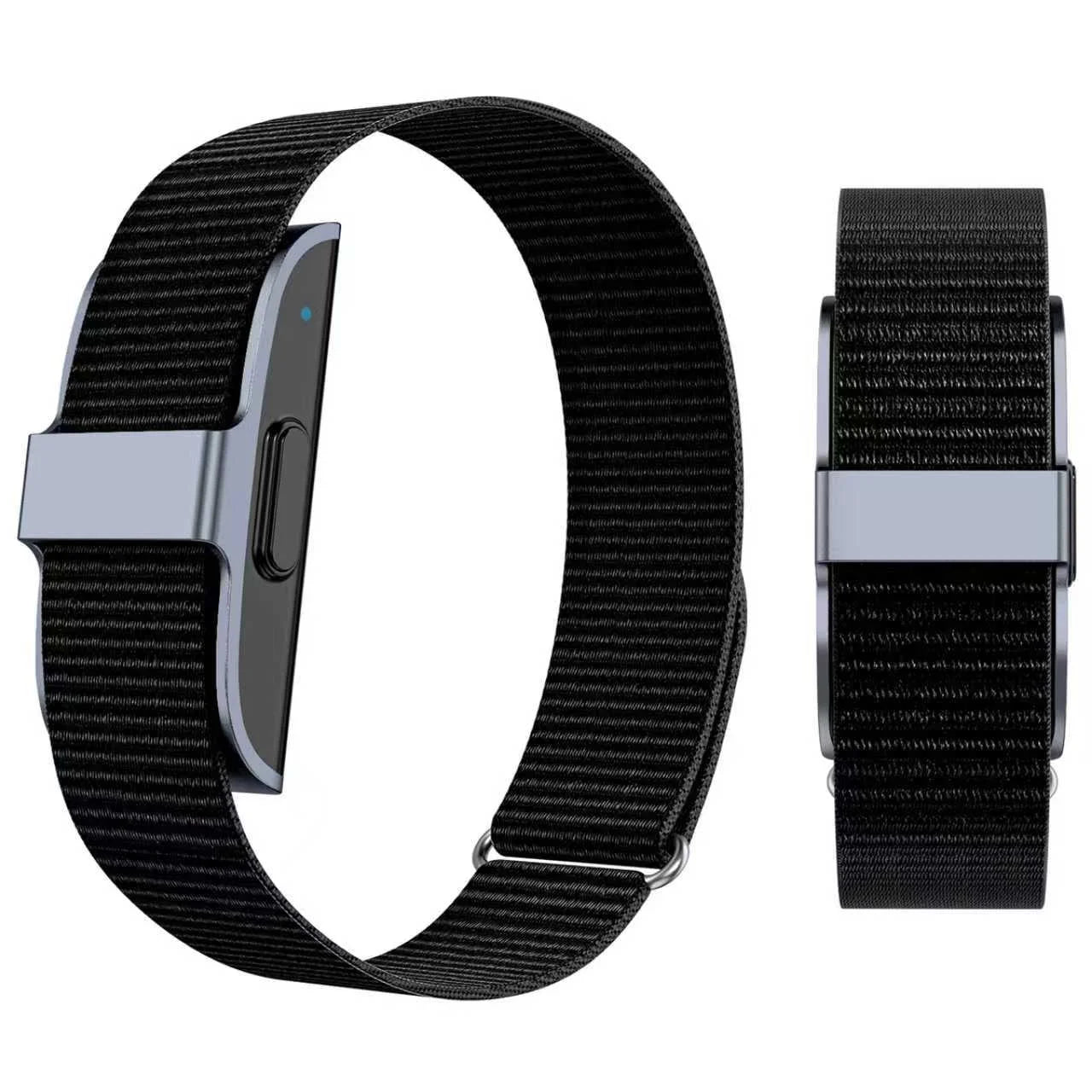

El mercado de la electrónica de consumo ha superado oficialmente la era en que la computación con dispositivos de cabeza se consideraba un concepto futurista. En 2026, las gafas inteligentes han logrado una adopción generalizada, dividiéndose en segmentos arquitectónicos altamente especializados. A medida que los gigantes tecnológicos implementan agentes generativos en la nube y sensores espaciales avanzados en los marcos ópticos, los consumidores se enfrentan a una clara frontera de clasificación: elegir entre dispositivos diseñados principalmente para la telemetría atlética activa o aquellos diseñados para la productividad y la inteligencia contextual ambiental. Navegar por las compensaciones exactas dentro del ecosistema de gafas inteligentes para el seguimiento de la actividad física frente a la asistencia de IA es fundamental para optimizar su flujo de trabajo diario y su rendimiento atlético.

En Osawalla, analizamos, construimos y probamos gafas inteligentes de próxima generación desde una perspectiva estructural y mecánica. Según nuestra experiencia, muchos de los primeros adoptantes comprometen su experiencia de usuario al comprar un gadget de estilo de vida de uso general cuando su verdadera rutina exige una alta resistencia al impacto, un procesamiento biométrico especializado y una estabilización óptica. La utilidad real a largo plazo exige hacer coincidir su entorno físico con la estructura de computación a bordo, el conjunto de sensores y la ingeniería del chasis adecuados. Este análisis autorizado desglosa las seis principales barreras técnicas que separan las gafas inteligentes centradas en el fitness de los marcos de asistencia de IA basados en la nube.
- 1. Descripción Técnica General: Parámetros Arquitectónicos Comparados
- 2. Barreras de Topografía de Hardware y Sensores
- 3. Análisis Detallado: 6 Diferencias Clave entre Gafas Inteligentes para Fitness vs. Asistencia de IA
- 4. Protocolo de Selección de Ingeniería: Maximizando la Longevidad en Uso
- 5. Preguntas Frecuentes (FAQs)
- 6. Referencias Tecnológicas Académicas e Industriales
1. Descripción Técnica General: Parámetros Arquitectónicos Comparados
Antes de adentrarnos en la microingeniería de los chipsets portátiles, recomendamos examinar los parámetros físicos de referencia que separan estas dos clases. La tabla comparativa a continuación describe cómo las canalizaciones de datos, los diseños de chasis y los perfiles computacionales varían entre las gafas inteligentes para el seguimiento de la actividad física y la asistencia de IA en 2026.
| Métrica Técnica | Gafas Inteligentes para Seguimiento de Actividad Física | Gafas Inteligentes para Asistencia de IA |
|---|---|---|
| Topología Principal de Sensores | IMU (giróscopos de 6 ejes), nodos biométricos, anclajes GPS | Cámaras multimodales, micrófonos espaciales, matrices acústicas |
| Canalización de Procesamiento de Datos | Procesamiento en tiempo real en el dispositivo para telemetría atlética | Bucles de agentes de modelos de lenguaje grandes (LLM) conectados a la nube |
| Construcción del Chasis | Polímeros resistentes a impactos, silicona antideslizante, sellos a prueba de sudor | Acetato estético, orientado a la moda, monturas no deportivas |
| Objetivo de Estabilización Óptica | Estabilización electrónica activa de 6 ejes para movimientos rápidos | Captura de POV estática o lectura de imagen ambiental no estabilizada |
| Modo de Integración de Pantalla | Widgets de pantalla de visualización frontal (HUD) o seguimiento de señales de audio | Superposiciones de texto de guía de ondas o audio completamente sin pantalla |
| Comportamiento de Descarga de Batería | Descarga plana y predecible durante el mapeo deportivo continuo | Picos dinámicos durante el procesamiento intenso de modelos generativos |
2. Barreras de Topografía de Hardware y Sensores
Para navegar con éxito por el mercado del hardware, debe comprender cómo los diferentes objetivos del usuario dan forma al diseño físico del dispositivo. Las gafas inteligentes para el seguimiento de la actividad física frente a la asistencia de IA utilizan componentes totalmente no intercambiables. Un rastreador de actividad física construido para ciclismo de alta velocidad o carreras largas por senderos exige chips de computación perimetral dedicados que traduzcan el movimiento físico en métricas de datos limpias, como la cadencia de zancada, la velocidad en tiempo real y el análisis de equilibrio al instante, sin esperar una conexión a la nube.
Según nuestra experiencia, los marcos de asistencia de IA priorizan una pila de hardware completamente diferente. Estos dispositivos se construyen en torno a un procesamiento multimodal complejo. Se basan en redes de formación de haces de múltiples micrófonos para capturar su voz con claridad en el ruidoso tráfico de la ciudad, junto con sistemas de cámara frontales diseñados para alimentar datos visuales a servidores remotos de inteligencia artificial. Si intenta utilizar un marco de IA de estilo de vida estándar durante rutinas atléticas intensas, el delicado chasis puede atrapar la humedad del sudor, y la falta de una estabilización óptica adecuada dará como resultado archivos de seguimiento de video borrosos e inutilizables.
Recomendamos examinar de cerca las capacidades sin conexión de sus gafas inteligentes. Muchas gafas de asistente de IA de gama alta se vuelven esencialmente inútiles en el momento en que se pierde la cobertura de la red celular en un sendero remoto de montaña, ya que sus modelos operativos dependen de conexiones continuas a la nube para responder preguntas. Para los atletas al aire libre, priorizar dispositivos con sensores integrados y un seguimiento autónomo confiable garantiza que la recopilación de datos no se interrumpa, incluso en zonas sin cobertura.
3. Análisis Detallado: 6 Diferencias Clave entre Gafas Inteligentes para Fitness vs. Asistencia de IA
Diferencia 1: Topografía del sensor y recopilación de datos ambientales
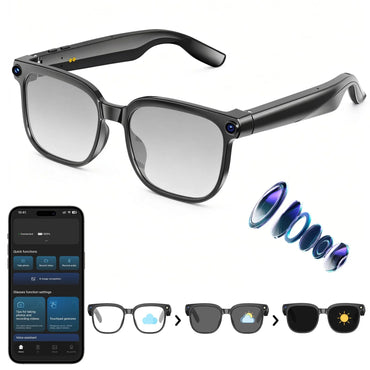
La principal diferencia al evaluar las gafas inteligentes para el seguimiento de la actividad física frente a la asistencia de IA radica en la elección de los sensores integrados. Los modelos centrados en el fitness están equipados con rastreadores de movimiento físico, con unidades de medición inercial (IMU) de alta frecuencia, sistemas de estabilización de 6 ejes y opciones de integración directa para sensores periféricos como monitores de frecuencia cardíaca de correa pectoral o medidores de potencia de bicicleta. Los modelos de asistencia de IA omiten los sensores de telemetría pesados para centrarse por completo en la captura visual y de audio, utilizando cámaras de alta definición y matrices de micrófonos multidireccionales diseñadas para observar y analizar su entorno.
Diferencia 2: Velocidad de procesamiento en el borde frente a enrutamiento de agentes en la nube
El trazado de la ruta de datos representa una barrera de ingeniería importante. Los dispositivos de seguimiento de la actividad física operan con computación de borde localizada, lo que significa que todos los cálculos se realizan localmente dentro de las patillas del marco para proporcionar alertas de audio sin demoras en el momento en que su ritmo disminuye. Los marcos de los asistentes de IA se basan principalmente en el procesamiento conectado a la nube. Cuando le pide a un agente de gafas de IA que traduzca un cartel extranjero o resuma un documento, el marco transmite esos datos a servidores remotos en la nube para que realicen el trabajo pesado antes de enviar la respuesta de audio a sus oídos.
Diferencia 3: Arquitectura del marco y clasificaciones de protección ambiental
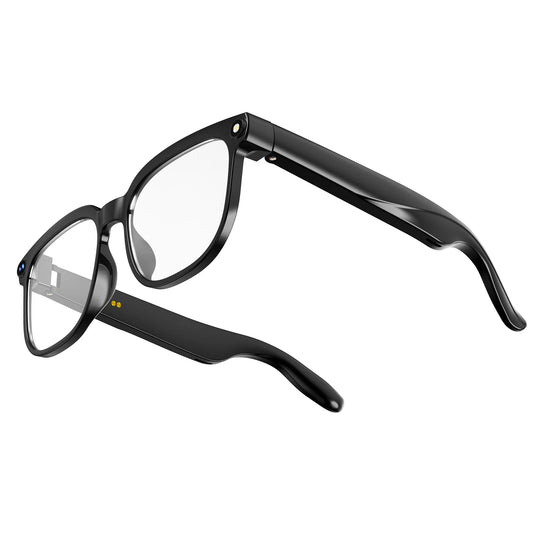
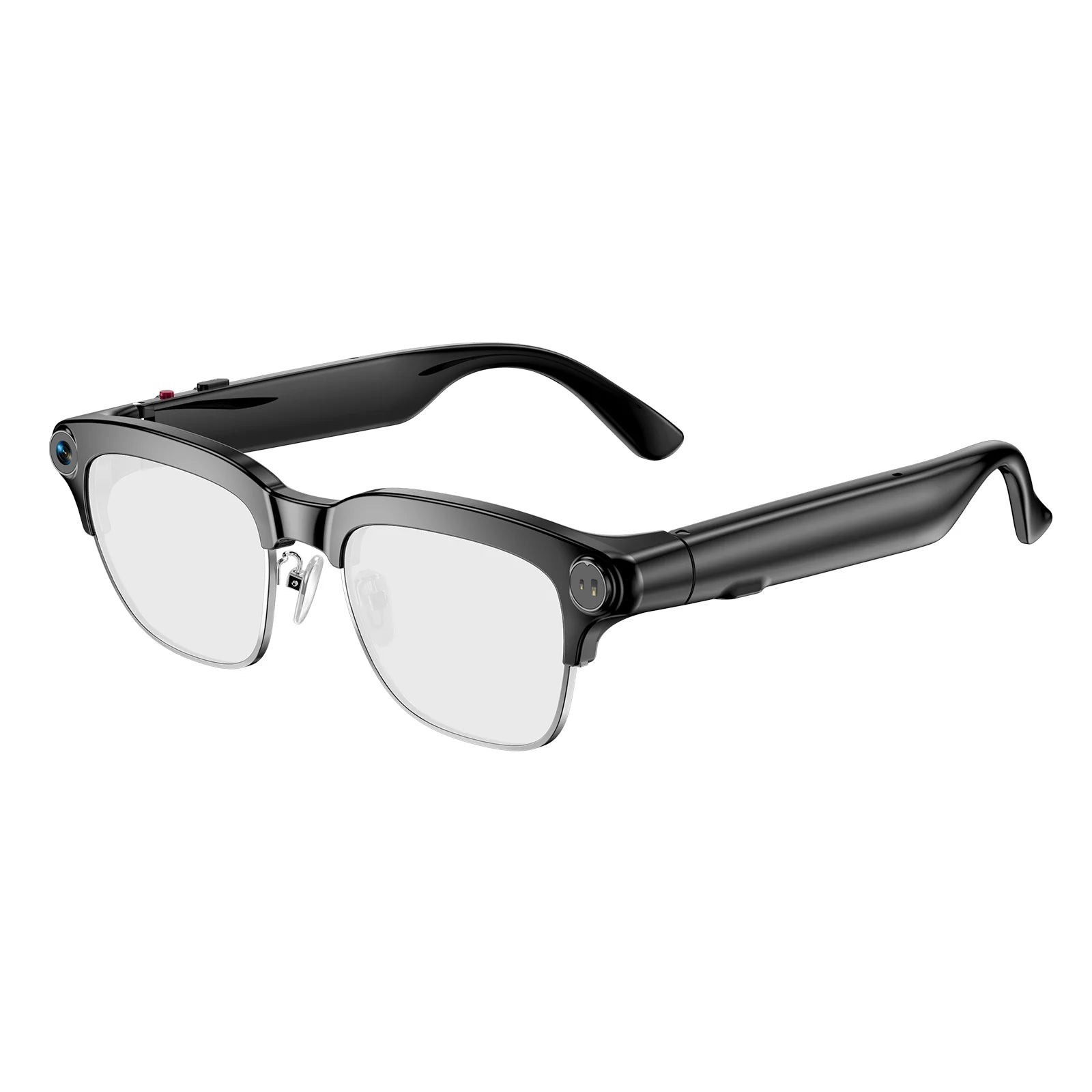
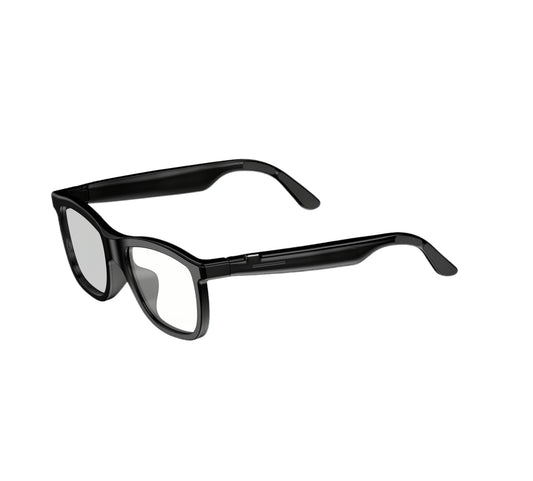
La ingeniería del chasis debe coincidir con las exigencias físicas de la actividad. Las gafas de seguimiento de la actividad física están construidas para entornos exigentes, utilizando compuestos de polímero ultraligeros y resistentes a los impactos, almohadillas nasales de goma ajustables y sellos resistentes al sudor que evitan la corrosión eléctrica interna. Las gafas de asistencia de IA están diseñadas para parecerse a las monturas clásicas de uso diario de acetato de alta calidad, priorizando la sutileza visual y la aceptación social durante todo el día sobre la protección deportiva especializada o los agarres antideslizantes.
Diferencia 4: Mecánica de estabilización de video y alineación óptica
La grabación de acciones atléticas rápidas requiere sistemas de estabilización robustos. Las gafas inteligentes de seguimiento de actividad física diseñadas para ciclismo y carrera incorporan avanzados sensores de estabilización electrónica de 6 ejes para suavizar los movimientos bruscos de la cabeza y las vibraciones del sendero. Las gafas de IA generales suelen utilizar lentes de enfoque fijo básicas destinadas a instantáneas estáticas de punto de vista o videoclips cortos de estilo de vida, que sufren una fuerte distorsión y temblor de la cámara si se someten a movimientos rápidos y de carrera.
Diferencia 5: Modos de entrega de visualización de datos
La forma en que los datos llegan a sus ojos y oídos varía significativamente entre categorías. Los modelos de fitness se centran en ofrecer métricas de un vistazo sin bloquear su campo de visión, utilizando micro-pantallas especializadas ubicadas en su visión periférica o basándose completamente en señales de entrenamiento habladas claras y en tiempo real. Los modelos de asistencia de IA se inclinan en gran medida hacia las interacciones de voz conversacionales o utilizan superposiciones de lentes de guía de ondas de color para mostrar texto de traducción en tiempo real, alertas de horario y notificaciones de aplicaciones directamente en su línea de visión principal.
Diferencia 6: Patrones de descarga de la batería e ingeniería térmica
Los perfiles de energía de estos sistemas internos crean desafíos de batería completamente diferentes. Las gafas de fitness exhiben un consumo de energía plano y altamente predecible porque sus sensores de seguimiento integrados funcionan continuamente a una frecuencia estable. Los marcos del asistente de IA operan con una curva de consumo altamente variable, manteniendo un bajo consumo de energía mientras están inactivos, pero experimentando picos de energía bruscos y una generación repentina de calor cada vez que la cámara y los motores de IA conectados a la nube procesan activamente una solicitud visual compleja.
4. Abastecimiento y Especificaciones Técnicas: El Estándar Osawalla
Para los atletas y operadores multideporte que buscan equilibrar la grabación deportiva de alto rendimiento con la conectividad manos libres, es esencial elegir hardware que integre componentes físicos robustos con herramientas de software inteligentes.
El Referente Profesional: Gafas Inteligentes Osawalla GP04
Nuestra configuración de electrónica deportiva de primera línea ofrece los estándares mecánicos exactos necesarios para equilibrar la telemetría atlética con el control por voz inteligente:
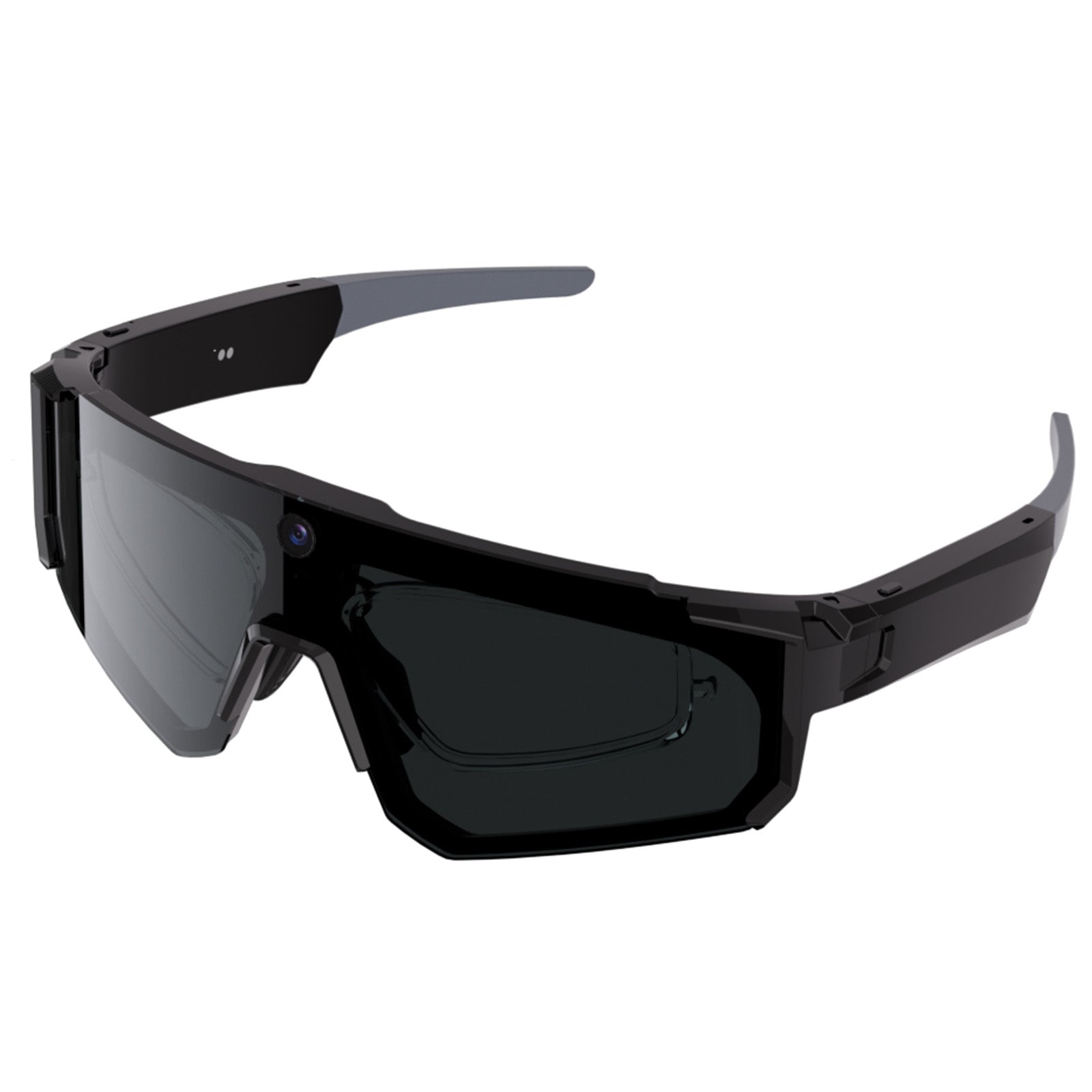
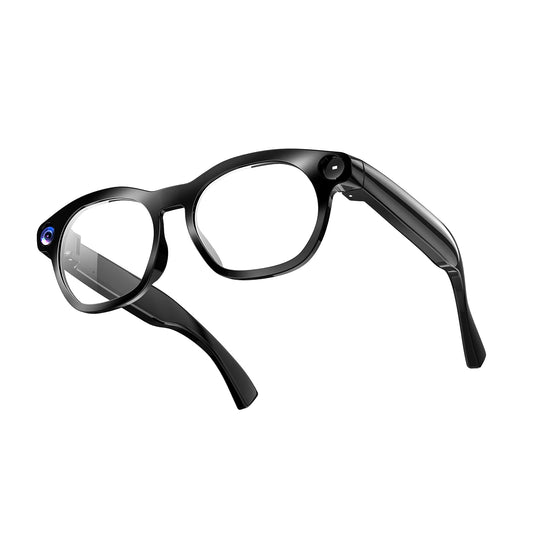
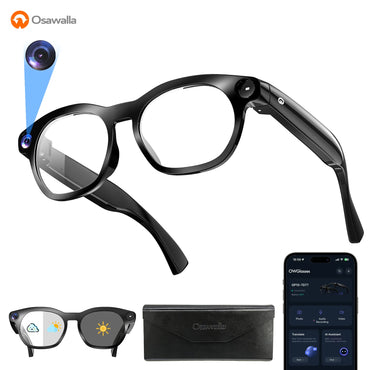
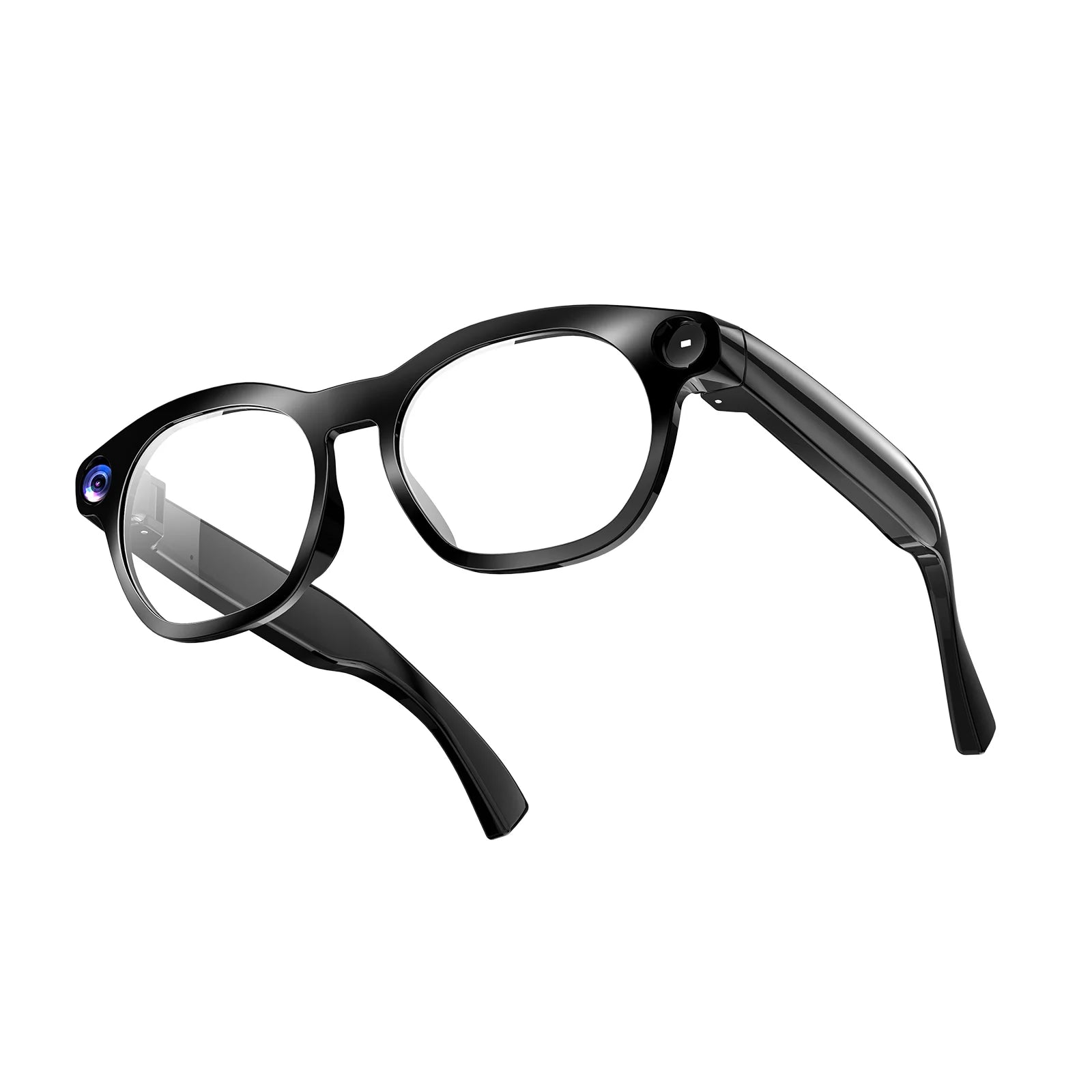
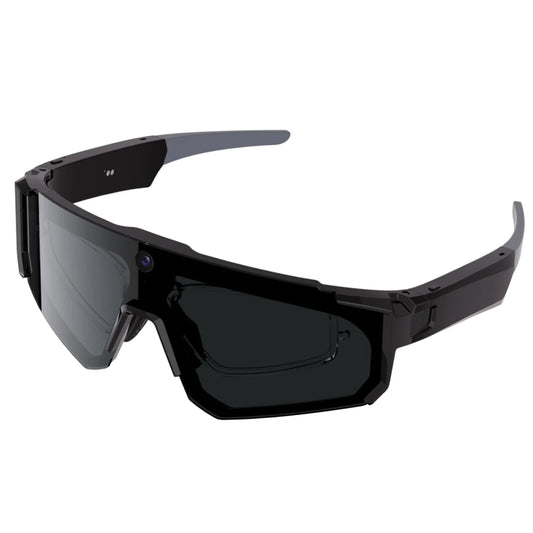
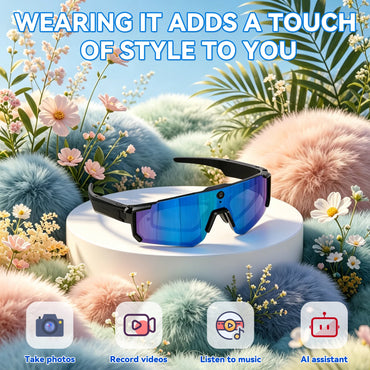
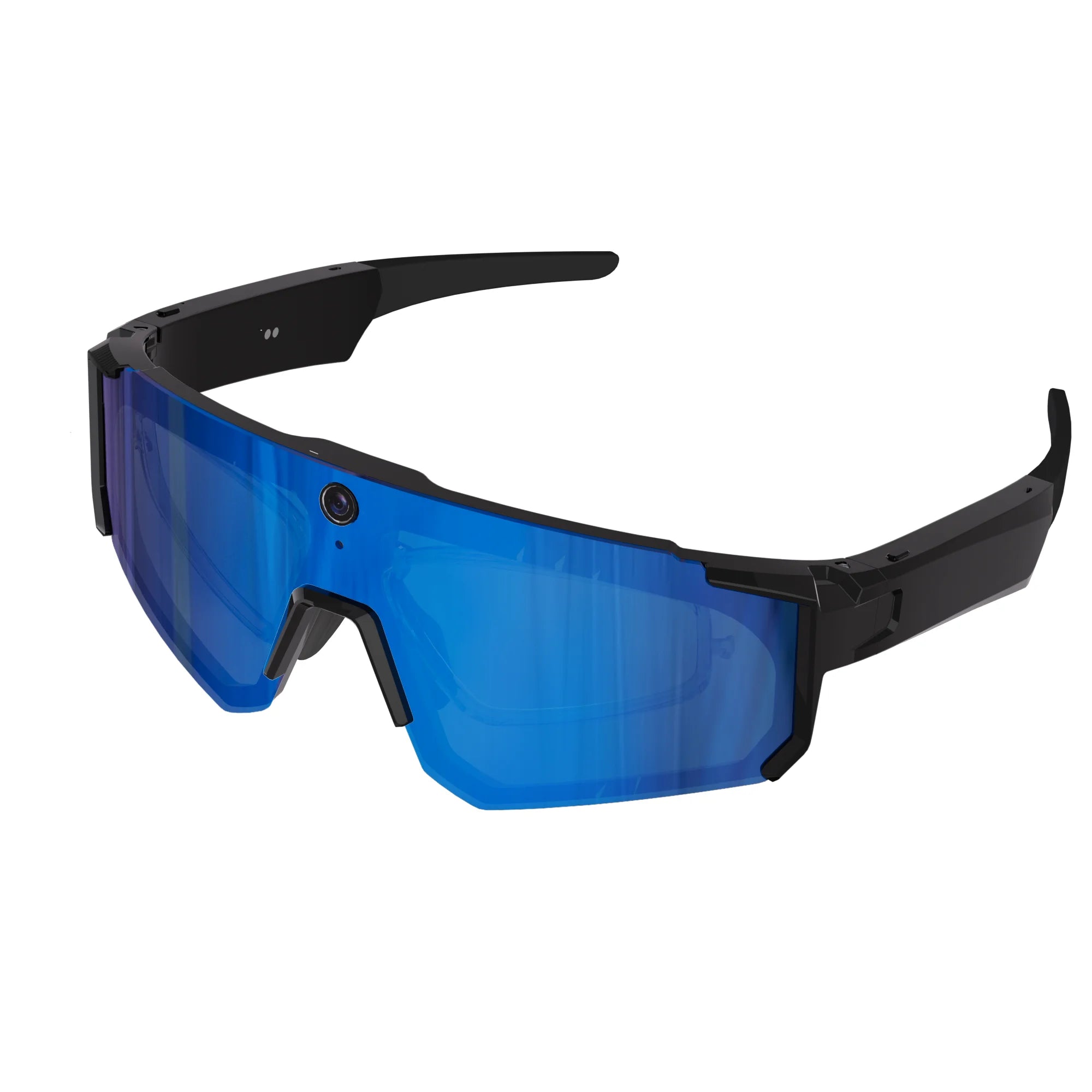
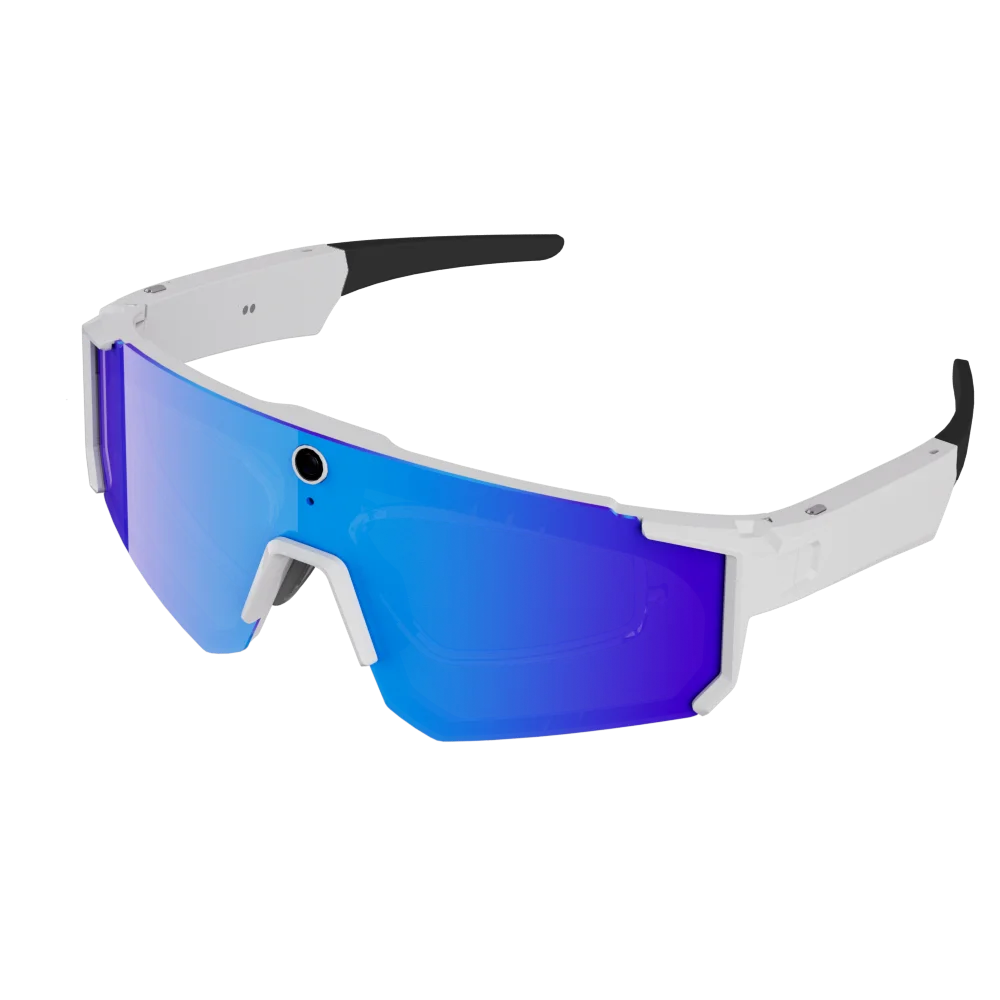
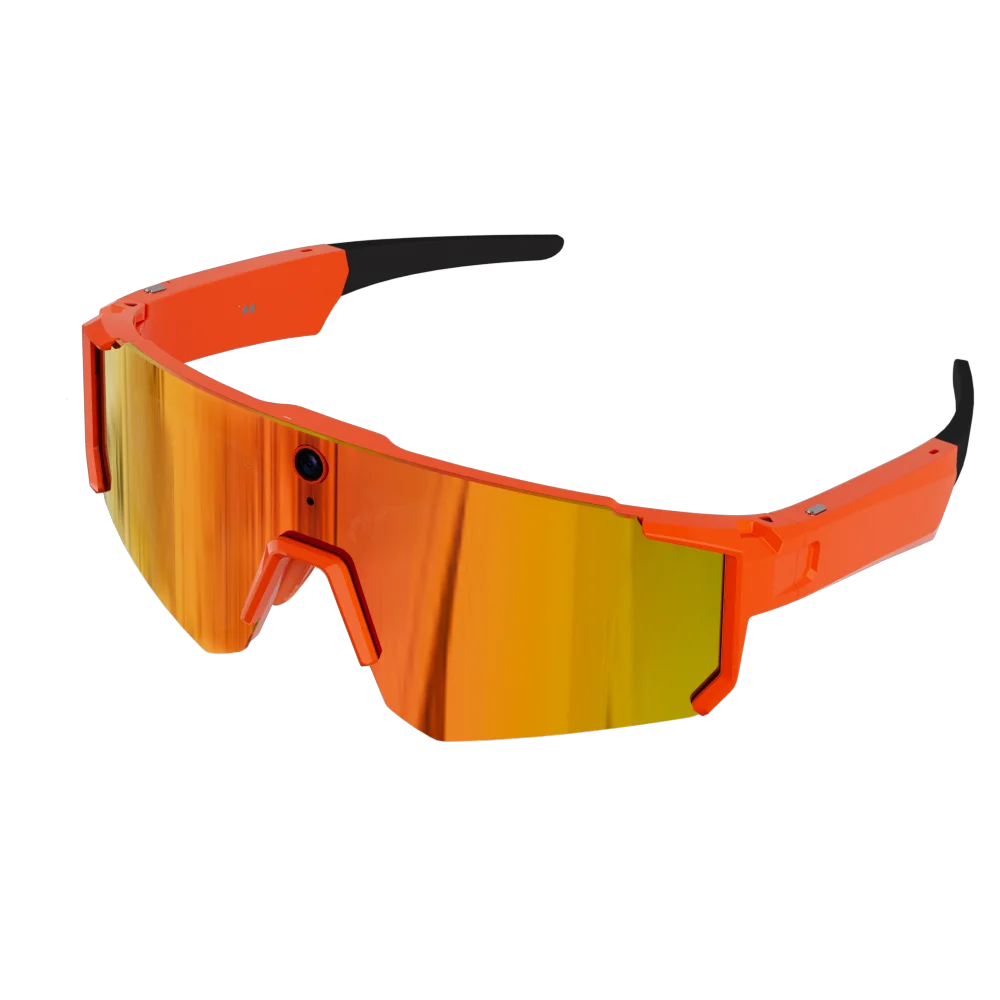
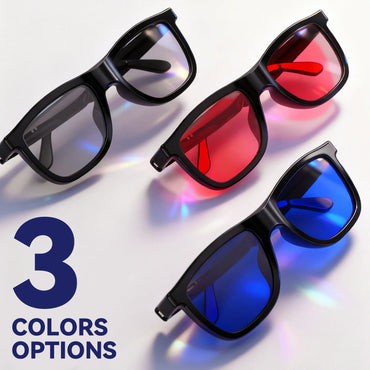
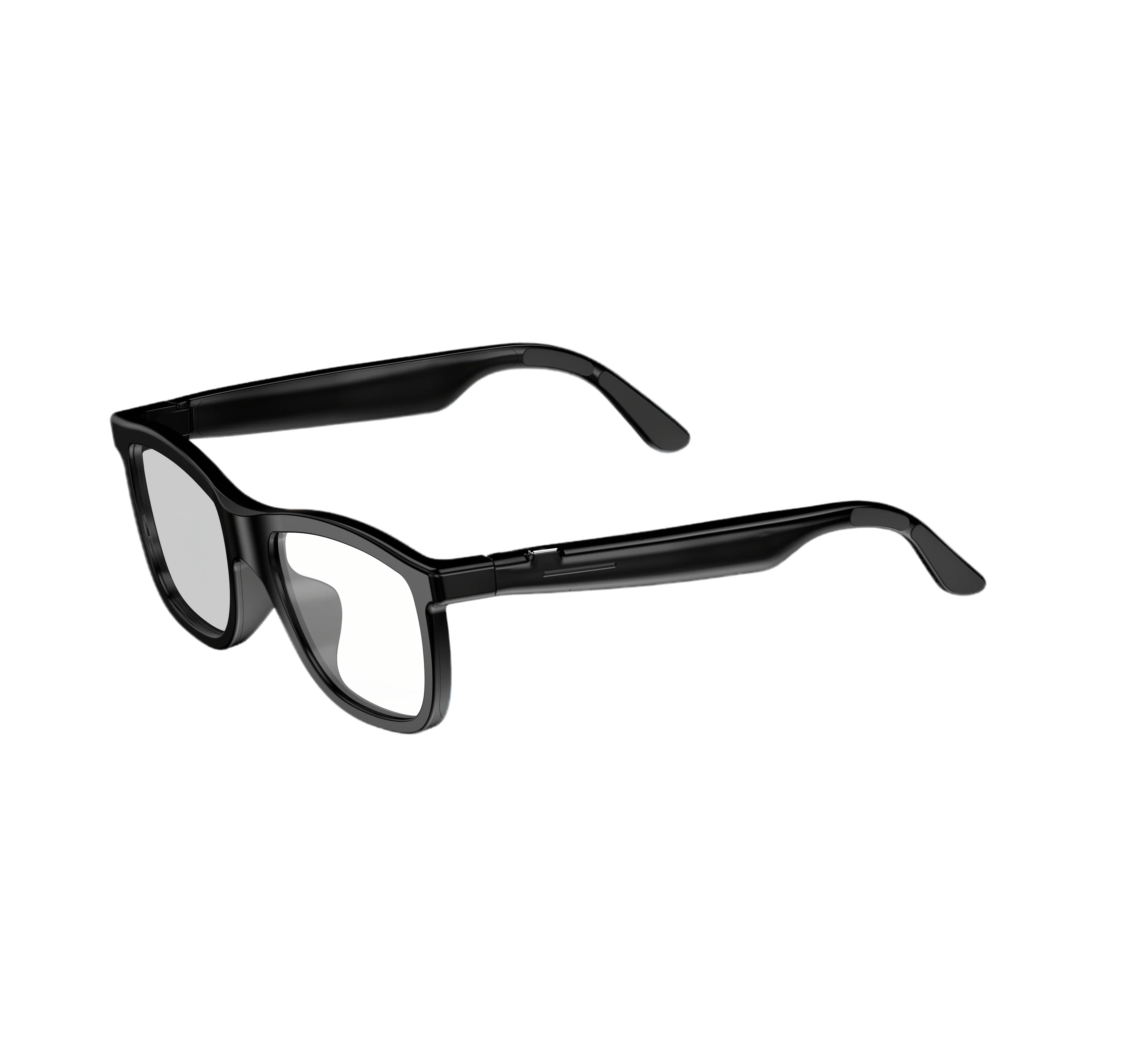
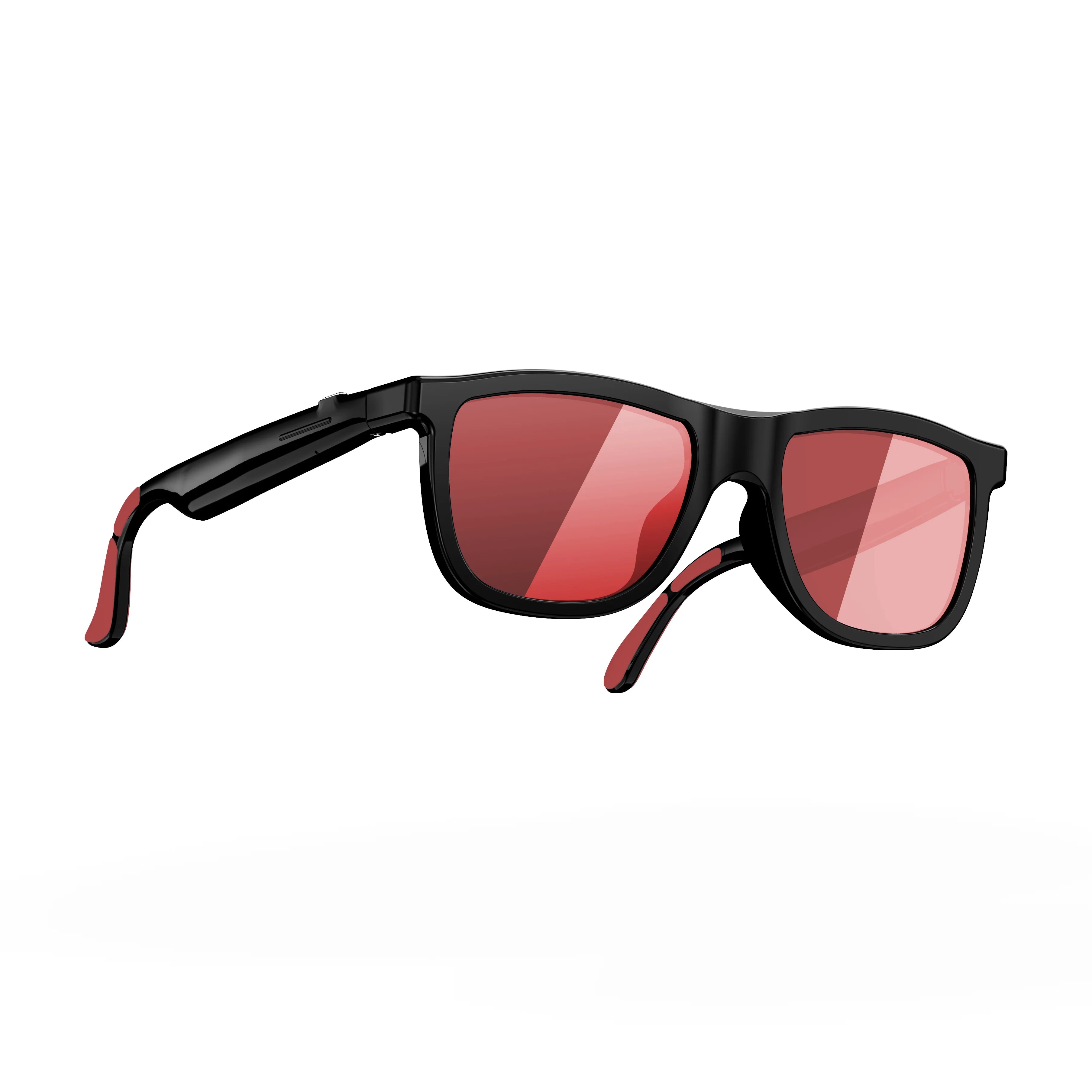
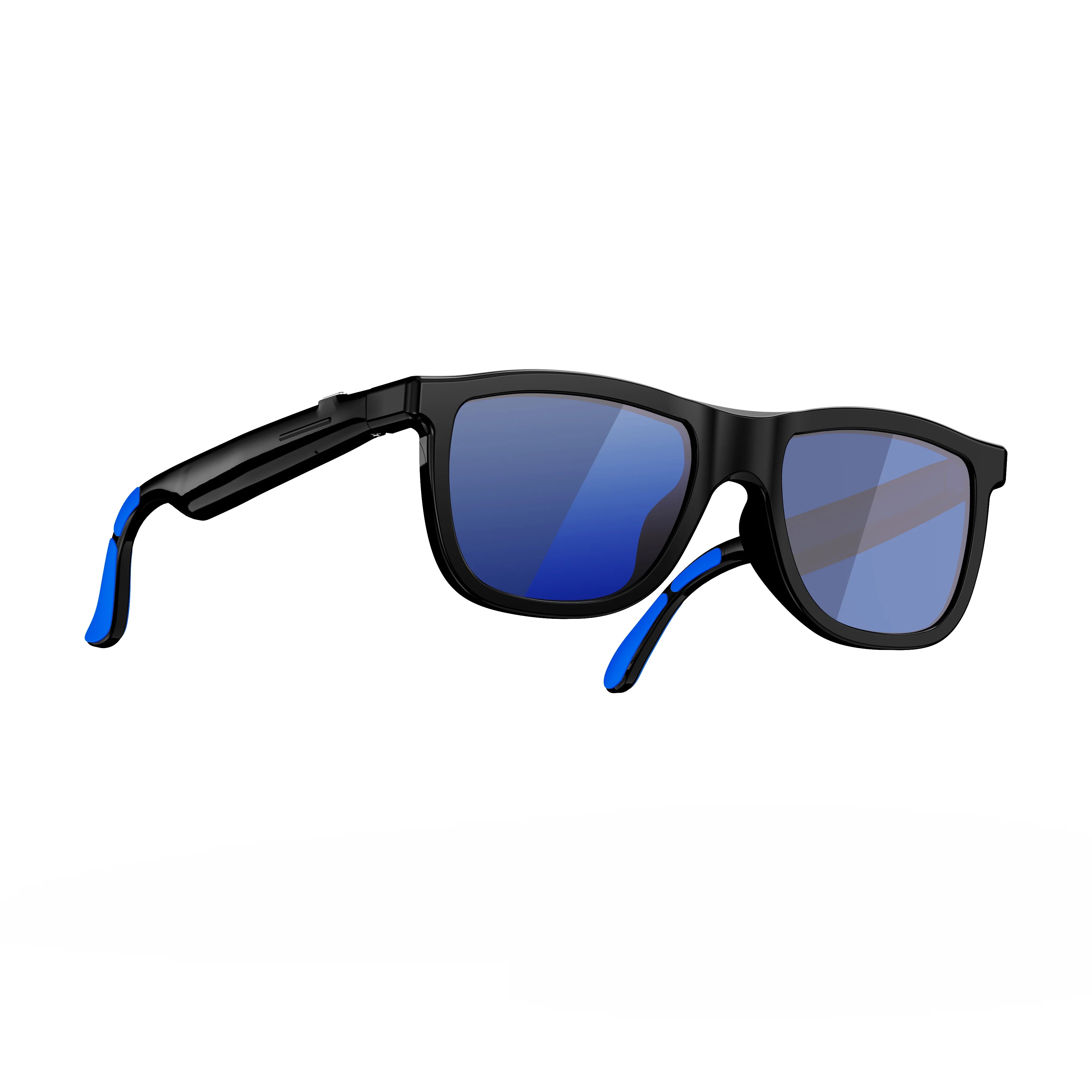
- Gafas de video para correr y ciclismo Osawalla GP04: Este modelo está diseñado explícitamente para correr y deportes activos, con patillas ligeras y flexibles con puntas de silicona antideslizantes para permanecer firmemente ancladas durante movimientos bruscos de la cabeza. Aloja una cámara de 8 MP manos libres integrada para capturar fotos en primera persona y video de alta definición desde su punto de vista natural.
- Estabilización Óptica Avanzada y Conectividad: Para manejar las vibraciones difíciles del sendero, las GP04 incorporan un sensor de estabilización de 6 ejes especializado para reducir drásticamente el movimiento. La arquitectura de audio de oído abierto ofrece un sonido de alta claridad mientras lo mantiene completamente consciente del entorno, junto con controles de voz de IA integrados para llamadas y seguimiento de comandos sin interrupciones y manos libres. El marco admite lentes intercambiables de alta claridad e incluye un marco interno RX para usuarios de gafas graduadas.
5. Protocolo de Selección de Ingeniería: Maximizando la Longevidad en Uso
Invertir en gafas inteligentes avanzadas requiere una comprensión clara de la tecnología subyacente para garantizar que su dispositivo ofrezca resultados consistentes en entornos variados.
Desmitificando la mecánica de los sistemas portátiles
Para integrar con éxito estos dispositivos en su rutina diaria, es útil comprender los fundamentos de cómo operan estos sistemas. Leer nuestra guía sobre cómo funcionan las gafas inteligentes desglosa la microelectrónica, los canales de conexión Bluetooth y los transpondedores de audio integrados en los marcos modernos. Para los usuarios que requieren pantallas de datos directas e integradas, consultar nuestra guía completa de gafas de IA con pantalla destaca los modelos que incluyen paneles de guía de ondas transparentes para señales de navegación.
Si su objetivo principal es capturar imágenes nítidas en primera persona de deportes de ritmo rápido o rutas de viaje escénicas, nuestra revisión experta de las mejores gafas inteligentes para grabación de video detalla los marcos de sensores específicos y las capacidades de almacenamiento necesarias para una captura de video fluida. Para ver una sección transversal completa de las últimas tendencias tecnológicas de esta temporada, explore nuestra guía de las últimas gafas inteligentes de 2026 para planificar sus próximas compras de hardware.
Cambios en el ecosistema y demandas especializadas
El panorama global de los dispositivos wearables está cambiando rápidamente a medida que las principales empresas tecnológicas lanzan opciones de hardware competitivas. Explorar nuestro análisis industrial del análisis de las gafas inteligentes de Apple revela cómo la integración del ecosistema altera la forma en que los dispositivos manejan el enrutamiento complejo de notificaciones. Finalmente, para los lectores que requieren lentes recetados personalizados junto con filtrado digital de luz azul, nuestra guía dedicada a las mejores gafas de lectura inteligentes de 2026 proporciona valiosas reseñas de seguimiento de componentes para garantizar que sus gafas protejan su visión mientras lo mantienen conectado.
6. Preguntas Frecuentes (FAQs)
6. Referencias Tecnológicas Académicas e Industriales
Para obtener datos técnicos más detallados sobre ingeniería de sensores portátiles, pruebas de estabilización óptica y métricas de seguridad de productos electrónicos de consumo, consulte estas organizaciones internacionales autorizadas:
- Instituto de Ingenieros Eléctricos y Electrónicos (IEEE). Análisis del procesamiento de borde y la fusión de sensores inerciales de 6 ejes en dispositivos portátiles atléticos.
- Sociedad de Ingenieros Automotrices (SAE). Pantallas de visualización frontal y perfiles de seguridad del campo de visión en entornos activos.
- Organización Internacional de Normalización (ISO). ISO 20957 Protección de entrada ambiental y pruebas de choque mecánico para dispositivos electrónicos deportivos portátiles.
```


