

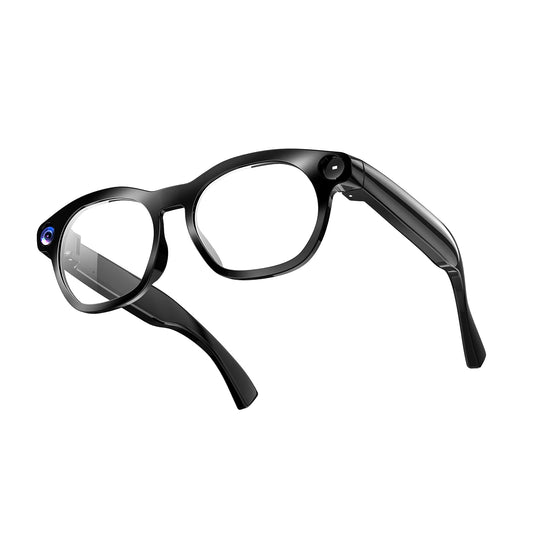
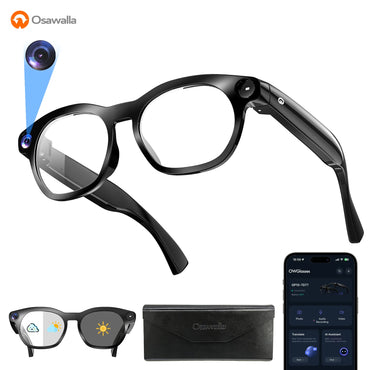
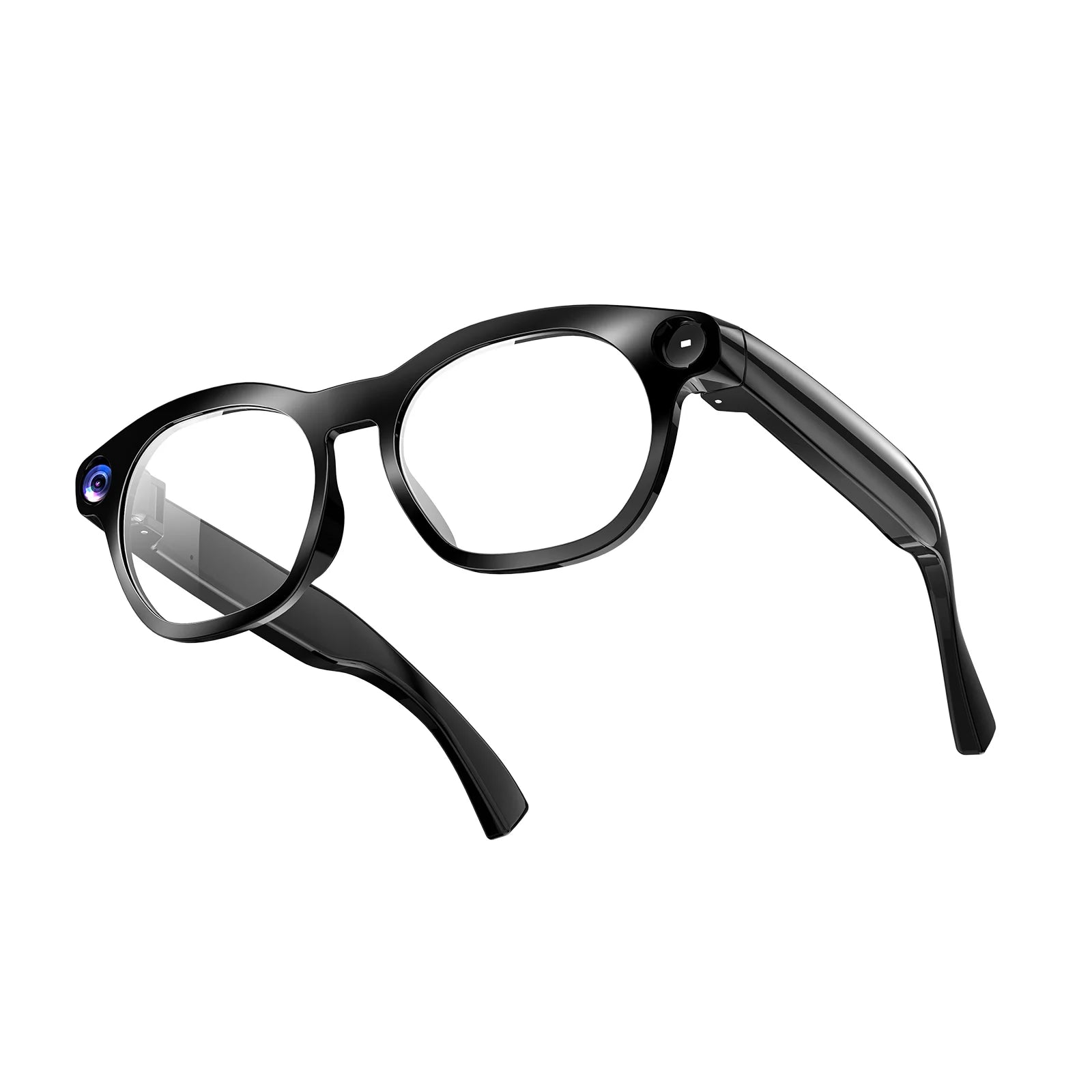
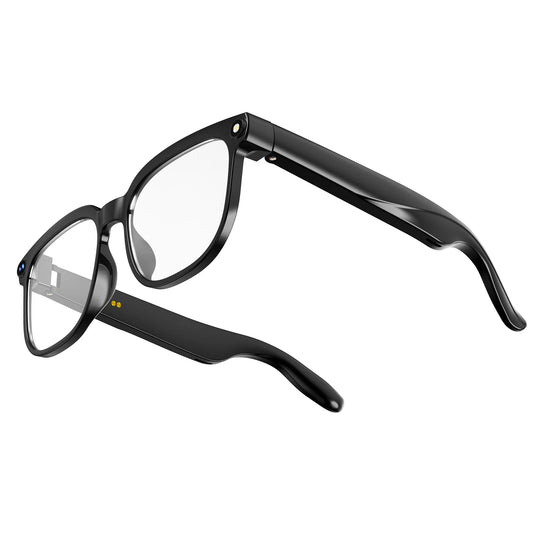
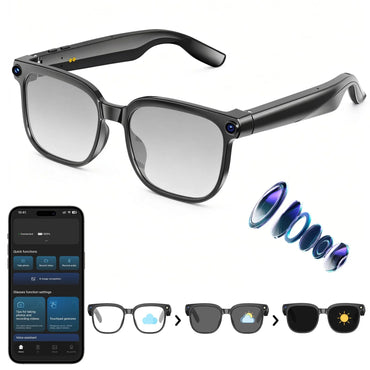
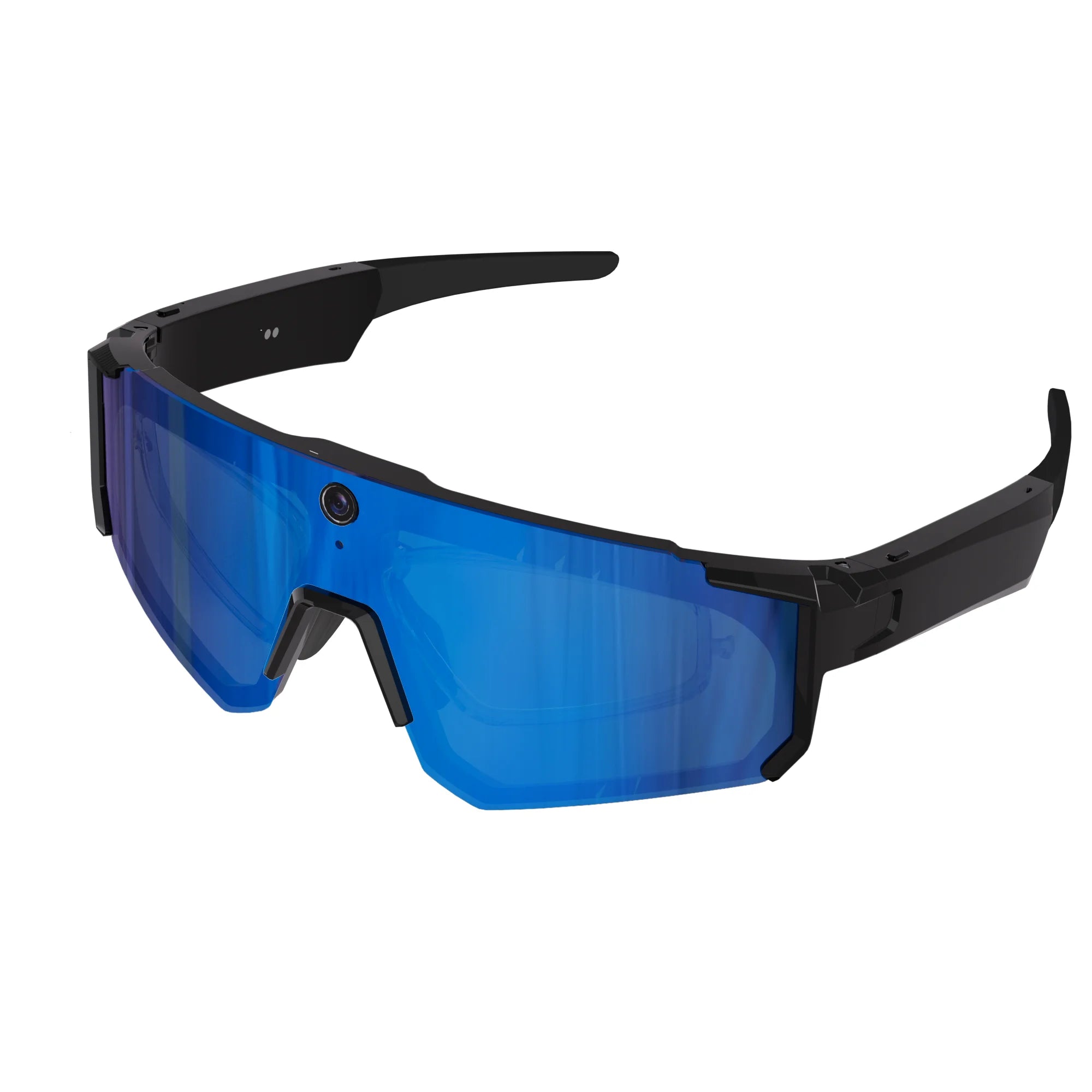
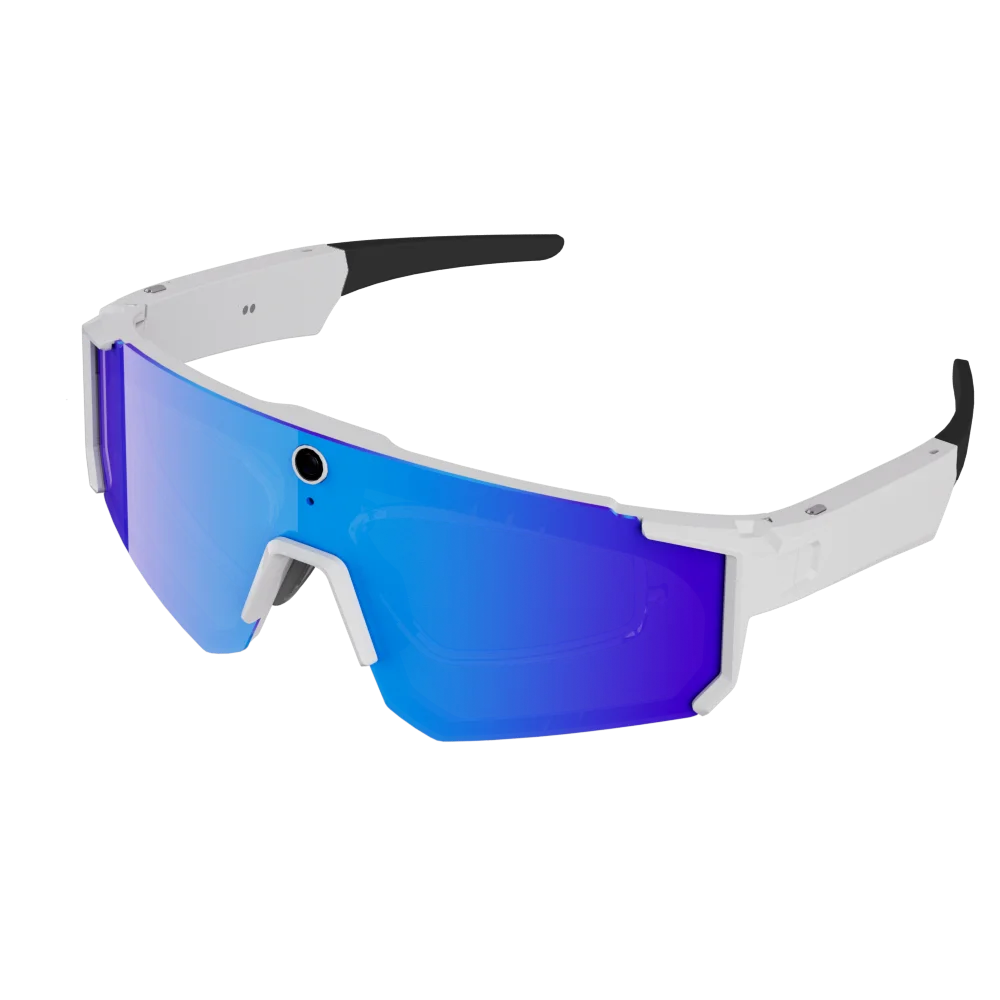
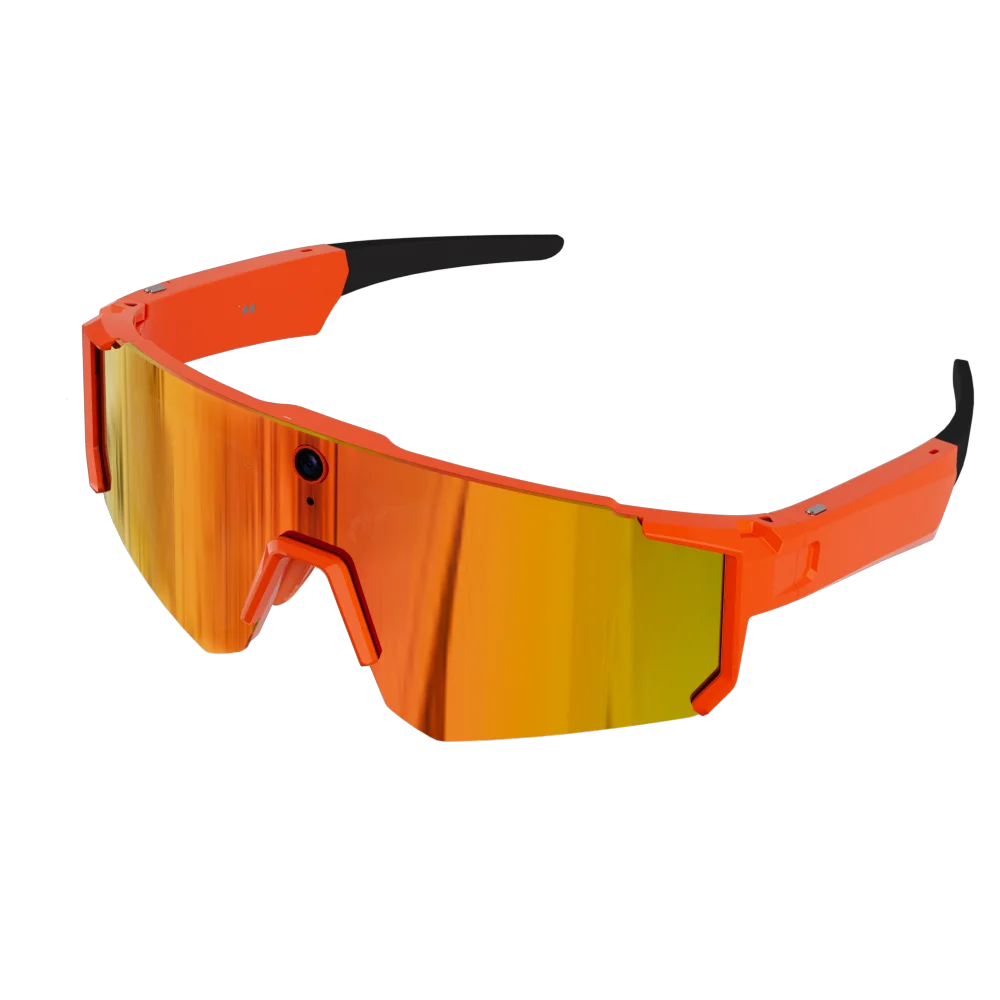
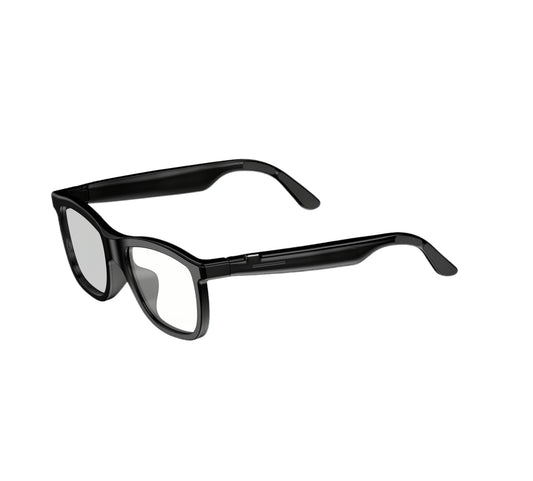
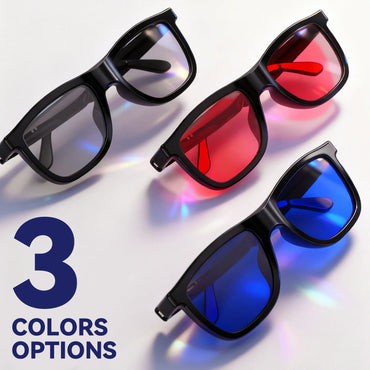
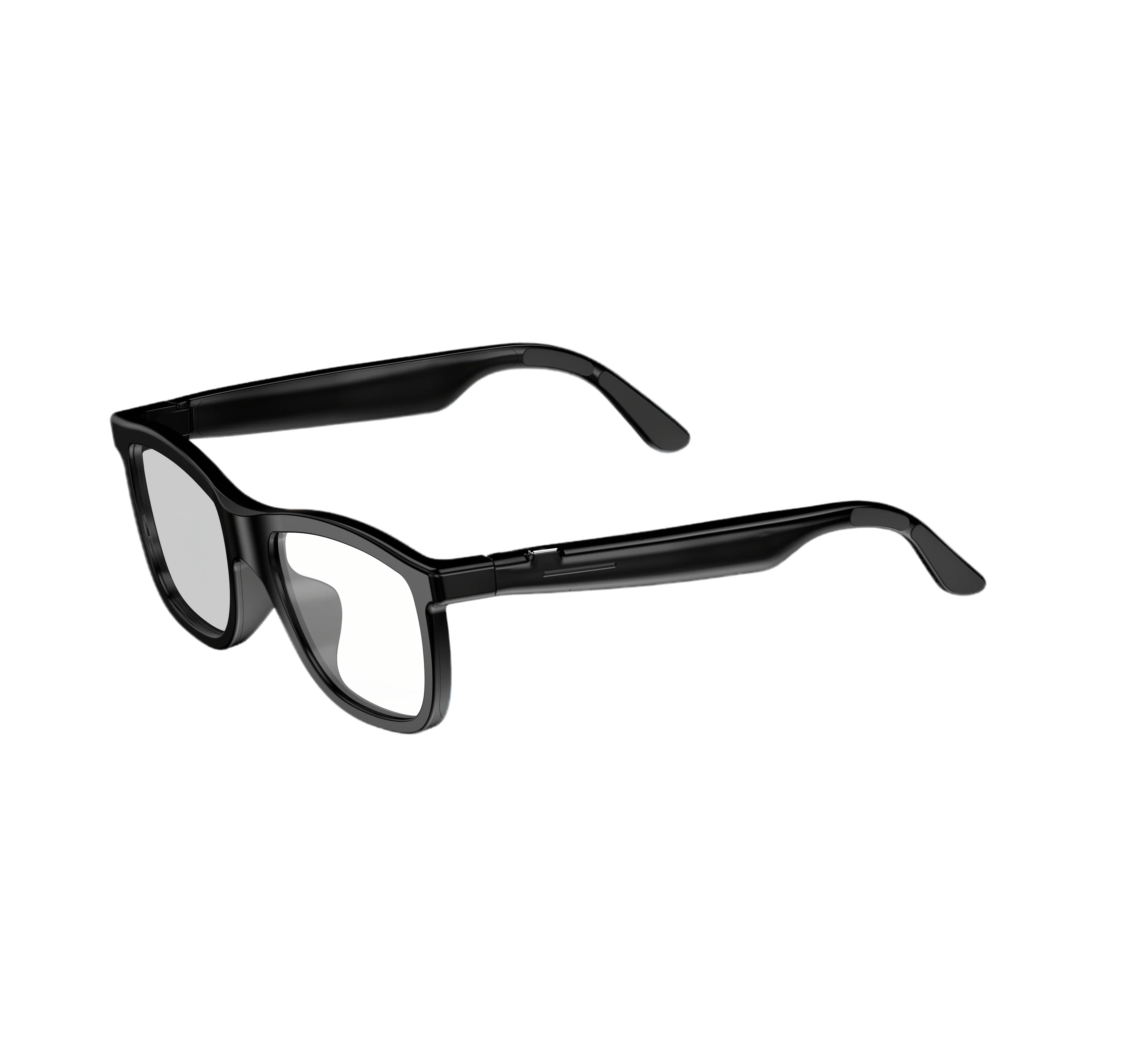
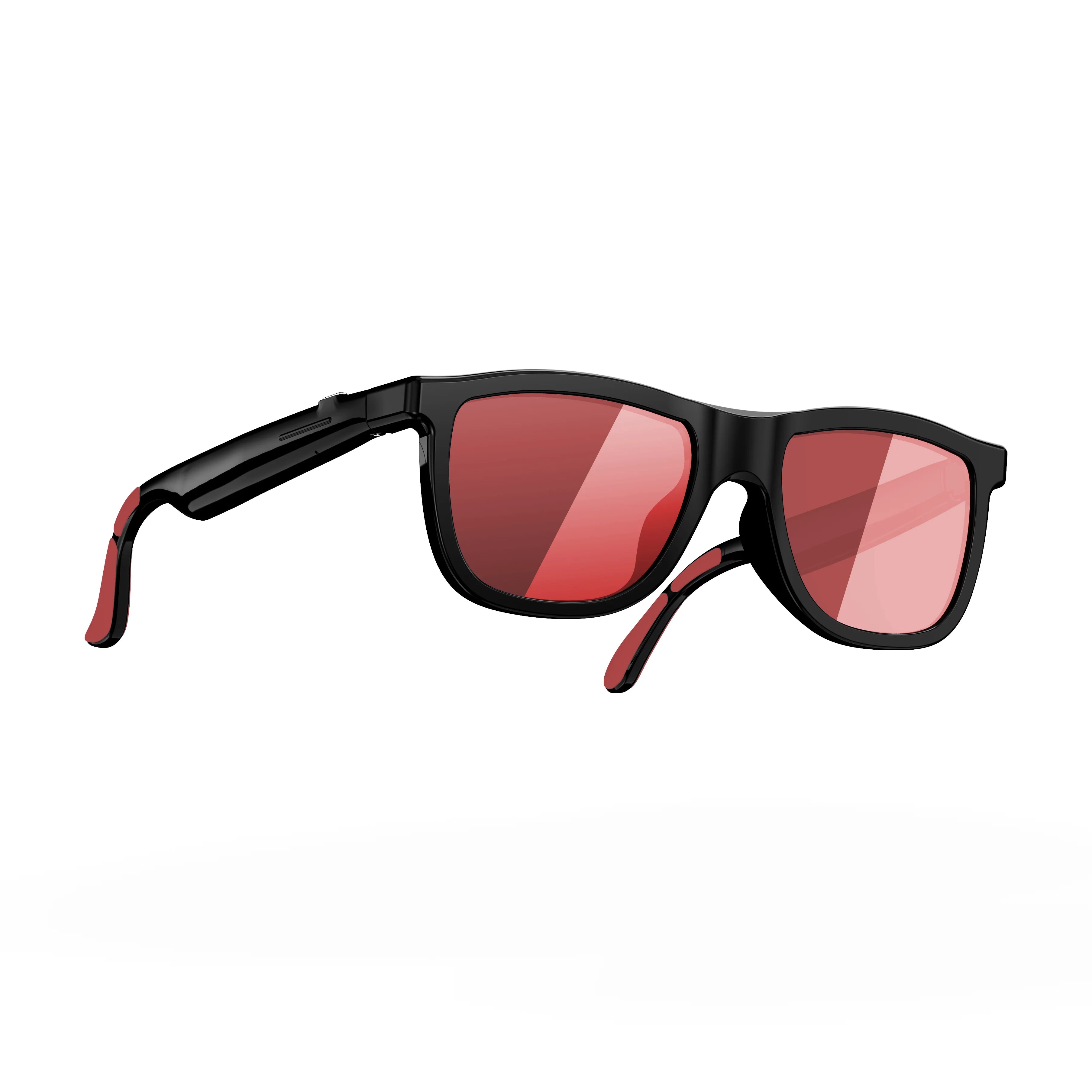
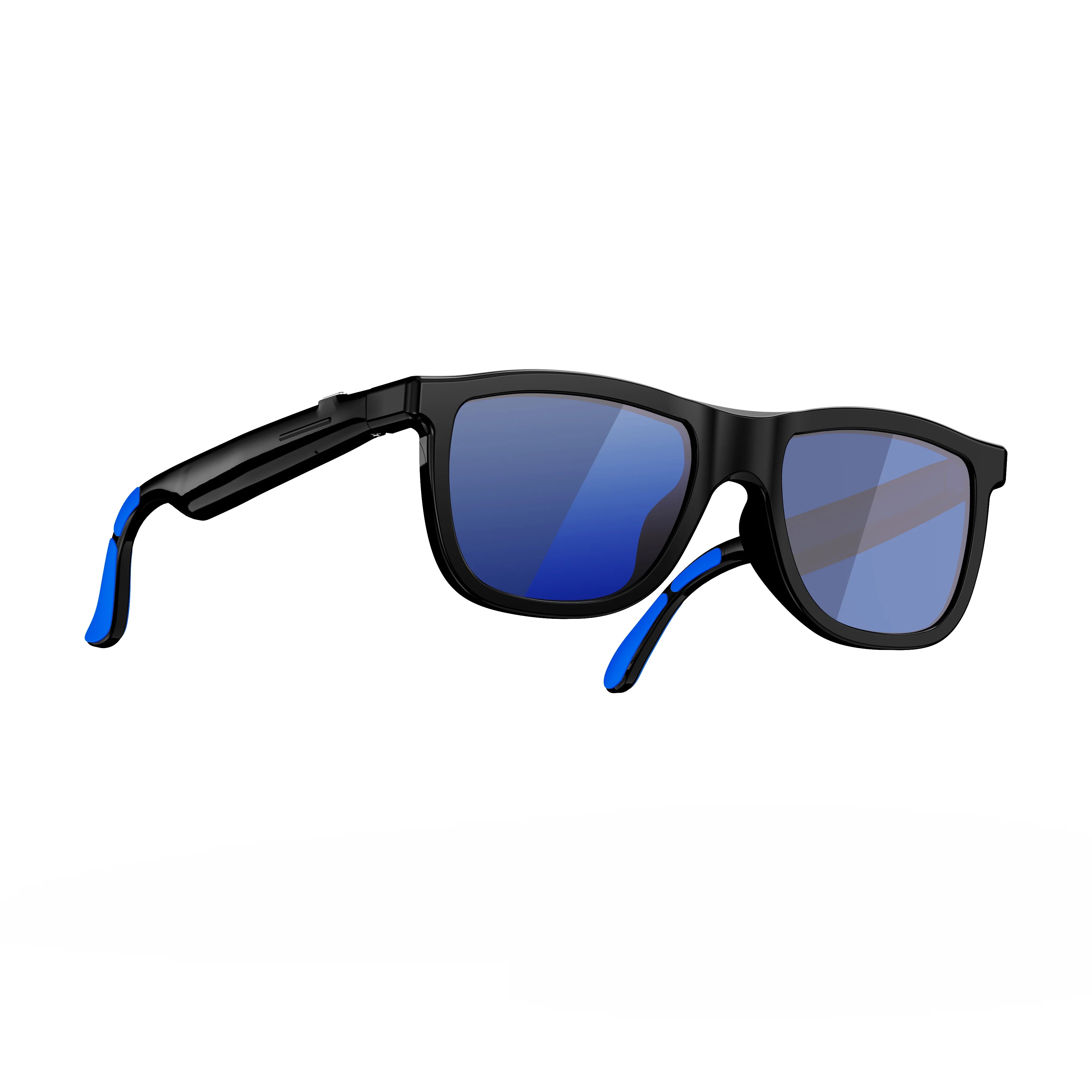



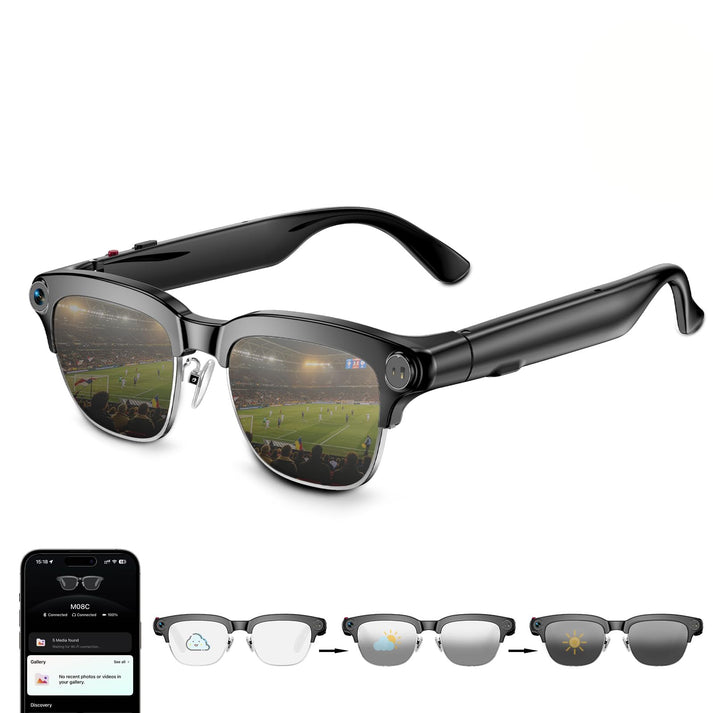
El paradigma de la informática de consumo ha pasado de los terminales de escritorio estáticos y los teléfonos inteligentes de vidrio a la tecnología ambiental contextual y "con los ojos en alto". En 2026, la inteligencia artificial ya no se limita a los cuadros de texto dentro de las pestañas del navegador basadas en la nube. Las redes neuronales multimodales avanzadas se han integrado directamente en los factores de forma cotidianos. Entre ellos, las gafas inteligentes representan el principal puente entre la inteligencia digital y el mundo físico. Al utilizar cámaras miniaturizadas, conjuntos de audio direccionales de baja latencia y procesamiento en el borde con múltiples sensores, las gafas inteligentes modernas comprenden el contexto exacto de lo que el usuario ve y escucha en tiempo real.

En Osawalla, operamos en el centro de esta evolución tecnológica. Como marca centrada en el producto que se enfoca en dispositivos wearables inteligentes impulsados por IA, aprovechamos las innovaciones avanzadas en tecnología de detección de IA para ofrecer productos wearables de grado profesional y rentables. Nuestro objetivo continuo es establecer estándares de referencia globales en el sector de los wearables de IA. Desde nuestra experiencia, muchos de los primeros en adoptar evalúan la categoría a través de marcos heredados, asumiendo que las gafas inteligentes requieren proyecciones de pantalla visuales pesadas que agotan la batería para ser realmente funcionales. En realidad, la industria se ha diversificado en soluciones de audio y de pantalla que se pueden ver de un vistazo, muy efectivas, que gestionan operaciones contextuales complejas sin ser voluminosas. Esta revisión de ingeniería analiza las ocho tareas principales que las gafas con IA actuales pueden manejar en los flujos de trabajo personales y profesionales diarios actuales.
- 1. Resumen técnico: Capacidades de las gafas con IA y especificaciones de procesamiento
- 2. La física de la detección multimodal en gafas: el hardware se une a los modelos de lenguaje grandes
- 3. Desglose: 8 tareas técnicas que las gafas con IA actuales pueden manejar
- 4. Optimización del flujo de trabajo: abastecimiento para estilos de vida activos y operaciones de contenido
- 5. Preguntas frecuentes (FAQ)
- 6. Referencias académicas, industriales y regulatorias sobre seguridad de la IA
1. Resumen técnico: Capacidades de las gafas con IA y especificaciones de procesamiento
Antes de implementar una flota de dispositivos wearable en toda la empresa o calcular el retorno de la inversión en hardware, los equipos de ingeniería deben evaluar los límites de ejecución física. La tabla de resumen a continuación cataloga cómo las tareas prominentes pueden manejar las gafas con IA actuales en las configuraciones arquitectónicas estándar en 2026.
| Clasificación de tarea de IA objetivo | Entrada principal del sensor utilizada | Latencia de procesamiento promedio | Perfil de conectividad de datos | Valor operacional principal |
|---|---|---|---|---|
| Decodificación visual de objetos y señales | Cámara ultra gran angular de 12 MP | 800ms - 1.2s | Bucle de procesamiento LLM en la nube | Decodifica datos no estructurados del mundo real al instante sin pantalla de teléfono |
| Navegación peatonal manos libres | Giroscopio IMU + sincronización GPS | Tiempo real (continuo) | Enlace compañero de smartphone local | Ofrece indicaciones de audio direccionales que coinciden con la dirección exacta de tu mirada |
| Traducción de audio en tiempo real | Matriz direccional de cinco micrófonos | 500ms - 900ms | Centro de traducción Edge-to-Cloud | Traduce el habla mientras coincide con el tono y el tono del hablante |
| Captura de imágenes manos libres | Sensor de cámara 3K Ultra HD | Instantáneo | Captura en el dispositivo | Captura contenido de punto de vista mientras mantiene las manos libres por seguridad |
| Automatización de tareas entre aplicaciones | Micrófono + análisis de voz | 1.5s - 2.5s | Integración de API de aplicación en segundo plano | Ejecuta tareas de aplicación de varios pasos, como pedir comida para llevar por voz |
| Seguimiento de nutrición manos libres | Cámara visual + estimación de peso | 1.0s - 1.8s | Comparación de bases de datos multimodales | Registra alimentos y estima macronutrientes sin usar las manos |
| Síntesis y resumen de mensajes | Almacenamiento local en el dispositivo | Menos de 400 ms | Bucle de cifrado Bluetooth local | Resume las alertas perdidas del chat grupal utilizando computación local segura para la privacidad |
| Composición de texto con gestos aéreos | Seguimiento de pulsera neural / cámara | Tiempo real | Perfil HID Bluetooth local | Permite la escritura silenciosa e invisible de mensajes moviendo los dedos en el aire |
2. La física de la detección multimodal en gafas: el hardware se une a los modelos de lenguaje grandes
Para comprender con éxito cómo se ejecutan las tareas principales que pueden manejar las gafas con IA actuales, los ingenieros deben examinar la orquestación subyacente de hardware a software. Un dispositivo de gafas inteligentes funciona como un nodo físico en una red de computación distribuida más grande. La montura no puede albergar procesadores gráficos gigantes de alta potencia debido a estrictas limitaciones térmicas; al estar contra los huesos temporales humanos, limita la disipación de calor de los componentes internos a un máximo seguro de 40 °C.
Según nuestra experiencia, los dispositivos wearable de alto rendimiento resuelven este cuello de botella térmico operando un modelo de procesamiento dividido. Los microcontroladores de computación local en el borde procesan la cancelación de ruido del micrófono, la compresión básica de la cámara y los cálculos de los sensores directamente en la montura. El procesamiento de inteligencia artificial pesado, como el análisis de datos visuales a través de arquitecturas multimodales masivas como Llama 4 o Gemini 1.5 Pro, se traslada a su teléfono inteligente compañero o a un servidor en la nube de baja latencia a través de Bluetooth y Wi-Fi. Este diseño de procesamiento dividido permite que las gafas permanezcan ultraligeras (a menudo menos de 50 gramos) al tiempo que brinda a los usuarios acceso a un conocimiento contextual profundo y capacidades de razonamiento avanzadas.
Recomendamos enfatizar que las gafas inteligentes centradas en el audio representan la ruta de diseño más eficiente para la implementación general en empresas y consumidores activos hoy en día. Si bien los microproyectores de guía de ondas integrados directamente en las lentes son muy útiles para tareas especializadas como mostrar guiones de texto o mapas para caminar, añaden un costo de hardware, peso y consumo de batería significativos. Las gafas inteligentes estándar centradas en el audio logran una utilidad contextual casi idéntica simplemente susurrando información de IA en tiempo real en tu oído a través de altavoces direccionales ocultos en las patillas, manteniendo un diseño limpio y una sensación cómoda para usar durante todo el día.
3. Desglose: 8 tareas técnicas que las gafas con IA actuales pueden manejar
Tarea 1: Decodificación visual de objetos y señales en tiempo real

El hardware de última generación permite a los usuarios mirar cualquier objeto físico o señal de texto no estructurados y hacer preguntas al respecto de inmediato. Al utilizar un disparador de voz rápido, como "Oye Gemini, mira esto", la cámara integrada captura una instantánea de alta resolución de tu campo de visión. La inteligencia artificial del back-end decodifica horarios de tránsito extranjeros, traduce señales de estacionamiento complicadas o identifica piezas de plantas y mecánicas desconocidas al instante, entregando resúmenes hablados claros directamente a tu oído sin necesidad de sacar un teléfono inteligente.
Tarea 2: Navegación peatonal basada en la mirada con conciencia del contexto

El software de navegación tradicional mapea las indicaciones paso a paso puramente en coordenadas GPS, lo que te obliga a mirar un punto azul en la pantalla de tu teléfono mientras navegas por cruces concurridos. Las gafas inteligentes avanzadas combinan el seguimiento GPS con sensores de giroscopio internos para calcular exactamente la dirección a la que apunta tu cara. Esto permite que el sistema entregue instrucciones de audio paso a paso muy naturales que coinciden con tu perspectiva, como susurrar "Gira a la izquierda justo después del edificio de ladrillo rojo que tienes delante", manteniendo la cabeza erguida y los ojos enfocados en tu entorno.
Tarea 3: Traducción de voz bidireccional en tiempo real
Para los viajeros de negocios transfronterizos, los ingenieros de campo y los gerentes de hotelería, las barreras de comunicación se eliminan mediante la traducción de voz en tiempo real. Utilizando una matriz direccional de cinco micrófonos incrustada a lo largo de la línea de las cejas, las gafas capturan el habla extranjera entrante de forma limpia mientras filtran el caótico ruido ambiental de la ciudad. El sistema traduce las oraciones a tu idioma nativo en milisegundos, utilizando modelos avanzados de generación de voz que coinciden con el tono y el timbre vocal del hablante original para que las conversaciones se sientan naturales y fluidas.
Tarea 4: Captura de medios de alta definición manos libres con punto de vista
Para los creadores de contenido, los inspectores de seguridad y los aventureros al aire libre, capturar momentos espontáneos a menudo requiere buscar a tientas con una cámara de mano, lo que puede sacarte de la experiencia. Las gafas con IA cuentan con lentes ultra anchas de 12 megapíxeles integradas a la perfección en las esquinas exteriores de la montura, lo que te permite grabar videos 3K Ultra HD desde tu punto de vista exacto utilizando un simple comando de voz. Este modo de captura manos libres garantiza que grabes videos nítidos y realistas mientras mantienes las manos completamente libres para operar herramientas o por seguridad atlética.
Tarea 5: Automatización de aplicaciones en segundo plano de varios pasos
Dejando de lado las acciones de voz simples de un solo paso, como configurar una alarma, las gafas inteligentes modernas pueden coordinar tareas complejas de varios pasos en aplicaciones móviles de terceros en segundo plano. Por ejemplo, un ejecutivo que se dirige a una reunión puede decir: "Pide mi café con leche helado habitual en la cafetería de la calle a través de DoorDash". La IA se encarga de toda la navegación del menú de la aplicación, la selección de artículos y la preparación de la cesta de forma segura en segundo plano, dejando al usuario con solo un toque único y privado en la pantalla de su teléfono para confirmar la transacción final.
Tarea 6: Seguimiento nutricional multimodal manos libres
El seguimiento de la ingesta diaria de alimentos tradicionalmente exige buscar manualmente los ingredientes y escribir las porciones individuales en las aplicaciones de estilo de vida. Las gafas inteligentes modernas automatizan este proceso mediante un análisis visual multimodal. Al mirar un plato de comida y decir una indicación como "Hey Meta, registra mi almuerzo", la cámara analiza los alimentos, los compara con extensas bases de datos de porciones, estima las métricas de macronutrientes y registra los detalles directamente en tu aplicación de salud sin usar las manos, proporcionando información de bienestar personalizada a lo largo del tiempo.
Tarea 7: Síntesis de mensajes y resumen conversacional en el dispositivo
Gestionar grandes volúmenes de chats grupales corporativos e hilos de mensajes durante el viaje puede provocar una fatiga masiva por notificaciones. Para resolver esto, las gafas inteligentes utilizan procesadores de borde privados en el dispositivo para filtrar las alertas de texto entrantes. En lugar de leer cincuenta mensajes de chat individuales secuencialmente, puedes hacer una pregunta rápida como "Ponte al día con mis mensajes" para recibir un resumen conciso y muy preciso del chat grupal que destaca los elementos de acción críticos mientras mantiene tus datos seguros detrás de capas de cifrado de extremo a extremo.
Tarea 8: Composición silenciosa de texto con gestos aéreos
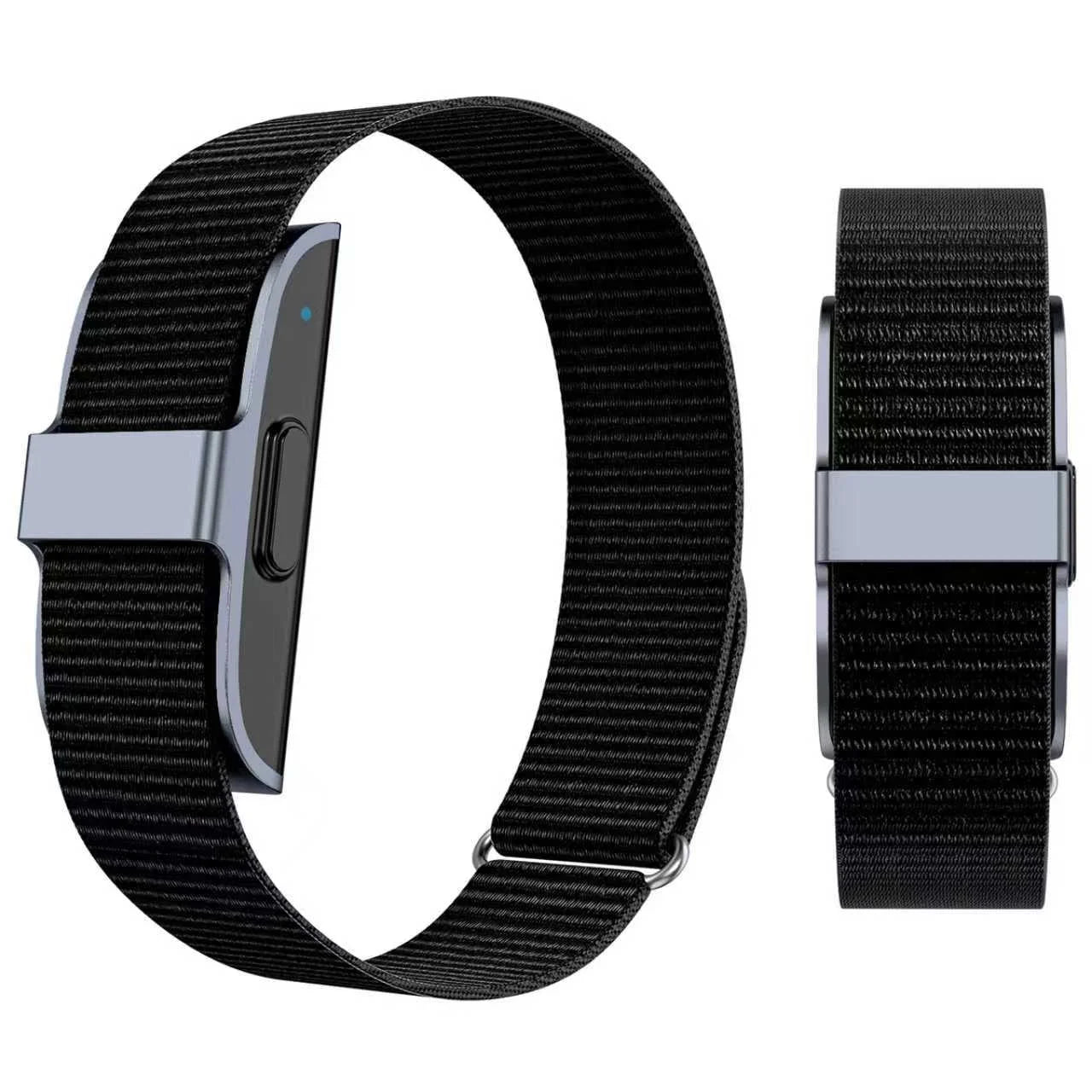
Para admitir la mensajería silenciosa en entornos tranquilos como bibliotecas, reuniones de negocios o trenes de transporte público, las gafas con pantalla modernas incorporan herramientas de escritura virtual basadas en gestos. Al emparejar las gafas con un accesorio ligero de pulsera neural, el sistema rastrea los movimientos sutiles de la muñeca y los dedos con alta precisión. Esto permite a los usuarios escribir mensajes completos en silencio escribiendo en el aire o golpeando sus dedos contra la palma de la mano, traduciendo los gestos físicos en una entrada de texto limpia dentro de las principales aplicaciones de mensajería sin problemas.
4. Optimización del flujo de trabajo: Abastecimiento para estilos de vida activos y operaciones de contenido
Integrar gafas inteligentes en su organización requiere analizar las tendencias actuales del hardware, elegir marcos robustos para entornos exteriores y maximizar el retorno de la inversión operativa.
Para los equipos de negocios que buscan implementar estos sistemas ponibles en el terreno, es esencial mantenerse al día con los lanzamientos de productos. Consultar nuestra exhaustiva revisión técnica del mercado sobre las 10 mejores gafas inteligentes nuevas de 2026 proporciona a los equipos de compradores un desglose objetivo de los ciclos de vida de la batería y los pesos de los marcos en los principales fabricantes. Para estudios creativos, empresas de seguridad o equipos inmobiliarios que buscan evaluar la calidad de la cámara y los puntos de referencia de estabilización del sensor, leer nuestro análisis profundo del hardware en la revisión de gafas inteligentes con cámara detalla la calidad de imagen y el rendimiento del rango dinámico en condiciones de campo desafiantes.
| Grado de hardware de IA wearable | Base de duración promedio de la batería | Aplicación principal objetivo | Enlace de recursos de abastecimiento de Osawalla |
|---|---|---|---|
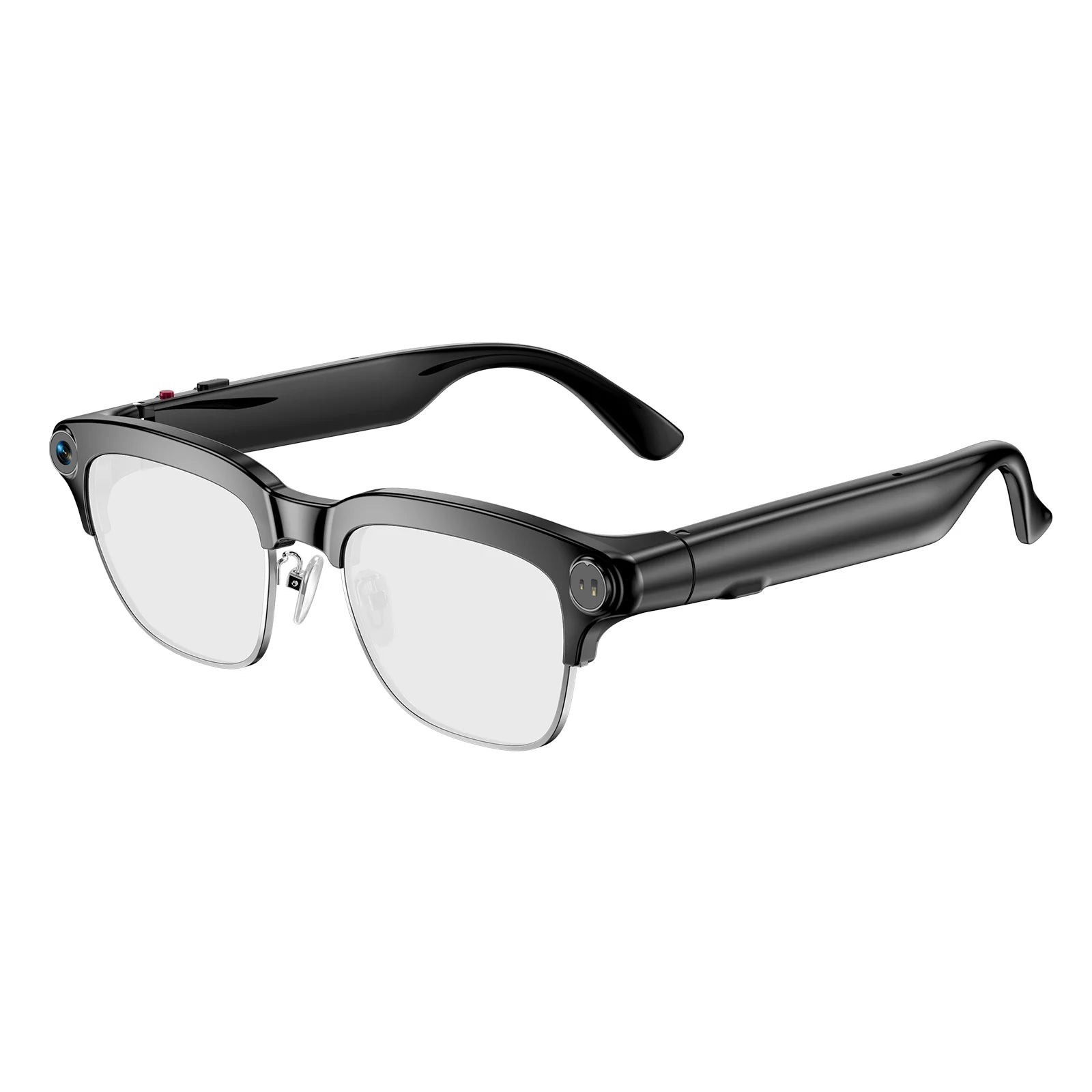
| Gafas de audio inteligentes | 5 a 8 horas de uso continuo | Productividad de oficina manos libres, traducciones en tiempo real y viajes de negocios | Aplicaciones de gafas inteligentes 2026 |
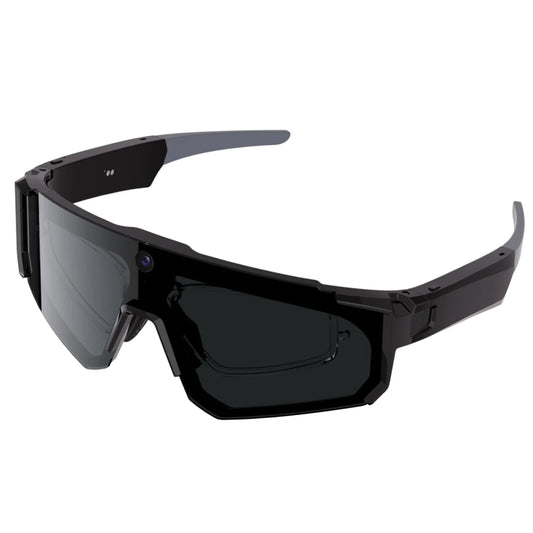
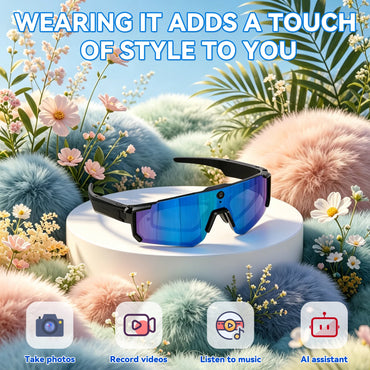
| Gafas de sol deportivas de alto rendimiento | Paquete extendido de alta capacidad | Seguimiento de ciclismo, movimiento de alta velocidad y entrenamiento activo al aire libre | Las mejores gafas de sol inteligentes con cámara |
Maximizando la productividad con dispositivos wearables con visión mejorada
Elegir el grado de equipo correcto requiere hacer coincidir el diseño físico de las monturas con el entorno diario específico del usuario. Para revisar estudios de caso en redes médicas, logísticas de almacén y reparación de campo, consultar nuestra descripción industrial sobre aplicaciones de gafas inteligentes 2026 destaca cómo la documentación manos libres reduce drásticamente los errores de procesamiento. Para los usuarios que trabajan en entornos brillantes y con mucho deslumbramiento o que coordinan operaciones de campo activas, el seguimiento de nuestra revisión de rendimiento de las mejores opciones de gafas de sol inteligentes con cámara detalla monturas robustas diseñadas para manejar movimientos intensos de forma segura.
Para las personas que desean mantener un estilo de vida activo mientras tienen acceso a la mejora de la visión en tiempo real, navegar por nuestro manual especializado sobre las gafas inteligentes wearable para un estilo de vida activo muestra diseños de monturas cómodos y ergonómicos equipados con almohadillas nasales ajustables y bisagras flexibles construidas para la seguridad durante todo el día. Finalmente, para los equipos de ingeniería que planifican actualizaciones de infraestructura a largo plazo, nuestro informe de investigación a largo plazo sobre el futuro de la tecnología de gafas inteligentes describe los próximos cambios en las baterías de estado sólido, la integración avanzada de prescripciones y la computación predictiva consciente del contexto, lo que ayuda a su negocio a asegurar una ventaja competitiva en la innovación de dispositivos wearables.
5. Preguntas frecuentes (FAQ)
6. Referencias de seguridad de la IA académicas, industriales y regulatorias
Para directrices oficiales de seguridad de dispositivos wearables, índices de exposición a radiofrecuencias y puntos de referencia de inteligencia artificial multimodal, consulte estas organizaciones autorizadas:
- Instituto de Ingenieros Eléctricos y Electrónicos (IEEE). IEEE C95.1: Estándar para los niveles de seguridad con respecto a la exposición humana a campos eléctricos, magnéticos y electromagnéticos en factores de forma de dispositivos wearable. Piscataway, NJ.
- Organización Internacional de Normalización. ISO/IEC 23053: Marco para sistemas de inteligencia artificial que utilizan arquitecturas de ablación de redes neuronales multimodales. Ginebra, Suiza.
- Comisión Federal de Comunicaciones (FCC). Directivas de cumplimiento de la tasa de absorción específica (SAR) para dispositivos de comunicación cercanos al cuerpo y dispositivos wearable Bluetooth. Washington, DC.


