








Smart Ring vs Fitness Tracker: Which One Should You Actually Wear in 2026?
By Osawalla Editorial Team · Published 29 September 2026 · Last updated 29 September 2026
Health note: Smart rings and fitness trackers are consumer wellness devices. Their measurements are intended for general fitness and wellness tracking and should not be used to diagnose or treat medical conditions.
The short answer
A smart ring can replace many of the everyday tracking functions of a fitness tracker, including steps, sleep, resting heart rate and daily activity. But it is not a full replacement for live workout features such as on-wrist pace, heart-rate zones, built-in GPS and notifications. If your training depends on real-time numbers, a fitness tracker is usually the more practical option. If you prioritize continuous wellness tracking without wearing a device on your wrist, a smart ring may fit better.
Key takeaways
· Rings are designed for continuous wear, which can make them convenient for sleep, nighttime HRV and resting heart-rate tracking.
· Fitness trackers are generally better for live workout data such as pace, heart-rate zones, interval feedback and built-in GPS.
· Total ownership cost depends on both the device price and any recurring subscription.
· Accuracy should be viewed as wellness and trend data rather than a substitute for clinical measurements.
 Smart ring vs fitness tracker: what actually differs
Both devices sit in the same wearable category and can measure core signals such as motion and pulse, with some models also tracking skin temperature. The main difference is how the device is designed to be used.
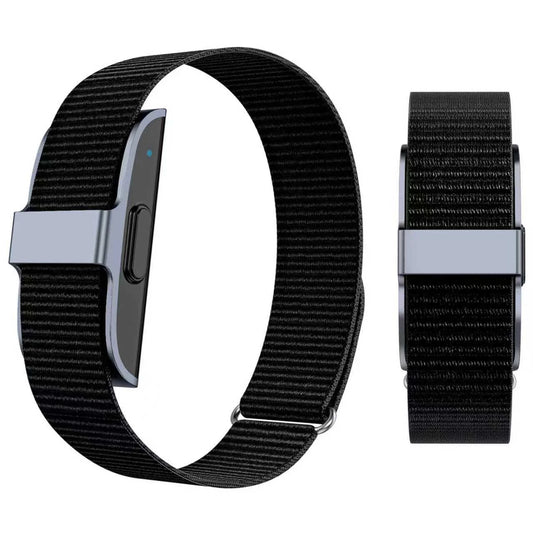
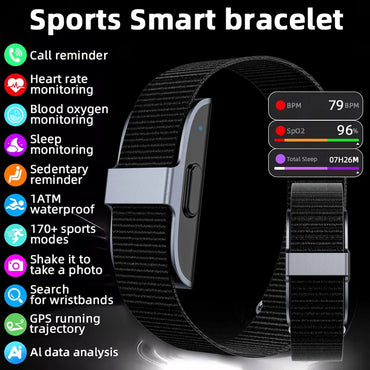
A fitness tracker is built around activity. It puts a screen on your wrist, so pace, duration, heart rate and notifications are available without reaching for your phone.
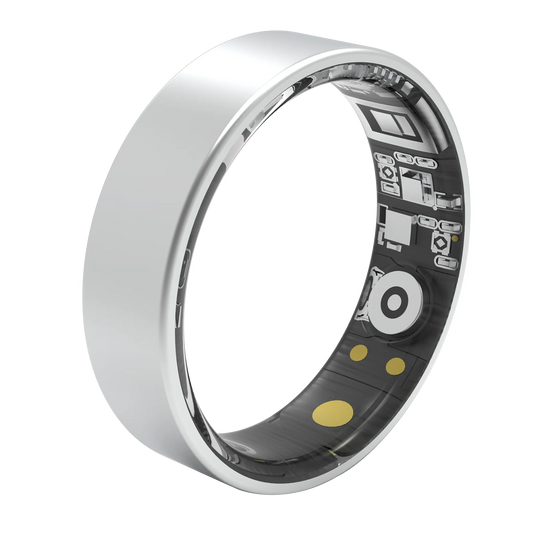
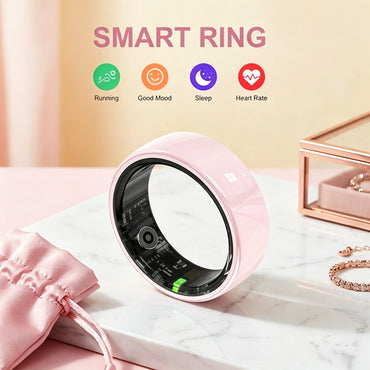
A smart ring is built around continuity. With no screen to power and no wrist strap to manage, it can be small enough to wear through the night and throughout the day. You do not read data directly from the ring; you review it in the companion app.
That creates two different use cases. A fitness tracker is generally better at showing what is happening during a workout, while a smart ring is designed around continuous data and longer-term trends.
Smart ring vs fitness tracker: side-by-side
|
Feature |
Smart ring |
Fitness tracker |
|
Steps, distance, calories |
Yes |
Yes |
|
Heart rate |
Yes; useful for resting trends |
Yes; generally better suited to live workout viewing |
|
HRV |
Many models |
Many models |
|
Sleep stages |
Yes |
Yes |
|
Workout tracking |
Yes, logged in app |
Yes, often with live display |
|
Live pace and heart-rate zones |
Usually no on-device display |
Yes |
|
Built-in GPS |
Rare; often phone-connected GPS |
Common on many models |
|
Notifications |
No |
Yes |
|
On-device screen |
No |
Yes |
|
Overnight wear |
Designed for continuous wear |
Depends on the device |
|
Battery |
Typically several days |
Varies widely by model |
|
Appearance |
Discreet, jewelry-like |
Visible, sporty |
|
Subscription |
Varies by brand |
Varies by brand |
What each option actually costs over two years
The total cost of a wearable depends on both the hardware price and whether the full app experience requires a recurring subscription.
|
Device |
Upfront |
Subscription |
Approx. 2-year cost |
|
$49.99 |
None |
$49.99 |
|
|
$69.99 |
None |
$69.99 |
|
|
$399–$499 |
$5.99/mo or $69.99/yr |
≈ $539–$639 |
|
|
Oura Ring 4 (on sale) |
$244.30–$279.30 |
$5.99/mo or $69.99/yr |
≈ $384–$419 |
|
RingConn Gen 2 |
≈ $299 |
None |
≈ $299 |
|
Fitbit Charge 6 |
≈ $159.95 |
≈ $9.99/mo Premium |
≈ $400 |
|
Xiaomi Smart Band 10 |
≈ $52.50 |
None |
≈ $52.50 |
Osawalla prices verified on osawalla.com on 29 September 2026. Oura pricing should be checked on Oura's own site before publication or purchase. Prices marked ≈ are approximate competitor figures; competitor pricing and subscription terms can change. Two-year cost assumes hardware plus 24 months of the stated subscription.
For buyers comparing wearables, it is useful to consider both the upfront hardware price and the ongoing cost of using the full app experience. For example, an Osawalla Signature Pro has a $49.99 purchase price with no recurring subscription fee.
If you want the full argument for the no-subscription model, see: Why a no-subscription ring changes the cost math.
Where a fitness tracker still wins
· Live workout feedback. During a run, ride or interval session, a wrist display can show pace, elapsed time and heart-rate information without reaching for your phone.
· Built-in GPS. Many trackers can record outdoor routes without a phone. Most smart rings use connected GPS instead.
· Heart rate during movement. Optical heart-rate sensing can be affected by motion and grip on both fingers and wrists. For interval work, a chest strap can provide a more suitable reference.
· Notifications and on-device controls. Fitness trackers can provide features such as music controls, calls, timers and notifications that a smart ring generally does not.
Where a smart ring wins
· Overnight wear. Sleep, nighttime HRV and resting heart-rate trends can be collected while you sleep, provided the ring remains on your finger.
· Continuous coverage. A device that can remain on for several days can reduce gaps caused by frequent charging.
· Discretion. A ring can look more like jewelry and does not add a screen to your wrist.
· Long-term trends. Ring apps are often designed around baselines and longer-term changes rather than only individual workouts.
In practice, the main advantage of a smart ring is consistency. Because there is no screen or wrist strap to manage, it can be easier to keep on throughout the day and overnight. That can make the resulting data more useful for looking at longer-term patterns rather than isolated workouts.
What the accuracy research actually says
Consumer wearables — rings and bands alike — produce wellness and trend data rather than clinical measurements.
Energy expenditure. A 2020 systematic review in JMIR mHealth and uHealth found that commercially available wearables did not consistently keep energy-expenditure estimates within a narrow criterion range across conditions.
Heart rate. Resting and recovery readings can be useful for tracking personal trends on both form factors. During movement, optical heart-rate readings can become less consistent because of hand movement, grip and arm motion.
HRV. There is no single universally agreed normal HRV range. A practical approach is to compare your own readings over time rather than treating one number as a universal target.
Blood oxygen. General-wellness wearable readings should not be treated as a substitute for medical testing. For medical questions, use appropriate medical equipment and consult a clinician.
The practical rule: read patterns across weeks, and treat individual readings cautiously. For more on turning raw metrics into something usable, see: What a smart ring tracks beyond sleep.
Fit decides whether any of this works
A ring only collects overnight data if it is still on your finger in the morning. Fit is therefore one of the most important factors in getting useful smart-ring data.
1. Measure in the evening, when fingers may be at their largest.
2. Do not assume your jewelry size. Smart rings are wider than many fashion bands and can fit differently.
3. Aim for a snug but comfortable fit. A loose ring can rotate during wear.
4. Use a sizing kit if you are unsure. The Osawalla Smart Ring Sizer Kit covers US sizes 6–14 and costs $6.99.
Osawalla rings are available in US sizes 6–13. As a reference, size 8 corresponds to an 18.1 mm inner diameter and roughly a 56.9 mm finger circumference; size 10 is 19.8 mm and 62.1 mm.
Placement matters too. Index, middle and ring fingers can all work; the best choice is the finger that keeps the ring stable and comfortable. See the Smart Ring Size Guide and Which Finger Should You Wear It On? for more detail.
Battery and charging in practice
|
Model |
Rated battery |
Charges per month |
|
Up to 5–7 days |
Approx. 4–6 |
|
|
Up to 7–9 days |
Approx. 3–4 |
|
|
6–9 days |
Approx. 3–5 |
Real-world battery life depends on factors such as heart-rate sampling frequency, workouts, Bluetooth syncing and software settings. The Ceramic Pro has the longest rated battery life in the Osawalla lineup. Both Osawalla models are rated for about one hour to full charge.
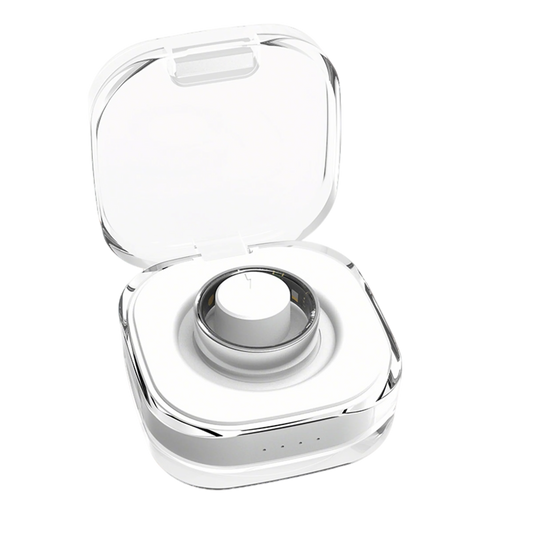
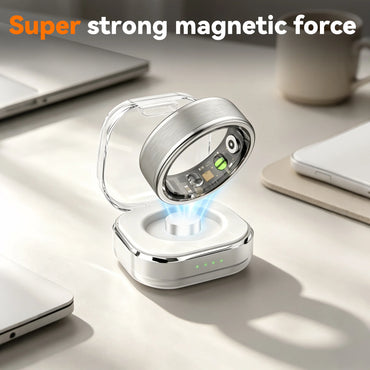
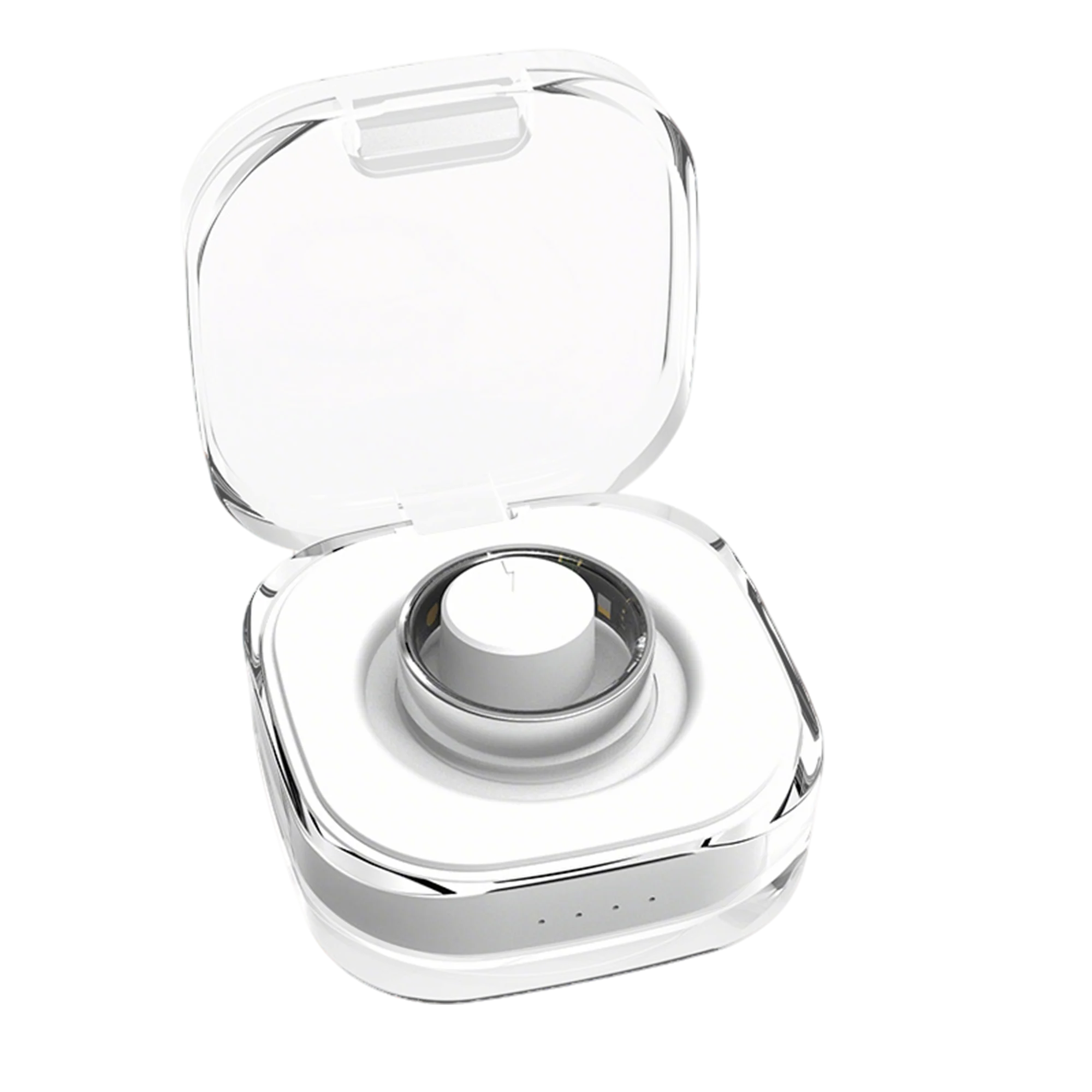
If you travel frequently, a compatible charging case can also make it easier to maintain continuous wear.
 Can you use a smart ring and a fitness tracker together?
Yes. A combined setup can make sense when you want live workout information from a tracker and continuous sleep, recovery and everyday tracking from a ring.
· Duplicate data. If both devices write steps to Apple Health or another health platform, check the source priority settings so totals are not duplicated.
· Platform compatibility. Confirm that the ring supports the health platform you use before buying. Check Apple Health, Google Fit or other supported integrations.
Which one should you buy?
|
If you… |
Consider |
|
Run, cycle or train with intervals and want live numbers |
Fitness tracker |
|
Need GPS without carrying your phone |
Fitness tracker with built-in GPS |
|
Want notifications, music or timers on your wrist |
Fitness tracker |
|
Find wrist devices uncomfortable overnight |
Smart ring |
|
Care about sleep, HRV and recovery trends |
Smart ring |
|
Want continuous data without another screen |
Smart ring |
|
Do not want a monthly subscription |
Osawalla ring, or another no-subscription model |
|
Train regularly and care about recovery |
Both — tracker for workouts, ring for sleep and everyday tracking |
Note the boundary: this comparison is mainly between a smart ring and a fitness band or tracker. A smartwatch is a third category with apps, a larger screen and, on some models, LTE. The trade-offs are different.
Where Osawalla fits
Osawalla takes a simple approach to smart rings: both models include the core app experience without a recurring subscription fee.
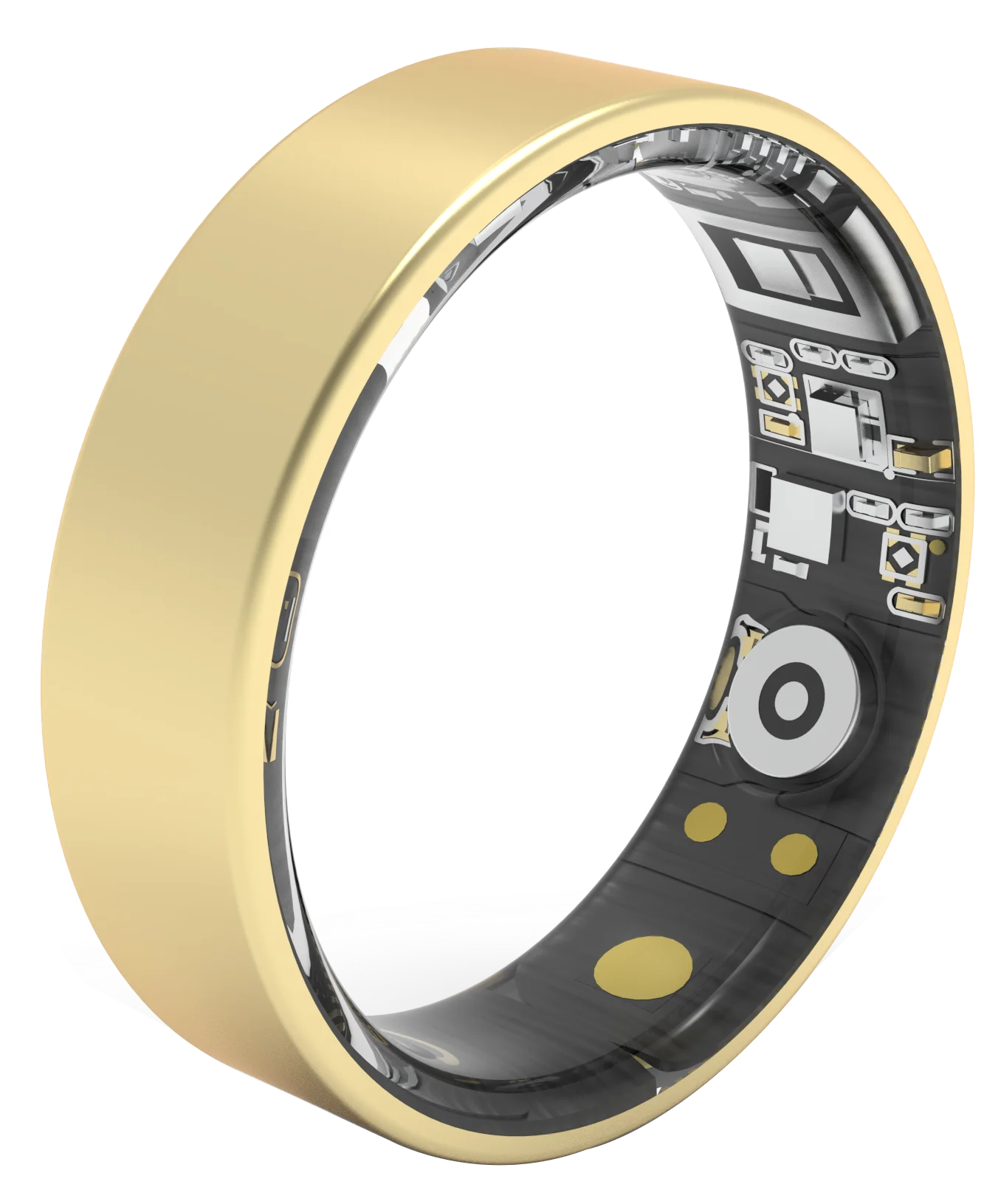
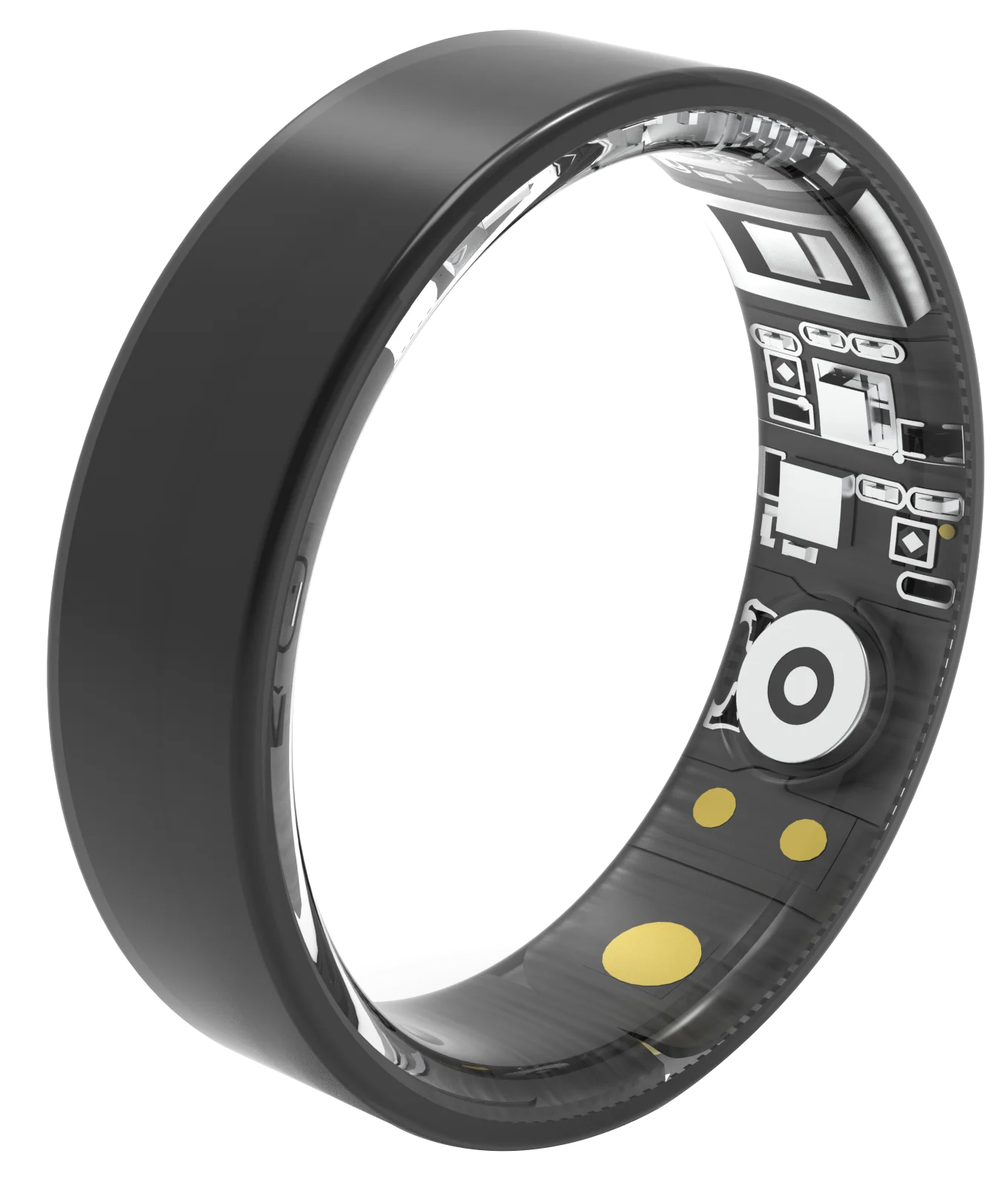
Osawalla Signature Pro Smart Ring — $49.99. Designed for everyday health and fitness tracking, with heart rate, HRV, blood oxygen, stress, sleep, steps, calories, distance and activity tracking. Battery life is rated at up to 5–7 days, with 5ATM/IP68 water resistance and US sizes 6–13.
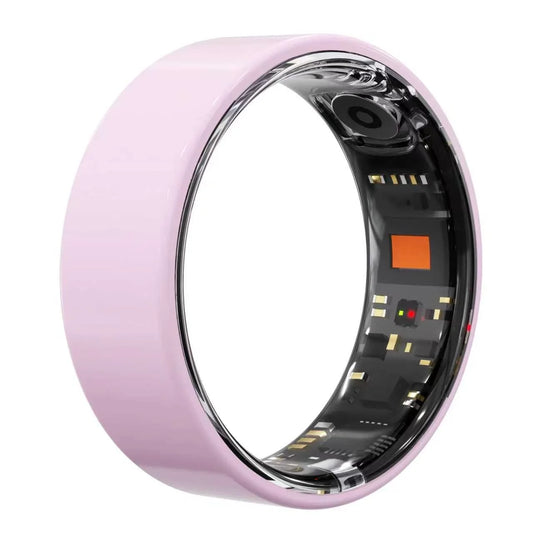
Osawalla Ceramic Pro Smart Ring — $69.99. A lighter 4 g design with a 2.6 mm profile, sleep and HRV tracking, cycle and ovulation insights, 128+ sports modes and up to 7–9 days of rated battery life. It also has 5ATM/IP68 water resistance and no subscription fee.
Both models are designed for buyers who want continuous wellness tracking without adding another screen to their daily routine.
Prices verified 29 September 2026. Compare the two models side by side in the Osawalla smart ring comparison.
Frequently asked questions
Can a smart ring replace a fitness tracker?
A smart ring can replace many everyday tracking functions, including steps, sleep, resting heart rate and daily activity. It is not a full replacement for live pace, on-wrist heart-rate zones, built-in GPS and notifications.
Are smart rings accurate for heart rate?
At rest, smart rings can provide useful heart-rate data for wellness tracking. During exercise, optical readings can be affected by hand movement, grip and other factors. For structured intervals, a chest strap may be more suitable.
Can a smart ring be better than a fitness tracker for sleep?
It can be a more convenient option for some people because its small, screen-free form factor may make it easier to wear overnight. The main advantage is consistency: sleep data is only useful when the device is actually worn.
Do smart rings have GPS?
Most smart rings use connected GPS through a phone rather than having GPS hardware built into the ring. If you want to run without your phone, look for a tracker with onboard GPS.
Can I use a smart ring and a fitness tracker together?
Yes. A practical setup is to use the tracker for workouts and the ring for sleep and everyday tracking. Check data-source priority settings in Apple Health or another health platform to avoid duplicated step data.
Do smart rings require a subscription?
It depends on the brand. Oura has a recurring membership for its full app experience, while Osawalla rings include the app with no subscription fee.
How do I know what ring size to order?
Measure in the evening, measure the exact finger you plan to wear the ring on, and use a sizing kit if you are between sizes.
Which is cheaper over two years?
An Osawalla Signature Pro costs $49.99 with no recurring subscription fee. An Oura Ring 5 priced at $399 plus two years of a $69.99 annual membership totals about $539 before any price changes or promotions.
Related reading
· What a smart ring tracks beyond sleep
· How smart rings estimate daily calorie burn
· How the two Osawalla rings compare
· Which finger should you wear it on?
· Apple Health and Strava sync: what to check
Editorial and health disclaimer: Osawalla smart rings are designed for general wellness and fitness tracking and are not medical devices. Metrics and features may vary by model, app version, phone, region and software updates. Competitor pricing and specifications can change; verify current details on the brand's own site before purchasing. Prices in this article were verified 29 September 2026.
Sources & useful links
· JMIR mHealth and uHealth — Reliability and Validity of Commercially Available Wearable Devices
· Stanford Medicine — Fitness trackers accurately measure heart rate but not calories burned
· FDA — General Wellness: Policy for Low Risk Devices
· Osawalla — Signature Pro Smart Ring
· Osawalla — Ceramic Pro Smart Ring
· Osawalla — Smart Ring Sizer Kit
· Osawalla — Smart Ring Health Tracking: Body Metrics Beyond Sleep
· Osawalla — Smart Ring Calorie Tracking: How Wearables Estimate Daily Burn
· Osawalla — Smart Ring Apple Health & Strava Sync
· Osawalla — Smart Ring Size Guide
· Osawalla — Do Smart Rings Need a Specific Finger?


