









Smart Ring Blood Oxygen Monitoring (SpO₂): How It Works
Blood oxygen monitoring, also known as SpO₂ monitoring, is an important feature in modern wearable health technology. Smart rings can use optical sensors to estimate blood oxygen levels during sleep, giving users another metric for understanding their overnight wellness and sleep patterns.
Among smart ring brands, Oura Ring is one of the most established examples of how nighttime blood oxygen sensing can be incorporated into sleep tracking. Oura's documentation explains that its Blood Oxygen Sensing feature measures average blood oxygen levels and variations in those levels while you sleep.
Understanding how Oura approaches blood oxygen sensing can provide useful context for anyone interested in smart ring blood oxygen monitoring and how wearable devices collect overnight SpO₂ data.
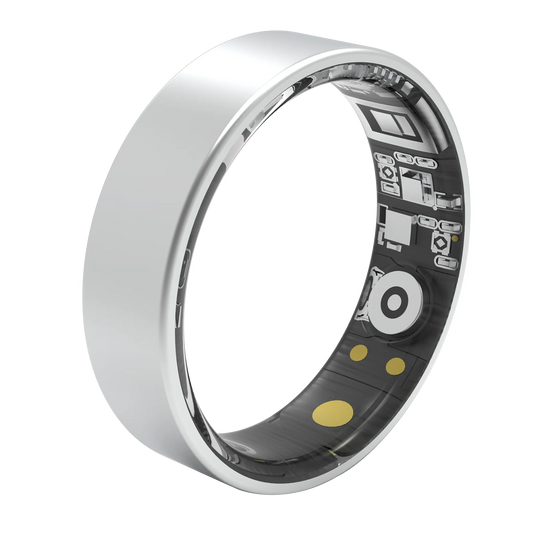
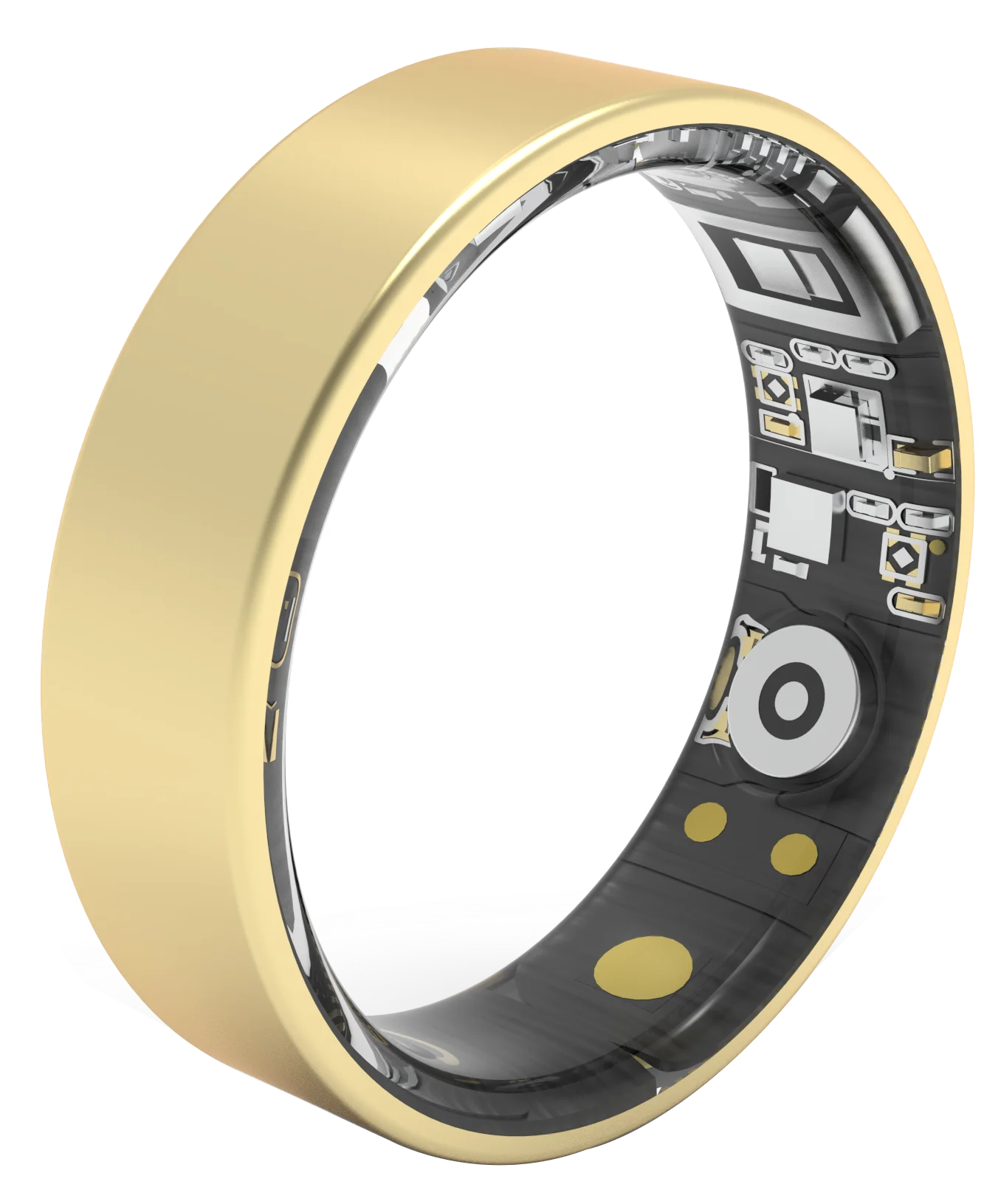
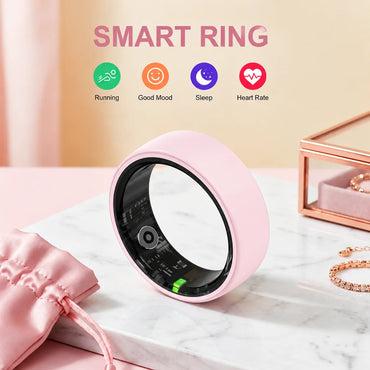
Osawalla smart rings with nighttime blood oxygen monitoring are designed to provide similar types of overnight wellness information, helping users follow their personal blood oxygen trends through the companion app.
Important: Smart ring blood oxygen measurements are intended for general wellness and fitness purposes. They are not intended to diagnose, treat, cure, or prevent any medical condition.
 What Is Blood Oxygen (SpO₂)?
SpO₂ stands for peripheral oxygen saturation. It refers to the percentage of oxygen-carrying hemoglobin in your blood.
Your body needs oxygen to support normal functions. When you breathe, oxygen enters your lungs and is transported through your bloodstream to tissues throughout your body.
SpO₂ is expressed as a percentage. For example, a reading of 98% indicates that approximately 98% of the measured hemoglobin is carrying oxygen.
According to the U.S. Food and Drug Administration (FDA), pulse oximeters use light to estimate blood oxygen saturation without requiring a blood sample.
For many healthy individuals, oxygen saturation is generally around 95%–100%, although readings can vary depending on factors such as altitude, health, and measurement conditions. MedlinePlus also explains that pulse oximetry provides an estimate of oxygen saturation and should be interpreted in context.
Because blood oxygen can naturally change, particularly during sleep, looking at overnight SpO₂ trends can provide more useful context than focusing on a single measurement.
How Does Oura Ring Measure Blood Oxygen?
Oura provides a useful example of how blood oxygen sensing can be integrated into a smart ring.
According to Oura's official documentation, its Blood Oxygen Sensing feature uses red and infrared LEDs to send light into the finger while the user sleeps. The ring then measures how much light is reflected back.
Oura explains that oxygen-rich and oxygen-poor blood reflect red and infrared light differently. By analyzing these changes, the ring estimates blood oxygen saturation.
Oura displays blood oxygen information in its app, including an Average Blood Oxygen measurement and information about variations in blood oxygen during sleep.
This approach demonstrates how a compact wearable device can collect overnight SpO₂ information without requiring the user to wear a traditional fingertip pulse oximeter.
For more details, see Oura's Blood Oxygen Sensing (SpO₂) documentation.
How Does Smart Ring Blood Oxygen Monitoring Work?
Oura is one example, but the underlying principle of optical blood oxygen monitoring is also used across other wearable technologies.
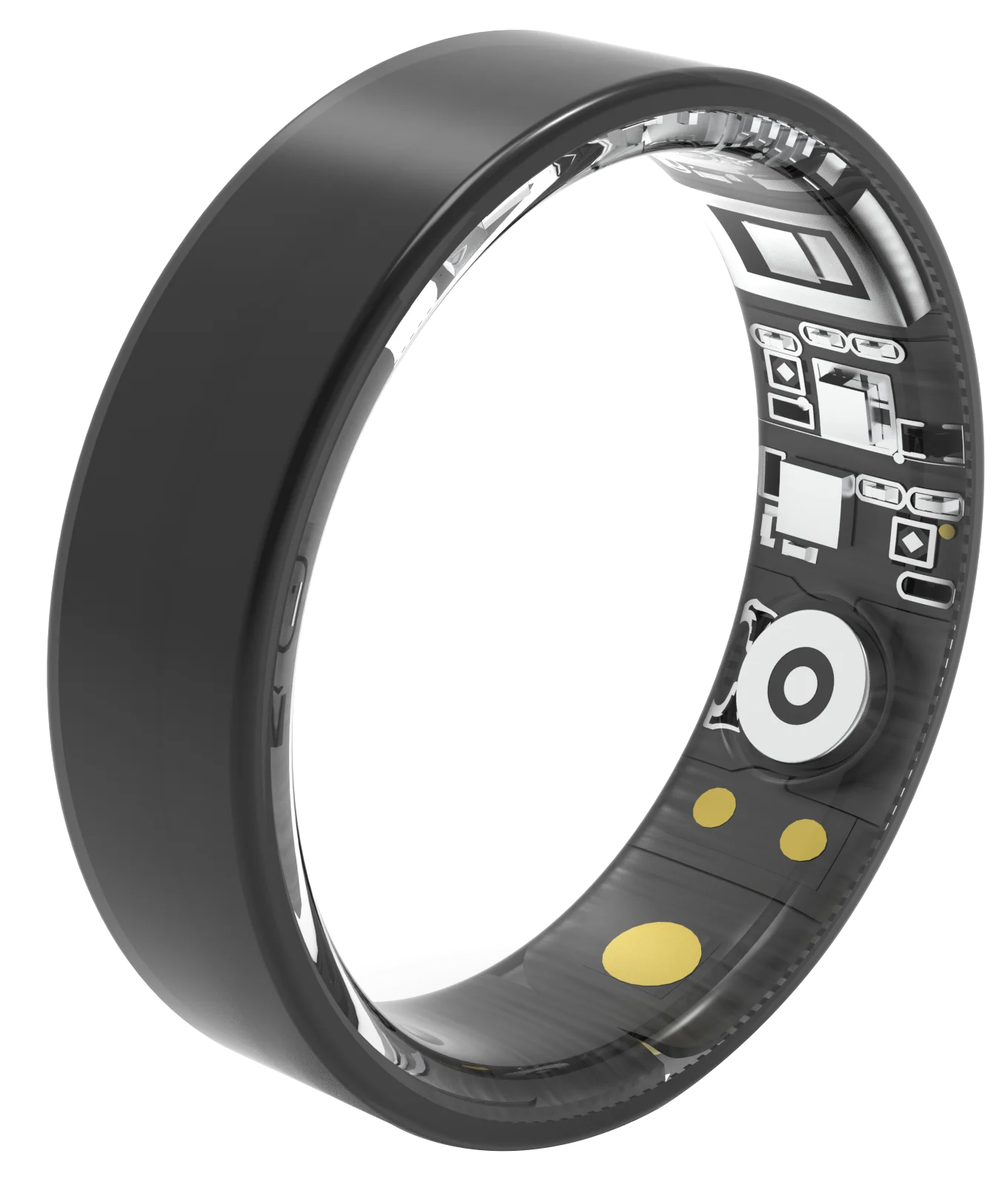
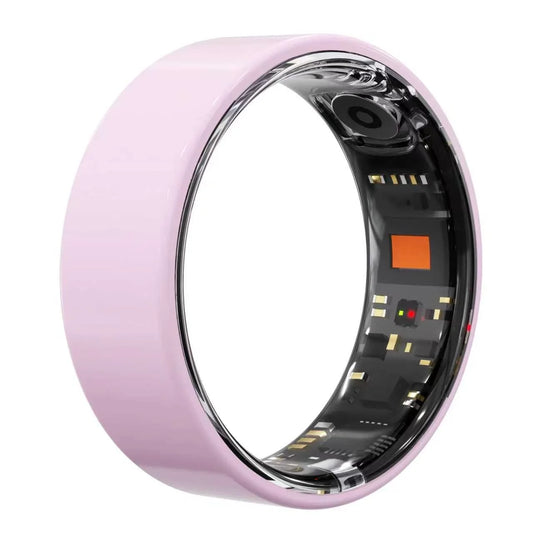
Smart rings use optical sensors to estimate blood oxygen saturation.
During sleep, sensors located on the underside of the ring emit light toward your finger. Some of the light is absorbed by tissue and blood, while some is reflected back toward the sensors.
Oxygenated and deoxygenated blood interact with light differently. The sensor detects changes in the reflected light, and algorithms analyze these signals to estimate SpO₂.
The basic process can be summarized as:
Light emitted → Light interacts with blood and tissue → Reflected light detected → Algorithm estimates SpO₂
The FDA explains that pulse oximetry uses light-based technology to estimate oxygen saturation.
However, it is important to distinguish between wellness tracking and medical measurement. A smart ring's SpO₂ reading is an estimate generated from optical signals and should not automatically be considered equivalent to a medical measurement.
Why Monitor Blood Oxygen During Sleep?
Sleep is one of the most useful periods for wearable health tracking because you can wear a smart ring continuously without actively interacting with it.
During sleep, your body continues to change, and factors such as movement, sleeping position, and breathing patterns can influence overnight measurements.
That's why nighttime blood oxygen monitoring can add another dimension to sleep tracking.
Instead of looking only at how long you slept, you can consider several overnight metrics together:
- Blood oxygen levels
- Blood oxygen variation
- Total sleep duration
- Sleep stages
- Overnight heart rate
- Other sleep and wellness measurements
Oura similarly incorporates blood oxygen information into its broader sleep-tracking experience. Its documentation recommends looking at blood oxygen information as part of an overall picture rather than treating an individual reading as a standalone health assessment.
For smart ring users, this makes SpO₂ another useful metric to monitor alongside other overnight data.
How to Use Nighttime Blood Oxygen Monitoring
If your smart ring supports nighttime blood oxygen monitoring, the process is generally simple: wear the ring while sleeping and sync the data with the companion app.
1. Wear the Ring While Sleeping
Put on your smart ring before going to bed so that it can collect overnight measurements.
2. Make Sure the Ring Fits Properly
The ring should fit securely and comfortably.
A ring that is too loose may move during sleep, while a ring that is too tight may cause discomfort.
3. Keep the Sensors Against Your Skin
The optical sensors should remain in the recommended position and maintain contact with your finger.
Consistent sensor-to-skin contact can help the device collect more consistent optical measurements.
4. Sync Your Data
After waking up, open the companion app and sync your ring.
Depending on the device, your overnight blood oxygen information may be displayed alongside other sleep and wellness metrics.
How to Get More Consistent Smart Ring SpO₂ Readings
Wearable optical sensors can be affected by measurement conditions.
To improve the consistency of your overnight blood oxygen data:
- Wear the ring in the recommended orientation.
- Make sure the ring fits securely and comfortably.
- Keep the optical sensors clean.
- Avoid excessive movement of the ring during sleep.
- Make sure the ring has sufficient battery before bedtime.
- Keep the ring firmware and companion app updated.
- Look at trends across multiple nights instead of focusing on a single reading.
Oura also notes that factors such as ring fit, orientation, movement, and other conditions can contribute to differences in blood oxygen readings.
The FDA notes that optical blood oxygen measurements can also be affected by factors including circulation, skin temperature, skin thickness, and other conditions.
For this reason, consistent wearing conditions are important when tracking overnight SpO₂ trends.
Why Can My Blood Oxygen Reading Change?
It is normal for measurements to vary from one night to another.
Several factors may contribute to changes in overnight blood oxygen measurements, including:
Ring Fit and Position
A loose or incorrectly positioned ring may affect sensor contact.
Movement During Sleep
Frequent movement can make it more difficult for optical sensors to collect consistent signals.
Sleeping Position
The position of your body and hand can affect circulation and measurement conditions.
Environment
Altitude and other environmental factors can influence blood oxygen levels.
Individual Differences
Age, health, breathing patterns, and other individual factors can contribute to differences between measurements.
Oura also points out that changes in blood oxygen readings can occur because of factors such as sleeping position, ring fit, movement, altitude, congestion, and other conditions.
Because multiple factors can affect measurements, a small difference between two nights should not automatically be interpreted as a health problem.
 What If My Smart Ring Does Not Show Blood Oxygen Data?
If your overnight SpO₂ data is missing, check the following:
Check the Ring Fit
Make sure the ring sits securely on your finger and that the sensors maintain contact with your skin.
Check the Sensor Area
Clean the underside of the ring if dirt, moisture, or residue has accumulated around the optical sensors.
Charge the Ring
Make sure your ring has sufficient battery before going to sleep.
Check the App Connection
Ensure Bluetooth is enabled and that your ring can synchronize successfully with the companion app.
Update Your Software
Check that your companion app and ring firmware are up to date.
If the problem continues, consult the product's troubleshooting instructions or contact customer support.
Should You Focus on One Blood Oxygen Reading?
Generally, it is more useful to look at blood oxygen trends over time than to focus on a single night's measurement.
For example, instead of asking:
Why was my SpO₂ different last night?
Consider asking:
Has my overnight blood oxygen trend changed consistently over several nights?
This approach is also consistent with how Oura presents its Blood Oxygen Sensing feature. Rather than focusing only on one number, Oura provides information about average blood oxygen and variations during sleep.
The FDA also notes that pulse oximeter readings should be considered alongside symptoms and other relevant information.
If you are concerned about your blood oxygen level or experience symptoms such as difficulty breathing, seek advice from a qualified healthcare professional.


