

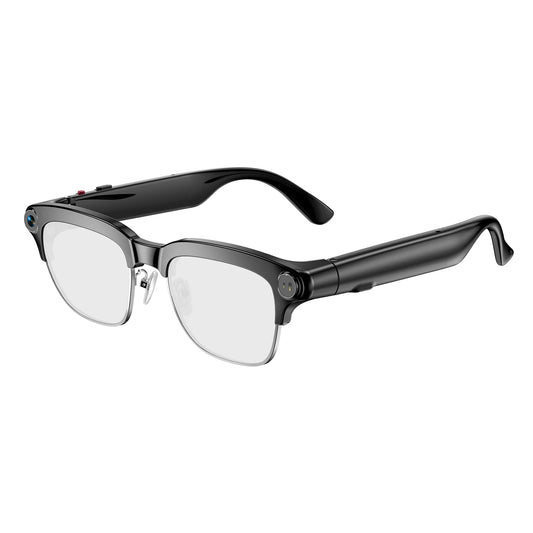
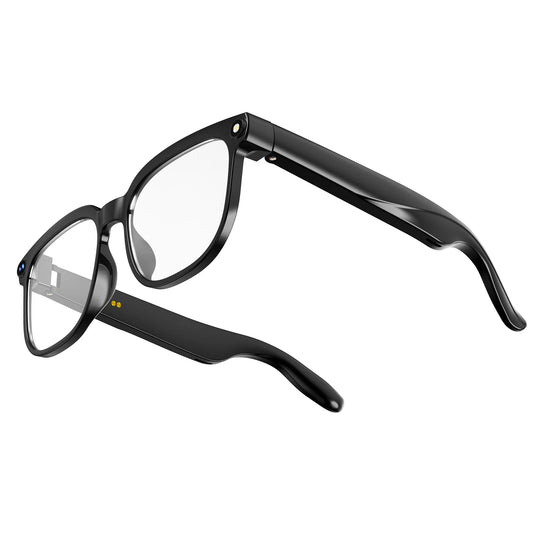
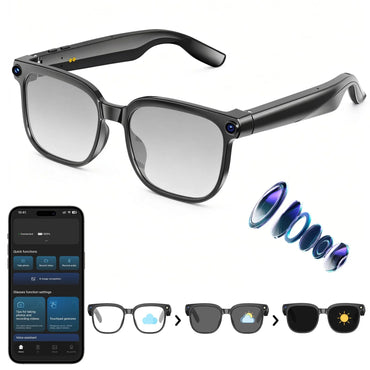
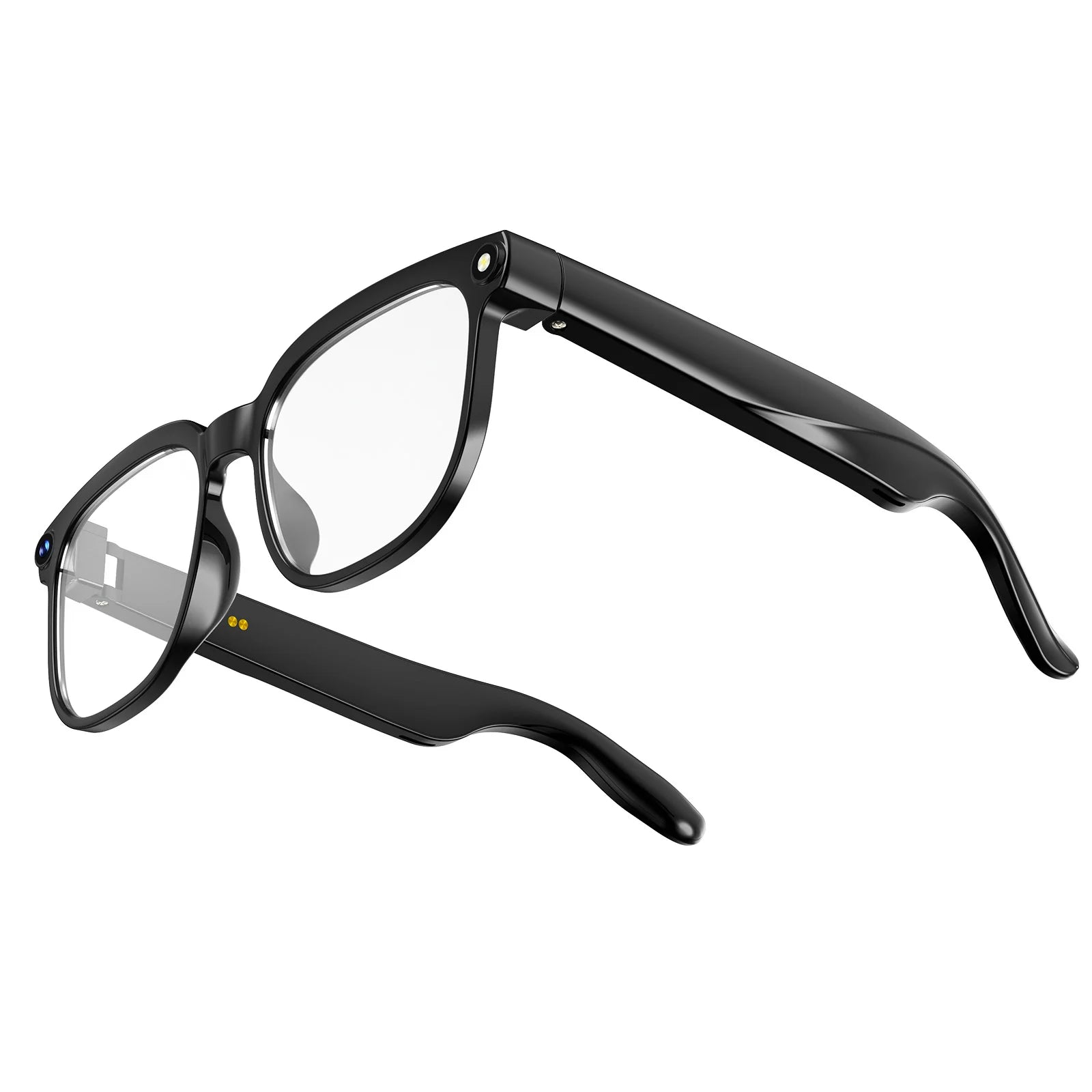
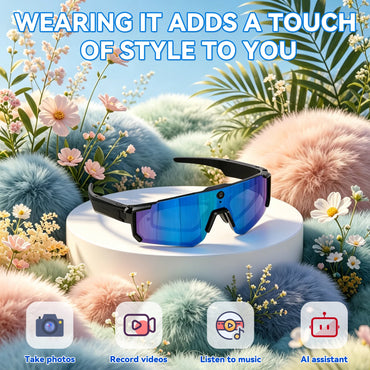
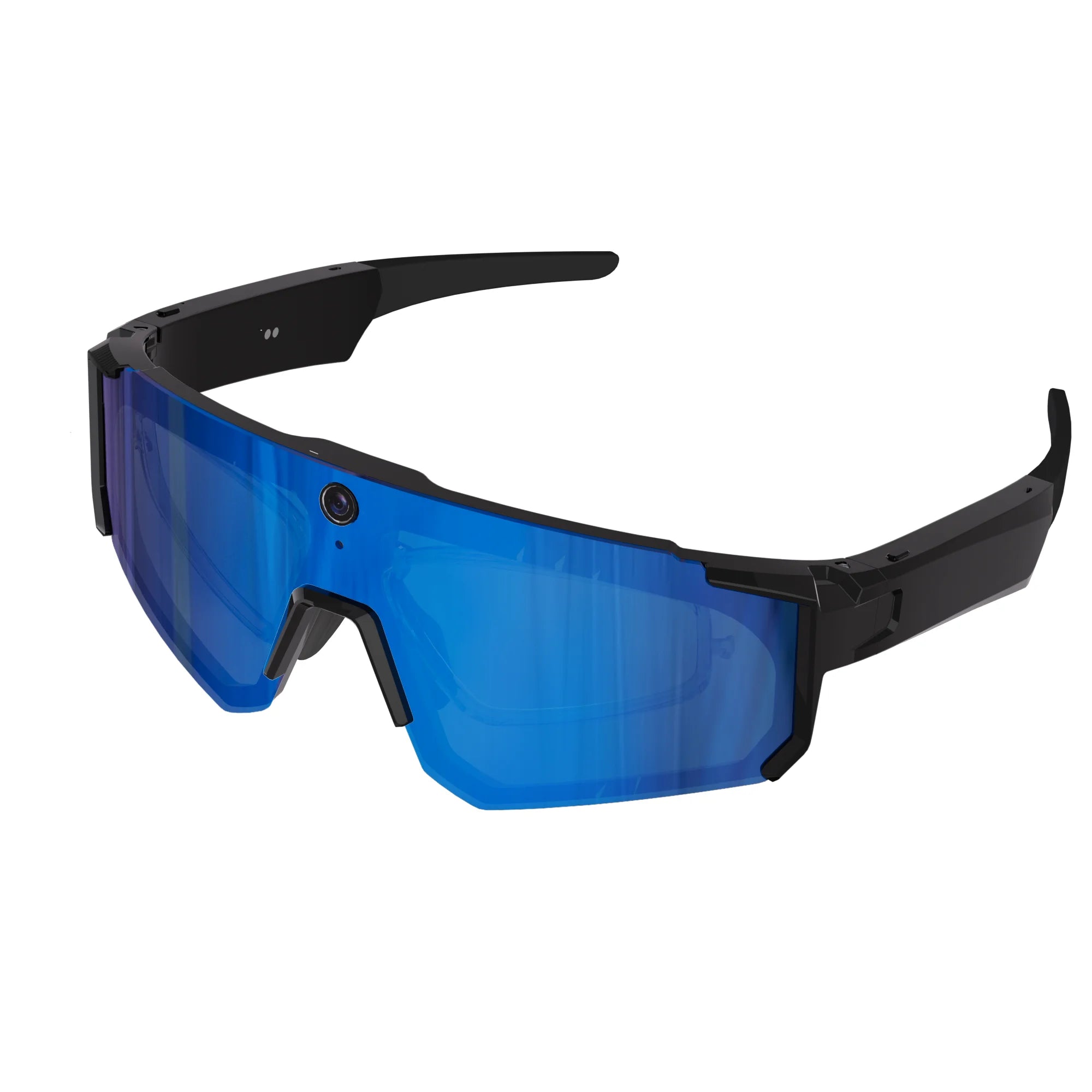
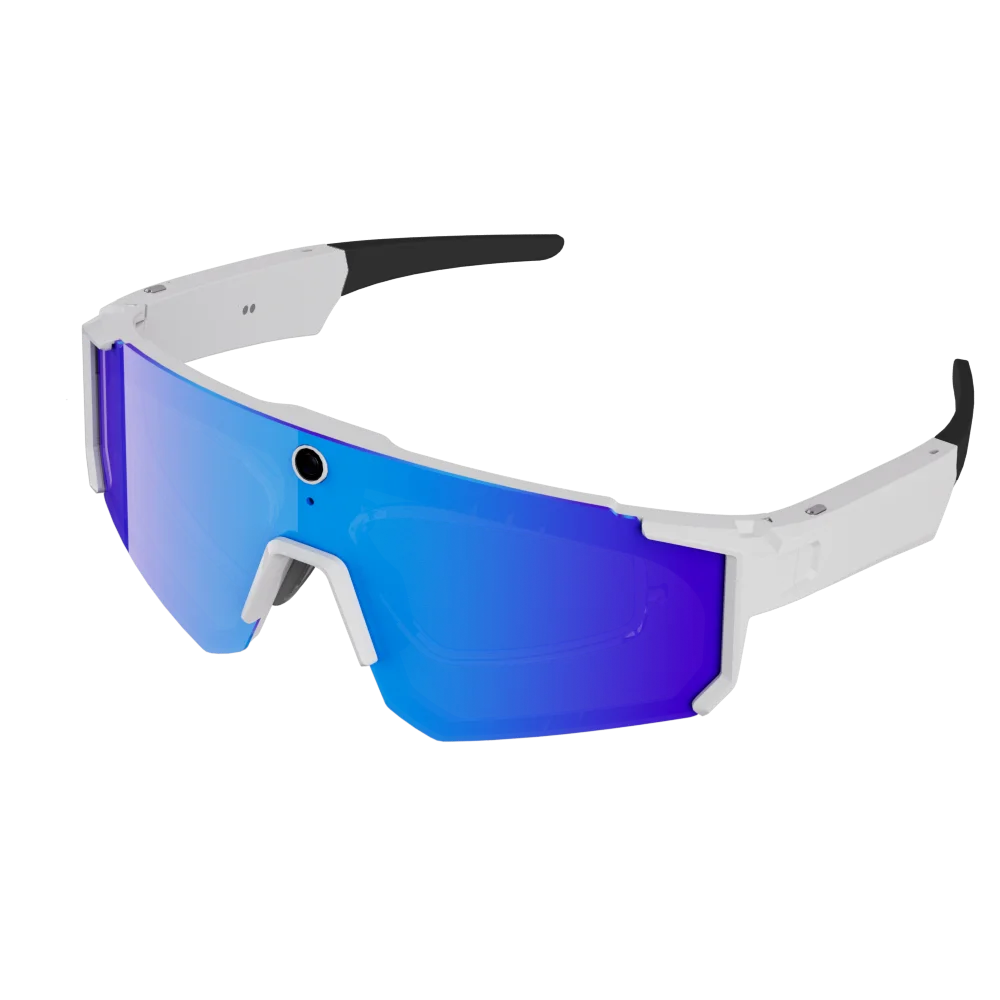
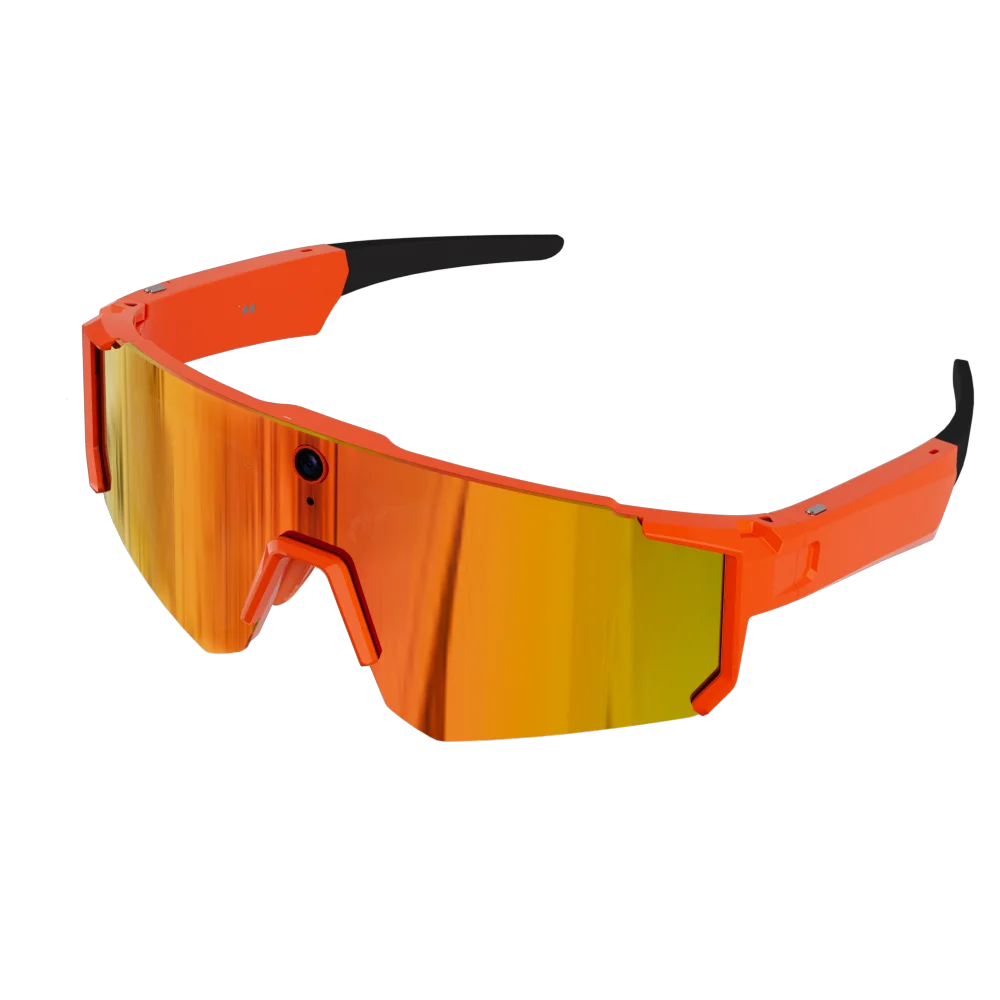
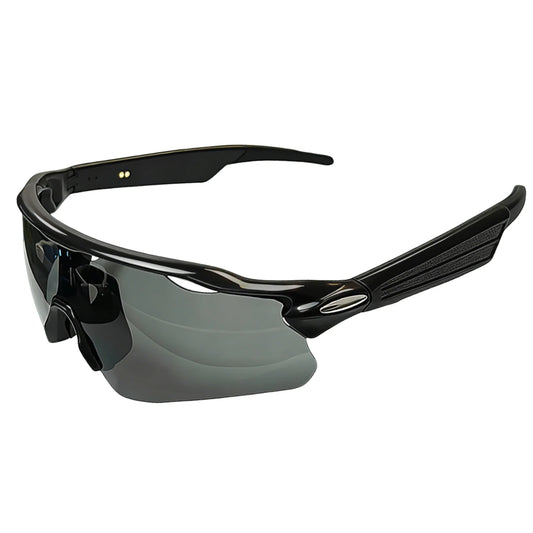
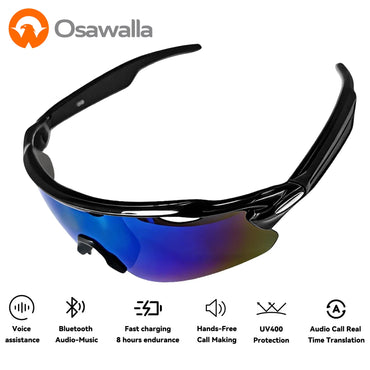
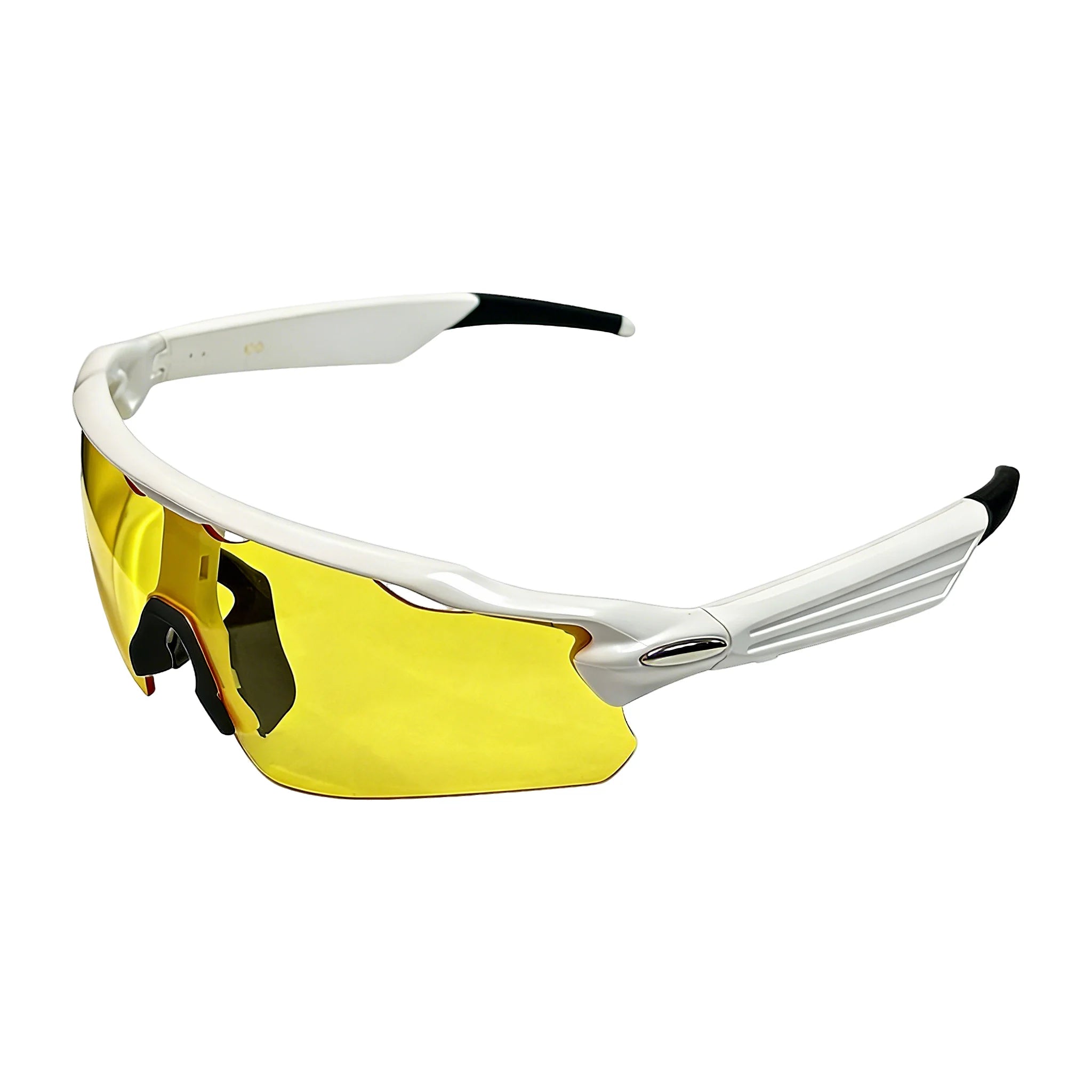
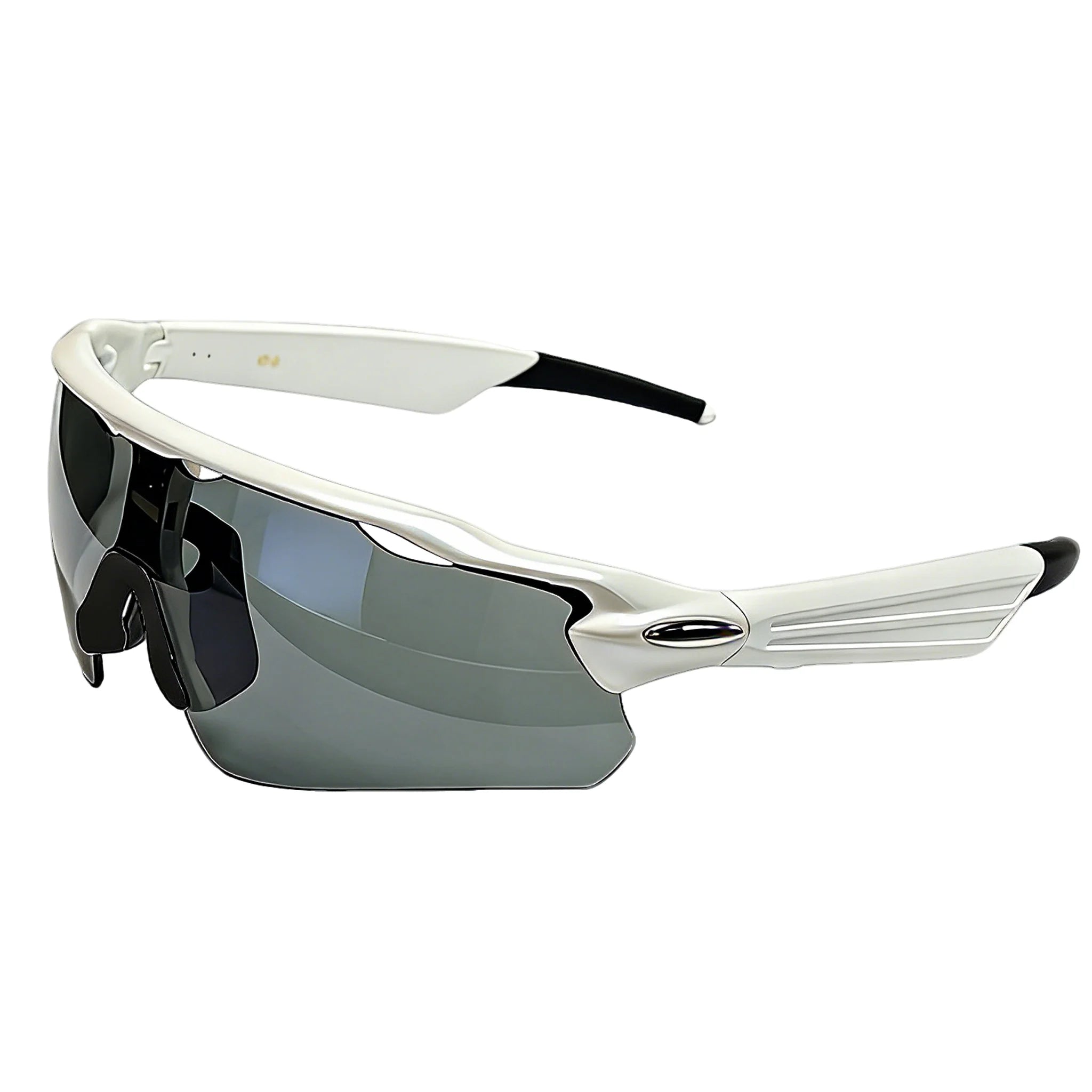
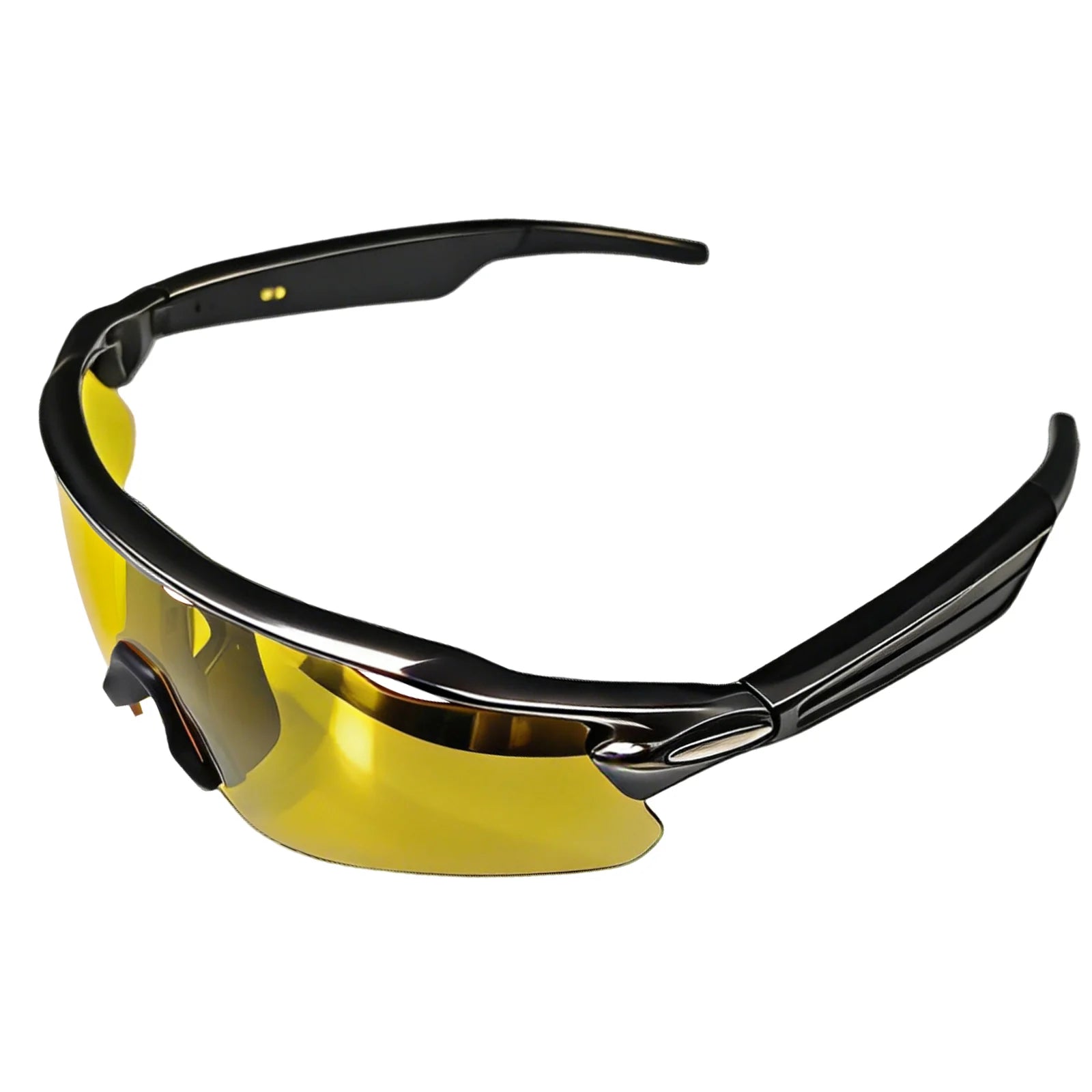
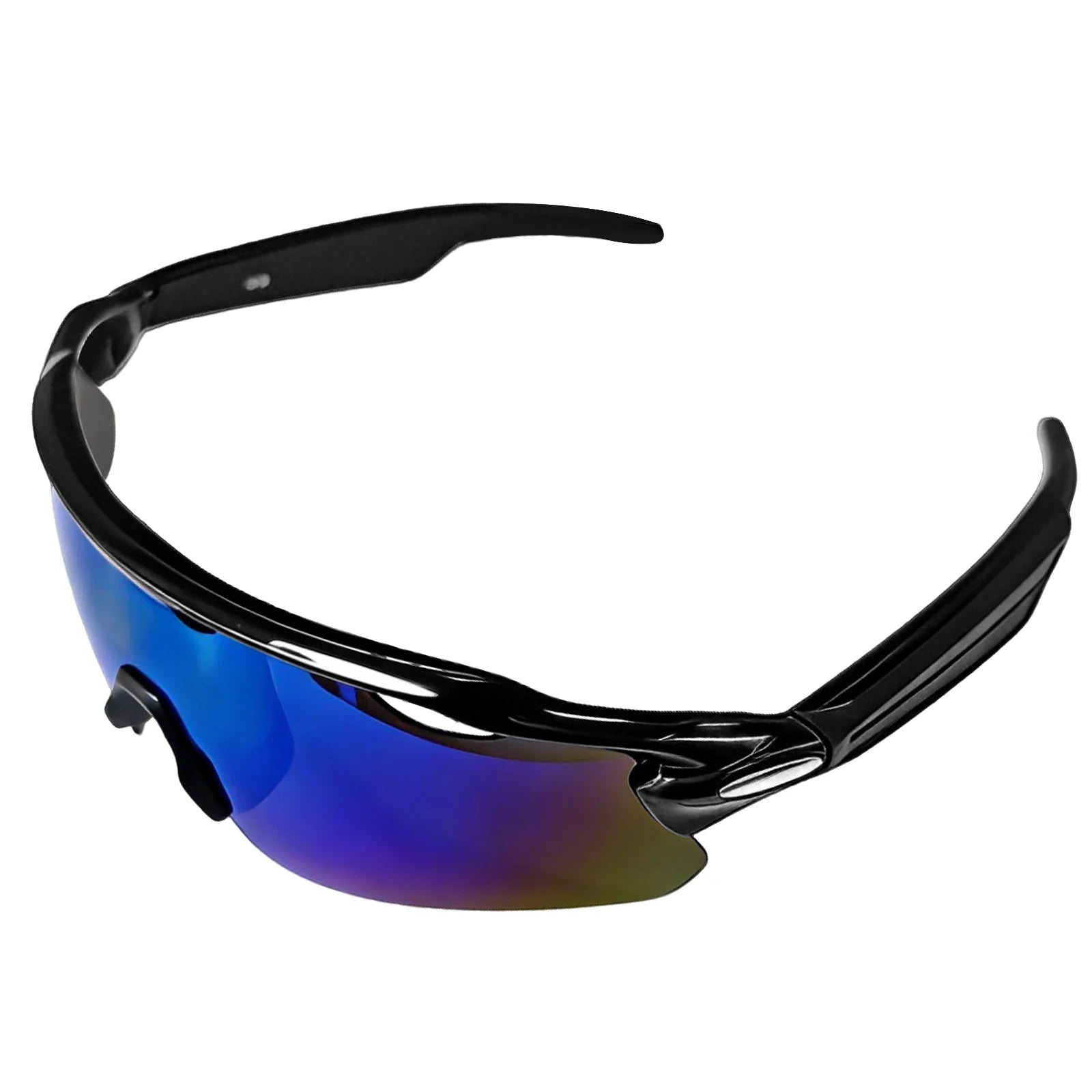




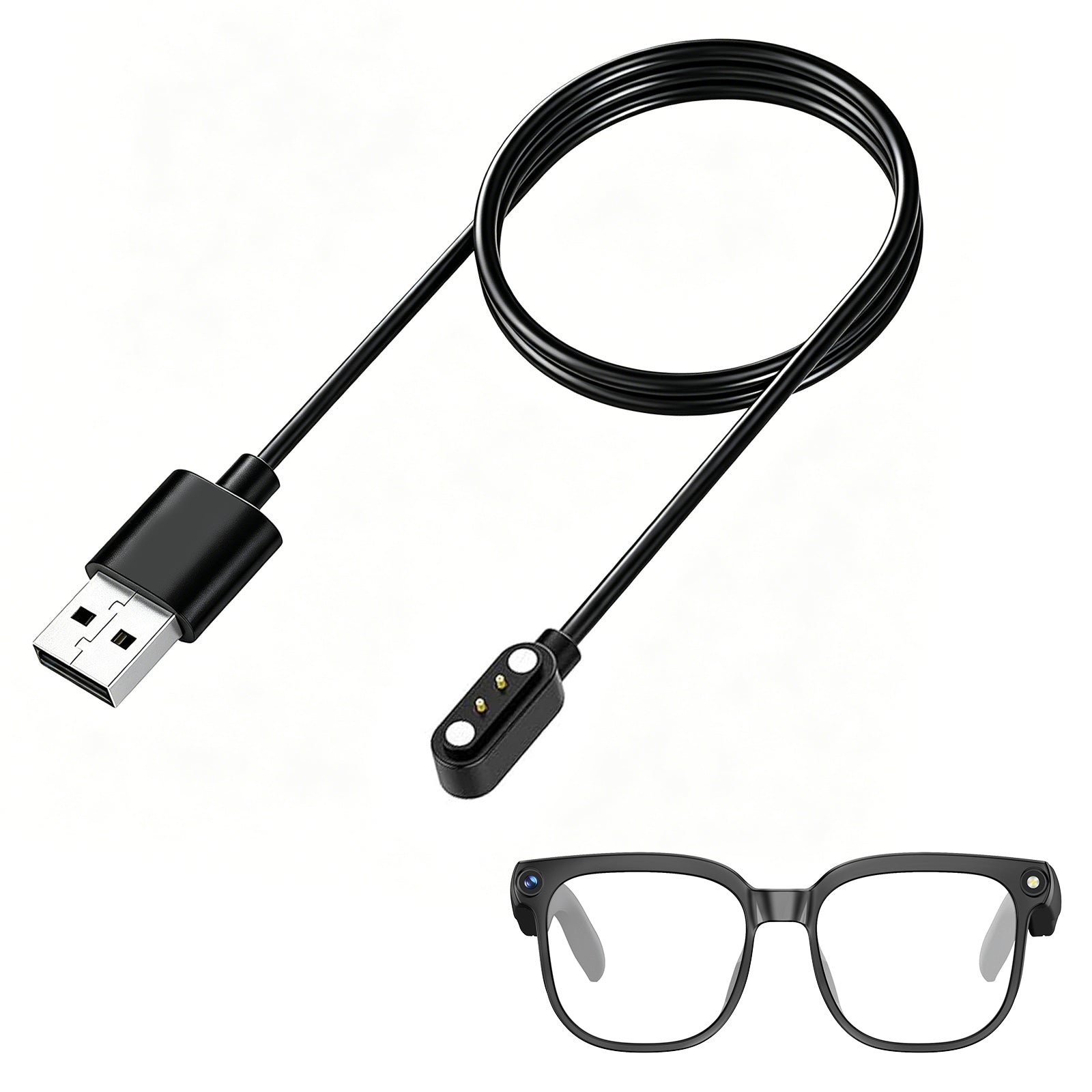

Let's be real for a second. We've all seen "smart glasses" come and go — bulky, awkward, overpromising, and underdelivering. So when a pair showed up claiming to be a camera, a translator, a voice assistant, a music player, and sunglasses all at once, I was skeptical. Two weeks later? I stopped carrying my action cam on walks. Here's everything I learned.
Why I Even Care About Smart Glasses
I'm the kind of person who always has their phone in hand, trying to capture moments — my kid's soccer game, a hike with friends, a random street musician in downtown Austin. But here's the problem: the moment you pull out your phone to record, you stop being in the moment. You become a spectator behind a screen.
That's the promise of hands-free camera glasses: capture what you see, as you see it, without lifting a finger. The question was whether this particular pair could actually deliver on that promise — or if it was just another gadget destined for my drawer of regret.
1. The Camera: See It, Capture It, Done
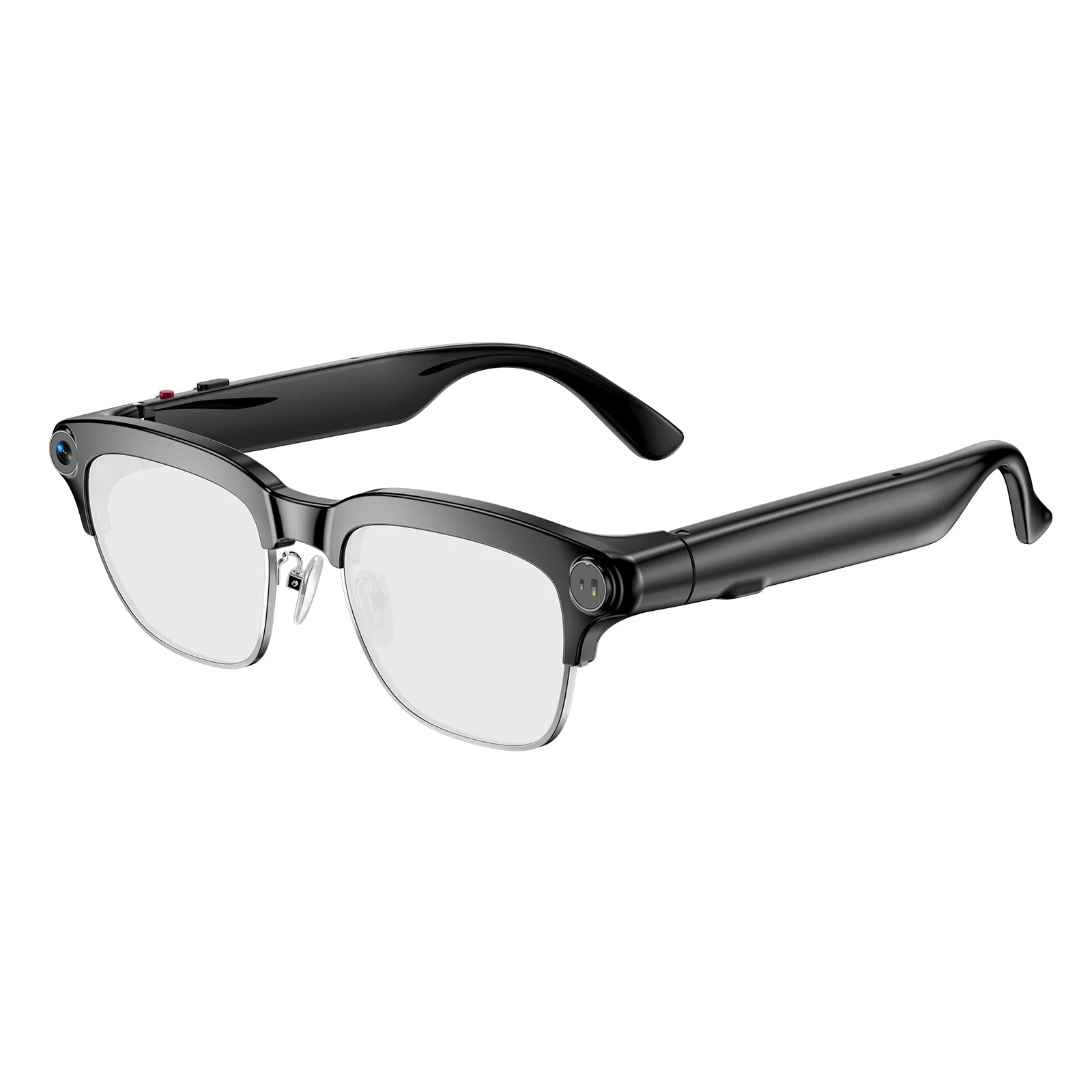
This is the headline feature, so let's start here. The glasses pack an 8MP CMOS sensor with anti-shake 1080P video recording. Translation: the footage is genuinely usable. Not "usable for 2012" — actually usable for social media, vlogs, and memory-keeping.
The anti-shake tech is the real MVP. I recorded a bike ride along the lakefront, and the footage came back smooth enough that I didn't need to run it through stabilization software. That's a first for me with any wearable camera.
But the standout feature? Real-time AI recognition. The glasses can identify objects, text, and scenes as you're looking at them. Imagine walking through a museum and having artwork identified for you, or scanning a menu in another country and getting instant context. It's like having Google Lens built into your face — minus the phone.
8MP CMOS Sensor
Crisp photos and 1080P video that's actually good enough to share — not just "good enough for a glasses cam."
Anti-Shake Video
Electronic stabilization keeps footage smooth even when you're moving. My bike ride footage proved it.
Real-Time AI Recognition
The glasses identify what you're looking at — objects, text, landmarks. Like Google Lens, but hands-free.
2. AI Voice Assistant + Real-Time Translation: A Traveler's Dream
This is where things got genuinely exciting for me. The glasses come with a built-in AI voice assistant powered by big-data processing. You can talk to it naturally — ask questions, set reminders, get directions — without pulling out your phone.
But the killer feature is the real-time two-way translation in 100+ languages. Let me paint a picture: I was at a local Thai restaurant, and the owner doesn't speak much English. I tapped to activate translation, spoke in English, and the glasses translated it to Thai out loud. She responded in Thai, and I heard it back in English. Back and forth, like a real conversation.
I've used translation apps before. They're clunky — you're both staring at a phone screen, passing it back and forth, breaking eye contact. This? This felt like the future. And it supports continuous conversation, so you're not doing the awkward "one sentence at a time" dance.
3. Design & Comfort: Glasses You Actually Want to Wear
Here's the thing about smart glasses: if they're uncomfortable, none of the tech matters because you won't wear them. These got the ergonomics right.
The arms use a soft, pressure-free design that doesn't squeeze your temples like a vice. The nose pads are adjustable, so you can find the right fit whether you have a narrow or wide bridge. I wore them for a full 8-hour workday — including a long video call — and forgot they were on my face. That's the gold standard for any wearable.
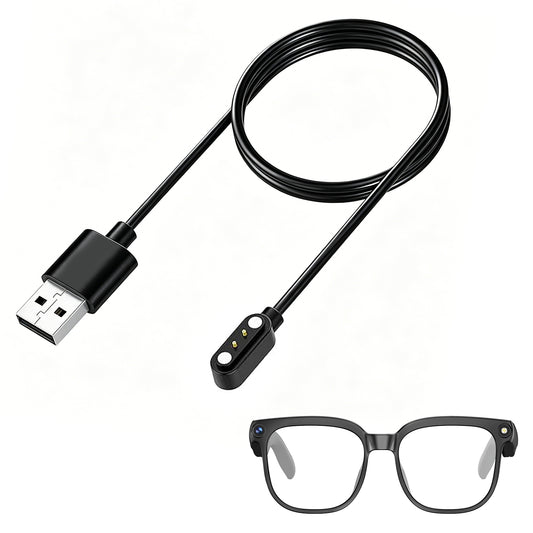
At 300mAh, the battery isn't huge on paper, but the efficiency is impressive: 7 hours of music playback, 4 hours of calls, and Type-C charging that fills it up in 2 hours. I charged them during my lunch break and they lasted the rest of the day. The Type-C port is a welcome touch — no proprietary charger nonsense.
Battery Life at a Glance
| Activity | Battery Life |
|---|---|
| 🎵 Music Playback | Up to 7 hours |
| 📞 Calls (Bluetooth) | Up to 4 hours |
| 🔌 Full Charge Time | ~2 hours (Type-C) |
| 🔋 Battery Capacity | 300mAh |
4. Photochromic Lenses: One Pair for Indoors and Out
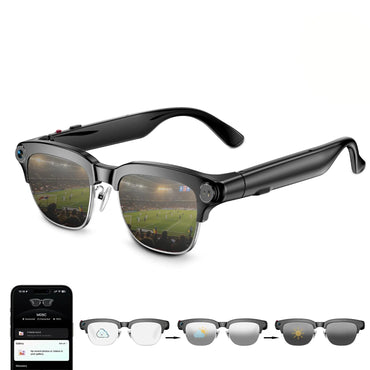
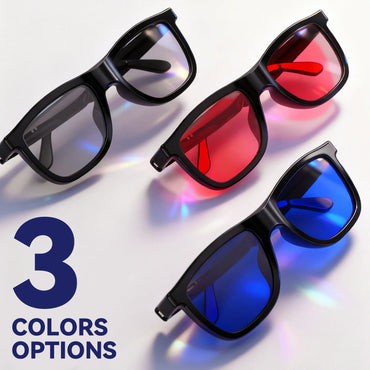
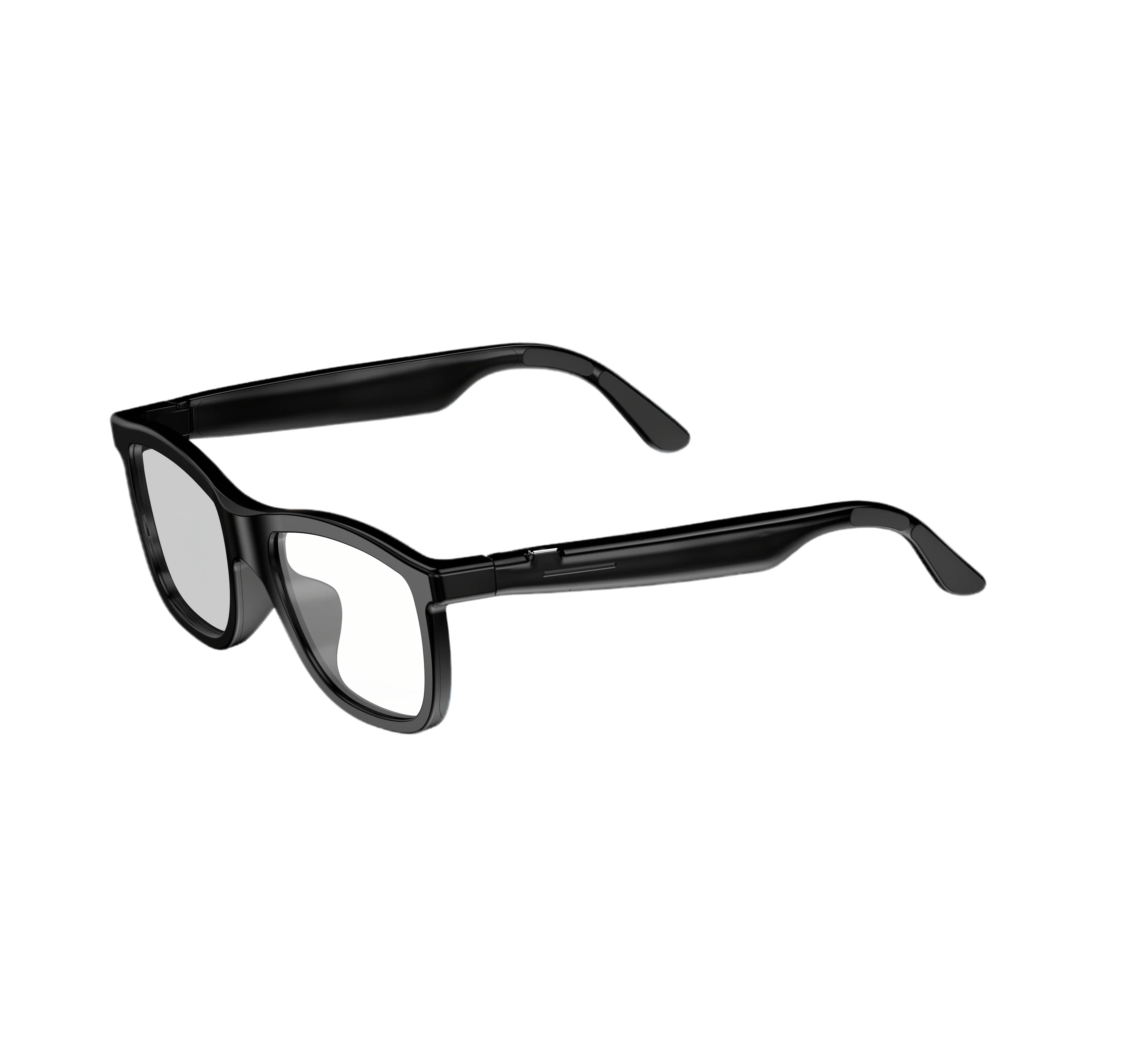
The lenses are photochromic, which means they automatically darken in response to UV light. Walk outside on a sunny day? They tint up like sunglasses. Walk back inside? They clear up so you can see normally.
In practice, this worked great in most situations. Stepping out of my office into bright afternoon sun, the transition was quick enough that I didn't squint. Indoors, they were clear enough to read a screen without strain.
One honest note: the manufacturer says transitions are slower in low-UV conditions, and that's accurate. On an overcast day or during early evening, the tinting is more gradual. It's not a dealbreaker, but if you're walking in and out of buildings on a cloudy day, you'll notice the lag. For most use cases — driving, outdoor sports, sunny commutes — it's perfectly fine.
🧭 Where These Glasses Shine
Traveling Abroad
Live translation + hands-free photo capture = the ultimate travel companion. No more fumbling with your phone at every landmark.
Outdoor Adventures
Anti-shake video records your hikes, rides, and runs without a chest mount. Photochromic lenses handle the sun automatically.
Daily Commute & Work
Open-ear audio for podcasts and calls, hands-free voice assistant for reminders and directions. Keeps you connected without staring at a screen.
Family Moments
Capture your kids' big moments without turning your phone into a barrier between you and them. Just look and record.
5. Open-Ear Audio: Your Private Soundtrack, Shared World
The glasses use Bluetooth 5.4 with an open-ear dual acoustic design. This means the speakers sit just outside your ear canal — you hear your music or podcast, but you can also hear the world around you. No earbuds jammed in, no noise cancellation cutting you off from traffic and people.
Sound quality surprised me. The audio is clear and crisp for both music and calls. Bass isn't going to blow you away — physics is physics, and these aren't over-ear headphones — but for podcasts, audiobooks, and casual listening, they're genuinely enjoyable.
The low sound leakage is worth calling out. I was worried everyone around me would hear what I was listening to (a common problem with open-ear designs). In a quiet office, someone sitting right next to me couldn't make out my podcast. In a noisy coffee shop, forget about it — but at that point, nobody's listening anyway.
Call quality was a highlight. The dual-mic setup picked up my voice clearly even in a windy parking lot, and the person on the other end said I sounded like I was on a regular headset. For hands-free calls while driving or walking, these are legitimately good.
The Verdict: Pros and Cons
After two weeks of daily use, here's my honest breakdown:
✅ What I Loved
- Genuinely usable 1080P video with solid anti-shake
- Real-time translation that actually works in conversation
- Comfortable enough for all-day wear
- Open-ear audio keeps you aware of your surroundings
- Photochromic lenses mean one pair for everywhere
- Type-C charging — no proprietary cable nonsense
- Bluetooth 5.4 is rock-solid, no dropouts
- Low sound leakage for open-ear design
⚠️ What to Consider
- Photochromic transition is slower on cloudy days
- Battery won't last a full day of heavy video recording
- Bass lovers will still want dedicated headphones
- AI recognition requires a learning curve to use efficiently
- Not a replacement for a dedicated camera for pro content
 Who Are These Glasses For?
After living with them for two weeks, here's how I'd break it down:
Travelers: This is the target audience. Live translation, hands-free photo capture, and automatic sun protection in one device? If you travel internationally even once or twice a year, these pay for themselves in convenience.
Content creators and vloggers: If you record a lot of POV content — unboxing, reviews, outdoor activities, travel vlogs — the hands-free angle and anti-shake make this a compelling B-roll tool. Not your main camera, but a great supplement.
Commuters and multitaskers: Open-ear audio for podcasts and calls, voice assistant for quick info, and you never have to dig your phone out of your pocket. If you walk or take public transit, these fit naturally into your routine.
Anyone who's always reaching for their phone: If you find yourself constantly pulling out your phone to capture moments, check information, or take calls — and you want to be more present — these glasses offer a genuine alternative.
 Final Thoughts
Look, I've tested a lot of gadgets. Most "smart" wearables end up being a neat idea that you use for a week and then forget about. These glasses are different. The combination of hands-free camera, real-time translation, open-ear audio, and adaptive lenses creates something that's genuinely useful in daily life — not just a tech demo.
Are they perfect? No. The battery could be bigger, the photochromic transition could be faster on cloudy days, and the bass won't satisfy audiophiles. But as an all-in-one wearable that reduces how often I reach for my phone? This is the closest any smart glasses have come to earning a permanent spot in my daily carry.
If you're a traveler, a creator, or just someone who wants to be more present in the moment while still capturing it — these are worth your serious attention


