






The wearable technology sector has experienced a monumental paradigm shift over the last few years. Moving from clunky, experimental headsets to sleek, everyday eyewear, artificial intelligence is now integrated directly onto our faces. However, as developers and industry experts, we must address the reality of hardware engineering. While the advancements are staggering, the limitations of AI glasses remain a critical topic for consumers and manufacturers alike. Understanding these boundaries ensures that users select the right device for their lifestyle, rather than falling victim to overhyped marketing.

From our experience at Osawalla, engineering a pair of smart glasses requires a delicate balancing act. Every component added—whether it is an HD camera, a waveguide display, or a bone-conduction speaker—competes for a fraction of a millimeter of space and a fraction of a milliamp of battery life. To truly appreciate how smart glasses work, one must understand the physical and computational constraints governing their design. In this comprehensive guide, we will explore the current limitations of AI glasses, how industry leaders are mitigating these challenges, and what you need to know before investing in wearable tech in 2026.
Table of Contents
- 1. Power and Battery Constraints: The Primary Limitations of AI Glasses
- 2. Display Technology vs. Ergonomic Weight
- 3. Processing Power, Connectivity, and Latency
- 4. Privacy Concerns and Social Etiquette
- 5. How Osawalla Mitigates the Limitations of AI Glasses
- 6. Summary Table: Challenges and Engineering Solutions
- 7. Frequently Asked Questions (FAQs)
- 8. Authoritative References
1. Power and Battery Constraints: The Primary Limitations of AI Glasses
The most absolute and unforgiving of all the limitations of AI glasses is battery capacity. Lithium-ion and lithium-polymer batteries rely on physical volume to store energy. Unlike a smartphone, which offers a large rectangular chassis to house a 5000mAh battery, smart glasses must hide their power sources within the narrow confines of the temple arms. If the arms are made too thick, the glasses become heavy, unbalanced, and aesthetically unappealing.
Currently, most high-end smart glasses utilize batteries ranging from 150mAh to 300mAh. When you demand continuous Bluetooth streaming, AI voice assistant listening, and video recording, this small power reserve depletes rapidly. From our experience, expecting all-day continuous active processing from a lightweight frame is scientifically impossible in 2026. This is why we recommend users evaluate their primary use case. If you require smart glasses for video recording, you must accept that continuous recording will drain the battery within an hour. Manufacturers bypass this limitation by implementing short recording bursts and aggressive standby power management.
2. Display Technology vs. Ergonomic Weight
When consumers think of smart glasses, they often envision full augmented reality (AR) displays projecting holograms into their field of vision. While AI glasses with display guide technologies have improved via micro-LEDs and waveguide optics, holographic displays introduce severe limitations of AI glasses regarding weight and thermal dissipation.
A display engine generates significant heat. Placing a heat-generating component millimeters from the human eye and temple requires heavy thermal shielding. Consequently, true AR glasses remain bulky. To circumvent the limitations of AI glasses related to weight, many manufacturers—including Osawalla—focus on audio-first and camera-first designs. By removing the bulky optical display engine, we can produce frames that weigh under 45 grams, allowing for genuine all-day comfort without causing nasal or temporal pressure.
3. Processing Power, Connectivity, and Latency
Another major factor contributing to the limitations of AI glasses is onboard computational power. Running localized Large Language Models (LLMs) or complex image recognition algorithms requires substantial processing capabilities. Because frames cannot house massive CPUs without overheating, AI glasses act primarily as conduits. They capture audio and visual data, transmit it via Bluetooth or Wi-Fi to your smartphone, which then pings a cloud server (like ChatGPT), processes the data, and sends the response back to your ear.
This reliance on external processing introduces latency. If you are in an area with poor cellular reception, your AI assistant will be sluggish. We recommend devices equipped with dual transmission (low-power BT5.4 and Wi-Fi) to ensure the fastest possible data sync, minimizing the inherent limitations of AI glasses when disconnected from strong networks.
4. Privacy Concerns and Social Etiquette
Beyond hardware, the limitations of AI glasses extend deeply into social acceptance and privacy. Glasses equipped with discreet cameras raise valid concerns about unconsented recording in public spaces. Early iterations of smart glasses faced massive public backlash for this exact reason.
To operate ethically within these limitations of AI glasses, modern engineering incorporates hard-coded recording limits and visible LED indicators that illuminate whenever the camera is active. Furthermore, recording durations are intentionally capped—such as a 3-minute maximum per video—to prevent continuous, covert surveillance. This balance protects public privacy while still allowing the user to capture spontaneous moments and utilize AI object recognition.
5. How Osawalla Mitigates the Limitations of AI Glasses
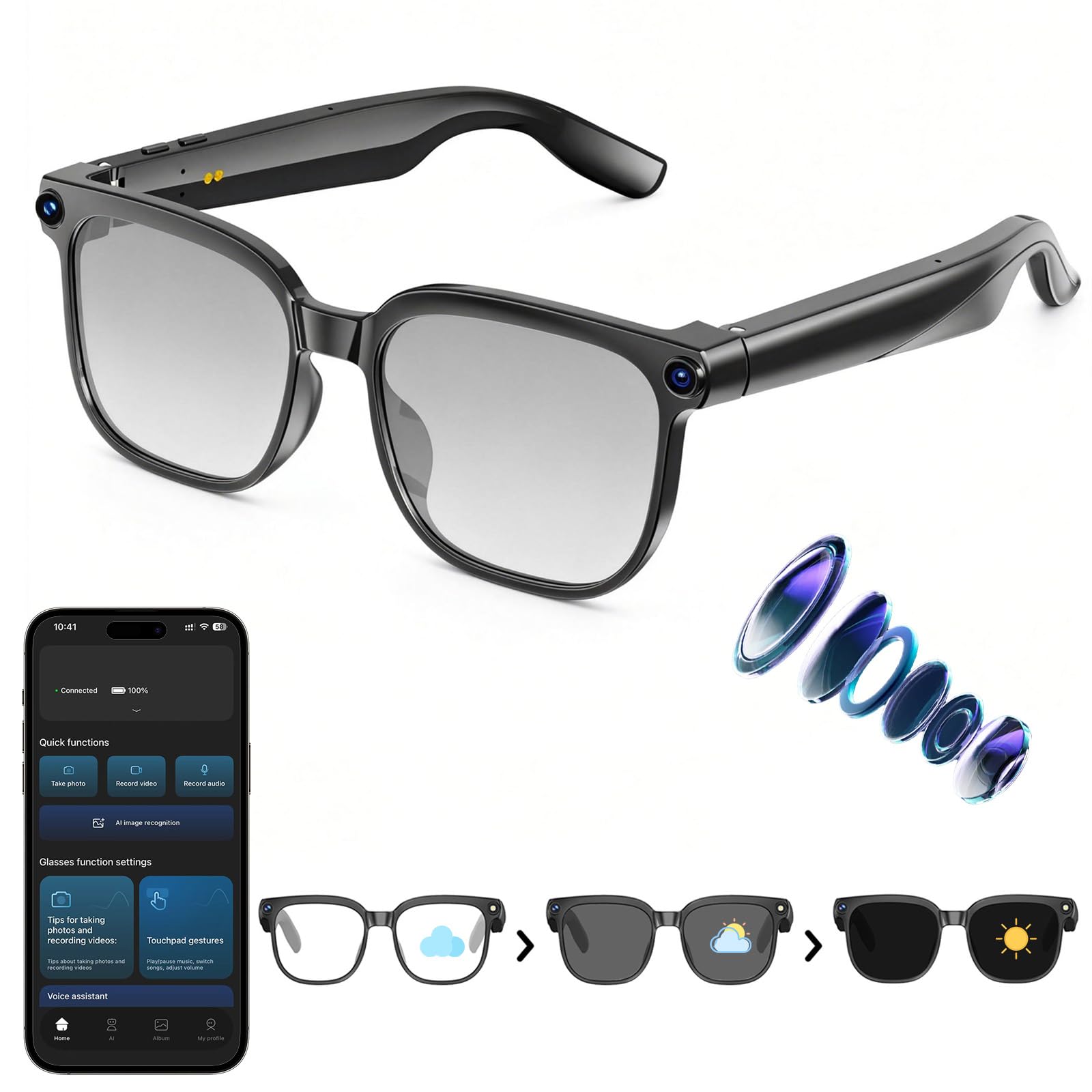
At Osawalla, we do not ignore the limitations of AI glasses; we engineer our product lines to navigate them smartly. By offering specialized models tailored to specific lifestyles, we ensure our users get maximum utility without the drawbacks of over-engineered, heavy hardware. For a broad look at the market, you can review the best wearable smart glasses 2026, but below is how our specific lineup addresses these industry hurdles.
Audio-First Efficiency: Osawalla GG05
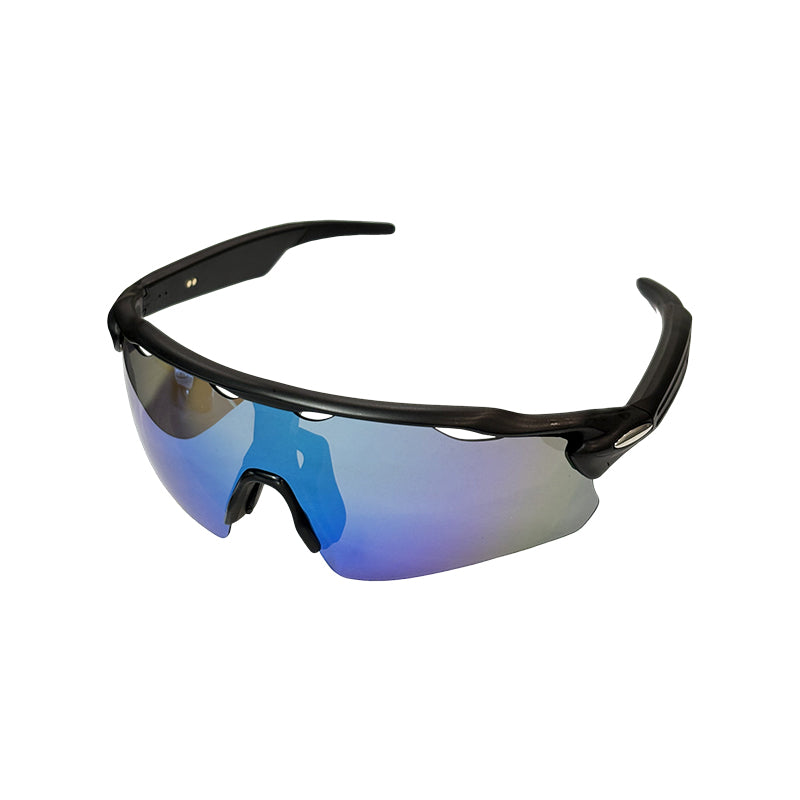
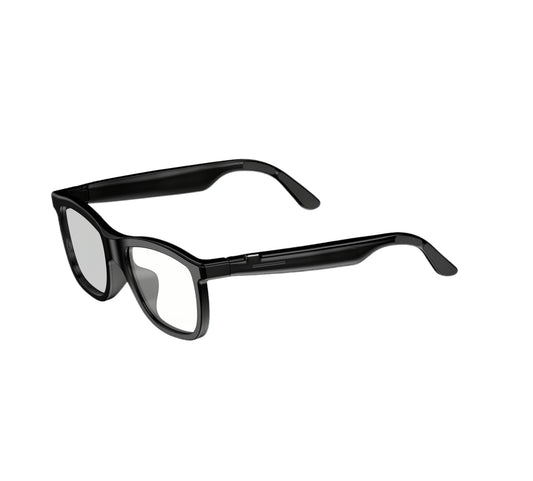
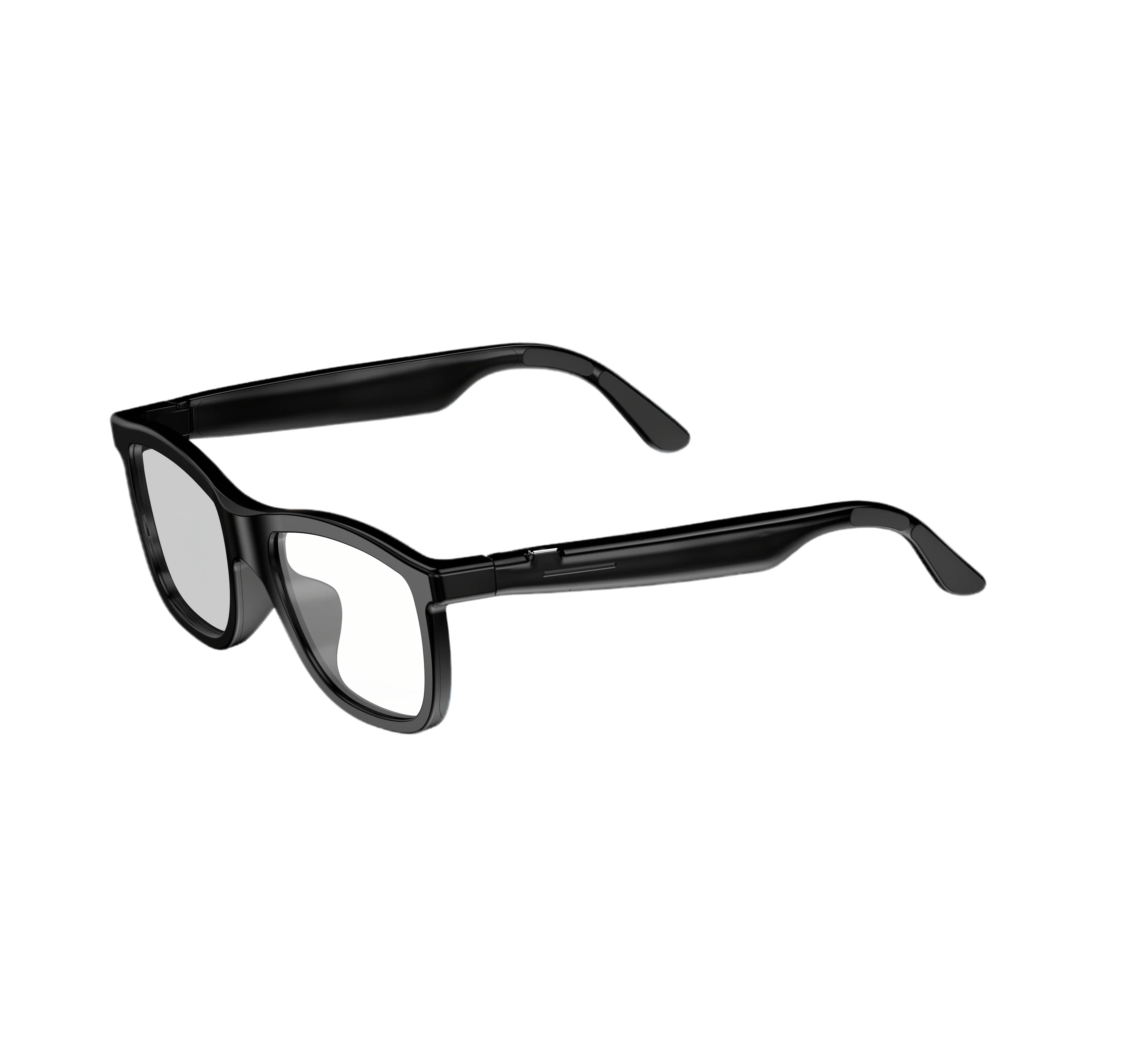
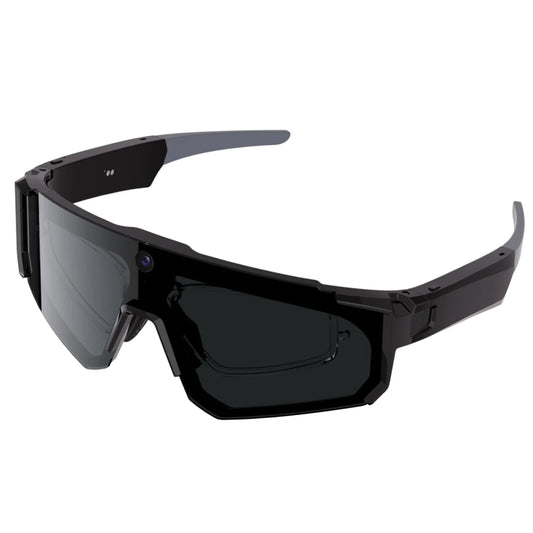
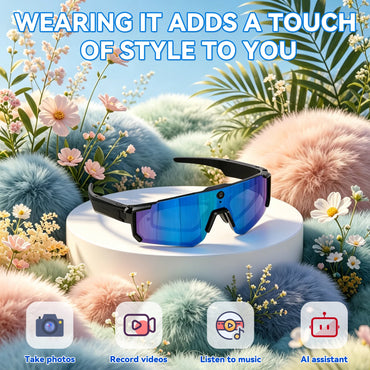
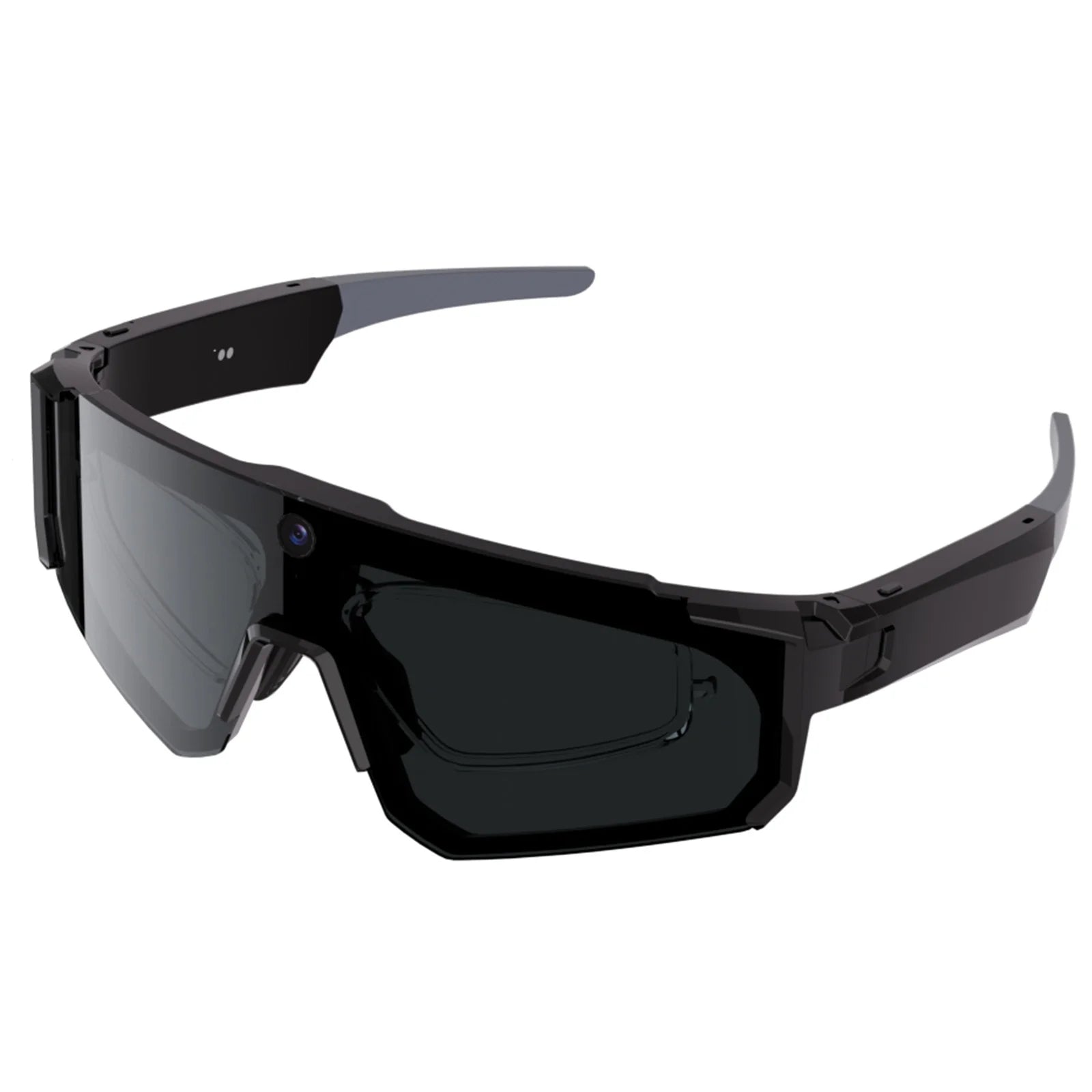
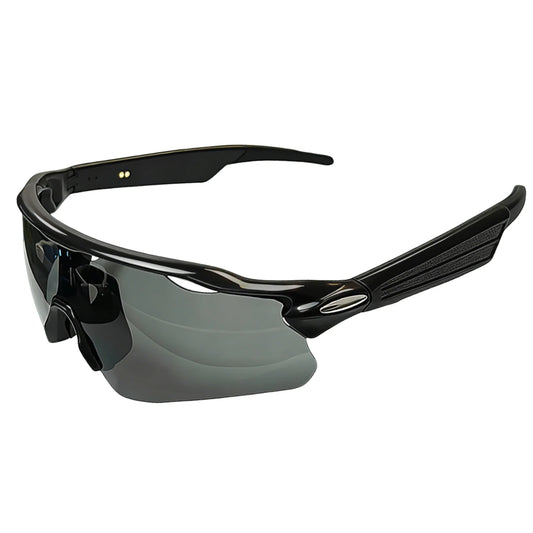
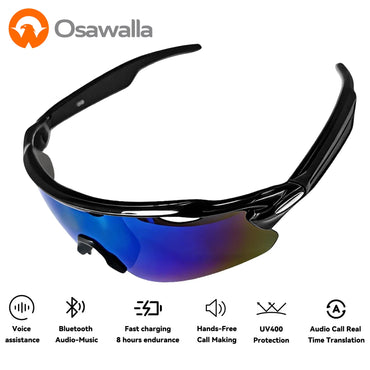
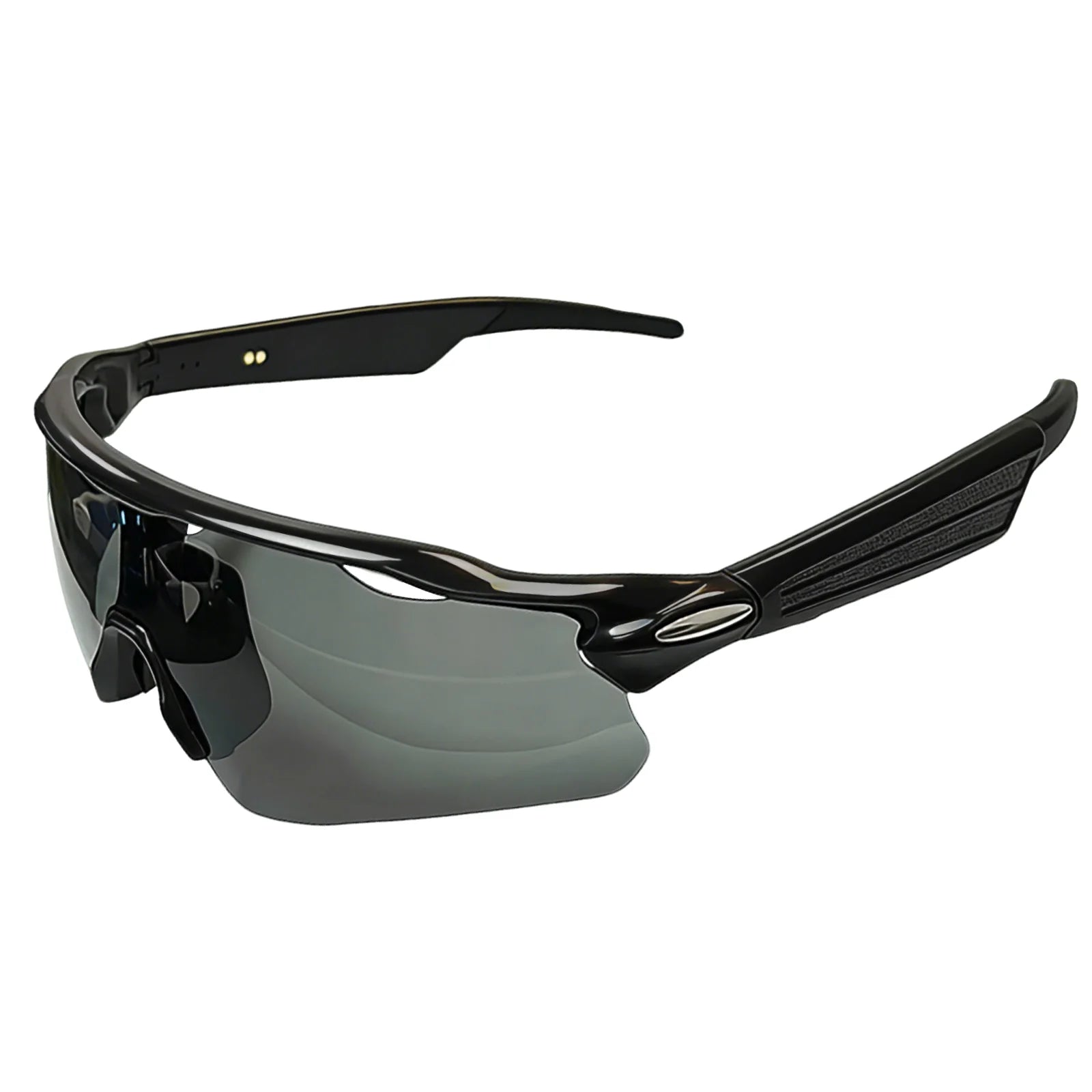
For athletes, displays and cameras add unnecessary weight and drain batteries. We designed the GG05 Running & Cycling Audio Glasses to bypass the heavy limitations of AI glasses. Built as lightweight running sunglasses for men and women, these smart glasses are ideal for active lifestyles. Flexible temple arms with anti-slip tips keep the glasses stable during movement. By focusing on an open-ear audio design, the GG05 lets you enjoy music and take calls while staying aware of your surroundings—crucial for outdoor running and cycling without blocking ambient sound.
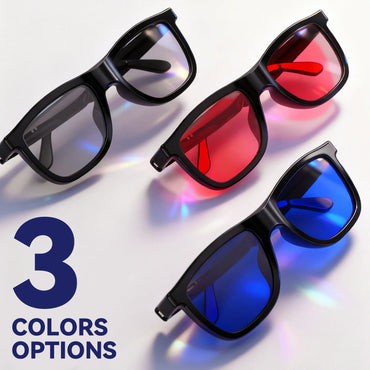
Furthermore, the built-in AI voice assistant allows hands-free interaction for information access, navigation support, and daily tasks without the need for a power-hungry display. Available with multiple lens options (Yellow, Mirrored, Gray), they offer superior environmental adaptability without the bulk.
Smart Camera Integration: Osawalla GP02
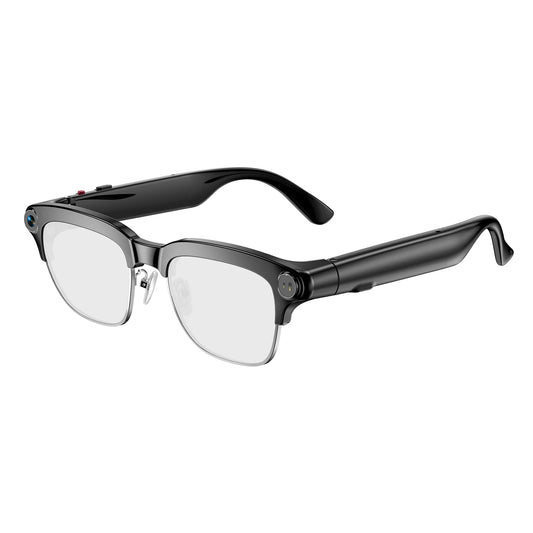
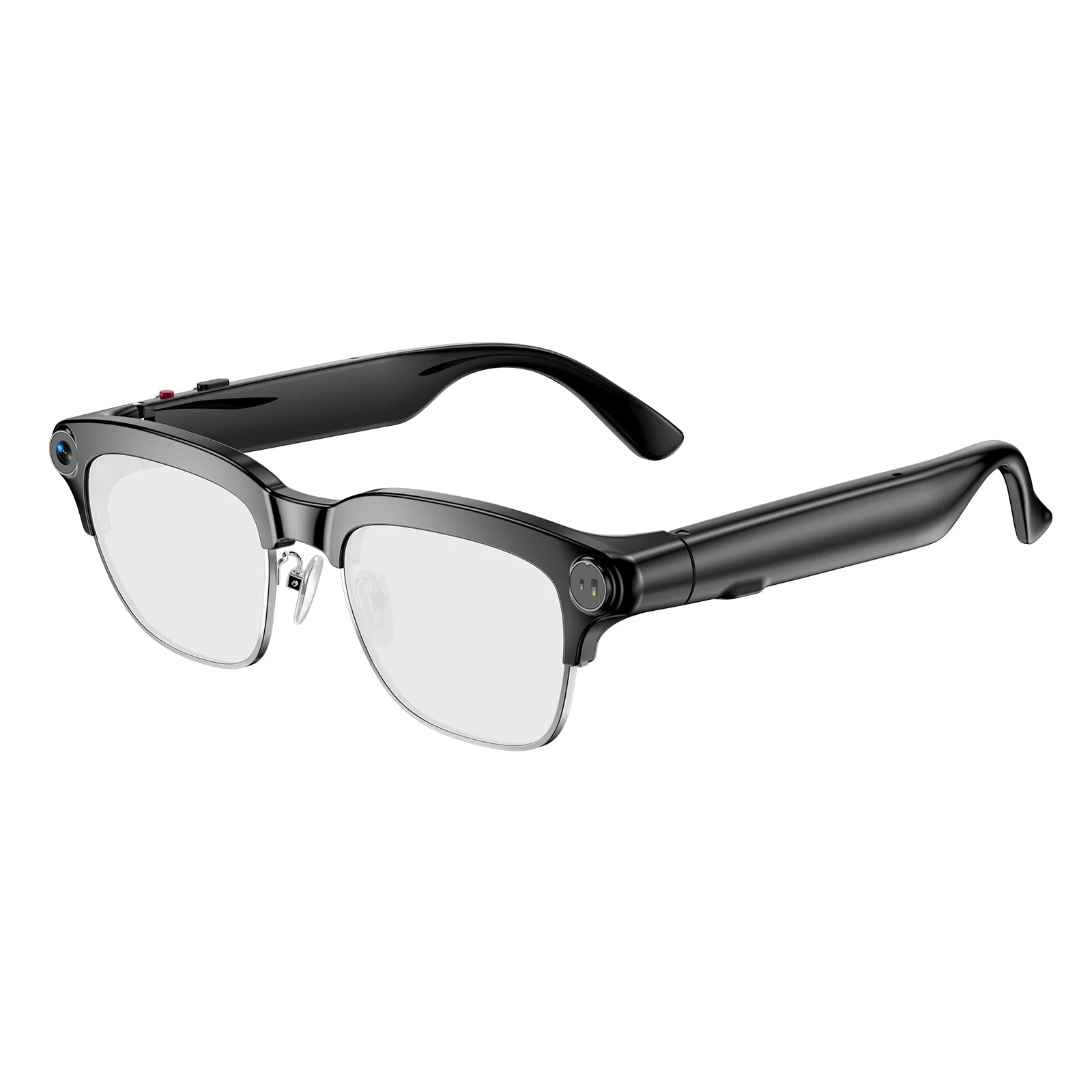
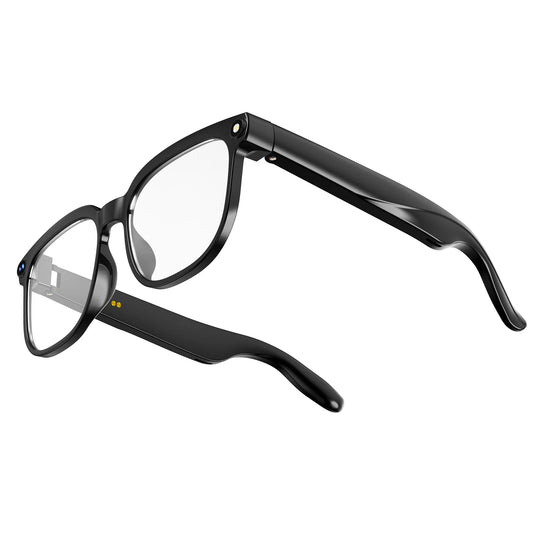
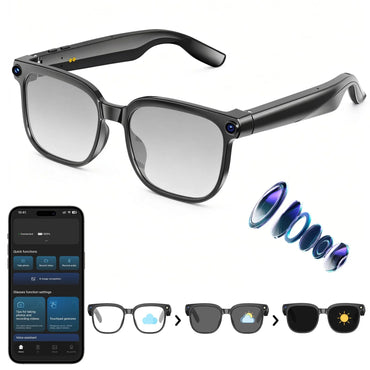
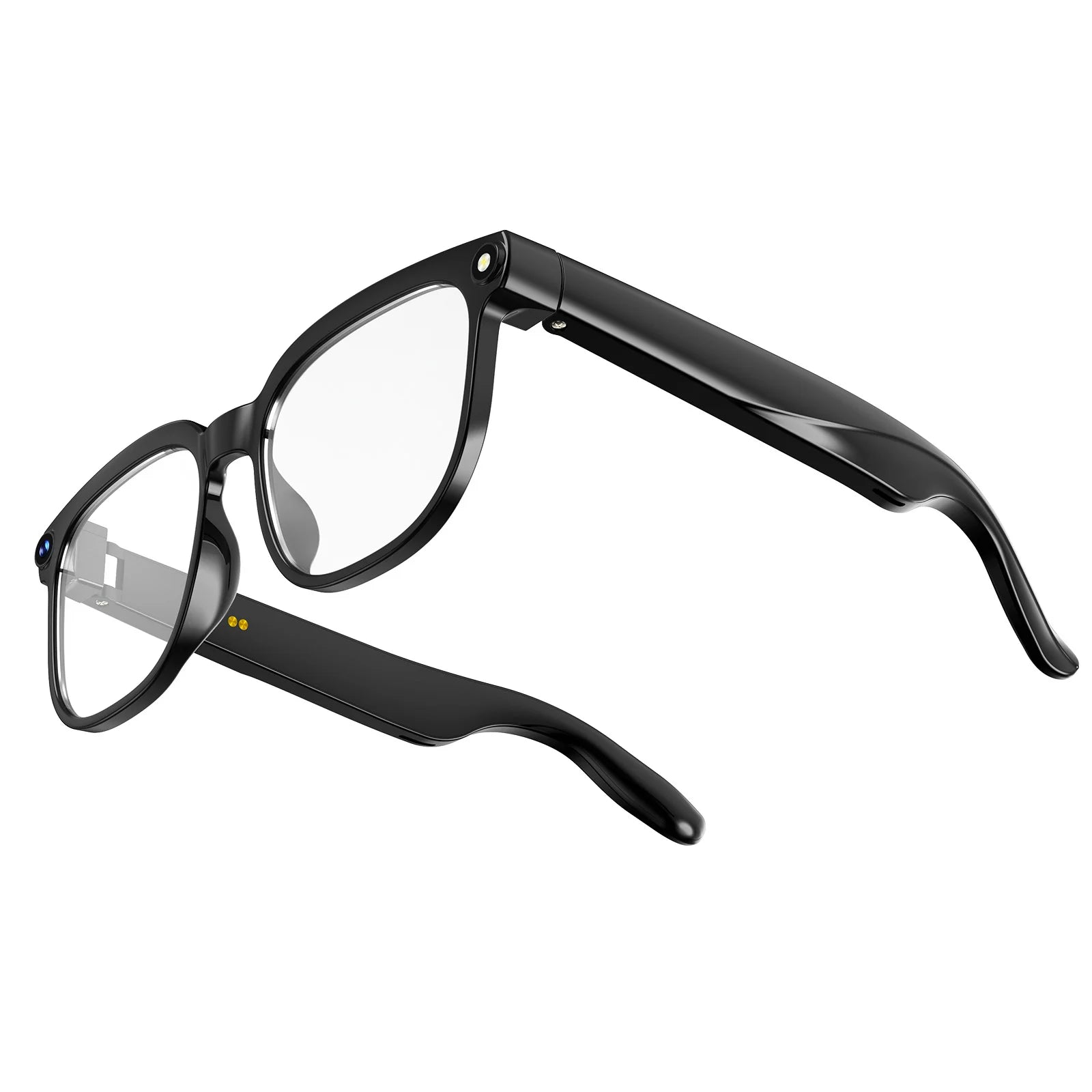
When visual AI processing is required, we address the limitations of AI glasses through intelligent power management and cloud processing. The GP02 smart glasses with camera feature 1080P HD video and an 8MP photo capture system. To manage battery limitations, it supports up to 3 minutes per recording, preventing overheating and ensuring the 290mAh battery can last through a day of travel.
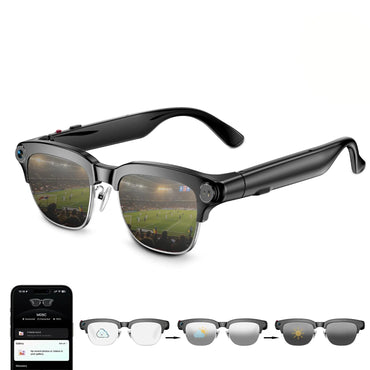
Instead of heavy onboard processing, the GP02 utilizes the "Hey Cyan" AI voice assistant (powered by a built-in ChatGPT model) for real-time object recognition and 139+ language translation. By offloading this to paired smart devices, the glasses maintain an ultra-lightweight profile of just 40.8g (0.09lb). Featuring photochromic lenses that automatically darken in sunlight and ENC dual microphones for crystal-clear calls, the GP02 also stands as one of the best smart reading glasses 2026 for professionals and travelers alike.
6. Summary Table: Challenges and Engineering Solutions
To quickly comprehend how the industry manages the limitations of AI glasses, review the matrix below outlining the physical constraints and our engineering countermeasures.
| Known Limitations of AI Glasses | Engineering Challenge | Osawalla Practical Solution |
|---|---|---|
| Battery Capacity | Fitting high-capacity cells into thin temple arms without adding excessive weight. | Utilizing 290mAh batteries with strict standby optimization and capped recording times (GP02). |
| Thermal Dissipation | Processors and displays overheat near the user's skin. | Offloading complex AI computations (like translation) to the paired smartphone via BT5.4. |
| Weight and Comfort | Heavy frames cause nasal bridge pain and headaches during extended use. | Audio-focused models (GG05) and TR90/ABS materials keep weight under 45 grams. |
| Privacy Concerns | Covert recording anxiety in public spaces. | Mandatory LED recording indicators and 3-minute software-limited video captures. |
| Audio Bleed | Open-ear speakers can be heard by bystanders in quiet environments. | Directional audio cavities that funnel sound directly to the ear canal, minimizing sound leakage. |
7. Frequently Asked Questions (FAQs)
8. Authoritative References
To explore the deeper technical specifications, battery physics, and privacy regulations that define the limitations of AI glasses, we recommend consulting the following academic and governmental authorities:
- National Institute of Standards and Technology (NIST) - Research on micro-battery standards, biometric data security, and wearable electronics safety.
- Institute of Electrical and Electronics Engineers (IEEE) - Academic papers detailing the thermal management challenges and wireless latency in modern head-mounted displays.
- Federal Trade Commission (FTC) - Guidelines regarding consumer privacy, data collection, and camera integrations in IoT (Internet of Things) wearable devices.


