

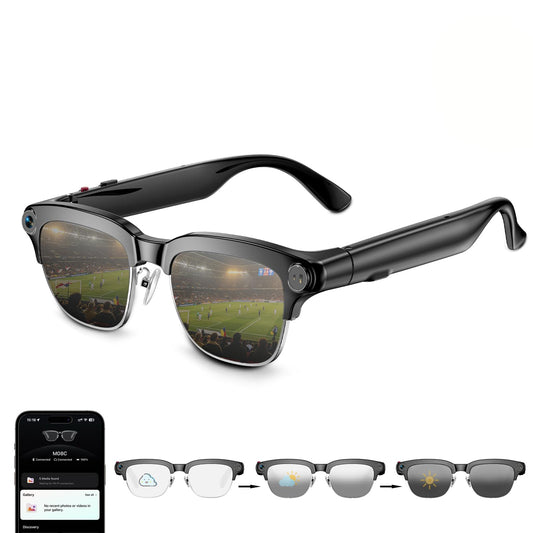
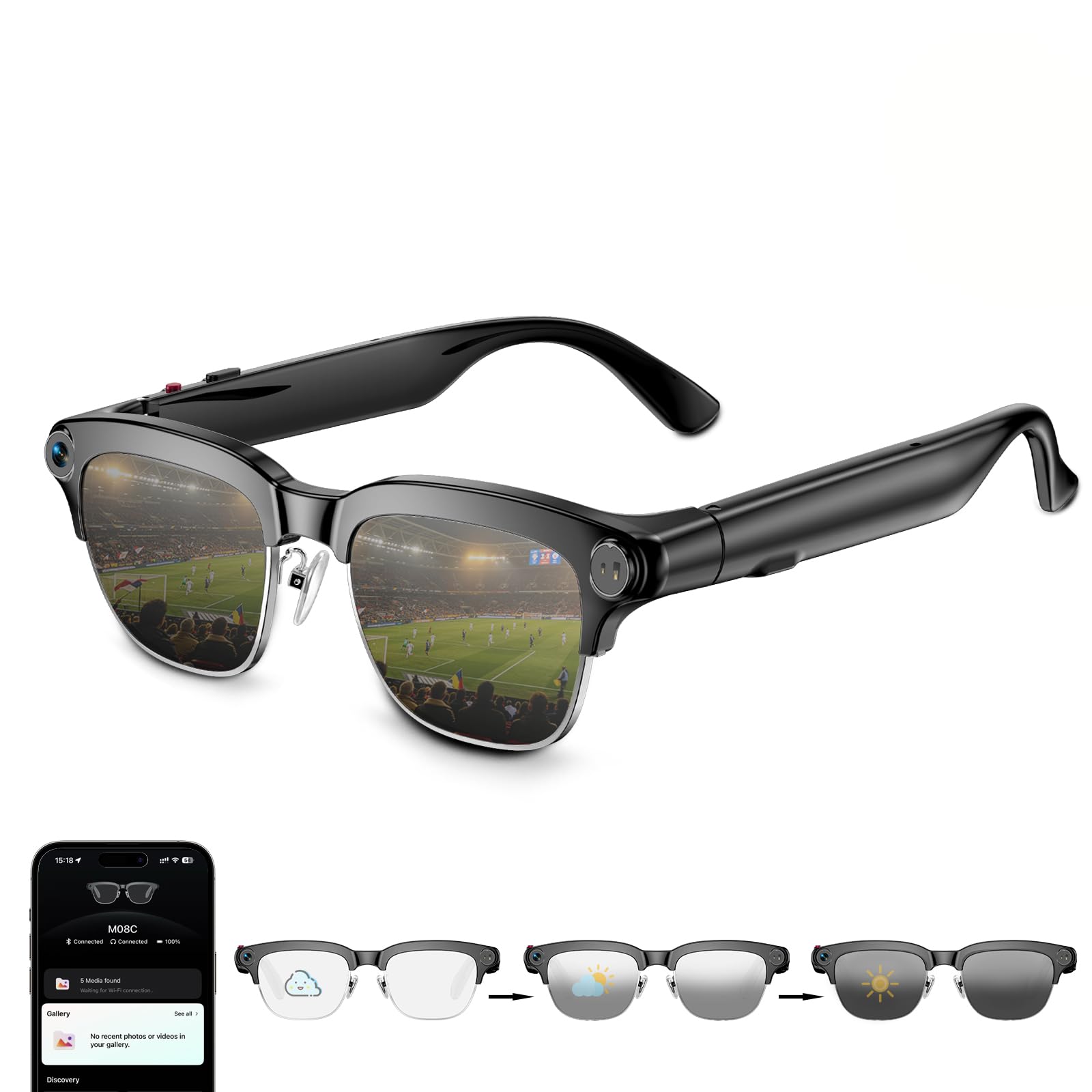
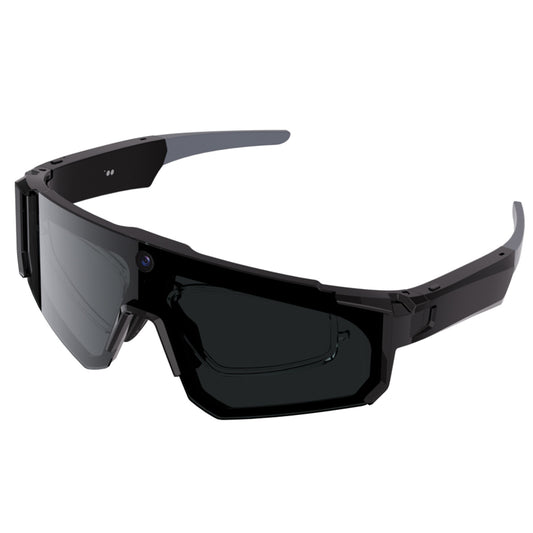
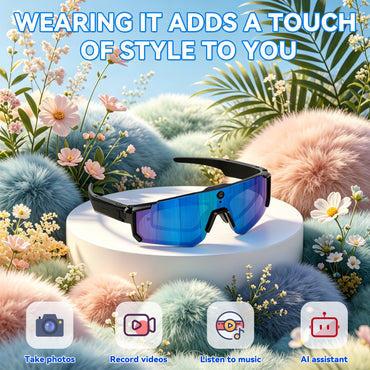
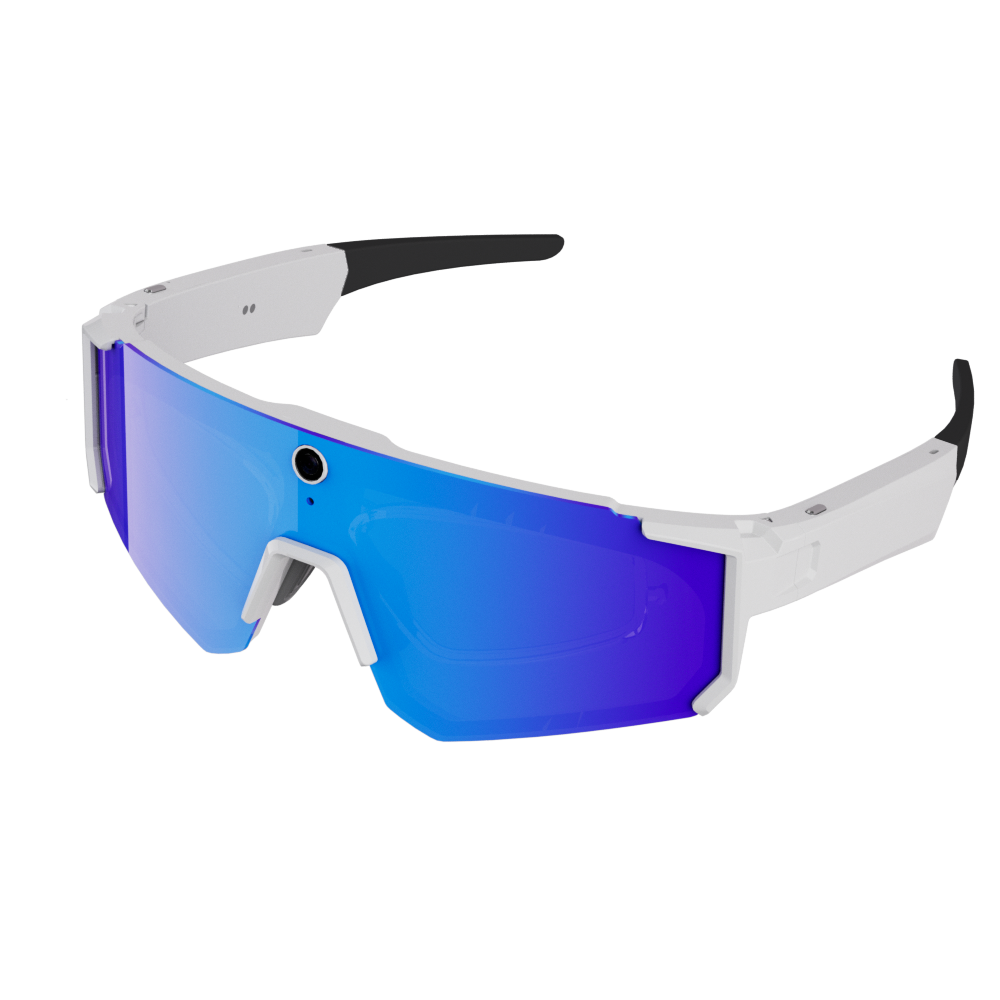
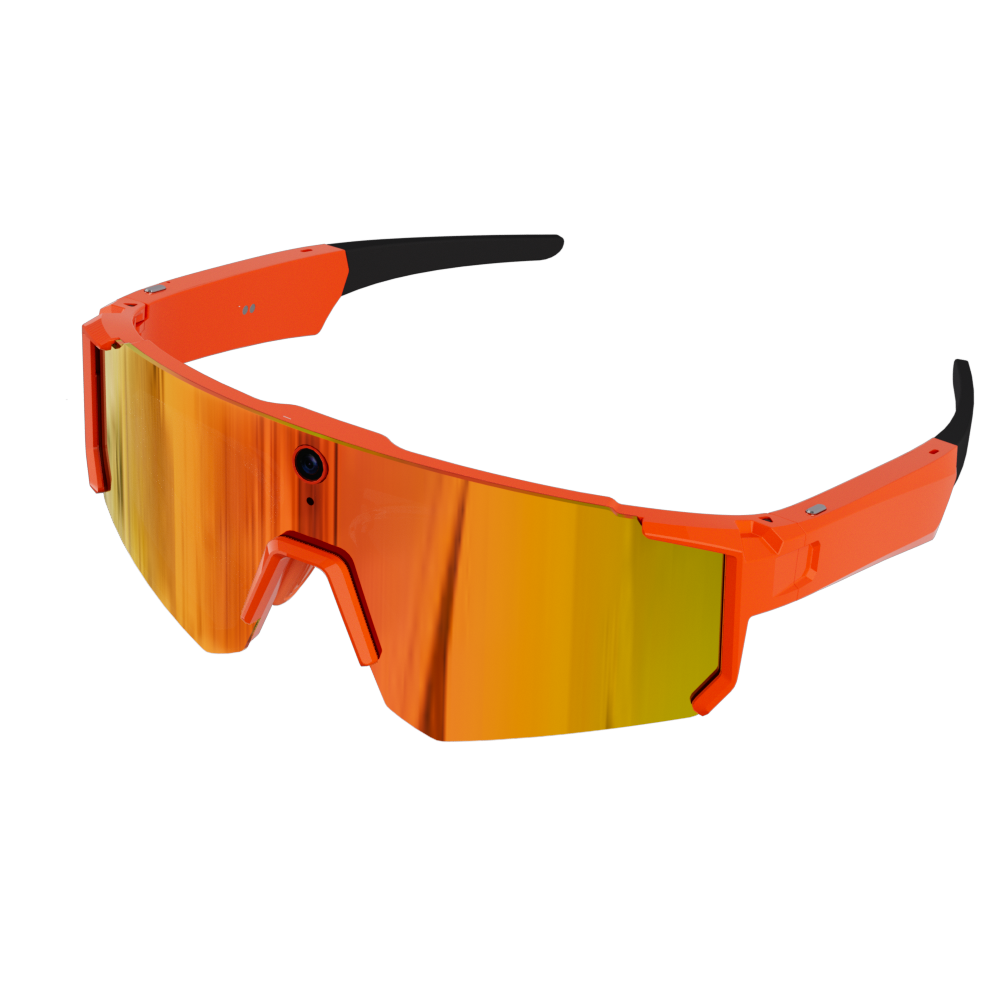
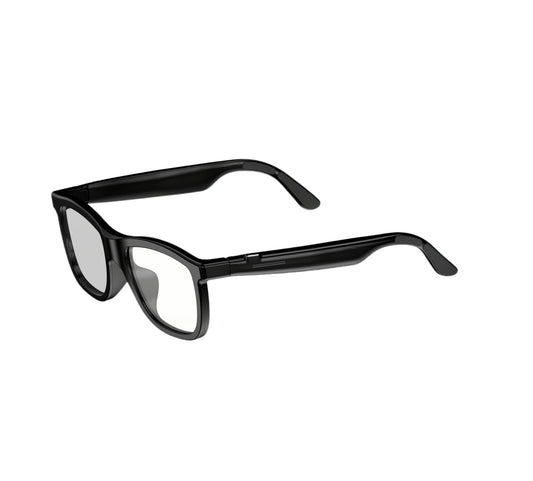
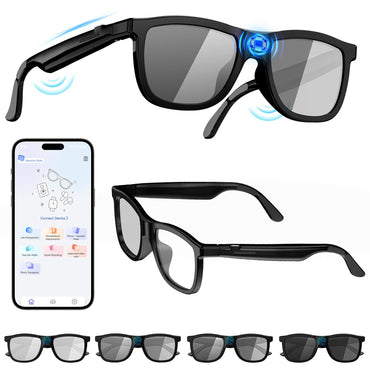
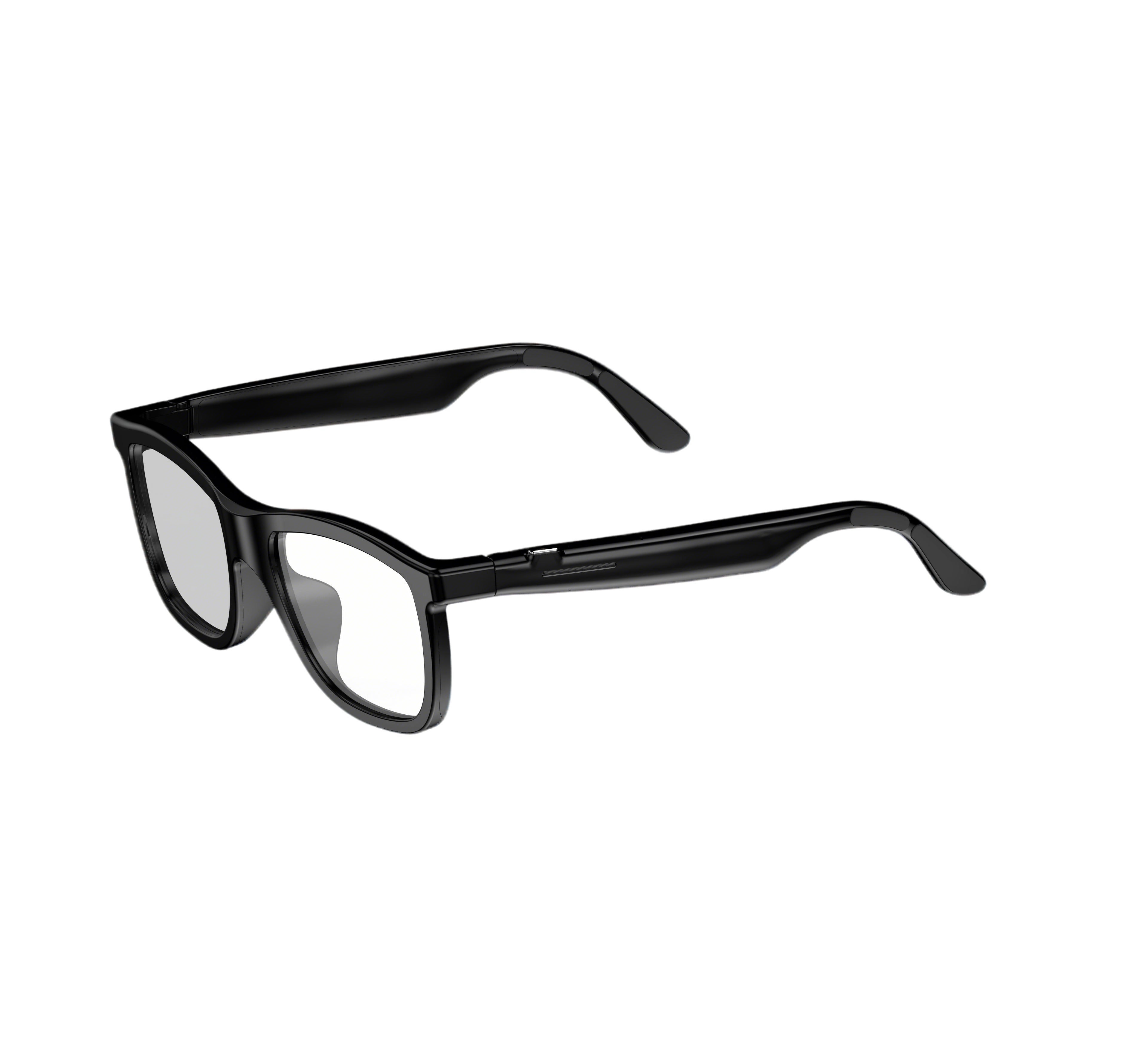
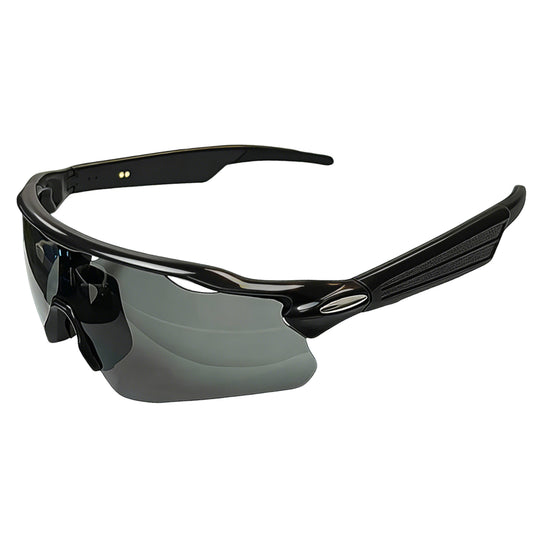
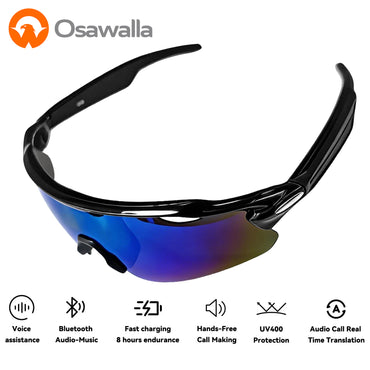
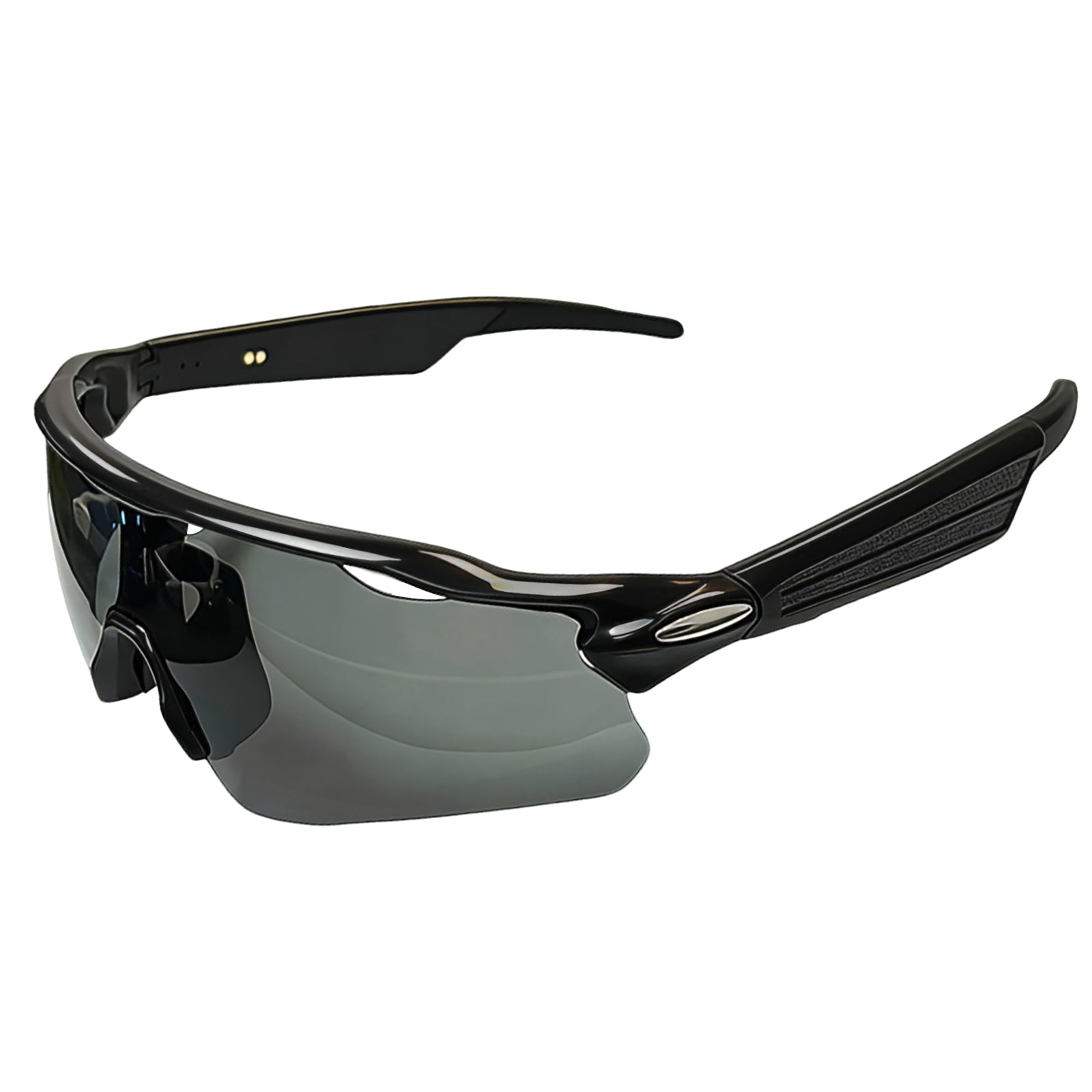
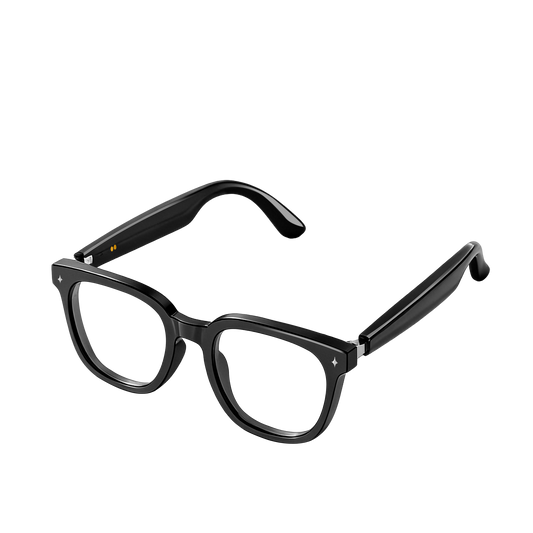
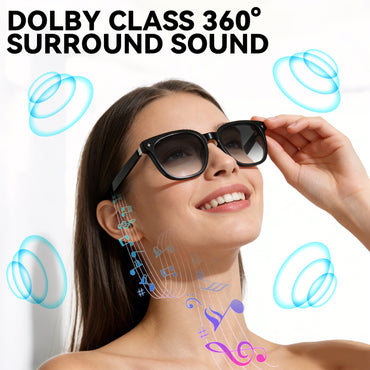
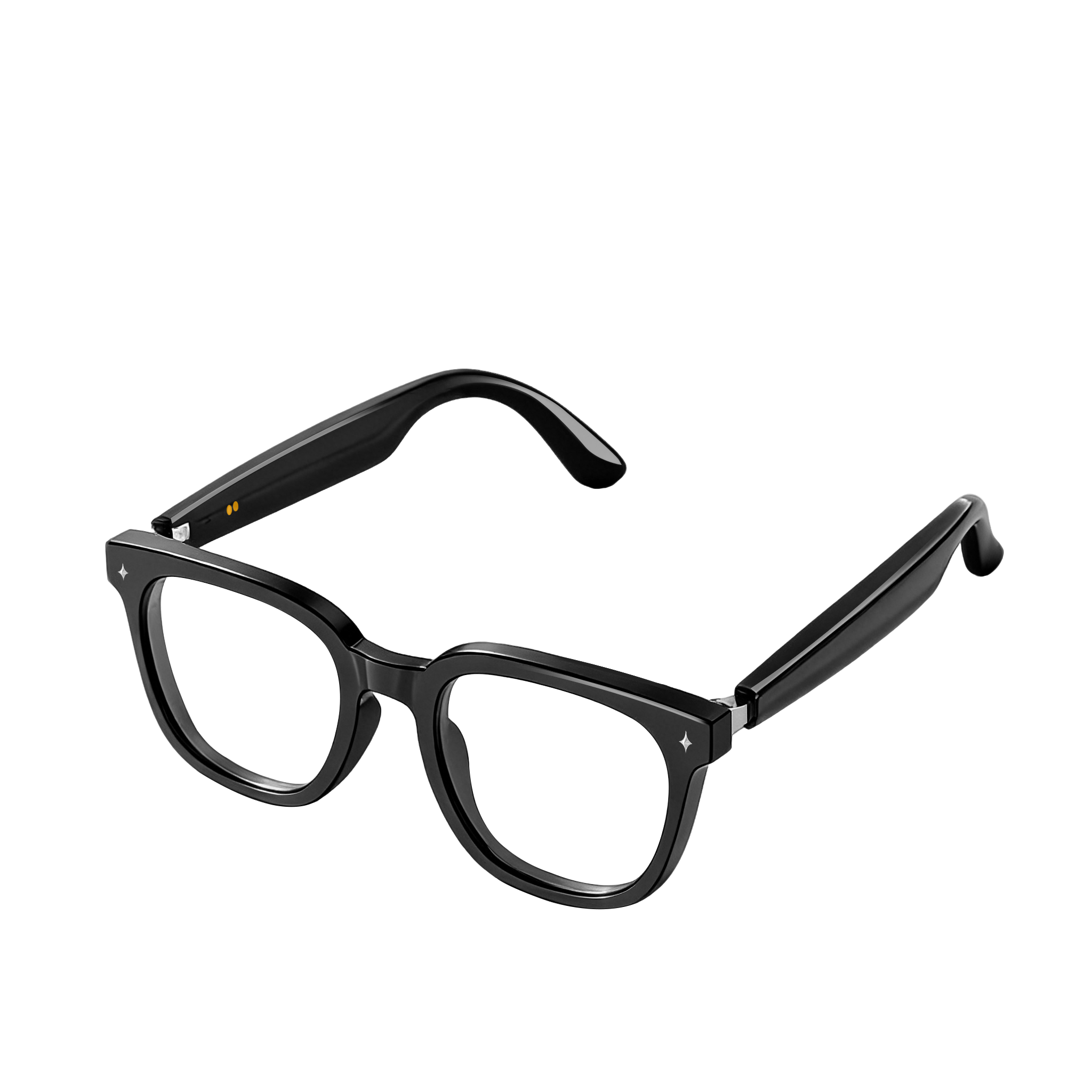
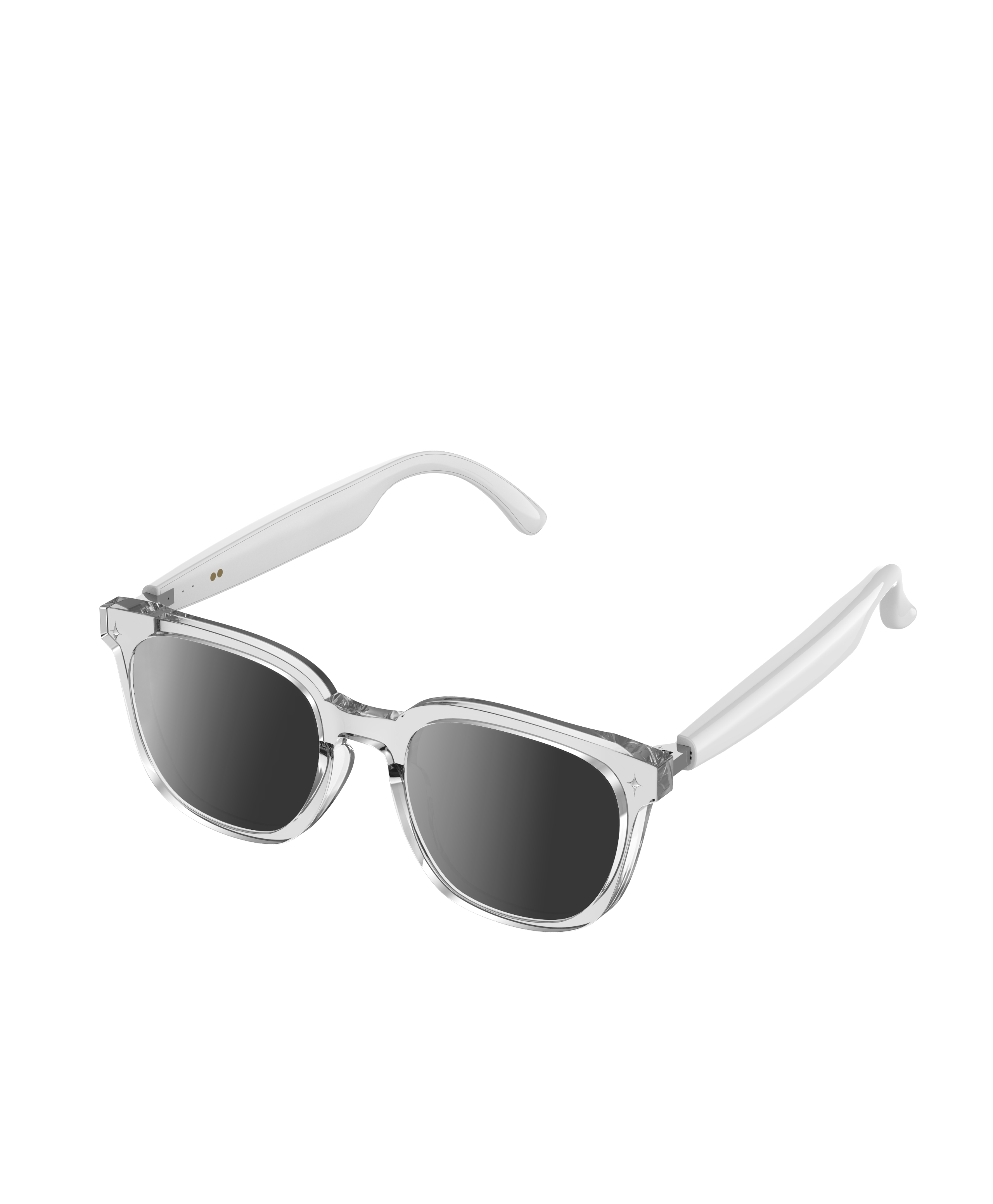
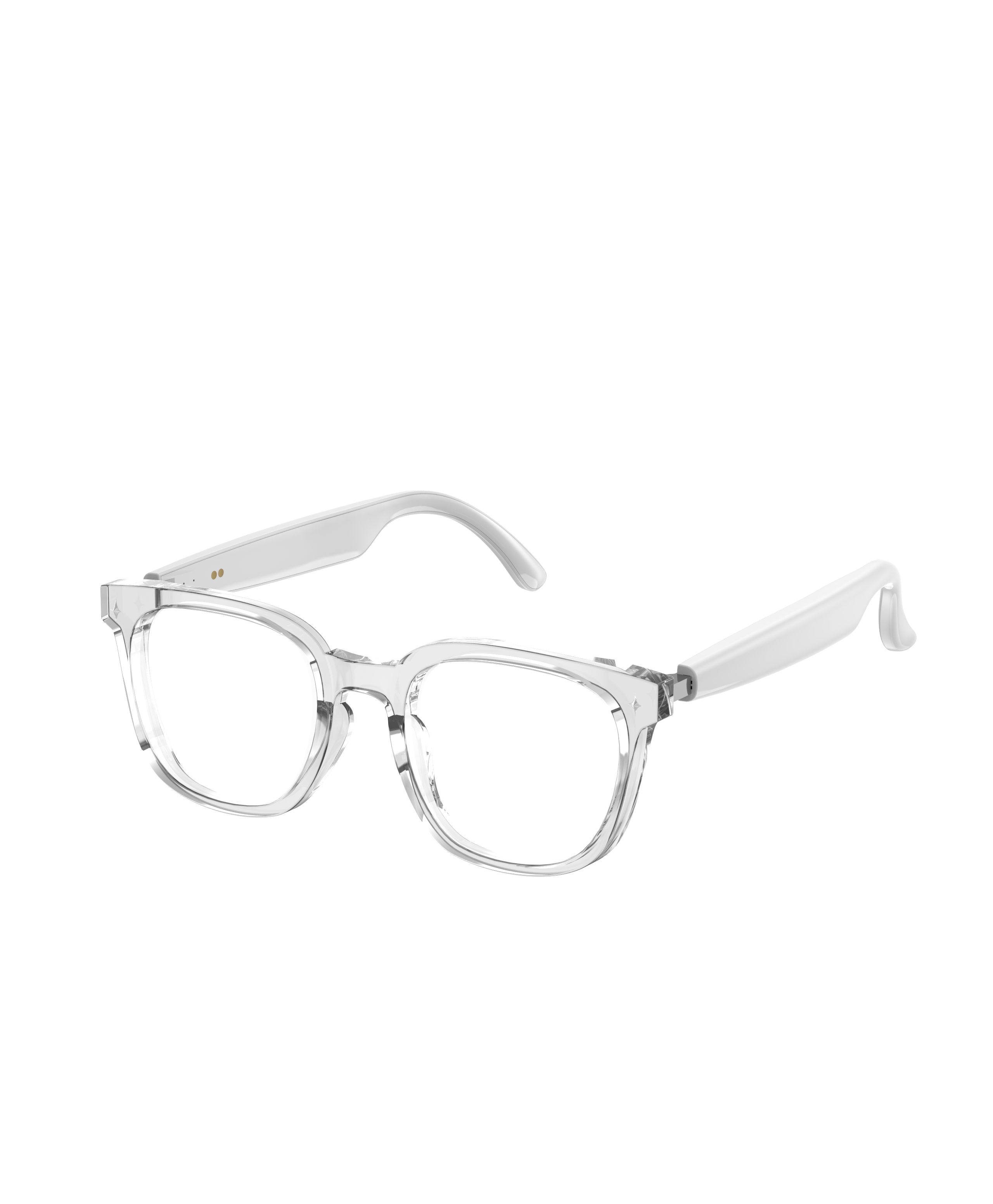
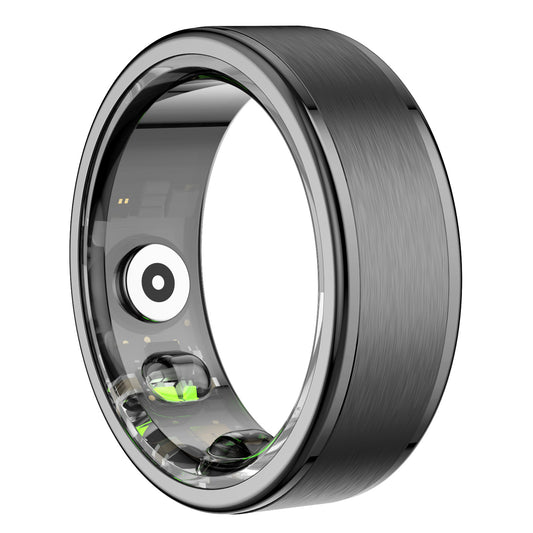
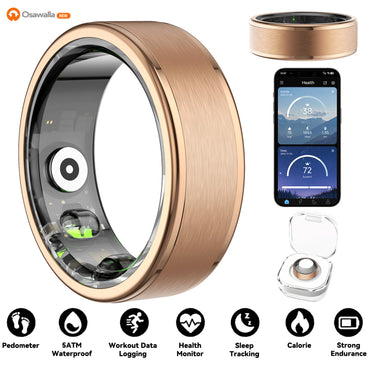





From scifi fantasy to everyday reality, smart glasses have made a remarkable journey. Once dismissed as clunky prototypes, they are now sleek, powerful, and poised to become the next essential wearable — right alongside your smartphone and smart ring.

What Are Smart Glasses?
Smart glasses are wearable computer devices that display information directly in your field of vision. Unlike VR headsets that immerse you in a virtual world, smart glasses overlay digital content onto the real world — a technology known as augmented reality (AR).
Think of them as a handsfree, alwayson screen that sits discreetly on your nose.

Key Features That Matter
Modern smart glasses pack impressive capabilities into a lightweight frame:
|
Feature |
What It Does |
|
AR Display |
Projects notifications, maps, translations, and data onto the lens |
|
Voice Assistant |
Handsfree control via builtin microphones and AI (e.g., Siri, Google Assistant) |
|
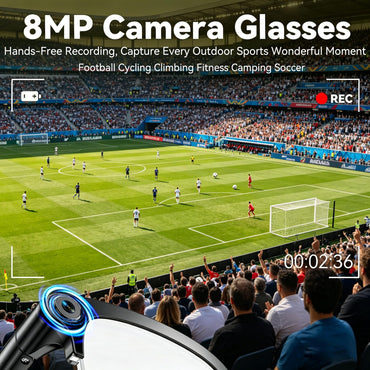
Camera |
Captures photos/videos from your point of view (firstperson perspective) |
|
Spatial Audio |
Delivers immersive sound without blocking ambient noise |
|
Health Sensors |
Tracks steps, posture, eye strain, and even heart rate (in some models) |
|
Realtime Translation |
Translates foreign languages instantly on the lens |
Who Should Consider Smart Glasses?
Professionals & Knowledge Workers – Get meeting notes, calendar alerts, and code references without glancing at a phone.
Field Technicians & Engineers – Access manuals, diagrams, and remote expert guidance hands free.
Travelers & Language Learners – Read street signs, menus, and conversations translated in real time.
Fitness Enthusiasts – View pace, distance, and navigation cues while keeping eyes on the road.
Accessibility Users – Receive audio descriptions of surroundings or live captioning for conversations.
Privacy and Practical Concerns
Despite their promise, smart glasses raise legitimate questions:
Privacy: Builtin cameras can make others uncomfortable. Many models now include a visible recording indicator light.
Battery Life: Most last 4–8 hours — enough for a workday but not all day.
Social Acceptance: Wearing a camera on your face still feels unusual in many settings.
Cost: Quality smart glasses range from 300toover3,500.
The Bottom Line
Smart glasses won't replace your smartphone overnight — but they will change howyou interact with digital information. For early adopters who value handsfree convenience, realtime context, and a glimpse into tomorrow's interface, the future is already here.
And it fits right on your face.


