

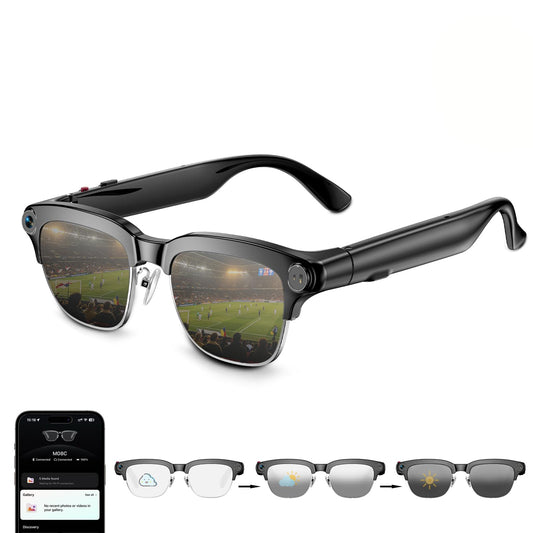
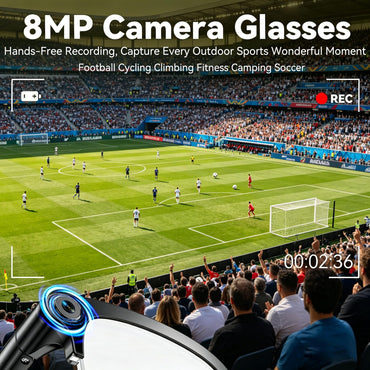
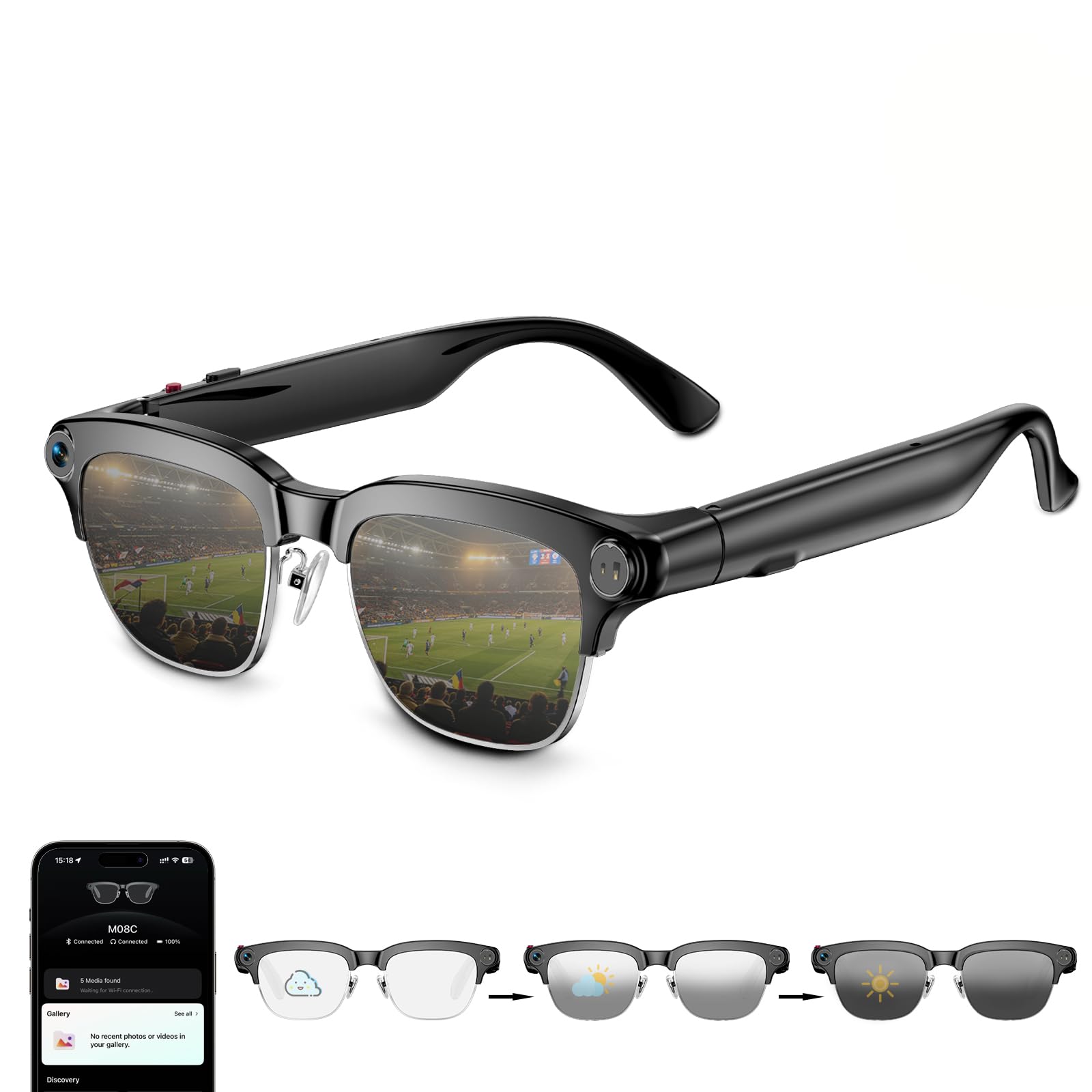
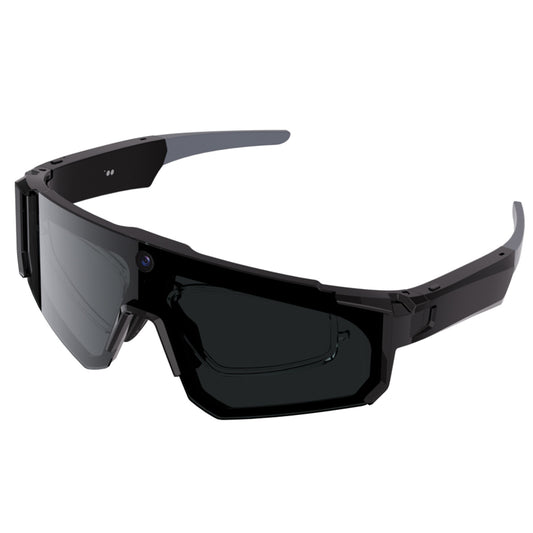
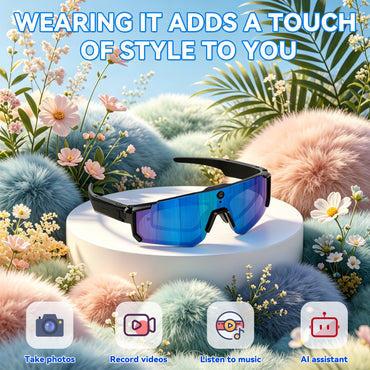
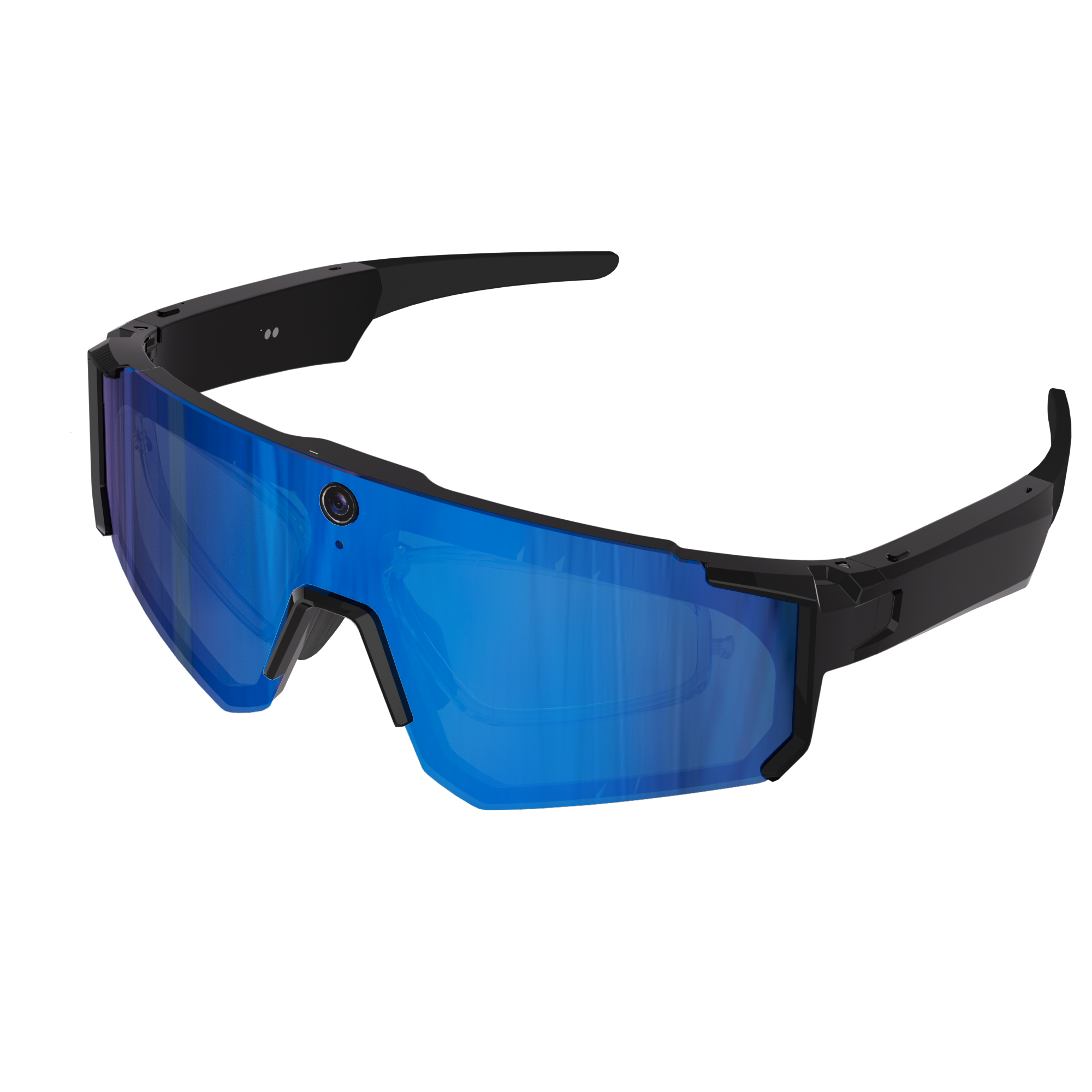
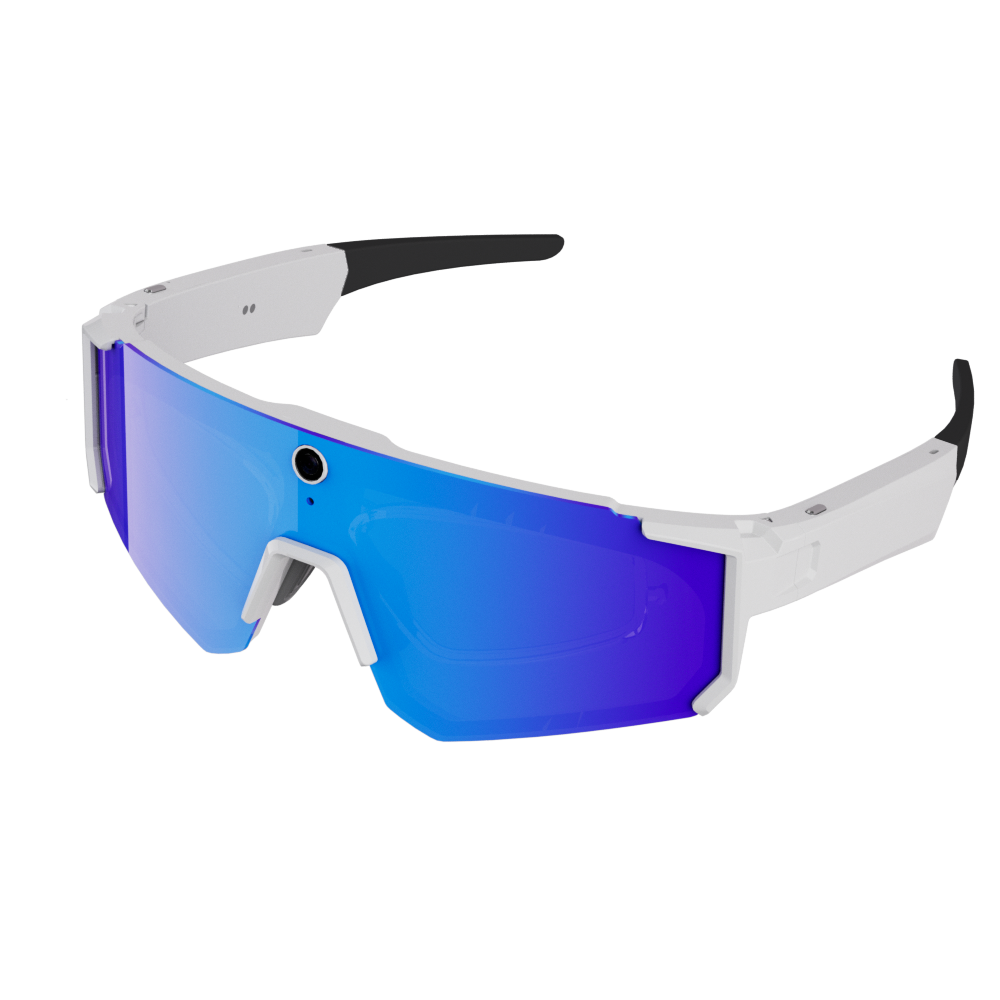
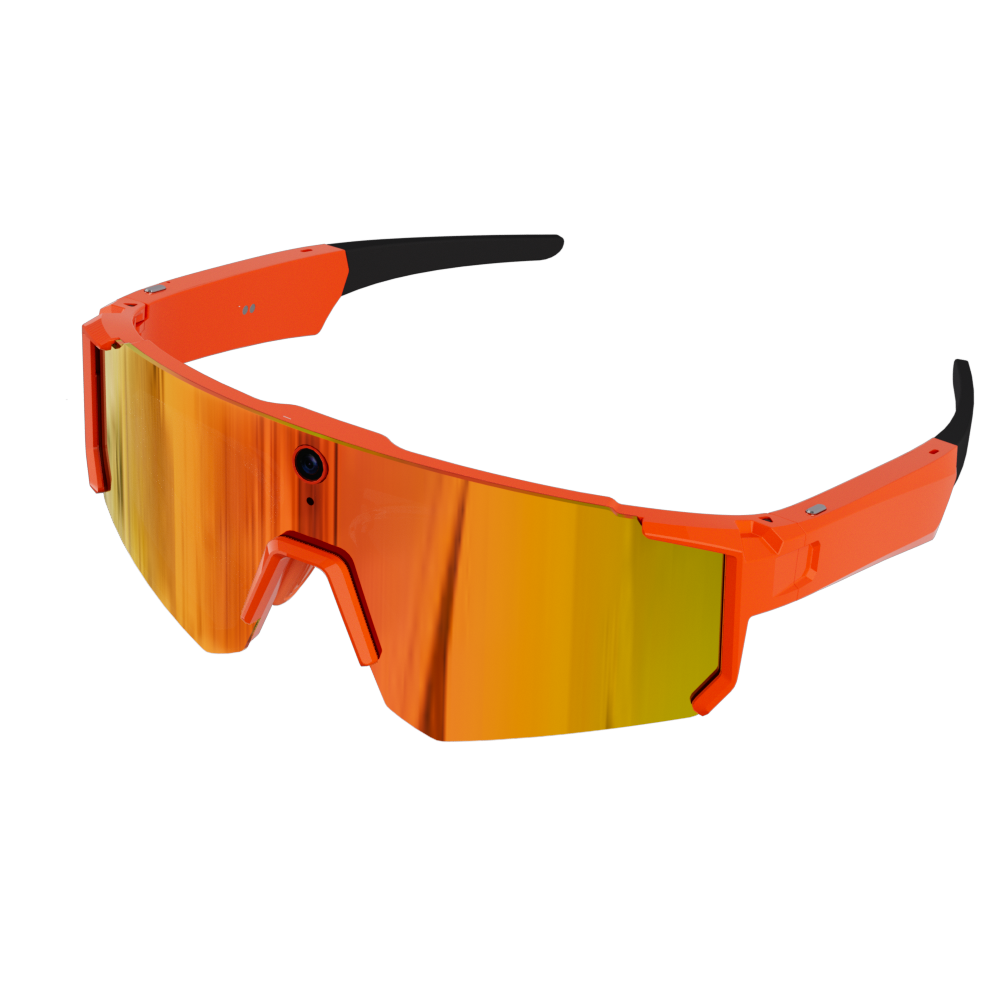
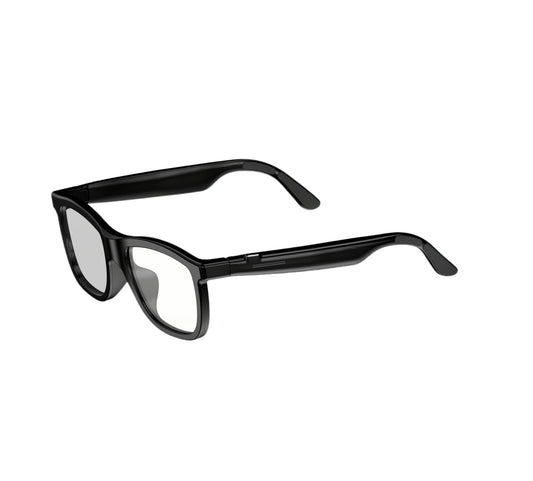
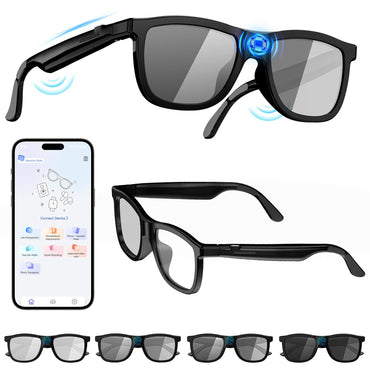
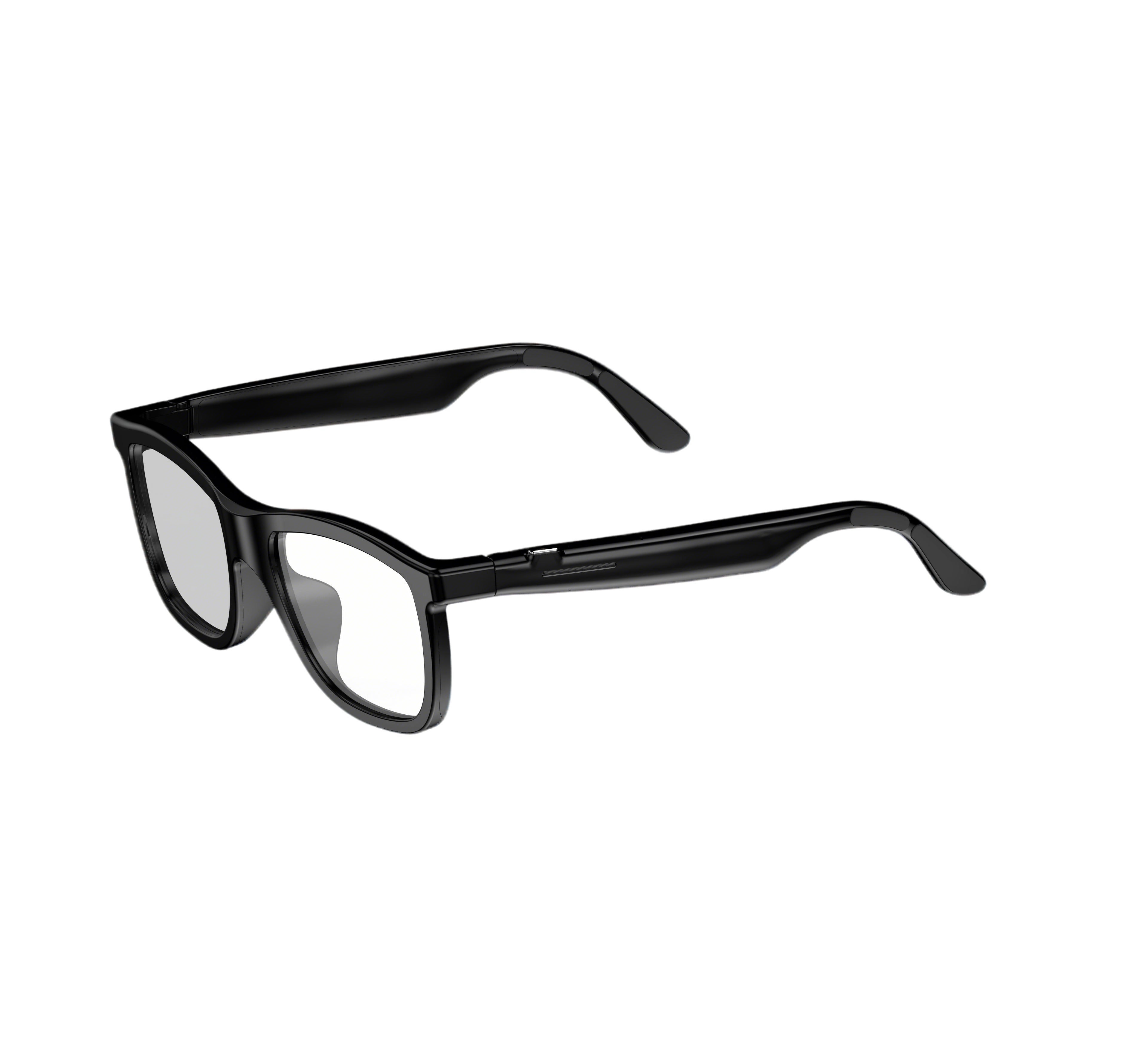
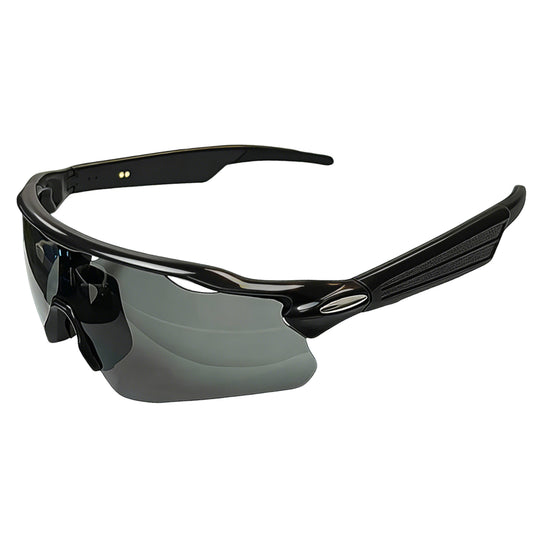
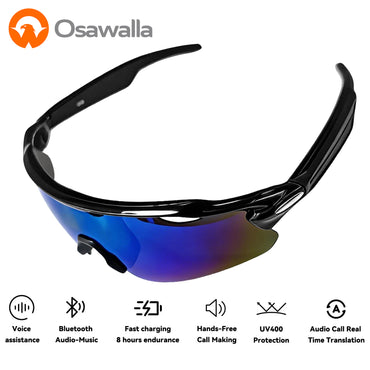
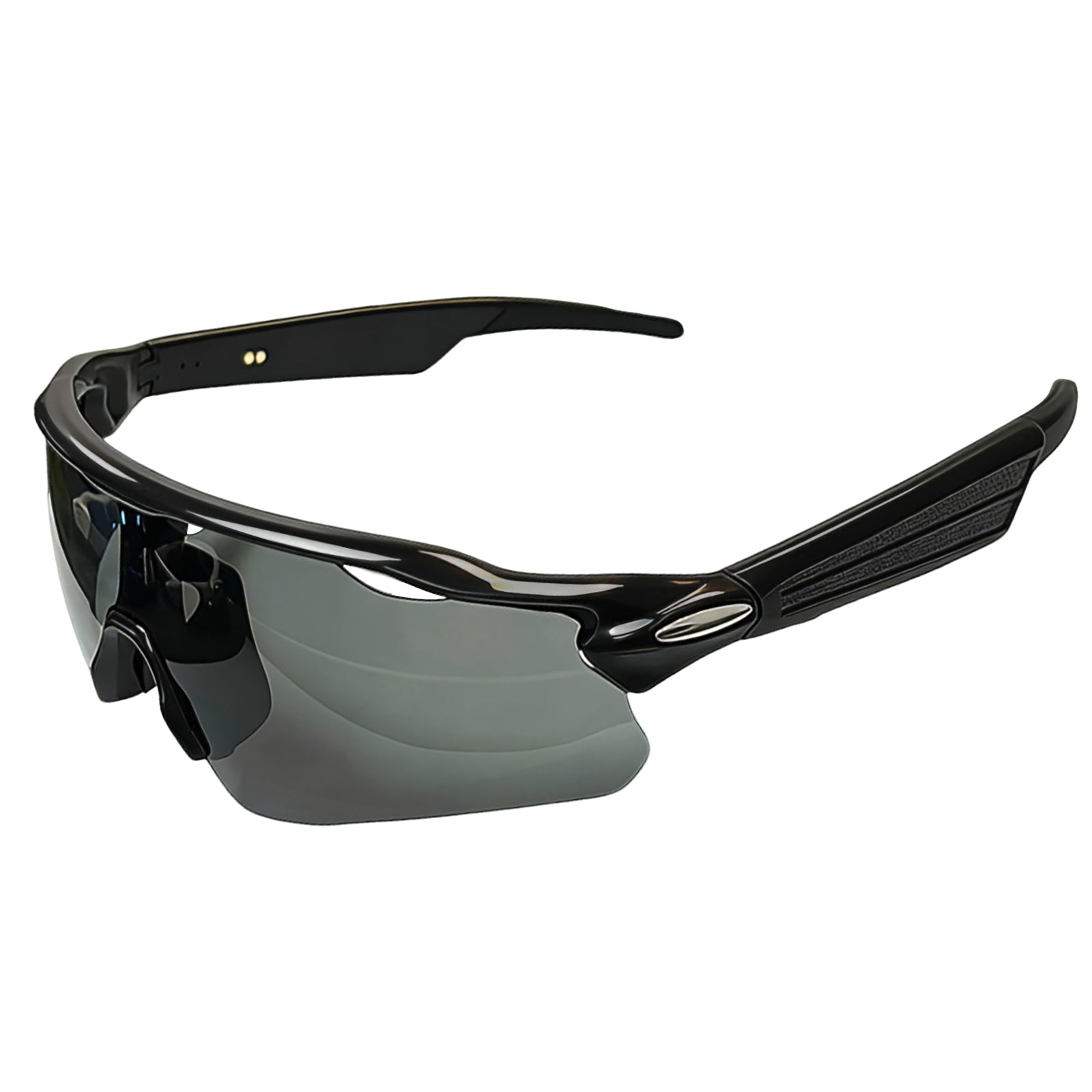

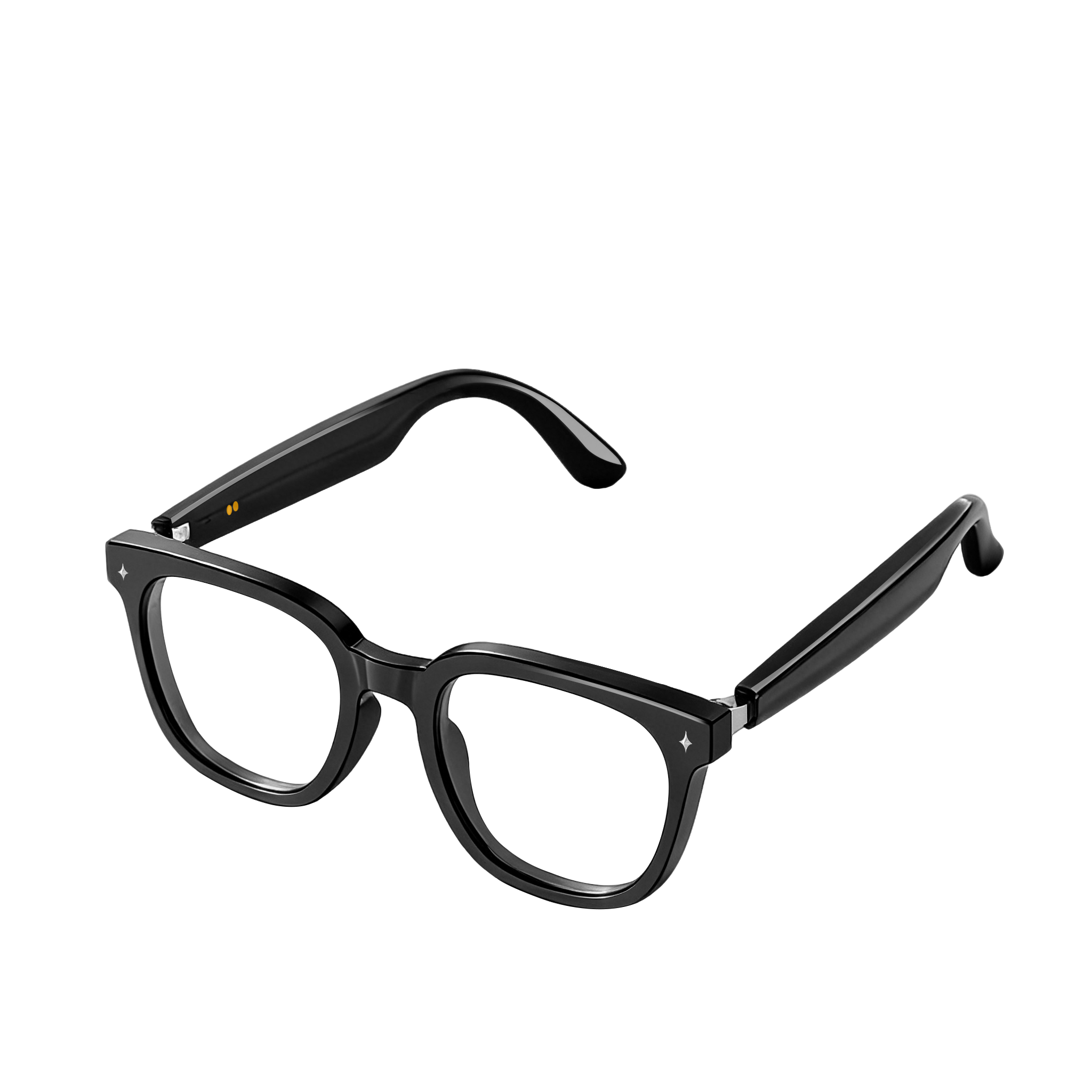
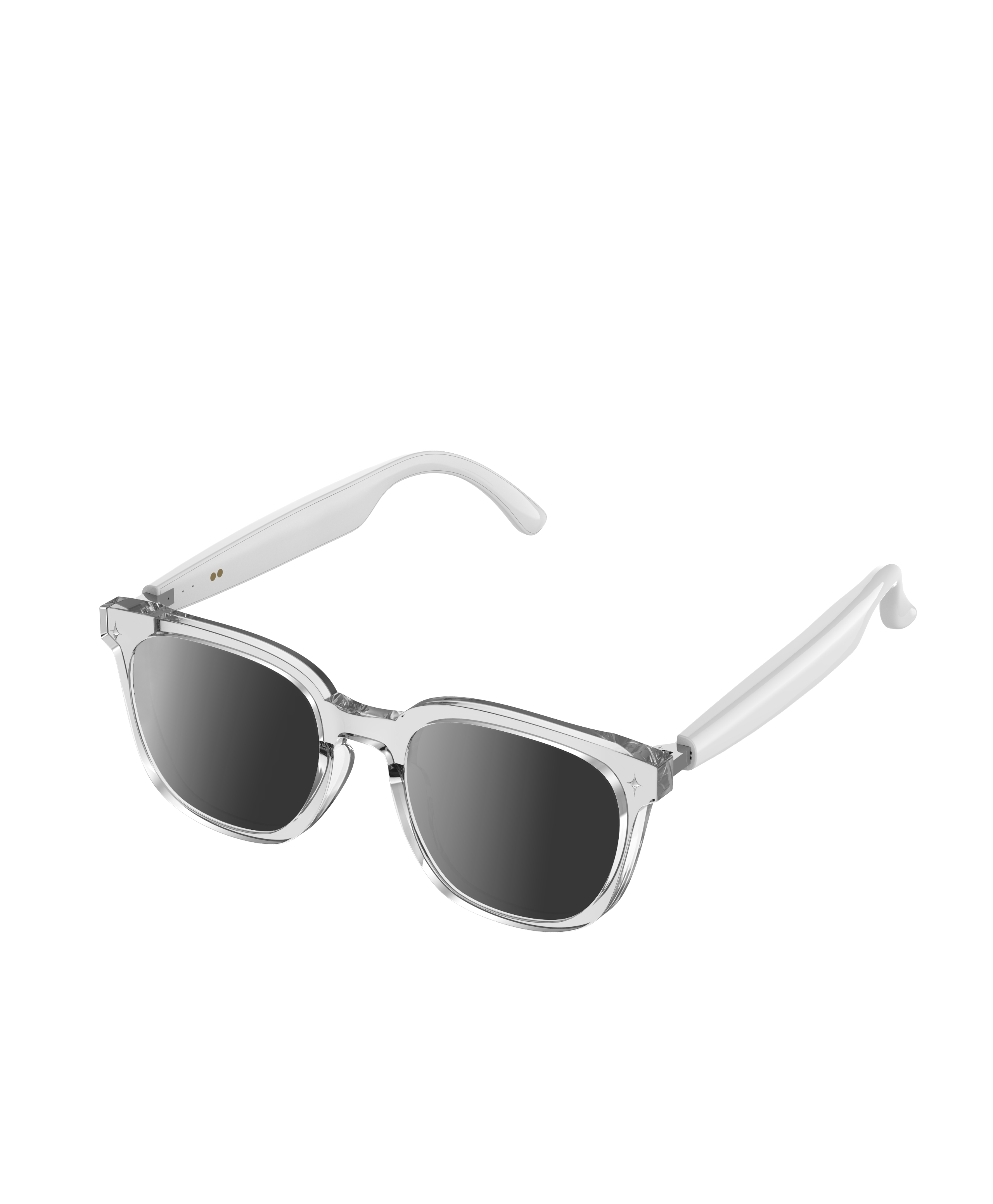
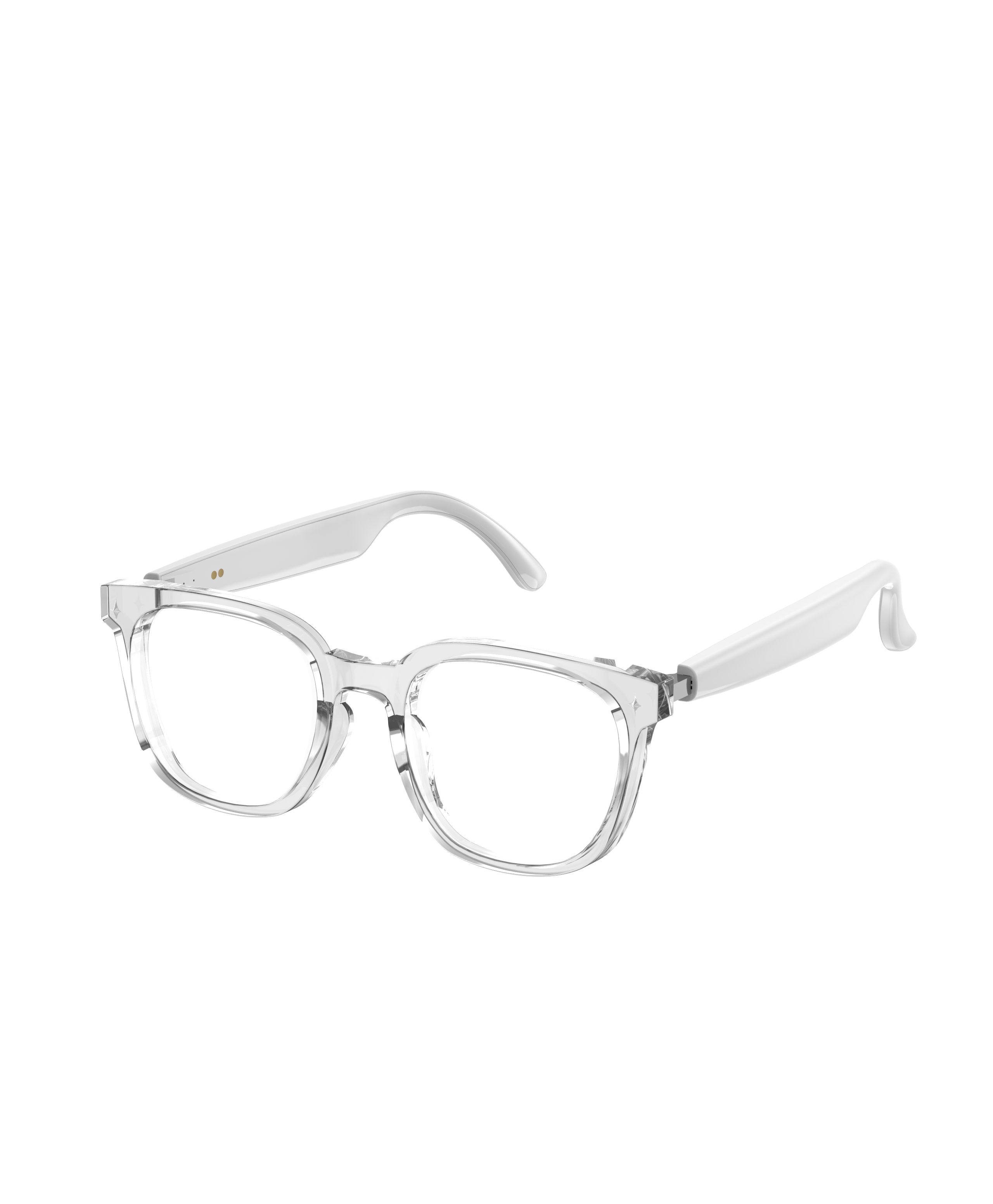






As wearable technology continues to evolve rapidly, smart glasses have emerged as one of the most innovative and promising devices in the digital era. Far more than ordinary eyewear for vision correction or sun protection, modern smart glasses are intelligent wearable computers integrated with advanced sensors, optical display systems and artificial intelligence technology. They seamlessly bridge the physical world and the digital realm, bringing users unprecedented hands-free, immersive and intelligent interactive experiences.
The core competitiveness of contemporary smart glasses lies in their integrated cutting-edge technologies. Unlike early bulky and single-function prototypes, today’s smart glasses adopt ultra-thin and lightweight designs, balancing fashion aesthetics and practical performance perfectly. Equipped with high-performance miniature processors such as Qualcomm’s latest AR chips, these devices can run lightweight AI models independently, realizing local computing and rapid response without relying heavily on mobile phones. In terms of display technology, Micro-OLED and Micro-LED screens, combined with waveguide and holographic optical elements, project clear and high-definition digital information onto the user’s field of vision. This augmented reality (AR) technology overlays texts, images, navigation routes and real-time data on the real scene, creating a blended interactive experience that is both natural and intuitive.
Smart glasses have shown powerful application value in multiple scenarios, covering daily life, work, study and professional industries. In daily life, they serve as portable intelligent assistants. With built-in voice recognition and real-time translation functions, they can instantly convert foreign languages in conversations, signs and videos, breaking language barriers for travel and cross-cultural communication. The hands-free navigation function can synchronize road conditions and route prompts, allowing users to focus on the surrounding environment without looking down at mobile screens. In addition, functions such as intelligent photography, health monitoring of heart rate and eye fatigue, and message reminder greatly enrich the convenience of daily life.
In professional and industrial fields, smart glasses have become an efficient tool to boost productivity and optimize working modes. For industrial maintenance and remote after-sales service, technicians can obtain real-time operation guidelines, fault analysis data and remote expert guidance through the glasses, effectively improving maintenance accuracy and efficiency while reducing operational risks. In the medical industry, they assist doctors in recording surgical processes, viewing patient real-time vital sign data and realizing intelligent auxiliary diagnosis, providing strong support for precise medical treatment. In education, smart glasses create immersive situational learning scenarios, helping students combine theoretical knowledge with real-world observations and greatly enhancing learning efficiency and interest.
Compared with traditional wearable devices such as smart watches, smart glasses have unique advantages. Their most prominent feature is the hands-free operation, which liberates users’ hands completely and enables intelligent interaction in various sports, working and mobile scenarios. Moreover, the visual overlay display mode avoids screen switching and information interruption, realizing seamless integration of digital information and real life. With the continuous upgrading of chip technology, modern smart glasses have achieved lower power consumption, smaller size and longer battery life, solving the pain points of bulky appearance and short endurance of early products, and gradually meeting consumers’ demands for both fashion and performance.
Nevertheless, the development of smart glasses still faces some challenges. At present, the high cost of core optical and AI chips leads to the relatively high market price of high-end smart glasses, limiting their popularization among ordinary consumers. In addition, long-term wearing comfort, privacy data security and the richness of supporting application ecology are still key problems to be solved in the industry. Many users also have concerns about eye fatigue caused by long-term use of display devices and information interference in daily scenarios.

Despite these challenges, the future of smart glasses is extremely promising. With the continuous iteration of AI technology, optical manufacturing and sensor technology, smart glasses will become more intelligent, lightweight and personalized. Future products will realize more proactive intelligent perception, automatically identifying user scenarios and actively providing matching information services. With the gradual maturity of low-cost manufacturing technology and the continuous improvement of application ecology, smart glasses are expected to replace part of the functions of mobile phones and become the next core portable intelligent terminal after smartphones and smart watches.
In conclusion, smart glasses represent the future development direction of wearable technology. They break the boundary between digital virtual information and real physical life, reshape people’s ways of communication, work, study and entertainment. As technology matures and costs decrease, smart glasses will gradually walk into every family, becoming an indispensable intelligent partner in people’s daily life and opening a new chapter of ubiquitous intelligent interaction.


