

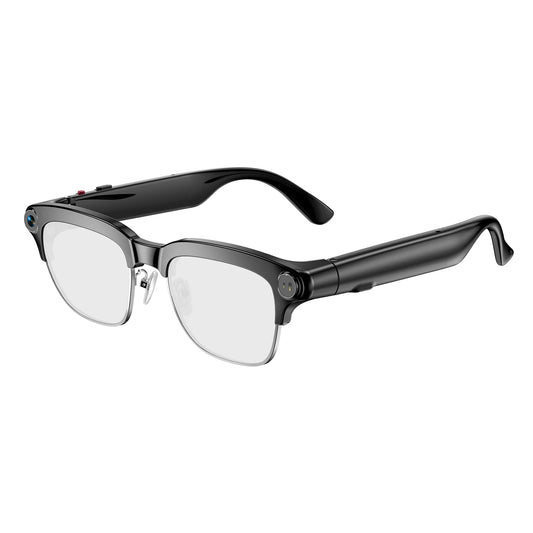
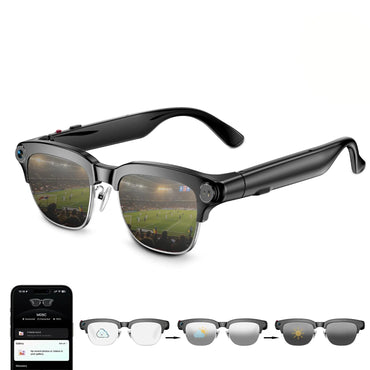
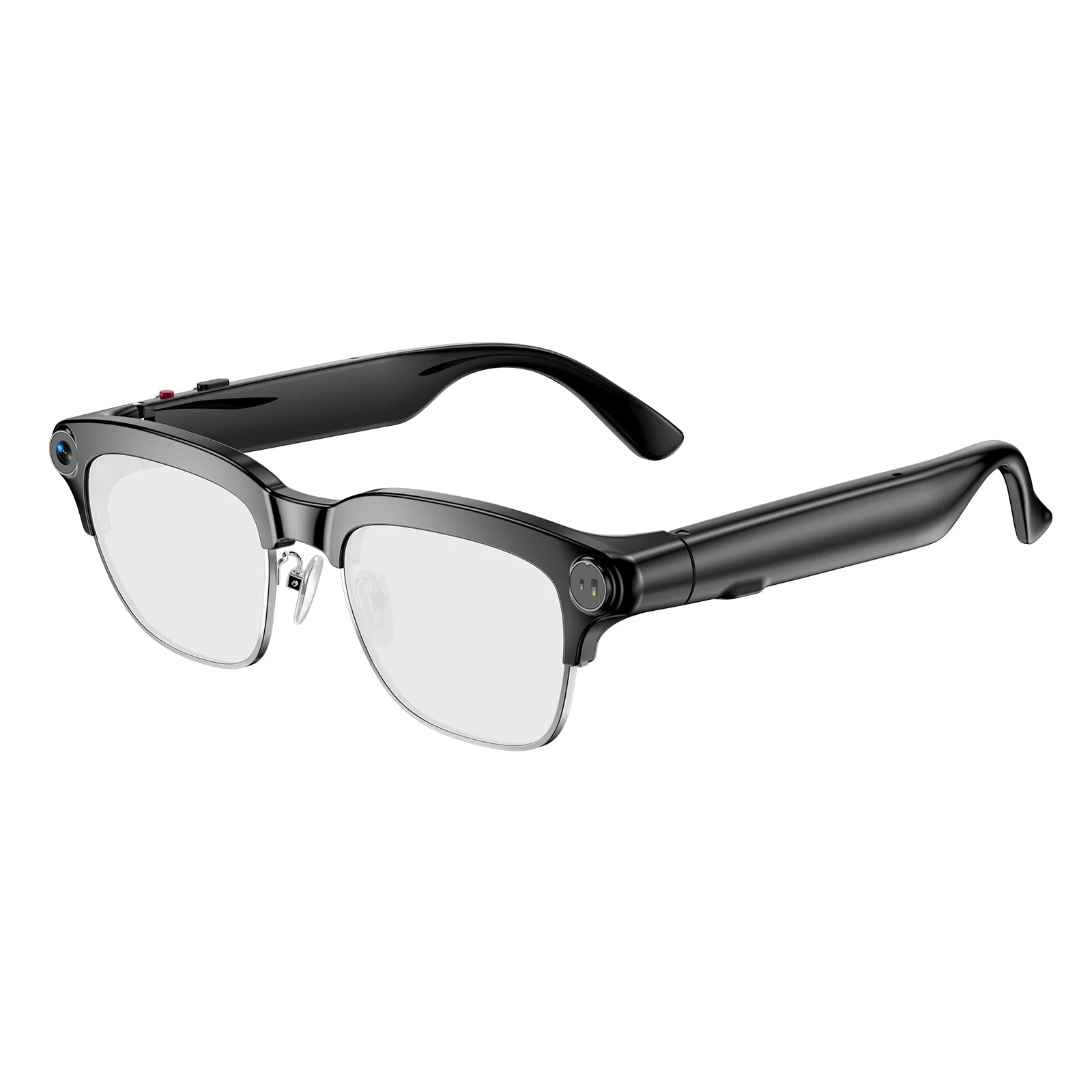
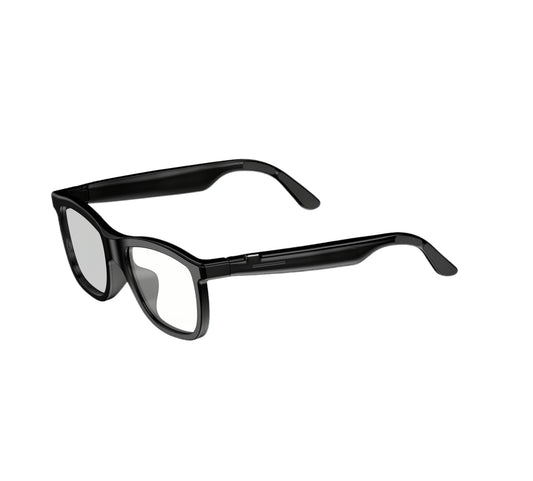
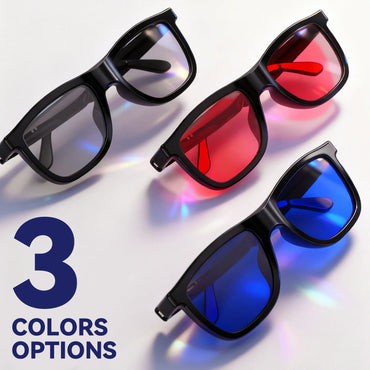
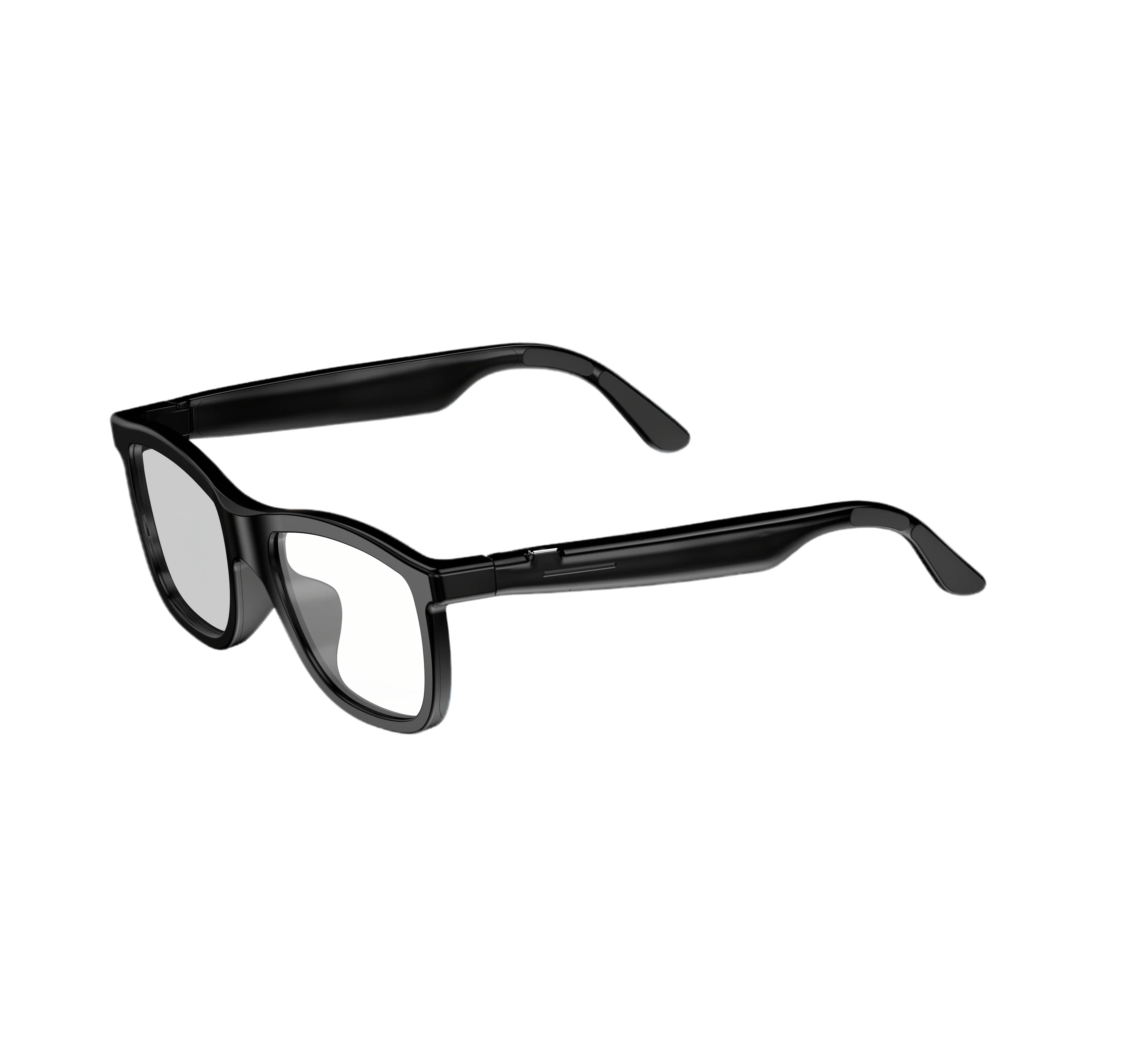
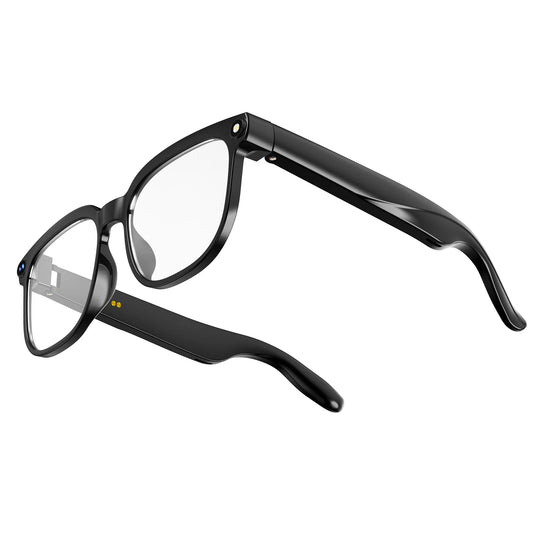
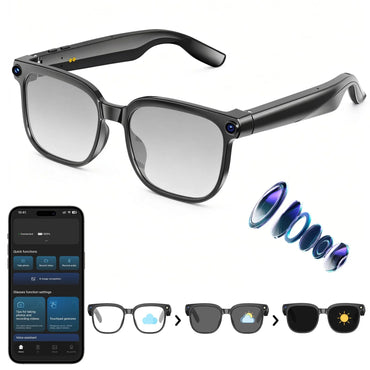
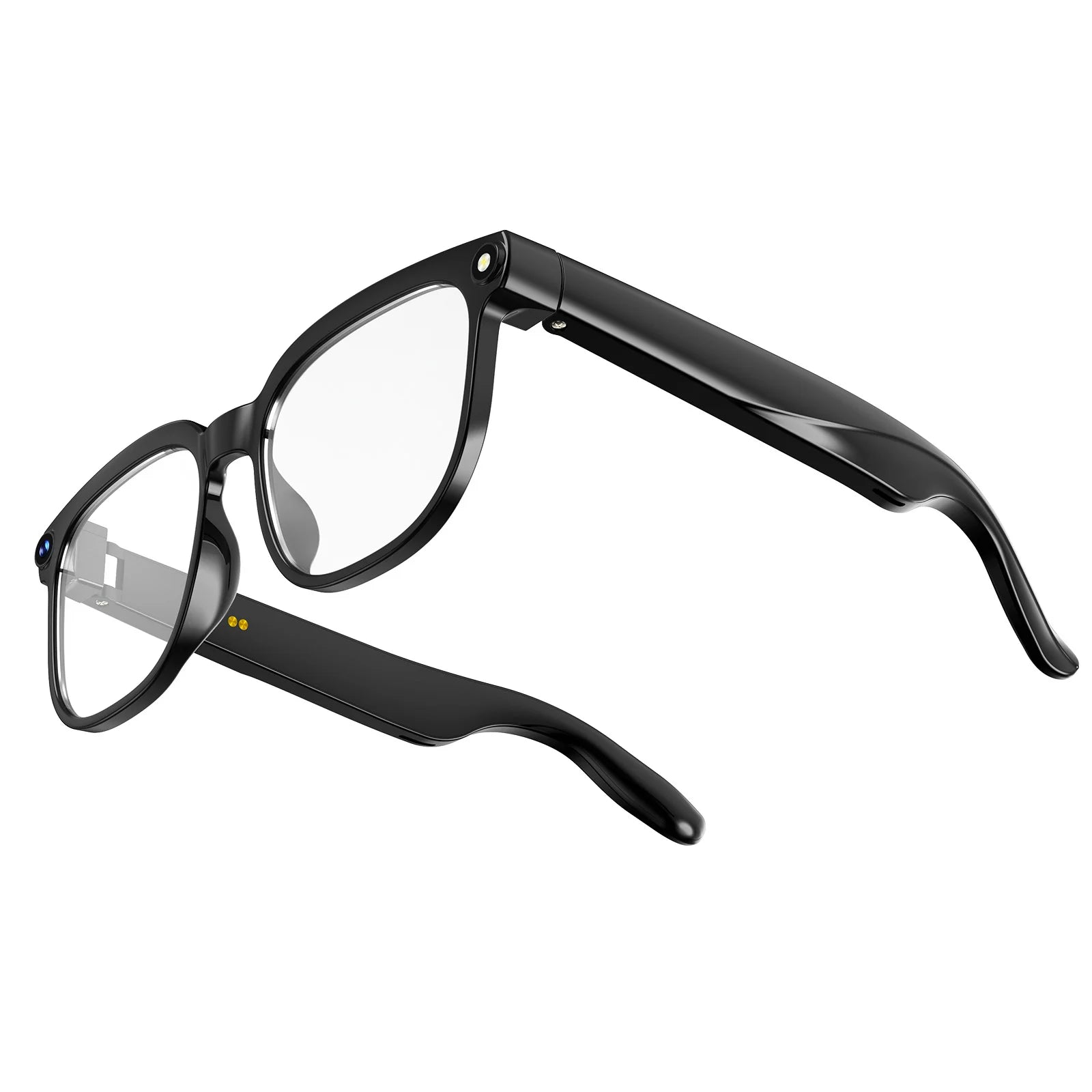
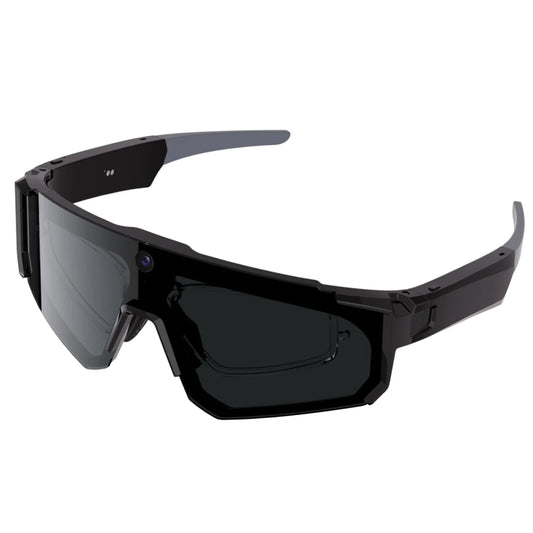
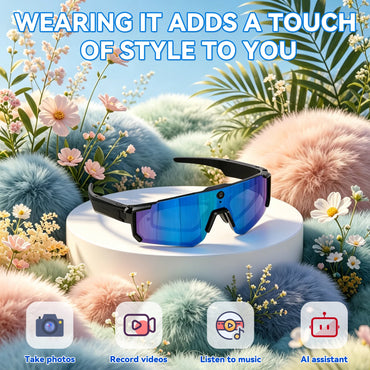
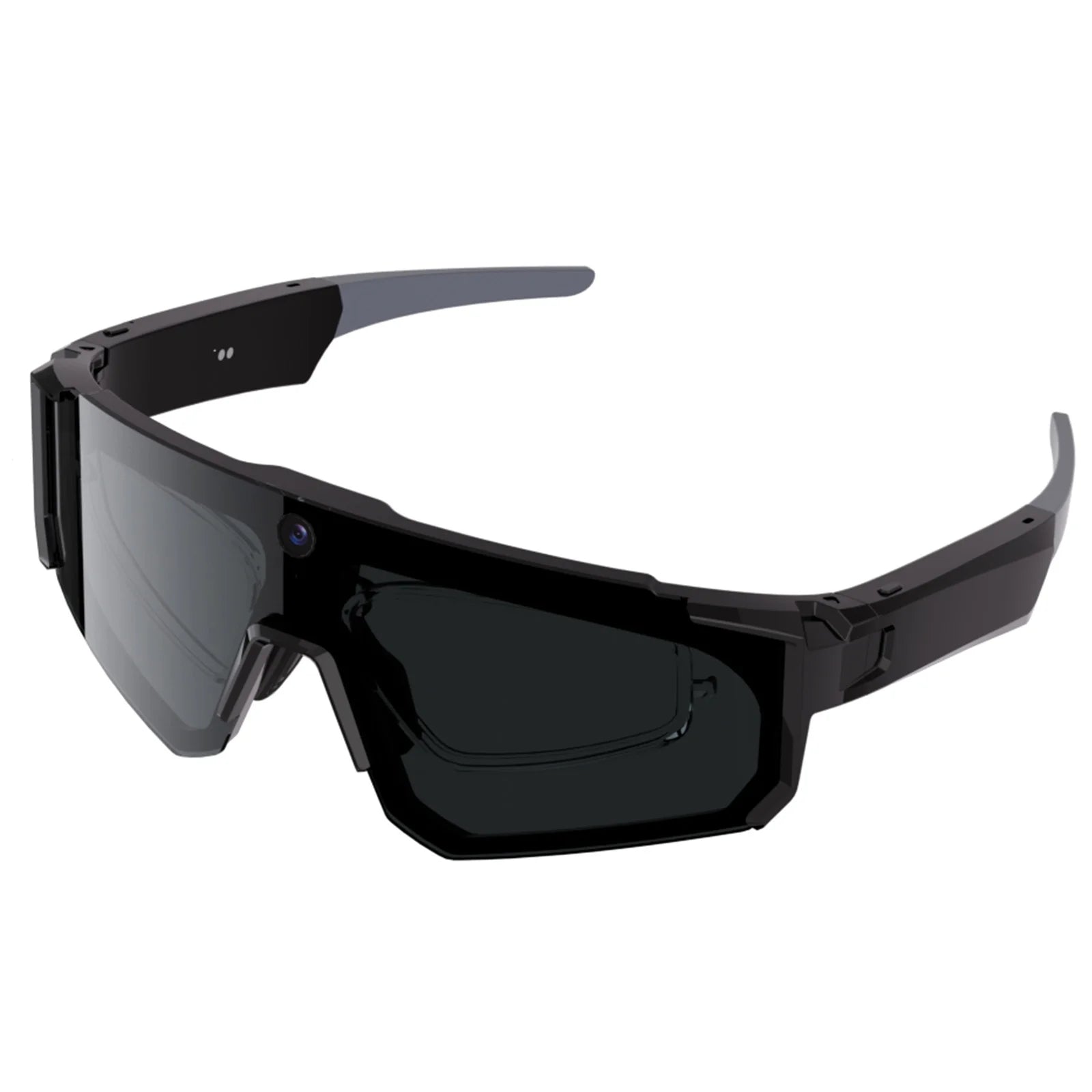





Let us confront an absolute reality in the medical and technological sectors: for decades, assistive technology for the visually impaired was defined by clunky, stigmatizing, and prohibitively expensive hardware. We refuse to accept that standard. We adamantly reject the idea that visually impaired individuals must sacrifice aesthetics for functionality. In 2026, the convergence of edge-computing artificial intelligence, miniaturized cameras, and bone-conduction audio has completely revolutionized the landscape. Today, the most effective smart glasses for blind people do not look like archaic medical devices; they look like standard, premium eyewear. They provide instantaneous text-to-speech translation, real-time spatial navigation, and seamless integration with human-in-the-loop services.

When evaluating smart glasses for blind people, you must understand that "blindness" is a broad spectrum. A patient with advanced macular degeneration requires aggressive central vision magnification, whereas an individual with profound blindness requires auditory scene description and intuitive haptic feedback. From our experience engineering advanced wearable technology at Osawalla, we know that the absolute priority for any assistive wearable is situational awareness. If a device blocks the user's ear canal with earbuds, it instantly robs them of their most vital navigational sense.
In this uncompromising, expert-led guide, we will aggressively dissect the current market to highlight the 7 best smart glasses for blind people available right now. We will cut through the corporate marketing, analyze the raw technological capabilities, and explain exactly why open-ear acoustics and intelligent camera arrays are mandatory features for true independence.
Table of Contents
- 1. The Evolution of Assistive Wearables
- 2. How to Choose the Right Assistive Eyewear
-
3. The 7 Best Smart Glasses for Blind People in 2026
- 3.1 Envision Glasses: The Dedicated AI Companion
- 3.2 eSight Go: The Gold Standard for Central Vision Loss
- 3.3 Meta Ray-Ban Gen 2: The Mainstream Integration
- 3.4 Osawalla AI Smart Glasses: The Accessible Audio Platform
- 3.5 .lumen Glasses: The Autonomous Navigation Guide
- 3.6 OrCam MyEye: The Premier Clip-On Reader
- 3.7 Vision Buddy: The Contrast Optimizer
- 4. The Osawalla Perspective: Audio Transparency is Non-Negotiable
- 5. Summary Matrix: Smart Glasses for Blind People Compared
- 6. Frequently Asked Questions (FAQs)
- 7. Authoritative References
1. The Evolution of Assistive Wearables
Historically, individuals seeking visual assistance were forced to carry heavy handheld magnifiers or standalone text scanners. The modern iteration of smart glasses for blind people operates on a completely different, frictionless paradigm. By placing a high-resolution camera directly at eye level, the hardware tracks exactly what the user is facing in real-time. This "point-of-view" processing allows integrated artificial intelligence models to instantly read restaurant menus, identify currency denominations, and describe the surrounding environment directly into the user's ear.
We recommend categorizing these devices into two distinct engineering philosophies. The first is dedicated electronic vision. These are specialized headsets featuring internal micro-OLED screens that manipulate the video feed in real-time, drastically boosting contrast, altering color spectrums, and zooming in on specific objects. They are engineered strictly for low-vision users. The second philosophy relies on AI and audio feedback, utilizing discreet frames to act as a digital assistant. As we have noted in our latest smart glasses 2026 guide, the integration of advanced Large Language Models (LLMs) into consumer eyewear has completely blurred the line between mainstream technology and assistive medical devices.
2. How to Choose the Right Assistive Eyewear
When procuring smart glasses for blind people, you cannot afford to guess. You must evaluate the technology against three uncompromising pillars: Audio Transparency, Ecosystem Integration, and Battery Endurance.
- Pillar 1: Audio Transparency. Blindness requires the heightened utilization of auditory input. If you purchase a pair of smart glasses for blind people that require the user to insert earbuds, you are actively endangering their life. They will not hear the electric vehicle approaching the crosswalk or the subtle spatial cues of their environment. The audio must be delivered directly to the ear canal via directional speakers or bone conduction, without physically obstructing it.
- Pillar 2: Ecosystem Integration. A standalone device that cannot communicate with a smartphone is a dead-end investment. The best smart glasses for blind people must seamlessly connect to existing accessibility applications. Whether it is Apple's VoiceOver, Android's TalkBack, or specialized human-in-the-loop apps like Be My Eyes, the hardware must act as a frictionless conduit.
- Pillar 3: Battery Endurance. An assistive device is not a novelty; it is a critical lifeline. If a visually impaired user is navigating a complex transit system and their glasses die, they are left stranded. You must prioritize hardware that offers extended continuous audio playback and rapid-charging capabilities.
3. The 7 Best Smart Glasses for Blind People in 2026
After rigorous evaluation of optical character recognition (OCR) speeds, ergonomic comfort, and clinical efficacy, we have identified the premier options that provide uncompromising value and independence.
3.1 Envision Glasses: The Dedicated AI Companion
If you demand a dedicated, medical-grade assistive tool, the Envision Glasses remain an absolute industry benchmark. Built upon the rugged Google Glass Enterprise Edition 2 chassis, this system is engineered specifically for individuals with severe vision loss. The software includes an advanced AI assistant named "Ally" that can scan complex documents, read cursive handwriting, and accurately identify the faces of friends in a crowded room. We highly respect Envision because it prioritizes functional independence above all else. However, it commands a significant premium price tag and often requires a monthly software subscription, which places it out of reach for many consumers.
3.2 eSight Go: The Gold Standard for Central Vision Loss
For individuals suffering from macular degeneration or diabetic retinopathy, audio-based smart glasses for blind people are insufficient. These users need to maximize their remaining peripheral vision. The eSight Go functions as an advanced electronic magnifier. It captures the environment through a high-definition front-facing camera and displays the enhanced, magnified image on internal micro-screens positioned directly in front of the eyes. By aggressively zooming and boosting contrast, the eSight Go effectively forces the user's peripheral vision to process the central blind spot. It is unmistakably a medical device in its form factor, but its clinical efficacy for acuities ranging from 20/60 to 20/800 is undeniable.
3.3 Meta Ray-Ban Gen 2: The Mainstream Integration
The Meta Ray-Ban Gen 2 represents a massive, highly publicized disruption in the assistive technology sector. While marketed aggressively as consumer eyewear, its deep integration with the "Be My Eyes" platform has transformed it into one of the most popular smart glasses for blind people globally. A user can simply double-tap a button on the frame to initiate a video call with a sighted volunteer, who can then verbally guide them through a grocery store using the glasses' 12MP ultrawide camera. We highly recommend this model for users who want discreet, stylish assistance without the stigma of wearing a bulky clinical device.
3.4 Osawalla AI Smart Glasses: The Accessible Audio Platform
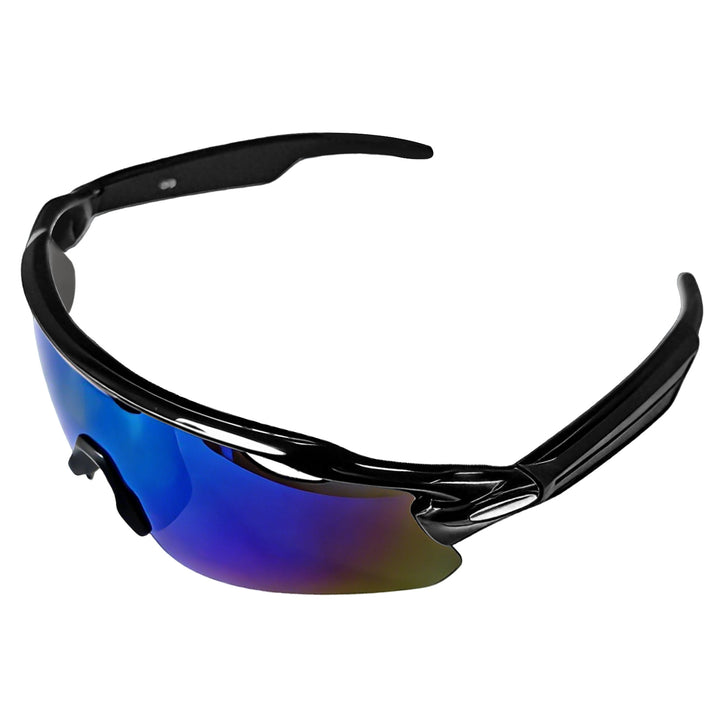
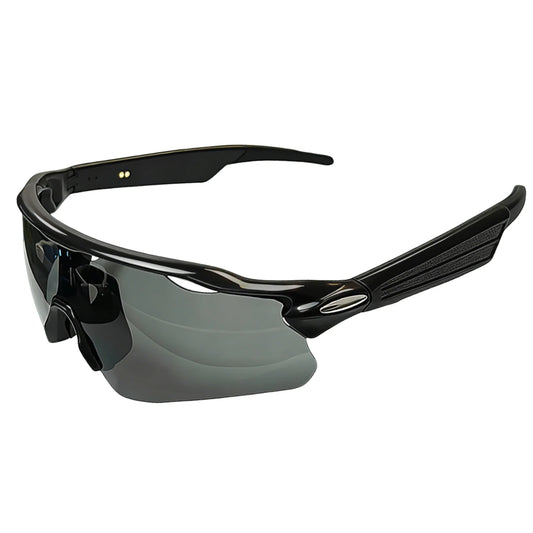
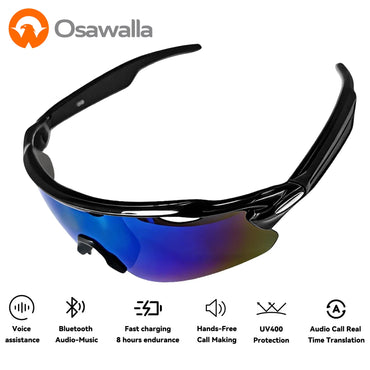
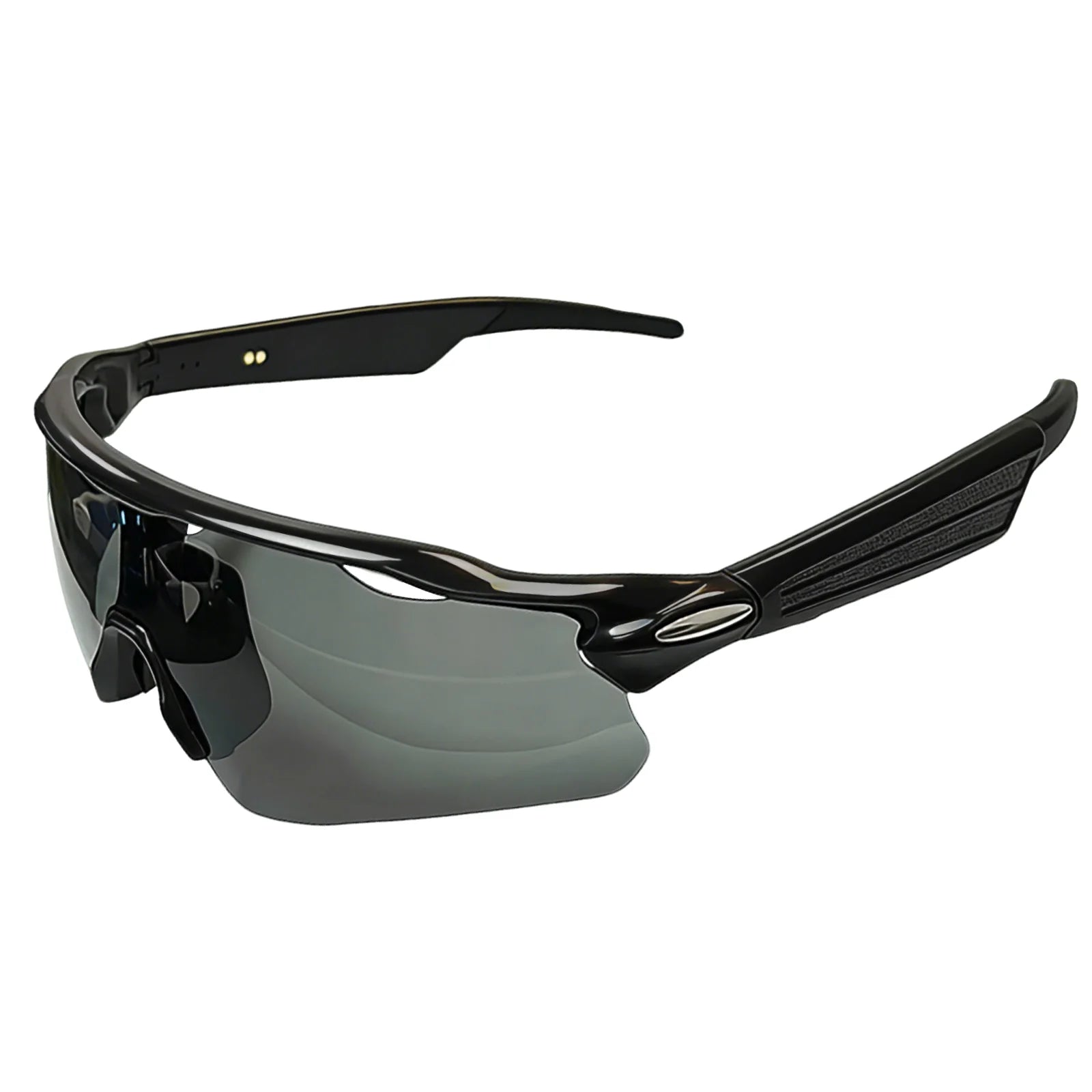
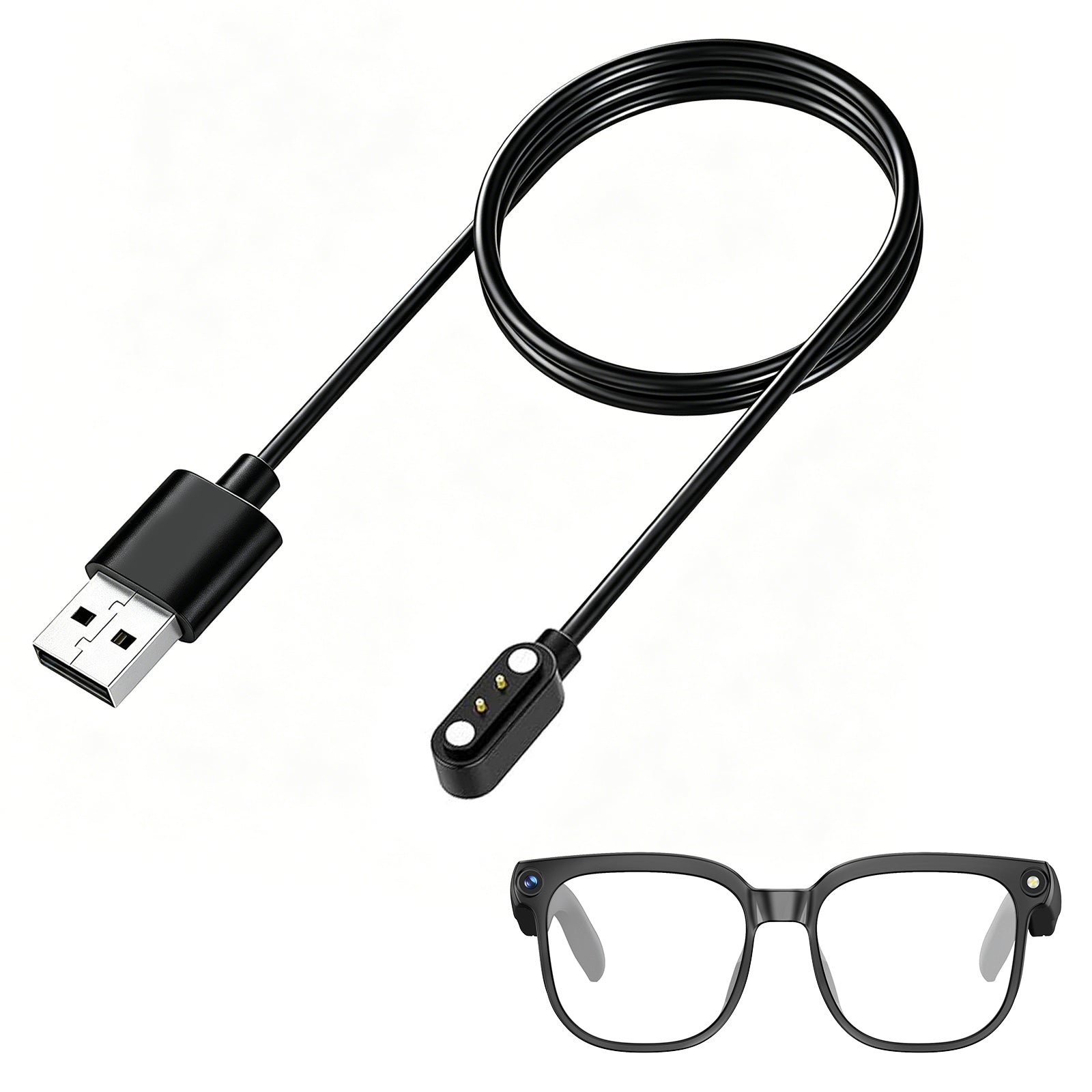
At Osawalla, we engineer our technology to empower every user without extorting them. When evaluating the market, we realized that extreme pricing was a massive barrier to entry. Our AI smart glasses with camera provide the essential hardware required for visual assistance at a fraction of the cost of medical devices. Featuring a discreet 5MP camera capable of 1080p point-of-view recording, dual noise-canceling microphones, and an integrated AI voice assistant, these frames seamlessly connect to your smartphone's native accessibility applications.
Most importantly, our design utilizes perfectly tuned open-ear directional speakers. As detailed in our comprehensive smart glasses with camera review, our open-ear technology allows the user to hear AI navigational prompts and scene descriptions while maintaining absolute 360-degree auditory awareness of their physical surroundings.
3.5 .lumen Glasses: The Autonomous Navigation Guide
Currently making massive waves as one of the top new smart glasses 2026 has to offer, the .lumen headset approaches blindness from a purely spatial perspective. Rather than focusing on reading text, .lumen utilizes advanced technology similar to pedestrian autonomous driving. The headset rapidly maps the physical geometry of the sidewalk, detecting obstacles, stairs, and safe walking paths. It then communicates this spatial data to the user through intuitive haptic feedback (vibrations) across the head. It essentially replicates the core spatial functions of a guide dog in a highly advanced wearable format.
3.6 OrCam MyEye: The Premier Clip-On Reader
While technically an attachable module rather than full standalone eyewear, the OrCam MyEye is a legendary piece of assistive technology that must be included. It magnetically mounts to any pair of standard prescription glasses or sunglasses. When the user points at a menu, a street sign, or a product package, the OrCam instantly reads the text aloud using advanced optical character recognition. Crucially, it operates entirely offline, meaning it functions flawlessly in areas with zero cellular reception. It is an incredibly powerful tool for navigating the physical world securely.
3.7 Vision Buddy: The Contrast Optimizer
Vision Buddy is specifically engineered to solve the chronic challenges of viewing digital screens and television. For individuals with low vision, watching a standard television from a couch is often impossible. The Vision Buddy headset connects directly to a television's cable box or streaming device and transmits the high-definition video feed directly to the screens inside the headset. This allows the user to watch movies with aggressive optical magnification and contrast enhancement, without forcing the rest of the family to sit three inches from the screen.
4. The Osawalla Perspective: Audio Transparency is Non-Negotiable
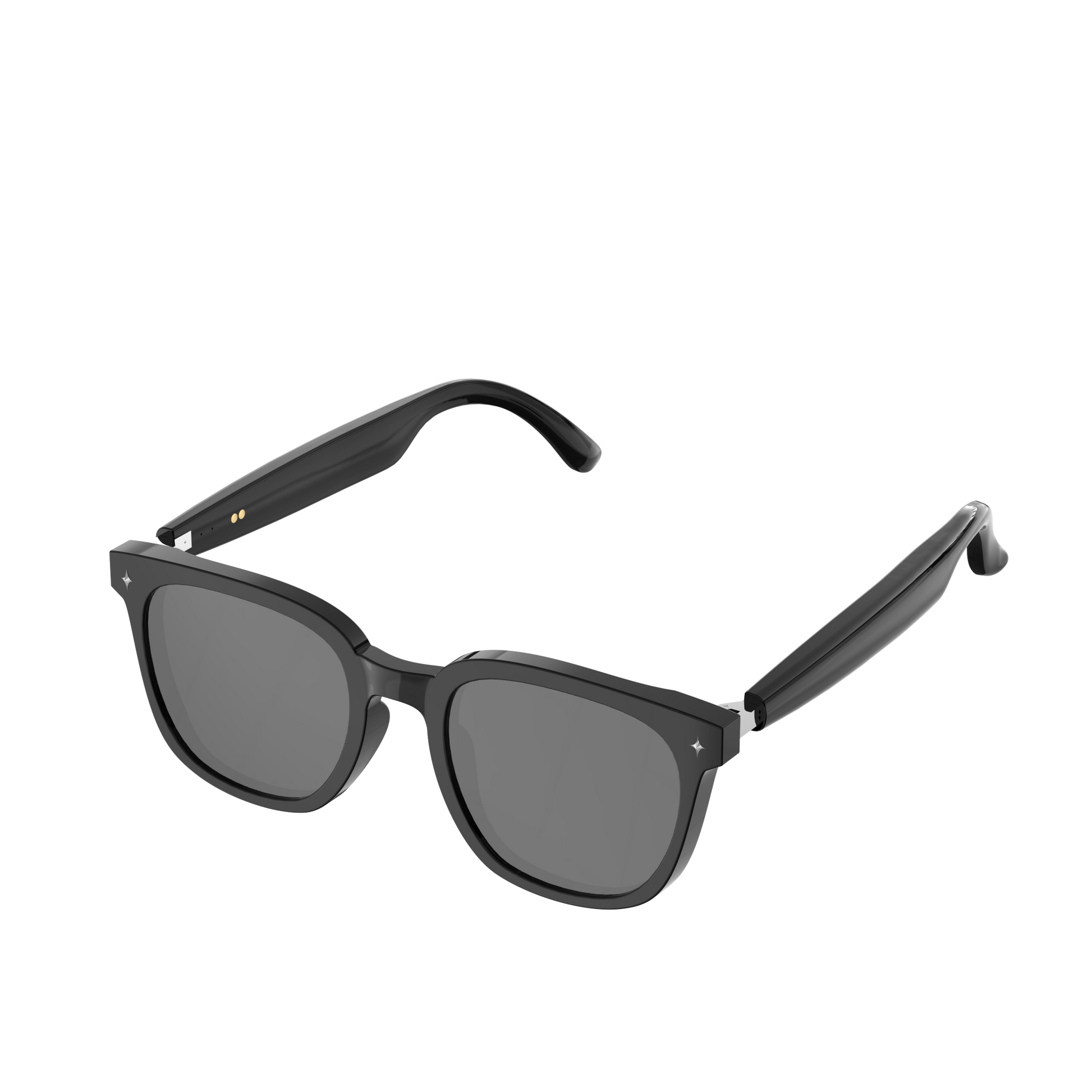
From our rigorous experience developing the Bluetooth smart audio glasses, we understand that wearing a device for fourteen hours a day requires uncompromising comfort and battery efficiency. Assistive smart glasses for blind people are utterly useless if they cause severe pressure headaches or run out of battery before noon.
When you analyze the broader market, as we did in our critical Apple smart glasses analysis, it is abundantly clear that the industry is pivoting toward lightweight, untethered designs. We engineered our GG04 smart audio glasses to weigh an astonishingly low 33 grams. This relentless focus on weight reduction ensures that a visually impaired user can wear the technology comfortably from morning until night. Furthermore, integrating multi-language translation and AI interaction ensures that the hardware remains highly relevant across diverse smart glasses applications 2026, empowering users to navigate the world safely and independently.
5. Summary Matrix: Smart Glasses for Blind People Compared
To assist in your final procurement decision, we have synthesized the core operational advantages of the industry's top devices into this uncompromising reference matrix.
| Device Model | Primary Assistive Function | Target Vision Profile | Key Engineering Advantage |
|---|---|---|---|
| Envision Glasses | Advanced OCR & AI Scene Description | Total Blindness to Low Vision | Dedicated "Ally" AI with offline reading capabilities. |
| eSight Go | Real-Time Electronic Magnification | Central Vision Loss (Macular Degeneration) | Forces peripheral vision to compensate for central blind spots. |
| Meta Ray-Ban Gen 2 | AI Queries & Volunteer Video Calling | Total Blindness to Low Vision | Deep integration with the Be My Eyes platform. |
| Osawalla AI Glasses | Accessible Audio & POV Camera Feeds | Total Blindness to Low Vision | Unmatched open-ear auditory transparency and affordability. |
| .lumen Glasses | Spatial Mapping & Navigation | Total Blindness | Autonomous pedestrian driving technology with haptic feedback. |
| OrCam MyEye | Attachable Optical Character Recognition | Total Blindness to Low Vision | Mounts to any existing glasses; operates 100% offline. |
| Vision Buddy | Television & Screen Magnification | Low Vision | Direct hardwired streaming to internal headset displays. |
6. Frequently Asked Questions (FAQs)
Are smart glasses for blind people covered by health insurance or Medicare?
In the vast majority of cases, no. Currently, most insurance providers in the United States classify smart glasses for blind people as "convenience items" rather than durable medical equipment. However, we strongly advise checking with the Department of Veterans Affairs (VA) or state-run vocational rehabilitation programs, as they frequently approve funding for assistive technology if it enables the user to maintain employment or attend university.
How do smart glasses actually read text to a blind person?
The technology relies on Optical Character Recognition (OCR). The camera mounted on the frames captures a high-resolution image of the text (like a restaurant menu or a piece of mail). The software rapidly analyzes the geometry of the pixels, converts them into digital text, and then utilizes a Text-to-Speech (TTS) synthesizer to read the words aloud through the device's open-ear speakers.
What is the difference between AR glasses and AI glasses for visual impairment?
Augmented Reality (AR) glasses, like the eSight Go, feature internal screens that physically display a modified, magnified, or contrast-enhanced video feed directly into the user's eyes. They are built for low-vision users who still have some functional sight. AI glasses, like the Osawalla models or Meta Ray-Bans, do not have screens. They use cameras to look at the world and speakers to verbally describe it, making them the superior choice for users with total blindness.
7. Authoritative References
To ensure your understanding of assistive technology aligns with verified clinical standards, we strongly advise consulting the following specialized organizations:
- American Foundation for the Blind (AFB): The definitive national resource providing rigorous evaluations, accessibility guidelines, and advocacy for emerging wearable technologies designed for the visually impaired.
- National Eye Institute (NEI): Authoritative clinical documentation detailing the pathology of low vision diseases, central vision loss, and the clinically proven efficacy of electronic magnification devices.


