






From our experience in the wearable technology sector, we know that true innovation is not about packing a device with unnecessary gimmicks; it is about solving real-world human problems. For the visually impaired and blind community, artificial intelligence has transitioned from a theoretical concept to an absolute daily lifeline. The Best AI glasses for blind users in 2026 are not just accessories—they are essential navigation, translation, and environmental awareness tools that profoundly restore independence and autonomy.

We test and analyze wearable technology daily at Osawalla, and we have seen a disturbing trend of companies overpromising and underdelivering on accessibility tech. When a user relies on a device to read a medication bottle or identify an oncoming obstacle, latency, battery failure, or poor camera resolution are not just inconveniences; they are critical safety hazards. We recommend taking a highly critical approach when evaluating these devices. You need robust hardware paired with edge-computing AI that does not solely rely on a perfect cellular connection.
In this comprehensive guide, we will break down the absolute Best AI glasses for blind and low-vision individuals currently on the market. We have evaluated these based on camera acuity, object recognition speed, battery life, wearability, and audio feedback clarity. Whether you are looking for dedicated medical devices or versatile smart eyewear with powerful accessibility features, this list covers the definitive solutions for 2026.
Table of Contents
- Expert Criteria: Choosing the Best AI Glasses for Blind Users
- 1. Osawalla GP08 AI Smart Glasses with Camera
- 2. Envision Glasses 2.0
- 3. Osawalla GG06 Smart Electrochromic Glasses
- 4. OrCam MyEye 3
- 5. eSight 5
- 6. Seleste Smart Glasses
- 7. Aira Horizon Smart Glasses
- 8. NuEyes Pro 3
- 9. ARxVision Headset
- Summary Comparison Table
- Frequently Asked Questions (FAQs)
- Expert References
Expert Criteria: Choosing the Best AI Glasses for Blind Users
When searching for the Best AI glasses for blind individuals, you must demand uncompromising performance. A standard consumer camera might be fine for snapping a social media picture, but accessibility tech requires a different standard. First, look for a high-definition CMOS sensor. The camera must be able to read small text in poorly lit environments. We have seen many smart glasses for video recording fail this test because their sensors lack dynamic range.
Second, prioritize open-ear audio technology. A visually impaired person relies heavily on their natural hearing for spatial awareness. Blocking the ear canal with earbuds to hear the AI assistant is dangerous. The device must use directional speakers embedded in the temples. Finally, consider processing speed. The Best AI glasses for blind users utilize advanced on-board chips to process text and recognize objects instantly, rather than sending data to a cloud server and waiting for a response. Delays in object recognition can lead to physical accidents.
1. Osawalla GP08 AI Smart Glasses with Camera
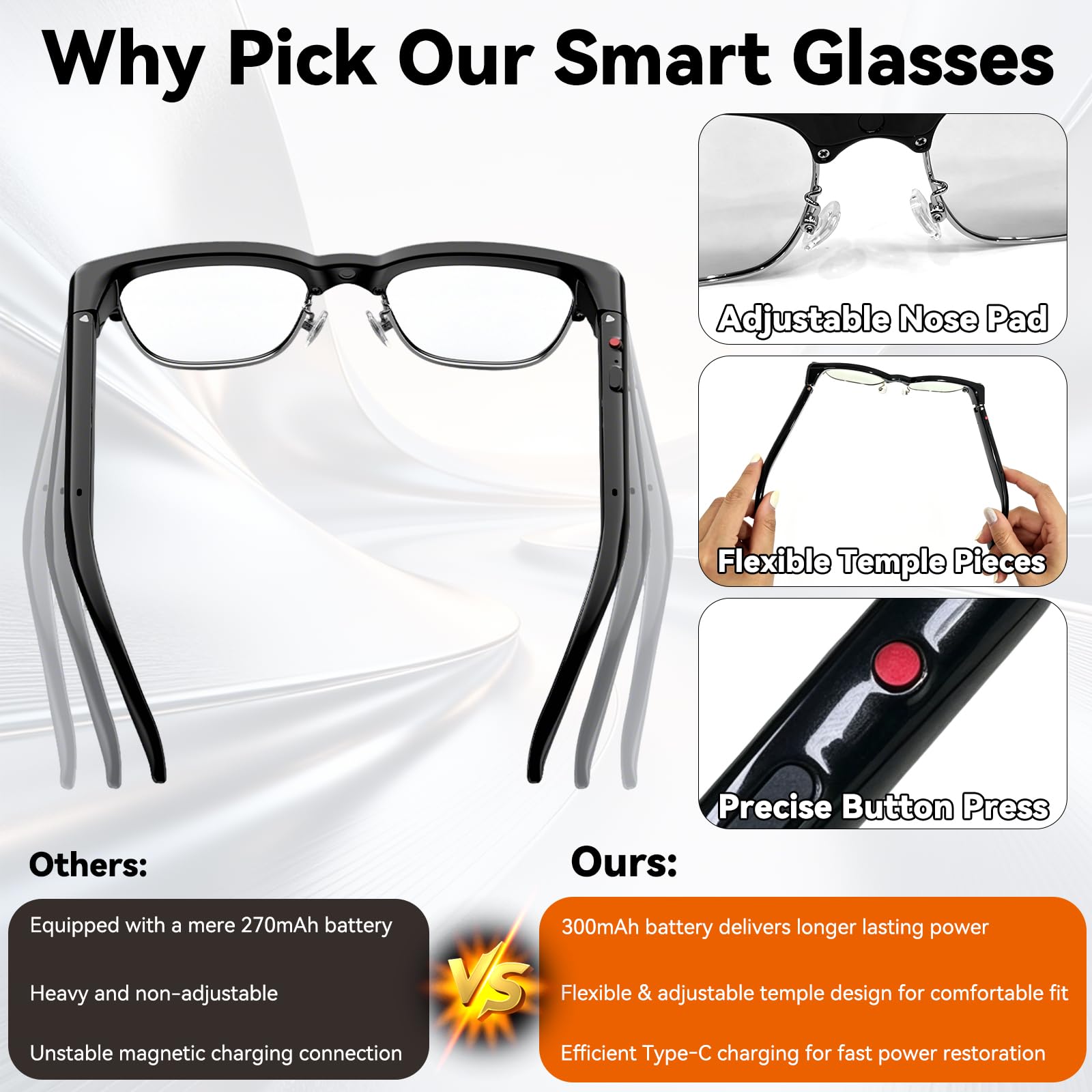
The Ultimate Versatile AI Companion
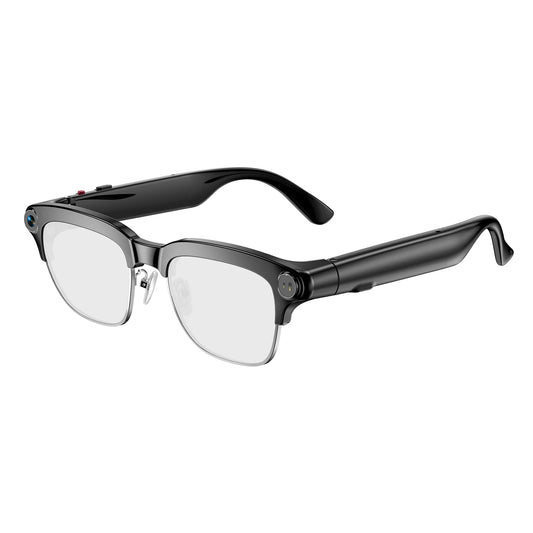
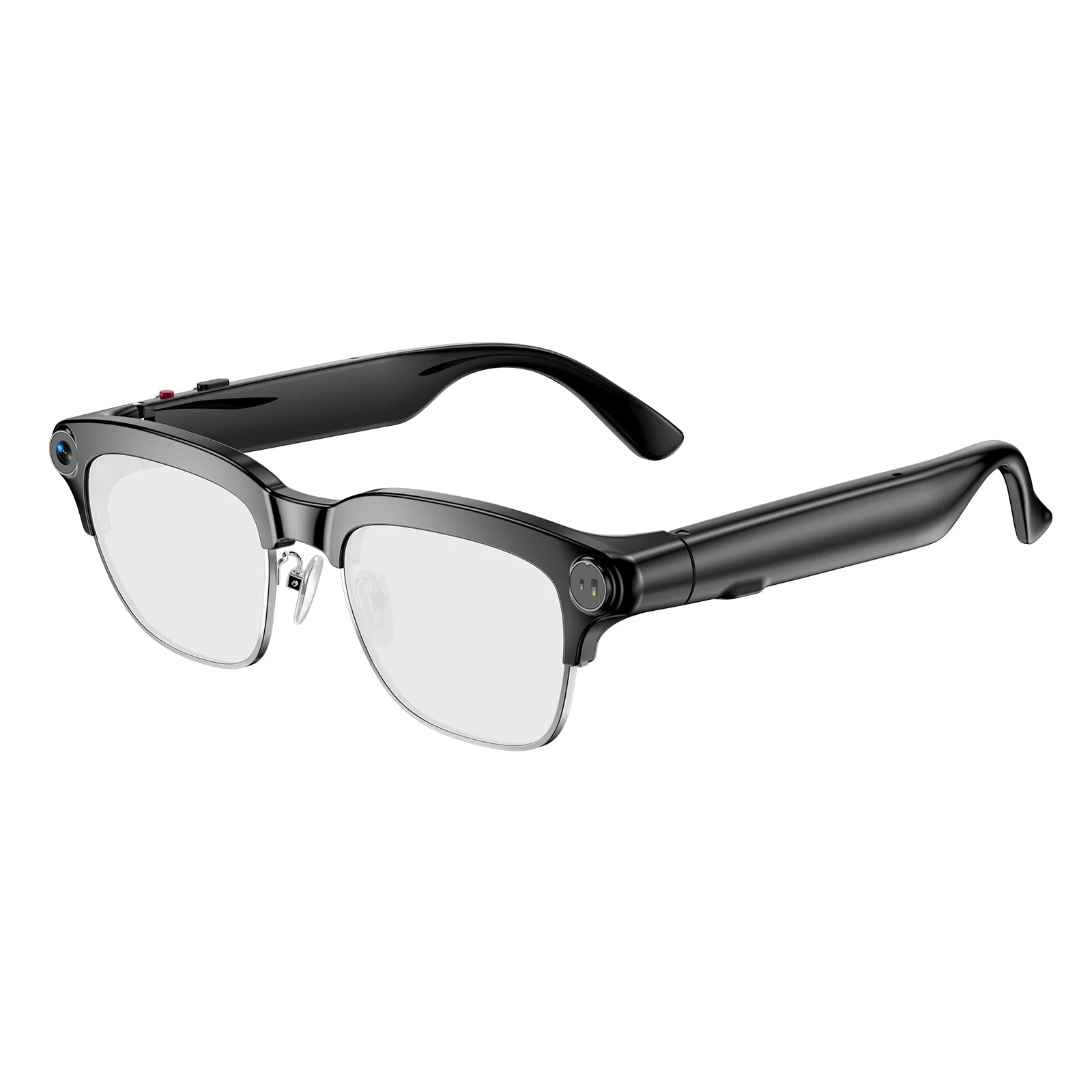
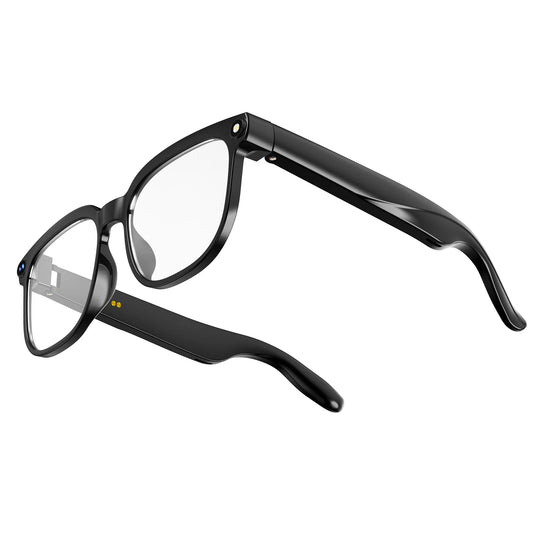
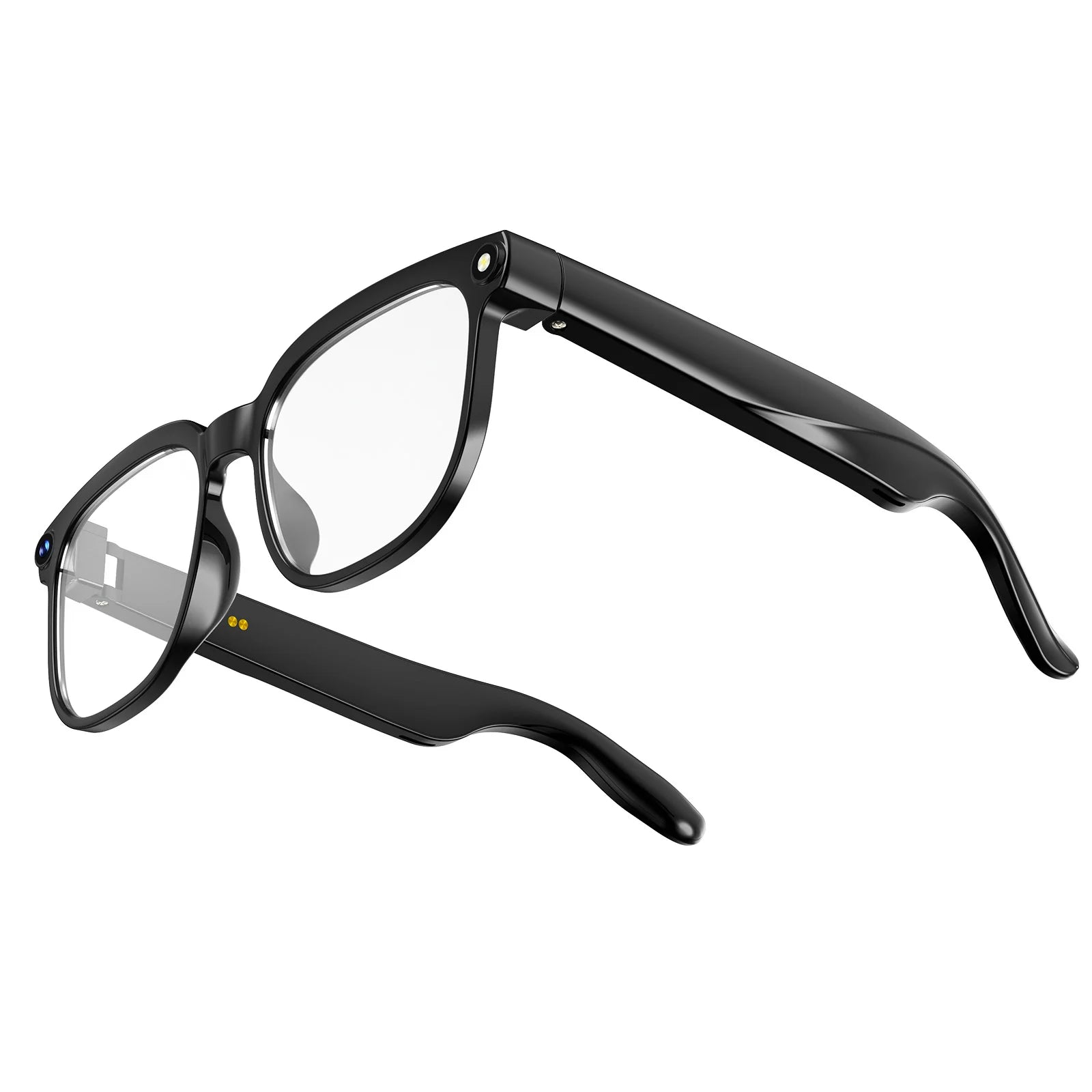
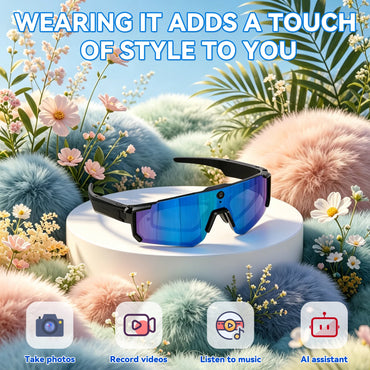
From our extensive internal testing, the GP08 Ai Smart Glasses with Camera represent a massive leap forward in accessible wearable tech. While designed as a versatile smart device, its feature set perfectly aligns with the needs of the low-vision community.
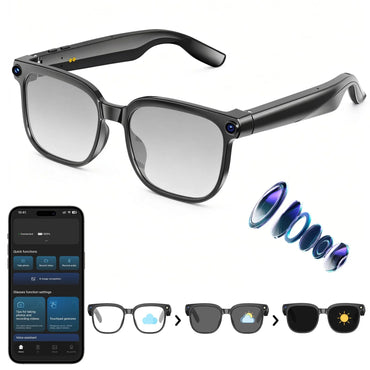
- AI Object Recognition: The standout feature is the integrated AI object recognition. Powered by an 8MP CMOS sensor and advanced anti-shake technology, these glasses accurately identify scenes, landmarks, and objects in real-time. This provides a constant, reliable audio stream of environmental awareness.
- Continuous AI Dialogue: The built-in AI voice assistant supports continuous dialogue and follow-up questions without repeated wake-up commands. This hands-free, conversational interface is crucial for users who cannot navigate complex tactile menus.
- Real-Time Translation: For visually impaired travelers, the two-way real-time translation across 100+ languages facilitates natural face-to-face interactions.
- Comfort & Battery: Elastic, expandable legs and adjustable nose pads deliver all-day comfort. The 300mAh battery offers up to 7 hours of audio playback, perfectly meeting daily usage needs with a fast 2-hour Type-C charge.
- Open-Ear Audio: Utilizing Bluetooth 5.4 with an open-ear design and dual acoustic ports, the GP08 delivers crisp, clear sound while keeping the user's ears completely open to ambient environmental noises—a vital safety feature.
2. Envision Glasses 2.0
Widely regarded in the medical tech industry, the Envision Glasses are built on the enterprise edition of Google Glass. We recommend Envision for users who need industrial-strength Optical Character Recognition (OCR). The software is exceptionally good at reading handwritten notes, street signs, and complex documents out loud. It also features a video-calling function that allows a sighted friend or family member to see through the camera and guide the user in real-time. While the price tag is steep, its dedicated focus on total blindness makes it one of the Best AI glasses for blind users who require robust document reading capabilities. For those interested in how major tech players compare, our Apple smart glasses analysis explores the shifting landscape of enterprise versus consumer AR.
3. Osawalla GG06 Smart Electrochromic Glasses
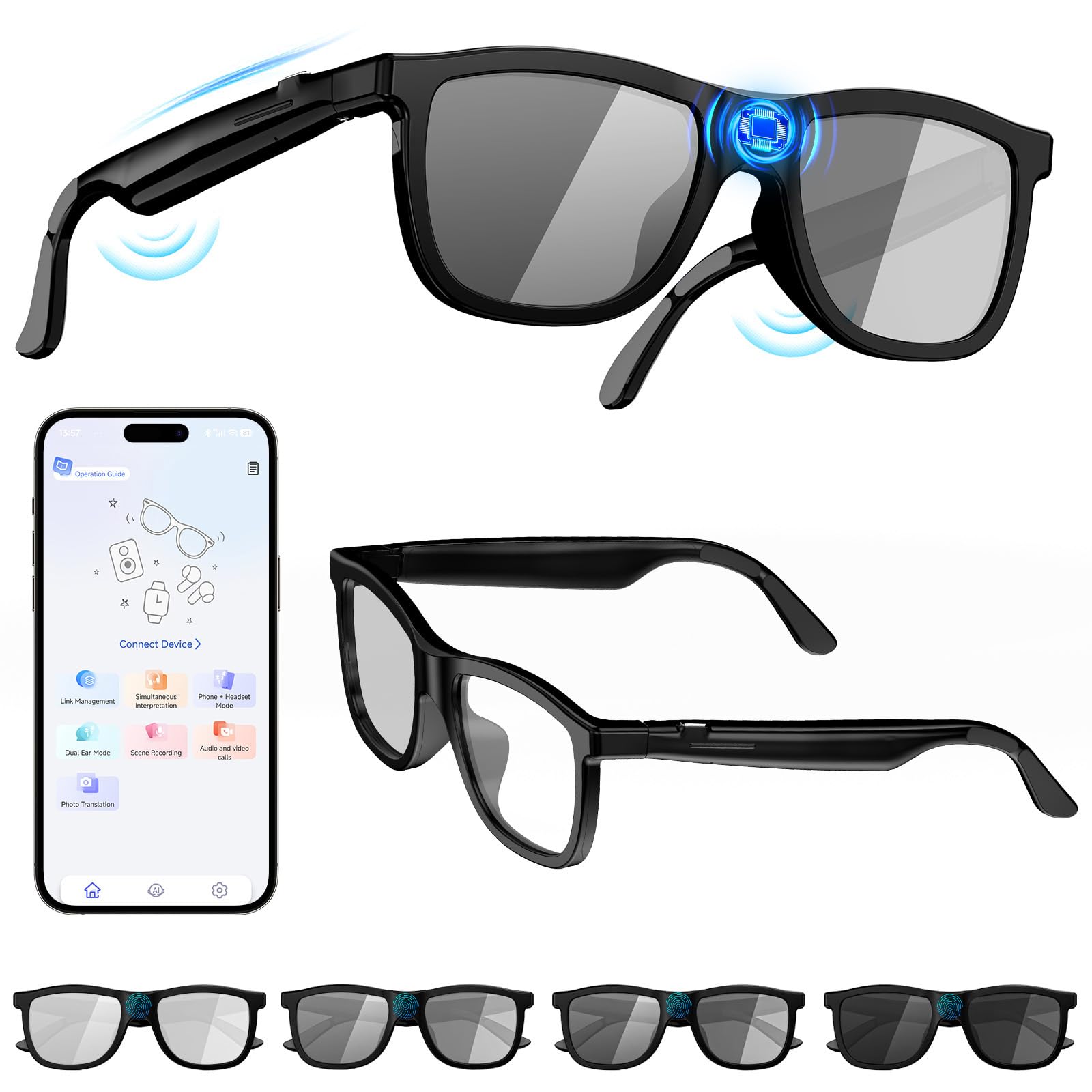
The Solution for Photophobia and Glare Sensitivity
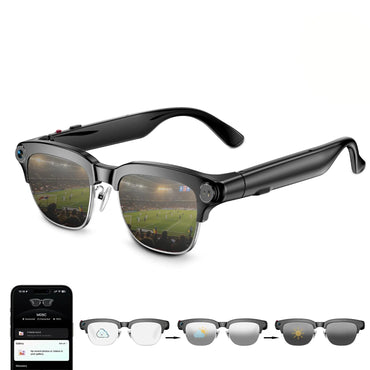
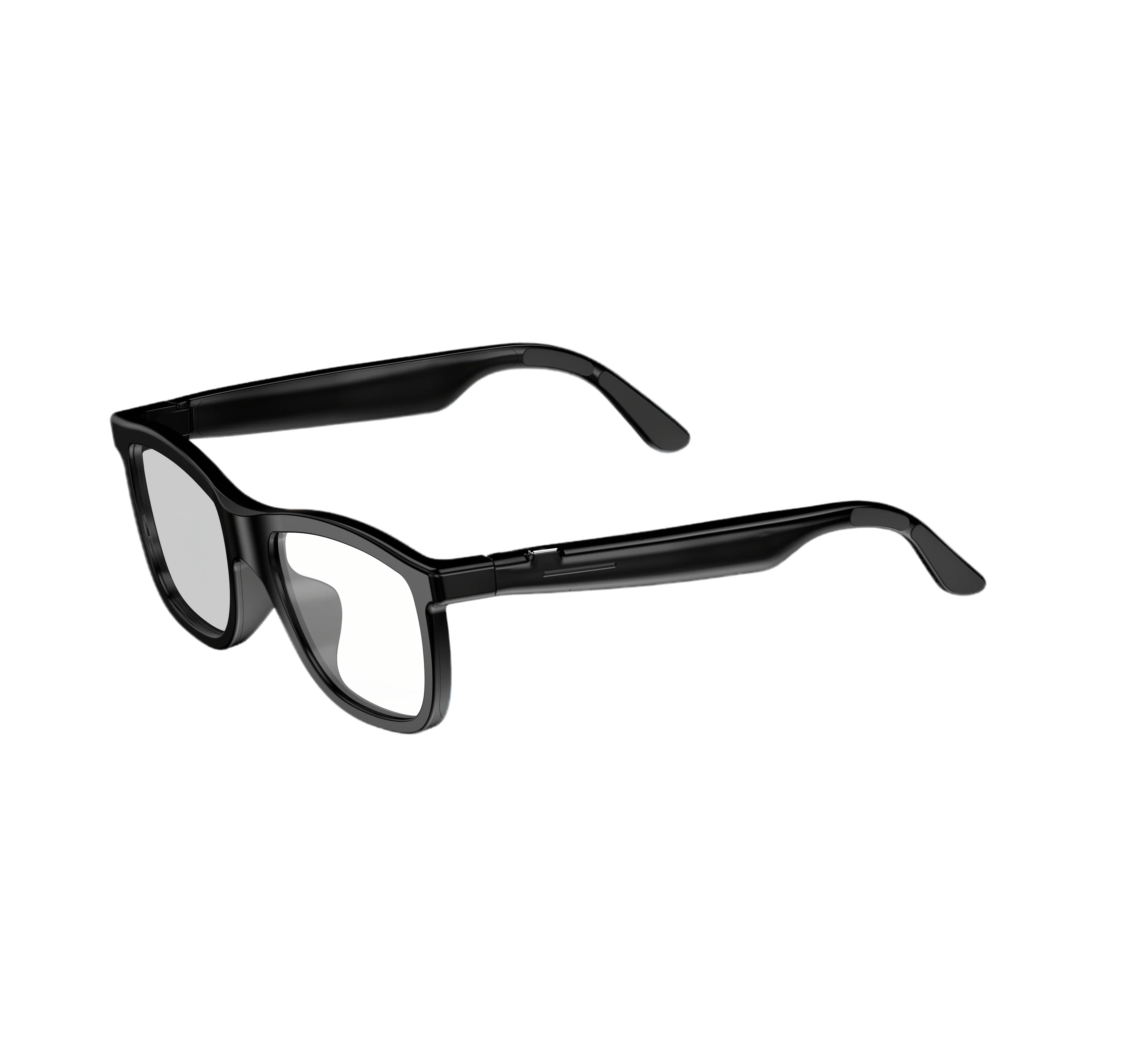
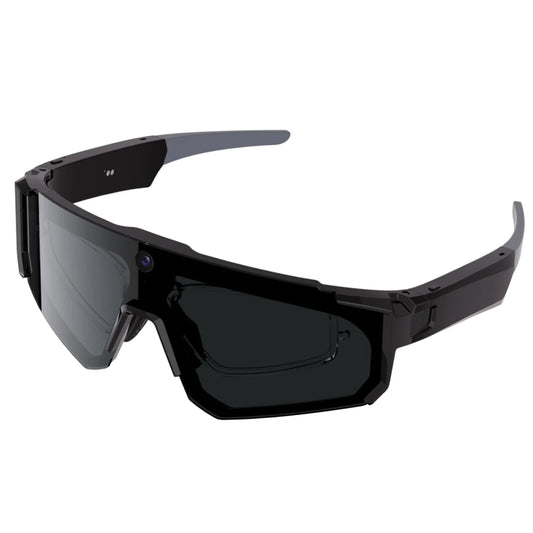
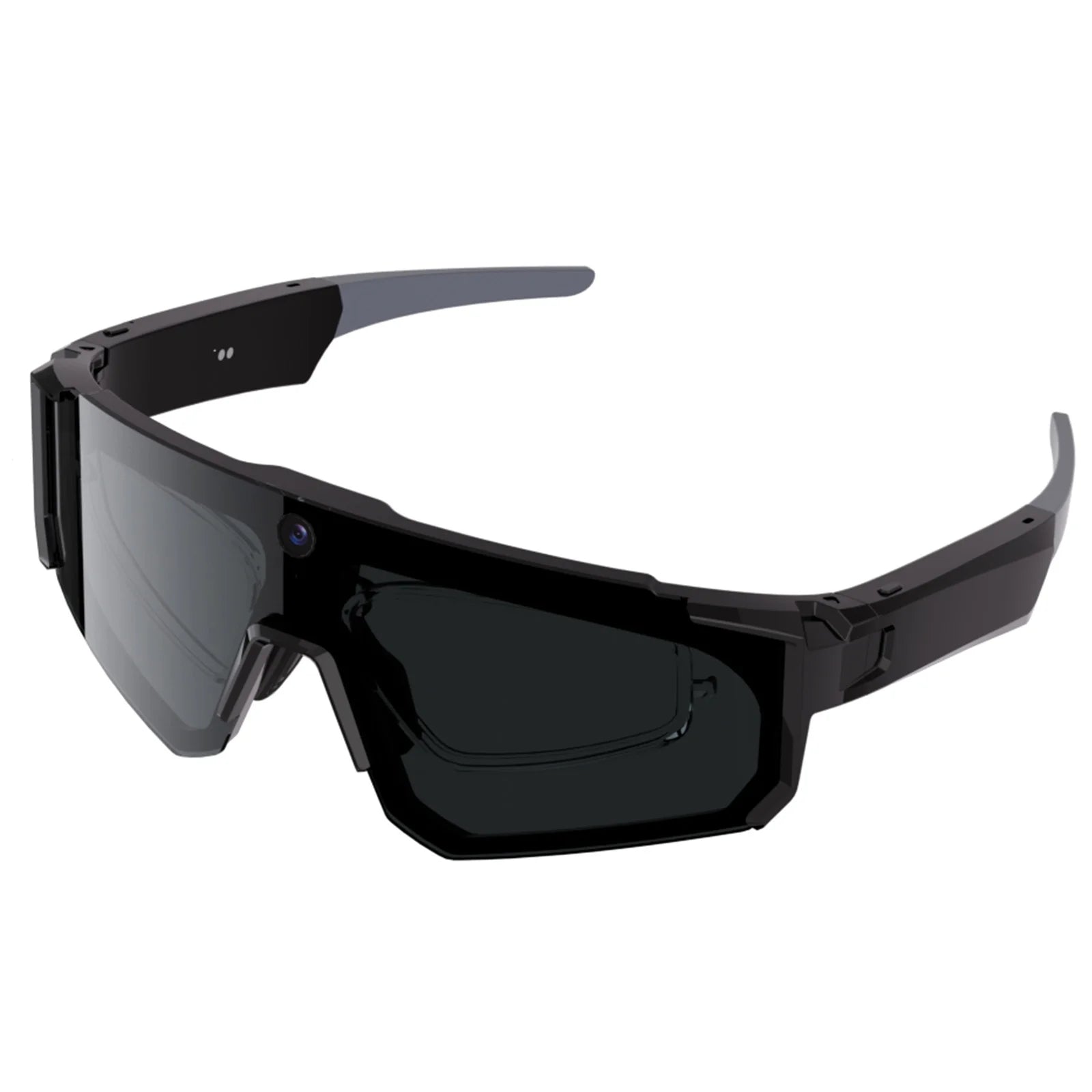
Many individuals classified as legally blind or visually impaired suffer from extreme light sensitivity (photophobia) or glare blindness. For these users, controlling light intake is just as important as AI audio feedback. This is where the GG06 Smart Electrochromic Glasses excel.
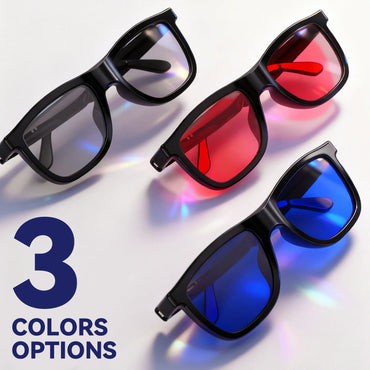
- Electronic Instant Dimming: Powered by advanced electrochromic tech, these smart glasses shift from clear to dark in just 0.5 seconds. You do not have to wait for a UV reaction like standard transition lenses.
- Adjustable Tint Control: Users can simply slide or touch the frame to cycle through 4 brightness levels instantly. This allows users to customize their visual comfort immediately when moving from bright outdoor sunlight to a dimly lit indoor space.
- Superior to Standard Photochromic: Unlike standard transition lenses that fail inside cars because windshields block UV rays, the GG06 works perfectly in any environment.
- Bluetooth 5.4 Audio: Built-in stable Bluetooth connectivity supports clear hands-free calling and smooth music playback, keeping the user connected without blocking their ears. If you prefer a purely audio-focused device without electrochromic features, we also highly recommend our GG04 smart audio glasses.
4. OrCam MyEye 3
The OrCam MyEye is technically not a pair of glasses, but rather a brilliant, self-contained AI module that magnetically attaches to the arm of any existing eyewear. We strongly recommend OrCam for users who already have prescription glasses and do not want to switch frames. It is completely offline, meaning its AI does not require an internet connection to read text, recognize faces, or identify products via barcodes. You simply point your finger at an object, and the device quietly whispers what it sees into your ear. It is an extraordinary piece of engineering and undoubtedly one of the Best AI glasses for blind individuals prioritizing privacy and offline capability.
5. eSight 5
It is important to distinguish between total blindness and low vision (such as macular degeneration or Stargardt disease). The eSight 5 is engineered specifically for the latter. Instead of relying solely on audio feedback, eSight uses high-speed, high-definition cameras to capture the environment and project a digitally enhanced, high-contrast video feed onto two OLED screens situated directly in front of the user's eyes. It magnifies the world, allowing users to see faces and read books. It is bulky compared to standard frames, but the visual independence it grants is life-changing. For users looking for a slimmer profile for active daily use, our AI smart glasses with camera offer a highly discreet alternative.
6. Seleste Smart Glasses
Seleste is a relatively new player that is aggressively shaking up the market with a subscription-based model. Instead of paying thousands of dollars upfront, users pay a monthly fee, which includes the hardware and continuous software updates. The Seleste glasses are incredibly lightweight and look like ordinary spectacles. They rely on cloud-based AI to describe scenes, read text, and identify objects. While you need a smartphone connection for it to work, we recommend Seleste for users who want cutting-edge AI updates pushed to their device regularly without having to buy new hardware every two years.
7. Aira Horizon Smart Glasses
Aira takes a fundamentally different approach. While it utilizes AI for basic tasks, its true power lies in the "Human-in-the-Loop" system. Aira connects the user to a highly trained, sighted human agent via the glasses' camera. If the AI cannot accurately describe a complex intersection or find a specific brand in a crowded grocery aisle, the human agent takes over and verbally guides the user. For navigating airports or unfamiliar city streets, Aira Horizon is arguably the most reliable system available, blending the efficiency of AI with the unmatched contextual understanding of a human being.
8. NuEyes Pro 3
Similar to eSight, the NuEyes Pro 3 is an augmented reality (AR) headset designed for severe low vision. What makes NuEyes stand out is its tethered design; the heavy processing power and battery are housed in a separate pocket-sized module or smartphone, making the actual headset much lighter and more comfortable to wear for extended periods. It offers variable magnification, optical character recognition (OCR), and high-contrast color filters. We find it to be an excellent tool for stationary tasks like working at a computer or watching television.
9. ARxVision Headset
The ARxVision headset is a bone-conduction audio AR device. It features a centrally mounted camera positioned at the bridge of the nose to perfectly capture the user's direct line of sight. It excels in integration; it is designed to work seamlessly with third-party apps like Microsoft Soundscape and various AI navigation tools. By utilizing bone conduction, it leaves the ear canal completely untouched. If you are comparing audio solutions, it is worth understanding the differences in acoustic delivery, much like we discuss in our breakdown of Bluetooth smart audio glasses. ARxVision is a rugged, highly practical tool for urban navigation.
Summary Comparison Table
To help you navigate the complex landscape of the Best AI glasses for blind and visually impaired users, we have compiled a quick-reference matrix of our top recommendations.
| Product Name | Core Technology | Best Suited For | Audio Delivery |
|---|---|---|---|
| Osawalla GP08 | AI Object Recognition & Translation | Active users needing versatile environmental narration | Open-Ear Directional |
| Envision Glasses | Cloud/Edge AI & Remote Calling | Heavy document reading & remote guidance | Directional Speaker |
| Osawalla GG06 | Electrochromic Instant Dimming | Users with severe photophobia/glare sensitivity | Open-Ear Bluetooth |
| OrCam MyEye 3 | Offline Edge AI (Attachable) | Privacy-focused users with existing prescription frames | Miniature Speaker |
| eSight 5 | AR Visual Enhancement | Macular degeneration / Low vision (not total blindness) | Integrated Speakers |
| Aira Horizon | AI + Human Agent Assistance | Complex urban navigation and high-stakes tasks | Bluetooth / Wired |
| NuEyes Pro 3 | Tethered AR Magnification | Stationary work, reading, and computer use | Stereo Audio |
For a broader look at how wearable technology is evolving beyond accessibility, we strongly advise reading our latest smart glasses 2026 guide to understand the hardware trends driving these innovations.
Frequently Asked Questions (FAQs)
Do AI glasses for the blind require a constant internet connection?
From our experience, it heavily depends on the specific device. Tools like the OrCam MyEye operate entirely offline, processing data directly on the device's internal chip. However, cloud-dependent devices like Seleste or features requiring massive database lookups (like advanced object recognition) typically require a tethered Bluetooth connection to a smartphone with active cellular data or Wi-Fi.
Are these devices covered by health insurance or Medicare?
Unfortunately, in many jurisdictions, smart glasses and AI wearables are still classified as "convenience items" rather than durable medical equipment (DME). However, this is rapidly changing. We recommend contacting local vocational rehabilitation agencies or veterans' affairs offices, as they frequently offer grants or full subsidies to procure the Best AI glasses for blind individuals to aid in workplace accessibility.
Is there a steep learning curve for older users?
Manufacturers have drastically improved user interfaces over the last few years. Devices like the Osawalla GP08 utilize conversational AI, meaning the user can simply speak to the glasses normally rather than memorizing complex touch gestures or button combinations. However, devices that project AR video, like eSight, do require a period of neurological adaptation.
Expert References
To ensure our reviews are grounded in medical and rehabilitative reality, we regularly consult authoritative organizations dedicated to visual impairment research and advocacy. We recommend reviewing their literature for independent clinical assessments of assistive technology:
- National Eye Institute (NEI) - Providing comprehensive research on low vision rehabilitation and the efficacy of emerging assistive technologies.
- American Foundation for the Blind (AFB) - Offering extensive resources, tech evaluations, and advocacy for digital accessibility standards.


