

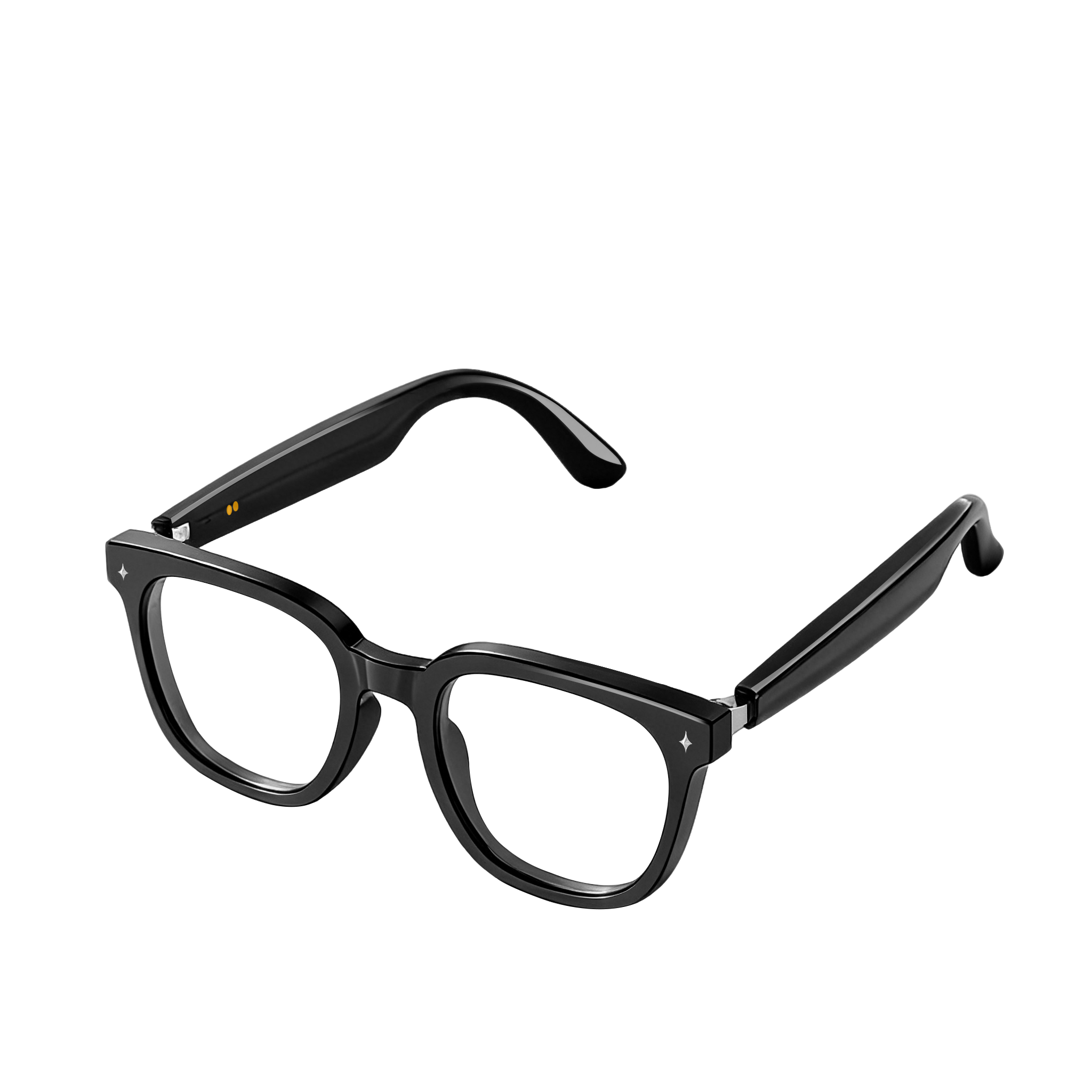
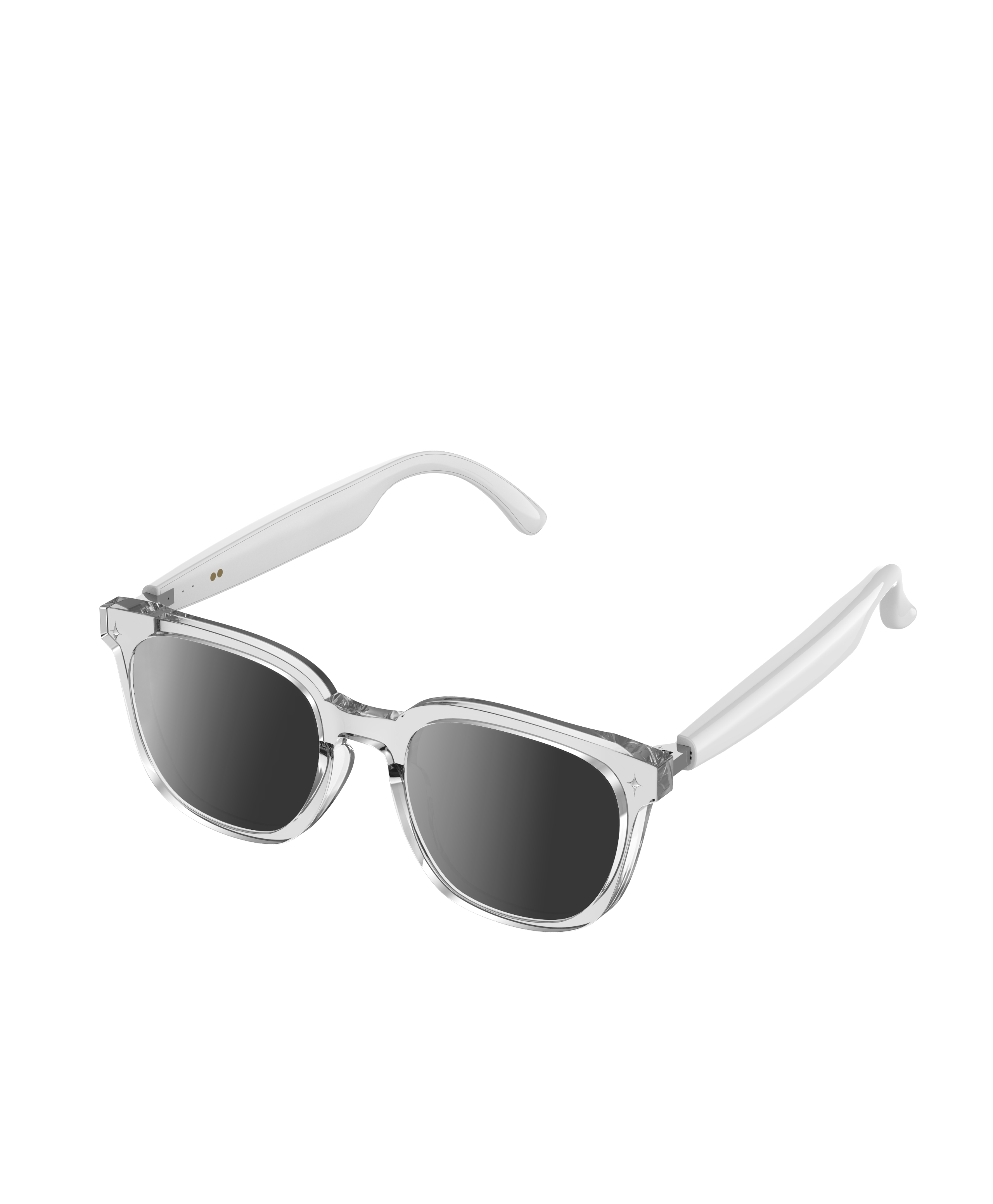
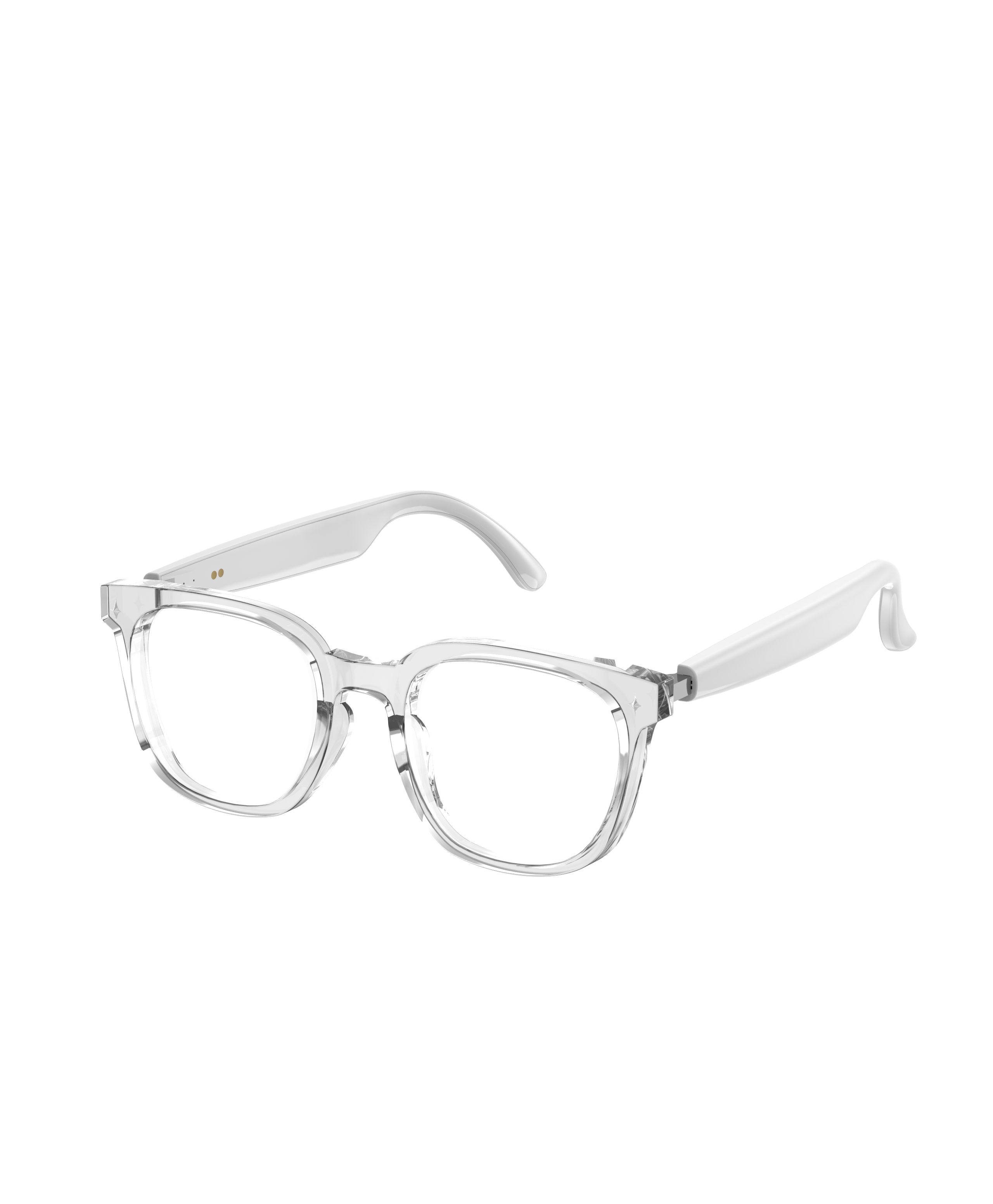






The consumer electronics market has officially moved past the era of viewing head-worn computing as a futuristic concept. In 2026, smart eyewear has achieved widespread adoption, splitting into highly specialized architectural segments. As tech giants deploy generative cloud agents and advanced spatial sensors into optical frames, consumers face a distinct classification boundary: choosing between devices built primarily for active athletic telemetry versus those designed for productivity and ambient contextual intelligence. Navigating the exact trade-offs within the ecosystem of Smart Glasses for Fitness Tracking vs. AI Assistance is critical for optimizing your daily workflow and athletic performance.

At Osawalla, we analyze, build, and test next-generation smart eyewear from a structural and mechanical perspective. From our experience, many early adopters compromise their user experience by purchasing a general-purpose lifestyle gadget when their true routine demands high impact resistance, specialized biometric processing, and optical stabilization. Real long-term utility demands matching your physical environment with the right onboard compute structure, sensor array, and chassis engineering. This authoritative analysis breaks down the six core technical boundaries separating fitness-first smart eyewear from cloud-based AI assistant frames.
- 1. Technical Overview: Architectural Parameters Compared
- 2. Hardware and Sensor Topography Barriers
- 3. Deep Dive: 6 Core Differences of Fitness vs. AI Smart Eyewear
- 4. Engineering Selection Protocol: Maximizing On-Round Longevity
- 5. Frequently Asked Questions (FAQs)
- 6. Academic and Industrial Technology References
1. Technical Overview: Architectural Parameters Compared
Before launching into the micro-engineering of wearable chipsets, we recommend examining the baseline physical parameters that separate these two classes. The comparison table below outlines how data pipelines, chassis designs, and computational profiles vary between fitness-tracking and AI-assistance smart glasses in 2026.
| Technical Metric | Fitness Tracking Smart Eyewear | AI Assistance Smart Eyewear |
|---|---|---|
| Primary Sensor Topology | IMUs (6-axis gyroscopes), biometric nodes, GPS anchors | Multimodal cameras, spatial microphones, acoustic arrays |
| Data Processing Pipeline | On-device real-time edge processing for athletic telemetry | Cloud-tethered large language model (LLM) agent loops |
| Chassis Construction | Impact-rated polymers, anti-slip silicone, sweat-proof seals | Aesthetic acetate, fashion-oriented, non-sport frames |
| Optical Stabilization Target | Active electronic 6-axis stabilization for fast movement | Static POV capture or non-stabilized ambient image reading |
| Display Integration Mode | Heads-up display (HUD) widgets or audio cue tracking | Waveguide text overlays or completely display-free audio |
| Battery Discharge Behavior | Flat, predictable drain during continuous sports mapping | Dynamic spikes during intense generative model processing |
2. Hardware and Sensor Topography Barriers
To successfully navigate the hardware market, you must understand how different user goals shape the physical blueprint of the device. Smart Glasses for Fitness Tracking vs. AI Assistance utilize entirely non-interchangeable components. A fitness tracker built for high-speed cycling or long trail runs demands dedicated edge-computing chips that translate physical movement into clean data metrics like stride cadence, real-time speed, and balance analytics instantly, without waiting for a cloud connection.
From our experience, AI-assistance frames prioritize a completely different hardware stack. These devices are built around complex multimodal processing. They rely on multi-mic beamforming networks to capture your voice clearly in noisy city traffic, paired with front-facing camera systems designed to feed visual data to remote artificial intelligence servers. If you attempt to use a standard lifestyle AI frame during intense athletic routines, the delicate chassis can trap moisture from sweat, and the lack of proper optical stabilization will result in blurry, unusable video tracking files.
We recommend closely examining the offline capabilities of your smart eyewear. Many high-end AI assistant glasses become essentially useless the second you lose cell service on a remote mountain trail, as their operating models depend on continuous cloud connections to answer questions. For outdoor athletes, prioritizing devices with onboard sensors and reliable standalone tracking ensure your data collection remains unbroken, even in complete dead zones.
3. Deep Dive: 6 Core Differences of Fitness vs. AI Smart Eyewear
Difference 1: Sensor Topography and Environmental Data Gathering
The primary difference when evaluating Smart Glasses for Fitness Tracking vs. AI Assistance lies in the choice of built-in sensors. Fitness-first models are packed with physical movement trackers—featuring high-frequency inertial measurement units (IMUs), 6-axis stabilization systems, and direct integration options for peripheral sensors like chest strap heart rate monitors or bike power meters. AI assistance models skip heavy telemetry sensors to focus entirely on visual and audio capture, utilizing high-definition cameras and multi-directional microphone arrays designed to observe and analyze your surroundings.
Difference 2: Edge Processing Speed vs. Cloud Agent Routing
Data routing pathing represents a major engineering boundary. Fitness tracking devices operate on localized edge computing, meaning all calculations occur locally within the frame temple arms to provide zero-lag audio alerts the moment your pace drops. AI assistant frameworks rely primarily on cloud-tethered processing. When you ask an AI glasses agent to translate a foreign sign or summarize a document, the frame transmits that data to remote cloud servers to handle the heavy lifting before beaming the audio response back to your ears.
Difference 3: Frame Architecture and Environmental Protection Ratings
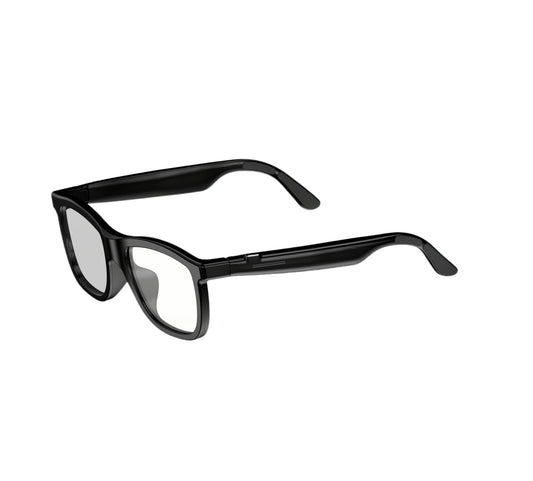
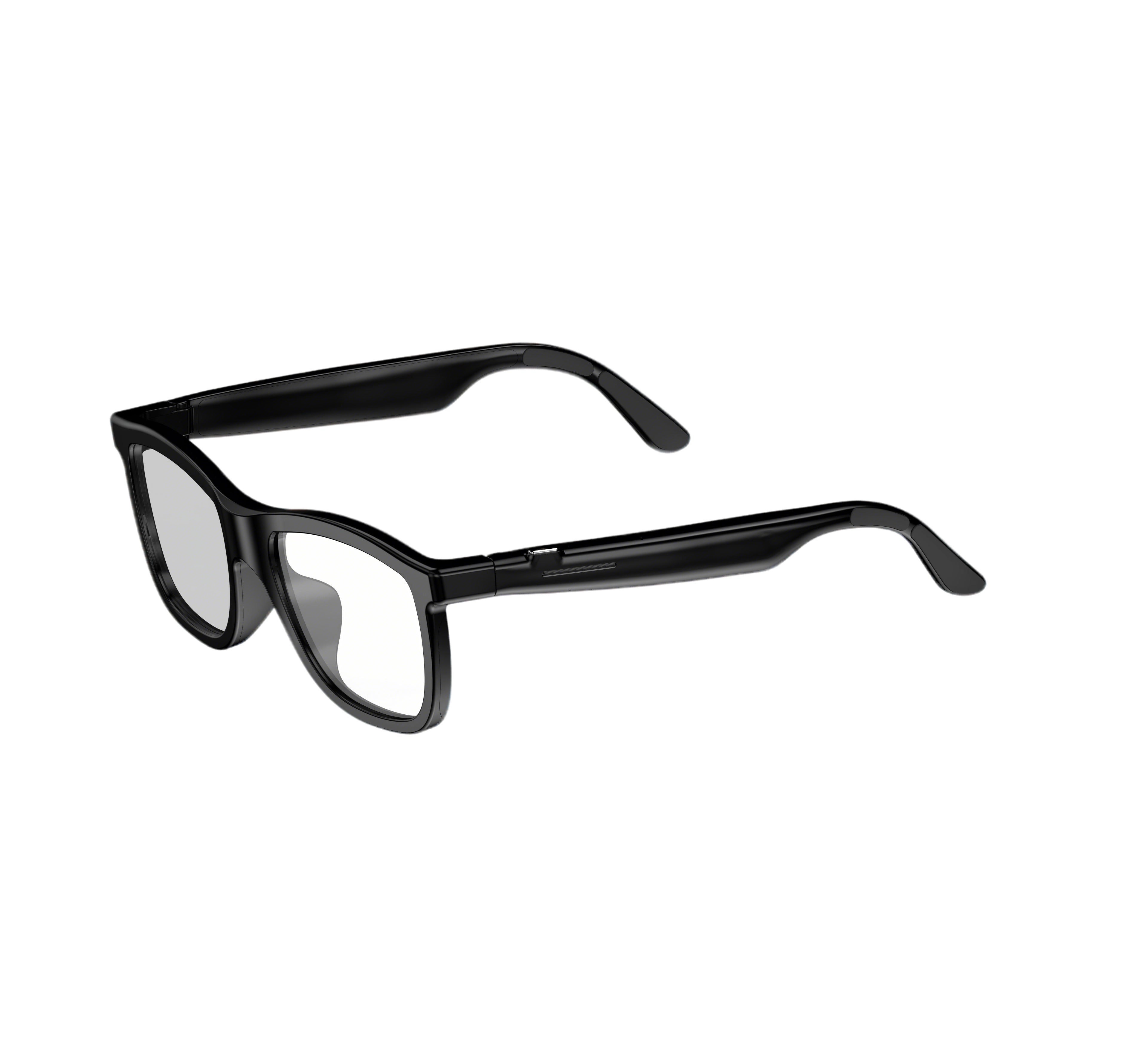
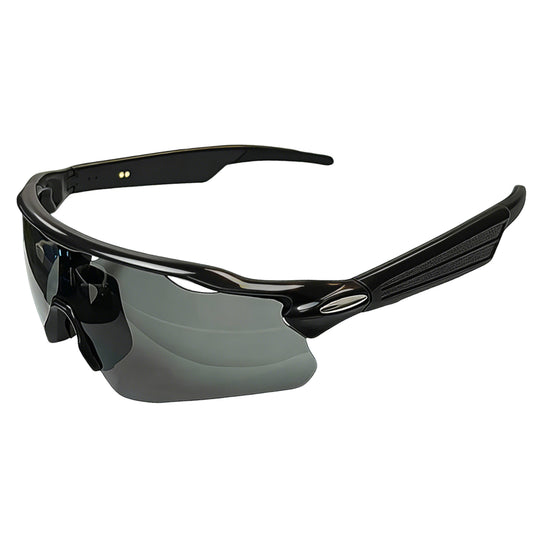
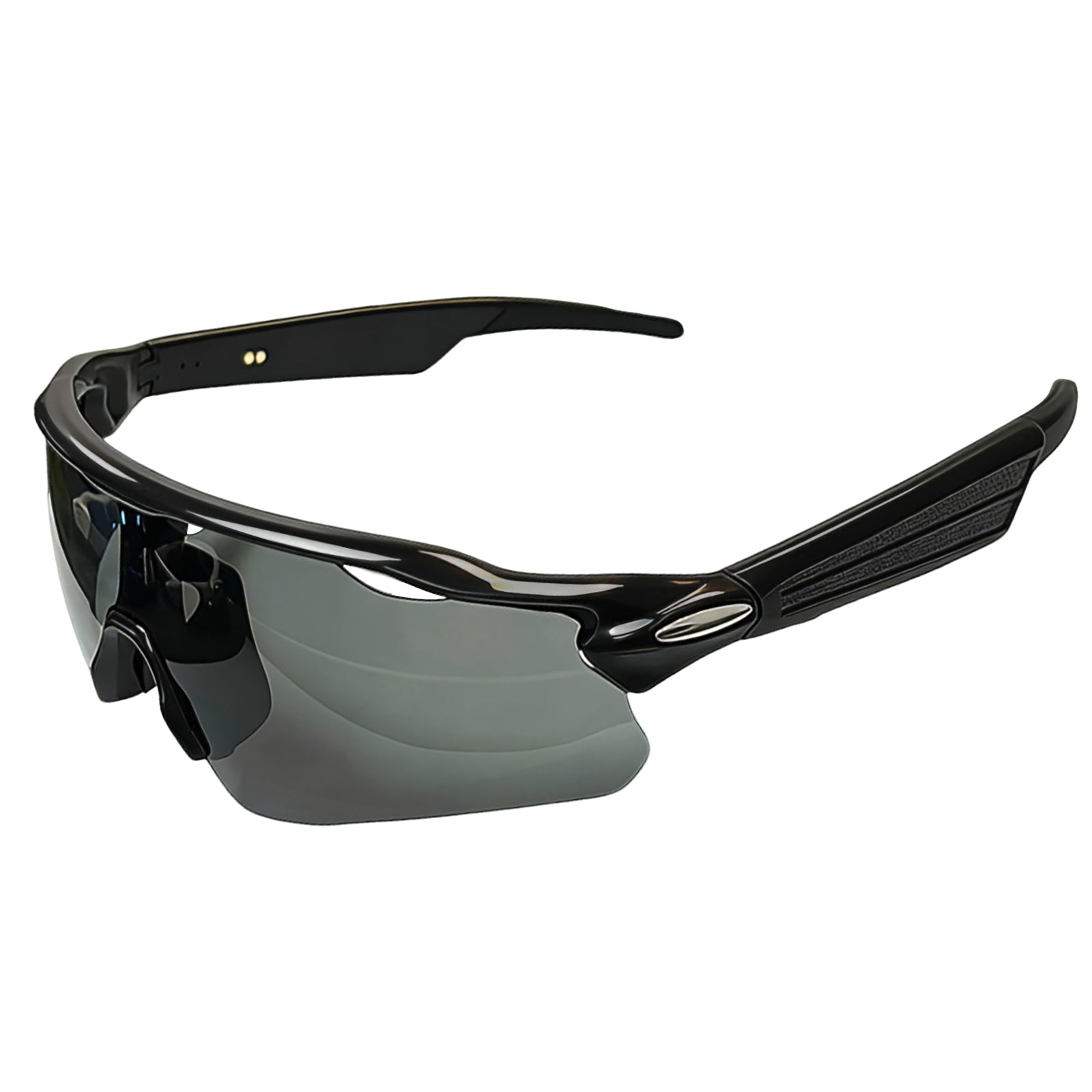
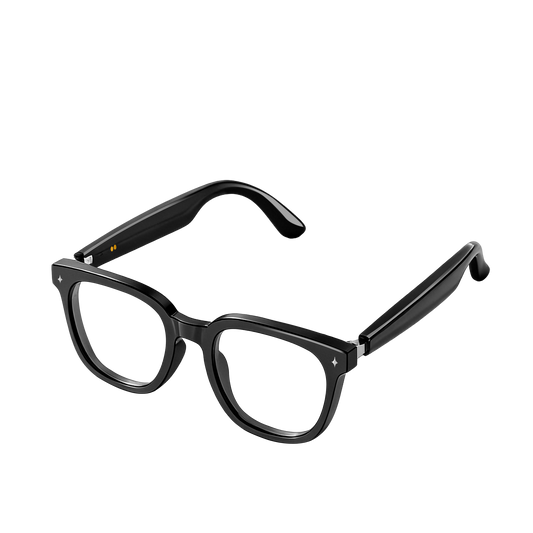
Chassis engineering must match the physical demands of the activity. Fitness tracking eyewear is built for demanding environments, utilizing ultra-lightweight, impact-rated polymer composites, adjustable rubberized nose pads, and sweat-resistant seals that prevent internal electrical corrosion. AI assistance glasses are styled to resemble classic, everyday streetwear frames made from high-grade acetate, prioritizing visual subtlety and all-day social acceptance over specialized sports protection or anti-slip grips.
Difference 4: Video Stabilization Mechanics and Optical Alignment
Recording fast-paced athletic action requires robust stabilization systems. Fitness-tracking smart glasses engineered for cycling and running incorporate advanced 6-axis electronic stabilization sensors to smooth out aggressive head bobs and trail vibrations. General AI frames typically utilize basic fixed-focus lenses intended for static point-of-view snapshots or short lifestyle video clips, which suffer from heavy distortion and camera shake if subjected to fast, running movements.
Difference 5: Data Display Delivery Modes
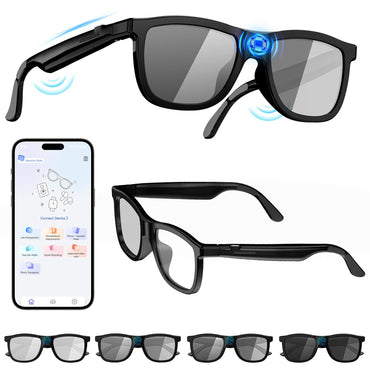
How data reaches your eyes and ears varies significantly across categories. Fitness models focus on delivering glanceable metrics without blocking your field of view, utilizing specialized micro-displays positioned in your peripheral vision or relying entirely on clear, real-time spoken coaching cues. AI assistance models lean heavily into conversational voice interactions or use color waveguide lens overlays to show real-time translation text, schedule alerts, and app notifications directly in your main line of sight.
Difference 6: Battery Discharge Patterns and Thermal Engineering
The energy profiles of these internal systems create completely different battery challenges. Fitness glasses exhibit a flat, highly predictable power drain because their onboard tracking sensors run continuously at a stable frequency. AI assistant frames operate on a highly variable consumption curve, maintaining low power use while idle but experiencing sharp energy spikes and sudden heat generation whenever the camera and cloud-linked AI engines are actively processing a complex visual request.
4. Sourcing and Technical Specifications: The Osawalla Standard
For athletes and multi-sport operators looking to balance high-performance sports recording with hands-free connectivity, choosing hardware that integrates robust physical components with smart software tools is essential.
The Professional Benchmark: Osawalla GP04 Smart Glasses
Our premier sports electronics configuration delivers the exact mechanical standards required to balance athletic telemetry with smart voice control:
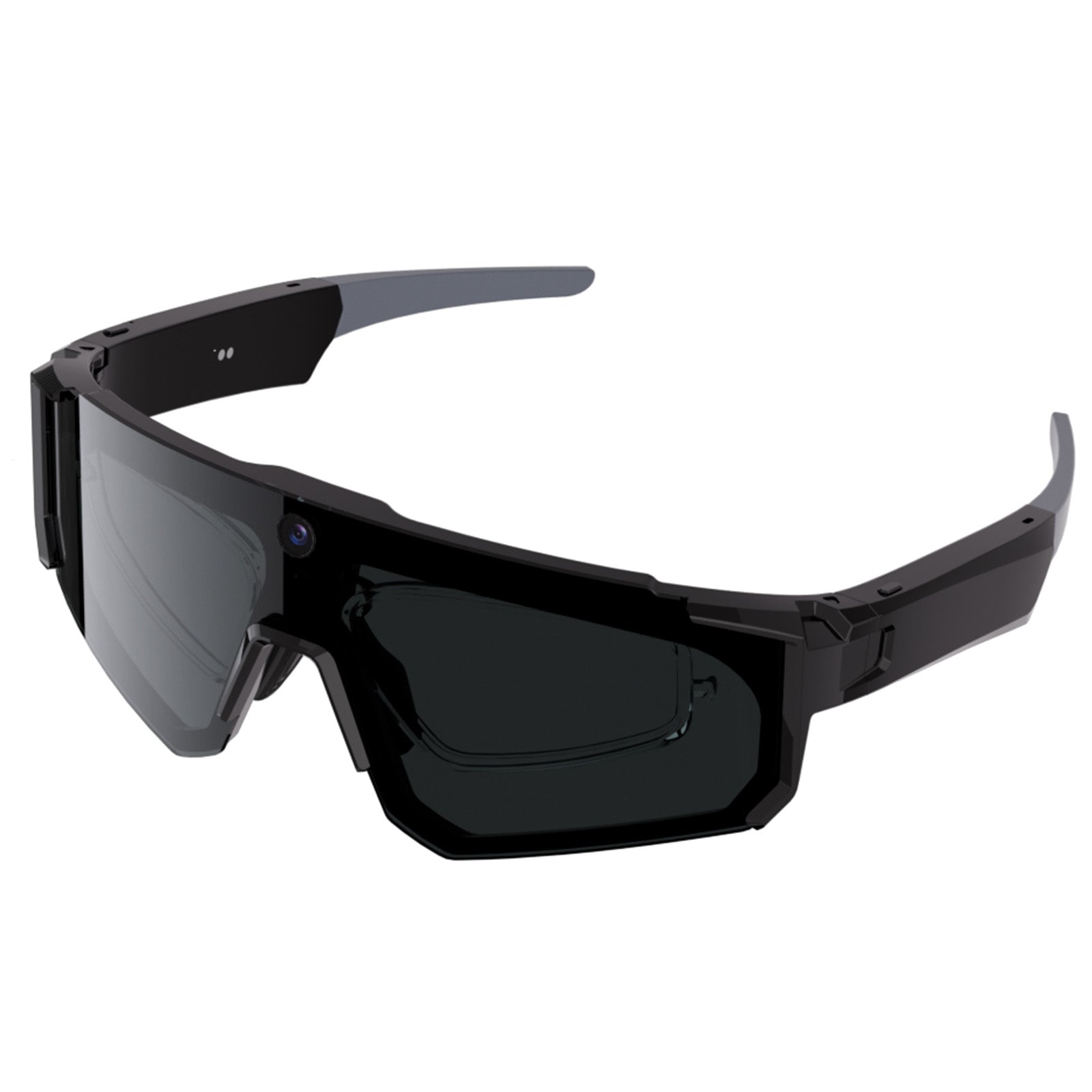
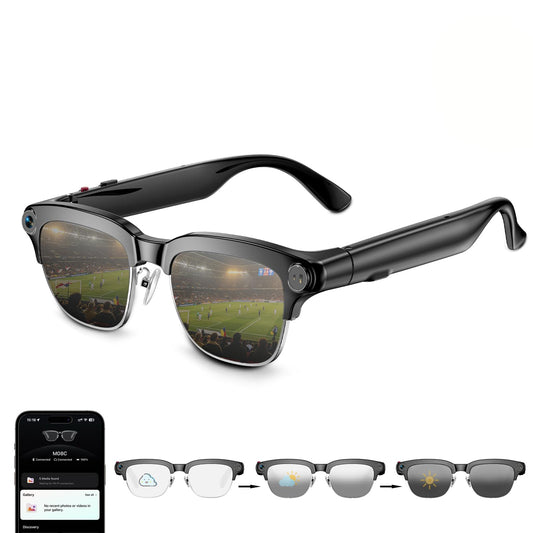
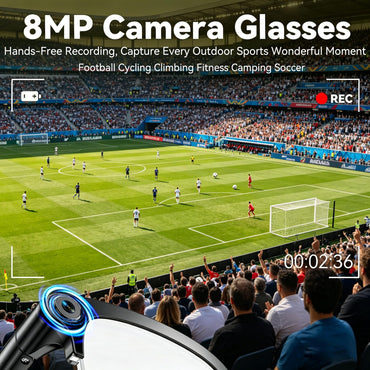
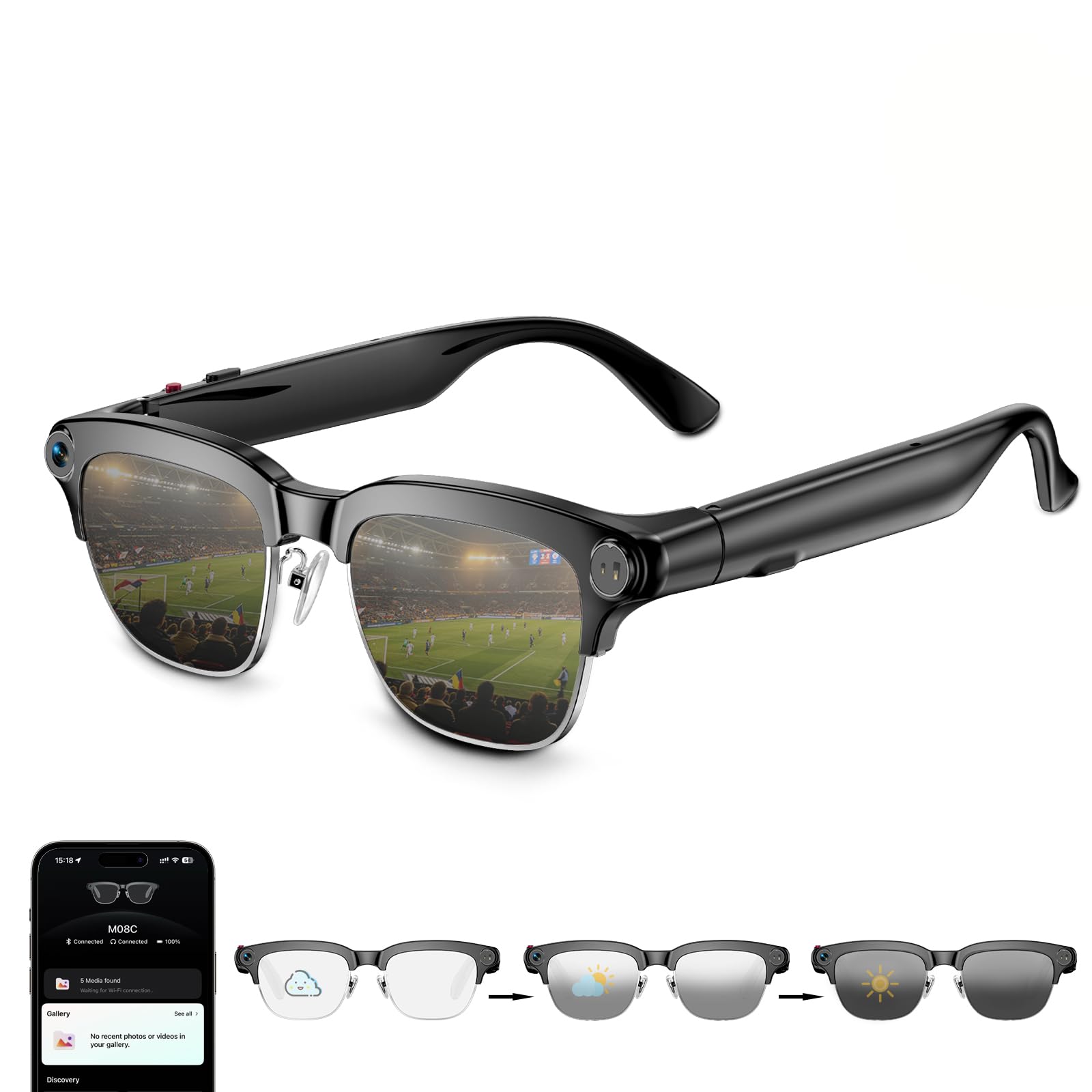
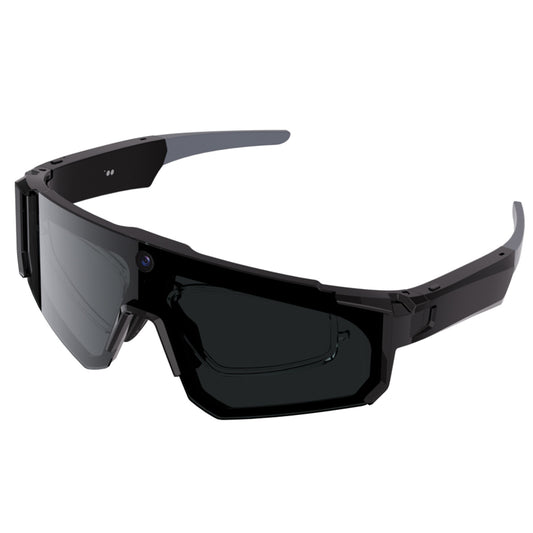
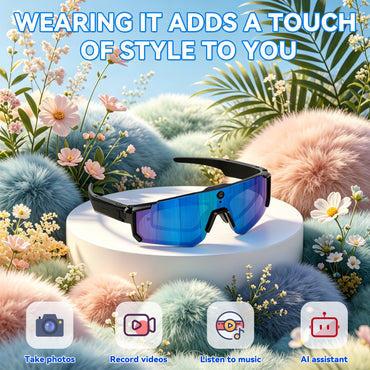
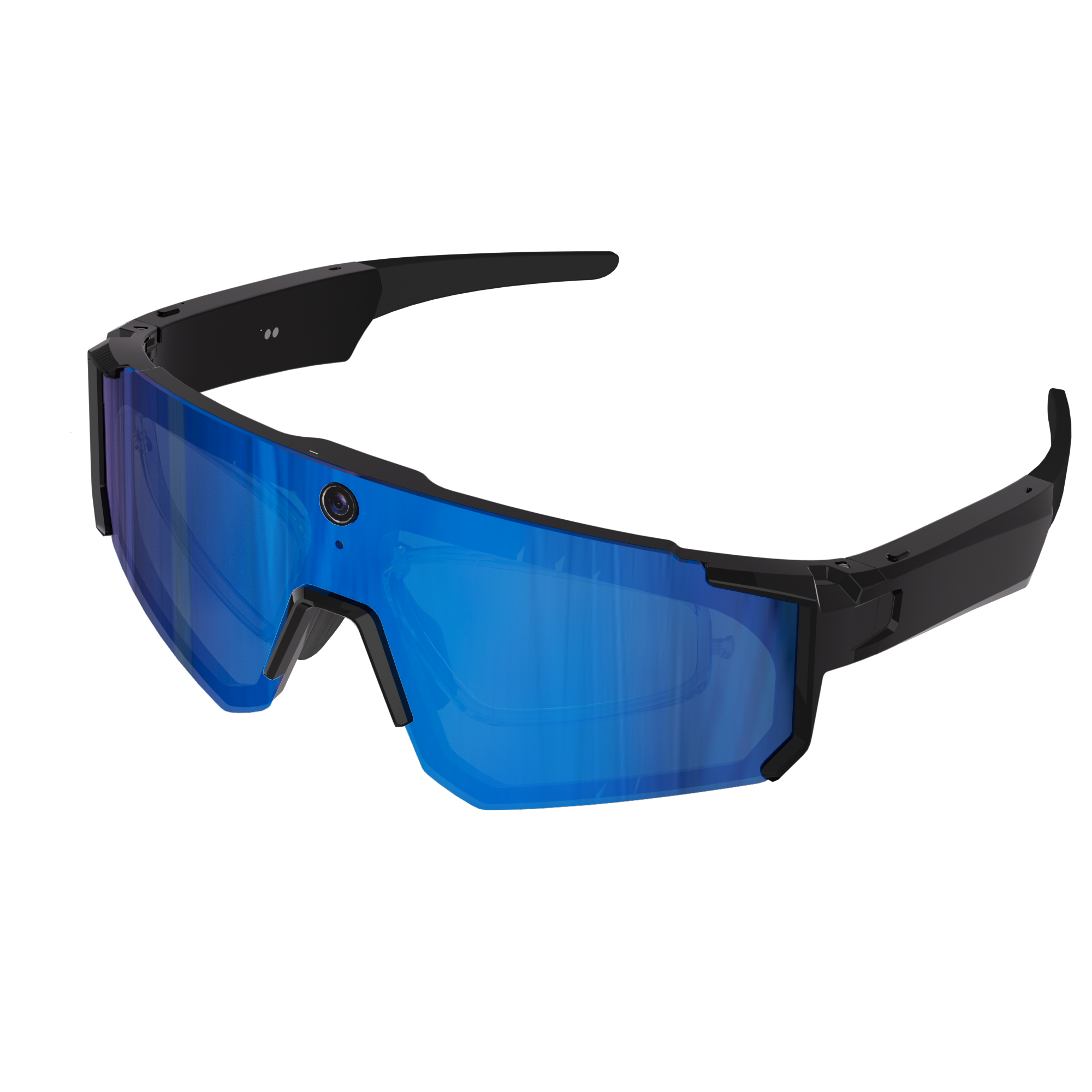
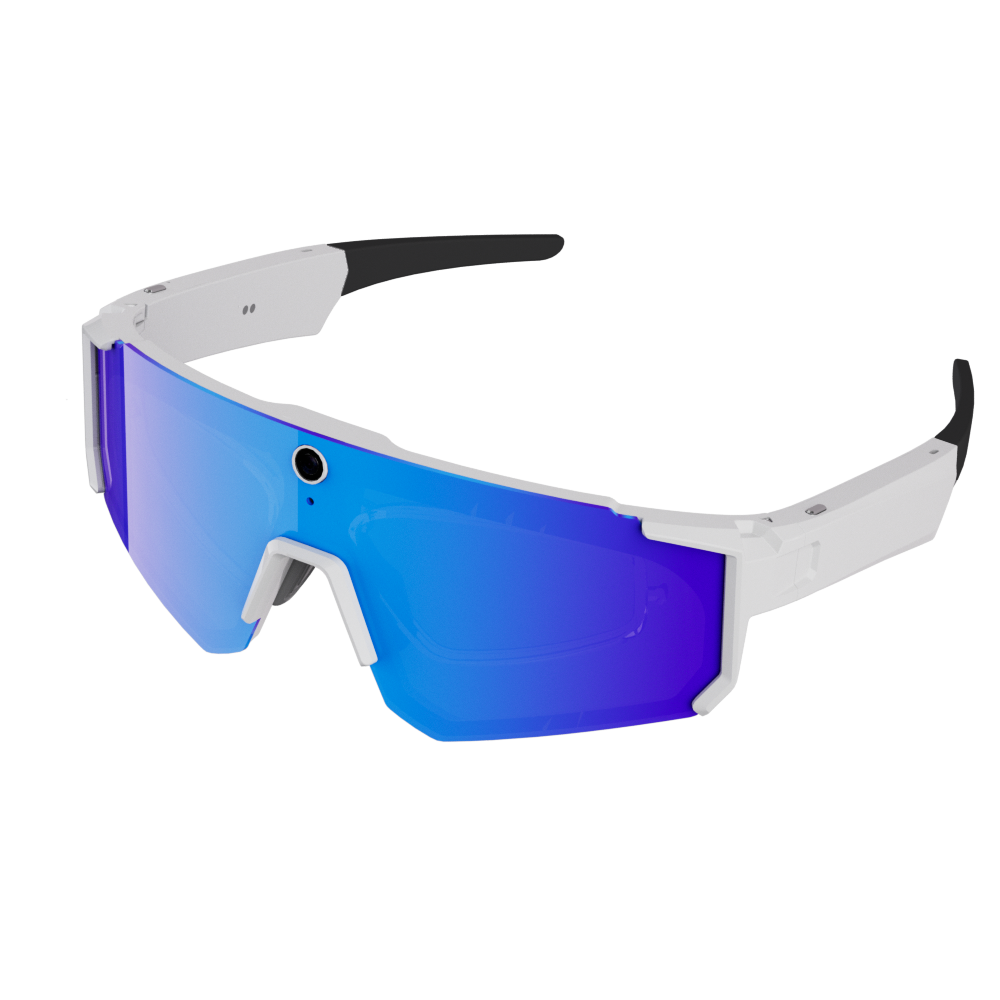
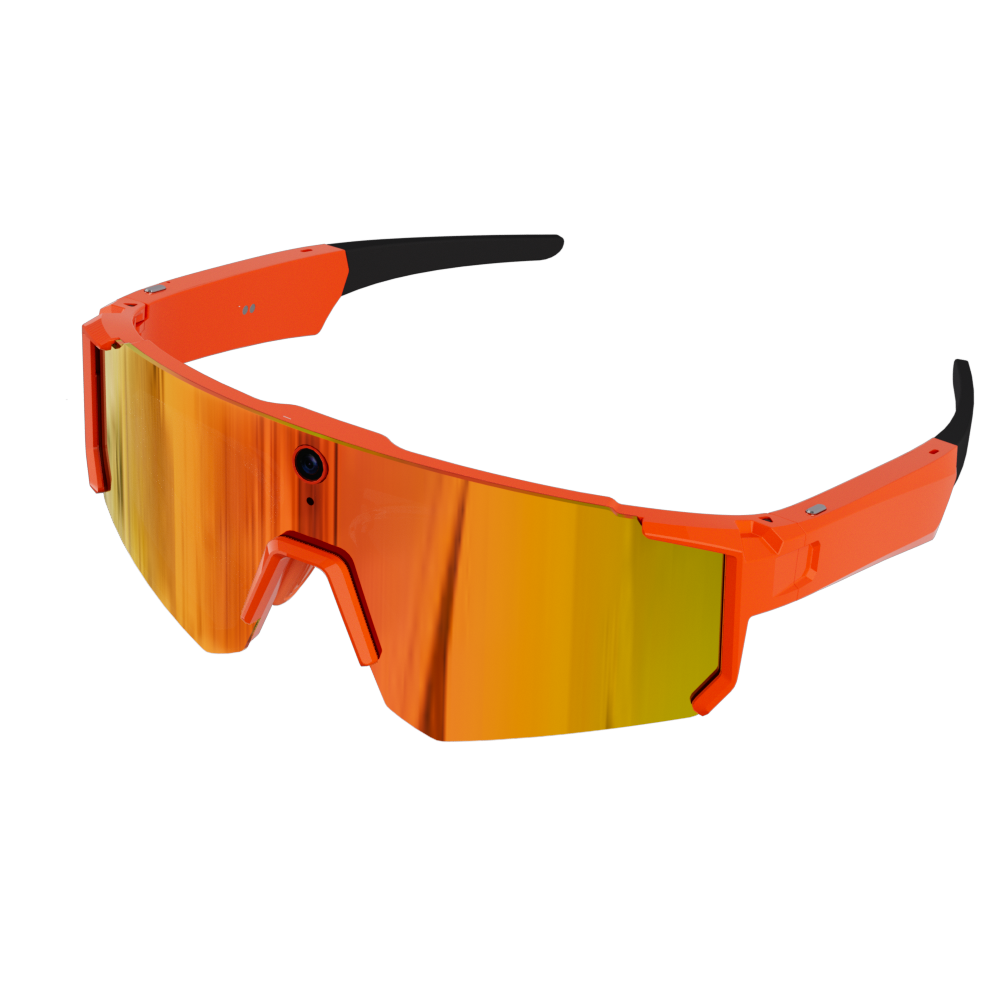
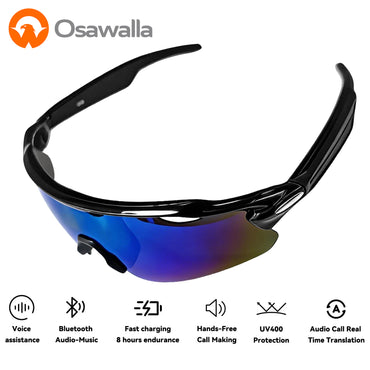
- Osawalla GP04 Running & Cycling Video Glasses: This model is explicitly engineered for running and active sports, featuring lightweight, flexible temple arms with anti-slip silicone tips to stay securely anchored during sudden head movements. It houses a built-in hands-free 8MP camera to capture first-person photos and high-definition video from your natural point of view.
- Advanced Optical Stabilization and Connectivity: To handle tough trail vibrations, the GP04 incorporates a specialized 6-axis stabilization sensor to drastically reduce motion shake. The open-ear audio architecture delivers high-clarity sound while keeping you completely aware of ambient surroundings, paired with integrated AI voice controls for seamless, hands-free call and command tracking. The frame supports interchangeable high-clarity lenses and includes an inner RX frame for prescription users.
5. Engineering Selection Protocol: Maximizing On-Round Longevity
Investing in advanced smart eyewear requires a clear understanding of the underlying technology to ensure your device delivers consistent results across varied environments.
Demystifying Wearable System Mechanics
To successfully integrate these devices into your daily routine, it is helpful to grasp the fundamentals of how these systems operate. Reading our guide on how smart glasses work breaks down the micro-electronics, bluetooth tethering channels, and audio transponders built inside modern frames. For users who require direct, integrated data displays, consulting our comprehensive AI glasses with display guide highlights models that include transparent waveguide panels for navigation cues.
If your primary goal is capturing crisp first-person footage of fast-paced sports or scenic travel routes, our expert review of the best smart glasses for video recording details the specific sensor frames and storage capacities needed for smooth video capture. To view a complete cross-section of the newest tech trends this season, explore our latest smart glasses 2026 guide to map out your upcoming hardware purchases.
Ecosystem Shifts and Specialized Demands
The global wearable landscape is changing rapidly as major tech firms launch competitive hardware options. Exploring our industrial analysis of the Apple smart glasses analysis reveals how ecosystem integration alters how devices handle complex notification routing. Finally, for readers who require customized prescription lenses paired with digital blue-light filtering, our dedicated guide to the best smart reading glasses 2026 provides valuable component tracking reviews to ensure your eyewear protects your vision while keeping you connected.
6. Frequently Asked Questions (FAQs)
6. Academic and Industrial Technology References
For more detailed technical data regarding wearable sensor engineering, optical stabilization testing, and consumer electronics safety metrics, consult these authoritative international organizations:
- Institute of Electrical and Electronics Engineers (IEEE). Analysis of Edge Processing and 6-Axis Inertial Sensor Fusion in Athletic Wearables.
- Society of Automotive Engineers (SAE). Heads-Up Displays and Vision Field Safety Profiles in Active Environments.
- International Organization for Standardization (ISO). ISO 20957 Environmental Ingress Protection and Mechanical Shock Testing for Wearable Sports Electronics.
```


