



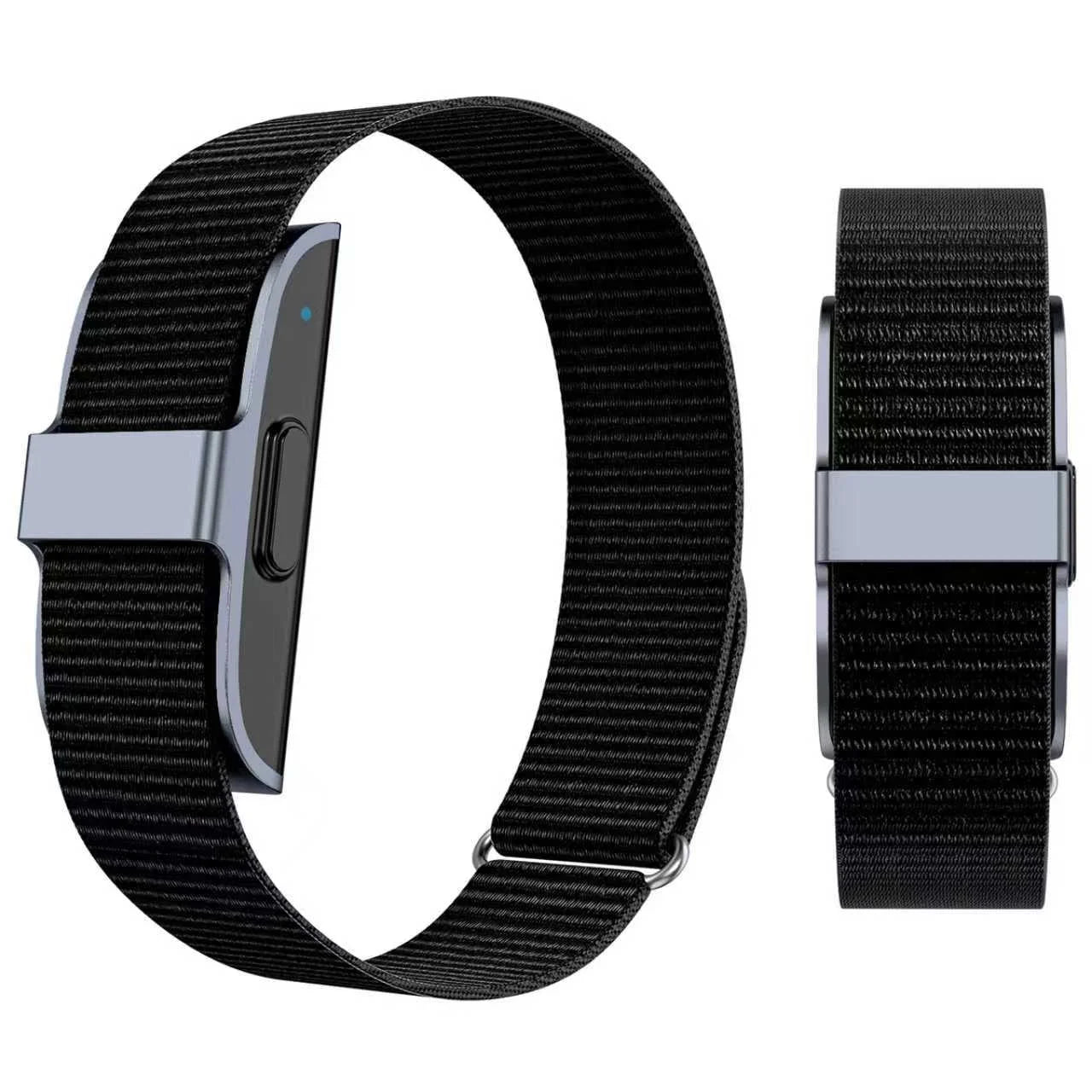

Las historias de la electrónica de consumo suelen escribirse como una serie de triunfos de la noche a la mañana, pero la realidad es mucho más complicada. Si observa de cerca la historia de las gafas inteligentes, descubrirá que es una narrativa plagada de lanzamientos prematuros de productos, rechazos públicos y profundos obstáculos metalúrgicos y ópticos. Durante décadas, el sector tecnológico colectivo intentó forzar complejas pantallas frontales en los rostros de los consumidores antes de que los componentes de hardware subyacentes estuvieran listos. Silicon Valley priorizó continuamente las llamativas características de ciencia ficción sobre la usabilidad humana fundamental, lo que resultó en pesados y sobrecalentados equipos faciales que los usuarios descartaron a las pocas horas de desempaquetarlos.

La verdadera evolución tecnológica no se preocupa por los plazos de marketing; requiere una miniaturización a largo plazo y una profunda comprensión de la anatomía humana. Para trasladar con éxito la informática de nuestros bolsillos a nuestros ojos, los ingenieros tuvieron que rediseñar las guías de ondas ópticas, optimizar las microbaterías y desarrollar matrices de sensores de latencia cero. Desde nuestra experiencia, tratar las gafas inteligentes como un simple teléfono inteligente en miniatura atado a las sienes es un error de diseño fatal. En Osawalla, creemos que la tecnología significativa eleva la vida cotidiana. Nuestros wearables están diseñados para aquellos que valoran la claridad, el equilibrio y un diseño refinado, lo que le permite mantenerse conectado con su bienestar con confianza y facilidad. La vida moderna avanza rápido, pero comprender nuestros cuerpos no debería ser complicado. Muchas personas buscan una visión más clara de su sueño, estrés y patrones fisiológicos diarios, pero las herramientas convencionales a menudo se quedan cortas en accesibilidad y experiencia. En esta revisión exhaustiva, trazamos la verdadera línea de tiempo de las gafas inteligentes para comprender cómo la industria evolucionó de voluminosos experimentos de laboratorio a los dispositivos elegantes y útiles que usamos hoy en día.
Tabla de contenidos
- 1. Hitos en la evolución de las gafas inteligentes
- 2. La génesis temprana: de la ciencia ficción a la Guerra Fría
- 3. El ajuste de cuentas de Google Glass: bombo mediático y rechazo cultural
- 4. El giro empresarial: aumento industrial de alto ROI
- 5. La era moderna: fusión de IA, audio avanzado y mecánica de la moda
- 6. Realidades de la ingeniería: las leyes inquebrantables del peso y la potencia
- 7. Preguntas frecuentes (FAQ)
- 8. Referencias técnicas y estándares de metrología
Hitos en la evolución de las gafas inteligentes
Para establecer una base técnica sólida, la tabla de resumen histórico a continuación rastrea las macro eras de la historia de las gafas inteligentes, describiendo las limitaciones de hardware principales de cada período y los casos de uso primarios que impulsaron el desarrollo.
| Era tecnológica histórica | Factor de forma de hardware dominante | Cuello de botella tecnológico primario | Aplicación principal y usuario objetivo |
|---|---|---|---|
| Los pioneros del laboratorio (1968-1990) | Equipos suspendidos del techo, mochilas pesadas | Potencia de cómputo, latencia espacial extrema | Entrenamiento de vuelo militar, investigación de laboratorio básica |
| La ola de Google Glass Explorer (2012-2015) | Cápsulas de prisma monocular sobre monturas estándar | Poca duración de la batería, grave disipación térmica | Primeros usuarios de Silicon Valley, desarrolladores de software |
| El pivote empresarial (2016-2021) | Accesorios industriales robustos con visera | Precio unitario alto, campo de visión (FoV) estrecho | Montaje aeroespacial, preparación de almacenes, cirugía |
| El cambio de la IA ambiental (2022-actualidad) | Monturas de factor de forma estándar, audio de oído abierto | Límites de transparencia de la guía de ondas, densidad de la batería | Creadores de contenido diarios, trabajadores móviles, público en general |
1. La génesis temprana: de la ciencia ficción a la Guerra Fría
Mucho antes de que los desarrolladores de software compilaran el código gráfico inicial, los autores ya estaban elaborando el concepto de las gafas de realidad aumentada. En 1901, el autor de ciencia ficción L. Frank Baum detalló un conjunto de gafas que proyectaban capas de datos directamente sobre personas reales. Sin embargo, trasladar este concepto de la página escrita a un prototipo físico funcional requirió décadas de financiación militar e investigación informática avanzada durante la Guerra Fría.
El verdadero antecesor técnico de las modernas gafas con pantalla frontal llegó en 1968, cuando el pionero de los gráficos por computadora Ivan Sutherland construyó el primer sistema de visualización montado en la cabeza de visión directa óptica en la Universidad de Harvard. Este sistema era tan pesado y mecánicamente complejo que tuvo que ser suspendido del techo del laboratorio mediante una enorme viga de acero, lo que le valió el ominoso apodo de "La espada de Damocles". Aunque primitivo, el monitor colgado del techo de Sutherland demostró que una computadora podía renderizar gráficos 3D de alambre que cambiaban de perspectiva suavemente a medida que el usuario giraba la cabeza, estableciendo la base absoluta para el seguimiento espacial moderno.
A lo largo de las décadas de 1970 y 1980, el desarrollo se centró en la investigación de la aviación militar. Los ingenieros aeroespaciales se concentraron en construir pantallas avanzadas montadas en el casco (HMD) para pilotos de combate, proyectando la velocidad aérea crítica y los parámetros de puntería directamente en sus visores para que pudieran mantener la conciencia situacional durante las maniobras de combate. Esta fase demostró el valor de la información rápida, pero el hardware permaneció desconectado de la realidad del consumidor, requiriendo mochilas dedicadas llenas de ventiladores de refrigeración y módulos de batería pesados para funcionar.
2. El ajuste de cuentas de Google Glass: bombo mediático y rechazo cultural
La conversación moderna sobre gafas inteligentes de consumo realmente comenzó en abril de 2012, cuando los secretos X Labs de Google lanzaron un video que mostraba "Project Glass". La hábil demostración prometía un futuro manos libres sin interrupciones donde los usuarios podrían verificar los horarios de los vuelos, capturar fotos instantáneas y navegar por entornos urbanos a través de una interfaz digital flotante y liviana. Cuando Google Glass Explorer Edition se lanzó en 2013 por un precio premium de $1,500, marcó la primera vez que la tecnología de uso facial conectada salió de los laboratorios de investigación y entró en los espacios públicos.
A pesar del intenso interés inicial de los expertos en tecnología de Silicon Valley, Google Glass se topó con un muro de graves limitaciones de hardware y rechazo público. El diseño monocular se basaba en un pequeño prisma de vidrio colocado sobre el ojo derecho, lo que causaba una notable fatiga visual y dolores de cabeza durante un uso prolongado. Además, la pequeña celda de batería apenas alcanzaba las cinco horas de autonomía con un uso normal, y la carcasa del dispositivo se calentaba incómodamente contra la sien del usuario al grabar videoclips.
El fracaso final de Google Glass no fue mecánico, sino social. Incorporar una cámara frontal en unas gafas de uso diario provocó intensas ansiedades de privacidad pública, lo que llevó a que el dispositivo fuera prohibido en bares, restaurantes y cines de todo el país. Los usuarios que las usaban en público se enfrentaron a un rechazo social, lo que puso de manifiesto una lección crítica que los gigantes tecnológicos a menudo pasan por alto: para que un dispositivo portátil tenga éxito a largo plazo, debe adaptarse a la comodidad social humana en lugar de obligar a los usuarios a cambiar sus límites sociales.
3. El giro empresarial: aumento industrial de alto ROI
Cuando el mercado de consumo se enfrió alrededor de 2015, la historia de las gafas inteligentes dio un giro pragmático y altamente rentable hacia el procesamiento empresarial industrial. Los principales fabricantes de hardware se dieron cuenta de que, si bien los consumidores comunes no estaban listos para usar cámaras en la cara en las tiendas de comestibles, el personal de almacén y los mecánicos de aeronaves agradecían las instrucciones manos libres que aceleraban sus complejos flujos de trabajo diarios.
Este cambio dio origen a una nueva clase de auriculares de realidad asistida reforzados, liderados por sistemas como Microsoft HoloLens, Epson Moverio y Vuzix M-Series. En estos entornos exigentes, la estética social importaba mucho menos que la construcción duradera y la alta fiabilidad de los datos. Los técnicos de montaje aeroespacial utilizaban pantallas de guía de ondas transparentes para superponer esquemas de cableado digital directamente en los fuselajes de aviones físicos, reduciendo drásticamente los errores de montaje y acortando los tiempos de producción hasta en un treinta por ciento.
En entornos médicos, los cirujanos integraron estas pantallas montadas en la cabeza en el quirófano, lo que les permitía rastrear los signos vitales del paciente y consultar tomografías computarizadas preoperatorias sin perder la concentración ni apartar la vista del sitio quirúrgico. Esta fase comercial validó la tecnología subyacente y generó los ingresos sustanciales necesarios para financiar investigaciones avanzadas en materiales más ligeros, chips de procesamiento más rápidos y diseños de batería más seguros.
4. La era moderna: fusión de IA, audio avanzado y mecánica de la moda
Actualmente estamos viviendo la evolución más significativa en la historia de las gafas inteligentes: la transición de las pantallas pesadas a las monturas más ligeras, centradas en el audio y impulsadas por una inteligencia artificial avanzada. Los grupos tecnológicos modernos han aprendido de los errores del pasado, asociándose directamente con casas de moda ópticas tradicionales para construir monturas inteligentes que se vean y se sientan como unas gafas de sol recetadas estándar.
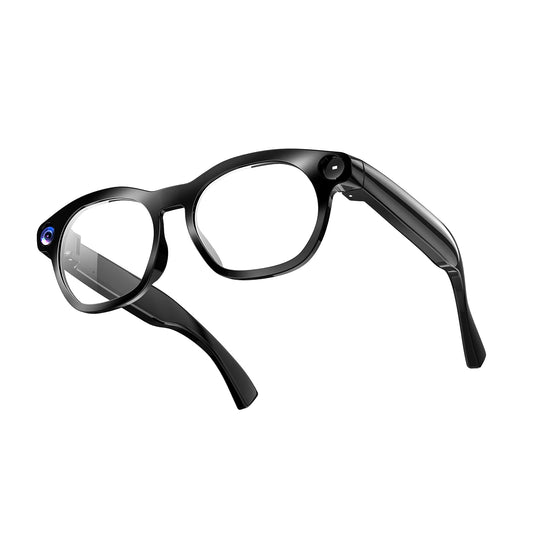
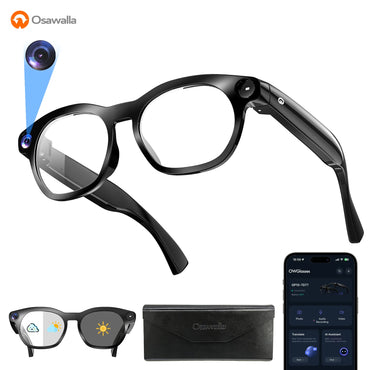
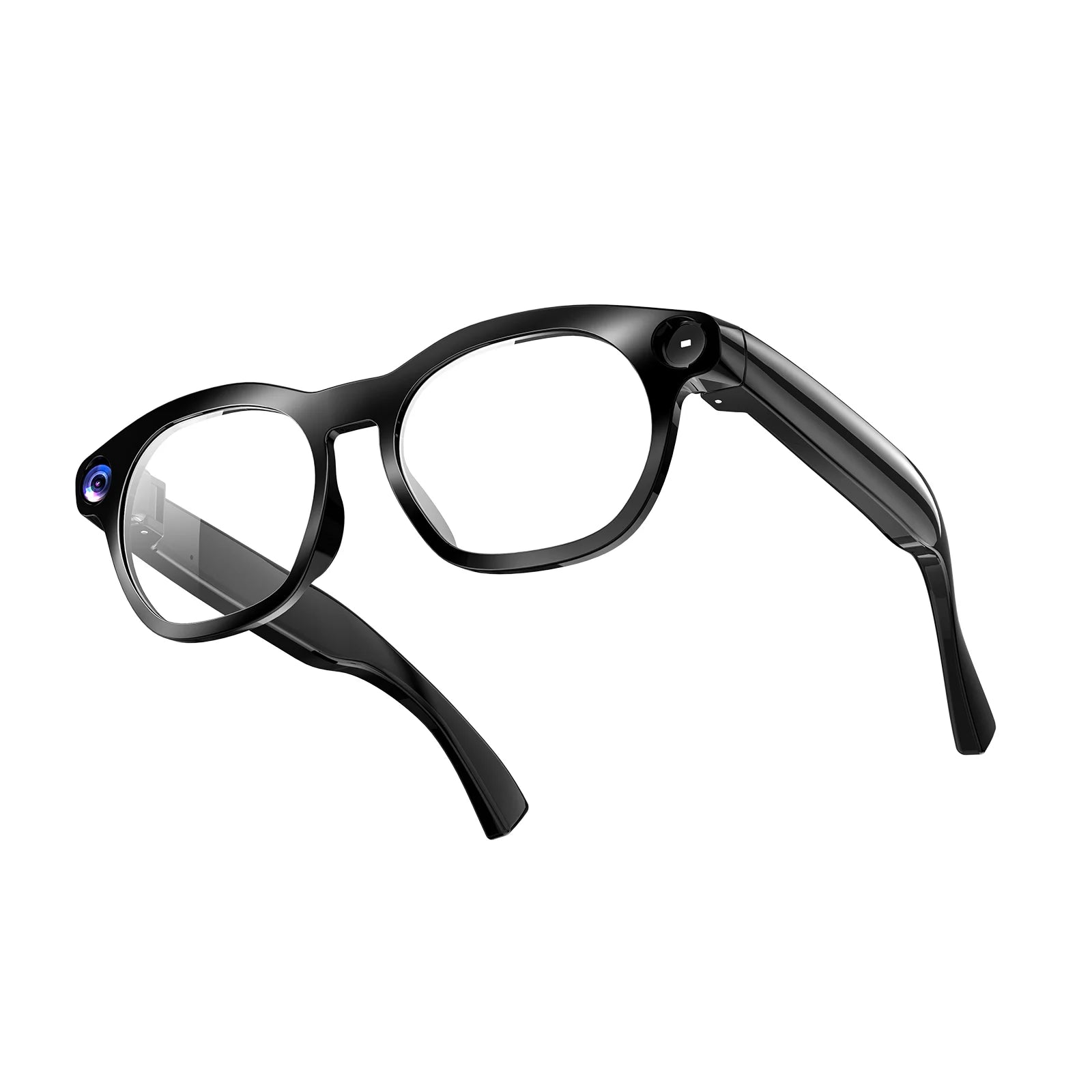
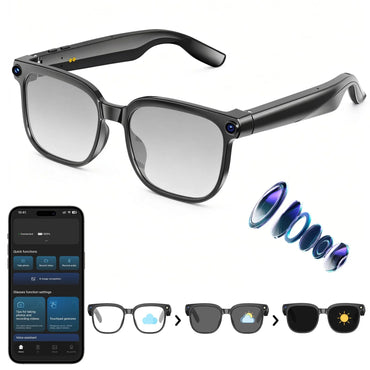
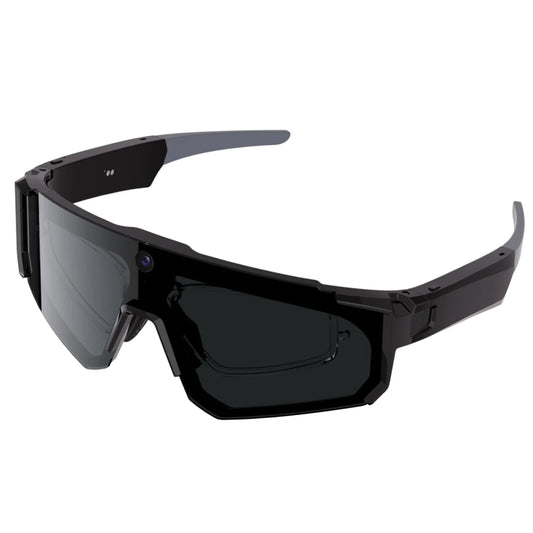
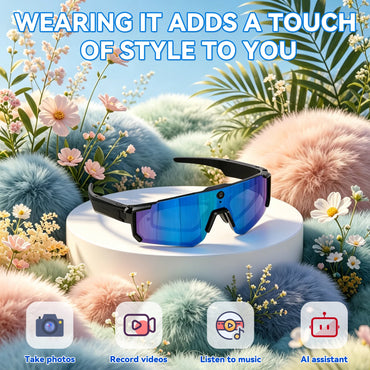
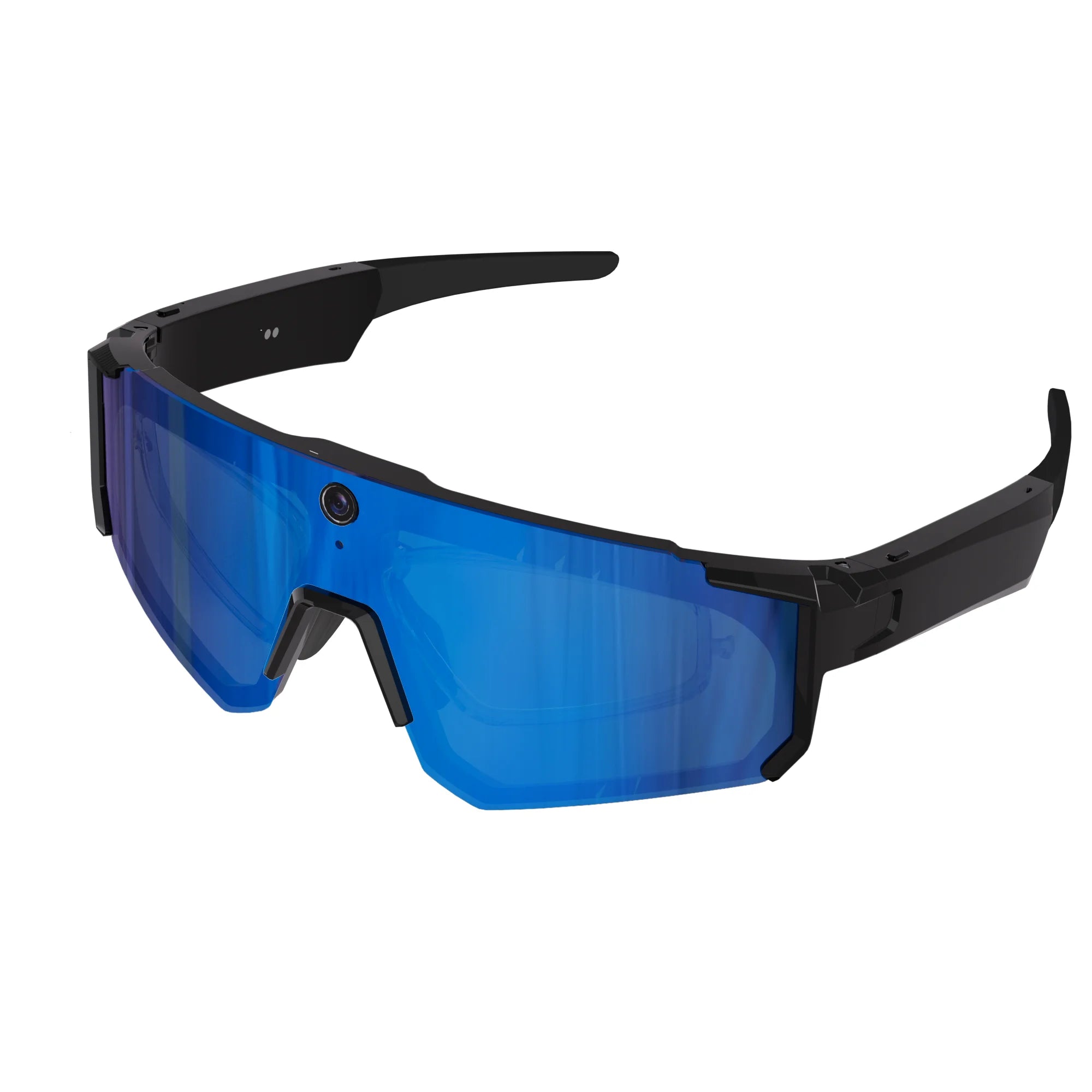
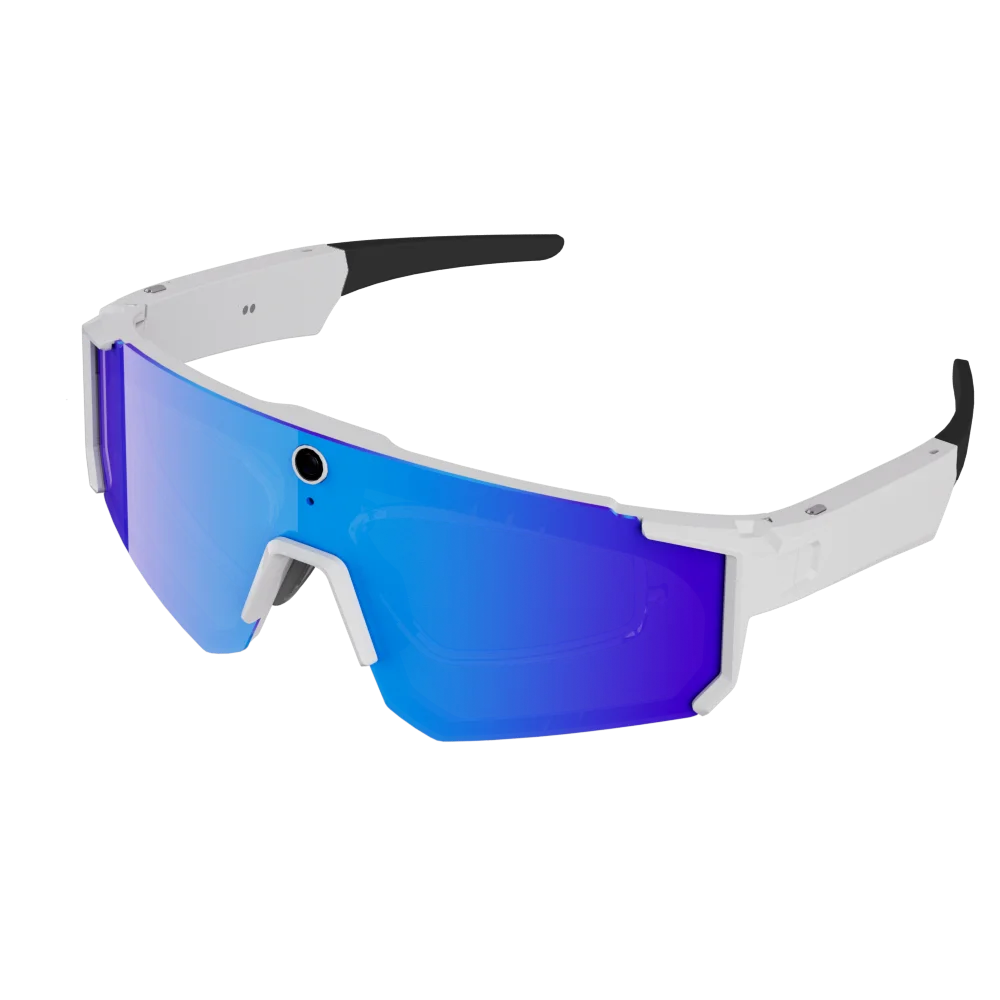
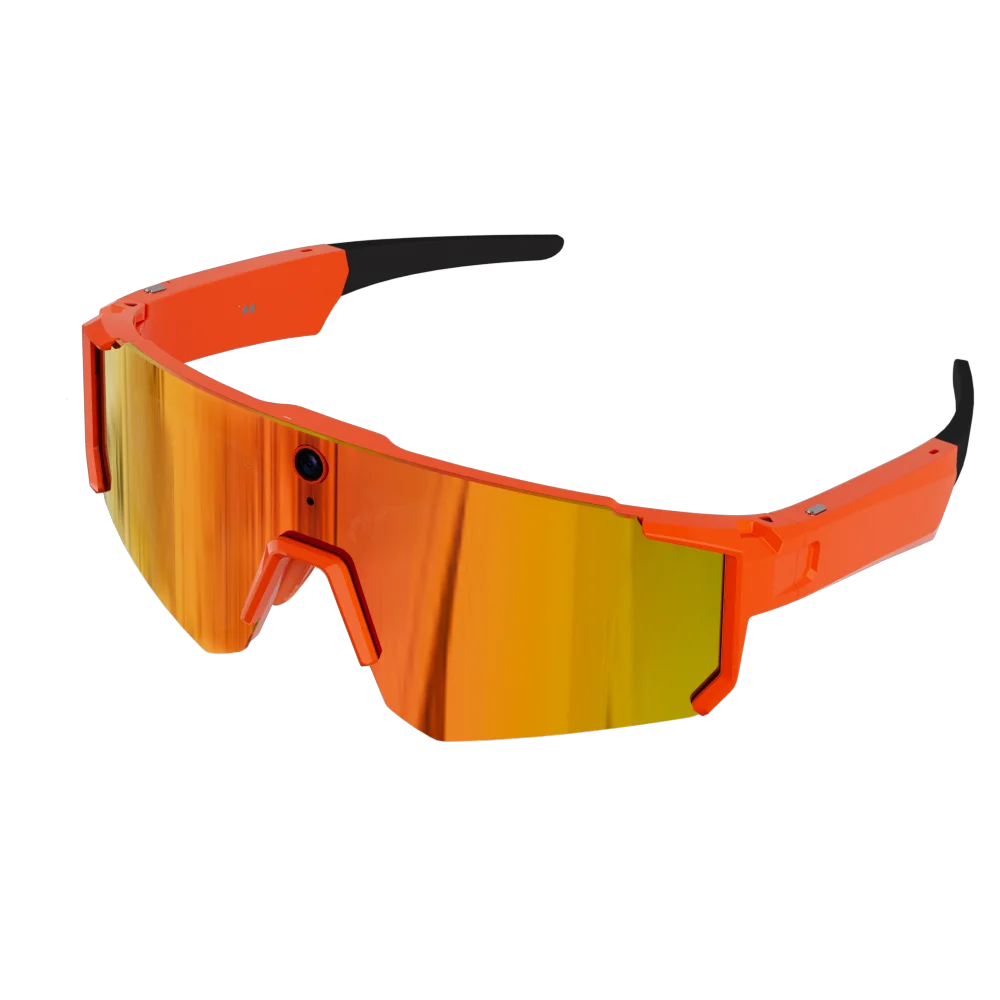
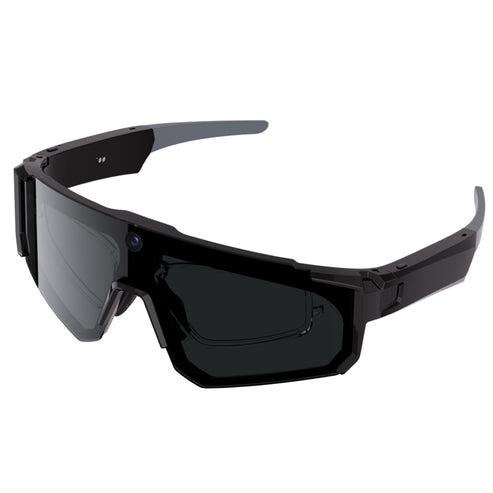
El enfoque moderno de las gafas inteligentes ha cambiado a tres estilos funcionales principales: monturas centradas en el audio, gafas con cámara de alta definición y pantallas virtuales conectadas. Para creadores activos y entusiastas del fitness al aire libre, el despliegue de gafas inteligentes especializadas para grabación de video ha cambiado por completo la captura de perspectiva en primera persona. Para largas sesiones de carrera y ciclismo, utilizar nuestras gafas de grabación de video GP04 de alta durabilidad permite a los atletas documentar sus rutas de entrenamiento y grabar clips de 1080p fluidos y con estabilización, sin necesidad de sacar un teléfono inteligente ni lidiar con voluminosos soportes para el pecho.
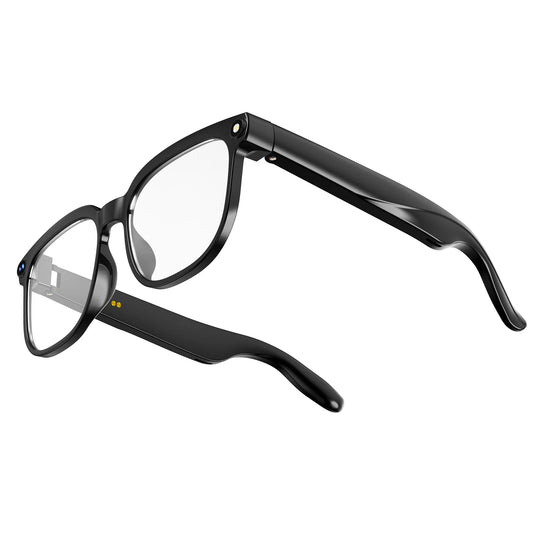
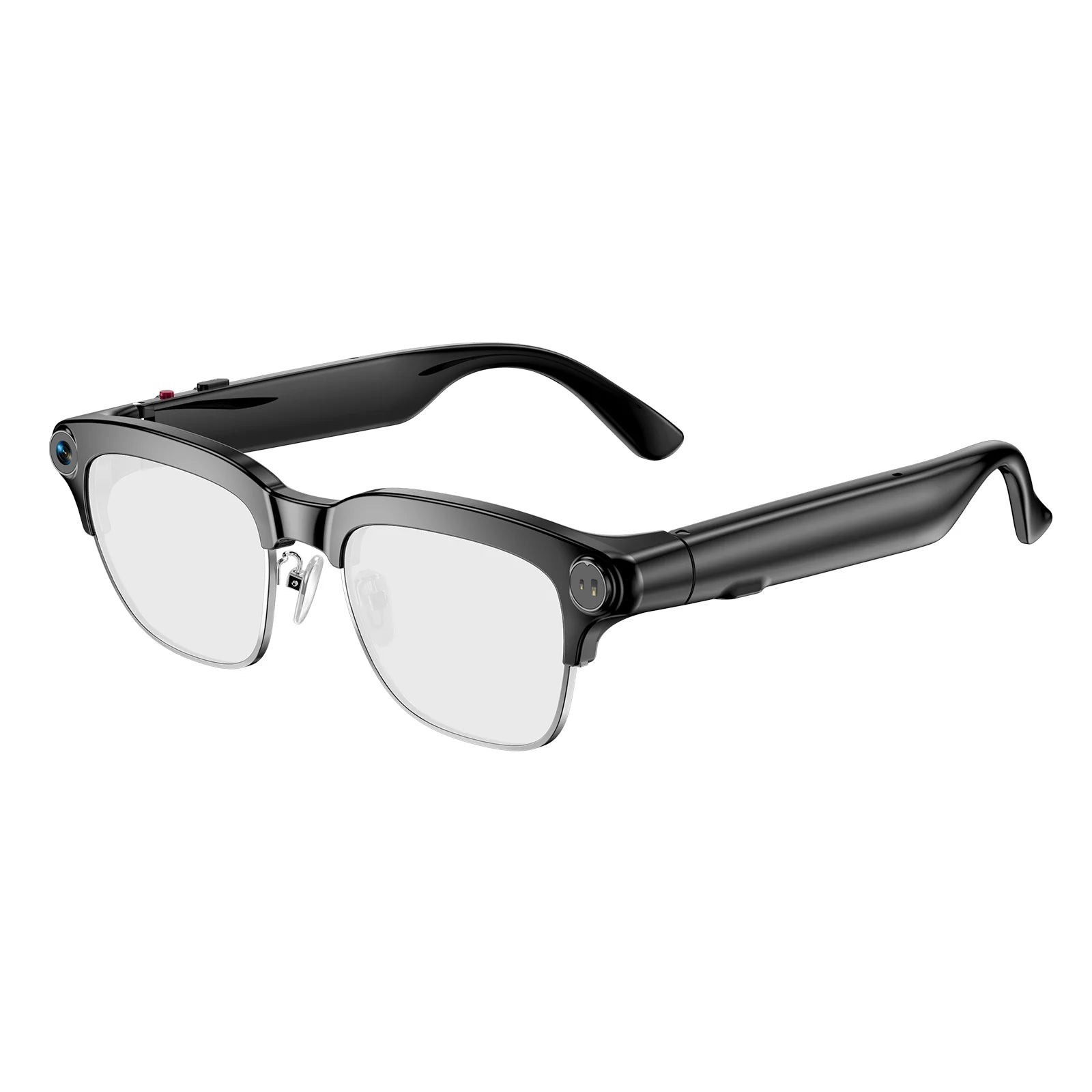
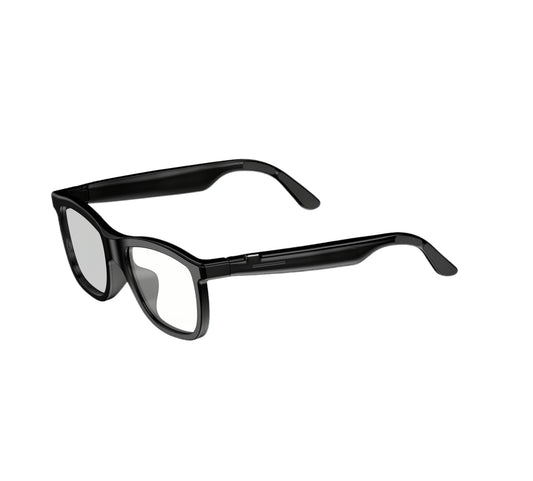
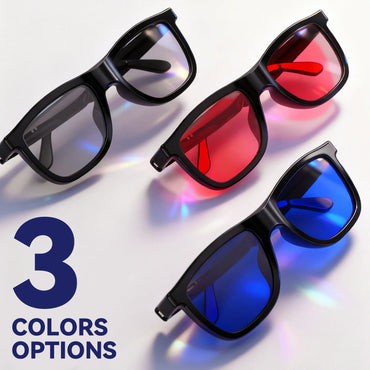
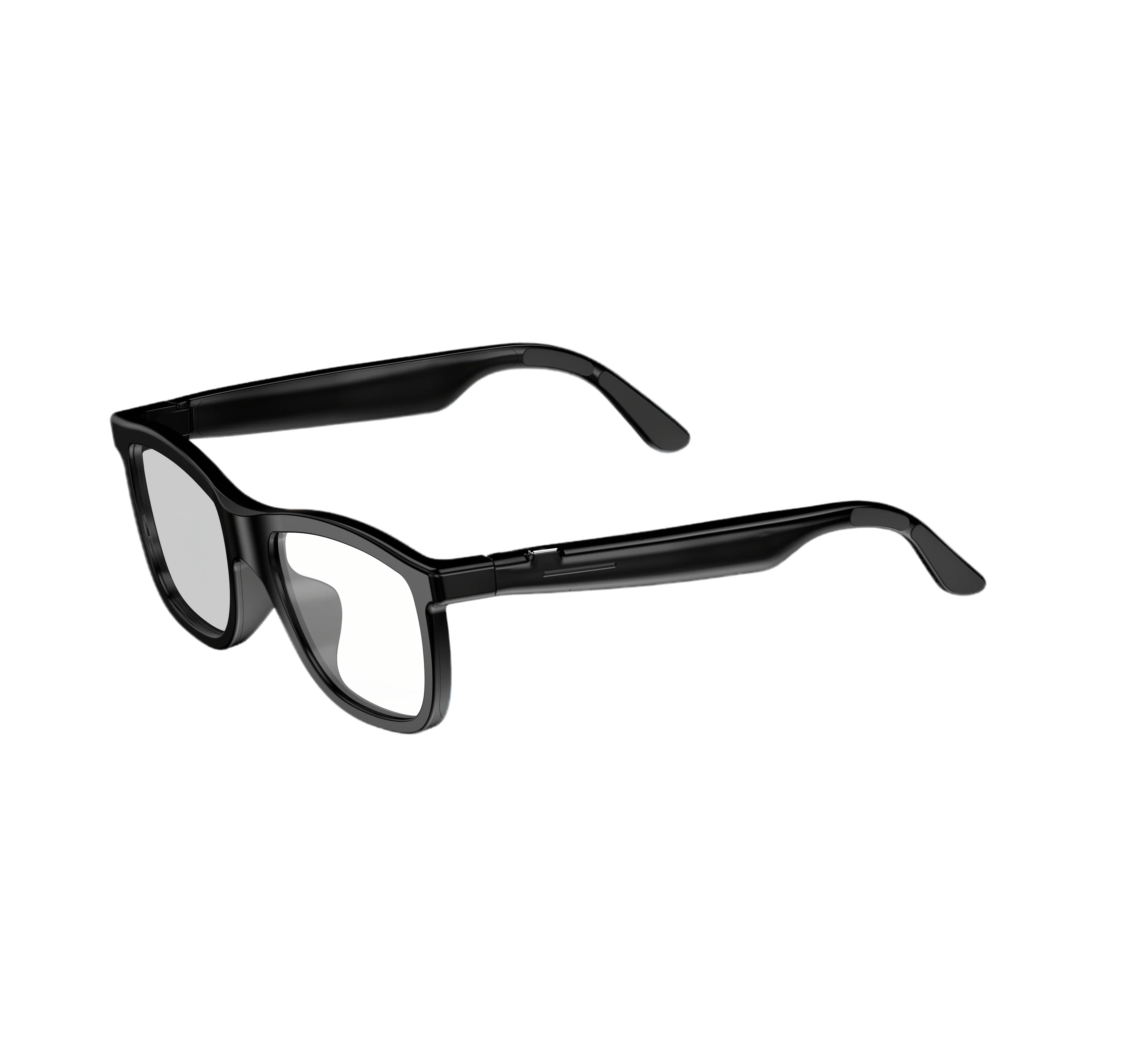
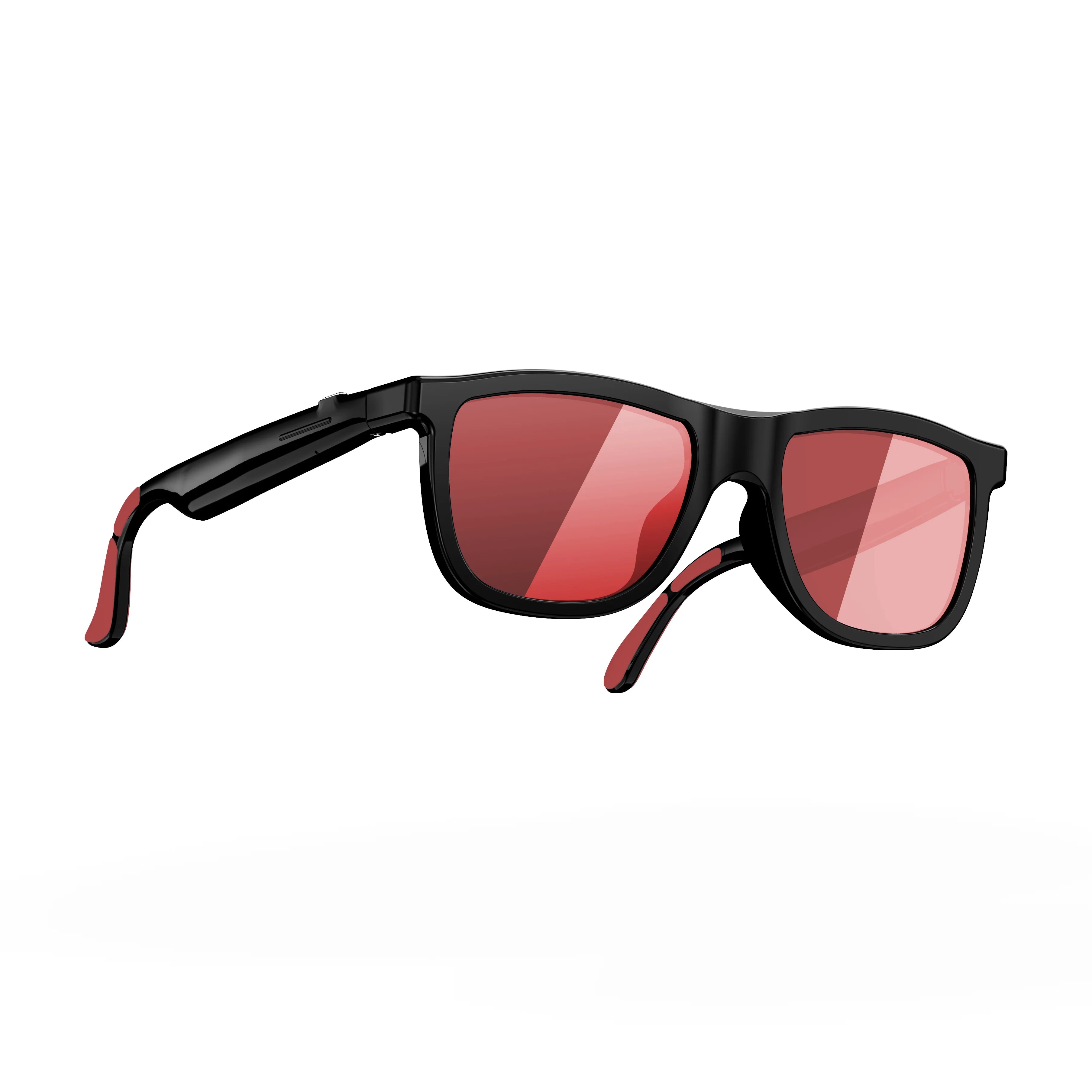
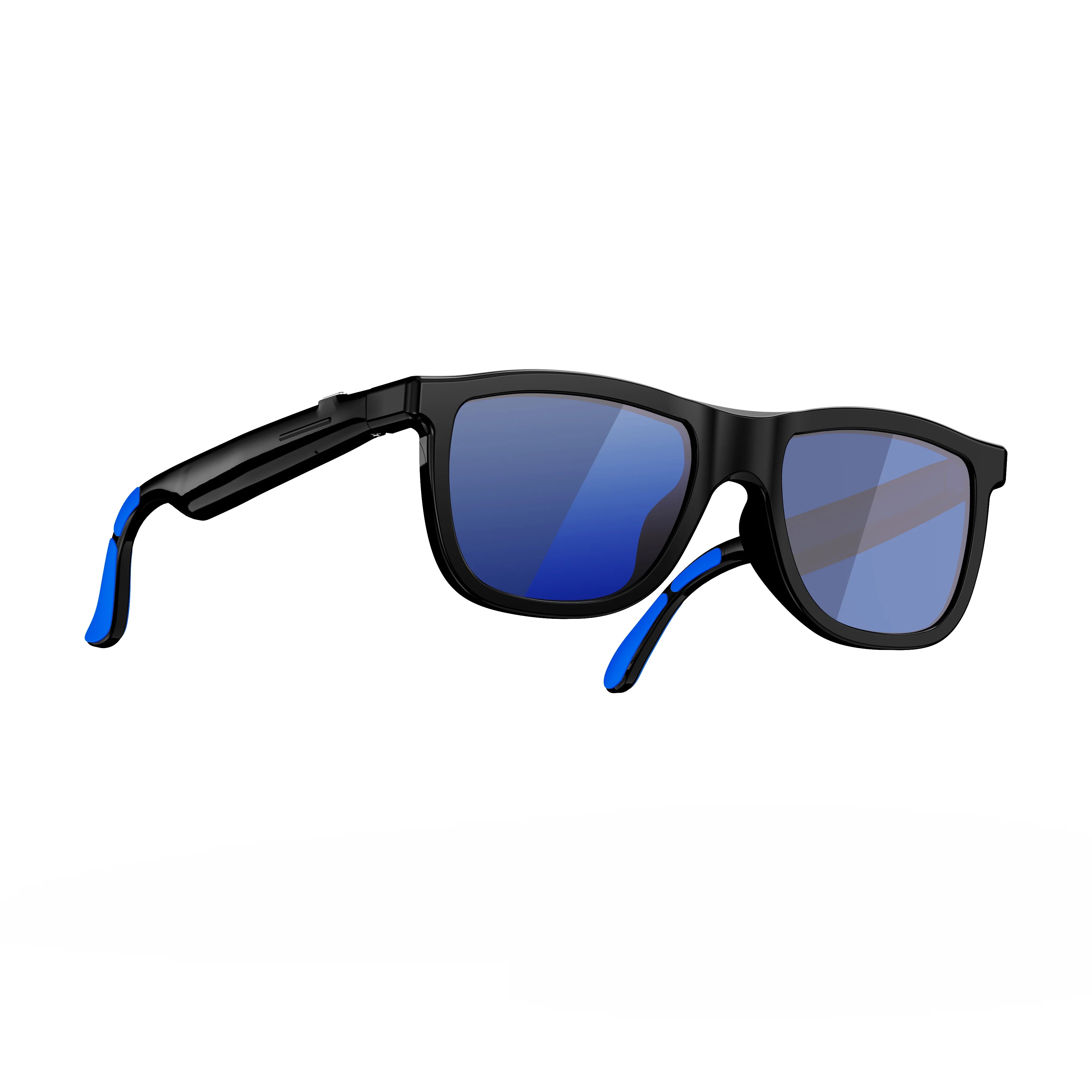
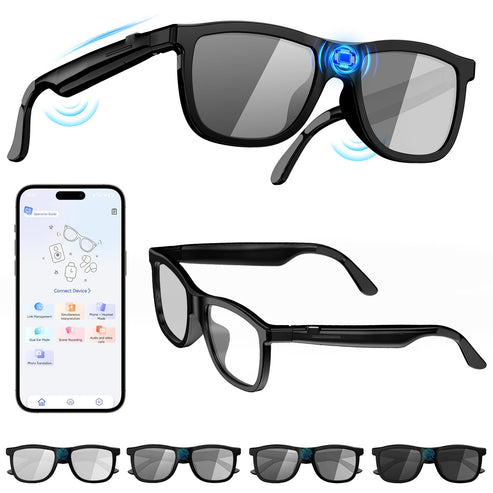
Al mismo tiempo, el rápido crecimiento de los grandes modelos de lenguaje ha convertido las gafas de audio en asistentes digitales altamente inteligentes y conscientes del contexto. Incorporar un par premium de gafas de audio inteligentes Bluetooth a su rutina diaria le brinda acceso a traducción de audio en tiempo real, navegación paso a paso y gestión de llamadas manos libres a través de puertos de altavoces de oído abierto. Nuestras elegantes gafas de audio inteligentes GG04 utilizan un blindaje acústico avanzado para dirigir el audio directamente a sus oídos mientras bloquean el ruido de fondo, lo que le ayuda a mantenerse conectado mientras mantiene una conciencia situacional completa del mundo que le rodea.
Para los trabajadores de oficina y lectores que buscan asistencia óptica personalizada, la actualización a las mejores gafas de lectura inteligentes de 2026 equilibra las lentes con filtro de luz azul con puertos de audio direccionales ocultos, minimizando la fatiga visual durante largas sesiones de pantalla. La evaluación de las principales hojas de ruta de los desarrolladores a través de un análisis experto de las gafas inteligentes de Apple revela una clara tendencia de hardware: el mercado global se está moviendo hacia monturas ligeras y de moda que integran la informática ambiental sin problemas en la moda cotidiana.
5. Realidades de la ingeniería: las leyes inquebrantables del peso y la potencia
Para comprender por qué el mercado de las gafas inteligentes tardó más de cinco décadas en madurar, tenemos que analizar las estrictas leyes de la física que rigen la electrónica de uso en la cabeza. Diseñar un smartphone es relativamente sencillo porque el hardware puede pesar 200 gramos y disipar el calor a través de una gran placa metálica trasera que se guarda en un bolsillo. El rostro humano es mucho más sensible; un peso adicional de 10 gramos o un aumento de 2 grados de temperatura a lo largo del puente de la nariz hará que un par de gafas sea completamente incómodo de llevar.
El principal desafío de ingeniería se centra en la batalla entre la densidad de la batería y el brillo de la pantalla óptica. Proyectar gráficos digitales nítidos y claros sobre una lente de vidrio transparente bajo la luz solar directa requiere microproyectores potentes que consumen una cantidad significativa de energía. Si se aumenta el tamaño de la batería para prolongar la autonomía, la montura se vuelve pesada y se desliza por la nariz del usuario. El cambio a arquitecturas centradas en el audio y asistidas por IA permite a los ingenieros eliminar componentes de pantalla pesados, reduciendo el peso total de la montura a unos cómodos 45 gramos, al tiempo que se ofrece un día completo de duración de la batería con una sola carga.
Para las marcas de tecnología modernas, equilibrar el rendimiento del hardware con la comodidad diaria es esencial para la adopción por parte del consumidor. La ingeniería de productos cotidianos como las últimas opciones de gafas inteligentes de alto rendimiento garantiza que su asistente digital se adapte a su estilo de vida sin problemas, brindando un soporte útil y contextual sin sacrificar su estilo de moda personal o la comodidad de uso diario.
Preguntas frecuentes
¿Quién inventó la primera versión de las gafas inteligentes?
El principal pionero técnico fue el científico informático Ivan Sutherland, quien creó el primer sistema de visualización montado en la cabeza de visión directa óptica en 1968 en la Universidad de Harvard. Debido a su enorme peso y al pesado hardware montado en el techo, fue apodado La Espada de Damocles.
¿Por qué fracasó el lanzamiento original de Google Glass para el consumidor en 2015?
Google Glass tuvo problemas debido a una combinación de poca duración de la batería (menos de 5 horas), problemas de sobrecalentamiento a lo largo de la carcasa de la sien, fatiga visual por la pequeña pantalla de prisma y una intensa ansiedad pública por la privacidad en torno a su cámara frontal, lo que llevó a que el dispositivo fuera ampliamente prohibido en lugares públicos.
¿Cuál es la diferencia entre las gafas de realidad aumentada (RA) y las gafas de audio inteligentes?
Las gafas de RA utilizan complejas guías de ondas ópticas o microproyectores internos para superponer imágenes y texto digitales directamente sobre las lentes físicas. Las gafas de audio inteligentes no incluyen pantallas visuales; en cambio, se centran en altavoces direccionales de oído abierto, micrófonos y conectividad Bluetooth para proporcionar asistentes de voz manos libres y transmisión de audio, mientras que se ven como gafas normales.
¿Cómo abordan las gafas inteligentes modernas las preocupaciones de privacidad de manera diferente a los modelos antiguos?
Las gafas inteligentes modernas incorporan luces indicadoras de grabación LED visibles y cableadas en la parte frontal de la montura que se iluminan automáticamente cada vez que la cámara está activa. Esta alerta notifica a las personas cercanas que se está grabando y no se puede apagar mediante ajustes de software, lo que ayuda a resolver los problemas de privacidad.
Referencias técnicas y estándares de metrología
1. Sutherland, I. E. (1968). A head-mounted three dimensional display. Fall Joint Computer Conference, Thomson Books, Washington DC, 757-764.
2. Azuma, R. T. (1997). A Survey of Augmented Reality. En Presence: Teleoperators and Virtual Environments 6, 4, 355-385.
3. División de Wearables de Counterpoint Research - Informe de análisis de penetración y volumen del mercado global de gafas inteligentes (2024-2026).
4. Grupo de tecnología ponible Osawalla - Registros internos de investigación de factores humanos y rendimiento de disipación térmica para arquitecturas de audio de oído abierto.
5. Ingeniería de hardware de control de precisión: Servicios de ensamblaje de PCBA para circuitos de microcontroladores portátiles


