

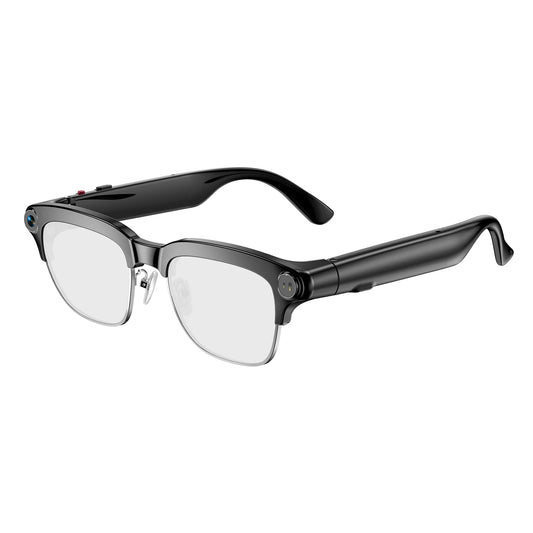
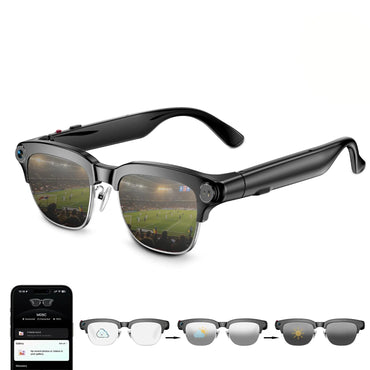
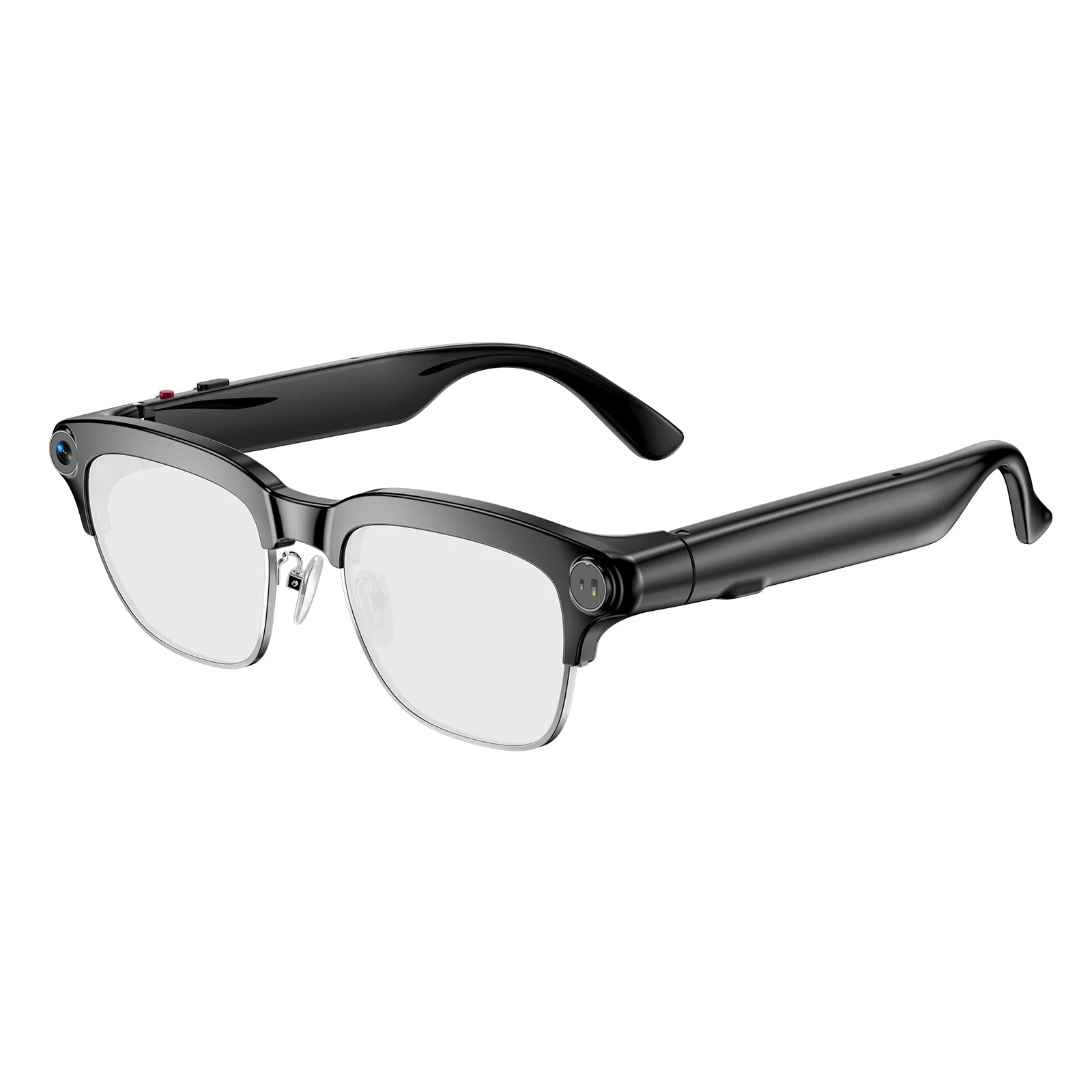
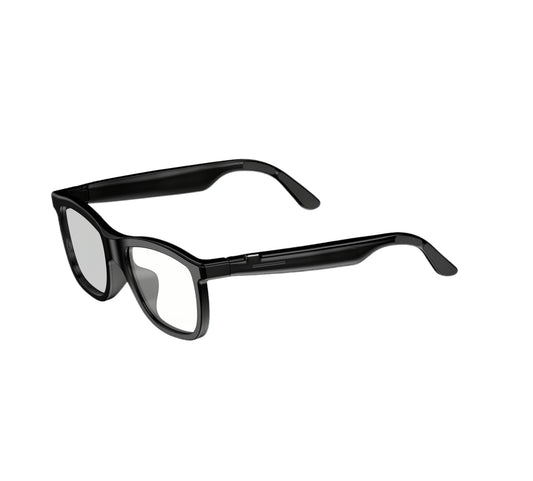
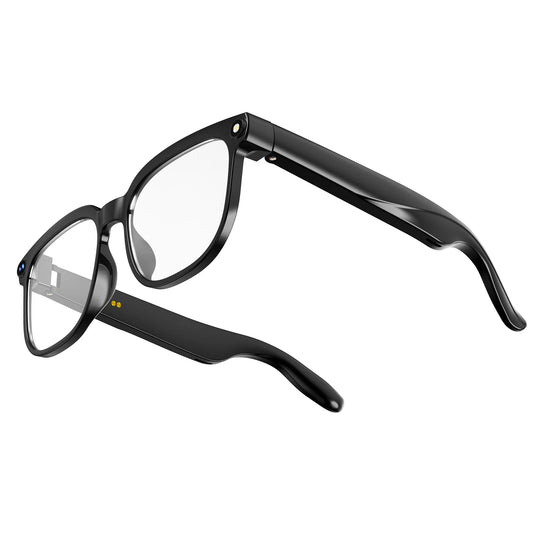
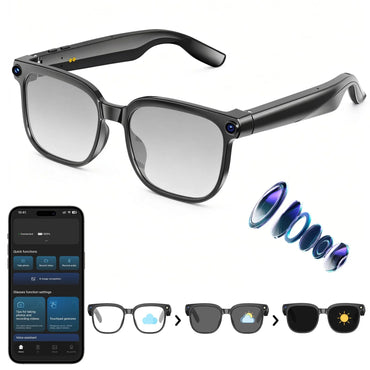
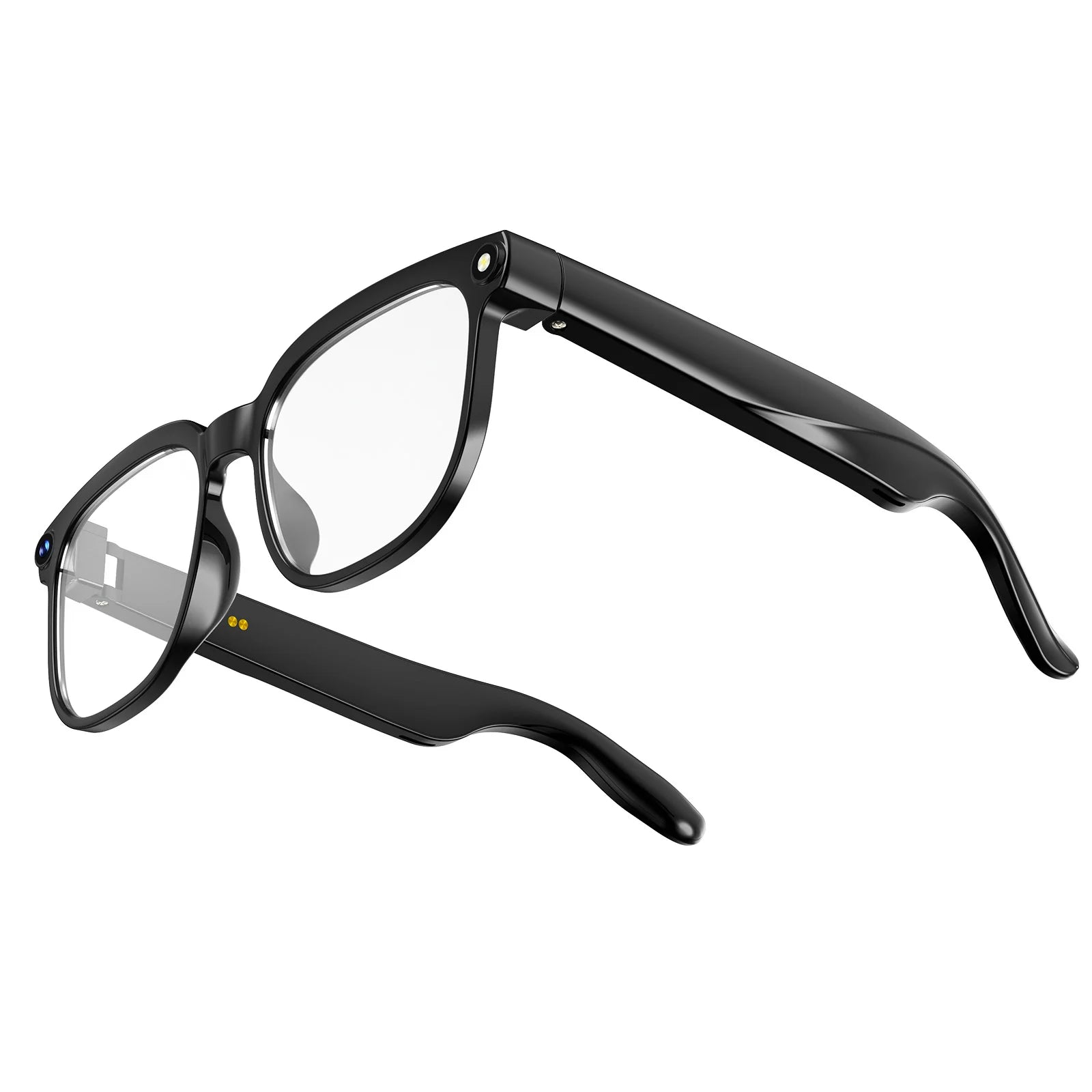
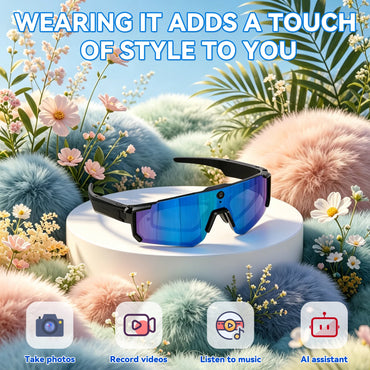
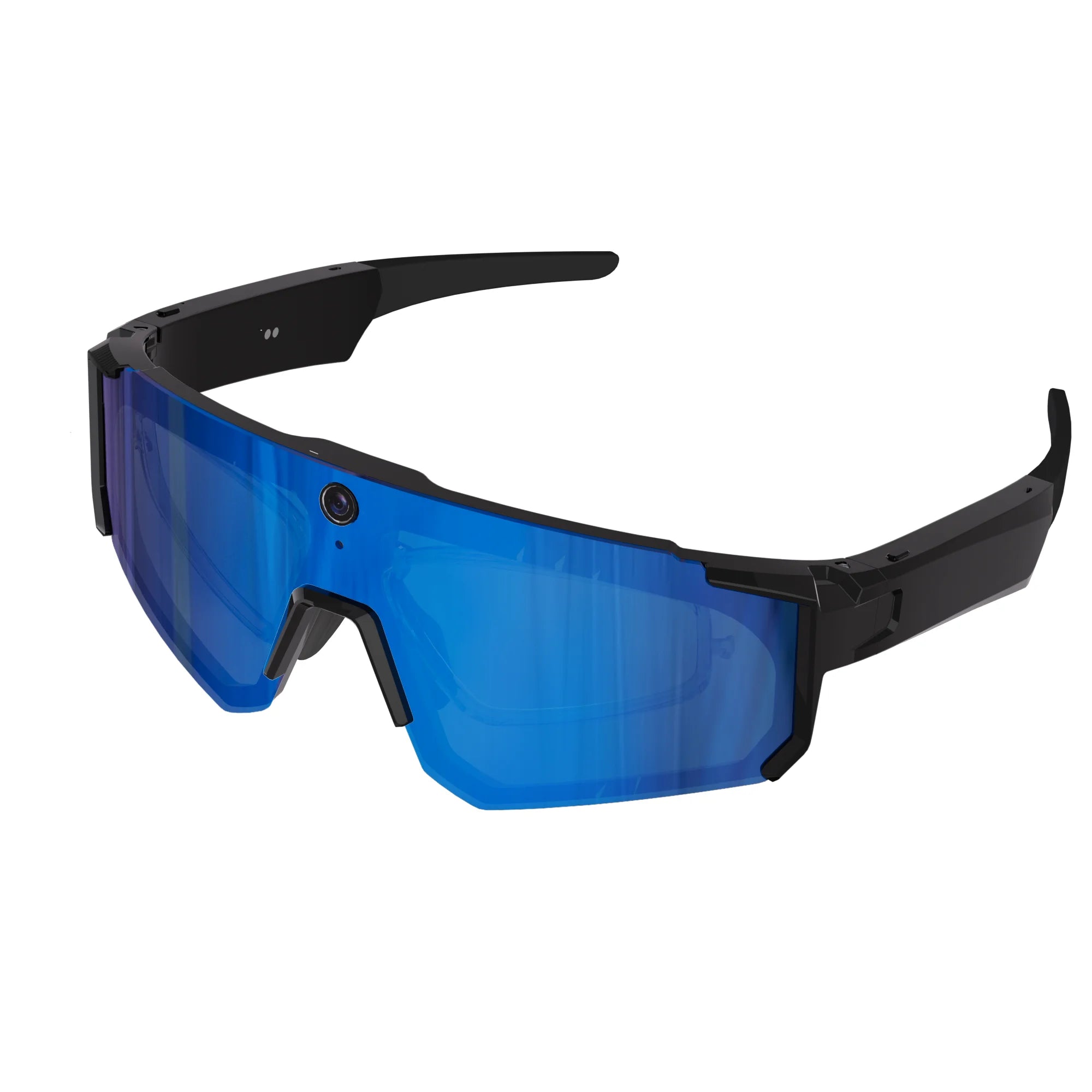
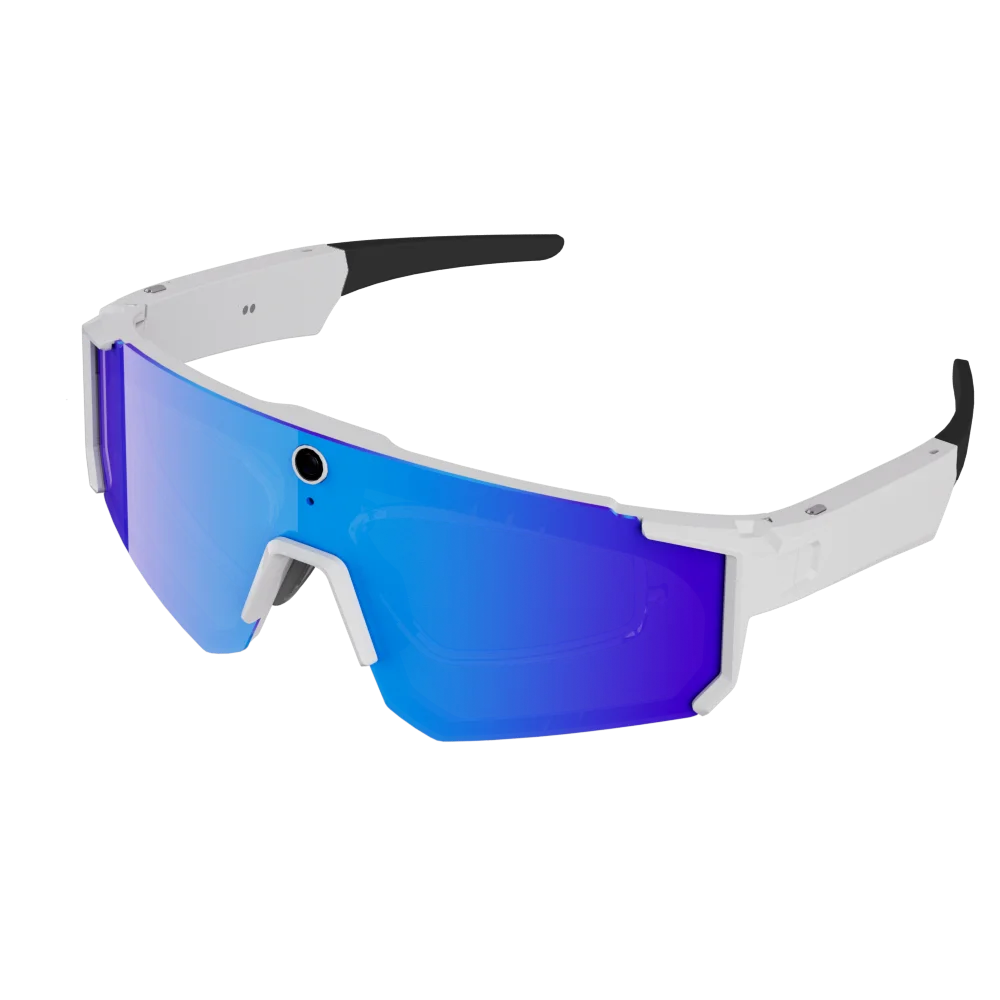
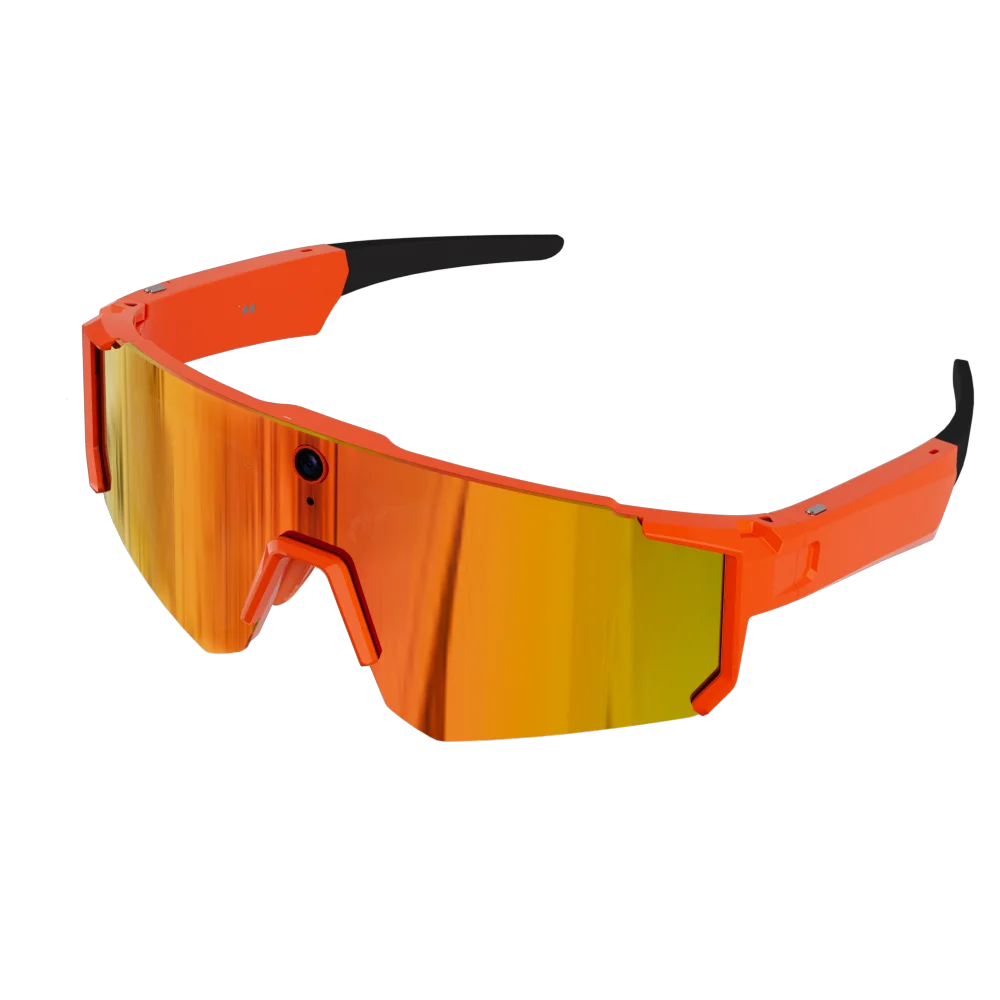
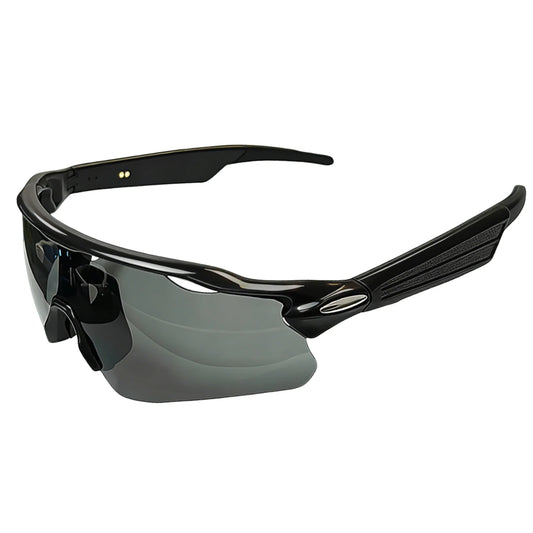
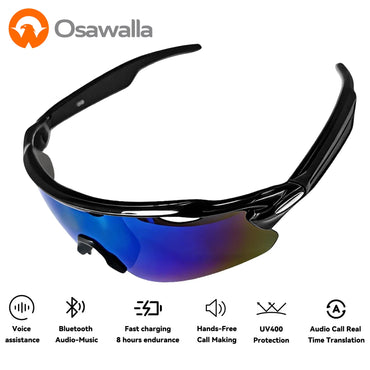
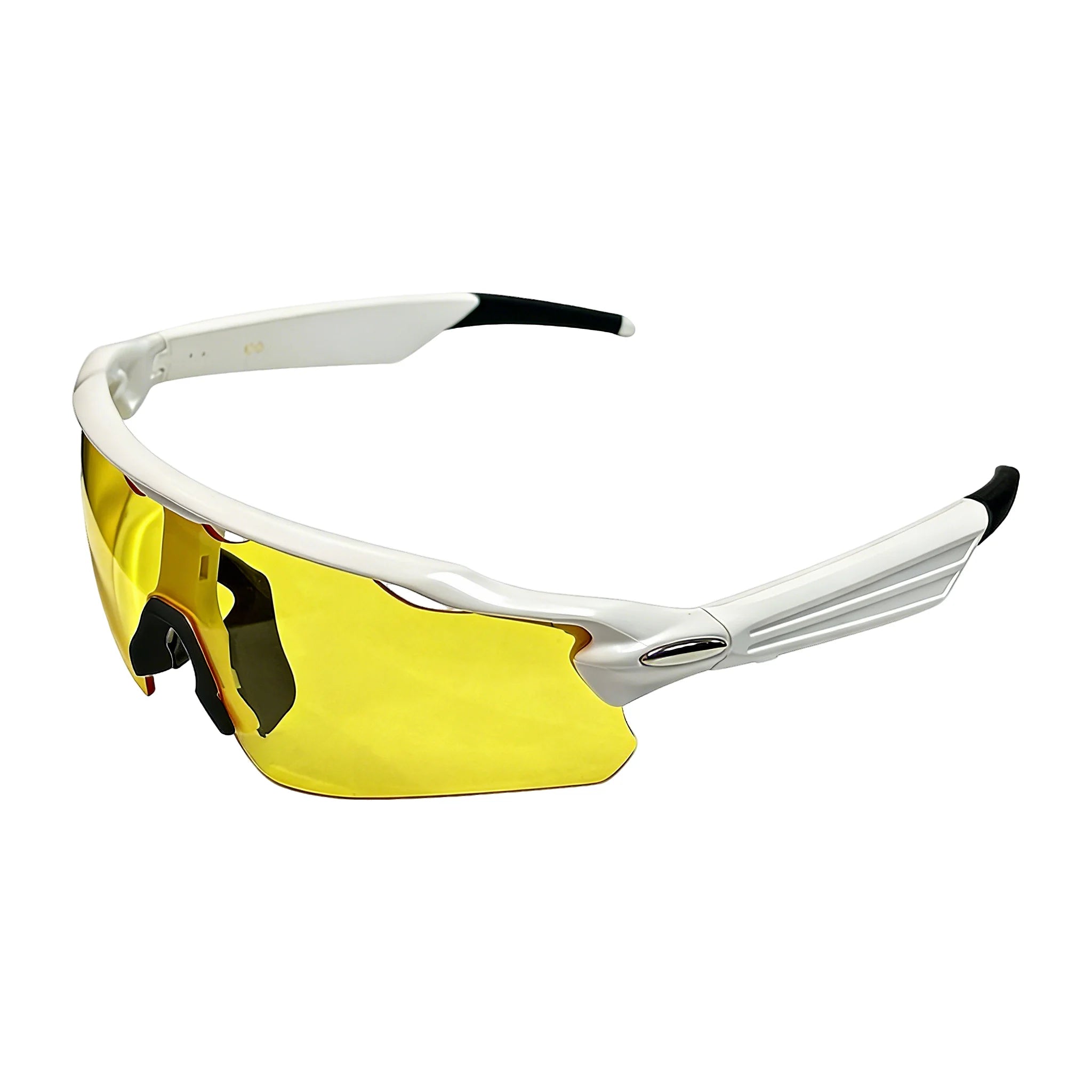
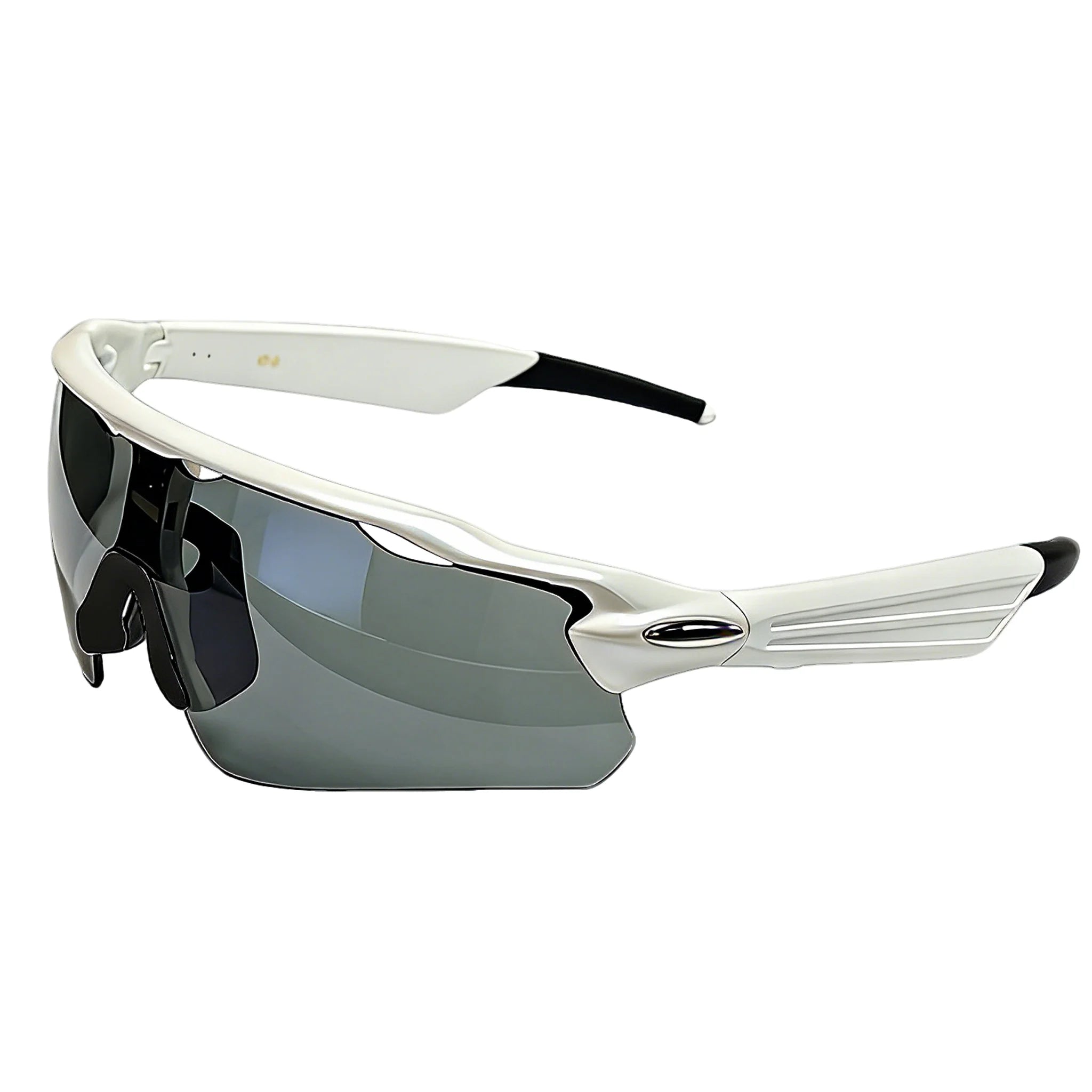
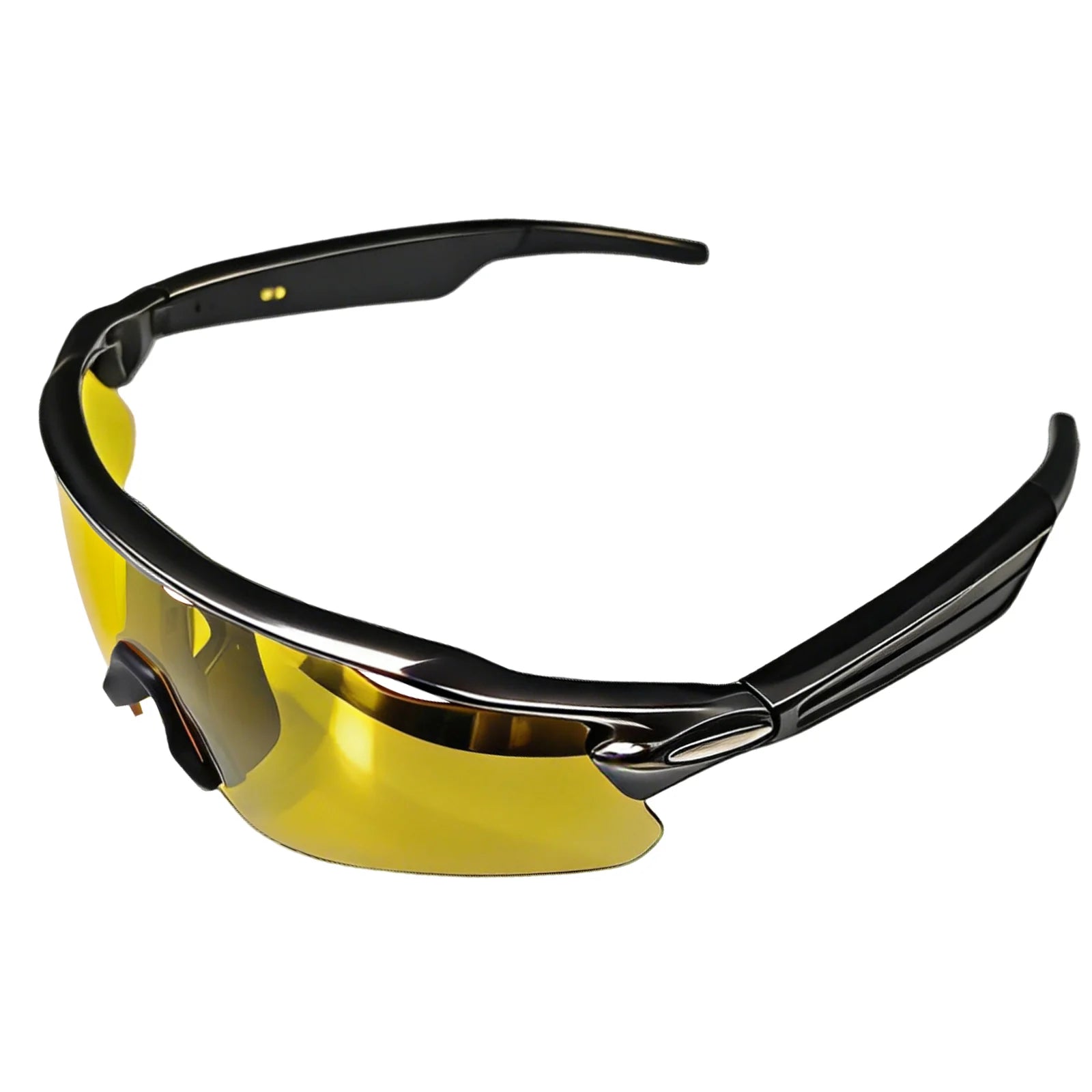
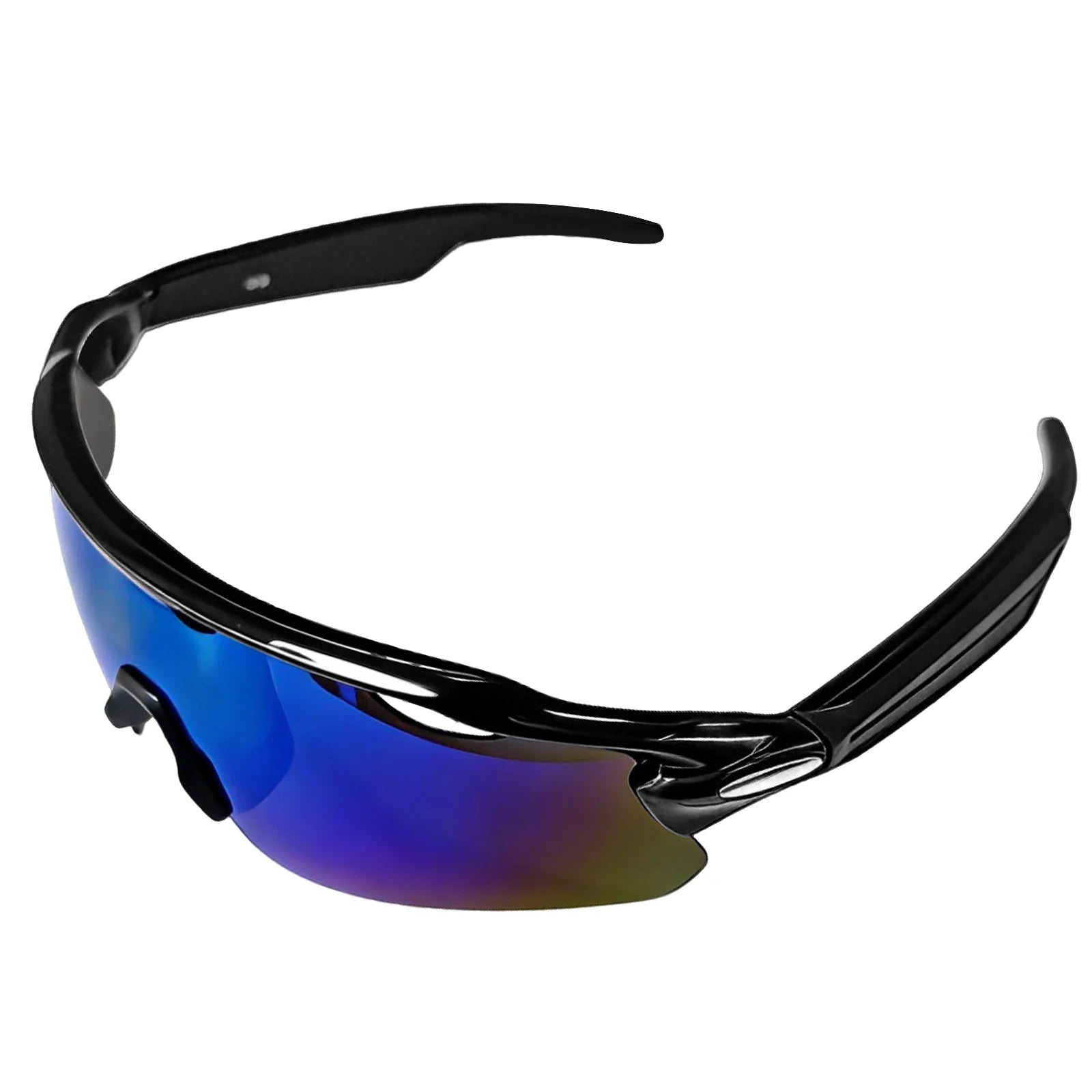


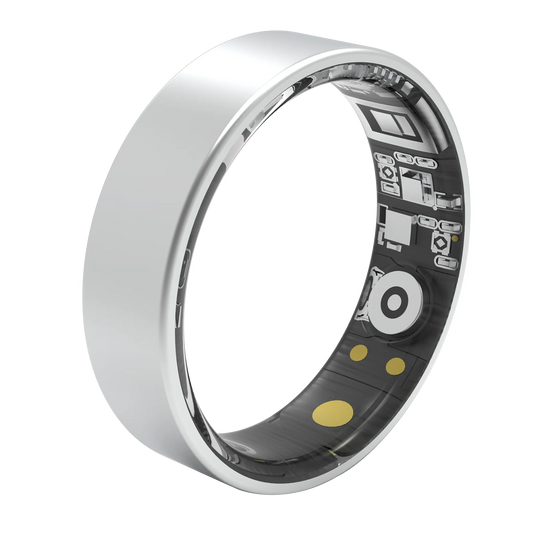
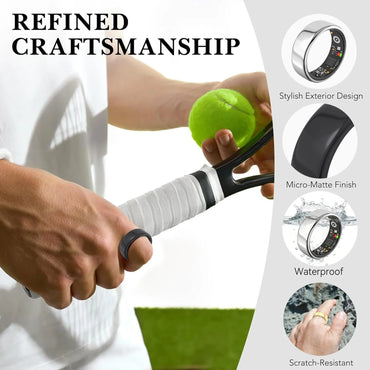
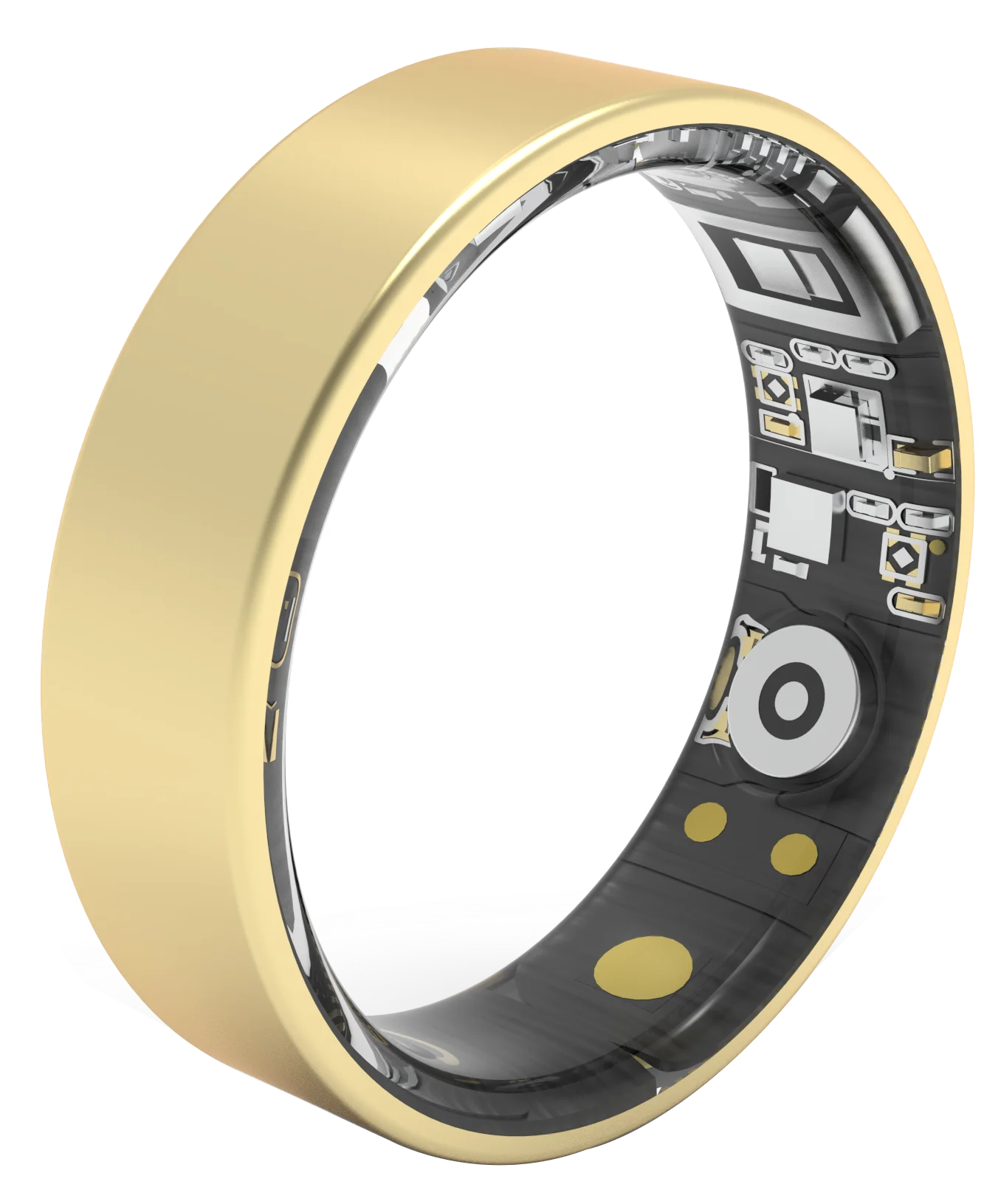
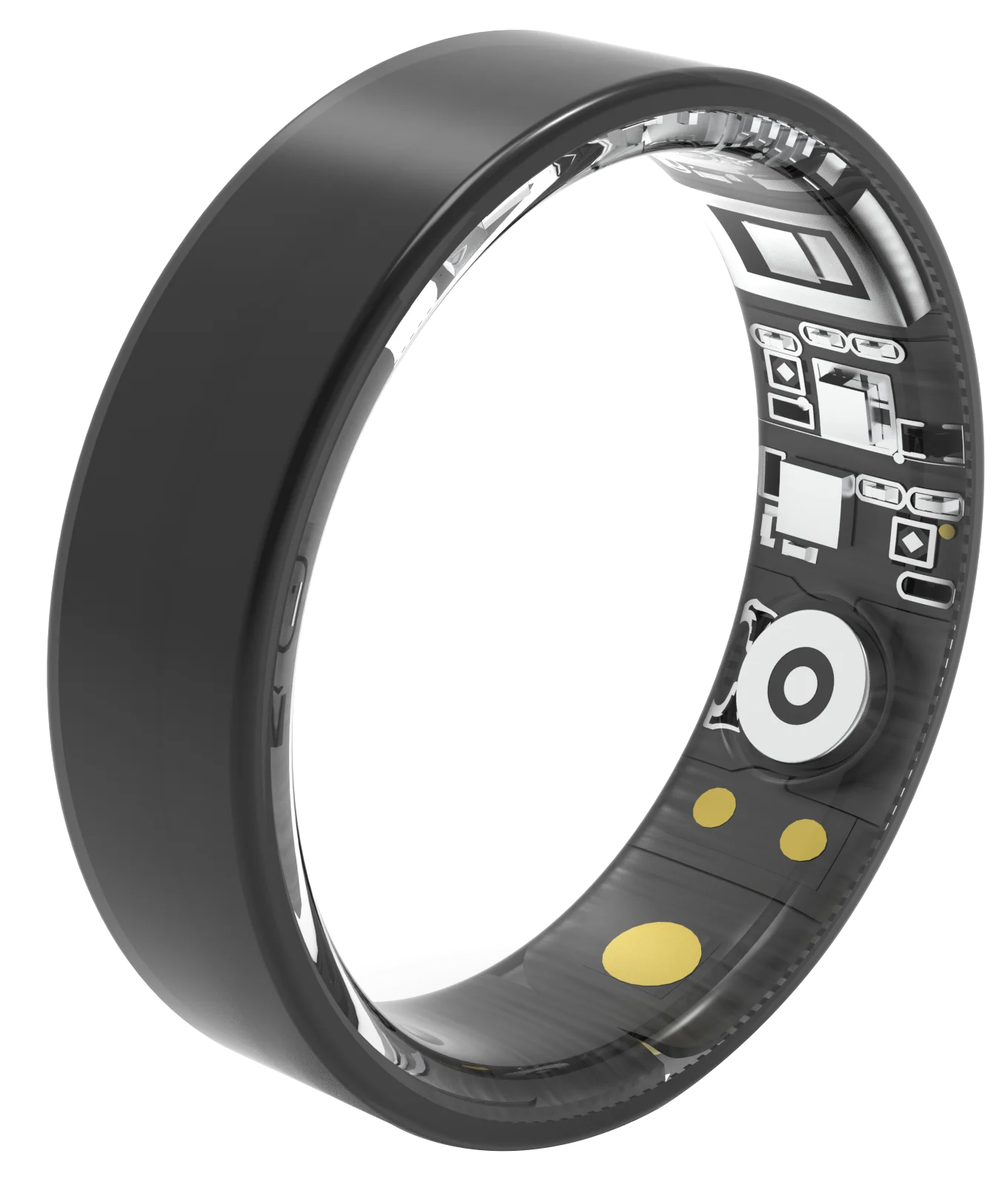
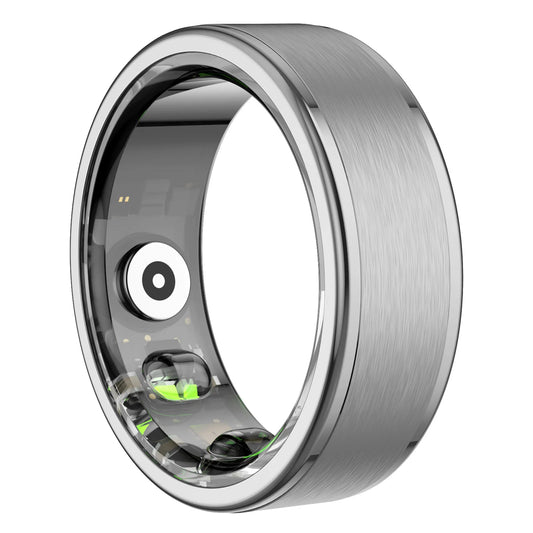
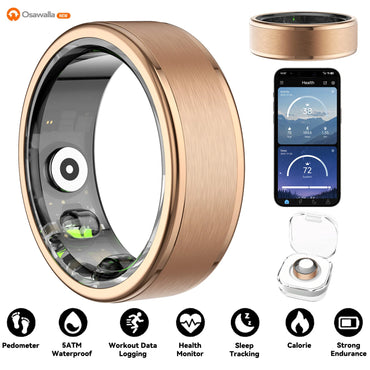



Osawalla is a product-centric brand focusing on AI-powered smart wearables. Through innovations in AI sensing technology, we deliver professional-grade, cost-effective wearable products, striving to become a global benchmark brand in the AI wearables sector. The wearable technology landscape has evolved dramatically, and in 2026, eyewear that doubles as a multimedia powerhouse has officially entered the mainstream. Whether you want to capture hands-free memories, stream live to social media, or leverage artificial intelligence for real-time object identification, deciding to shop smart glasses with camera capabilities is an exciting leap into the future.

However, the rapid influx of new models can make the purchasing process overwhelming. From battery constraints and video resolution to privacy etiquette and comfort, there are numerous variables to consider. From our experience in developing cutting-edge wearables, the hardware specifications alone do not tell the whole story; you must align the device's capabilities with your daily lifestyle. If you intend to shop smart glasses with camera integration, following a structured evaluation process is essential to avoid buyer's remorse. We have compiled a comprehensive list of eight critical tips to guide you through the 2026 market offerings.
Table of Contents
- 1. Prioritize Camera Quality and Image Stabilization
- 2. Evaluate Battery Life and Charging Solutions
- 3. Assess Internal Storage and Connectivity Speeds
- 4. Scrutinize Audio Performance and Microphone Arrays
- 5. Consider Design, Weight, and Prescription Options
- 6. Understand Privacy Indicators and Etiquette
- 7. Analyze AI Integration and Software Ecosystems
- 8. Match the Device to Your Specific Lifestyle
- Summary Table: Key Buying Criteria
- Frequently Asked Questions
- References
1. Prioritize Camera Quality and Image Stabilization
When you decide to shop smart glasses with camera features, the optical performance should be your primary concern. In 2026, 1080p (Full HD) is the absolute minimum standard, but premium models are now offering 3K video recording and 12-megapixel ultra-wide still photography. A wider Field of View (FOV), typically between 90 and 100 degrees, is crucial for capturing a true first-person perspective without making the footage feel claustrophobic.
We recommend paying close attention to Electronic Image Stabilization (EIS). Because wearable cameras move naturally with your head, capturing smooth video while walking or running is impossible without robust stabilization algorithms. If the video is shaky, the higher resolution will not matter. Furthermore, consider the video format. Many modern frames are optimized for vertical video capture to seamlessly integrate with platforms like Instagram and TikTok. To explore the top optical performers, read our deep dive on the smart glasses with camera review.
2. Evaluate Battery Life and Charging Solutions
Power management remains one of the most challenging engineering hurdles for wearable technology. As you shop smart glasses with camera functions, it is vital to distinguish between standby time, mixed usage time, and continuous recording time. Most modern eyewear can sustain 4 to 8 hours of mixed use (taking occasional photos, listening to music, and asking AI questions). However, continuous video recording will rapidly deplete the battery, usually limiting you to 30 to 60 minutes of non-stop capture.
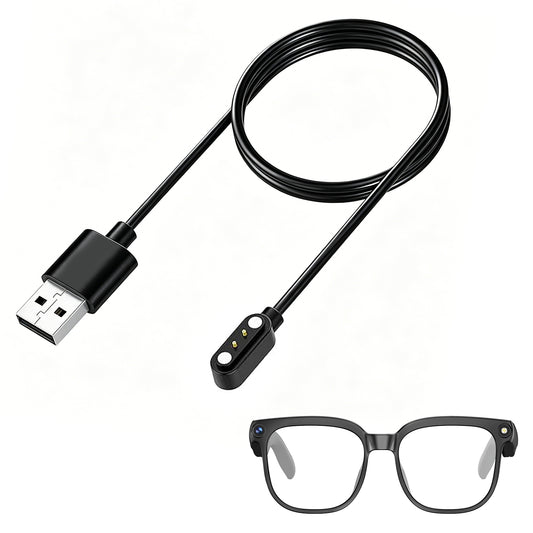
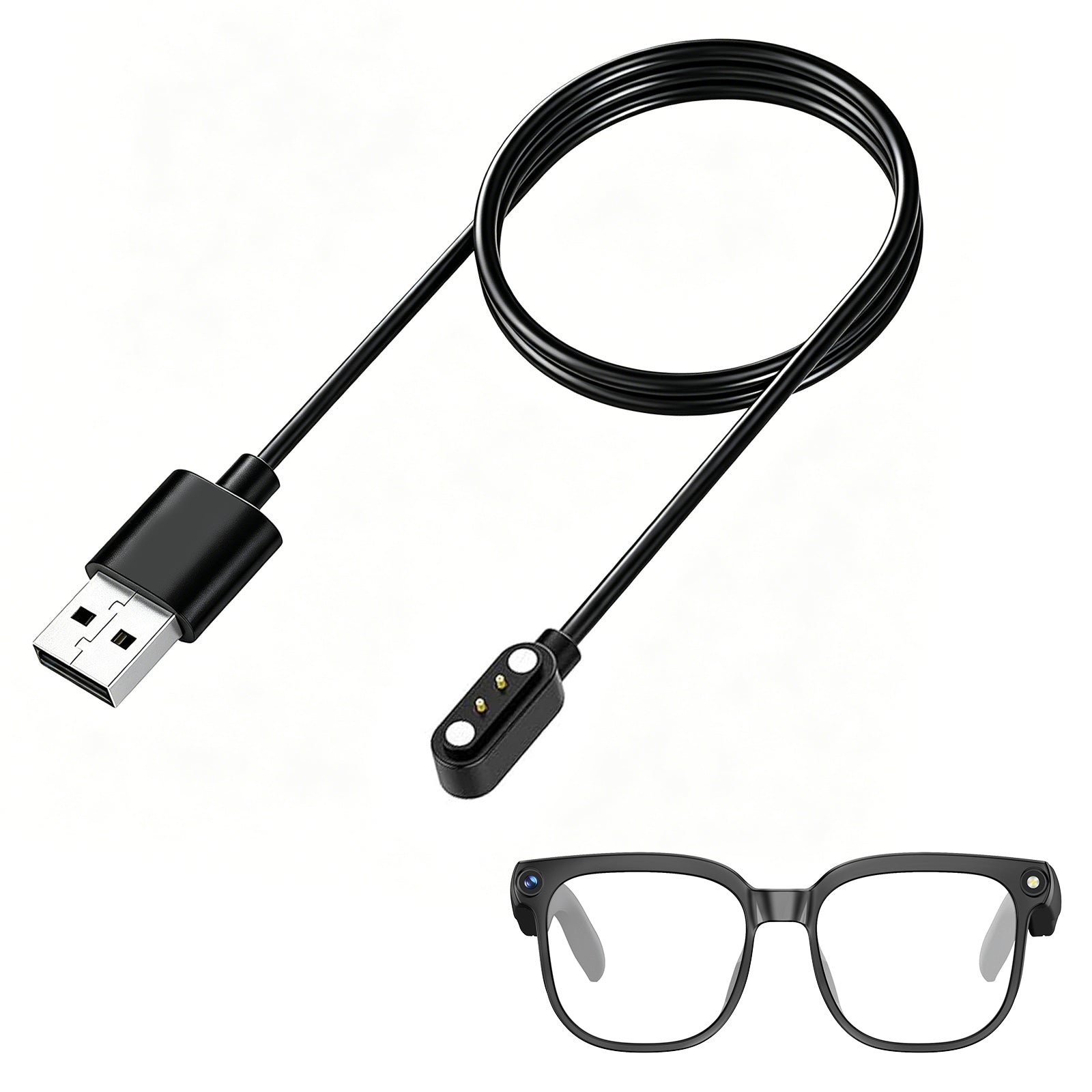
From our experience, the inclusion of a portable charging case is non-negotiable. A high-quality charging case acts as a power bank, capable of recharging the frames several times throughout the day while they are safely stored in your bag. Look for fast-charging capabilities, such as reaching a 50% charge in just 20 minutes, which significantly mitigates range anxiety during long outings.
3. Assess Internal Storage and Connectivity Speeds
Unlike smartphones, most eyewear wearables do not offer expandable storage via SD cards. Therefore, the internal memory capacity is a strict limitation. A standard of 32GB is common in 2026, which is generally sufficient for a full day of capturing high-definition video clips and photos before you need to offload the files.
When you shop smart glasses with camera features, evaluating the data transfer protocol is just as important as the storage size. Look for devices equipped with Bluetooth 5.3 and Wi-Fi 6. High-speed Wi-Fi connectivity allows you to quickly transfer heavy 3K video files to your smartphone's companion app without tedious waiting periods. Fast connectivity also ensures that live-streaming features operate smoothly without dropping frames.
4. Scrutinize Audio Performance and Microphone Arrays
Modern multimedia eyewear is not just for visual capture; it replaces your headphones. Open-ear directional speakers built into the temples allow you to listen to music, podcasts, and GPS navigation while maintaining full situational awareness of your surroundings. However, open-ear audio can suffer from sound leakage in quiet environments, so finding a pair with directional sound focusing is key.
Equally important is the microphone setup. When you shop smart glasses with camera capabilities, ensure the device features a multi-microphone array (often 5 or more mics). This allows the onboard processor to utilize active noise cancellation to filter out wind and background traffic, ensuring your voice is crystal clear during phone calls, video recordings, and when issuing voice commands to the built-in AI assistant.
5. Consider Design, Weight, and Prescription Options
No matter how impressive the technology is, if the frames are heavy, unbalanced, or aesthetically unpleasing, you will not wear them. The best designs seamlessly conceal the technology, allowing the device to pass as traditional designer eyewear. Weight distribution is critical; if the front of the frame is too heavy due to the camera sensors, the glasses will slide down your nose.
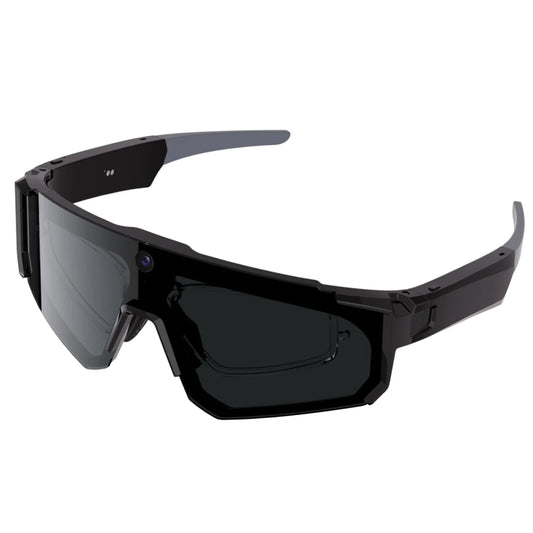
For those who require corrective lenses, verify that the manufacturer supports prescription inserts or transitions lenses. Being forced to wear contacts just to use your smart wearable limits its daily utility. If you spend significant time outdoors and require UV protection alongside your technology, we recommend consulting our guide on the best smart sunglasses with camera to find models tailored for bright environments.
6. Understand Privacy Indicators and Etiquette
Privacy concerns are the most significant social barrier to adopting wearable cameras. To shop smart glasses with camera devices responsibly, you must be aware of how the hardware signals to bystanders that recording is in progress. Reputable brands integrate hardwired LED recording indicators that illuminate brightly when capturing video or photos. In many regions, tampering with or covering these indicators violates the terms of service and can be illegal.
Social etiquette should guide your usage. Wearing camera-equipped frames in sensitive environments like gyms, locker rooms, schools, or private corporate meetings can cause social friction. Understanding these boundaries ensures you can enjoy your technology without infringing on the comfort and privacy of those around you. For a broader look at responsible usage, see our insights on smart glasses applications 2026.
7. Analyze AI Integration and Software Ecosystems
In 2026, the hardware is merely the vessel for sophisticated artificial intelligence. When you shop smart glasses with camera functionality, you are also buying into a software ecosystem. Multimodal AI assistants can use the onboard camera to "see" what you are looking at and provide contextual information. For example, you can ask the AI to translate a menu, identify a landmark, or calculate nutritional information from a plate of food.
Assess whether the companion app is intuitive and whether the AI integration supports real-time translation and seamless sharing to your preferred social media platforms. Devices that force you through clunky, third-party apps will severely degrade the user experience. To see which ecosystems are leading the market, check our list of the top new smart glasses 2026.
8. Match the Device to Your Specific Lifestyle
Ultimately, the perfect pair of glasses depends entirely on your daily routine. Do you want to shop smart glasses with camera specs for high-impact sports? You will need an IP67 water and sweat resistance rating, a secure wrap-around fit, and robust Strava integration. If your primary goal is content creation, vertical video recording and native live-streaming capabilities should be your top priorities.
For the modern professional, discreet styling and exceptional call quality are paramount. By identifying your primary use case before making a purchase, you ensure that the technology augments your life rather than complicating it. For those with highly dynamic routines, we suggest reading our recommendations on smart wearable glasses for active lifestyle.
Summary Table: Key Buying Criteria
| Feature Category | Minimum Recommended Specs (2026) | Premium Specs to Look For |
|---|---|---|
| Camera Quality | 1080p Video, 12MP Photos, Basic EIS | 3K/4K Video, Advanced EIS, 100° FOV |
| Battery & Charging | 4 Hours Mixed Use, Standard Cable | 8+ Hours Mixed Use, Fast-Charging Case |
| Storage & Network | 32GB Internal, Bluetooth 5.0 | 64GB Internal, Wi-Fi 6, Bluetooth 5.3 |
| Audio & Voice | Open-ear stereo, Dual-mic | Directional audio, 5-Mic array, Wind reduction |
| Software & AI | Basic voice commands, Photo transfer | Multimodal AI vision, Live translation, Native live-streaming |
Frequently Asked Questions
Are there monthly subscription fees when I shop smart glasses with camera devices?
For the vast majority of consumer models in 2026, there are no mandatory subscription fees. The companion apps and integrated AI assistants are typically included with the purchase price of the hardware. However, some enterprise or highly specialized augmented reality models may require ongoing software licenses.
Can I use these glasses to record in the dark?
No. Consumer smart eyewear relies on standard image sensors that require adequate ambient lighting, much like a smartphone camera. They do not possess infrared night vision capabilities. Recording in very low light will result in grainy, unusable footage.
Will the camera recording drain my smartphone battery?
The glasses process and store the video on their own internal memory, utilizing their own battery. It does not actively drain your phone's battery during capture. However, transferring those large video files from the glasses to your phone via Wi-Fi later on will consume some smartphone battery.
What is the future of this technology?
We are rapidly moving toward fully integrated spatial computing, where cameras will not just record but overlay holographic augmented reality interfaces seamlessly into your field of vision. For a deep dive into what is coming next, read our expert analysis on the future of smart glasses technology.


