







The landscape of wearable devices is undergoing a profound and necessary transformation. For decades, the tech industry focused entirely on handheld screens, forcing users to disconnect from their immediate environments. Today, Smart glasses technology is redefining how we interact with digital data, acoustic environments, and our own physiological wellness. By shifting the interface from the palm of the hand to the field of vision and the auditory periphery, this innovation represents a monumental leap in ergonomic computing and lifestyle enhancement.

The core objective of implementing Smart glasses technology is not merely to shrink a smartphone and mount it on your face. Rather, it is about creating a symbiotic relationship between the wearer and their environment. From our experience in designing intelligent eyewear, the most successful devices are those that provide gentle awareness of your everyday rhythms without overwhelming your senses. In this comprehensive industry guide, we will analyze the technical architecture, practical applications, and the future trajectory of Smart glasses technology.
Table of Contents
- 1. The Core Architecture of Smart Glasses Technology
- 2. Acoustic Engineering: The Open-Ear Audio Revolution
- 3. Visual Capture and Environmental Processing
- 4. The Electrochromic Paradigm Shift in Lens Tech
- 5. Athletic Applications: Empowering the Modern Cyclist and Runner
- 6. Summary Table: Analyzing Osawalla Smart Wearables
- 7. Frequently Asked Questions
- 8. Expert References
1. The Core Architecture of Smart Glasses Technology
Understanding the value of Smart glasses technology requires a look beneath the surface. The engineering challenge inherent in these devices is the demand for extreme miniaturization. A standard pair of smart eyewear must house microprocessors, Bluetooth modules, battery cells, acoustic chambers, and sometimes camera sensors, all within a frame that is lightweight and aesthetically pleasing.
From our experience at Osawalla, the primary hurdle in developing early Smart glasses technology was battery density. Traditional lithium-ion batteries were too bulky for sleek frames. Modern iterations, however, utilize advanced solid-state and high-density micro-batteries housed within the arms of the glasses. This weight distribution is critical. If the front of the frame is too heavy, it places undue pressure on the nasal bridge, leading to discomfort and headaches. We recommend that consumers always evaluate the weight distribution of smart eyewear just as rigorously as the software features.
Furthermore, the integration of intelligent processors allows these devices to handle complex tasks with minimal latency. Whether processing directional audio or adjusting lens tint, the microcontrollers embedded in modern Smart glasses technology operate with extraordinary efficiency, ensuring that the technology remains invisible until it is needed.
2. Acoustic Engineering: The Open-Ear Audio Revolution
One of the most rapidly adopted facets of Smart glasses technology is audio integration. For years, consuming audio meant obstructing the ear canal with earbuds or covering the ears with headphones. This created a dangerous disconnect from situational awareness, particularly for pedestrians and athletes. The advent of open-ear acoustic engineering has solved this critical issue.
Directional audio technology, a staple in modern Smart glasses technology, utilizes micro-speakers embedded in the temples of the frame. These speakers are engineered to project sound waves directly into the ear canal while utilizing phase-canceling technology to minimize sound leakage to the surrounding environment. This means you can listen to a podcast, take a phone call, or receive navigation prompts without completely tuning out the world around you.
We specifically integrated this acoustic architecture into our GG04 Smart Audio Glasses. By focusing on precision acoustics, the GG04 allows professionals to transition seamlessly from a busy commute to a quiet office environment. The ability to maintain auditory awareness of traffic, colleagues, and nature while simultaneously consuming digital audio is a prime example of how Smart glasses technology brings intelligence and simplicity to everyday rhythms.
3. Visual Capture and Environmental Processing
The ability to document life hands-free is a transformative feature of Smart glasses technology. Traditional photography requires you to step out of the moment to look through a viewfinder or a screen. Wearable cameras allow for a true first-person perspective, capturing experiences exactly as your eyes see them.
When designing visual capture systems, lens quality and sensor stabilization are paramount. From our experience, a camera mounted on the head is subject to constant micro-movements. Without advanced electronic image stabilization, the resulting video is often unwatchable. High-quality Smart glasses technology compensates for the natural biomechanics of the human gait.
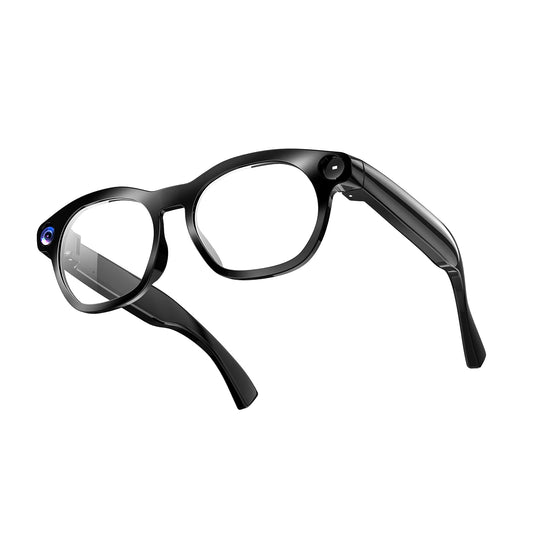
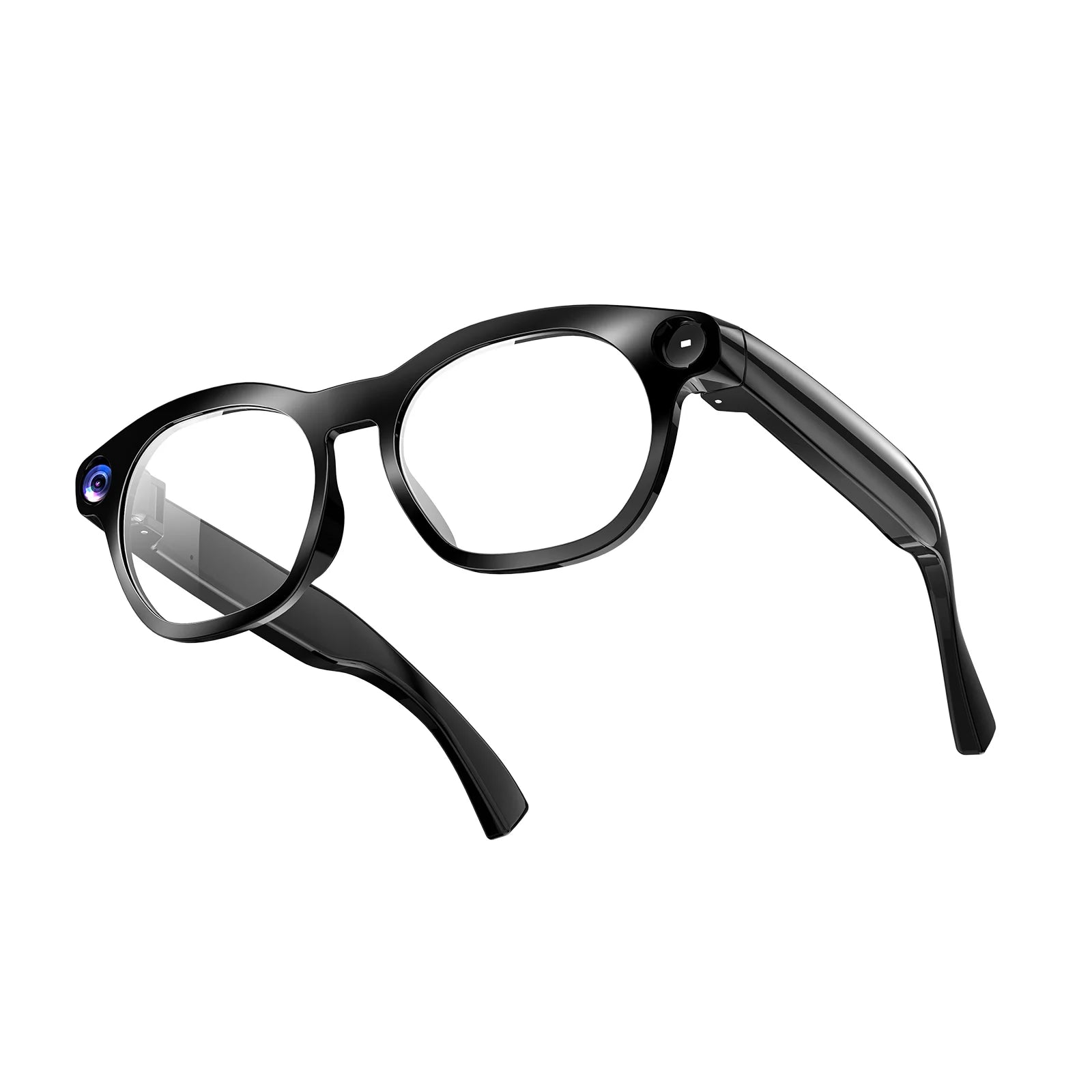
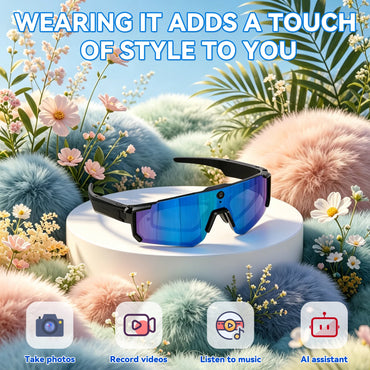
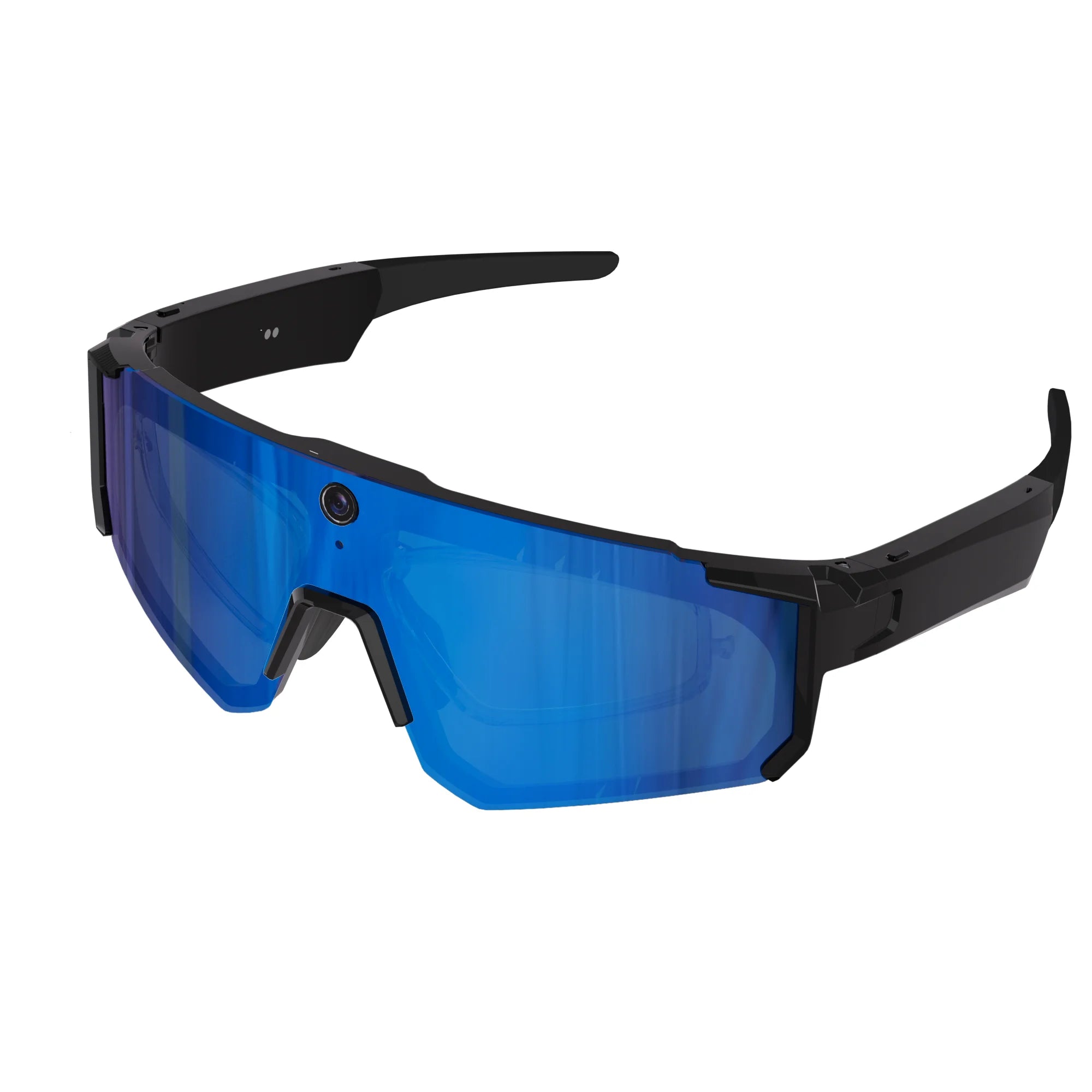
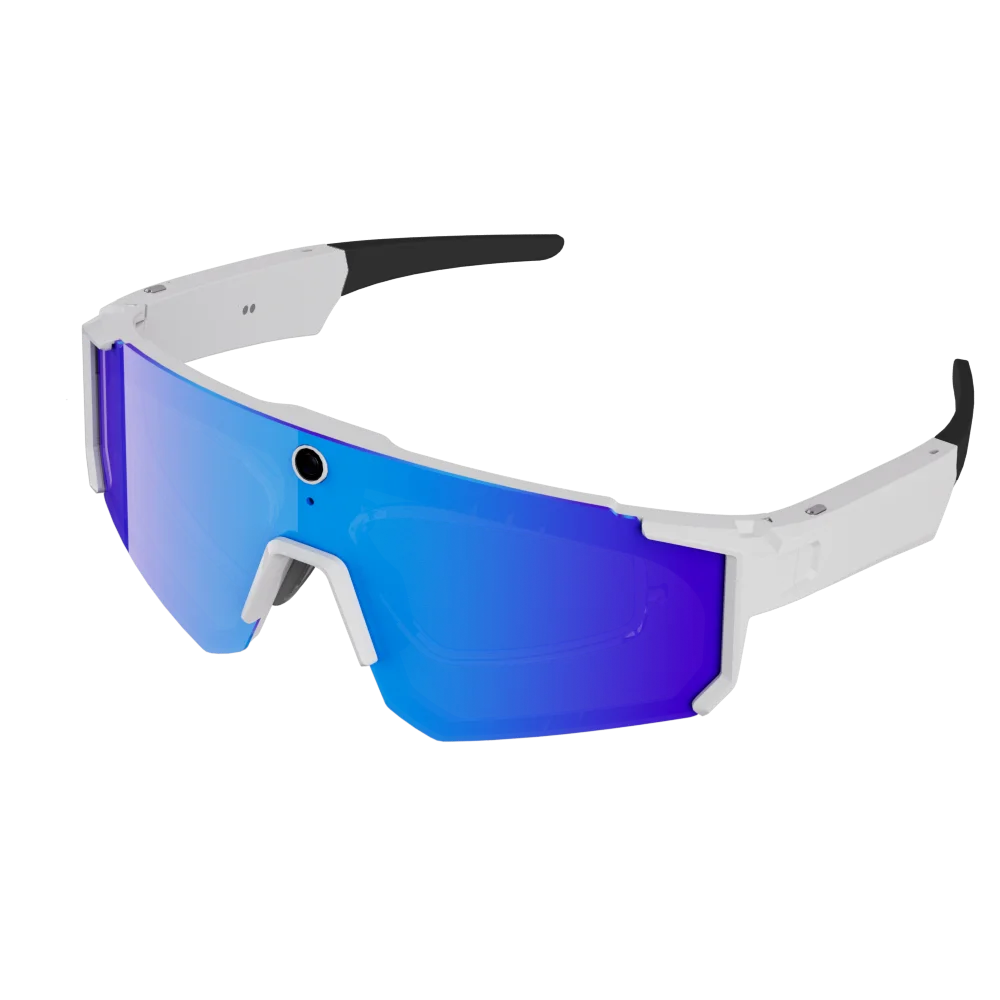
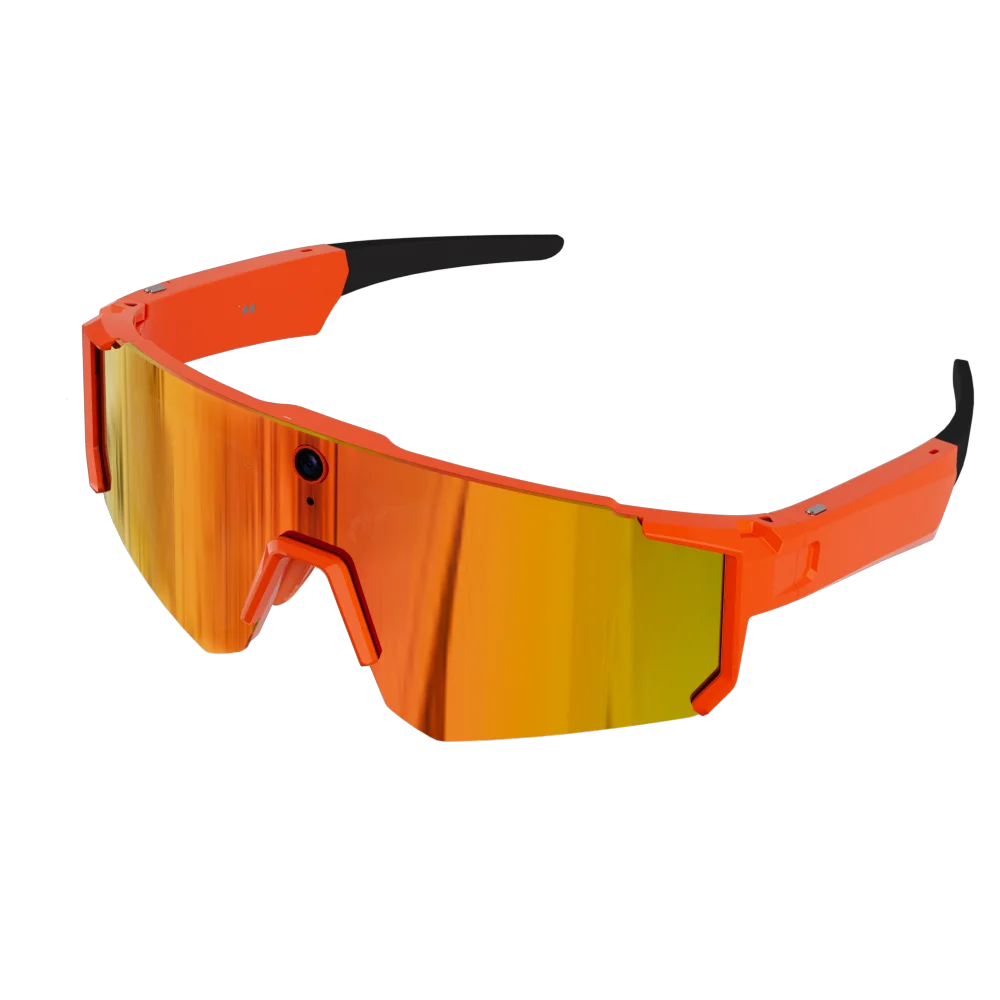
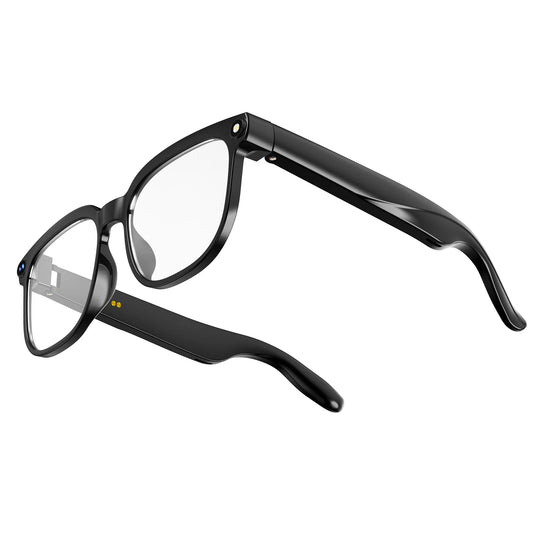
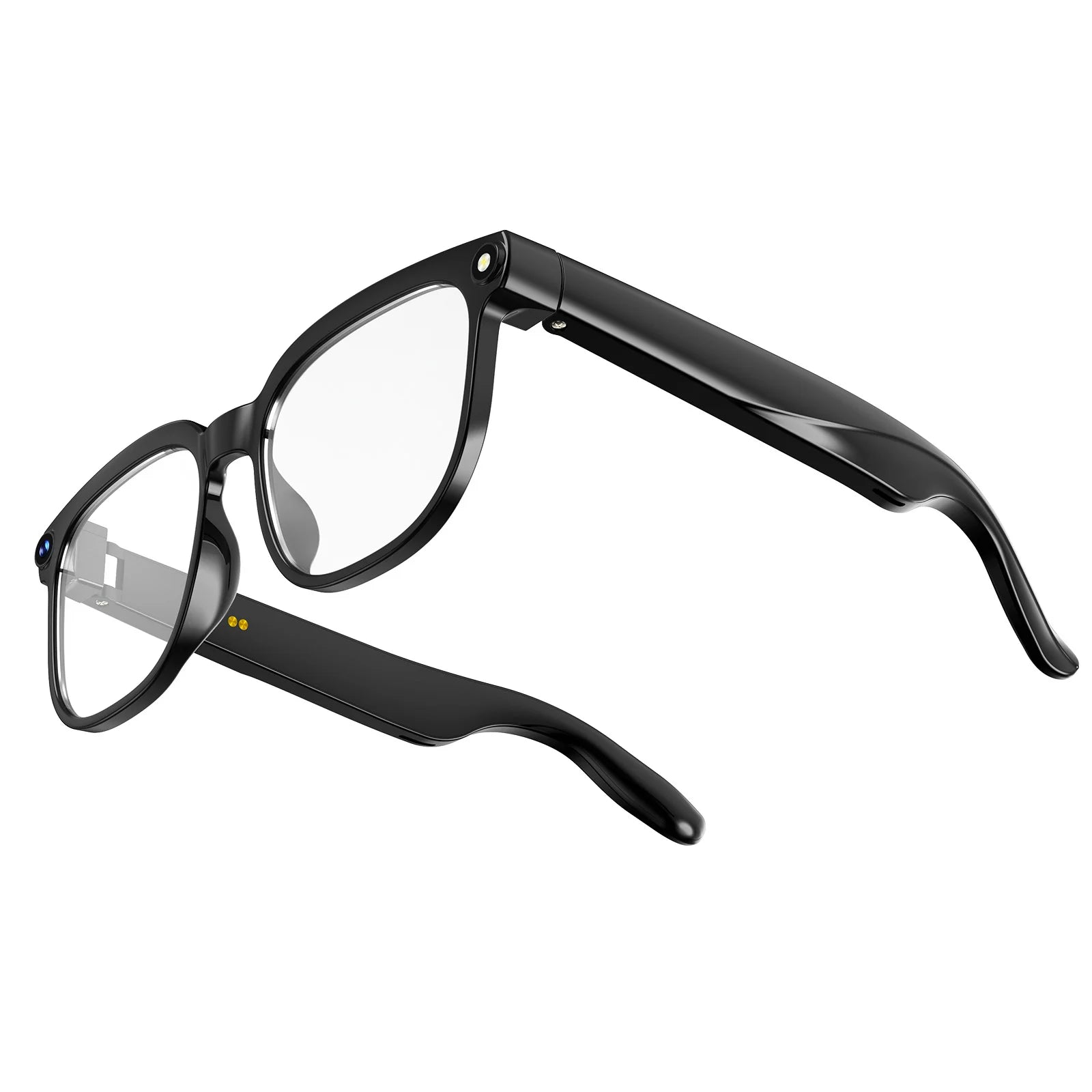
For individuals seeking to document their daily lives, travels, or creative processes, we recommend the GP02 smart glasses with camera. This device embodies our philosophy of blending precision with elegance. It allows users to capture high-definition video and photography with a simple touch, preserving memories without the barrier of a smartphone screen. This hands-free approach ensures that you remain fully present in the moment.
4. The Electrochromic Paradigm Shift in Lens Tech
While audio and video are the most discussed features, the manipulation of light itself represents the cutting edge of Smart glasses technology. Traditional sunglasses are static; they offer a single level of tint regardless of the environmental conditions. Photochromic lenses exist, but they are notoriously slow to react to UV changes and often fail to activate inside vehicles.
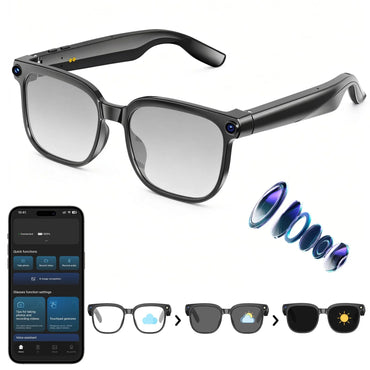
Electrochromic technology fundamentally changes this dynamic. By passing a low-voltage electrical current through a specialized crystalline layer within the lens, the opacity of the glass can be altered instantly. This allows the user to manually or automatically transition from completely clear lenses to dark sunglasses in a fraction of a second.
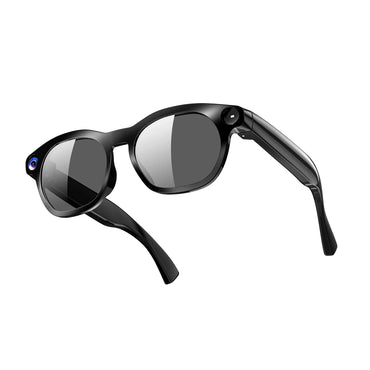
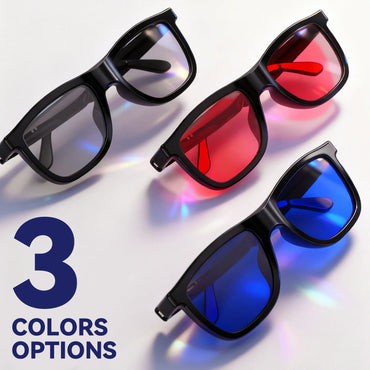
This innovation is brilliantly showcased in the GG06 Smart Electrochromic Glasses. As you move from a glaring outdoor environment into a dimly lit room, the GG06 adapts instantaneously. This specific application of Smart glasses technology reduces eye strain, eliminates the need to carry multiple pairs of glasses, and ensures optimal visual clarity at all times. It is the perfect embodiment of technology adjusting to your everyday rhythms, rather than forcing you to adjust to the technology.
5. Athletic Applications: Empowering the Modern Cyclist and Runner
Athletics present the most demanding environment for wearable technology. Cyclists and runners require gear that is aerodynamic, weather-resistant, and capable of enhancing performance without causing distraction. Smart glasses technology has become an essential tool for serious athletes.
For high-speed activities where situational awareness is a matter of safety, traditional headphones are often hazardous. The GG05 Running & Cycling Audio Glasses utilize the open-ear acoustic principles discussed earlier, allowing athletes to hear approaching vehicles and other cyclists while still receiving coaching cues, pacing data, or motivational music.

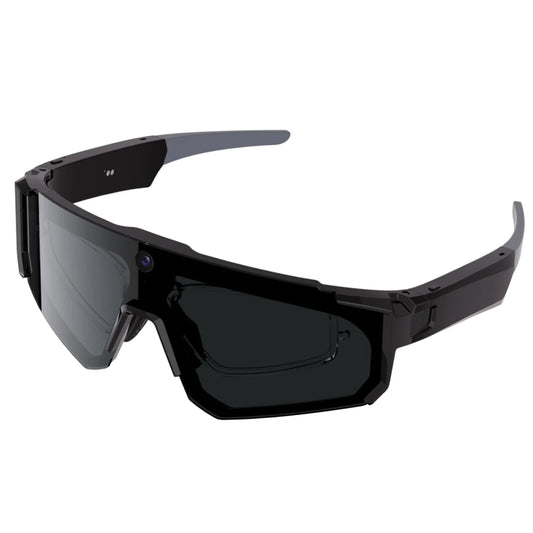
For those who wish to review their routes, analyze their performance, or simply record scenic rides, we developed the GP04 Running & Cycling Video Glasses. Integrating visual capture into an athletic frame requires rigorous aerodynamic testing to ensure wind resistance does not interfere with the audio capture or physical stability of the glasses. From our experience, athletes who utilize Smart glasses technology for visual documentation benefit immensely from reviewing their form and situational reactions post-training.
6. Summary Table: Analyzing Osawalla Smart Wearables
| Product Model | Primary Smart Feature | Ideal Use Case | Key Benefit of the Smart Glasses Technology |
|---|---|---|---|
| GP04 Running & Cycling Video Glasses | First-Person Video Capture | High-intensity outdoor sports, cycling, running | Aerodynamic design combined with stabilized visual documentation. |
| GG06 Smart Electrochromic Glasses | Instant Tint Adjustment | Variable lighting environments, driving, daily wear | Reduces eye fatigue through instantaneous electrochromic light filtration. |
| GG05 Running & Cycling Audio Glasses | Open-Ear Acoustics | Athletic training requiring situational awareness | Allows consumption of pacing audio without blocking ambient traffic noise. |
| GG04 Smart Audio Glasses | Directional Audio & Connectivity | Office environments, commuting, casual wear | Provides private audio consumption while maintaining a professional, elegant aesthetic. |
| GP02 smart glasses with camera | High-Definition Point-of-View Camera | Travel, content creation, memory preservation | Hands-free recording that keeps the user present in the moment rather than behind a screen. |
7. Frequently Asked Questions
8. Expert References
- National Institutes of Health (NIH) - Wearable Sensors for Health and Wellness Monitoring
- IEEE Xplore - Advancements in Directional Audio and Acoustic Engineering for Wearables
- U.S. Department of Energy - Understanding Electrochromic and Smart Window/Lens Technologies
- Wearable Technologies Industry Insights - Market Trends in Smart Eyewear


