








The wearable technology landscape has undergone a massive transformation over the last decade. Moving away from clunky, obtrusive headsets, modern engineering has successfully miniaturized complex computational hardware into sleek, everyday eyewear. For consumers, tech enthusiasts, and industry professionals alike, understanding exactly how smart glasses work is essential to maximizing their utility. These devices are no longer mere novelties; they are sophisticated instruments bridging the gap between digital connectivity and environmental interaction. At Osawalla, we have dedicated our research and development to perfecting this integration, ensuring that the way smart glasses work feels entirely natural and intuitive to the wearer.

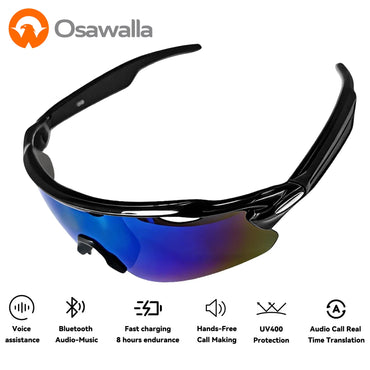
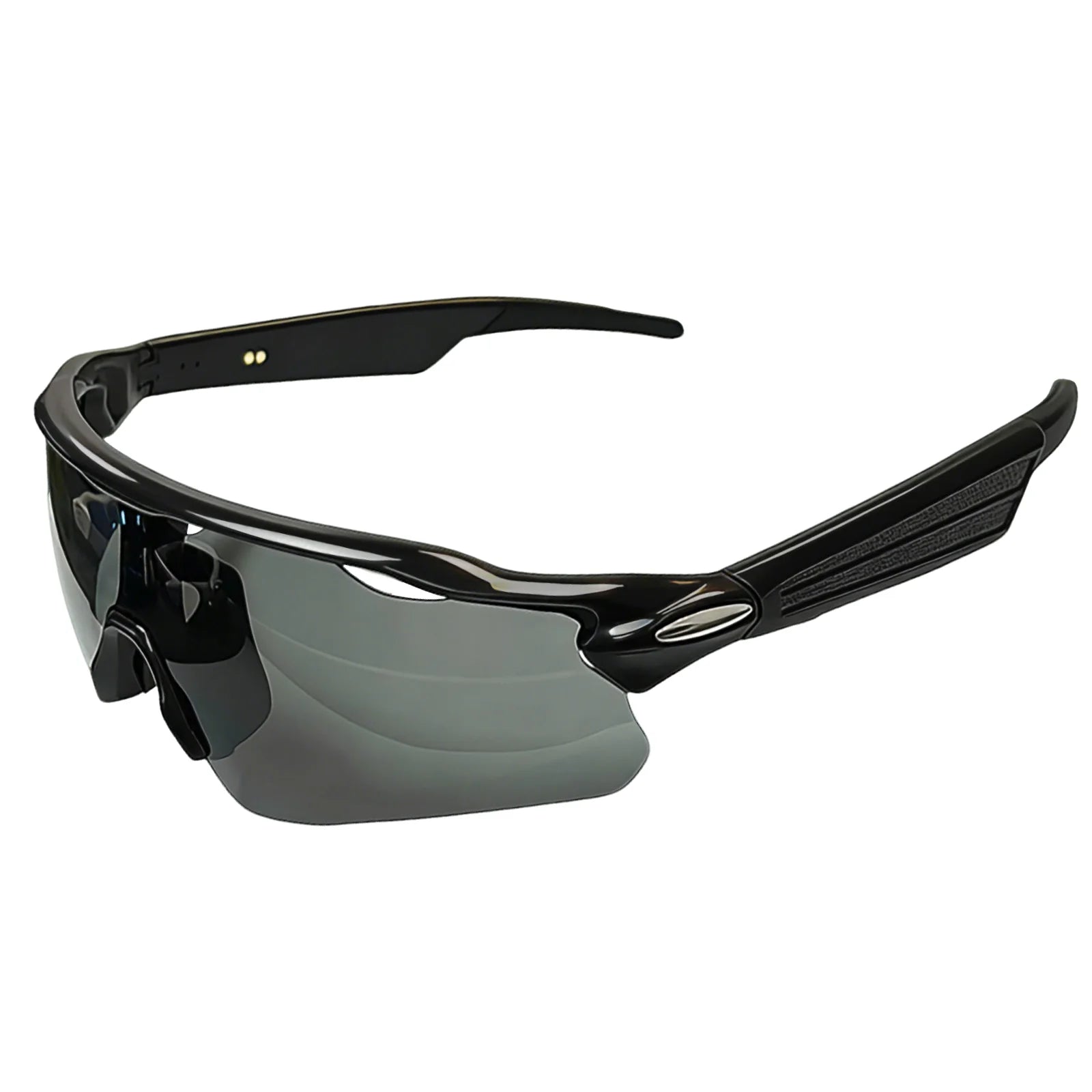
From our experience in optical engineering and consumer electronics, the most frequent inquiry we receive is regarding the underlying technology. How do smart glasses work to seamlessly combine audio, artificial intelligence, and dynamic lens tinting without compromising comfort or aesthetics? The answer lies in the convergence of electrochromic materials, advanced Bluetooth protocols, and high-density micro-batteries. In this comprehensive, authoritative guide, we will dissect the mechanical and digital architecture of modern intelligent eyewear, utilizing the 2026 Osawalla GG06 Smart Audio Glasses as our primary technical benchmark to illustrate exactly how smart glasses work in real-world applications.
Table of Contents
- 1. The Core Mechanics: How Do Smart Glasses Work?
- 2. Electrochromic vs. Photochromic Lenses: The Superior Approach
- 3. Audio Architecture and Bluetooth 5.4 Integration
- 4. Artificial Intelligence and Real-Time Translation
- 5. Power Management and Ergonomic Engineering
- 6. The Osawalla GG06: Defining the 2026 Standard
- 7. Summary Table: The Architecture of Smart Eyewear
- 8. Frequently Asked Questions (FAQs)
- 9. Industry References
1. The Core Mechanics: How Do Smart Glasses Work?
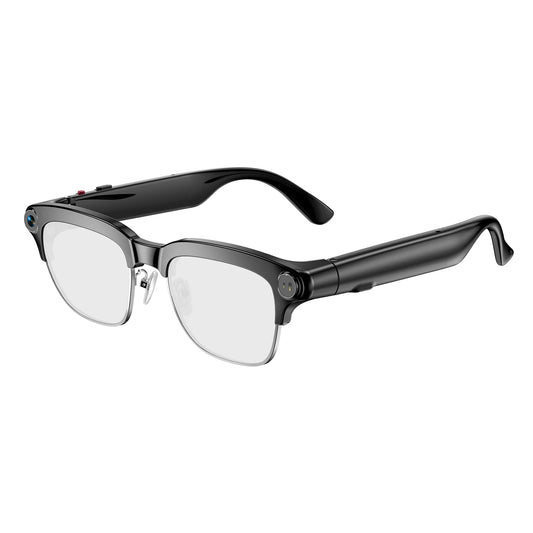
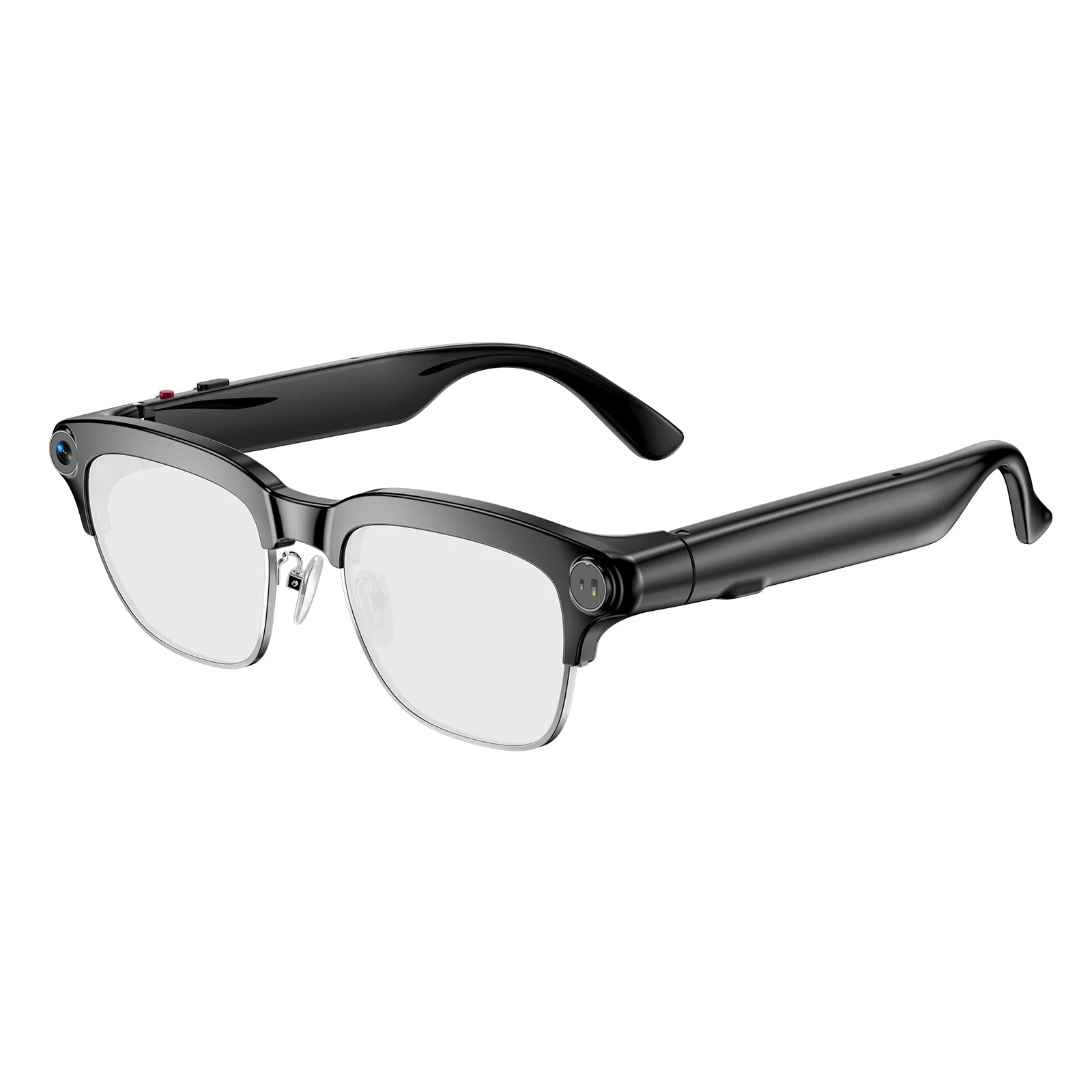
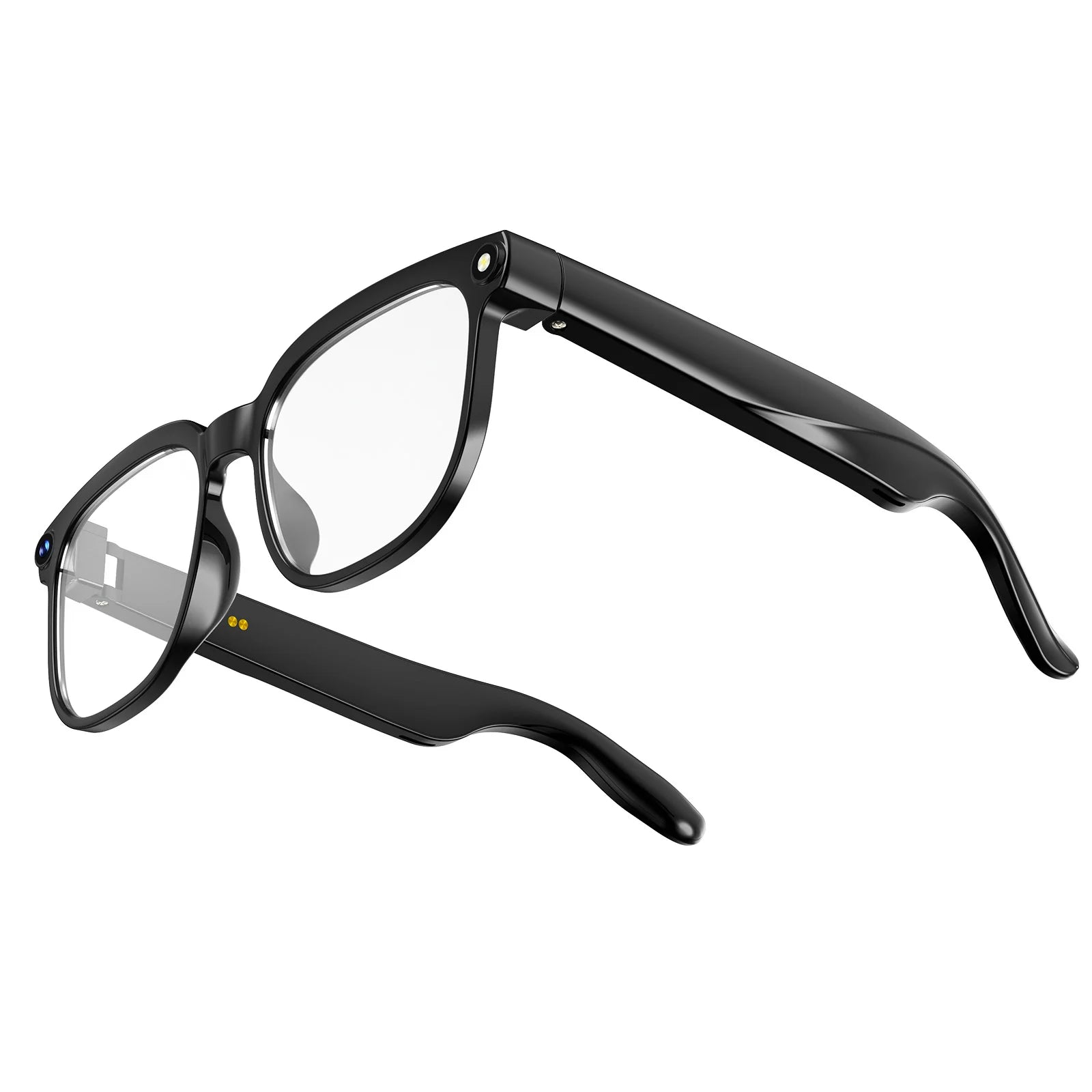
To fully grasp how smart glasses work, one must look at the internal anatomy of the frames. Traditional eyewear consists solely of hinges, acetate or metal frames, and static optical lenses. In contrast, intelligent eyewear incorporates a miniaturized logic board, micro-speakers, dual noise-canceling microphones, touch-capacitive sensors, and a power source, all intricately housed within the temples (arms) of the glasses.
The fundamental principle dictating how smart glasses work is hardware miniaturization. The temples of the glasses act as the motherboard. When you slide your finger across the side of the frame, touch-capacitive sensors register the gesture and send a signal to the internal microprocessor. This processor then translates the gesture into an action—such as answering a phone call, skipping a music track, or, in the case of advanced models, altering the tint of the lenses. We recommend visualizing the frame not just as a structural support for lenses, but as a wearable, decentralized computer that communicates continuously with your smartphone via wireless protocols.
2. Electrochromic vs. Photochromic Lenses: The Superior Approach

When clients ask us how smart glasses work regarding environmental light control, we must draw a strict distinction between passive photochromic lenses and active electrochromic technology. Standard transition (photochromic) lenses rely on a chemical reaction to Ultraviolet (UV) light. When exposed to the sun, the molecules change shape and darken the lens. However, this passive technology is fundamentally flawed for modern commuters. Because standard transition lenses require UV light to activate, they fail inside cars, as modern automotive windshields block nearly all UV radiation. Furthermore, they react slowly to temperature changes, often leaving the wearer blinded while waiting for the chemical reaction to occur.
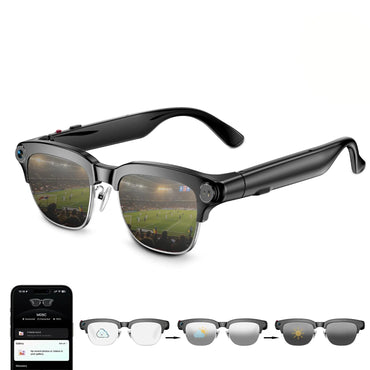
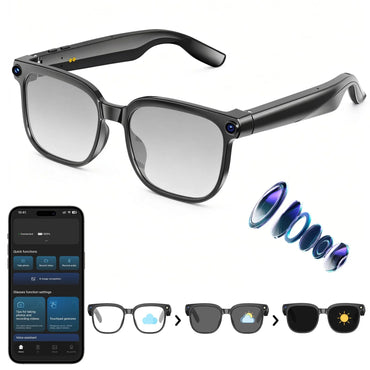
This brings us to the revolutionary adjustable tint control found in the Osawalla GG06. How do electrochromic smart glasses work? Electrochromic lenses contain a microscopic layer of specialized electro-optic material sandwiched between two conductive glass or polycarbonate layers. When the user slides or touches the frame, the microprocessor applies a tiny, precise electrical voltage across this layer. This voltage instantly alters the light transmission properties of the material.
From our experience, this electronic instant dimming is the ultimate upgrade for tech enthusiasts. It allows the Osawalla GG06 to shift from clear to dark in just 0.5 seconds. You are no longer waiting for a UV reaction; you have total control at your fingertips. You can manually cycle through 4 brightness levels instantly. Whether you want full dark for the noon sun or clear for indoors, the way these smart glasses work ensures immediate visual comfort and glare protection. Most importantly, because the activation is electronic and not UV-dependent, Osawalla electronic sunglasses work perfectly inside cars, tunnels, and offices, completely solving the frustration associated with passive lenses.
3. Audio Architecture and Bluetooth 5.4 Integration
A major component of understanding how smart glasses work involves their acoustic engineering. Rather than utilizing earbuds that block ambient noise and create safety hazards, premium smart glasses employ an open-ear audio design. Micro-speakers are precisely angled downward toward the wearer's ear canal. This directional audio technology ensures that the user hears crystal-clear sound while remaining fully aware of their surroundings—a critical feature for driving, running, or cycling.
The connectivity backbone of how smart glasses work in 2026 relies on the latest Bluetooth 5.4 protocols. The Osawalla GG06 features built-in stable Bluetooth connectivity that supports clear hands-free calling and smooth music playback. Bluetooth 5.4 offers significantly reduced latency, enhanced signal stability in crowded urban environments, and optimized power consumption. This allows you to keep your hands free while driving, traveling, or navigating daily tasks, ensuring safety and convenience at all times.
4. Artificial Intelligence and Real-Time Translation
The integration of Artificial Intelligence represents the next frontier in how smart glasses work. Through the Bluetooth connection to your smartphone, the glasses act as a seamless conduit to powerful AI applications. The dual microphones capture spoken language, process it through the smartphone's AI translation engine, and instantly feed the translated audio back through the open-ear speakers.
We recommend the Osawalla GG06 for international travelers specifically because of this AI Translation capability. Understanding how smart glasses work in a cross-cultural setting demonstrates their value beyond simple audio playback. The glasses effectively function as a real-time, hands-free interpreter, allowing for natural eye contact and unhindered conversation during global business meetings or vacation travel.
5. Power Management and Ergonomic Engineering
No matter how impressive the internal technology is, if the frames are heavy or require constant recharging, the user experience fails. A critical aspect of how smart glasses work efficiently is advanced power management and material science.
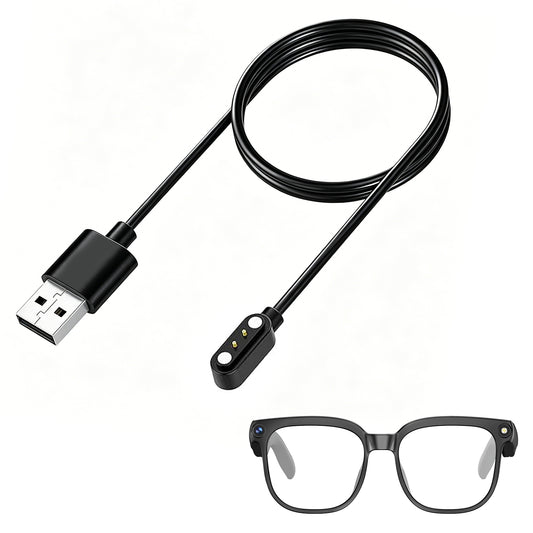
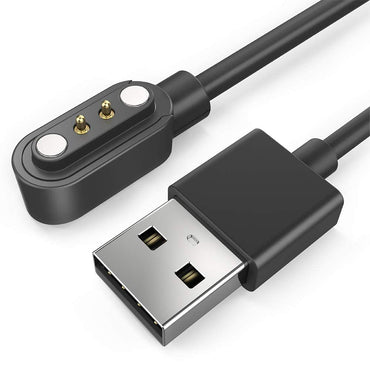
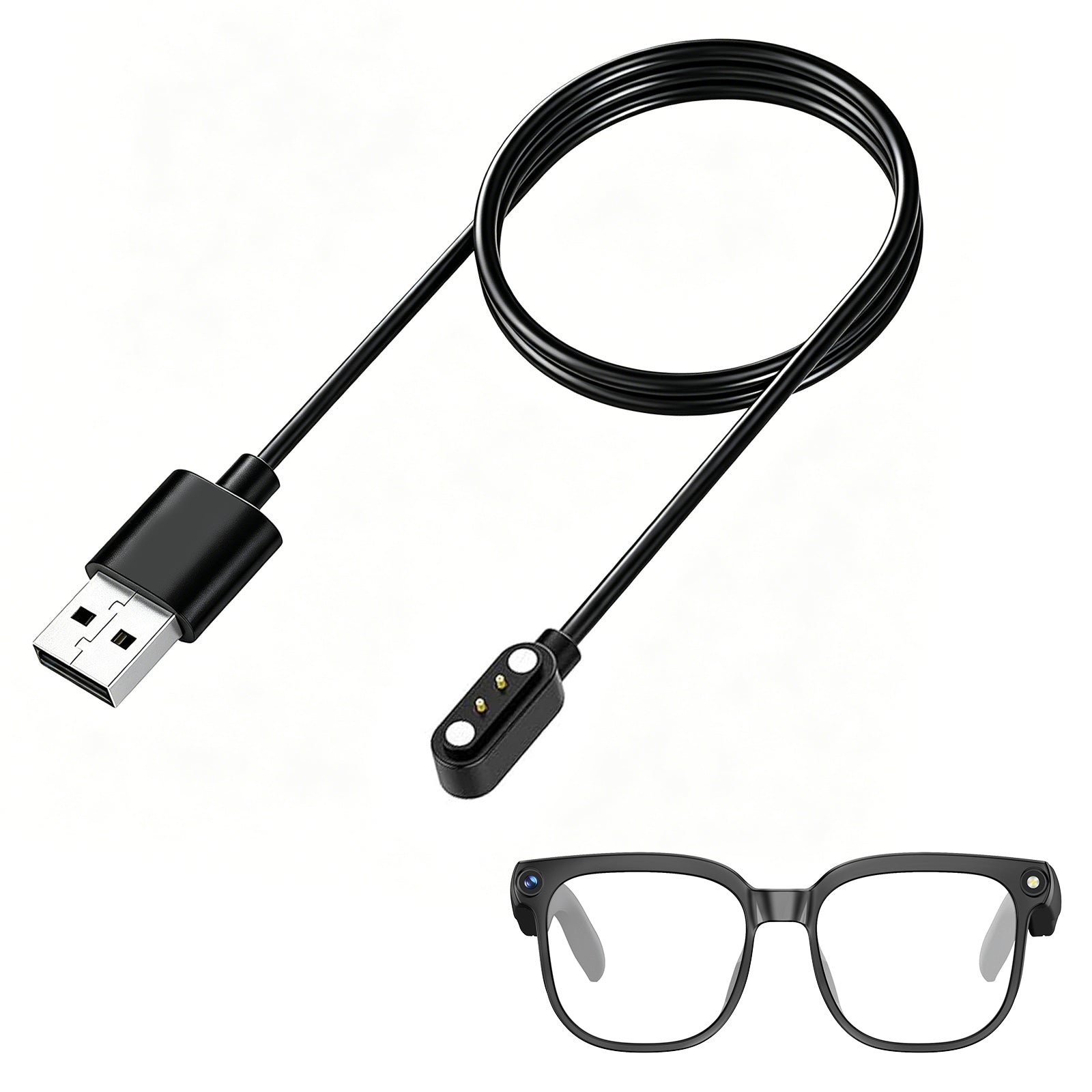
The Osawalla GG06 is constructed using a TR90 frame. TR90 is a thermoplastic material that is incredibly durable, flexible, and exceptionally light. This engineering choice results in a 39g ultra-light frame equipped with silicone anti-slip temples. It is skin-friendly, non-slip, and comfortable for all-day wear. Regarding power, the high-density micro-lithium batteries provide a remarkable 40h standby time and 4h of continuous music playback. When depleted, the customized magnetic charging interface allows for 1.5h fast charging, ensuring your eyewear is ready for driving, sports, travel, and daily use with minimal downtime.
6. The Osawalla GG06: Defining the 2026 Standard
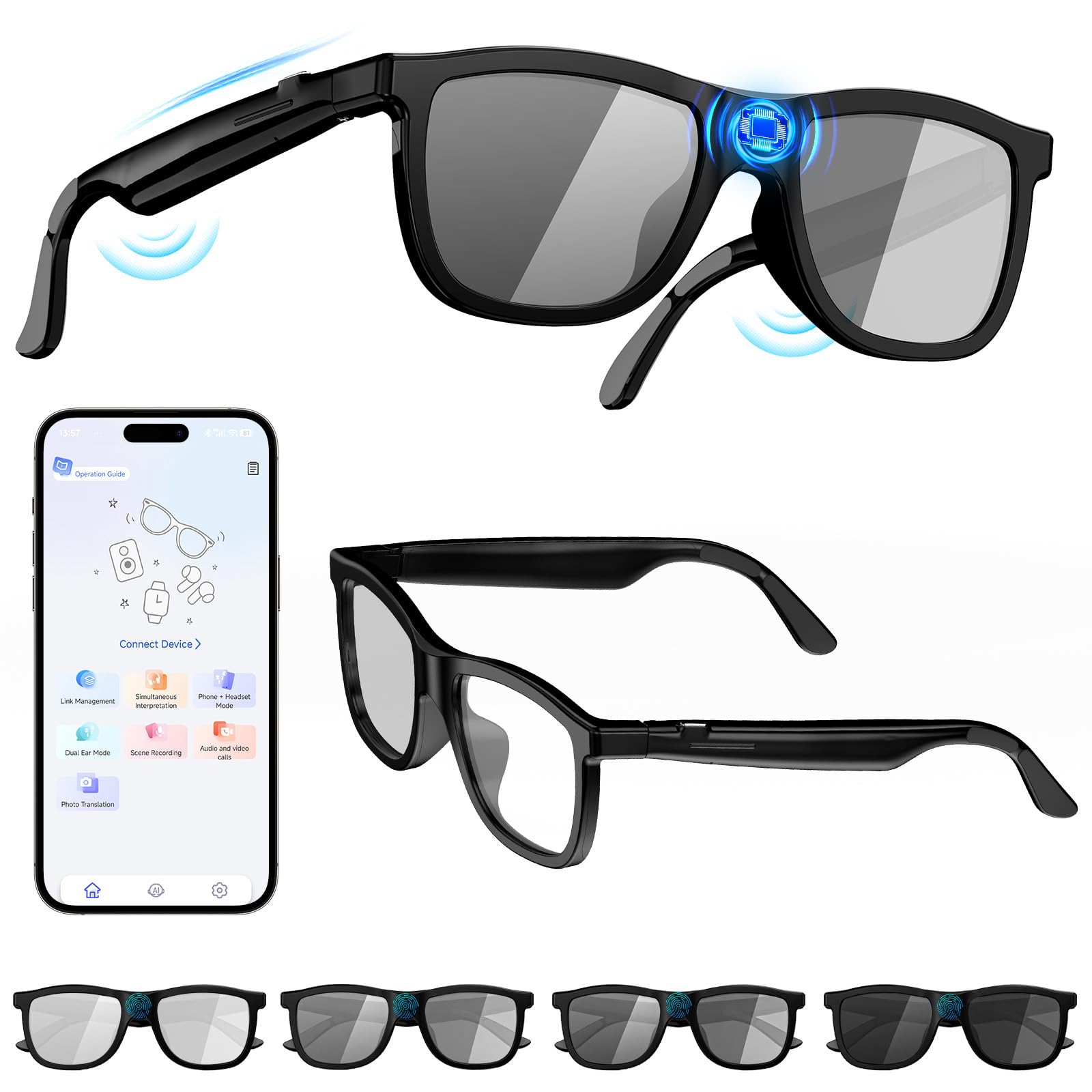
The Osawalla GG06 Smart Audio Glasses represent the pinnacle of current wearable technology. By combining Electrochromic Lenses, Open Ear Bluetooth 5.4, and AI Translation into a sleek 39g chassis, we have redefined how smart glasses work for the modern consumer. They are not just an optical tool; they are a premium tech gadget. We highly recommend them as an ideal tech gift for men and women, letting family and friends experience the latest electrochromic tint and AI innovation. They are the perfect premium gift for birthdays or holidays to surprise tech lovers who appreciate functional, cutting-edge engineering.
7. Summary Table: The Architecture of Smart Eyewear
To provide a clear, technical overview of how smart glasses work, we have compiled the following summary table comparing the advanced active systems of the Osawalla GG06 against traditional passive eyewear.
| Feature / Technology | Traditional / Passive Eyewear | Osawalla GG06 Smart Glasses | Operational Benefit |
|---|---|---|---|
| Lens Tinting Mechanism | Passive Photochromic (UV Reactive) | Active Electrochromic (Voltage Control) | User controls exact darkness; works inside cars and behind windows. |
| Tint Transition Speed | Slow (Minutes depending on temp) | Electronic Instant Dimming (0.5s) | Immediate visual comfort when entering or exiting bright environments. |
| Audio System | None | Open Ear Directional Speakers | Maintains situational awareness while delivering clear hands-free audio. |
| Connectivity | None | Bluetooth 5.4 & AI Translation | Ultra-low latency for calls, music, and real-time language translation. |
| Frame Material & Weight | Heavy Acetate or Metal | 39g Ultra-light TR90 Frame | All-day ergonomic comfort with silicone anti-slip temples. |
8. Frequently Asked Questions (FAQs)
9. Industry References
To further explore the engineering, material science, and telecommunications standards that dictate how smart glasses work, we recommend reviewing the following authoritative resources:


