







I'll be honest about who I am: I'm the kind of person who always has their phone in hand, trying to capture moments — my kid's soccer game, a hike with friends, a random street musician in downtown Austin. But here's the problem I kept running into: the moment you pull out your phone to record, you stop being in the moment. You become a spectator hiding behind a screen.
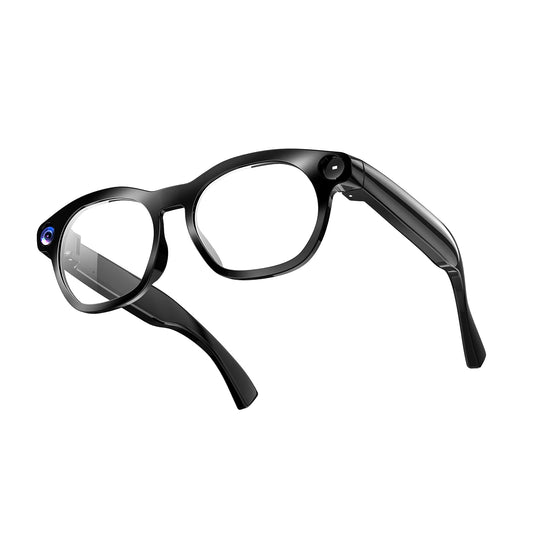
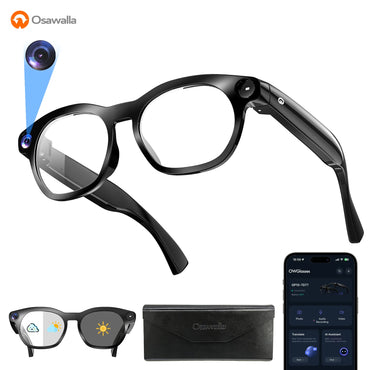
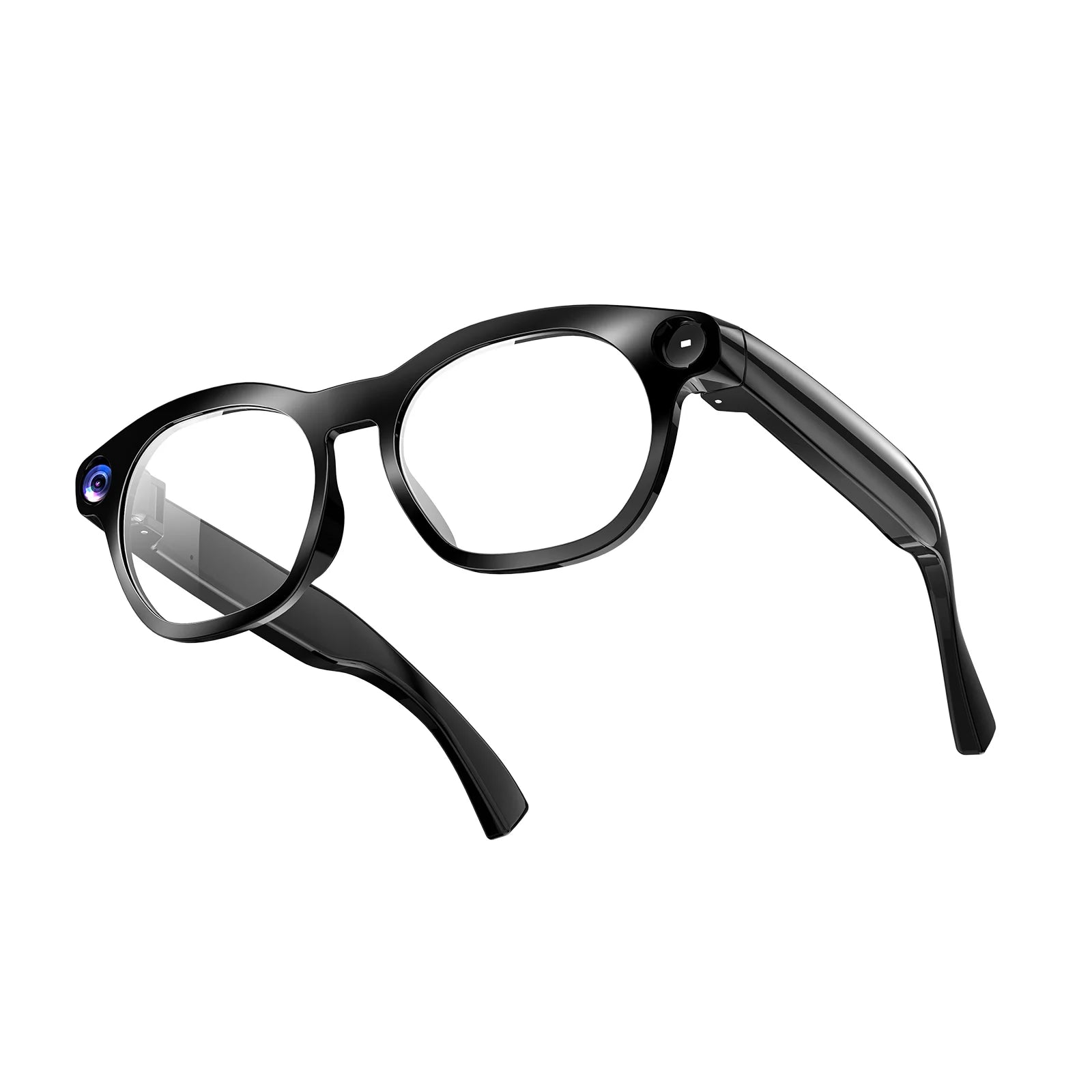
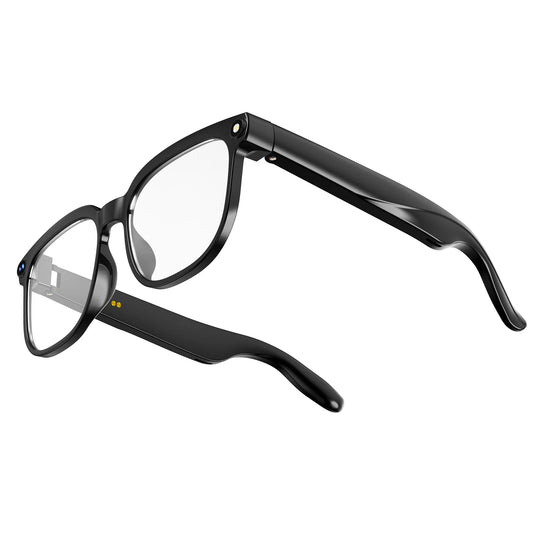
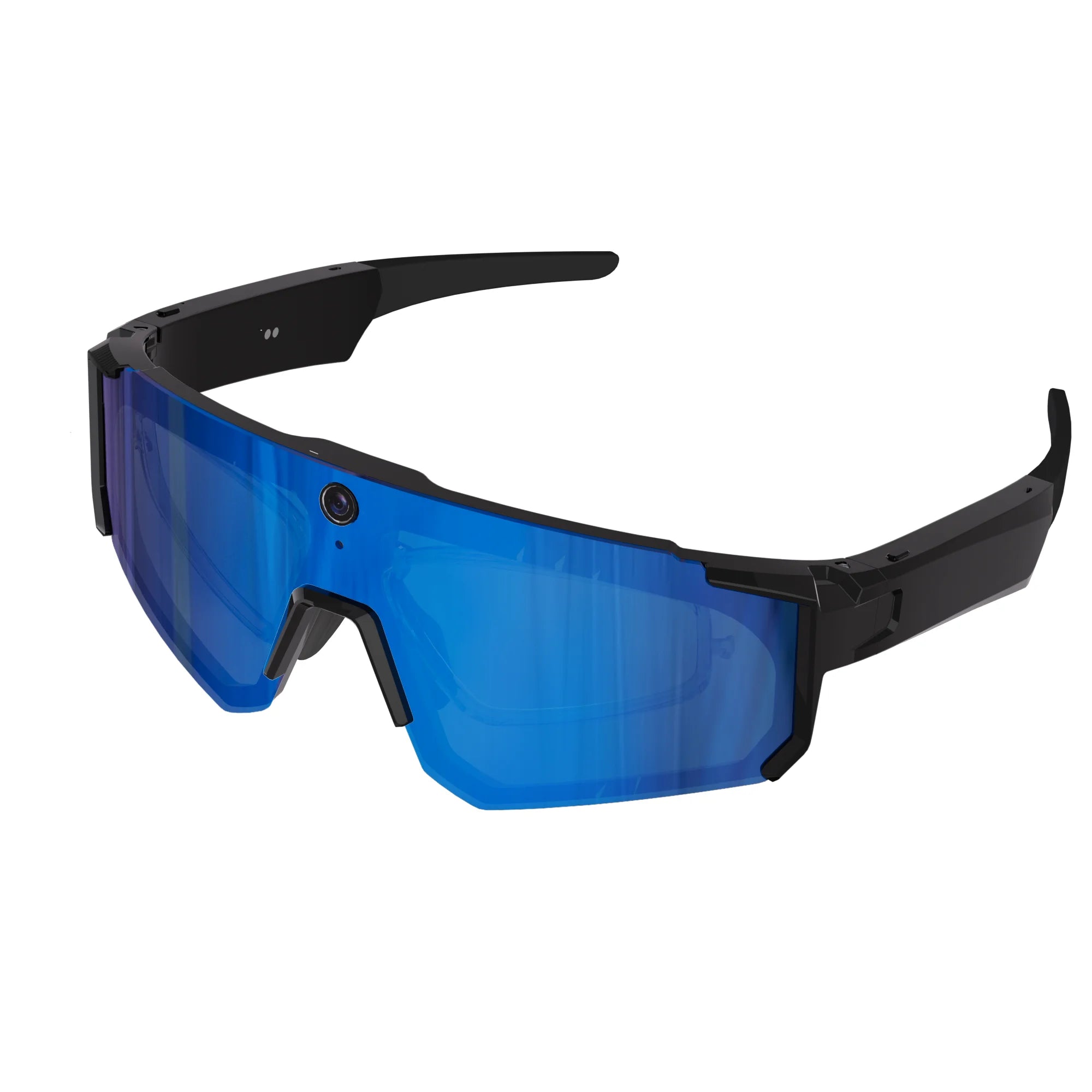
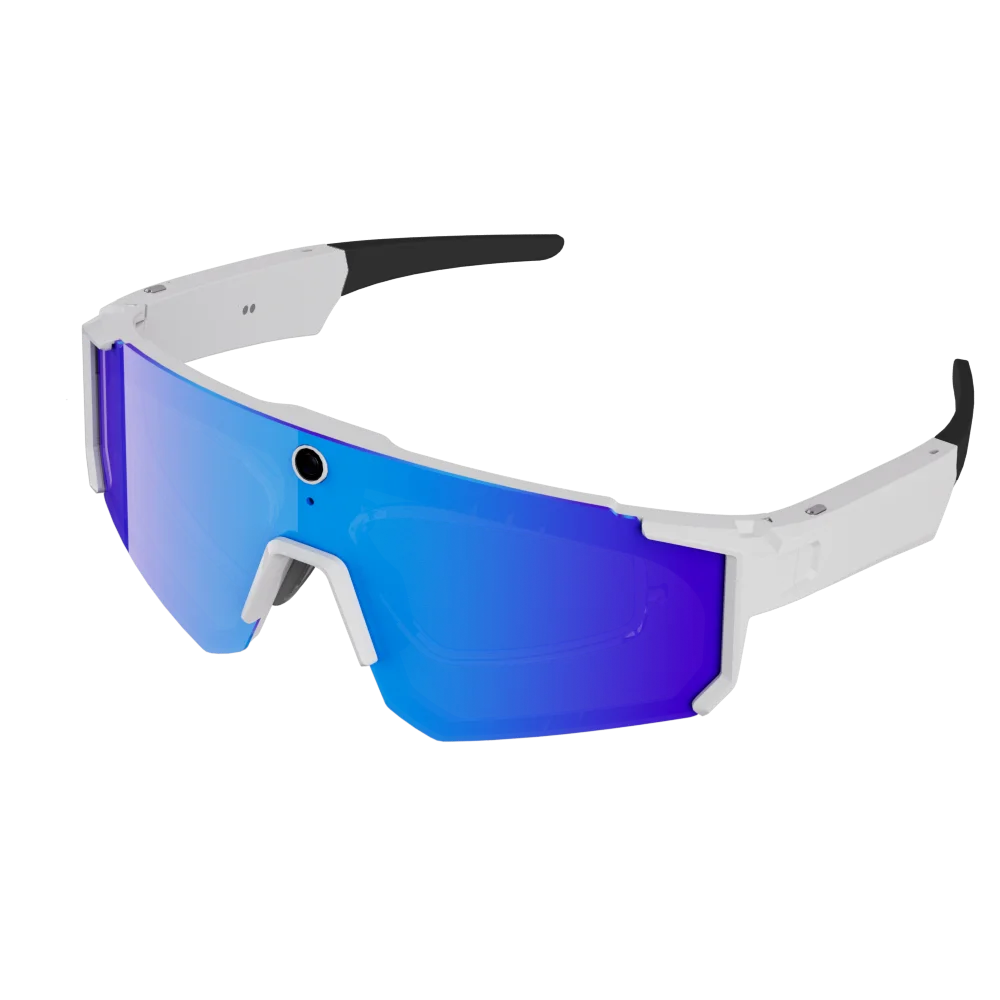
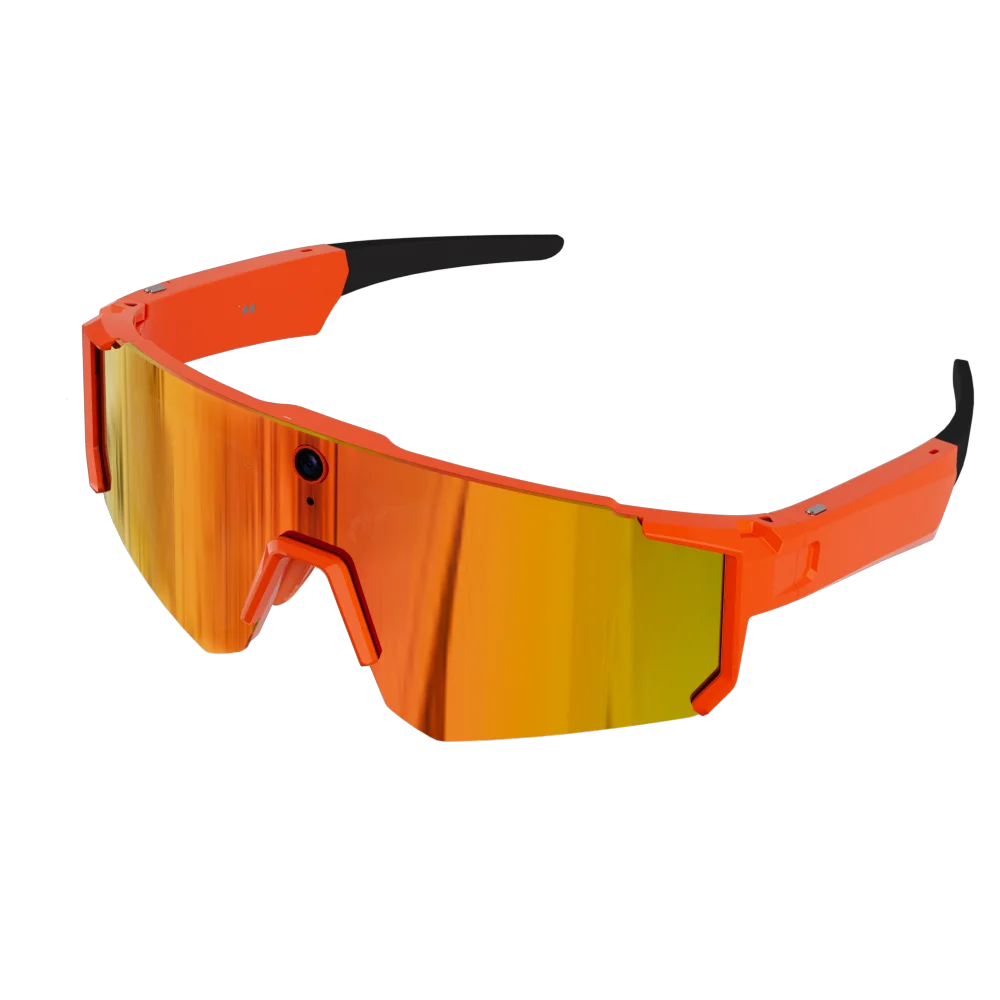
That's the promise of hands-free camera glasses: capture what you see, exactly as you see it, without ever lifting a finger. The Osawalla smart glasses are built around that idea — an 8MP camera, an AI voice assistant, and real-time translation, all mounted on your face. The real question was whether this particular pair could actually deliver, or if it was just another gadget destined for my drawer of regret.
Spoiler: after two weeks of daily wear, these earned their spot on my face. The moment I stopped reaching for my phone to record everything was the moment the Osawalla smart glasses proved their worth. Here's the full, honest breakdown.
I'm not a tech reviewer by trade. I'm a parent, a traveler, and someone who hates missing the good stuff because I was too busy filming it. Most "smart" wearables I've tested end up being a neat idea you use for a week and then forget. The Osawalla smart glasses are different — and it took me about three days to realize why.
When you wear a camera on your face instead of holding one in your hand, the dynamic changes. You're looking at your kid scoring the goal, not at a rectangle. You're nodding along to the street musician instead of framing a shot. The footage is a bonus, not the reason you're there. That shift — from spectator to participant — is the entire pitch, and for once the product actually honors it.
So I stopped treating this like a review and started treating it like a two-week experiment: wear them everywhere, reach for my phone as little as possible, and see whether the tech held up when real life got messy.
| Feature | Osawalla Smart Glasses |
|---|---|
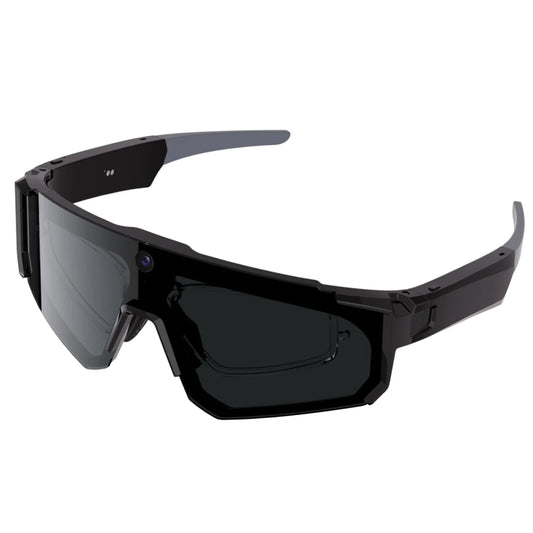
| Camera | 8MP CMOS sensor, 1080P video, electronic anti-shake |
| AI Recognition | Real-time object, text & scene identification (Google Lens-style, hands-free) |
| Voice Assistant & Translation | Built-in AI assistant, two-way real-time translation in 100+ languages |
| Battery | 300mAh · up to 7h music / 4h calls · ~2h Type-C charge |
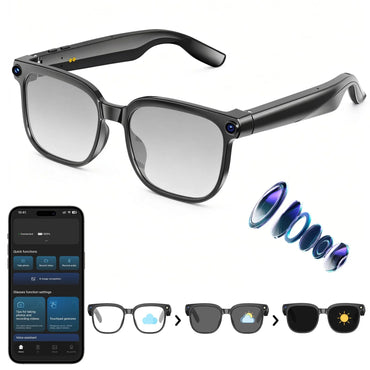
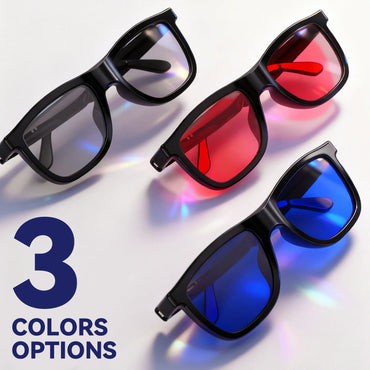
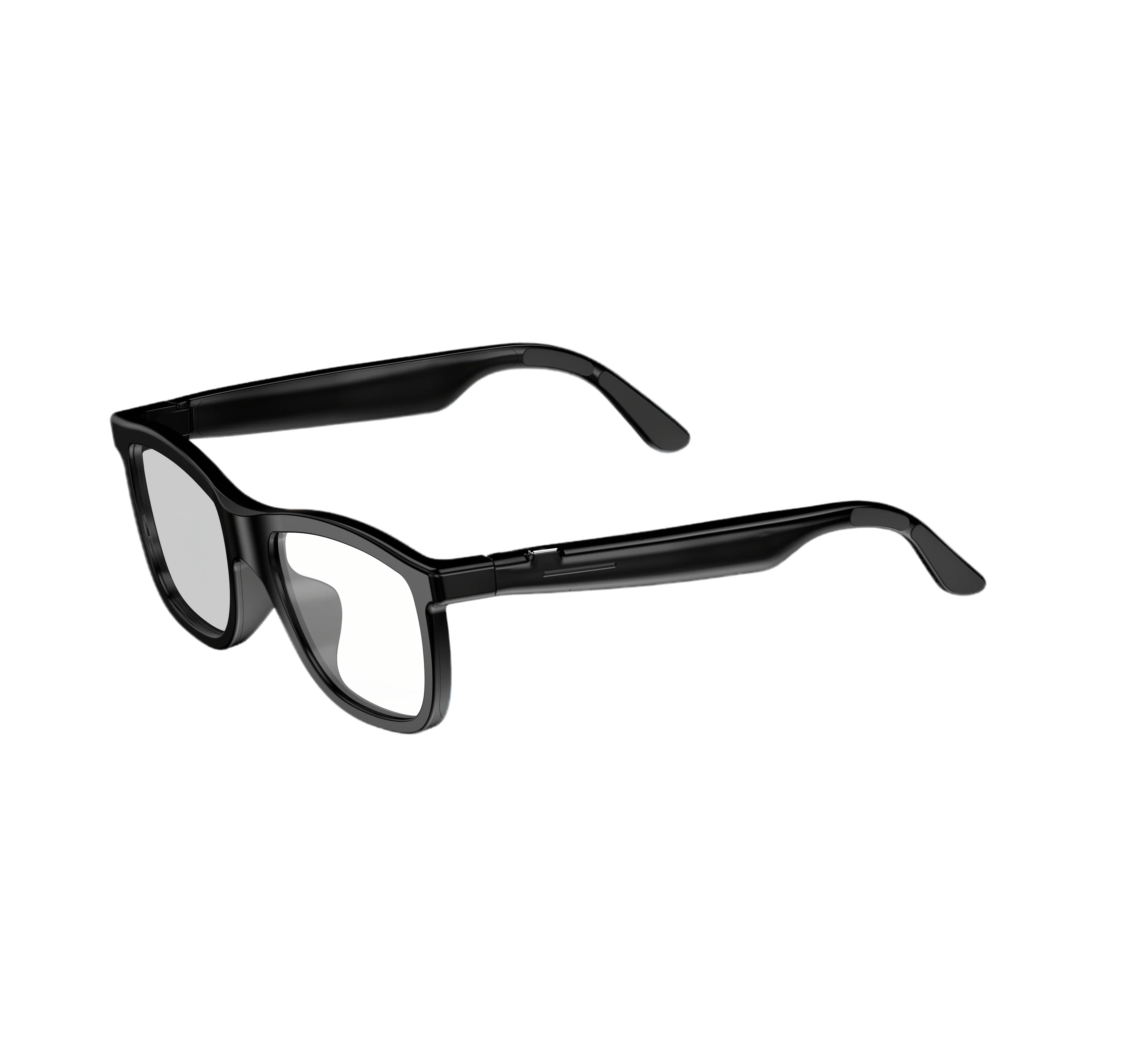
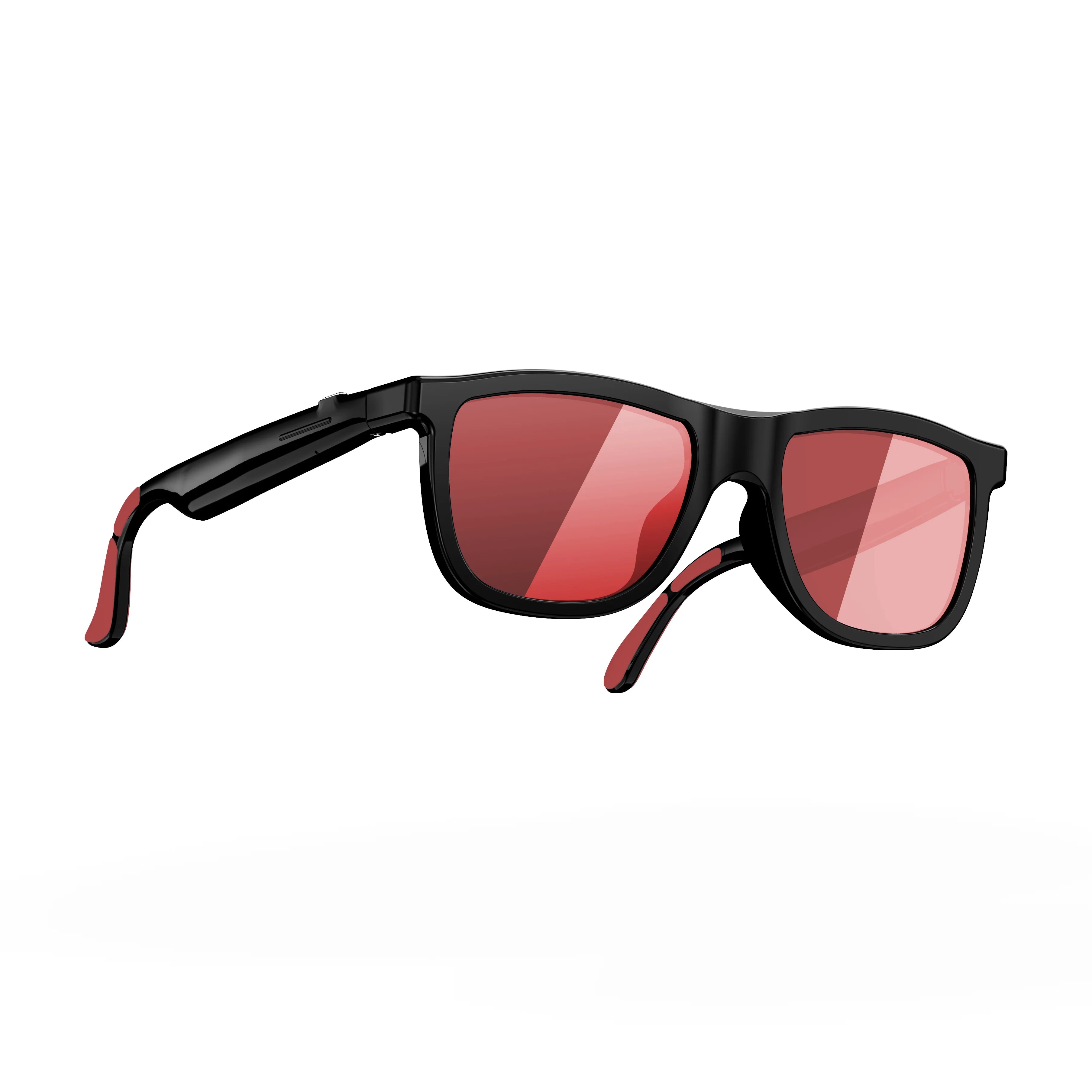
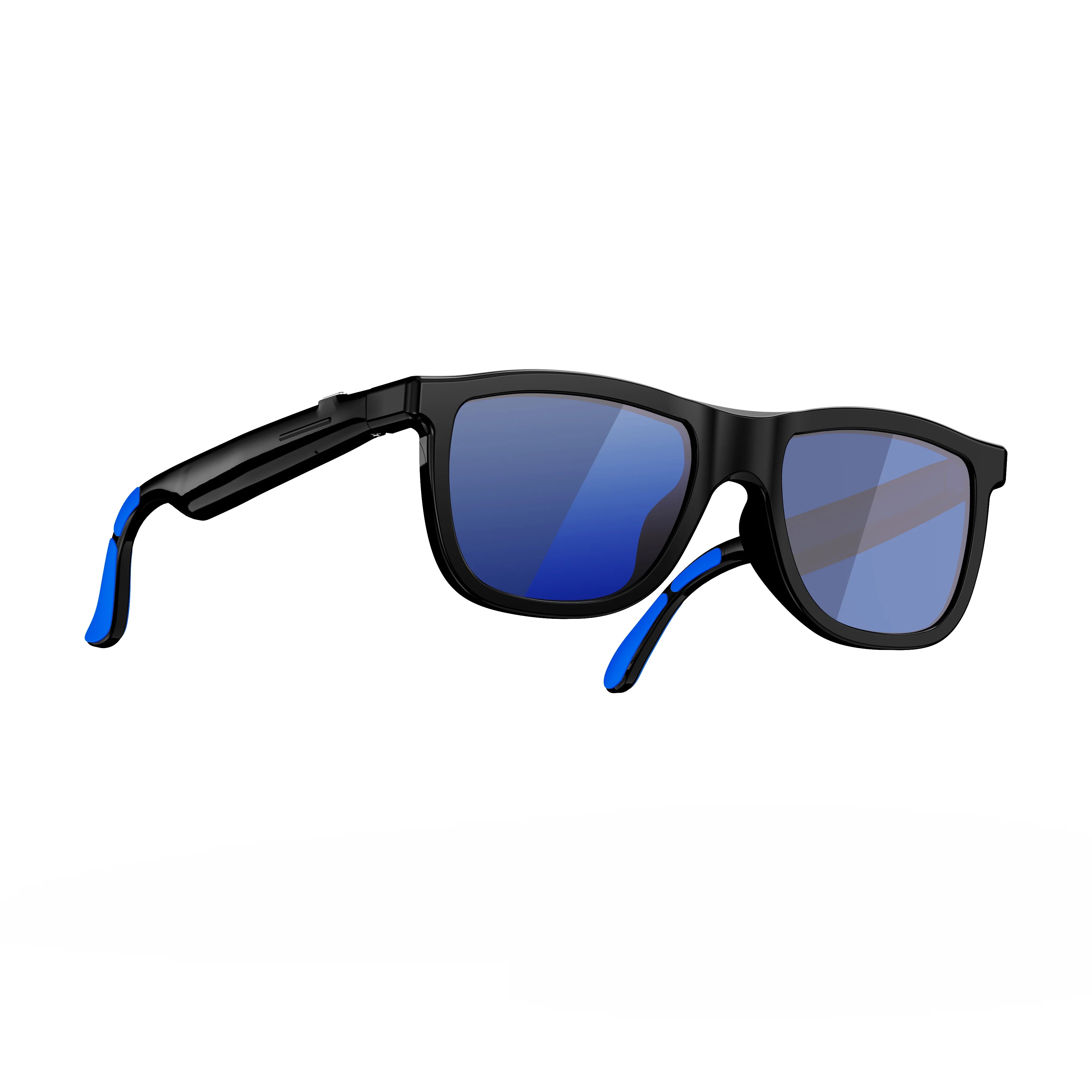
| Lenses | Photochromic — auto-tint outdoors, clear indoors |
| Audio | Bluetooth 5.4 open-ear dual acoustic design, low leakage |
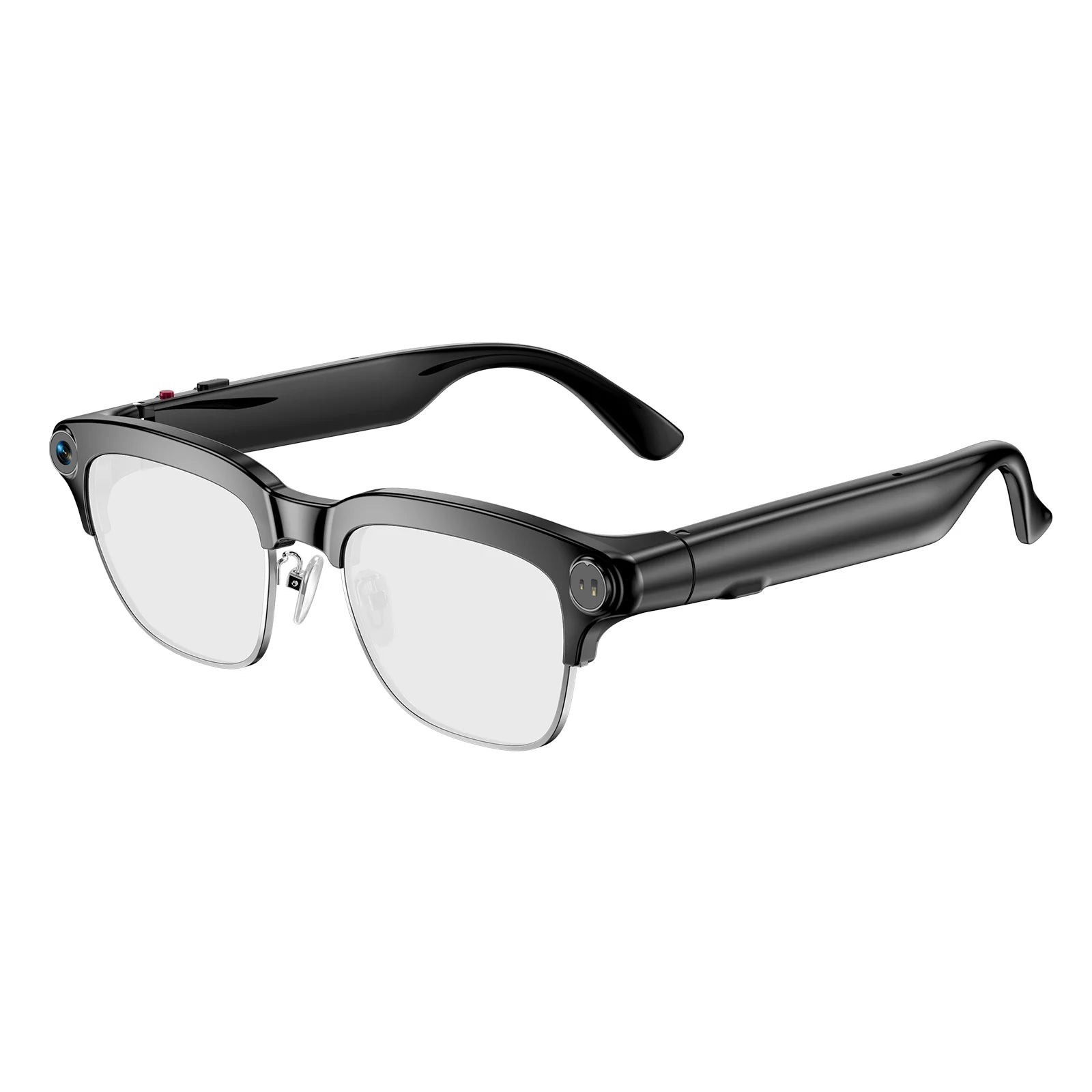
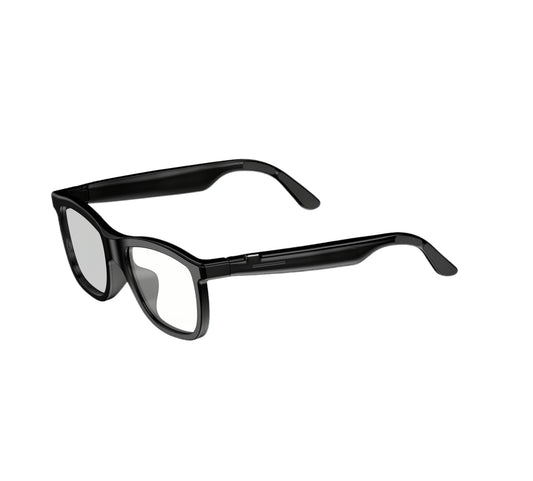
| Comfort | Soft pressure-free arms, adjustable nose pads, all-day wear |
8MP CMOS Sensor & 1080P Video That's Actually Usable
The first thing that surprised me was the quality. Photos are crisp, and the 1080P video is good enough to share straight to Instagram or TikTok without an apology. Too many wearable cameras lean on the "it's a glasses cam, so lower your standards" excuse. The Osawalla smart glasses don't. Daylight shots of the lakefront came back sharp, and even indoor footage at the soccer game held up better than I expected from something sitting on my nose.
Anti-Shake That Actually Works
The electronic anti-shake tech is the real MVP. I recorded a bike ride along the lakefront, and the footage came back smooth enough that I didn't need to run it through stabilization software afterward. For context, that's a first for me with any wearable camera — usually the chest-mount GoPro footage needs at least a pass through stabilization before it's watchable. With these glasses, what you film is what you get.
Real-Time AI Recognition — Google Lens, but Hands-Free
But the standout feature? Real-time AI recognition. The glasses can identify objects, text, and scenes as you're looking at them. Imagine walking through a museum and having artwork identified for you, or scanning a menu in another country and getting instant context. It's like having Google Lens built into your face — minus the phone.
I tested it on a botanic-garden visit: pointed at a plant I'd never seen, and the glasses surfaced the name and a one-line description in my ear. It's the kind of feature that sounds gimmicky in a spec sheet and then quietly becomes something you reach for.
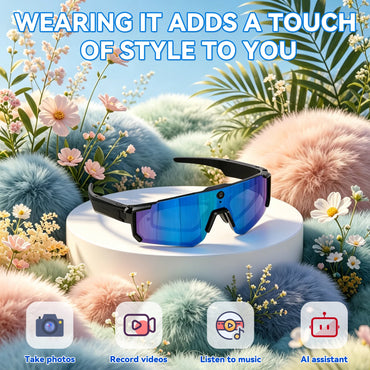
Person wearing Osawalla smart glasses outdoors, capturing a hands-free photo with the
AI Voice Assistant & Real-Time Translation in 100+ Languages
This is where things got genuinely exciting for me. The Osawalla smart glasses come with a built-in AI voice assistant powered by big-data processing. You can talk to it naturally — ask questions, set reminders, get directions — without pulling out your phone.
A Voice Assistant You Actually Talk To
The assistant isn't a gimmick you trigger once. I used it for quick directions on a walk, for setting a reminder while my hands were full of groceries, and for settling a trivia argument in the car. Because it's on your face and ears, the interaction feels closer to talking to a co-pilot than to a phone. No unlocking, no app-switching, no screen glare.
| Activity | Battery Life |
|---|---|
| 🎵 Music Playback | Up to 7 hours |
| 📞 Calls (Bluetooth) | Up to 4 hours |
| 🔌 Full Charge Time | ~2 hours (Type-C) |
| 🔋 Battery Capacity | 300mAh |
If you want to go deeper on the tech behind this kind of on-device intelligence, the background on smartglasses from Wikipedia is a useful primer on where the category is heading.
Comfort, Battery, Photochromic Lenses & Open-Ear Audio
Here's the thing about smart glasses: if they're uncomfortable, none of the tech matters because you won't wear them. The Osawalla smart glasses got the ergonomics right — and that's what separates a daily wearable from a drawer gadget.
All-Day Comfort You Forget You're Wearing
The arms use a soft, pressure-free design that doesn't squeeze your temples like a vice. The nose pads are adjustable, so you can find the right fit whether you have a narrow or wide bridge. I wore them for a full 8-hour workday — including a long video call — and forgot they were on my face. That's the gold standard for any wearable, and most rivals miss it.
Battery Life at a Glance
At 300mAh, the battery isn't huge on paper, but the efficiency is impressive. Here's what I measured across a normal week:
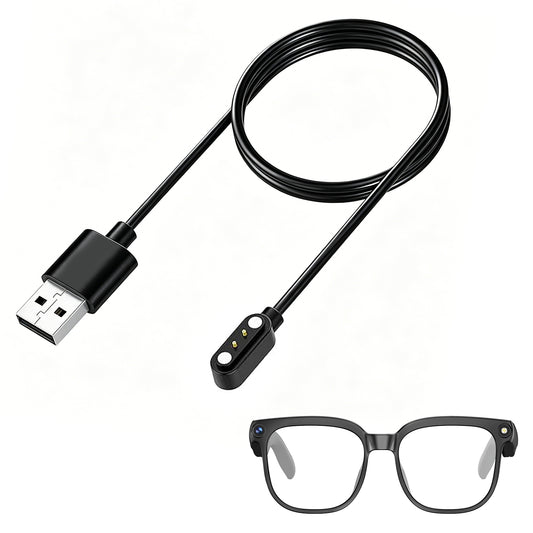
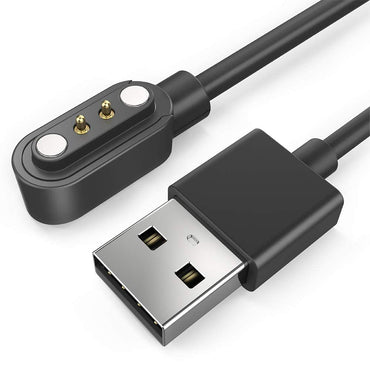
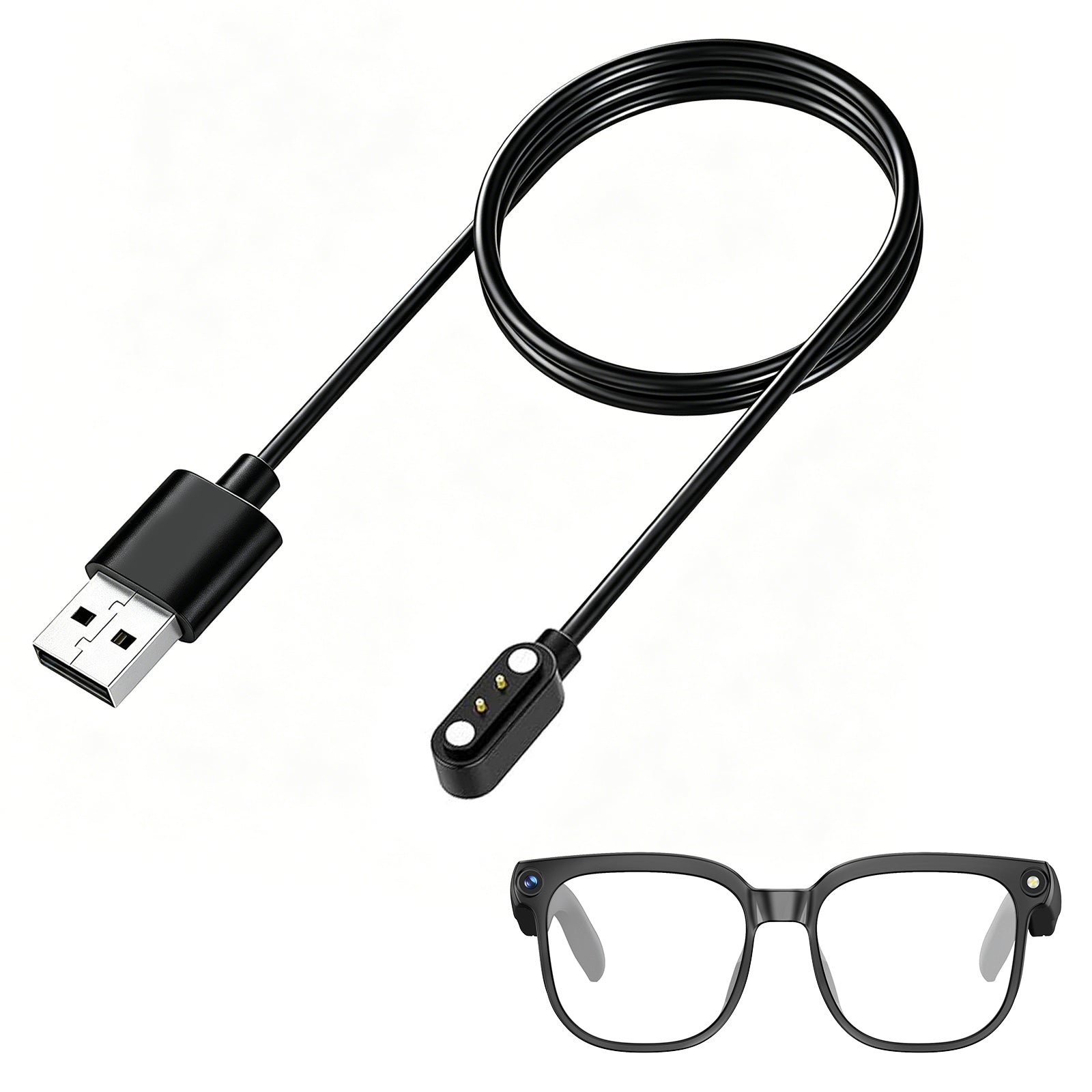
I charged them during my lunch break and they lasted the rest of the day. The Type-C port is a welcome touch — no proprietary charger nonsense, no hunting for a weird cable.
Photochromic Lenses for Indoors and Out
The lenses are photochromic, which means they automatically darken in response to UV light. Walk outside on a sunny day? They tint up like sunglasses. Walk back inside? They clear up so you can see normally. In practice, this worked great in most situations — stepping out of my office into bright afternoon sun, the transition was quick enough that I didn't squint.
One honest note: the manufacturer says transitions are slower in low-UV conditions, and that's accurate. On an overcast day or during early evening, the tinting is more gradual. It's not a dealbreaker, but if you're walking in and out of buildings on a cloudy day, you'll notice the lag. For most use cases — driving, outdoor sports, sunny commutes — it's perfectly fine. If you want the science behind why these lenses react to light, All About Vision's guide to photochromic lenses breaks it down clearly.
| ✅ What I Loved | ⚠️ What to Consider |
|---|---|
|
|
Who Are These Glasses For?
Travelers: This is the target audience. Live translation, hands-free photo capture, and automatic sun protection in one device? If you travel internationally even once or twice a year, these pay for themselves in convenience.
Content creators and vloggers: If you record a lot of POV content — unboxing, reviews, outdoor activities, travel vlogs — the hands-free angle and anti-shake make this a compelling B-roll tool. Not your main camera, but a great supplement.
Commuters and multitaskers: Open-ear audio for podcasts and calls, voice assistant for quick info, and you never have to dig your phone out of your pocket. If you walk or take public transit, these fit naturally into your routine.
Anyone who's always reaching for their phone: If you find yourself constantly pulling out your phone to capture moments, check information, or take calls — and you want to be more present — these glasses offer a genuine alternative.
If you're building a hands-free wearable setup, pair these with the Osawalla smart ring collection for 24/7 health tracking, or read our Osawalla vs ordinary smart ring comparison to see how the two work together.
Frequently Asked Questions
Are the Osawalla smart glasses comfortable for all-day wear?
Yes. The arms use a soft, pressure-free design and the nose pads are adjustable, so they fit both narrow and wide bridges. In testing, they were comfortable through a full 8-hour workday — including a long video call — without temple soreness. If all-day comfort is your priority, these are among the better-fitting smart glasses in this price range.
Do the Osawalla smart glasses handle real-time translation?
Yes. They support two-way real-time translation in 100+ languages through the built-in AI assistant. You speak in your language, the glasses speak the translation aloud, and they relay the response back in your language — enabling a natural back-and-forth conversation without a phone in hand. It works best with a steady connection and clear speech.
How long does the battery last?
Up to 7 hours of music playback or 4 hours of Bluetooth calls on a 300mAh cell, with a full charge in about 2 hours over Type-C. For light use — occasional photos, translation, and audio — a single charge covers a full day. Heavy continuous video recording will drain it faster, so pack the cable for long shooting days.
Can I record video hands-free with these glasses?
Yes. The 8MP CMOS sensor records 1080P video with electronic anti-shake, and you start recording without touching your phone. Footage is sharp enough to share straight to social media. They're a strong supplemental camera for POV and travel content, though not a replacement for a dedicated pro camera.
Look, I've tested a lot of gadgets. Most "smart" wearables end up being a neat idea that you use for a week and then forget about. The Osawalla smart glasses are different. The combination of hands-free camera, real-time translation, open-ear audio, and adaptive lenses creates something genuinely useful in daily life — not just a tech demo.
Are they perfect?
No. The battery could be bigger, the photochromic transition could be faster on cloudy days, and the bass won't satisfy audiophiles. But as an all-in-one wearable that reduces how often I reach for my phone, this is the closest any smart glasses have come to earning a permanent spot in my daily carry.
Ready to put your phone down and actually be in the moment? 👉 Shop the Osawalla Smart Glasses → and see what hands-free capture feels like.


