

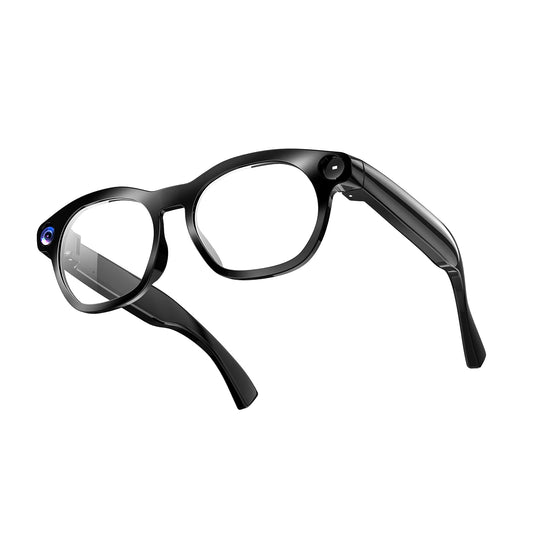
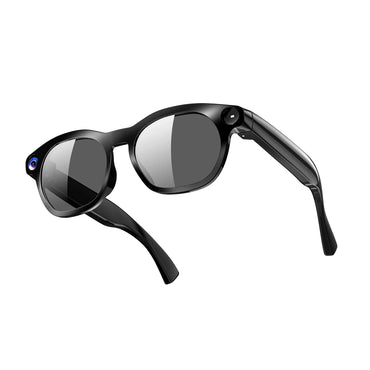
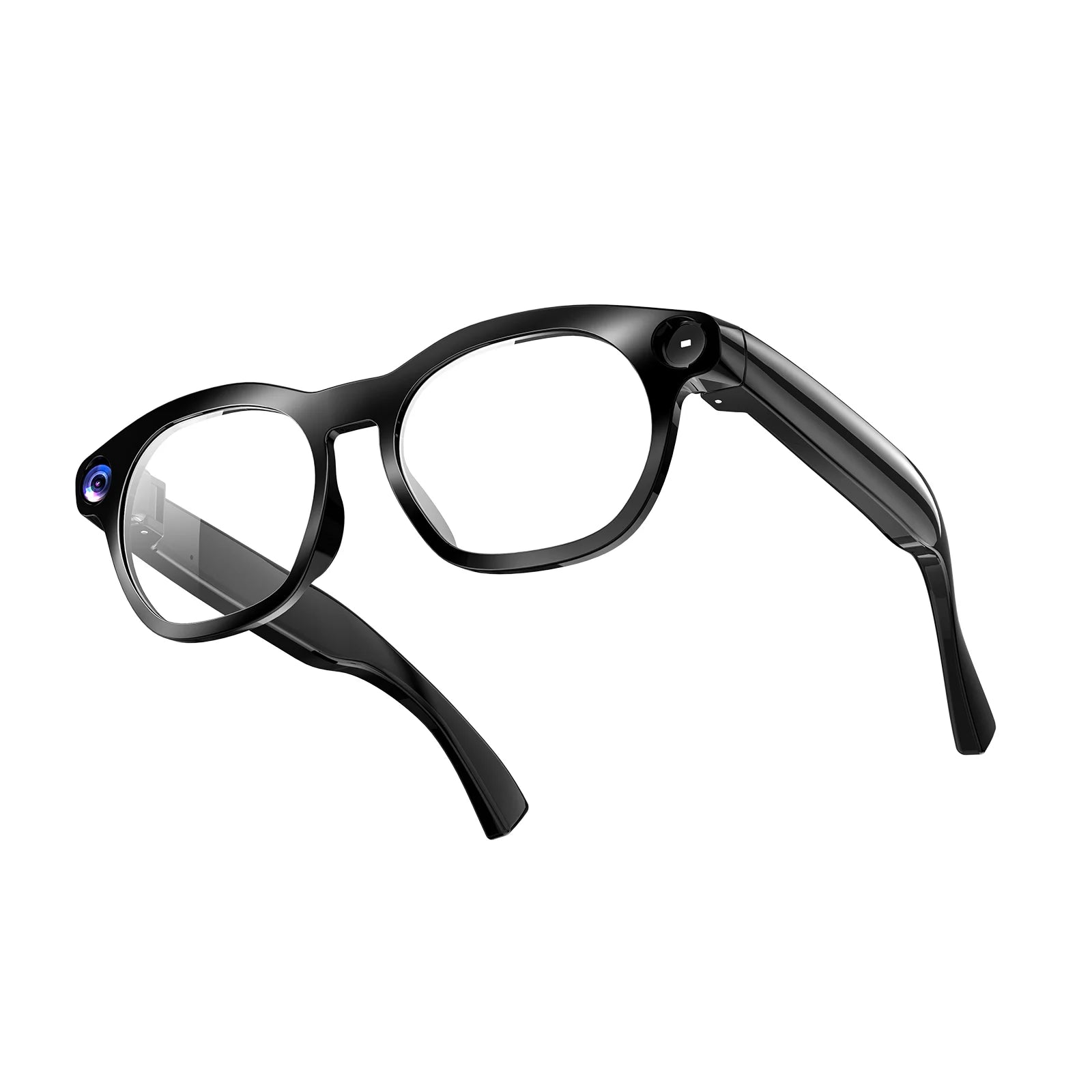
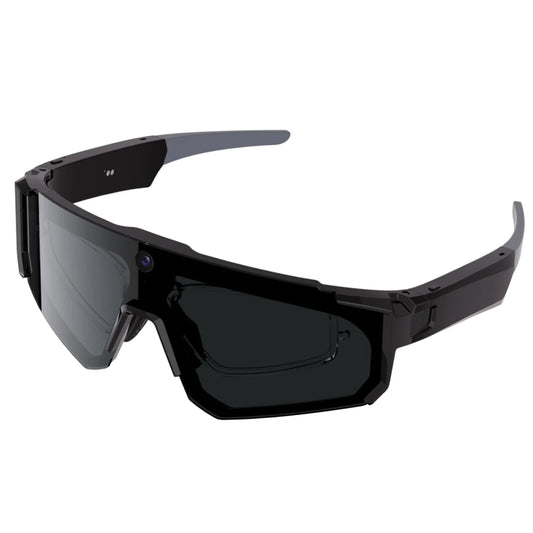
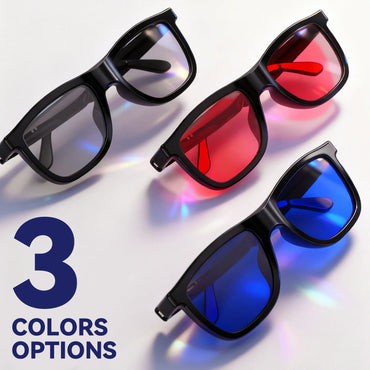
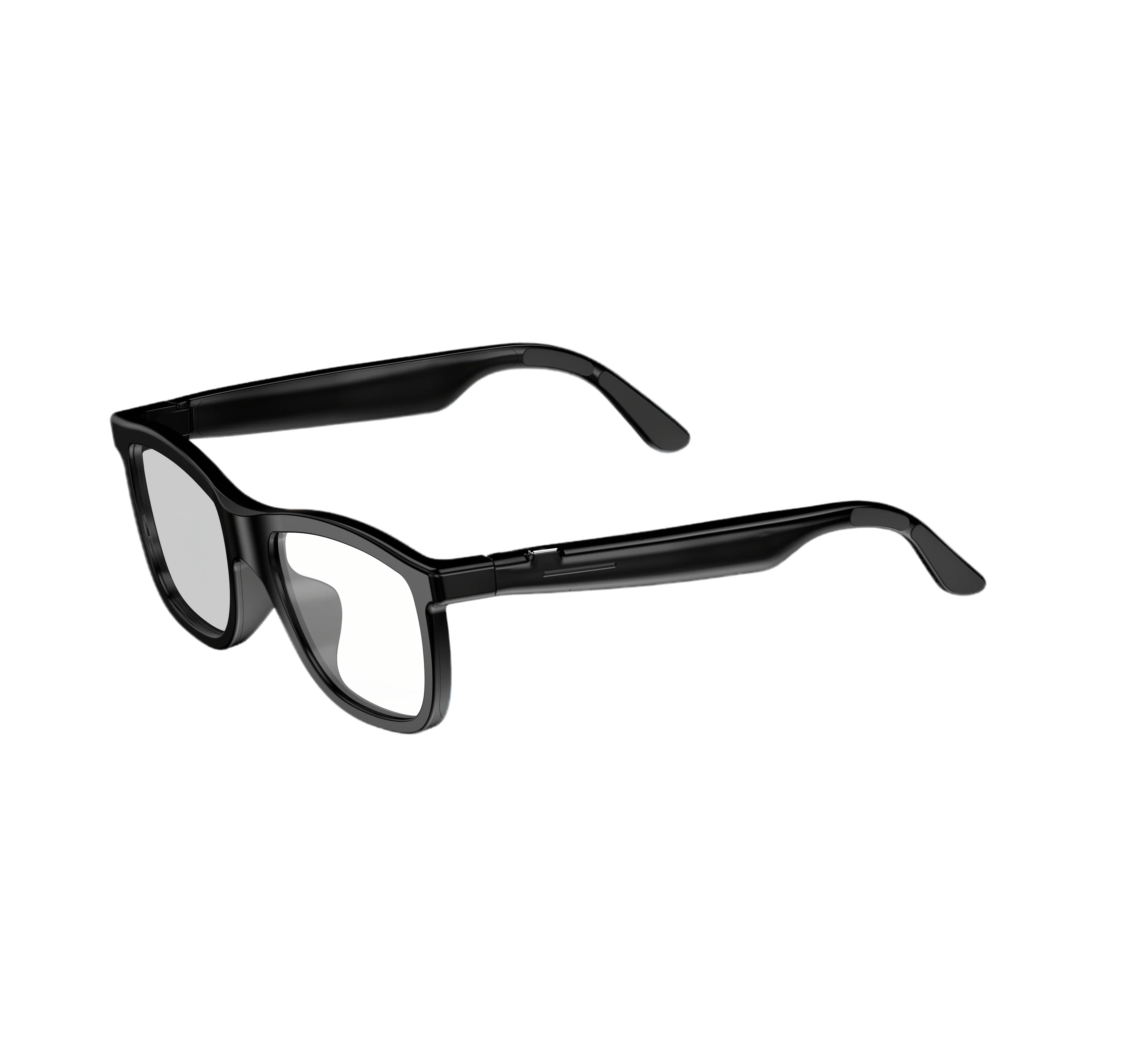
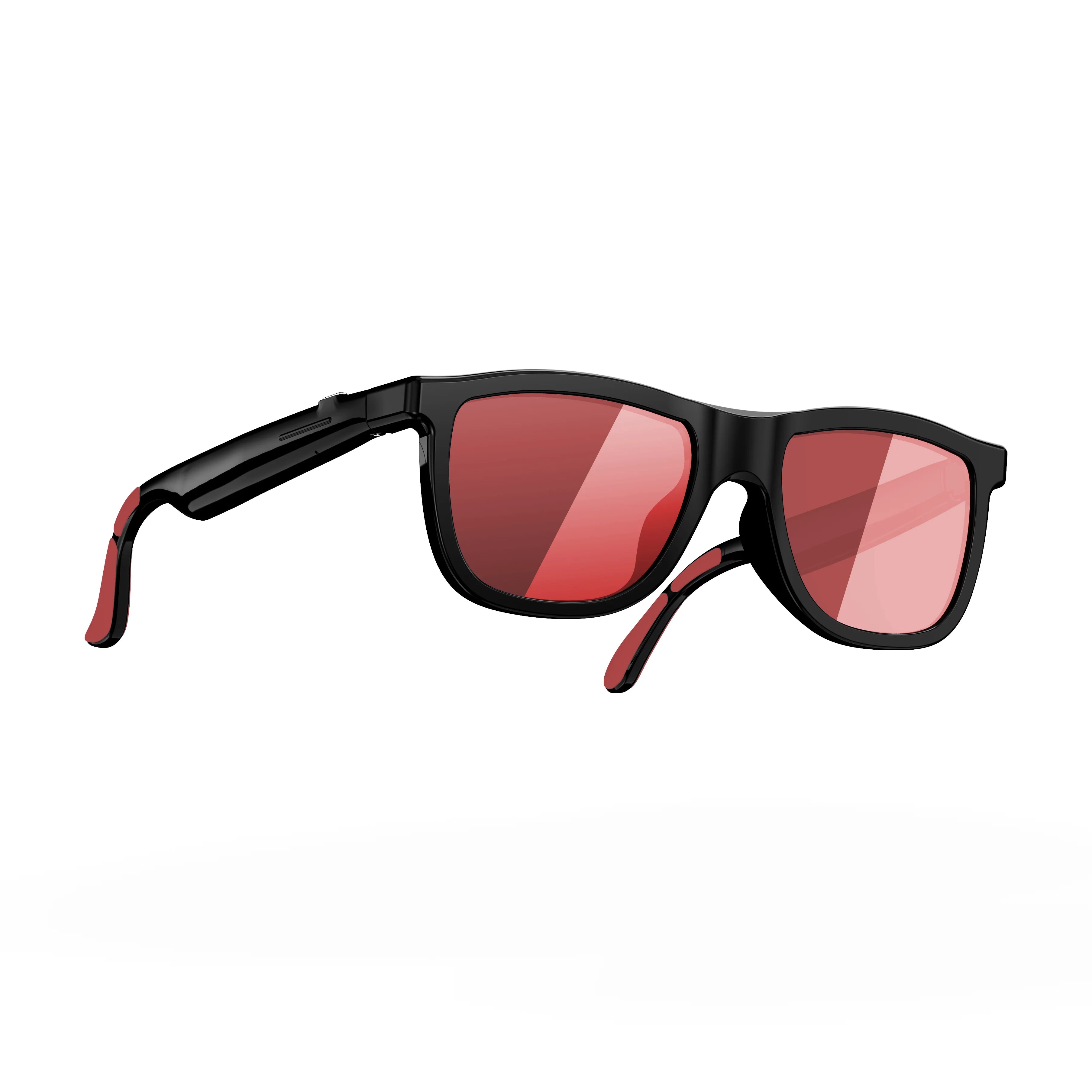
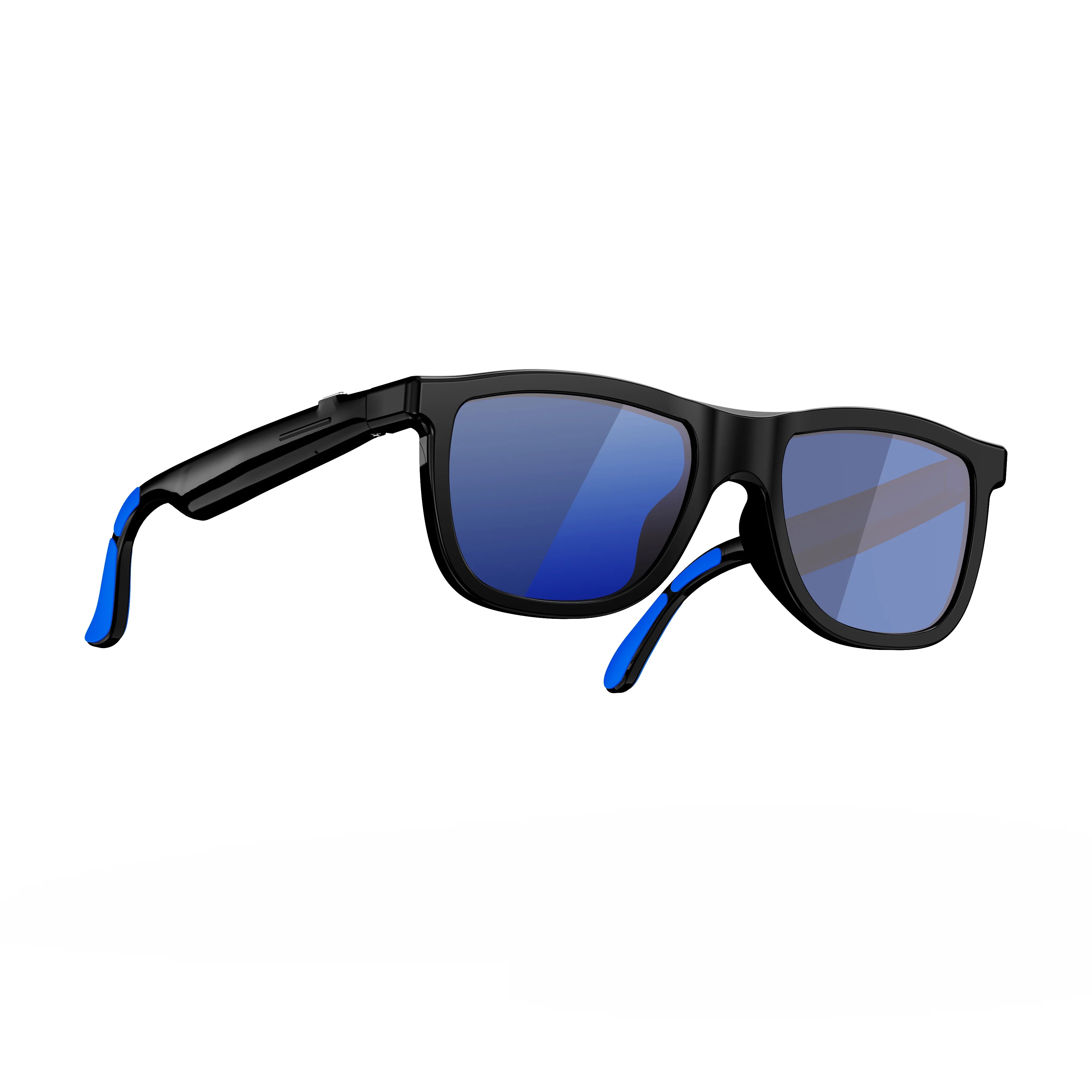






The landscape of wearable technology has undergone a profound transformation over the last decade. Early iterations of optical technology were burdened by heavy battery packs, poor visual fidelity, and fragile architectures that rendered them entirely unsuitable for active environments. Today, however, miniaturization and advanced microprocessor integration have revolutionized the market. When evaluating the modern capabilities of athletic tech, understanding the core Features of Smart Glasses is paramount for consumers seeking to elevate their training, documentation, and daily connectivity.

From our experience engineering optics for high-intensity sports, we observe that the most critical Features of Smart Glasses are not merely digital novelties, but practical tools that resolve physical constraints. Holding a smartphone or action camera while sprinting, cycling, or climbing alters an athlete's biomechanics, reducing efficiency and increasing the risk of injury. The modern iterations of this technology completely liberate the hands while providing an uncompromised digital overlay. In this authoritative technical guide, we will analyze the seven most powerful Features of Smart Glasses, demonstrating exactly how these advancements optimize both professional athletic performance and everyday utility.
Table of Contents
- 1. Hands-Free Point-of-View (POV) High-Definition Camera Integration
- 2. Advanced 6-Axis Image Stabilization Technology
- 3. Open-Ear Audio Systems for Absolute Acoustic Awareness
- 4. Seamless AI Voice Control and Virtual Assistants
- 5. Active Ergonomics and Anti-Slip Retention Systems
- 6. Optical Versatility: Interchangeable and Prescription-Ready Lenses
- 7. Optimized Battery Efficiency for Sustained Motion
- 8. Summary Table: Analyzing the Features of Smart Glasses
- 9. Frequently Asked Questions (FAQs)
- 10. Industry and Academic References
1. Hands-Free Point-of-View (POV) High-Definition Camera Integration
At the forefront of the most requested Features of Smart Glasses is the ability to capture high-fidelity media without breaking physical momentum. Traditional action cameras, even when chest-mounted or helmet-mounted, often fail to capture the true, dynamic point-of-view of the athlete. A camera mounted directly within the chassis of the eyewear solves this spatial disconnect.
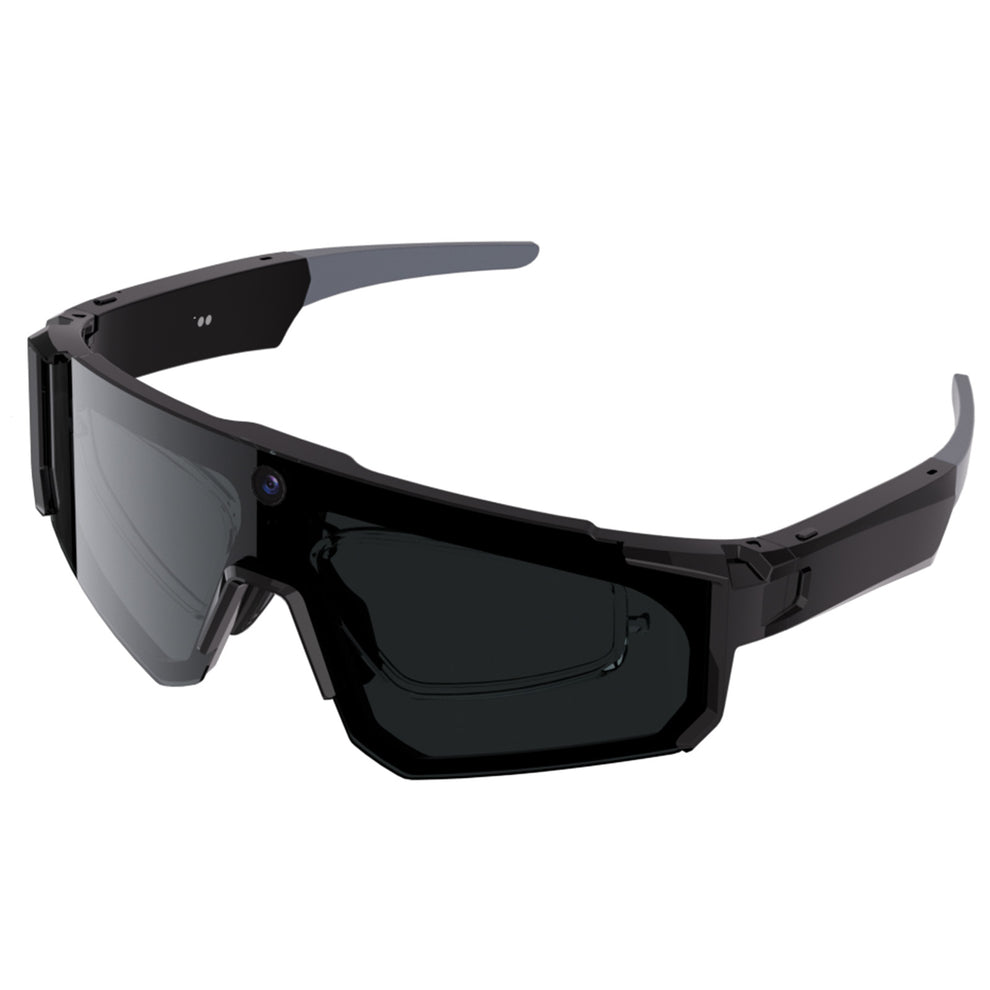
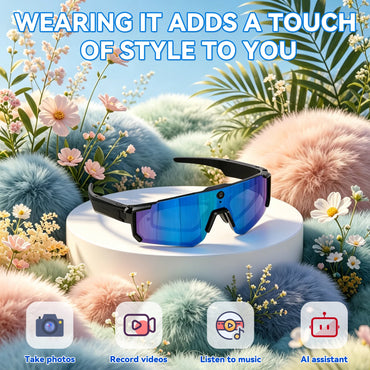
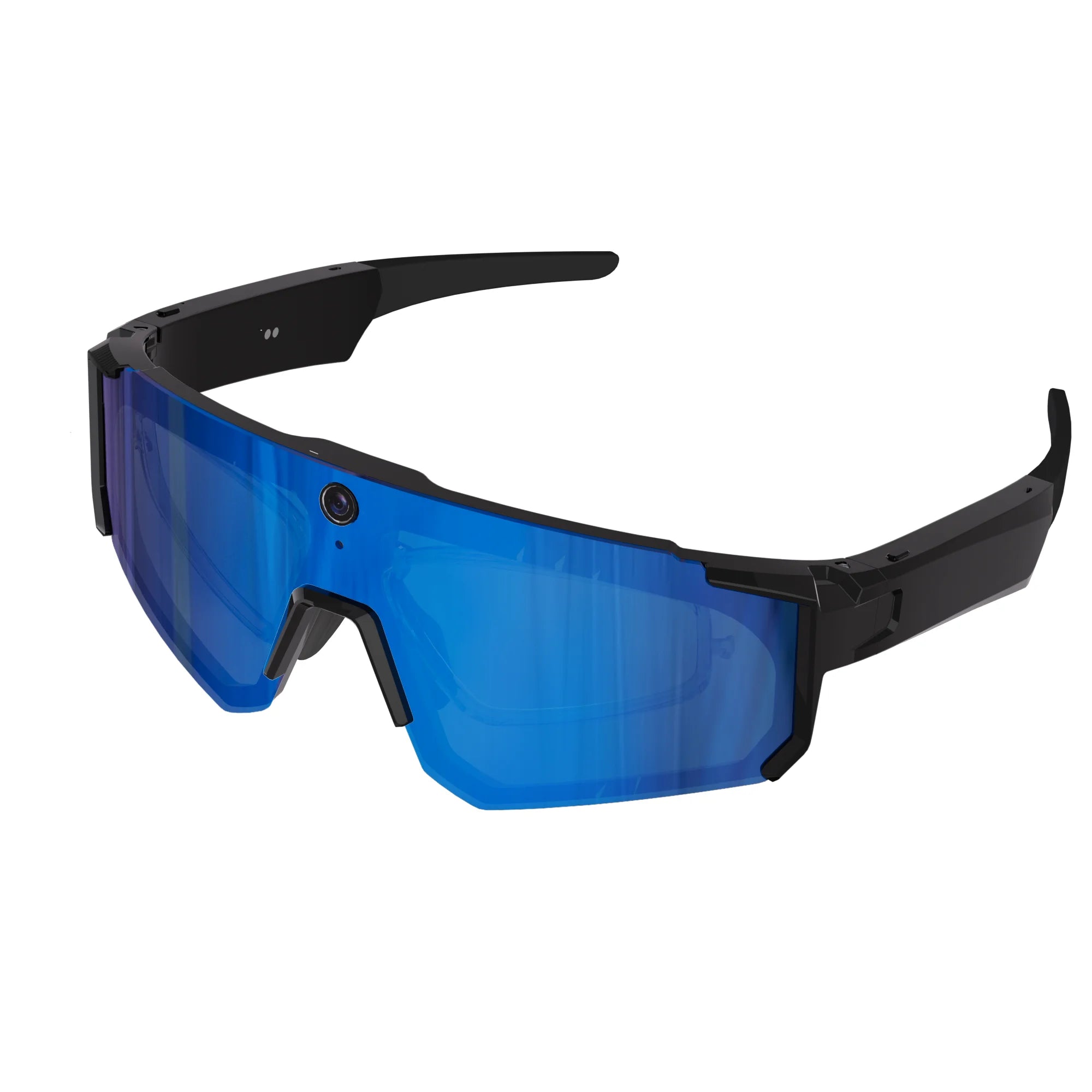
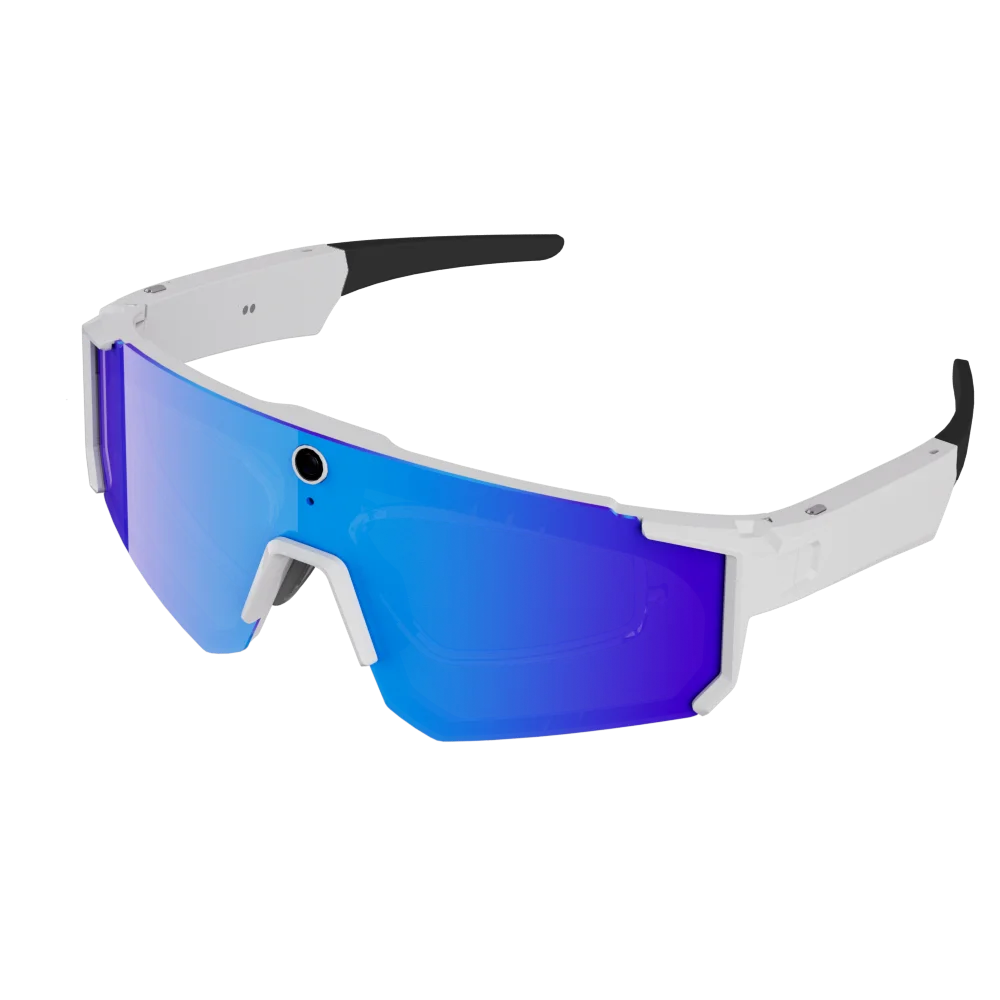
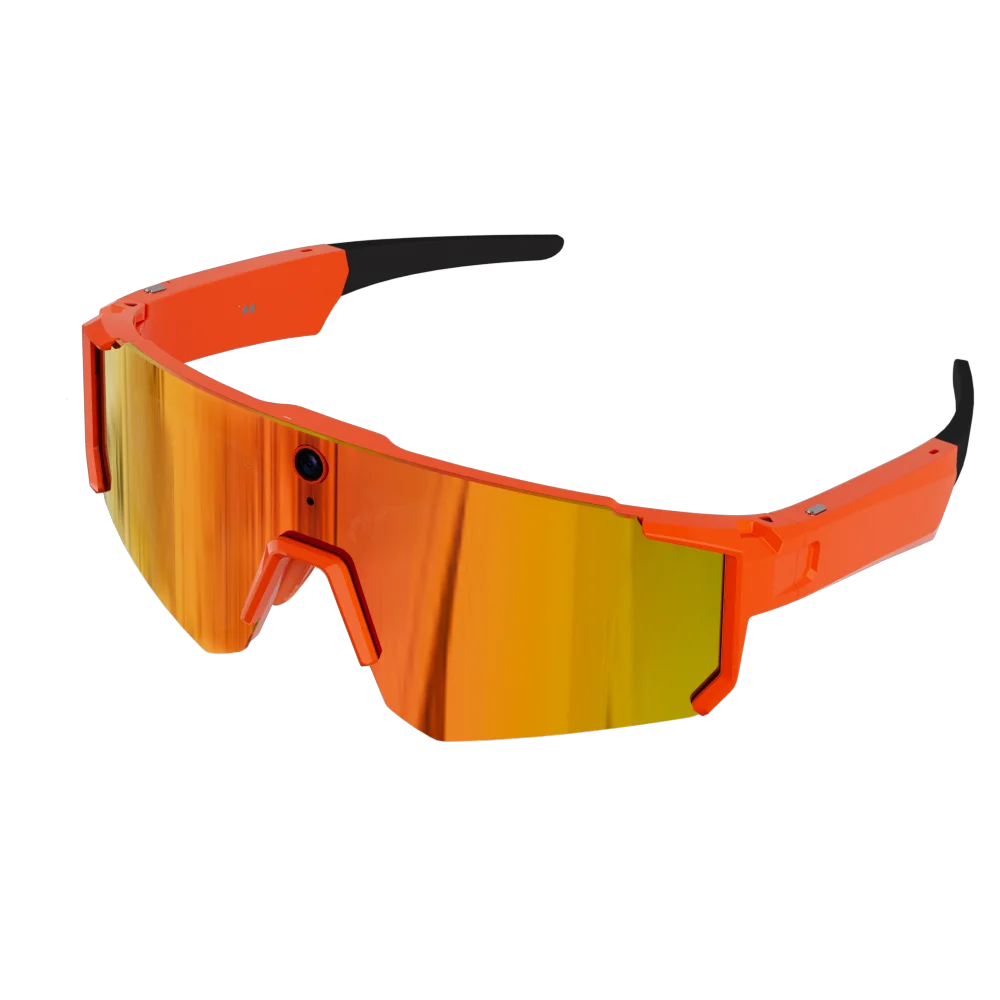
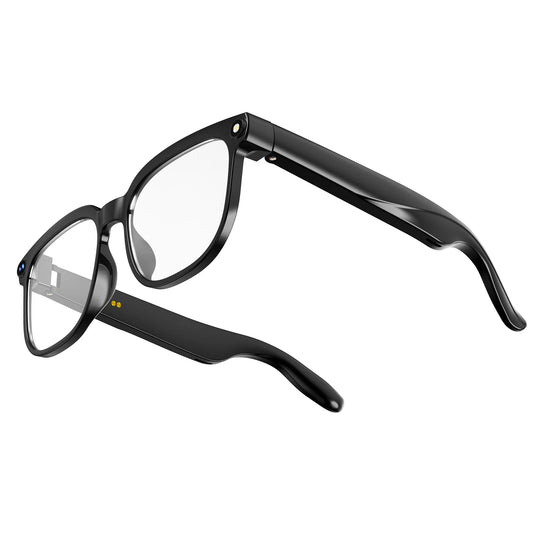
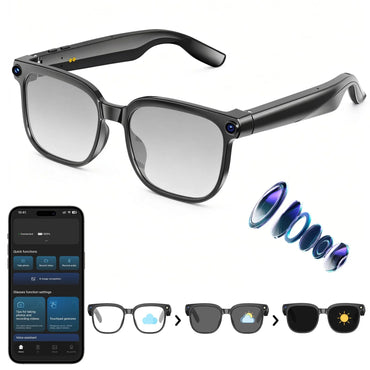
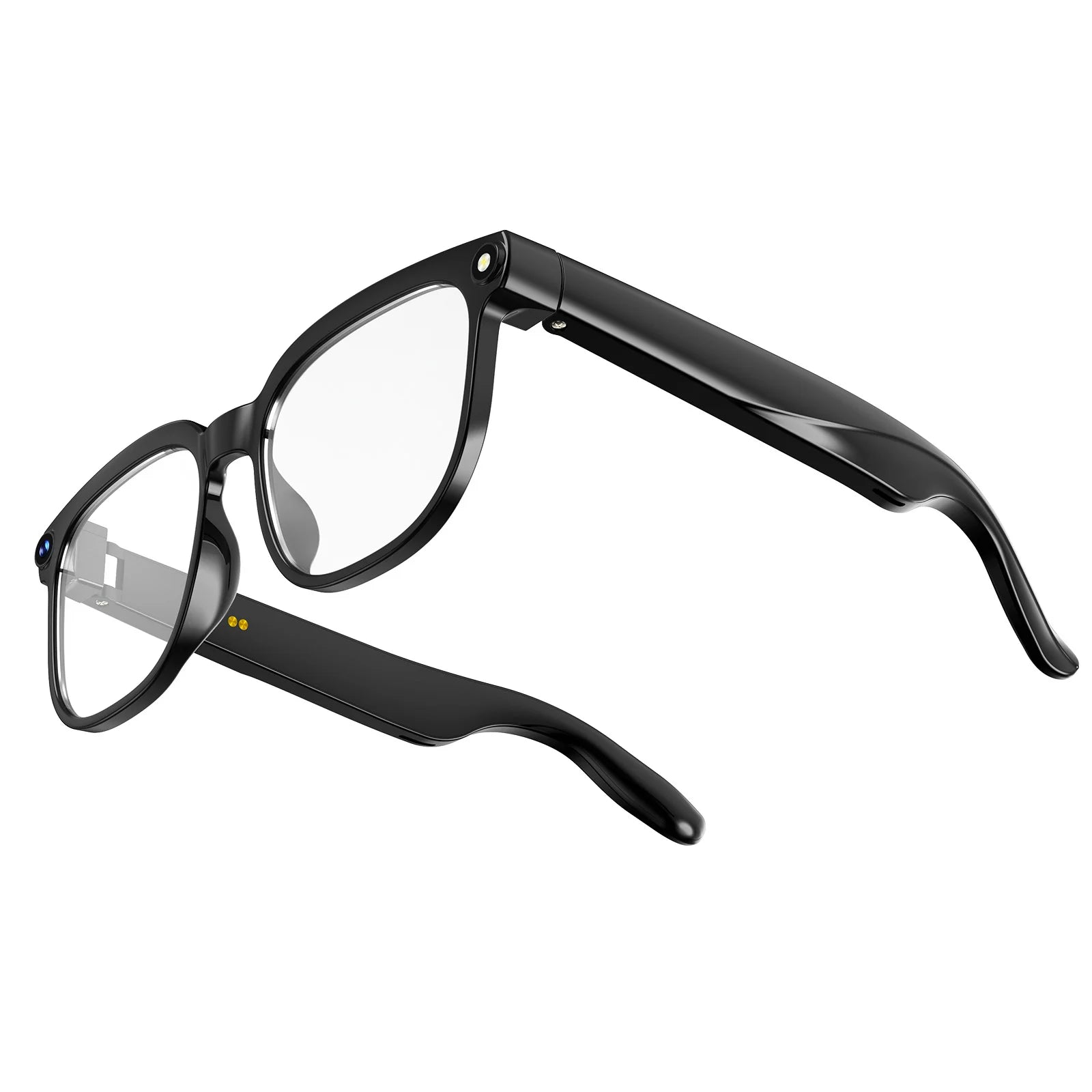
We recommend integrating solutions that prioritize both lens quality and sensor efficiency. A prime example of this engineering is found within the Osawalla GP04 Running & Cycling Video Glasses. These specific camera glasses feature an integrated 8MP HD camera designed to capture photos and videos from your natural point of view. This is an indispensable tool for sports recording, travel documentation, and capturing authentic first-person moments without the encumbrance of a handheld device. By locating the camera directly between the user's eyes, the resulting footage exactly mimics the human visual perspective.
2. Advanced 6-Axis Image Stabilization Technology

Recording video while running or cycling introduces a massive amount of mechanical vibration. If a camera system lacks robust stabilization, the resulting footage is rendered unwatchable due to severe motion blur and shaking. Consequently, one of the most mechanically complex Features of Smart Glasses is internal gyroscopic stabilization.
The Osawalla GP04 directly addresses this challenge by incorporating a sophisticated 6-axis stabilization sensor. This technology actively measures pitch, roll, and yaw, simultaneously compensating for linear translation along the X, Y, and Z axes. When you are moving rapidly across uneven terrain, this internal sensor instantly counteracts the micro-vibrations generated by footstrikes or tire impacts. From our experience in optical testing, 6-axis stabilization is what separates a gimmick from a professional-grade athletic recording tool, delivering infinitely smoother video during fast-paced activities.
3. Open-Ear Audio Systems for Absolute Acoustic Awareness
Safety is the primary concern for any outdoor athlete. Utilizing traditional noise-canceling earbuds while cycling on a busy road or running on a public trail removes the athlete's ability to hear approaching vehicles, sirens, or other pedestrians. To combat this, modern wearable engineers developed open-ear audio technology, which currently stands as one of the most life-saving Features of Smart Glasses.
Unlike earbuds that occlude the ear canal, open-ear audio utilizes micro-speakers integrated directly into the temple arms, projecting sound directionally toward the user's ear. This specific architecture allows the wearer to listen to high-quality music, take phone calls, and receive turn-by-turn navigation while maintaining 100% awareness of ambient environmental acoustics. It seamlessly blends your digital audio layer with the physical world, ensuring your situational awareness remains completely uncompromised.
4. Seamless AI Voice Control and Virtual Assistants
Operating physical buttons while navigating a complex cycling route or executing a high-speed sprint is dangerous and inefficient. The integration of artificial intelligence has elevated the Features of Smart Glasses from simple recording devices to proactive digital assistants.
By incorporating built-in AI voice control, users can interact with their environment entirely hands-free. A simple vocal command can trigger the HD camera to take a photo, initiate a video recording, answer an incoming phone call, or change an audio track. This feature is not limited strictly to athletic performance; it is highly utilized for daily productivity, allowing professionals to dictate messages and manage tasks while commuting or traveling. This hands-free interaction loop is fundamental to the philosophy of frictionless wearable technology.
5. Active Ergonomics and Anti-Slip Retention Systems
A device loaded with advanced technology is entirely useless if it slides down the user's nose during heavy perspiration or falls off during rapid directional changes. Therefore, structural ergonomics rank exceptionally high among the necessary Features of Smart Glasses.
Our engineering team focuses heavily on material science to resolve retention issues. The Osawalla GP04 is built specifically as lightweight running sunglasses for men and women. We achieve this secure fit by utilizing flexible, bendable temple arms paired with silicone anti-slip tips. Furthermore, adjustable nose pads are incorporated to accommodate various facial structures and bridge heights. This combination ensures that the glasses stay locked in place regardless of the physical intensity of the workout, eliminating the distraction of constantly pushing the frames back up your face.
6. Optical Versatility: Interchangeable and Prescription-Ready Lenses
Athletes operate in rapidly fluctuating environmental conditions. A lens tint that provides optimal contrast during a bright, midday run will severely impair vision during a dusk cycling session or an overcast hike. Adaptability is one of the most practical Features of Smart Glasses.
We recommend selecting hardware that supports modular optics. High-clarity interchangeable lenses allow the user to swap between polarized shields for intense sunlight, yellow tints for low-light contrast, and clear lenses for nighttime protection against wind and debris. Furthermore, a significant portion of the athletic population requires visual correction. High-end models, such as the Osawalla GP04, include a dedicated RX inner frame. This allows users to easily install their personal prescription lenses directly behind the primary shield, ensuring they can enjoy smart technology without sacrificing visual acuity.
7. Optimized Battery Efficiency for Sustained Motion
The final pillar of performance is sustained power delivery. Balancing the power demands of an 8MP camera, continuous 6-axis stabilization, open-ear audio, and AI voice recognition within a lightweight frame requires extraordinary battery optimization. Advanced lithium-polymer micro-batteries are strategically distributed throughout the frame to maintain a perfect center of gravity, preventing the glasses from feeling front-heavy.
Modern power management firmware aggressively monitors energy consumption, shutting down idle sensors when not actively in use. This intelligent distribution ensures that the athlete can record a full 5K run, stream an entire playlist, and take necessary phone calls on a single charge, maintaining the utility of the glasses throughout the duration of the event.
8. Summary Table: Analyzing the Features of Smart Glasses
To assist consumers in evaluating their next piece of athletic hardware, we have compiled a matrix detailing how the top Features of Smart Glasses translate into direct performance benefits.
| Core Feature | Implementation in Osawalla GP04 | Direct Benefit to the Athlete |
|---|---|---|
| POV Camera Integration | Integrated 8MP HD Camera | Hands-free, authentic first-person recording without hindering physical mechanics. |
| Image Stabilization | 6-Axis Stabilization Sensor | Eliminates motion shake during running and cycling for smooth, professional footage. |
| Acoustic Safety | Open-Ear Audio Design | Allows music and calls while preserving total situational awareness of traffic and surroundings. |
| Hands-Free Interface | Built-in AI Voice Control | Execute commands without taking hands off the handlebars or breaking sprint form. |
| Retention & Ergonomics | Bendable arms, silicone tips, adjustable nose pads | All-day comfort and a locked-in fit that prevents sliding during heavy perspiration. |
| Visual Adaptability | Interchangeable lenses & RX inner frame | Adapts to any lighting condition and perfectly accommodates prescription lens users. |
9. Frequently Asked Questions (FAQs)
What are the most important Features of Smart Glasses for runners?
From our experience, runners should prioritize three specific Features of Smart Glasses: an ultra-lightweight frame with anti-slip silicone retention, 6-axis image stabilization to counteract the intense vertical bouncing of a running stride, and open-ear audio to ensure they can hear approaching vehicles or other trail users.
Do I need a separate phone to use the camera Features of Smart Glasses?
No, the integrated 8MP HD camera in models like the Osawalla GP04 operates independently to capture photos and videos directly to onboard storage or a MicroSD card. While you may pair the glasses with a phone via Bluetooth for AI voice control and music streaming, the physical act of recording POV footage is entirely standalone.
How does open-ear audio compare to traditional earbuds?
Traditional earbuds utilize passive or active noise cancellation by plugging the ear canal, which is highly dangerous for road cyclists or runners. Open-ear audio rests outside the ear canal, using directional acoustic waves to deliver sound. This is one of the most critical Features of Smart Glasses, as it provides high-quality audio while keeping your ear canal completely open to the ambient environment.
10. Industry and Academic References
To ensure a comprehensive understanding of the technological standards, ergonomic studies, and safety protocols dictating the modern development of wearable optics, we recommend consulting the following authoritative sources:


