


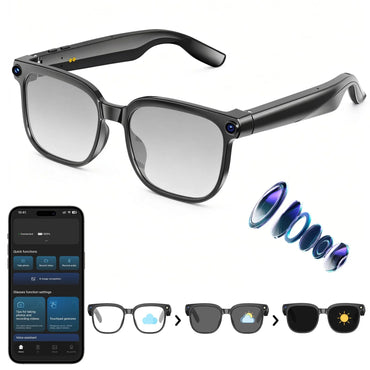
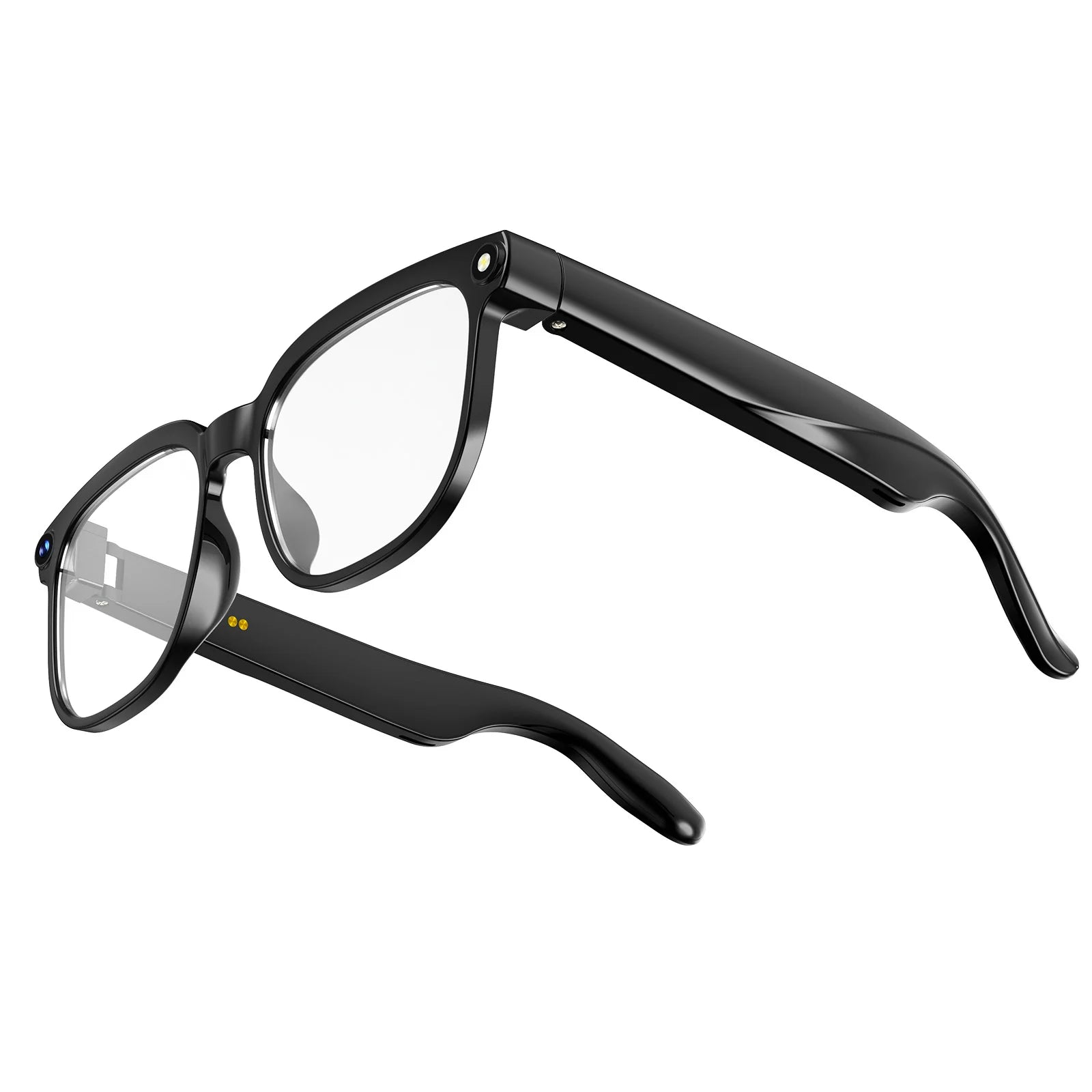
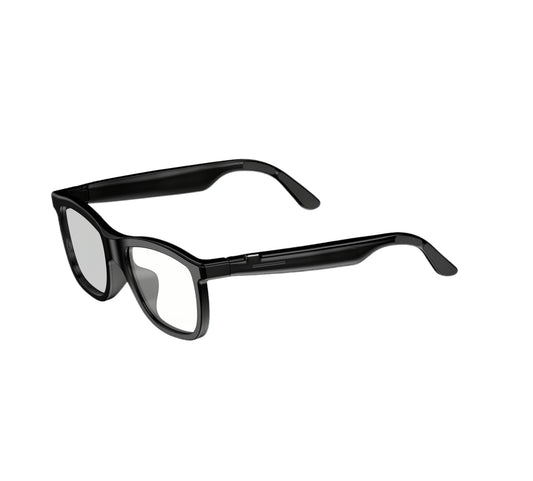
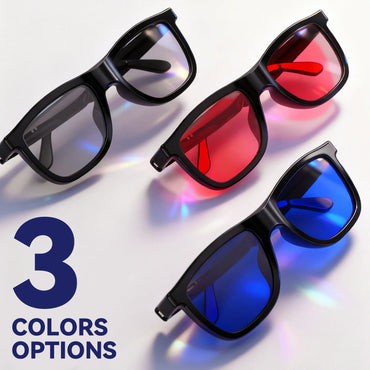


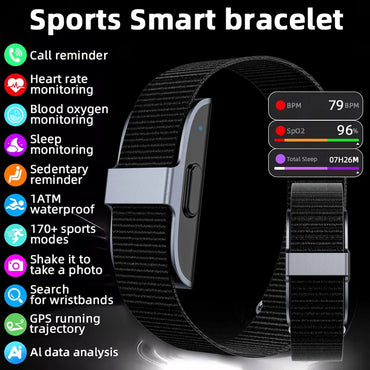




The wearable technology landscape is undergoing a necessary paradigm shift. For over a decade, consumers have relied heavily on wrist-bound devices to monitor their physiological data, capture daily moments, and stay connected. However, as processing algorithms become more sophisticated, the limitations of these conventional tools are becoming apparent. They often interrupt our daily flow, demanding that we look down at tiny screens, ultimately pulling us out of the present moment. This functional friction has accelerated the transition toward facial wearables, bringing the vast benefits of using AI smart glasses into sharp focus for modern consumers and athletes alike.

Evaluating the true benefits of using AI smart glasses requires looking beyond basic notifications. Artificial intelligence embedded within a cranial-mounted device fundamentally alters how data is processed, captured, and delivered. From our experience designing advanced optics and micro-electronics, the most profound benefits of using AI smart glasses lie in their ability to act as a seamless extension of the human sensory system. In this comprehensive guide, we will analyze the technical and lifestyle advantages of this technology, exploring five distinct areas where intelligent eyewear outperforms traditional wearables.
Table of Contents
- 1. Seamless Integration of Wellness and Physiological Tracking
- 2. Hands-Free Visual Documentation and Situational Awareness
- 3. Enhanced Athletic Performance and Metric Tracking
- 4. Real-Time Acoustic and Contextual Intelligence
- 5. Reduction of Digital Fatigue and Screen Dependency
- 6. Summary Table: Analyzing the Benefits of Using AI Smart Glasses
- 7. Frequently Asked Questions (FAQs)
- 8. Industry References
1. Seamless Integration of Wellness and Physiological Tracking
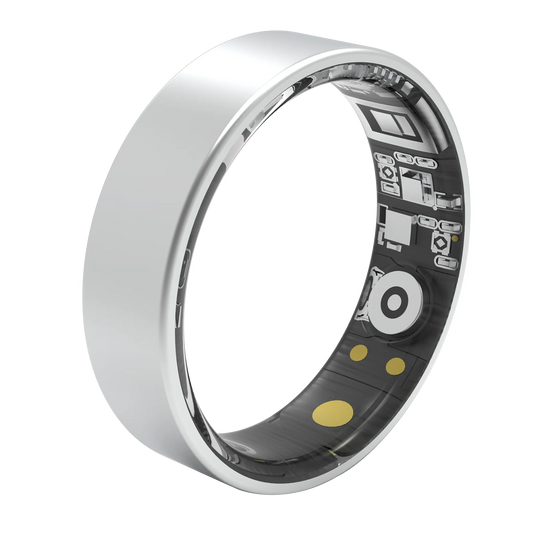
Understanding human physiology should not require active interruption. One of the most critical benefits of using AI smart glasses is the passive, continuous monitoring of wellness metrics. Conventional tools often fall short because they require the user to actively engage with a screen to interpret data. AI-integrated eyewear shifts this paradigm by utilizing micro-sensors located near the temporal artery and cranial nerve pathways, areas rich in physiological data.
When assessing the benefits of using AI smart glasses for health, we must look at how artificial intelligence interprets raw data. Instead of merely logging heart rate or movement, the onboard AI can cross-reference micro-movements of the head with blink rates to assess fatigue, stress levels, and circadian rhythm disruptions. From our experience, delivering this data through gentle, non-intrusive auditory or visual cues allows the user to make real-time adjustments to their posture or breathing without looking away from their current task. This subtle, continuous feedback loop ensures that users stay connected to their well-being with absolute confidence and ease.
2. Hands-Free Visual Documentation and Situational Awareness
The drive to document our lives often removes us from the very experiences we are trying to preserve. Holding up a smartphone creates a physical and psychological barrier between the user and their environment. Among the structural benefits of using AI smart glasses is the integration of hands-free, perspective-accurate visual capture.
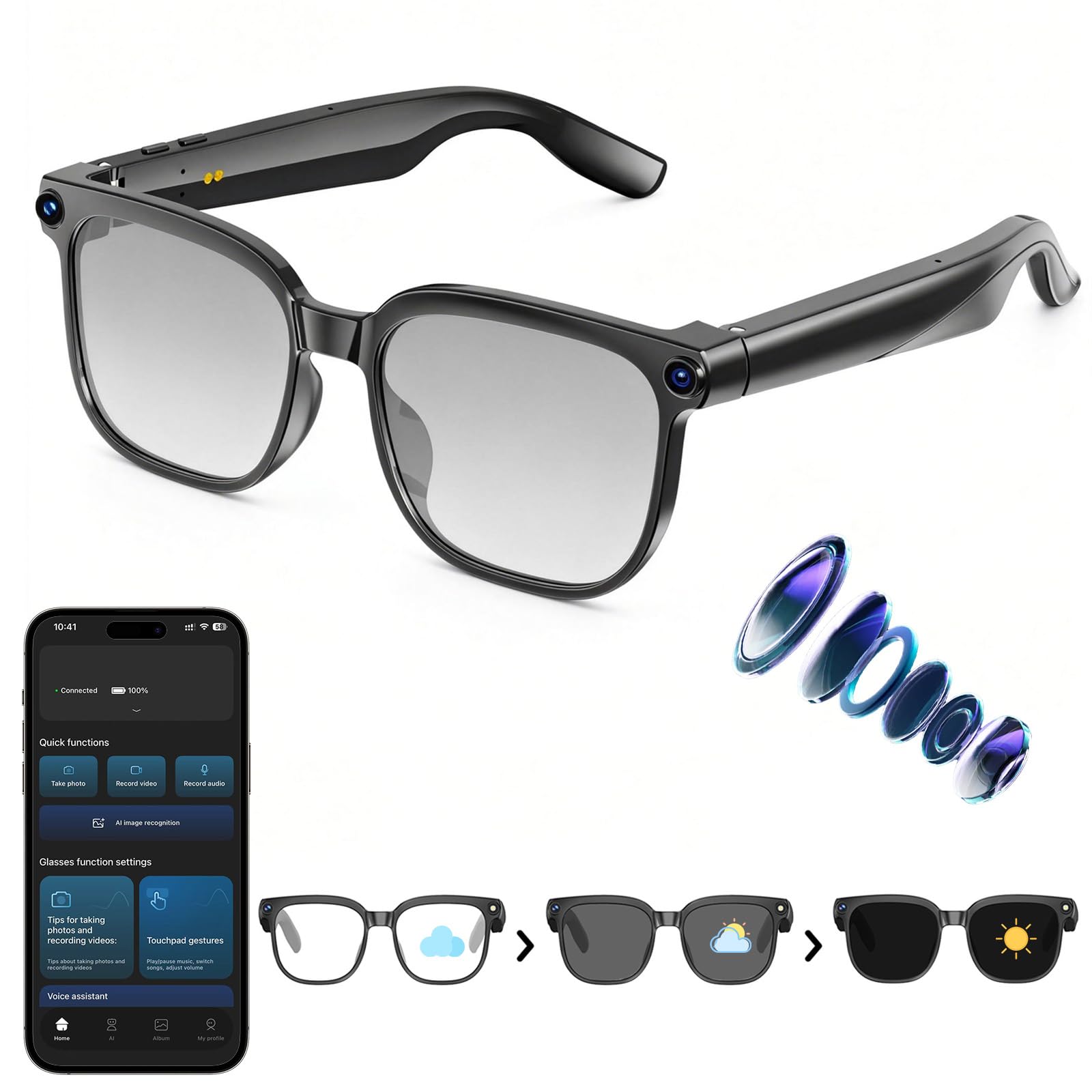
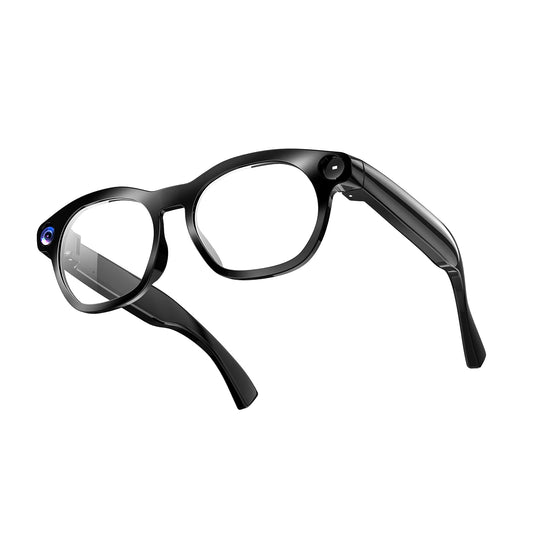
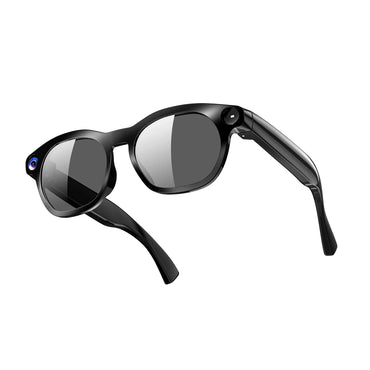
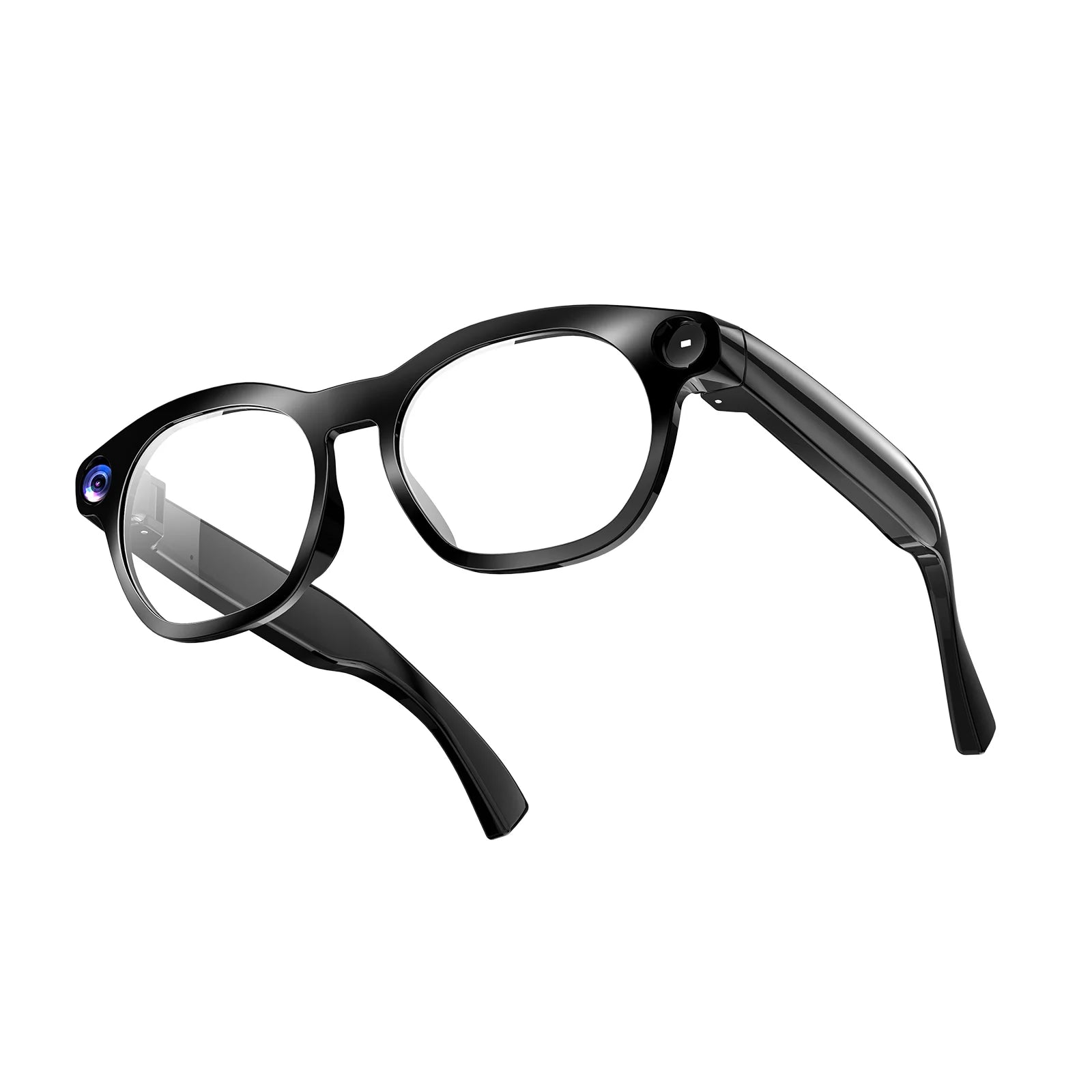
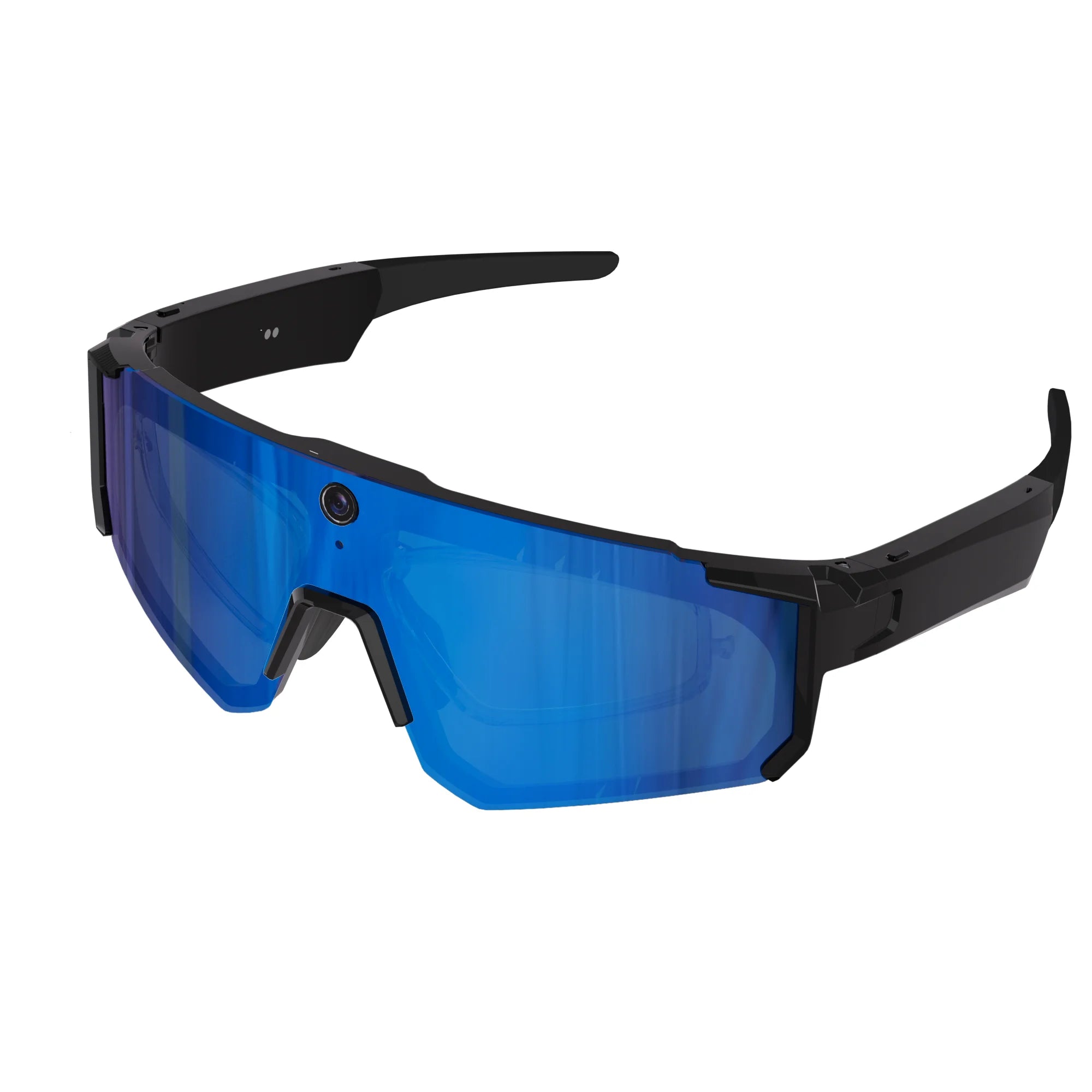
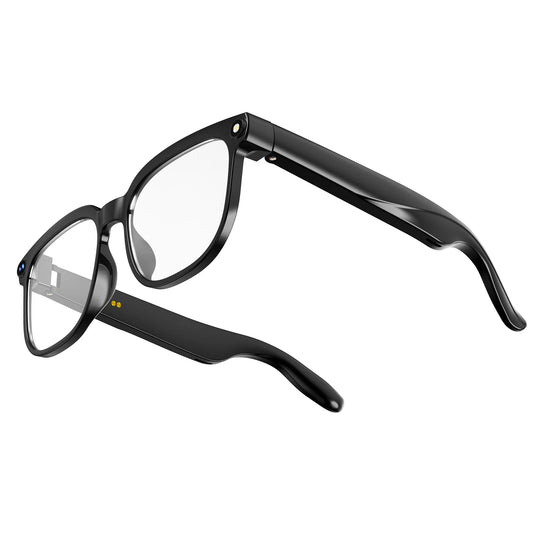
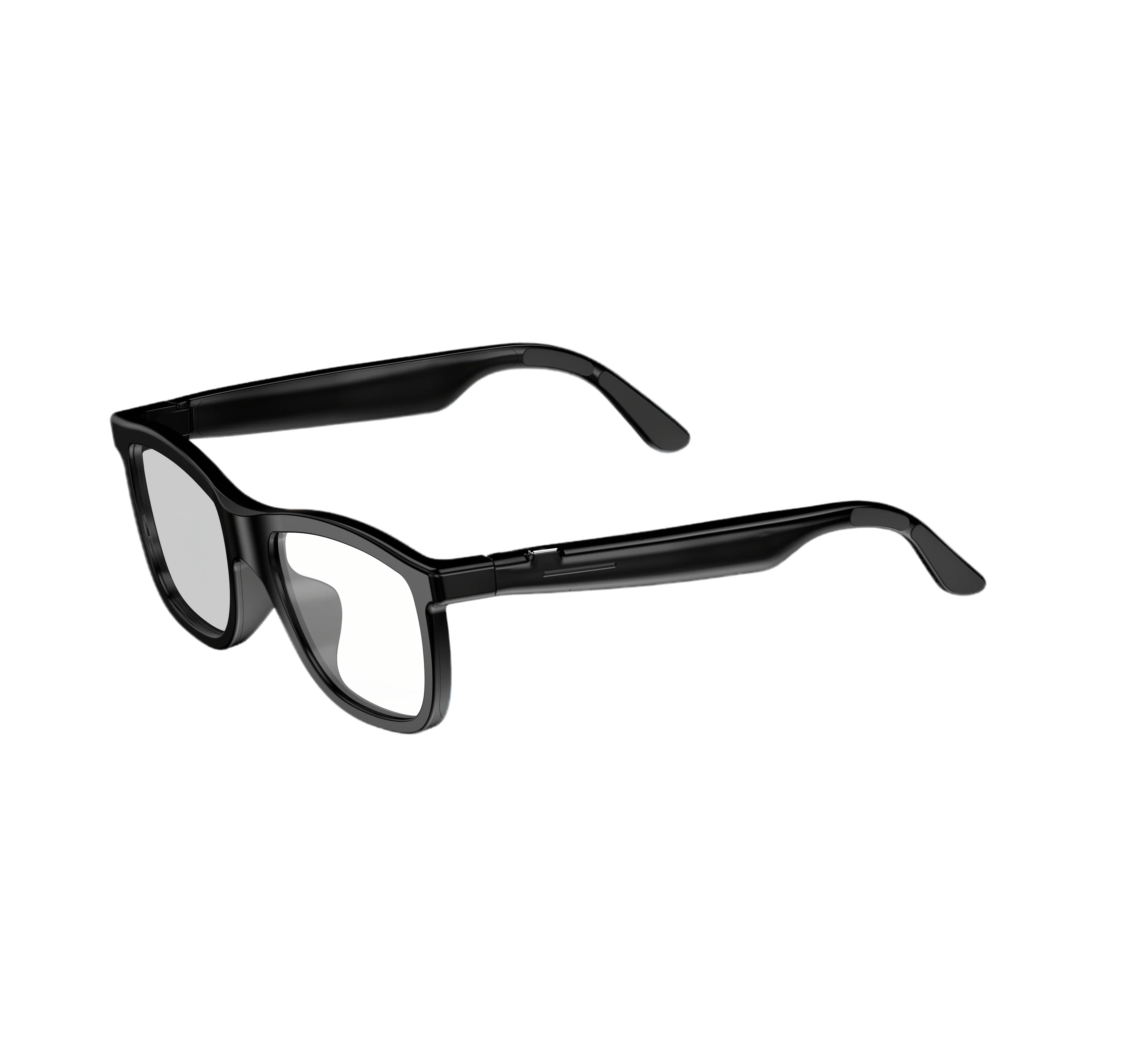
We engineered the GP02 smart glasses with camera to directly address this issue. When utilizing a device like the GP02 smart glasses with camera, the onboard AI handles dynamic image stabilization, auto-exposure adjustments, and subject tracking in real-time. This means the user does not need to frame a shot or adjust settings; they simply look at their subject. The benefits of using AI smart glasses in this context extend to automatic categorization of footage. The AI algorithms can identify landscapes, faces, and activities, tagging the media for effortless retrieval later. This allows the user to document their life with precision while remaining entirely present in the moment.
3. Enhanced Athletic Performance and Metric Tracking
For cyclists, runners, and outdoor athletes, taking a hand off the handlebars to check a smartwatch or bike computer introduces severe aerodynamic drag and safety risks. The athletic benefits of using AI smart glasses solve this inherent danger by delivering critical performance metrics directly into the wearer's peripheral field or auditory channels.
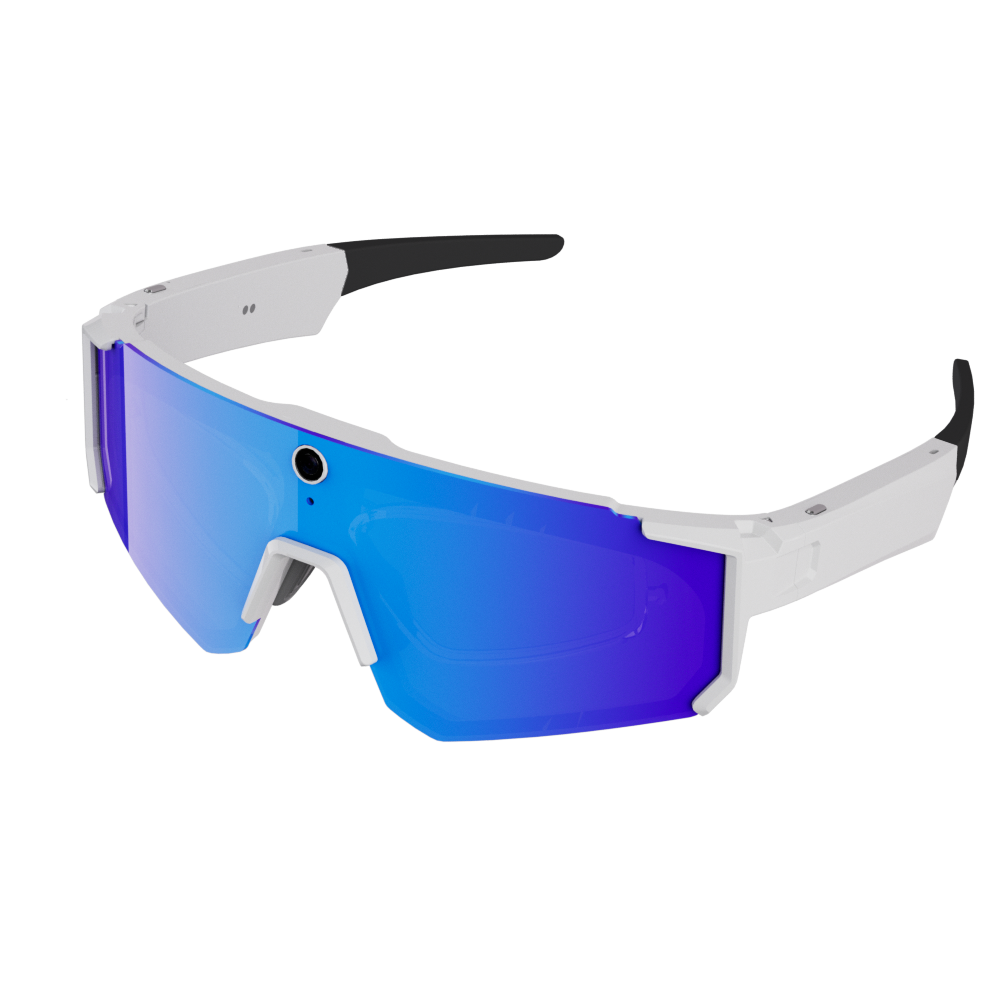
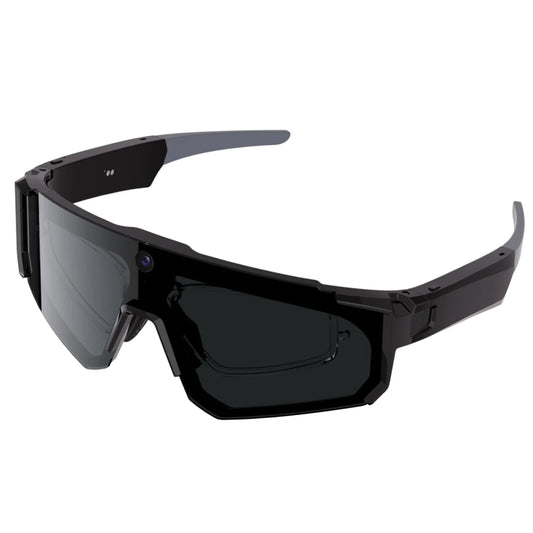
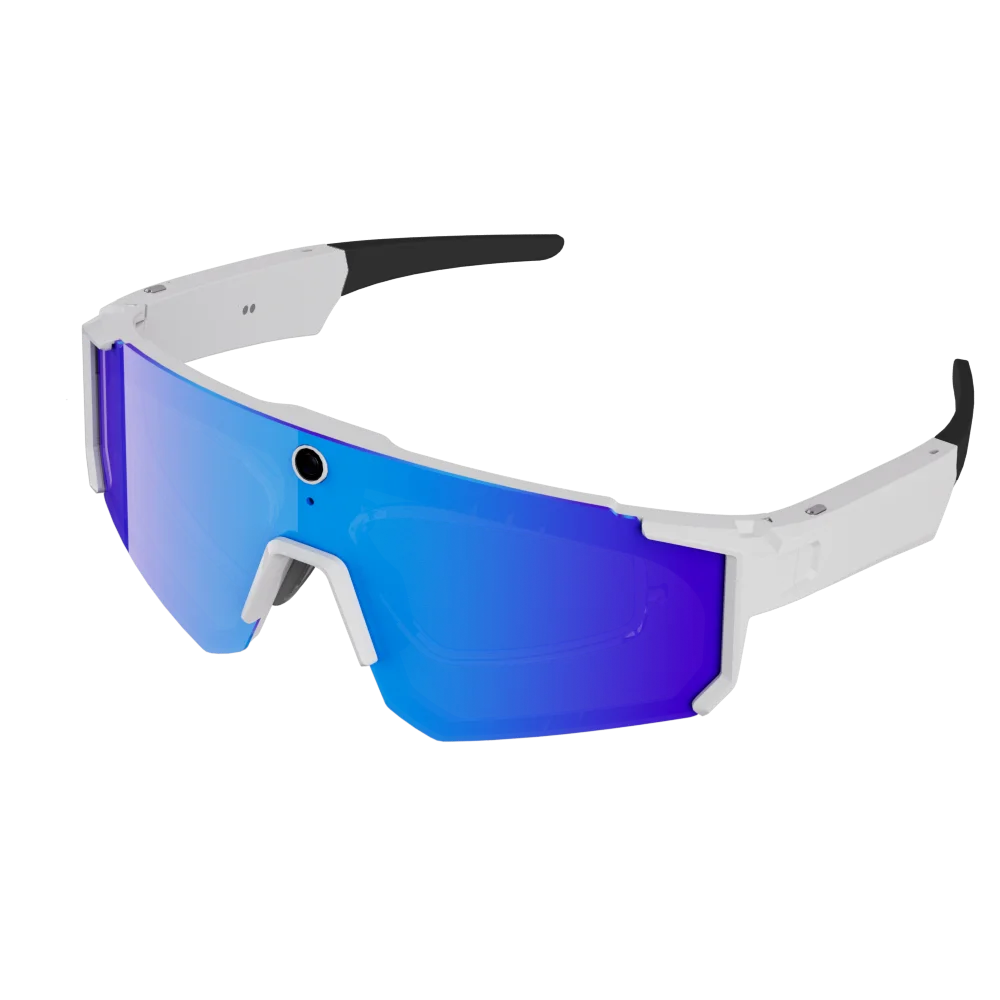
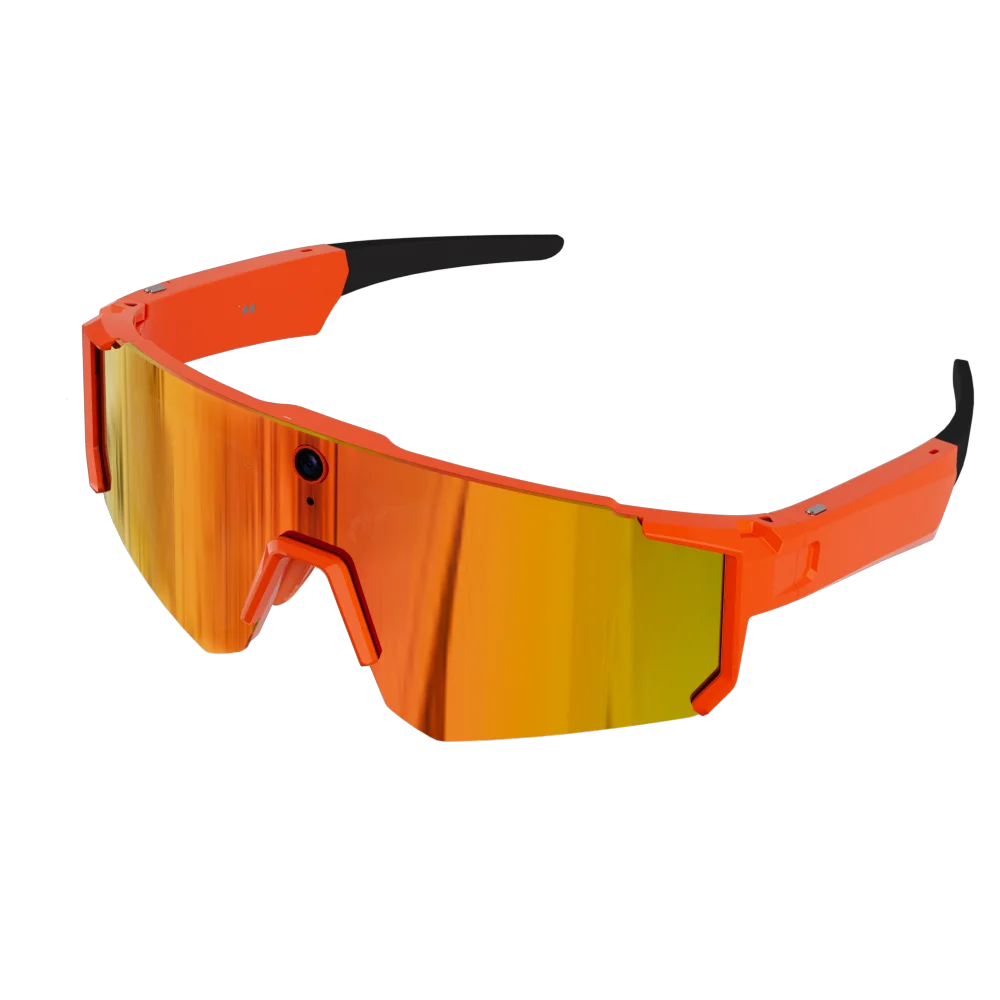
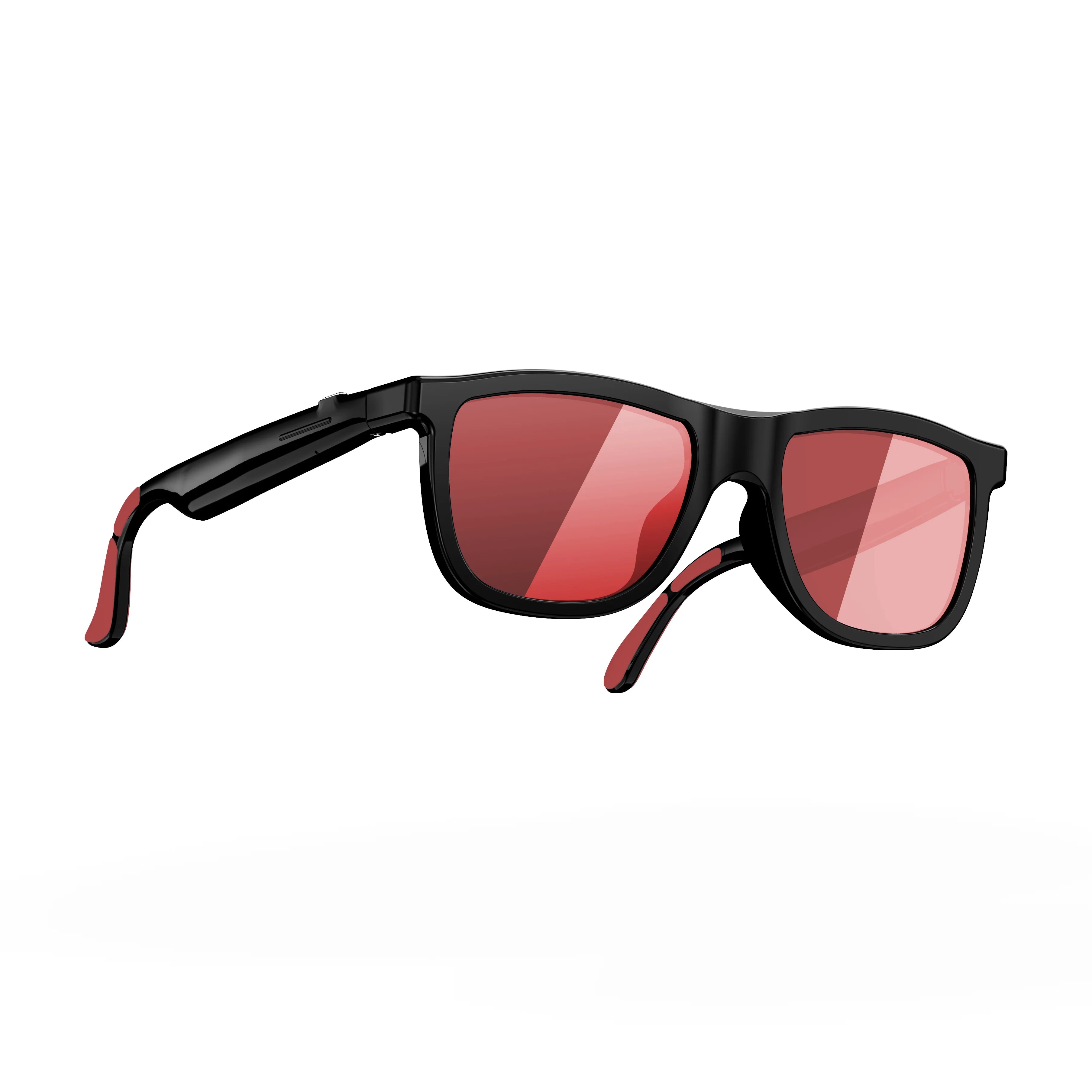
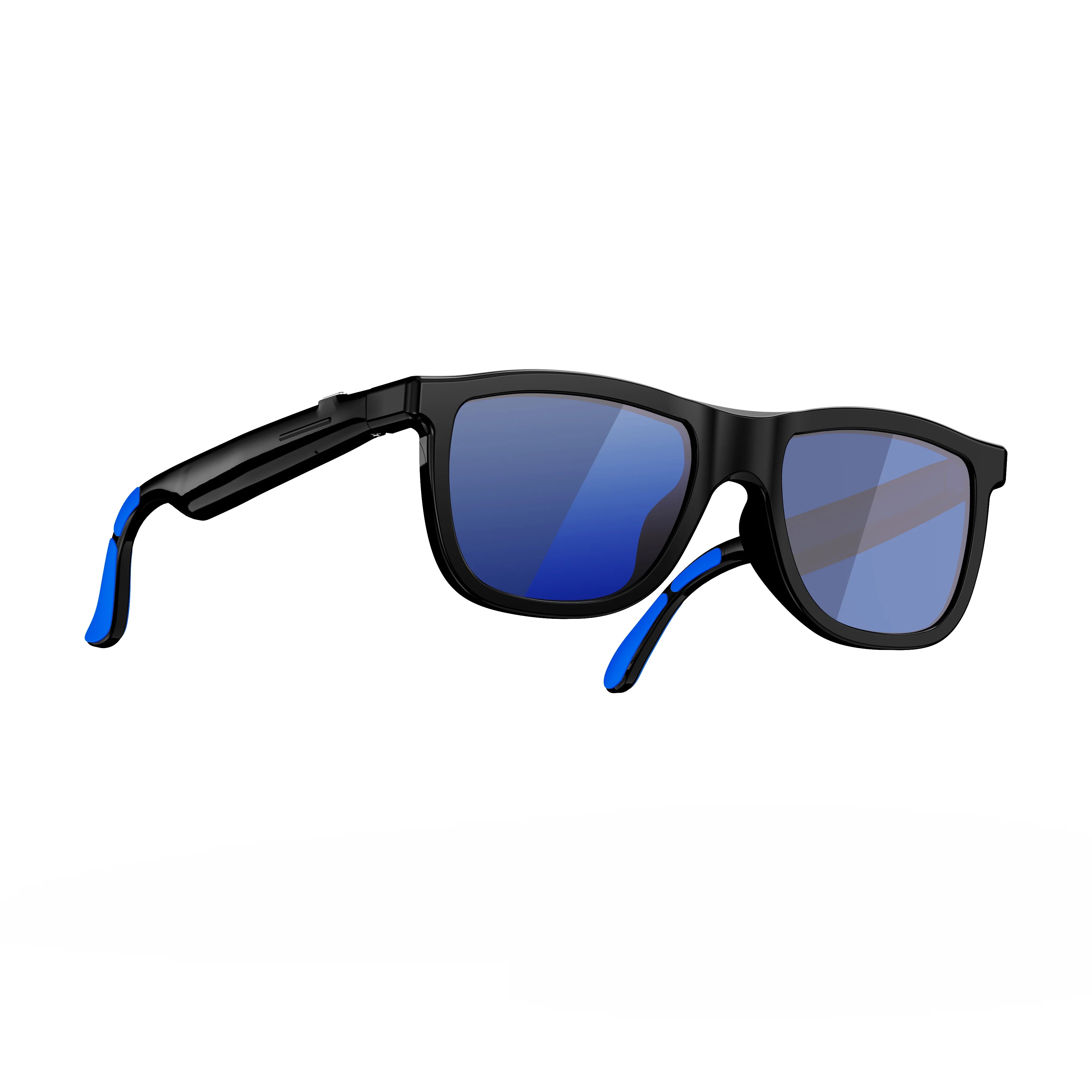
We highly recommend the GP04 Running & Cycling Video Glasses for dedicated athletes. The integration of AI into the GP04 Running & Cycling Video Glasses allows for complex pacing algorithms to operate locally. The glasses can analyze your speed, cadence, and head position, providing real-time coaching cues to optimize your biomechanics. Furthermore, the benefits of using AI smart glasses in high-speed environments include safety protocols; the AI can utilize the integrated cameras to detect rapidly approaching vehicles from the rear periphery, delivering an auditory warning to the cyclist. This blend of precision with elegance transforms standard eyewear into a vital piece of safety and performance equipment.
4. Real-Time Acoustic and Contextual Intelligence
While visual computing often dominates the conversation, the acoustic benefits of using AI smart glasses are equally transformative. Modern smart frames utilize directional micro-speakers and advanced microphone arrays. However, it is the artificial intelligence processing this audio that provides the true value.
Consider navigating a loud, bustling urban environment. The AI algorithms can employ selective noise cancellation, filtering out the chaotic frequencies of traffic while isolating and amplifying human speech frequencies. If you are traveling abroad, the benefits of using AI smart glasses can include real-time, low-latency auditory translation whispered directly into your ear. This contextual intelligence ensures that the technology adapts to the environment rather than forcing the user to manually adjust settings. It is a prime example of our design philosophy: creating technology that brings gentle awareness and functional assistance without overwhelming the senses.
5. Reduction of Digital Fatigue and Screen Dependency
Perhaps the most vital, yet overlooked, of the benefits of using AI smart glasses is the psychological impact of digital minimalism. We currently live in an era characterized by chronic screen fatigue. The constant requirement to pull out a phone, unlock it, and navigate through a grid of distracting applications to perform a simple task depletes our cognitive bandwidth.
To maximize the benefits of using AI smart glasses, one must view them as a filter for the digital world. By employing advanced voice-activated AI, the user bypasses the screen entirely. You can dictate messages, check the weather, control smart home devices, and navigate city streets using only vocal commands and subtle audio feedback. This reduction in screen dependency lowers optical strain and breaks the cycle of endless scrolling. At Osawalla, our wellness specialists emphasize that technology should not monopolize your attention. By replacing a demanding smartphone interface with the intuitive, thoughtfully designed architecture of smart glasses, users reclaim their time and mental clarity.
6. Summary Table: Analyzing the Benefits of Using AI Smart Glasses
The following matrix provides a clear comparison of how intelligent eyewear outperforms legacy wearable formats across key lifestyle metrics.
| Core Capability | Traditional Wearables (Smartwatches/Phones) | The Benefits of Using AI Smart Glasses | Osawalla Recommended Solution |
|---|---|---|---|
| Visual Capture | Requires holding a device, removes user from the moment. | Hands-free, eye-level perspective with AI stabilization. | GP02 smart glasses with camera |
| Athletic Tracking | Requires looking down, breaking aerodynamic posture. | Heads-up auditory coaching and ambient hazard detection. | GP04 Running & Cycling Video Glasses |
| Wellness Monitoring | Active screen engagement required for detailed insights. | Passive, continuous tracking of cranial metrics with subtle alerts. | Integrated Osawalla Sensor Suite |
| Digital Interaction | High friction; contributes to screen fatigue and scrolling loops. | Low friction; screen-free voice command processing. | AI Acoustic Integration |
| Situational Awareness | Isolates user from the environment (earbuds/screens). | Enhances environment via directional audio and contextual filtering. | Open-Ear Directional Acoustics |
7. Frequently Asked Questions (FAQs)
8. Industry References
- Institute of Electrical and Electronics Engineers (IEEE) - Wearable Sensor Architecture and Edge Computing
- National Institutes of Health (NIH) - Studies on Digital Fatigue and Screen Dependency
- Nature Portfolio - Biometric Data Acquisition via Cranial Wearables
- MIT Technology Review - The Evolution of Augmented Reality and AI Integration


