






Authored by Osawalla
The wearable technology landscape has shifted dramatically over the past few years. We have moved far beyond bulky, conceptual headsets and entered an era of sleek, functional, and highly sophisticated smart eyewear. When modern consumers search for glasses with technology in them, they are looking for devices that seamlessly integrate into their daily lives—whether they are navigating intense outdoor sports, capturing first-person travel footage, or breaking down language barriers in real-time. As pioneers in this space, Osawalla has spent years engineering optics that balance high-performance computing with ergonomic, lightweight design.

From our experience, the most successful glasses with technology in them must achieve three critical benchmarks: absolute optical clarity, reliable hands-free functionality, and all-day comfort. Wearable tech that causes nose pressure or visual fatigue will ultimately sit unused in a drawer. We recommend prioritizing devices that utilize advanced micro-components, such as 6-axis stabilization sensors, low-power Bluetooth 5.4, and integrated AI voice assistants. In this comprehensive guide, we will analyze the 6 best glasses with technology in them available in 2026, exploring their specifications, ideal use cases, and how they are redefining personal computing.
Table of Contents
Summary Table: Top Glasses With Technology In Them
To help you navigate the complex market of wearable optics, we have compiled a summary matrix of the top-performing glasses with technology in them for 2026. This table highlights their core strengths and primary intended applications.
| Rank | Product Model | Core Technology | Best Suited For |
|---|---|---|---|
| 1 | Osawalla GP04 Video Glasses | 8MP Camera, 6-Axis Stabilization, Open-Ear Audio | Running, Cycling, Action Sports |
| 2 | Osawalla GP02 Smart Glasses | ChatGPT AI, Real-Time Translation, 1080P HD Video | International Travel, Daily Vlogging, Study |
| 3 | Osawalla GG06 Electrochromic | 1s Tint Adjust, Dual-Mic Noise Reduction | Driving, Variable Light Outdoor Environments |
| 4 | AR Navigation Frames | Heads-Up Display (HUD), GPS Integration | Urban Commuting, Logistics |
| 5 | Commuter Audio Glasses | Directional Speakers, Blue Light Blocking | Office Work, Hands-Free Calling |
| 6 | Bio-Tracking Visors | Heart Rate Monitoring, UV Sensors | Professional Athletic Training |
In-Depth Reviews: The 6 Best Glasses With Technology In Them
The engineering required to fit cameras, batteries, and processors into a standard optical frame is immense. Below, we detail our top selections, evaluating how each device utilizes its embedded hardware to enhance the user experience.
1. Osawalla GP04 Running & Cycling Video Glasses
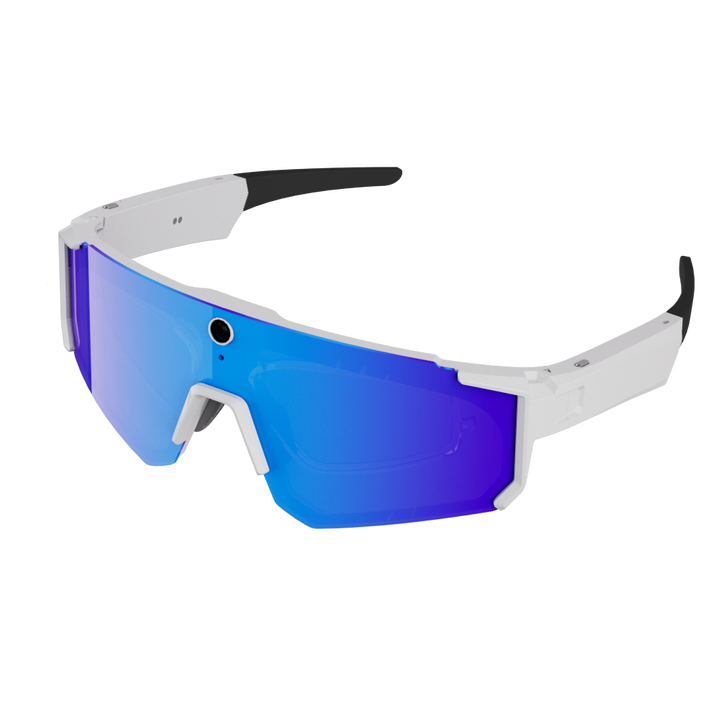
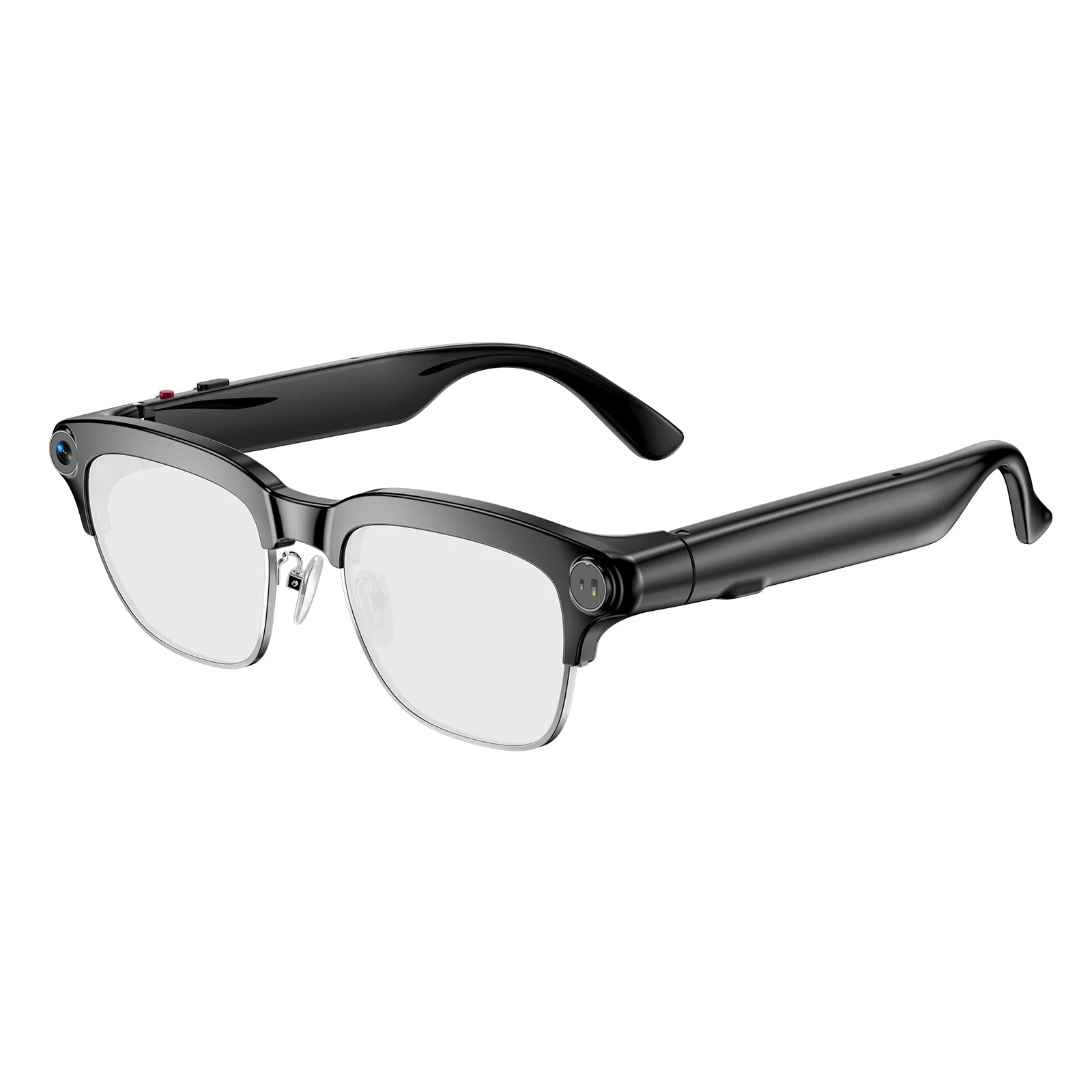
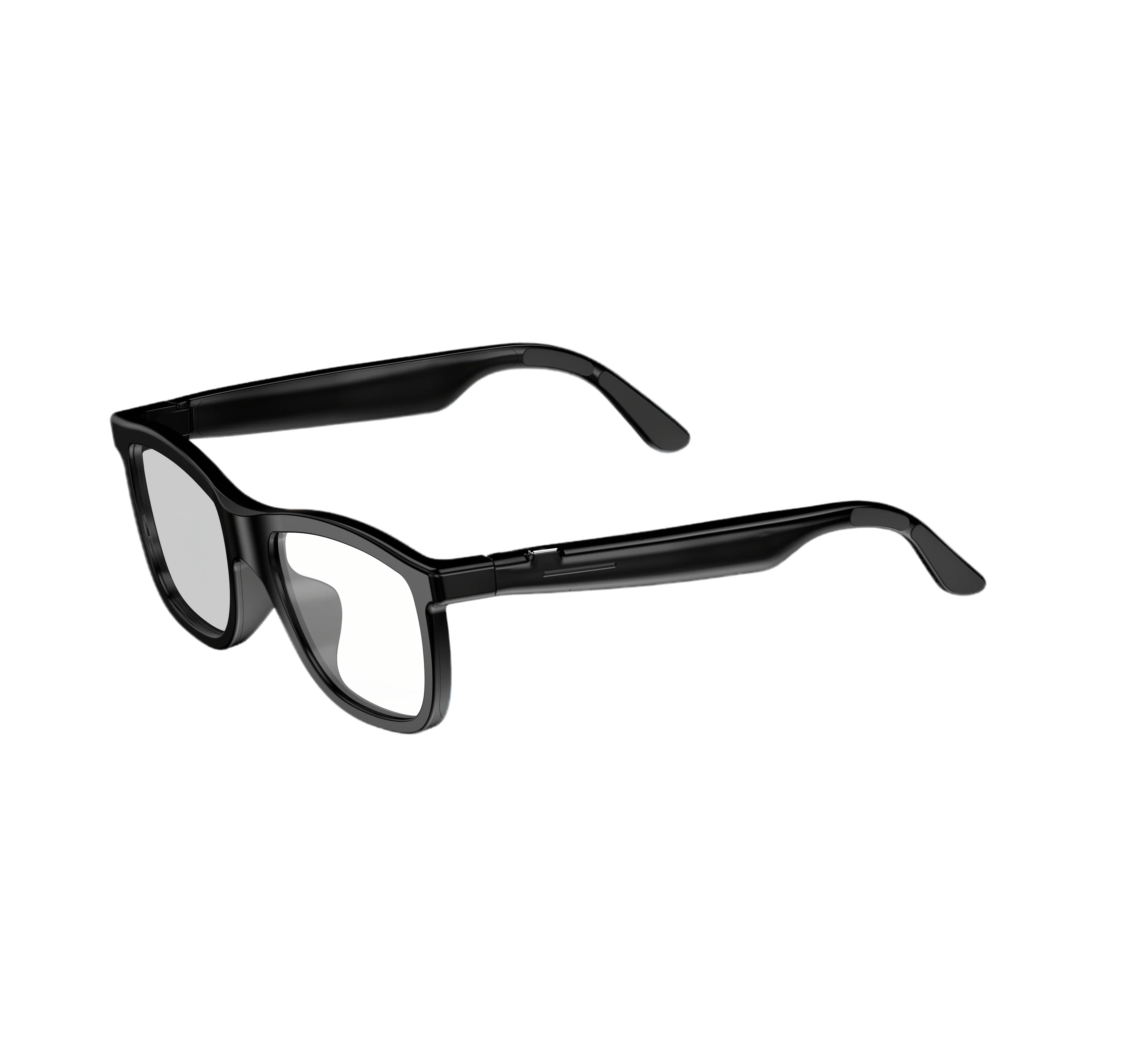
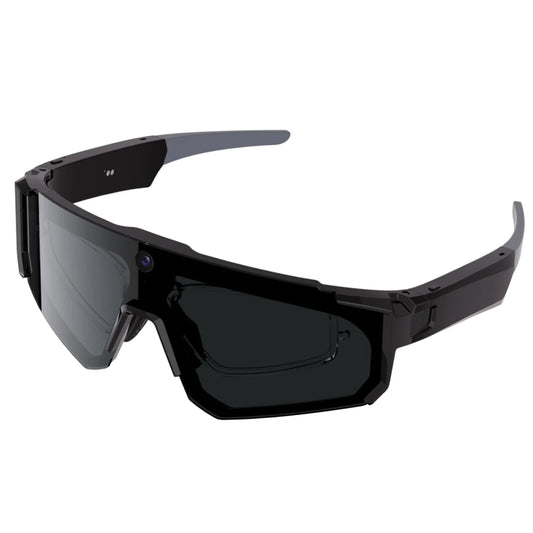
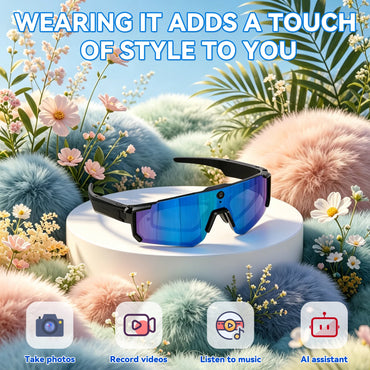
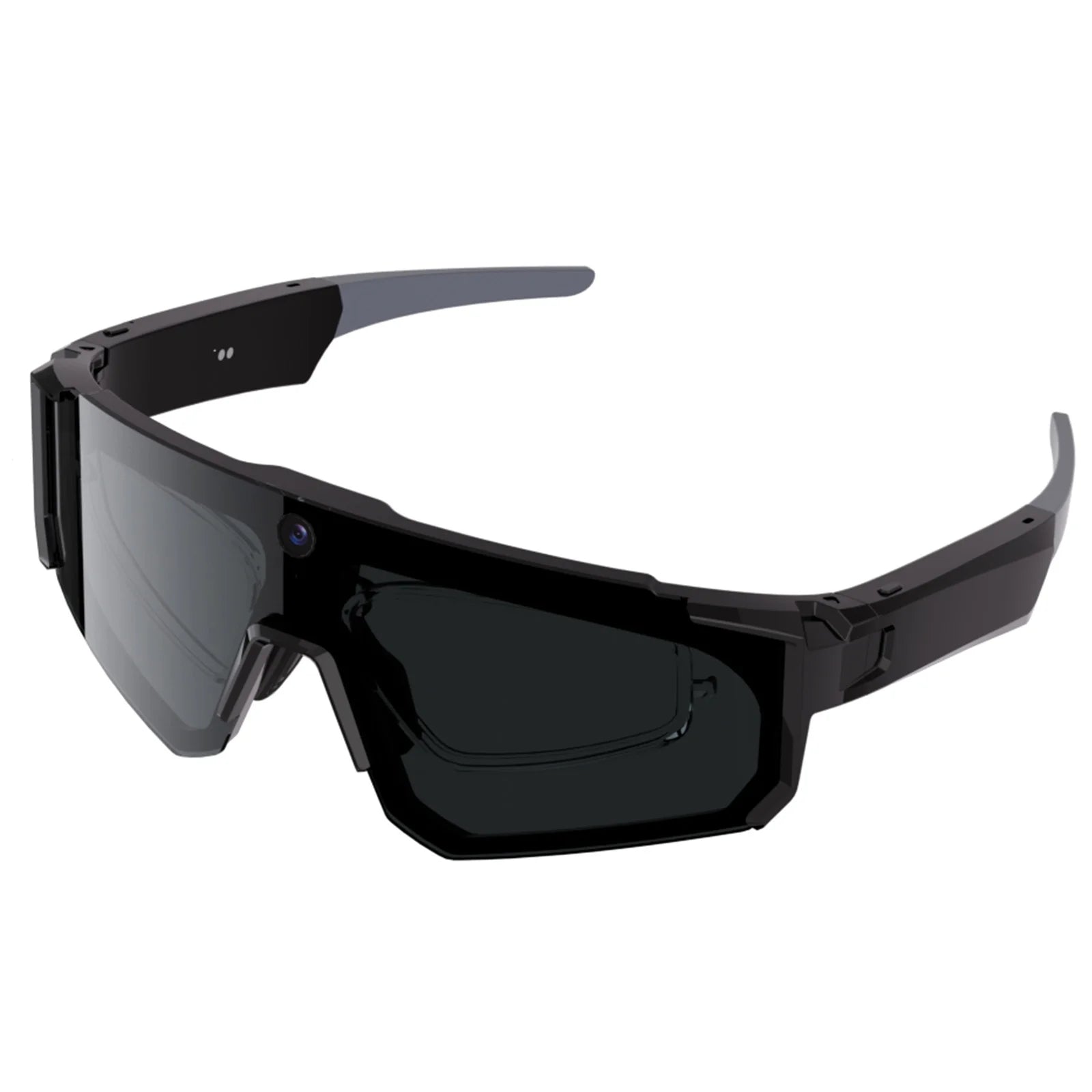
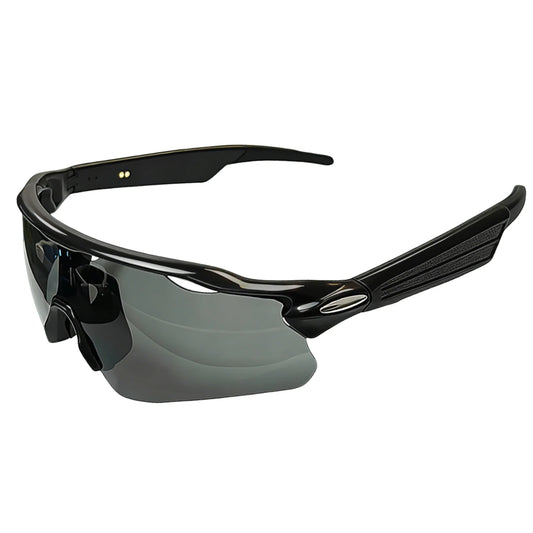
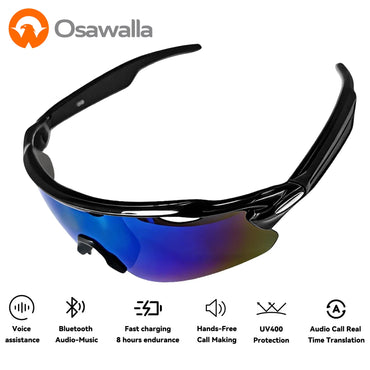
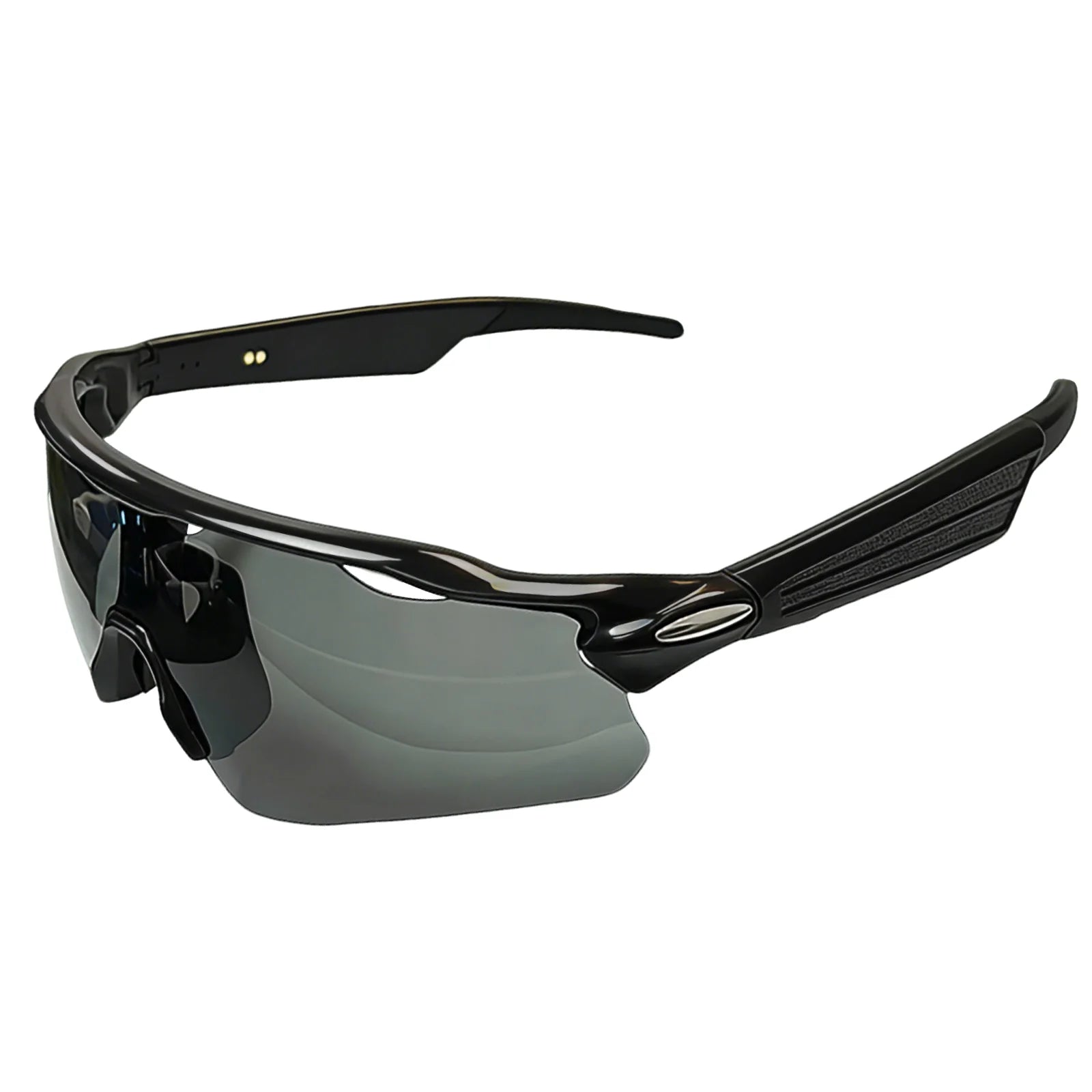
For athletes, holding a smartphone or mounting a bulky action camera is detrimental to performance. We engineered the Osawalla GP04 Running & Cycling Video Glasses specifically to solve this problem. These are the premier glasses with technology in them for active sports. Designed as lightweight running sunglasses for both men and women, they feature flexible, bendable temple arms with silicone anti-slip tips, ensuring a secure fit during rigorous movement.
What sets the GP04 apart is the integration of an 8MP HD camera coupled with a 6-axis stabilization sensor. From our experience, capturing footage while running traditionally results in unwatchable, shaky video. The 6-axis hardware actively reduces motion shake, providing smooth, first-person point-of-view (POV) recording. Furthermore, the open-ear audio design allows users to listen to music and utilize the built-in AI voice assistant while remaining fully aware of their surroundings—a critical safety feature for urban cyclists. With interchangeable high-clarity lenses and support for RX inner frames, these are undoubtedly the best smart sunglasses with camera capabilities on the market today.
2. Osawalla GP02 Smart Glasses with Camera
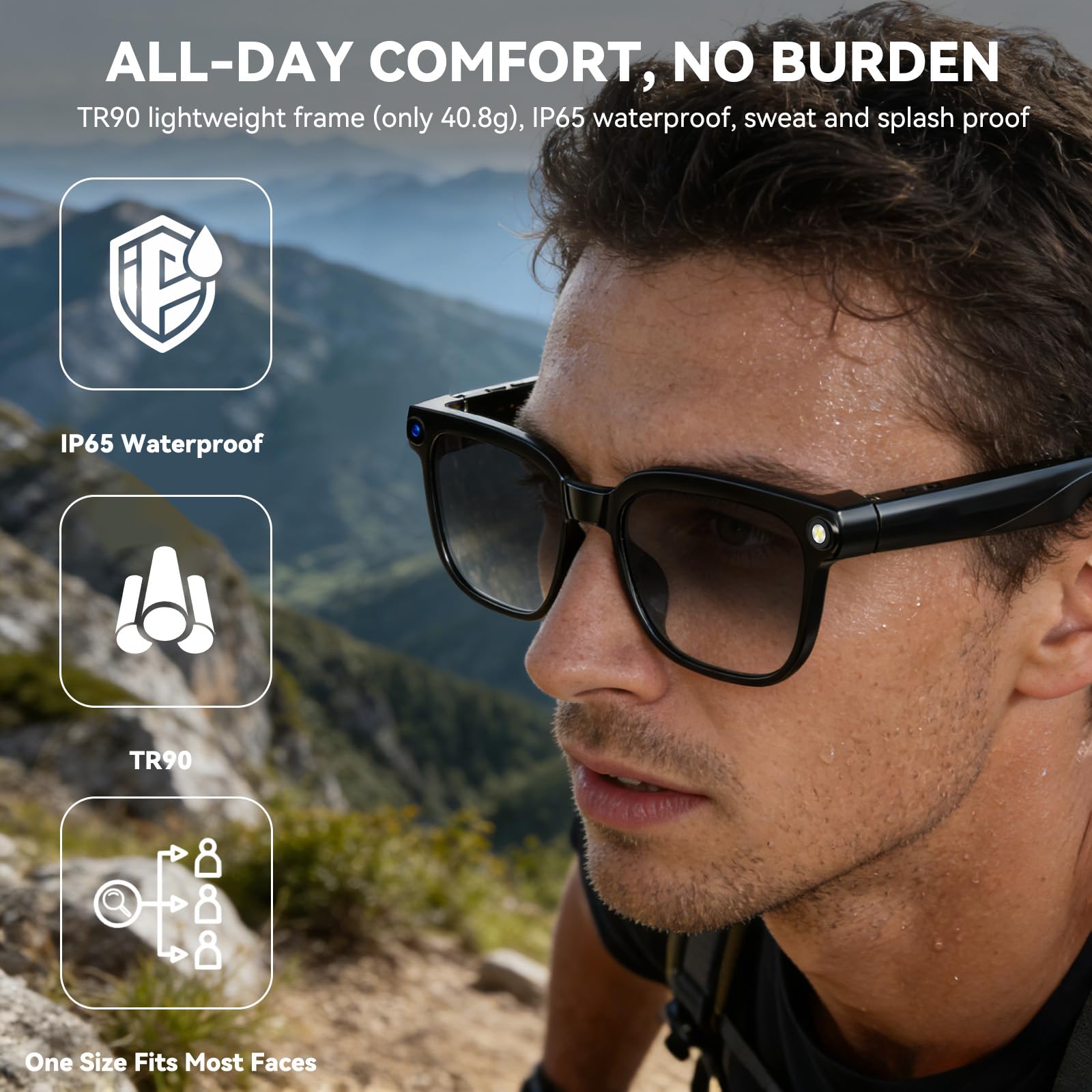
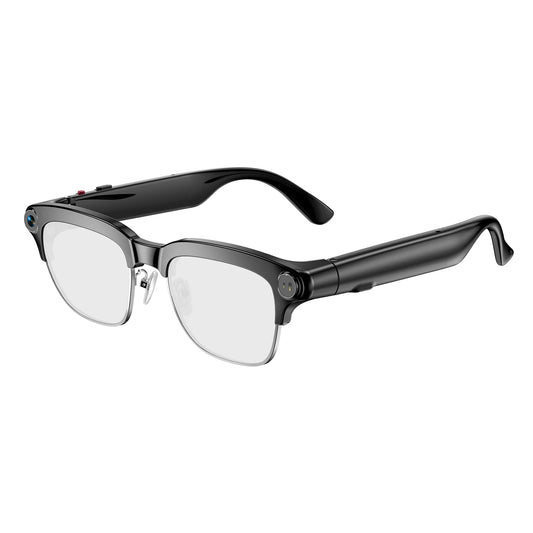
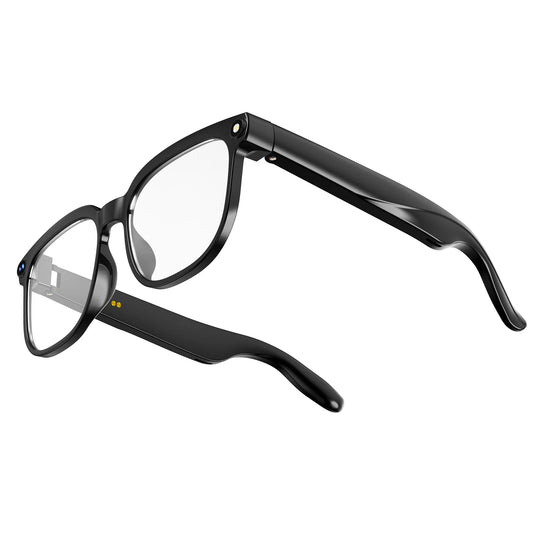
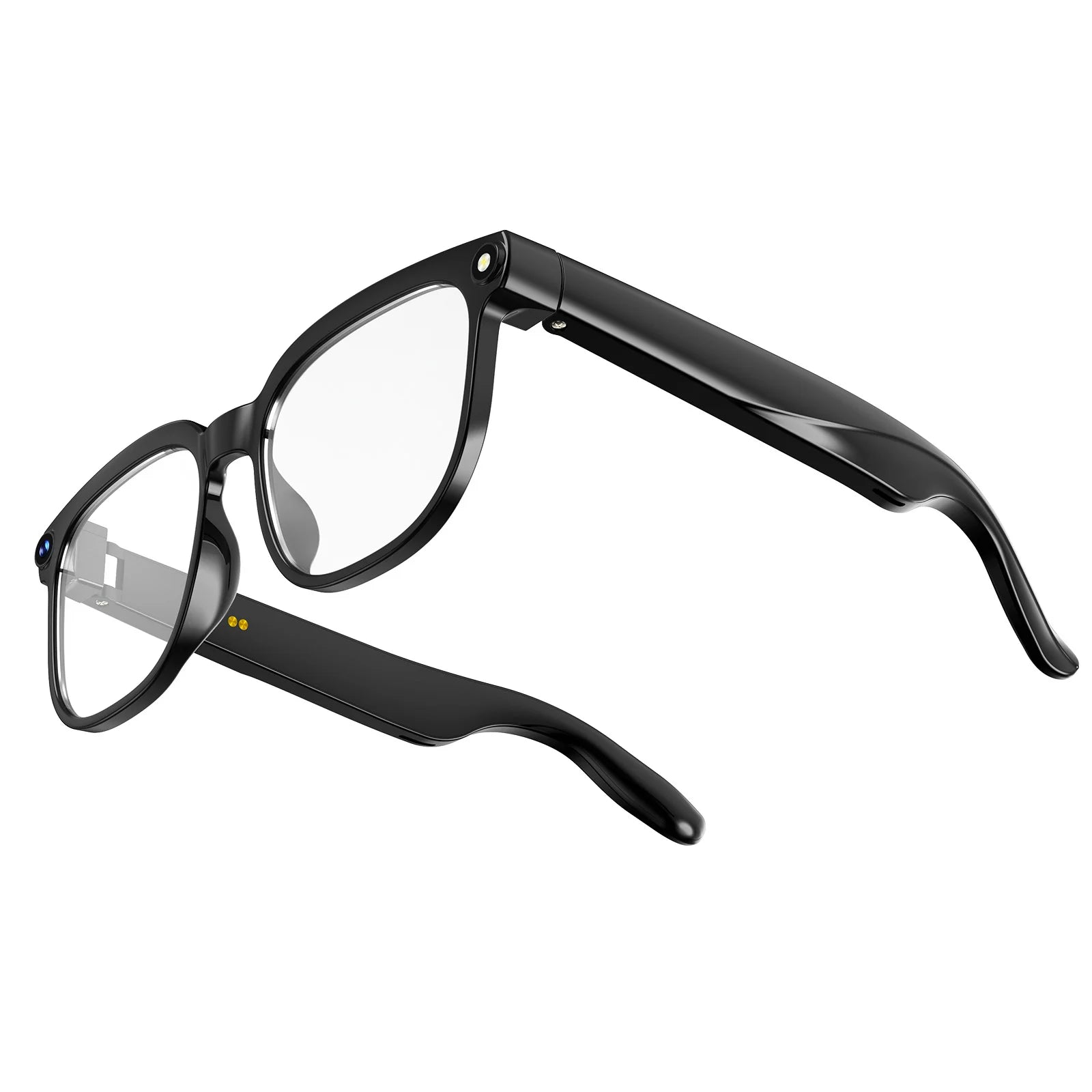
If your daily routine involves travel, language immersion, or frequent communication, the Osawalla GP02 represents a massive leap forward. These glasses with technology in them transcend basic video recording by incorporating deep artificial intelligence. The GP02 features a built-in 8MP HD camera supporting 1080P video, but the true innovation lies in the "Hey Cyan" AI voice assistant powered by a built-in ChatGPT model.
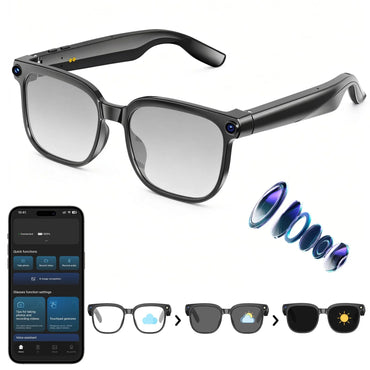
Through real-time object recognition, these glasses can identify menus, landmarks, and plants instantly. Furthermore, they support translation across 139+ languages, making them an indispensable tool for international travelers seeking to break language barriers. Weighing an ultra-light 40.8g (0.09lb), featuring photochromic lenses that automatically darken in sunlight, and boasting a 290mAh battery for up to 7 hours of playback, the GP02 perfectly illustrates why consumers are seeking out smart glasses with camera review articles to find the ultimate daily driver.
3. Osawalla GG06 Electrochromic Smart Glasses
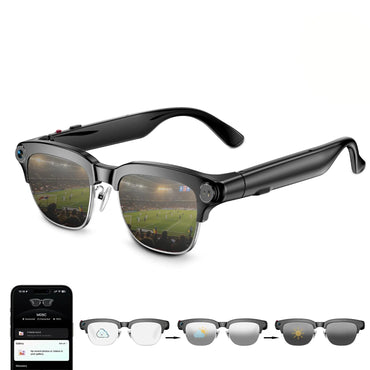
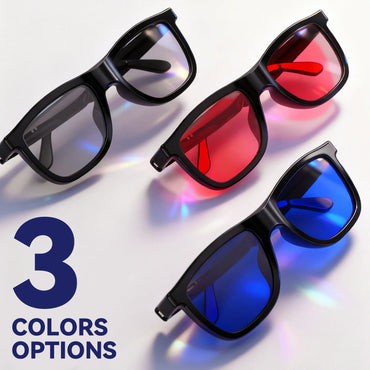
Visual comfort in rapidly changing light conditions is a significant challenge for drivers and outdoor enthusiasts. The GG06 Electrochromic Smart Glasses utilize advanced electrochromic technology, allowing the lenses to adjust their tint in just 1 second. When driving through tunnels or transitioning from bright sunlight to heavy cloud cover, this instant adaptation is invaluable.
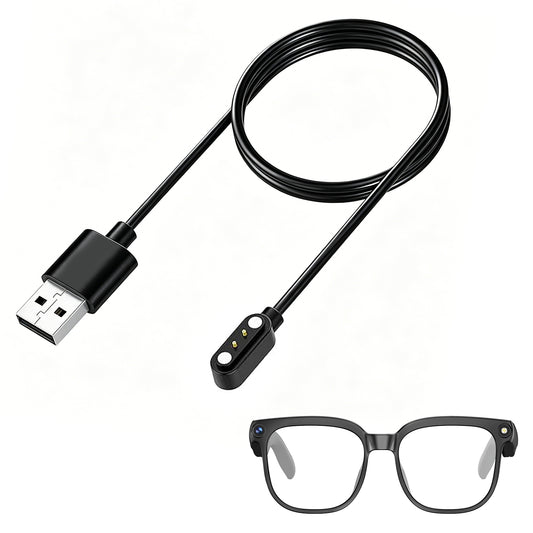
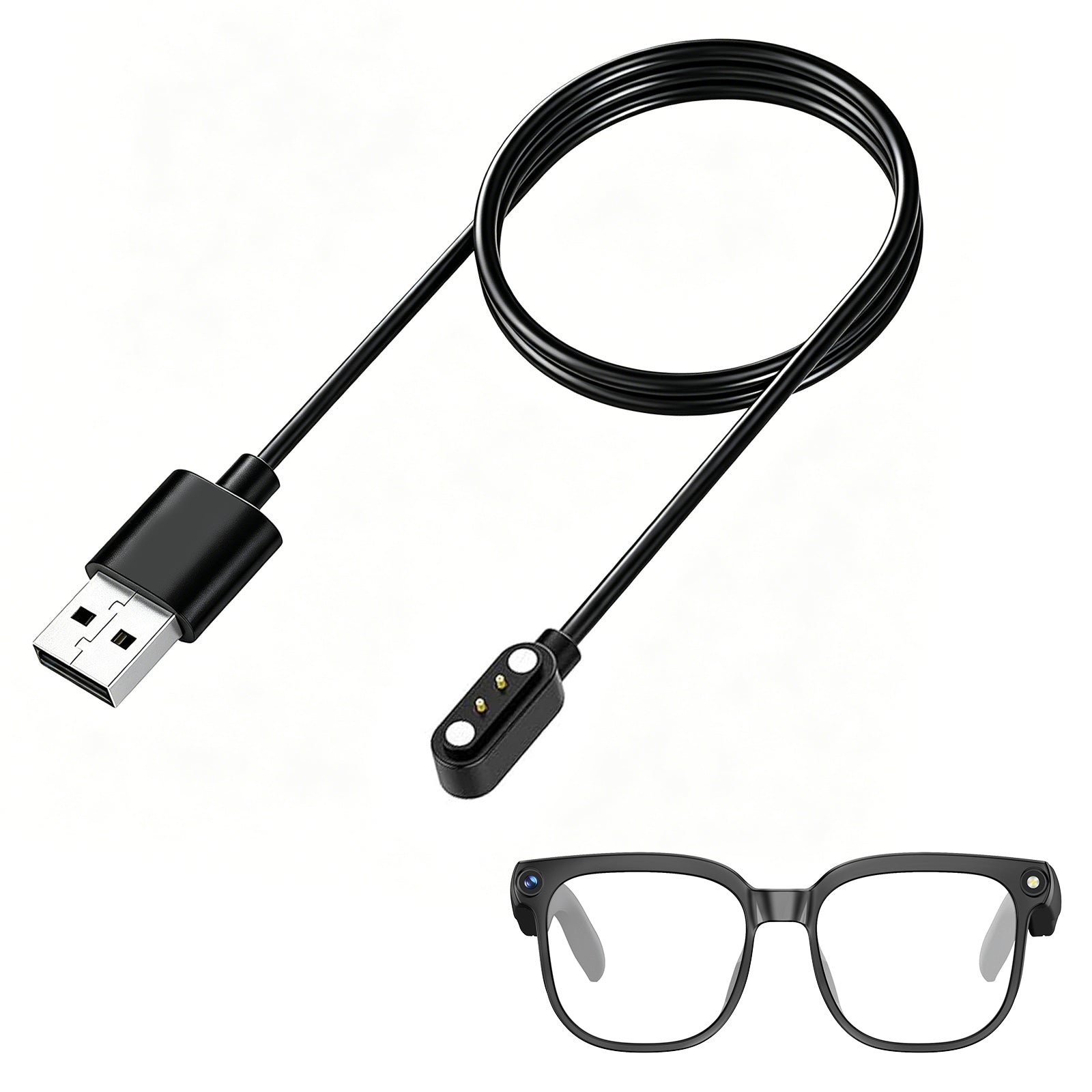
These glasses with technology in them also feature Bluetooth 5.4, dual-mic noise reduction for crystal-clear calls, magnetic charging, and an IP65 waterproof rating. They are the ideal smart wearable glasses for active lifestyle users who demand instantaneous environmental adaptation.
4. Advanced AR Navigation Frames
As we evaluate the broader market of glasses with technology in them, augmented reality (AR) navigation frames occupy a highly specialized niche. These devices project a heads-up display (HUD) directly onto the lens, providing turn-by-turn GPS directions without requiring the user to look down at a phone. While they lack the comprehensive AI integration of the Osawalla GP02, they are excellent tools for motorcycle couriers and urban navigators exploring the smart glasses applications 2026.
5. Open-Ear Commuter Audio Glasses
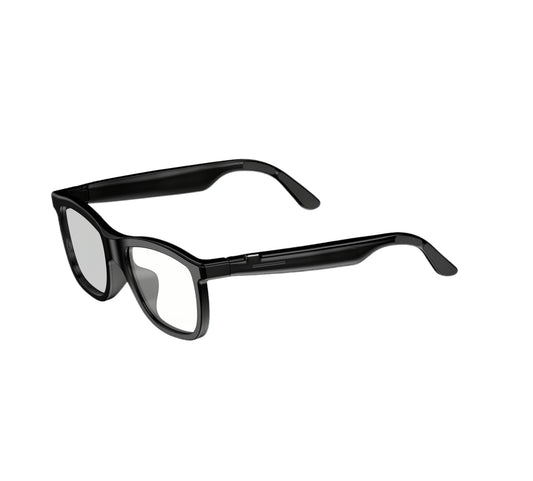
For office workers and daily commuters, sometimes a camera is unnecessary. Pure audio glasses focus entirely on directional speakers housed within the temple arms. These glasses with technology in them function as invisible headphones, allowing for discreet podcast listening and conference calls. Many feature blue-light-blocking lenses, making them a staple in the top new smart glasses 2026 lists for corporate professionals.
6. Bio-Tracking Sports Visors
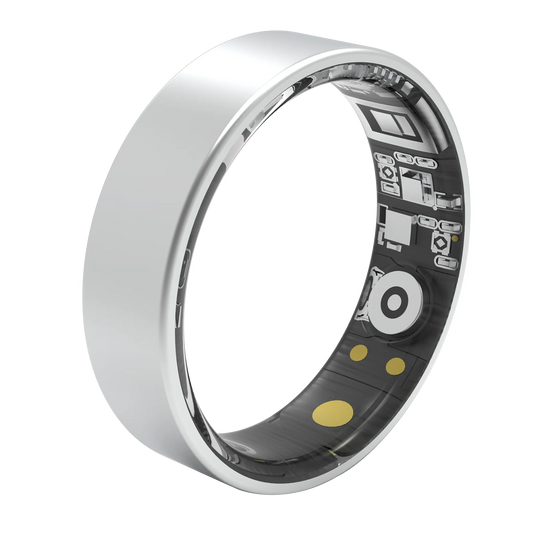
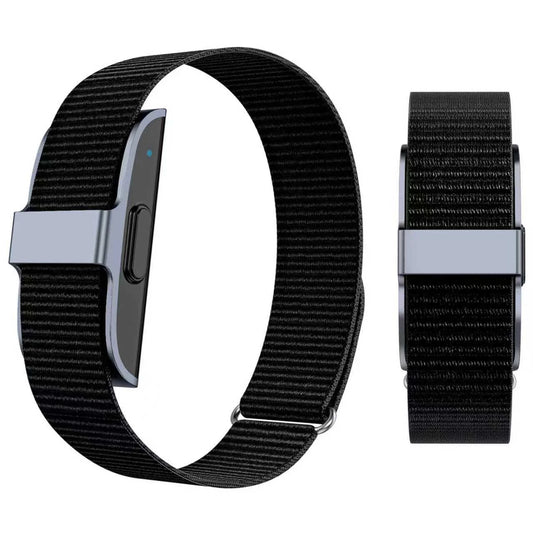
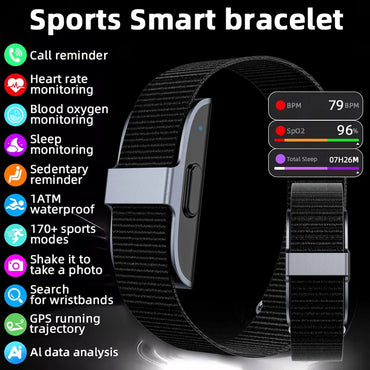
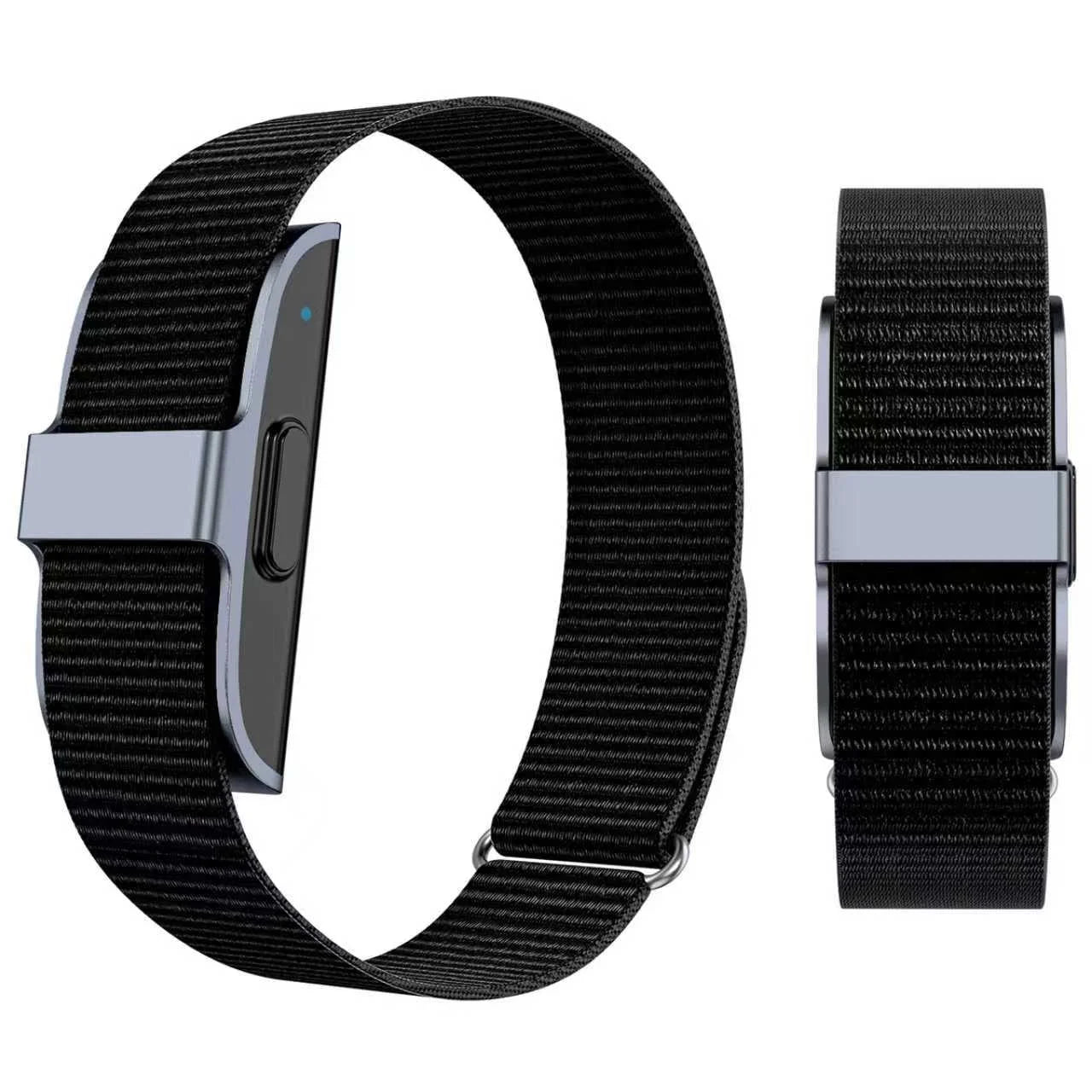
The final category of top-tier glasses with technology in them includes frames equipped with biometric sensors. By resting on the temporal artery, these glasses can monitor heart rate and exertion levels. While highly effective, we often recommend pairing standard smart eyewear (like the GP04) with a dedicated fitness tracker bracelet. A wrist-based device provides more comprehensive 24/7 health monitoring, including SpO2, HRV, and sleep tracking, creating a complete technological ecosystem for the athlete.
Expert Buying Guide: Choosing the Right Smart Eyewear
From our experience, purchasing glasses with technology in them requires careful consideration of your primary daily activities. We recommend evaluating the following hardware specifications before making an investment:
- Stabilization Hardware: If you intend to record video while moving, a software-based digital crop is insufficient. You must look for hardware-level 6-axis stabilization, as found in the Osawalla GP04, to prevent motion sickness-inducing footage.
- Weight Distribution: Traditional smart glasses housed all the heavy components in the front of the frame, causing them to slide down the nose. Modern designs distribute the battery and processors along the temple arms. Ensure the total weight remains under 45 grams for all-day comfort.
- AI Capabilities: The era of simple Bluetooth speakers is over. To future-proof your purchase, ensure your glasses with technology in them feature integrated AI models (like ChatGPT) for real-time translation and object recognition, a standard set by our GP02 model.
The Future of Wearable Optics
The trajectory of this industry is moving toward total integration. As we outline in our analysis of the future of smart glasses technology, the next iteration of devices will further minimize battery size while maximizing processing power. For a comprehensive look at where the industry currently stands, we invite you to read our latest smart glasses 2026 guide.
Frequently Asked Questions (FAQs)
What exactly are glasses with technology in them?
Glasses with technology in them, commonly referred to as smart glasses, are wearable computing devices designed like traditional eyewear. They integrate micro-cameras, open-ear audio speakers, AI processors, and Bluetooth connectivity, allowing users to record video, make calls, and interact with digital assistants completely hands-free.
Are the cameras on smart glasses stable enough for sports?
It depends on the model. Basic smart glasses suffer from severe camera shake. However, purpose-built sports models like the Osawalla GP04 utilize a 6-axis stabilization sensor. This hardware actively counteracts the bounce of your stride, making them the best glasses with technology in them for running and cycling.
Can smart glasses translate languages in real-time?
Yes. Advanced models like the Osawalla GP02 are equipped with AI voice assistants and support translation for over 139 languages. By using dual noise-reducing microphones to capture spoken words, the AI processes the language and feeds the translation directly into the open-ear speakers.
How long does the battery last on glasses with technology in them?
Battery life varies based on usage. Continuous 1080P video recording will drain the battery faster (typically around 60 to 90 minutes). However, for mixed daily use—such as listening to music, taking occasional calls, and utilizing AI prompts—a high-quality 290mAh battery can last up to 7 hours, with standby times extending to a full week.
Authoritative References
To further understand the engineering protocols, safety standards, and technological advancements governing wearable optics and lithium-battery safety, we encourage you to consult the following authoritative organizations:


