






By Osawalla
The intersection of optical engineering and wearable technology has drastically changed how athletes, commuters, and outdoor enthusiasts interact with their environments. For individuals who demand absolute clarity, situational awareness, and seamless connectivity, standard sunglasses are no longer sufficient. The modern market demands smart wearable glasses for enhanced vision. These devices do more than simply block ultraviolet light; they actively adapt to environmental conditions, stabilize optical recording, and integrate prescription requirements directly into their intelligent frameworks.

From our experience designing hardware for rigorous outdoor use, true optical enhancement relies on specialized lens coatings, ergonomic stability, and integrated assistive technologies. Whether you require yellow lenses to cut through evening glare, or an internal RX frame to support medical prescriptions during a high-speed cycling descent, the hardware you choose dictates your performance. We recommend prioritizing devices that offer interchangeable lenses and hands-free control mechanisms. In this comprehensive industry guide, we will analyze the top 8 smart wearable glasses for enhanced vision, evaluating their optical clarity, technological integration, and overall utility for active lifestyles.
Table of Contents
- 1. Defining Smart Wearable Glasses for Enhanced Vision
-
2. The Top 8 Smart Wearable Glasses for Enhanced Vision
- 2.1 Osawalla GP04 Running & Cycling Video Glasses
- 2.2 Osawalla GG05 Running & Cycling Audio Glasses
- 2.3 AR Heads-Up Display (HUD) Performance Frames
- 2.4 Photochromic Smart Transition Eyewear
- 2.5 Low-Light Amplification Sport Glasses
- 2.6 Biometric Tracking Optical Frames
- 2.7 Polarized Bone-Conduction Shades
- 2.8 Modular Prescription Smart Specs
- 3. The Science of Lens Adaptability in Smart Wearables
- 4. Summary Table: Top Smart Wearable Glasses for Enhanced Vision
- 5. Frequently Asked Questions (FAQs)
- 6. References
1. Defining Smart Wearable Glasses for Enhanced Vision
When categorizing smart wearable glasses for enhanced vision, it is crucial to separate novelty electronics from purpose-built optical equipment. A high-quality wearable must first and foremost function as a superior optical lens. From an engineering standpoint, enhanced vision encompasses several distinct factors: light transmission control, visual stabilization, and ocular comfort under physical stress.
We recommend evaluating these devices based on their ability to accommodate different environmental lighting. An athlete running at dusk requires a drastically different light transmission profile than a cyclist riding at high noon. Furthermore, for users with astigmatism or myopia, the ability to seamlessly integrate an RX inner frame is non-negotiable. Finally, smart wearable glasses for enhanced vision must offer hands-free connectivity. When a cyclist removes their hands from the handlebars to answer a call or adjust a camera, they compromise their physical safety and their visual focus. Open-ear audio and AI voice commands are critical components of a safe, enhanced visual experience.
2. The Top 8 Smart Wearable Glasses for Enhanced Vision
1. Osawalla GP04 Running & Cycling Video Glasses
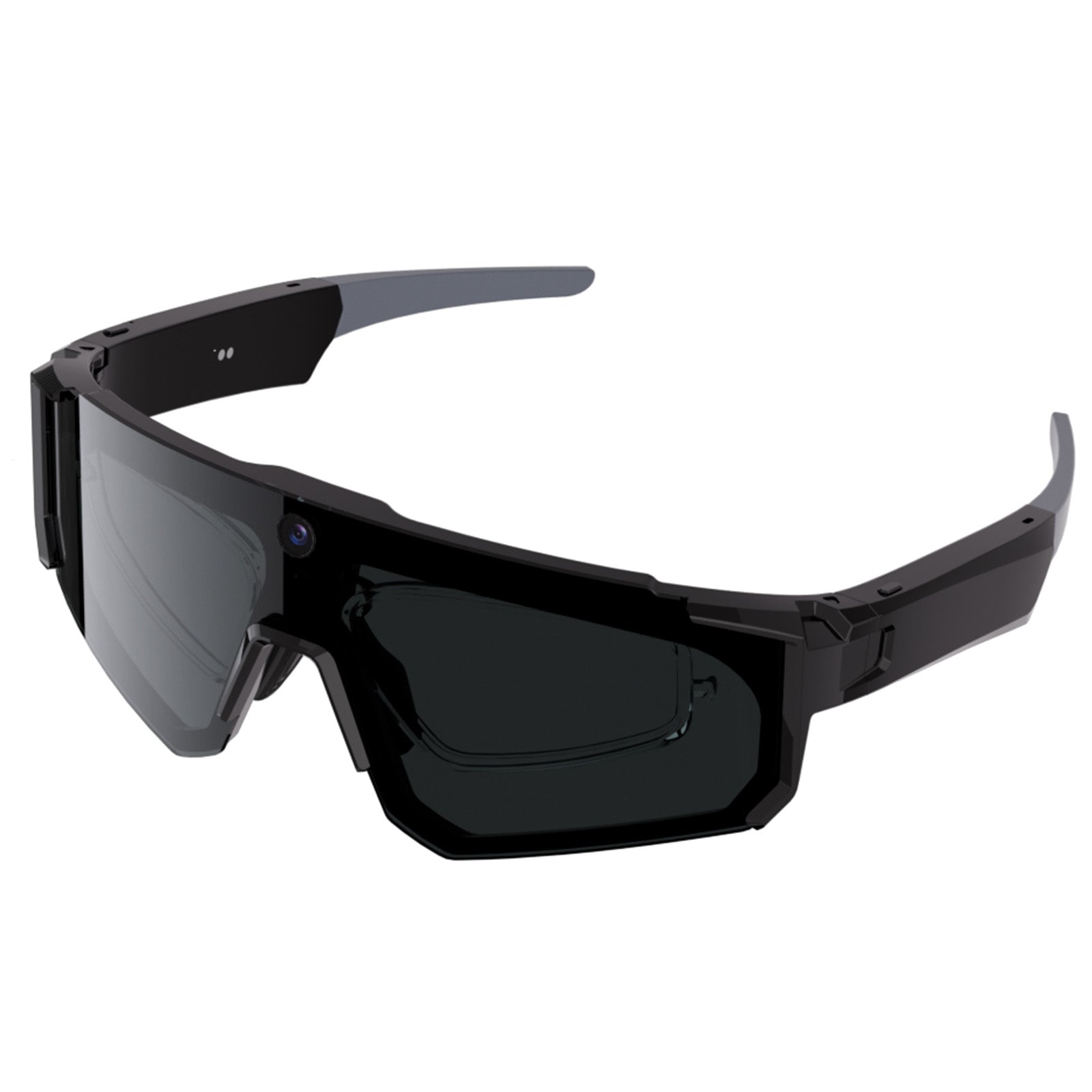
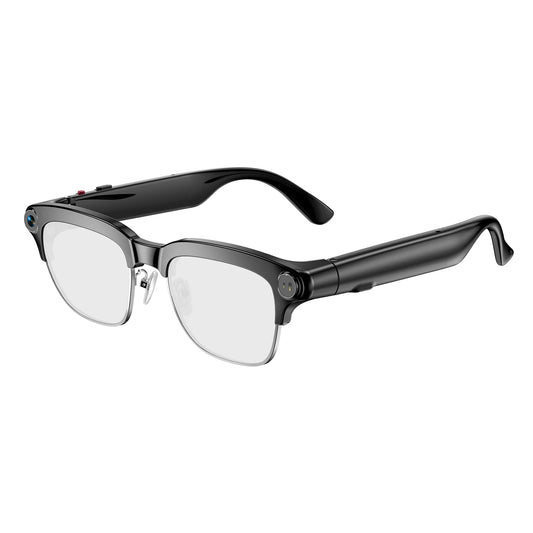
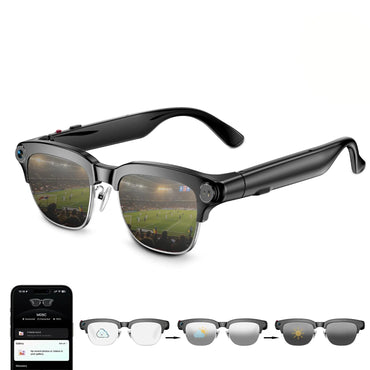
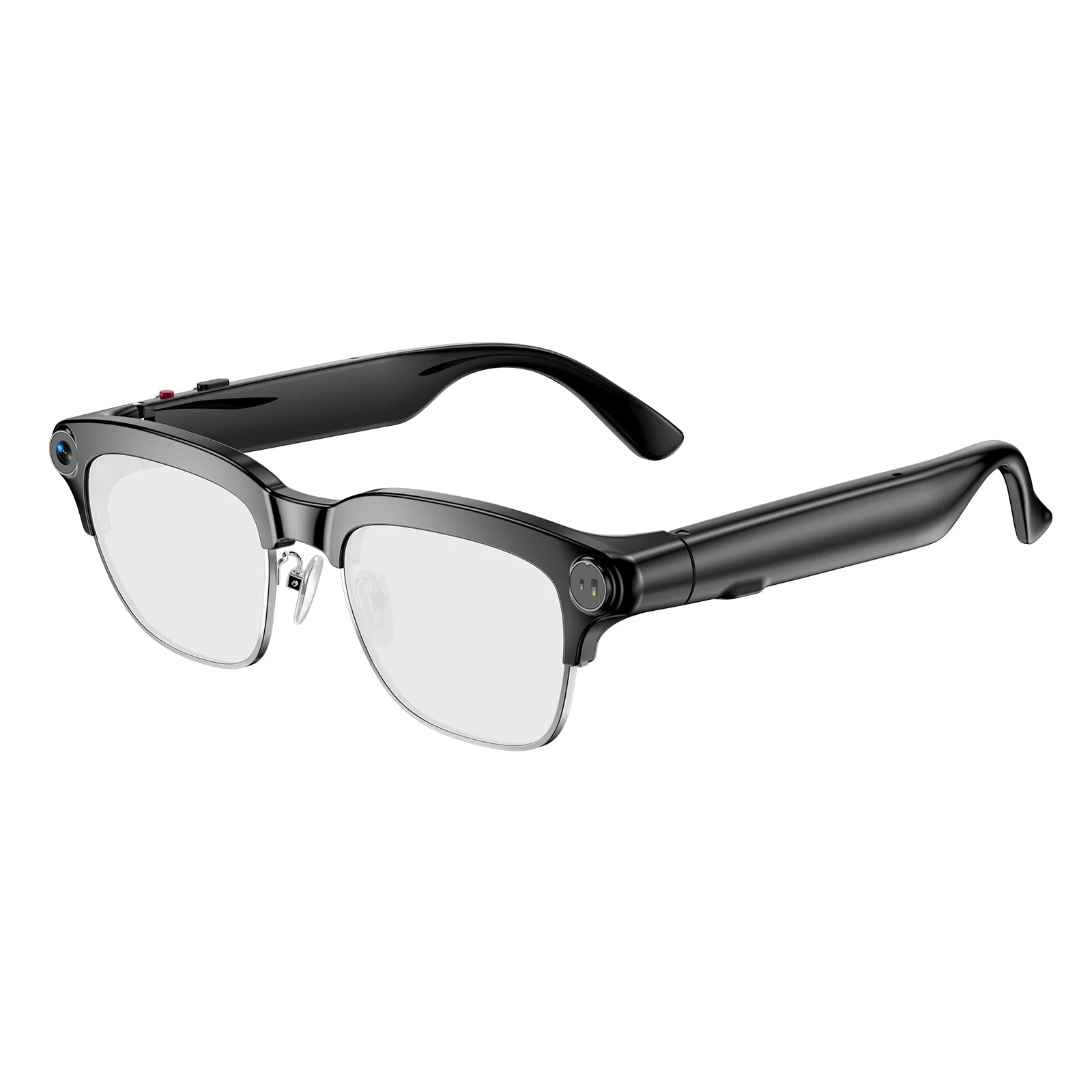
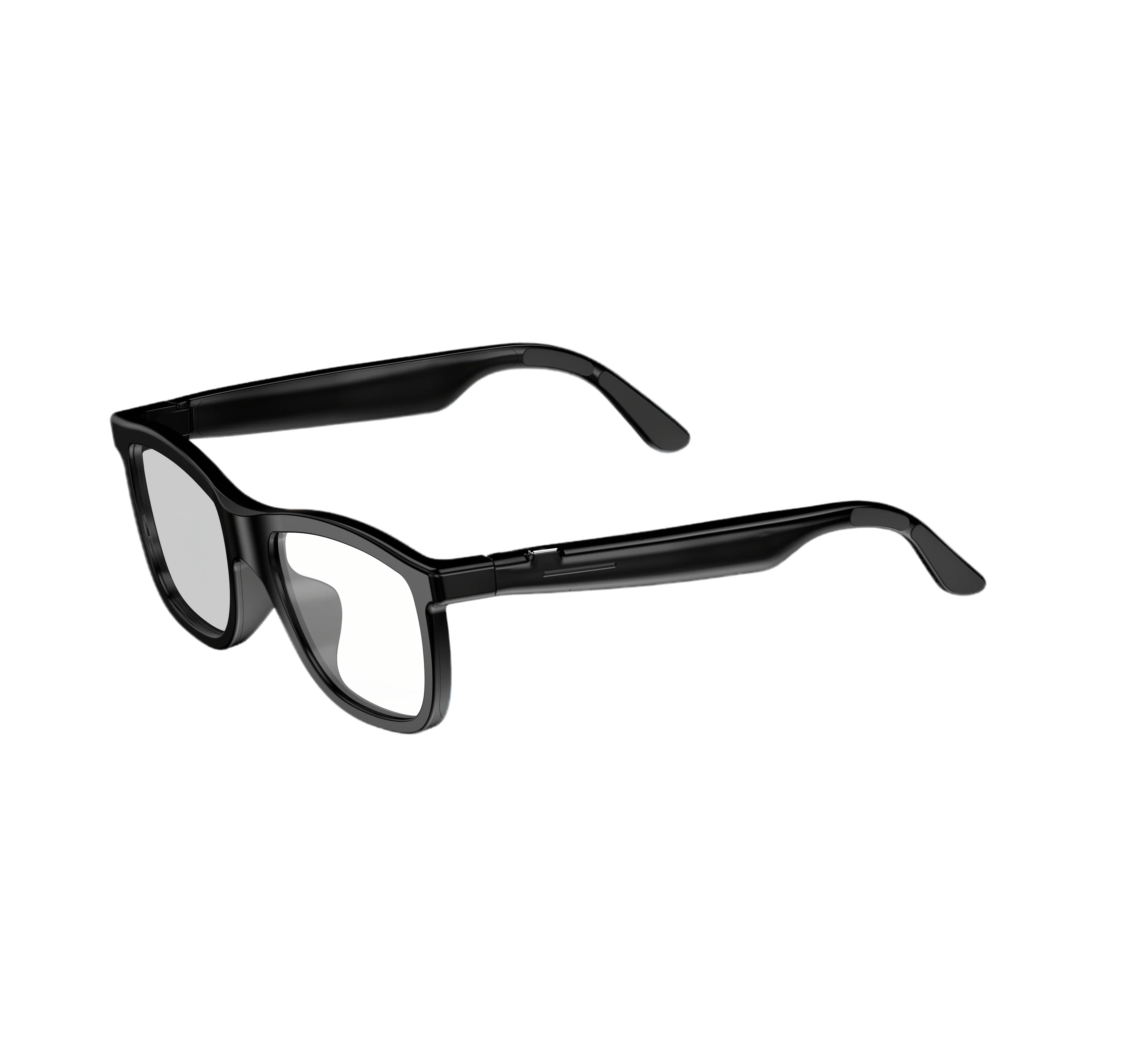
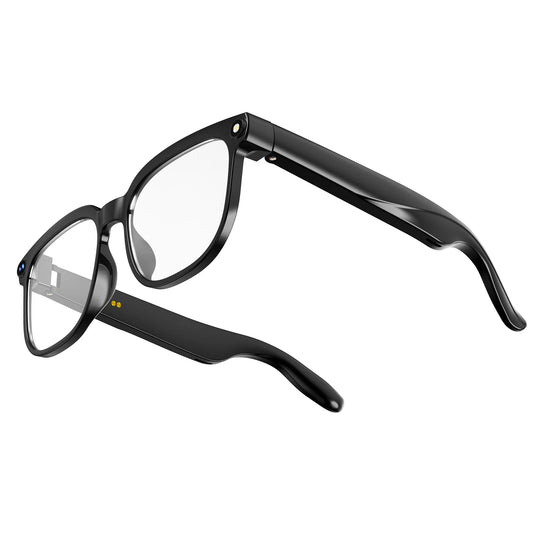
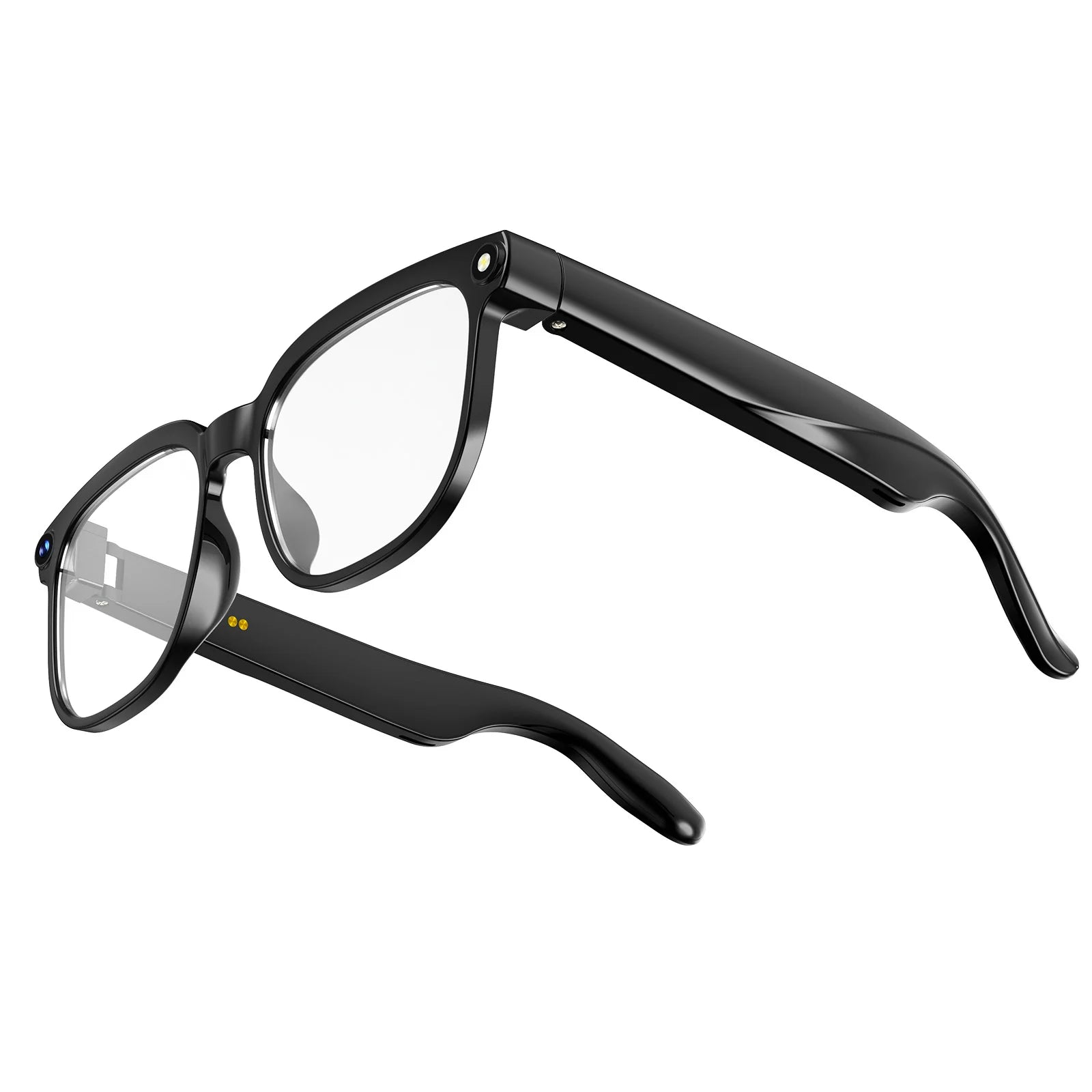
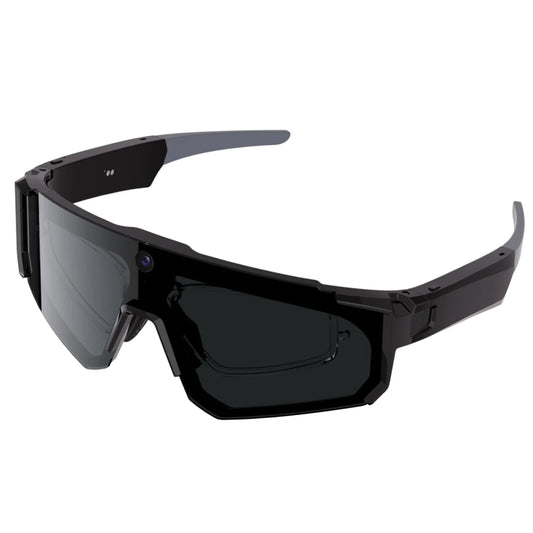
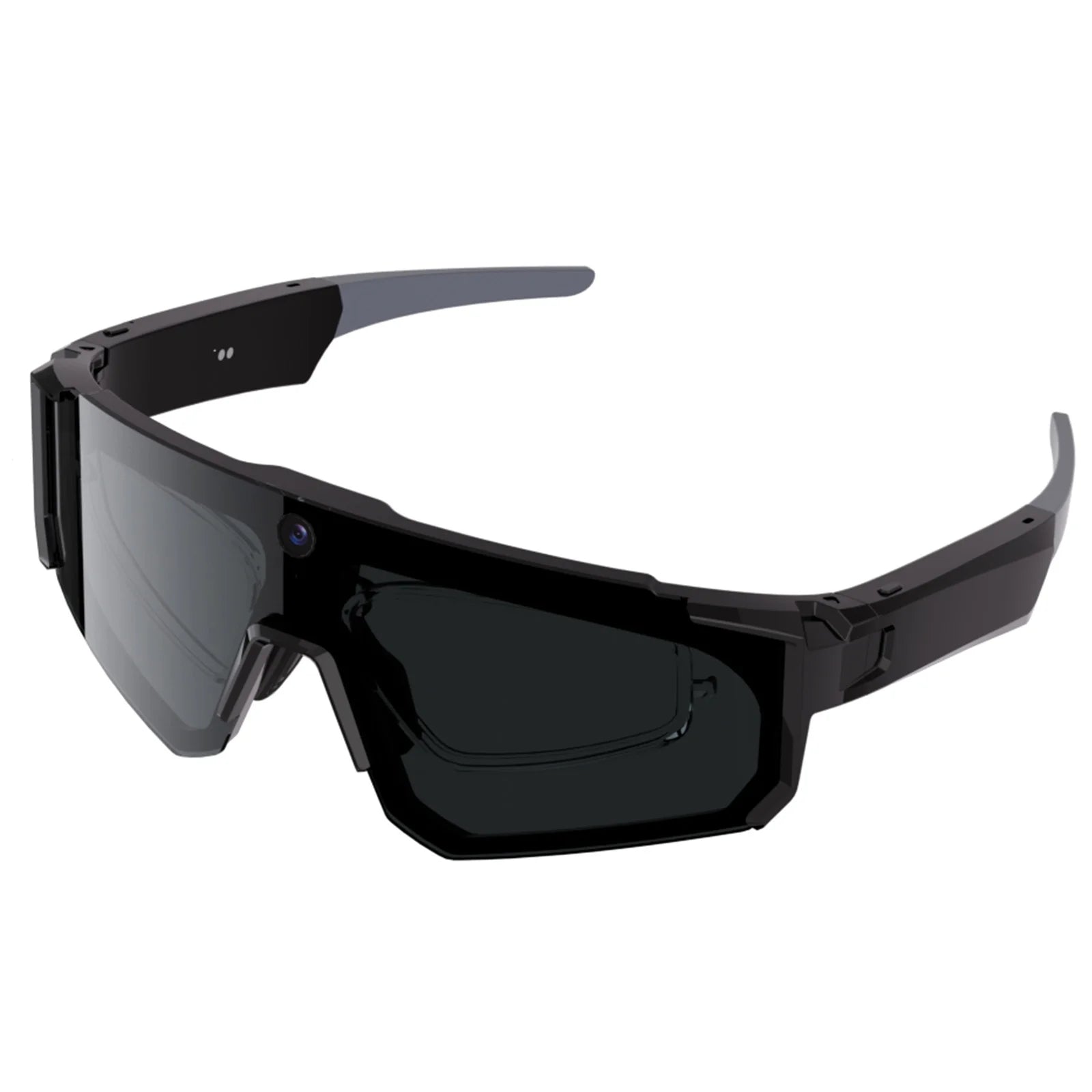
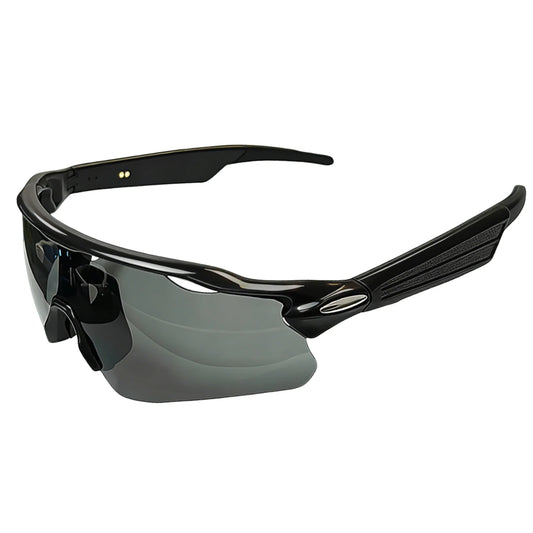
Leading the industry in optical capture and active performance, the Osawalla GP04 represents the pinnacle of smart wearable glasses for enhanced vision. Built specifically as lightweight running sunglasses for men and women, they are engineered for running, cycling, hiking, and intense workouts. What sets the GP04 apart in the realm of enhanced vision is its proprietary integration of an 8MP HD camera coupled with a highly advanced 6-axis stabilization sensor. This configuration helps reduce motion shake, delivering smoother footage and allowing users to capture photos and videos from their natural point of view without the visual distraction of holding a mobile device.
Furthermore, the GP04 ensures optimal ocular clarity for all users. The interchangeable high-clarity lenses adapt to diverse outdoor activities and commuting conditions. Crucially, we included an RX inner frame that allows prescription lens users to enjoy smart glasses comfortably, ensuring their vision remains perfectly corrected while utilizing the hardware. For all-day comfort, the glasses feature flexible, bendable temple arms, silicone anti-slip tips, and adjustable nose pads to fit different face shapes securely. The open-ear audio design allows you to listen to music, take calls, and use the built-in AI voice assistant for hands-free interaction, keeping your visual focus entirely on the path ahead.
2. Osawalla GG05 Running & Cycling Audio Glasses

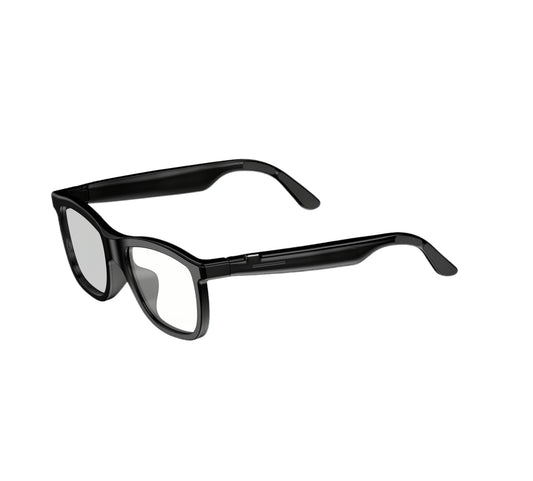
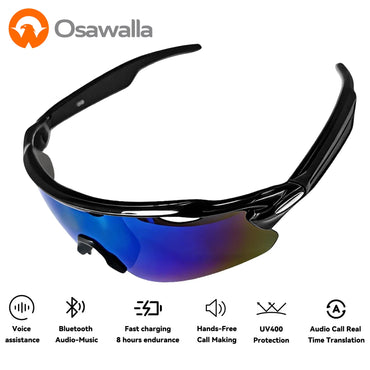
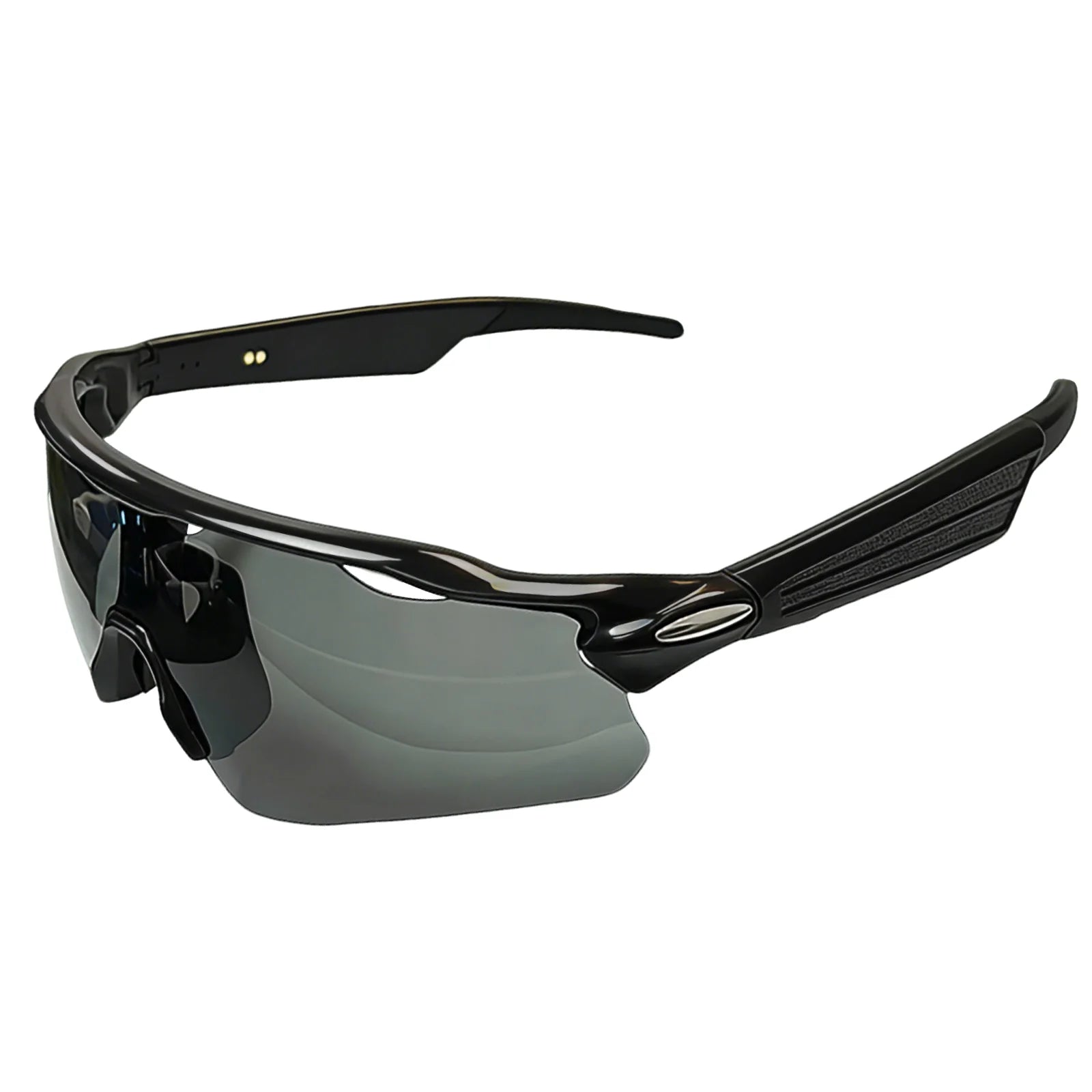
For users who prioritize auditory situational awareness combined with specific environmental optical tuning, the Osawalla GG05 is an unparalleled choice among smart wearable glasses for enhanced vision. Designed for extended use during running, cycling, and active lifestyles, the GG05 features a lightweight frame and adjustable nose pads that reduce pressure across the nasal bridge during long hours of wear. Flexible temple arms with anti-slip tips keep the optical center of the lens perfectly aligned with the pupil, even during high-impact movement.
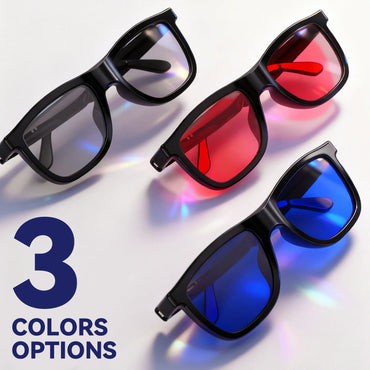
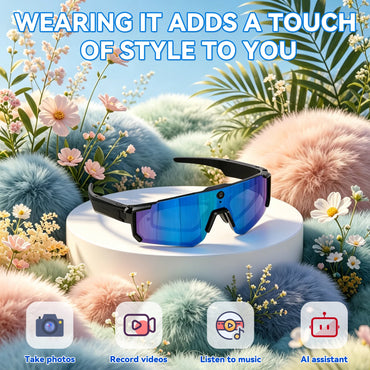
The true strength of the GG05 lies in its targeted lens options designed for specific outdoor conditions. Users can select a Yellow lens for evening runs, night riding, and low-light conditions to enhance contrast and depth perception; a Mirrored color lens for bright, high-glare outdoor use; or a Gray lens for balanced, all-day running and cycling. This makes the GG05 a highly versatile set of smart wearable glasses for enhanced vision. Additionally, the open-ear audio design ensures you remain aware of ambient traffic sounds, while the built-in AI voice assistant allows for hands-free navigation support and daily tasks without breaking your visual stride.
3. AR Heads-Up Display (HUD) Performance Frames
Heads-Up Display (HUD) glasses project critical telemetry data directly into the user's field of view. These smart wearable glasses for enhanced vision are highly favored by competitive cyclists who need to monitor wattage, speed, and heart rate without looking down at a cycling computer. While they offer excellent data integration, the optical projection mechanism can occasionally cause focal fatigue during extreme endurance events. We recommend these primarily for strictly timed training sessions rather than casual, all-day wear.
4. Photochromic Smart Transition Eyewear
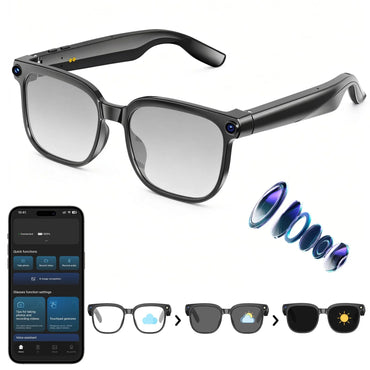
These devices utilize advanced photochromic technology, automatically adjusting the tint of the lens based on the ambient UV index. As highly effective smart wearable glasses for enhanced vision, they eliminate the need to physically swap lenses when moving from dense forest cover into open sunlight. While the transition speed has improved significantly in recent years, users should be aware that extreme cold can sometimes slow the chemical reaction within the lens, slightly delaying the tint adjustment.
5. Low-Light Amplification Sport Glasses
Engineered specifically for dawn, dusk, and overcast conditions, these smart wearable glasses for enhanced vision utilize sophisticated amber and yellow light-filtering technology to artificially boost contrast. They are exceptional for trail runners who must navigate uneven terrain and root systems in deep shade. Many of these models now integrate basic Bluetooth audio, allowing for audio-cues regarding pace and distance.
6. Biometric Tracking Optical Frames
Pushing the boundary of what eyewear can do, biometric frames utilize micro-sensors embedded in the nose pads and temple arms to track the user's core body temperature, heart rate, and cadence. These smart wearable glasses for enhanced vision are unique because they use audio feedback to inform the user of their physical state, allowing the user to keep their eyes entirely focused on the environment rather than a smartwatch screen.
7. Polarized Bone-Conduction Shades
While open-ear audio is standard in premium models like the Osawalla GG05, bone-conduction technology offers an alternative by bypassing the eardrum entirely and sending vibrations through the cheekbones. Combined with heavy-duty polarized lenses, these smart wearable glasses for enhanced vision are highly effective for watersports and fishing, cutting through intense surface glare while allowing the user to communicate with their team.
8. Modular Prescription Smart Specs
For users with complex astigmatism or high-index prescription requirements, modular smart specs offer a robust solution. Similar to the RX inner frame system utilized in the Osawalla GP04, these smart wearable glasses for enhanced vision allow the user to easily pop their custom prescription lenses in and out of a technologically active chassis. This ensures that the user never has to compromise their medical visual acuity in order to access AI voice assistants or audio navigation.
3. The Science of Lens Adaptability in Smart Wearables
From our experience engineering the Osawalla lineup, the electronics within the frame are secondary to the optical quality of the lens itself. The most sophisticated camera or AI assistant is useless if the user is blinded by glare or unable to perceive depth in shadows. Therefore, selecting the correct lens tint is the most critical aspect of utilizing smart wearable glasses for enhanced vision.
Gray lenses, such as those available for the Osawalla GG05, are considered color-neutral. They reduce overall brightness without distorting the natural colors of the environment, making them ideal for all-day wear in variable conditions. Mirrored lenses feature a reflective optical coating that significantly decreases the amount of light passing through the lens, making them mandatory for high-altitude snow sports or open-water activities. Yellow lenses are engineered to filter out scattered, out-of-focus blue light. This dramatically enhances contrast and sharpens visual acuity in fog, haze, and low-light evening conditions. We recommend maintaining a selection of interchangeable lenses to ensure your smart wearable glasses for enhanced vision are optimized for every specific environment.
4. Summary Table: Top Smart Wearable Glasses for Enhanced Vision
To assist in your hardware selection, we have compiled a responsive summary table outlining the key features of the top-tier devices analyzed in this guide.
| Model / Category | Primary Vision Feature | Key Smart Capability | Best Suited For |
|---|---|---|---|
| Osawalla GP04 | Interchangeable lenses & RX inner frame support | 8MP HD Camera with 6-axis stabilization | First-person sports recording, active lifestyles |
| Osawalla GG05 | Condition-specific tints (Yellow, Mirrored, Gray) | Open-ear audio & AI voice assistant | Evening runs, cycling, hands-free commuting |
| AR HUD Frames | Direct telemetry projection | Real-time data integration | Competitive cycling and timed training |
| Photochromic Wearables | Auto-adjusting UV tint | Light-reactive chemistry | Variable cloud cover and forest trails |
| Polarized Bone-Conduction | Intense glare reduction | Vibrational audio transmission | Watersports and high-glare environments |
5. Frequently Asked Questions (FAQs)
6. References
For further technical reading on optical engineering, sports vision enhancement, and wearable technology integration, please consult the following authoritative resources:


