






The wearable technology landscape in 2026 represents a massive paradigm shift. After years of testing bulky, high-cost spatial computing headsets, the global tech industry is pivoting aggressively toward lightweight, everyday utility. Central to this monumental shift is the highly anticipated release from Cupertino. Consumers, athletes, and tech analysts alike are constantly asking: what makes Apple's new $499 glasses so special? To answer this question accurately, we must look beyond the iconic brand name and critically analyze the underlying artificial intelligence, optical integration, and ecosystem synergy that defines this new hardware.

At Osawalla, we believe that meaningful technology elevates everyday life. Our wearables are crafted for those who value clarity, balance, and refined design — empowering you to stay connected to your well-being with confidence and ease. Modern life moves fast, yet understanding our bodies shouldn’t be complicated. Many people seek clearer insights into their sleep, stress, and daily physiological patterns, but conventional tools often fall short in accessibility and experience.
As industry experts in intelligent eyewear and active-lifestyle technology, we view the arrival of new mainstream smart frames as a profound validation of the screen-free, heads-up lifestyle we have long championed. In this comprehensive, technical guide, we will explore the engineering triumphs of the latest industry releases, dissect the specific features that justify premium price tags, and help you navigate the expanding world of intelligent eyewear so you can choose the optimal device for your lifestyle.
Table of Contents
- Summary Table of the 2026 Smart Glasses Landscape
- Demystifying the Technology: What Makes Apple's New $499 Glasses So Special?
- Visual Intelligence and Advanced Contextual Awareness
- General Everyday Utility vs. Purpose-Built Athletic Performance
- The Osawalla Specialized Wearable Lineup
- The Economics of Wearables: Analyzing the Investment
- Expert Recommendations on Integrating Smart Eyewear
- Frequently Asked Questions (FAQs)
- Industry References
Summary Table of the 2026 Smart Glasses Landscape
To provide immediate context on how the market is segmented, we have compiled a structural comparison of the current leading technologies, evaluating their primary use cases, hardware focus, and price points.
| Device Category | Primary Functionality | Target Audience | Estimated Price Point |
|---|---|---|---|
| Apple's Screenless AI Glasses | Visual intelligence, voice assistance, ecosystem integration | Everyday consumers, tech enthusiasts | $499.00 |
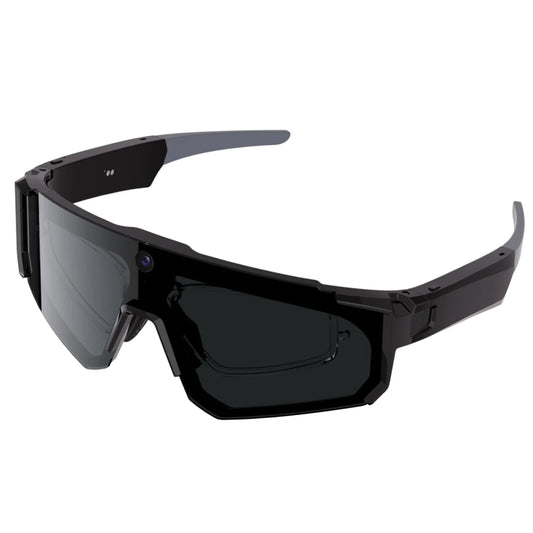
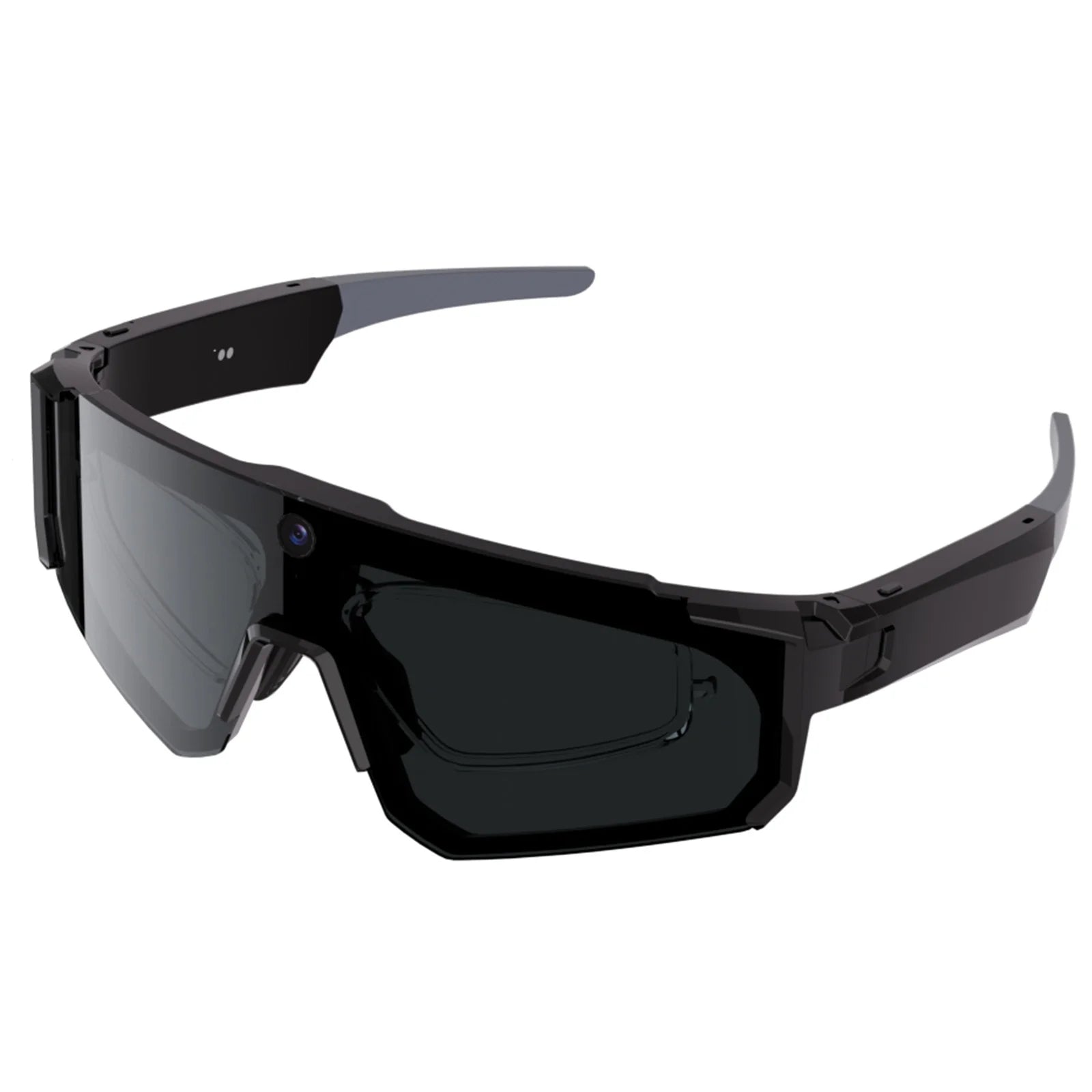
| Osawalla GP04 Running & Cycling Video Glasses | High-definition action recording, aerodynamic fit, UV protection | Cyclists, runners, outdoor athletes | $199.00 |
| Osawalla GG06 Smart Glasses Use Guide | Comprehensive operational insights, wellness tracking framework | Wearable tech users seeking deep physical insights | $79.99 |
| Osawalla GG05 Running & Cycling Audio Glasses | Directional acoustics, situational awareness, sweat resistance | Daily joggers, commuters, fitness enthusiasts | $49.99 |
Demystifying the Technology: What Makes Apple's New $499 Glasses So Special?
When analyzing the technological architecture of upcoming consumer electronics, the most striking aspect of Apple's forthcoming eyewear—internally referred to in supply chain leaks as "Project Atlas"—is what it intentionally omits. The industry spent billions attempting to miniaturize transparent OLED displays to project augmented reality directly into the user's retina. However, what makes Apple's new $499 glasses so special is the complete abandonment of the built-in display in favor of an audio-and-AI-first approach.
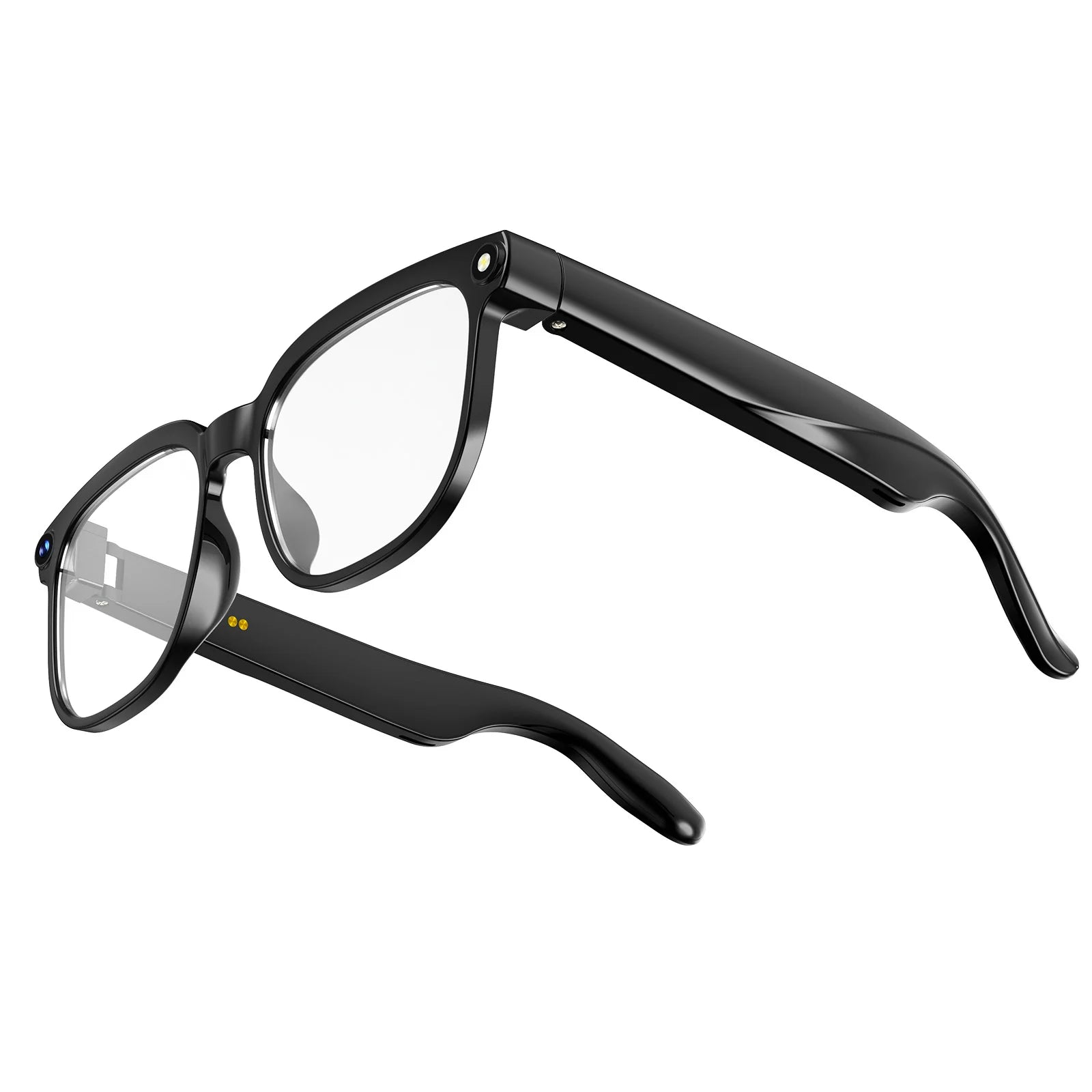
These frames act fundamentally as "AirPods with eyes." Rather than bombarding the user with glowing notifications that distract from the physical world, the glasses utilize an array of microscopic, ultra-wide-angle cameras housed discreetly within the frame hinges. These cameras continuously scan the environment. The data is instantly transmitted via a high-bandwidth wireless connection to a paired iPhone, where the heavy computational lifting occurs. This offloading of processing power is a masterclass in hardware efficiency; it keeps the glasses incredibly lightweight—rumored to be under 50 grams—and preserves battery life for all-day wearability.
Visual Intelligence and Advanced Contextual Awareness
The true magic underlying this hardware is software. What makes Apple's new $499 glasses so special is the seamless integration of Apple Intelligence. The concept of "Visual Intelligence" transforms the glasses from a passive accessory into an active, context-aware digital assistant.
Imagine standing in front of a restaurant in a foreign city. The cameras identify the establishment, cross-reference it with digital maps and review databases, and use the built-in directional speakers to whisper the restaurant's rating and specialty dishes directly into your ear. If you glance at a menu in another language, the integrated AI translates the text in real-time and dictates it to you. This is accomplished using advanced beam-forming acoustic technology, similar to the architecture found in premium smart speakers, ensuring that the audio is delivered clearly to the wearer without leaking sound to bystanders. The seamless fusion of environmental scanning, cloud-based machine learning, and private acoustic delivery creates an unparalleled user experience.
General Everyday Utility vs. Purpose-Built Athletic Performance
While the advancements in generalized consumer tech are breathtaking, applying a single device to every facet of human life presents inherent physical limitations. From our experience, a general-purpose wearable, no matter how advanced or elegantly designed, cannot universally serve highly specialized, high-intensity activities. The $499 price point is substantial for a device that is primarily designed for casual urban environments. Subjecting a luxury lifestyle accessory to the rigors of a muddy mountain biking trail, a torrential downpour during a marathon, or the high-impact vibrations of competitive sports exposes delicate sensors to unnecessary risks.
This is where purpose-built engineering becomes essential. We recommend assessing your primary daily activities and environmental exposures before investing heavily in a wearable ecosystem. While general AI glasses provide an excellent lifestyle tool, dedicated athletes and outdoor enthusiasts require specialized aerodynamics, rugged impact resistance, secure ergonomic fits, and focused functionality that lifestyle brands simply do not prioritize.
The Osawalla Specialized Wearable Lineup
Recognizing the distinct needs of active individuals, we have meticulously engineered our product line to fill the performance gaps left by mainstream tech giants. Our focus is absolute clarity, physical balance, and activity-specific utility.
Osawalla GP04 Running & Cycling Video Glasses

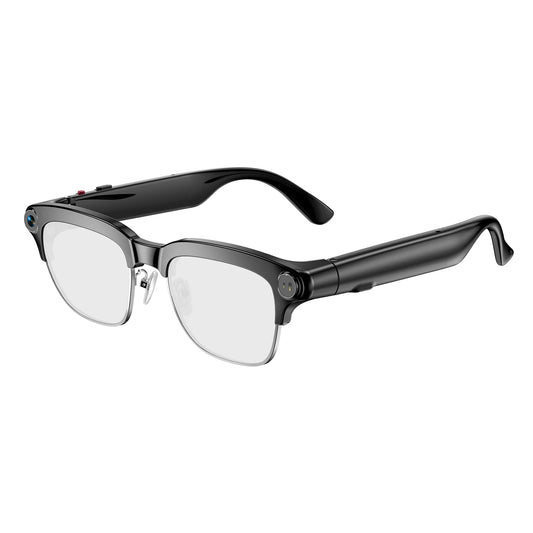
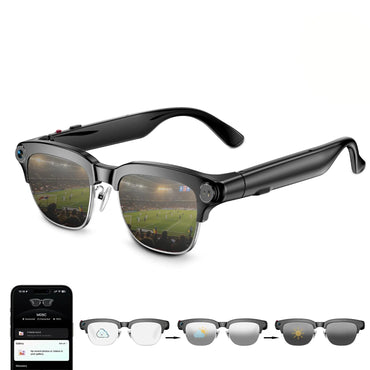
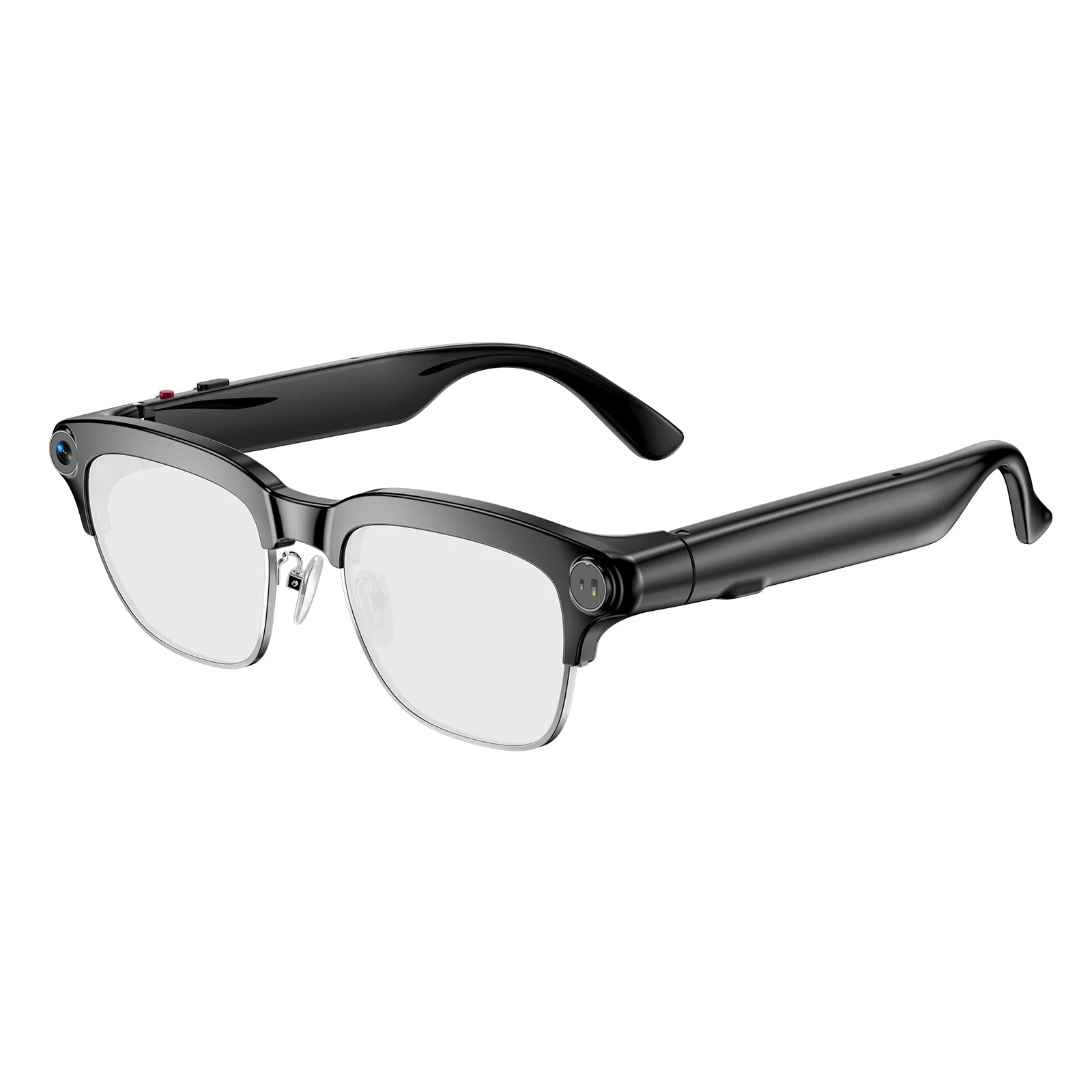
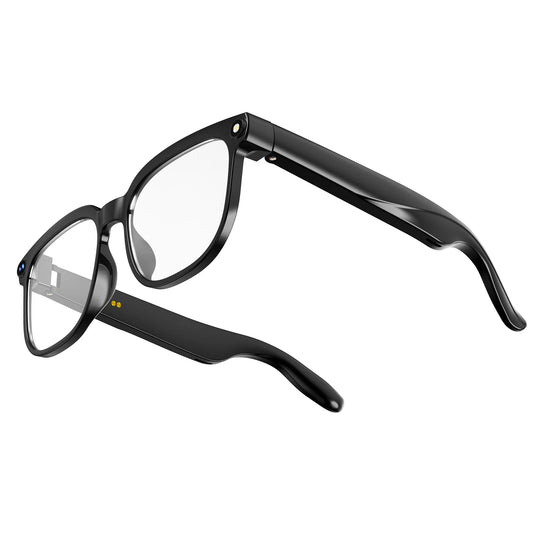
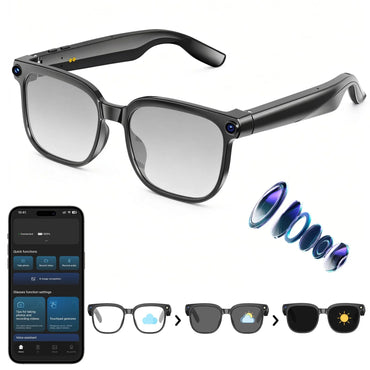
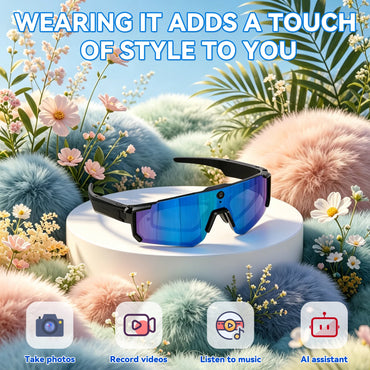
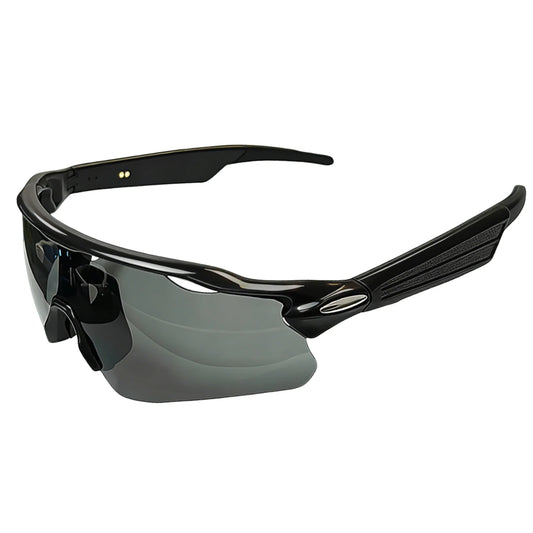
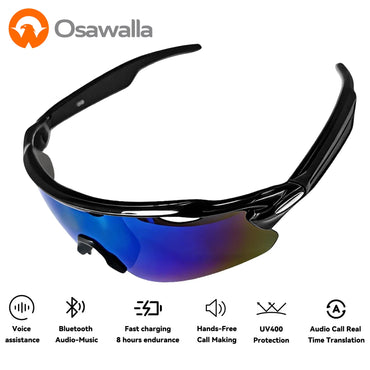
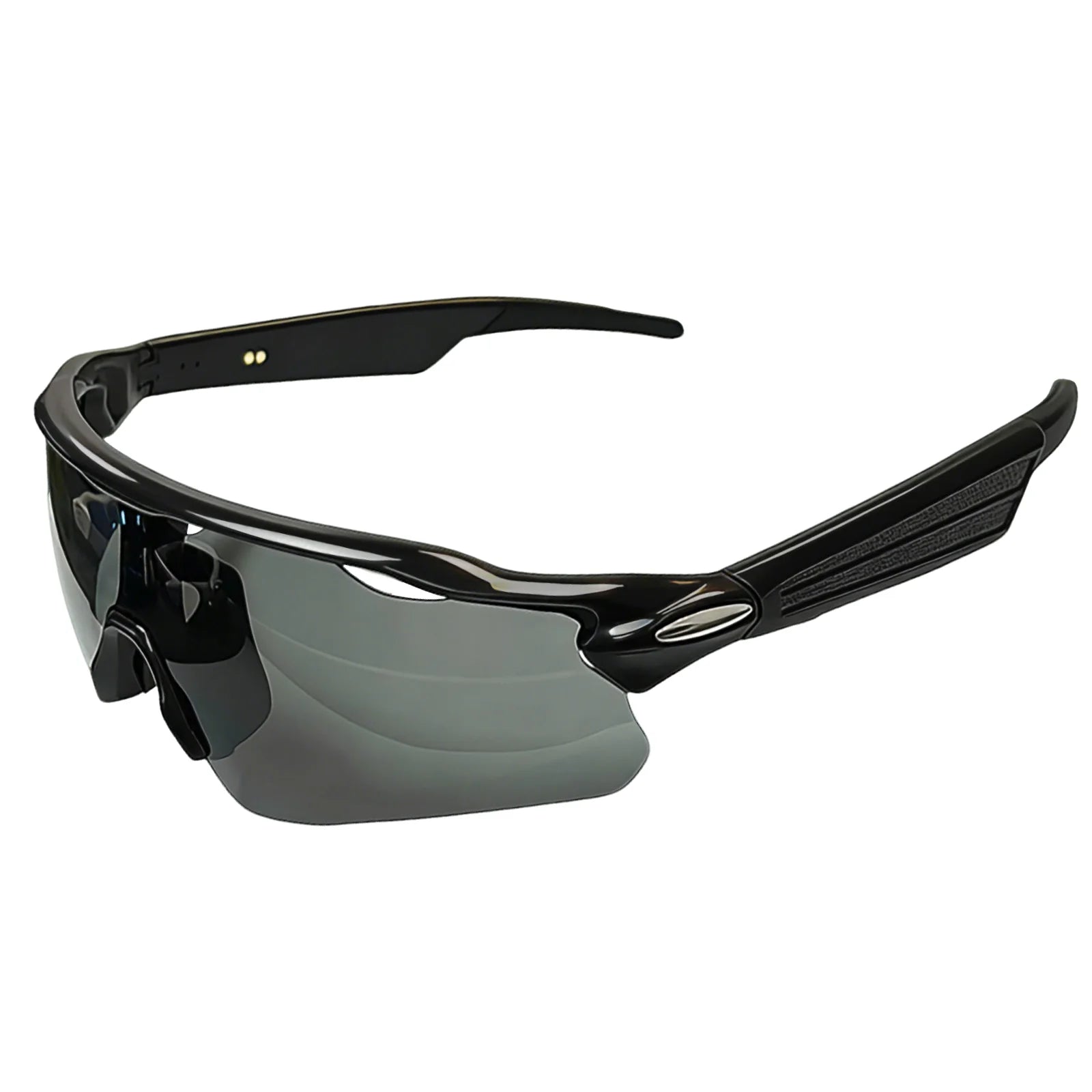
Priced at an accessible $199.00, the GP04 is engineered specifically for high-velocity environments. When you are cycling down a steep grade at 30 miles per hour, you do not need an AI assistant reading restaurant reviews; you need an uncompromised field of vision, polarized UV protection, and the ability to seamlessly record your route in high definition. The GP04 features a perfectly balanced, aerodynamic frame that houses an action-ready HD camera. It captures your true point-of-view without the aerodynamic drag of a helmet-mounted action camera. From our experience, the ability to document your performance hands-free while maintaining total situational awareness is an absolute game-changer for serious cyclists and runners.
Osawalla GG05 Running & Cycling Audio Glasses

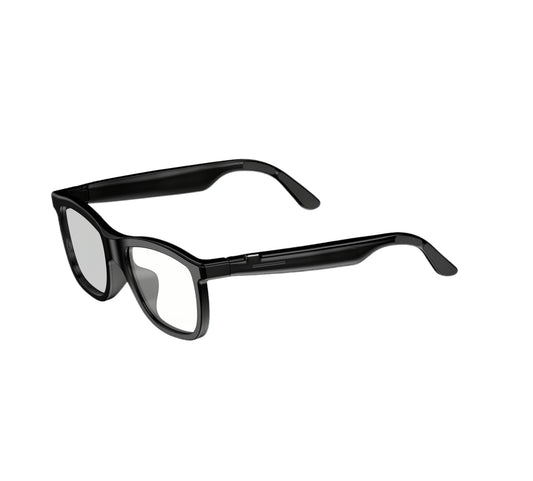
For users who desire the benefits of directional audio without the heavy financial commitment of luxury tech, we recommend the Osawalla GG05 Running & Cycling Audio Glasses, available for $49.99. These frames are designed to solve a critical safety issue for outdoor athletes: auditory isolation. Traditional earbuds block out ambient noise, making it dangerous to run or cycle near traffic. The GG05 utilizes open-ear acoustic technology, delivering rich, clear audio for your music or running apps directly to your ear canal, while leaving your eardrums completely open to hear approaching vehicles, sirens, or fellow athletes. It provides the perfect synthesis of entertainment and absolute environmental safety.
Osawalla GG06 Smart Glasses Use Guide
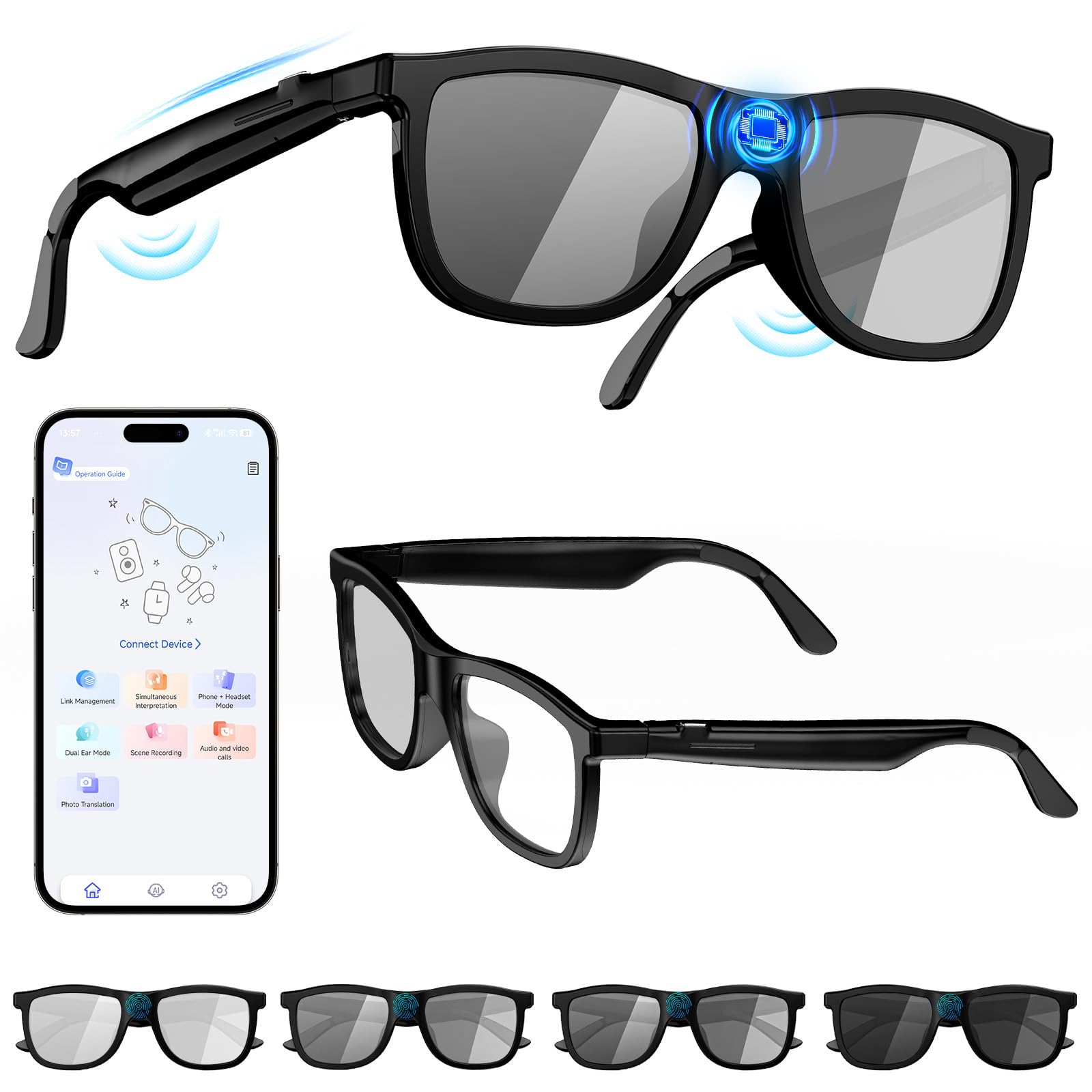
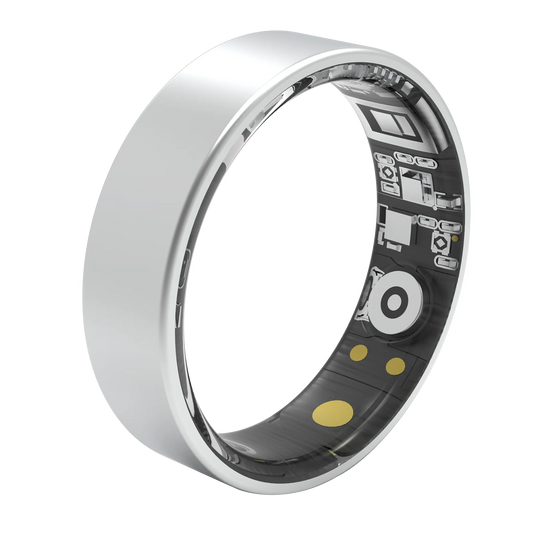
We understand that adopting new technology can sometimes feel overwhelming. To bridge the gap between complex hardware and user accessibility, we offer the Osawalla GG06 Smart glasses use guide for $79.99. This comprehensive package is designed for users who want to extract the maximum physiological and operational value from their smart eyewear. It provides deep, actionable frameworks for utilizing intelligent frames to monitor daily patterns, manage physical stress, and seamlessly integrate wearable data into a holistic approach to personal well-being.
The Economics of Wearables: Analyzing the Investment
When examining the market, one must critically evaluate the cost-to-benefit ratio of emerging technologies. What makes Apple's new $499 glasses so special from a purely economic standpoint is their strategic market positioning. By stripping away the expensive, heavy micro-OLED displays found in their $3,500 spatial computing headsets, they have created an entry-level bridge into the augmented ecosystem. However, $499 remains a significant luxury investment for a device that relies entirely on an existing high-end smartphone to function.
In contrast, targeted investments—such as spending $199.00 on a dedicated pair of video-recording cycling glasses or $49.99 for robust, sweat-proof audio frames—often yield a much higher immediate return on investment for active users. Specialized devices do exactly what you need them to do in the environments where you need them most, without the bloated costs associated with proprietary virtual assistants and massive corporate branding.
Expert Recommendations on Integrating Smart Eyewear
We recommend building a "technological wardrobe" rather than searching for a single, mythical device that does everything perfectly. Just as you wouldn't wear a bespoke, tailored suit to the gym or running shoes to a formal gala, you shouldn't rely on a single pair of smart frames for every scenario.
- For Urban Navigation and Office Productivity: Investing in AI-driven, screenless lifestyle glasses provides tremendous value for hands-free communication and environmental translation.
- For Outdoor Athletics and High-Speed Sports: Rely on purpose-built hardware like the Osawalla GP04 or GG05. These devices prioritize physical eye protection, sweat resistance, aerodynamic stability, and specific data capture (audio or video) over generalized AI functions.
- For Wellness and Habit Tracking: Utilize comprehensive resources like the Osawalla GG06 to translate the raw data your devices capture into meaningful, life-enhancing habits.
Frequently Asked Questions (FAQs)
What makes Apple's new $499 glasses so special compared to standard wireless earbuds?
While premium earbuds offer excellent audio and voice assistant access, what makes Apple's new $499 glasses so special is the integration of outward-facing cameras. These cameras provide "Visual Intelligence," allowing the AI to actually see what you are looking at—enabling real-time translation of signs, object identification, and profound contextual awareness that audio-only devices simply cannot achieve.
Do I need to carry my smartphone for these new smart glasses to work?
Yes. To maintain a lightweight design and preserve battery life, most modern AI glasses, including Apple's upcoming models, do not have onboard cellular chips or heavy processors. They act as a sophisticated peripheral, requiring a wireless tether to your smartphone to process complex AI tasks and access the internet.
How do the Osawalla GP04 Running & Cycling Video Glasses perform in harsh weather?
From our experience, outdoor gear must be resilient. The Osawalla GP04 is built with ruggedized, weather-resistant materials designed to withstand sweat, high humidity, and light rain, making it vastly superior for athletic use compared to delicate, general-purpose lifestyle smart glasses.
Is open-ear audio actually better for running?
We strongly recommend open-ear audio for any outdoor fitness activity. Devices like the Osawalla GG05 allow you to enjoy podcasts, music, and GPS pacing prompts while keeping your ear canal completely unobstructed. This ensures you can hear traffic, cyclists passing, and environmental hazards, drastically reducing the risk of accidents.
Industry References
- MacRumors: Latest Reports on Apple's Augmented Reality and Smart Glasses Initiatives
- Bloomberg Technology: The Shift in the Wearable Tech Market Toward Lightweight AI Frames
- Wired Gear: The Rise of Purpose-Built Athletic Wearables vs. General Consumer Tech
- The Verge: Deep Dives into Open-Ear Acoustic Technology and Visual Intelligence


