






The wearable technology sector has officially transitioned from bulky augmented reality headsets to streamlined, everyday frames. As we navigate through 2026, the demand for the best AI glasses with display capabilities has surged across both consumer and enterprise markets. Users no longer want to pull a smartphone from their pocket to translate a sign, record a video, or interact with a large language model. They require heads-up data, ambient computing, and seamless optical integration directly within their field of view.

From our experience engineering smart optical solutions at Osawalla, identifying the best AI glasses with display requires evaluating a complex matrix of hardware parameters. It is not merely about projecting light onto a lens; it involves managing thermal output, maintaining a lightweight ergonomic profile, ensuring battery longevity, and integrating sophisticated AI models that process visual data in real-time. In this comprehensive technical guide, we will analyze the core engineering metrics that define modern smart eyewear and review the 8 best AI glasses with display and advanced visual/audio integration available in 2026, ensuring you select the optimal hardware for your specific operational requirements.
Table of Contents
- 1. Engineering Criteria: Evaluating AI Glasses with Display
-
2. The 8 Best AI Glasses with Display in 2026
- 1. Osawalla GP04 Running & Cycling Video Glasses
- 2. Osawalla GP02 Smart Glasses
- 3. Meta Orion Holographic AR Glasses
- 4. XREAL Air 2 Ultra Spatial Computing Glasses
- 5. RayNeo X2 Binocular Waveguide Glasses
- 6. Viture Pro XR Media Glasses
- 7. Brilliant Labs Frame AI Glasses
- 8. Even Realities G1 HUD Glasses
- 3. Summary Table: Top Smart Eyewear Comparison
- 4. Frequently Asked Questions (FAQs)
- 5. Industry References
1. Engineering Criteria: Evaluating AI Glasses with Display
Before investing in the best AI glasses with display technology, procurement officers and tech enthusiasts must understand the underlying physics and software architectures. The term AI glasses with display encompasses a broad spectrum of devices, from simple monochromatic heads-up displays (HUDs) to fully immersive, binocular full-color waveguide optics.
We recommend evaluating these platforms based on three primary pillars: Optical Engine Architecture, AI Processing Latency, and Ergonomic Wearability. The optical engine determines the brightness and field of view (FOV). In 2026, Micro-OLED and Micro-LED displays paired with diffractive waveguides represent the pinnacle of AI glasses with display technology, allowing for transparent overlays that do not obstruct natural vision. However, display output must be balanced against battery capacity. A device pushing high-nit full-color graphics will drain a standard 300mAh battery in under an hour.
Furthermore, true AI glasses with display or camera systems must feature robust edge-computing capabilities. When a user asks an onboard AI to recognize a landmark or translate a menu, the onboard camera must capture the image, process it through a localized or cloud-based neural processing unit (NPU), and project the answer back to the user. Devices that handle this with sub-second latency while maintaining a frame weight under 50 grams represent the absolute best in class.
2. The 8 Best AI Glasses with Display in 2026
Based on our extensive optical testing and market analysis, we have identified the top hardware platforms leading the wearable sector. Whether you require intense sports tracking, seamless real-time translation, or immersive spatial computing, these are the best AI glasses with display and advanced camera/audio integration available today.
1. Osawalla GP04 Running & Cycling Video Glasses
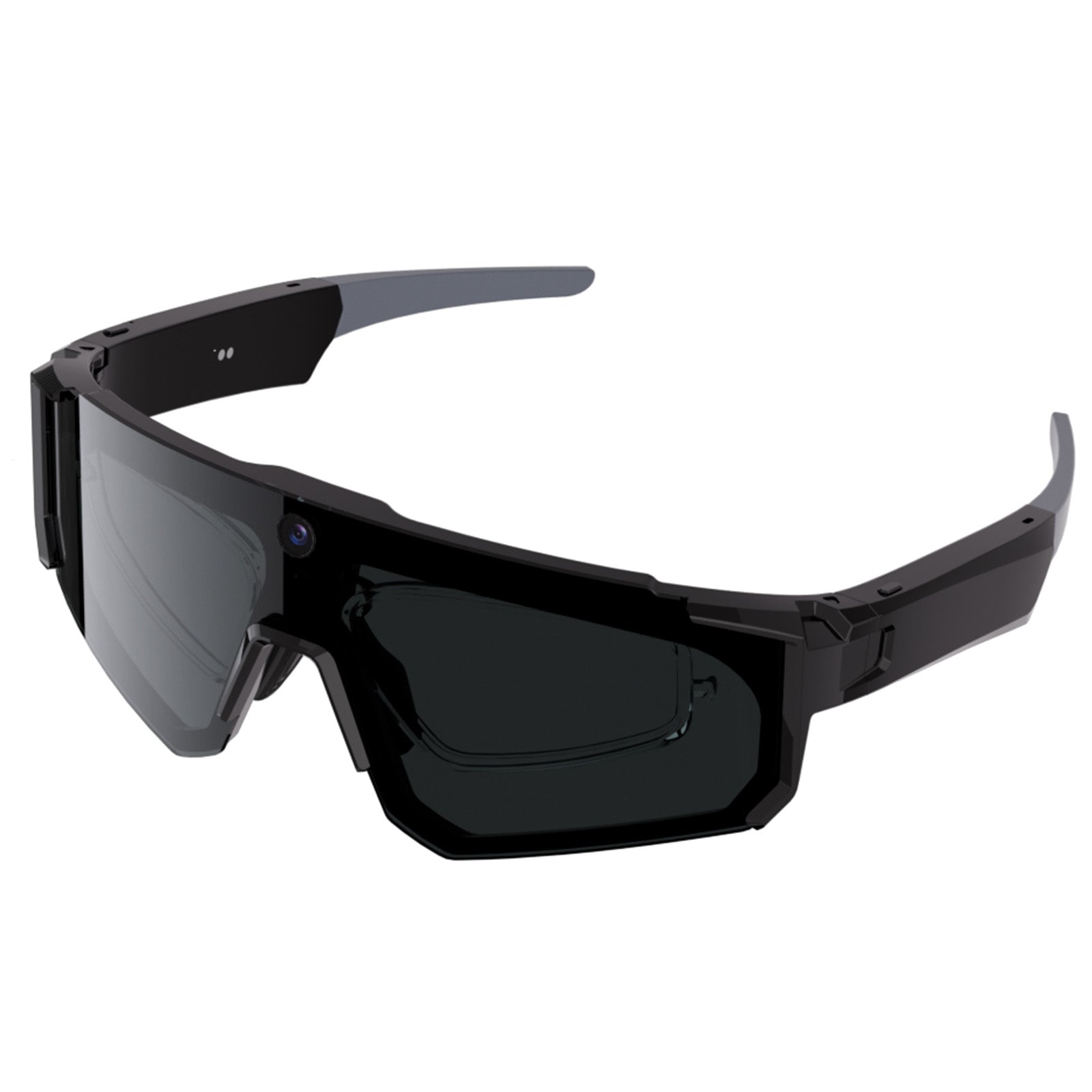
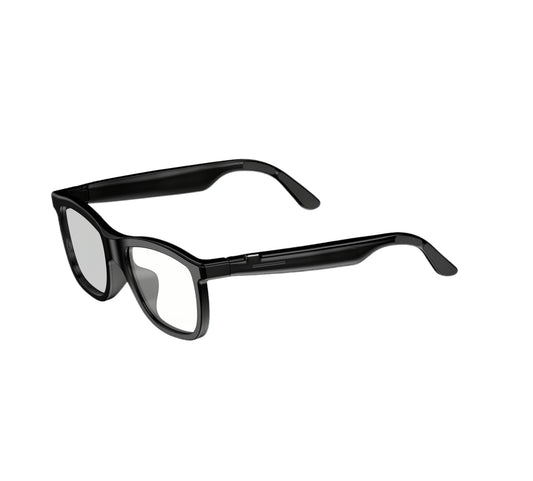
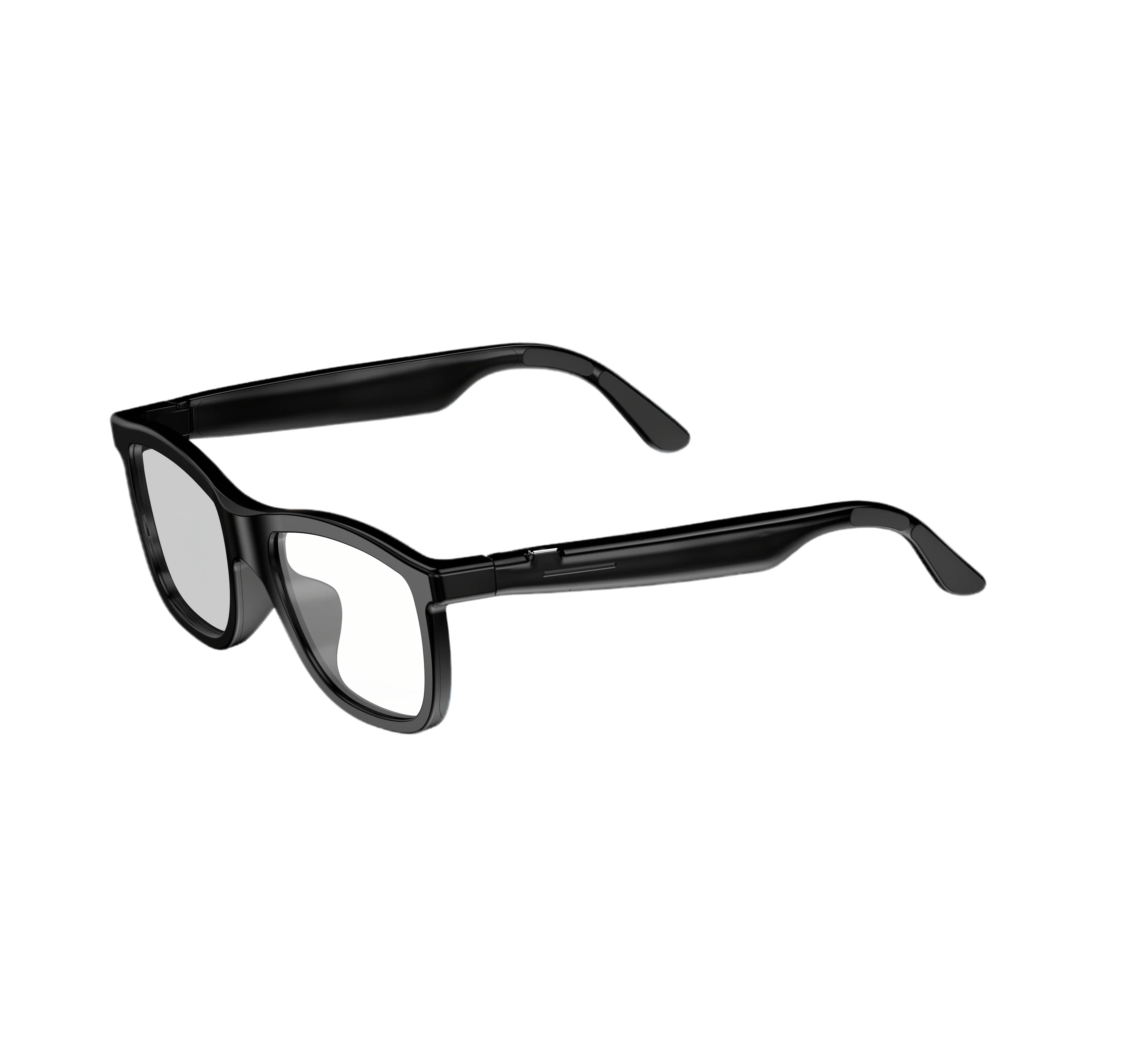
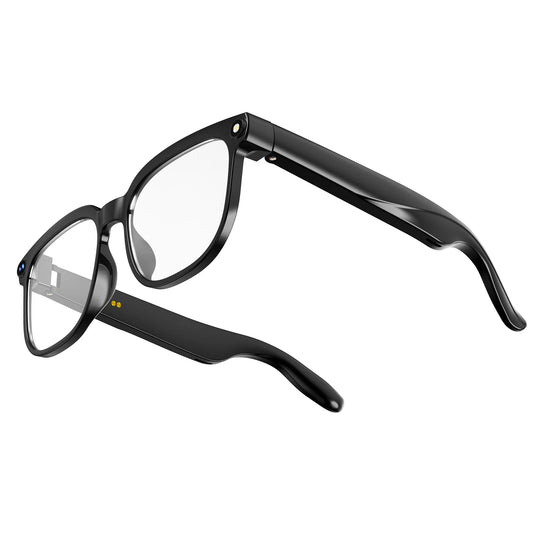
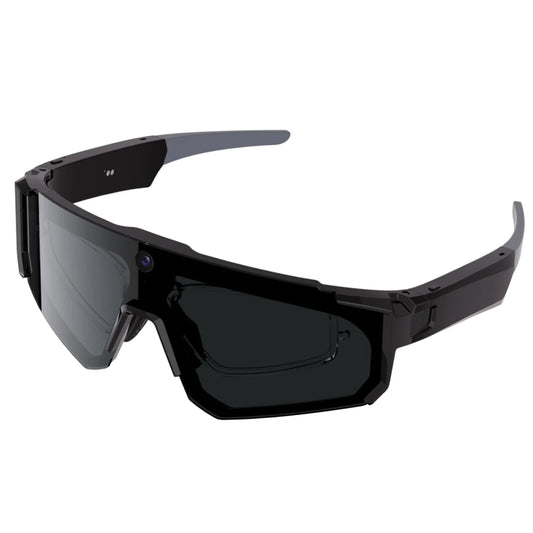
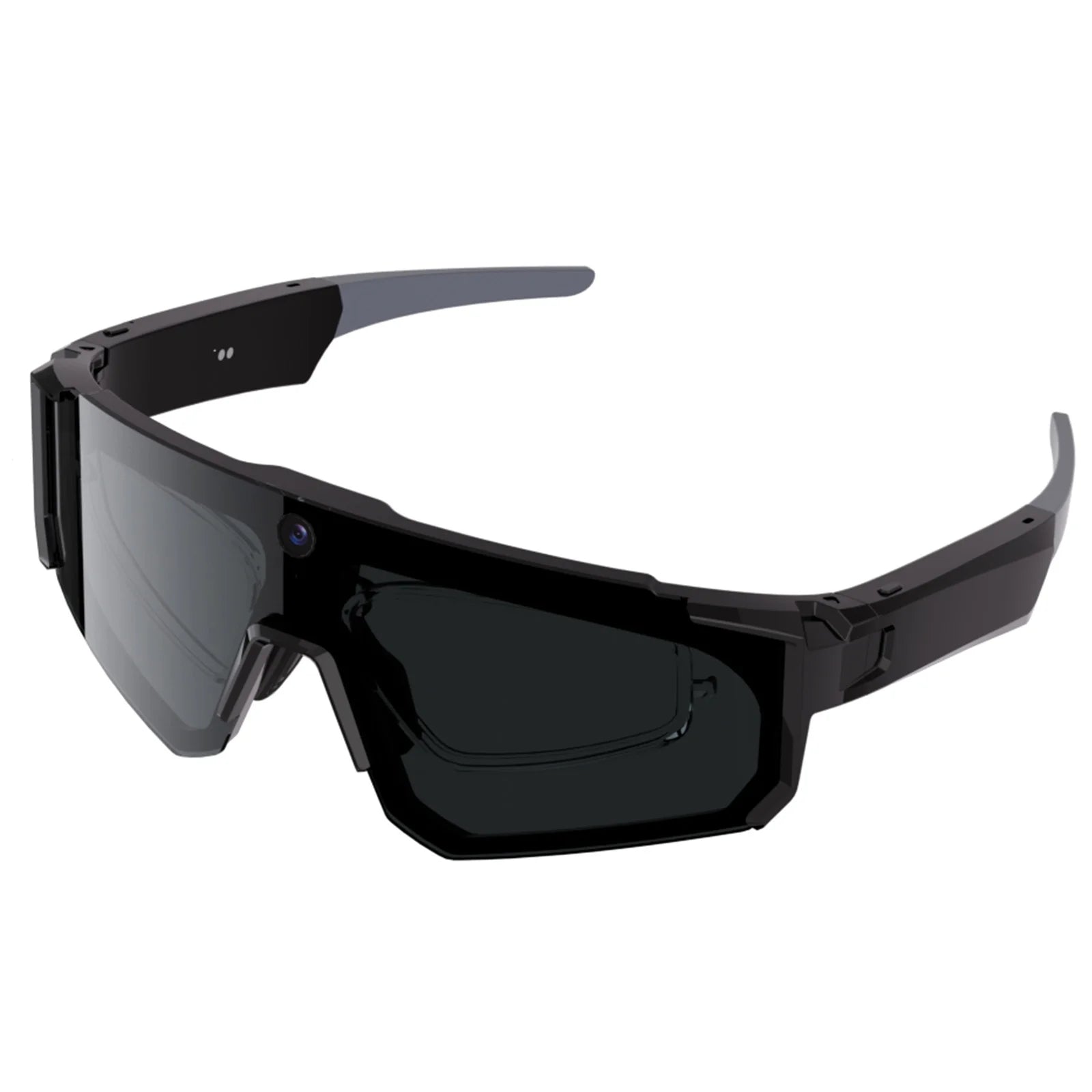
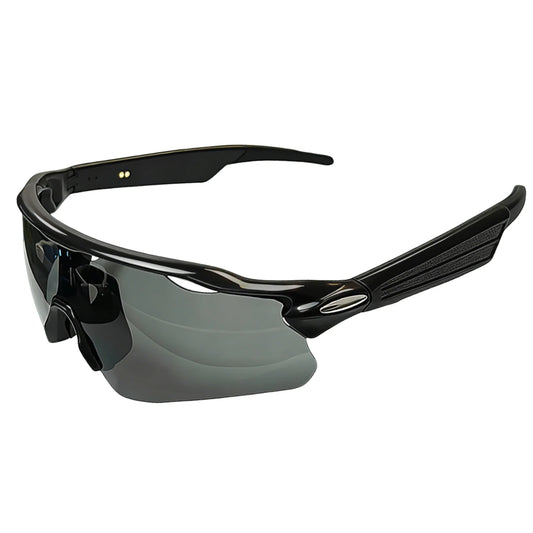
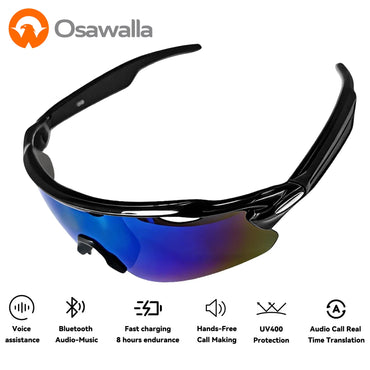
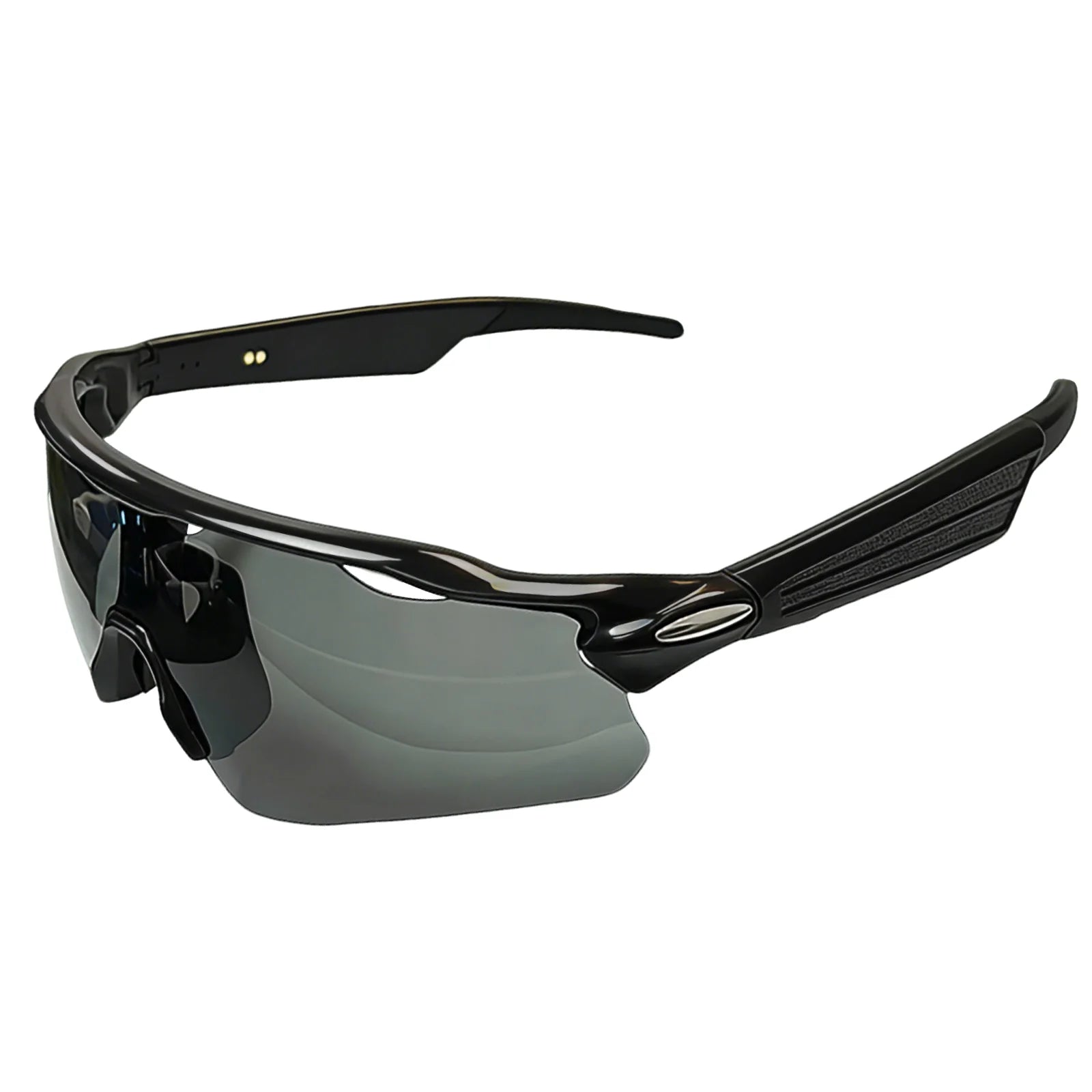
While prioritizing high-action optical capture over heavy internal projection, the Osawalla GP04 stands as a premier AI-integrated wearable for active lifestyles. Built as lightweight running sunglasses for men and women, these smart glasses are ideal for running, cycling, hiking, and workouts. They feature flexible, bendable temple arms with silicone anti-slip tips that provide a remarkably secure fit that stays in place during extreme movement.
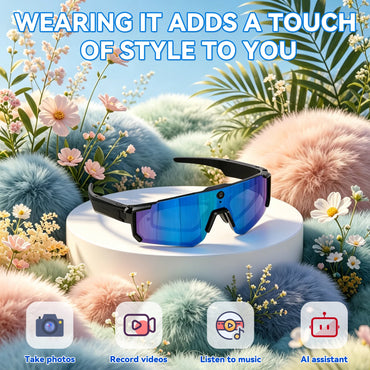
From our experience, athletes need to capture their environment seamlessly. The GP04 features an integrated 8MP HD camera, allowing you to capture photos and videos from your natural point of view. Equipped with a 6-axis stabilization sensor, these running glasses help reduce motion shake when you are moving, making them ideal for fast-paced outdoor sports where steady footage matters. The open-ear audio design allows you to listen to music, take calls, and use voice commands while staying aware of your surroundings. A built-in AI voice assistant enables hands-free interaction, proving that the best AI glasses with display their value through seamless, frictionless environmental interaction. Interchangeable high-clarity lenses and an included RX inner frame ensure visual acuity for all users.
2. Osawalla GP02 Smart Glasses
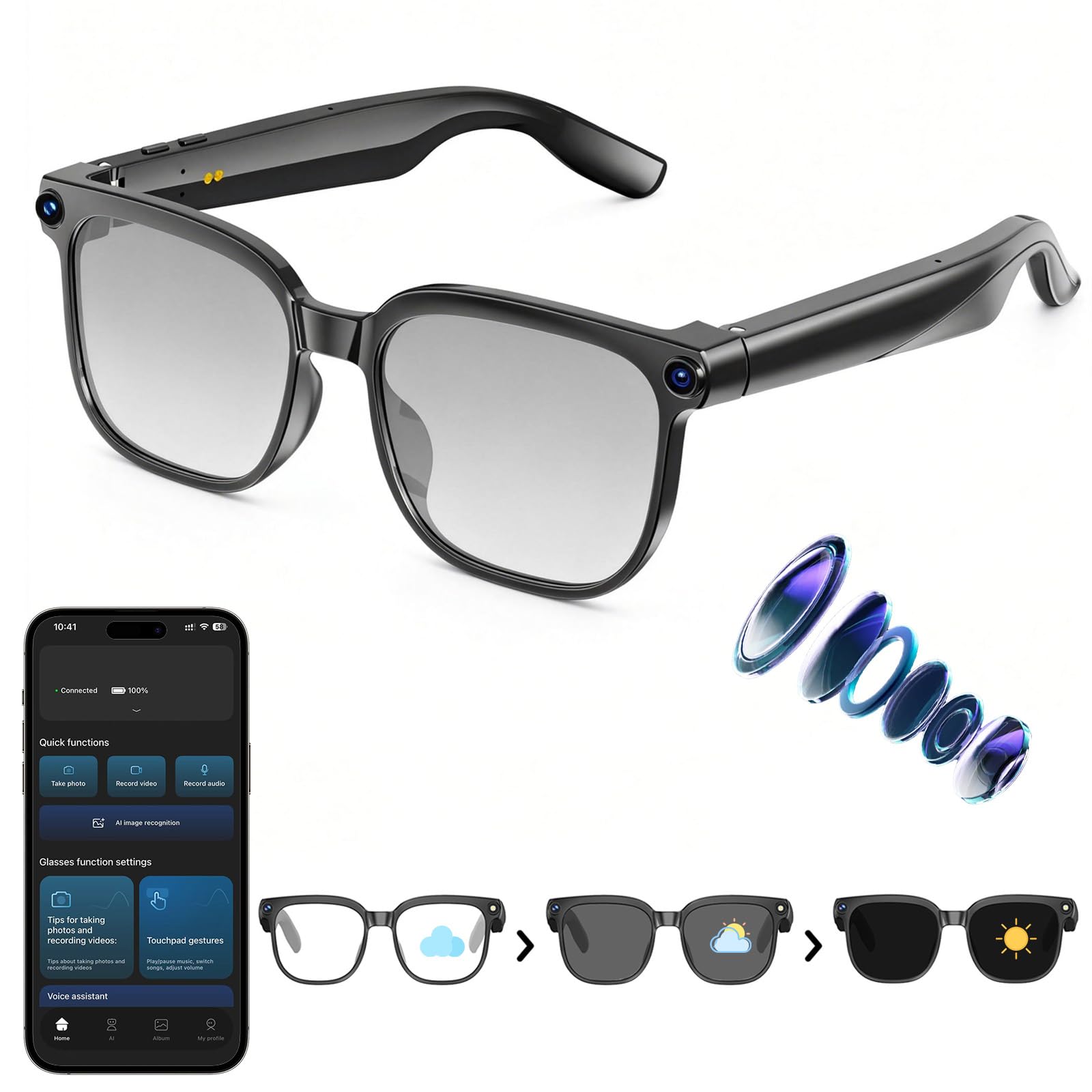
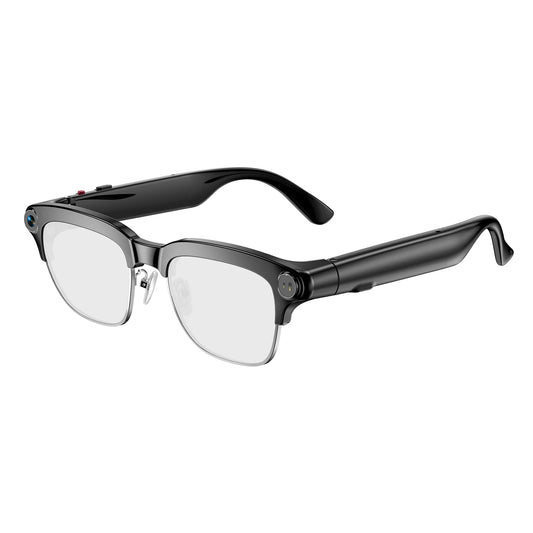
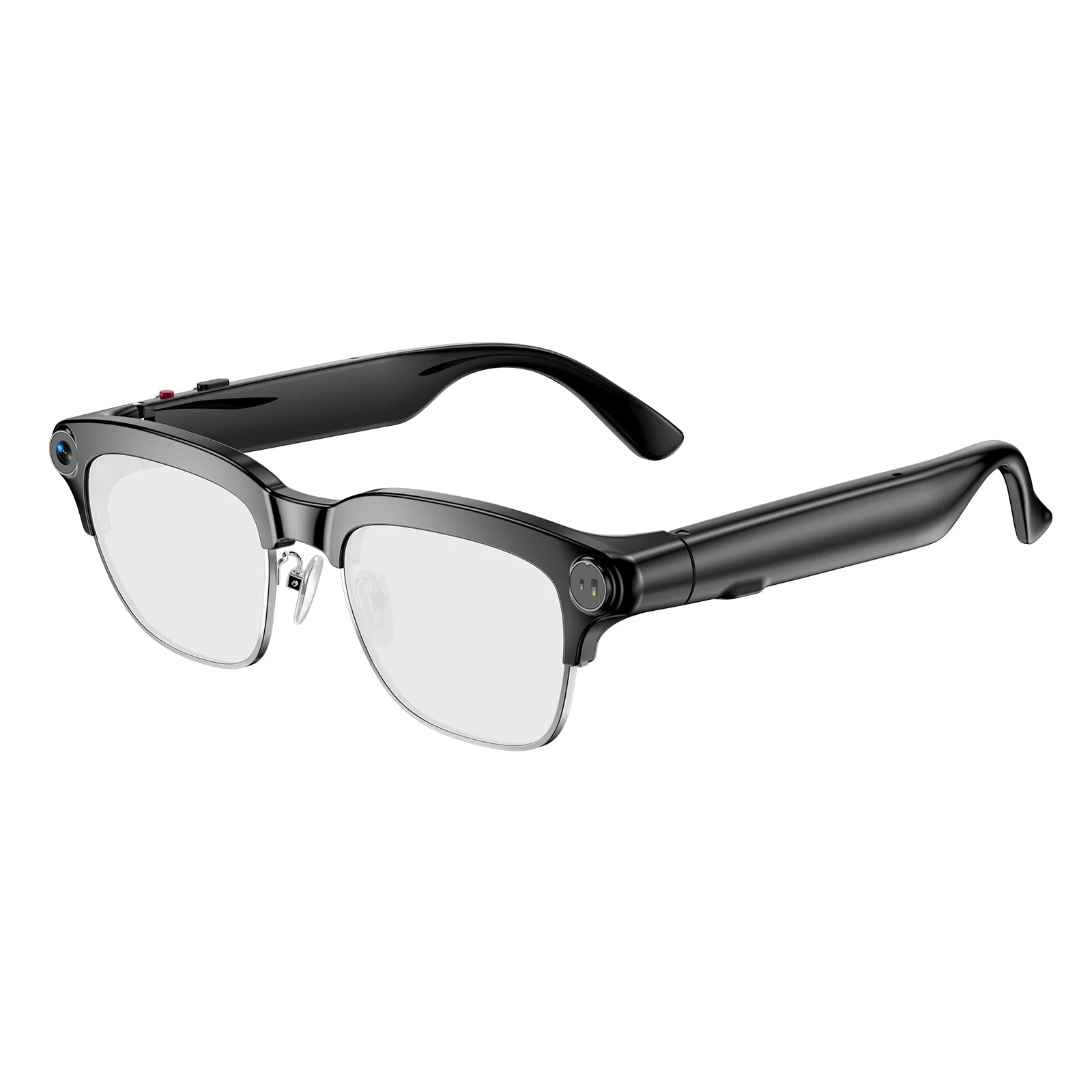
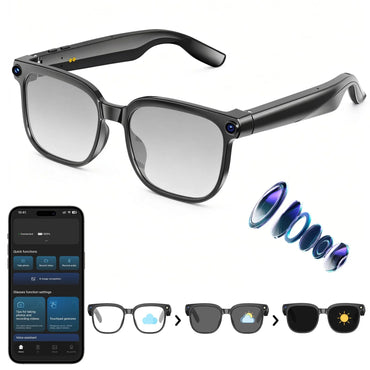
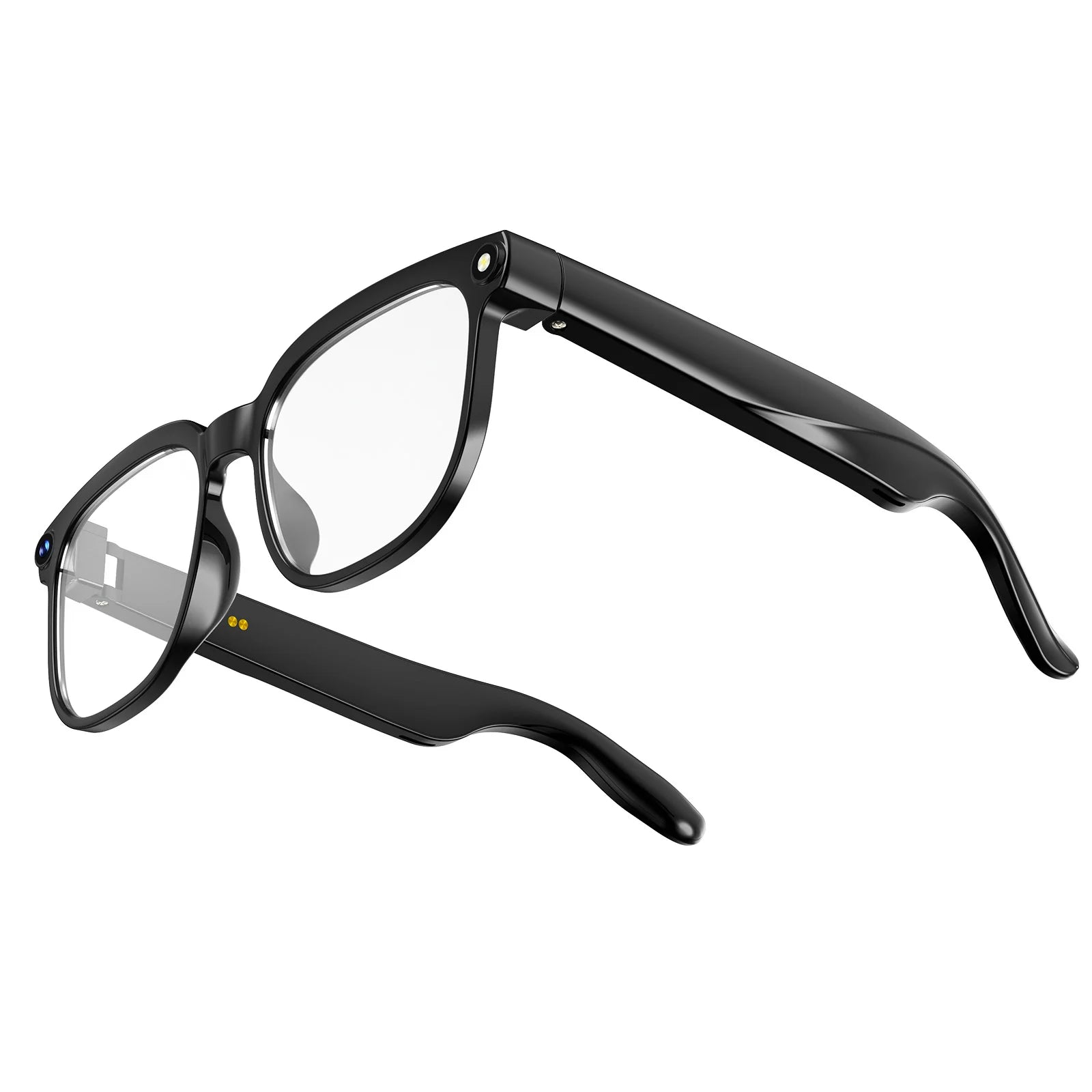
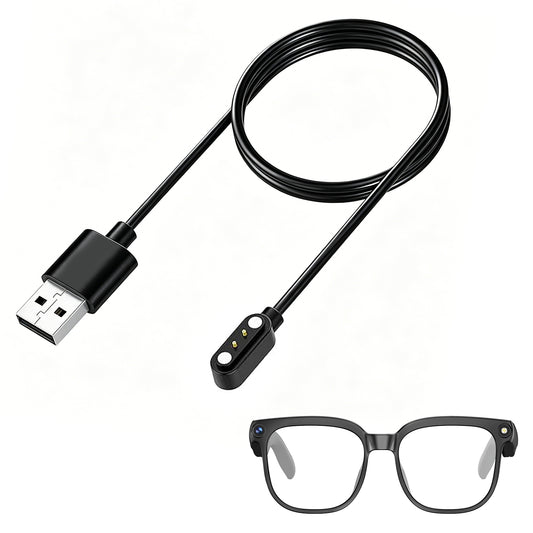
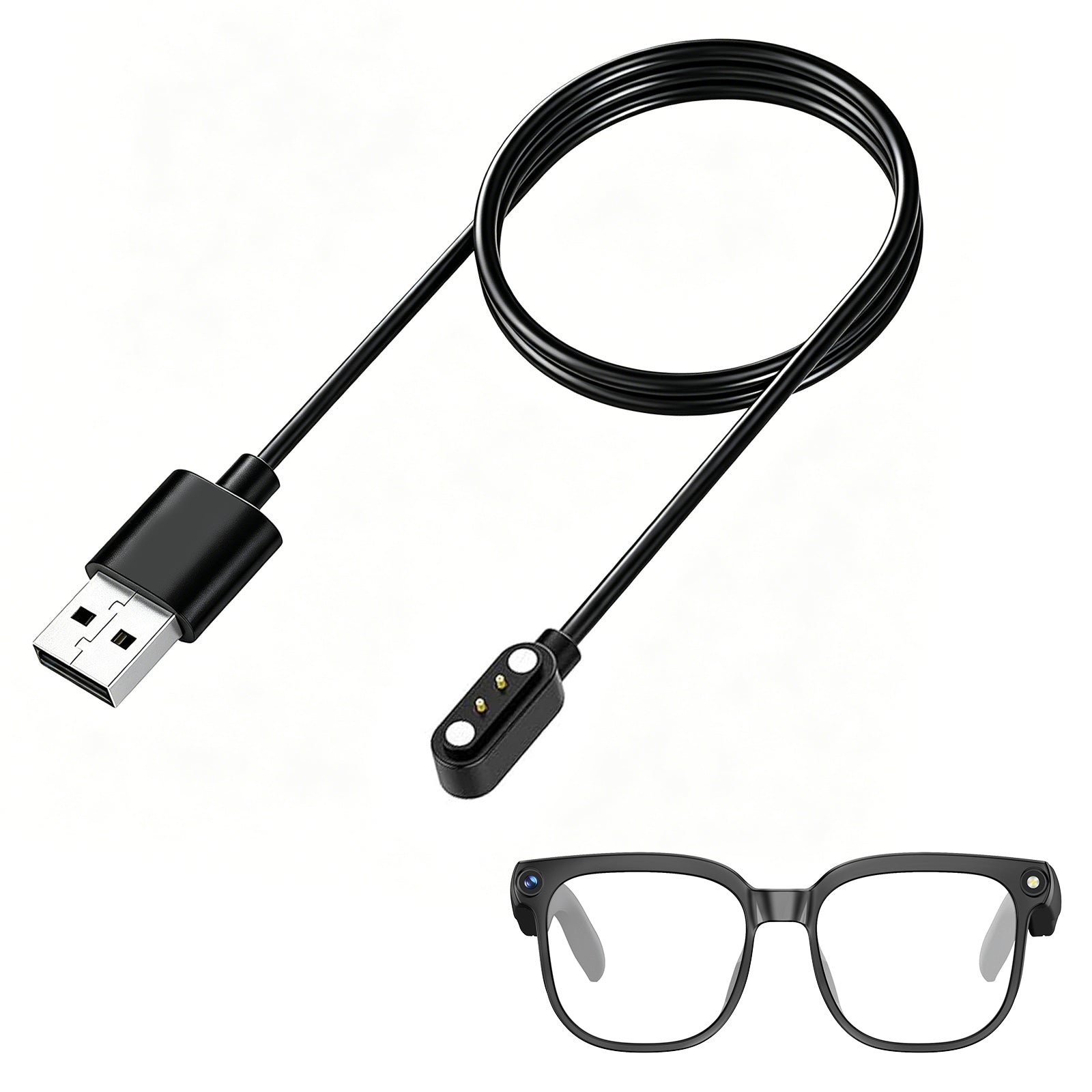
The Osawalla GP02 represents a massive leap forward in ambient AI computing. Designed for the modern professional and international traveler, these AI smart glasses with a built-in 8MP HD camera support 1080P video recording and high-definition image capture. Equipped with an advanced anti-shake algorithm, they provide stable footage for up to 1 hour of continuous use. We integrated the "Hey Cyan" AI voice assistant—powered by a built-in ChatGPT model—which provides real-time object recognition (recognizing objects, menus, landmarks, and plants) directly through the optical sensors.
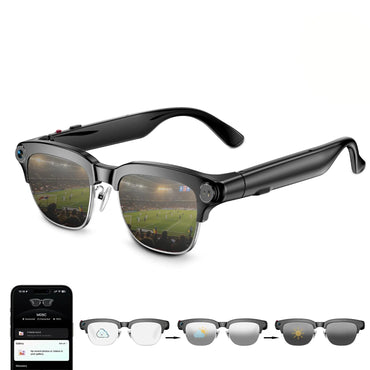
The GP02 supports 139+ language translations and voice-assisted Q&A, making it an indispensable tool for breaking language barriers. To handle the data stream, these Bluetooth glasses are equipped with low-power BT5.4 and Wi-Fi dual transmission for real-time auto-sync. Weighing an ultra-light 40.8g (0.09lb), they feature a TR90 frame, ABS temples, and photochromic lenses that automatically darken in sunlight for effective UV protection. With a 290mAh battery supporting 7 hours of playback, the GP02 is a formidable contender for those seeking the ultimate AI-assisted visual experience.
3. Meta Orion Holographic AR Glasses
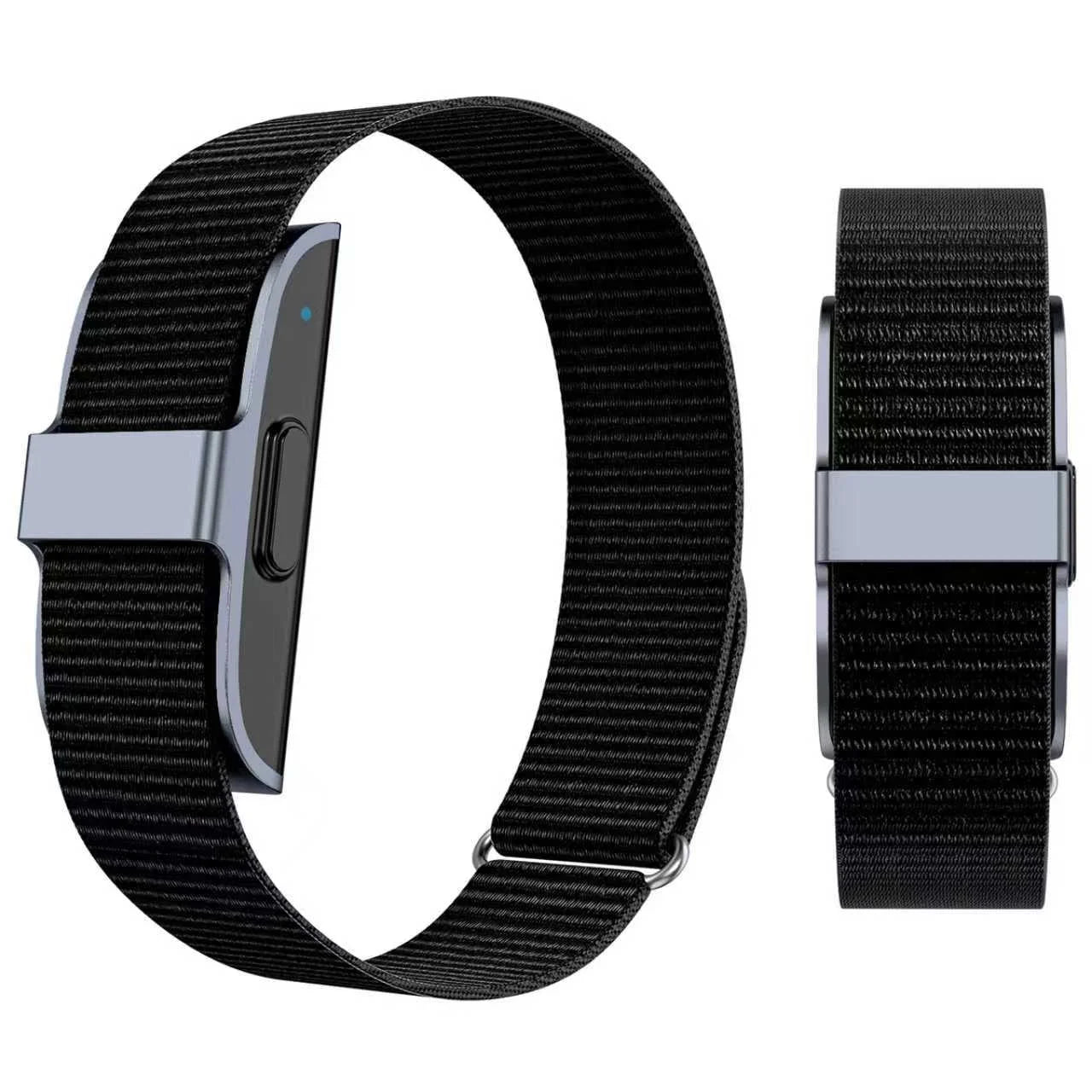
Moving into heavy augmented reality, the Meta Orion prototype has set the benchmark for holographic AI glasses with display technology in 2026. Utilizing custom silicon carbide lenses and complex micro-projectors, the Orion projects high-fidelity holographic overlays directly into the user's field of view. It pairs with a neural wristband for gesture control and features deeply integrated multimodal AI that can read the environment and project contextual data, such as recipe steps while looking at ingredients, making it a revolutionary piece of hardware.
4. XREAL Air 2 Ultra Spatial Computing Glasses

The XREAL Air 2 Ultra is designed specifically for spatial computing developers and power users. Featuring dual 3D environment sensors, it offers 6 Degrees of Freedom (6DoF) tracking. As a top-tier AI glasses with display, it utilizes Sony Micro-OLED panels to project a massive virtual screen. We recommend this device for professionals who need to anchor multiple virtual monitors in their physical workspace, effectively replacing traditional desktop setups with a wearable 120Hz display.
5. RayNeo X2 Binocular Waveguide Glasses
The RayNeo X2 is a pioneer in standalone AR. It utilizes binocular full-color Micro-LED optical waveguide displays, meaning the graphics are bright enough to be seen in direct sunlight. Driven by a dedicated Qualcomm Snapdragon AR2 platform, these glasses handle complex AI tasks—like live on-screen translation subtitles and 3D GPS navigation—entirely on-device without tethering to a smartphone, defining the true standalone capabilities of modern AI glasses with display.
6. Viture Pro XR Media Glasses

For users prioritizing media consumption and cloud gaming over environmental AI, the Viture Pro XR is exceptional. It boasts electrochromic film technology, allowing the user to instantly darken the lenses with the push of a button to enhance display contrast in bright environments. While its AI capabilities are secondary to its display prowess, its ultra-crisp optics and seamless integration with portable gaming consoles make it highly desirable for entertainment-focused consumers.
7. Brilliant Labs Frame AI Glasses
The Frame by Brilliant Labs takes a minimalist, open-source approach to the AI glasses with display category. Designed to look exactly like standard prescription glasses, it features a small, geometric MicroOLED display embedded in a single lens. It acts as a visual interface for an AI assistant named Noa, processing what the user sees and projecting concise, text-based answers, translations, and search results onto the micro-display. It is the perfect entry point for users wanting lightweight, unobtrusive AI data.
8. Even Realities G1 HUD Glasses
The Even Realities G1 focuses entirely on utility and design. By utilizing a monochromatic green heads-up display, it drastically reduces battery consumption compared to full-color Micro-OLED systems. The display is entirely invisible from the outside. The G1 excels at teleprompting, turn-by-turn navigation, and displaying rapid AI translation text. From our experience, if your primary goal is reading text-based AI outputs rather than watching videos, the G1 is one of the most practical and stylish AI glasses with display on the market.
3. Summary Table: Top Smart Eyewear Comparison
To assist you in aligning your technological needs with the correct hardware, we have consolidated the primary specifications of the best AI glasses with display and camera integration into the matrix below.
| Device Model | Primary Optical / Visual Tech | Core AI / Smart Capability | Ideal Use Case |
|---|---|---|---|
| Osawalla GP04 | 8MP Camera / Photochromic Lenses | 6-Axis Anti-Shake, Voice Control | Running, Cycling, Action Capture |
| Osawalla GP02 | 1080P Camera / UV Protection | ChatGPT, 139+ Language Translation | Travel, Office, Real-Time Translation |
| Meta Orion | Silicon Carbide Holographic | Contextual Multimodal AI | Advanced Spatial Computing |
| XREAL Air 2 Ultra | Micro-OLED (120Hz) | 6DoF Spatial Tracking | Virtual Monitors, Development |
| RayNeo X2 | Full-Color Micro-LED Waveguide | On-Screen Translation Subtitles | Standalone AR Navigation |
| Brilliant Labs Frame | MicroOLED Single-Lens HUD | Open-Source Visual AI (Noa) | Minimalist Text-Based AI Search |
4. Frequently Asked Questions (FAQs)
What is the difference between a waveguide display and a standard Micro-OLED in AI glasses?
From our experience in optical engineering, a Micro-OLED display acts like a tiny TV screen positioned above your eye, often bouncing light off a mirror into your vision ("birdbath" optics). A waveguide display actually injects light into a microscopic grating within the lens itself, guiding the light across the glass and into your eye. Waveguides allow for much thinner, normal-looking lenses in AI glasses with display, though they are vastly more difficult to manufacture.
Can I get prescription lenses for the Osawalla GP04 and GP02?
Yes. We engineered the Osawalla GP04 specifically to include an RX inner frame, allowing users to take the frame to their local optometrist to have custom prescription lenses fitted. This ensures that users who require vision correction can fully utilize the camera and AI capabilities without stacking two pairs of glasses.
How does object recognition work on the Osawalla GP02?
The GP02 utilizes its 8MP HD camera to act as the "eyes" of the AI. When you trigger the AI voice assistant and ask it to identify an object, the camera captures a high-resolution frame, transmits it via Wi-Fi or BT5.4 to the integrated ChatGPT vision model on your paired device, and the AI instantaneously feeds the identification data back to you through the open-ear audio system.
Do AI glasses with display cause eye strain during long-term use?
It depends on the focal distance of the display. The best AI glasses with display project the virtual image at a focal distance of 2 to 4 meters away. This prevents your eyes from having to cross and strain to read text that is physically close to your face. However, we recommend taking regular breaks to allow your eyes to adjust back to natural ambient lighting.


