






The landscape of wearable technology is undergoing a massive paradigm shift. Devices that once felt like science fiction are now seamless extensions of our daily routines. At Osawalla, we believe that meaningful technology elevates everyday life. Our wearables are crafted for those who value clarity, balance, and refined design, empowering you to stay connected to your well-being with confidence and ease. Modern life moves fast, yet understanding our bodies and our environment shouldn't be complicated. Many people seek clearer insights into their sleep, stress, and daily physiological patterns, but conventional tools often fall short in accessibility and experience. This is precisely where the modern applications of smart glasses provide unparalleled value. By integrating advanced optics, directional audio, and physiological sensors into classic eyewear designs, smart glasses bridge the gap between digital convenience and physical presence.

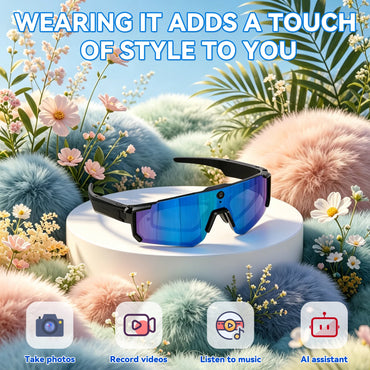
From our experience engineering high-fidelity wearables, the utility of these devices extends far beyond simple notification alerts. The true applications of smart glasses encompass athletic performance tracking, hands-free media consumption, augmented reality navigation, and enterprise-level logistics. We recommend that consumers and professionals alike evaluate the specific applications of smart glasses that align with their lifestyle demands. Whether you are an endurance athlete recording trail runs or a professional seeking discrete audio connectivity during commutes, the hardware exists to facilitate your goals. In this authoritative guide, we will explore the diverse, practical, and revolutionary applications of smart glasses currently defining the market in 2026, and how Osawalla is pioneering the integration of aesthetic design with functional technology.
Table of Contents
- 1. The Evolution of Wearable Optics
- 2. Athletic Applications of Smart Glasses
- 3. Everyday Connectivity and Lifestyle Integration
- 4. Health, Wellness, and Physiological Monitoring
- 5. Enterprise and Industrial Applications of Smart Glasses
- 6. Summary Table: Use Cases and Features
- 7. Frequently Asked Questions (FAQs)
- 8. Industry References
1. The Evolution of Wearable Optics
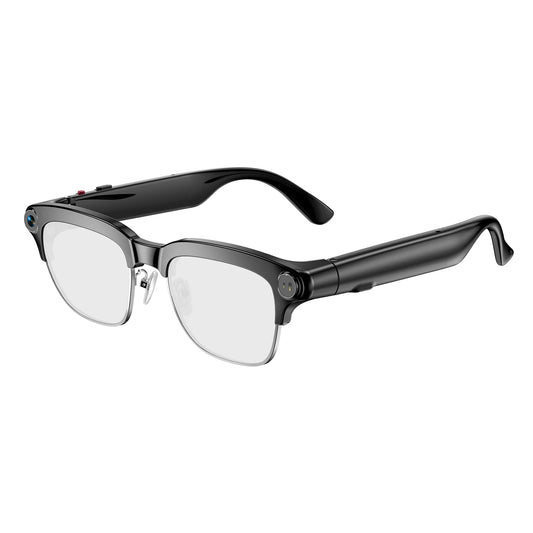
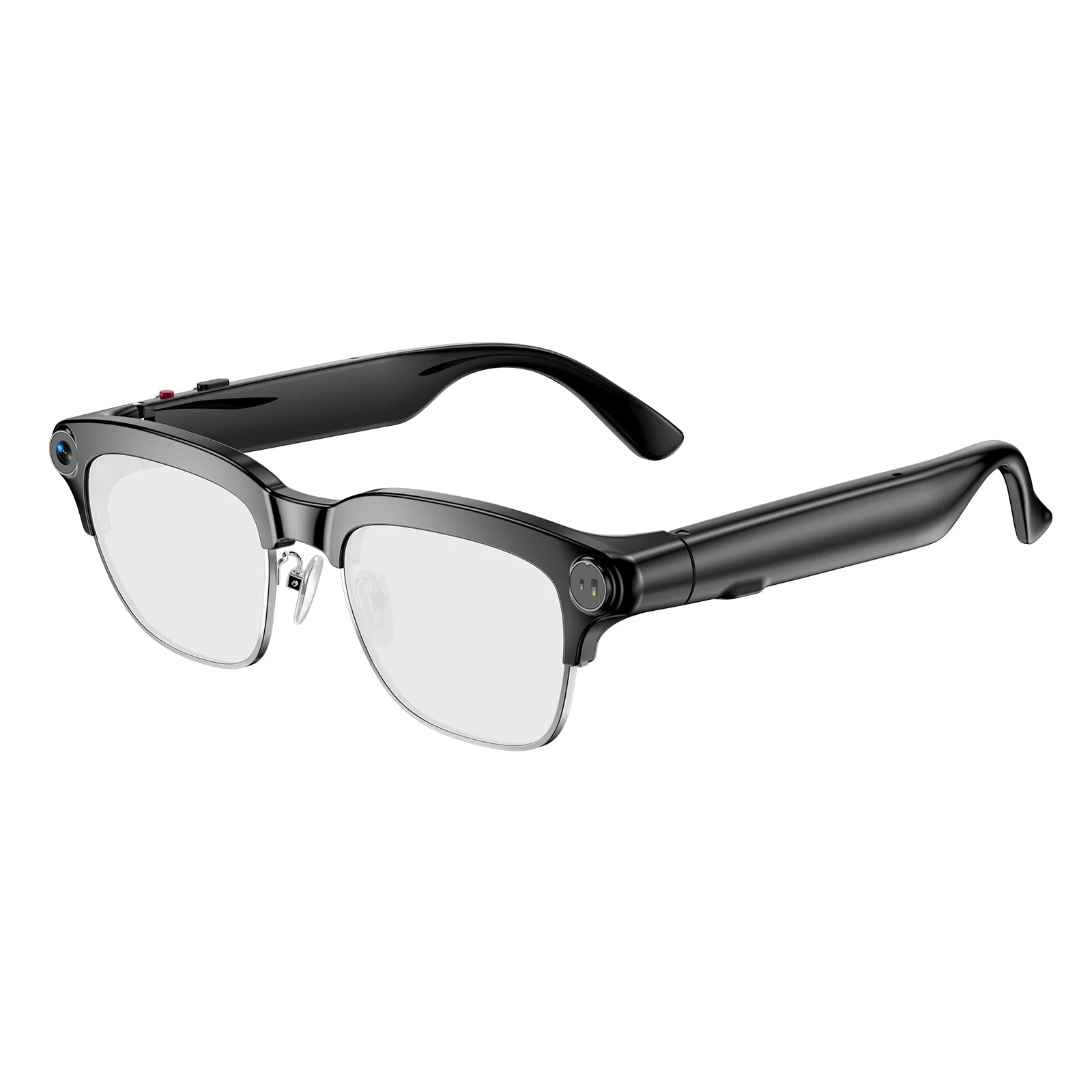
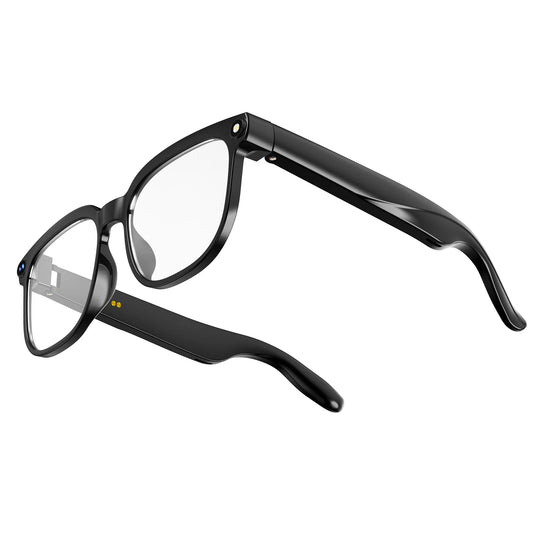
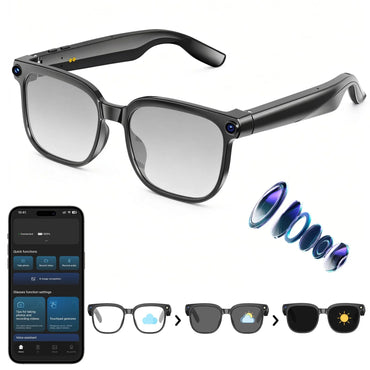
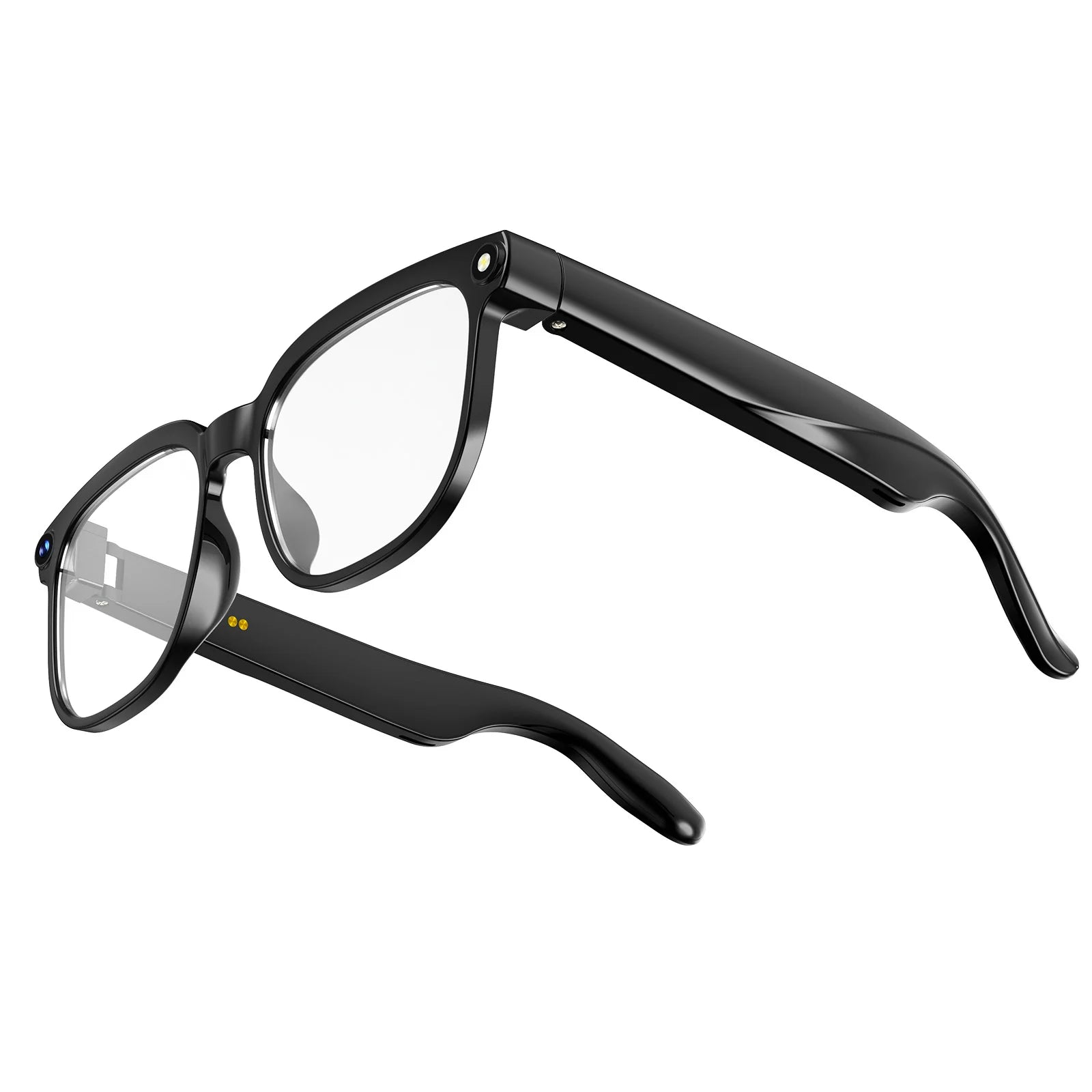
Understanding the current applications of smart glasses requires acknowledging the technological hurdles the industry has recently overcome. Early iterations of smart eyewear were plagued by bulky batteries, obtrusive cameras, and poor battery life, making them socially awkward and ergonomically uncomfortable. Today, miniaturization has allowed manufacturers to embed micro-speakers, dual HD cameras, and Bluetooth chips directly into the temples of standard-looking acetate and titanium frames.
The applications of smart glasses have evolved from niche gimmicks to essential daily tools. Modern life moves fast, and the ability to interact with digital assistants, answer phone calls, or record a fleeting moment without breaking eye contact or reaching for a smartphone represents a massive leap in user interface design. At Osawalla, we engineered our product lineup to disguise complex technology within timeless silhouettes, ensuring that the applications of smart glasses do not compromise your personal style or comfort.
2. Athletic Applications of Smart Glasses
The athletic sector has seen some of the most rapid adoption rates for wearable optics. Athletes require situational awareness, performance metrics, and entertainment without the encumbrance of tangled wires or screen distractions. The applications of smart glasses in sports are categorized primarily by visual recording and open-ear audio delivery.
2.1 Precision Video Capture for Cyclists
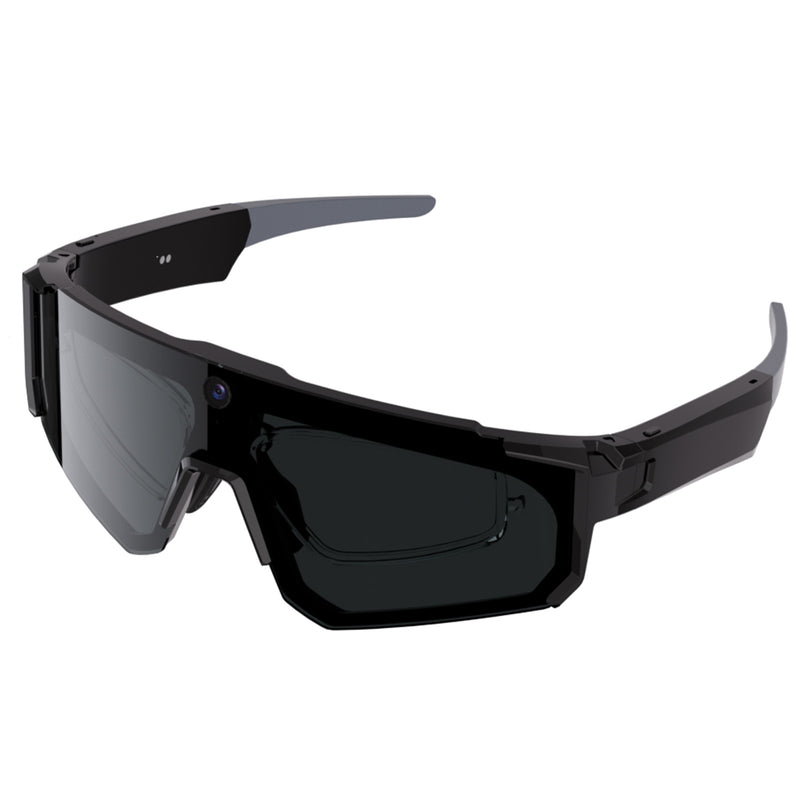
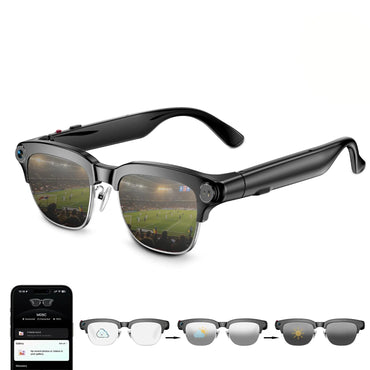
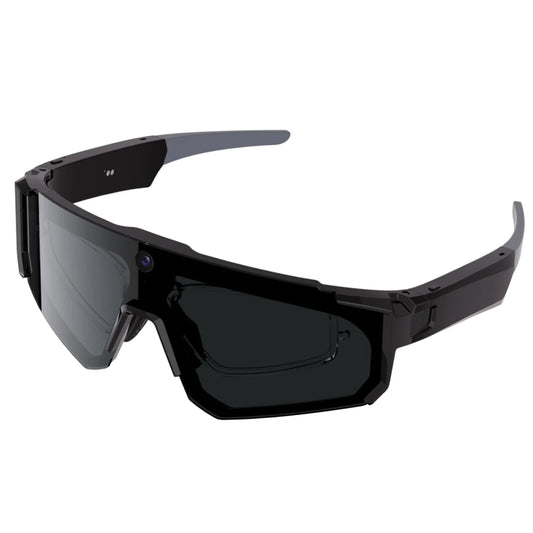
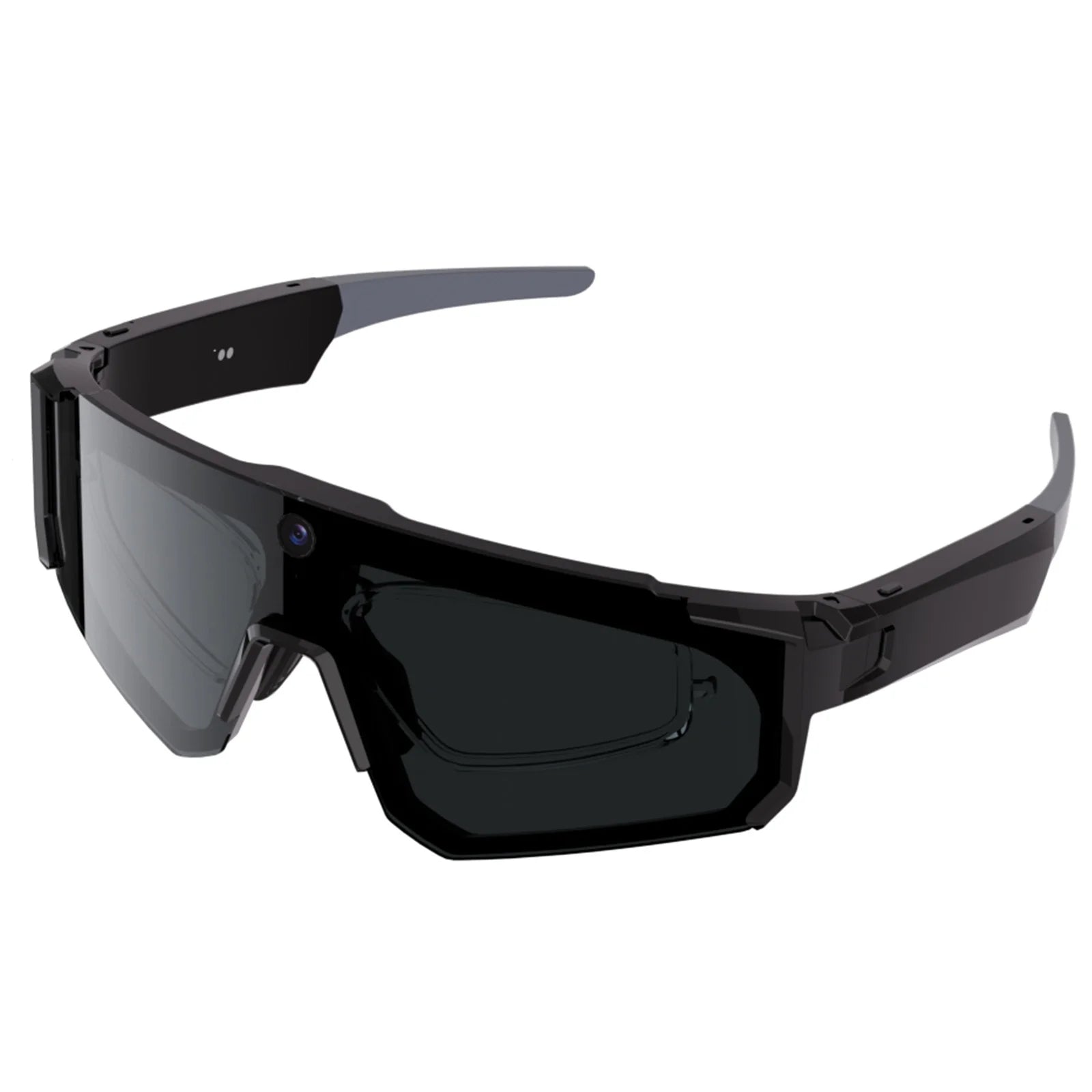
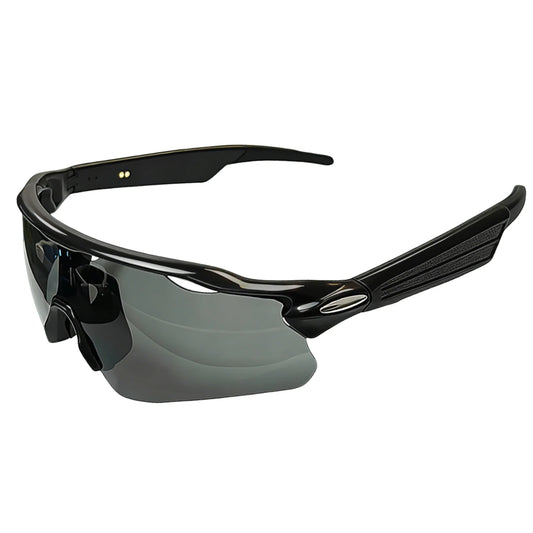
For competitive cyclists and mountain bikers, capturing route data and point-of-view video is essential for technique analysis and safety. Traditional action cameras mounted to helmets or handlebars add aerodynamic drag and can become dislodged. One of the most practical applications of smart glasses is integrated video capture. We recommend the GP04 Running & Cycling Video Glasses for this exact purpose. By embedding a high-definition, stabilized camera lens between the eyes, the recorded footage exactly matches the rider's line of sight. This application allows athletes to review technical descents, document traffic incidents for safety, and share immersive trail experiences without ever taking their hands off the handlebars.
2.2 Open-Ear Audio for Runners
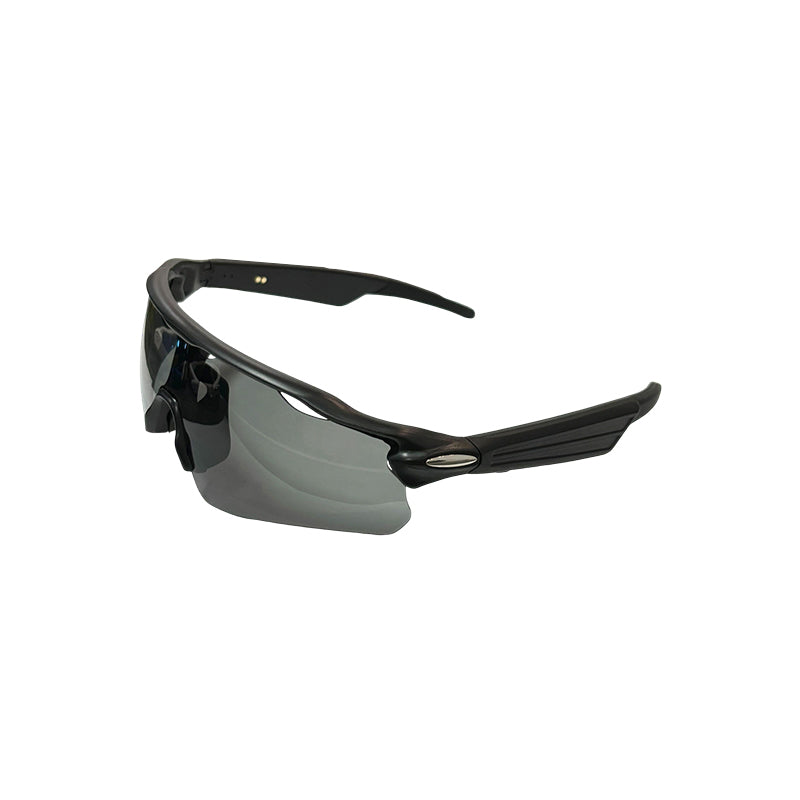
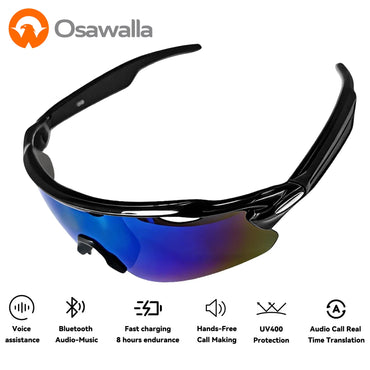
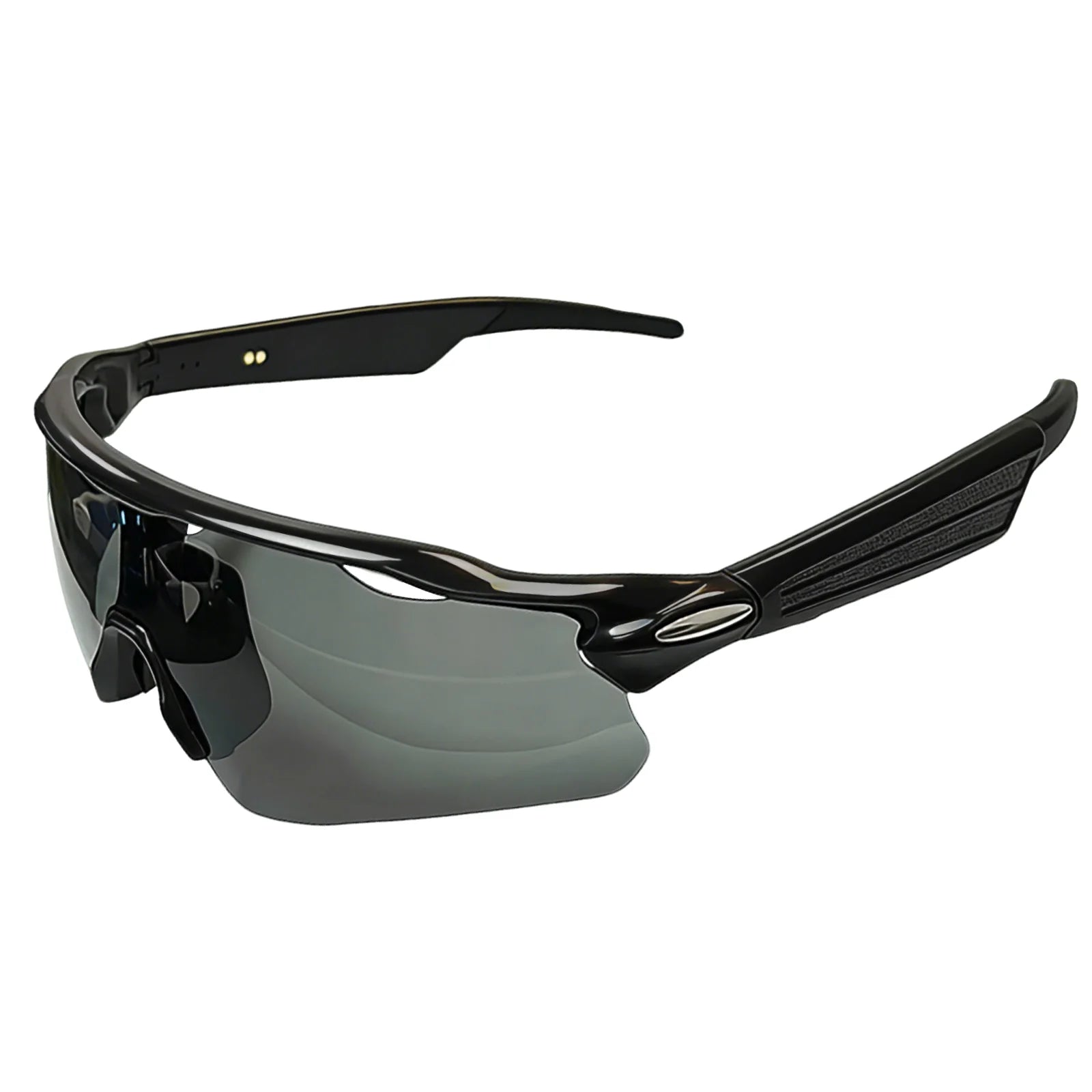
Runners face a unique challenge: they need audio motivation, but blocking their ear canals with traditional earbuds is a severe safety hazard in urban environments. The applications of smart glasses solve this through directional open-ear audio technology. The GG05 Running & Cycling Audio Glasses are engineered to project sound directly into the ear canal while leaving the ear physically unobstructed. From our experience, this is the safest way to consume podcasts, music, and GPS pacing metrics. The runner maintains complete auditory awareness of approaching vehicles, other pedestrians, and ambient environmental cues, drastically reducing the risk of accidents.
3. Everyday Connectivity and Lifestyle Integration
Beyond the trails and tracks, the applications of smart glasses seamlessly integrate into professional and casual environments. For the modern professional, transitioning between virtual meetings, commuting, and navigating city streets requires constant connectivity. Holding a phone or wearing bulky over-ear headphones creates physical barriers between the user and their surroundings.
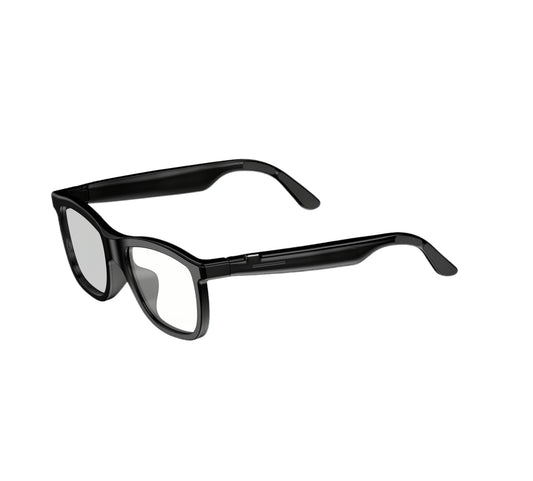
The GG04 Smart Audio Glasses are designed specifically for this demographic. These glasses utilize touch-sensitive temples, allowing the user to swipe to adjust volume, double-tap to answer incoming phone calls, or long-press to summon a digital assistant. The applications of smart glasses in this context revolve around frictionless communication. Furthermore, to ensure users maximize the potential of their devices, we provide the comprehensive GG06 Smart glasses use guide, detailing optimal Bluetooth pairing protocols, gesture customization, and battery management techniques to ensure all-day connectivity.
4. Health, Wellness, and Physiological Monitoring
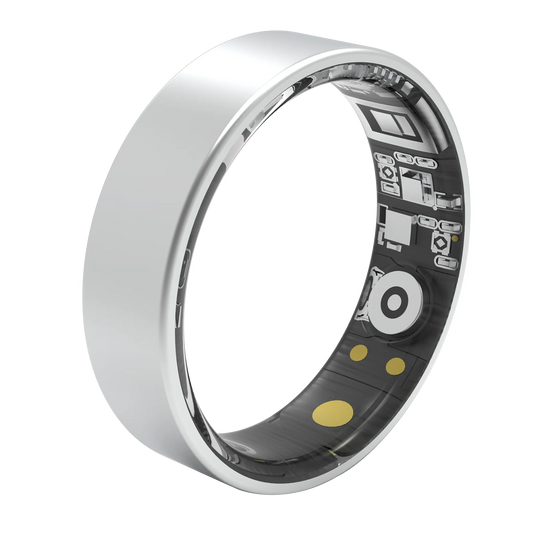
At Osawalla, our core philosophy dictates that understanding our bodies shouldn't be complicated. While wrist-based wearables have dominated the health tracking market, the applications of smart glasses in physiological monitoring represent the next frontier. Because glasses rest on the bridge of the nose and behind the ears, they are positioned near major blood vessels and the temporal bone, providing highly accurate biometric reading points.
The emerging applications of smart glasses include the integration of photoplethysmography (PPG) sensors to track heart rate variability (HRV) and stress levels throughout the day. By analyzing micro-movements of the head and blink rates, advanced smart glasses can detect the onset of visual fatigue and alert the user to take a screen break. Many people seek clearer insights into their sleep, stress, and daily physiological patterns, and smart eyewear provides a discrete, continuous method of gathering this data. We recommend looking for future iterations of smart eyewear that seamlessly sync this biometric data to comprehensive wellness applications, empowering you to stay connected to your well-being with confidence and ease.
5. Enterprise and Industrial Applications of Smart Glasses
While consumer adoption drives aesthetics, the enterprise sector drives functional utility. The industrial applications of smart glasses are revolutionizing manufacturing, warehousing, and remote medical diagnostics. In these environments, workers require both hands to operate machinery or handle delicate components, making tablets or clipboards inefficient.
In logistics, warehouse pickers utilize smart glasses equipped with augmented reality (AR) heads-up displays (HUD). The glasses highlight the exact bin location of an item and scan the barcode simply by the user looking at it, entirely eliminating the need for handheld RF scanners. From our experience analyzing enterprise efficiency, the applications of smart glasses in assembly lines reduce error rates by providing step-by-step schematic overlays directly in the technician's field of vision. Furthermore, remote assistance applications allow a senior engineer sitting in an office to see exactly what a field technician sees through the glasses' camera, providing real-time audio and visual guidance to repair complex machinery.
6. Summary Table: Use Cases and Features
To assist consumers in identifying the best device for their needs, we have compiled a summary table detailing the primary applications of smart glasses aligned with Osawalla's specialized product lineup.
| Primary Application | Key Features Required | Recommended Osawalla Product | Target User Demographic |
|---|---|---|---|
| Athletic Video Recording | HD Camera, Image Stabilization, Aerodynamic Frame | GP04 Running & Cycling Video Glasses | Cyclists, Mountain Bikers, Content Creators |
| Safe Outdoor Audio | Open-Ear Directional Audio, Sweat Resistance, Secure Fit | GG05 Running & Cycling Audio Glasses | Runners, Urban Joggers, Commuters |
| Professional Connectivity | Discrete Design, Touch Controls, Clear Microphones | GG04 Smart Audio Glasses | Office Professionals, Remote Workers |
| Device Optimization | Clear Instructions, Pairing Protocols, Gesture Mapping | GG06 Smart glasses use guide | All Osawalla Users |
7. Frequently Asked Questions (FAQs)
What are the primary applications of smart glasses for everyday users?
For the average consumer, the most practical applications of smart glasses include hands-free phone calls, listening to music or podcasts without blocking ambient noise, and capturing spontaneous photos or videos. Devices like the GG04 Smart Audio Glasses integrate these features seamlessly into standard-looking eyewear.
How do the GG05 Running & Cycling Audio Glasses protect my hearing?
From our experience, inserting earbuds during intense physical activity can lead to ear fatigue and block critical environmental sounds. The GG05 utilizes directional micro-speakers housed in the temples. This open-ear design projects sound directly toward your ear without physically entering the canal, allowing you to hear approaching cars and cyclists while still enjoying high-fidelity audio.
Are the applications of smart glasses suitable for prescription lenses?
Yes. At Osawalla, we understand that smart eyewear must function as traditional eyewear first. Our frames are designed to accommodate custom prescription lenses crafted by your optometrist. This ensures you do not have to choose between visual clarity and digital connectivity.
How does the GP04 Running & Cycling Video Glasses handle battery life during recording?
Recording continuous video is a power-intensive application. The GP04 is engineered with high-density lithium-polymer batteries concealed within the thicker temple arms, providing sufficient recording time for standard athletic sessions. We recommend consulting the GG06 Smart glasses use guide for best practices on extending battery life during extreme temperatures or prolonged rides.
8. Industry References
To further explore the technological advancements and regulatory standards shaping the future applications of smart glasses, we recommend consulting the following authoritative organizations:
- Institute of Electrical and Electronics Engineers (IEEE) - Research on Wearable Computing and Augmented Reality
- Bluetooth Special Interest Group (SIG) - Standards for Low Energy Audio Transmission
- American National Standards Institute (ANSI) - Impact Resistance and Optical Clarity Standards for Eyewear


