





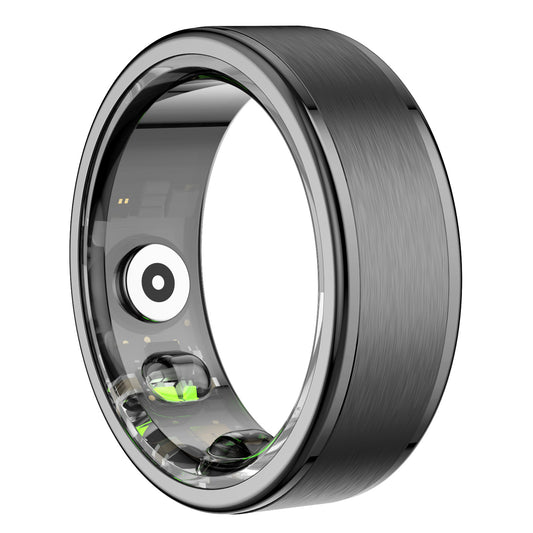
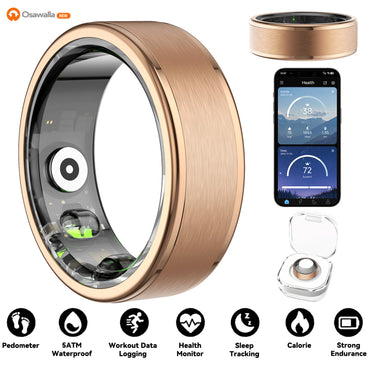
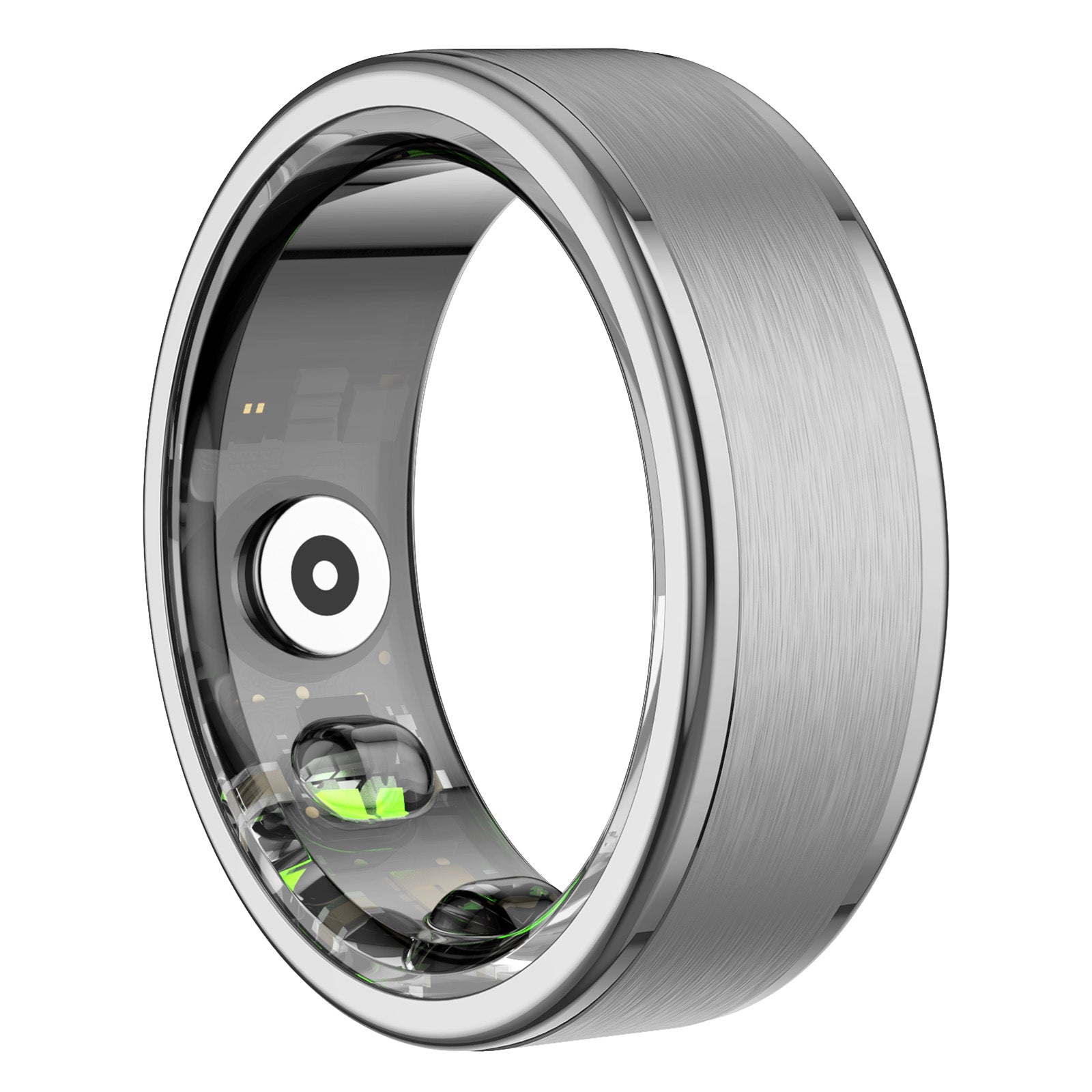
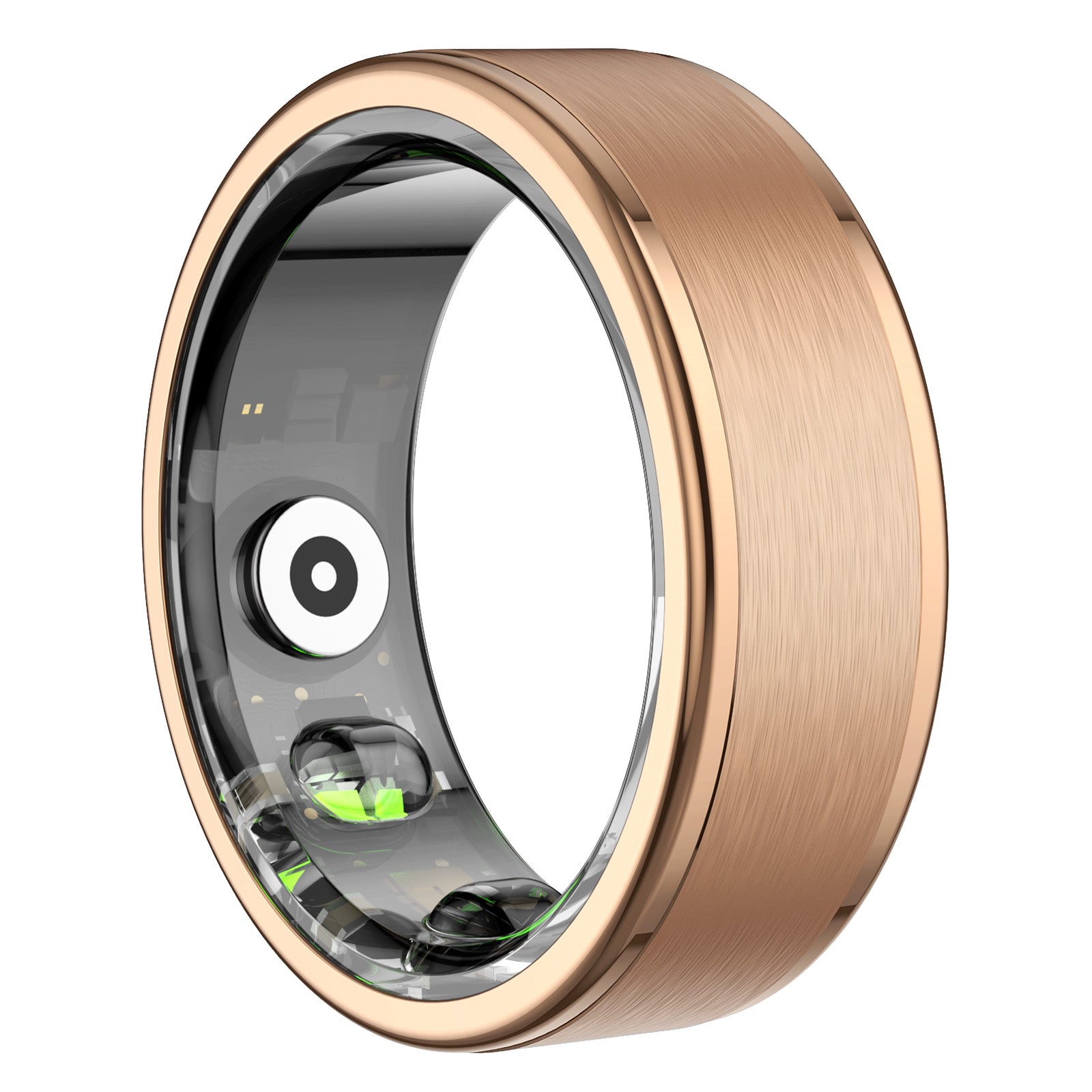


The consumer electronics market is experiencing a significant shift toward screen-free, minimalist form factors. As individuals experience digital fatigue from bright, flashing smartwatches and constant phone screen alerts, the demand for subtle, integrated biometrics has surged. Smart rings represent the absolute cutting edge of this micro-wearable transition, compressing complex circuit groups, advanced health sensors, and low-energy communication nodes into a tiny ring form factor. For product developers, biometric data analysts, and wellness enthusiasts, evaluating these compact tools requires a deep dive into engineering metrics rather than simple design styles.

From our experience at Osawalla, creating an efficient, all-day biometric system relies heavily on maximizing sensor density while maintaining low battery consumption. Standard oversized wrist wearables often suffer from signal loss due to wrist movement or poor skin contact during sleep. In contrast, the blood vessels inside human fingers provide exceptionally clear, stable arterial signals, making thin ring structures an ideal location for continuous biological tracking. Sourcing hardware that leverages the foundational Features of Smart Rings ensures that your daily health metrics remain highly accurate, private, and fully integrated with your active lifestyle. This engineering analysis reviews the six essential features transforming modern micro-wearables.
Table of Contents
- 1. Advanced Photoplethysmography (PPG) and High-Precision Biometrics
- 2. Screen-Free Minimalist Form Factor and Structural Substrates
- 3. Multi-Stage Sleep Analysis and Circadian Rhythm Mapping
- 4. Technical Specifications and Sourcing Reference Matrix
- 5. Ultra-Low Power Microcontrollers and Fast Induction Charging
- 6. Gesture Controls and Near-Field Communication (NFC) Integration
- 7. Extreme Environmental Sealing and Water Resistance Thresholds
- 8. Full-Stack Wearable Balance: Integrating Rings and Smart Glasses
- 9. Frequently Asked Questions (FAQs)
- 10. Wearable Technology and International Metrology References
1. Advanced Photoplethysmography (PPG) and High-Precision Biometrics
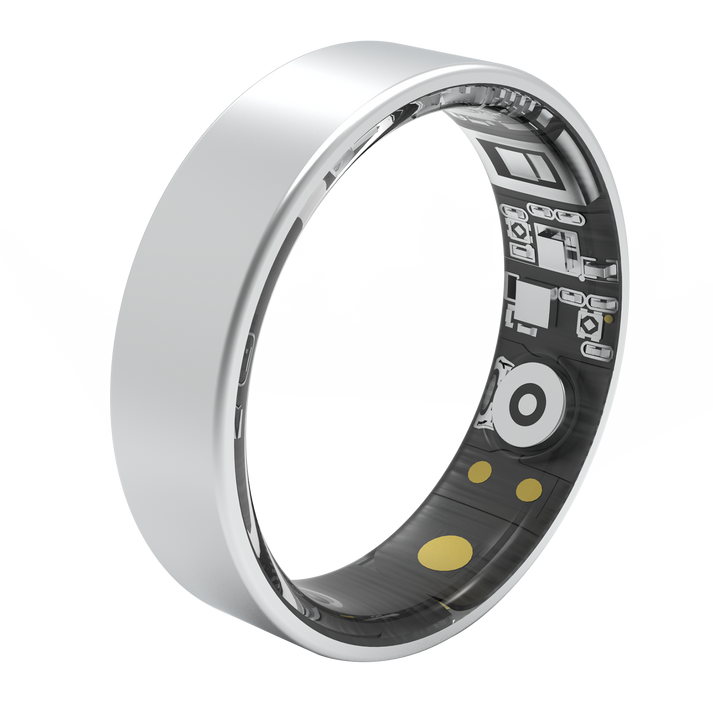
The primary engineering feature within the baseline Features of Smart Rings is the integration of advanced Photoplethysmography (PPG) sensor clusters. These sub-millimeter optical sensors emit distinct light wavelengths through the skin, measuring blood volume variations inside the digital arteries of the finger. Because the finger contains a high concentration of shallow capillary networks, these micro-sensors capture clean data streams with minimal background noise.
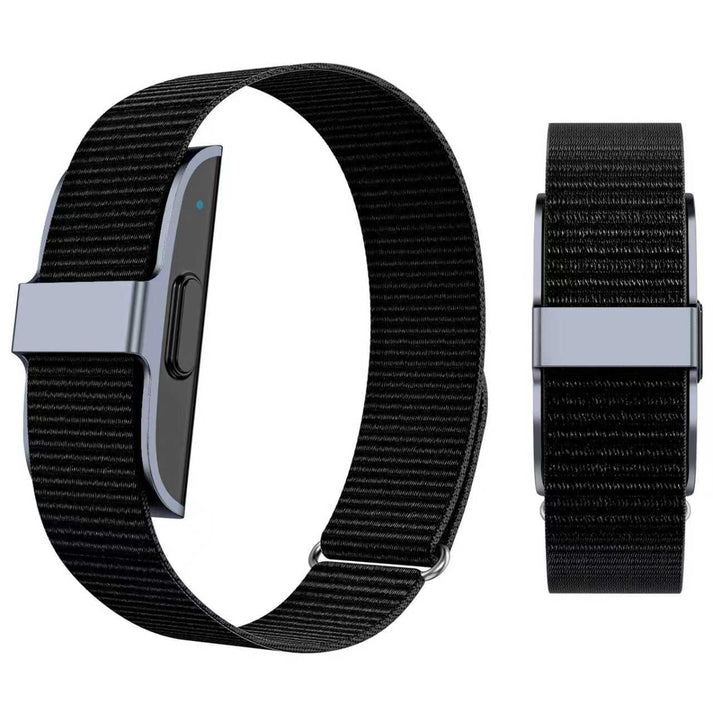
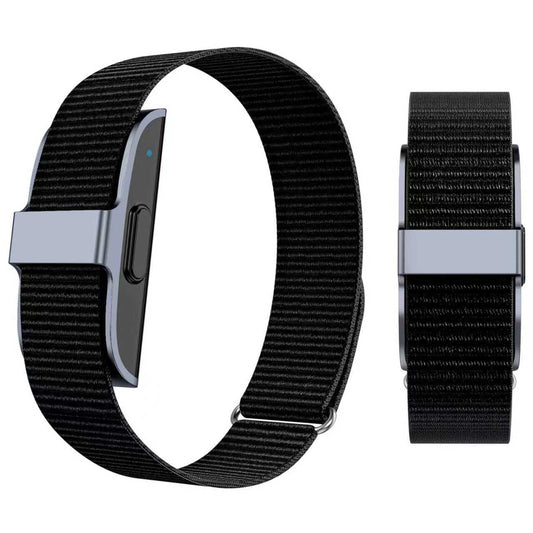
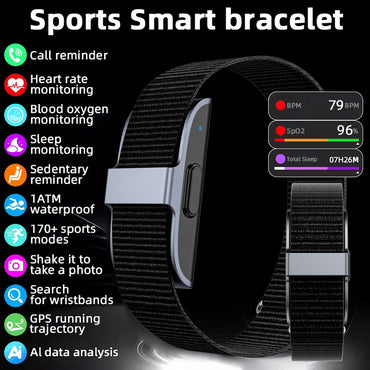
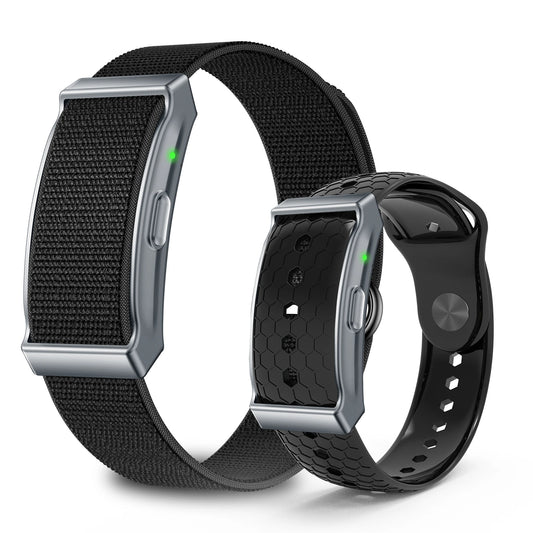
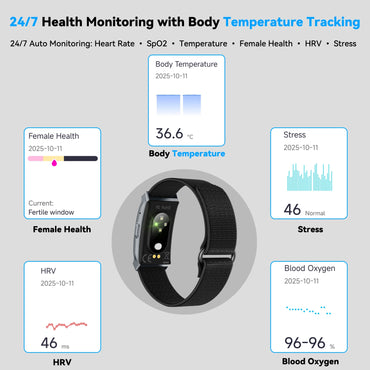
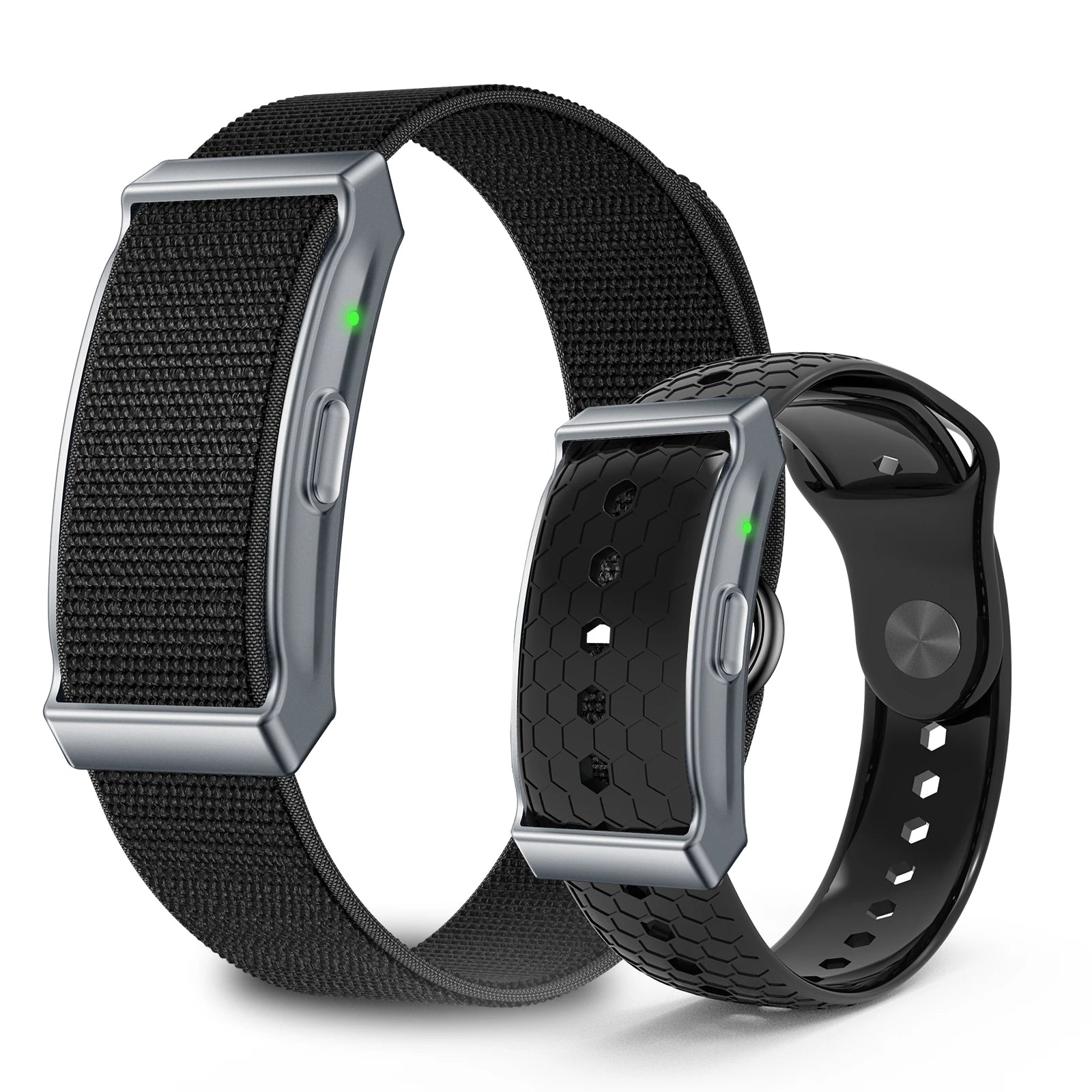
We recommend prioritizing sensor arrays that utilize a combination of red, green, and infrared LEDs. This multi-spectrum approach allows the device to calculate a wide range of real-world biological metrics simultaneously. A high-tier ring system processes heart rate variability (HRV), resting pulse rates, and blood oxygen saturation levels ($SpO_2$) effortlessly. For those seeking complete, 24/7 monitoring in a balanced form factor, integrating a high-precision device like our BG02 Smart Fitness Tracker Bracelet ensures uncompromised, comprehensive health monitoring. The tracker offers 24/7 real-time tracking of heart rate, sleep, blood pressure, blood oxygen, HRV, and stress levels, serving as an excellent metric baseline for modern wearable data networks.
2. Screen-Free Minimalist Form Factor and Structural Substrates
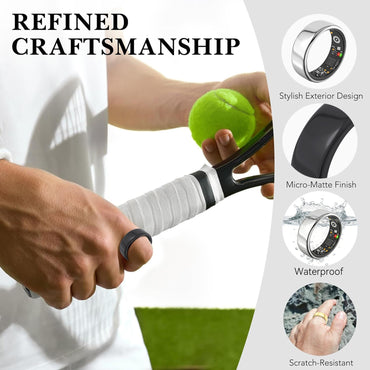
A defining architectural element when evaluating the core Features of Smart Rings is the deliberate omission of digital display screens. Removing complex glass touchscreens eliminates screen glare, protects user privacy, and significantly reduces structural vulnerability. This screen-free, minimalist style keeps users focused on their surroundings without constant message vibrations or bright notifications interrupting their daily tasks.
From our experience, the durability of a micro-wearable depends directly on its underlying structural substrate. Premium rings utilize aerospace-grade titanium, high-tech ceramics, or specialized medical-grade resins to form a light, hypoallergenic outer shell. These premium materials ensure the device remains highly scratch-resistant and impact-proof for all-day wear. This design philosophy matches the clean, distraction-free aesthetics favored by outdoor athletes and corporate professionals who require subtle technology that blends seamlessly with formal or casual attire.
3. Multi-Stage Sleep Analysis and Circadian Rhythm Mapping
Because fingers maintain close, steady skin contact throughout the night, smart rings excel at high-accuracy sleep diagnostics. Wrist-mounted trackers often slide out of position when a sleeper turns, causing large gaps in data collection. A snug smart ring captures smooth, uninterrupted data, providing highly reliable circadian rhythm tracking.
We recommend utilizing these micro-wearables to monitor multi-stage sleep architecture, dividing rest periods into light, deep, and REM sleep cycles. By tracking subtle shifts in skin temperature and heart rate variability during the night, the companion app generates personalized sleep reports to help users optimize their recovery routines. To discover how these tracking systems match alternative fashion tech, design teams can read our market analysis on the top new smart glasses 2026 line to build complete, streamlined personal data networks.
4. Technical Specifications and Sourcing Reference Matrix
To assist product developers, corporate sourcing managers, and technology distributors in analyzing the essential Features of Smart Rings, the following responsive summary table details the vital hardware metrics and structural configurations of modern wearable systems.
| Core Engineering Feature | Standard Baseline Parameters | Advanced Sourcing Standards | Primary Operational Advantage |
|---|---|---|---|
| Biometric Sensor Assembly | Single-wavelength green PPG | Multi-spectrum red, green, & IR arrays | Delivers highly accurate HRV, pulse, & blood oxygen tracking |
| Chassis Material Substrate | Basic molded ABS plastics | Aerospace Titanium / Technical Ceramics | Ensures scratch-resistant, impact-proof durability |
| Water Resistance Rating | Standard IP67 splash barriers | IP68 Sealing / 5ATM to 10ATM | Supports high-depth swimming and diving safely |
| Power Management System | 2-3 days of passive standby | 7-10 days of active continuous use | Eliminates frequent charging; extends tracking cycles |
| Wireless Interface Module | Standard Bluetooth 4.2 LE | Bluetooth 5.2 Low Energy + NFC Chip | Enables contactless secure payments & rapid syncing |
5. Ultra-Low Power Microcontrollers and Fast Induction Charging
Compressing battery cells into a ring structure creates a unique space constraint for electrical design teams. While a smartwatch can house a large lithium battery, a smart ring must operate using an ultra-compact custom battery cell. To deliver a reliable user experience, the device relies on advanced ultra-low power microcontrollers that manage power use efficiently.
A high-quality ring system achieves a balance of 7 to 10 days of continuous use or up to 15 to 20 days of passive standby on a single charge. To avoid the hassle of frequent plugging, modern rings integrate fast induction charging plates on their inner surface, allowing the device to hit full capacity in under 1.5 hours using a compact wireless charging cradle. For users looking to compare power metrics across sleek tracking forms, our flagship BG02 Smart Fitness Tracker Bracelet delivers an identical 7-10 days of continuous use, setting an excellent benchmark for compact power layout efficiency.
6. Gesture Controls and Near-Field Communication (NFC) Integration
Beyond passive health monitoring, modern micro-wearables serve as active digital interfaces. Integrating compact Near-Field Communication (NFC) chipsets into the ring's circumference transforms the device into a secure, contactless communication tool. Users can complete retail transactions, unlock smart home door barrels, or exchange digital business cards with a quick wave of their hand.
Simultaneously, embedded inertial measurement units (IMUs)—incorporating high-accuracy 6-axis accelerometers and gyroscopes—enable touch-free gesture controls. By detecting subtle finger movements, users can skip media tracks, control presentation slides, or snap photos on a paired smartphone remotely. To explore how gesture tracking connects with smart optical platforms, developers can check our evaluation covering a comprehensive smart glasses with camera review to see how hand gestures work with face-mounted lenses.
7. Extreme Environmental Sealing and Water Resistance Thresholds
Because rings are continuously exposed to handwashing, dish detergents, body sweat, and changing weather conditions, high-grade environmental sealing is non-negotiable. A premium wearable must implement a completely seamless internal molding design, encapsulating the circuit boards inside a protective resin layer to block moisture entirely.
We recommend mandating an IP68 water resistance rating as a minimum standard for active users. This advanced level of environmental protection ensures the device remains fully functional during intense gym sessions, lap swimming, and outdoor wilderness exploration. For consumers who participate in high-velocity water sports or deep diving, verifying the device's explicit atmosphere pressure (ATM) rating prevents water ingress and ensures long-term operational life.
8. Full-Stack Wearable Balance: Integrating Rings and Smart Glasses
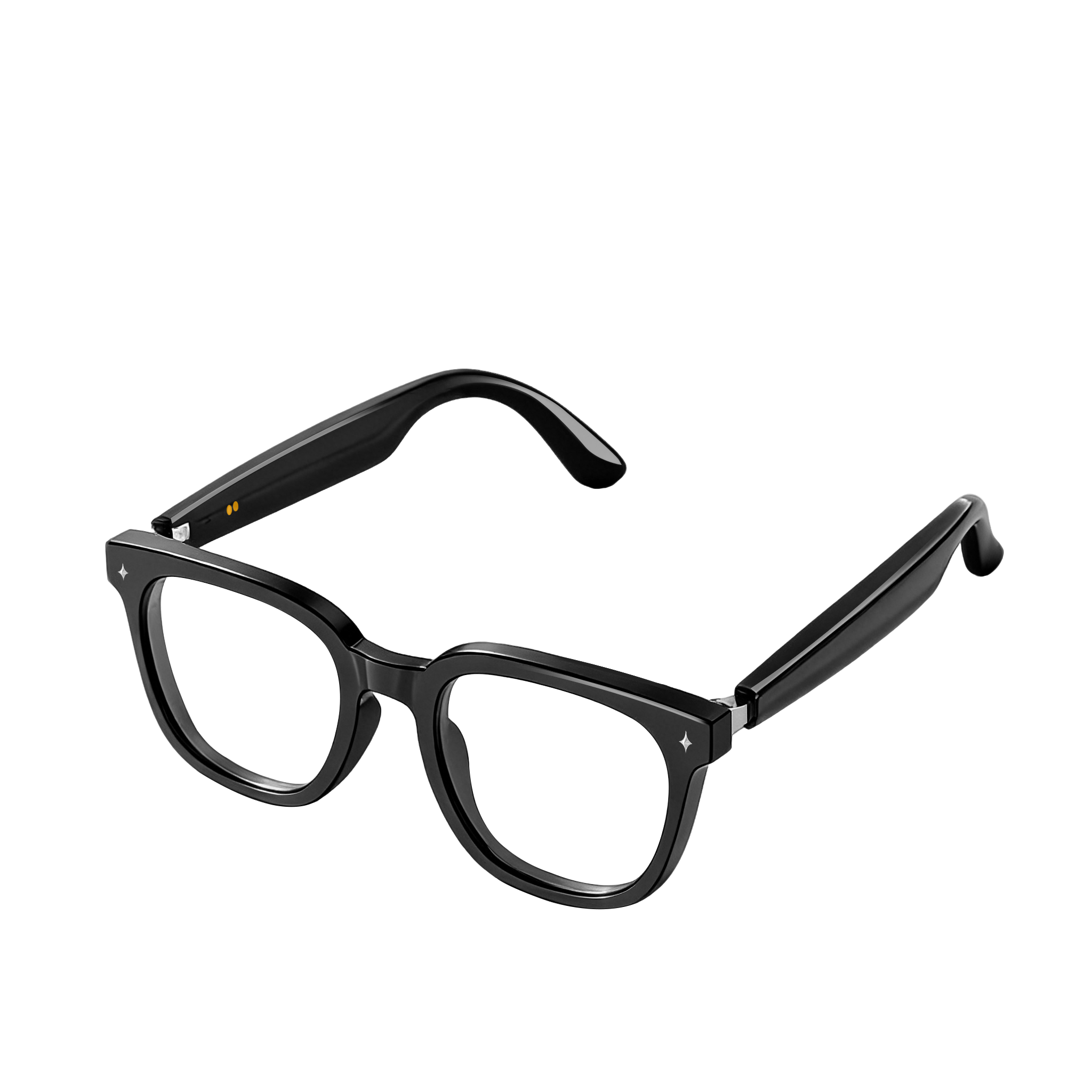
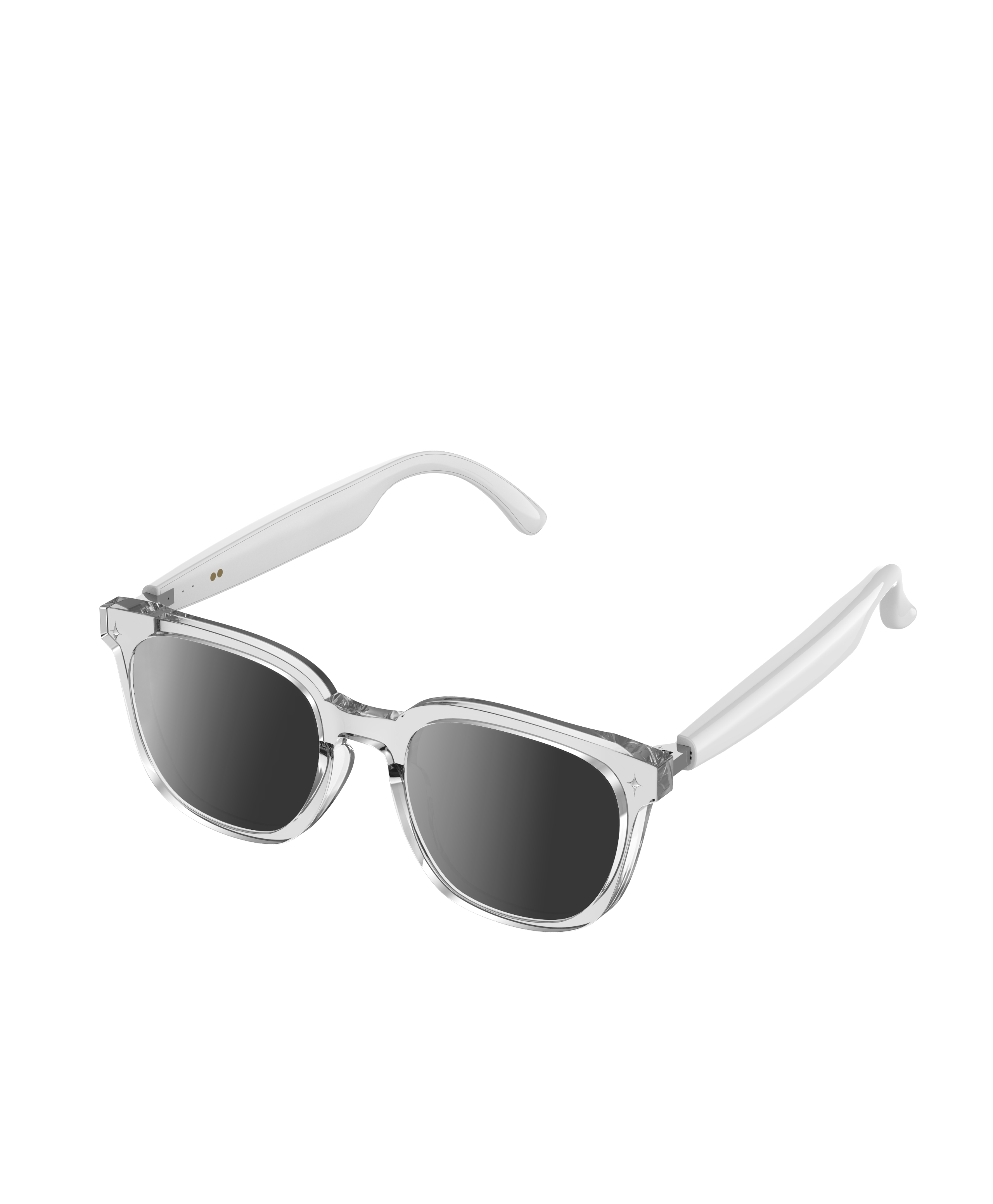
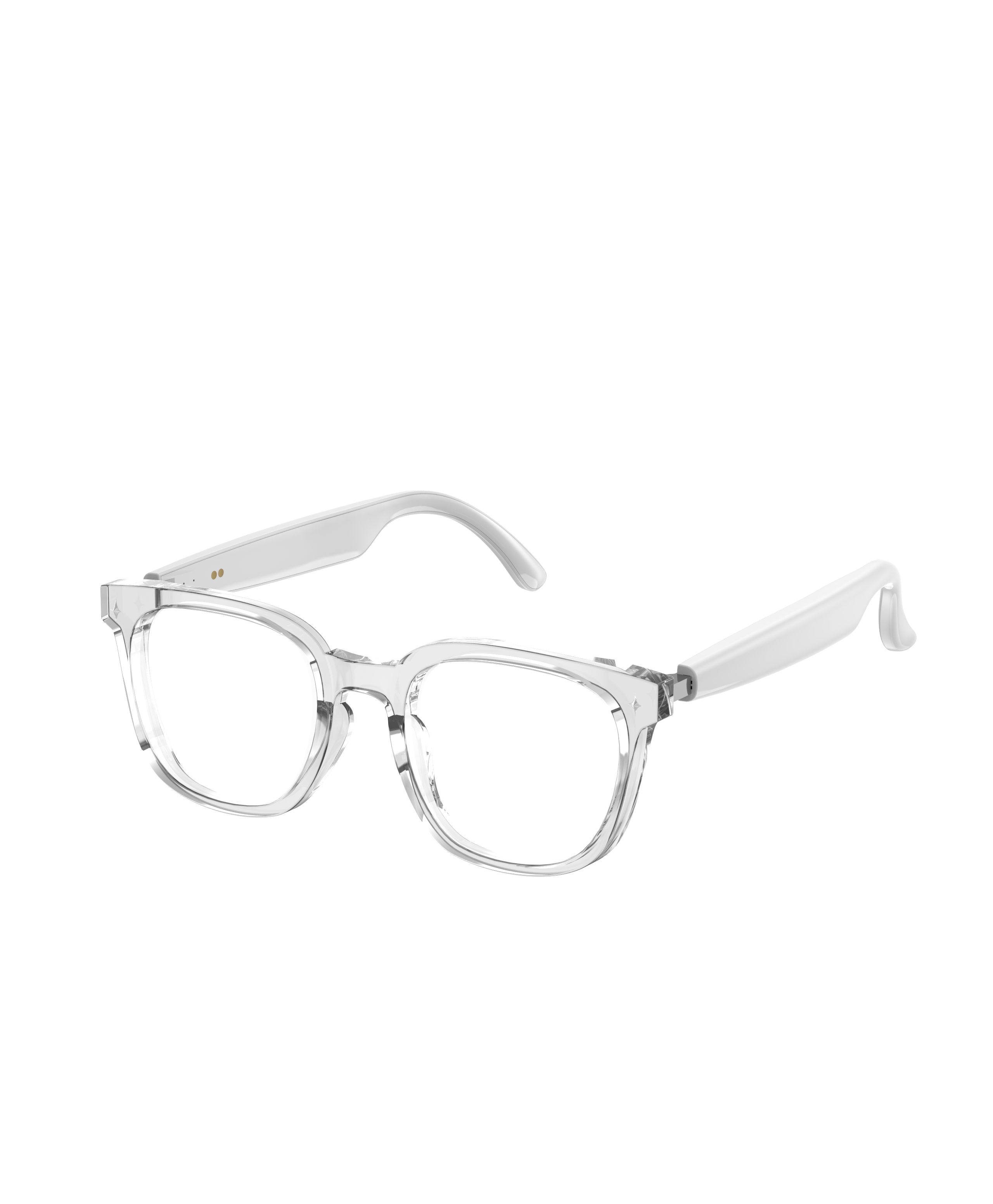
From our experience at Osawalla, the future of personal technology relies on building a balanced ecosystem of discrete, complementary wearables. Relying on a single device can overcomplicate data collection. By pairing a finger-based health ring with specialized smart eyewear, users can distribute technical tasks across separate, highly efficient platforms to optimize their daily routines.
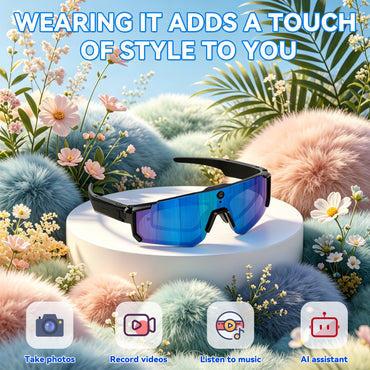
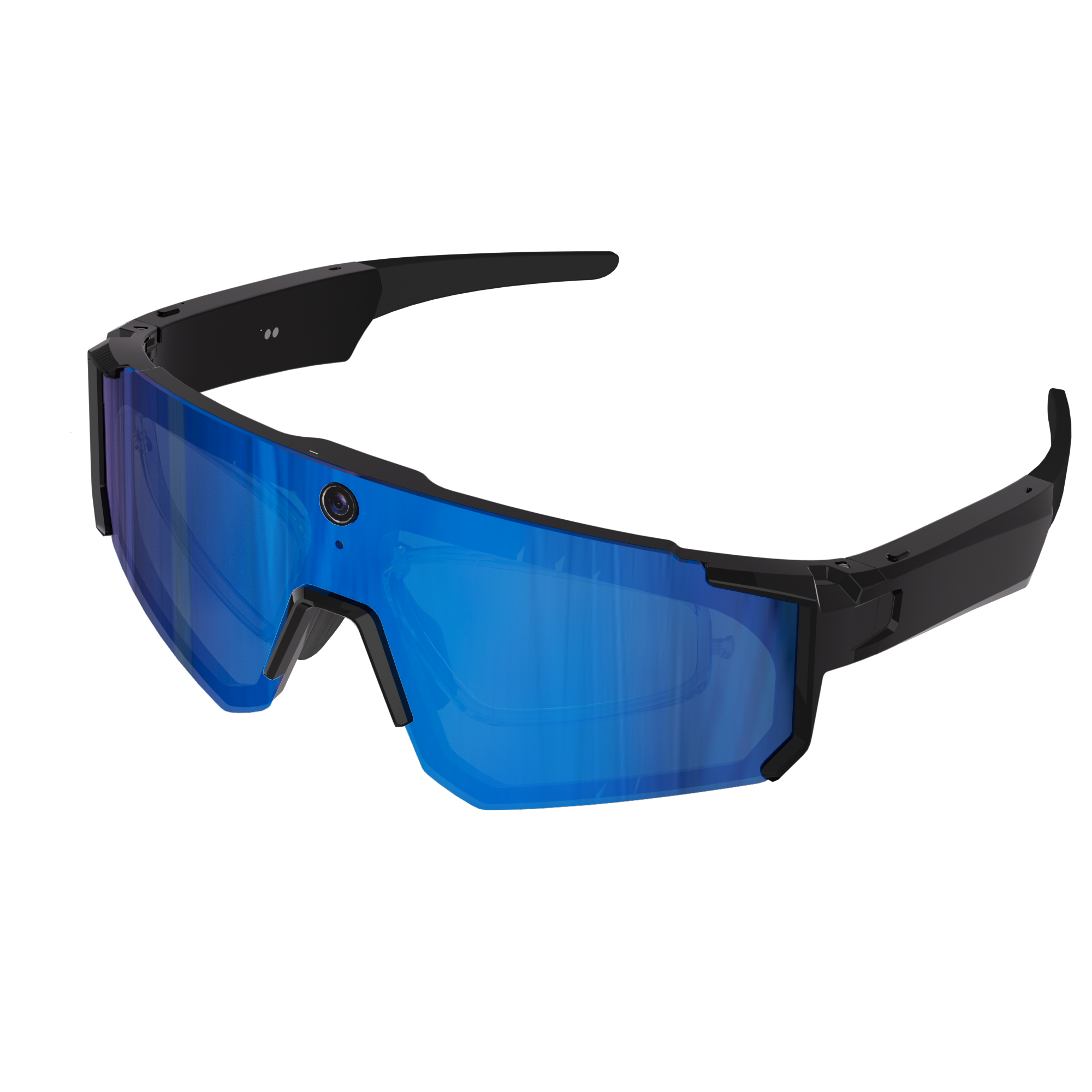
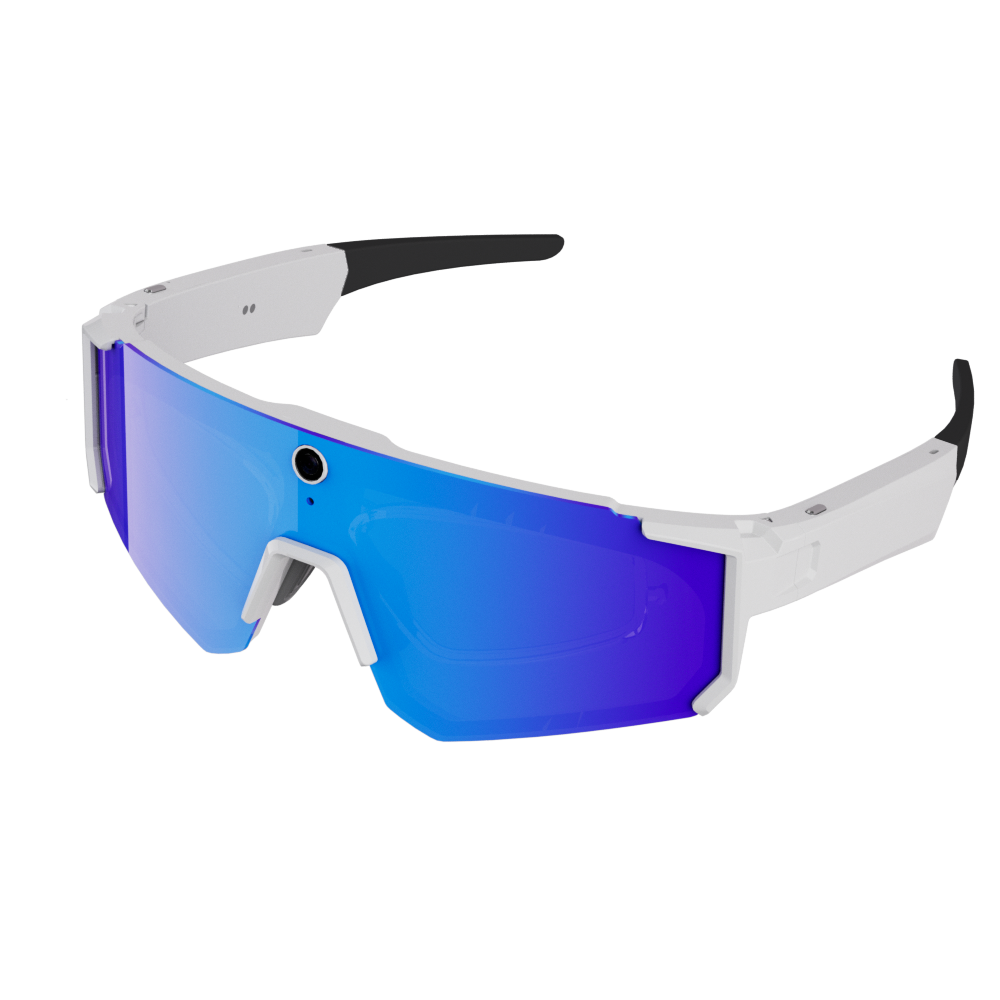
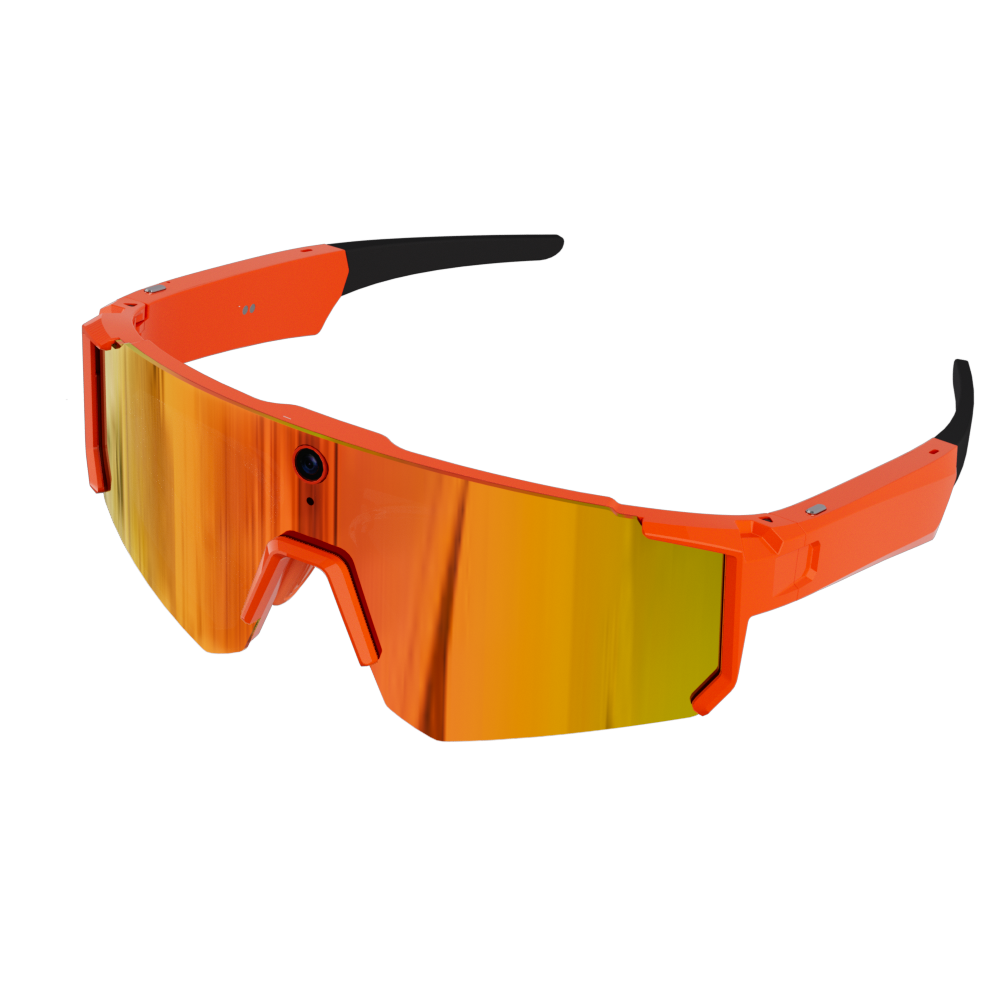
To analyze how automated data displays operate outside of traditional phone screens, managers can review our guide covering smart glasses applications 2026. For outdoor athletes and active commuters who require clear, hands-free media tracking alongside real-time video capture, selecting high-performance optics from our best smart sunglasses with camera array ensures top-tier performance. Users can study the technical evolution of this category by exploring our historical review of the future of smart glasses technology. Finally, to find lightweight, high-durability frames designed specifically for sports and training, check our look at smart wearable glasses for active lifestyle options to complete your personal data network.
9. Frequently Asked Questions (FAQs)
10. Wearable Technology and International Metrology References
1. International Electrotechnical Commission. (2024). Wearable electronic devices and technologies — Part 1: Mechanical durability, biometric sensor alignment, and environmental water resistance testing protocols for micro-wearable configurations (IEC Standard No. 63203-1:2021). Geneva, Switzerland. Available via https://www.iec.ch/)
2. Institute of Electrical and Electronics Engineers. (2025). Standard for Low-Energy Wireless Communication, Photoplethysmography Signal Calibration, and Near-Field Data Exchange Security in Finger-Mounted Smart Wearables (IEEE Std 2145-2023). Academic Engineering Database.
3. Underwriters Laboratories. (2026). Safety Standard for Lithium-Ion Micro-Battery Configurations, Induction Fast Charging Circuits, and Resin-Encapsulated Component Insulation in Close-Skin Wearable Assets (UL Standard No. 2271). Global Materials Testing Reference Repository.


