


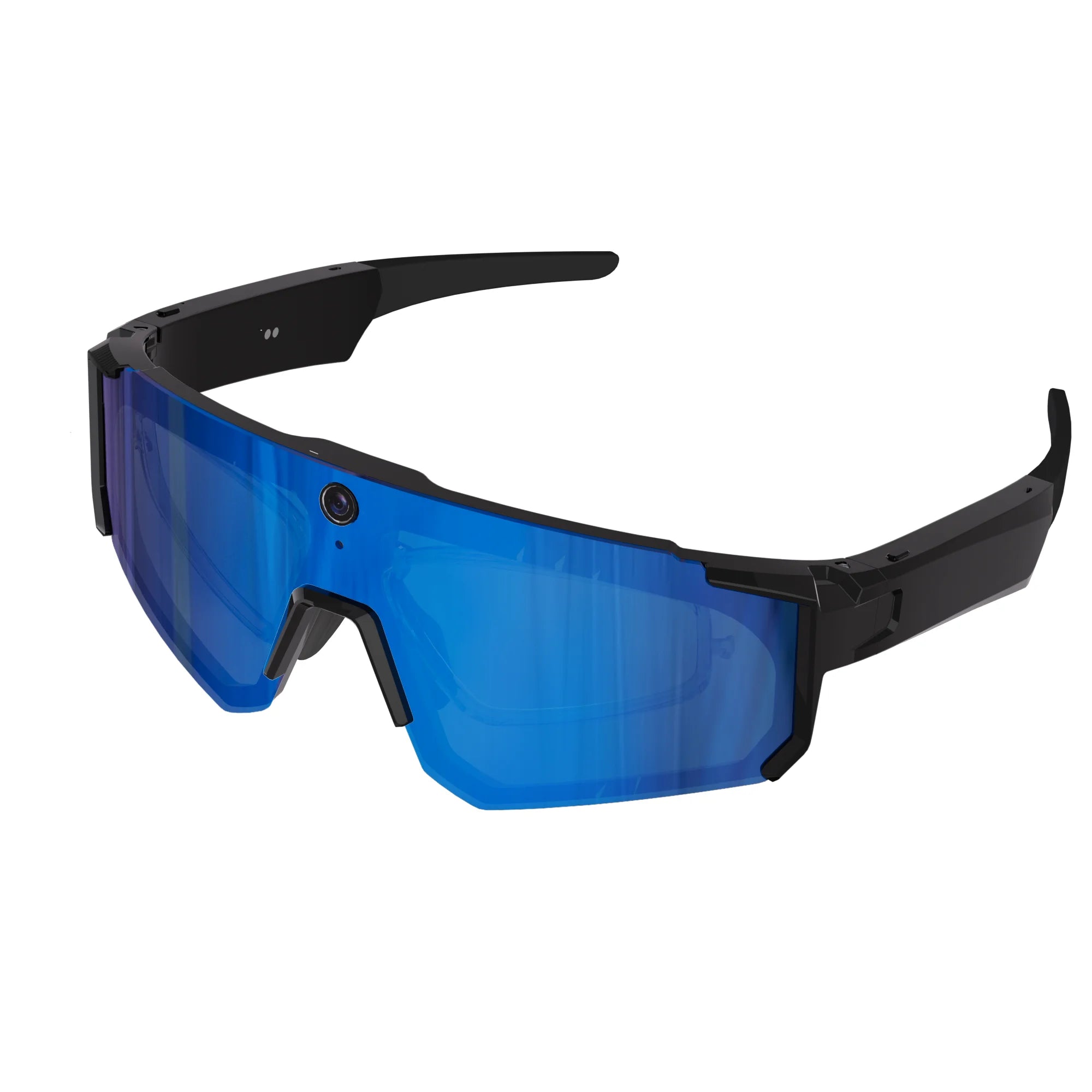
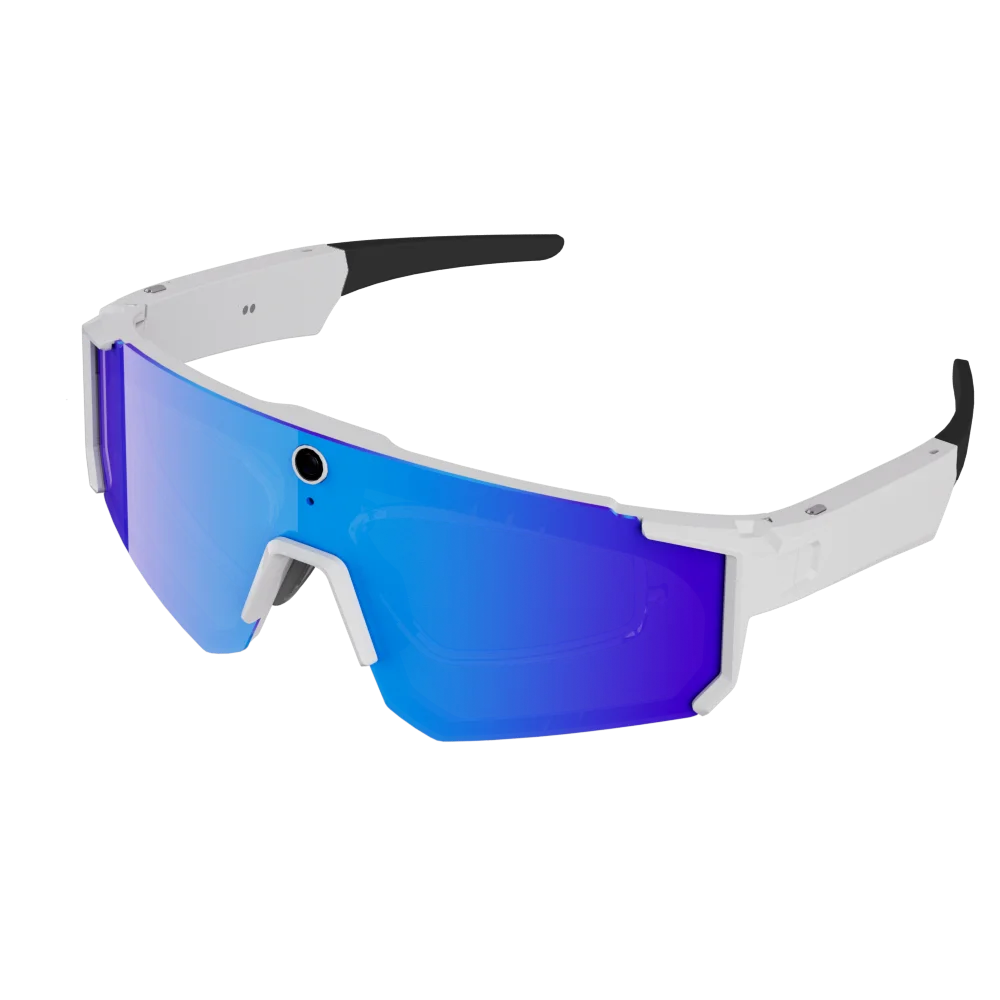
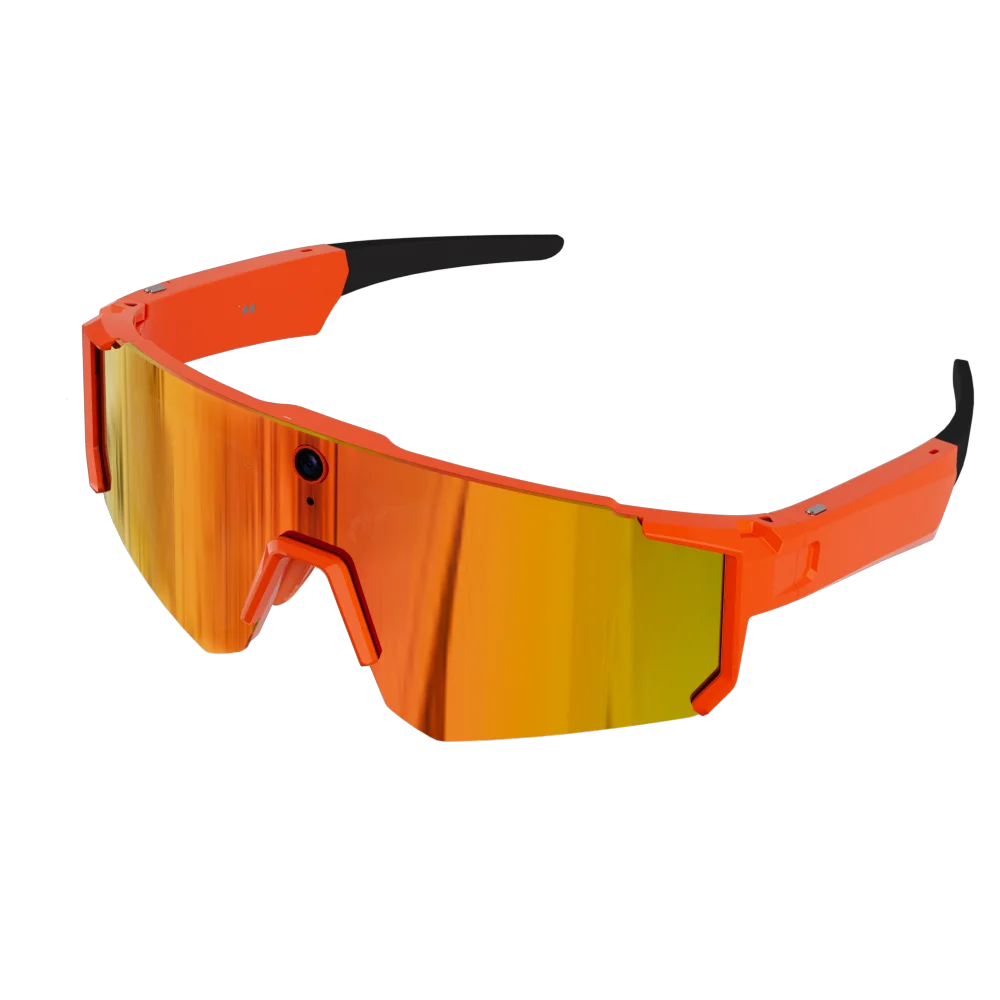
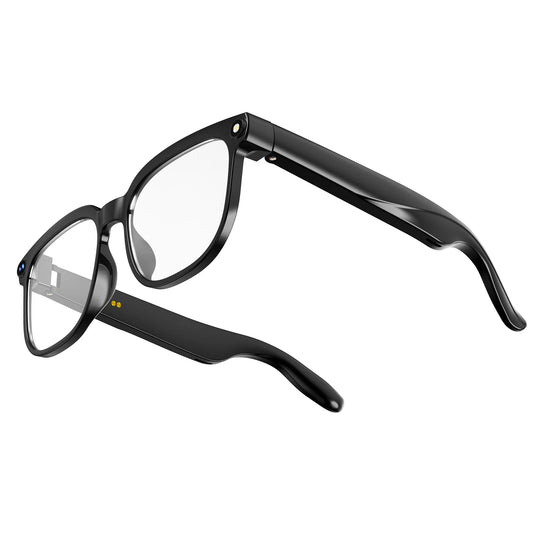
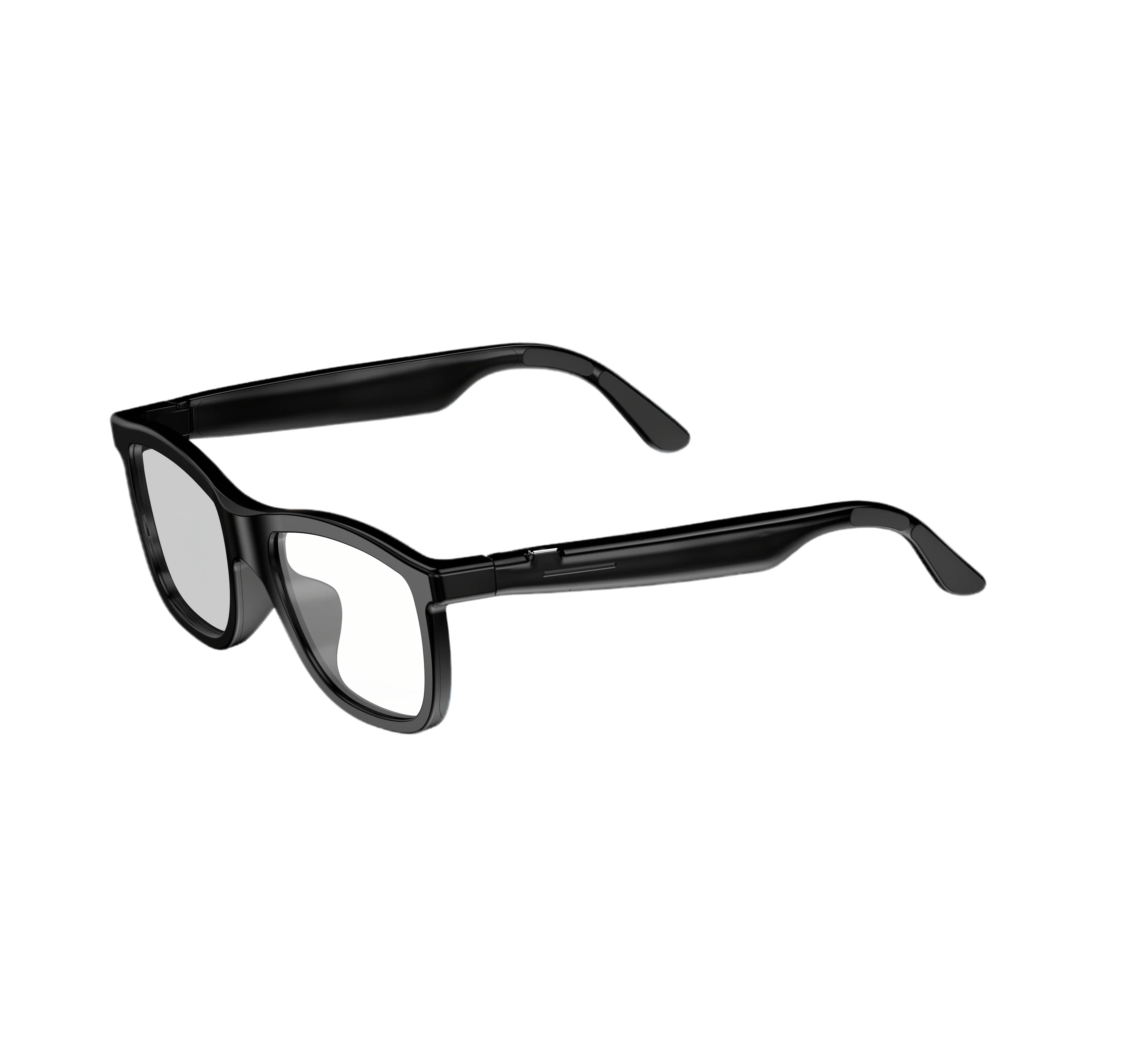
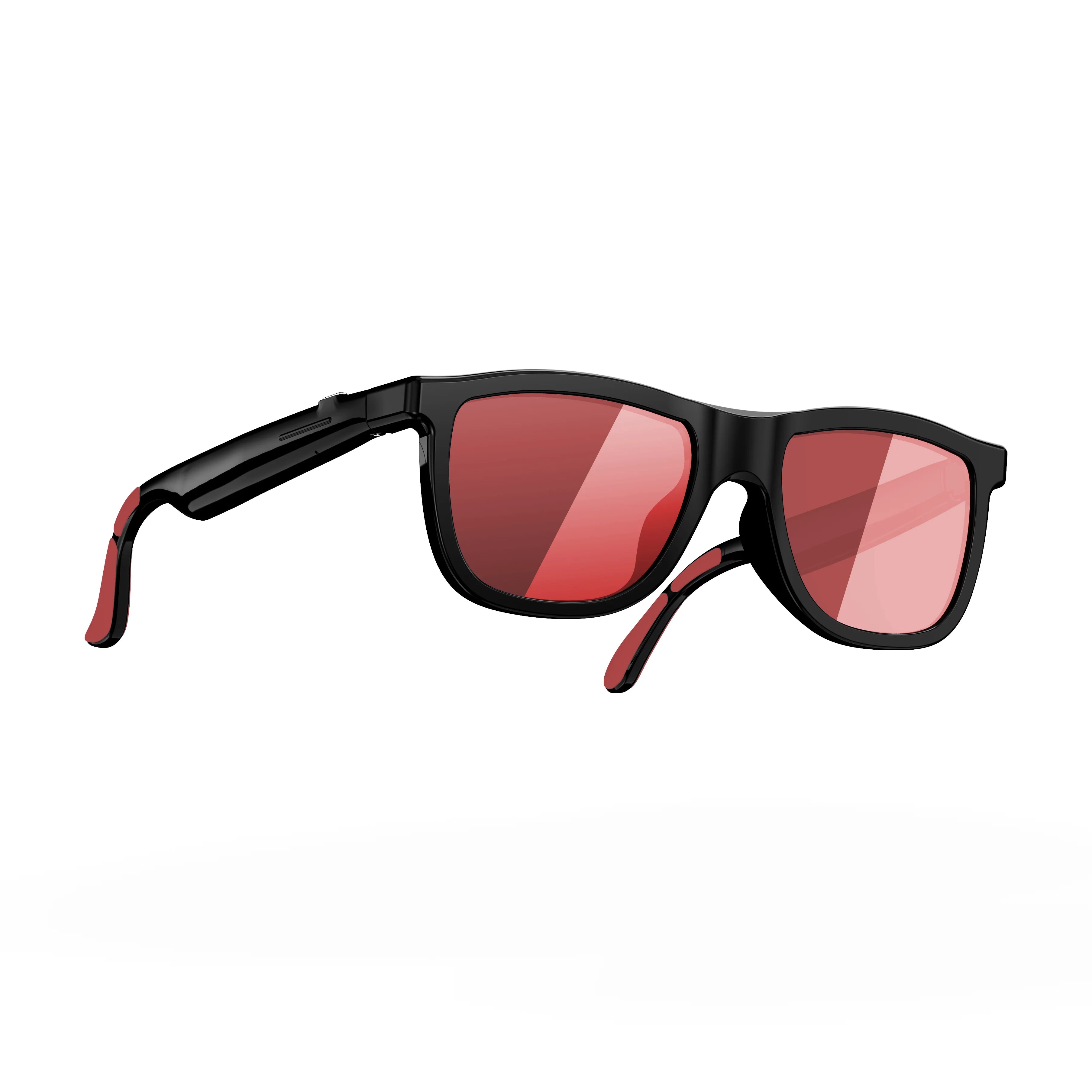
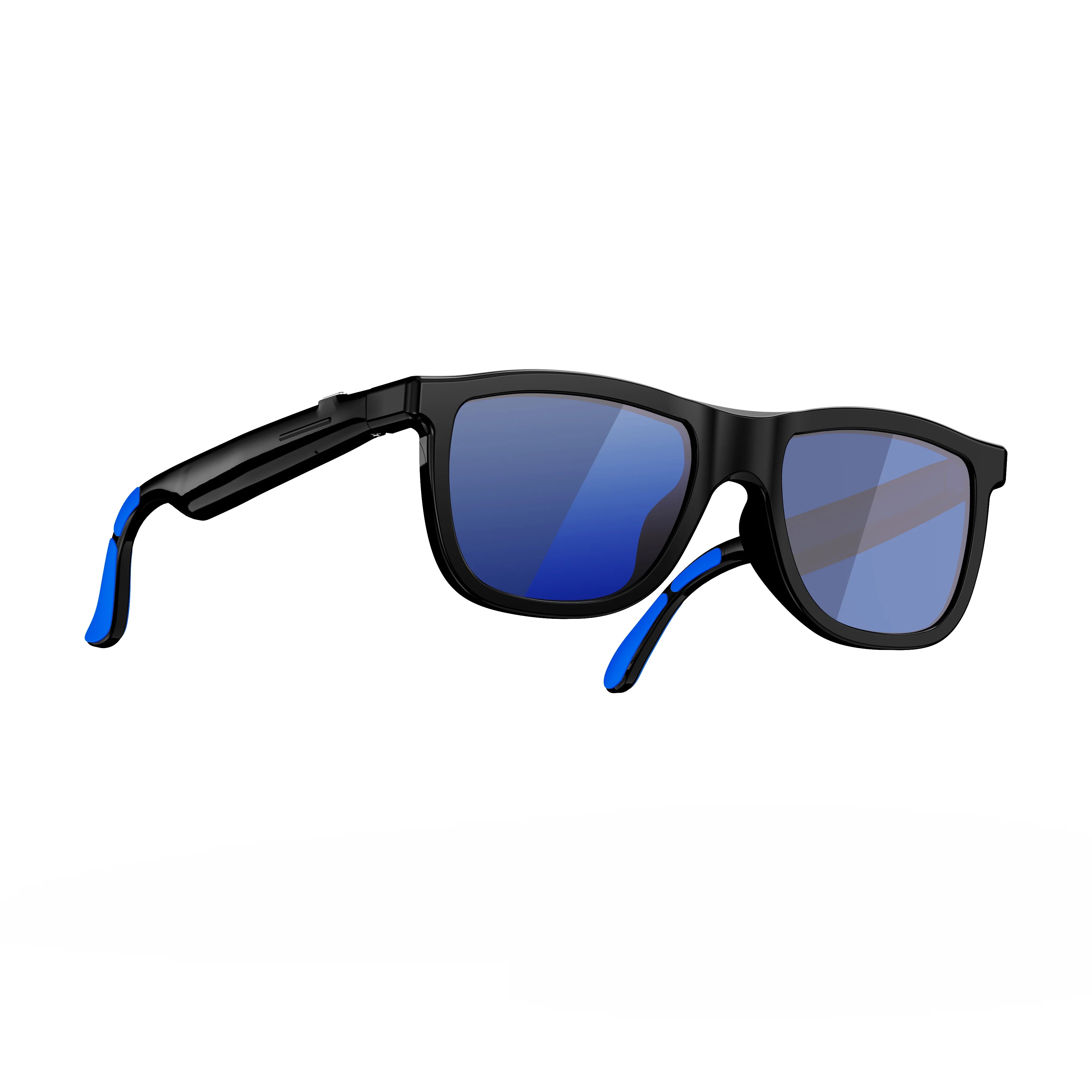
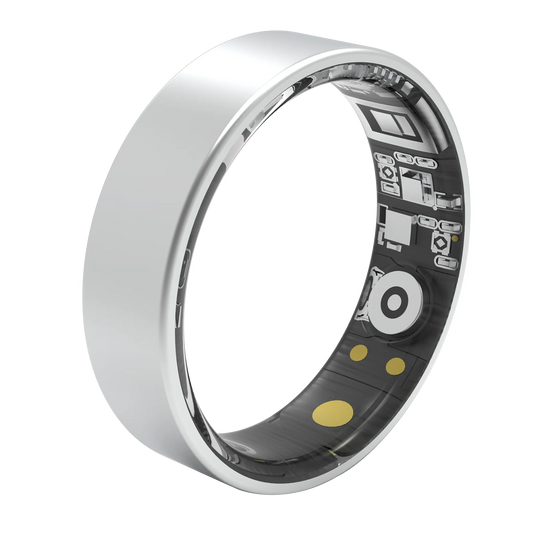




El panorama de la tecnología vestible ha experimentado una transformación masiva durante la última década. Dejando atrás los voluminosos y engorrosos auriculares, la ingeniería moderna ha logrado miniaturizar complejos equipos computacionales en elegantes gafas de uso diario. Para consumidores, entusiastas de la tecnología y profesionales de la industria, comprender exactamente cómo funcionan las gafas inteligentes es esencial para maximizar su utilidad. Estos dispositivos ya no son meras novedades; son instrumentos sofisticados que tienden un puente entre la conectividad digital y la interacción con el entorno. En Osawalla, hemos dedicado nuestra investigación y desarrollo a perfeccionar esta integración, asegurando que la forma en que funcionan las gafas inteligentes se sienta completamente natural e intuitiva para el usuario.

Según nuestra experiencia en ingeniería óptica y electrónica de consumo, la pregunta más frecuente que recibimos se refiere a la tecnología subyacente. ¿Cómo funcionan las gafas inteligentes para combinar a la perfección audio, inteligencia artificial y tinte dinámico de lentes sin comprometer la comodidad ni la estética? La respuesta radica en la convergencia de materiales electrocrómicos, protocolos Bluetooth avanzados y microbaterías de alta densidad. En esta guía completa y autorizada, analizaremos la arquitectura mecánica y digital de las gafas inteligentes modernas, utilizando las Gafas de Audio Inteligentes Osawalla GG06 de 2026 como nuestro principal punto de referencia técnico para ilustrar exactamente cómo funcionan las gafas inteligentes en aplicaciones del mundo real.
Tabla de Contenidos
- 1. La Mecánica Central: ¿Cómo Funcionan las Gafas Inteligentes?
- 2. Lentes Electrocrómicas vs. Fotocromáticas: El Enfoque Superior
- 3. Arquitectura de Audio e Integración Bluetooth 5.4
- 4. Inteligencia Artificial y Traducción en Tiempo Real
- 5. Gestión de Energía e Ingeniería Ergonómica
- 6. Las Osawalla GG06: Definiendo el Estándar de 2026
- 7. Tabla Resumen: La Arquitectura de las Gafas Inteligentes
- 8. Preguntas Frecuentes (FAQs)
- 9. Referencias de la Industria
1. La Mecánica Central: ¿Cómo Funcionan las Gafas Inteligentes?
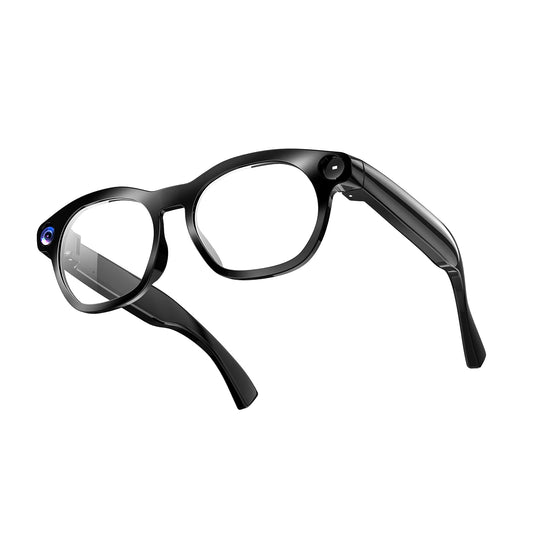
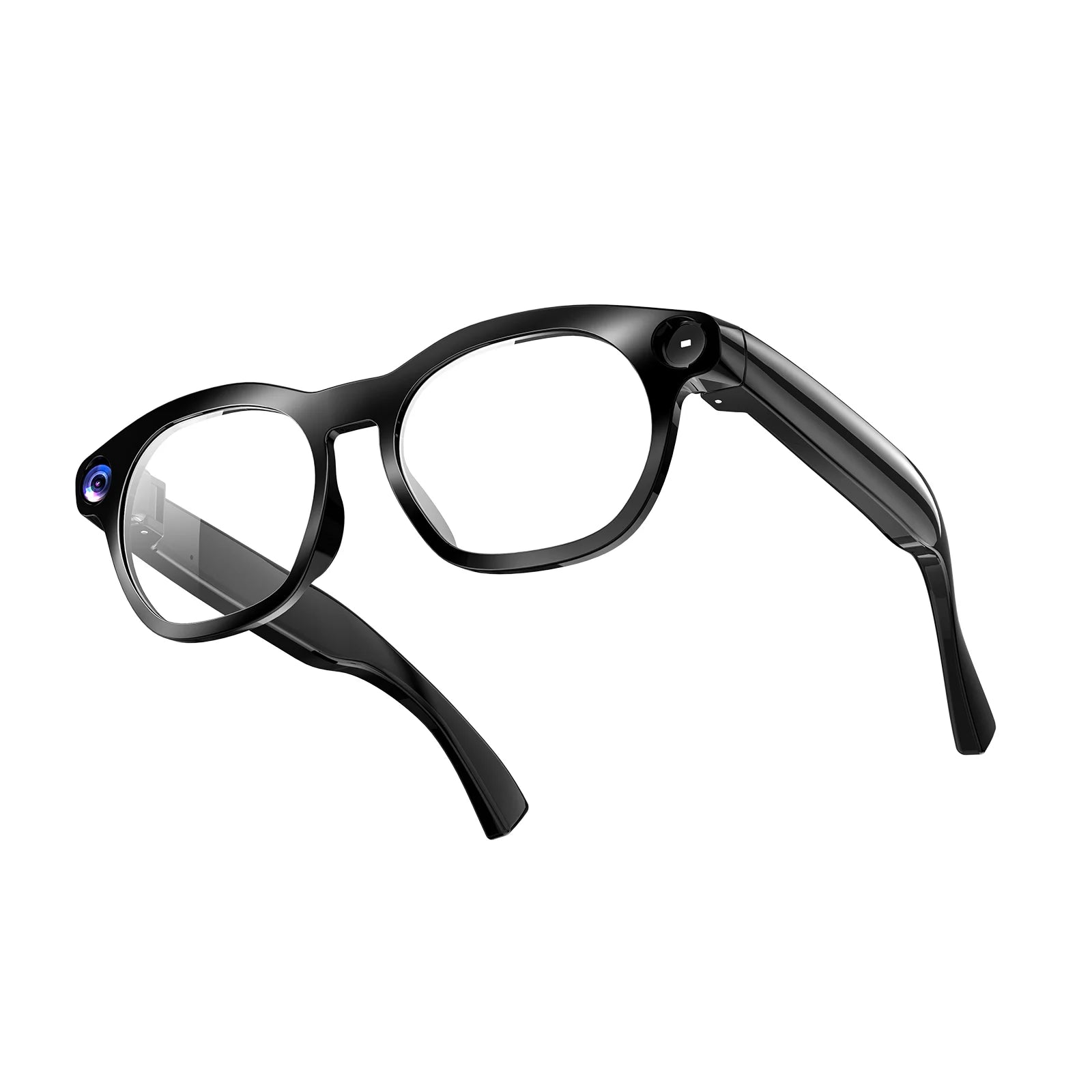
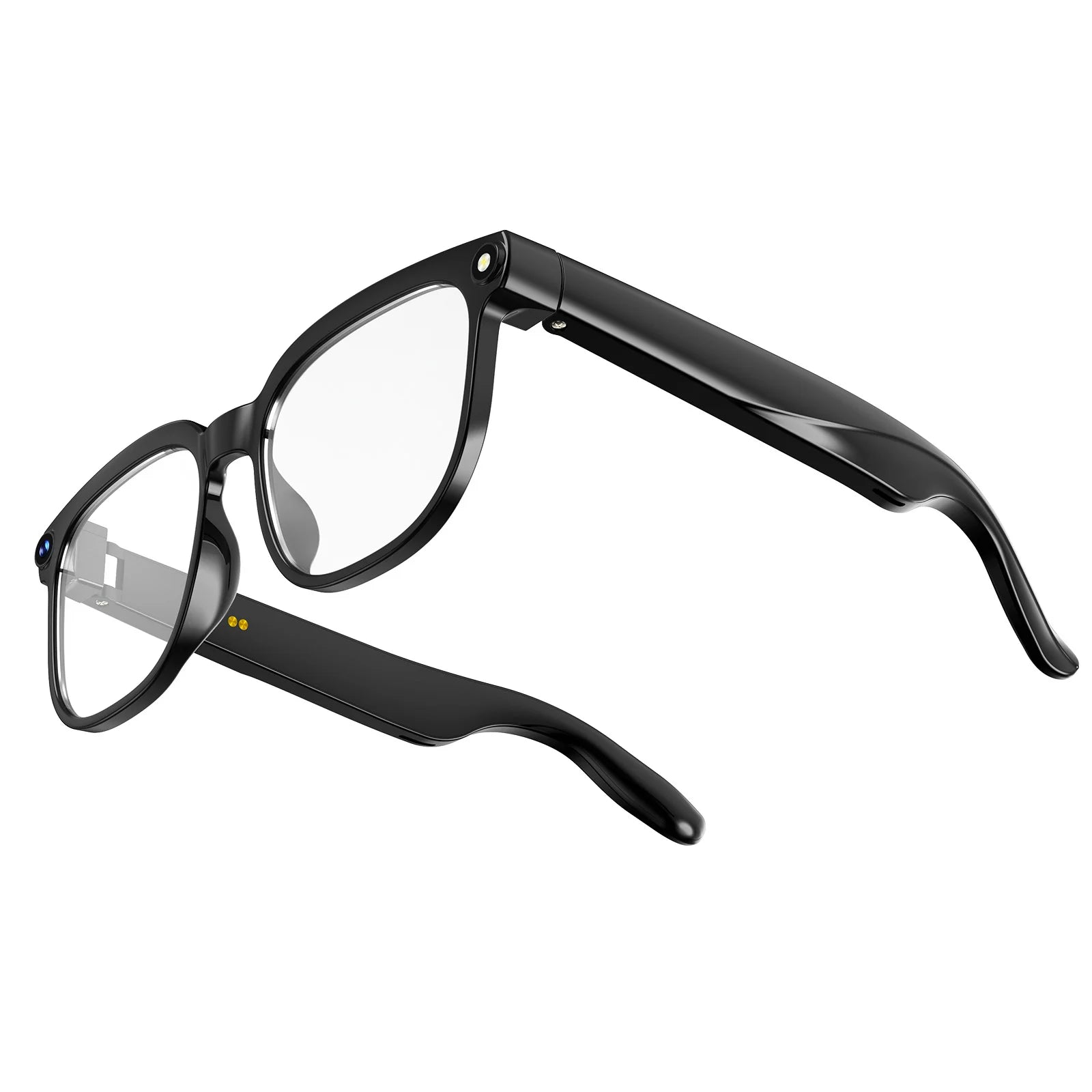
Para comprender completamente cómo funcionan las gafas inteligentes, hay que observar la anatomía interna de las monturas. Las gafas tradicionales consisten únicamente en bisagras, monturas de acetato o metal y lentes ópticas estáticas. En contraste, las gafas inteligentes incorporan una placa lógica miniaturizada, micro-altavoces, micrófonos duales con cancelación de ruido, sensores táctiles capacitivos y una fuente de energía, todo ello intrincadamente alojado dentro de las patillas de las gafas.
El principio fundamental que rige cómo funcionan las gafas inteligentes es la miniaturización del hardware. Las patillas de las gafas actúan como la placa base. Cuando se desliza el dedo por el lateral de la montura, los sensores táctiles capacitivos registran el gesto y envían una señal al microprocesador interno. Este procesador luego traduce el gesto en una acción, como contestar una llamada telefónica, saltar una canción o, en el caso de modelos avanzados, alterar el tinte de las lentes. Recomendamos visualizar la montura no solo como un soporte estructural para las lentes, sino como una computadora vestible y descentralizada que se comunica continuamente con su teléfono inteligente a través de protocolos inalámbricos.
2. Lentes Electrocrómicas vs. Fotocromáticas: El Enfoque Superior

Cuando los clientes nos preguntan cómo funcionan las gafas inteligentes en relación con el control de la luz ambiental, debemos establecer una estricta distinción entre las lentes fotocromáticas pasivas y la tecnología electrocrómica activa. Las lentes de transición estándar (fotocromáticas) se basan en una reacción química a la luz ultravioleta (UV). Cuando se exponen al sol, las moléculas cambian de forma y oscurecen la lente. Sin embargo, esta tecnología pasiva es fundamentalmente defectuosa para los viajeros modernos. Debido a que las lentes de transición estándar requieren luz UV para activarse, fallan dentro de los automóviles, ya que los parabrisas automotrices modernos bloquean casi toda la radiación UV. Además, reaccionan lentamente a los cambios de temperatura, a menudo dejando al usuario cegado mientras espera que se produzca la reacción química.
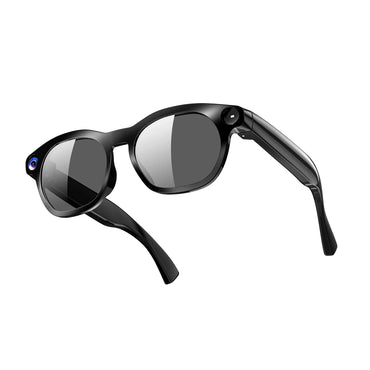
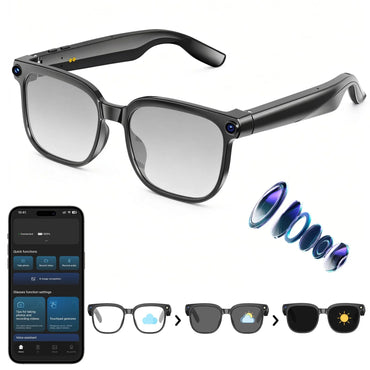
Esto nos lleva al revolucionario control de tinte ajustable que se encuentra en las Osawalla GG06. ¿Cómo funcionan las gafas inteligentes electrocrómicas? Las lentes electrocrómicas contienen una capa microscópica de material electroóptico especializado intercalada entre dos capas conductoras de vidrio o policarbonato. Cuando el usuario desliza o toca la montura, el microprocesador aplica un diminuto y preciso voltaje eléctrico a través de esta capa. Este voltaje altera instantáneamente las propiedades de transmisión de luz del material.
Según nuestra experiencia, este oscurecimiento electrónico instantáneo es la mejora definitiva para los entusiastas de la tecnología. Permite que las Osawalla GG06 cambien de claro a oscuro en solo 0,5 segundos. Ya no está esperando una reacción UV; tiene control total al alcance de su mano. Puede alternar manualmente entre 4 niveles de brillo al instante. Ya sea que desee una oscuridad total para el sol del mediodía o claridad para interiores, la forma en que funcionan estas gafas inteligentes garantiza una comodidad visual inmediata y protección contra el deslumbramiento. Lo más importante es que, debido a que la activación es electrónica y no depende de los rayos UV, las gafas de sol electrónicas Osawalla funcionan perfectamente dentro de automóviles, túneles y oficinas, resolviendo por completo la frustración asociada con las lentes pasivas.
3. Arquitectura de Audio e Integración Bluetooth 5.4
Un componente importante para comprender cómo funcionan las gafas inteligentes implica su ingeniería acústica. En lugar de utilizar auriculares que bloquean el ruido ambiental y crean riesgos de seguridad, las gafas inteligentes premium emplean un diseño de audio de oído abierto. Los micro-altavoces están inclinados con precisión hacia el canal auditivo del usuario. Esta tecnología de audio direccional garantiza que el usuario escuche un sonido nítido mientras permanece completamente consciente de su entorno, una característica crítica para conducir, correr o andar en bicicleta.
La columna vertebral de la conectividad de cómo funcionan las gafas inteligentes en 2026 se basa en los últimos protocolos Bluetooth 5.4. Las Osawalla GG06 cuentan con conectividad Bluetooth estable incorporada que admite llamadas manos libres claras y una reproducción de música fluida. Bluetooth 5.4 ofrece una latencia significativamente reducida, una estabilidad de señal mejorada en entornos urbanos concurridos y un consumo de energía optimizado. Esto le permite tener las manos libres mientras conduce, viaja o realiza tareas diarias, garantizando seguridad y comodidad en todo momento.
4. Inteligencia Artificial y Traducción en Tiempo Real
La integración de la Inteligencia Artificial representa la próxima frontera en cómo funcionan las gafas inteligentes. A través de la conexión Bluetooth a su teléfono inteligente, las gafas actúan como un conducto perfecto para potentes aplicaciones de IA. Los micrófonos duales capturan el lenguaje hablado, lo procesan a través del motor de traducción de IA del teléfono inteligente e instantáneamente envían el audio traducido a través de los altavoces de oído abierto.
Recomendamos las Osawalla GG06 para viajeros internacionales específicamente por esta capacidad de traducción con IA. Comprender cómo funcionan las gafas inteligentes en un entorno transcultural demuestra su valor más allá de la simple reproducción de audio. Las gafas funcionan eficazmente como un intérprete en tiempo real y manos libres, lo que permite un contacto visual natural y una conversación sin obstáculos durante reuniones de negocios globales o viajes de vacaciones.
5. Gestión de Energía e Ingeniería Ergonómica
Por muy impresionante que sea la tecnología interna, si las monturas son pesadas o requieren recargas constantes, la experiencia del usuario falla. Un aspecto crítico de cómo funcionan las gafas inteligentes de manera eficiente es la gestión avanzada de la energía y la ciencia de los materiales.
Las Osawalla GG06 están construidas con una montura de TR90. El TR90 es un material termoplástico increíblemente duradero, flexible y excepcionalmente ligero. Esta elección de ingeniería da como resultado una montura ultraligera de 39 g equipada con patillas antideslizantes de silicona. Es agradable para la piel, antideslizante y cómoda para usar todo el día. En cuanto a la energía, las microbaterías de litio de alta densidad proporcionan un notable tiempo de espera de 40 horas y 4 horas de reproducción de música continua. Cuando se agotan, la interfaz de carga magnética personalizada permite una carga rápida de 1,5 horas, lo que garantiza que sus gafas estén listas para conducir, practicar deportes, viajar y usar a diario con un tiempo de inactividad mínimo.
6. Las Osawalla GG06: Definiendo el Estándar de 2026
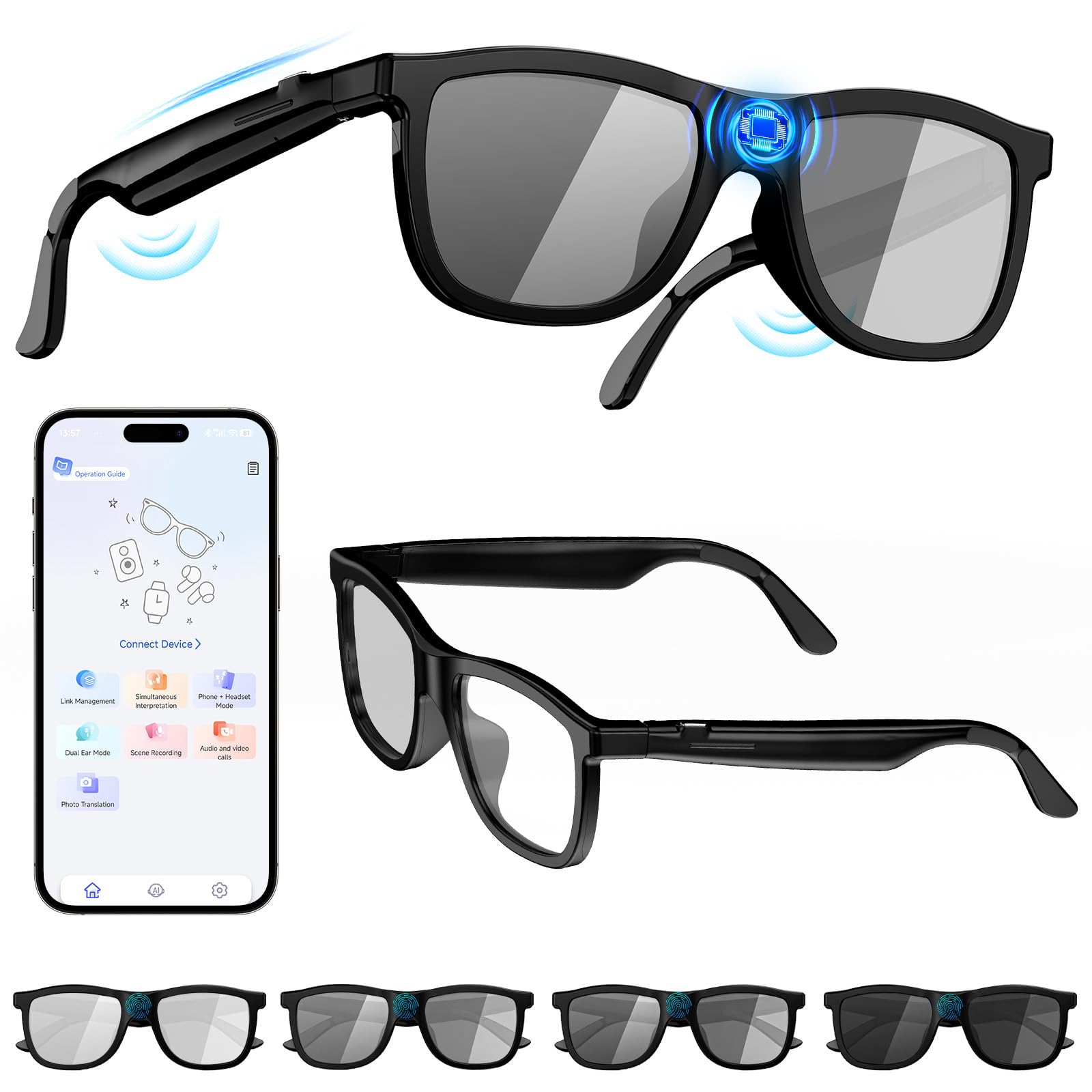
Las Gafas de Audio Inteligentes Osawalla GG06 representan la cúspide de la tecnología vestible actual. Al combinar lentes electrocrómicas, Bluetooth 5.4 de oído abierto y traducción con IA en un elegante chasis de 39 g, hemos redefinido cómo funcionan las gafas inteligentes para el consumidor moderno. No son solo una herramienta óptica; son un gadget tecnológico premium. Las recomendamos encarecidamente como un regalo tecnológico ideal para hombres y mujeres, permitiendo que familiares y amigos experimenten la última innovación en tintes electrocrómicos y IA. Son el regalo premium perfecto para cumpleaños u ocasiones especiales para sorprender a los amantes de la tecnología que aprecian la ingeniería funcional y de vanguardia.
7. Tabla Resumen: La Arquitectura de las Gafas Inteligentes
Para proporcionar una visión técnica clara de cómo funcionan las gafas inteligentes, hemos compilado la siguiente tabla resumen que compara los sistemas activos avanzados de las Osawalla GG06 con las gafas pasivas tradicionales.
| Característica / Tecnología | Gafas Tradicionales / Pasivas | Gafas Inteligentes Osawalla GG06 | Beneficio Operacional |
|---|---|---|---|
| Mecanismo de Tinte de Lentes | Fotocromático Pasivo (Reactivo a UV) | Electrocrómico Activo (Control de Voltaje) | El usuario controla la oscuridad exacta; funciona dentro de coches y detrás de ventanas. |
| Velocidad de Transición de Tinte | Lenta (Minutos dependiendo de la temperatura) | Oscurecimiento instantáneo electrónico (0,5 s) | Comodidad visual inmediata al entrar o salir de ambientes luminosos. |
| Sistema de Audio | Ninguno | Altavoces Direccionales de Oído Abierto | Mantiene la conciencia situacional mientras ofrece un audio claro manos libres. |
| Conectividad | Ninguna | Bluetooth 5.4 y Traducción con IA | Latencia ultrabaja para llamadas, música y traducción de idiomas en tiempo real. |
| Material y Peso de la Montura | Acetato o Metal Pesado | Montura ultraligera de TR90 de 39 g | Comodidad ergonómica durante todo el día con patillas antideslizantes de silicona. |
8. Preguntas Frecuentes (FAQs)
9. Referencias de la Industria
Para explorar más a fondo la ingeniería, la ciencia de los materiales y los estándares de telecomunicaciones que rigen cómo funcionan las gafas inteligentes, recomendamos revisar los siguientes recursos autorizados:


