

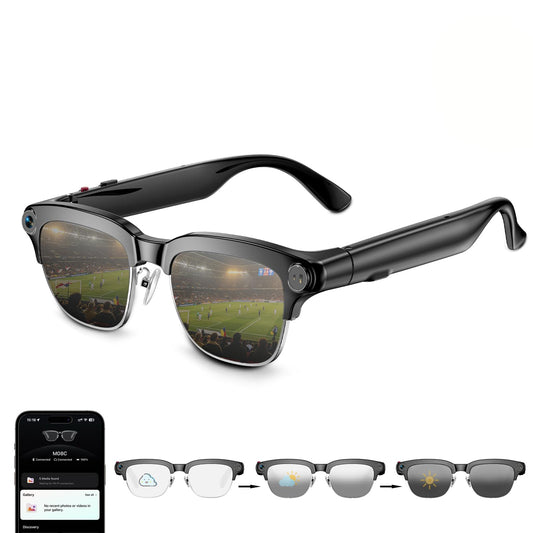
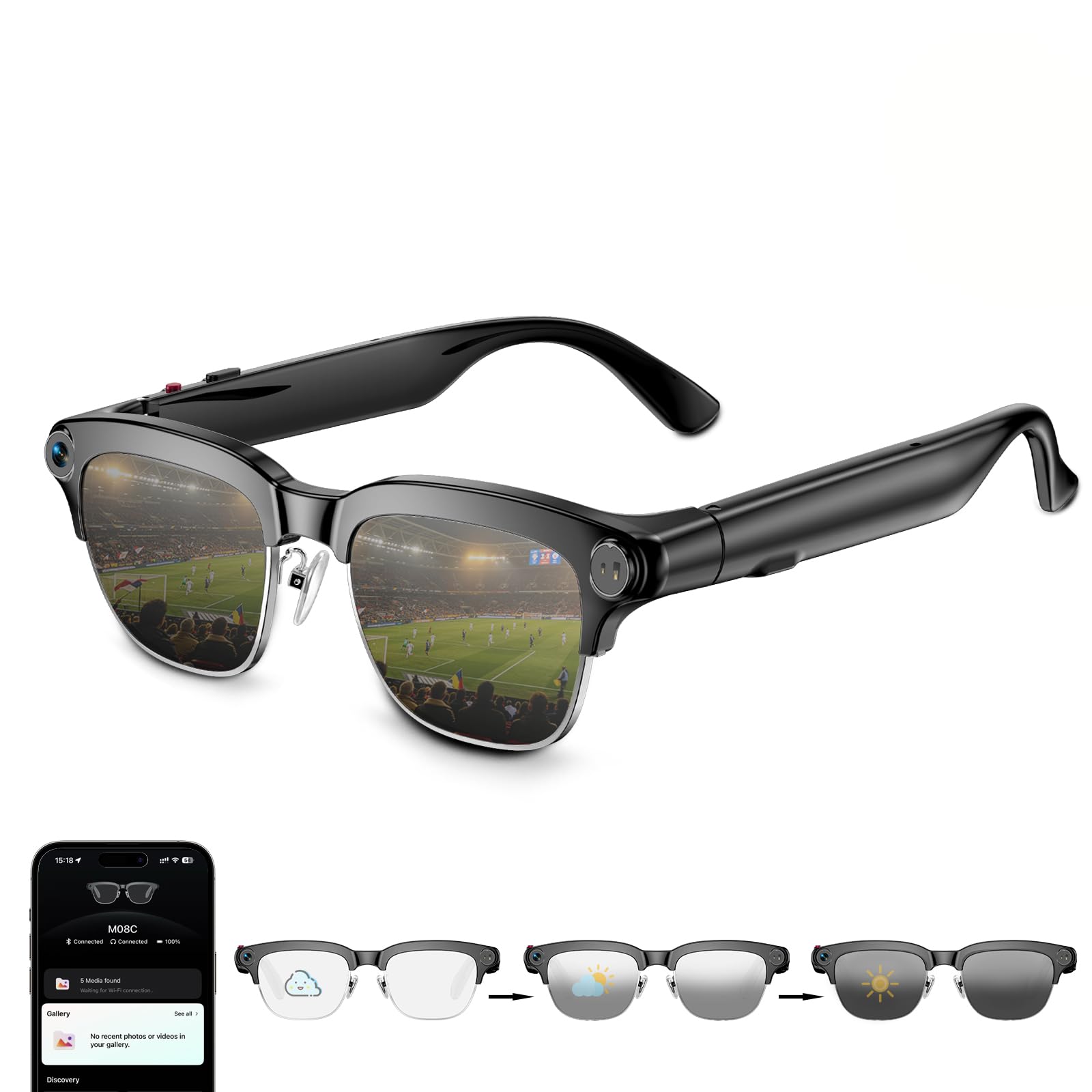
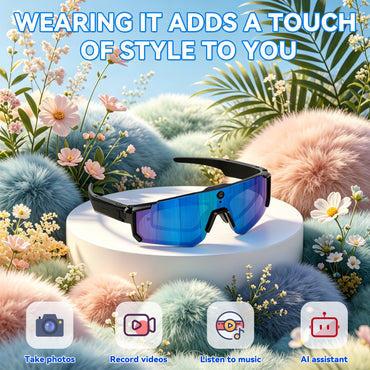
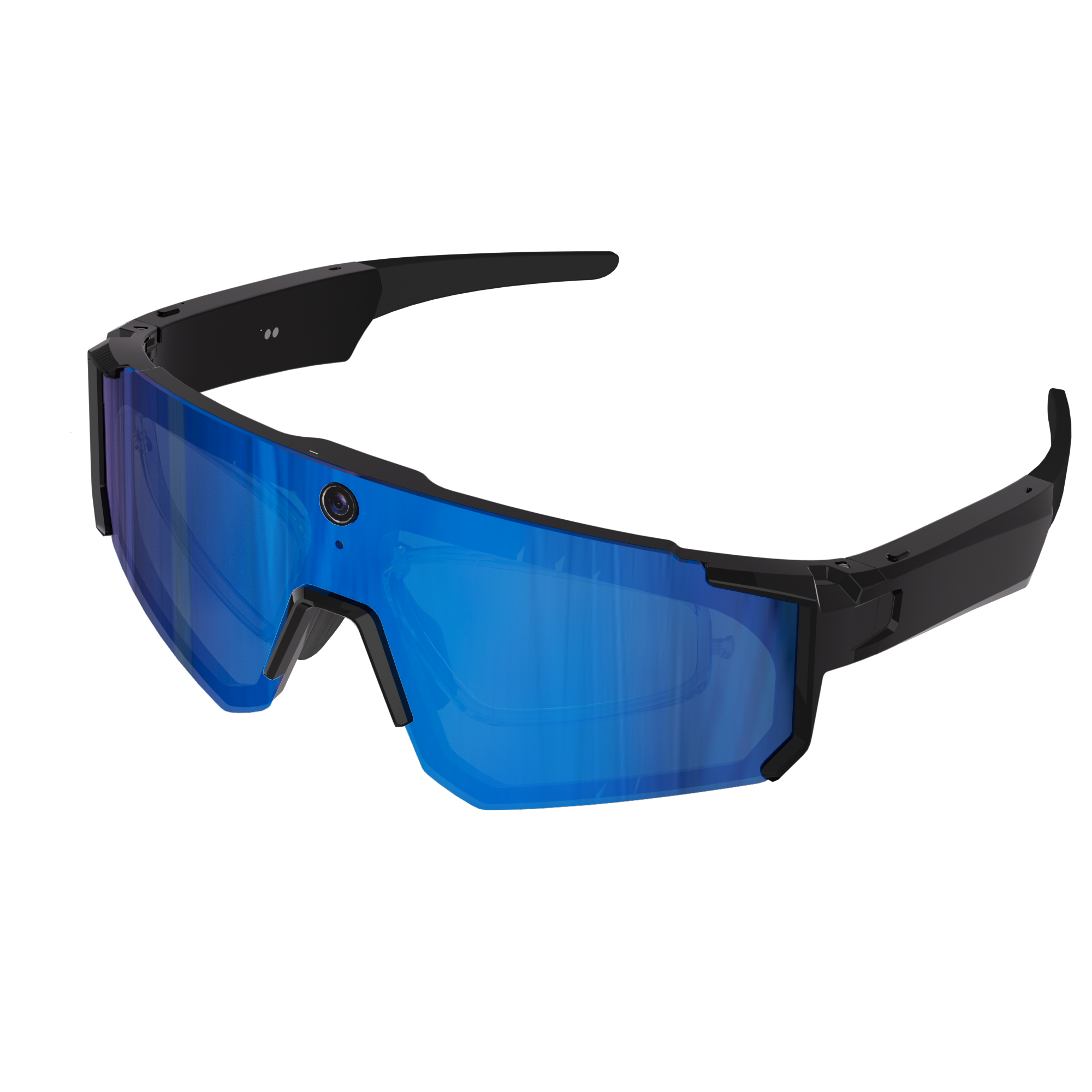
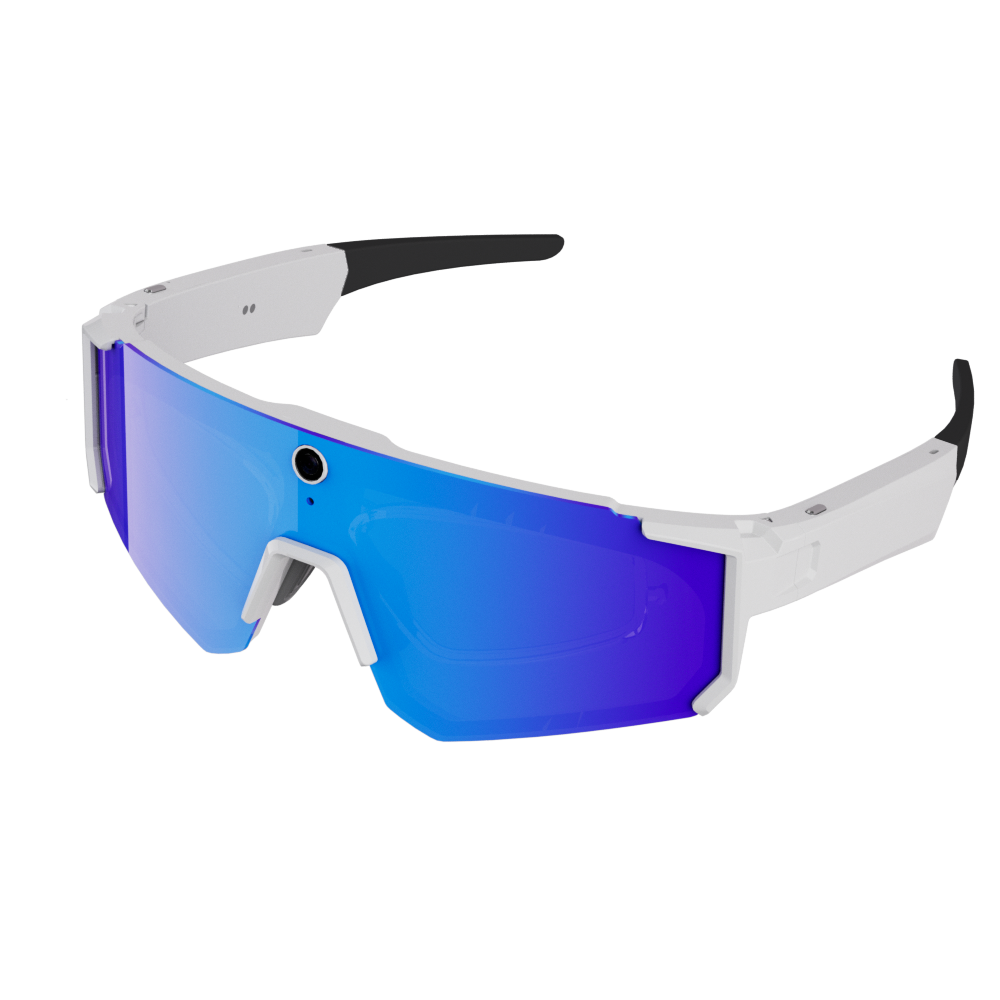
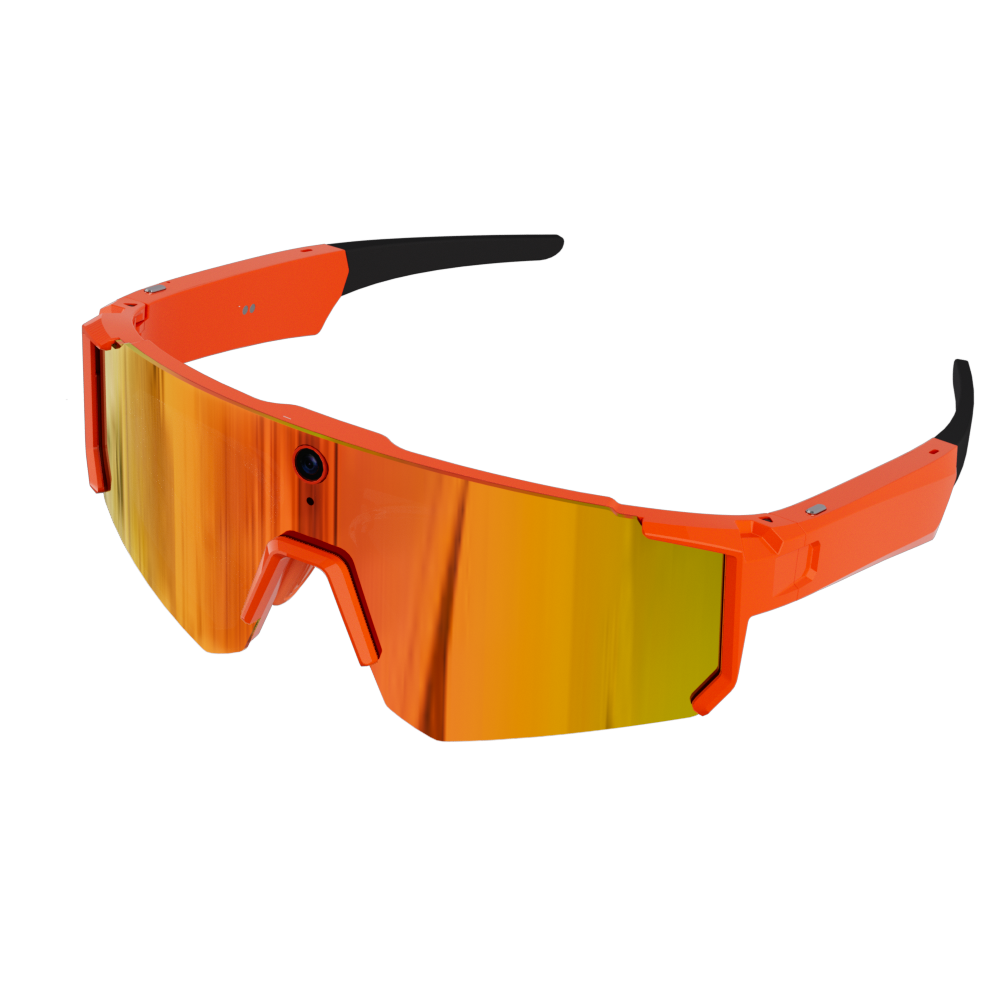
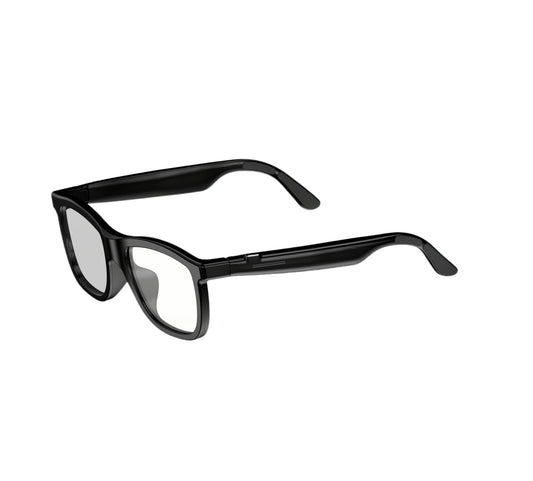
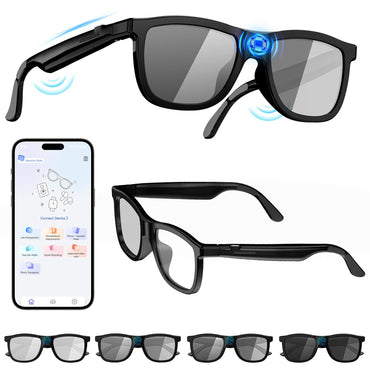
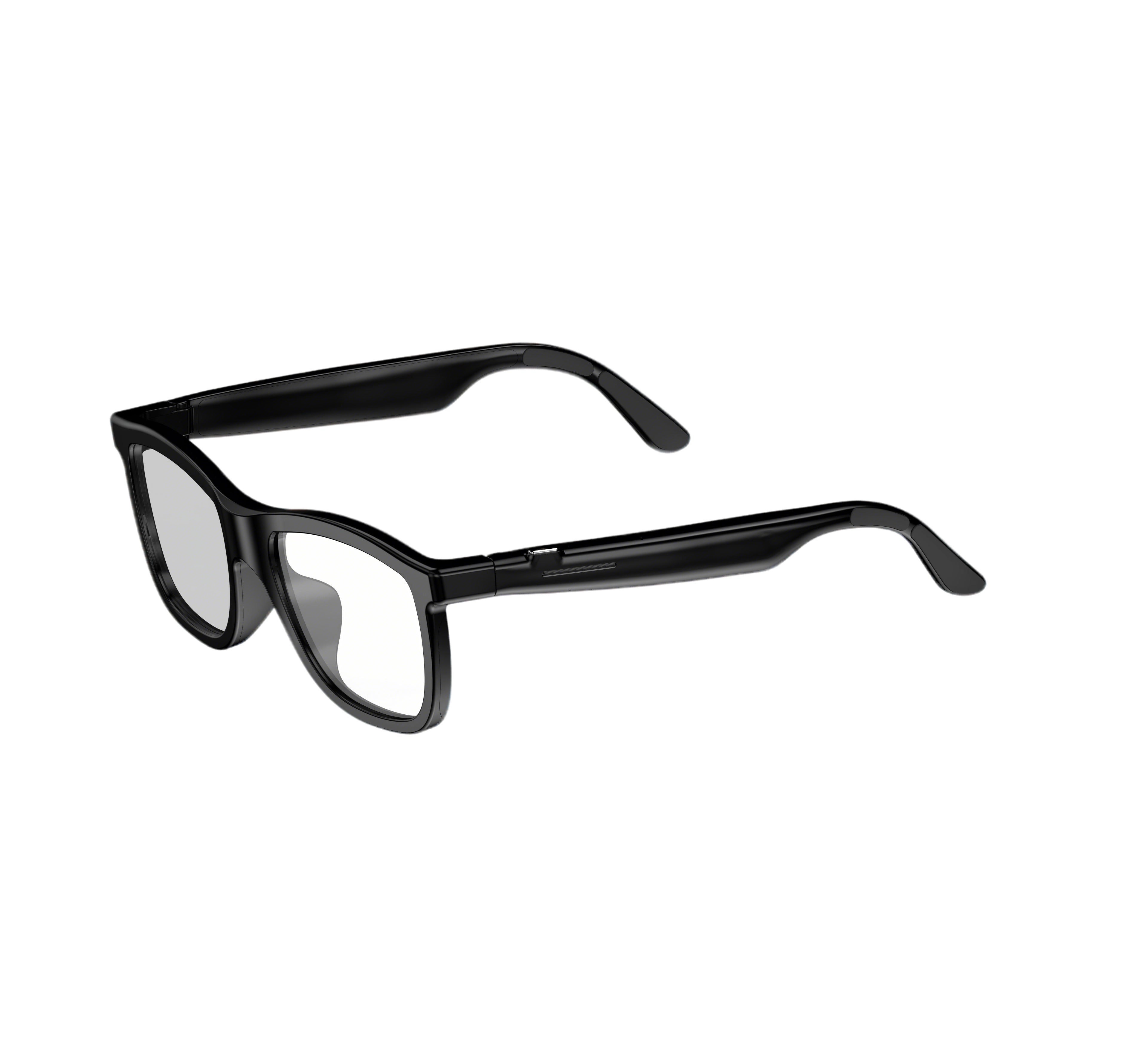
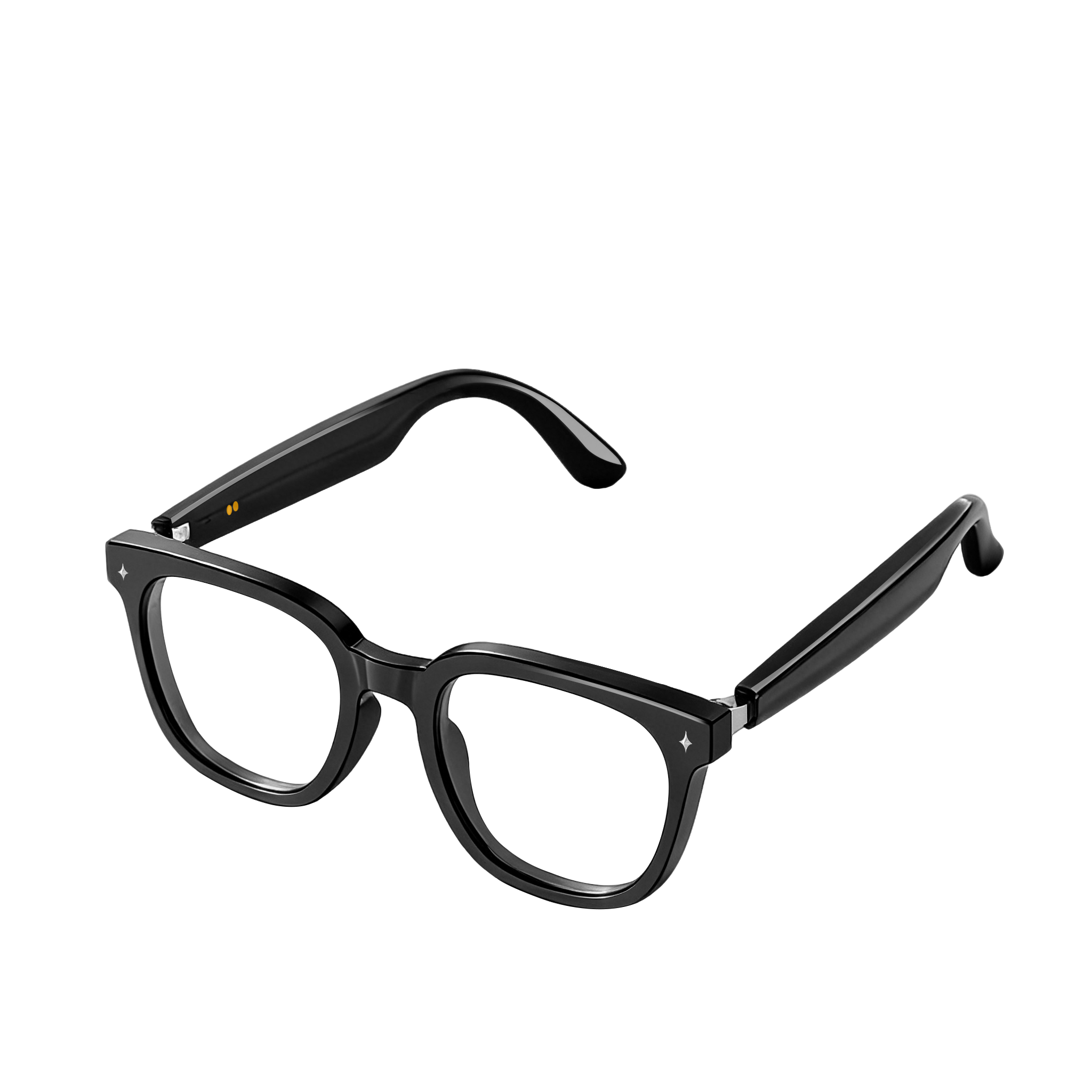
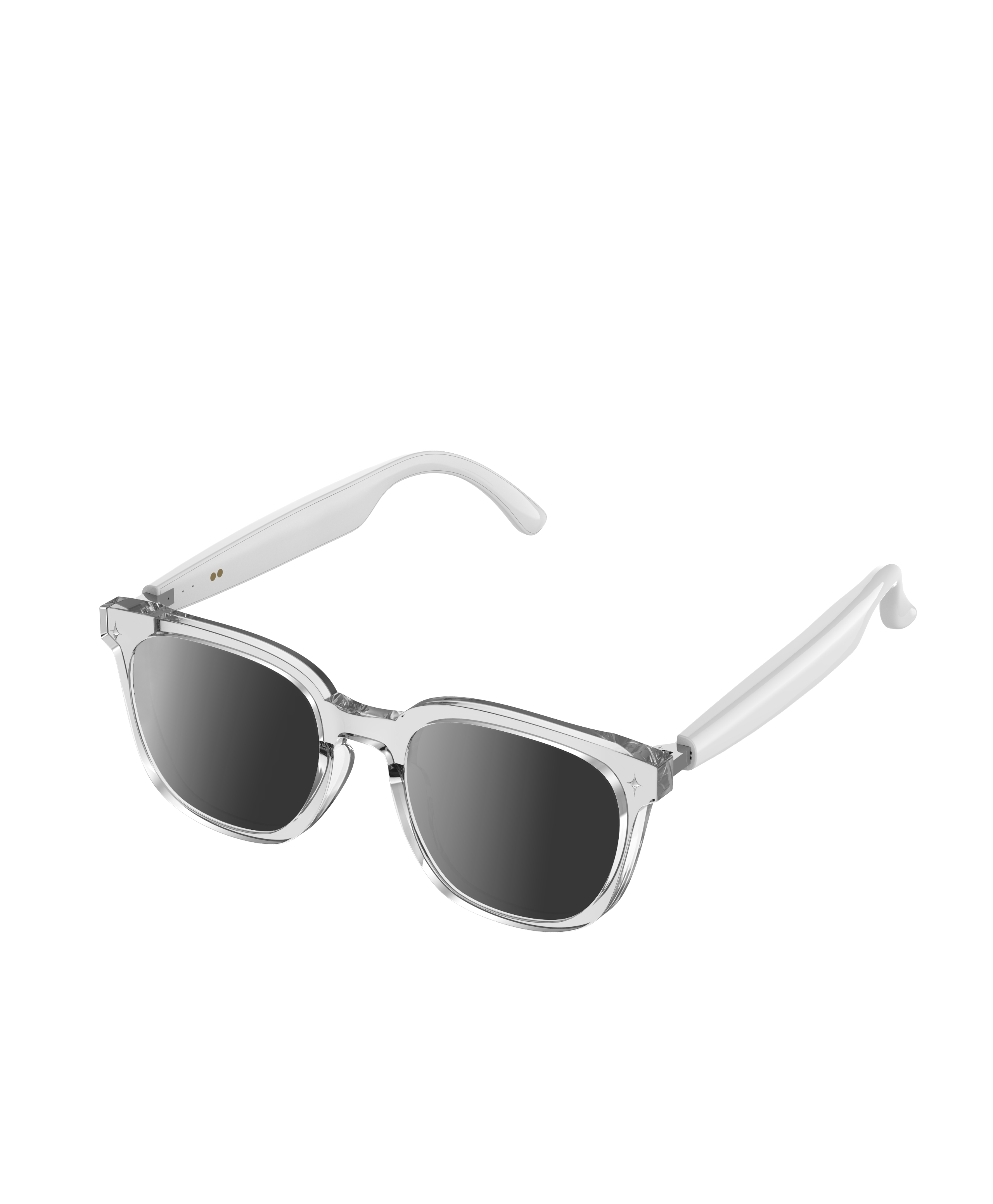
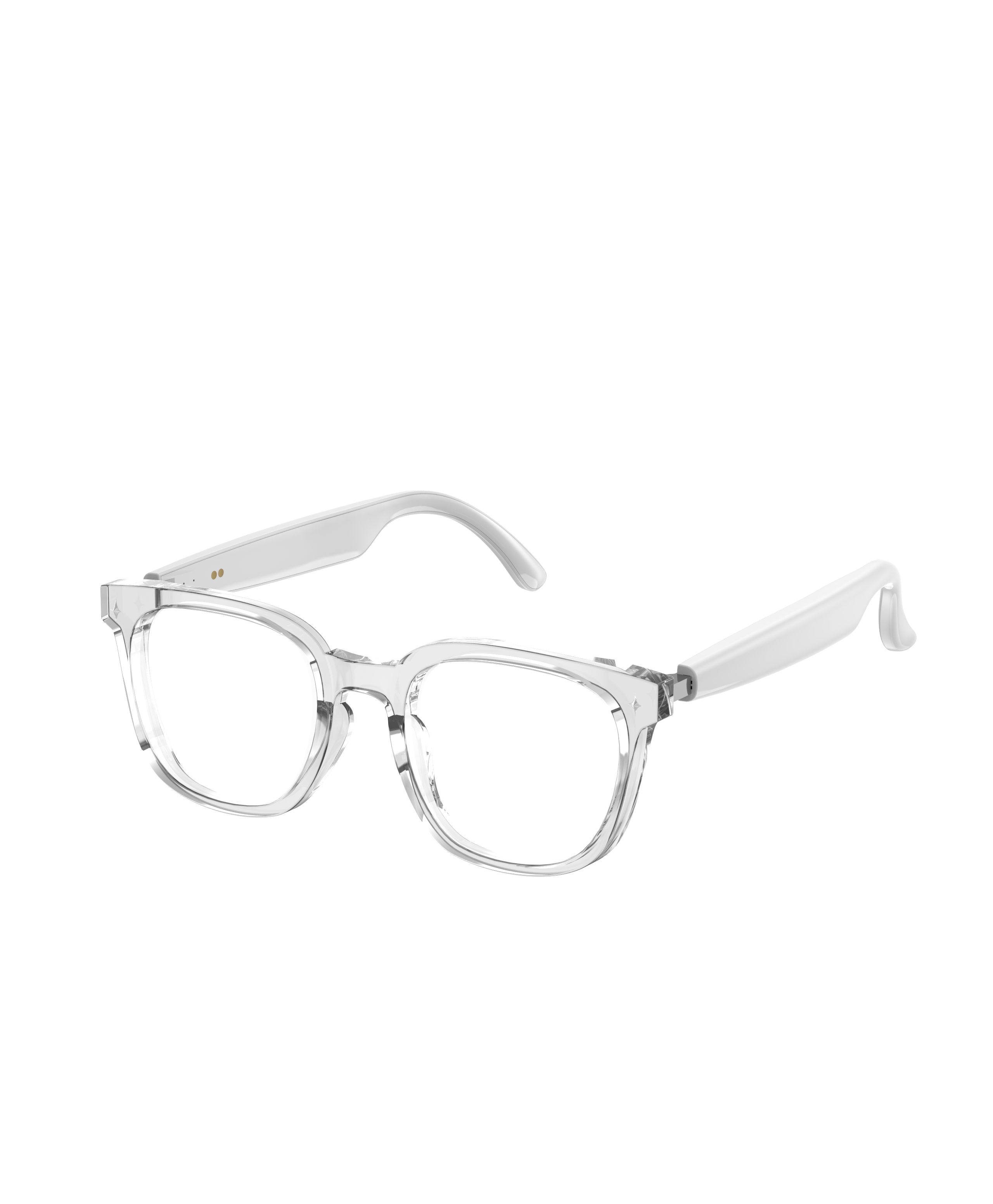






The paradigm of consumer computing has shifted from static desktop terminals and handheld glass smartphones toward contextual, eyes-up ambient technology. In 2026, artificial intelligence is no longer restricted to text boxes inside cloud-based browser tabs. Advanced multimodal neural networks have been integrated directly into everyday form factors. Among these, smart eyewear represents the primary bridge between digital intelligence and the physical world. By utilizing miniaturized cameras, low-latency directional audio arrays, and multi-sensor edge processing, modern intelligent eyewear understands the exact context of what the user sees and hears in real time.

At Osawalla, we operate at the center of this technological evolution. As a product-centric brand focusing on AI-powered smart wearables, we leverage advanced innovations in AI sensing technology to deliver professional-grade, cost-effective wearable products. Our continuous objective is to establish global benchmark standards in the AI wearables sector. From our experience, many early adopters evaluate the category through legacy frameworks, assuming smart eyewear requires heavy, battery-draining visual display projections to be genuinely functional. In reality, the industry has branched into highly effective audio-centric and glanceable-display solutions that manage complex contextual operations without bulk. This engineering review analyzes the eight primary tasks can current AI glasses handle across daily personal and professional workflows today.
- 1. Technical Overview: AI Eyewear Capabilities and Processing Specifications
- 2. The Physics of Multimodal Eyewear Sensing: Hardware Meets Large Language Models
- 3. Breakdown: 8 Technical Tasks Can Current AI Glasses Handle
- 4. Workflow Optimization: Sourcing for Active Lifestyles and Content Operations
- 5. Frequently Asked Questions (FAQs)
- 6. Academic, Industrial, and Regulatory AI Safety References
1. Technical Overview: AI Eyewear Capabilities and Processing Specifications
Before deploying an enterprise-wide wearable fleet or calculating hardware return on investment, engineering teams must evaluate physical execution limits. The summary table below catalogs how prominent tasks can current AI glasses handle across standard architectural configurations in 2026.
| Target AI Task Classification | Primary Sensor Input Used | Average Processing Latency | Data Connectivity Profile | Primary Operational Value |
|---|---|---|---|---|
| Visual Object and Sign Decoding | 12MP Ultra-Wide Camera | 800ms - 1.2s | Cloud LLM Processing Loop | Decodes unstructured real-world data instantly without a phone screen |
| Hands-Free Pedestrian Navigation | IMU Gyroscope + GPS Sync | Real-Time (Continuous) | Local Smartphone Companion Link | Delivers directional audio prompts matched to your exact gaze direction |
| Real-Time Audio Translation | Directional Five-Microphone Array | 500ms - 900ms | Edge-to-Cloud Translation Hub | Translates speech while matching the tone and pitch of the speaker |
| Hands-Free Image capture | 3K Ultra HD Camera Sensor | Instantaneous | On-Device Edge Capture | Captures point-of-view content while keeping hands free for safety |
| Cross-App Task Automation | Microphone + Voice Parsing | 1.5s - 2.5s | Background App API Integration | Executes multi-step app tasks like ordering pickup food via voice |
| Hands-Free Nutrition Tracking | Visual Camera + Weight Estimate | 1.0s - 1.8s | Multimodal Database Comparison | Logs food items and estimates macronutrients hands-free |
| Message Synthesis & Summarization | On-Device Local Storage | Under 400ms | Local Bluetooth Encryption Loop | Summarizes group chat missed alerts using privacy-safe local compute |
| Air-Gesture Text Composition | Neural Wristband Tracking / camera | Real-Time | Local Bluetooth HID Profile | Allows silent, invisible message typing by moving fingers in the air |
2. The Physics of Multimodal Eyewear Sensing: Hardware Meets Large Language Models
To successfully understand how the primary tasks can current AI glasses handle are executed, engineers must examine the underlying hardware-to-software orchestration. A piece of smart eyewear functions as a physical node in a larger distributed computing grid. The frame cannot house giant, high-wattage graphics processors due to strict thermal constraints; sitting against human temple bones limits the internal component heat dissipation to a safe maximum of 40°C.
From our experience, high-performance wearables solve this thermal bottleneck by operating a split-processing model. Local edge-computing micro-controllers process raw microphone noise cancellation, basic camera compression, and sensor calculations directly on the frame. The heavy artificial intelligence processing—such as parsing visual data through massive multimodal architectures like Llama 4 or Gemini 1.5 Pro—is shifted to your companion smartphone or a low-latency cloud server over Bluetooth and Wi-Fi. This split-processing layout enables the glasses to remain ultra-lightweight (often under 50 grams) while giving users access to deep contextual knowledge and advanced reasoning capabilities.
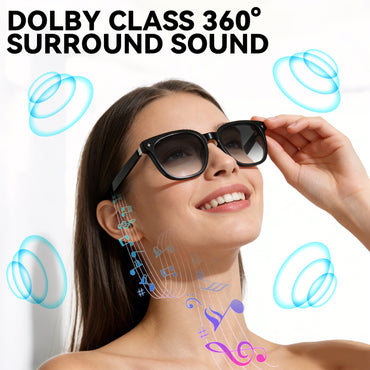
We recommend emphasizing that audio-centric smart glasses represent the most efficient design path for general enterprise and active consumer deployment today. While waveguide micro-projectors built directly into lenses are highly useful for specialized tasks like displaying text scripts or walking maps, they add significant hardware cost, weight, and battery drain. Standard audio-centric smart glasses achieve nearly identical contextual helpfulness simply by whispering real-time AI insights into your ear via hidden directional temple speakers, keeping the design looking clean and feeling comfortable for all-day wear.
3. Breakdown: 8 Technical Tasks Can Current AI Glasses Handle
Task 1: Real-Time Visual Object and Sign Decoding

Current generation hardware allows users to look at any unstructured physical object or text sign and ask questions about it immediately. By utilizing a quick voice trigger—such as "Hey Gemini, look at this"—the integrated camera captures a high-resolution snapshot of your field of view. The backend artificial intelligence decodes foreign transit schedules, translates complicated parking signs, or identifies unknown plant and mechanical parts instantly, delivering clear spoken summaries right to your ear without requiring you to pull out a smartphone.
Task 2: Context-Aware Gaze-Based Pedestrian Navigation

Traditional navigation software maps turn-by-turn steps purely on GPS coordinates, forcing you to look down at a blue dot on your phone screen while navigating busy crosswalks. Advanced smart glasses combine GPS tracking with internal gyroscope sensors to calculate exactly which direction your face is pointing. This allows the system to deliver highly natural, turn-by-turn audio directions matched to your perspective—such as whispering "Turn left right past the red brick building ahead"—keeping your head up and eyes focused on your surroundings.
Task 3: Real-Time Bidirectional Speech Translation
For cross-border business travelers, field engineers, and hospitality managers, communication borders are eliminated by real-time speech translation. Utilizing a directional five-microphone array embedded along the brow line, the glasses capture incoming foreign speech cleanly while filtering out chaotic ambient city noise. The system translates the sentences into your native language within milliseconds, using advanced voice generation models that match the original speaker's vocal pitch and tone to make conversations feel natural and fluid.
Task 4: Hands-Free Point-of-View High-Definition Media Capture
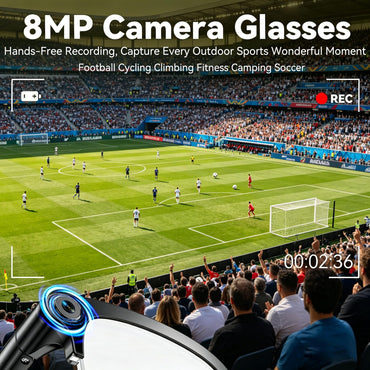
For content creators, safety inspectors, and outdoor adventurers, capturing spontaneous moments often requires fumbling with a handheld camera, which can take you out of the experience. AI glasses feature ultra-wide 12-megapixel lenses built seamlessly into the outer frame corners, allowing you to record 3K Ultra HD video from your exact point of view using a simple vocal command. This hands-free capture mode ensures you record crisp, realistic video while keeping your hands entirely free for tool operation or athletic safety.
Task 5: Multi-Step Background Application Automation
Moving past simple single-step voice actions like setting an alarm, modern smart glasses can coordinate complex, multi-step tasks across third-party mobile applications in the background. For example, an executive walking to a meeting can state, "Order my usual iced latte from the coffee shop down the street via DoorDash." The AI handles the entire app menu navigation, item selection, and basket preparation securely in the background, leaving the user with only a single, private tap on their phone screen to confirm the final transaction.
Task 6: Hands-Free Multimodal Nutrition Tracking
Tracking daily dietary intake traditionally demands manually looking up ingredients and typing individual portions into lifestyle apps. Modern smart eyewear automates this process through multimodal visual analysis. By looking at a meal plate and stating a prompt like "Hey Meta, log my lunch," the camera analyzes the food items, compares them with extensive portion databases, estimates macro-nutrient metrics, and logs the details directly to your health app hands-free, providing personalized wellness insights over time.
Task 7: On-Device Message Synthesis and Conversational Summarization
Managing high-volume corporate group chats and messaging threads while commuting can lead to massive notification fatigue. To solve this, smart glasses utilize private on-device edge processors to screen incoming text alerts. Instead of reading out fifty individual chat messages sequentially, you can ask a quick prompt like "Catch me up on my messages" to receive a concise, highly accurate group chat summary that highlights critical action items while keeping your data safe behind end-to-end encryption layers.
Task 8: Silent Air-Gesture Text Composition
To support silent messaging in quiet environments like libraries, business meetings, or mass transit trains, modern display glasses incorporate gesture-based virtual typing tools. By pairing the eyewear with a lightweight neural wristband accessory, the system tracks subtle wrist and finger movements with high precision. This allows users to type out full messages silently by writing in the air or tapping their fingers against their palm, translating physical gestures into clean text input inside major messaging apps seamlessly.
4. Workflow Optimization: Sourcing for Active Lifestyles and Content Operations
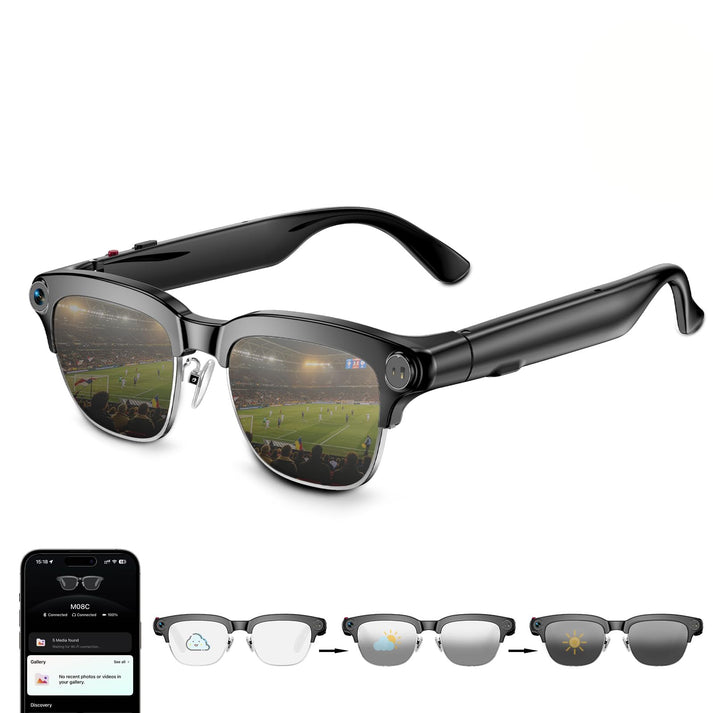
Integrating intelligent eyewear across your organization requires analyzing current hardware trends, picking robust frame builds for outdoor environments, and maximizing your operational return on investment.
For business teams looking to implement these wearable systems on the ground, staying updated on product rollouts is essential. Consulting our comprehensive technical market review on the top new smart glasses 2026 provides buyer teams with an objective breakdown of battery lifecycles and frame weights across leading manufacturers. For creative studios, safety firms, or real estate teams looking to evaluate camera quality and sensor stabilization benchmarks, reading our deep hardware analysis on the smart glasses with camera review details image quality and dynamic range performance under challenging field conditions.
| AI Wearable Hardware Grade | Average Battery Life Basis | Primary Target Application | Osawalla Sourcing Resource Link |
|---|---|---|---|
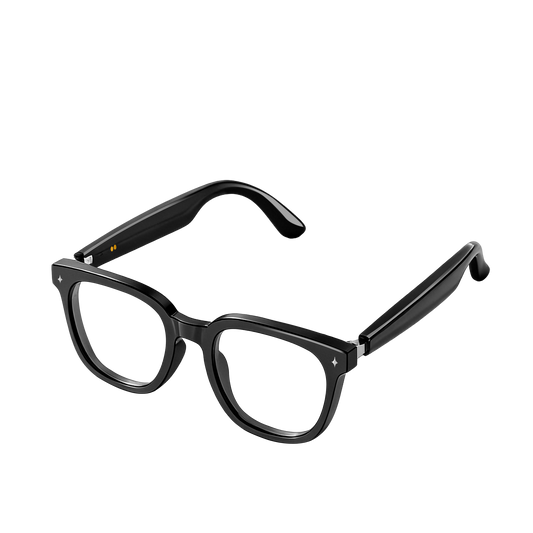
| Intelligent Audio Eyewear | 5 to 8 Hours Continuous Use | Hands-free office productivity, real-time translations, and business travel | Smart Glasses Applications 2026 |
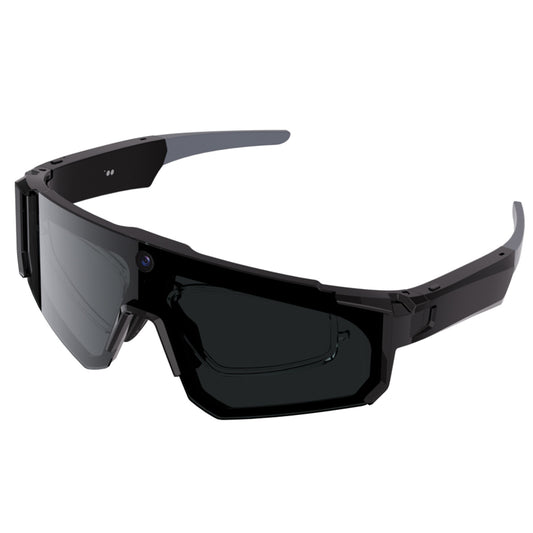
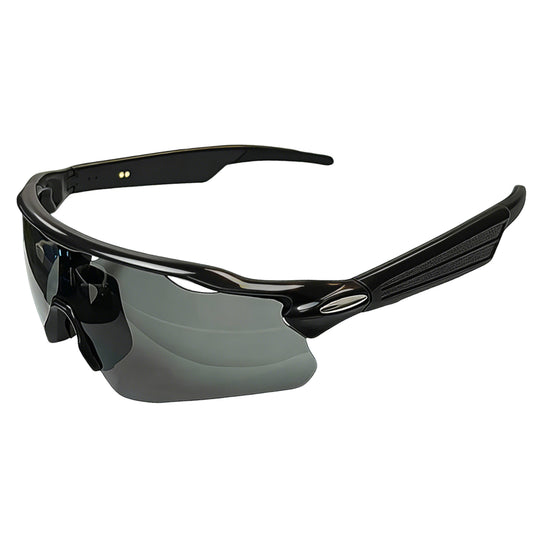
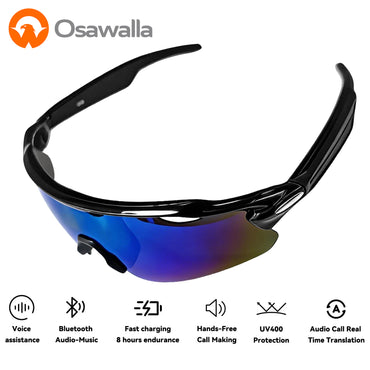
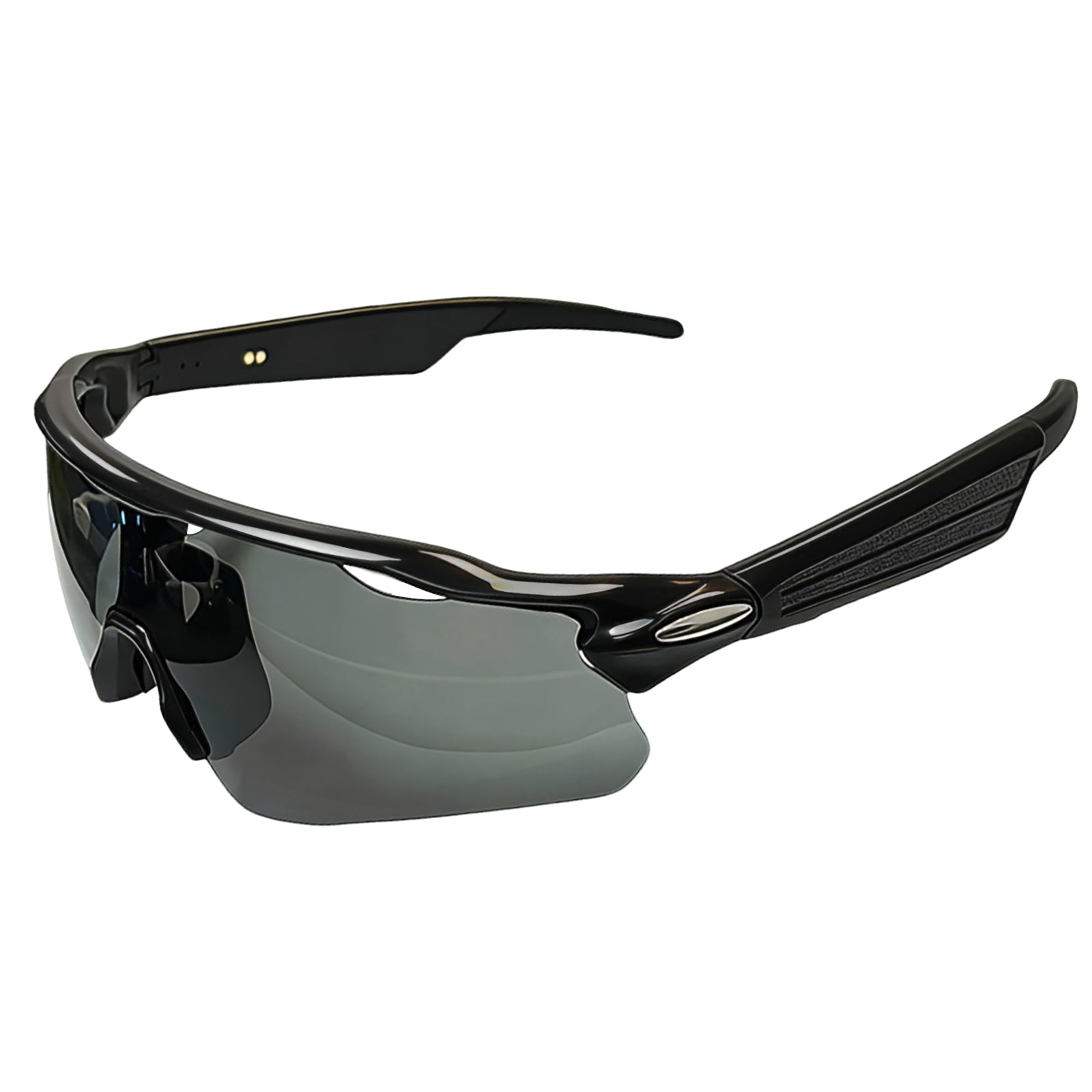
| Performance Sport Sunglasses | Extended High-Capacity Pack | Cycling tracking, high-speed movement, and active outdoor training | Best Smart Sunglasses with Camera |
Maximizing Productivity with Vision-Enhanced Wearables
Choosing the correct equipment grade requires matching the physical design of the frames with your user's specific daily environment. To review case studies across medical, warehouse logistics, and field repair networks, checking our industrial overview on smart glasses applications 2026 highlights how hands-free documentation cuts processing errors down dramatically. For users working in bright, high-glare environments or coordinating active field operations, tracking our performance review of the best smart sunglasses with camera options details robust frames engineered to handle intense movement safely.
For individuals wanting to maintain an active lifestyle while keeping access to real-time vision enhancement, browsing our specialized handbook on smart wearable glasses for active lifestyle options showcases comfortable, ergonomic frame designs fitted with adjustable nose pads and flexible hinges built for all-day security. Finally, for engineering teams planning multi-year infrastructure upgrades, our long-term research report on the future of smart glasses technology outlines coming shifts in solid-state batteries, advanced prescription integration, and context-aware predictive computing, helping your business secure a competitive edge in wearable innovation.
5. Frequently Asked Questions (FAQs)
6. Academic, Industrial, and Regulatory AI Safety References
For official wearable safety directives, radiofrequency exposure indexes, and multimodal artificial intelligence benchmarks, consult these authoritative organizations:
- Institute of Electrical and Electronics Engineers (IEEE). IEEE C95.1: Standard for Safety Levels with Respect to Human Exposure to Electric, Magnetic, and Electromagnetic Fields across Wearable form Factors. Piscataway, NJ.
- International Organization for Standardization. ISO/IEC 23053: Framework for Artificial Intelligence Systems Utilizing Multimodal Neural Network Ablation Architectures. Geneva, Switzerland.
- Federal Communications Commission (FCC). Specific Absorption Rate (SAR) Compliance Directives for Near-Body Communication and Bluetooth Wearable Devices. Washington, DC.


